Camper-van-camino Edition
⚡️ View the latest digest and the full archive here.
📐 My Goals ℹ️ Donations Page & Status 📸 MPP Status 🛍️Shop
🔗 Connect with me on: Bluesky / Instagram / Facebook / X / Tumblr / Flickr / Vimeo / Pixelfed / Pinterest / Flipboard/ Fediverse: @fotofacade@digest.andymarshall.co
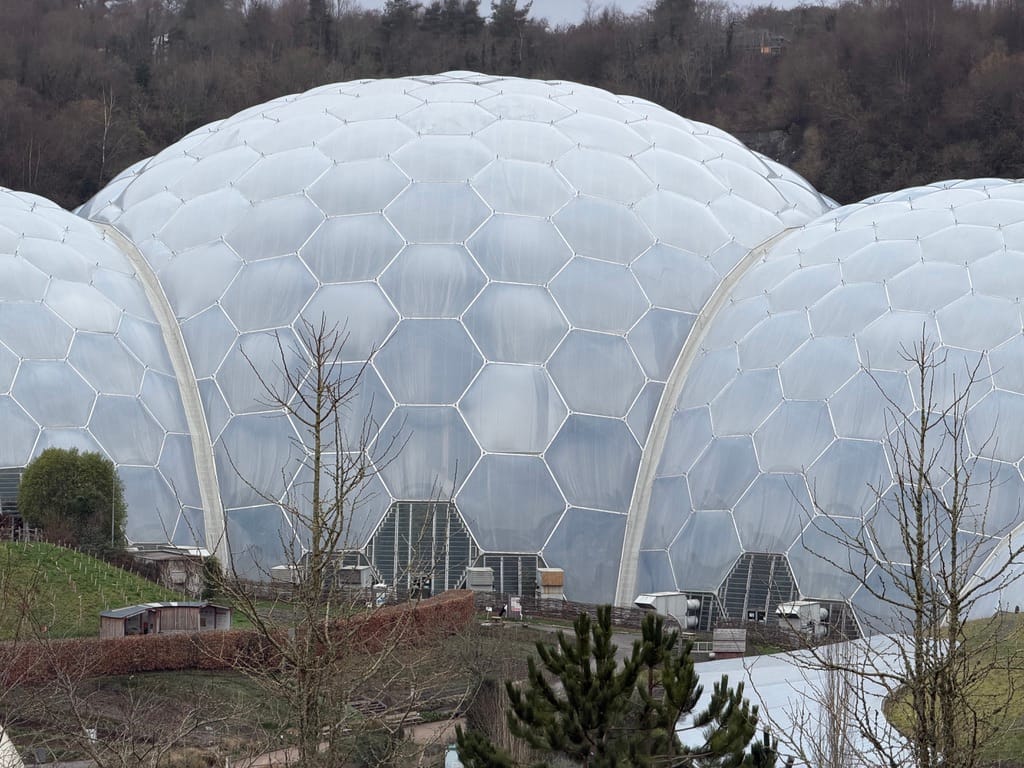
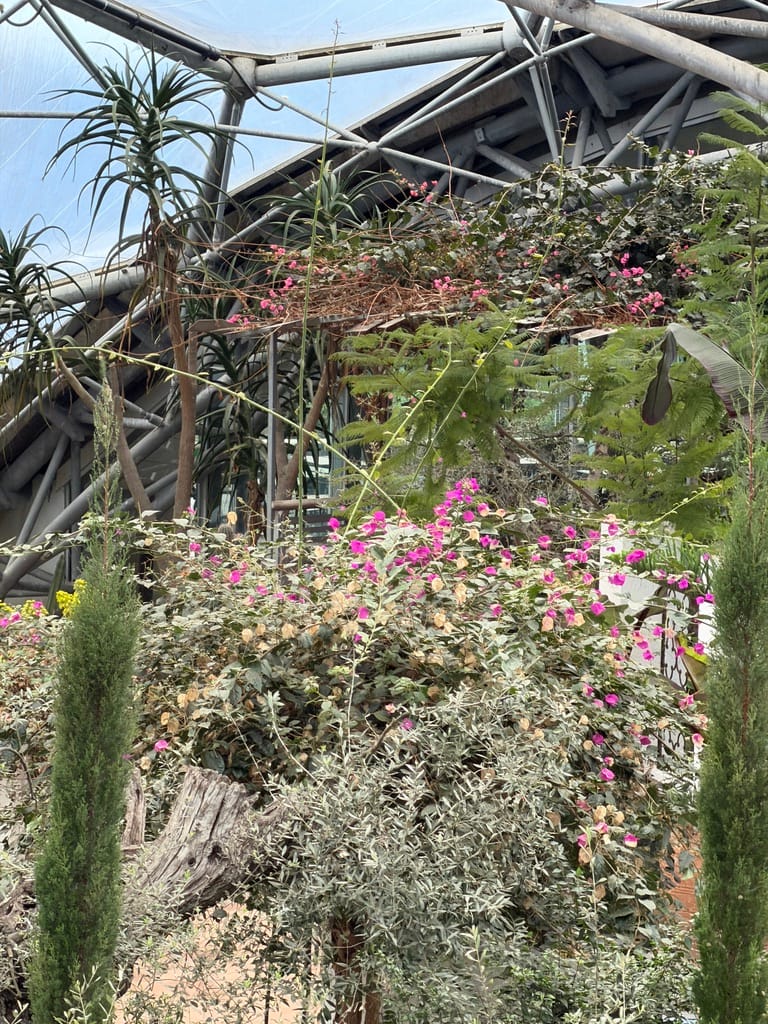
This is the end of a remarkable journey, one that has enriched me beyond compare. The final day was spent within the biomes of The Eden Project in Cornwall, and I’ve included it later in this digest - it was a remarkable experience.
I’ve always been struck by Robert Macfarlane’s challenge in his Landmarks book - that is not to ask what we know of our landscape, but what does it know of us? After ten days and over one thousand five hundred miles - from the frozen Highlands to the edge of Cornwall, from the sub-arctic to the temperate - I find myself trying to attempt an answer.
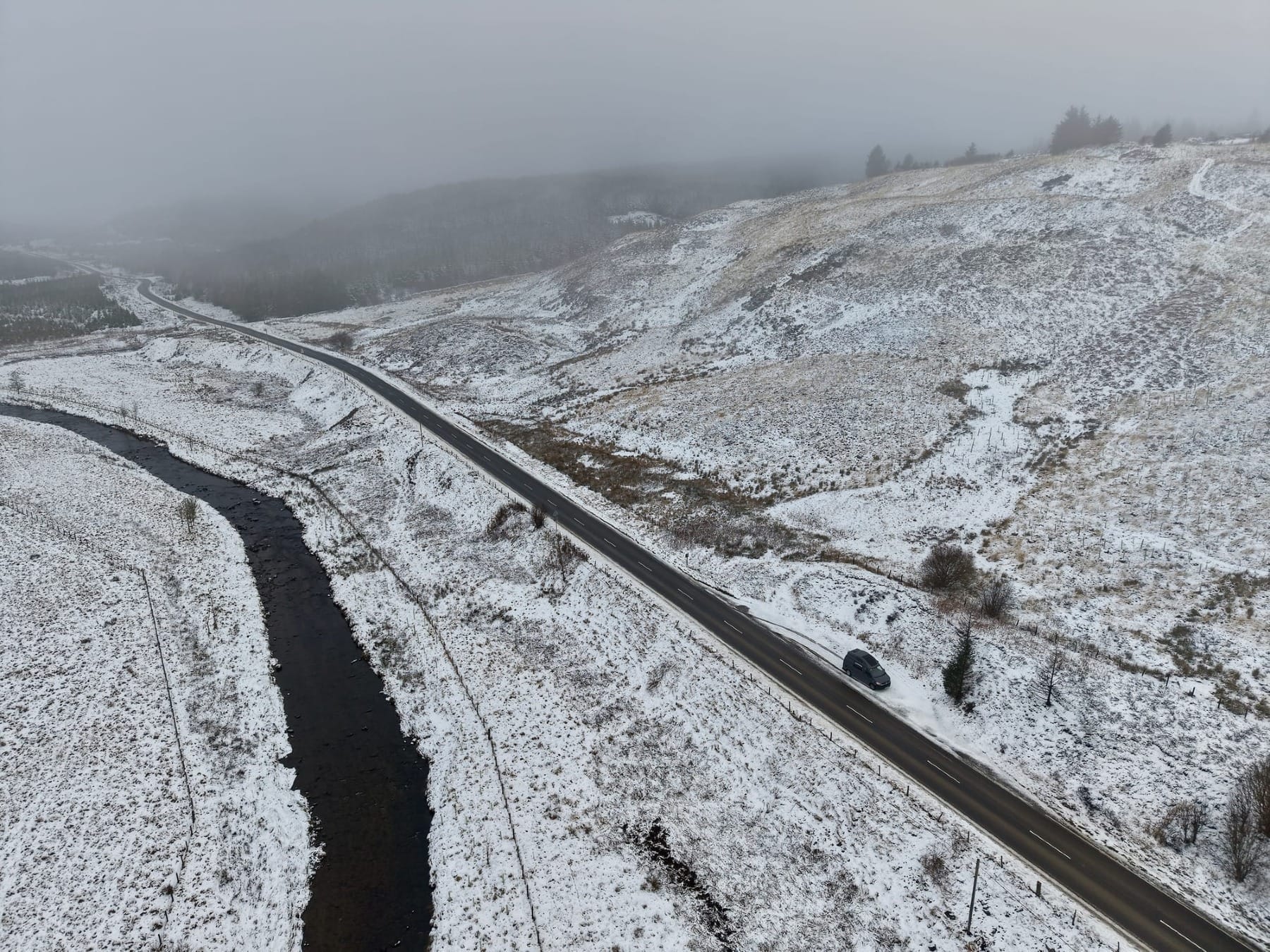
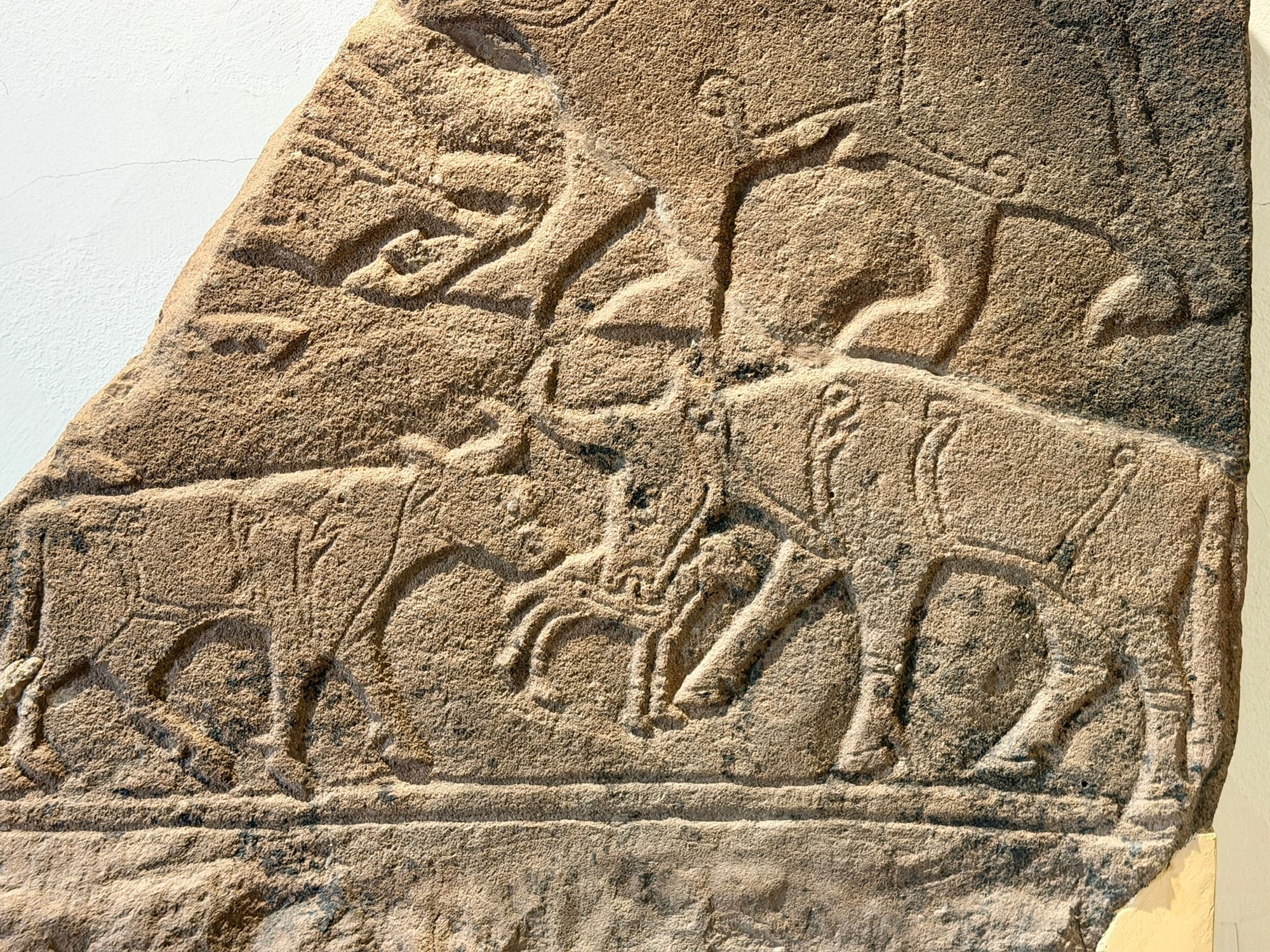
If Woody has been anything on this journey, he has been an archaeologist’s spade. We have cut a single incision through Britain - from frost-hardened Scottish soil to the softening light of the tapering South West - and what has been revealed is a cross-section of astonishing depth and variety. Pictish stone and Norman arch. Frozen loch and Mediterranean olive. An ancient monolith in a Borders kirk and a king beneath a car park. A single cut - and yet so rich that the mind boggles at the countless other routes I might have taken - the layers I have not yet exposed.
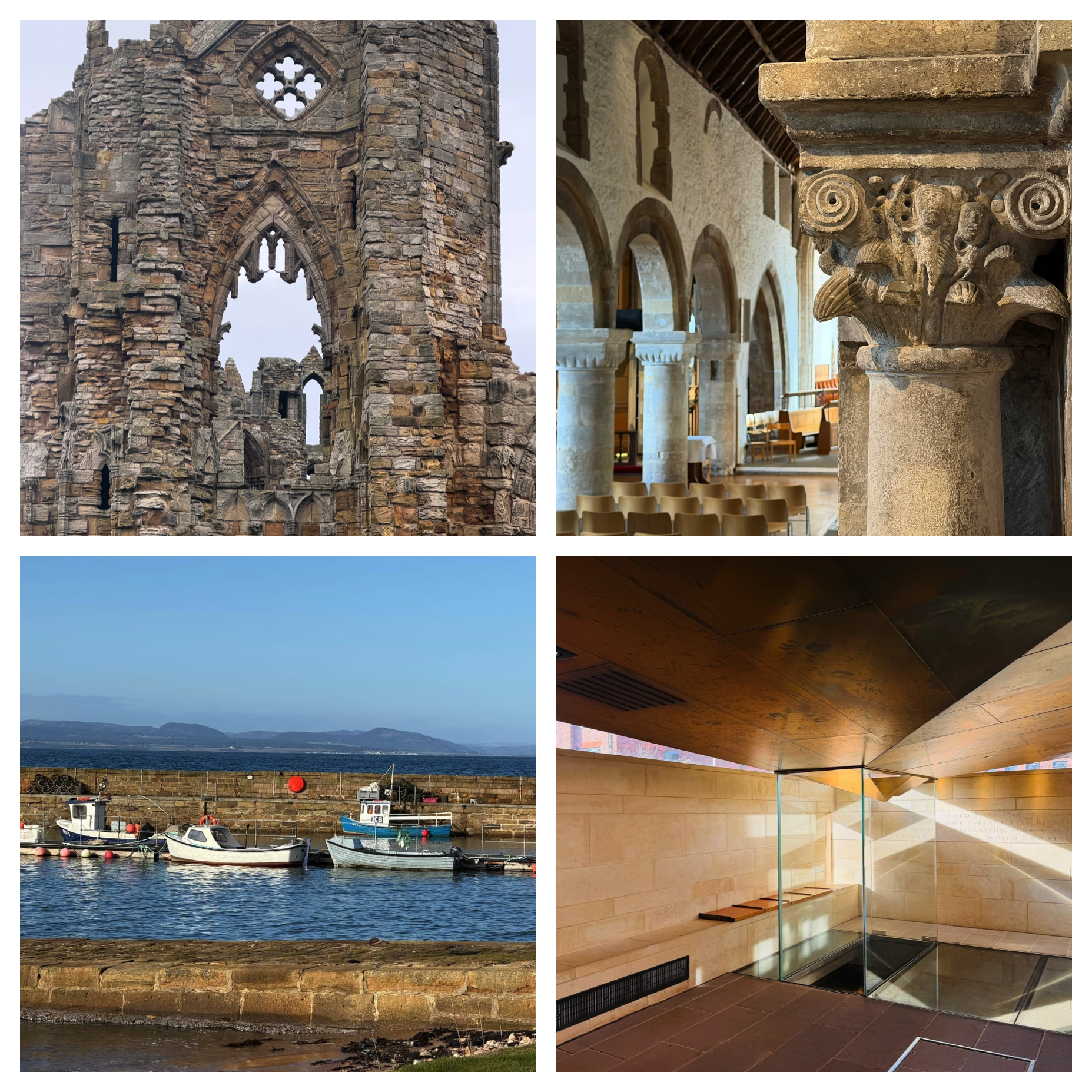
What does the landscape know of me after such a cut?
Across these miles I have sought continuity rather than spectacle - drawn instinctively to places where one age folds into another - where the Romanesque is enriched by the Roman - where Victorian stone shelters earlier memory - where modern intervention does not erase but converses, and where sapling shoots outlive the walls of empire.
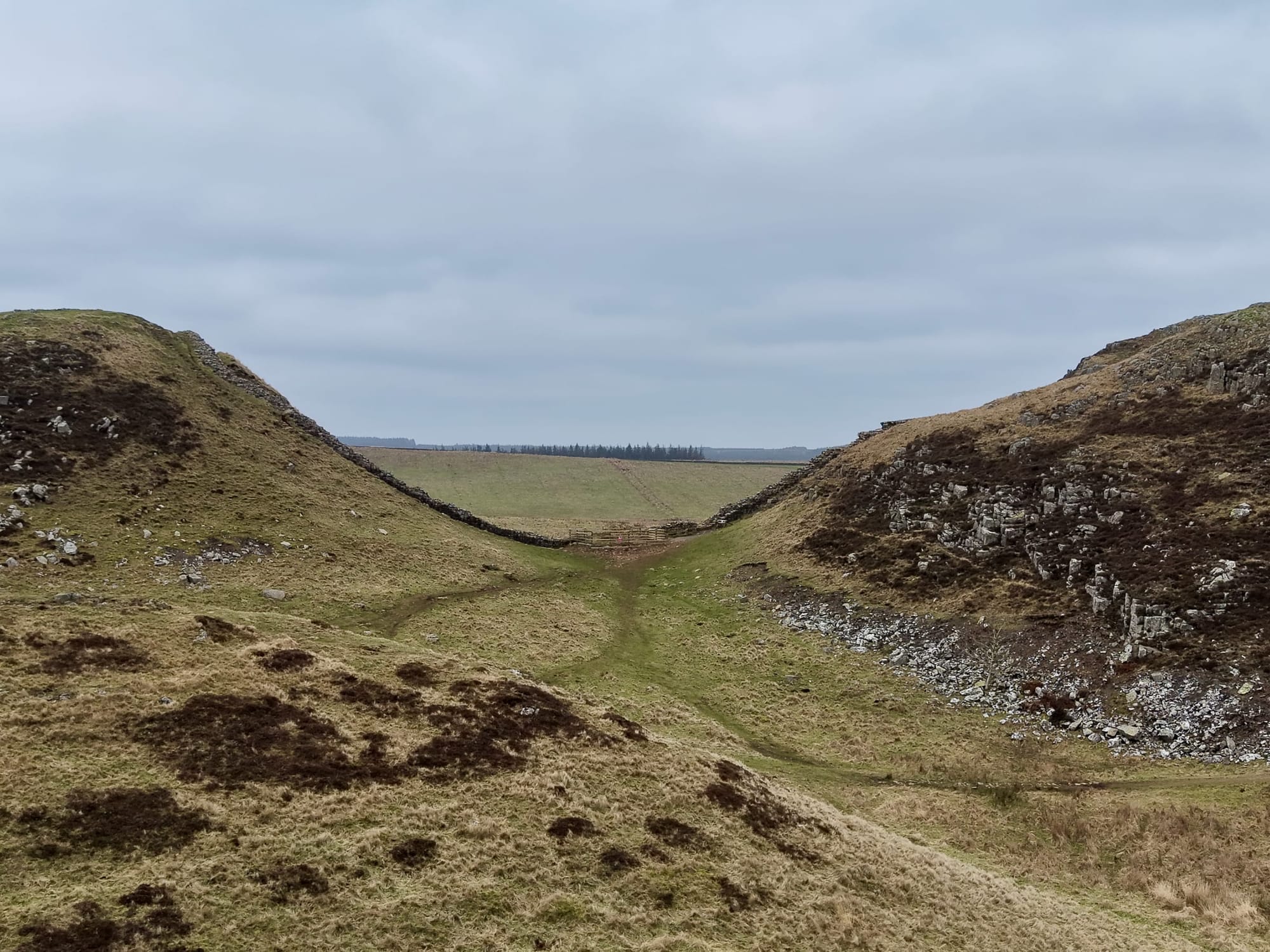
I am less interested in rupture than in relationship. Less drawn to the new for its own sake than to the way we carry forward what came before.
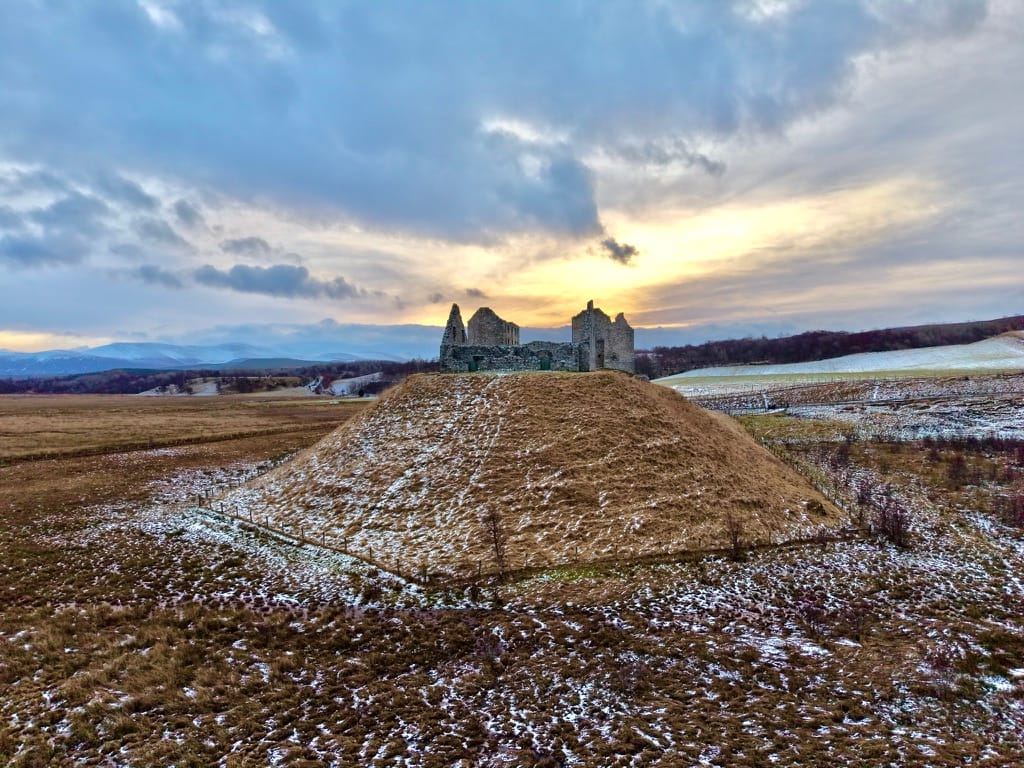
Our buildings and landscapes are places that have been shaped by the thrum of human endeavour so much that they are telling, revelatory, full of wisdom.
Britain has shown me that this is one of its remarkable strengths; it is not a land of singular identity, but of accumulation - difference held in proximity, Highlands and hedgerows, moorland and estuary, chapel and rainforest biome, each distinct yet stitched into a larger whole. Inclusivity not as slogan, but as archaeology, geology and ecology - layers resting upon layers made by deep currents of arrival and exchange.
I haven’t passed through these places in abstraction. I felt the gradient in my legs, the cold in my hands, the shadows as well as the light. It has been important to me that this pursuit of spring has been physical - that frozen lochs, steep climbs, damp pews and early starts are not inconveniences but part of the knowledge gained. We become our places through our bodies. We absorb them through temperature and fatigue and repetition. And they, in turn, shape our posture and pace.
The mycorrhizal networks I encountered in the Eden Project rainforest biome feel like a fitting metaphor for what Britain now knows of me. Beneath the forest floor, unseen filaments bind individual trees into community - carrying nutrients and warnings, sharing surplus, sustaining the vulnerable. I have sensed something similar beneath the surface of our historic places - a latent memory carried forward through the places and landscapes we encounter.
Edward Thomas has been with me in spirit, holding a similar perception that our ancient landscapes are as holy as our buildings.
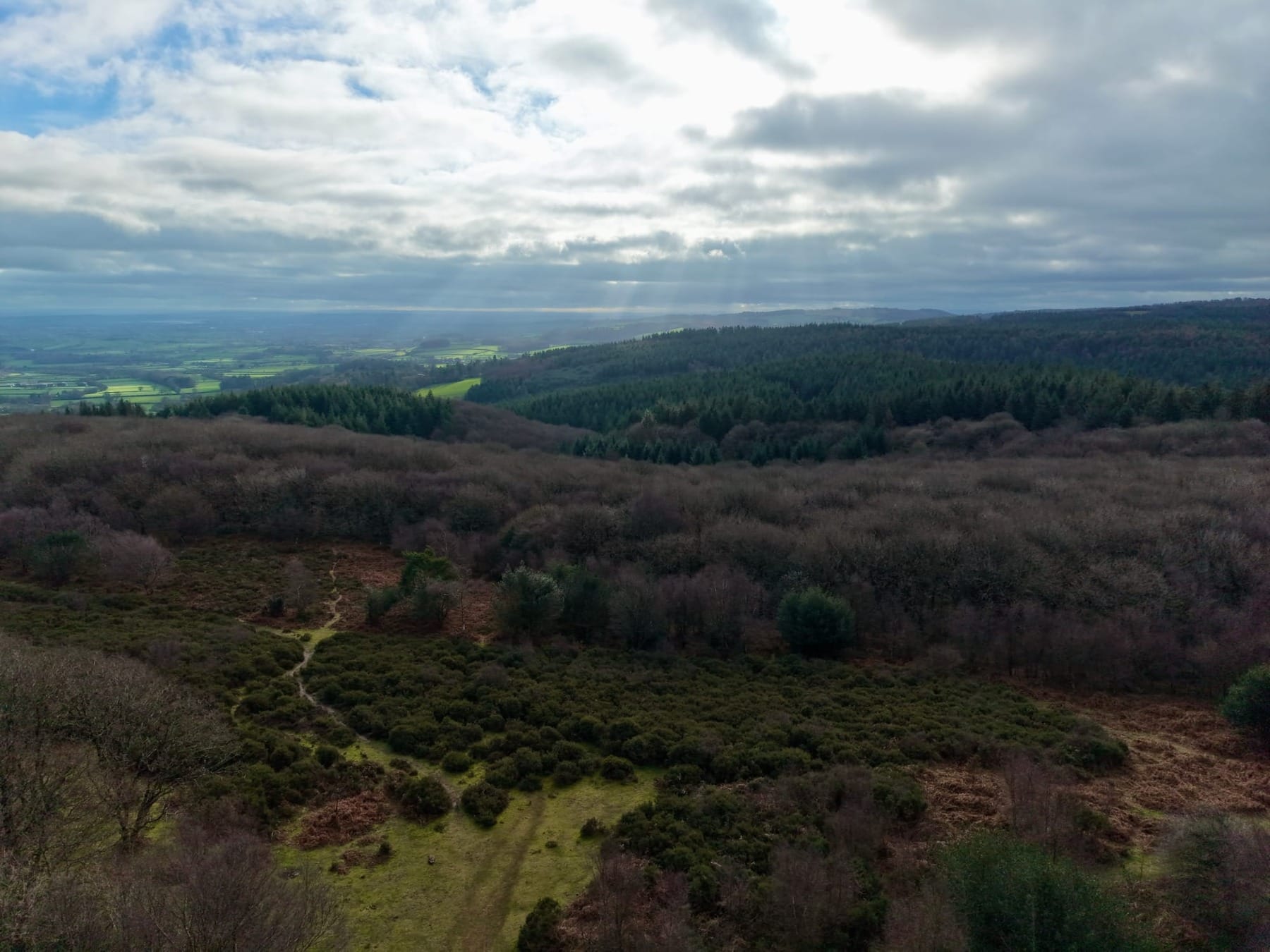
It was on the Quantock Moors that I crossed his path – and, while sitting in the van, tailgate lifted, I read R. S. Thomas’ (another Thomas) poem The Moor, where he likens the moor to a church:
It was like a church to me.
I entered it on soft foot,
Breath held like a cap in the hand.
It was quiet.
What God was there made himself felt,
Not listened to, in clean colours
That brought a moistening of the eye,
In movement of the wind over grass.
There were no prayers said. But stillness
Of the heart's passions – that was praise
Enough; and the mind's cession
Of its kingdom. I walked on,
Simple and poor, while the air crumbled
And broke on me generously as bread.
This journey has revealed that I trust those deeply rooted networks and am sustained by continuity more than by novelty.
It also knows that I love how we fold our brief lives into things that will outlast us - buildings, walls, carvings, gardens - and that in doing so our memory is carried onward. Not as monument to ego, but as contribution to the next layer. The ancient oak at Birnam is no different in principle from a medieval bench end or a Victorian arcade: growth articulated in form - time made visible.
From -8 degrees in Scotland to the heat beneath Eden’s domes, I have travelled not only across latitude but across scale.
So what does Britain know of me now?
It knows that I come looking for spring - not merely as season, but as possibility. That I am drawn to places where memory surfaces as succour. That I believe continuity is stronger than rupture. That I find hope in collaboration - whether fungal, architectural or human.
And perhaps most of all it knows that I do not wish simply to observe this island, but to belong to it - to become, in however small a way, another layer in its long conversation.
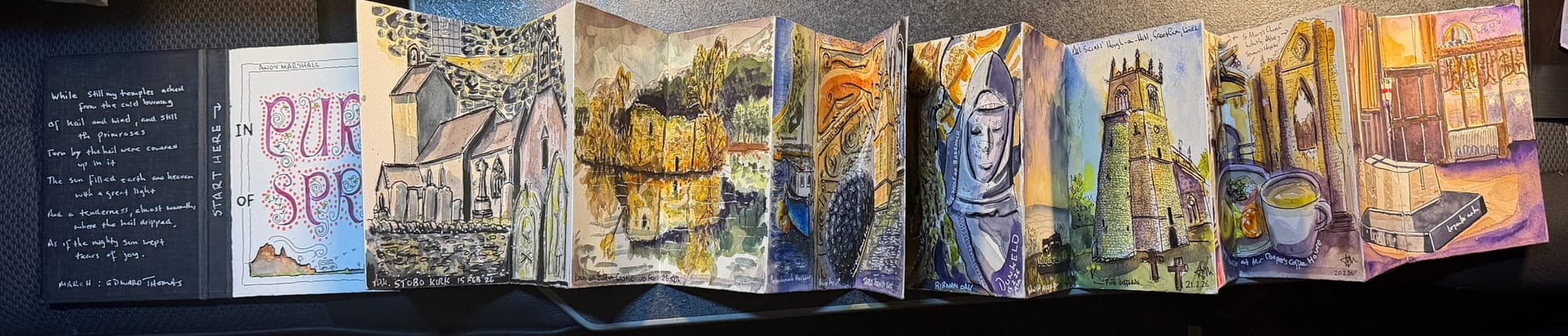
Thank you so much for the support and comments and emails sent during my time on this journey. Thank you also to those that donated towards this journey. I'm so grateful.
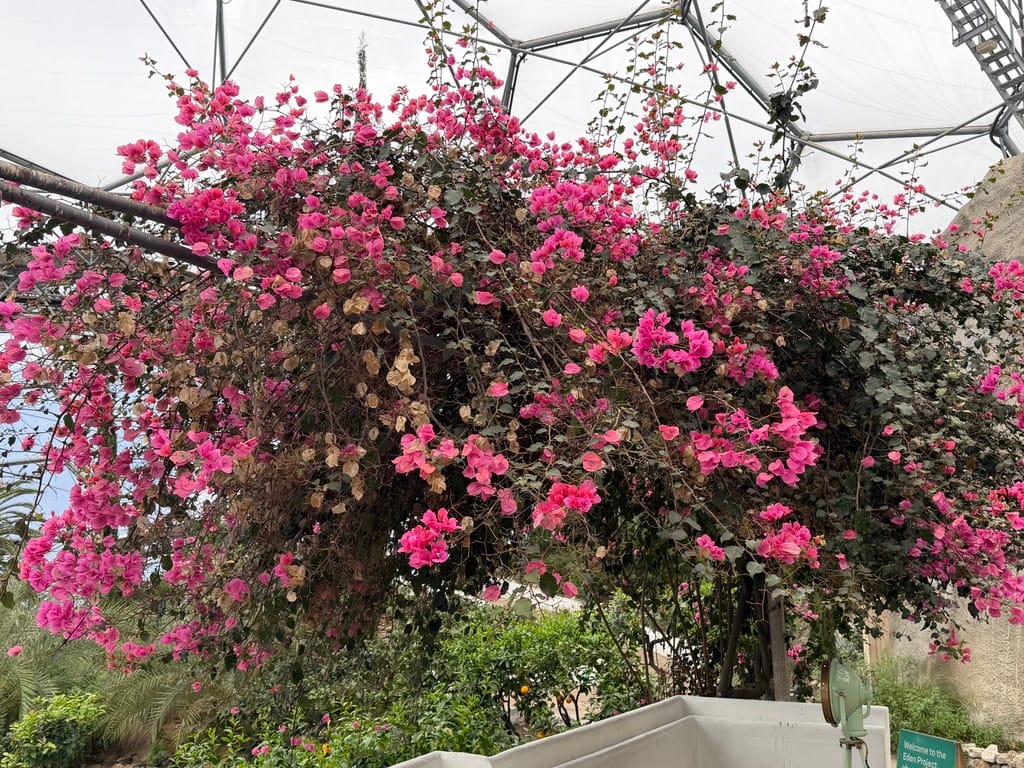
I'm travelling the length of the country in pursuit of spring, and I eventually found it in the Quantocks and into Cornwall.
If you have missed the previous days travels - view them here:
 Andy Marshall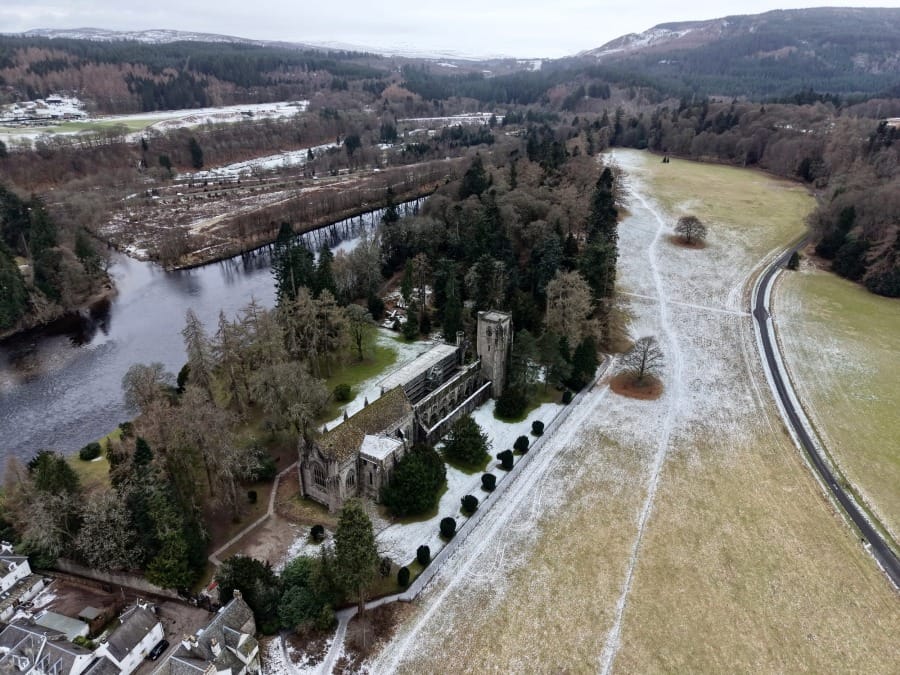
Here are the remaining posts from my journey. I've included Wednesday's observation here first - which hasn't been posted out until today.
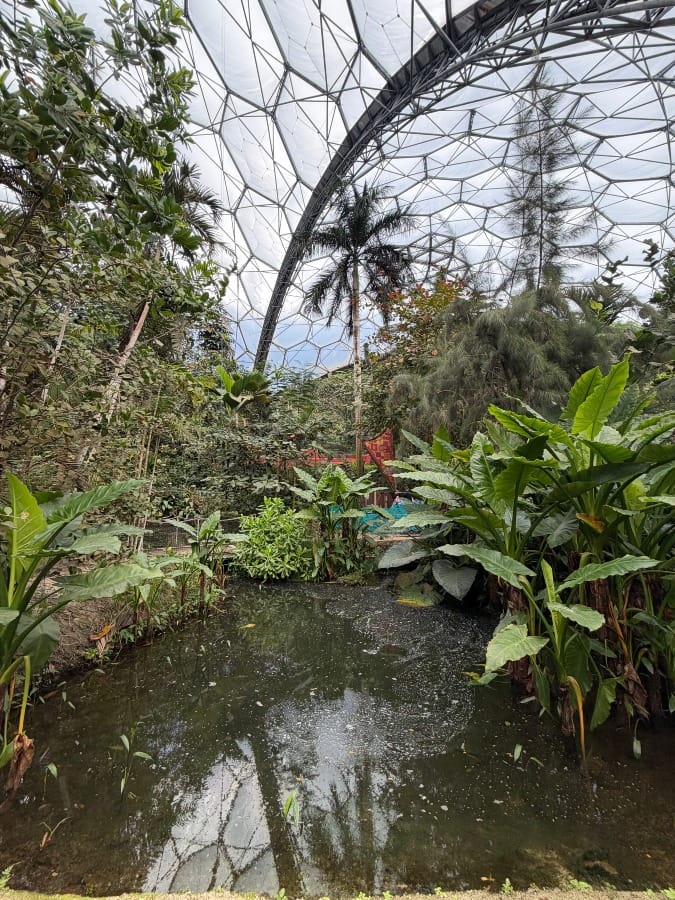
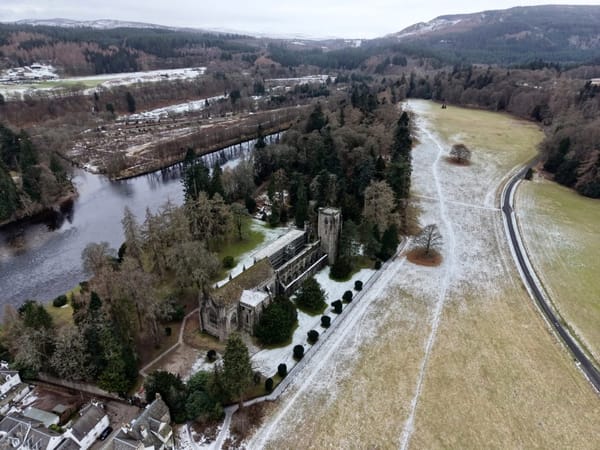
My final day on this epic journey from the Scottish Highlands into Cornwall had been planned as a failsafe - just in case spring refused to show its face. After coming across the daffodils and the blossom in the Quantocks, I needn’t have worried - although my baltic start in Scotland with -8 temperatures, frozen lakes and frozen diesel did not bode well.
Over 1000 miles later - and a difference of 23 degrees Celsius - I find myself in something close to nirvana - the Eden Project.
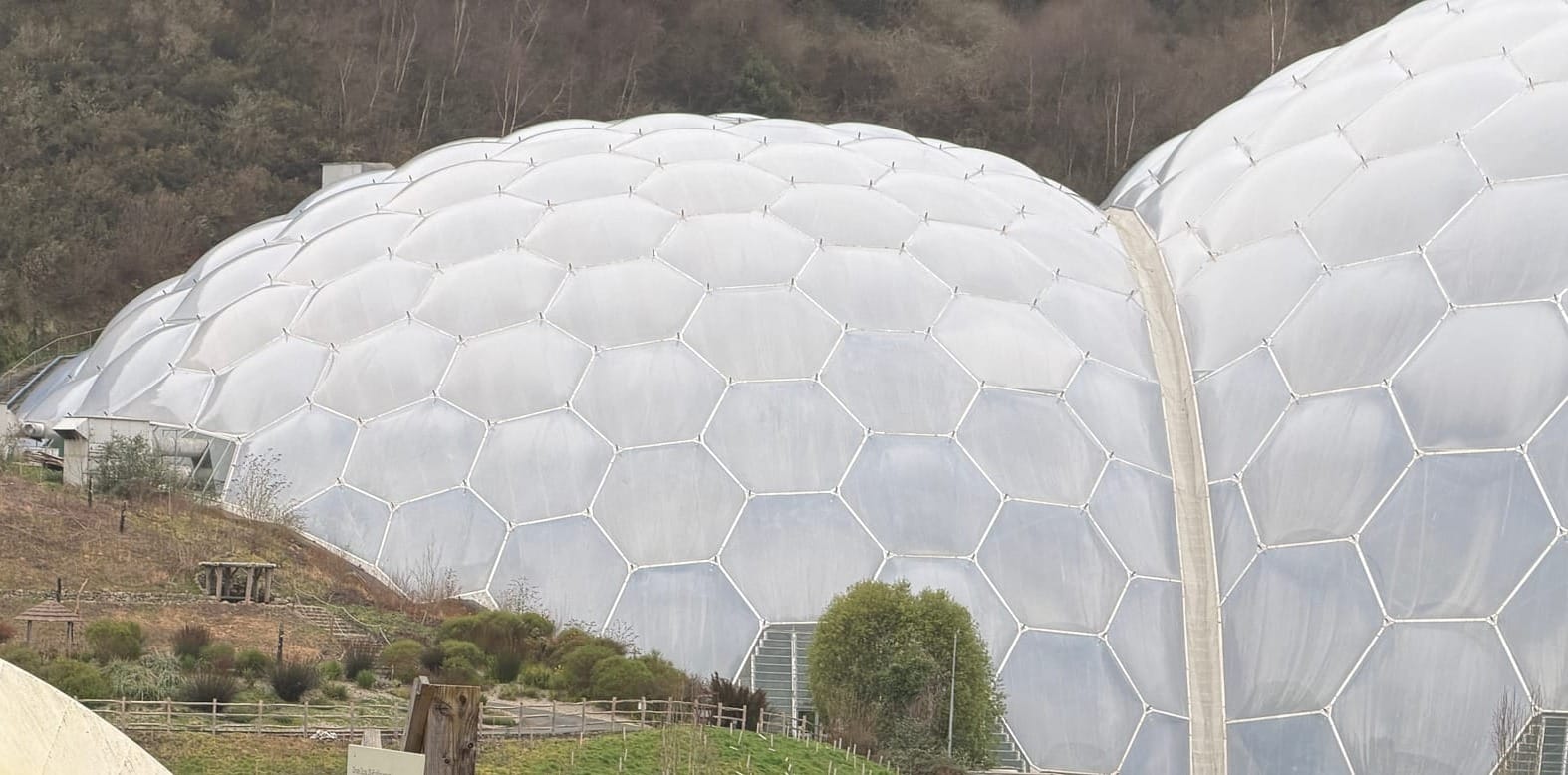
It feels improbable, standing here beneath these great biomes, to think back to the first days in the Highlands.
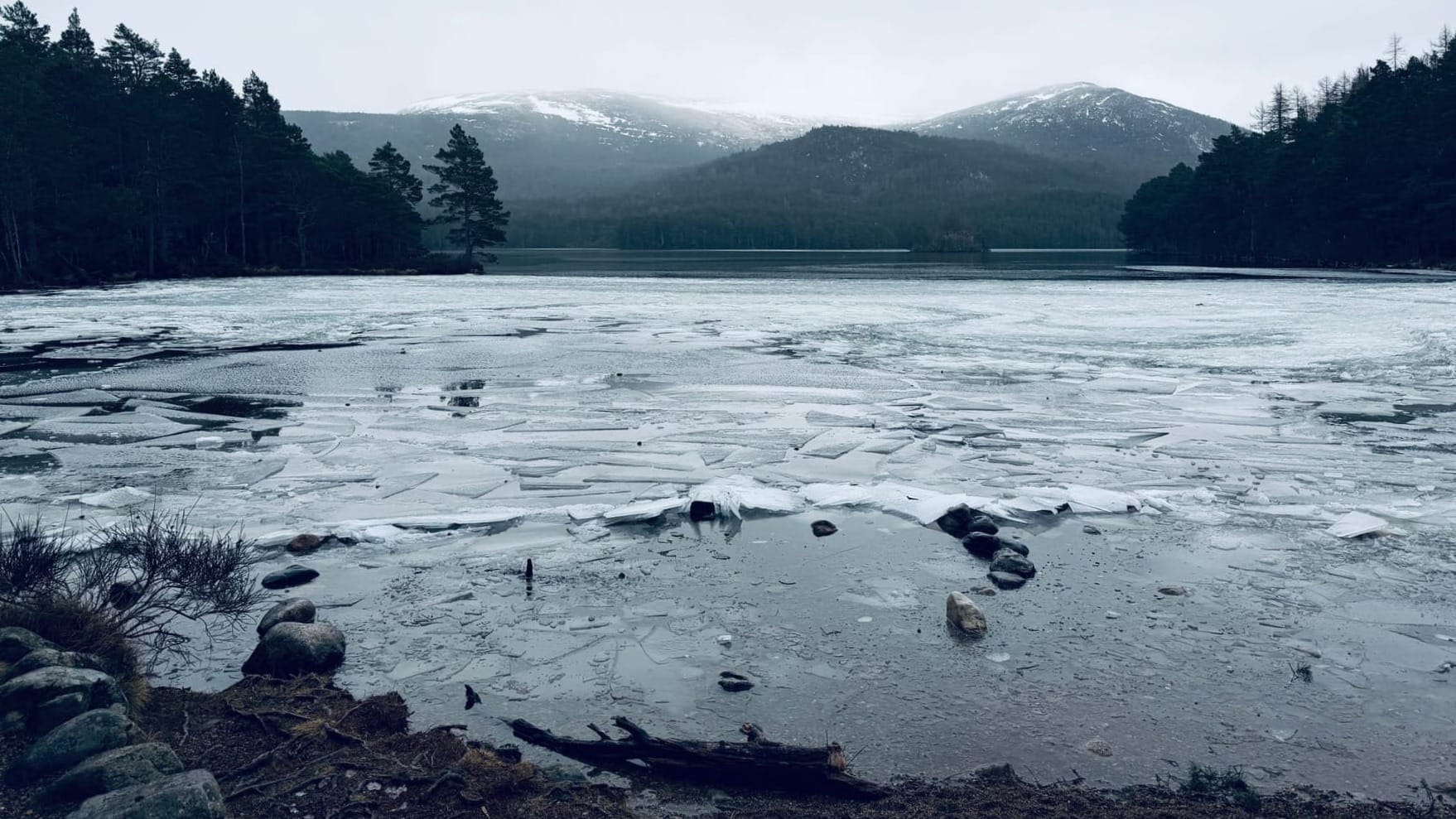
The journey south has been incremental, and yet here, inside a former clay pit the scale has shifted, and I’m thankful that even beyond these great domes of light the back of winter is broken.
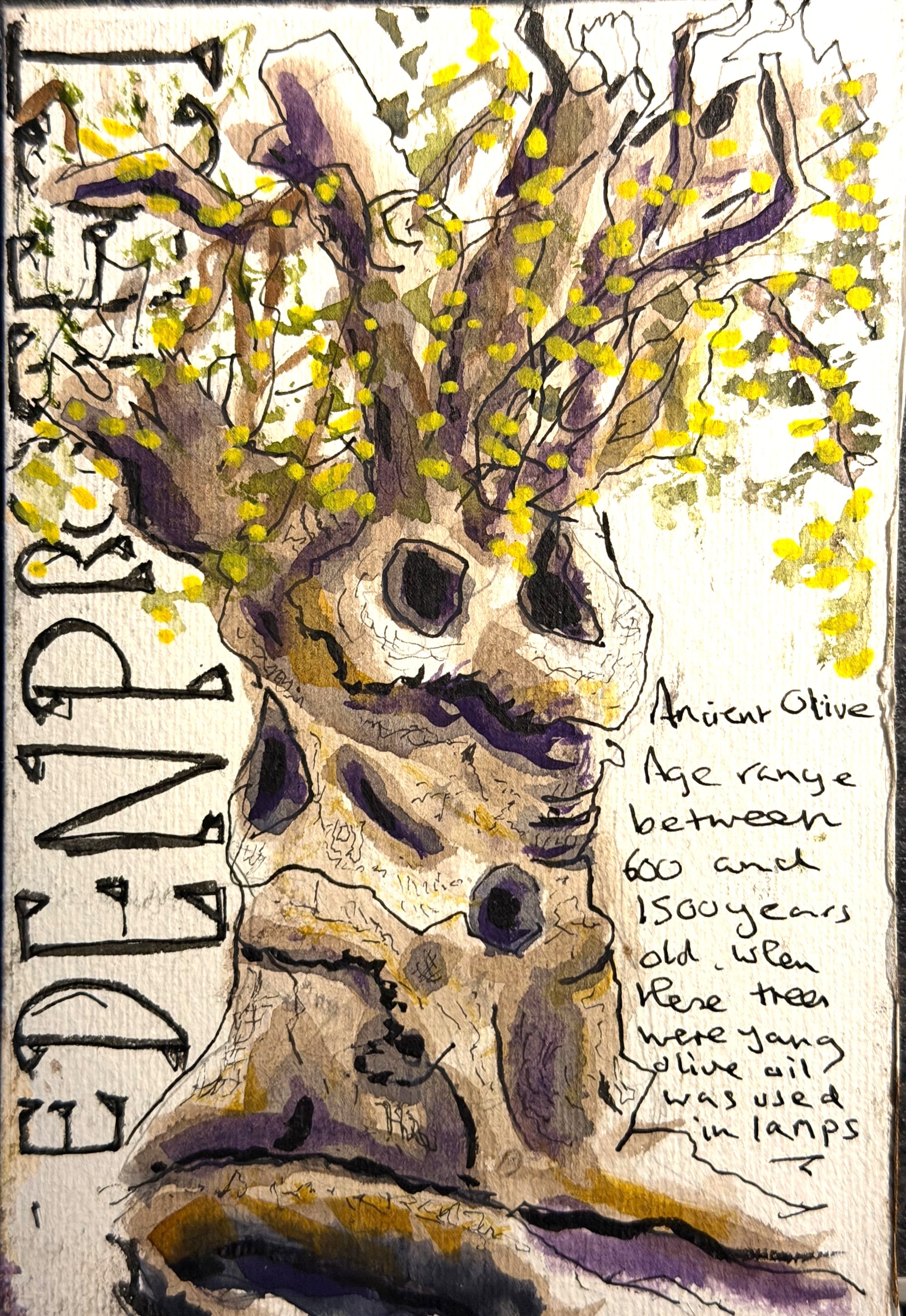
I’m first into the Mediterranean Biome - gravitating, of course, to things that are ancient. I come across an olive tree from Cordoba that is between 600 and 1500 years old and begin to sketch it. Halfway through I start to wonder whether I’m even allowed to use wet media inside the biome - but I carry on regardless - and take a visitation from a robin as a blessing.
Moving between the biomes, into the Rainforest, I find myself thinking about the unseen. Beneath the soil of a forest lies a web of mycorrhizal networks - fungal filaments carrying nutrients, signals and warnings between trees - a subterranean intelligence binding individual organisms into a collective.
Over these last ten days I have travelled back thousands of years through the buildings and landscapes I’ve visited - Pictish stones - Norman arches - medieval graves - Roman fragments reset into later forms. Each place a compression of time and a gathering of wisdom inside. I begin to see a correspondence between those fungal networks and the latent memory held within our historic places. Beneath stone floors and behind carved timber - within wells, crypts and churchyards - something is always being carried forward into the present.
We step into these places and often do not know why we feel grounded. Perhaps we are brushing against that network of accumulated human meaning. A transmission across generations that surfaces as succour for people like me, moving through a winter of the mind in pursuit of something warmer.
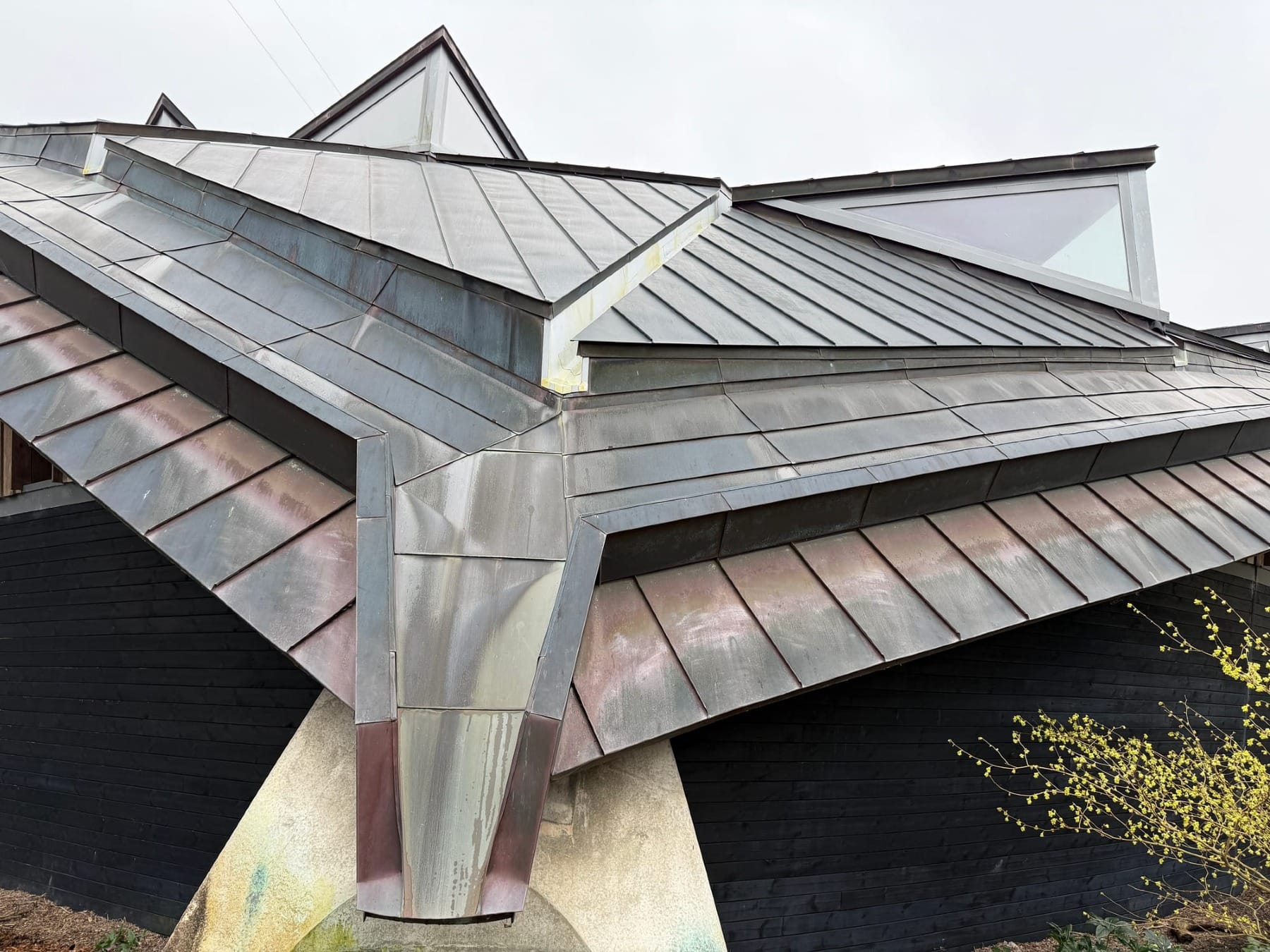
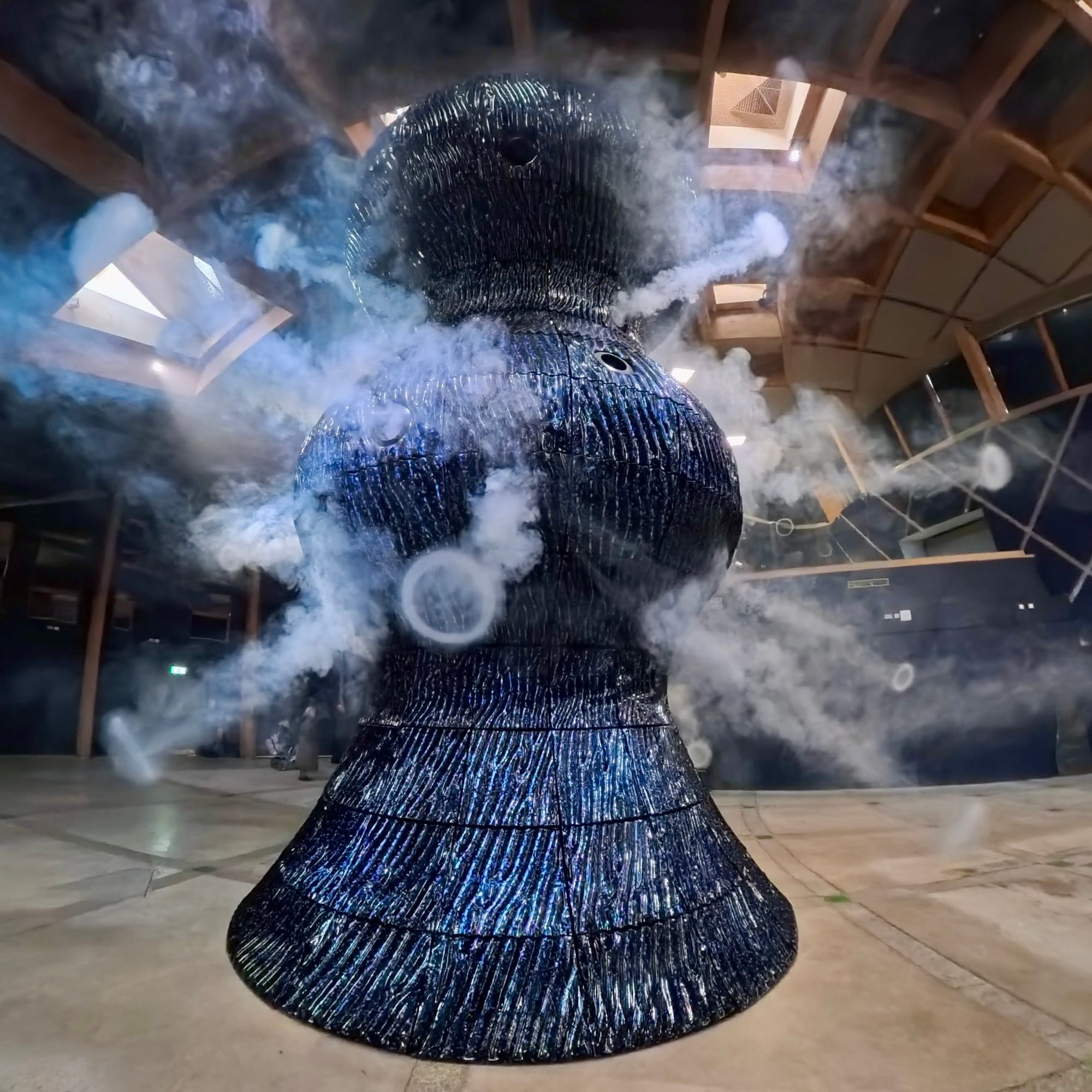
But my final day expands the scale entirely. Back in the Eden Project, inside the Core building stands an 8.5 metre living sculpture of cyanobacteria - organisms that began producing oxygen more than three billion years ago - and without which none of this - olive tree, oak, Highland frost, nor Cornish blossom - would exist.
The sculpture, the luminous display behind it, and the Core building that enfolds it feel less like exhibition and more like revelation - a reminder that Britain’s architectural and creative wisdom does not end with stone and timber, but extends into systems, ecology, stewardship and, of course for me, the choreography of light around living form.
The network deepens. The correspondence widens. What I sensed in churches and abbeys - that layering of memory and form - finds its echo in biology itself. Life sustained not by isolation, but by exchange - by continuity - by collaboration across immense spans of time.
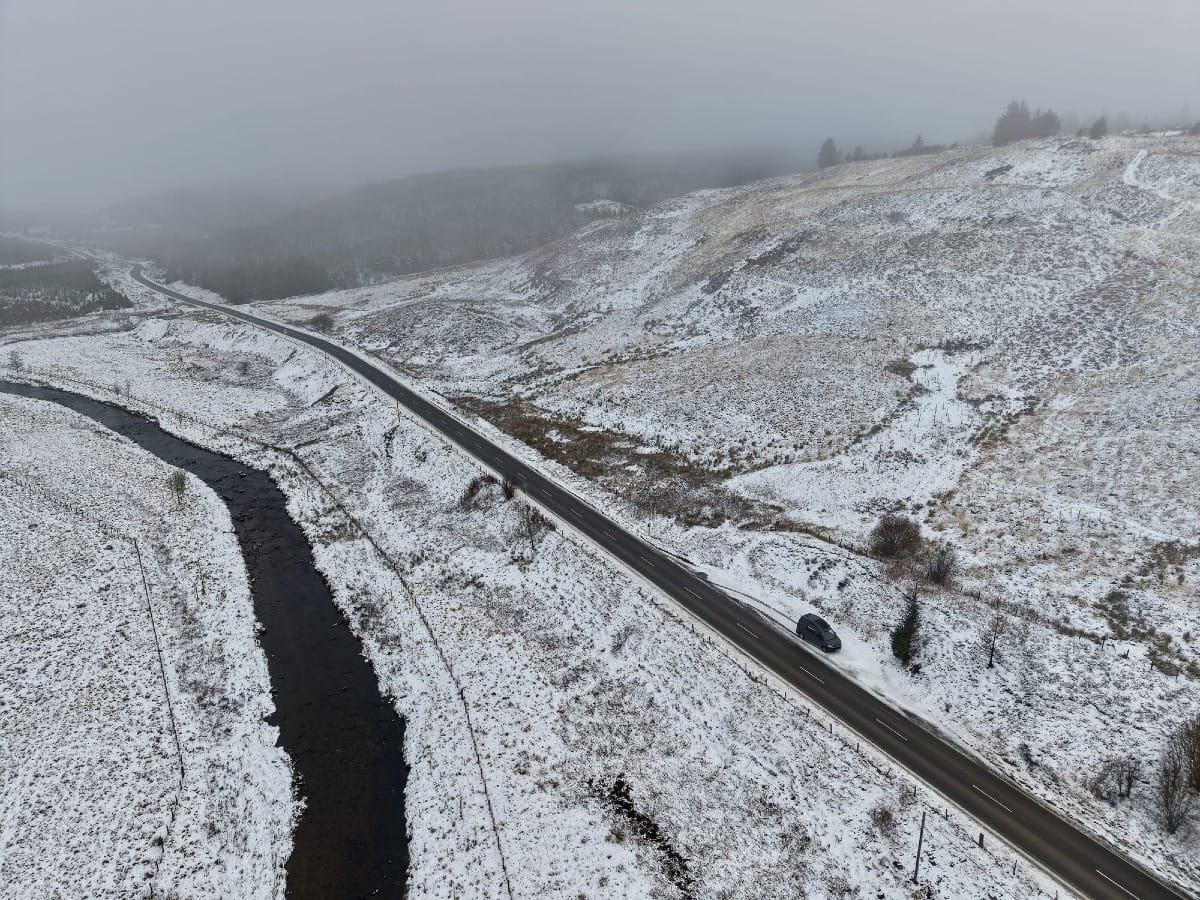
Memberships are a real lifeline - can you help keep me on the road? Thank You 🤗
Lots of Member Benefits
Support The Digest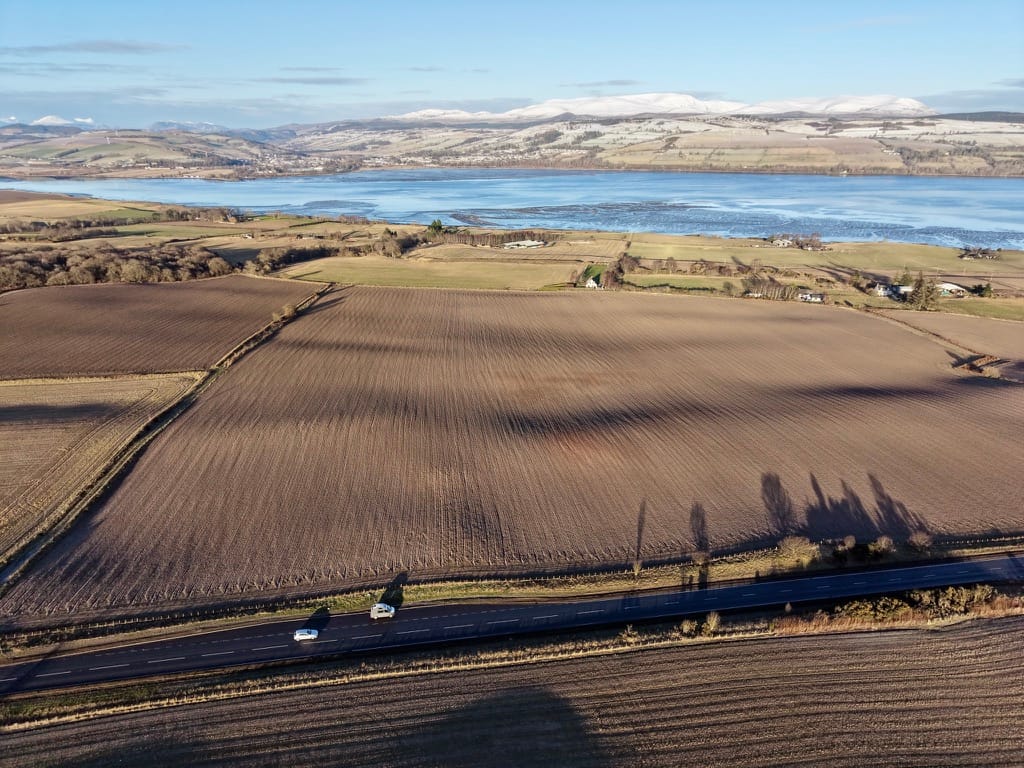
If you know of people, publications or organisations that align with this way of moving through the world — pilgrimage, landscape, history, recovery, slow travel — I’d be glad if you mentioned this journey to them, or shared this post with them on social media.
It really does help keep me on the road. Thank you.
Here is a link to a summary of my journey In Pursuit of Spring:
 Andy Marshall
THE JOURNEY CONTINUED... 🚐 ❄️ ⛰️ 🏛️ 🌨️ 🌊
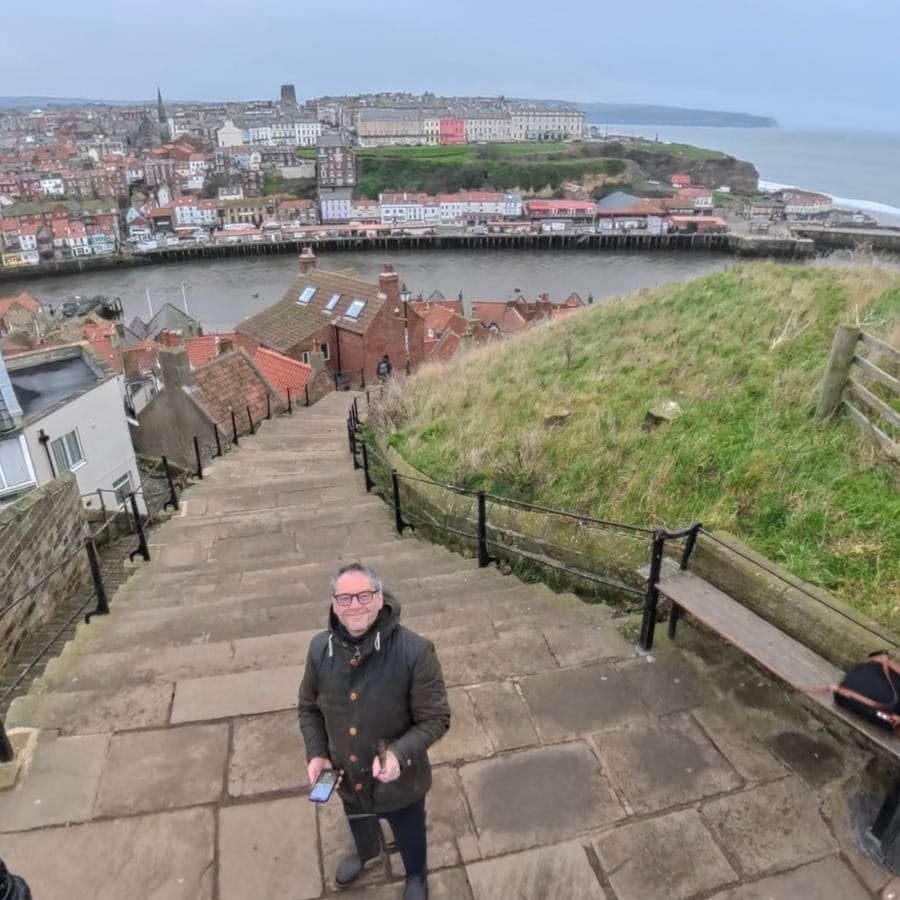
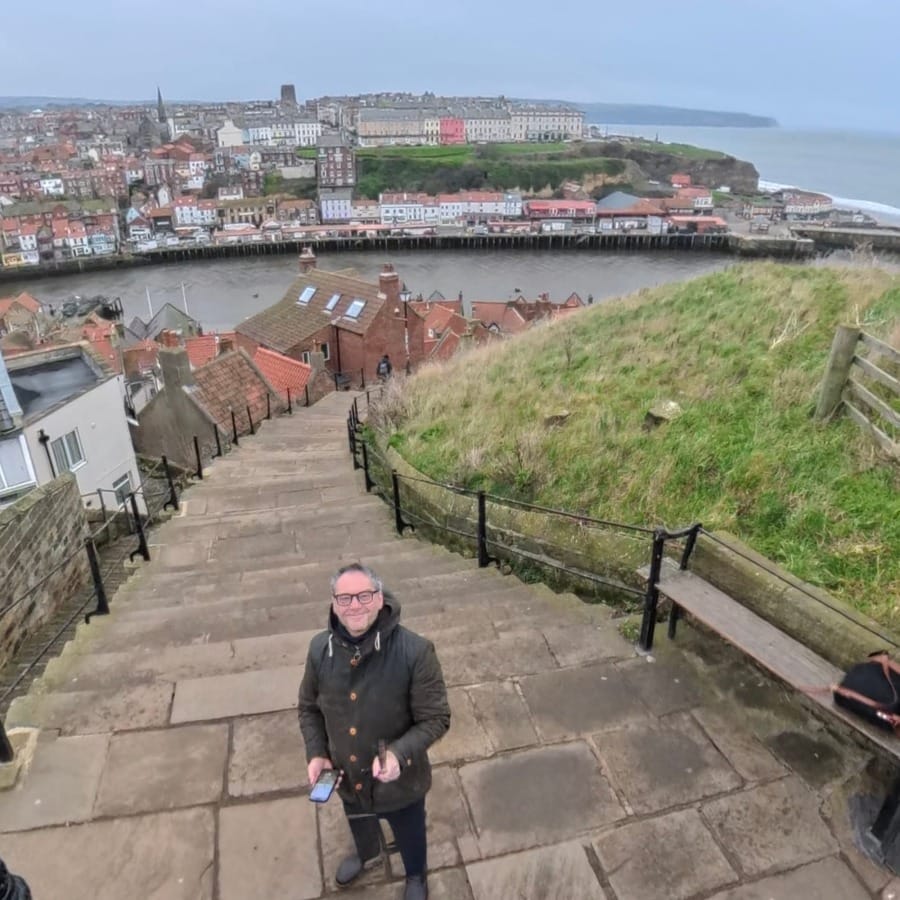
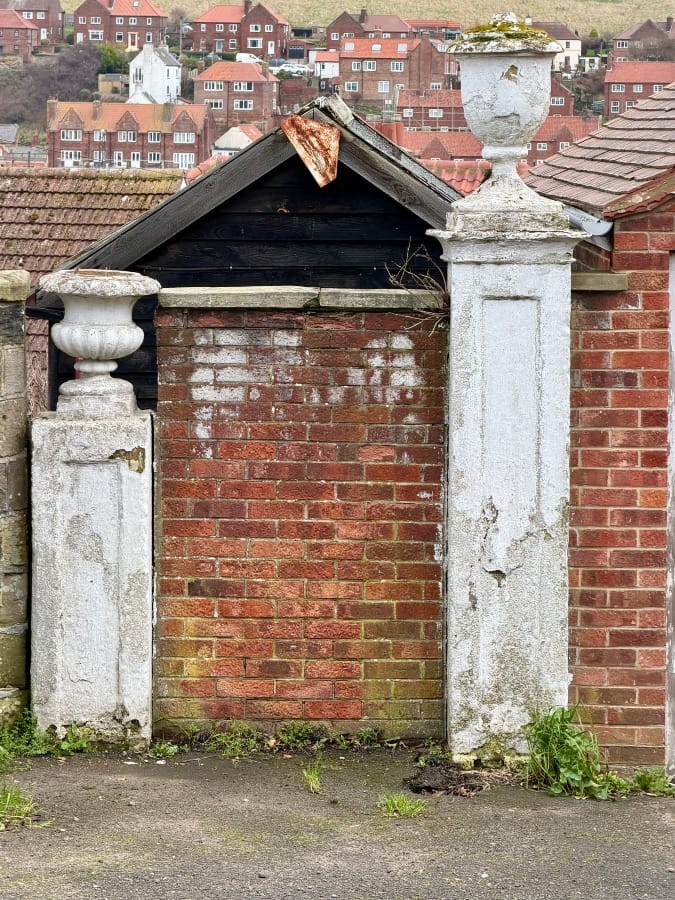
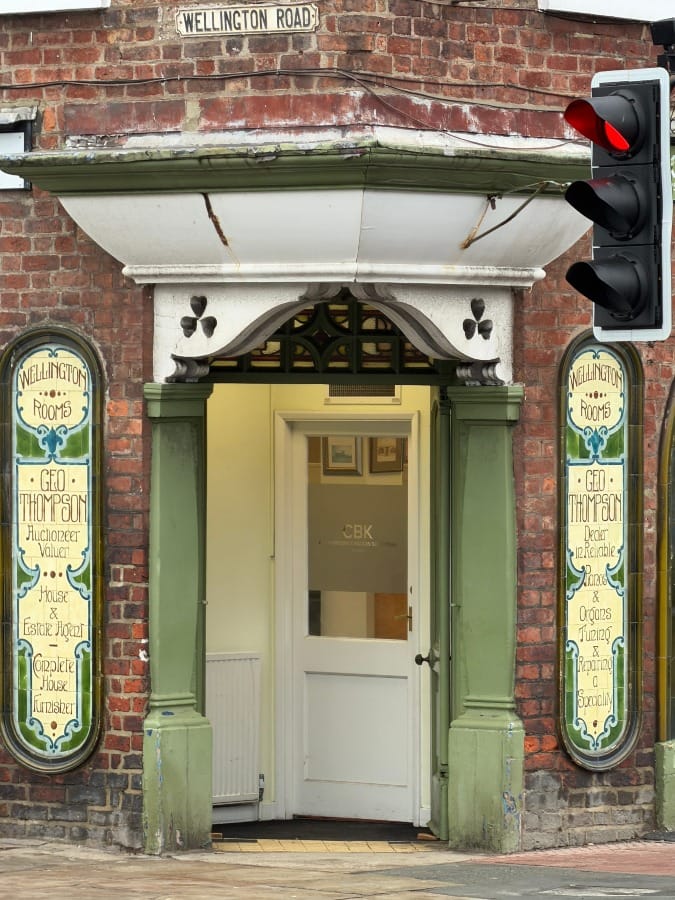
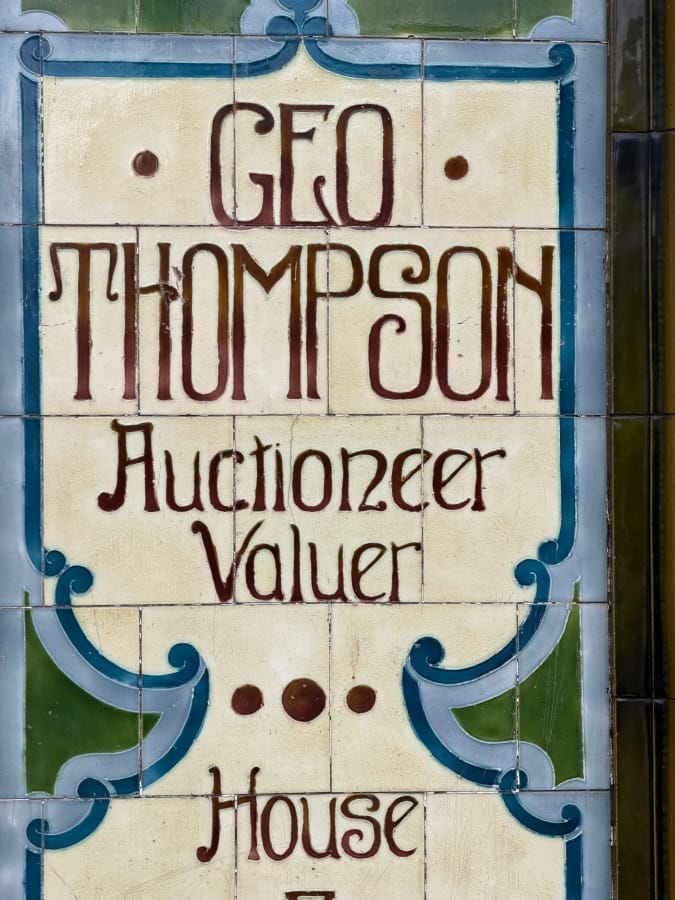
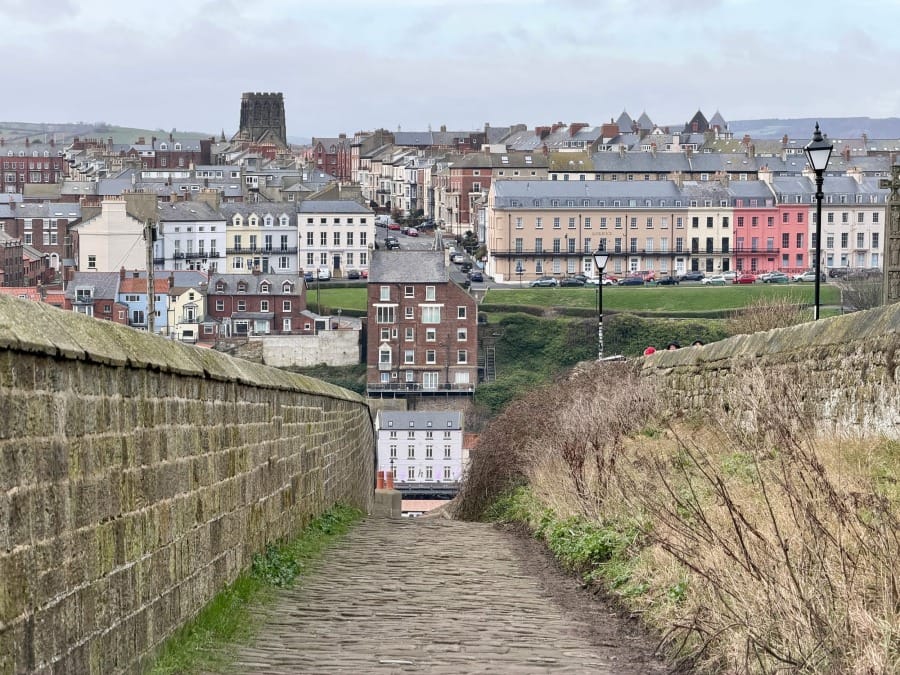
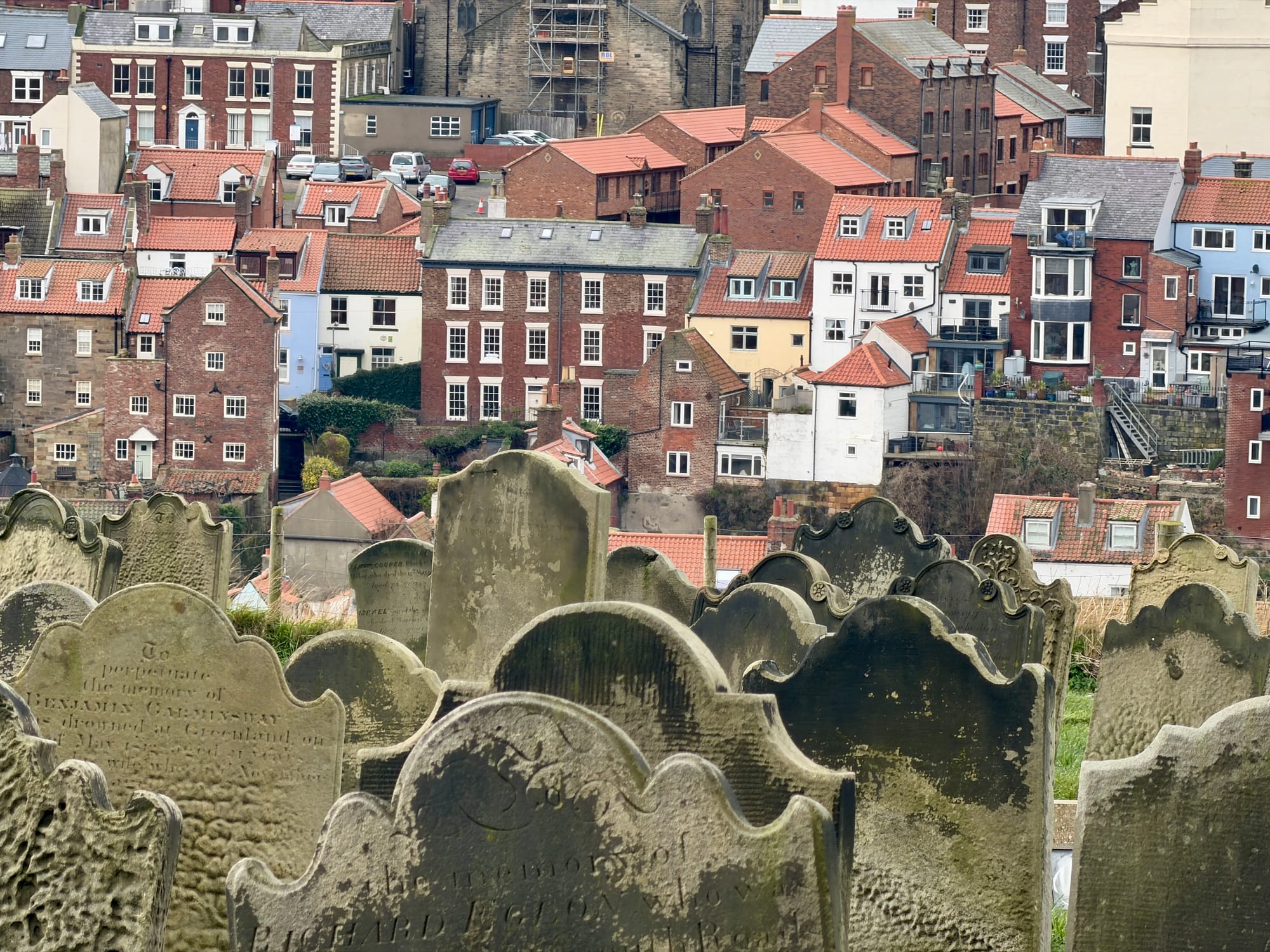
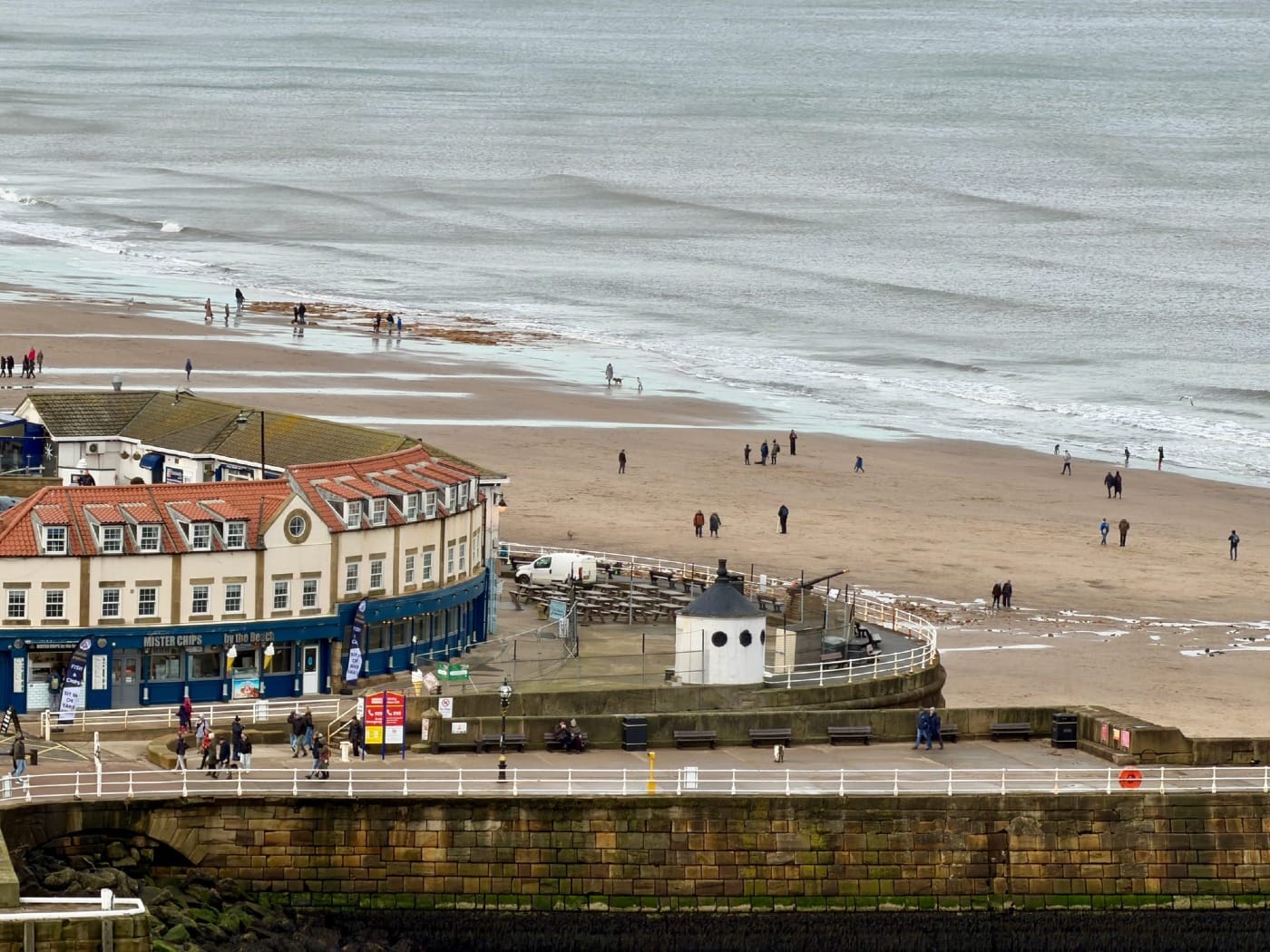
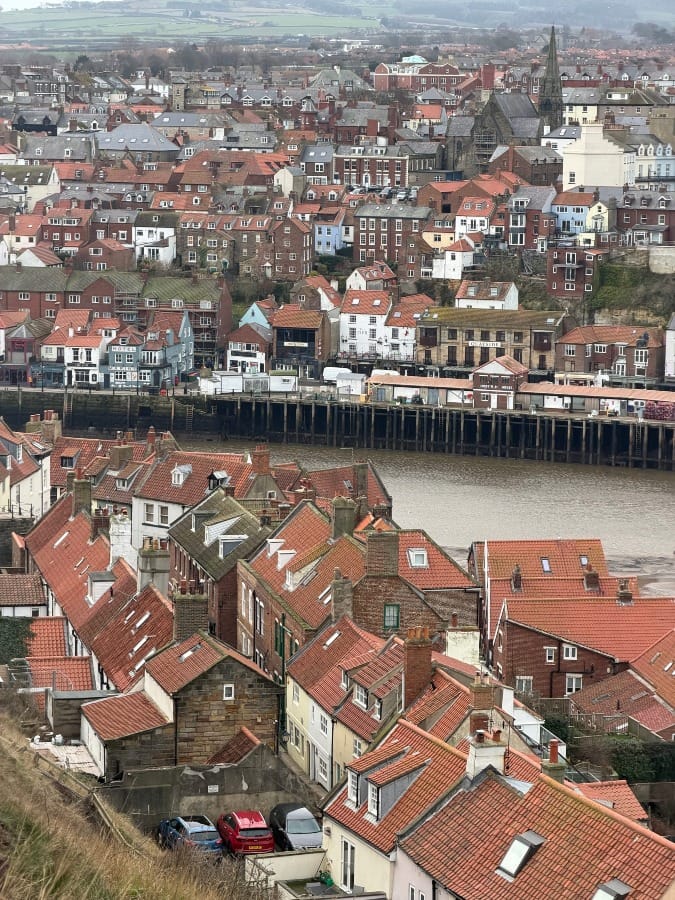
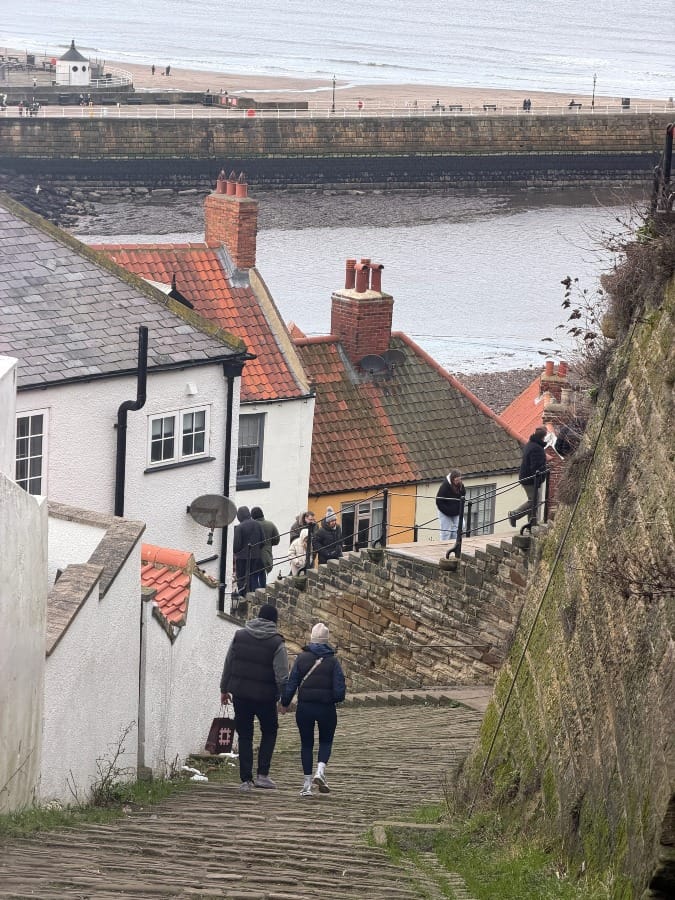
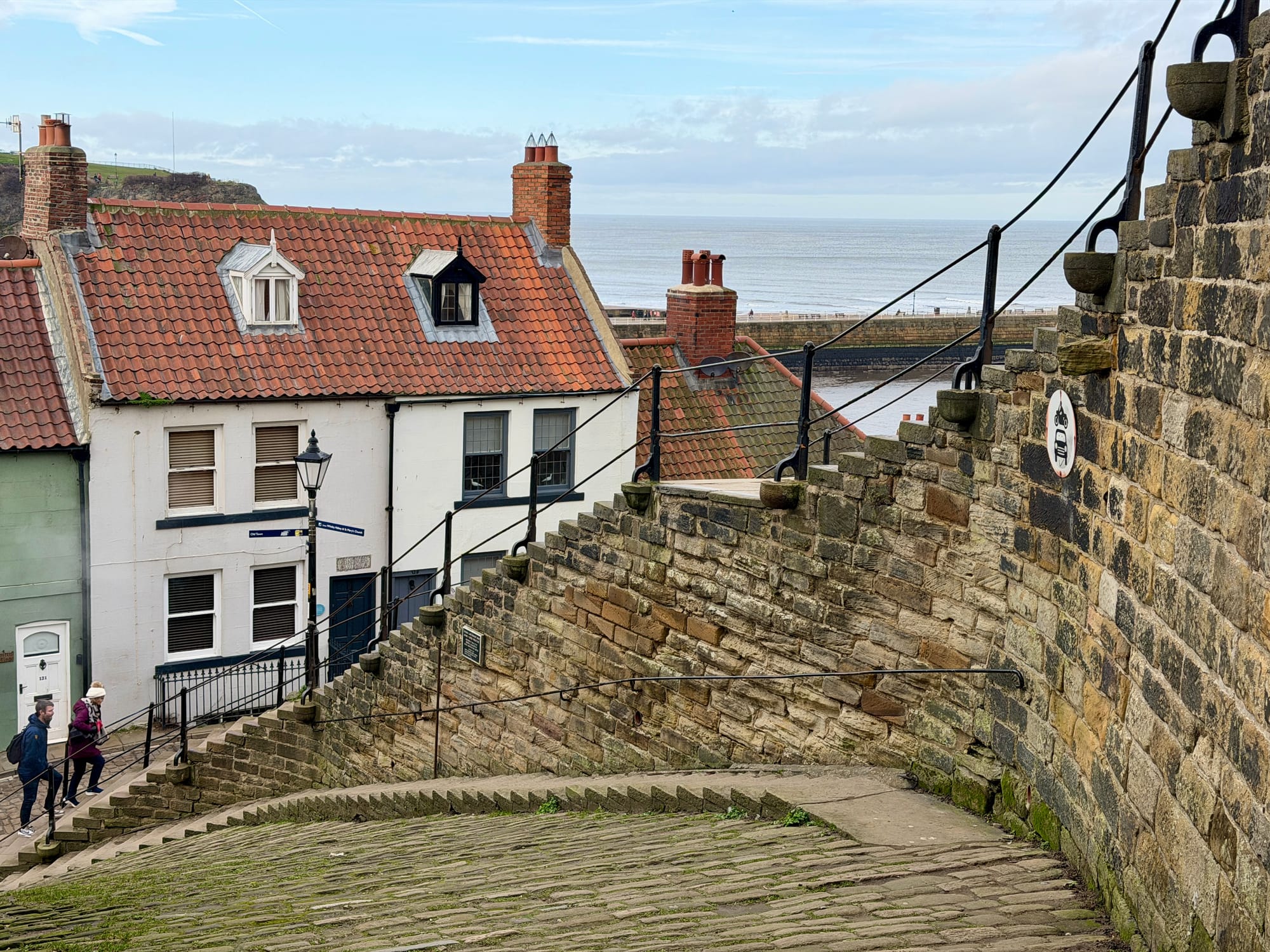
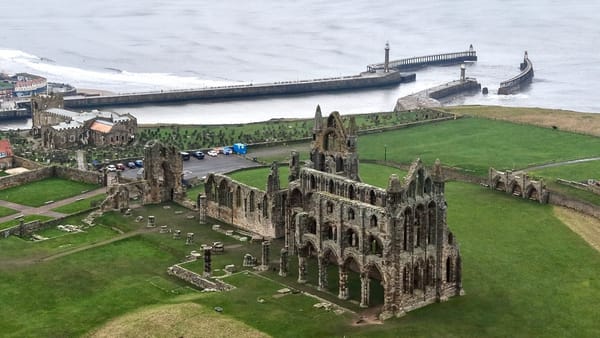
I have a love hate relationship with Whitby.
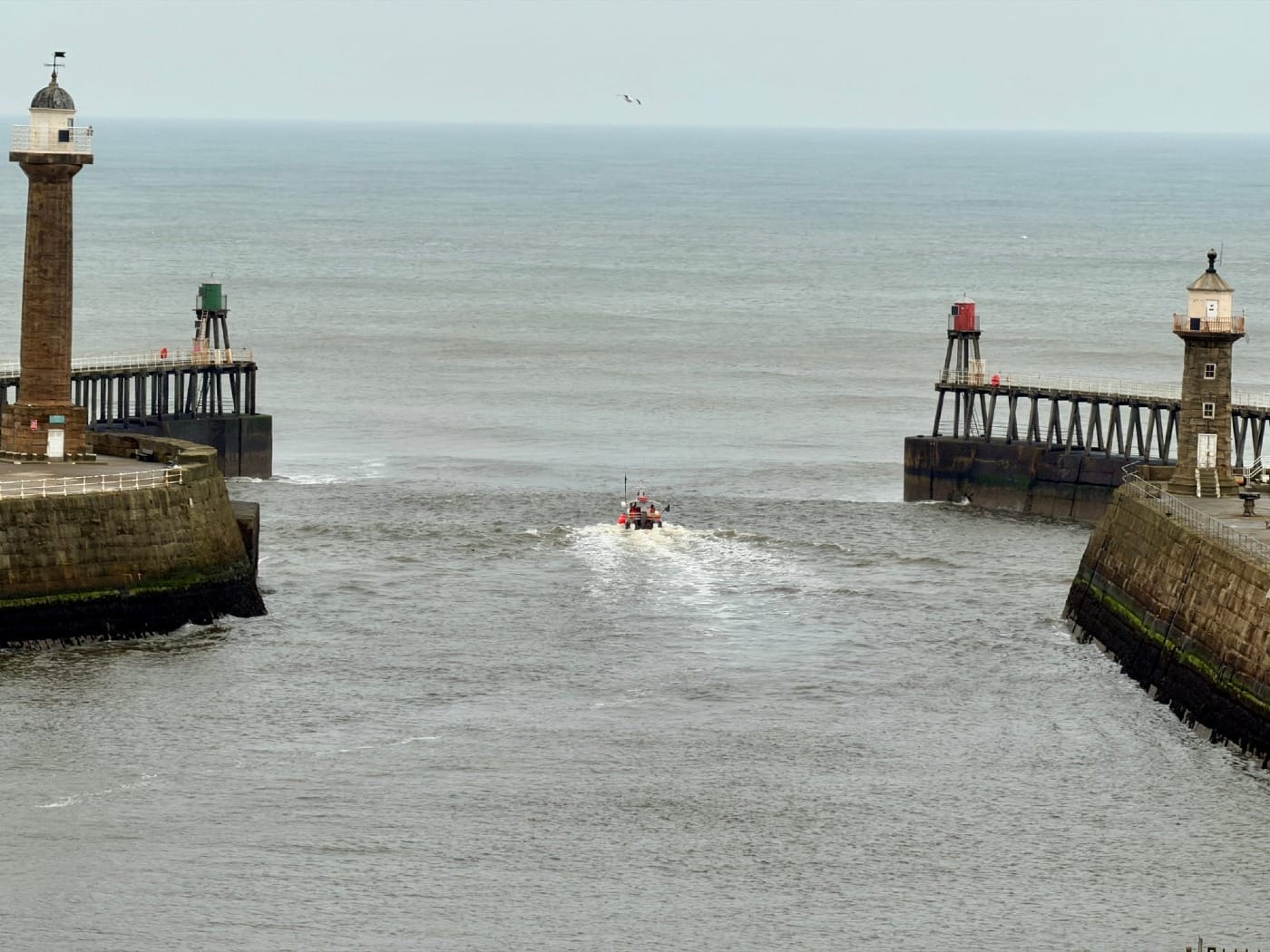
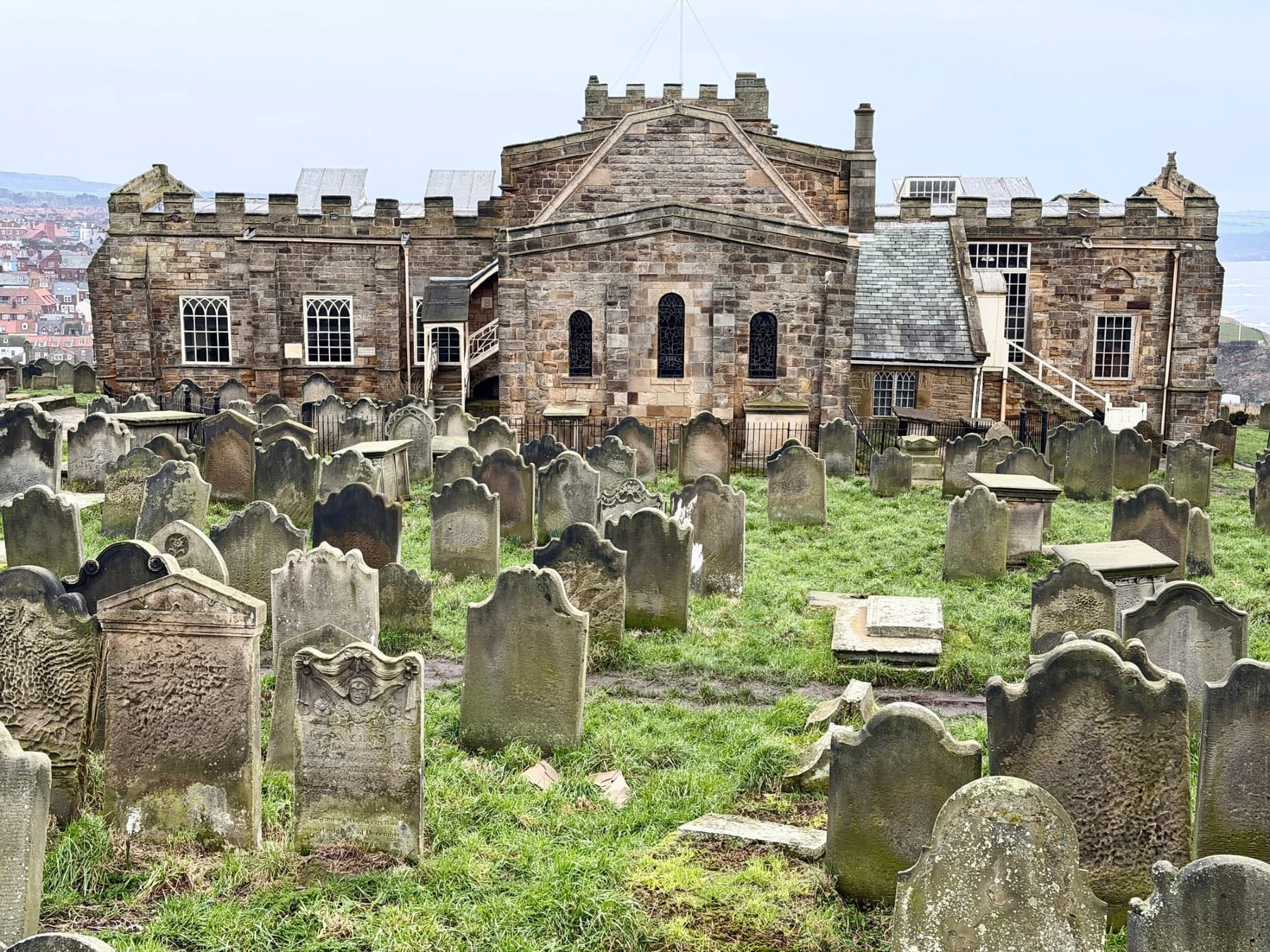
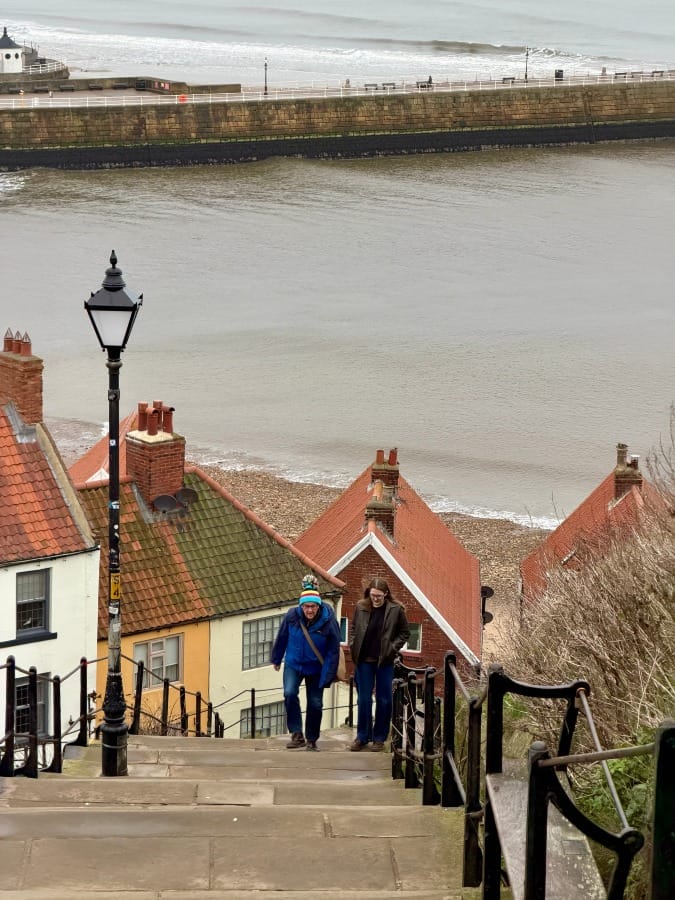
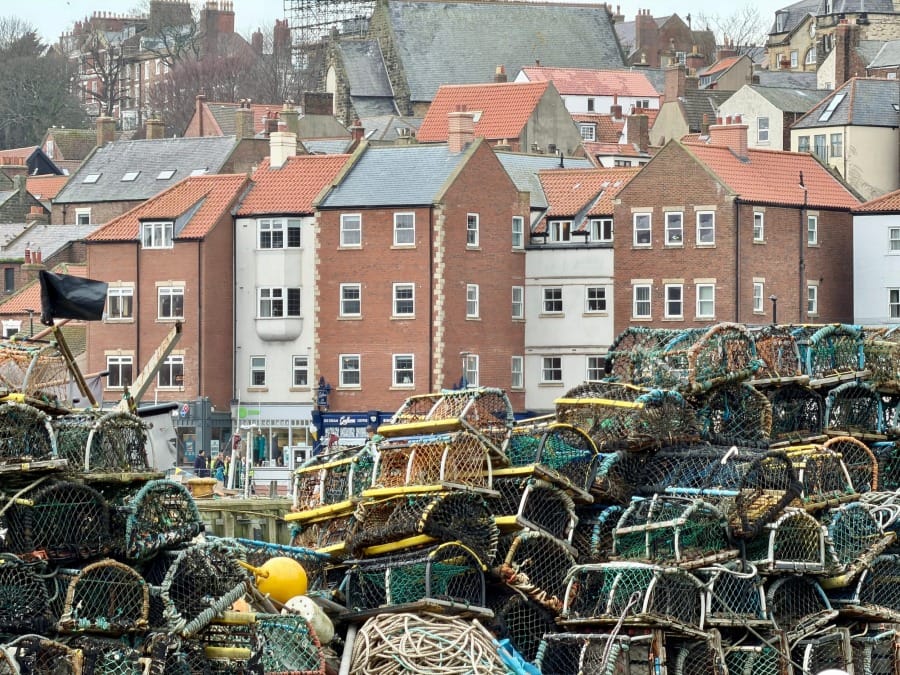
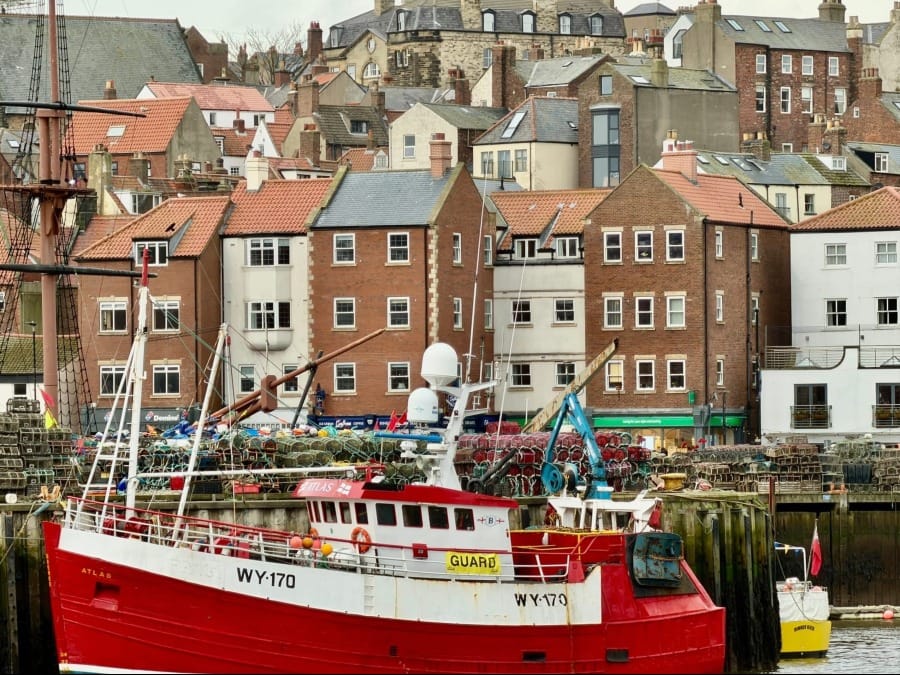
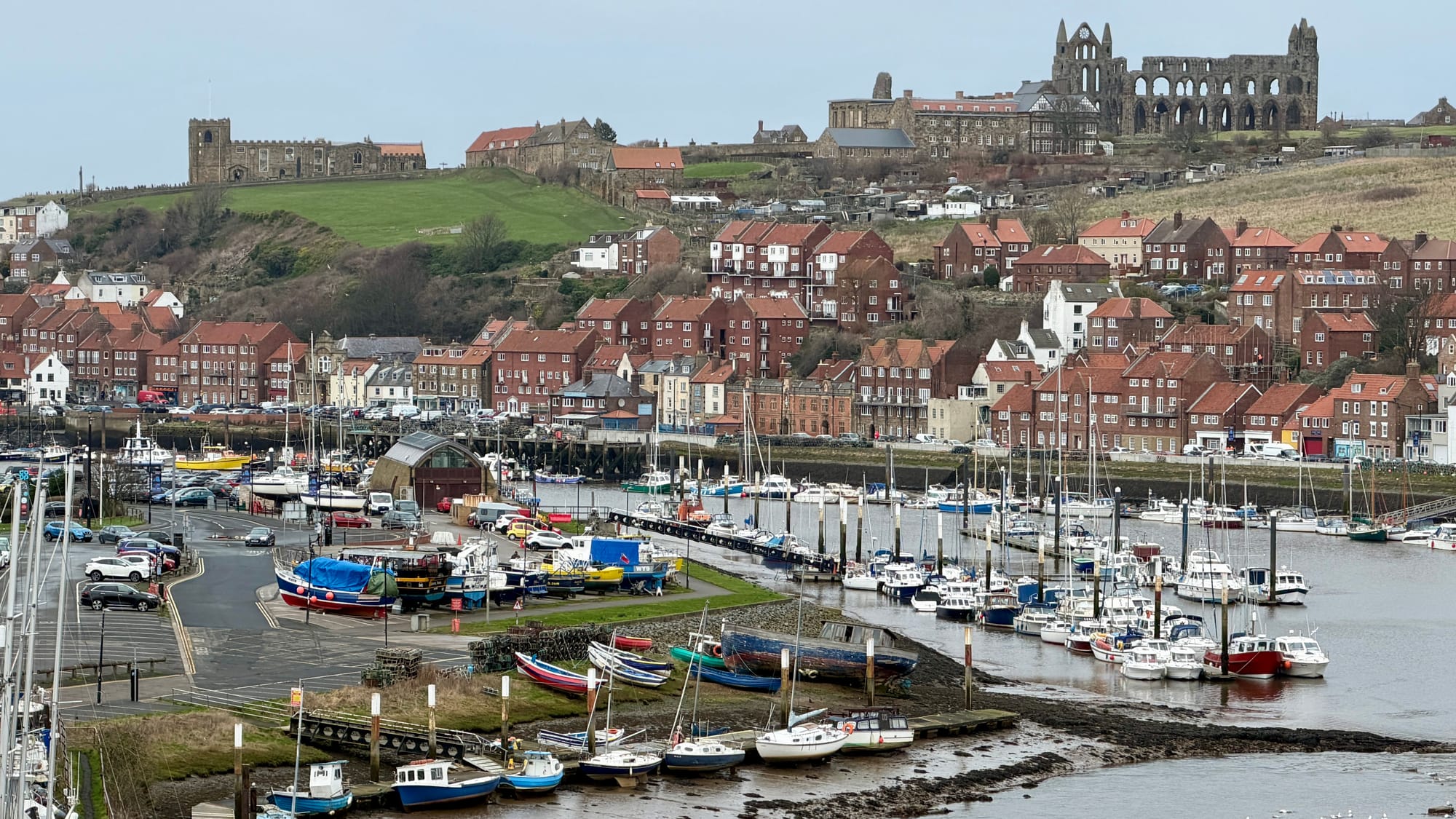
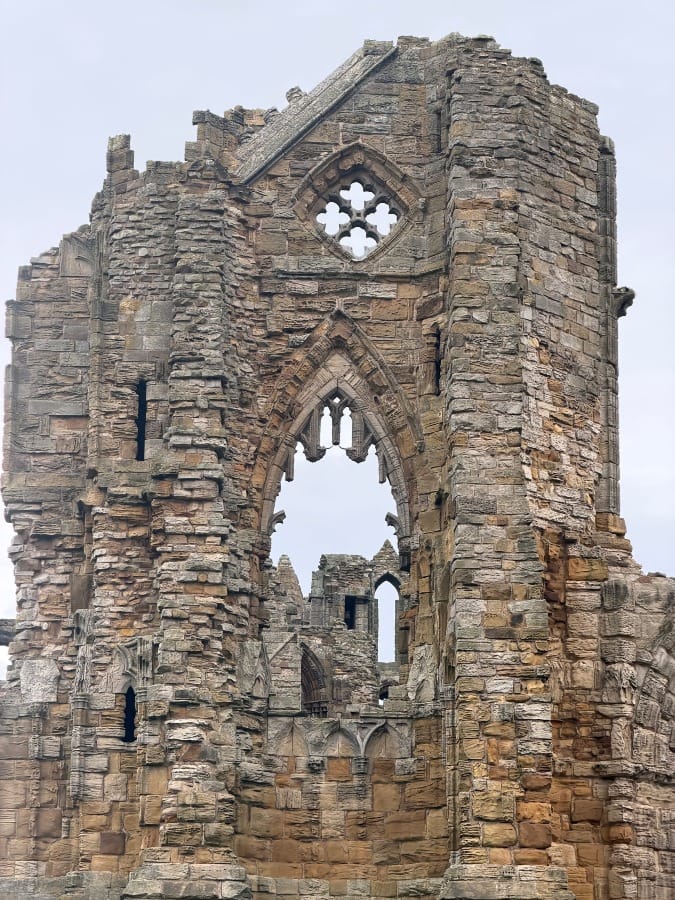
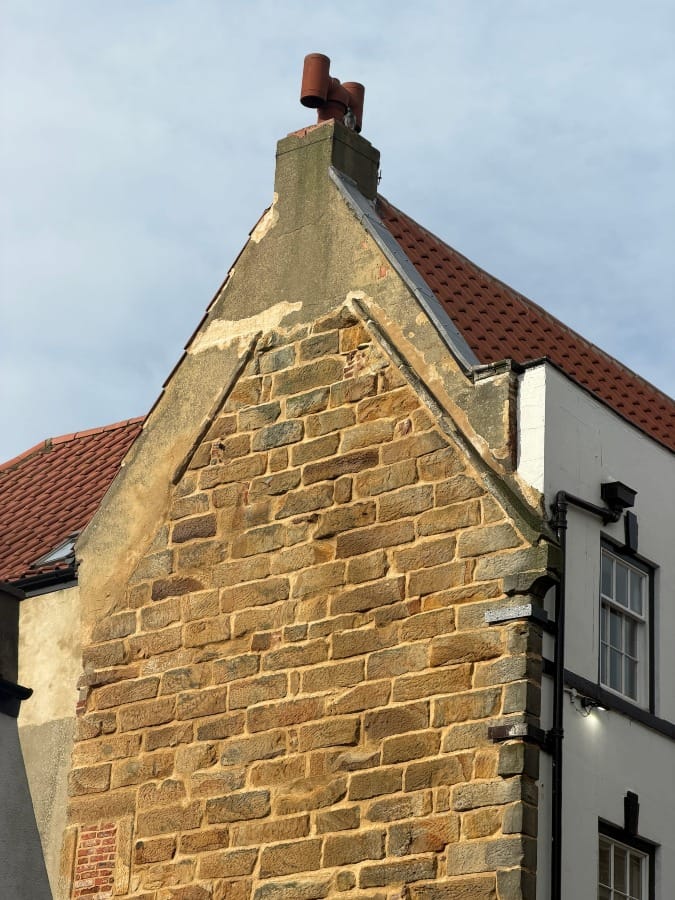
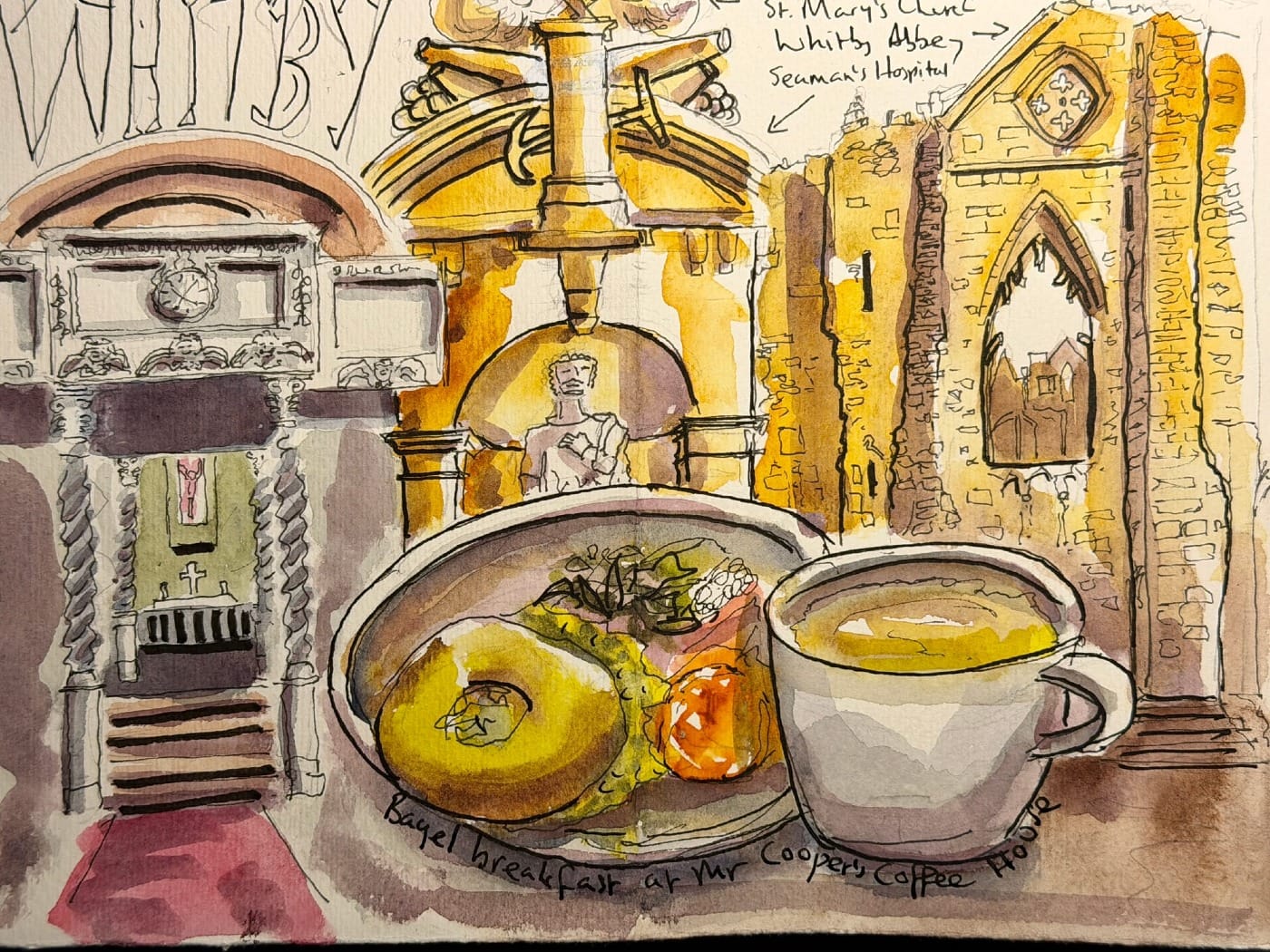
I love the way it bares its roofs for all and sundry, how you feel it in your legs, how it embraces the sea with its clasping piers and how the buildings sit along the estuary like sea shells cockled to a cliff side. I love the squat and partitioned parish church and the sky piercing ruins of the abbey.
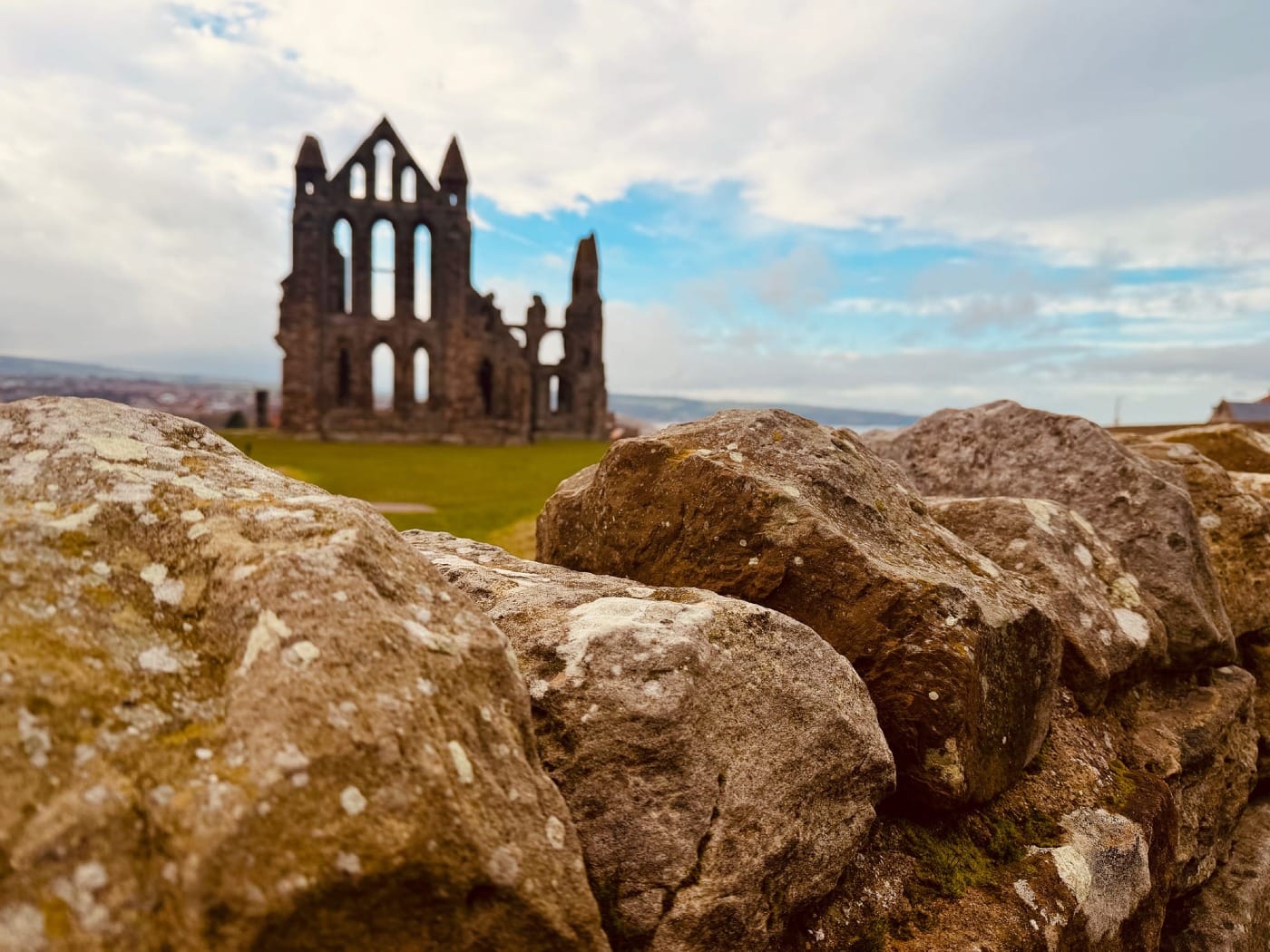
But I also resent it.
I resent how perfectly composed it is — the jaunty vernacular, the ready-made vistas, the roads and yards and steeply rising steps that funnel you towards a divine composition.
Whitby makes everyone a great photographer.
Here, I am redundant. The compositions are waiting. The drama is pre-determined.
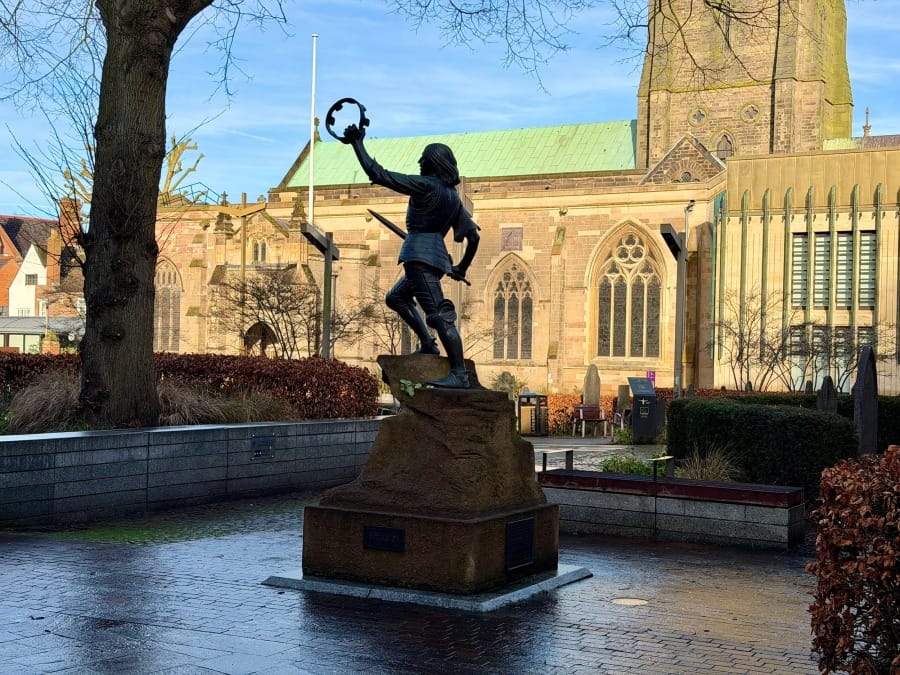
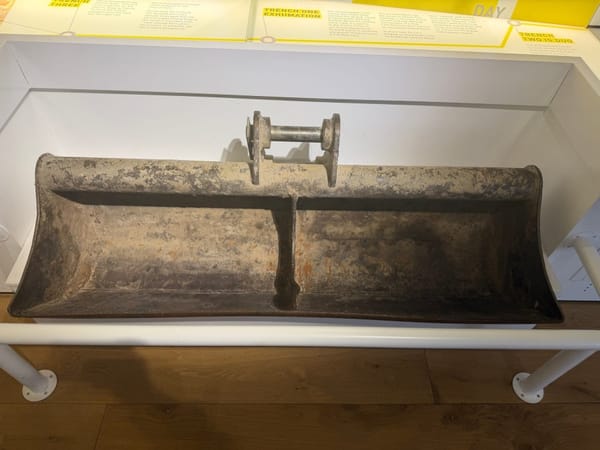
Visiting Leicester and the place where Richard III was found beneath a car park felt like a kind of pilgrimage to me - though not in the devotional sense. It was not about reverence, but about standing in one of those rare modern locations where conjecture gives way to evidence - where something long held in the mythical and the magical has, quite literally, conjured itself out of the earth beneath our feet.
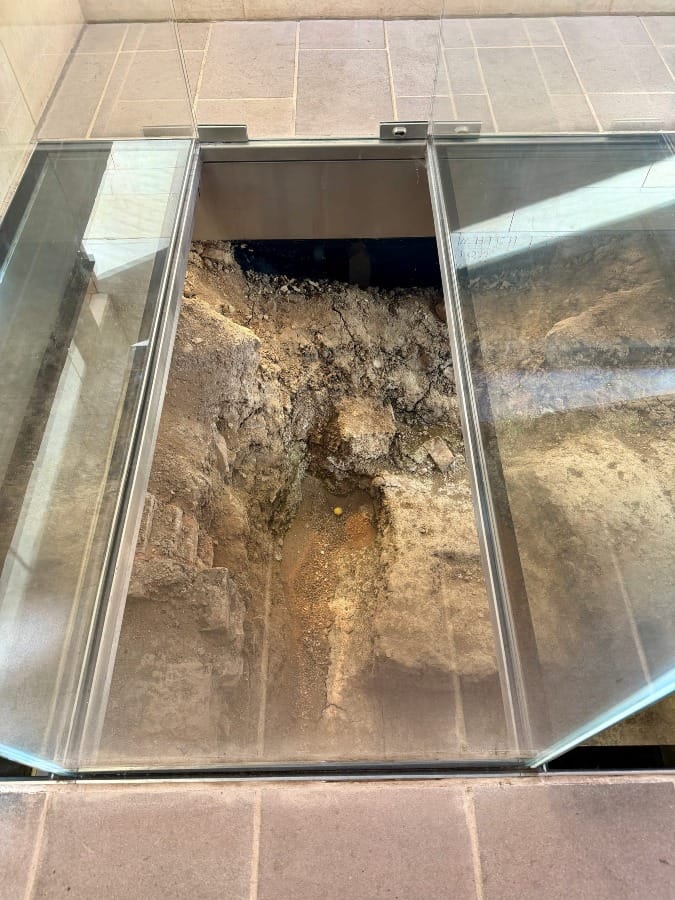
Against all odds and against all expectations, the remains of Richard III were found in 2012 beneath a municipal car park on the site of the former Greyfriars friary. For centuries his place of burial had existed in the realm of conjecture - shaped by chroniclers, sharpened by Shakespeare, suspended somewhere between fact and fiction.
Then upon the instinctive inclination of a single woman, Philippa Langley - the Leicester City Council Social Services car park was excavated and almost at the first scrape of the tarmac - the bones of a single occupant - with a battered skull and curved spine - were discovered.
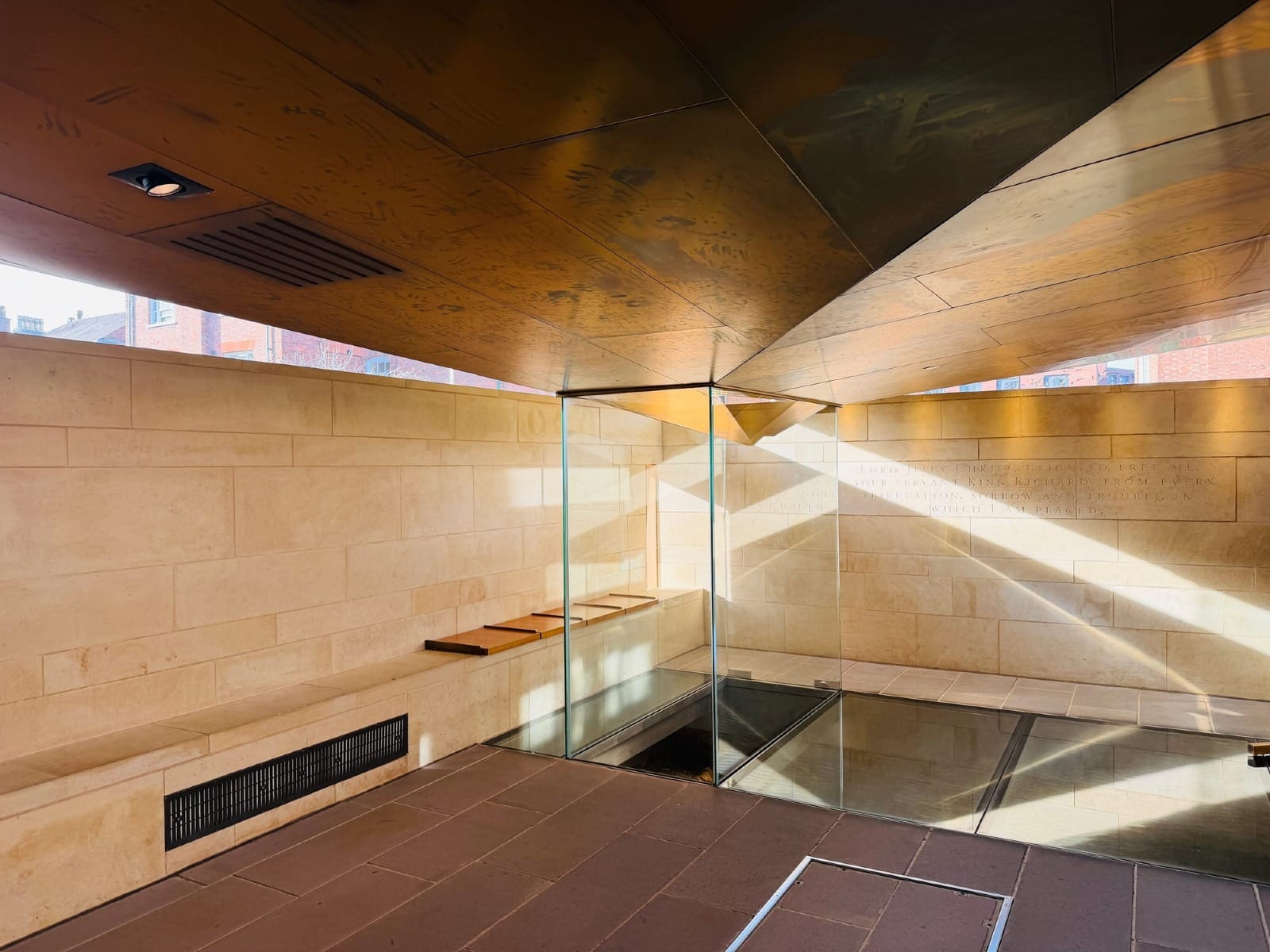
What is electrifying about visiting the burial location now is the building that has been constructed around it. Its geometry encapsulates the mysterious bounds of myth through a deliberate use of filtered light and sharpened line. Planes tilt and converge. The eye is drawn downwards - from abstraction to evidence - until it rests on the material facts beneath the floor: the muddy imperfection of a cut grave, edged by fragments of medieval tile. Nothing is embellished. All lines and filtered light lead to the material truth and the joyous relief of discovery.
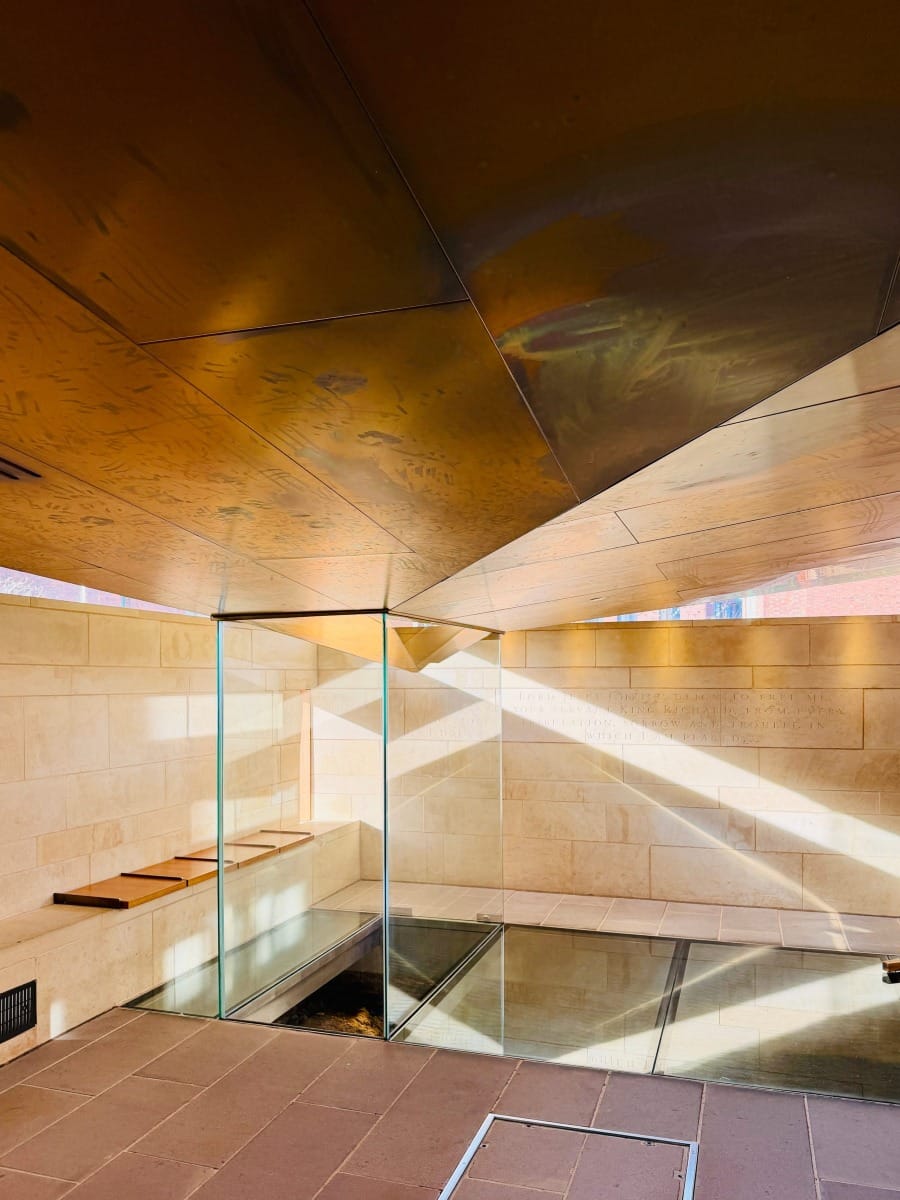
The building, in this way, has become vocal. The observer becomes a participant in the story. Architecture here performs a powerful act by translating rumour into substance.
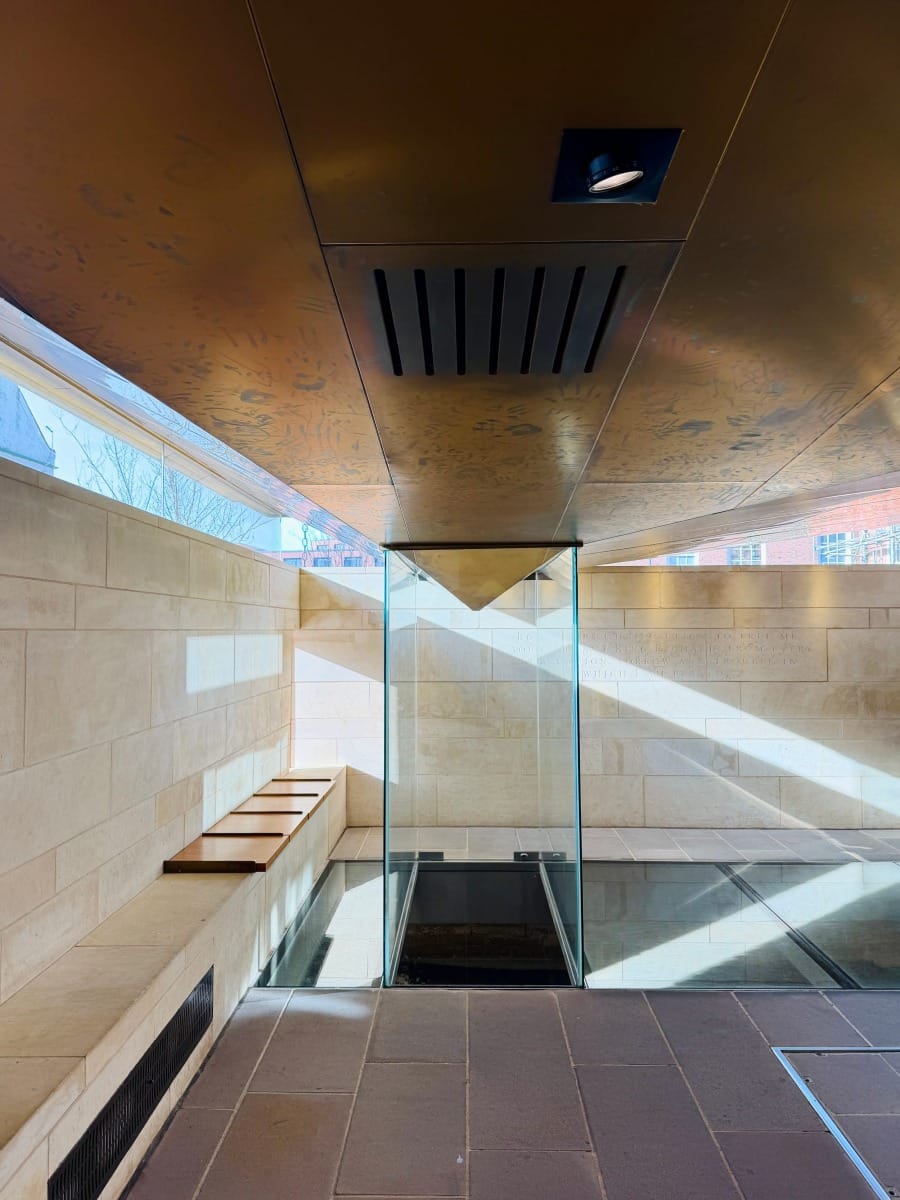
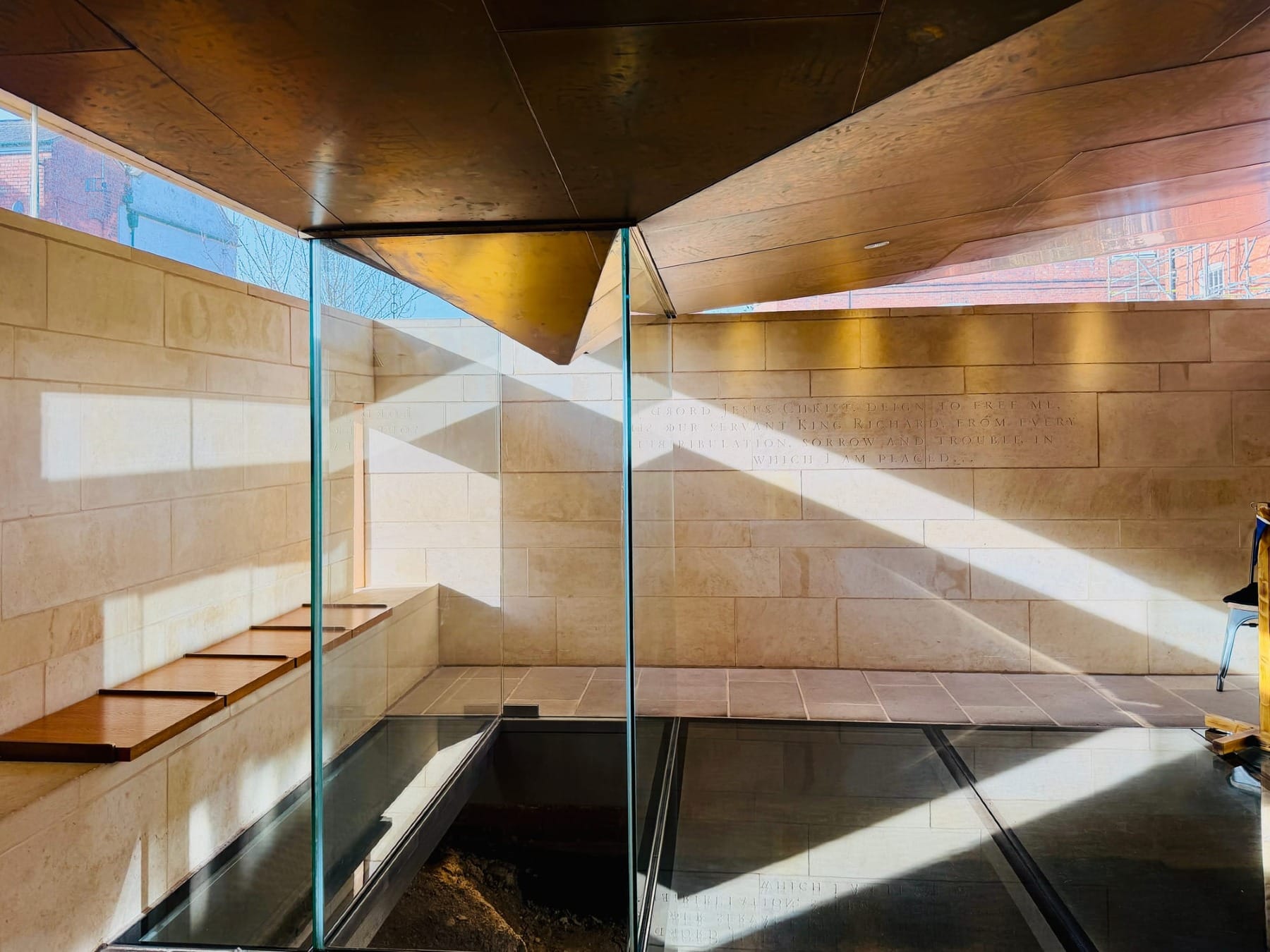
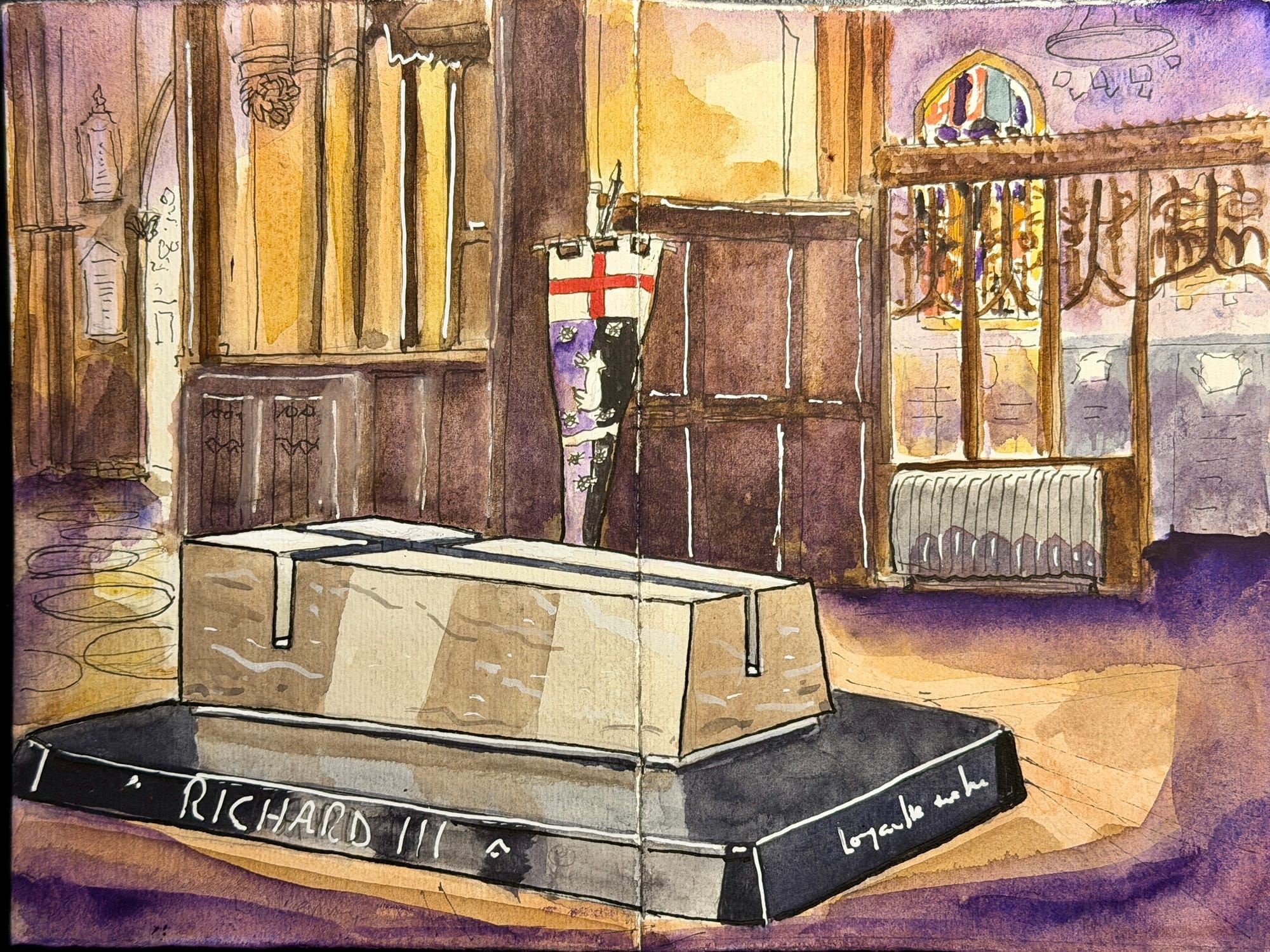
That certainty continues across the square inside Leicester Cathedral, where the Swaledale limestone tomb marking Richard’s re-interment carries its own gravity. The slab’s mass and restraint leave no doubt as to the transformation of fable into fact. Stone has a way of settling an argument.
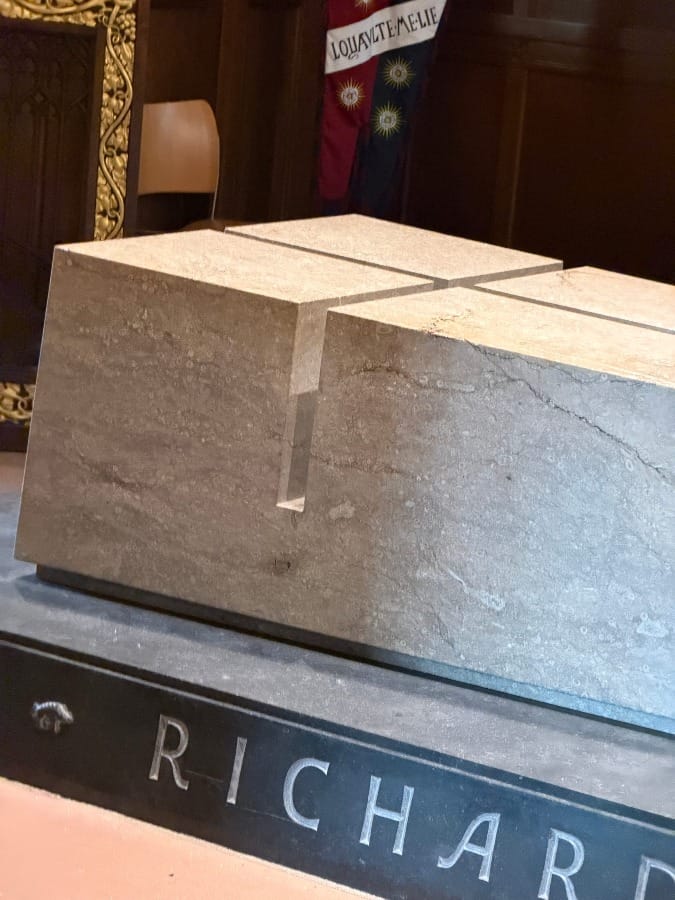
Go and see them both. They are miraculous in that they teach us how to really see. The trench and the tomb are two places that hold between them the movement from story to substance. At a time when so much feels provisional and endlessly revised, there is something delightfully restorative about standing before earth and limestone and knowing that they do not spin.
DAY EIGHT - 23 FEB 2026
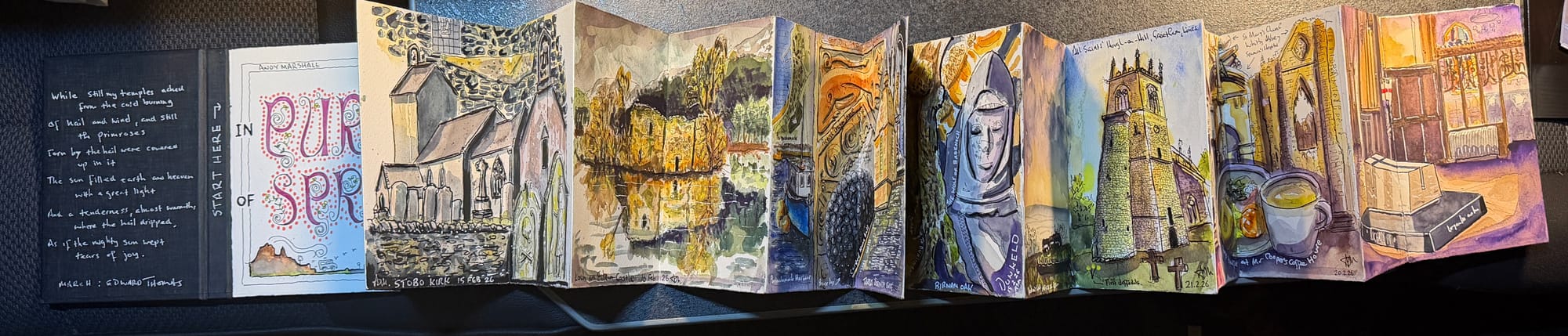
I had a panicky moment yesterday evening. Am I really going to manage this? A painting every day. A post every evening. The travel. The van. The turning over of one place into another. It all briefly felt excessive and self-imposed.
What draws me to what I’m doing here, though, is the rhythm and the discipline of committing to a daily creative act. There is something monastic in the routine - rising each morning to the same intention, keeping to a pattern regardless of mood, working through tiredness, tending the small practicalities before turning to the task at hand. The reward is a kind of catharsis and connection - sharpening my creative lens through the grit of daily movement, observation and creation. Order not imposed from outside, but shaped by what the day reveals itself.
Still, I arrived at Newport Cathedral - St Woolos’, or St Gwynllyw - in a state of anxiety, not helped by the unremarkable drive along the M4 and the steep walk up to the cathedral in the rain, bordered by litter along the boundary walls. Nothing about the approach soothed my nerves.
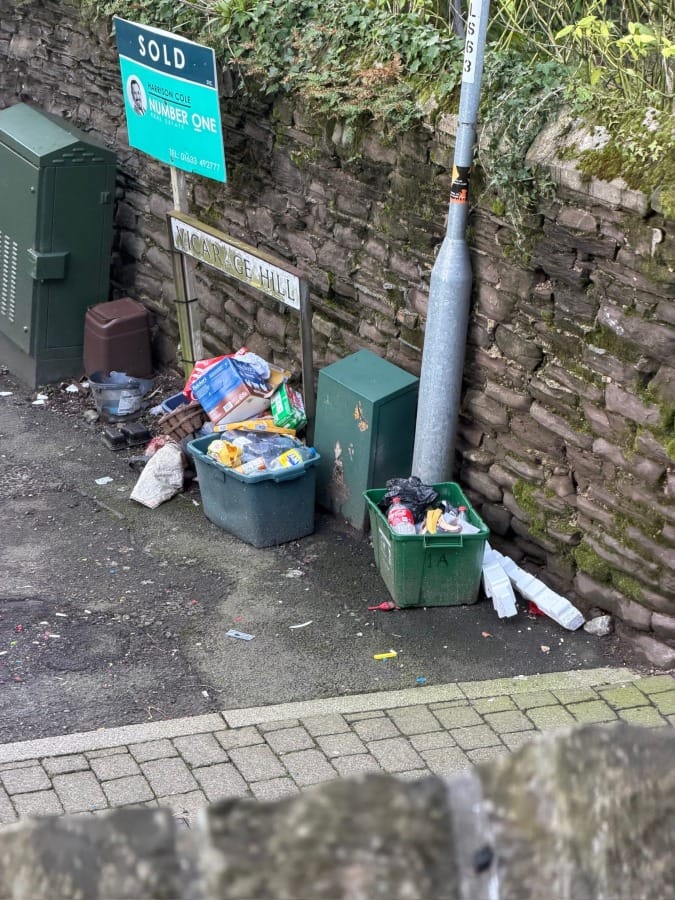
But once I was inside, the temperature shifted.
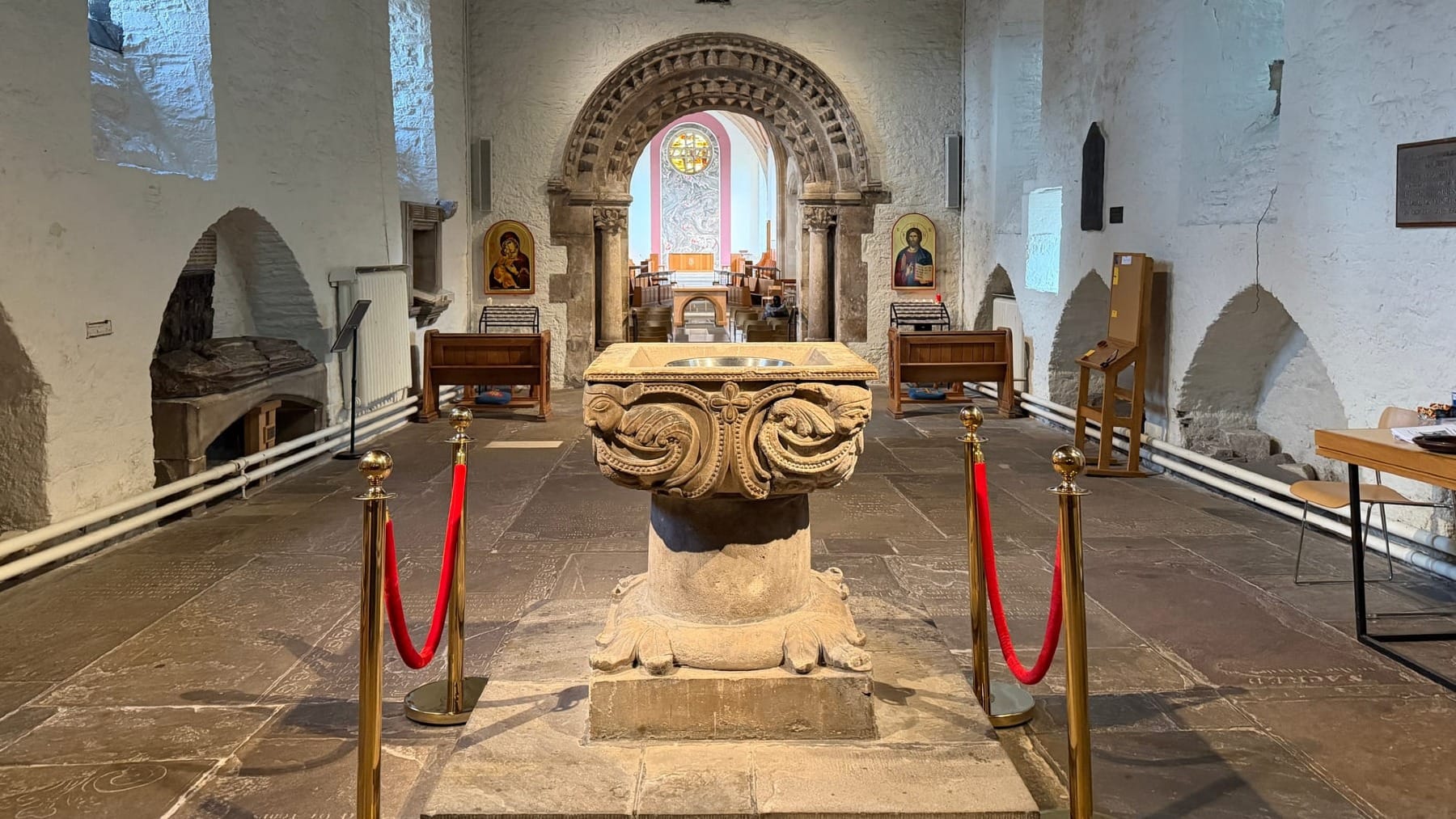
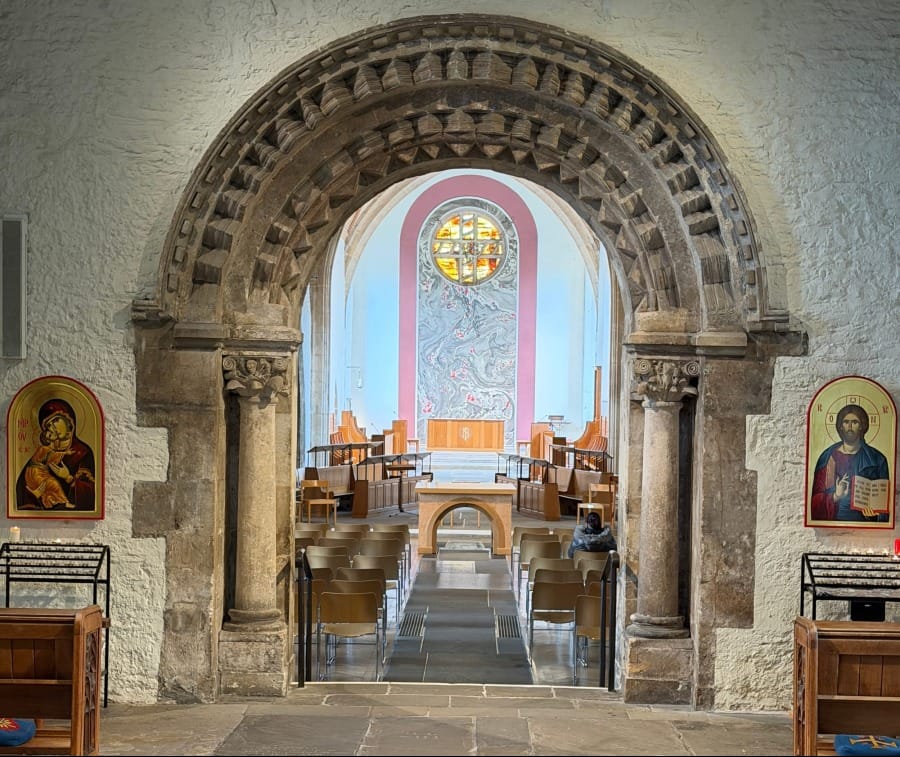
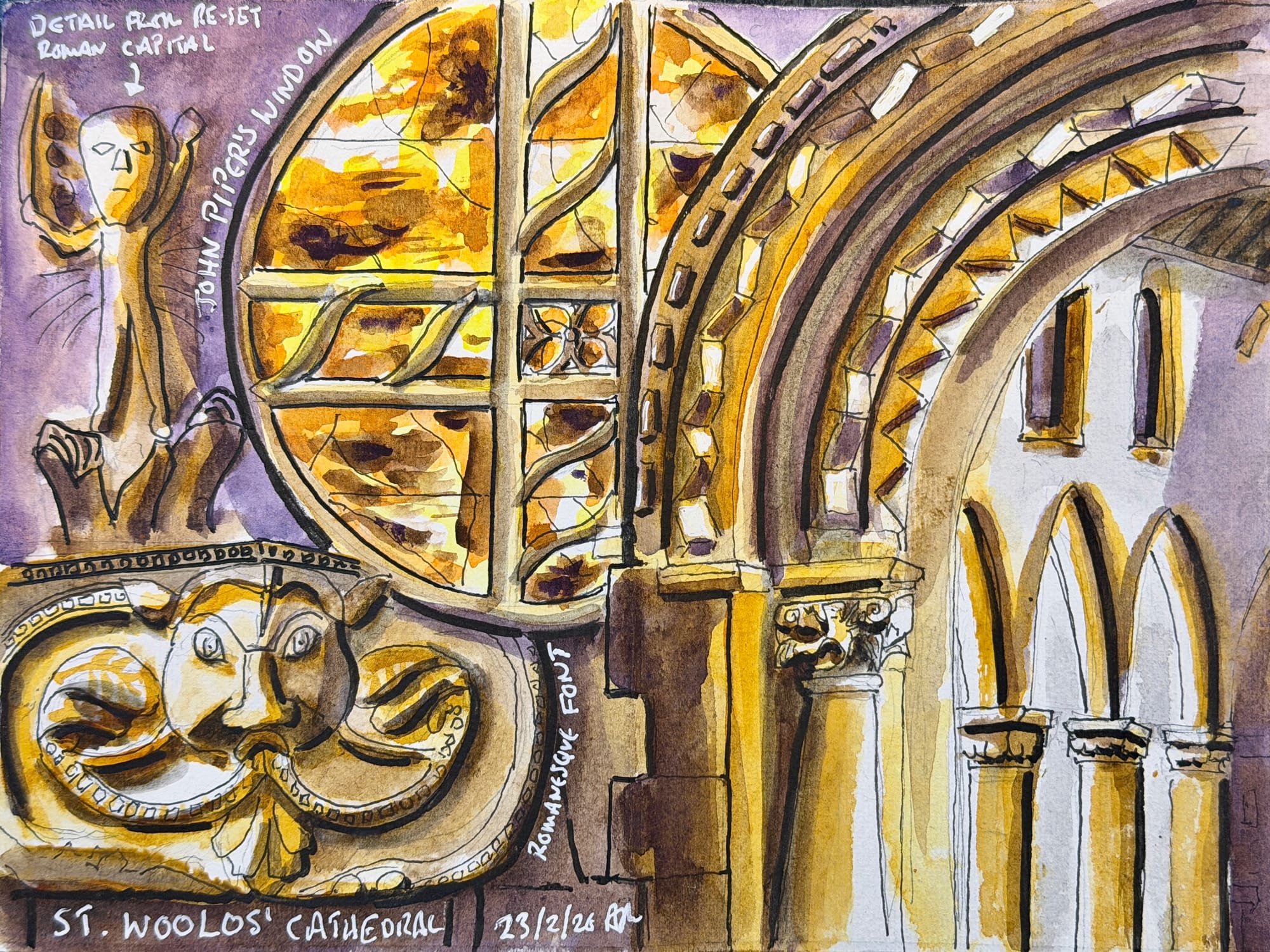
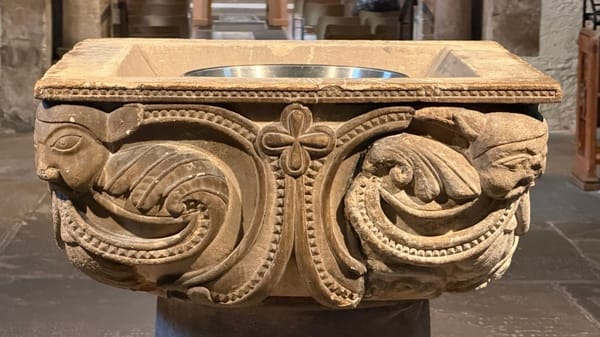
Entrance is through the tower and then into St Mary’s Chapel - which was part of the original church. From St Mary’s Chapel there is a view that steadies everything. The font in the foreground.
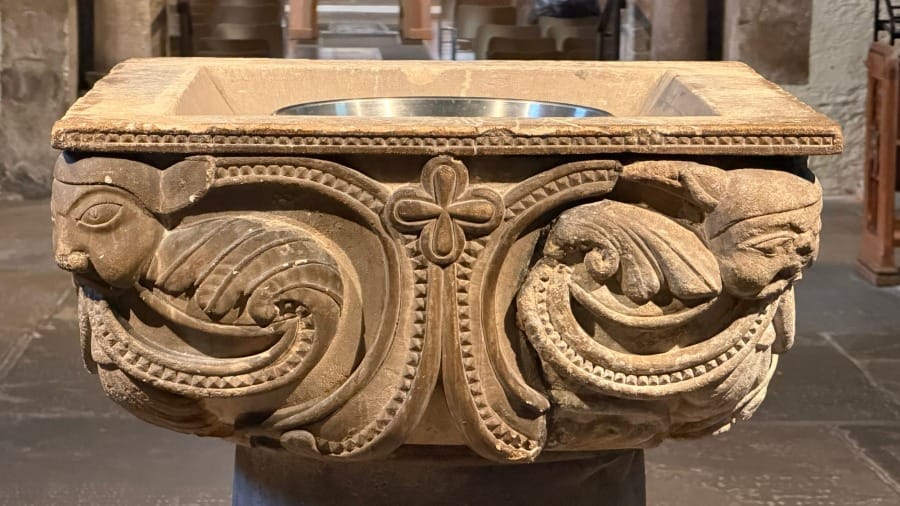
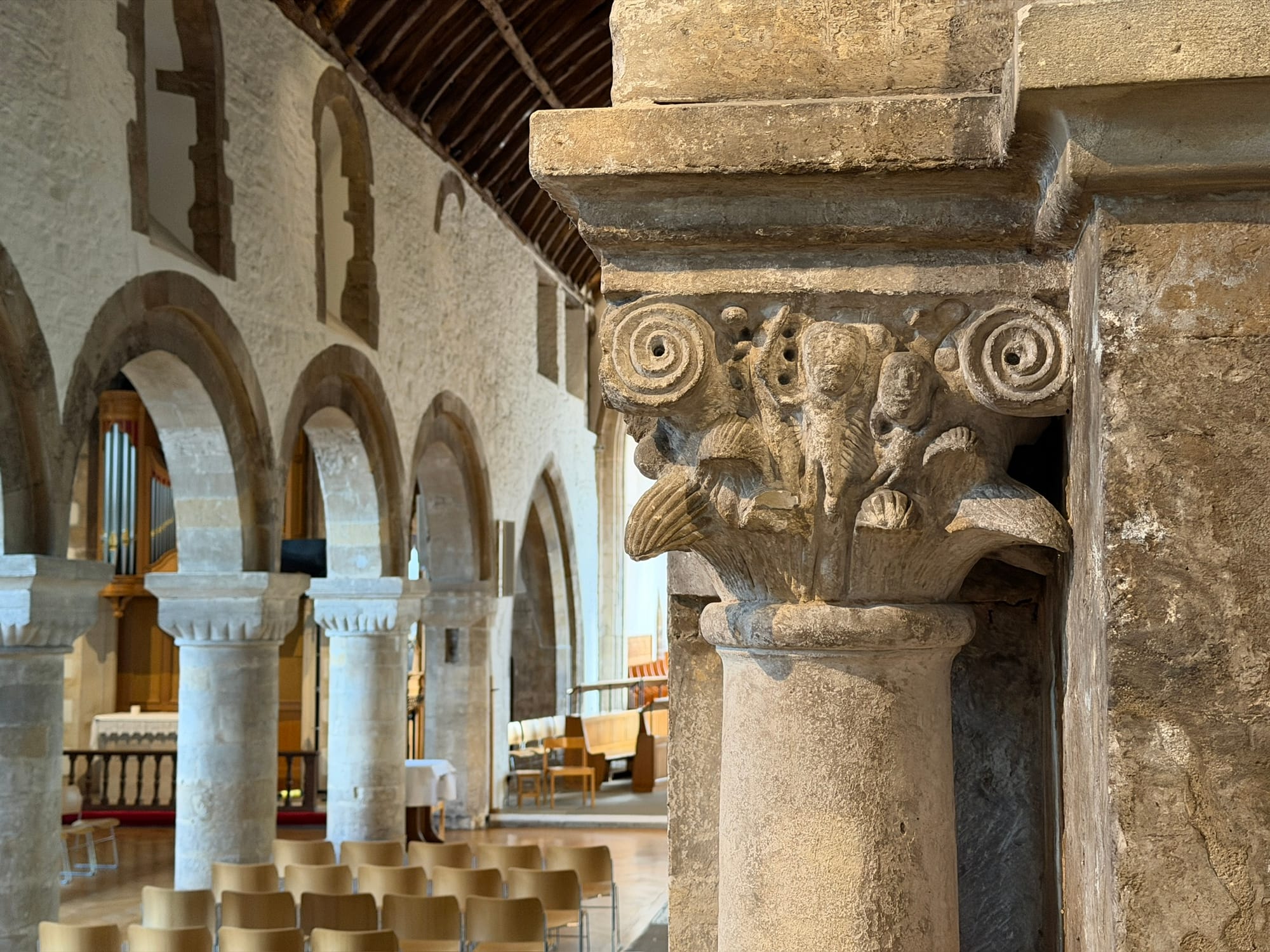
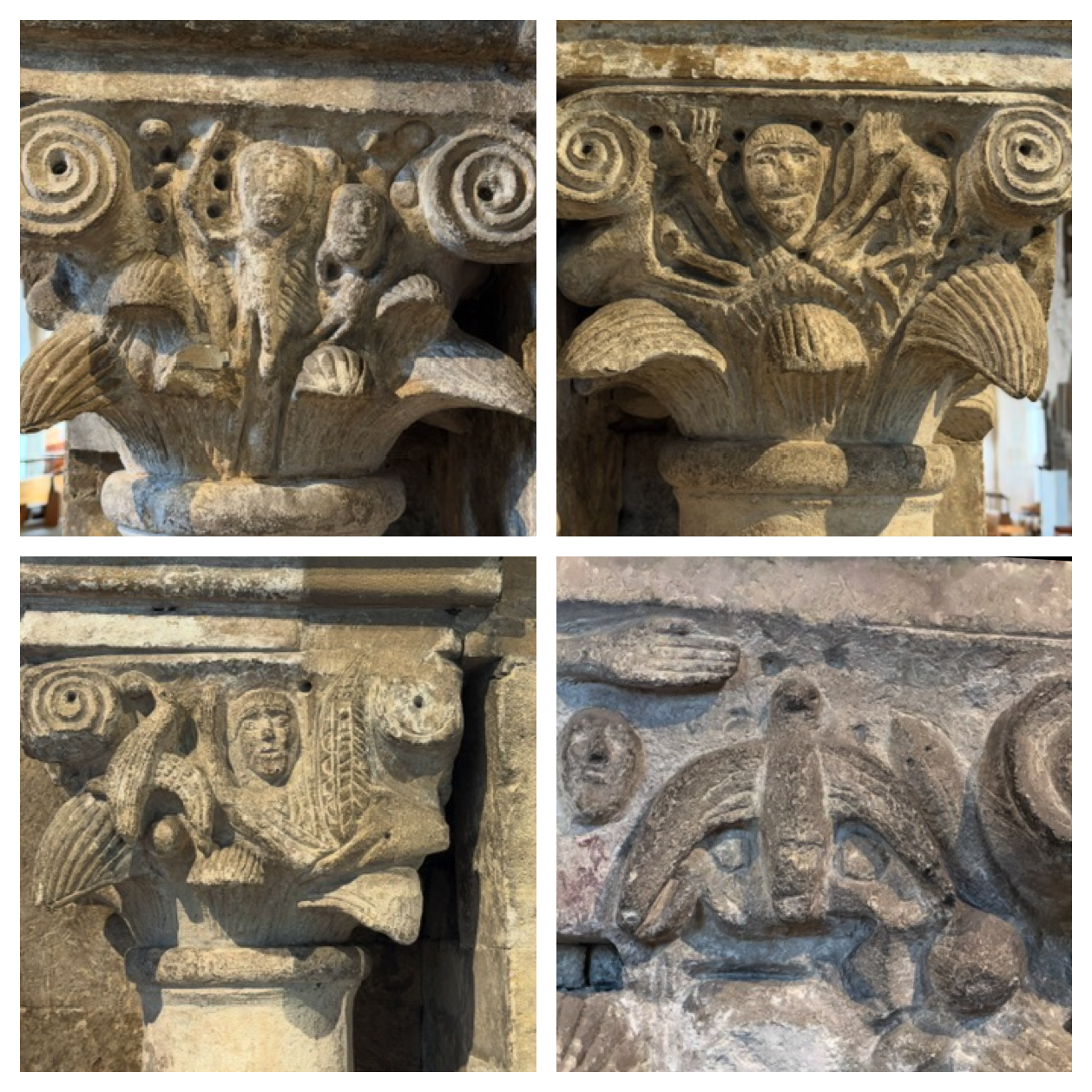
A Romanesque arch beyond it - reset Roman columns, re-carved Corinthian capitals - framing the heavy arcading.
Beyond that is the chancel with a dossal and window designed by John Piper in the 1960s.
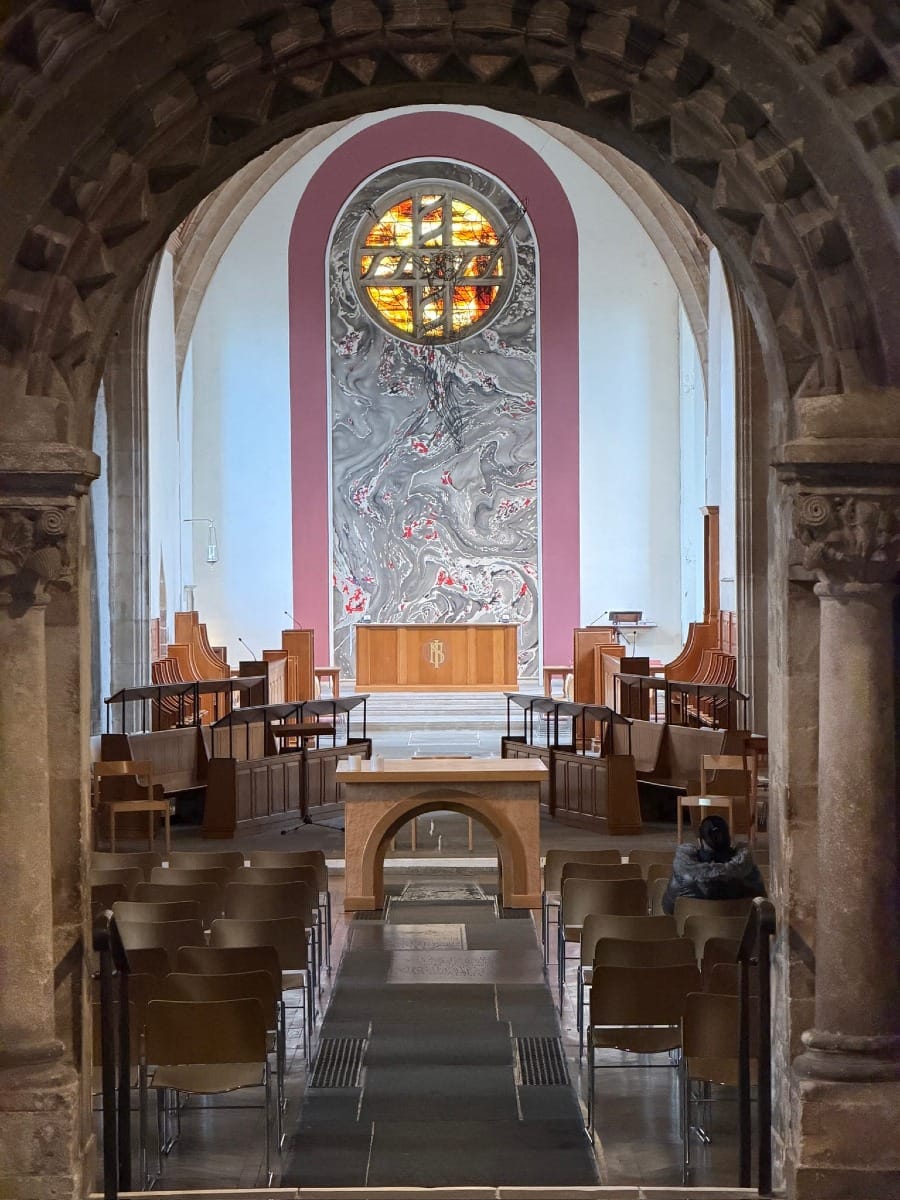
It is almost as if the cathedral has been arranged as a stage set - from a single viewpoint - telling the story of Newport across sixteen centuries. Roman fragment. Norman arch. Victorian Romanesque. Modern intervention. Each generation refusing to discard what came before, instead incorporating, re-carving, re-expressing, and carrying it forward.
But from that single viewpoint in St Mary’s Chapel, another narrative presented itself to me - renewal out of breakdown. The Victorian Romanesque font growing from an original fragment. The Norman arch holding earlier Roman columns and re-carved Corinthian capitals. The heavy-set nave leading the eye towards the 1960s chancel, where Piper’s dossal, patterned like storm-tossed brine, rises towards the coloured repose of his glass. Coloured light resolving the turbulence inherent within an artist that experienced the vagaries of war.
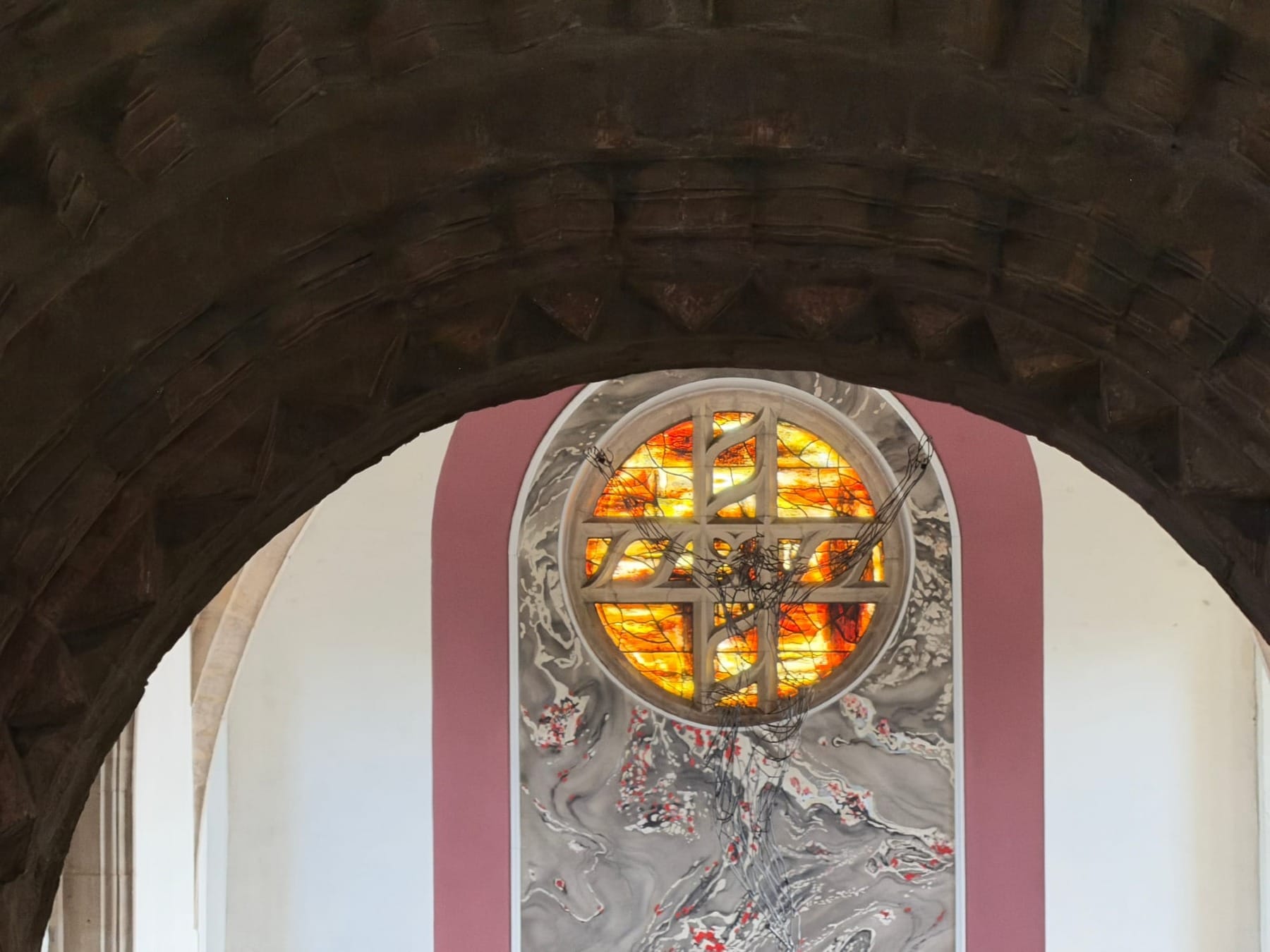
I was struck by how instinctively we resist losing the essence of the past. How we incorporate and repair in likeness. We translate fragments into new forms and re-purpose old forms into new settings. In that moment I realised the building was modelling the very thing I was reaching for - the patient assembling of fragments into coherence. Roman column, Norman arch, modern glass. Doubt, tiredness, resolve. Stone ordered into structure. A creative life ordered by discipline.
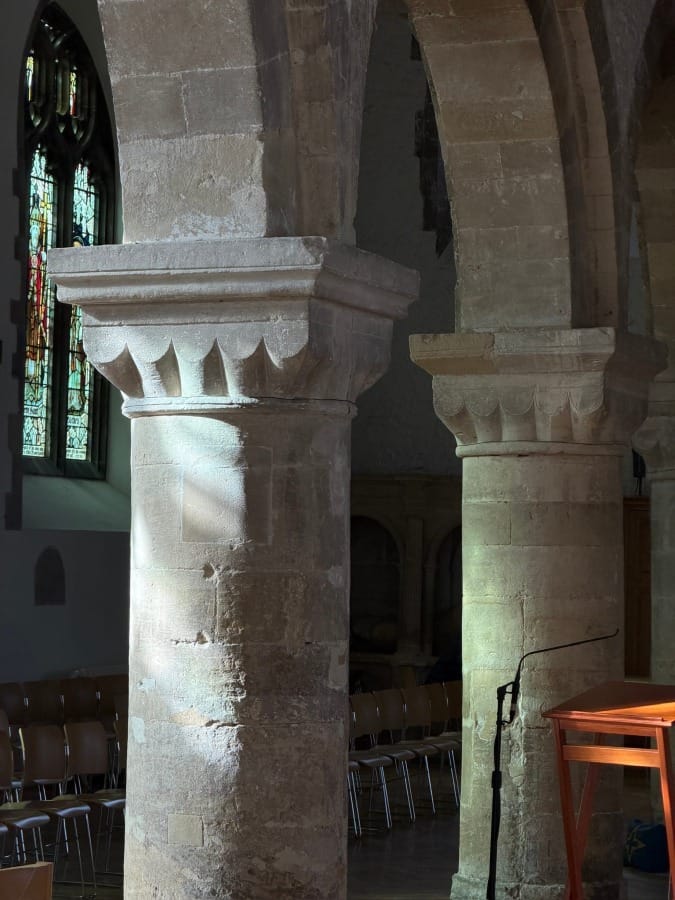
When I stepped back outside, the rain had stopped, and feeling re-invigorated, things I had not noticed on the way up began to register - blossom glowing, flowers blooming. Spring breaking free from the discipline of winter.
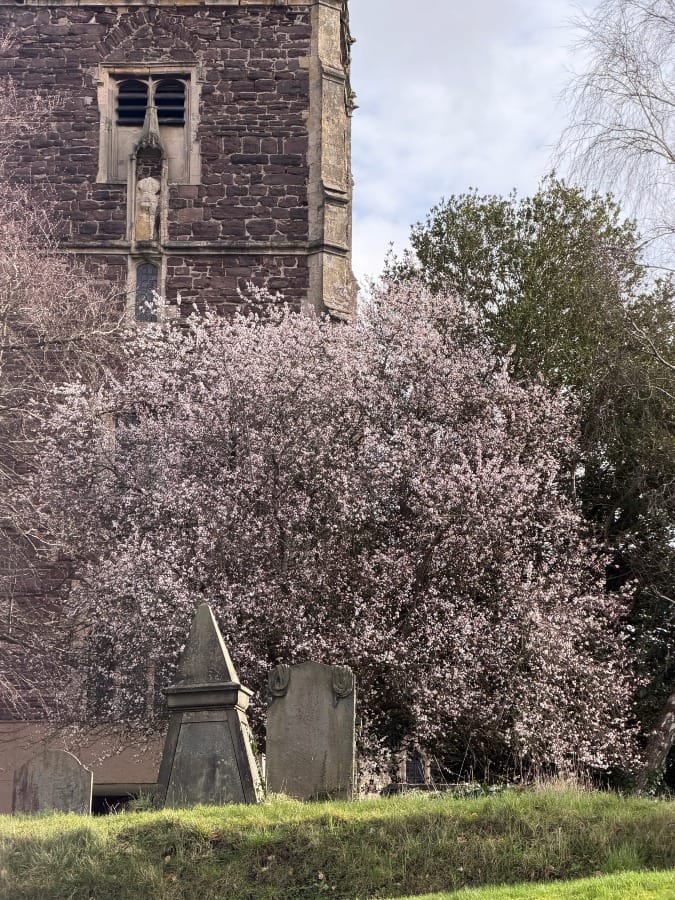
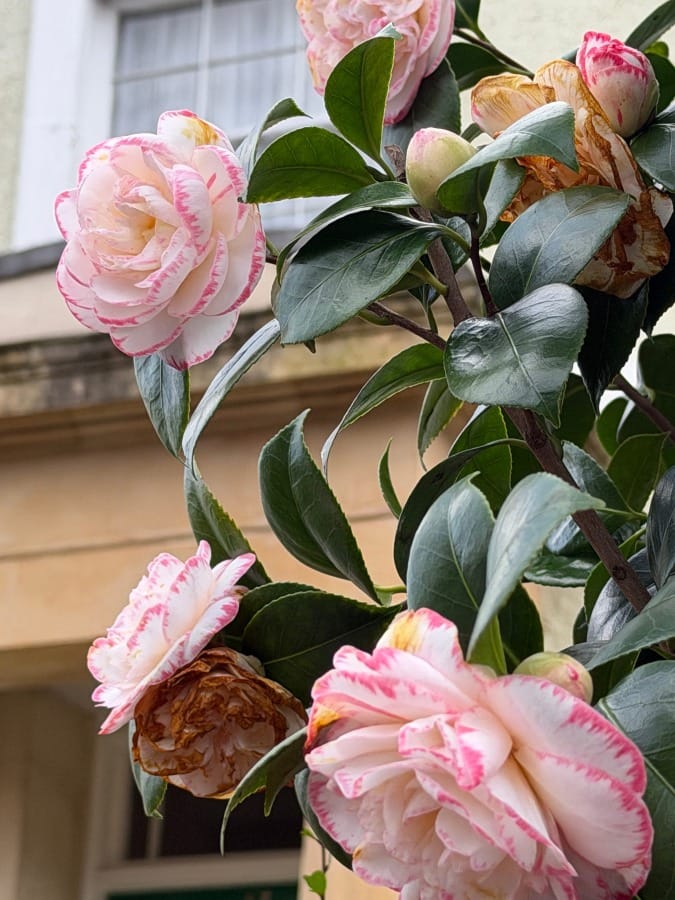
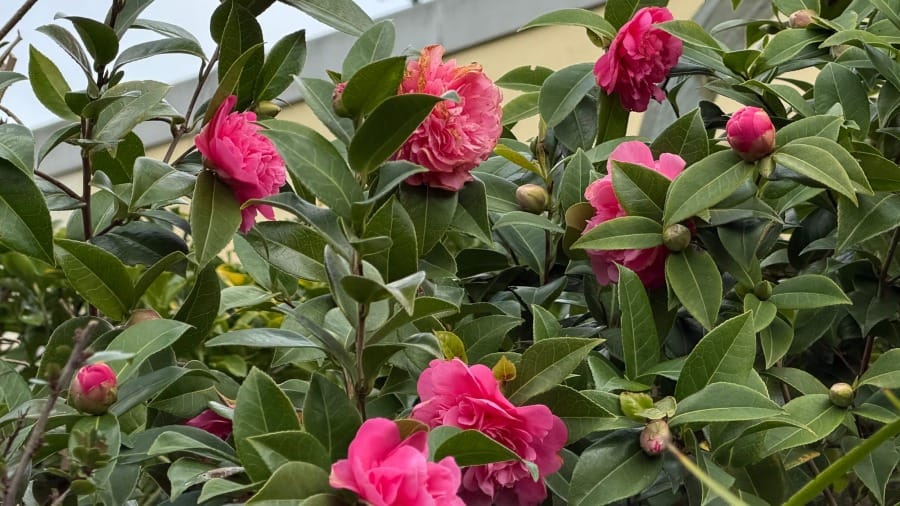
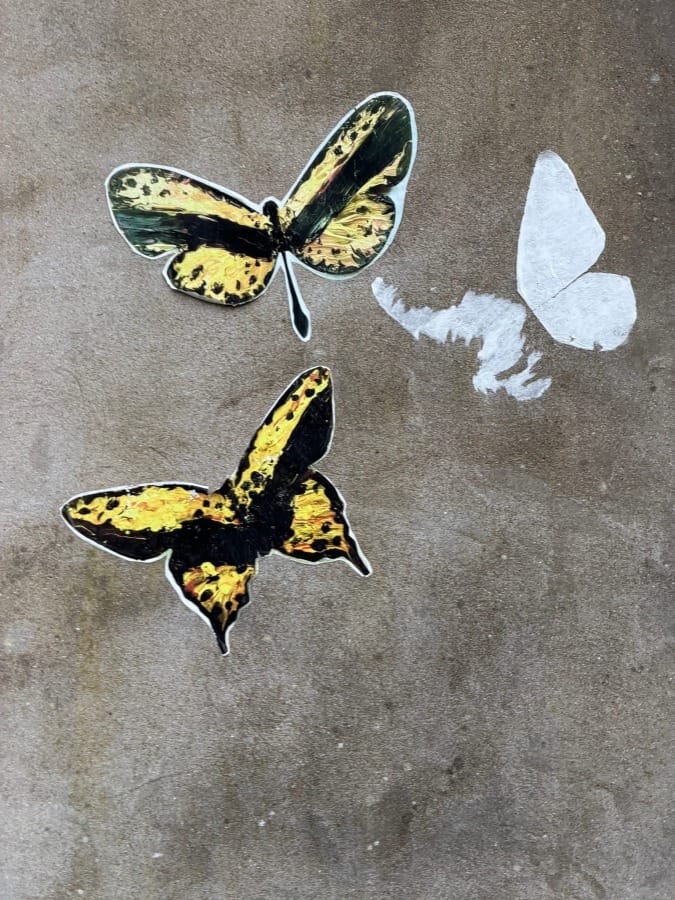
The same hill. The same city. But reordered somehow like the cathedral. And I felt it too - ready to rise again the next morning and start again.
DAY NINE - 24 FEB 2026
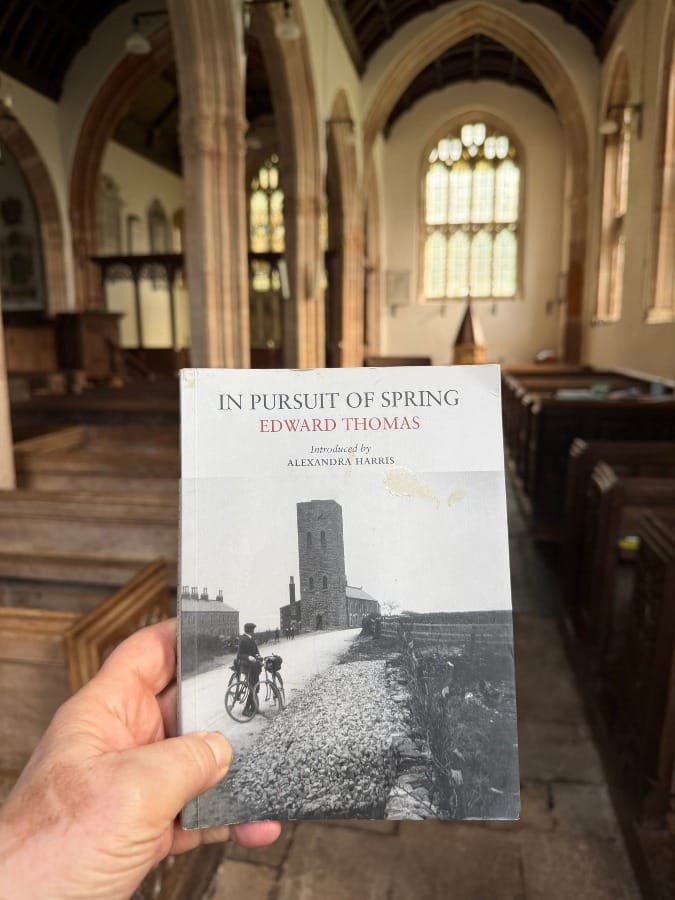
This journey was inspired by a book written by Edward Thomas, in which he travelled from London to the Quantock Hills in March 1913. In his book, every now and then, he converses with another presence - some say it is his shadow self.
Quite fancifully, I like to think that through some strange algorithm of time and intention - because I too struck out, in a far more modest way, to pursue spring - that his shadow self might have been me. Time travelling back to consult him on his findings. To compare notes across a century.
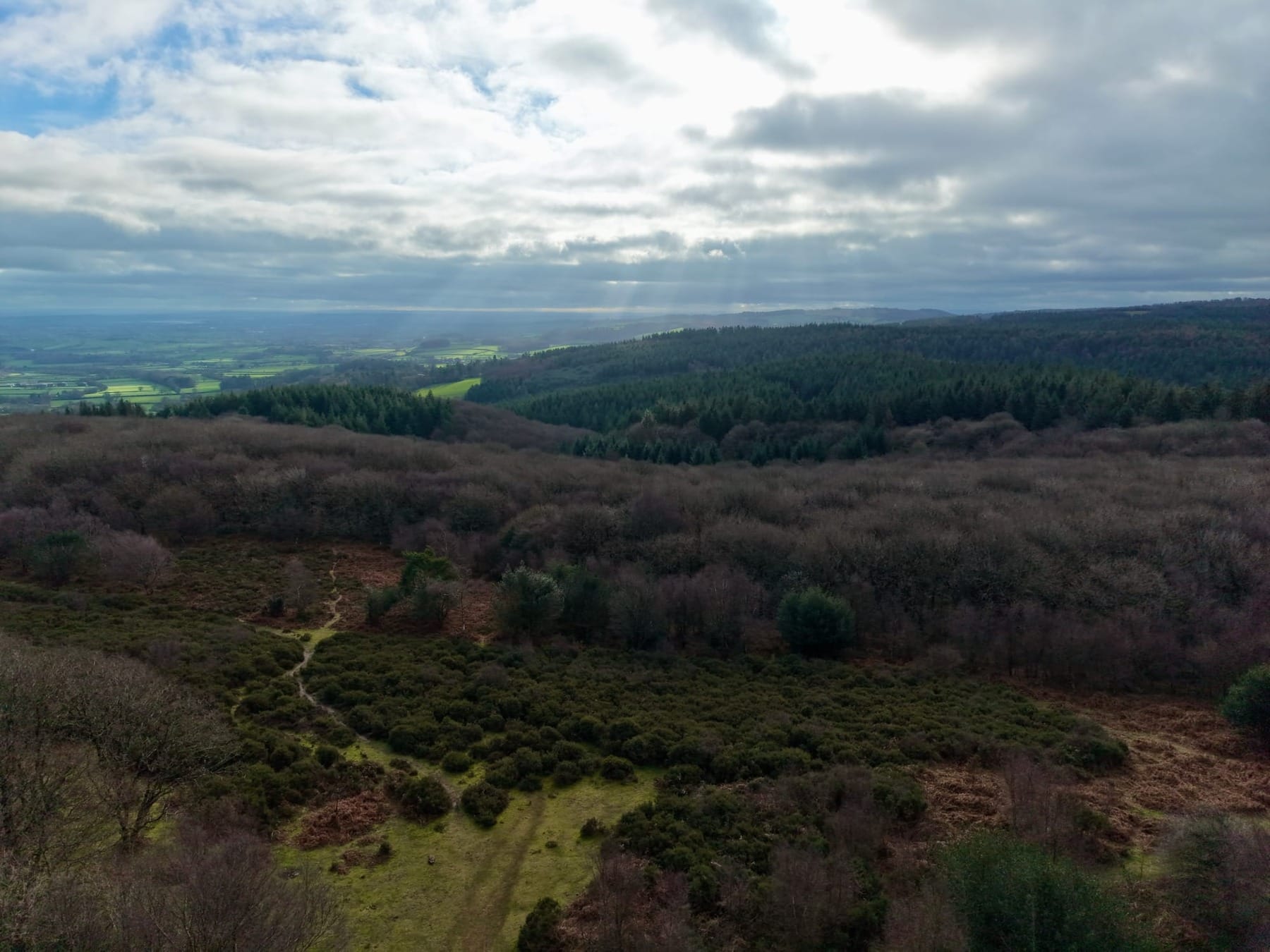
Today our paths crossed for the first time as I drove up the steep, tree-shrouded lanes of the Quantocks and onto the heights overlooking the Bristol Channel and Wales beyond.
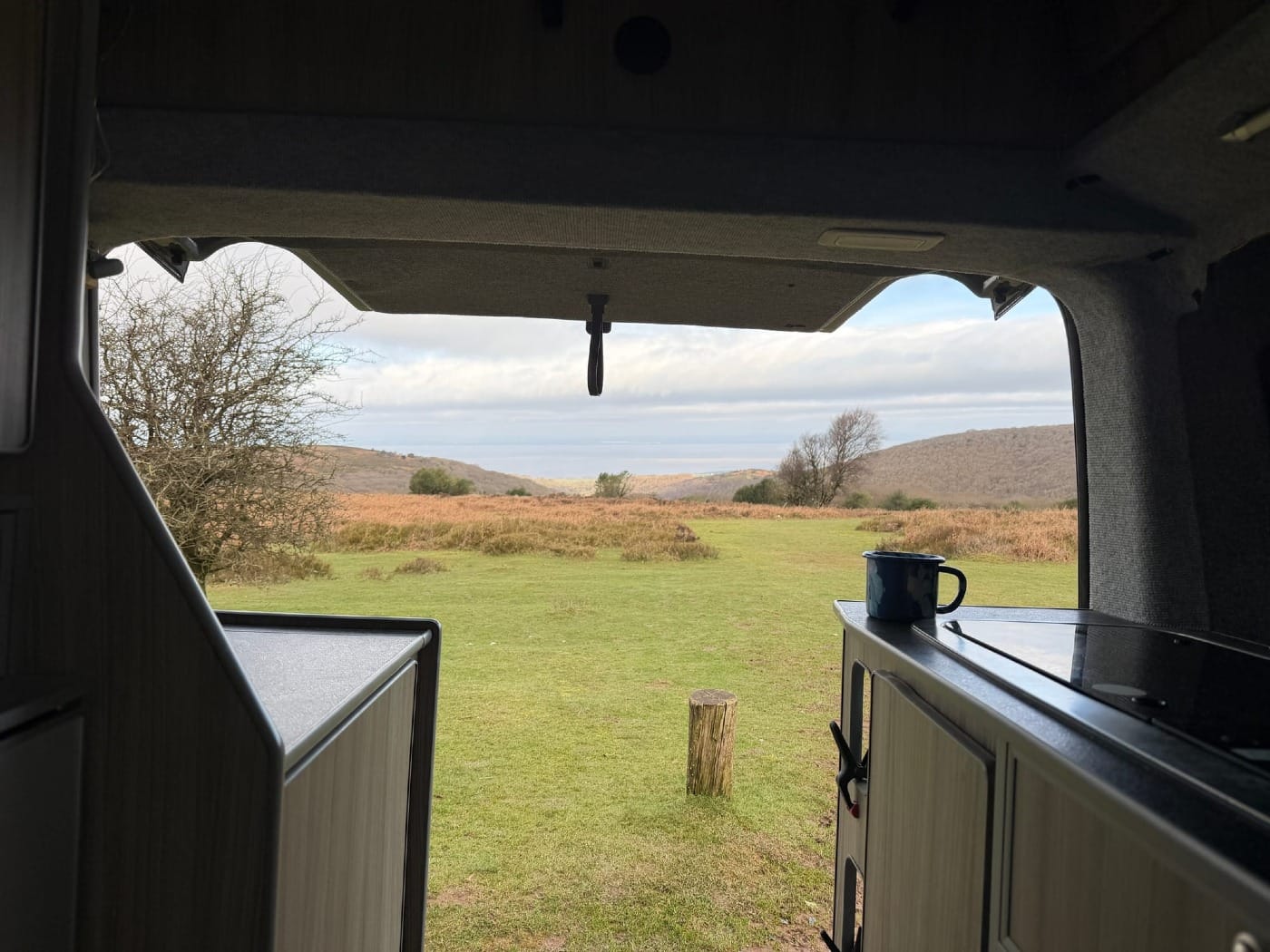
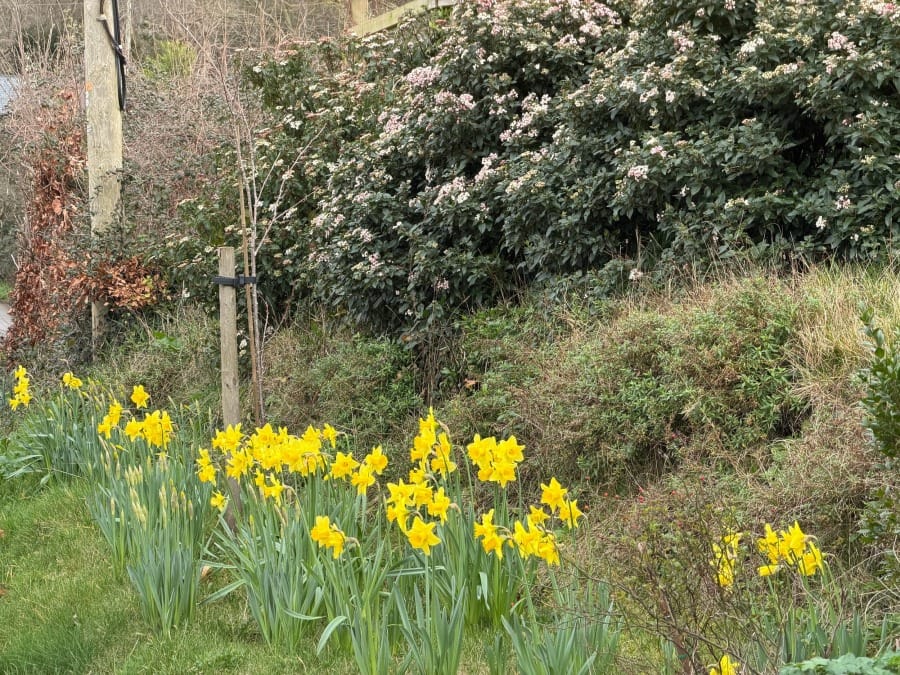
I sensed him in the blossoming trees, in the daffodils at the verge, in the damp sheen of the tarmac.
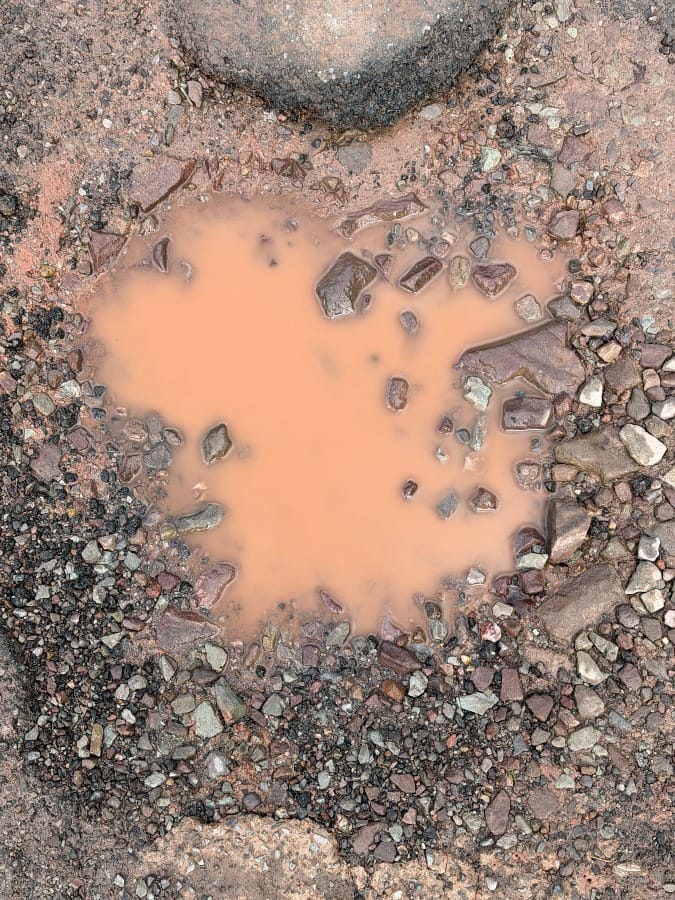
I sensed him in the ruddy puddles, the call of the chaffinch, the caw of the rook.
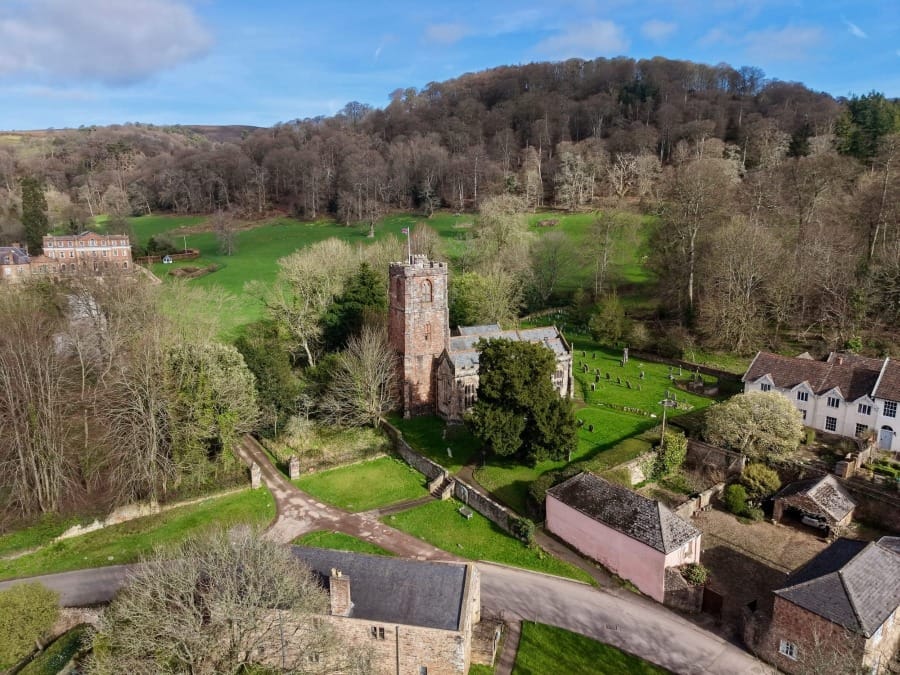
And a few miles from the heart of the Quantocks, I sensed him most at Crowcombe.
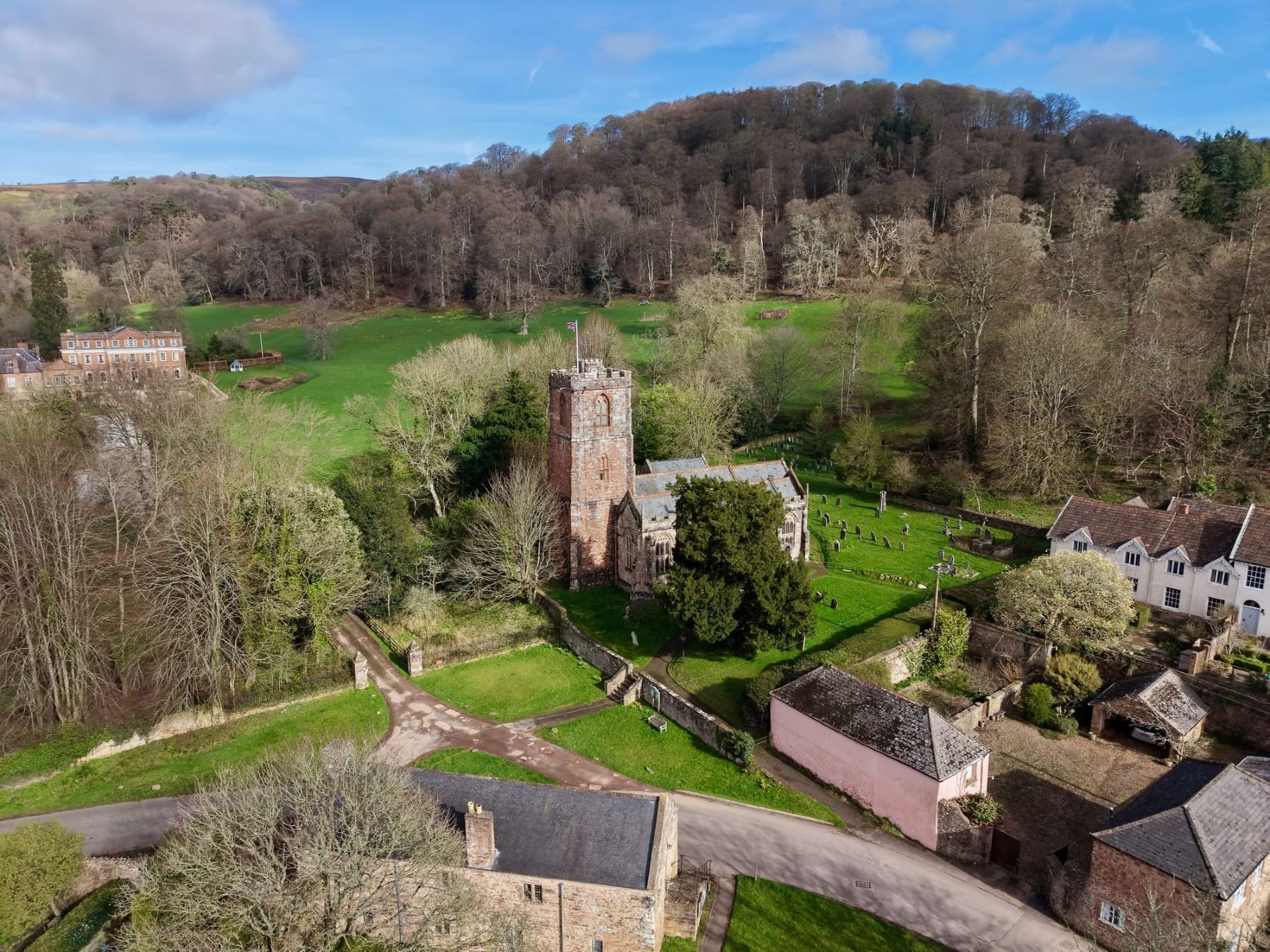
On his journey, Thomas carried a camera. He took a photograph of Crowcombe along a lane with the church tower rising in the distance. When I parked up, I first tried to find that same spot - but the road was too dangerous to walk.
Maybe he’s not here to guide me after all, I thought.
The disappointment eased as I walked into the centre of the village and saw the church just as the sun broke from behind the clouds.
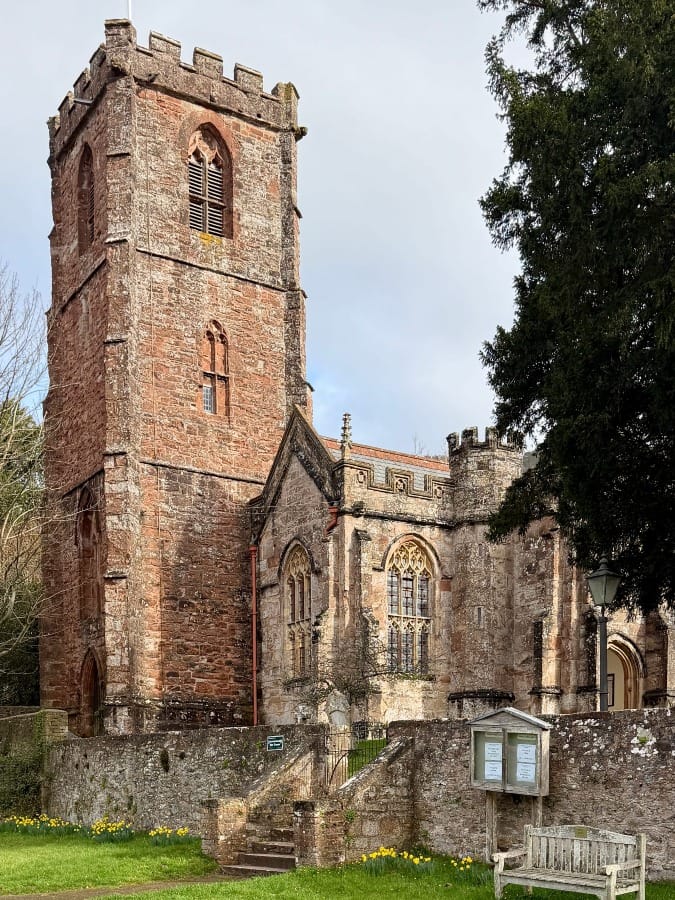
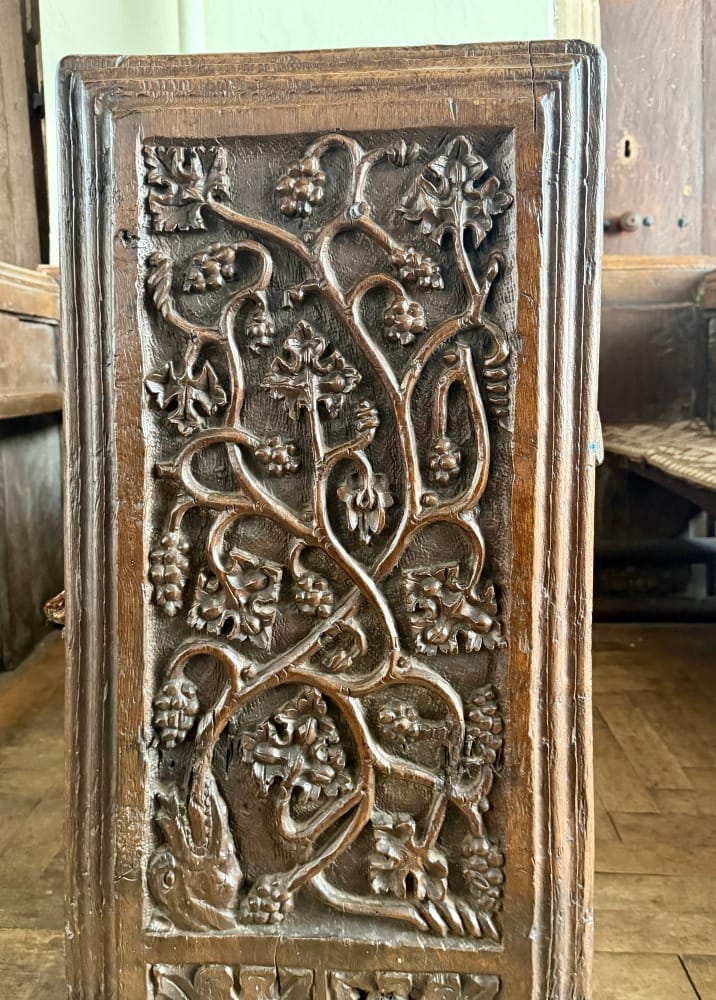
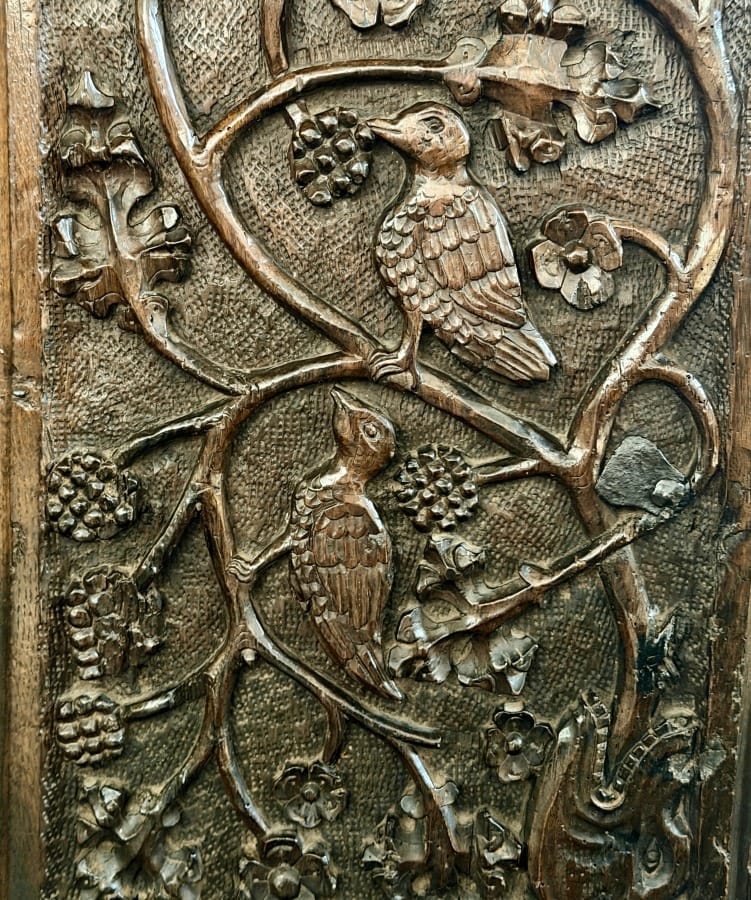
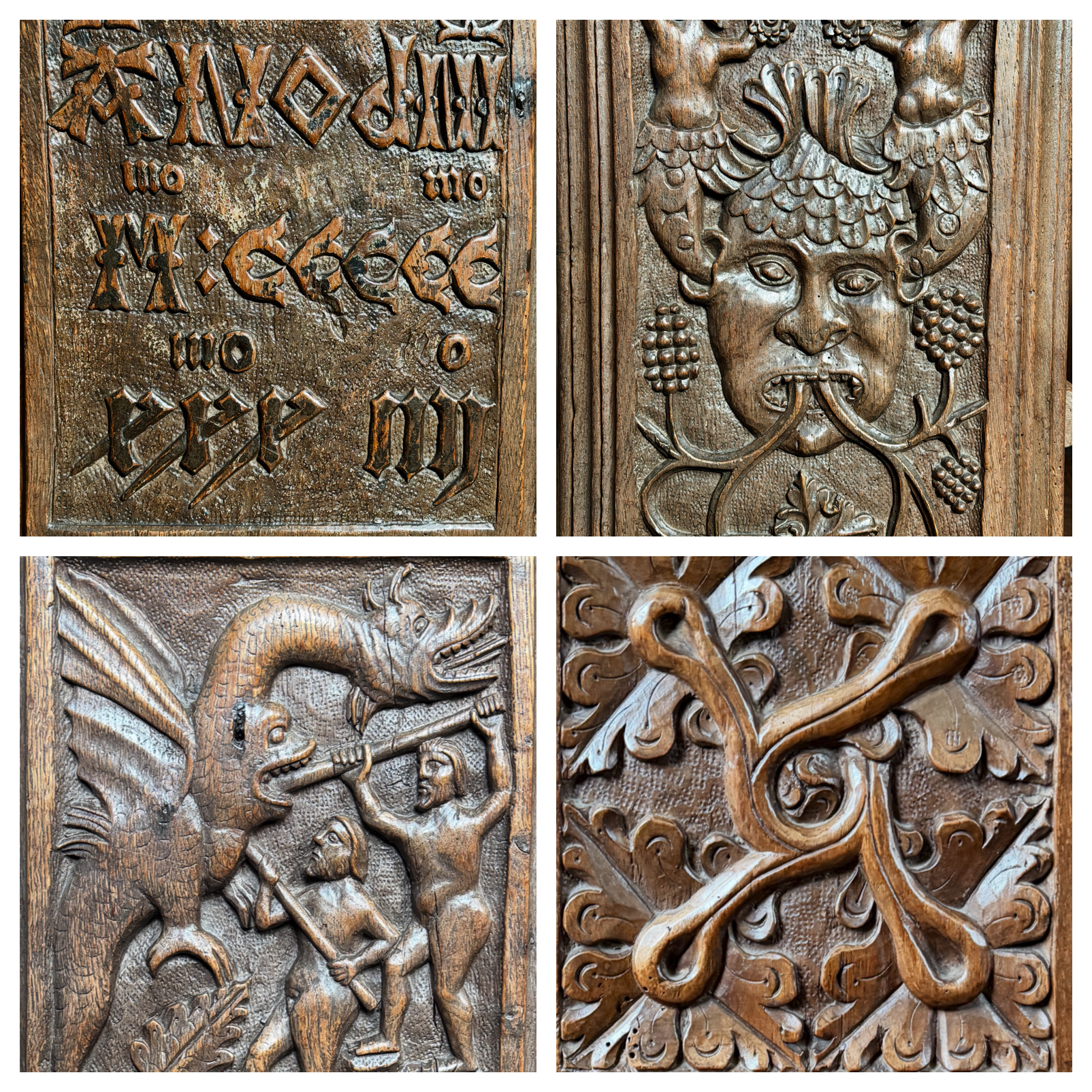
If it had snowed all the way down from Scotland, I would still have found spring inside this church - for the bench ends are alive with the most delicious foliate carving - green men, mythical creatures, birds and other animals.
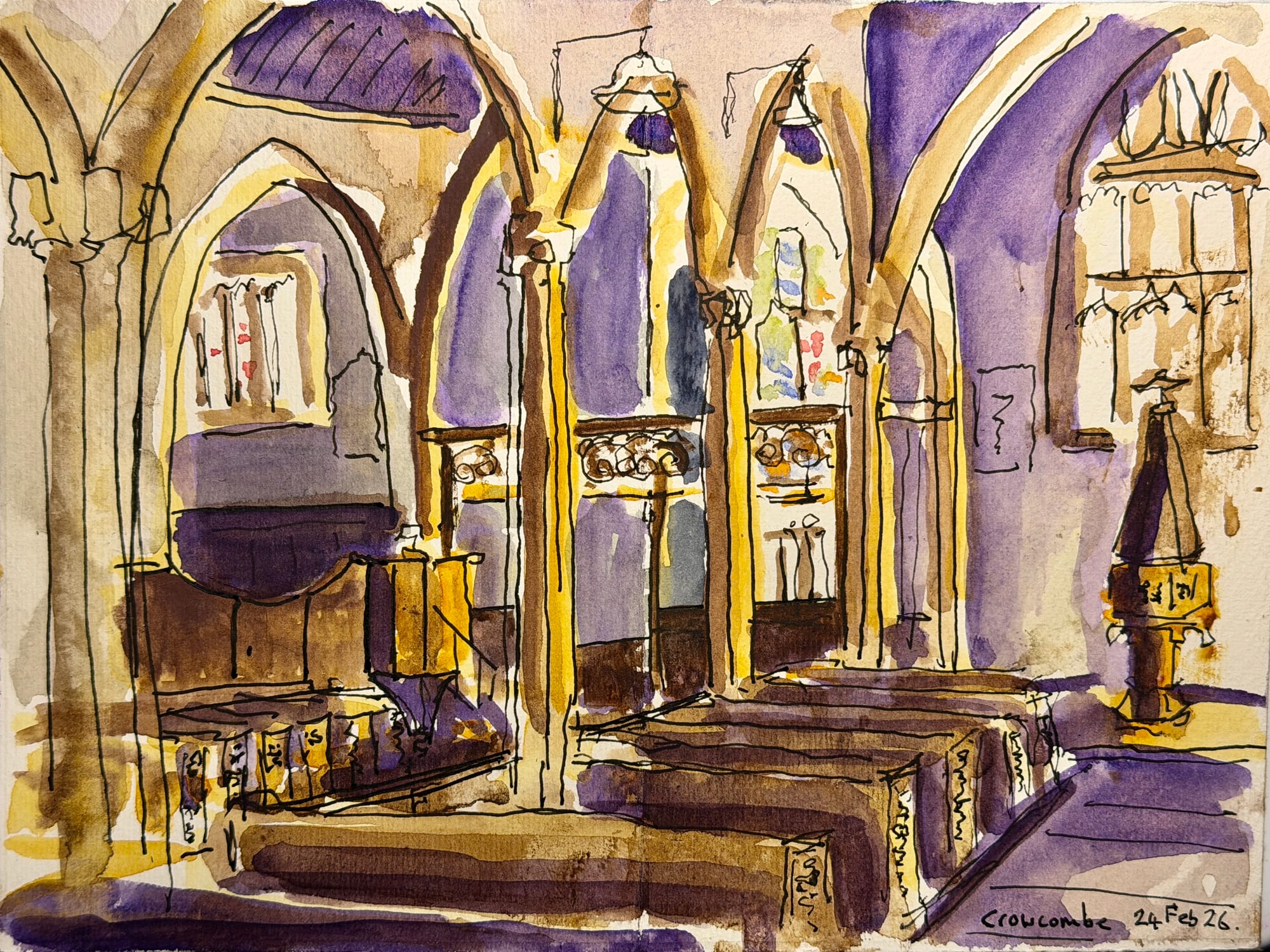
The light across the floor and along the arcade and pews was so compelling that I took out my sketchbook and watercolours.
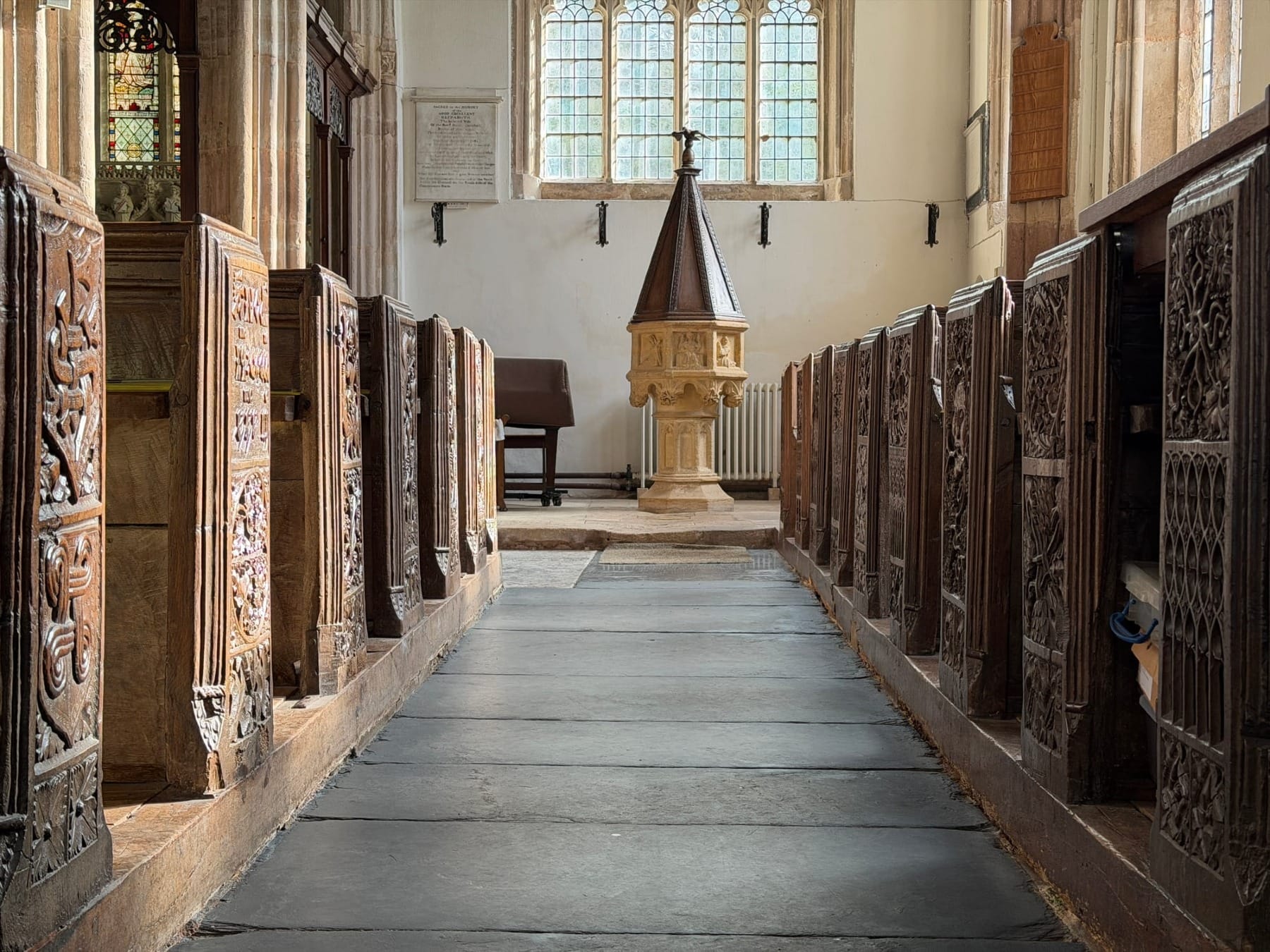
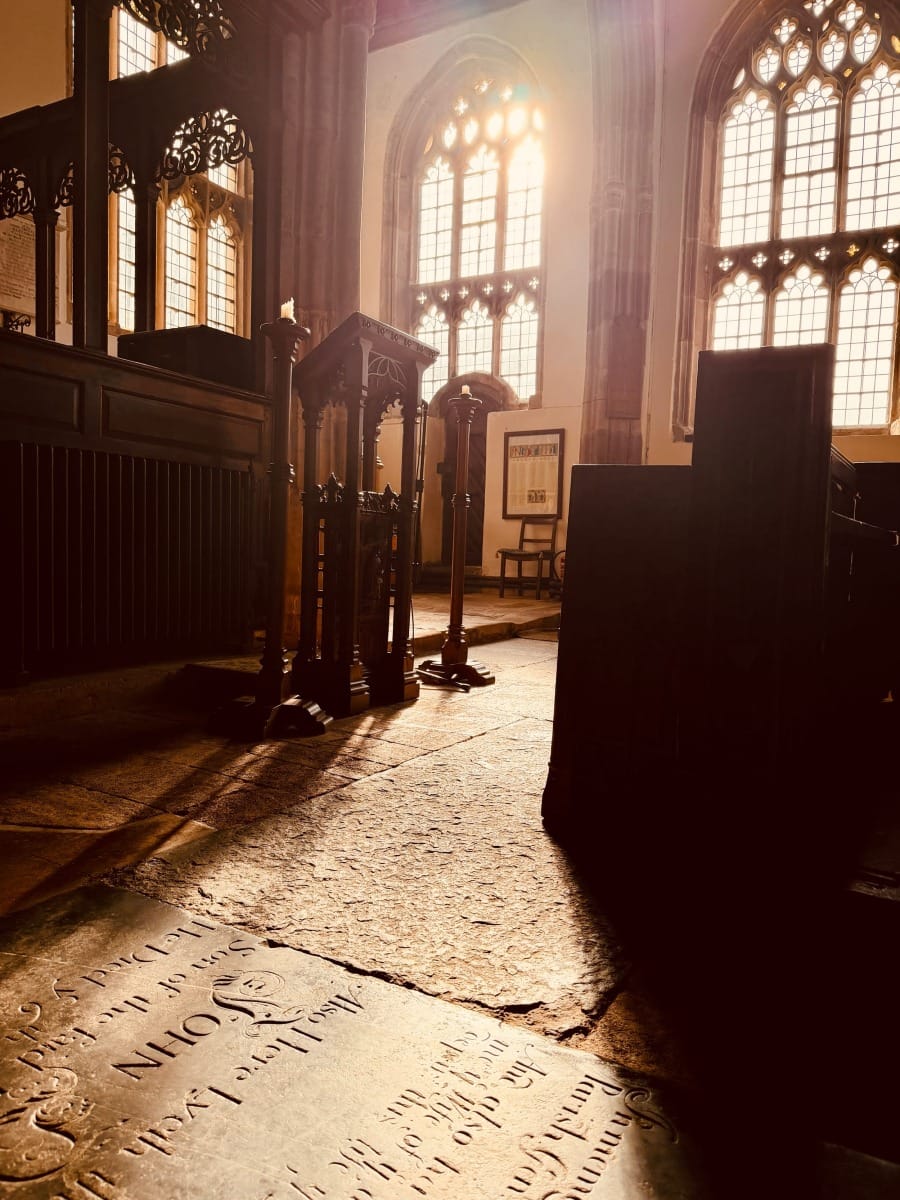
This was not the usual sketch - but a kind of mark-making thumbed by the soul of things - light and colour and form from the felt sense and not through the eyes.
After I finished, I laid the painting on the pew to dry and walked the church again.
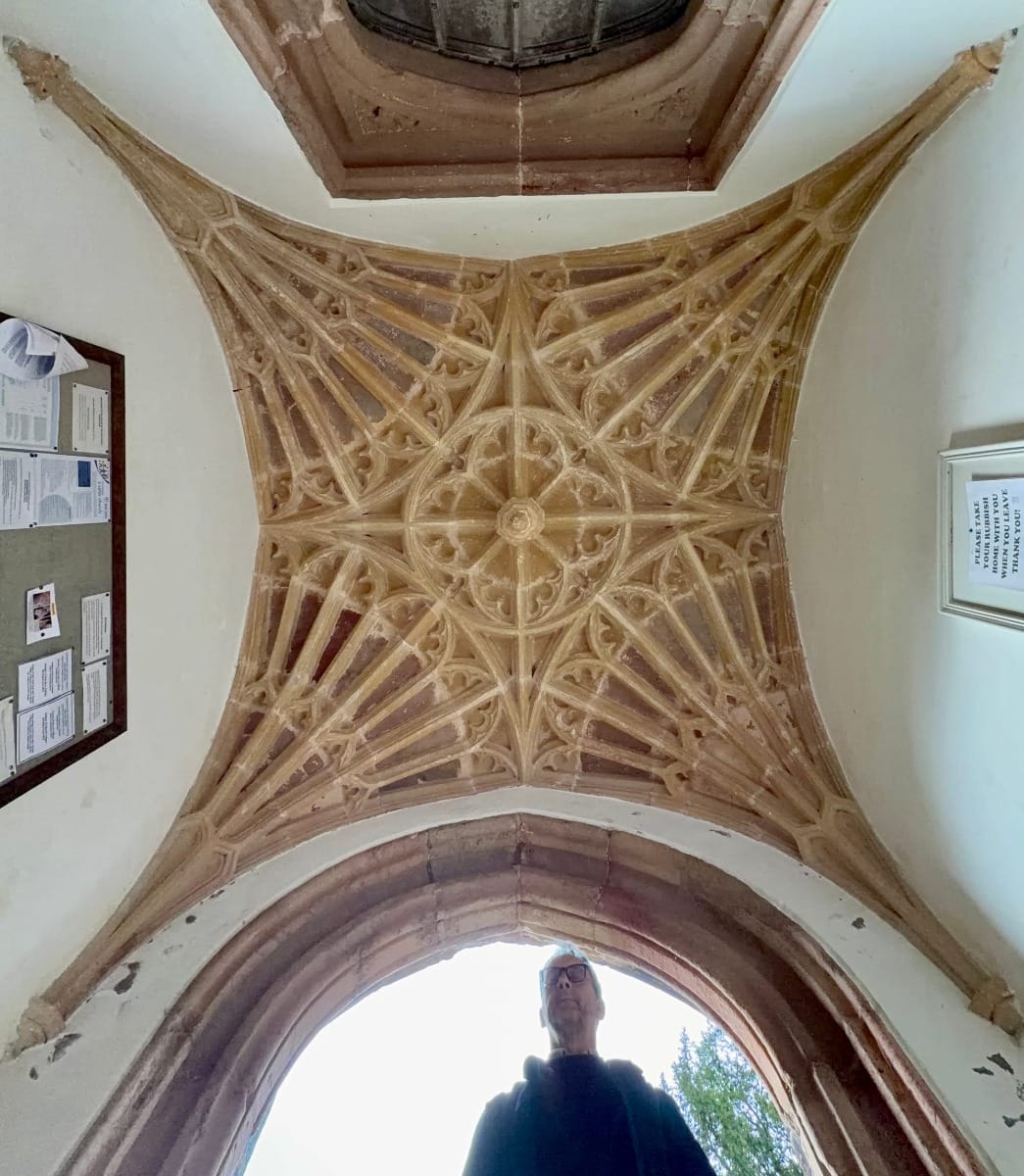
Later, driving out of Crowcombe towards Cornwall, I realised that I had left my sketchbook behind with the foliate bench ends fanning it dry. I turned the van around and travelled back along the lane - and there it was - the very view Thomas had photographed - the church tower rising in the distance just as it had for him.
He hadn’t let me down after all.
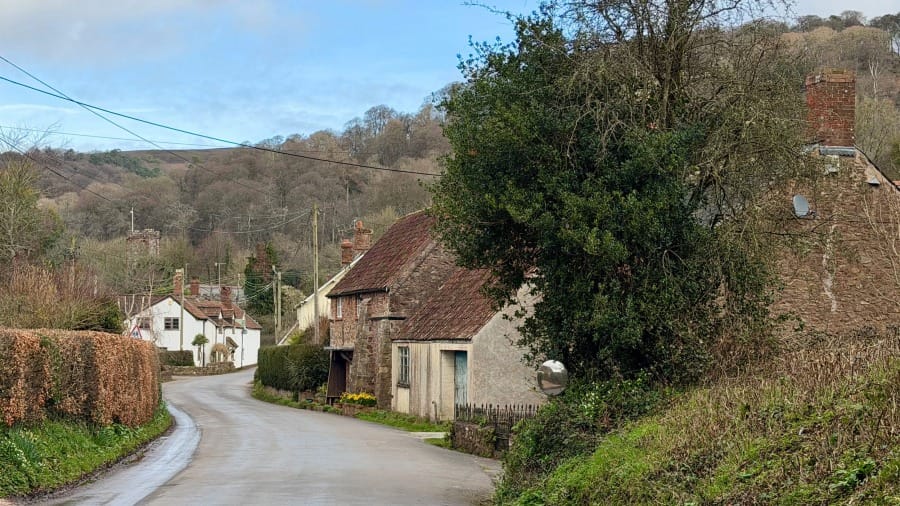
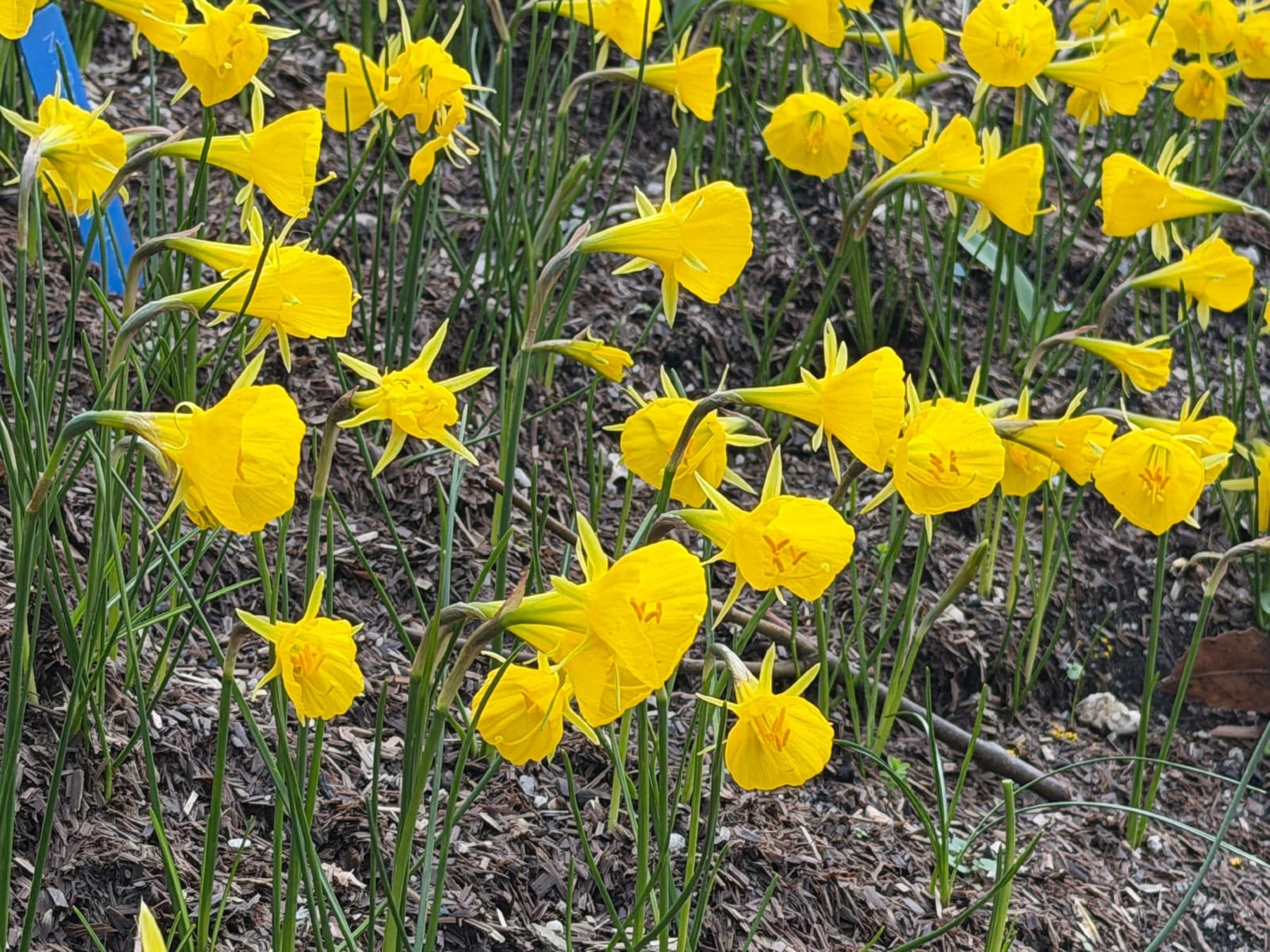
Only weeks after Christmas, I found evidence of spring at Crowcombe - daffodils swaying at the roadside and blossom along the hedgerow. I was reminded that the season does not wait for perfect conditions before it begins its work. Even in the chill that clings to lanes and walls, something is already pressing upward beneath what appears dormant.
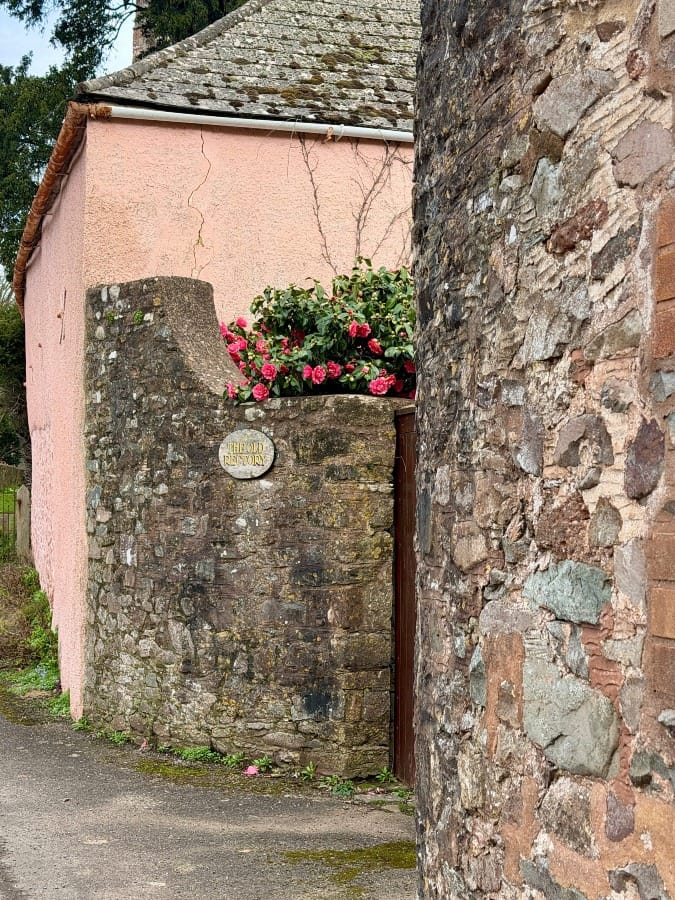
And perhaps that is what I had been seeking - a kind of reassurance that renewal doesn’t require the absence of winter - that growth can gather strength beneath fatigue and doubt until it reveals itself without fanfare.
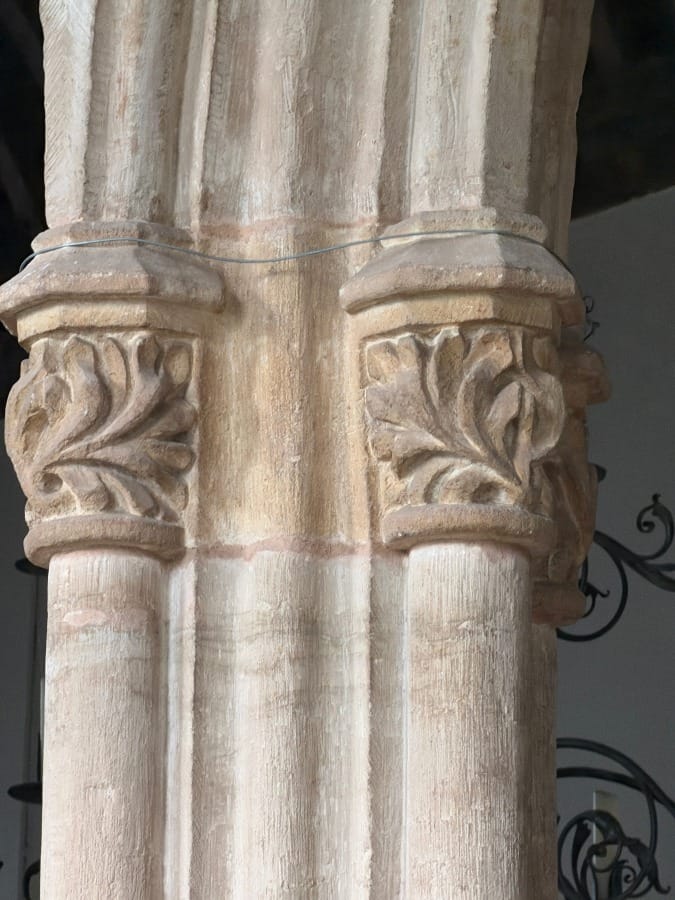
In Crowcombe the landscape did not feel empty of those who had passed this way before - their words and footsteps seemed to have left a trace in the way the lane bends and the tower rises - shaping how I saw and what I noticed. It felt less like coincidence than companionship that I rediscovered the same framed view - a reminder that what stirred him can still stir us - and that the impulse to seek spring is shared across time.
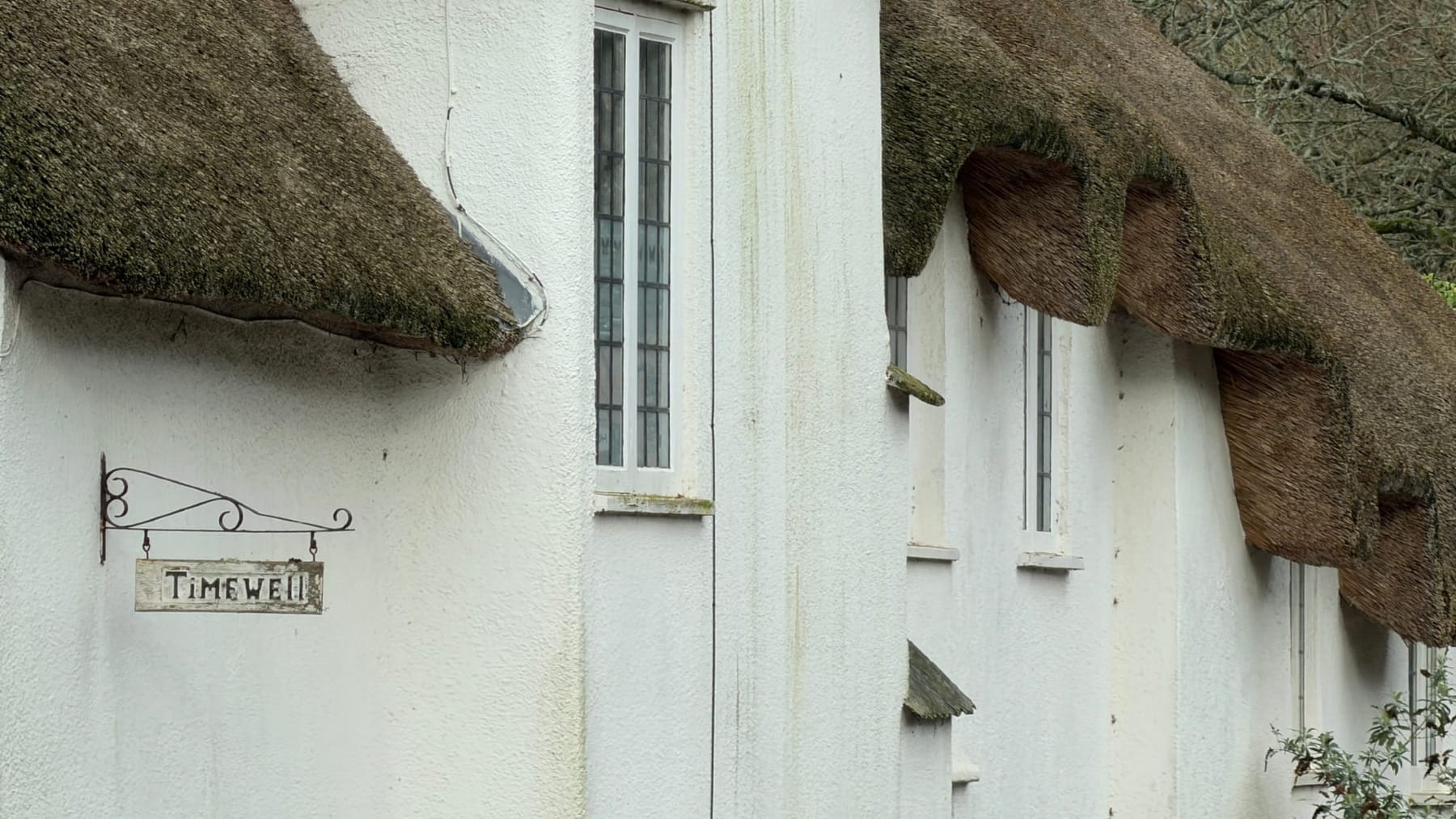
Driving on towards Cornwall, with the tower receding in the mirror, I realised that spring is not something to be chased along a map - it is something that gathers in us as much as in hedgerow and branch - present even in the most wintry of conditions - waiting for recognition.
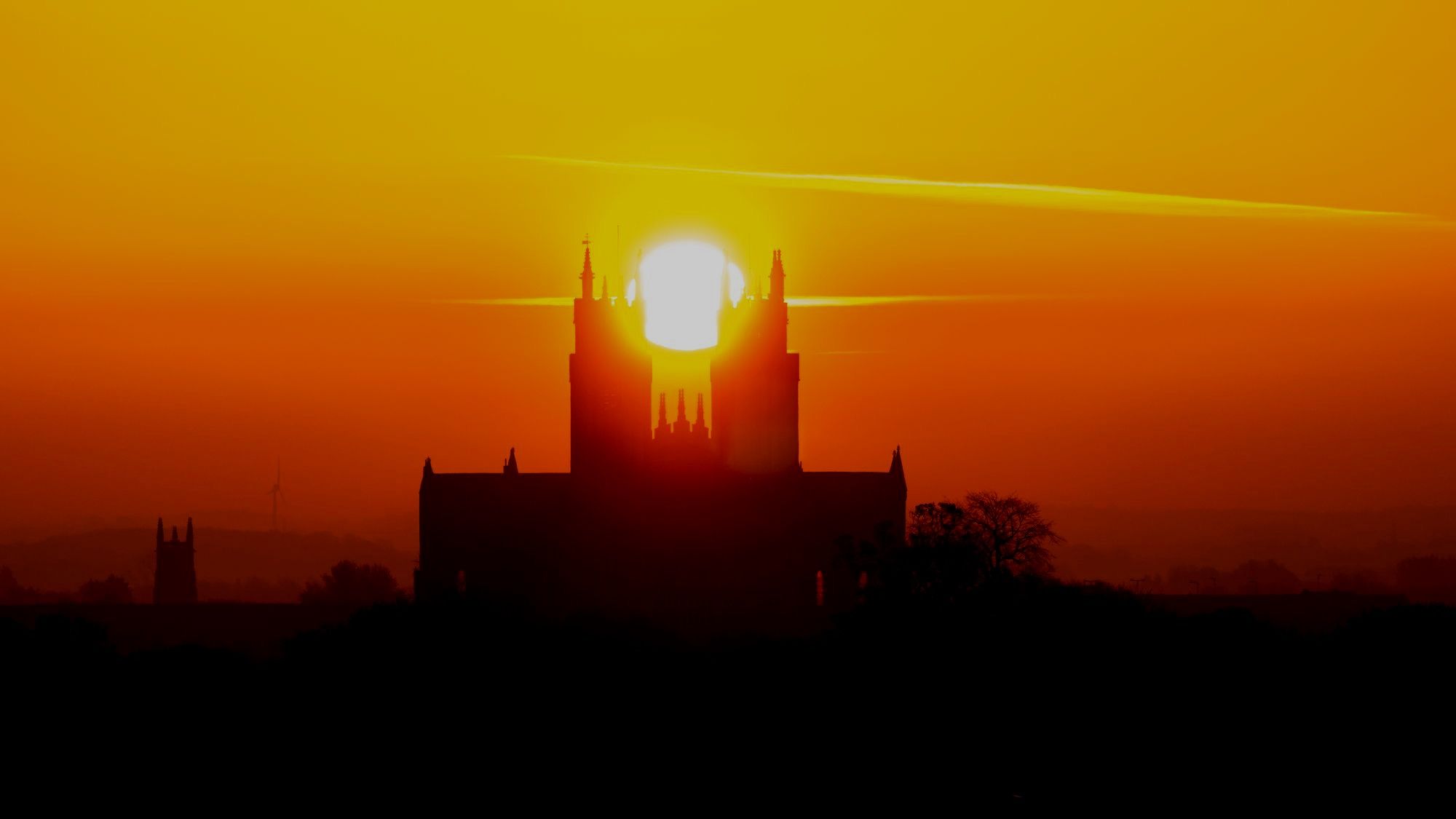
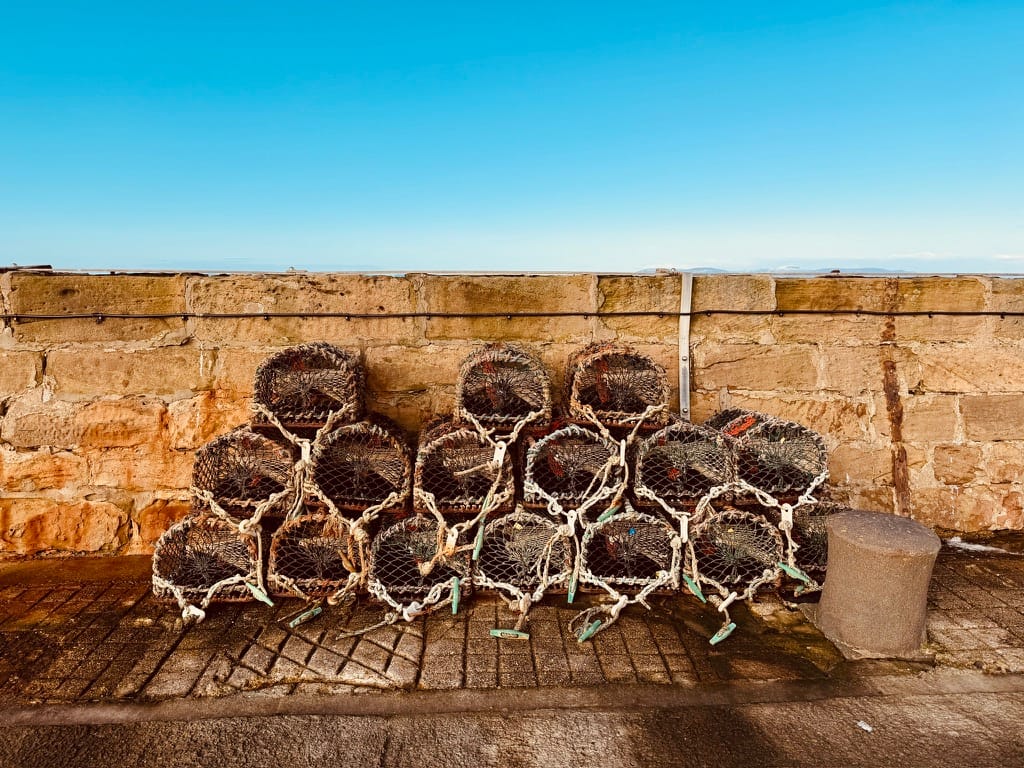
Coming soon for Members - video, virtual reality, aerial shots extra posts and behind the scenes content from this epic journey
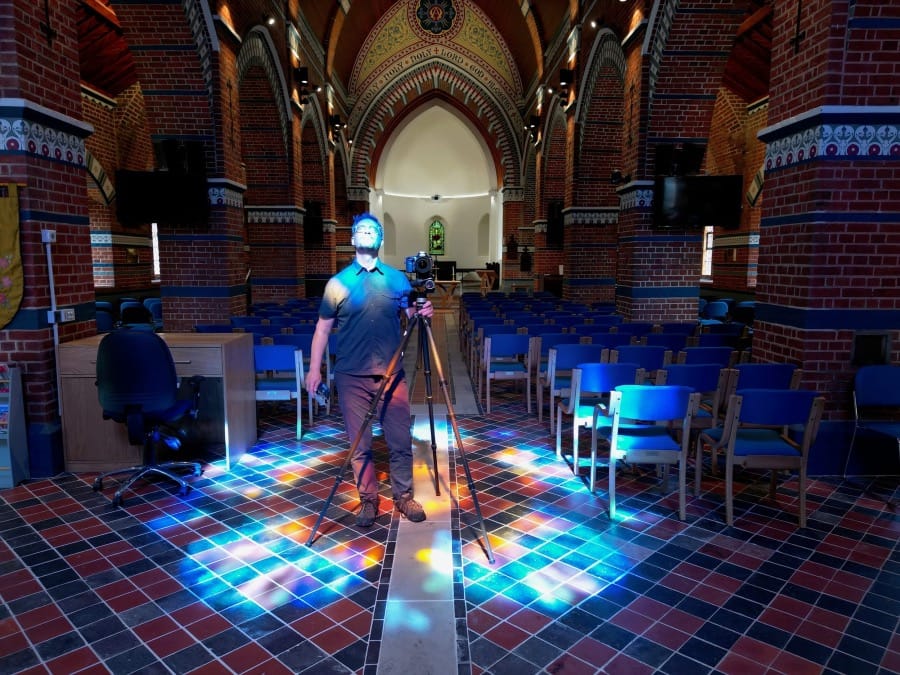
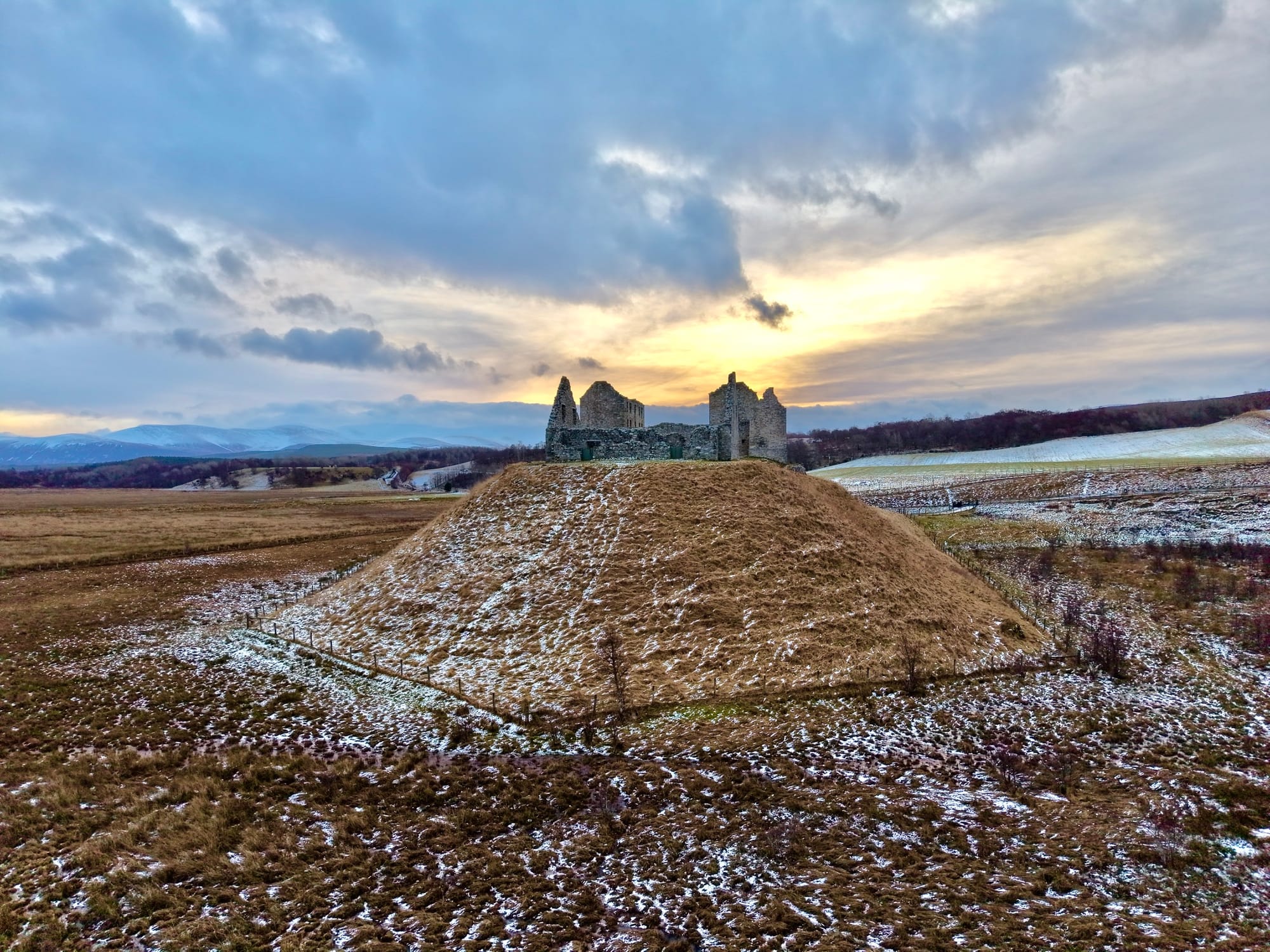
Kind words from a subscriber:
Andy your work is becoming wonderful, remarkable. A so-called breakdown has been milled into its constituent parts, becoming profound construction: through perception, architecture, the lens and the pen. In your Repton crypt essay a deep description of our social anxiety - and our reason to be....
Recent Digest Sponsors:
 Andy Marshall
Thank You!
Photographs and words by Andy Marshall (unless otherwise stated). Most photographs are taken with iPhone 17 Pro and DJI Mini 5 Pro.
🔗 Connect with me on: Bluesky / Instagram / Facebook / X / Tumblr / Flickr / Vimeo / Pixelfed / Pinterest / Flipboard/ Fediverse: @fotofacade@digest.andymarshall.co
Member discussion