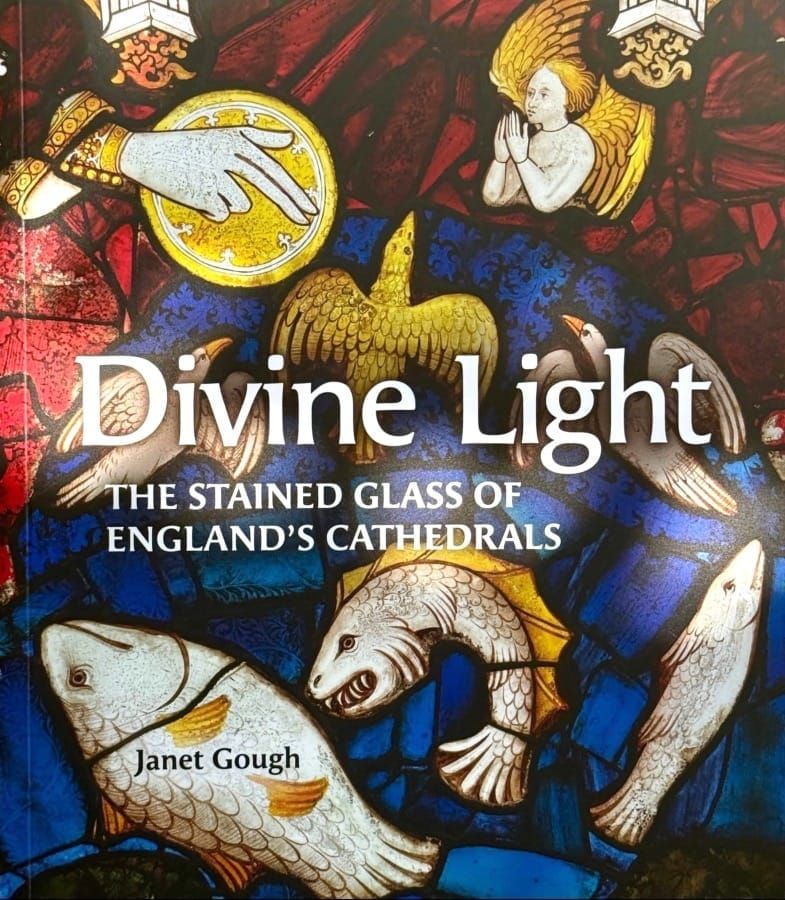
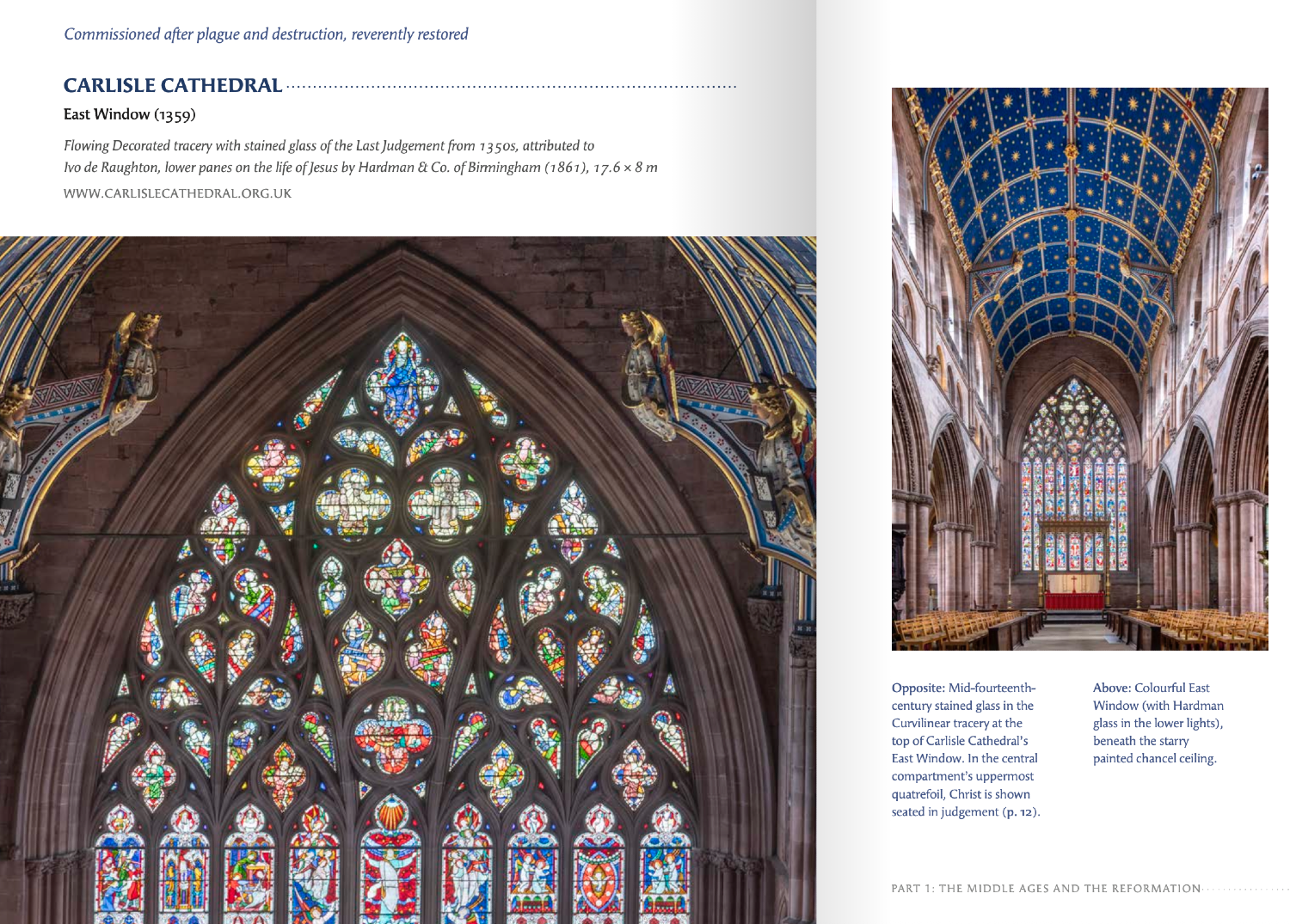
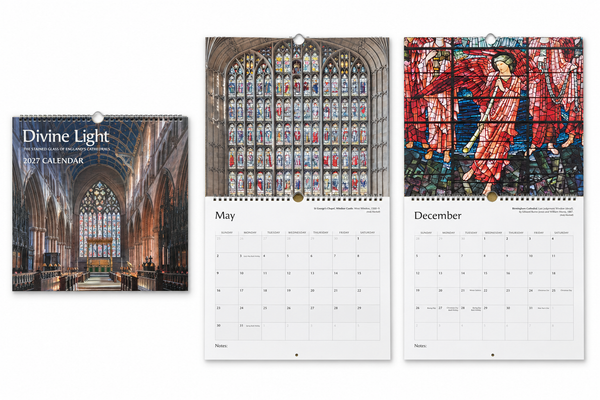
Divine Light: The Stained Glass of England's Cathedrals.
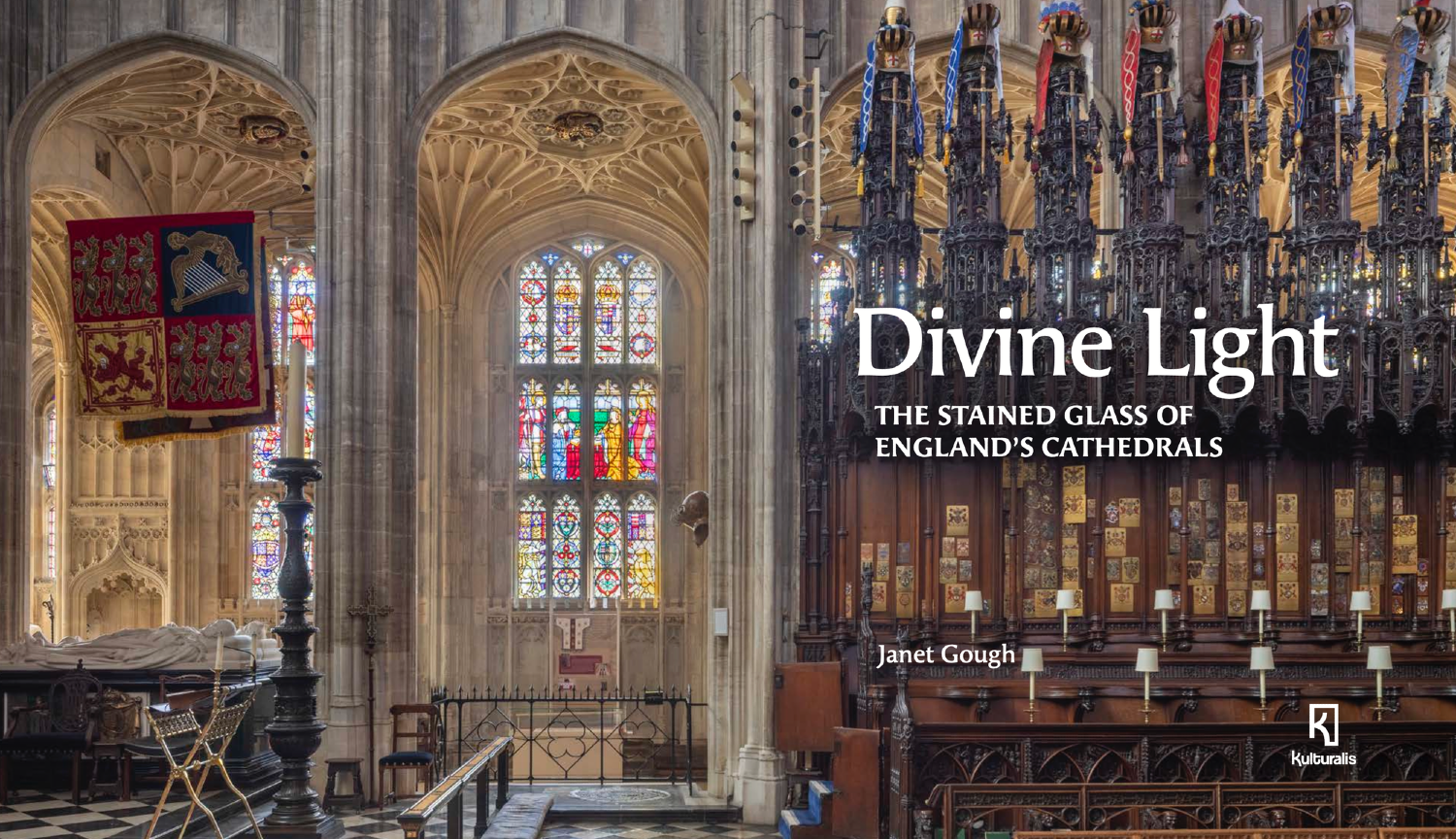
This is my kind of book - a beautifully pocketable book – one to slip into a bag or jacket pocket, to take with you on your journey. Through its pages, the world is revealed in microcosm: a window into another realm of colour, a prism through which buildings, glass, and light can be experienced.
Each page has been shaped and curated by people who live with, work in, and care deeply for these spaces. Beautifully brought together with the insight and vision of Janet Gough, it becomes not just a guide but an invitation.
Cathedrals can seem vast, intricate, even overwhelming. This book offers a way in – a way to interact with them through a singular, focused theme. Beginning with light and colour, it draws the eye in, allowing the richness and complexity to unfold step by step rather than all at once.
The book is now available at:
 Sign Out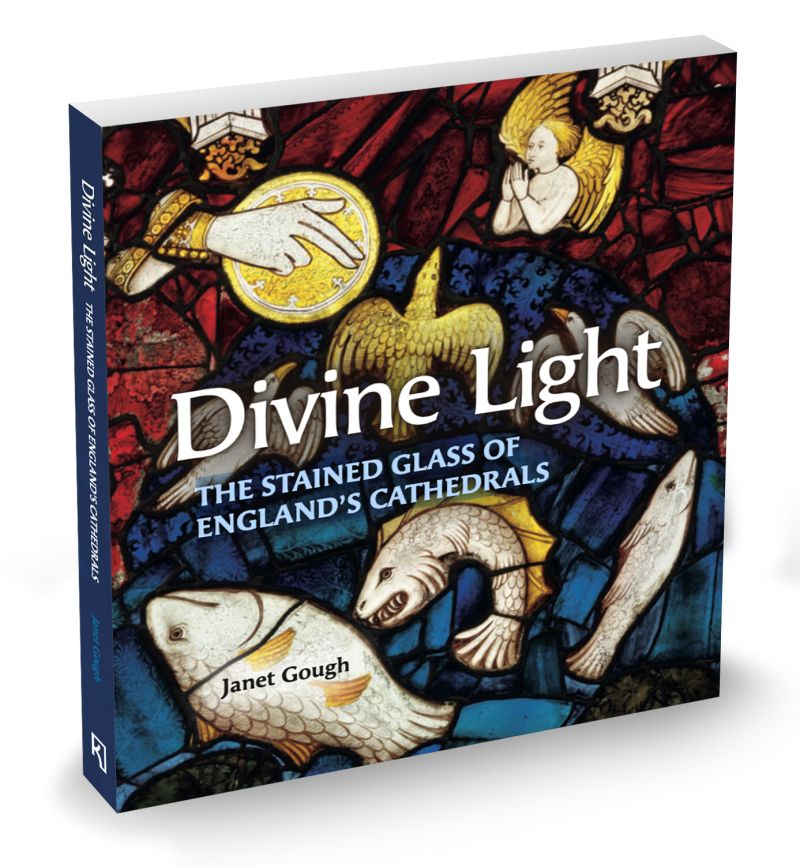
Words for Digest Subscribers from Janet Gough:
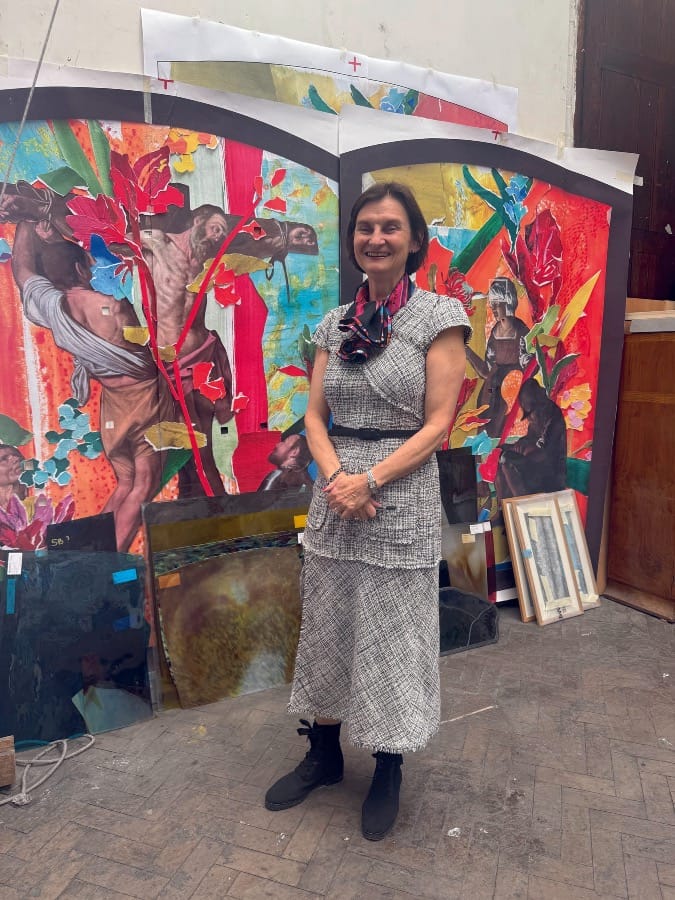
For eight years I was director of cathedrals and church buildings for the Church of England and I remain passionate about them and their importance spiritually, as part of our heritage (they represent 45% of England's Grade one buildings - and my last book was on their treasures) and as centres for the whole community.
About two years ago the head of collections at Canterbury Cathedral told me I must write about English cathedral stained glass - as a single collection - which collectively and over 900 years constitutes one of England’s greatest but least considered art collections.
So I asked every cathedral to select a window to feature.Even knowing the cathedrals, it’s been such a voyage of discovery for me - from the mind-boggling sophistication of England’s first architectural stained glass - in Canterbury Cathedral - when’re our panel of the Sower (1180s) shows his head lifted over the frame, and in contrapposto and walking across a clever suggestion of a deep landscape, with the ploughed fields drawn on the diagonal - through the Middle Ages to and in spite of the disruptions of the Reformation.
I’ve loved learning that 2/3 of the output of William Morris's studio was stained glass and properly looking at the masterpieces of Edward Burne-Jones with William Morris in Birmingham cathedral, which even manage to squeeze in socialist messages among all their sumptuousness.
We have witnessed a creative explosion of stained glass in the 20th century, much encouraged by the new Coventry Cathedral, with its exciting walls of contemporary glass, built and finished in just six years; and I’ve been surprised how this ancient art form remains popular today with exciting new commissions continuing.
Janet.
Member discussion