Welcome!
Kind words about the Genius Loci Digest
To receive your Digest is to take a long drink from a cool stream on a hot day. Your beautiful word paintings take me to places I'd forgotten. Thank you. Chris
⚡️ View the latest digest and the full archive here.
📐 My Goals ℹ️ Donations Page & Status 📸 MPP Status 🛍️Shop
🔗 Connect with me on: Bluesky / Instagram / Facebook / X / Tumblr / Flickr / Vimeo / Pixelfed / Pinterest / Flipboard/ Fediverse: @fotofacade@digest.andymarshall.co
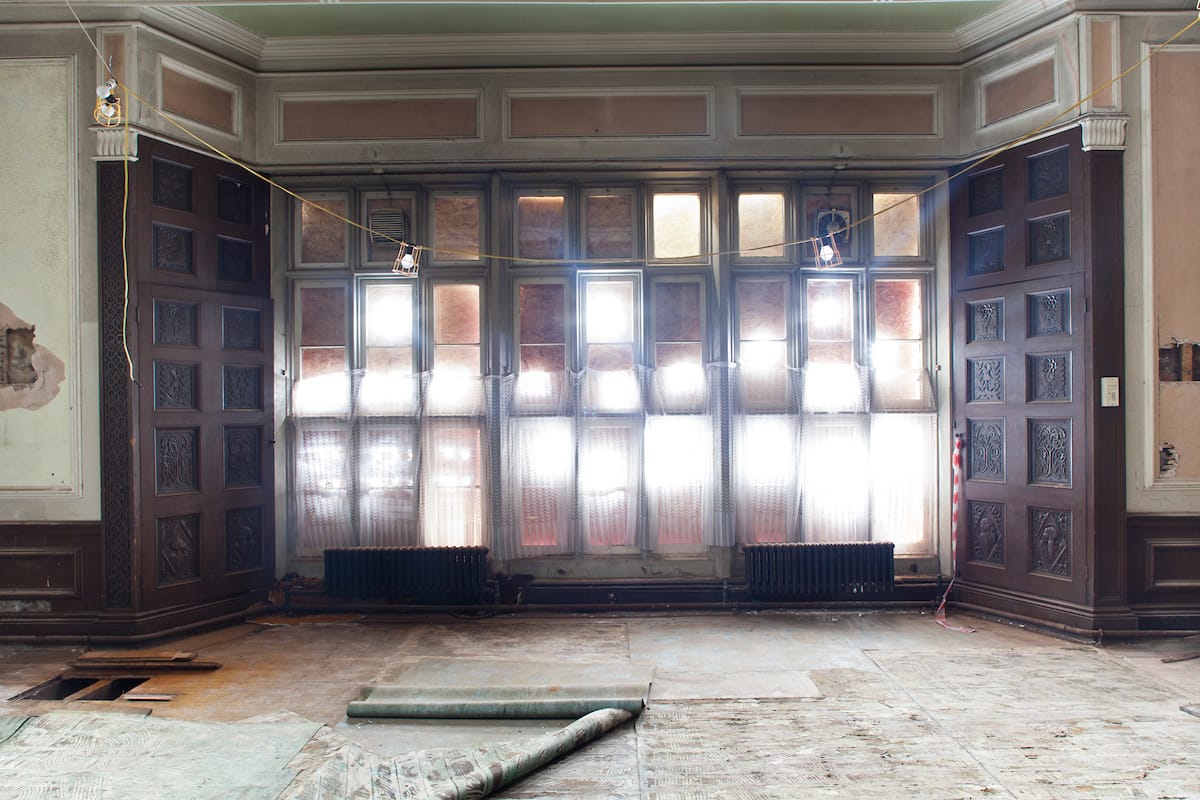
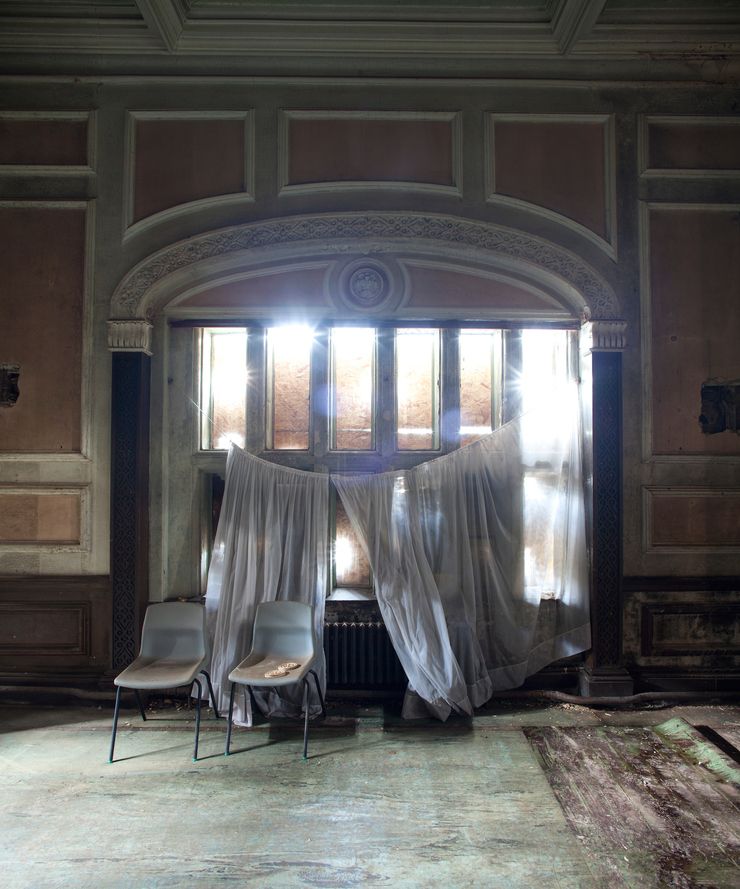
Bay window, Hopwood Hall, Middleton.
“The real voyage of discovery consists not in seeking new landscapes, but in having new eyes.”
Marcel Proust
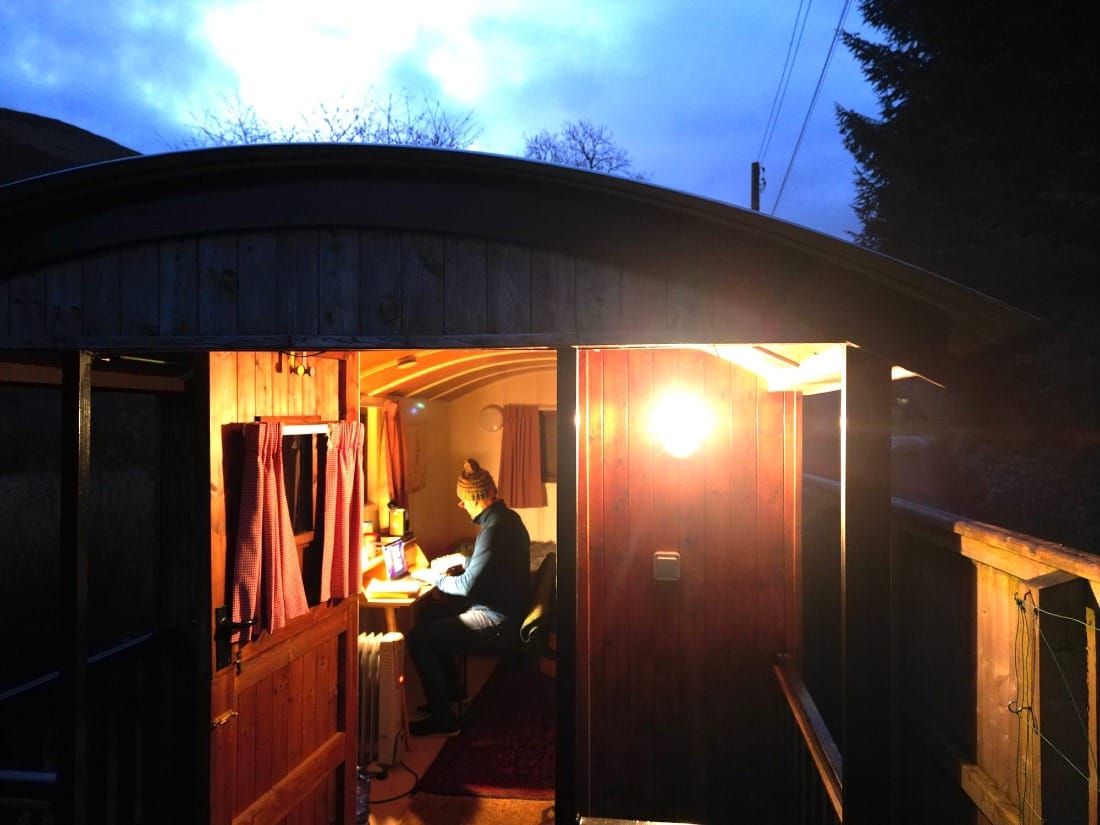
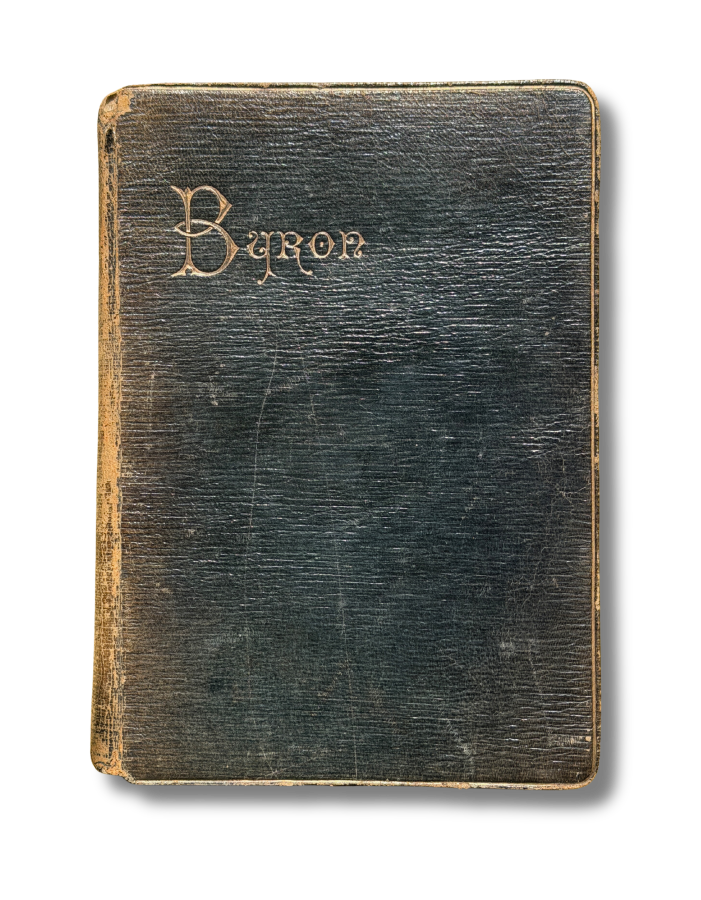
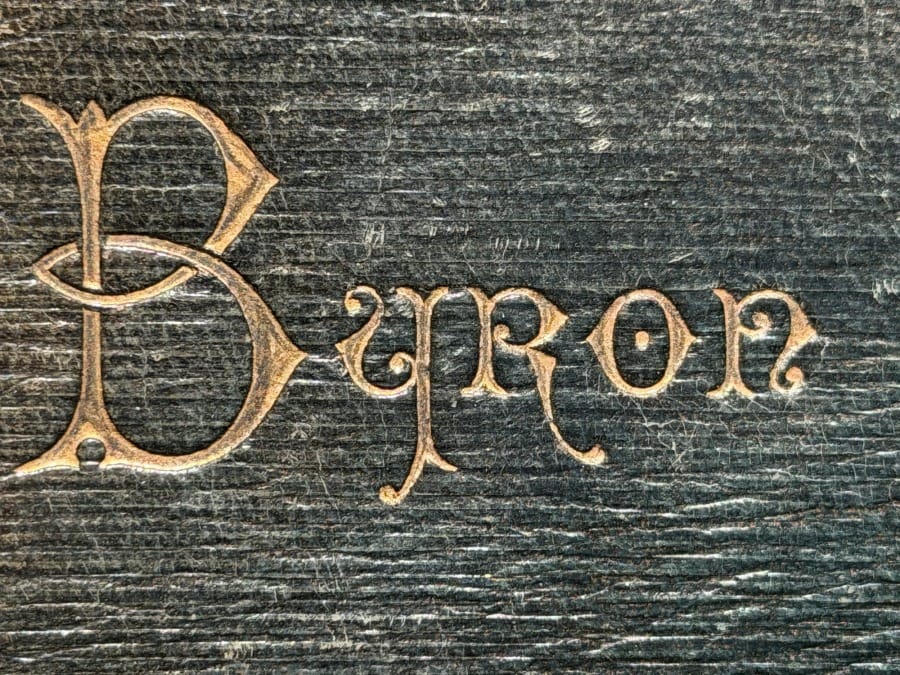
Looking through Byron's Eyes.
I write about a thousand words every week and to overcome writer’s block I rely upon an evolved practice that I have learned from my work as a photographer. Each day, each place, project, building, object or person - I try to approach with a beginner’s mind.
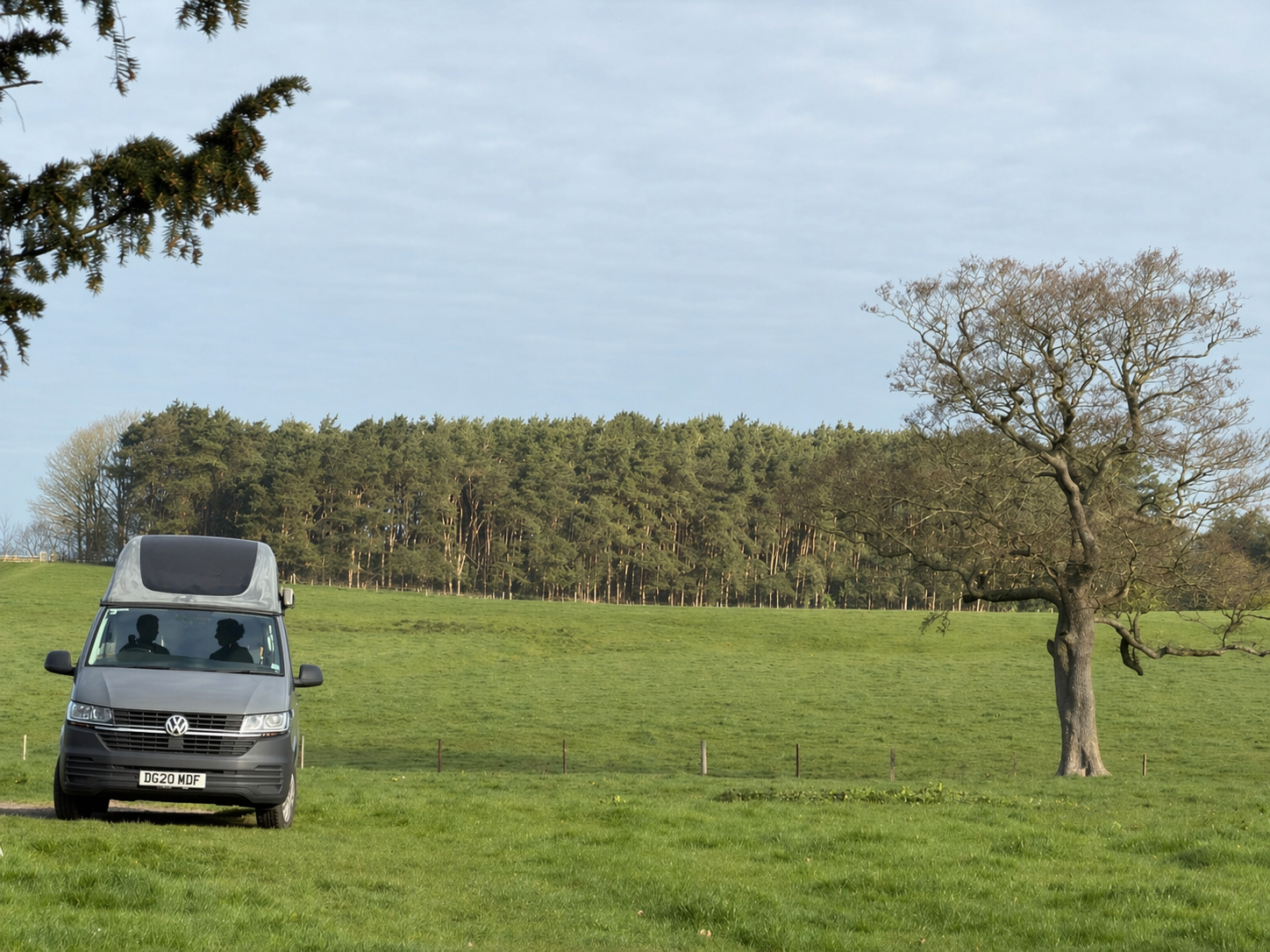
One trick I use often is to imagine a person from the past is with me as I travel around in Woody. It’s an indulgence that sounds like I might be losing it, but, for me, it’s a way of garnering another completely fresh perspective.
I lost my dad in 2008 and I think that’s when it all started - I took his spirit out with me on my first forays into deep time; sharing with him my findings - as if he was taking part in an evolving life, a new man emerging from the chrysalis of breakdown and depression. And, of course, he was participating in a way - a familial infusion, a kind of inter-generational legacy. The friends and family that I have lost since then also come along with me on my travels - and I feel as though I’m richer for it. I see things through their eyes too. They are still teaching me and still participating.
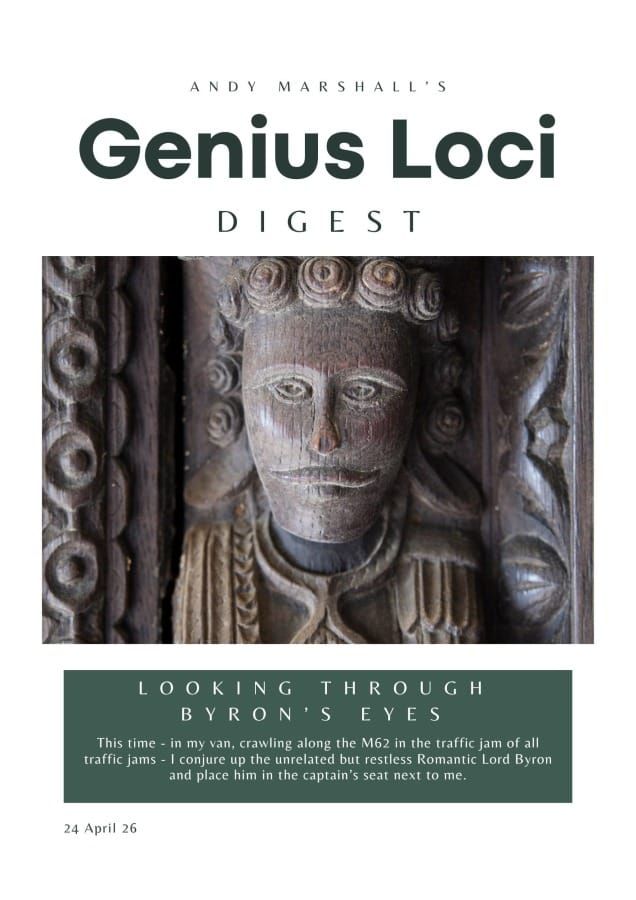
This time - in my van, crawling along the M62 in the traffic jam of all traffic jams - I conjure up the unrelated but restless Romantic Lord Byron and place him in the captain’s seat next to me. As you can imagine, things take on a different slant.
Even here in the grip of the motorway I am seeing a different world through his eyes. But, at first, he’s suffering from a little shock after being transported from his own age:
“It’s enough to drive one back to one’s laudanum,” he says of the traffic.
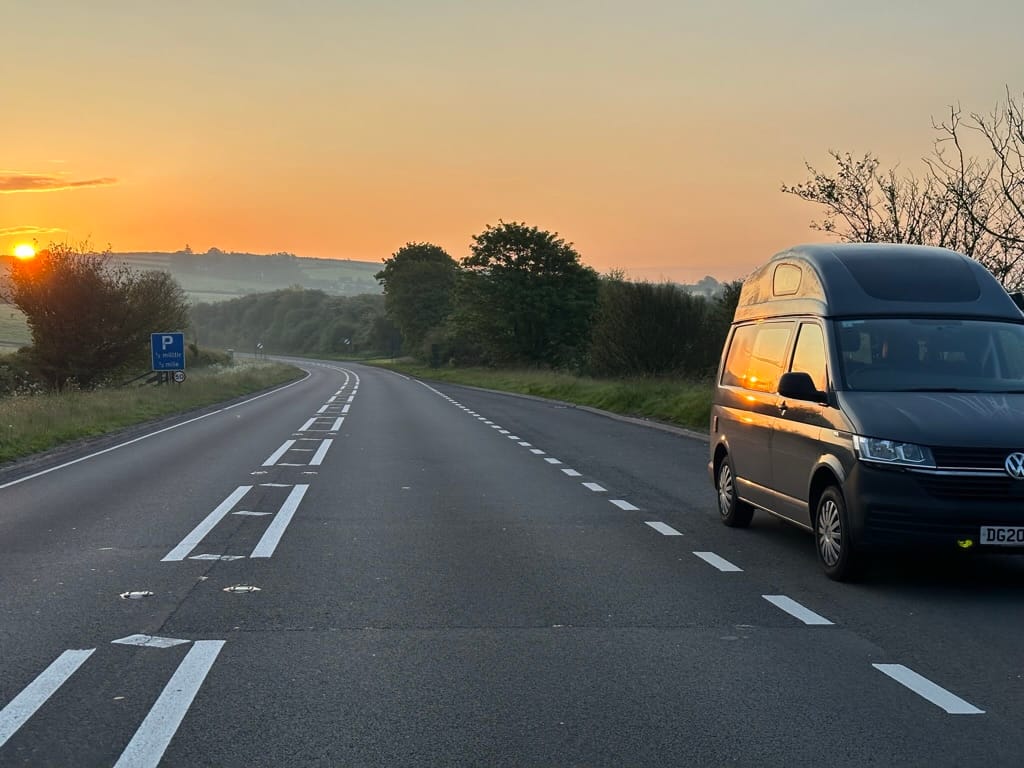
But then, after a moment’s grace, he starts to see it all - the ebb and flow, the vehicles, the people, the great snaking road up and over the Pennines. Suddenly, all the things I would never, ever notice make themselves known to me. It’s early - and the sun is playful - rising from the peaks and then dancing along the hill-tops before being spliced by the railings of a yawning bridge. The light fractures across the windscreen and then catches the seams of the tarmac on the road, before flaring along the bitumen lines like a coded script. Byron refuses to let anything remain unnoticed.
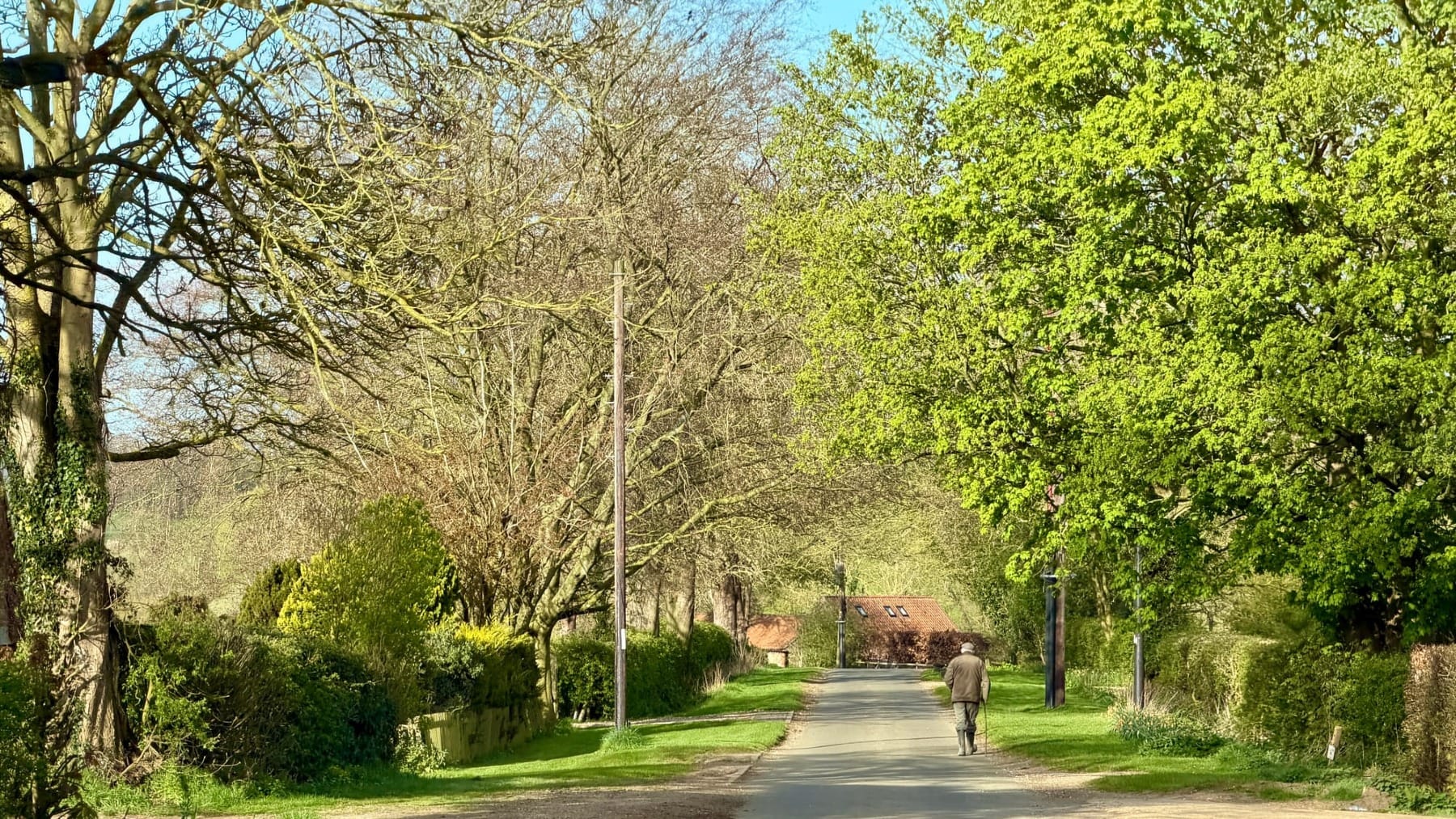
Eventually we leave the motorway and head towards the Lincolnshire Wolds. As we pass through the villages he begins to repeat their names, tasting them, testing them - Caistor, Thoresby, Brookenby - rolling the r’s as if each place might open into a stanza.
“We have the Vikings to thank for the R’s in Thoresby and Brookenby,” I say - as he repeats the names punctiliously, over and over whilst toying with the electric windows in the van.
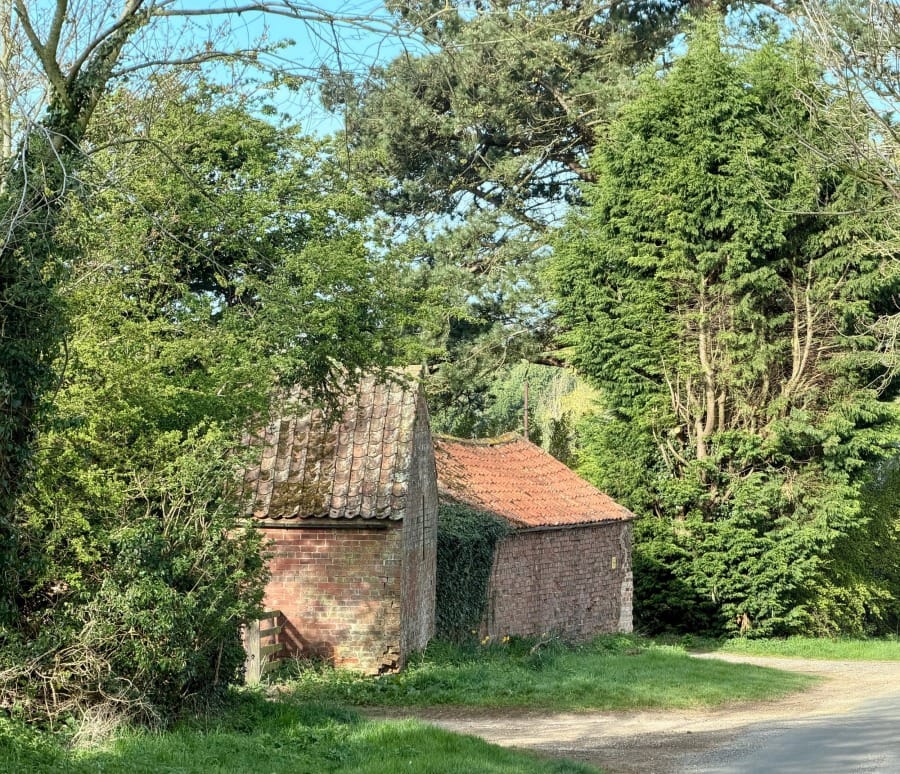
The journey becomes something else in his hands - not a string of villages, but a sequence of invocations.
I think, briefly, to ask him about his most famous work, Childe Harold’s Pilgrimage. It’s the opportunity of a lifetime, but instead, I find myself asking him how he takes a pee in his buttoned-up trousers.
He glances across, half-amused, half-exasperated - and then back out to a landscape that holds, within the trappings of modernity (the rubbish in the verges, the masts and the solar panels) something that is comfortingly familiar to him, but at five times the pace. He watches it carefully, as if trying to keep hold of it.
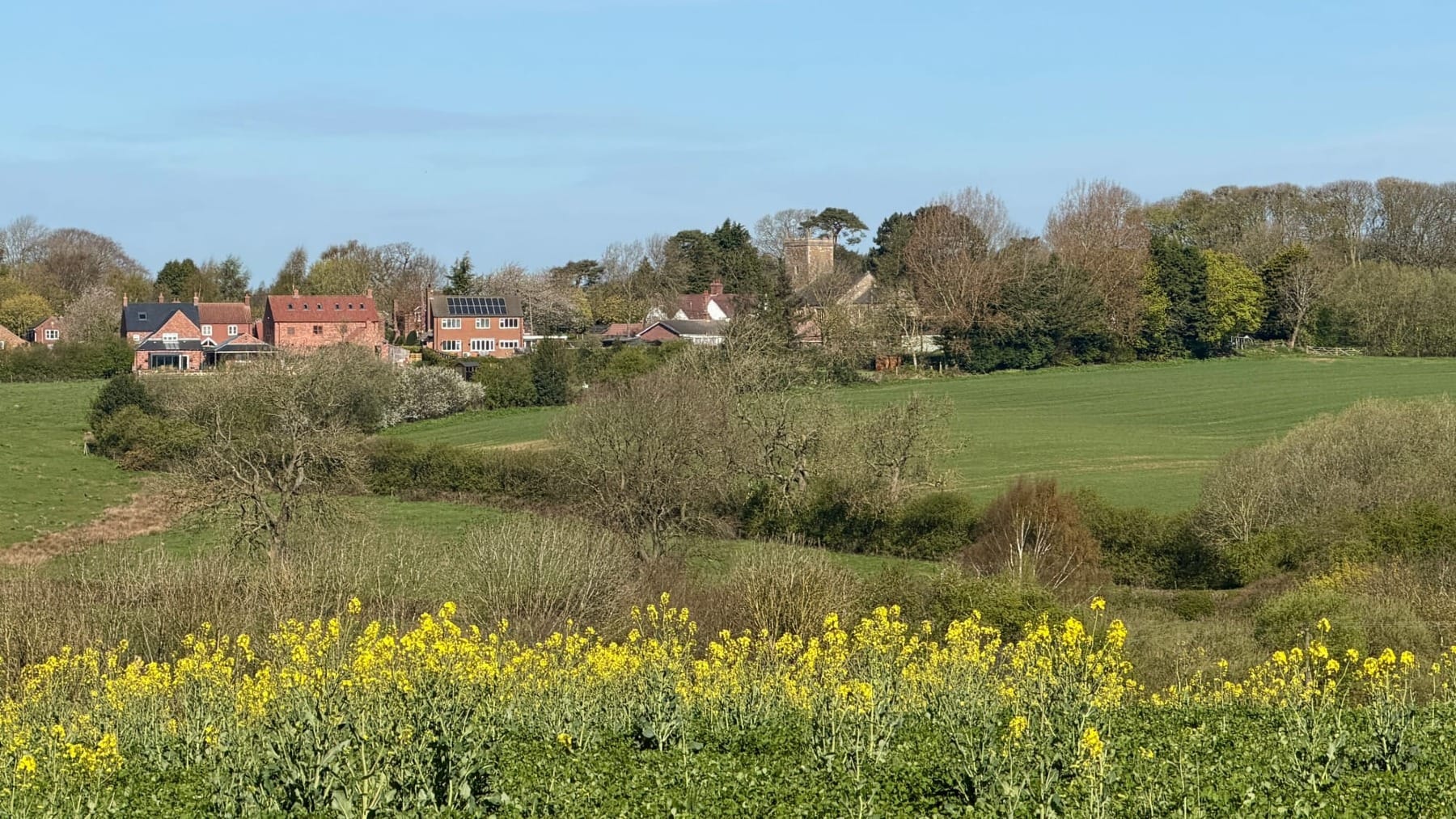
We pass an airfield as a plane angles low across the horizon, tilting into descent. He leans forward to follow its line but is restrained by the seatbelt.
“Inertia reel,” I say.
“A mechanical albatross,” he retorts - watching the aircraft skid along the runway, his voice somewhere between wonder and suspicion.
We sing songs, he a sea shanty and I a Beatles melody. And then we latch on to something that brings all the years between us together: we sing Greensleeves, and suddenly we are -centuries apart - one common voice. Out in the van, I realise how melody is another way to bind past and present together.
Somewhere along the lanes I pull the van over - we park up in a holloway between farmsteads.
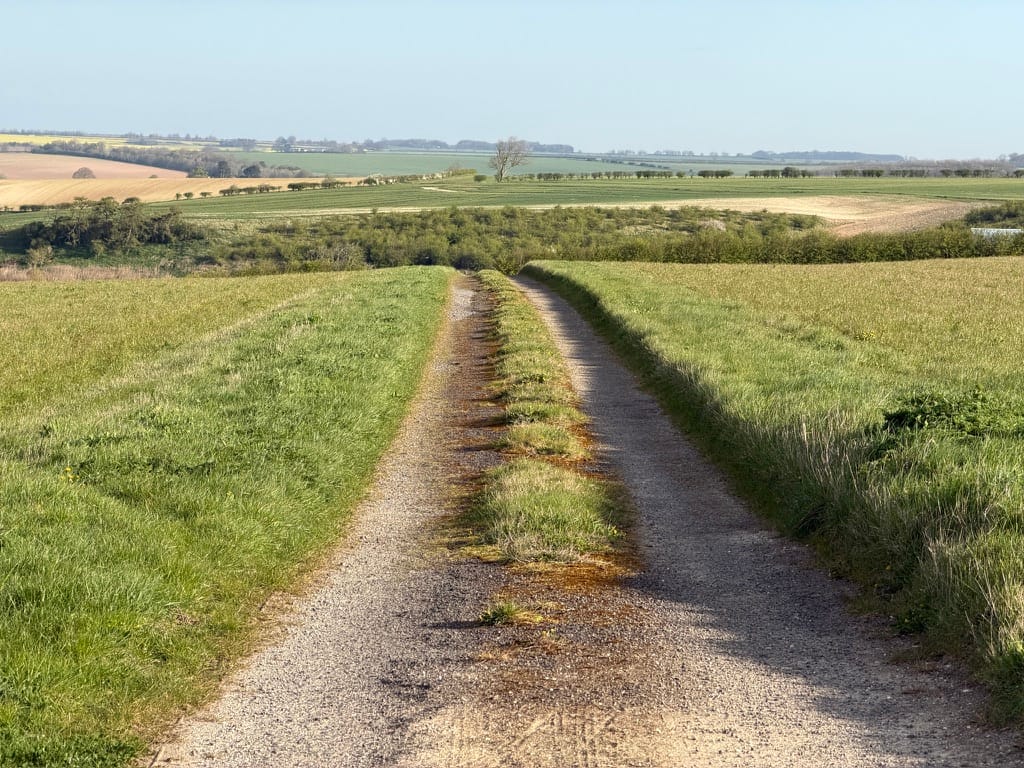
And there’s a pause, and I swallow before my revelation.
“I wrote about you at Hopwood,” I say.
“How do you know that I went to Hopwood?” he replies.
And so I tell him of his fame in our times - of the volumes of books written about him. I tell him that his home at Newstead Abbey still survives - a visitor attraction - and that I visited and photographed it with my Brompton and sensed him there - but no more than I felt his spirit at Hopwood.
There’s another pause. We look at each other.
“Is Brompton your valet?” he says.
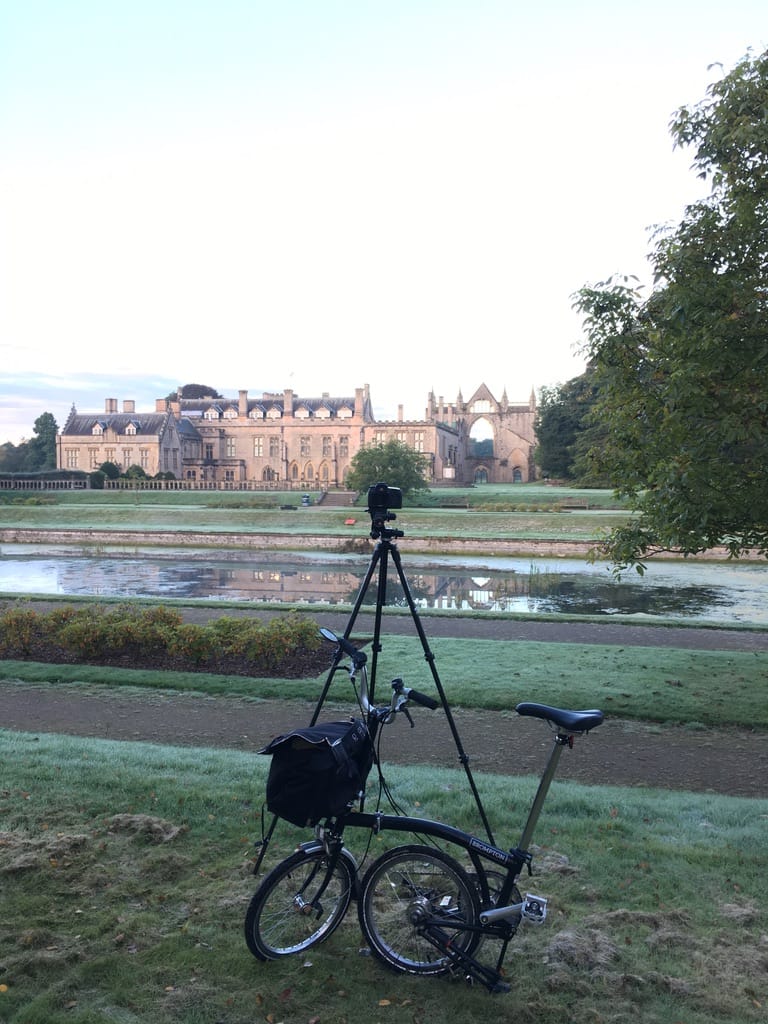
"It's a folding bicycle", I say.
He looks confused.
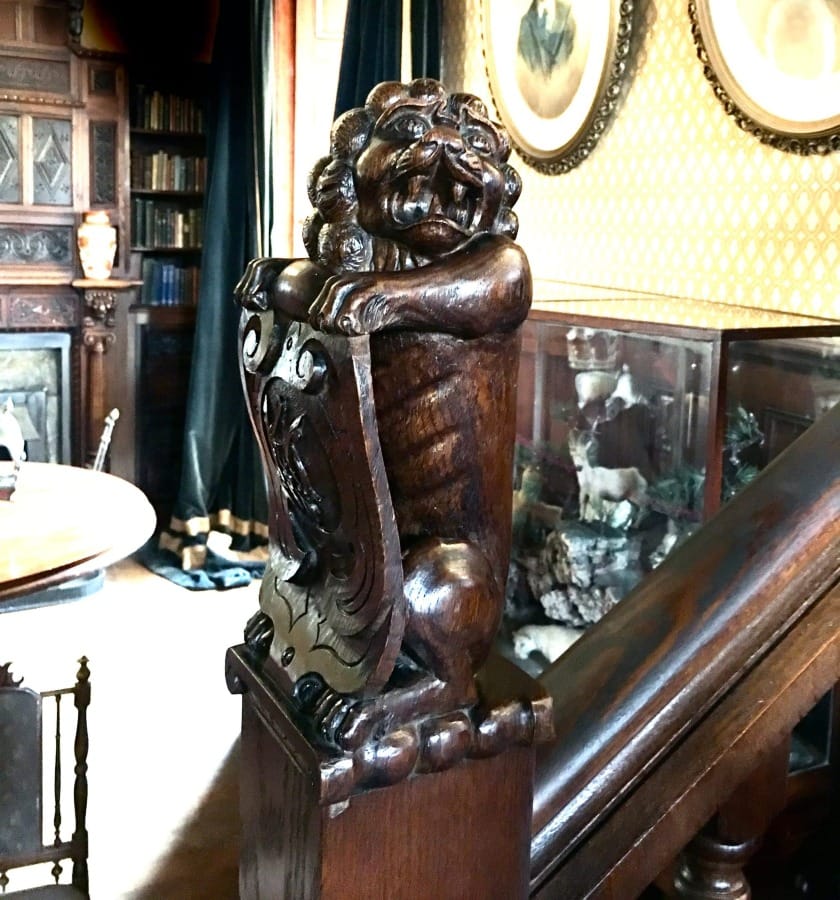
I notice that his doublet is stained and worn, and his shoes have rusted buckles. I hadn’t seen that before.
“What size feet are you?”
He doesn’t comprehend - so I reach out and pull my Doc Martens from behind my chair - and he tries them on. They fit, he exclaims - with a kind of relief that feels larger than the moment.
“Byron in my boots,” I shout. “Byron in my boots!”
I cast a brief glance at my jacket from Primark - but then think the better of it.
After deriding my five o’clock shadow he starts to tell me about his time at Hopwood.
“I was there to claim kin - I had fallen on hard times - and my family had land there - with coal seams and the such. I travelled through the northern smog and stayed at Hopwood Hall and fell in love with the master’s daughter there.”
“You do tend to fall in love with everybody you meet,” I say.
“How do you know?” he responds.
“Wikipedia,” I say.
"What else happens to me? Do I have a long life?"
I don’t answer - I pretend to focus on the road, and then I glimpse once more at the man, the legend, the idea of him and his times, the genius and the flaws - all of it together, cut short at thirty six years of age. It feels a little overwhelming. And a little fragile.
“Would you care to read it to me - what you wrote about me at Hopwood? Do you have the parchment at hand with it all on?”
And so I pull out my iPhone and swipe up the notes app and just before I start to read - he pulls the device from my hand and laughs with a kind of childish delight.
“What is this thing?” he exclaims.
“It’s an iPhone - it's for my notes and a lot more beyond.”
As he holds it, a notification pings upon the screen - he touches it and my Instagram feed pops up - he scrolls it and then scrolls it some more.
“This is quite addictive,” he says.
“Tell me about it,” I reply.
I take back my device from his little Georgian, doom-scrolling hands, pull open the Notes app, and read out the title.
“A Singular Point of Light.”
“Singu, Singulaaa, Singulaaaarrrrr!” he shouts.
And so I read it to him....
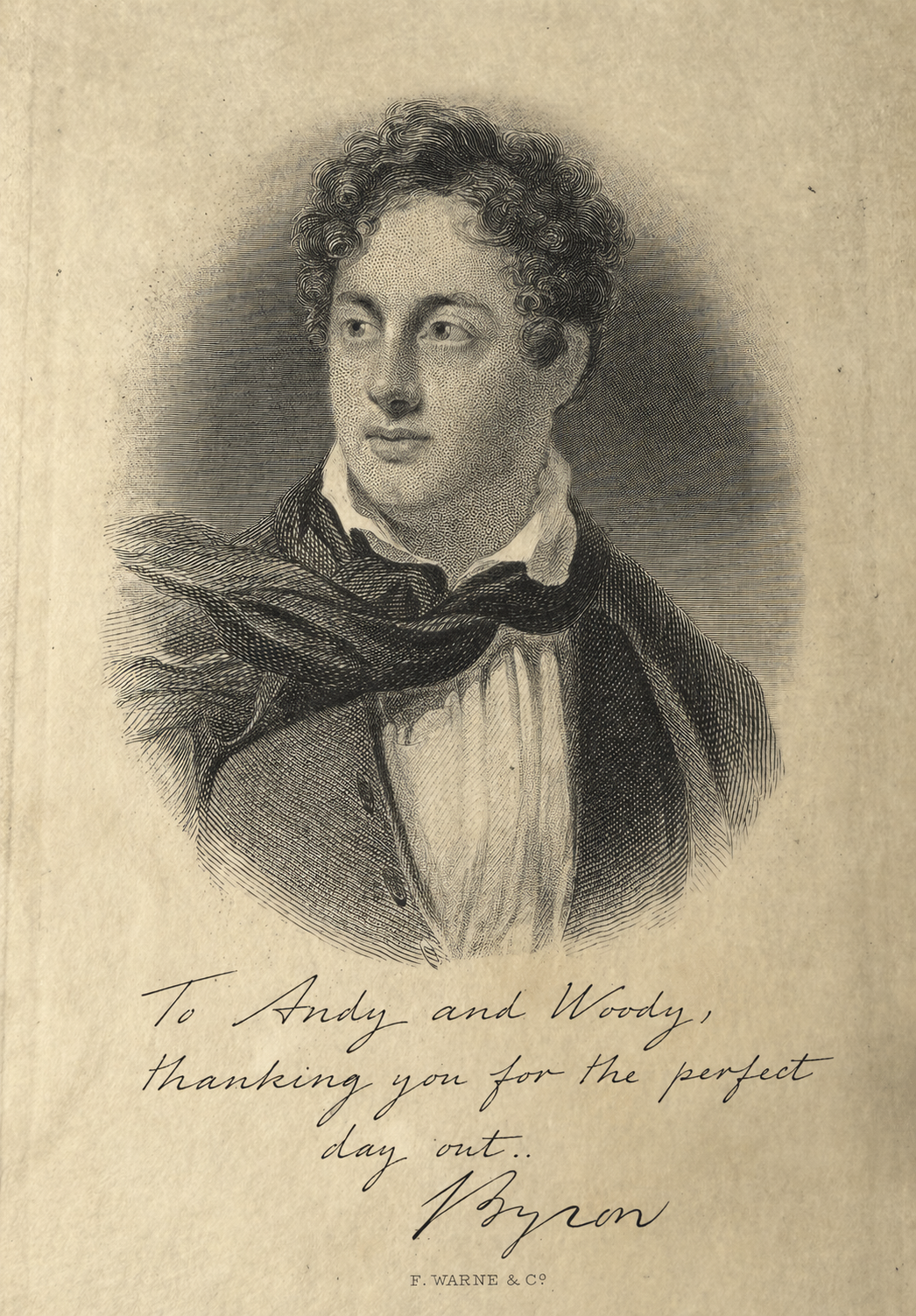
A Singular Point of Light
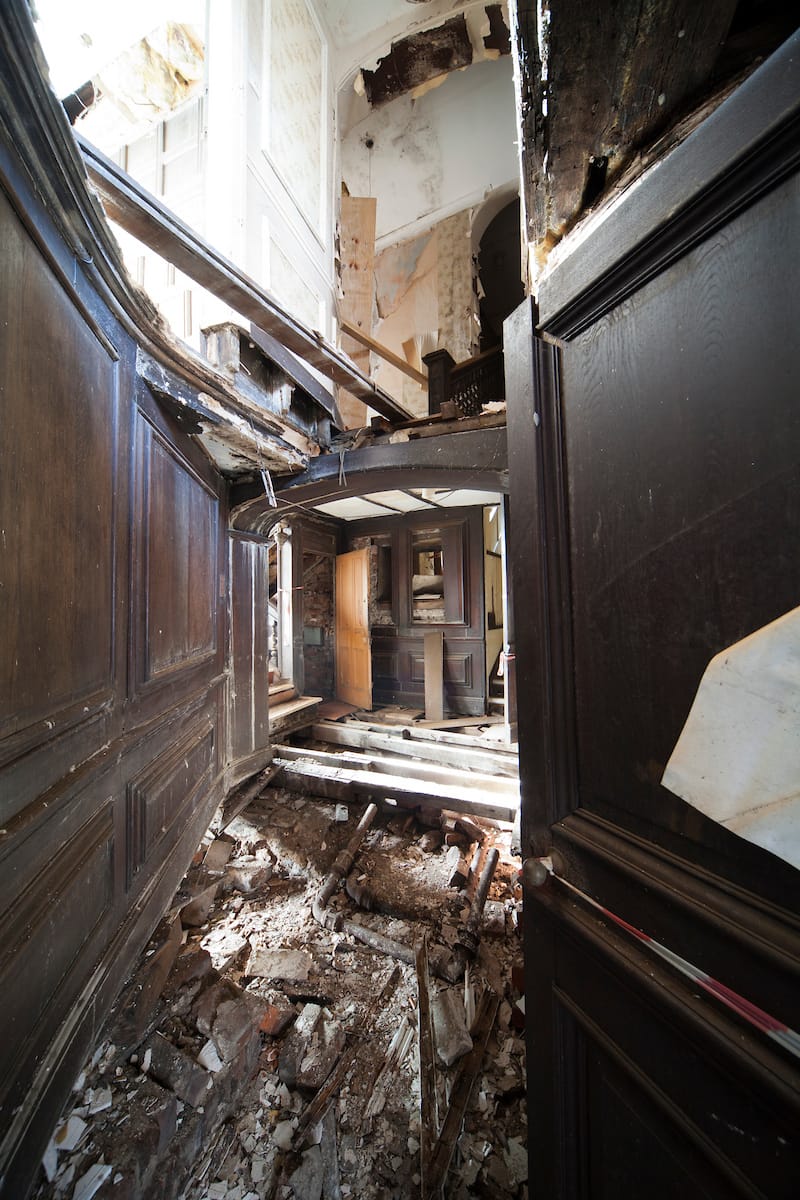
Darkness.
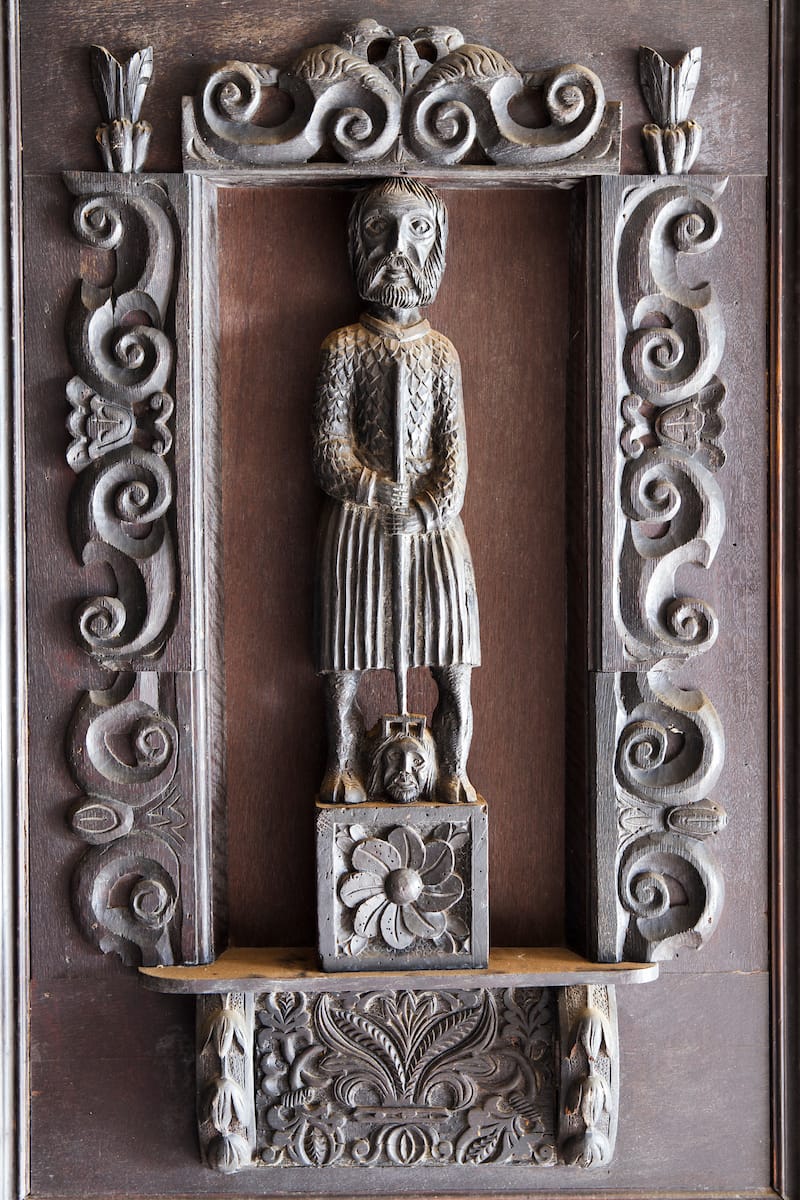
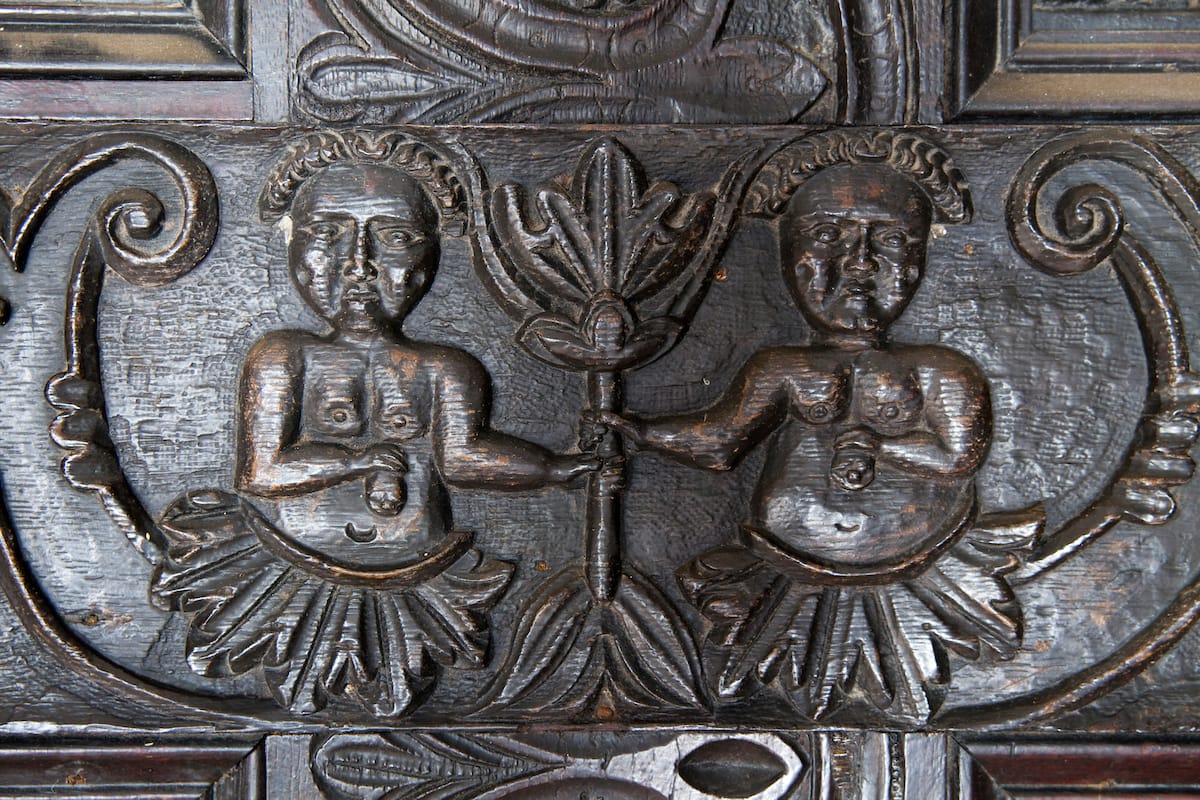
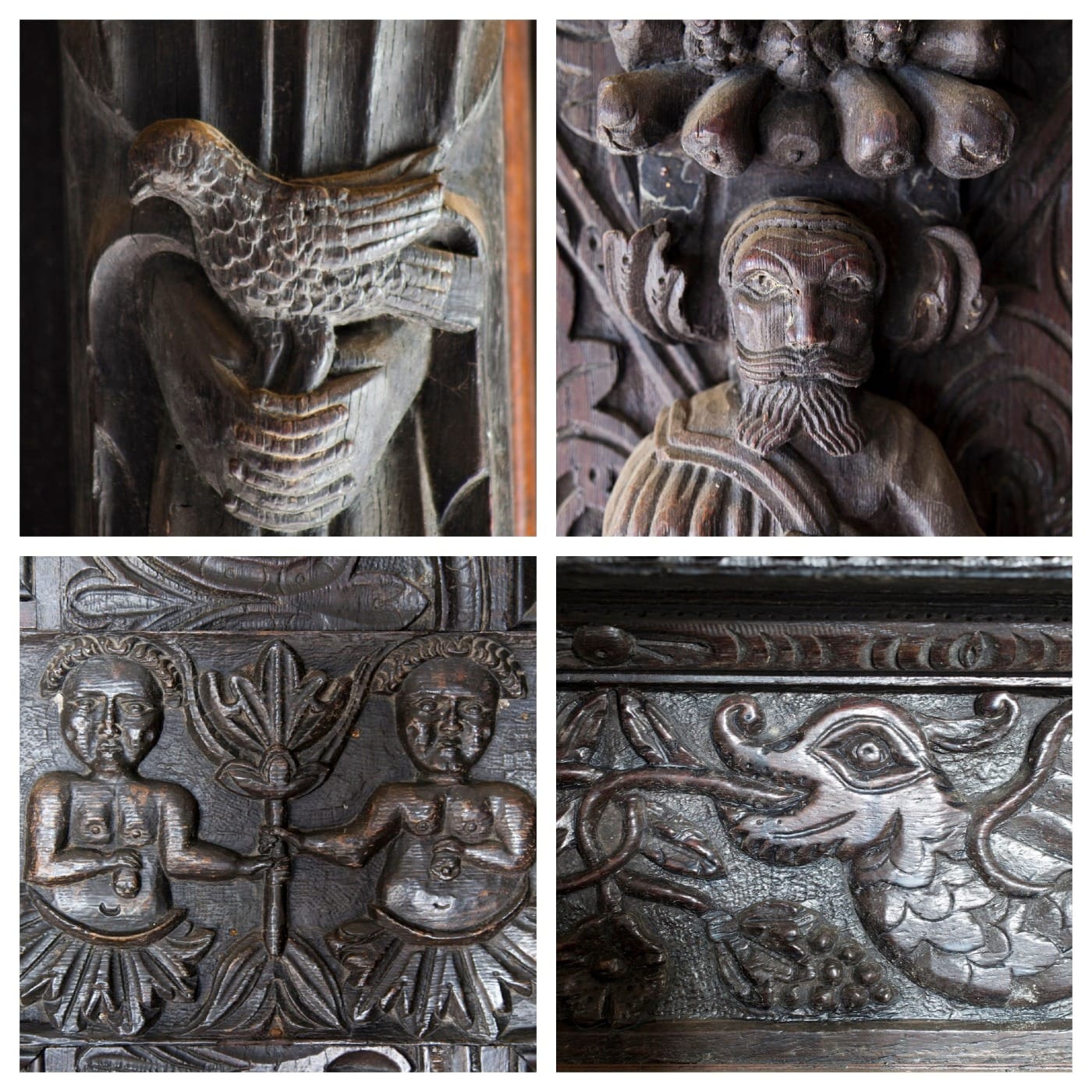
Chest heaving and eyes straining, I arrive at my location by torchlight after forcing open a swollen door and stumbling through a spider's web. My torch is doing little to break the shadows. I blink my eyes to adjust to the low light and, after a few seconds, I see snapshot glimpses of saturated brickwork behind crumbling plaster. Then, on the way to my destination, strange carvings reveal themselves: fruited faces, half figurines, and unnervingly, a framed relief of a man lodging a pronged fork into a severed head.
There’s a scuttling beneath the joists nearby and a dank smell of dry rot. Considering that it’s a winter's day, the atmosphere in the room is close and prickly. The building is sizeable, I can sense its massing beyond the room walls. Somewhere above me, the ancient beams are being stretched by strong gusts of wind. I’m sweating and treading awkwardly with my pack, not sure where and when to unload. It’s a matter of waiting for something to bite, a pull to charge purpose into action.
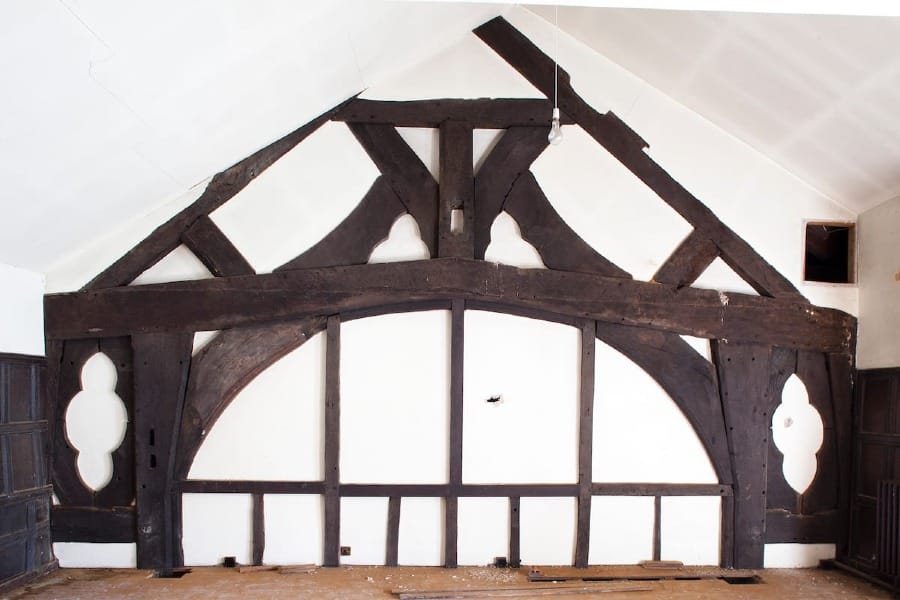
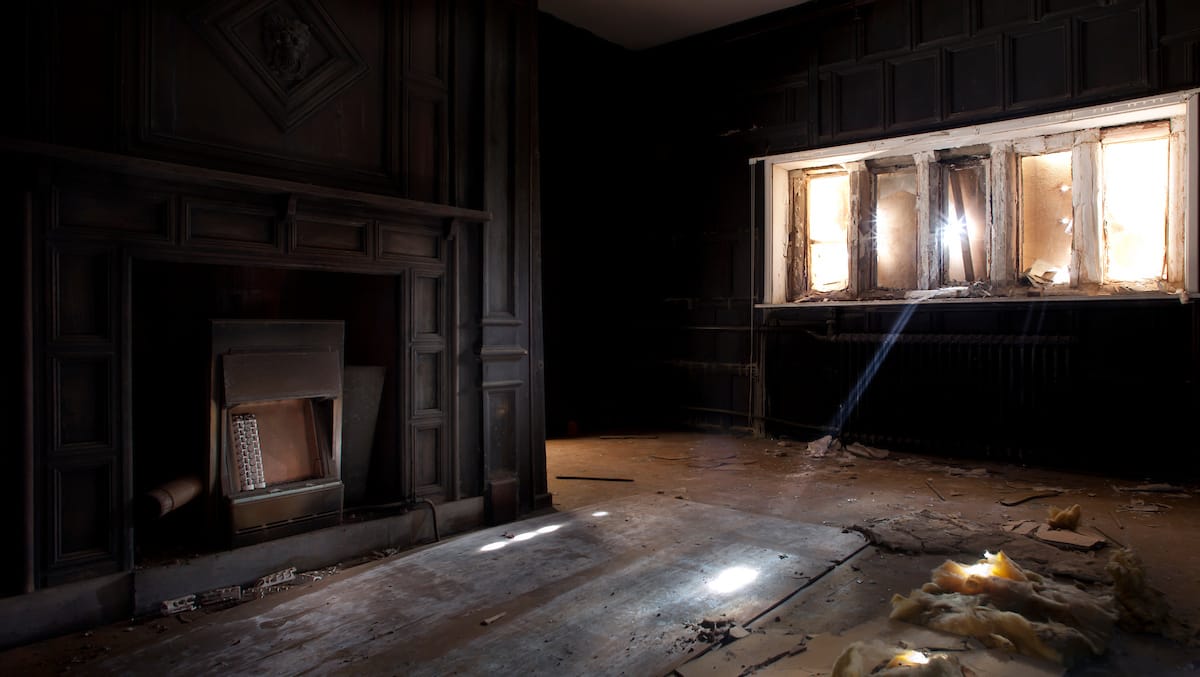
With expectation overcoming hesitancy, I decide the best option is to stand still, catch my breath and watch. My pupils and aperture are maxed out and fixed. Wet and warped hoarding belittles the daylight from the window opposite but, for a moment, it emits a nuanced glow at its perimeter. It’s gone as quickly as it arrives.
I’m not happy - things aren’t right. I edge myself along the skirting. My shoulder muscles flinch as my tripod catches against exposed nails in the joists. I choose a spot, shift a fallen wad of plaster, fix my gaze and wait behind the lens. As a blast of air whips through the casement, I sense the moment swelling towards resolution. Shrouded by the darkest point of the day, the sheathing rattles and the glint returns. This time it grows in strength and prolongs its stay until a sabred ray from the chamfer cuts its path through the dust motes and pierces the floor with a singular point of light.
Then release - shuttered. The glimmer pocketed and back to darkness.
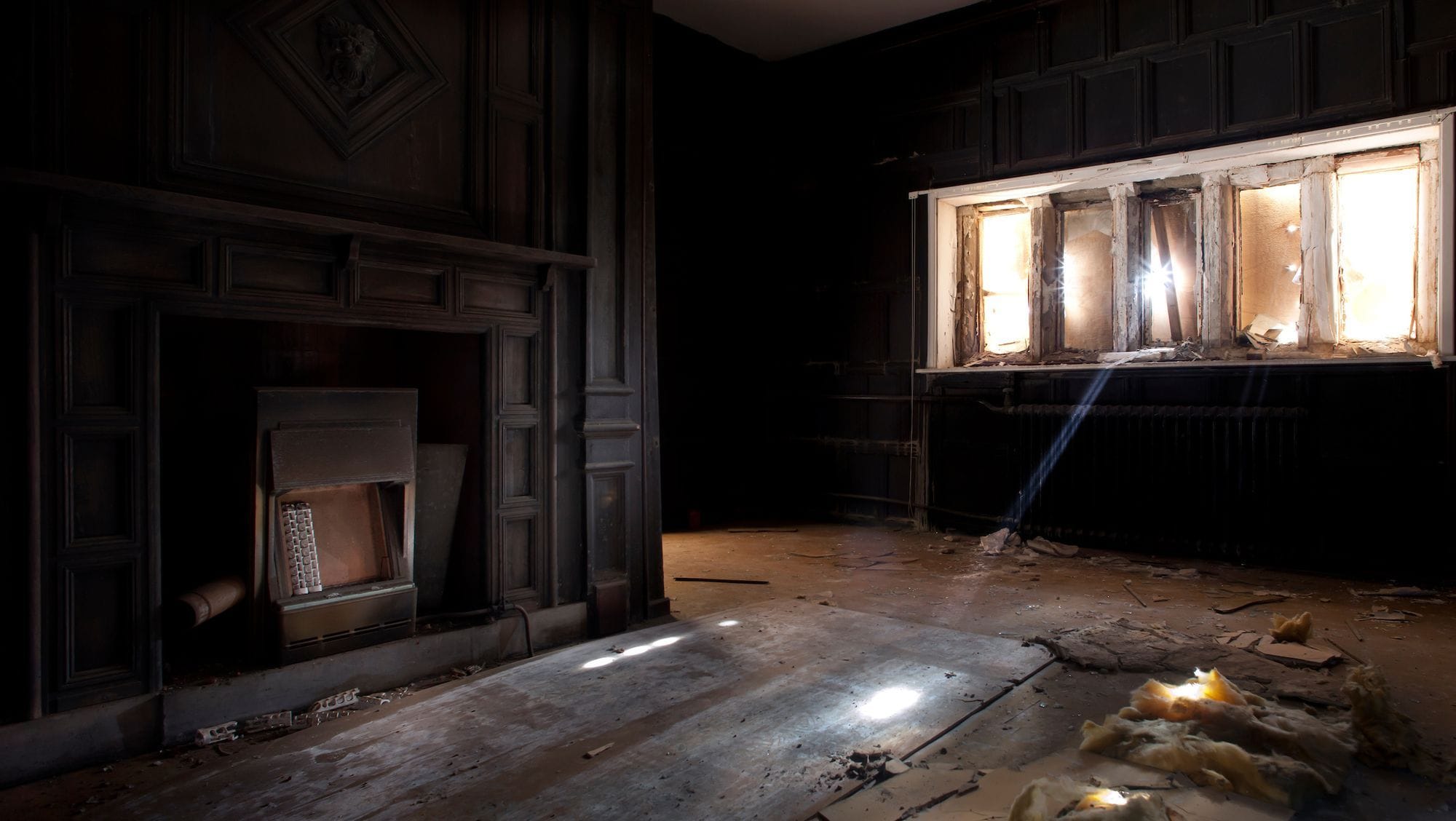
A kind of alchemy has taken place, the scene before me has been transformed into pixels. My camera has converted the beam of light into electrical impulses and imprisoned them inside the sensor. There’s a deep rooted pleasure in having cornered and captured a shard of light; battling it out in the dark with the chance of success limited to an act of the natural environment: a momentary engorging of the sun behind the secluded window, illuminating the room through a pinhole at a specific point of time. This photograph turned out to be a strange brew, full of light and shade, dust and damp; compounded by angst and fear, anger and wonder. Byron was in there too, inextricably mixed inside - intangible.
I didn’t realise it at the time, but the photograph was a culmination of a war within, a battle of the senses. It felt like a lifetime had gone by before that moment; before an image was tangled up in the present and the past. There was a spirit, a genius loci which possessed the space between the taking of the photograph and the final print. It hadn’t happened by accident, but resulted from a punishing pilgrimage into my creative self. I used my camera to follow an instinct, a conviction. I used my camera as an instrument for learning. With it, I encountered a modus operandi which helped me experience moments that bridged me into the past. With the intercession of my camera, I also discovered that buildings like this were a source of profound wisdom hidden in plain sight.
It wasn’t the easiest of journeys. Through my lens, I took on the giddy heights of Gothic splendour whilst battling the lows of depression, and in my viewfinder met the assertive gaze of Romans whilst faltering in the belief that I was a photographer.
I am a photographer.
I am a photographer because I faced myself in the shutter; I sing the song of buildings because their makers showed me the way, and I’m a sculptor of light because - after being plunged into darkness by depression - my camera taught me how to see.
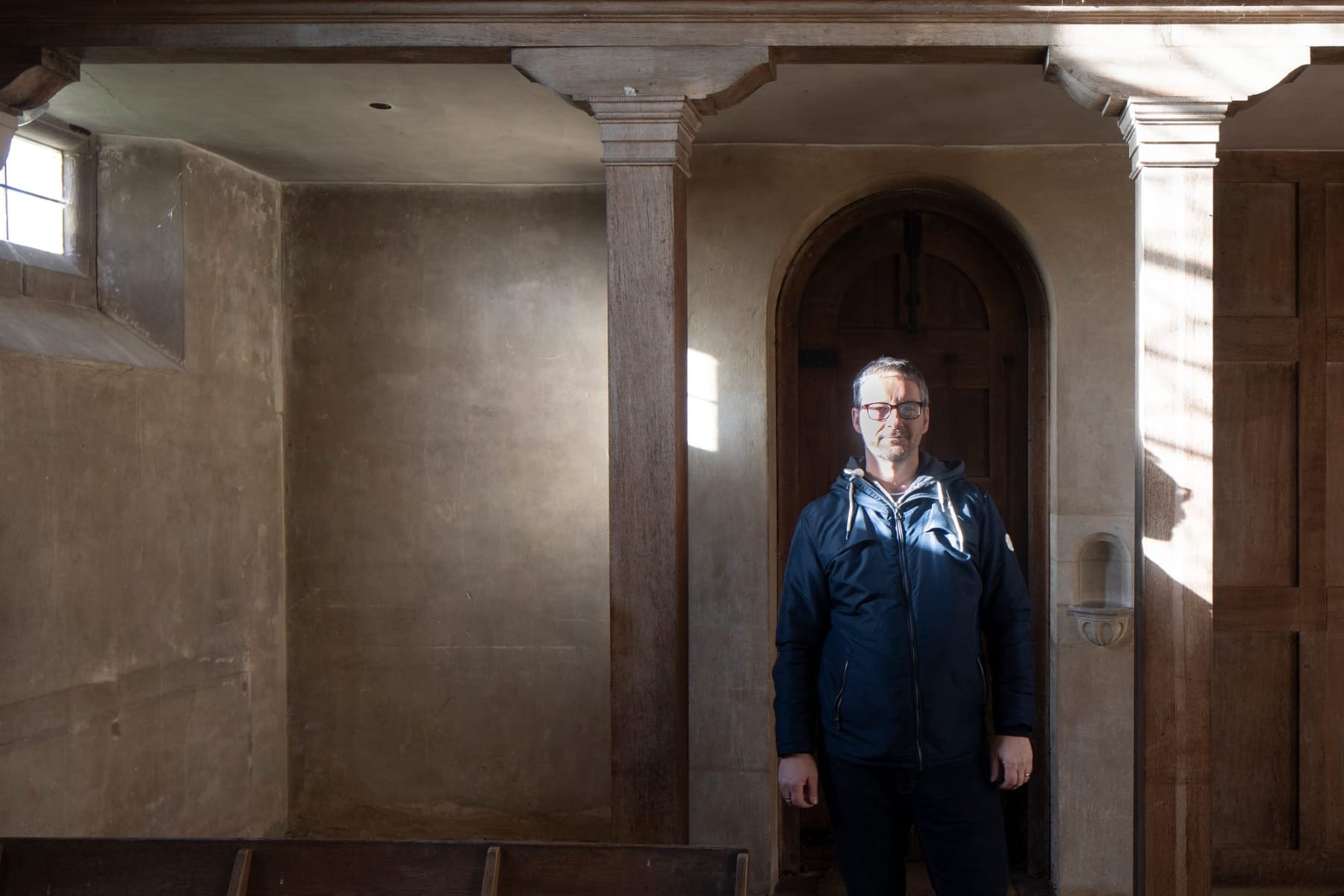

One of the first celebrities of modern times, the poet Lord Byron had been there. He visited the hall on the cusp of fame. According to Fiona MacCarthy, “Byron’s influence went far beyond the literary to encompass musicians and artists. It influenced nineteenth-century portraiture and dress, attitudes to nature, scenery and travel, views of morality and human relations, becoming in itself a way of life.”
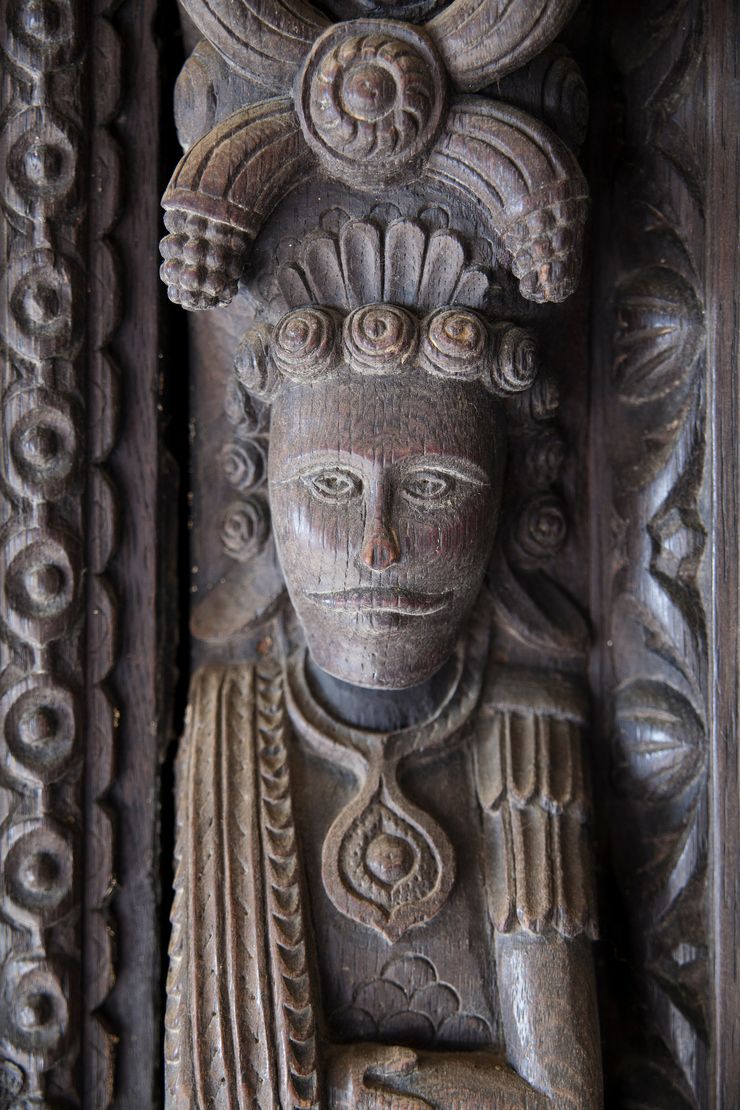
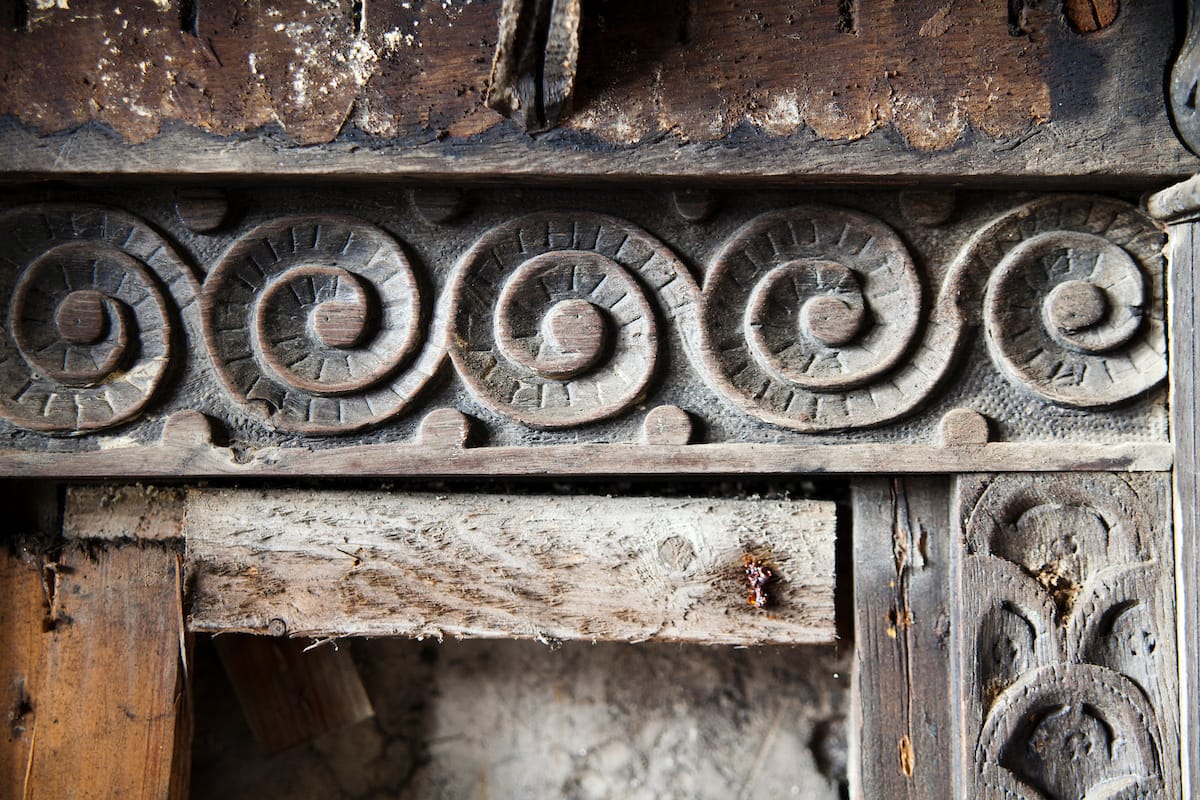
At Hopwood, where Byron’s feet had trod, lumpy clods of plaster had fallen, making their presence known beneath my soles - prickly protestations at the status quo. During my visit, groping in the half-light, I stretched out my hands for anchorage to find them pawing at gawping faces and beheaded statues. In the gloomiest corner my fingers padded against the bowls of carved lettering on the panelling, and as I thumbed and sounded each letter, I sensed Byron again: who, when journeying in Europe at Isola Bella, came across incised wording on a laurel tree. The word ‘Battaglia’ had been carved by Napoleon Bonaparte on the eve of the battle of Marengo.
I’d come to Hopwood in haste. It lay in an isolated hollow shrouded by a copse. I had a key from the local authority who had mothballed it because of lack of funds. It was because of looming bankruptcy that Byron had travelled north to assert his familial rights to coal mines in Lancashire and his manorial rights at Rochdale. The occupants of Hopwood Hall, Robert and Cecelia Hopwood, took him in and entertained him for several days. His presence was vacuous. He was in a sombre mood, following the recent death of his mother.
A cousin of Cecelia Hopwood, Mary Loveday met him at Hopwood, and in her journal describes Byron as “a pale, languid looking young man who seems as if he could not walk upright from sheer weakness”. She talks of him prowling around the sitting room reading snippets of text from books. There are early indications of the ‘Byronic’ isolated tragic figure here, at odds with society and full of anxious energy. Local rumour has it that Byron made alterations to his meme of a poem, Child Harold’s Pilgrimage, at Hopwood. He’d received a proof early in September from his publisher and was to make changes to it before its publication in 1812. Might Hopwood Hall have been an inspiration or an incubator for some of his poetry? Did he revise a line or two beneath the creaking trusses of Hopwood? Whether or not, I’m tempted to think that Byron, after seeing the ancient interior might have been inspired by the weight of history within its walls.
Back in the present, the Hall was buckling under the weight of redundancy. The scene that emerged before me in the Oak Room was of dereliction and decay. I could hear a dripping sound somewhere in the distance. Somebody had stolen the lead from the central gulley which ran like a spine across the whole building. Because of the hall’s isolation, water had been pouring in for some time. To make things worse, thieves had forced entry and taken carvings and statues in the panelled rooms. And what carvings they were: oak panels deep cut and floriated in a Northern Renaissance style: faces gurning, gadrooned exotic birds, and effigies arcing out as if from the prow of a ship.
In spite of that, it was to be part of the original open hall, a darkened room, that drew me away from the Oak Parlour. It was a mere rump, a truncated chamber with mullions shuttered by ply and a shattered gas fire protruding along a panelled wall.
I was summoned to this space because it reflected how I felt. I didn’t know it was there. It found me instead of me finding it. The scene before me had emerged from a deep well of sadness inside. In the shadows lay my anger and frustration at how we could cut a fragile cord that gave me access to the levelling experiences of the past. In the light was Byron, his troubled life resurrected in the brief second of a gap between passing clouds. Byron like a caged leopard - isolated and evanescent - captured fleetingly within my image.
A Singular Point of Light
Parlour, Palazzo and Piano Nobile subscriptions include access to my draft book - which is serialised monthly in Patina Edition.
Become a MemberMembers can access the story so far (over 20,000 words) here:
 Andy Marshall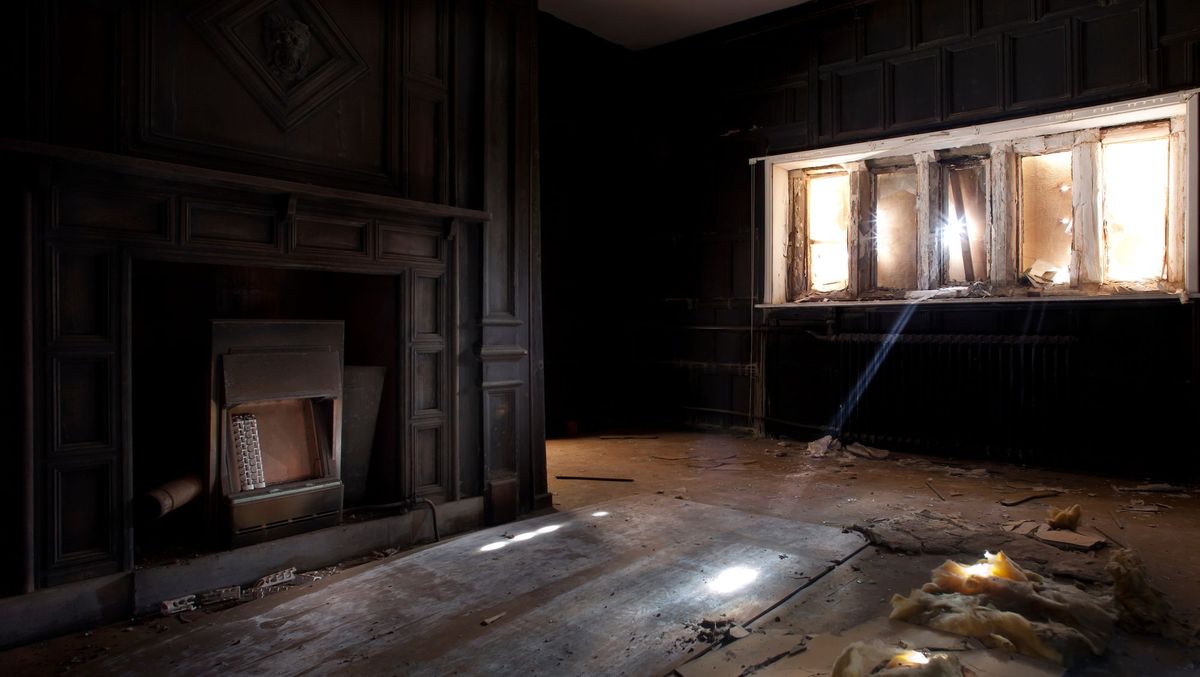
There is a pleasure in the pathless woods.
 Andy Marshall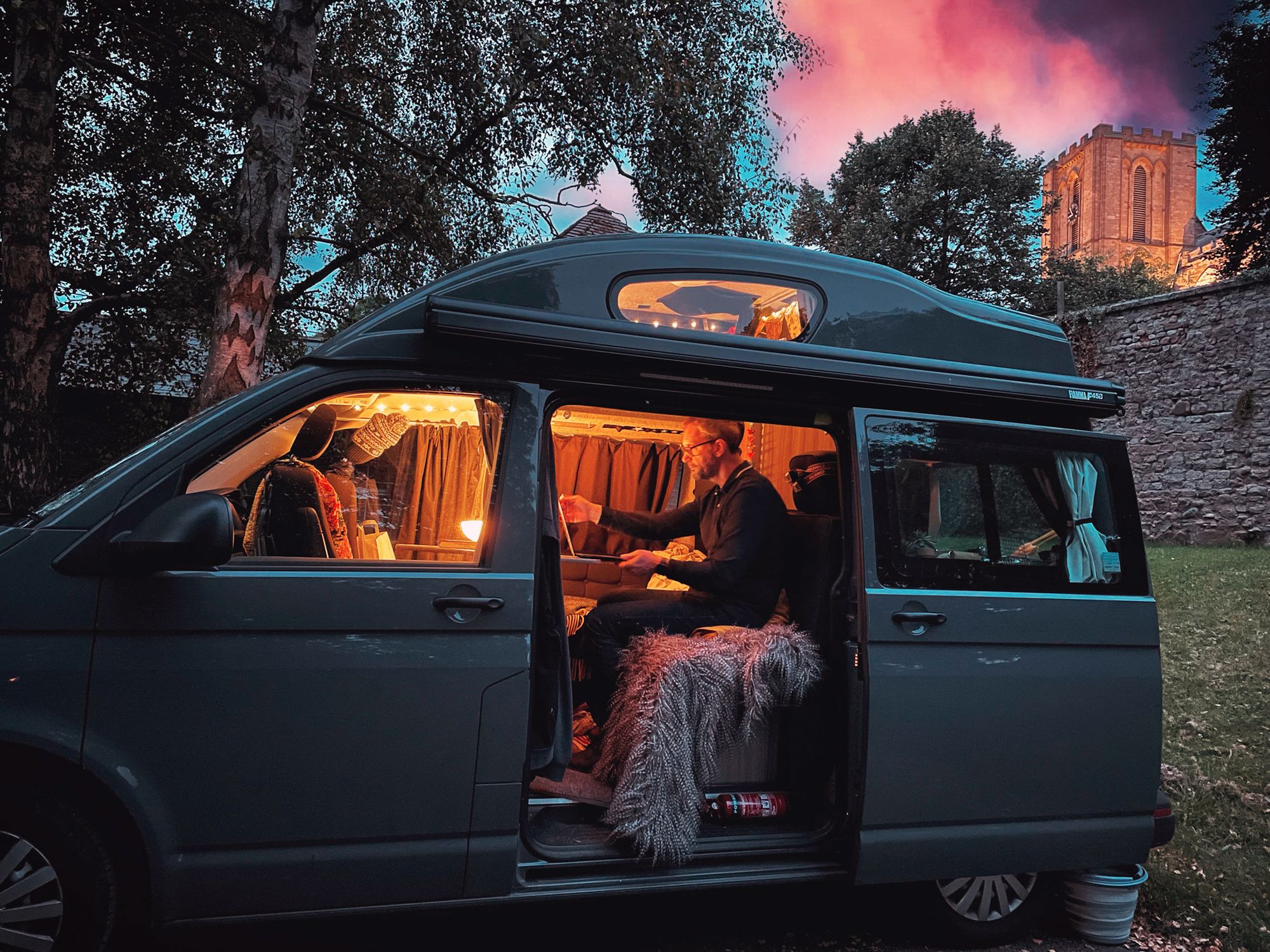
 Laura O’Neill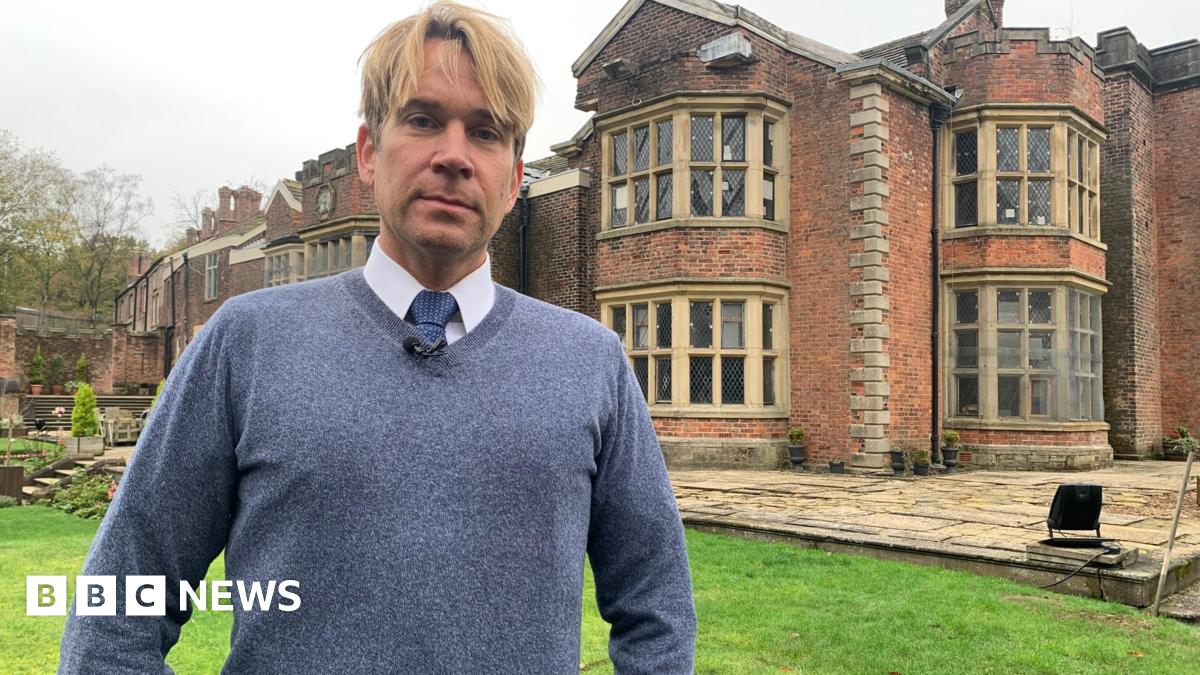
Many years ago I made a short film called Middleton Symphonia. It caused a bit of a stir — one of those marmite pieces — and was picked up by BBC local television, where I was interviewed about it. It includes some footage of the interior of Hopwood Hall with time-lapsed light.
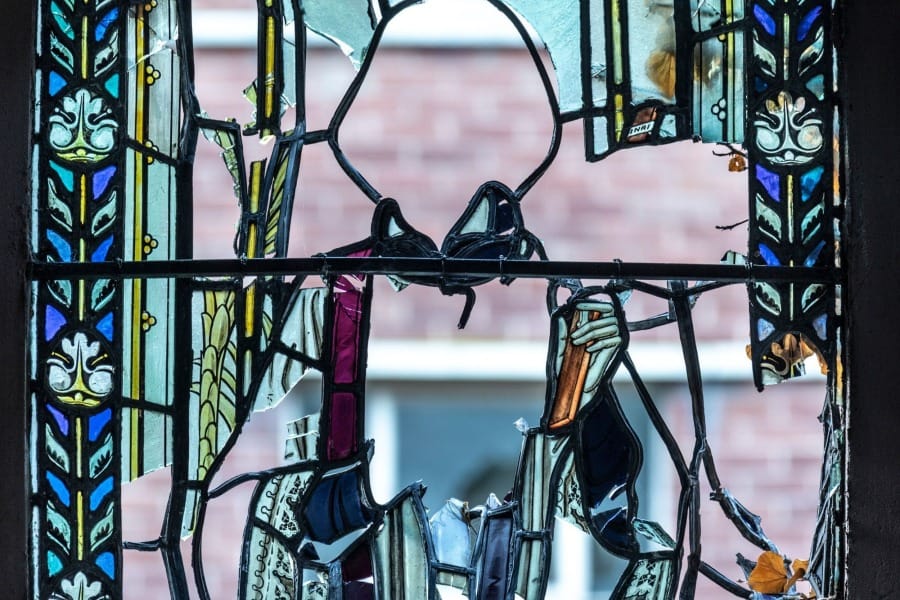
"There is nothing more telling of the power of architecture to influence our lives than when such architecture is threatened with destruction and stripped of its dignity." Lily Bernheimer.
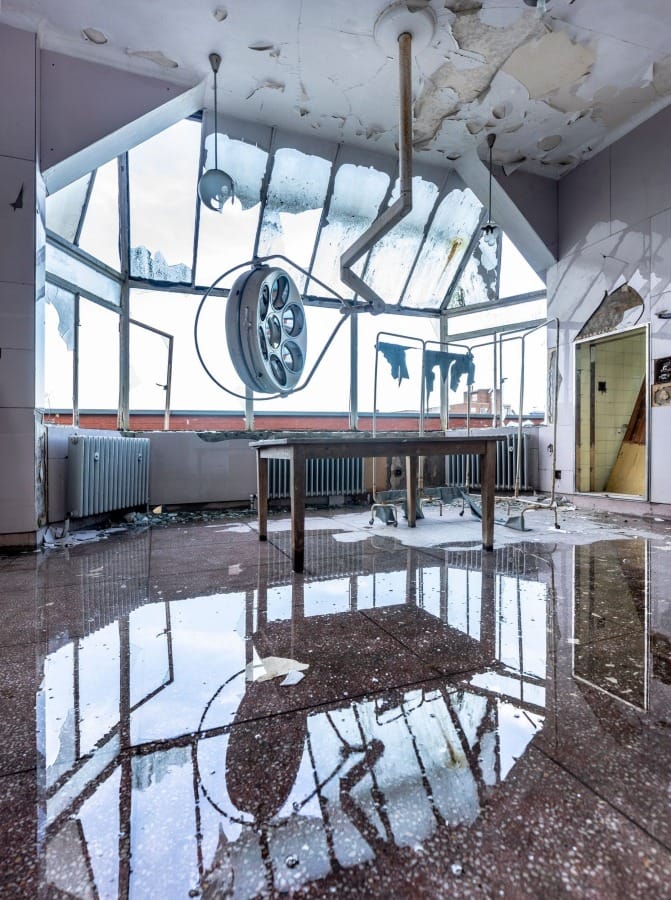
Read more about the orphanage:
Andy Marshall.jpeg?auto=webp)
Kind words from a subscriber:
Andy your work is becoming wonderful, remarkable. A so-called breakdown has been milled into its constituent parts, becoming profound construction: through perception, architecture, the lens and the pen. In your Repton crypt essay a deep description of our social anxiety - and our reason to be....
Recent Digest Sponsors:
 Andy Marshall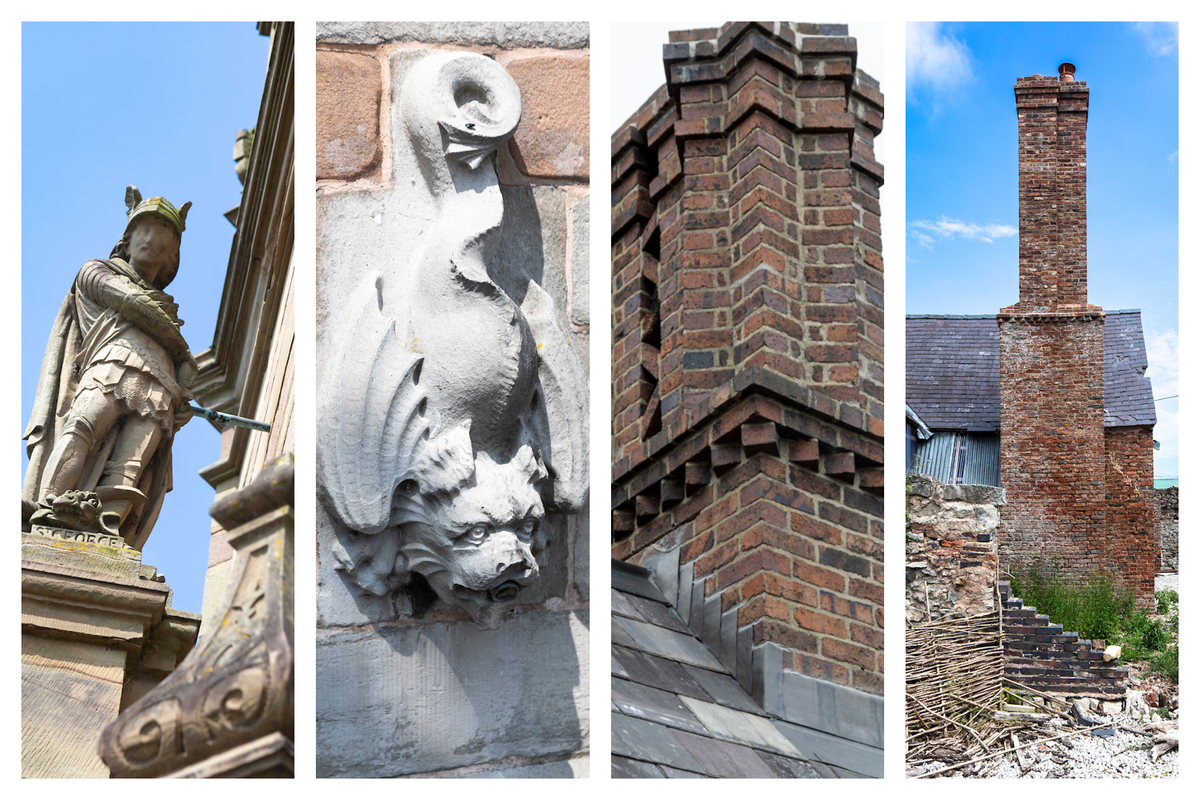
Hopwood Hall.
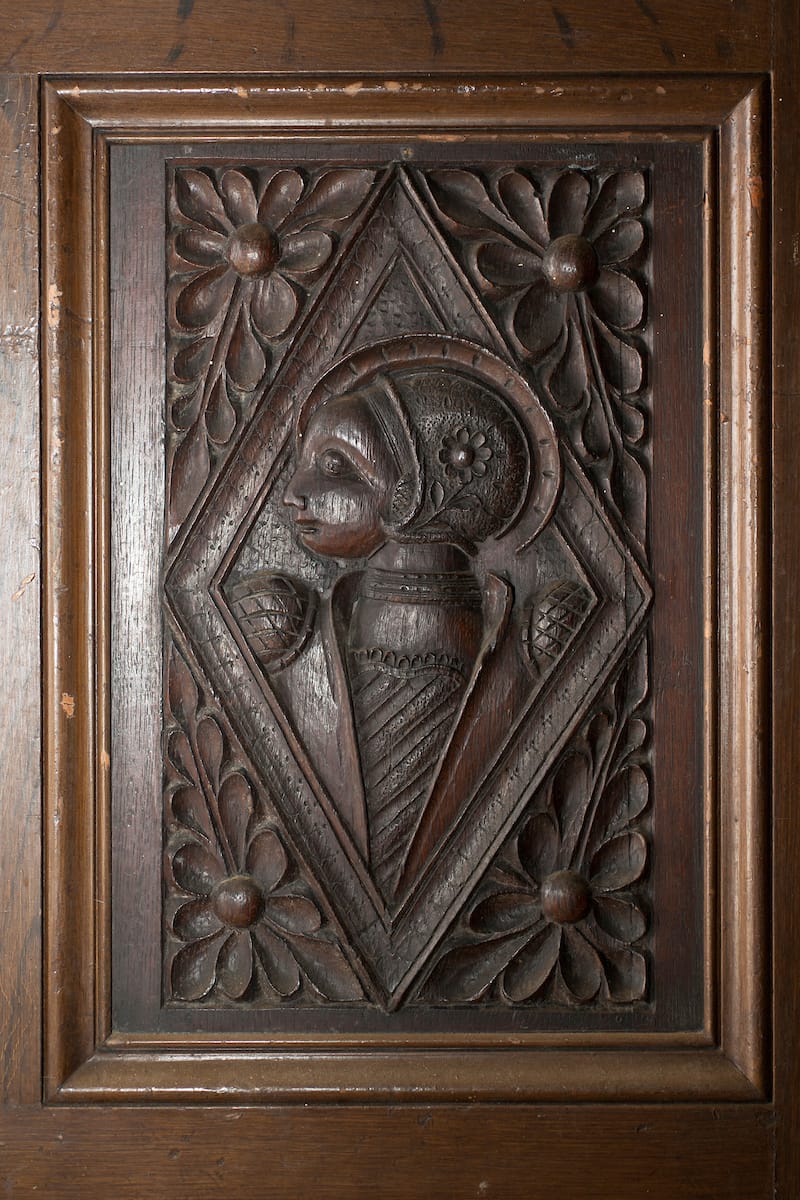
They called it Downton shabby - and that sat uncomfortably with me.
I think it’s because these catch-all phrases flatten things - they turn a place into an aesthetic, a shorthand, something to be consumed quickly and moved on from. But Hopwood Hall isn’t a mood - it carries weight - of time, of use, of people, of change - and that kind of language seems to skim the surface.
However, after several years of attention, the building has been stabilised - its roof made sound, its decline, for now, arrested. But its future remains uncertain. The story has shifted from decay to dispute, with the hall now caught in legal wranglings over its ownership and direction.
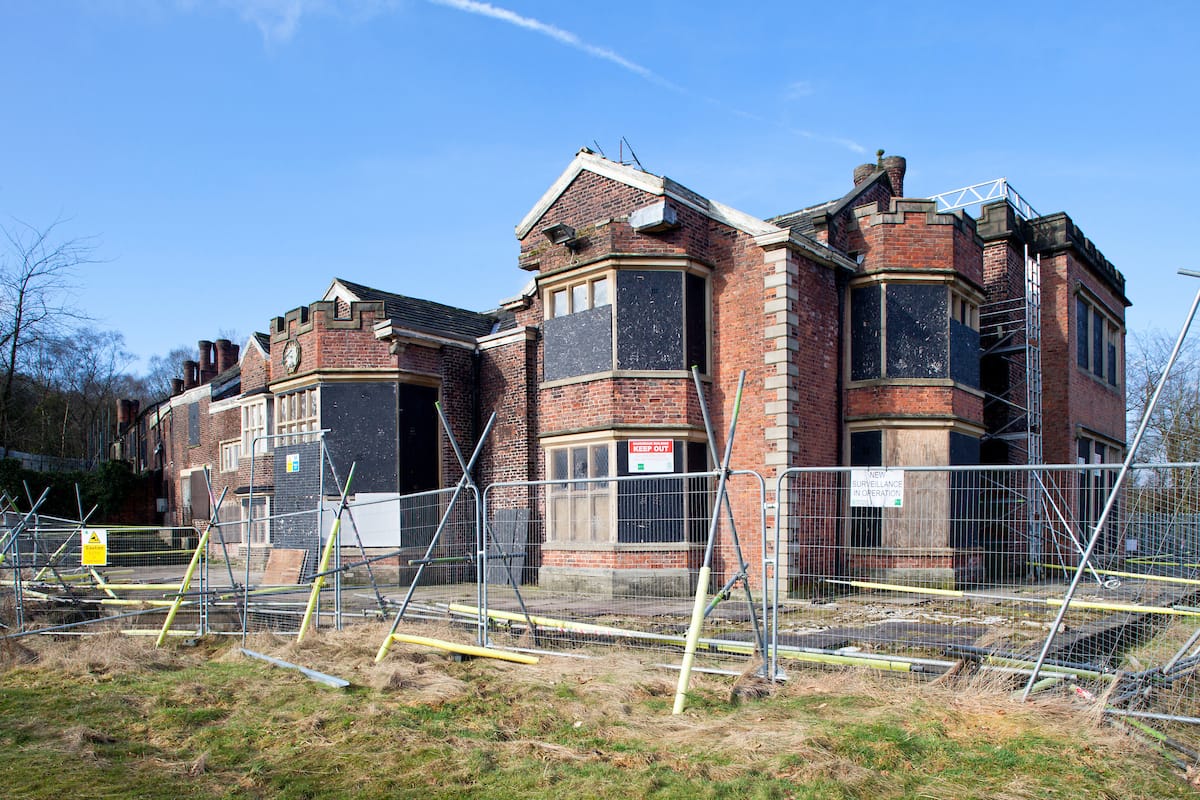
Byron, it seems, is still caught within its walls: restless, unresolved, and searching for a way forward - between care and contention.
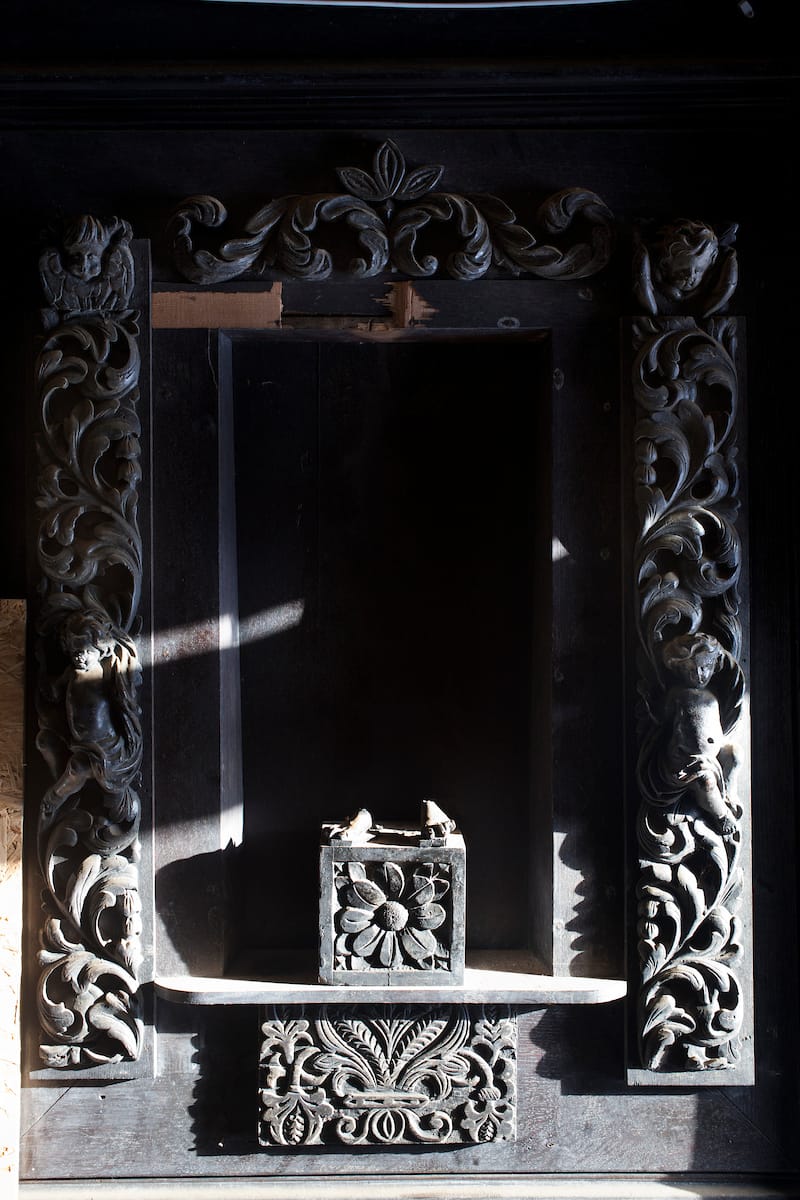
 David Murphy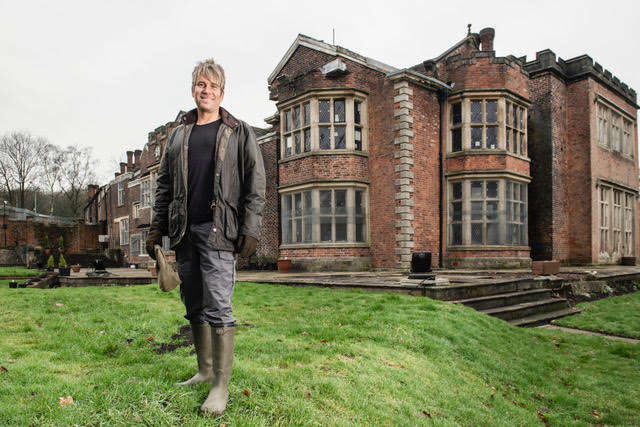
Thank You!
Photographs and words by Andy Marshall (unless otherwise stated). Most photographs are taken with iPhone 17 Pro and DJI Mini 5 Pro.
🔗 Connect with me on: Bluesky / Instagram / Facebook / X / Tumblr / Flickr / Vimeo / Pixelfed / Pinterest / Flipboard/ Fediverse: @fotofacade@digest.andymarshall.co
Member discussion