Welcome!
⚡️ View the latest digest and the full archive here.
📐 My Goals ℹ️ Donations Page & Status 📸 MPP Status 🛍️Shop
🔗 Connect with me on: Bluesky / Instagram / Facebook / X / Tumblr / Flickr / Vimeo / Pixelfed / Pinterest / Flipboard/ Fediverse: @fotofacade@digest.andymarshall.co
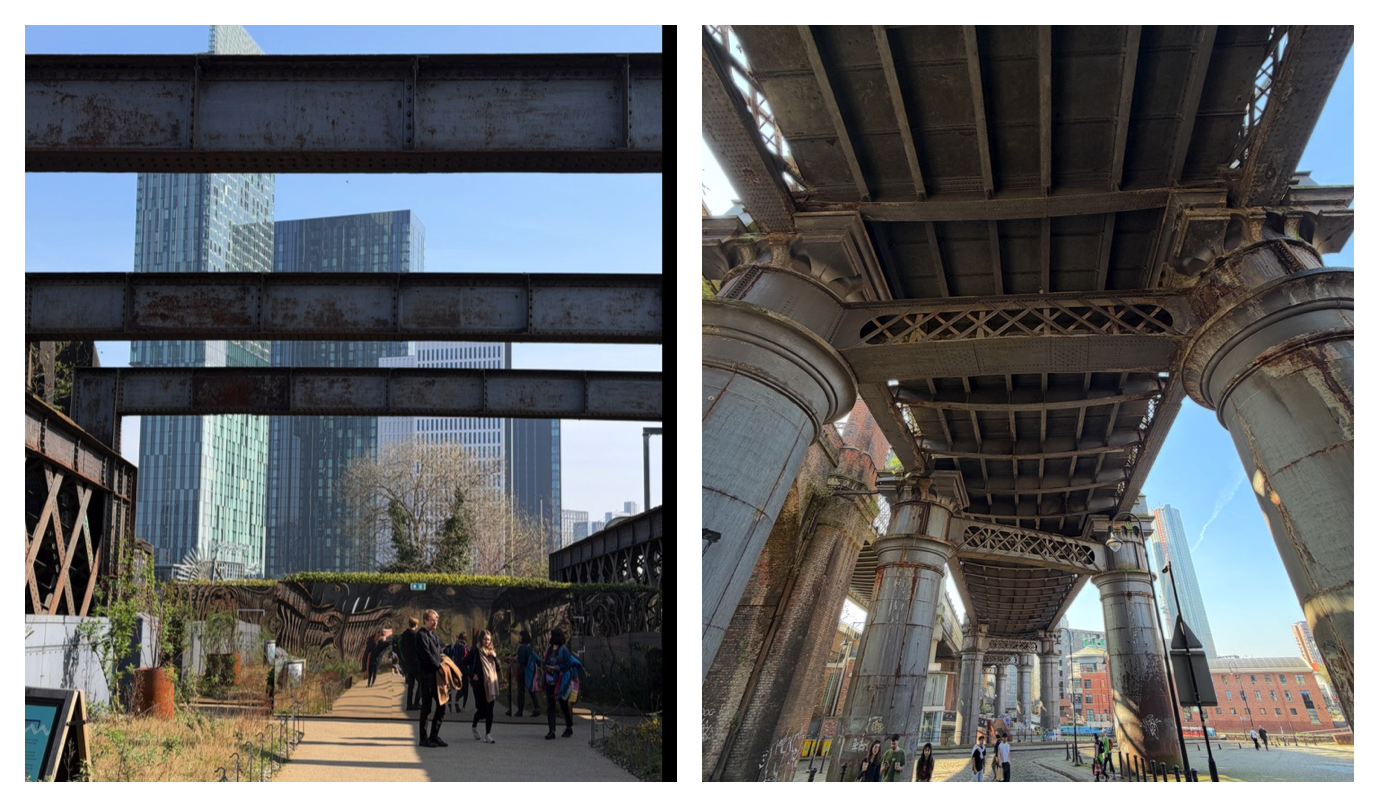
Coming soon: Britain's very own High Line
A remarkable garden in the sky rooted in Roman foundations.
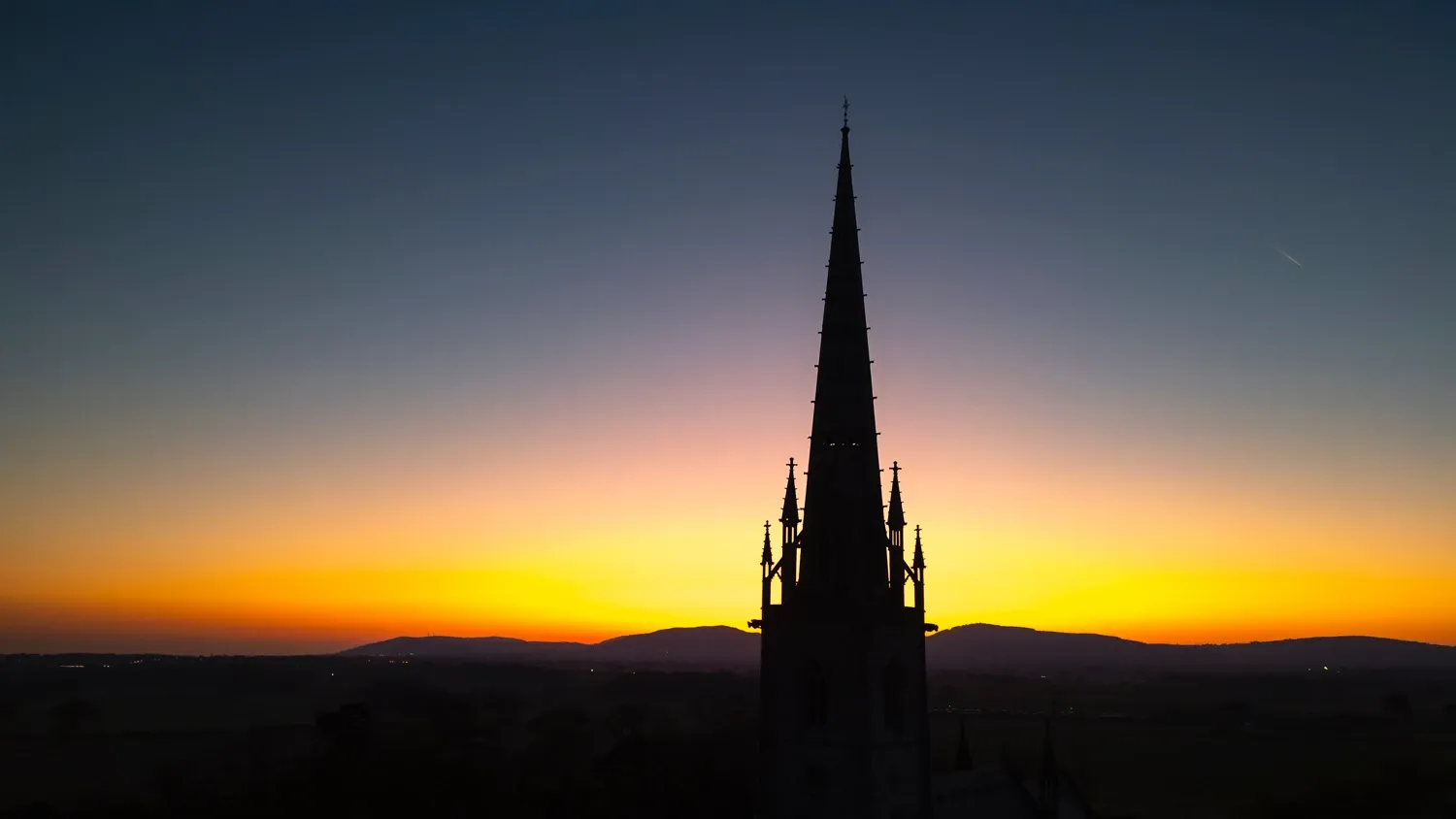
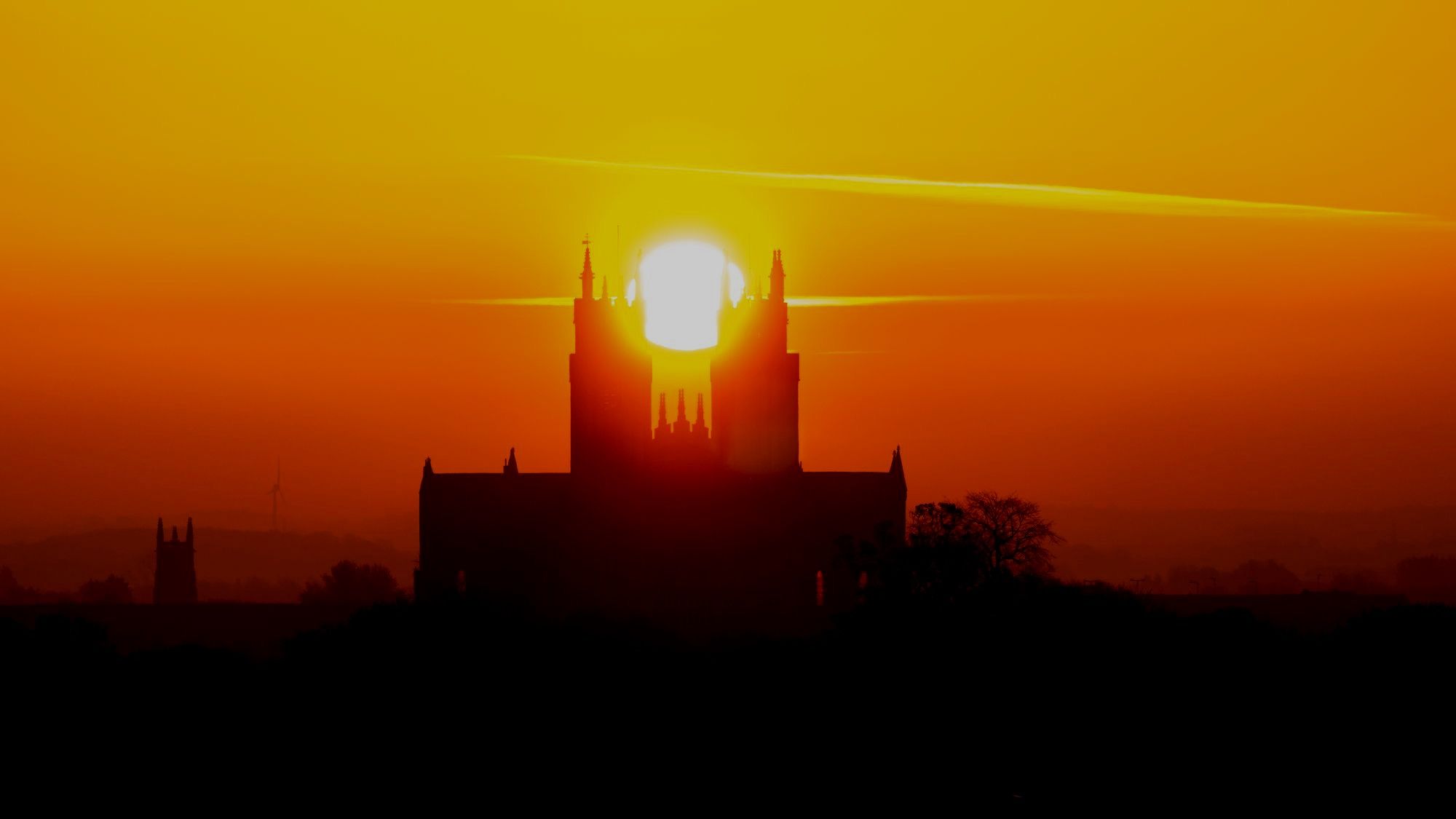
Taken this time last year - the perforated spire of the Marble Church Bodelwyddan in North Wales.
"Once I am sure there's nothing going on
I step inside, letting the door thud shut.
Another church: matting, seats, and stone,
And little books; sprawlings of flowers, cut
For Sunday, brownish now; some brass and stuff
Up at the holy end; the small neat organ;
And a tense, musty, unignorable silence,
Brewed God knows how long. Hatless, I take off
My cycle-clips in awkward reverence..."
Church Going, Philip Larkin.
We do not begin again from nothing.
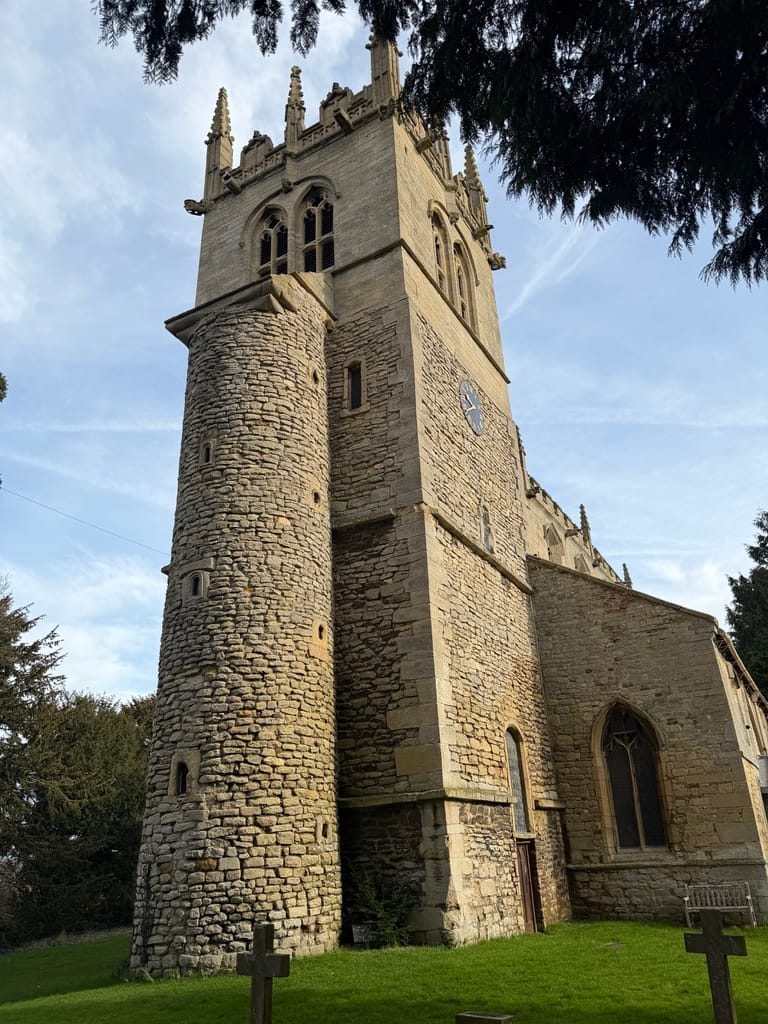
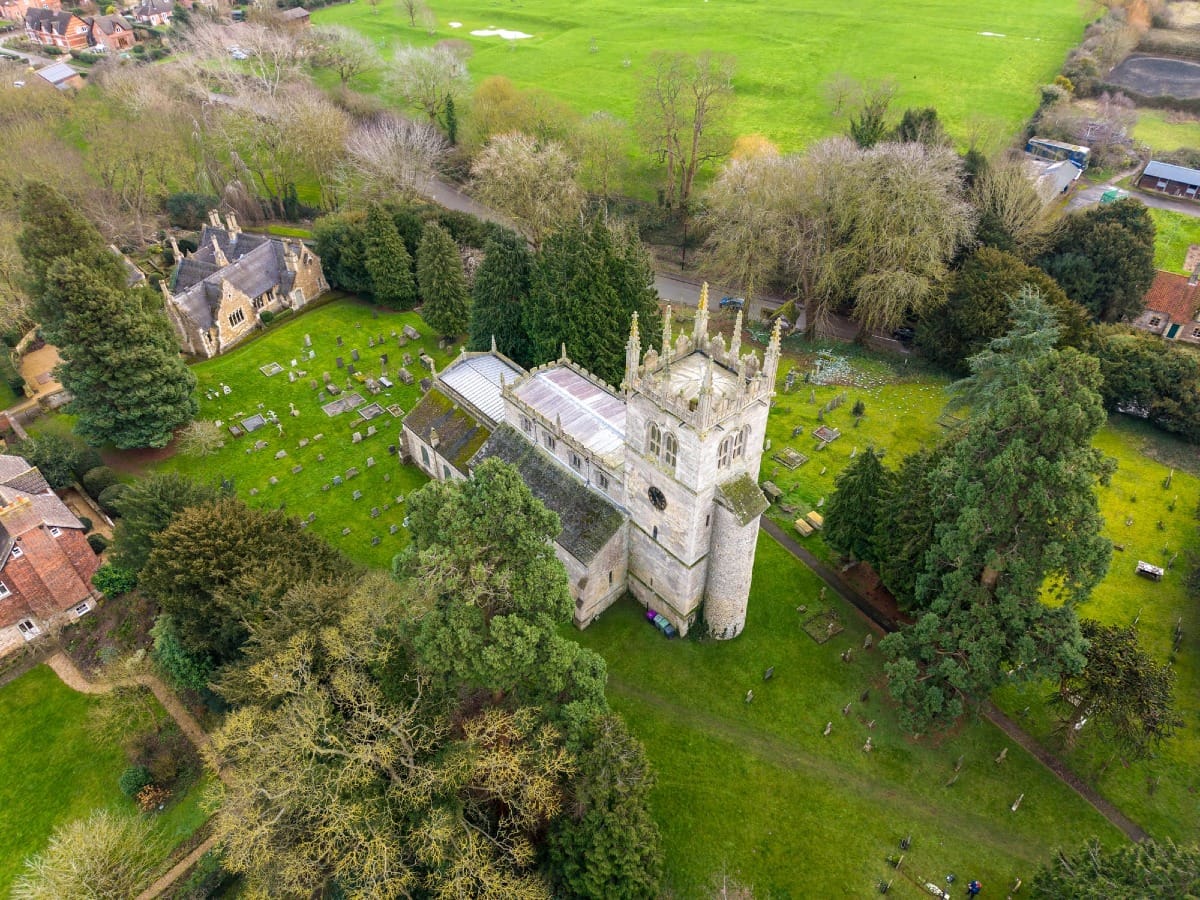
In last week’s digest, I wrote about one aspect of the intangible - those elements that seem to gather and contribute to the spirit of place. But at Hough-on-the-Hill in Lincolnshire, I became aware of something else running alongside it - something with the distinct touch of the human hand, and yet the essence of it rising above all that is material.
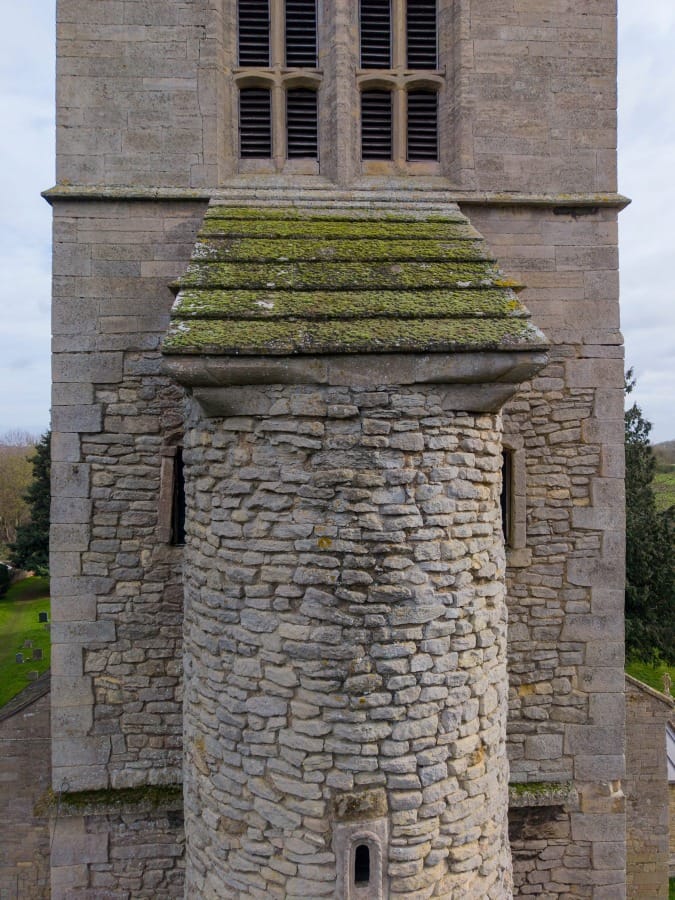
In less than an hour at All Saints’, I found myself passing through a thousand years of layered, uneven, but deeply human acts of making - each generation leaving something of itself behind.
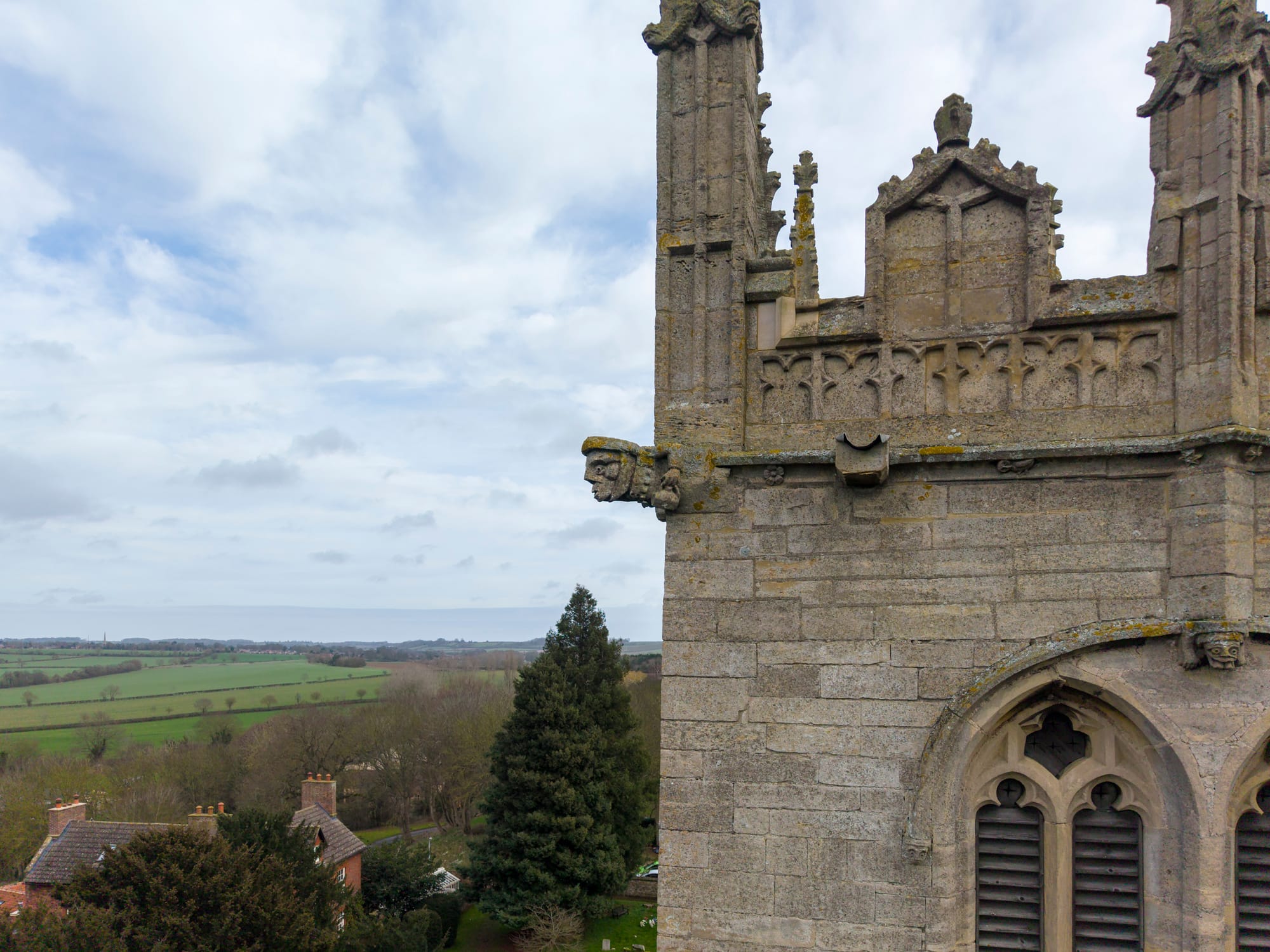
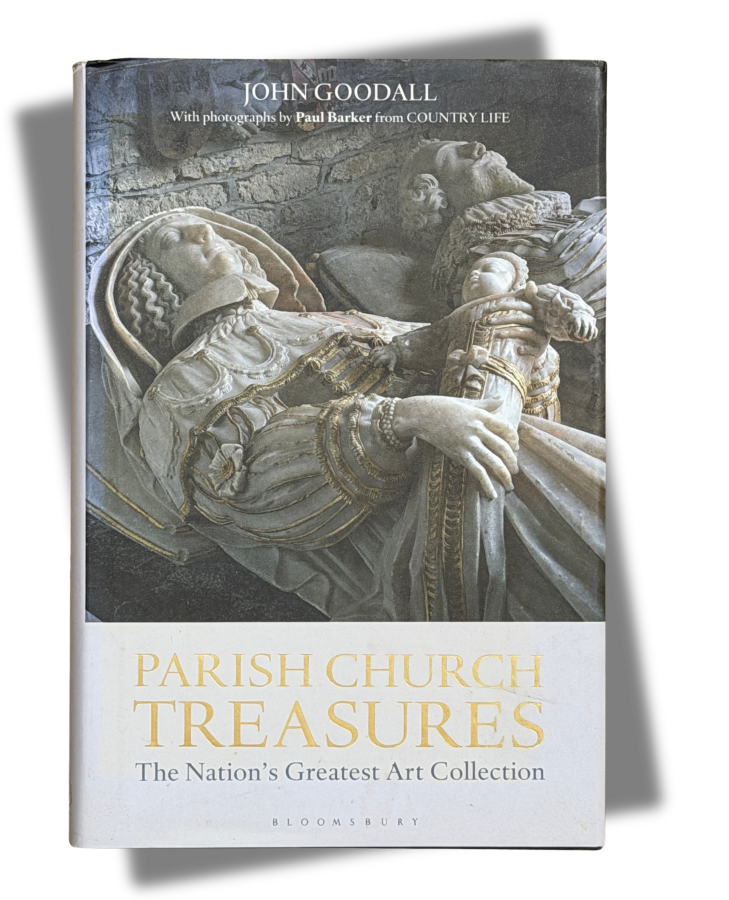
I don’t pretend that these places hold the whole story, but there’s something in John Goodall’s words, in his book Parish Church Treasures, that describes this ecclesiastical collective as a “cumulative product” — the investment in which “is a physical palimpsest of almost unbelievable complexity and interest.”
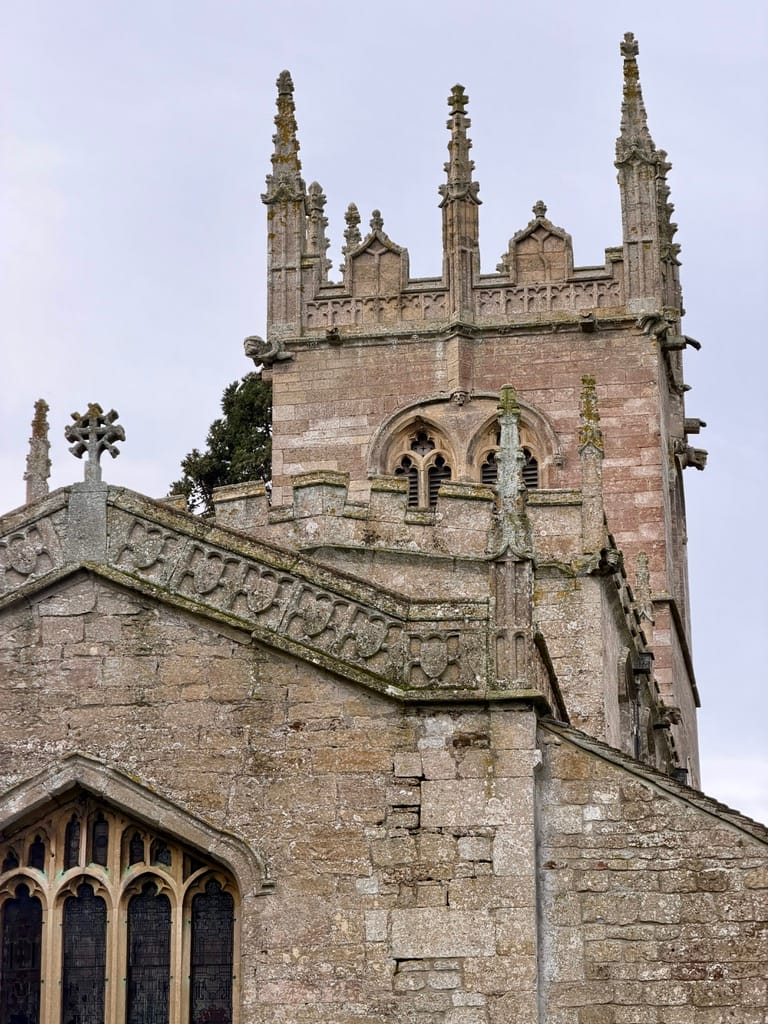
For me, our churches are akin to vast, slow-moving glaciers - gathering cultural moraine whilst cutting into the surface of time.
Brewed God knows how long.
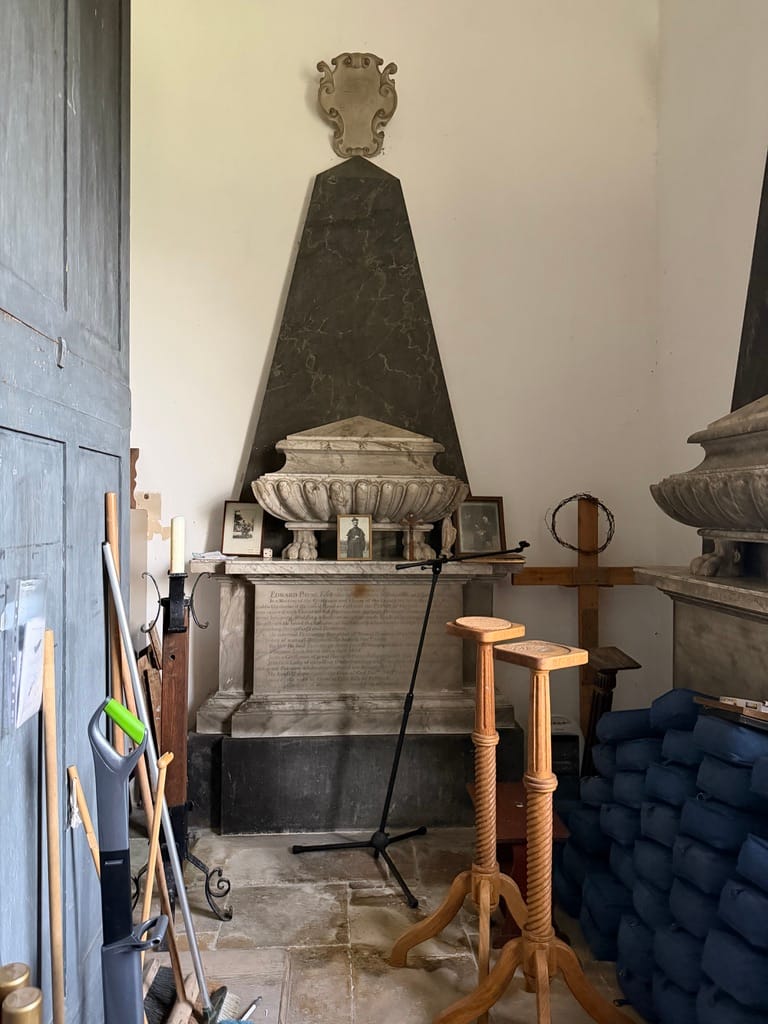
More than any other building type, every period seems to be represented in a church. And what that means — something we rarely pause to consider — is that these small assemblies of timber and stone have been rolled through centuries, accumulating both spiritual and secular responses to being human. Not in any perfect, planned, or balanced way, but through necessity, belief, repair, loss, and renewal.
It is within that accumulation that something else begins to emerge - an atmosphere, shaped by time and human touch, that gathers around those who enter.
It isn’t always obvious, nor set out for instruction, but is held dormant within the fabric of the building, waiting for those moments when we falter, drift, or forget. What places like All Saints’ gather is not simply the response of a single age, but of countless generations — each formed by its own loves, hatreds, and uncertainties; its own attempts to understand how to live and to chamfer off the sharp edges of coexistence.
And crucially, those responses remain.
When we find ourselves circling back into the same human vagaries - the same questions of meaning, of survival, of how to live well - we do not begin again from nothing. We encounter what has already been thought, already been made, already been articulated here.
When a person, a selfish act, a complacency, an ideology or a system bans, truncates, or obliterates our cultural heritage without our counsel, the unease we feel is often wordless. And perhaps that is because we sense what is truly at stake - the horror of being cast adrift from that inheritance, of being made to begin again from nothing, as if all that has been gathered, forged, and handed on could simply be erased.
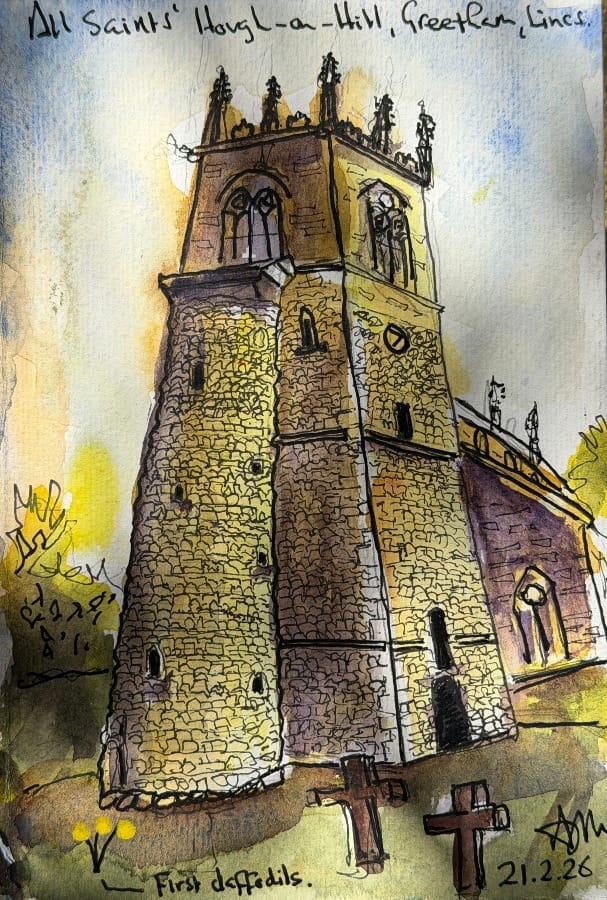
All Saints’, Hough-on-the-Hill still speaks, thankfully. It looks us squarely in the eye and says: ‘been there, done that..’
The Saxon tower tells a tale of a growing confidence in stone, perhaps even a distant memory of classical form, filtered through what remained of the Roman presence in the landscape. It reads as a response - not a beginning, but a continuation - gathering what fragments remained and setting them down again with renewed intent.
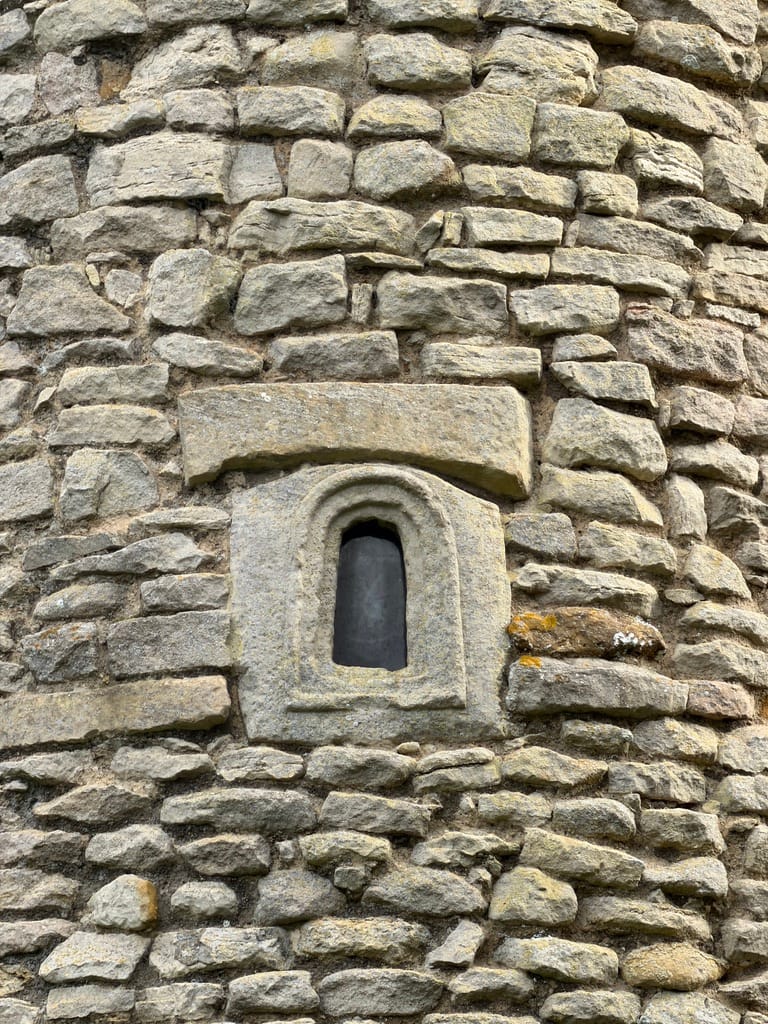
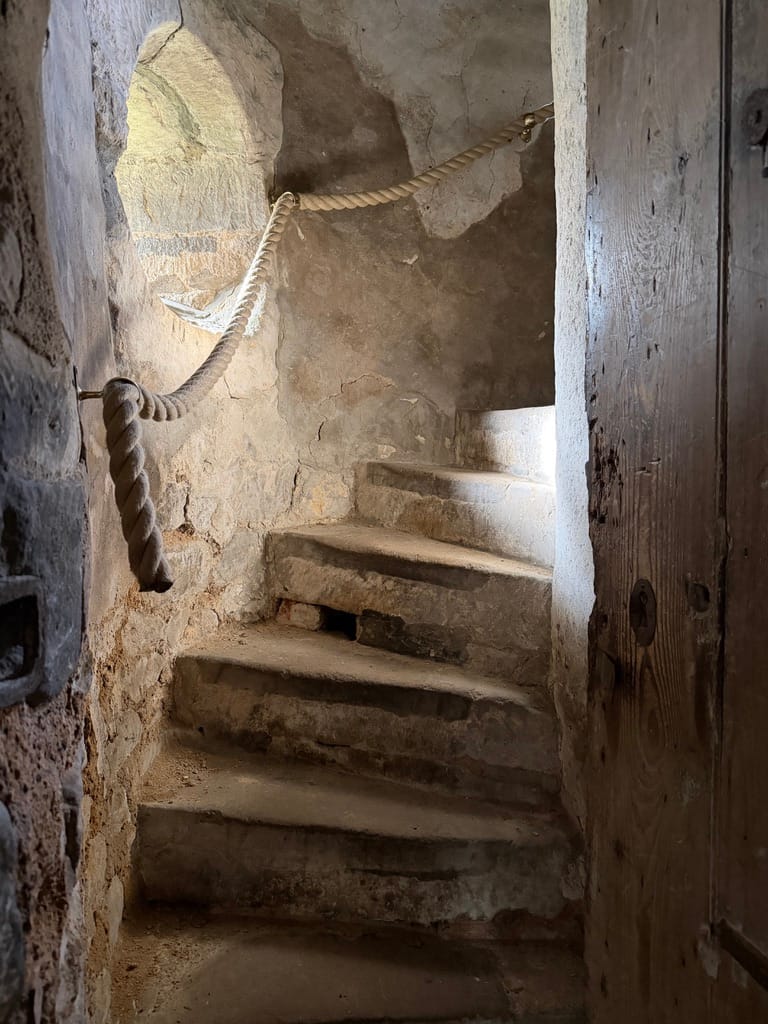
Inside the church, the font, the arcade, the tracery, and the remains of the rood loft chart the long arc of liturgical change - each an adjustment to shifting patterns of belief and practice.
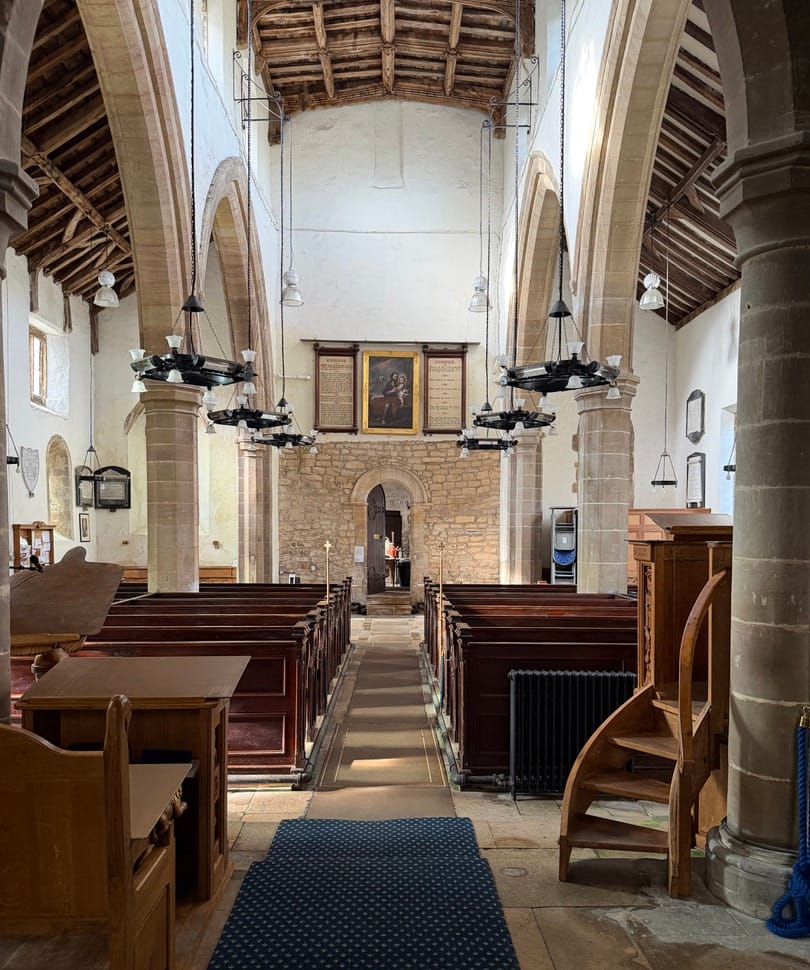
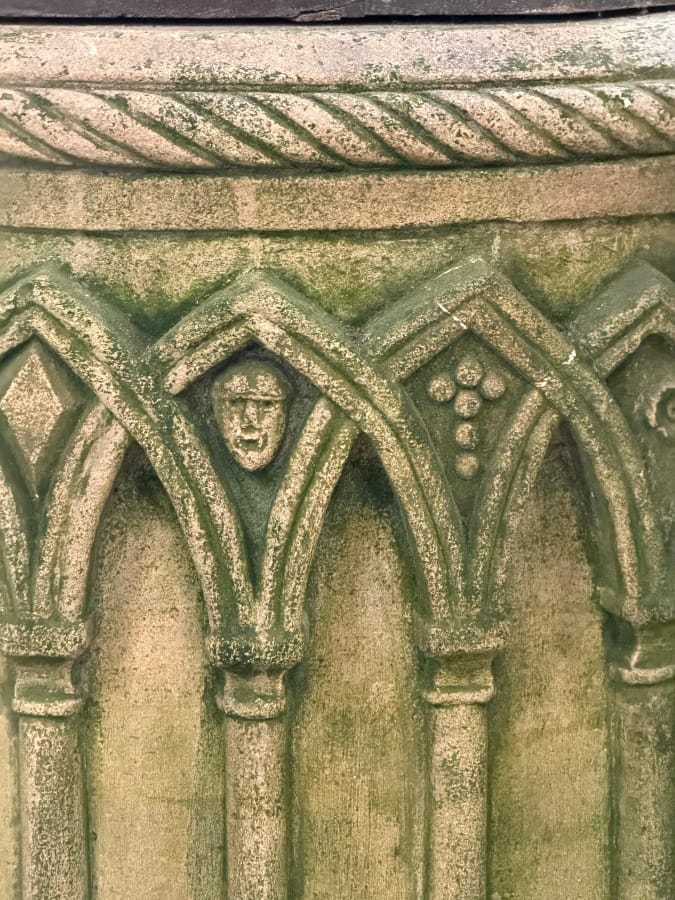
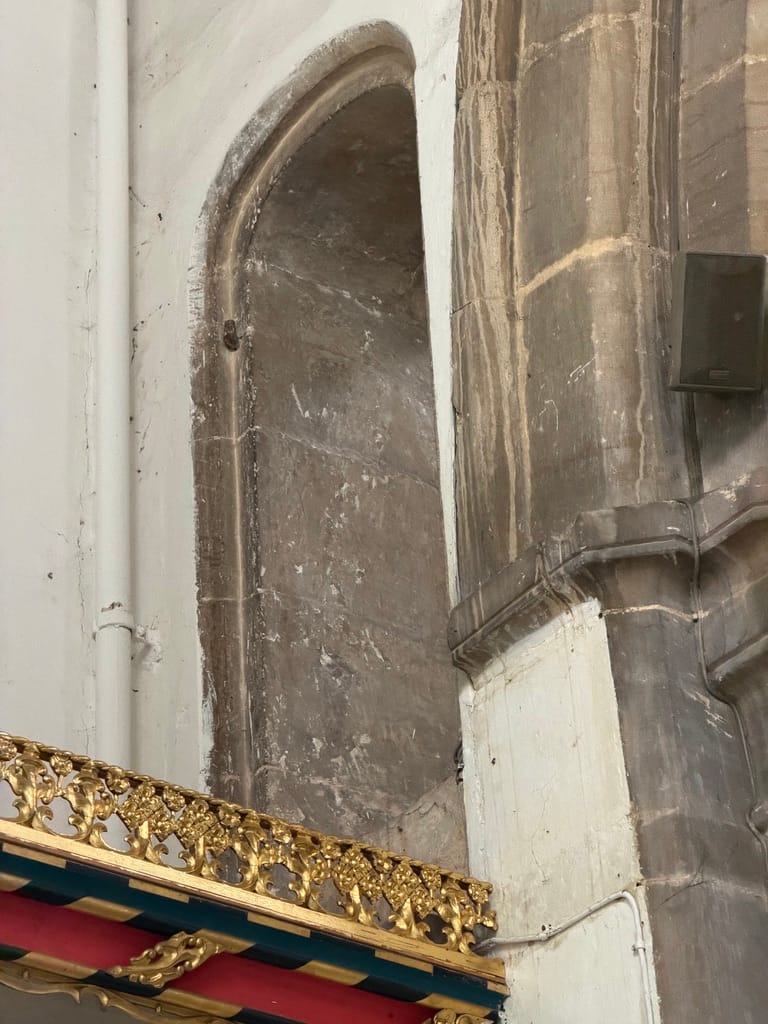
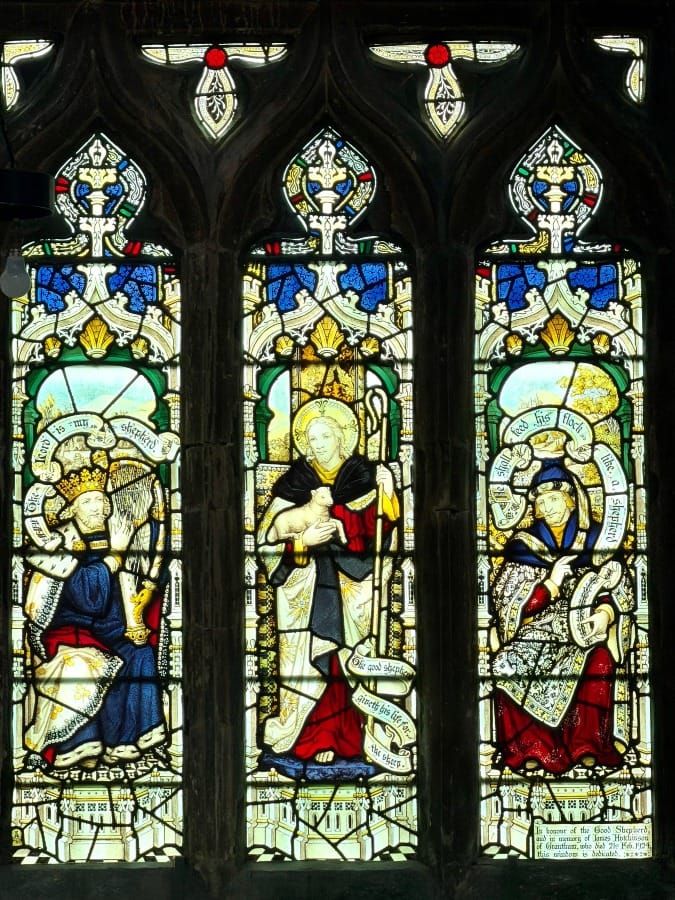
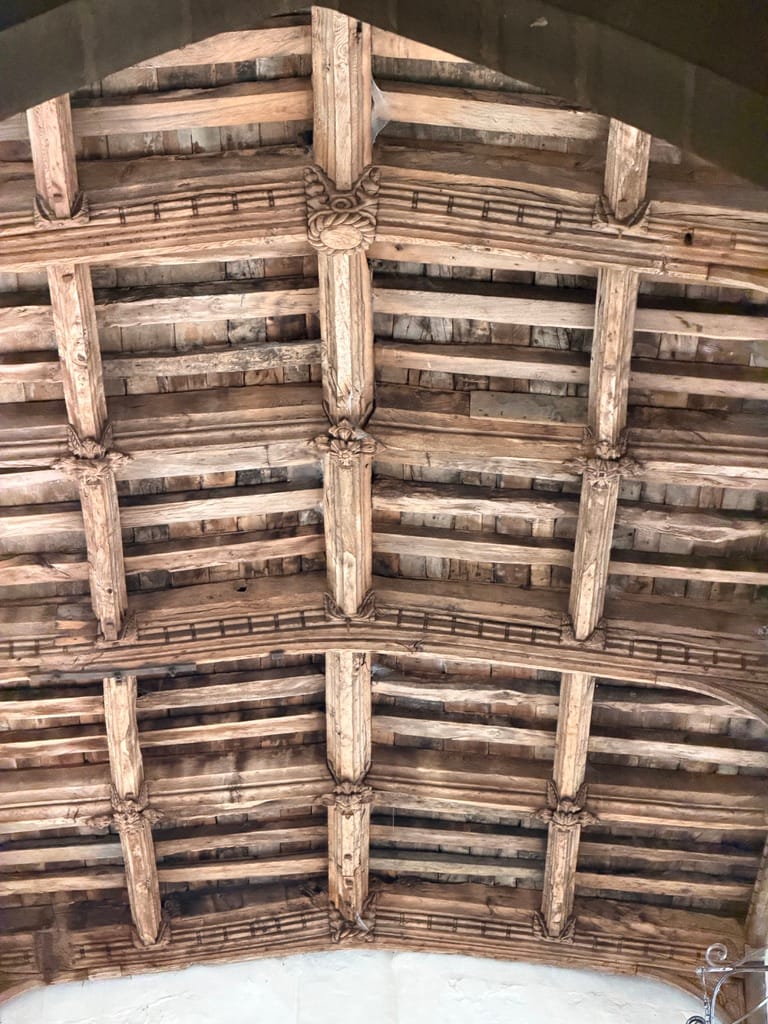
But what stayed with me most did not belong to the distant past.
Scattered throughout the church are a series of carvings by a local craftsman - John Lord - whose work sits among these older elements. His carved oak panels, depicting the farming year. Then the lectern and the pulpit - all are unmistakably of our own time.
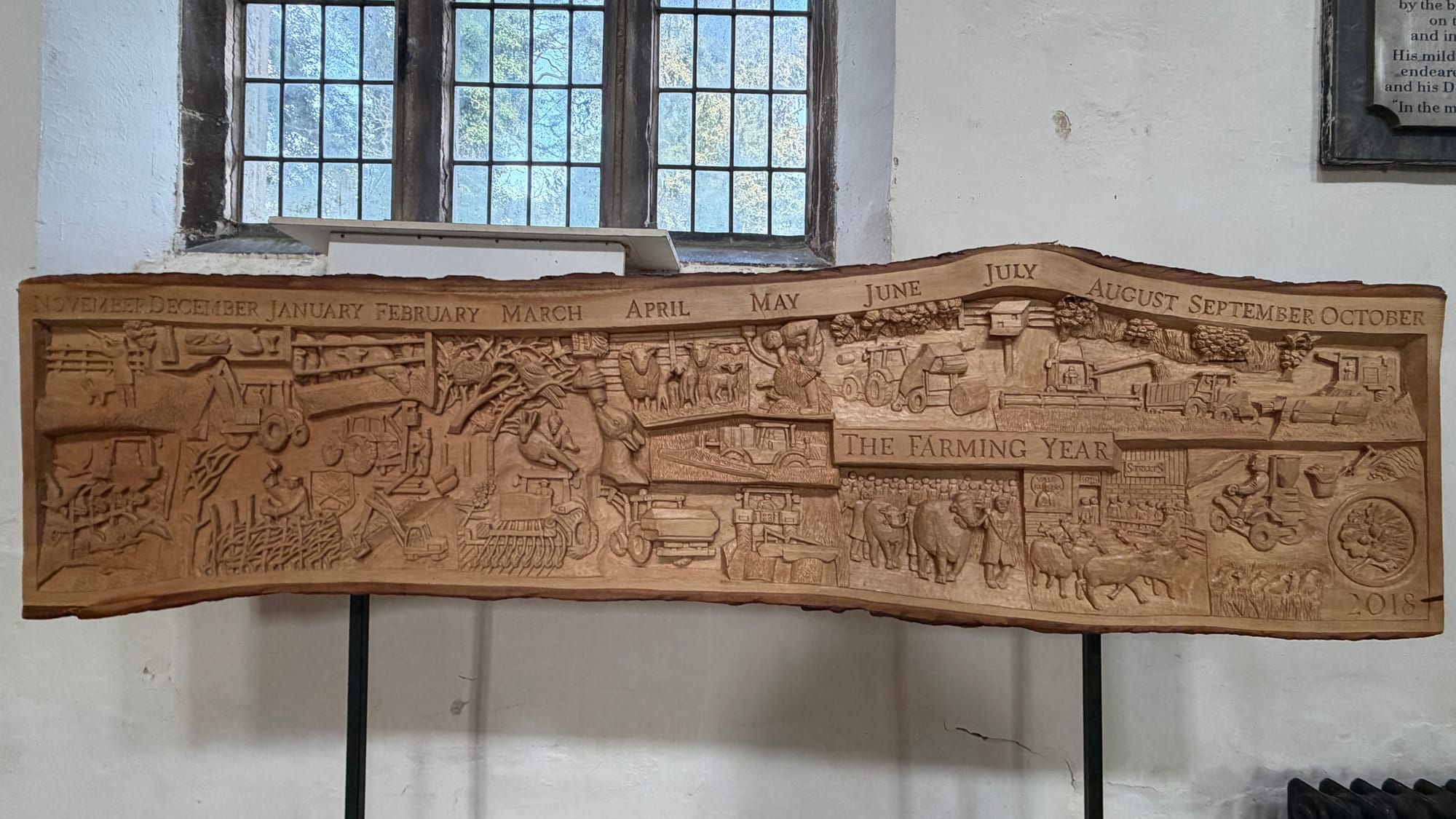
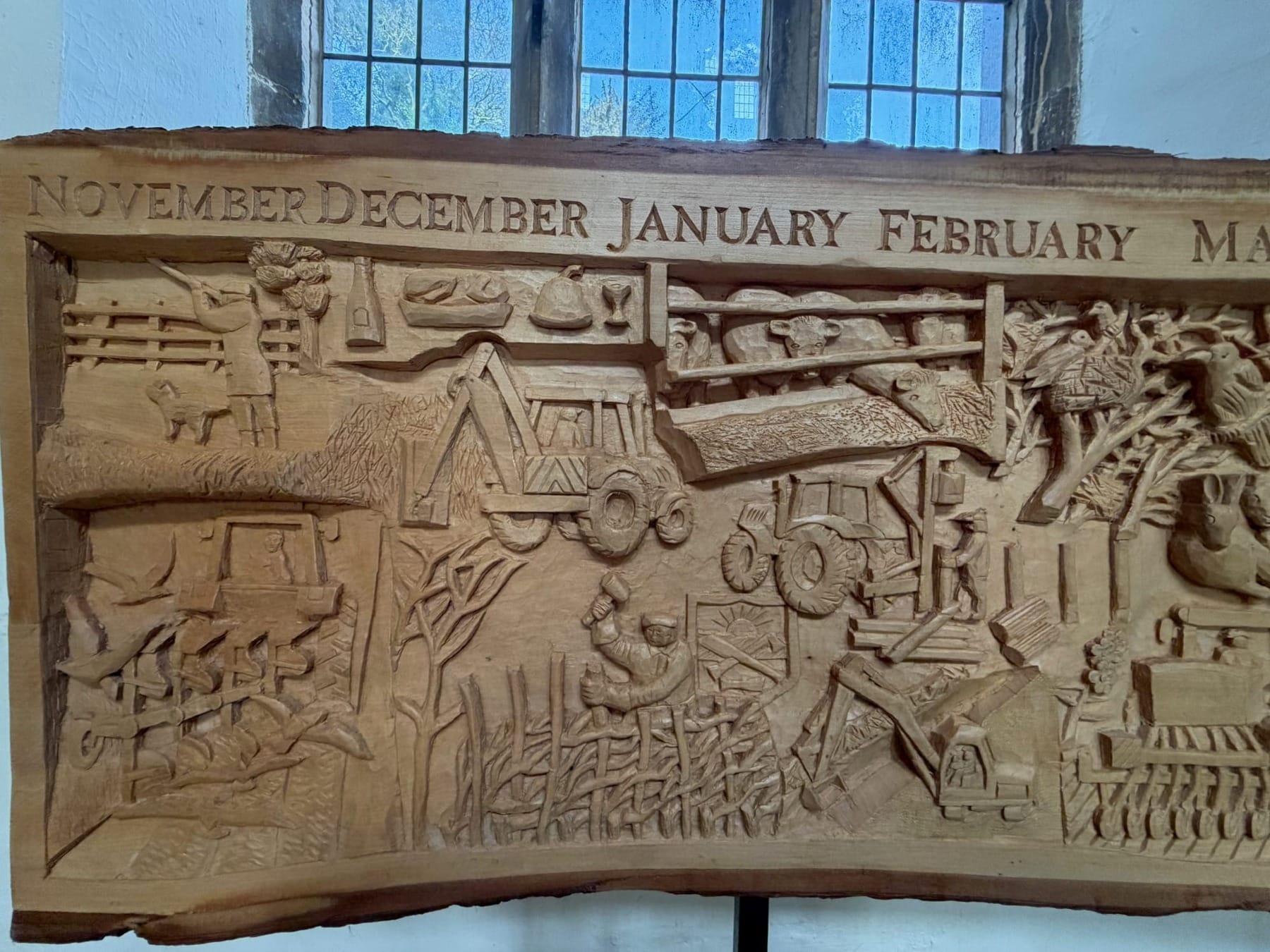
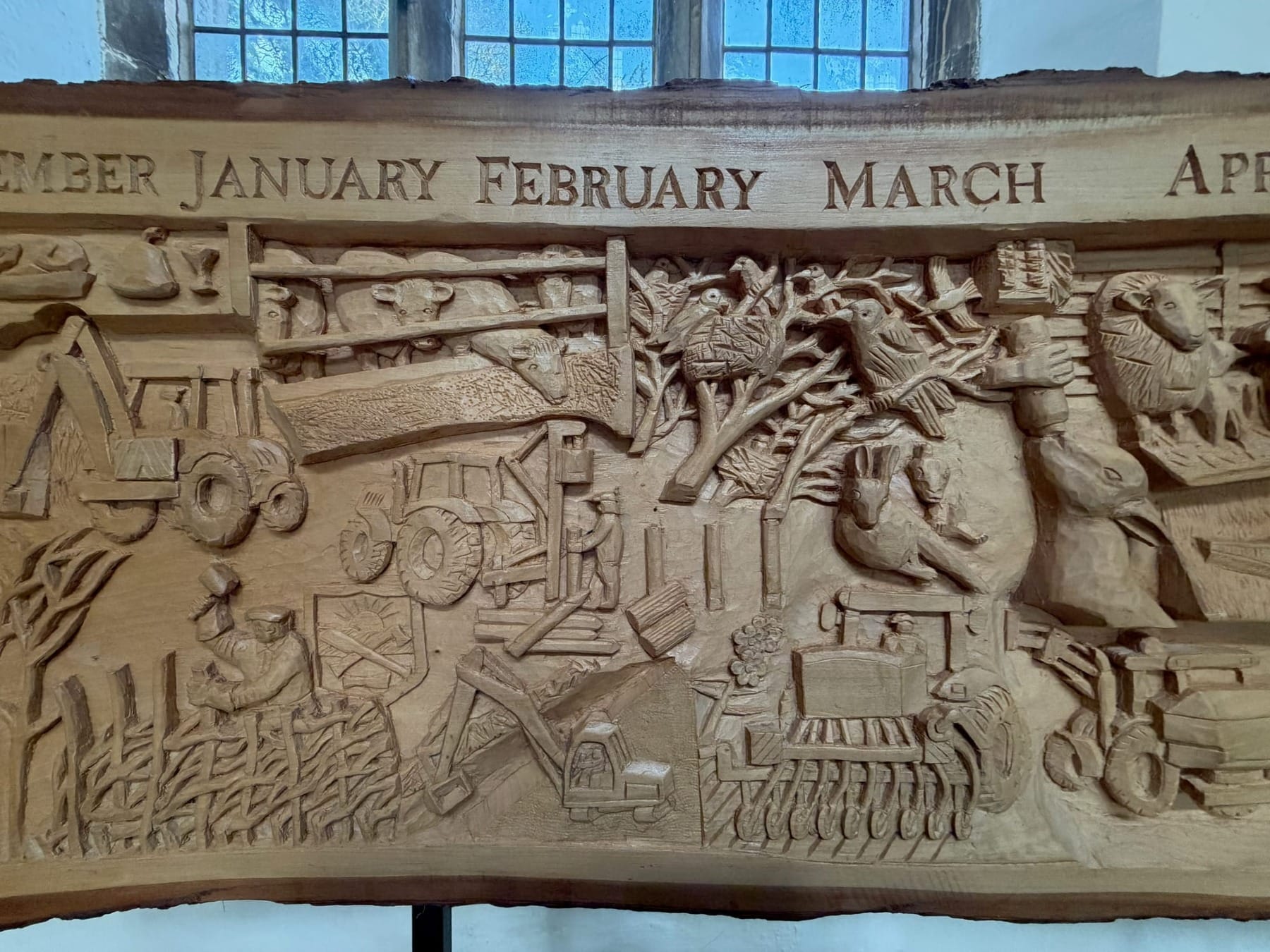
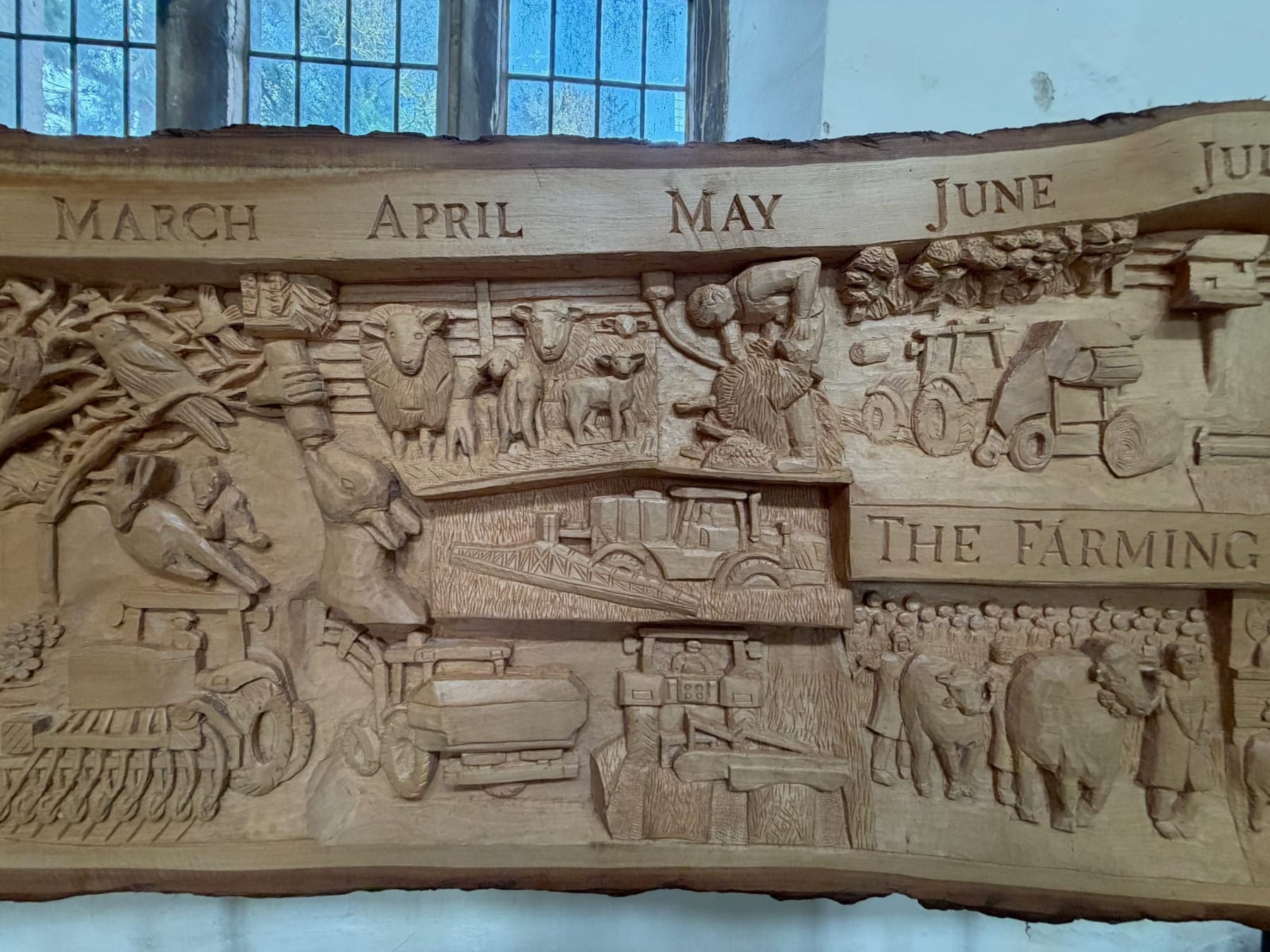
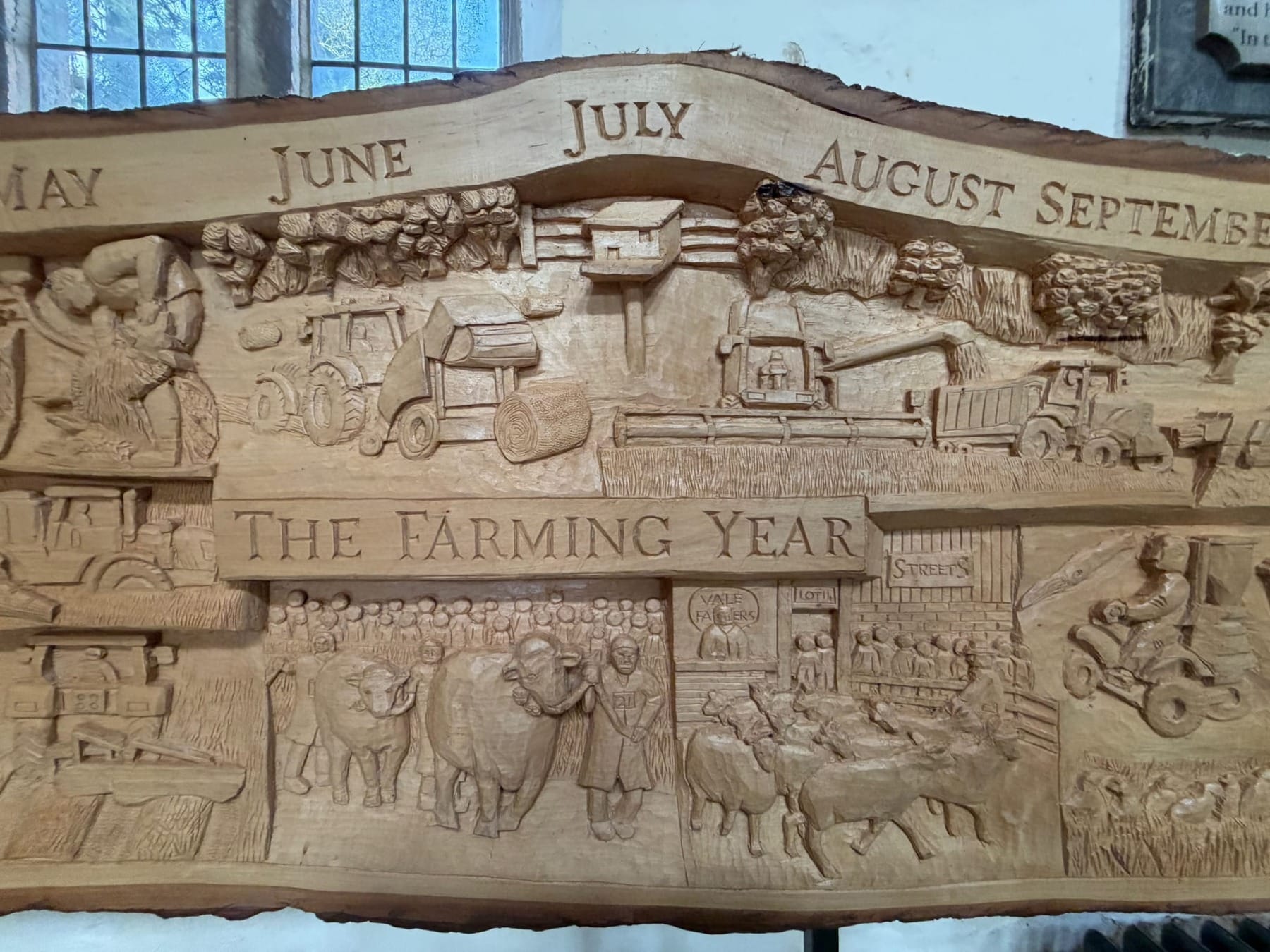
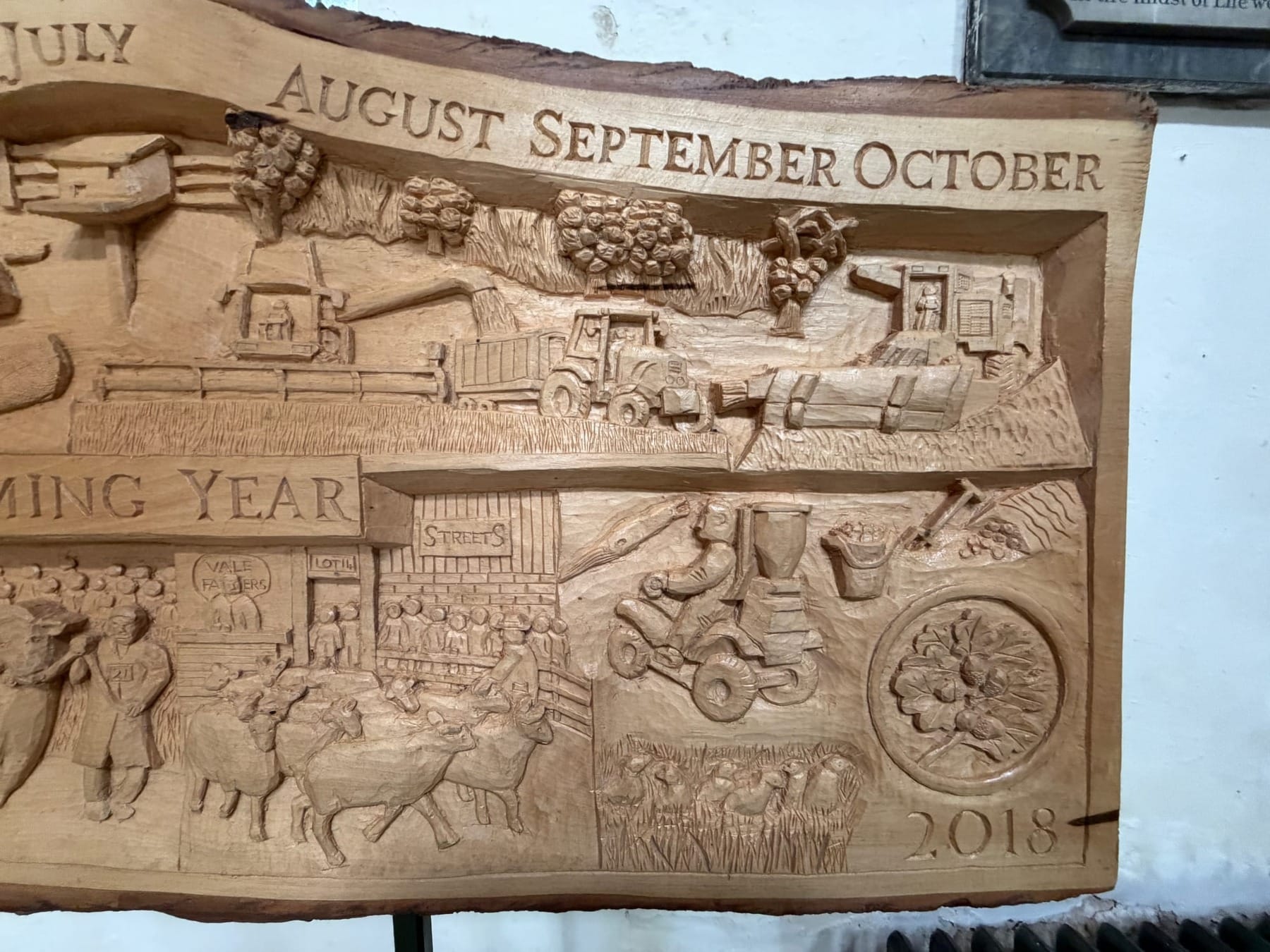
There is something deeply encouraging in that. Because it suggests that this process - this slow accumulation - has not ceased. That we are not merely inheritors, but participants. That the present still has permission to speak.
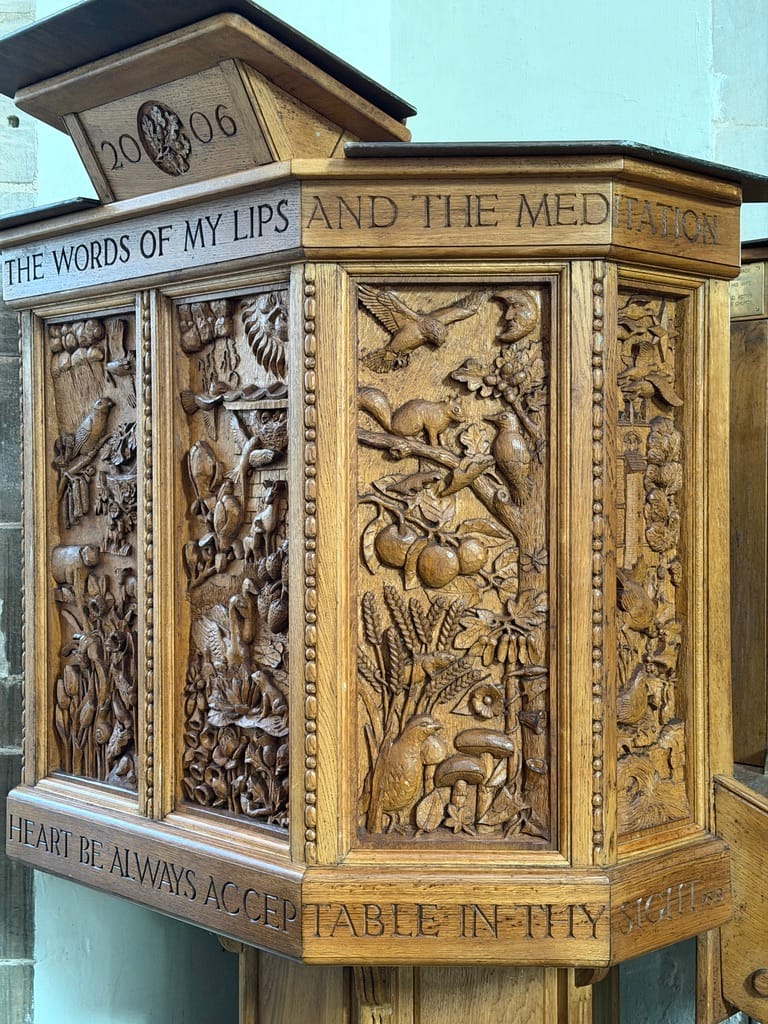
And what it speaks of here is telling — not just of one way of life, but of recurrence itself: the turning of time, and the enduring impulse to set down what matters most, generation by generation - as if our lives depend upon it.
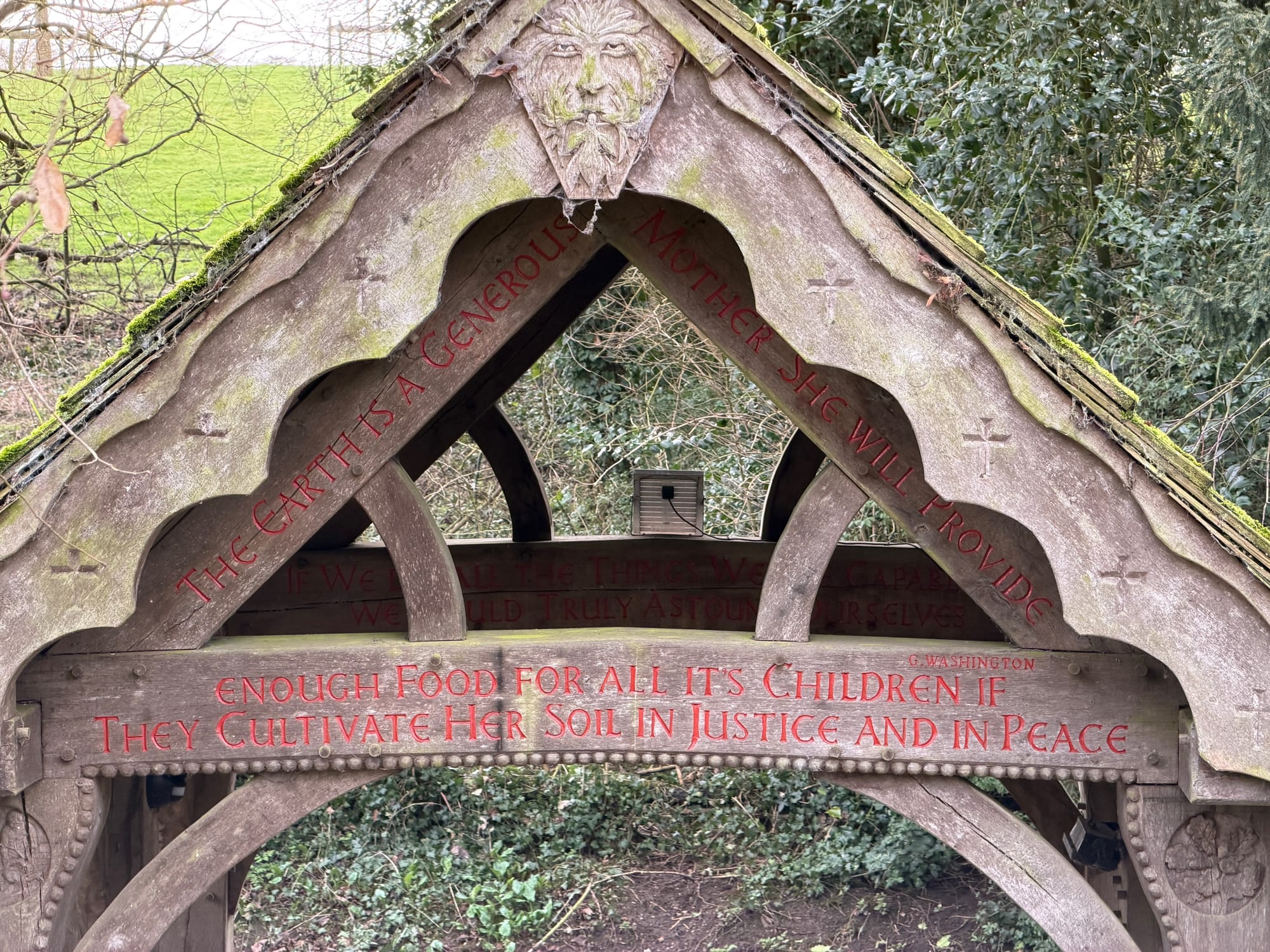
Later, when I stepped outside into the churchyard - I saw that the thread was here too. With daffodils pushing through, to the south of the churchyard, my eye was drawn to the lych-gate, where another recent carving came into view.
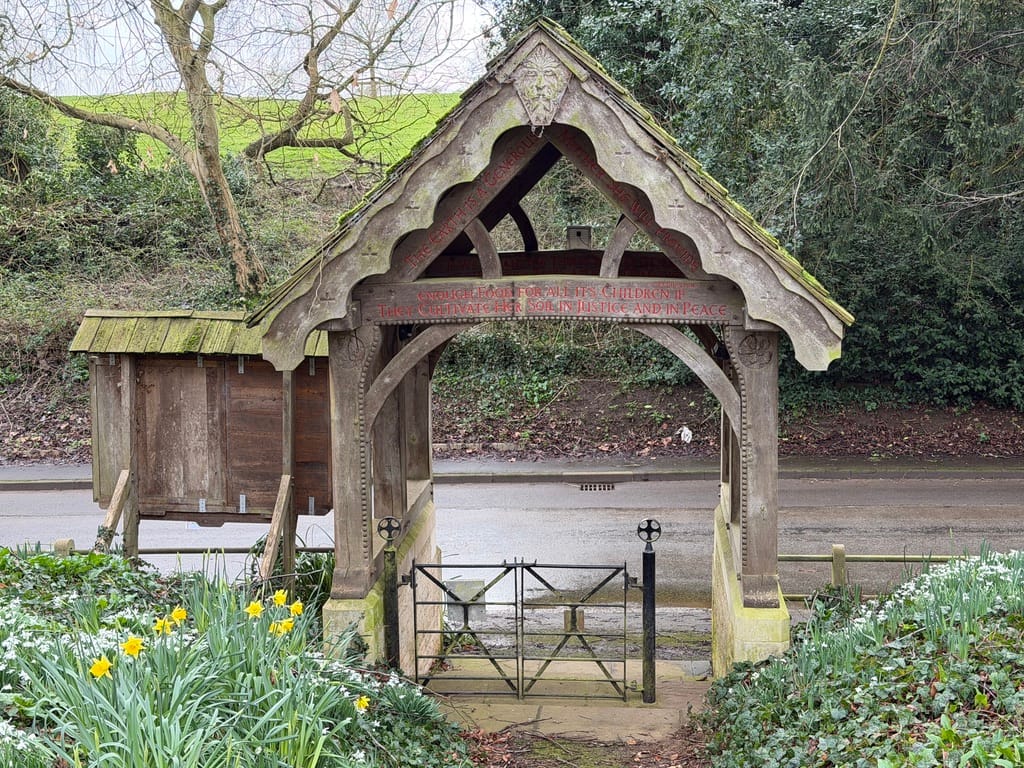
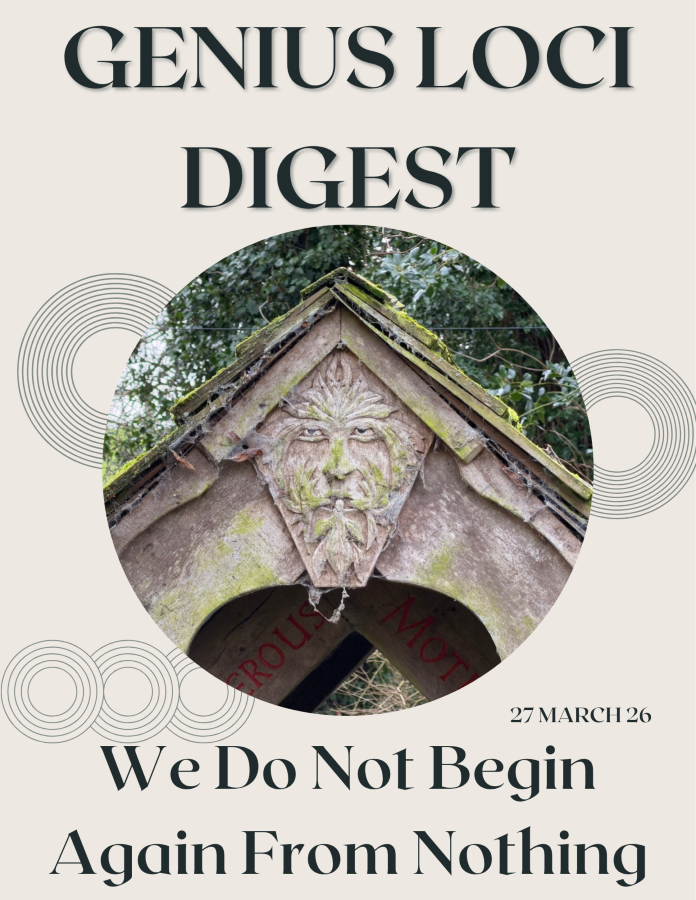
At first glance, a modern, crisply cut face, but then after moving closer I recognised the form - a foliate head - a green man.
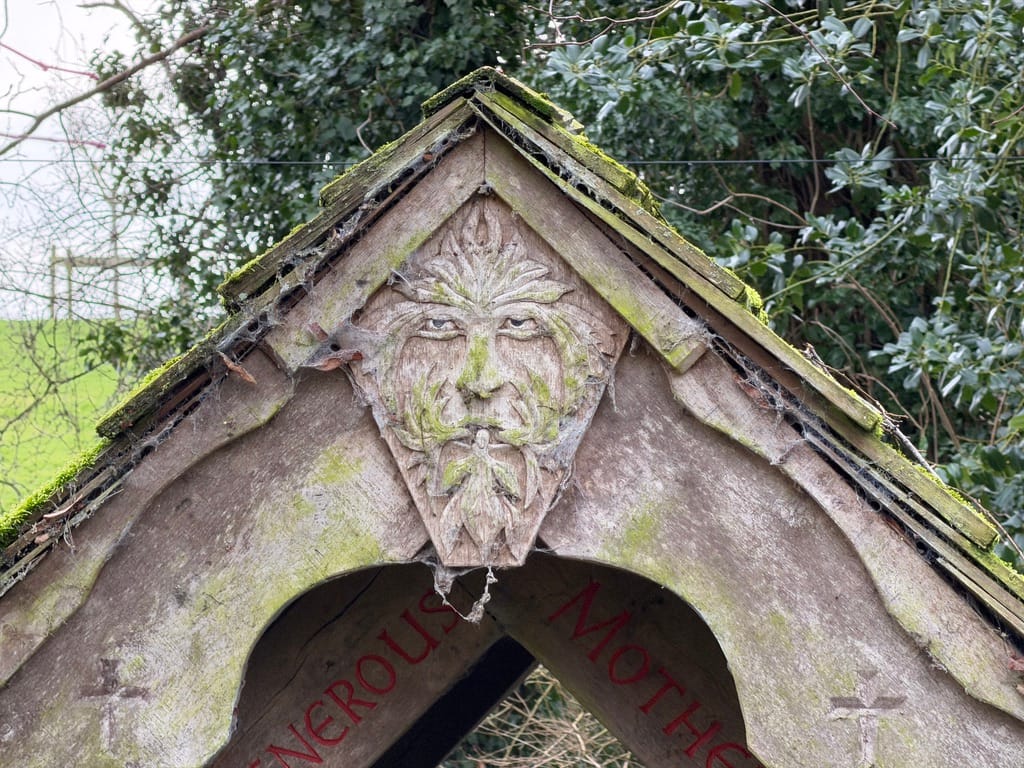
The act of repeating symbols like this is more than just an expression of creativity - it is a kind of visual phonetics, a language carried in form rather than in words. By setting down the foliate head again, the carver enters into an ongoing conversation - one that stretches back across centuries, yet remains open. It is through such repetitions that continuity is maintained - not as something fixed, but as something lived - the past drawn into the present, and made available once more.
The green man is a symbol that predates the church itself, carried forward and re-articulated. The same impulse - to bind human life to what has been before - finding expression again. A cumulative product, but also a living one for all faiths and none.
And so the building, the carvings, the churchyard, the season - all begin to align.
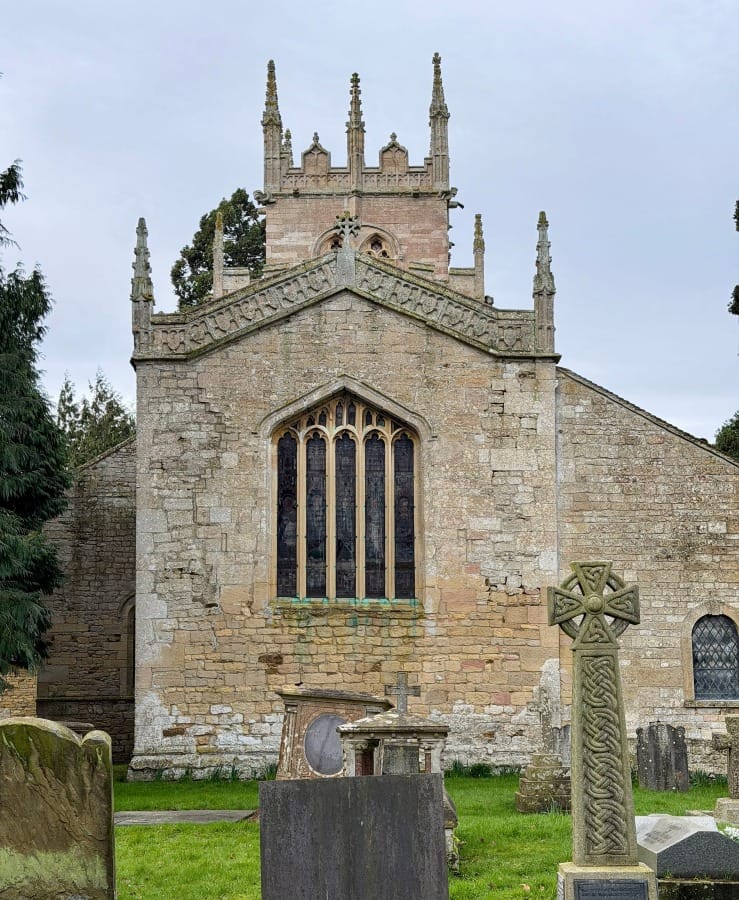
What is being gathered here is not just material, but understanding. That we are shaped by these places, as much as we shape them. For all that we call modern, we are not immune to returning - to doubt, to fear, to the same unsteady ground our predecessors once stood on. And in certain places, you sense that this has been anticipated - that something has been left behind for when we arrive there again.
It feels fitting, then, to pause beneath the words set into the gable of the lych-gate - beneath the green man - where something of this accumulated understanding seems to gather and take form. Not as something new, but as something remembered - held here, and returned to us at the moment we need it most:
“They say the earth is a generous mother - she will provide enough food for all her children, if they cultivate her soil in justice and in peace.”
Member Powered Photography
Two Member Powered Photo Shoots are about to begin shortly. Members will be able to follow the back story as I photograph some remarkable buildings in Ashwell in Derbyshire and Westwell in the Cotswolds.
Three more members would not only release the next free MPP photo shoot, but also help reach the significant milestone of having 200 members. This will help release further Digest focused journeys such as 'In Pursuit of Spring.'
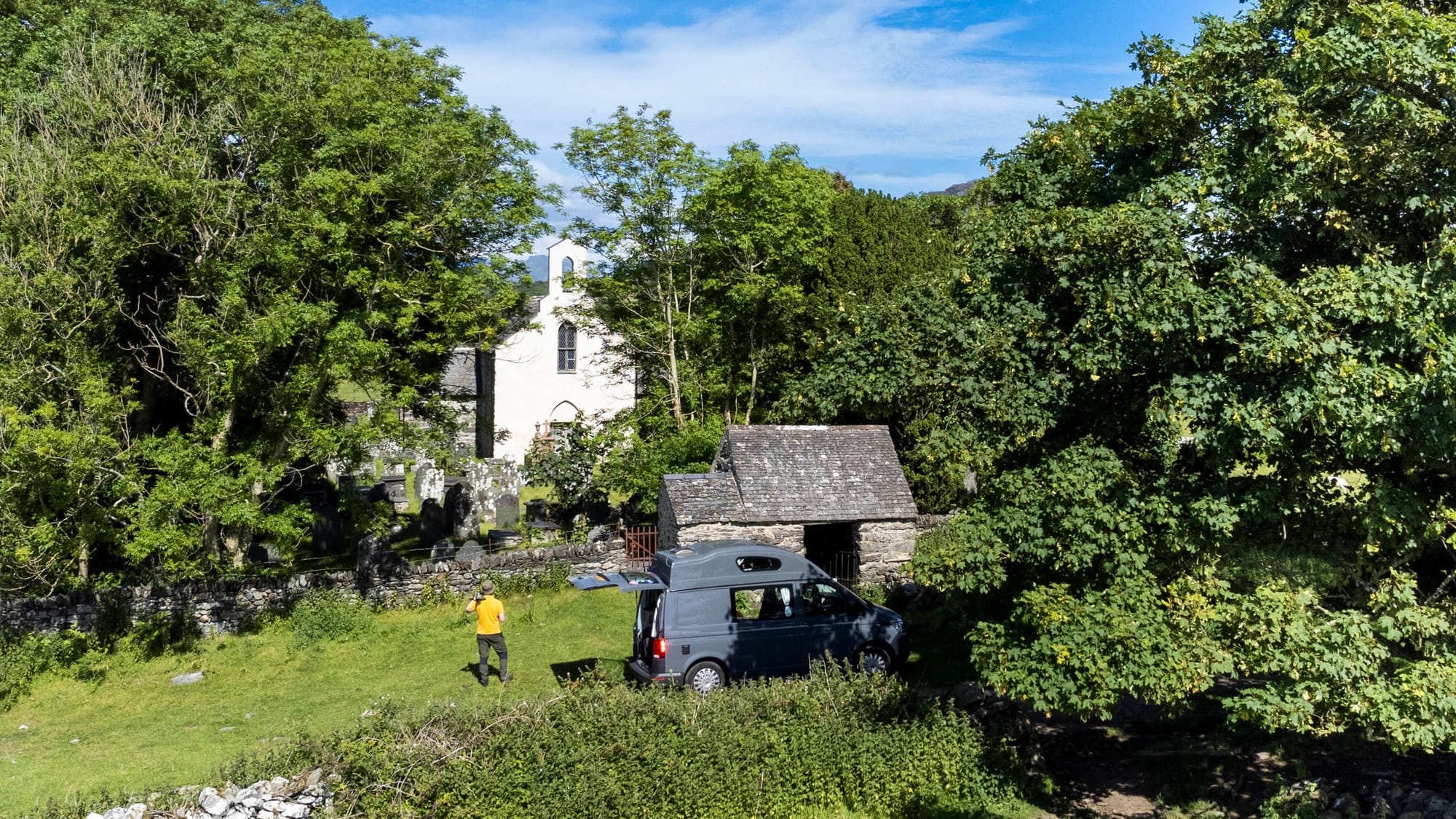
Membership really does help - thank you.
Greetham, Rutland
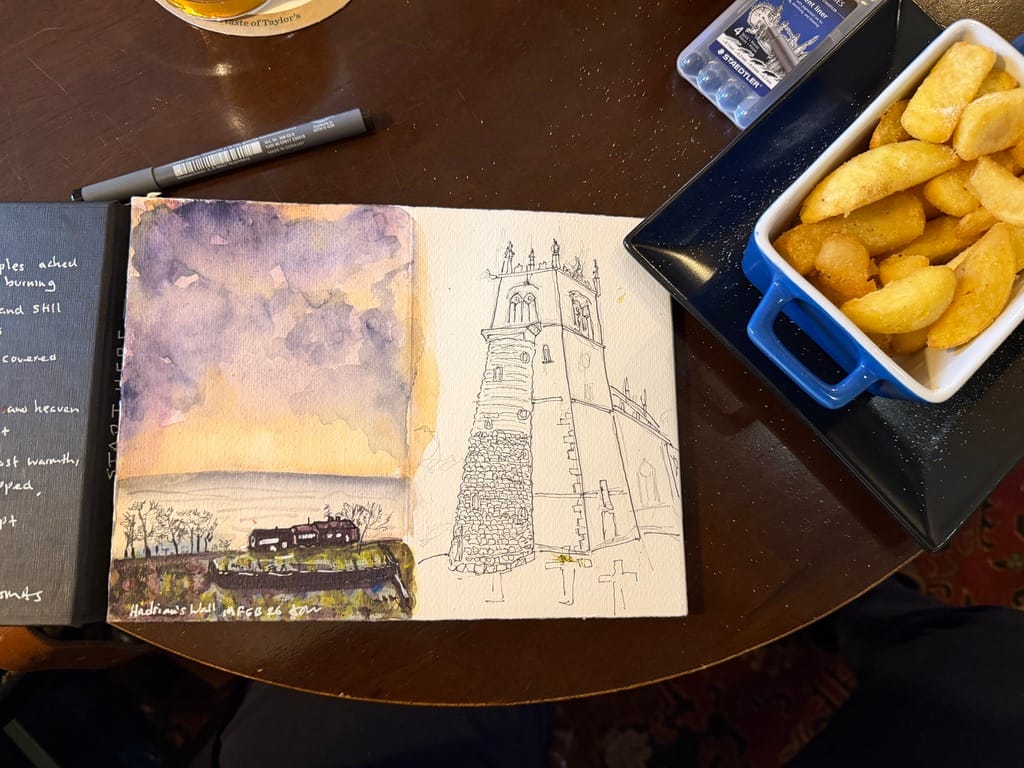
I lodged at the Caravan and Motorhome Club at Greetham in Rutland - not too far away from Hough. I took the sketch that I made of All Saints' and finished it off in the Plough.
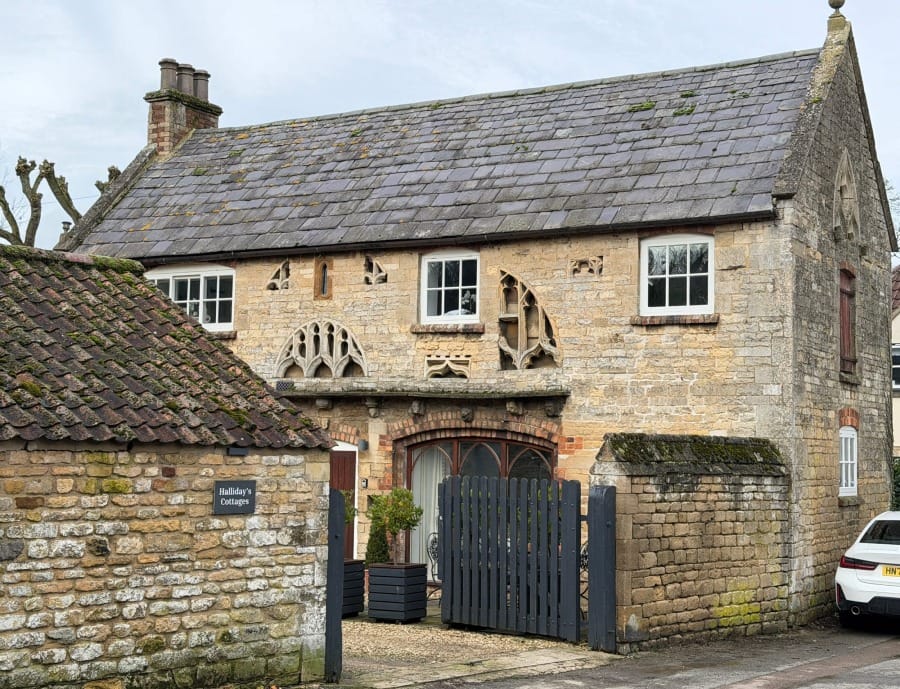
Before I get there I'm taken by a building that looks as though its owner has covered his house in glue and rolled it through Westminster Abbey. I later find out that it's the former home of a Victorian stonemason and the artefacts upon his walls are the bits he took out from various sites during his work on restoration.
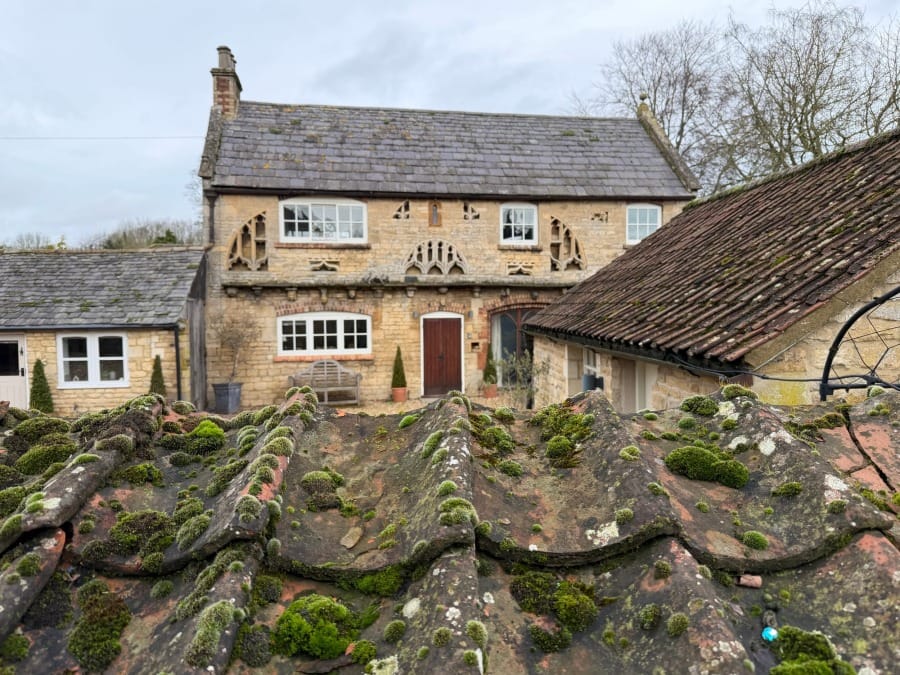
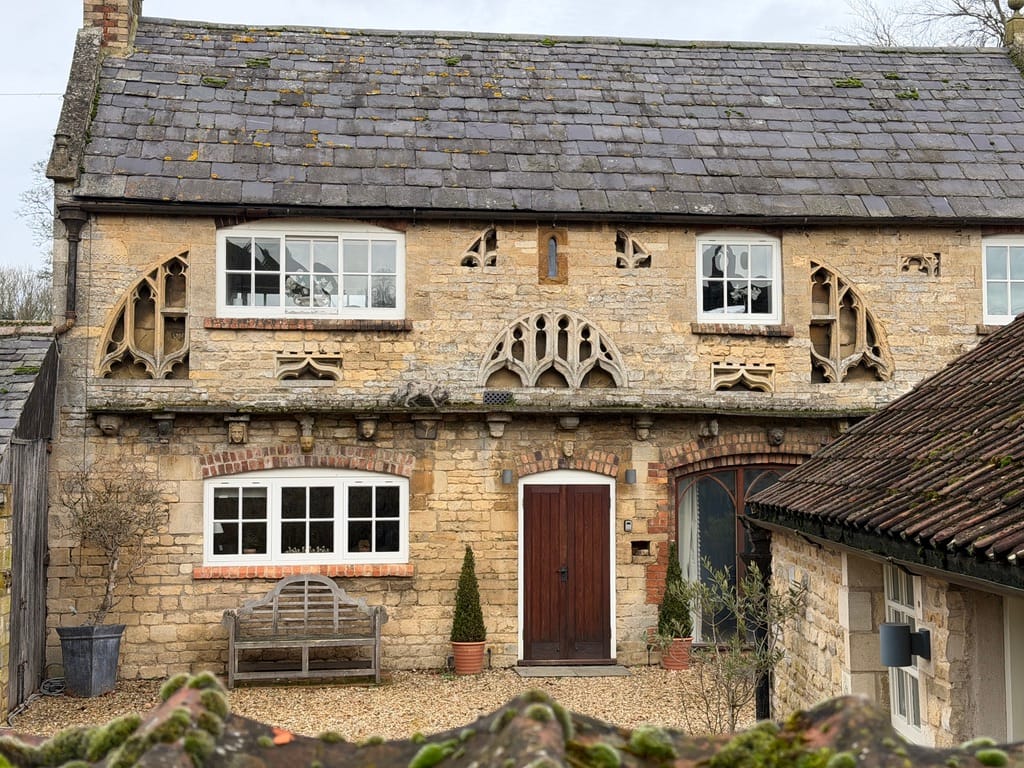
The Corpus of Romanesque Sculpture in Britain and Ireland mentions some original carvings that survive in his gable.
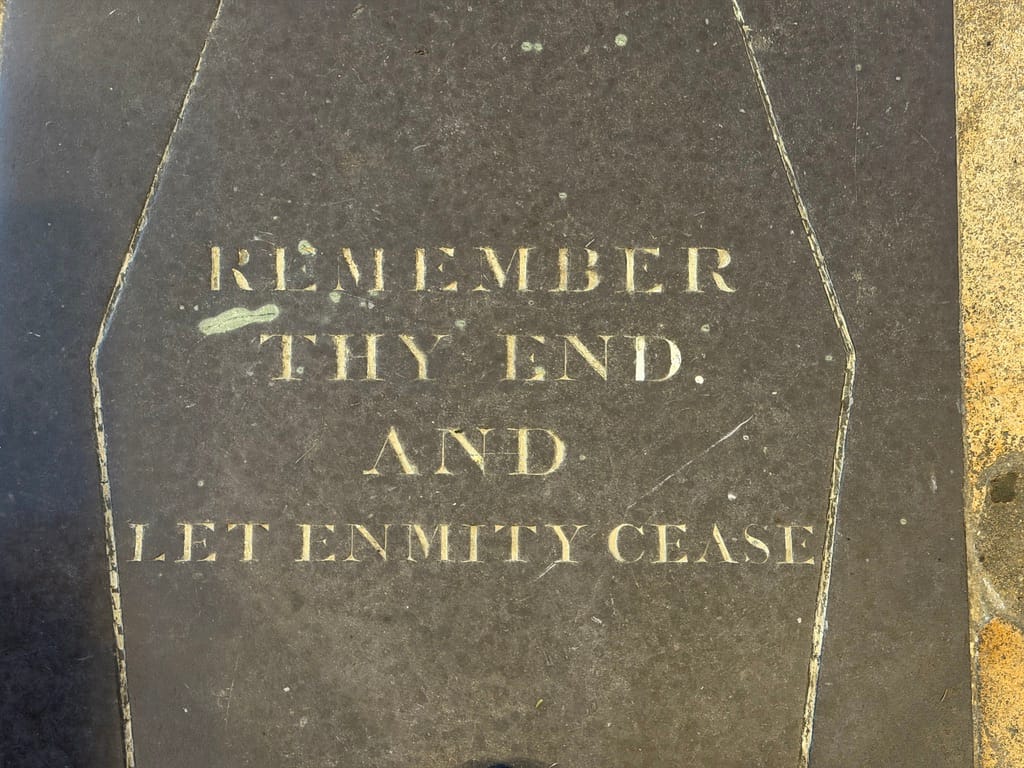
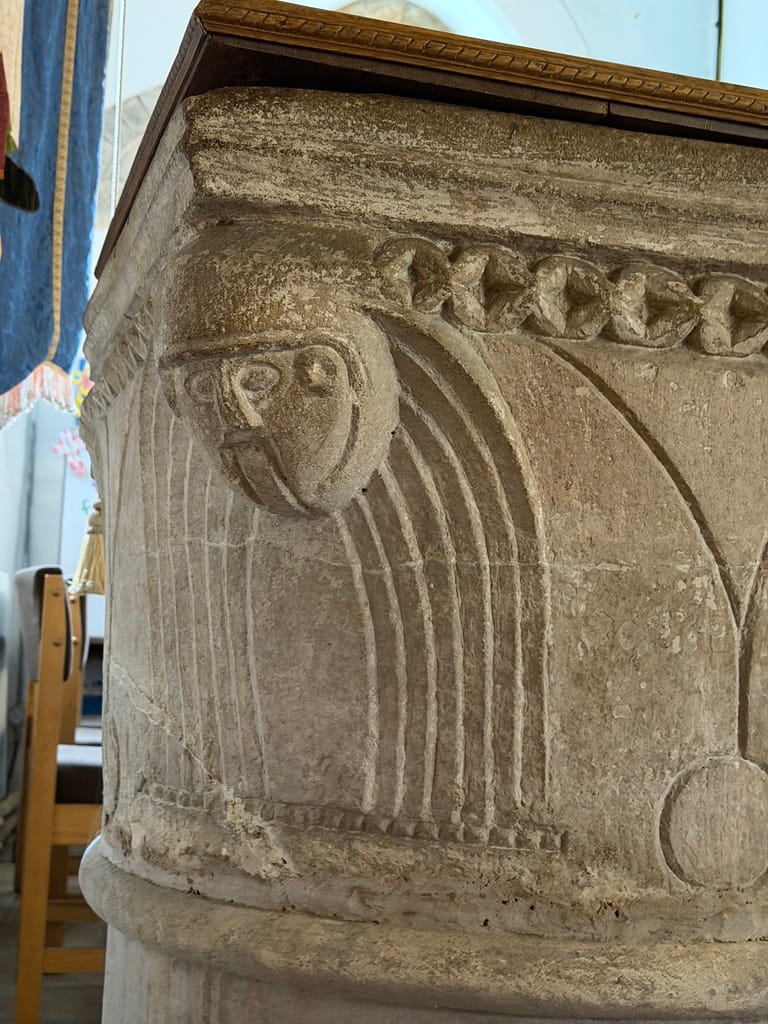
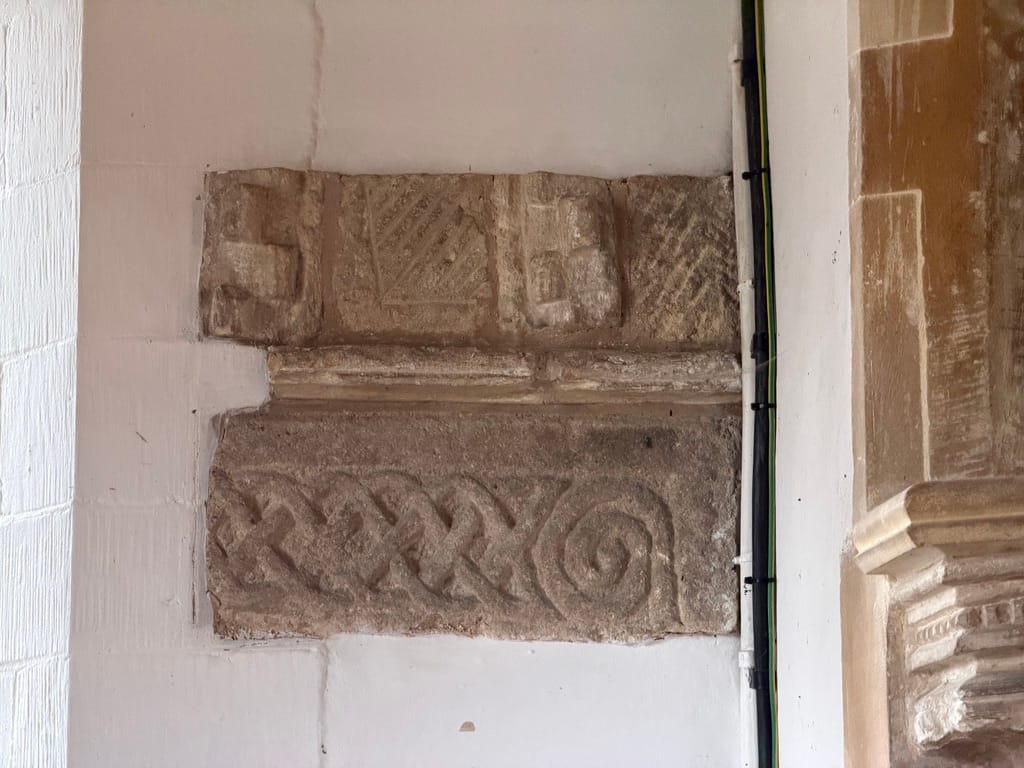
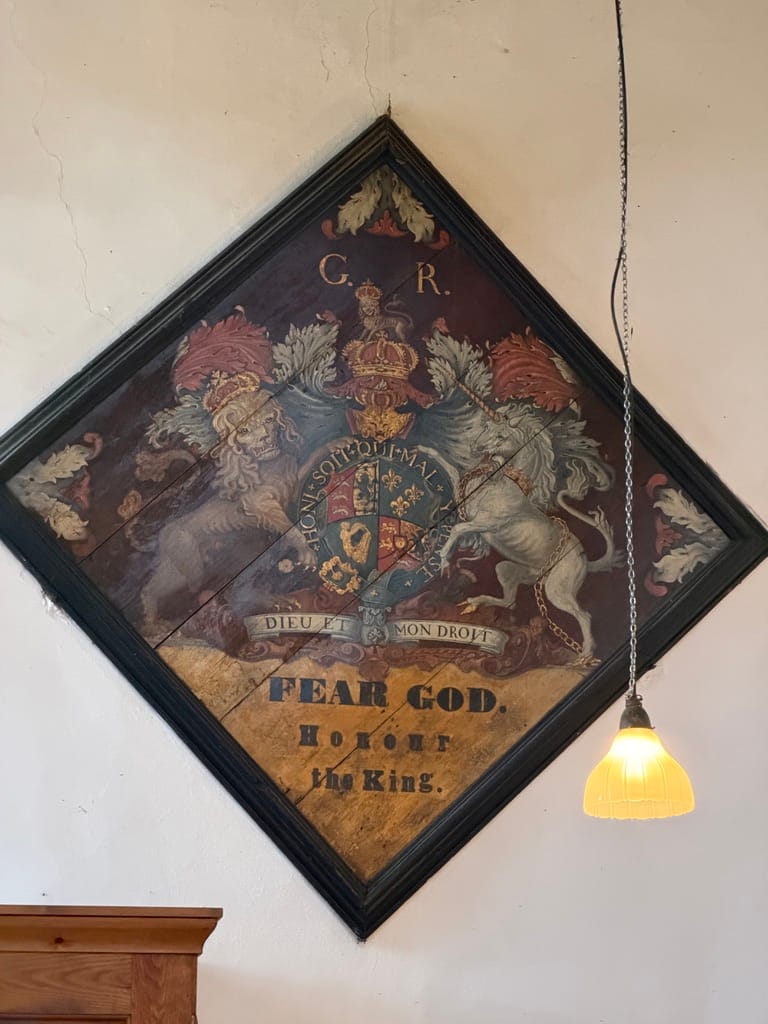
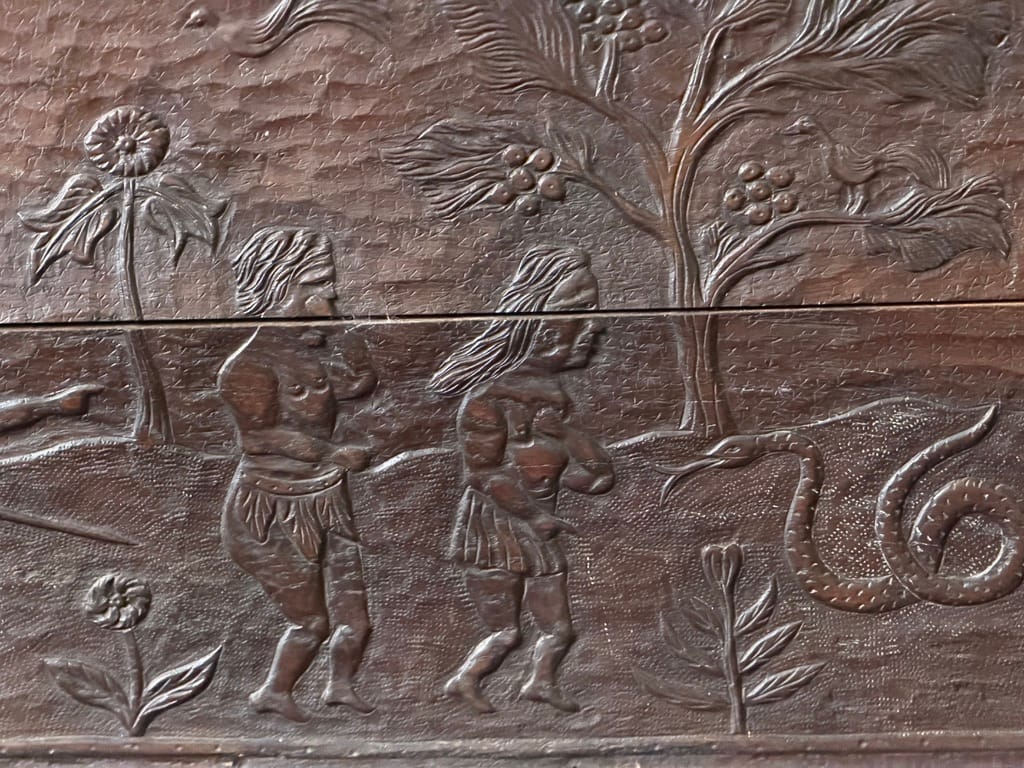
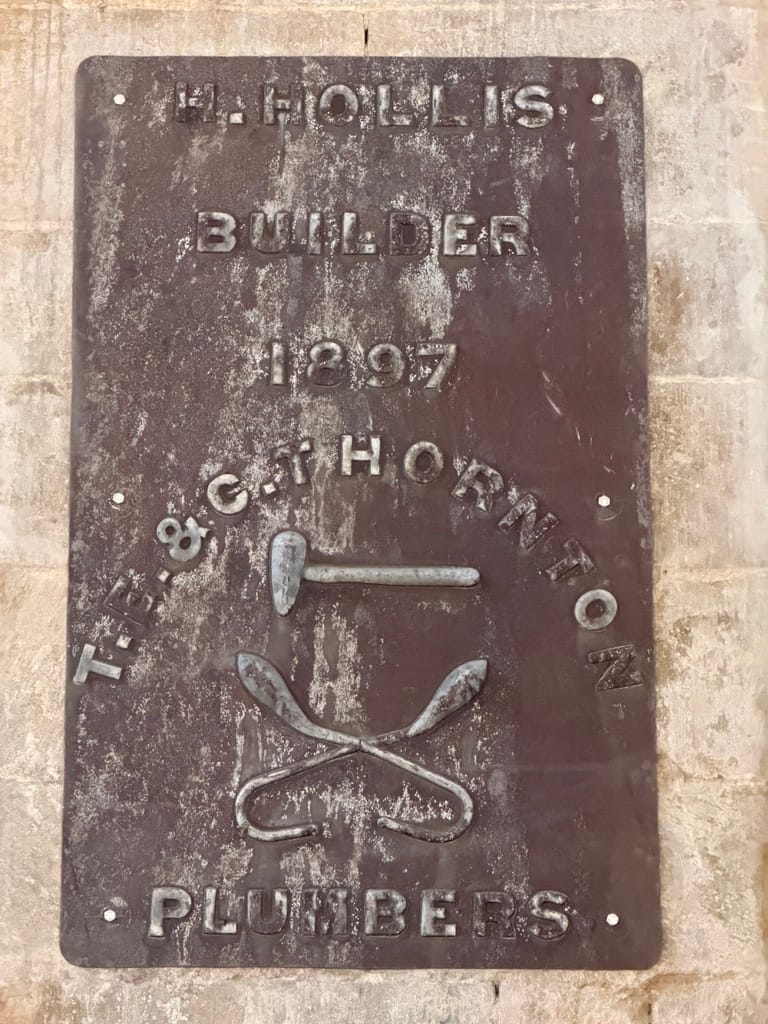
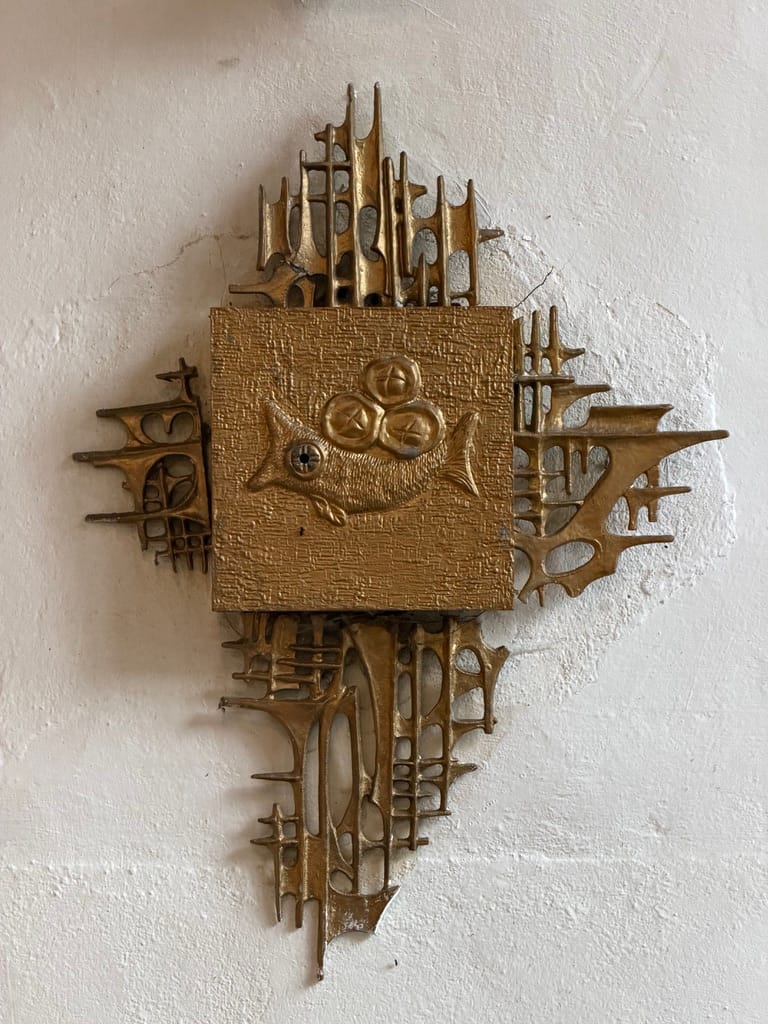
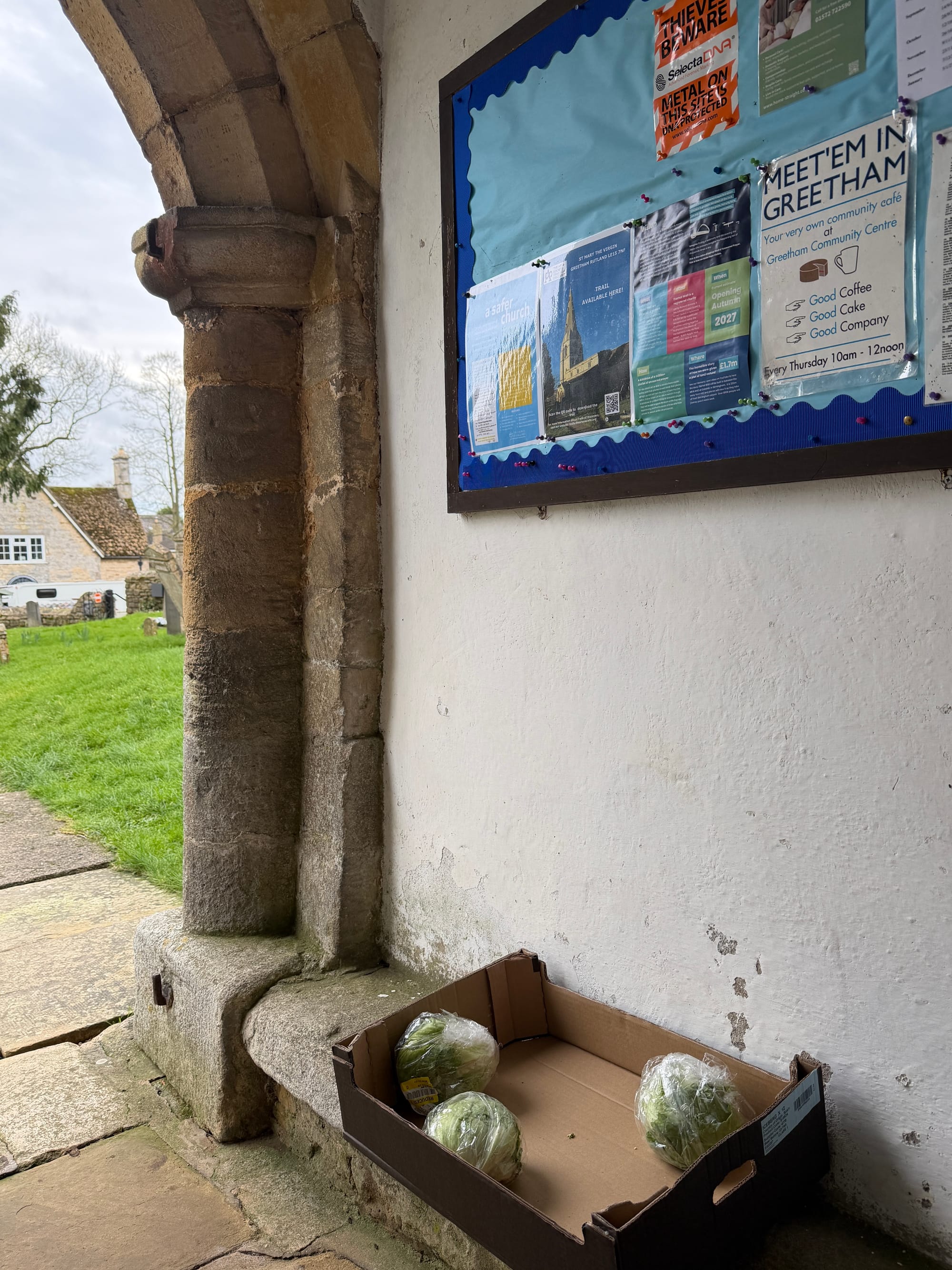
Walking back from the pub with a pie and pint inside me I stumble across St. Mary's, Greetham. It's still going on - still vocal - "been there, done that" - still sharing those messages from the past, just in case we need them:
 Esther Addley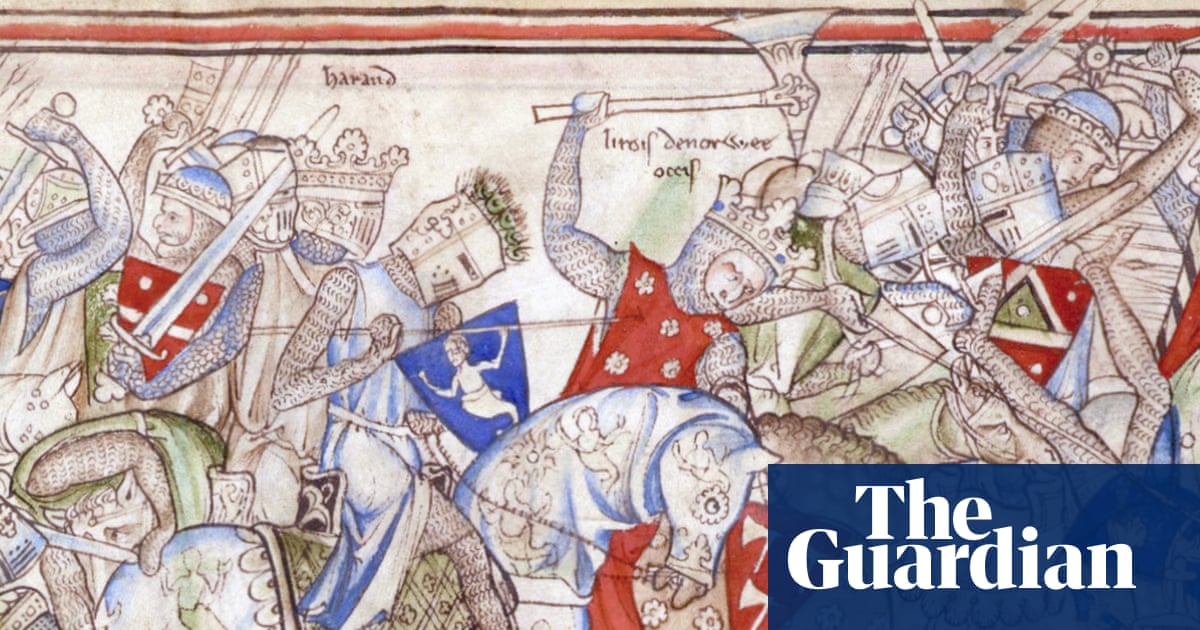


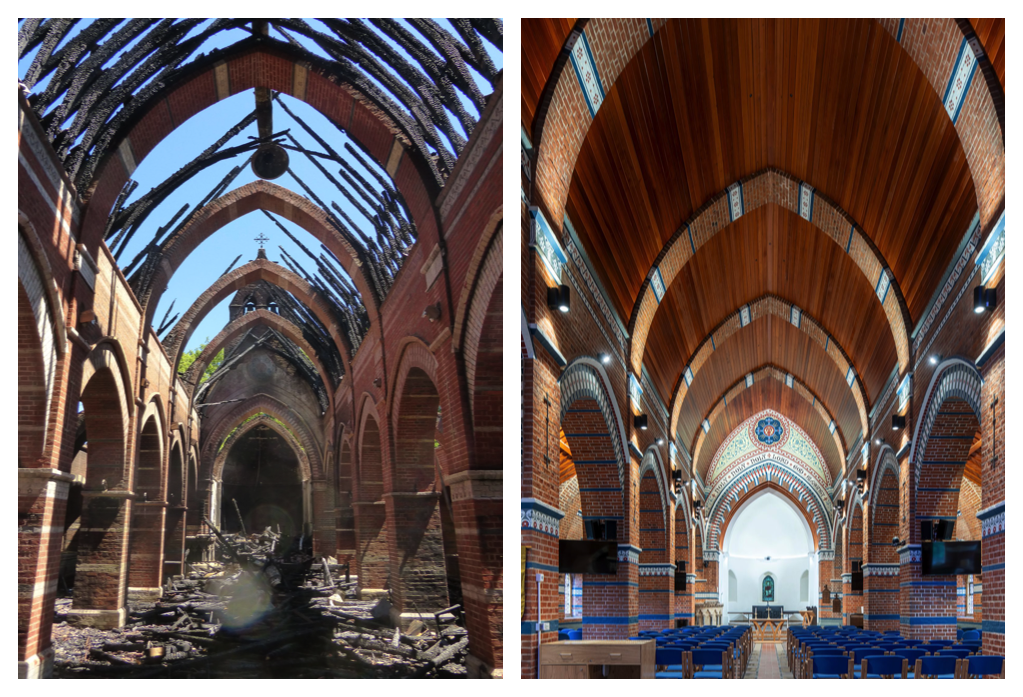
"The peeling paint, the muted colours and the rusting iron is no more. Here time’s cataract has been removed, and I’m seeing a building as the Victorians first saw it."
One remarkable outcome after the loss of a church to vandalism. 👉
 Andy Marshall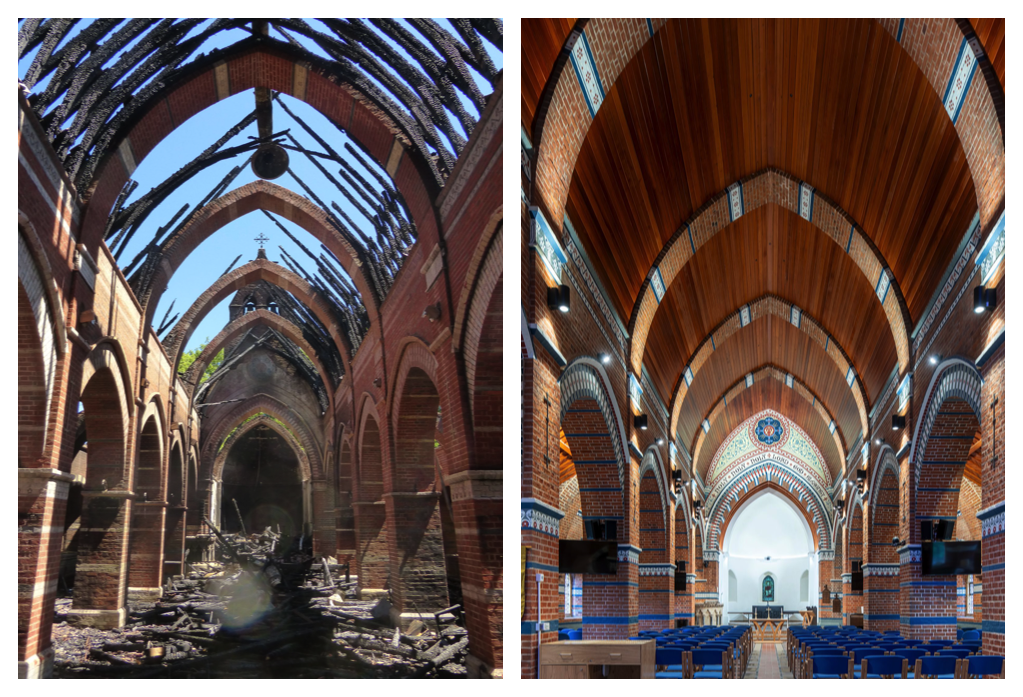
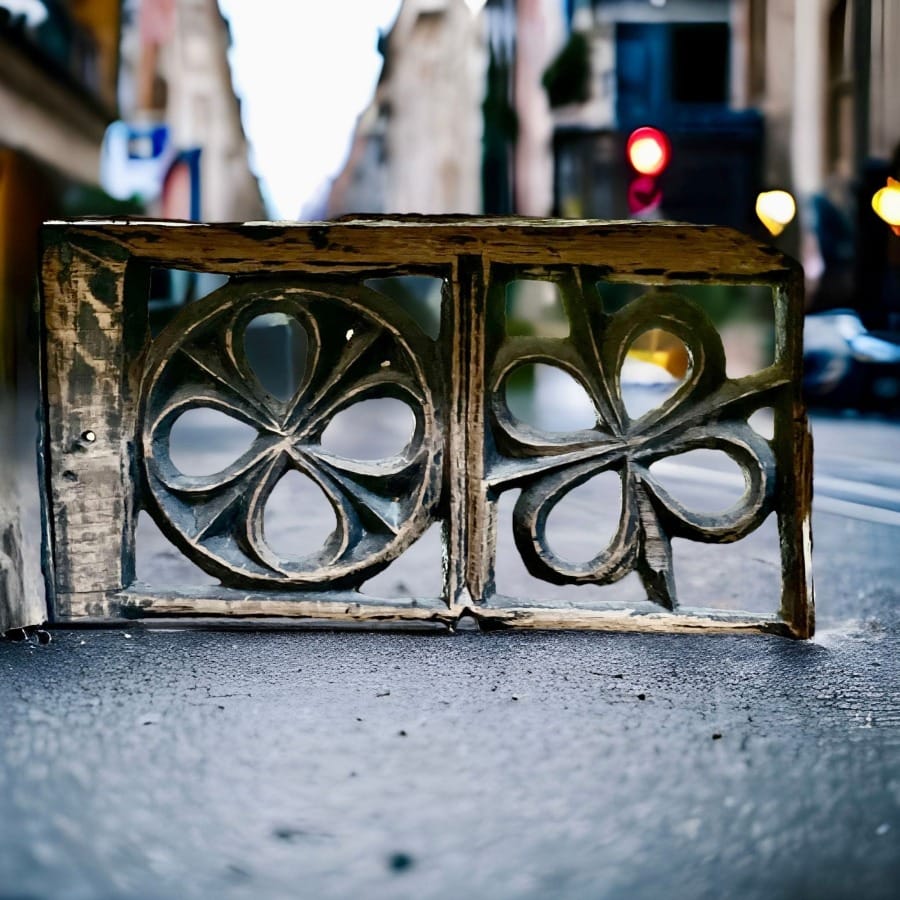
The Cultural Seedbank
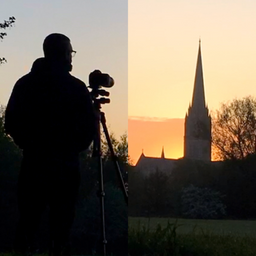
"Buzzing with this new perspective, I set about photographing elements like this in the hope of sharing the singularity of the occasion with others, and with the wish of disseminating the pattern like a wind blown daisy seed - a bit of heritage grafting with the aid of my camera."
 Andy Marshall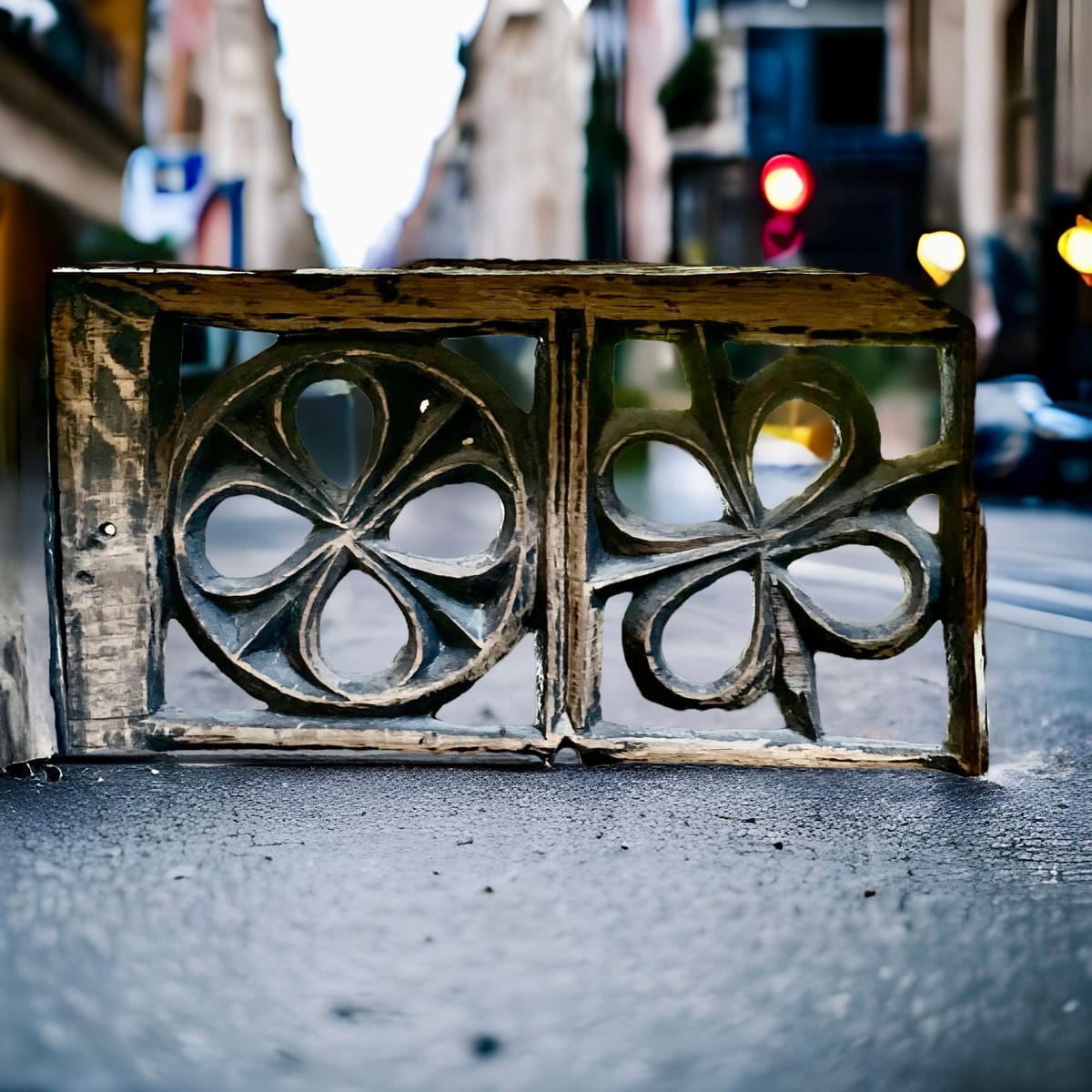
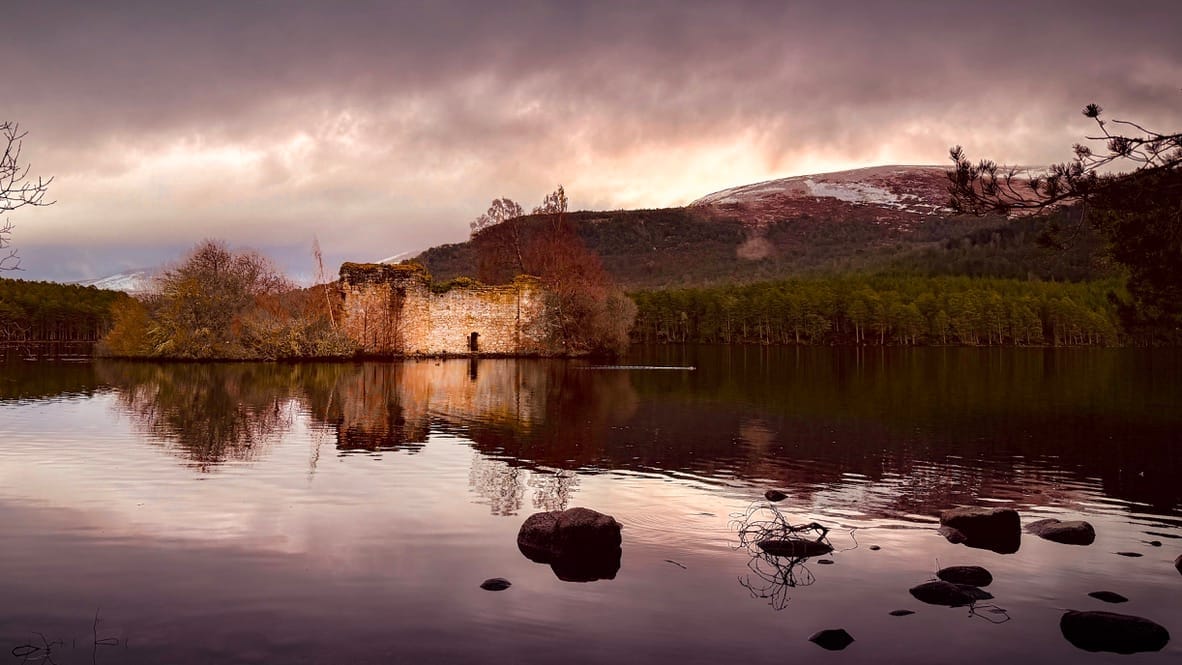
For Members Only- Loch-an Eilein - the full guide, how to get there and what to expect
A fuller guide with more photography of this beautiful location
Click to ViewView all Member Supplements here:
 Andy Marshall
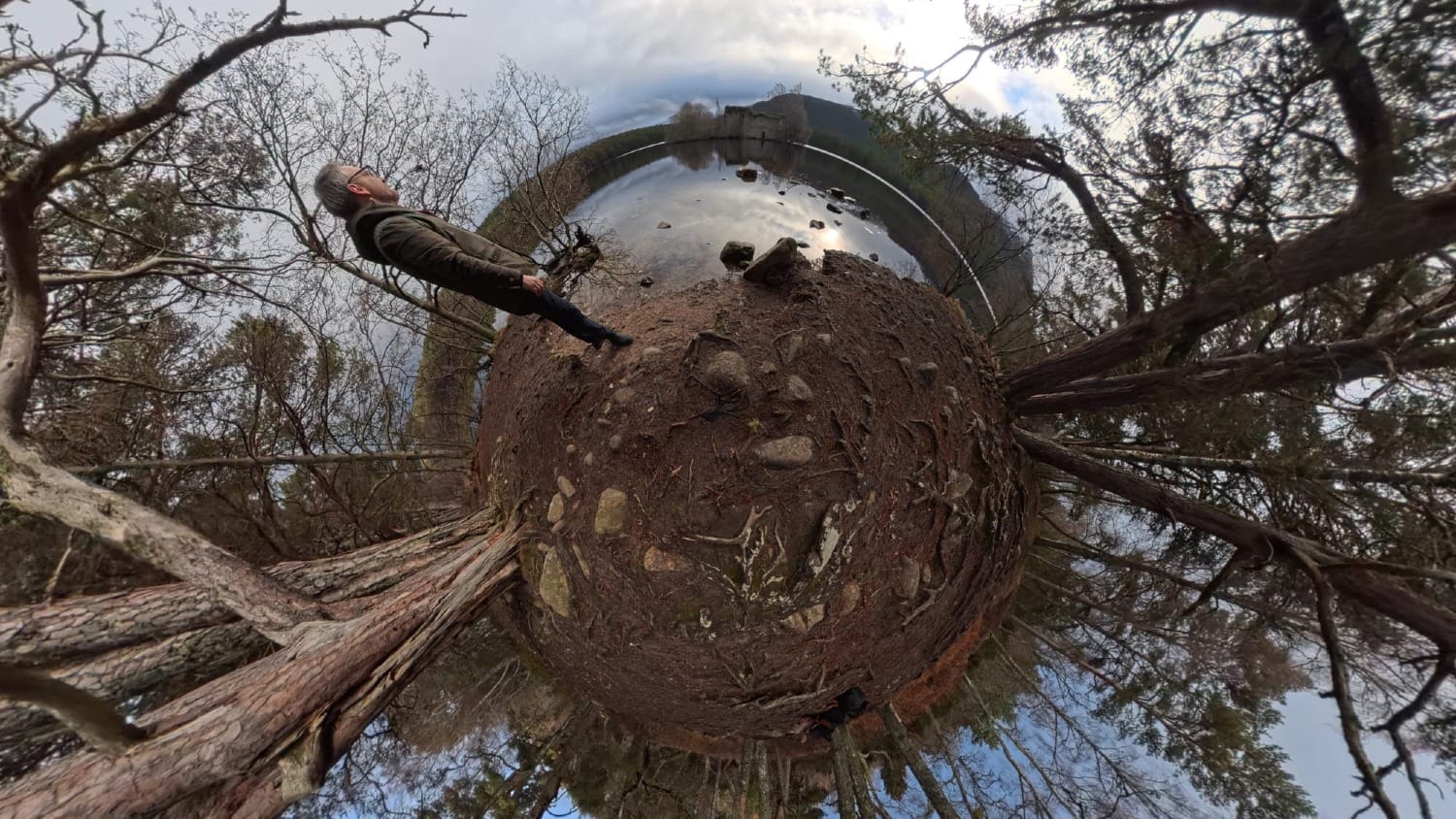
For Members Only - Loch an Eilein and the castle in Glorious Virtual Reality
View the VR here:
Click to ViewView All VR's here:
 Andy Marshall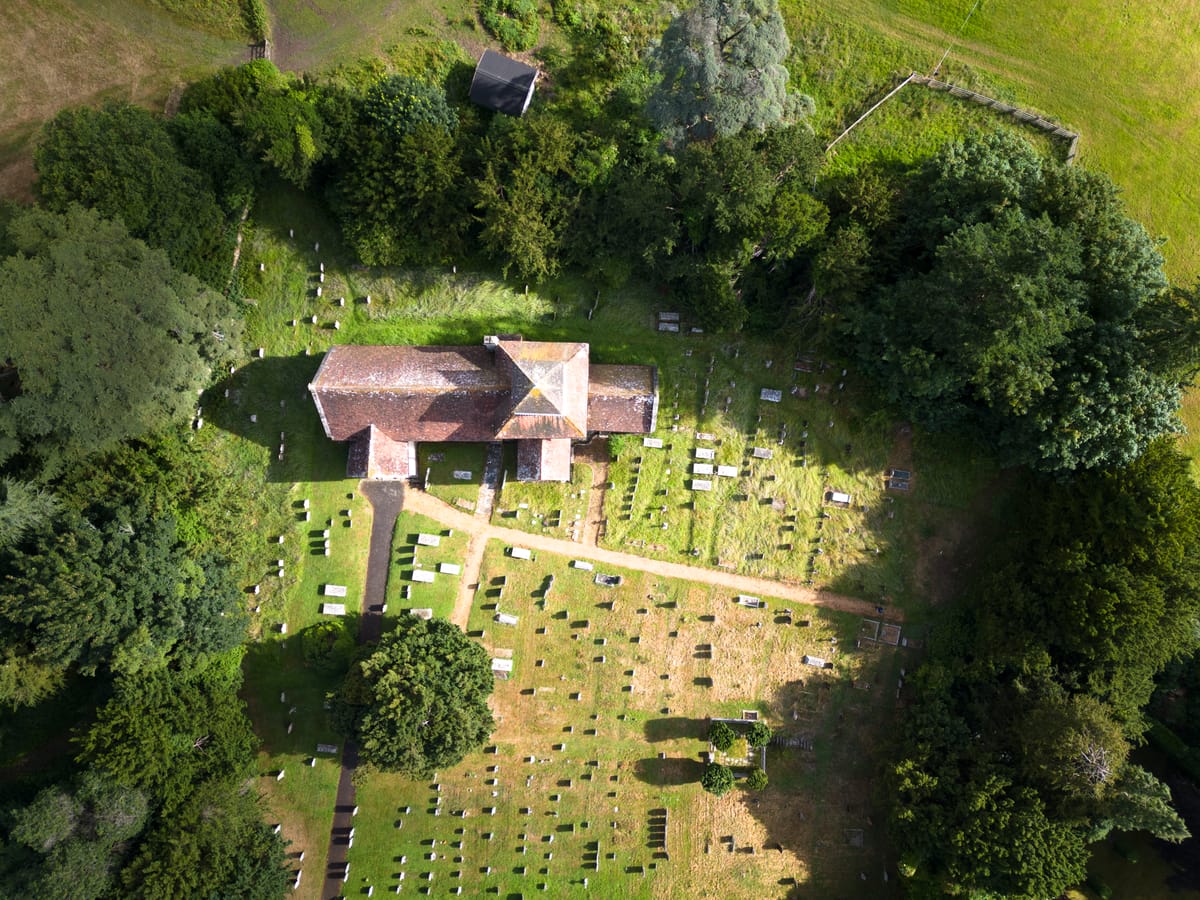
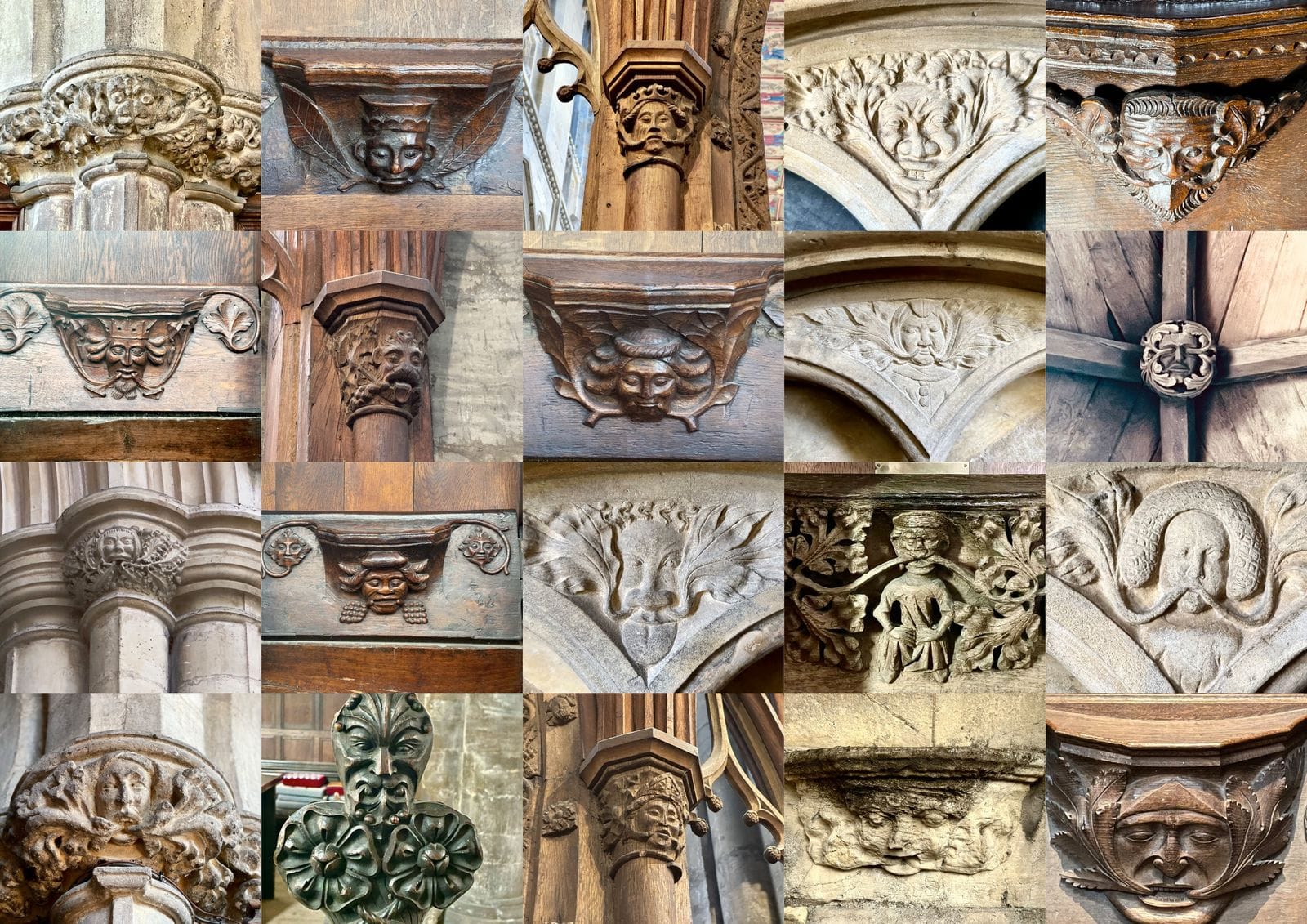
For Members Only - Updated - The Foliate Head Comperandum
New additions to this wonderful collection of Foliate Heads from around the country.
Click to ViewView all Comperandums here:
 Andy Marshall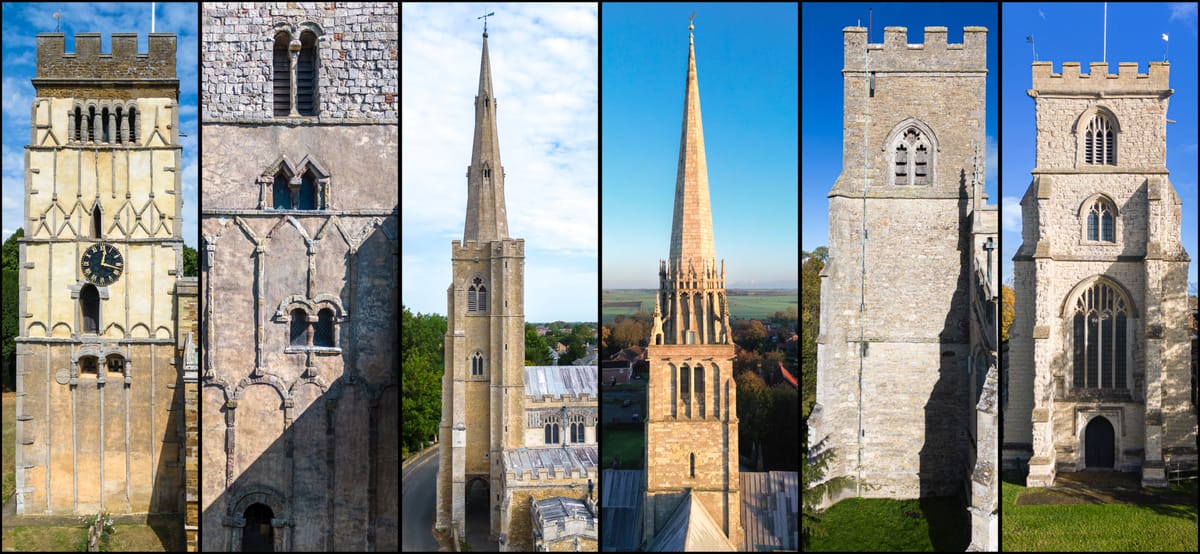
Kind words from a subscriber:
Andy your work is becoming wonderful, remarkable. A so-called breakdown has been milled into its constituent parts, becoming profound construction: through perception, architecture, the lens and the pen. In your Repton crypt essay a deep description of our social anxiety - and our reason to be....
Recent Digest Sponsors:
 Andy Marshall
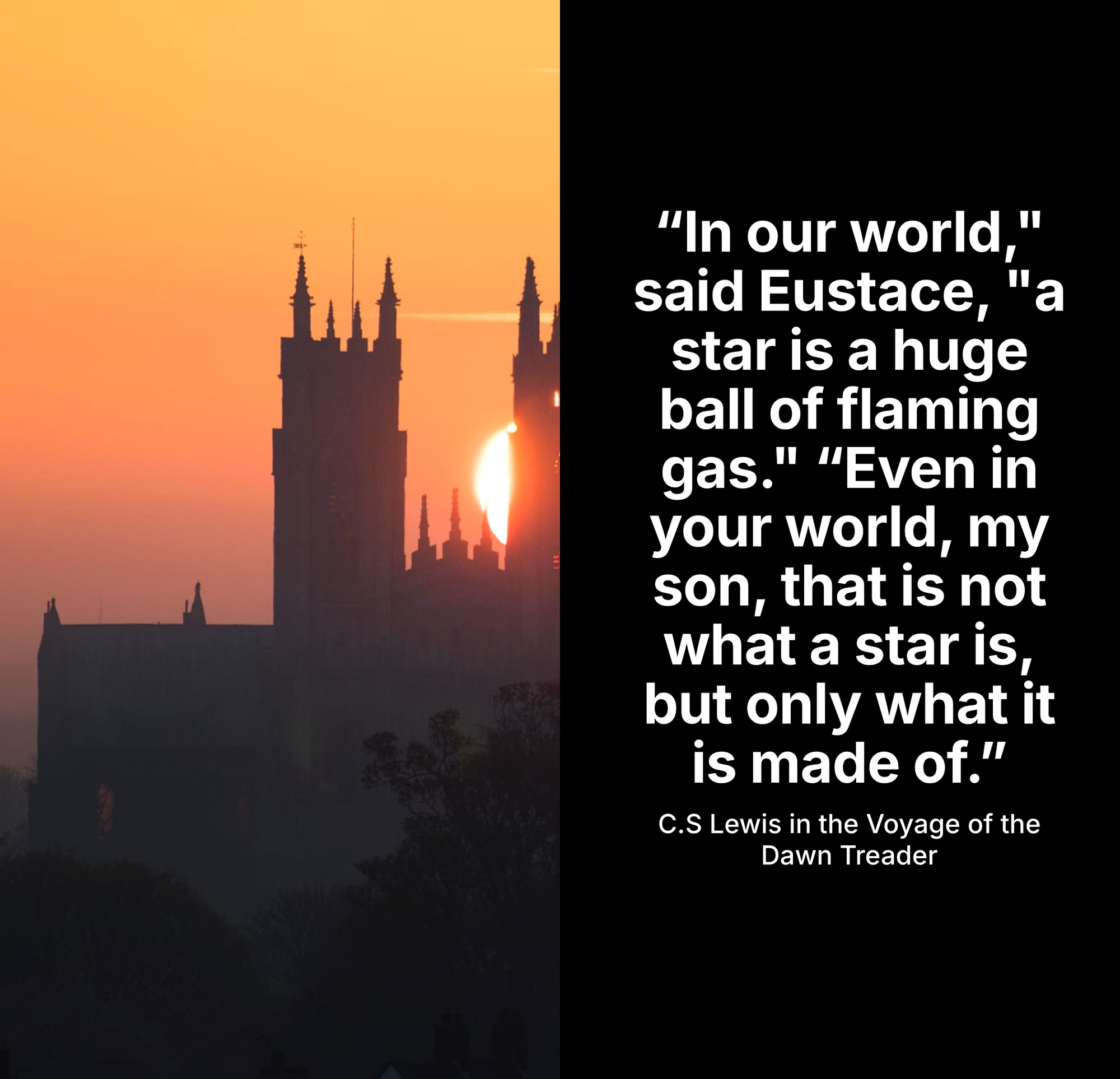
The Eustace Collection
If you're looking for arguments and counter-narratives to support our built heritage, I've pulled together a collection of free and inspirational posts that might help your cause.
The Eustace Collection helps provide nuanced counter-narratives to threats to our historic environment whether it be the mightiest cathedral or the collective thumbprint on an ancient latch. Updated regularly, the aim of Eustace is to build up a resource to help others. They are accessible to everybody. Find them and share them from here:
 Andy Marshall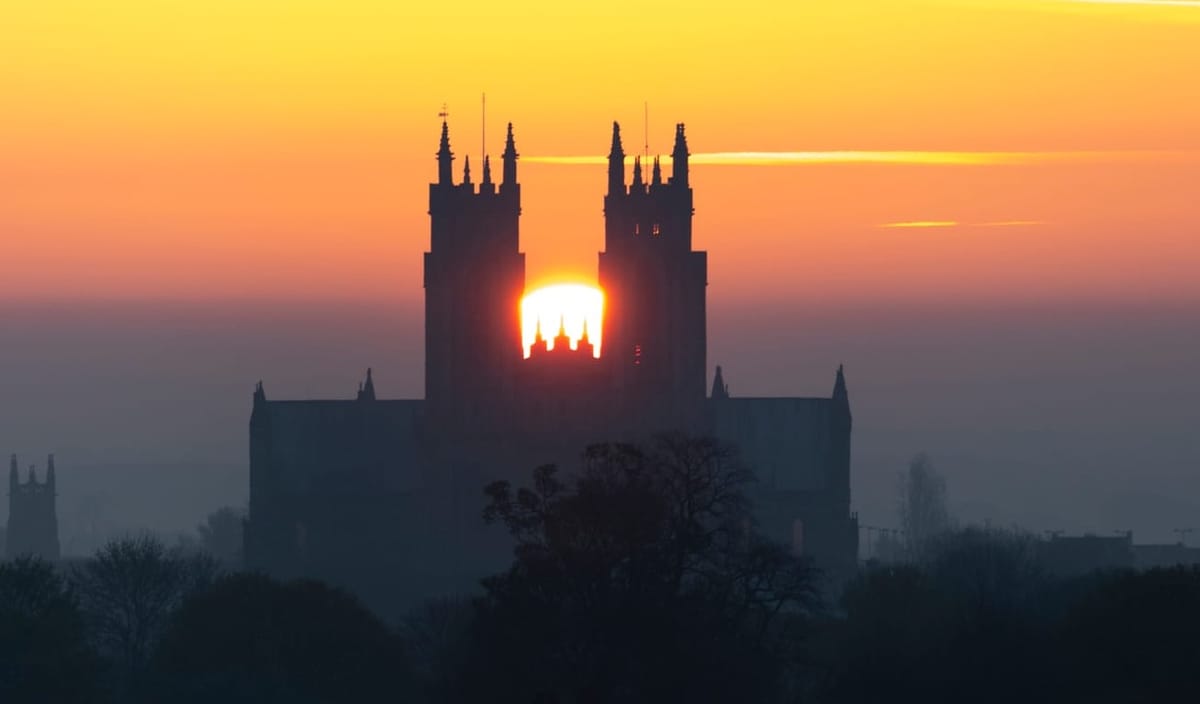
Thank You!
Photographs and words by Andy Marshall (unless otherwise stated). Most photographs are taken with iPhone 17 Pro and DJI Mini 5 Pro.
🔗 Connect with me on: Bluesky / Instagram / Facebook / X / Tumblr / Flickr / Vimeo / Pixelfed / Pinterest / Flipboard/ Fediverse: @fotofacade@digest.andymarshall.co

Member discussion