Each week I send out a short, fresh reflection from the road – photographs, sketches, and observations from old places that still have something to teach us. What follows is a moment from those travels.
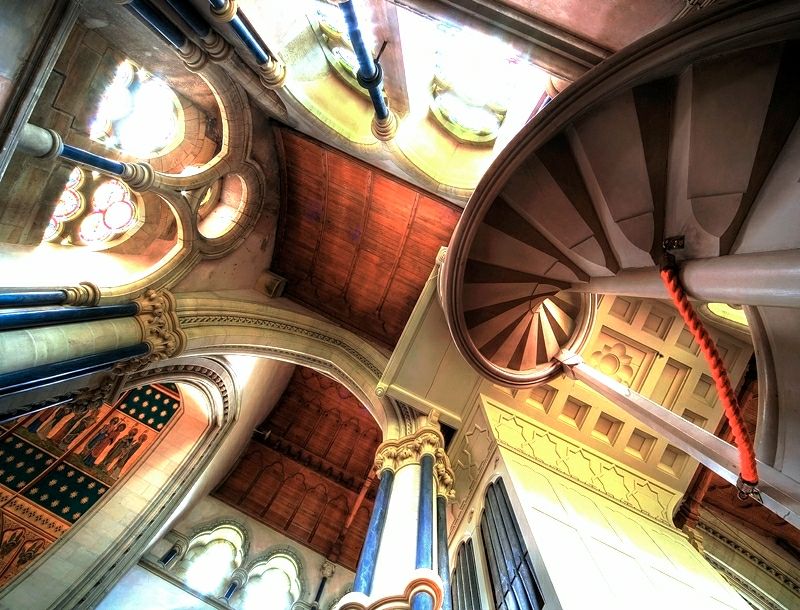
Spiral staircase - St. Mary, Studley Royal, Yorkshire by William Burges.
“The great feature of our medieval chamber is the furniture ; this, in a rich apartment, would be covered with paintings, both ornaments and subjects; it not only did its duty as furniture, but spoke and told a story.”
William Burges
The Repairer of the Breach
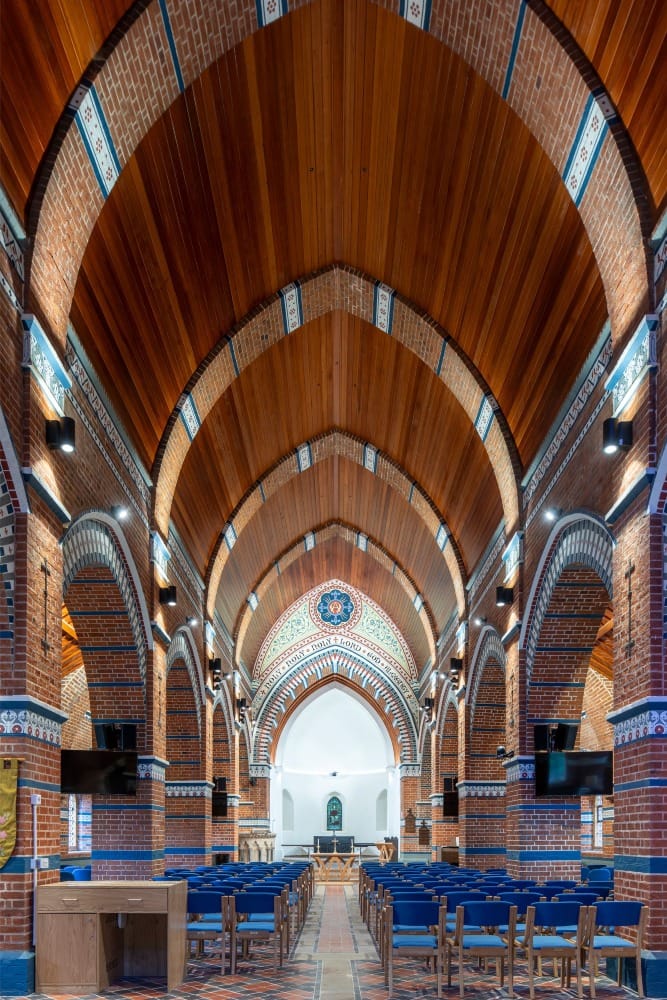
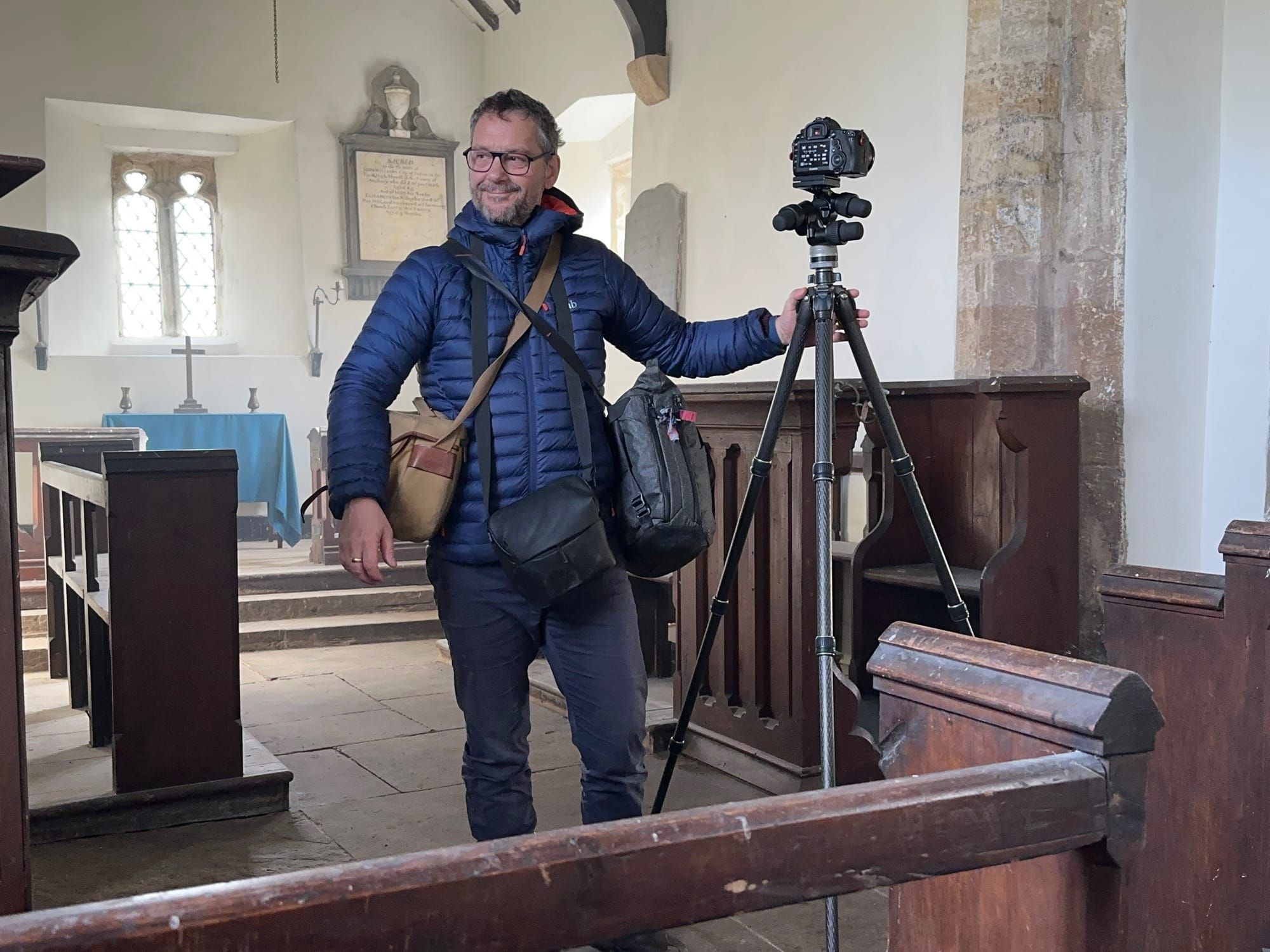
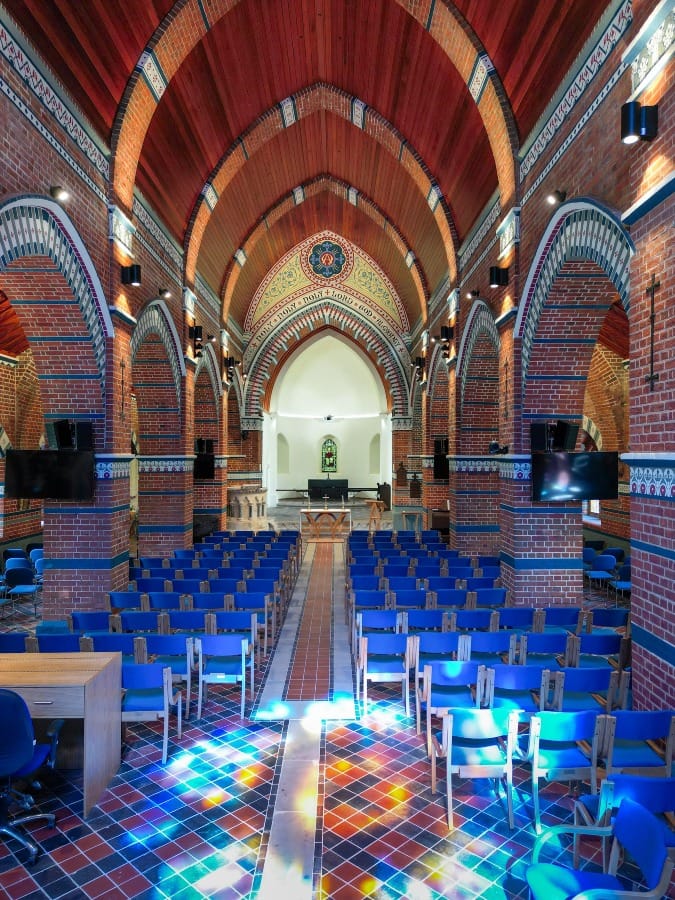
I park Woody in the courtyard next to the church and pull my photography equipment together. I haul it over to the south door, put the key in the door and open it. I walk through the door fumbling around with my bags and tripod. It all feels a bit clumsy - the strapping from my bag has caught between the tripod legs. I bend to the floor and unravel the strap. When I stand back up, I see the nave for the first time and I’m projected from my clumsy-self into a space full of grace and dignity. I’m inside a Victorian church - but not a Victorian church like I have ever seen before.
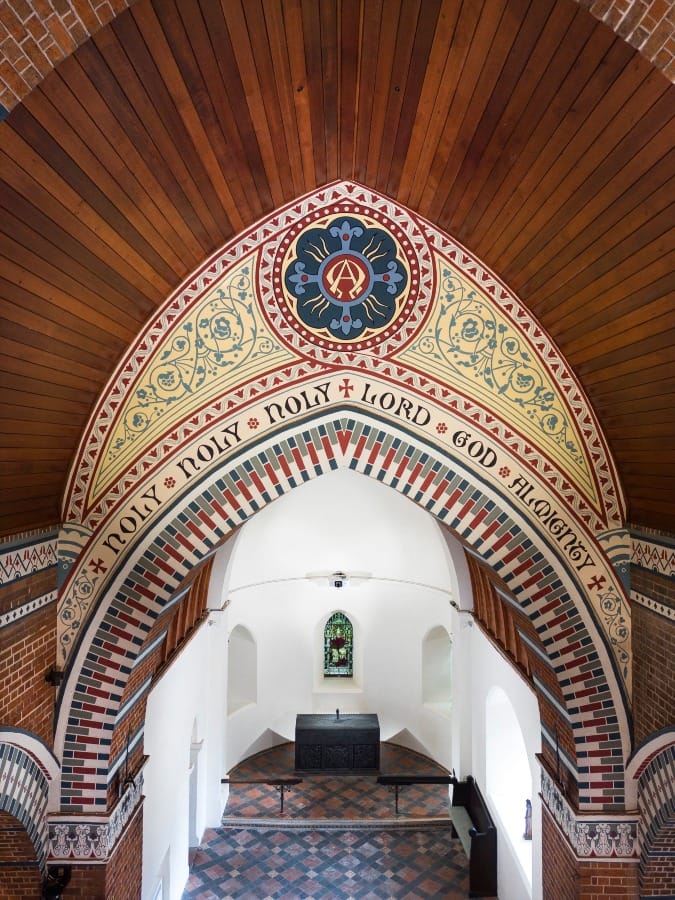
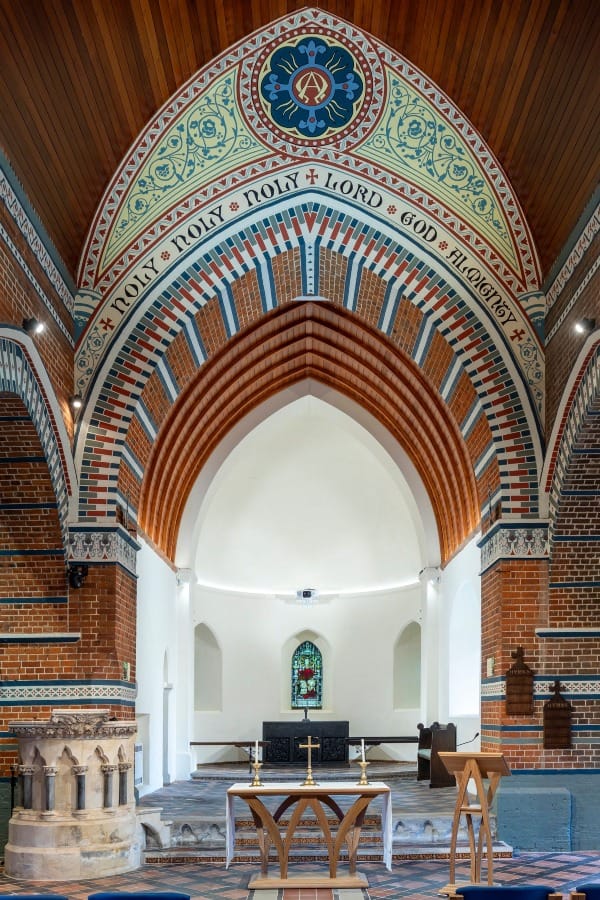
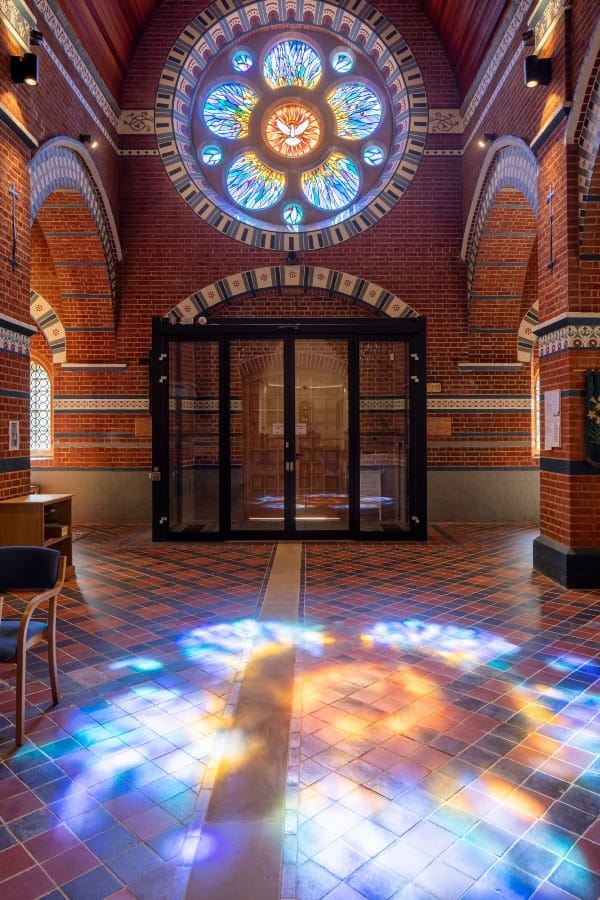
I’ve visited and photographed numerous Victorian interiors from Pugin to Morris - each one holding a faded visual charm; but here, at All Saints, Fleet in Hampshire, this Victorian interior is alive and as fresh as the first day it was built by William Burges in the 1860’s.
The peeling paint, the muted colours and the rusting iron is no more. Here time’s cataract has been removed, and I’m seeing a building as the Victorians first saw it. It is as if a wormhole has opened up to allow me to experience the unalloyed bliss of a chromatic rendering from the age of steam.
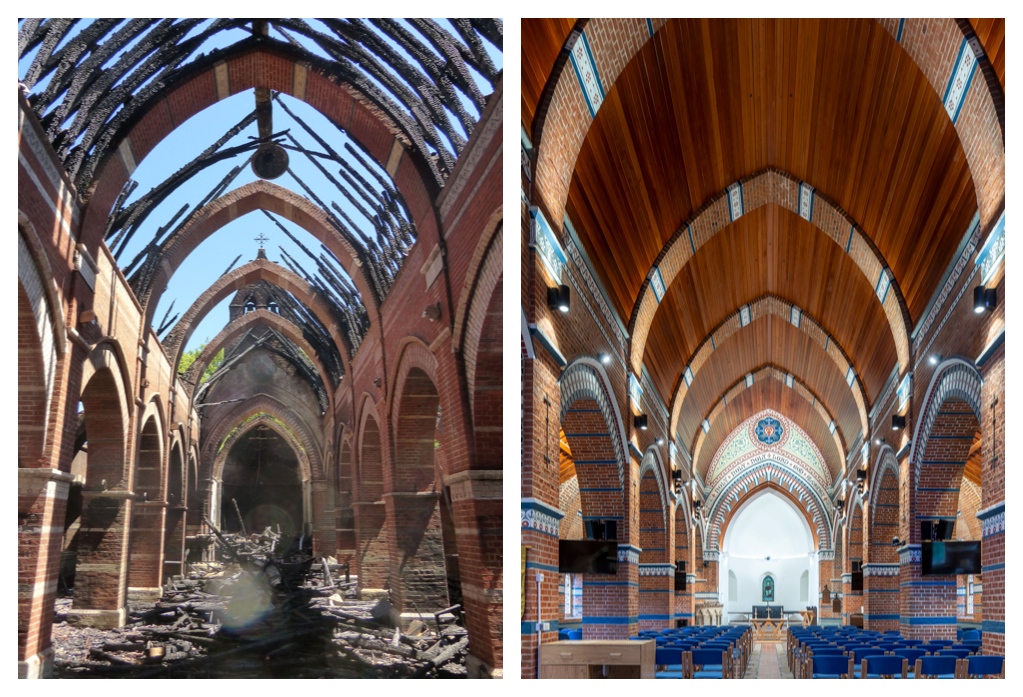
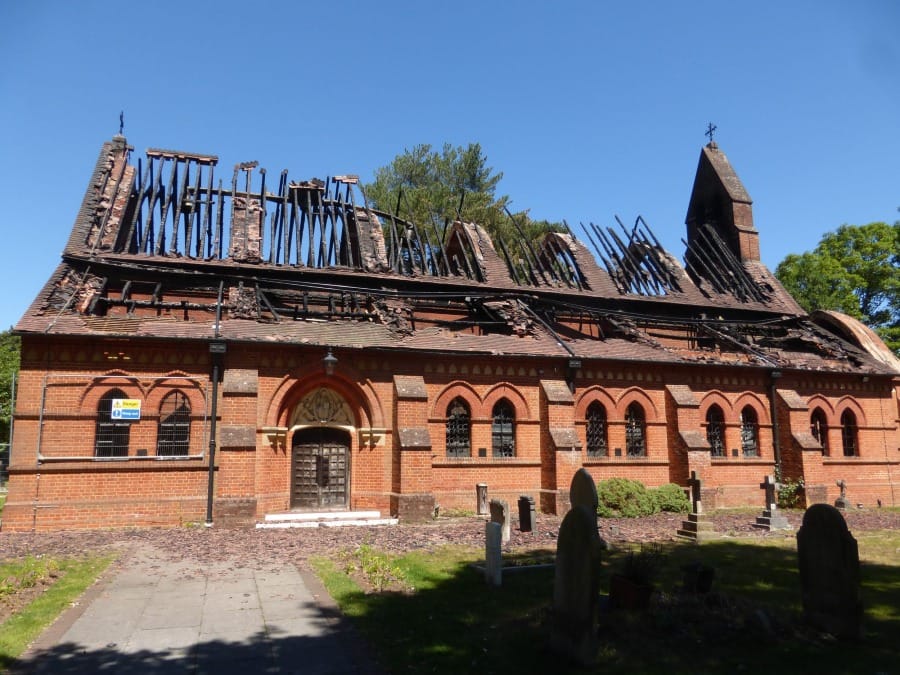
All Saints was subject to an arson attack in 2015 which left the building a shell. It has taken 8 years of careful planning and skilled conservation to bring the building back to life. Acanthus Clews, the architects of the re-build, worked tirelessly with the community to restore the church and also make it fit for purpose for modern needs. But this isn’t just a re-build, and the significance of this place isn’t because it’s an old thing wrought new.
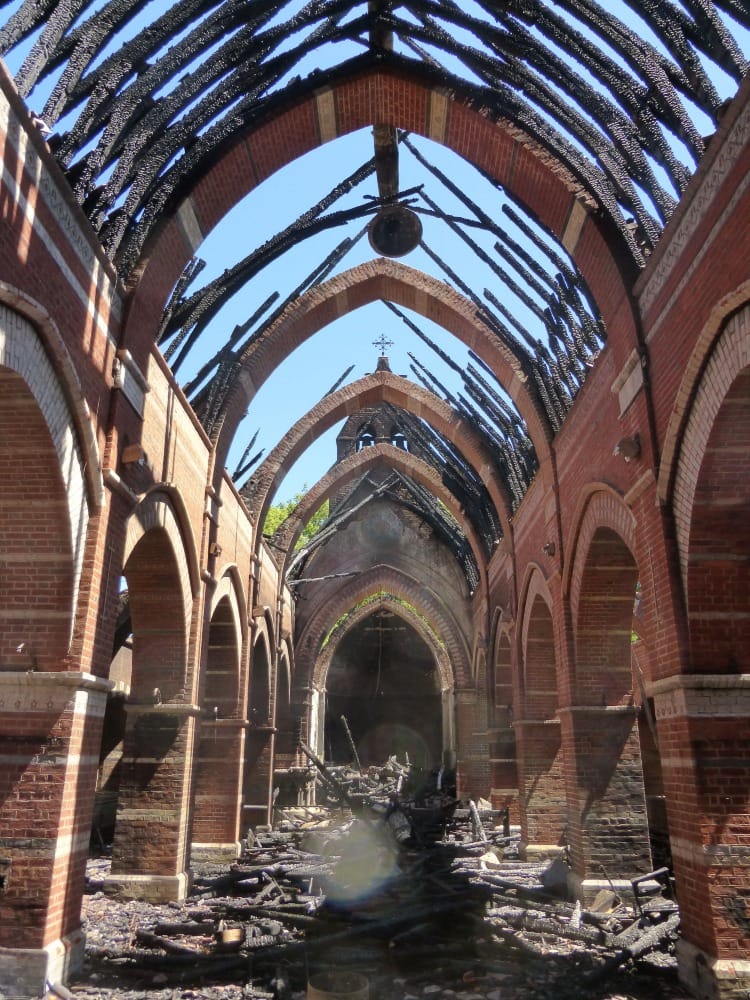
"The peeling paint, the muted colours and the rusting iron is no more. Here time’s cataract has been removed, and I’m seeing a building as the Victorians first saw it. "
Sometimes, there are times when a combination of organisations, people and events transform a building into a different realm, filling the gap that lies somewhere between the bricks and mortar and the aspirations and needs of a community.
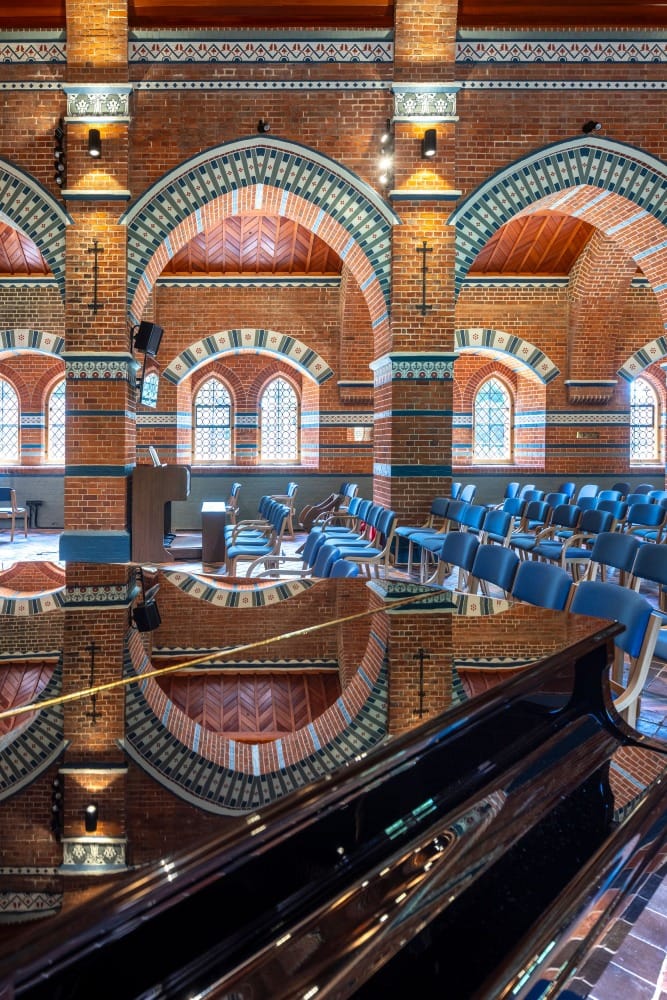
The people of Fleet didn’t just rebuild the church, they scripted a narrative that made sense of the desolation and brought order out of chaos. It works on so many levels: helping the community find solace and focus and showing others that in the depths of despair green shoots can grow.
Inside the church, I draw out the legs of my tripod and fix my camera onto the plate. I change my lens over to a zoom and extend it out to capture the chancel. Caught between the cross hairs of my viewfinder is the altar.
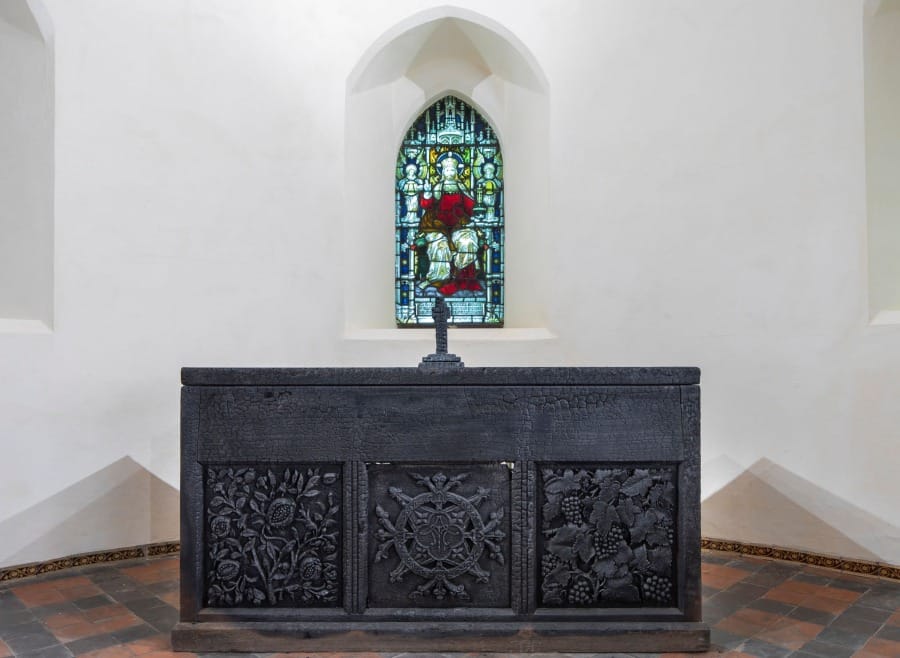
I walk up to the altar and am deeply moved by what I see. This is the altar that has survived the fire. I look at the fissured charcoal surface and can sense the devastation of the fire and yet, here and now, contrasted against the joy of this building, it looks remarkably beautiful - burnished like a jewel. What is even more remarkable is what it represents.
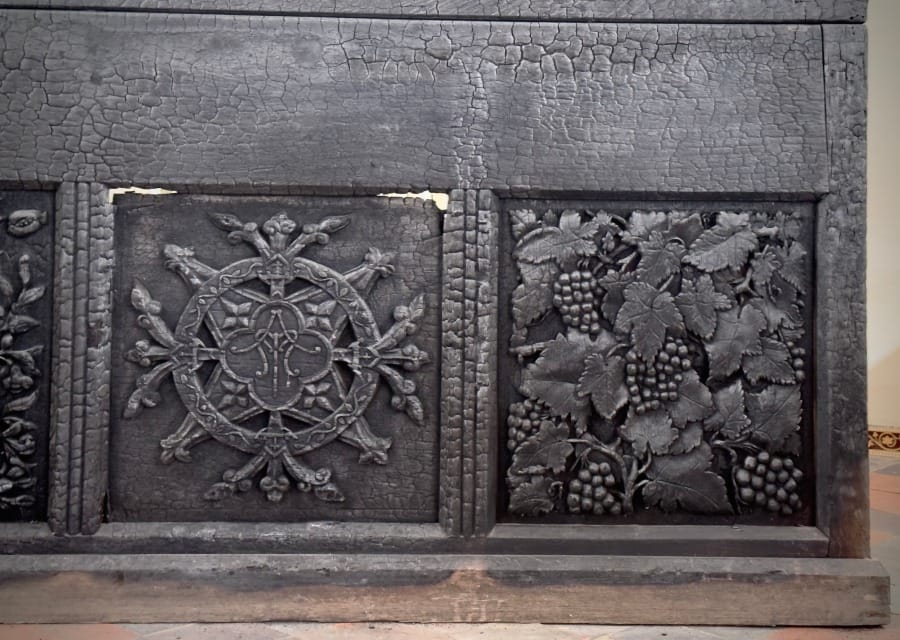
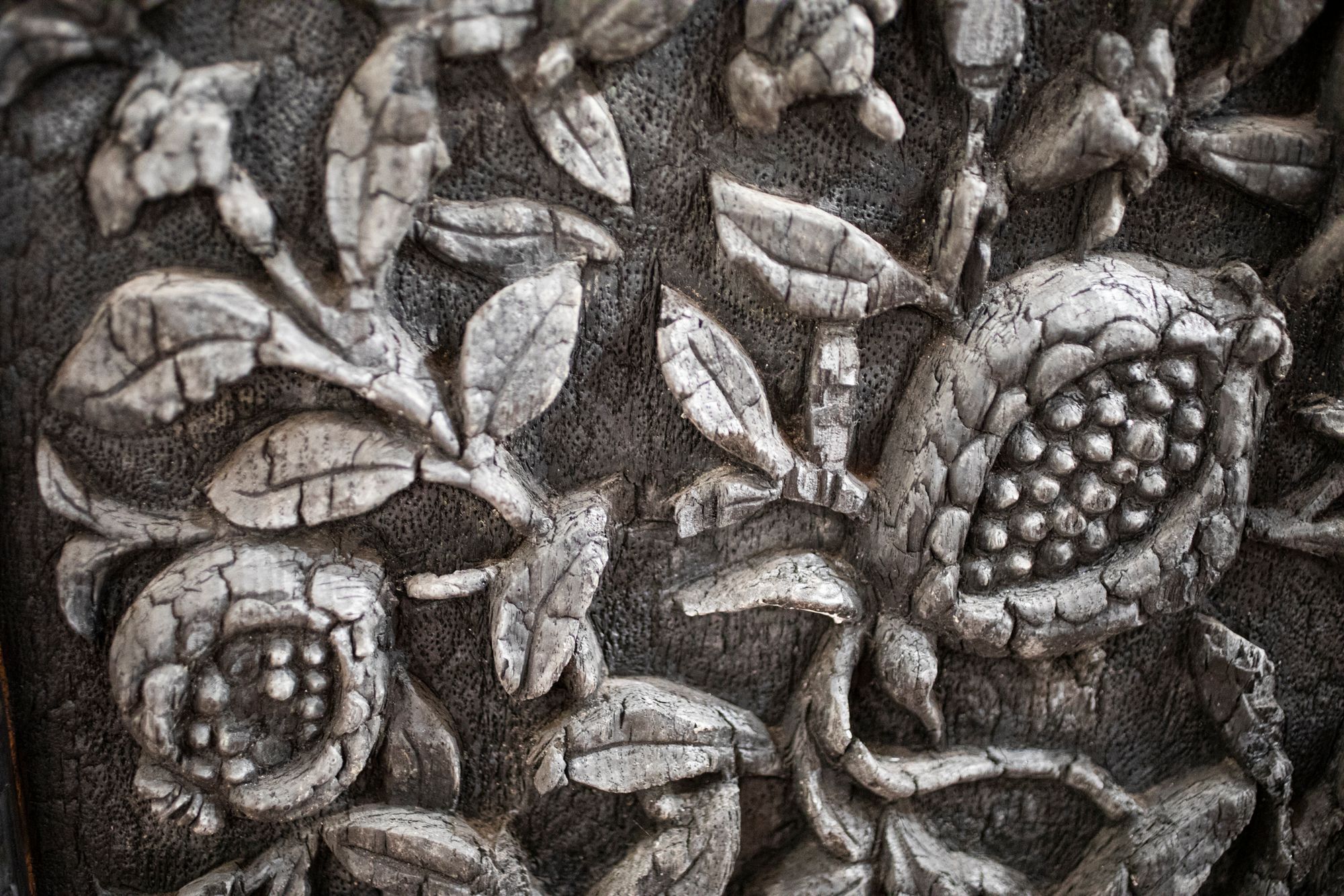
"I look at the fissured charcoal surface and can sense the devastation of the fire.."
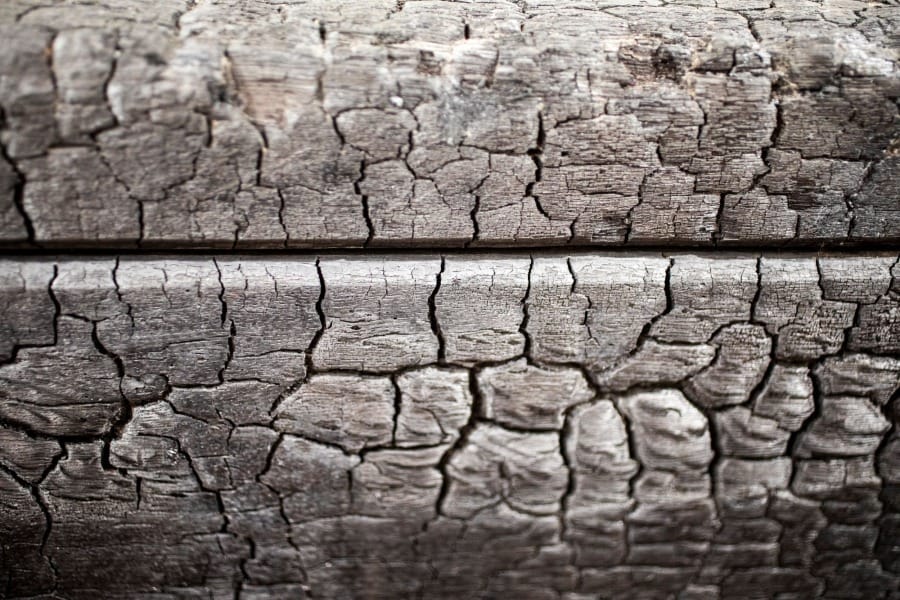
The altar is at the core of a narrative that springs eternal: re-birth and renewal. This single artefact elevates this place from the material to metaphor that is sacred and inclusive to all.
I’m reminded of some words by Rebecca Solnit:
“ When all the ordinary divides and patterns are shattered, people step up - not all, but the great preponderance - to become their brothers’ keepers. And that purposefulness and connectedness bring joy even amid death, chaos, fear and loss.”
I first read Rebecca’s quote in a book by Alex Evans called The Myth Gap . In his book, Alex talks of the demise of stories in our society: big stories, myths and epic tales - the stories that helped us understand the world and ourselves.
This building fills the myth gap and demonstrates something that is fundamentally human and beautifully scaleable: hope.
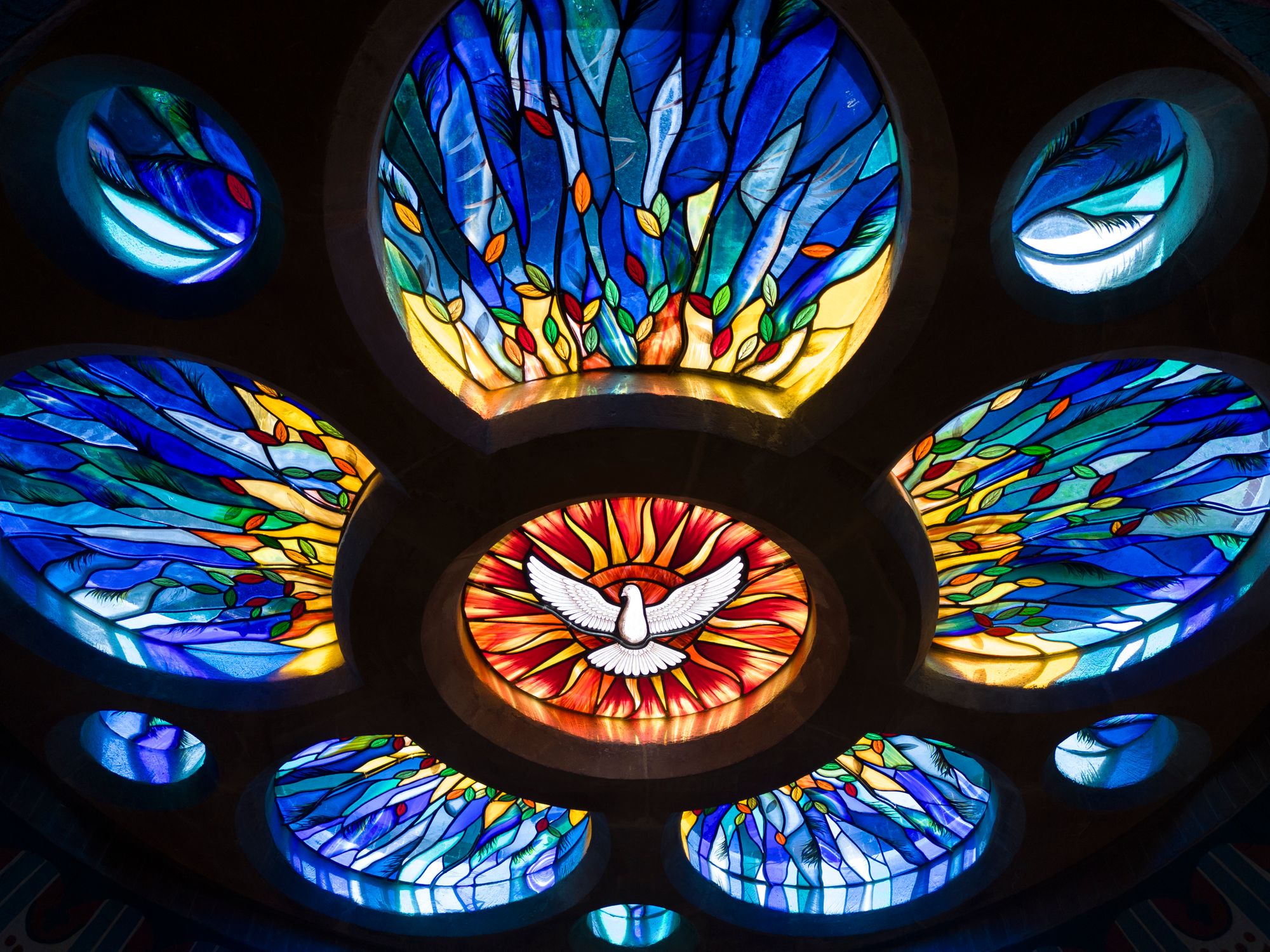
"This building fills the myth gap and demonstrates something that is fundamentally human and beautifully scaleable: hope."
Hope in a time of war, hope in times of poverty, hope in times of despair.
We don’t just build for shelter - we also build to help us understand the human condition and reveal counter narratives to things that threaten us. Sometimes there are buildings and places that are more valuable than cost-benefit-analysis. They provide the stories we need to connect with each other, make sense of the world and find solutions that just might, one day, turn myth into reality.
I’m not religious, but this church and the narrative that lies within has deeply moved me and renewed my faith in humanity. I’ll leave you with some final words from Alex Evans:
“ As we relearn how to tell myths about where we are, how we got here, where we might be trying to go, and who we really are, we will discover extraordinary new capacities for creating the kind of future we yearn for. As Isaiah once put it:
…your ancient ruins shall be rebuilt; you shall raise up the foundations of many generations; you shall be called the repairer of the breach, the restorer of streets to dwell in.”
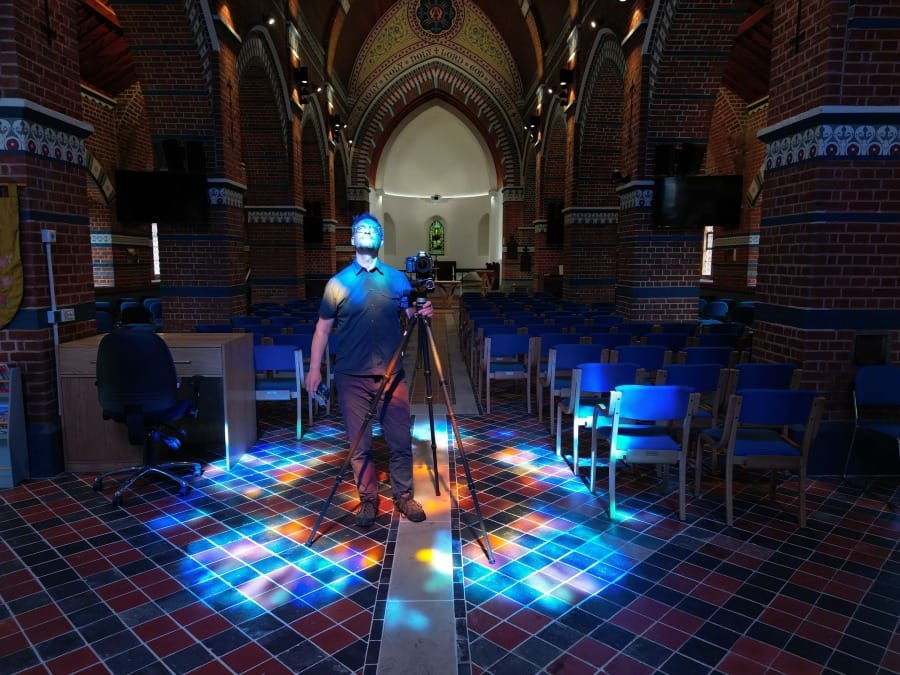
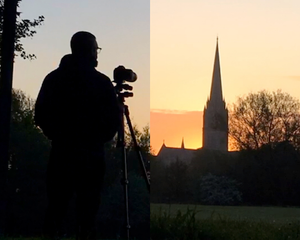
Photographing All Saints, Fleet, Hampshire.
The transition from shell to final building at All Saints, Fleet.
Photography by Andy Marshall
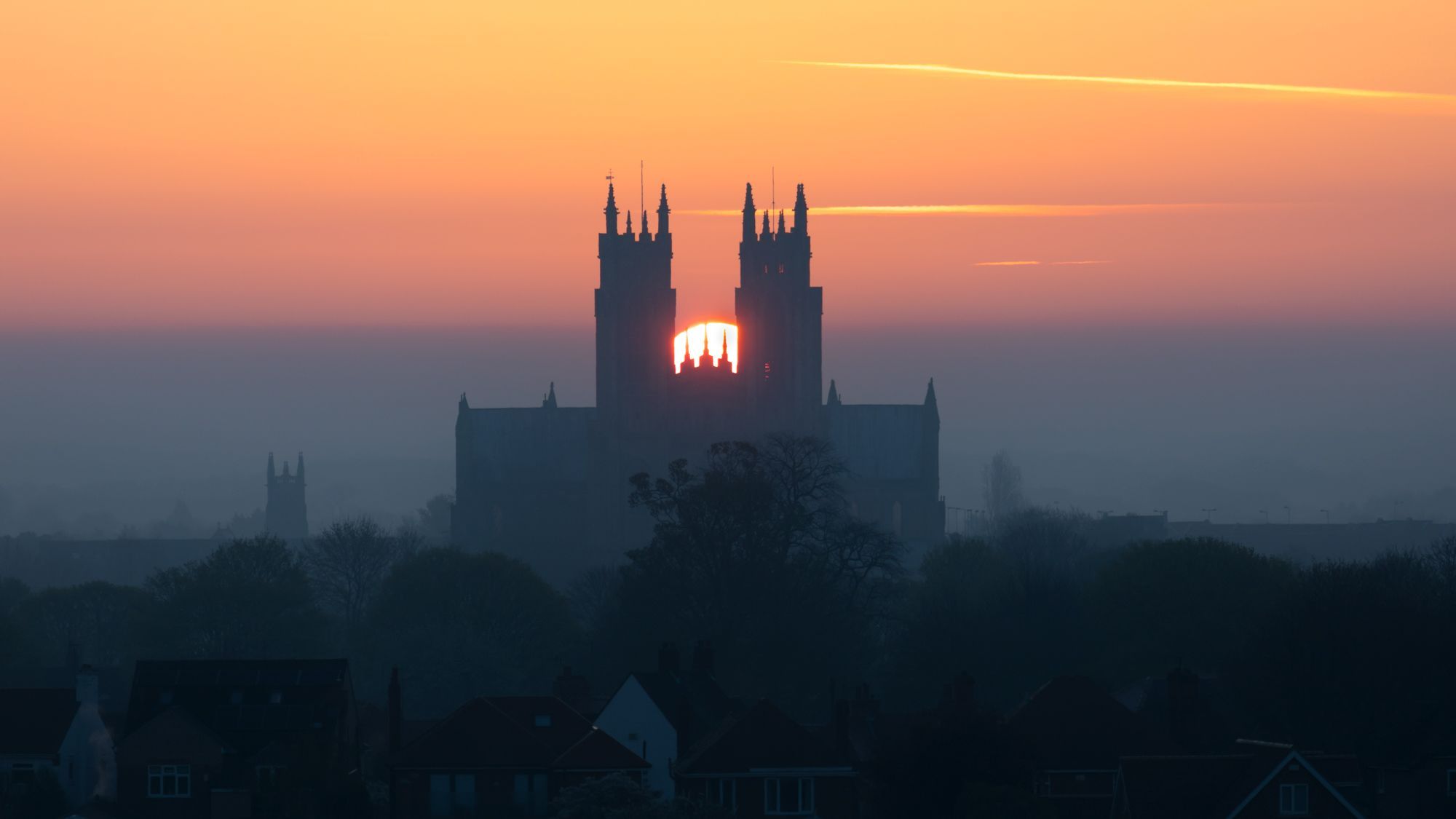
Beverley Minster at sunrise
Three ways to come with me
Help this work travel further.
If these photographs and stories have helped you see a place differently, choose the part you can play.
Choose the invitation that feels right for you.
William Burges
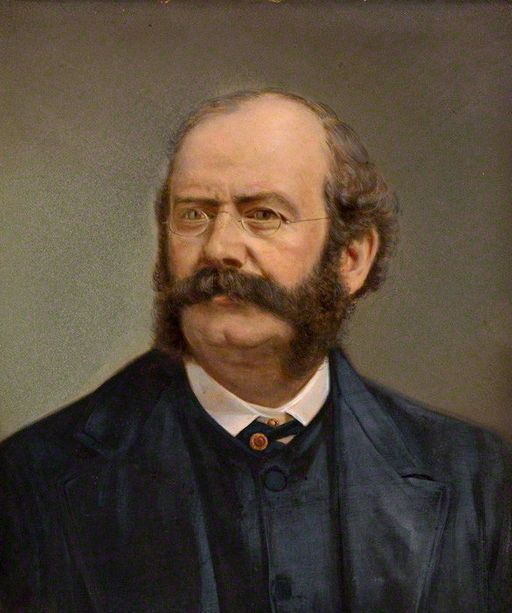
Henry Van der Weyde (1838-1924), Public domain, via Wikimedia Commons
I photographed my first Burges church many years ago at St. Mary's, Studley Royal.
Burges was my kind of architect - his love of colour and geometry lit up my lens and helped me learn my craft.
St. Mary Studley Royal, Yorkshire - learning my craft.
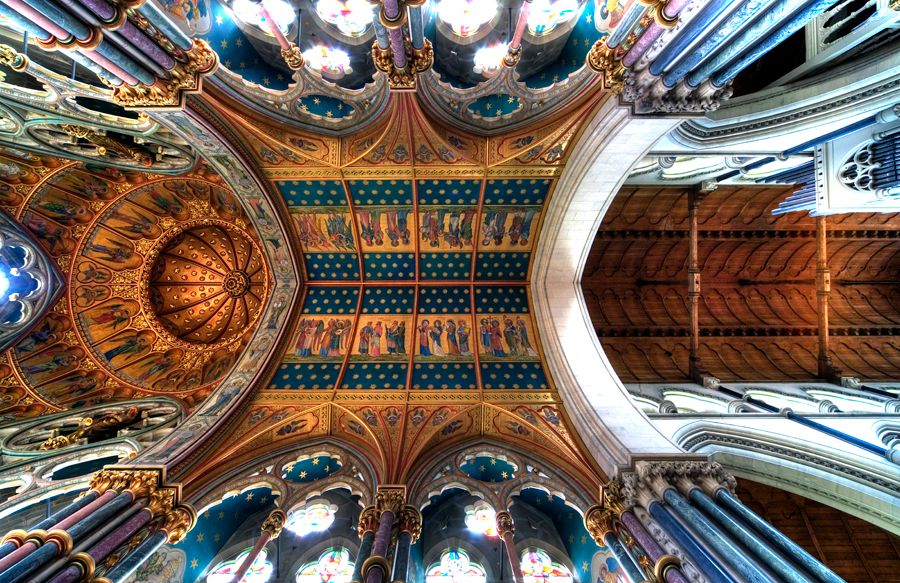
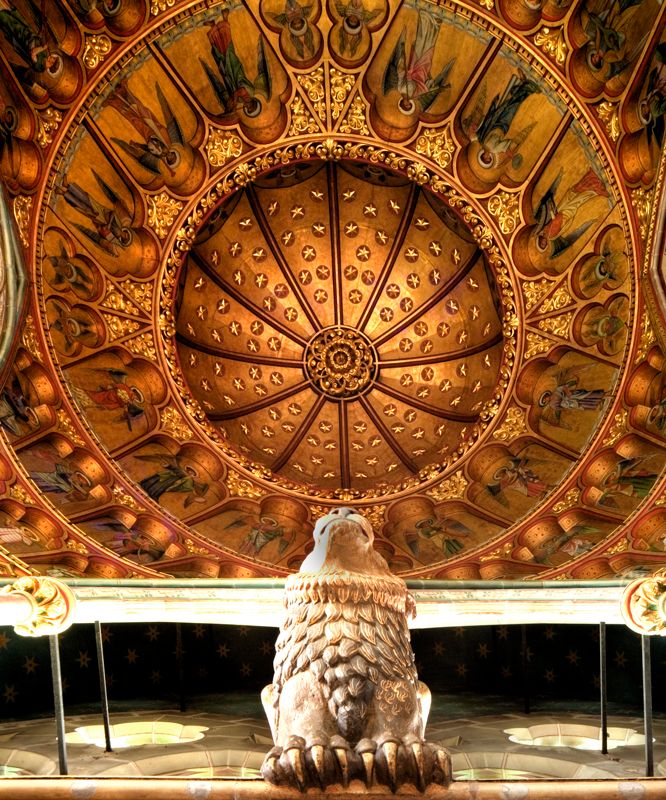
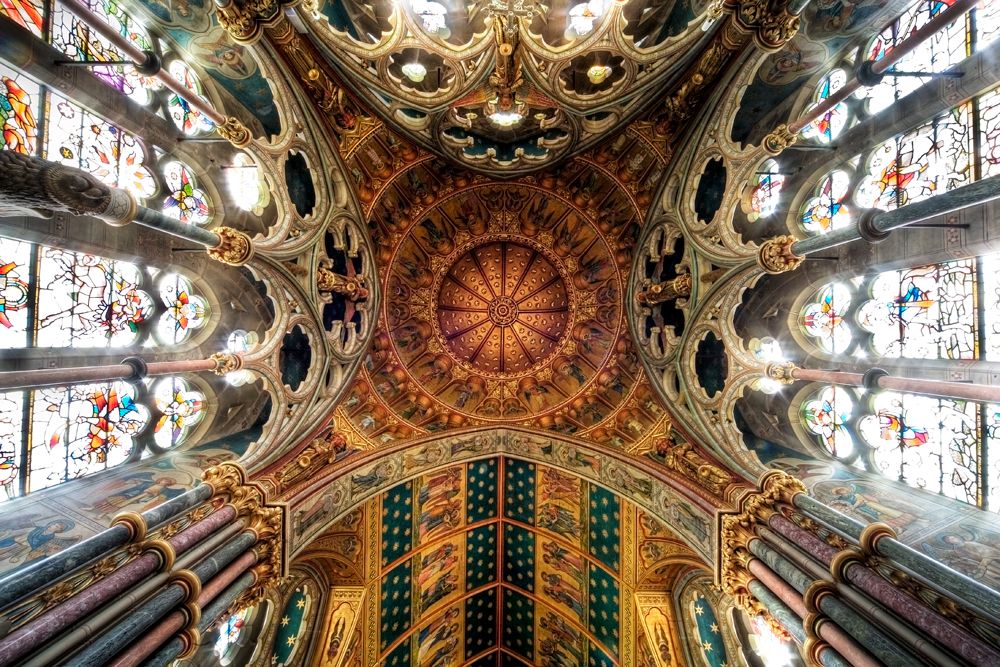
Burgess was a celebrity architect of the time and went on to design and build (amongst others) Saint Fin Barre's Cathedral, Cork, Cardiff Castle and Castel Coch in Wales.
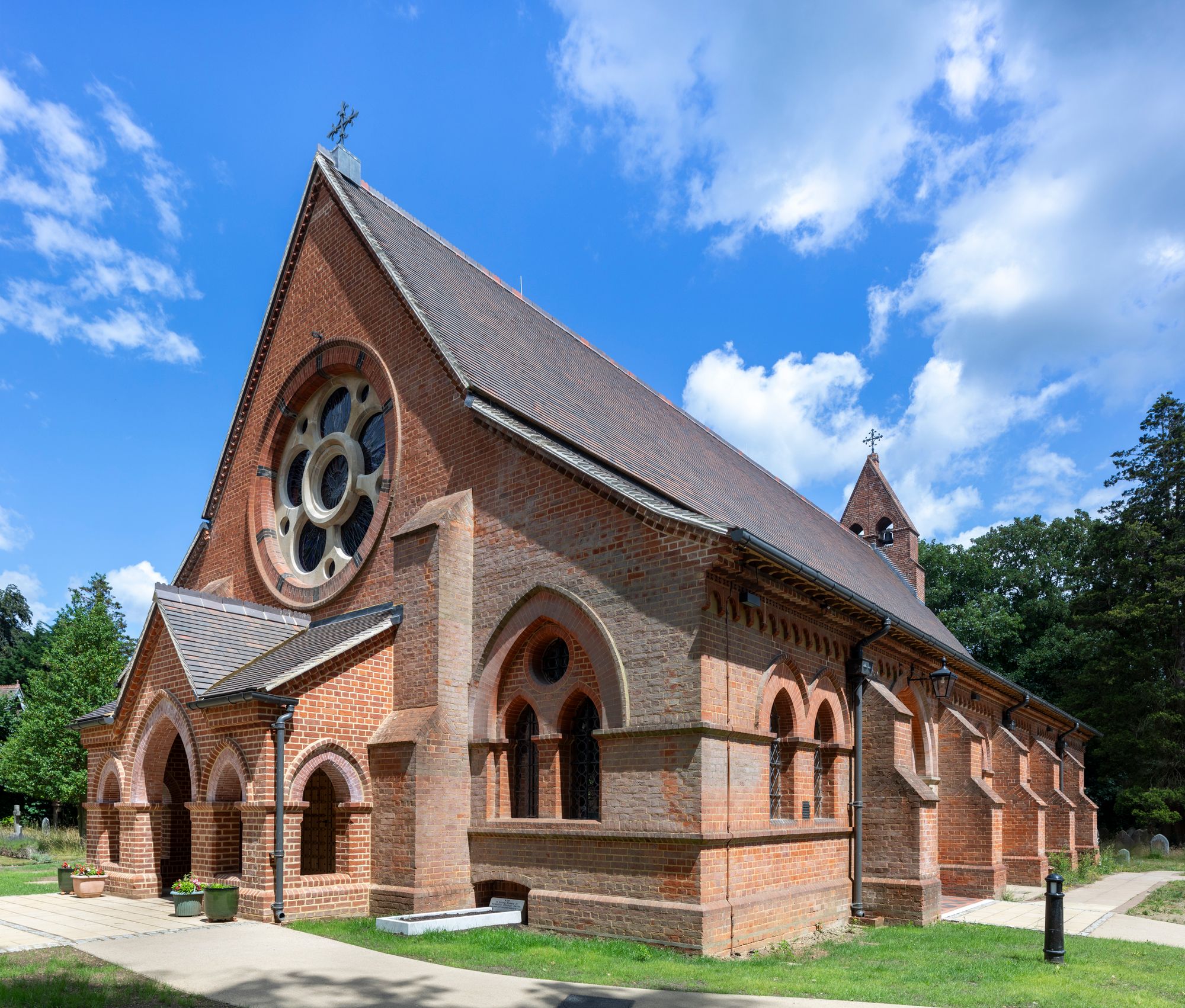
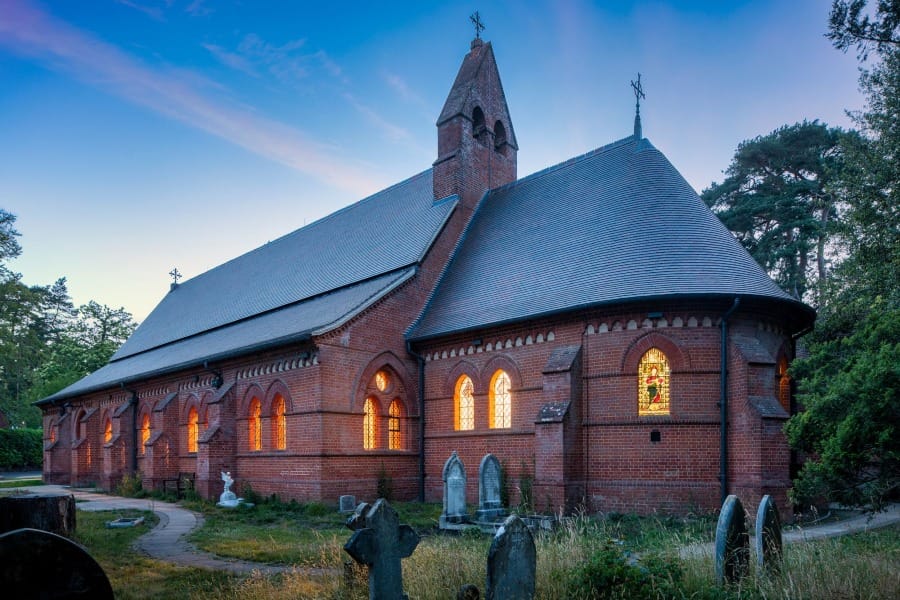
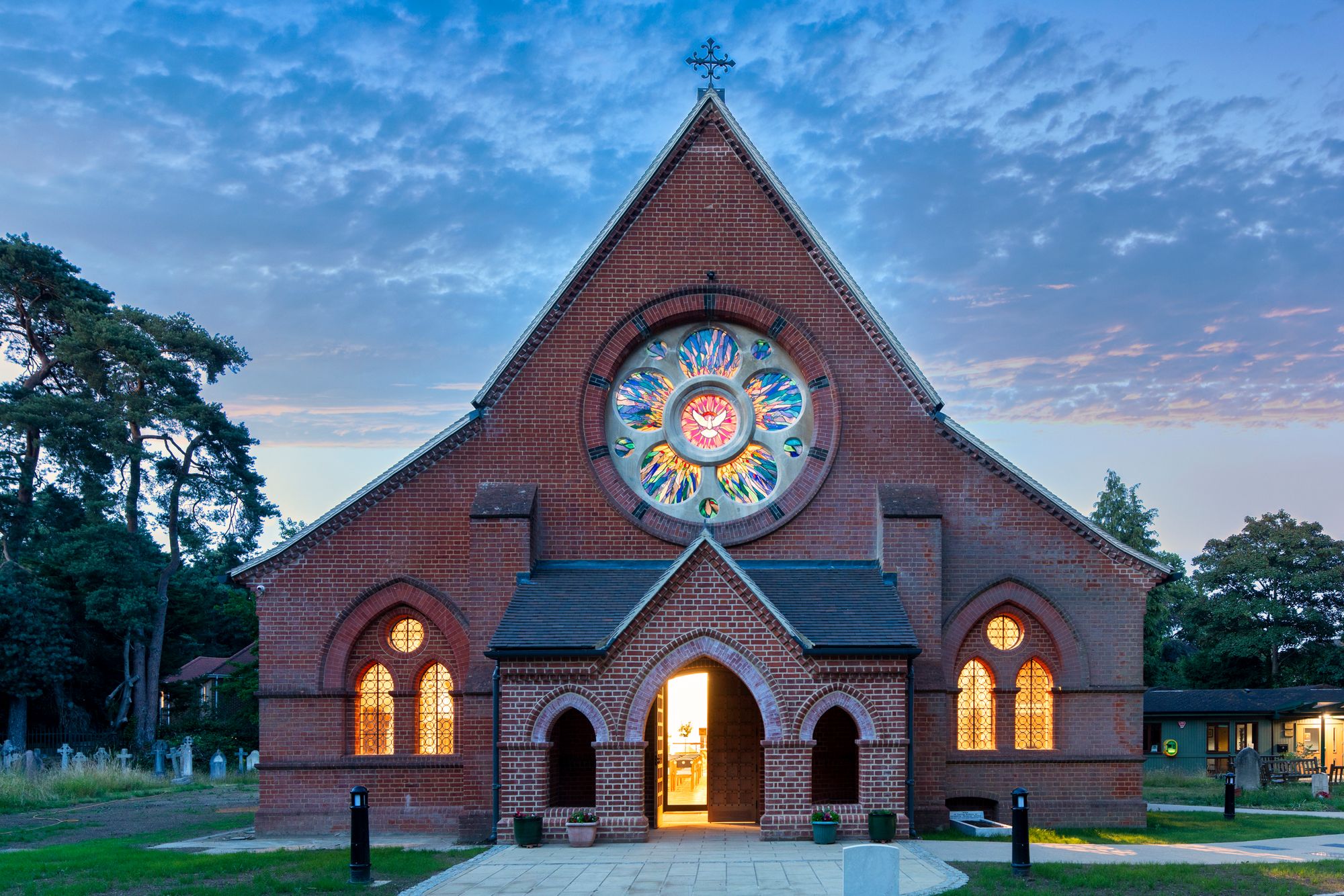
All Saints, Fleet, Hampshire.
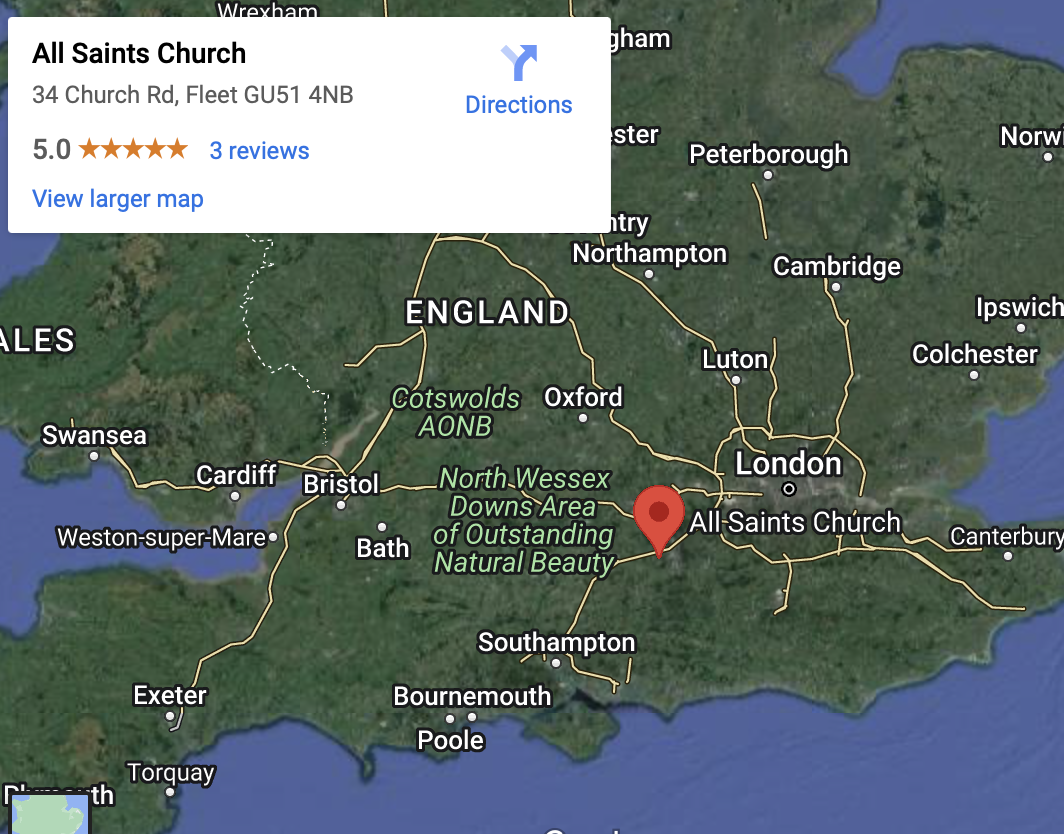
All Saints was an early work of Burges and gives indicators as to the direction he was to take.
Exterior
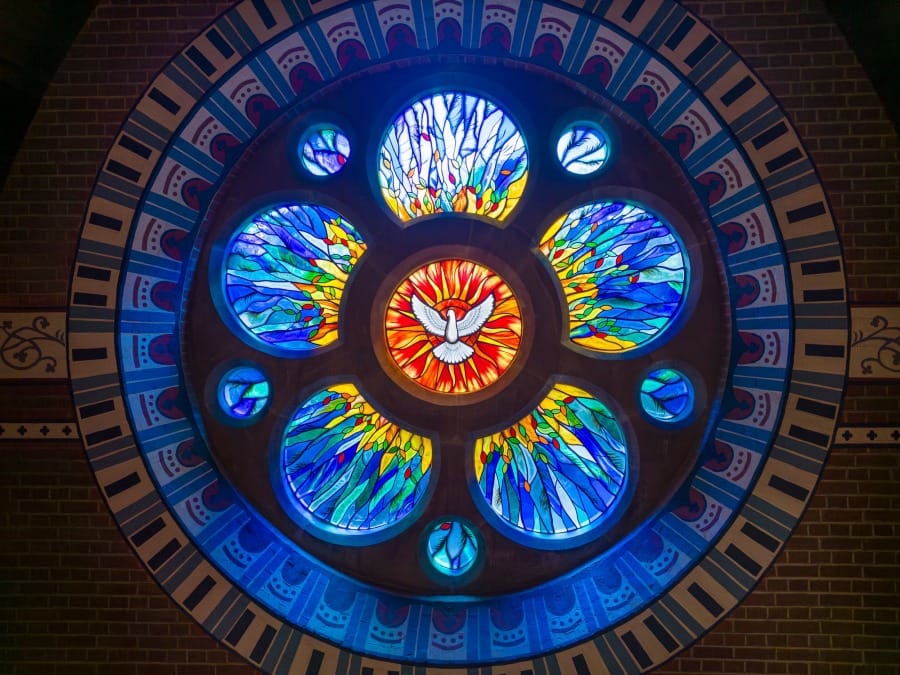
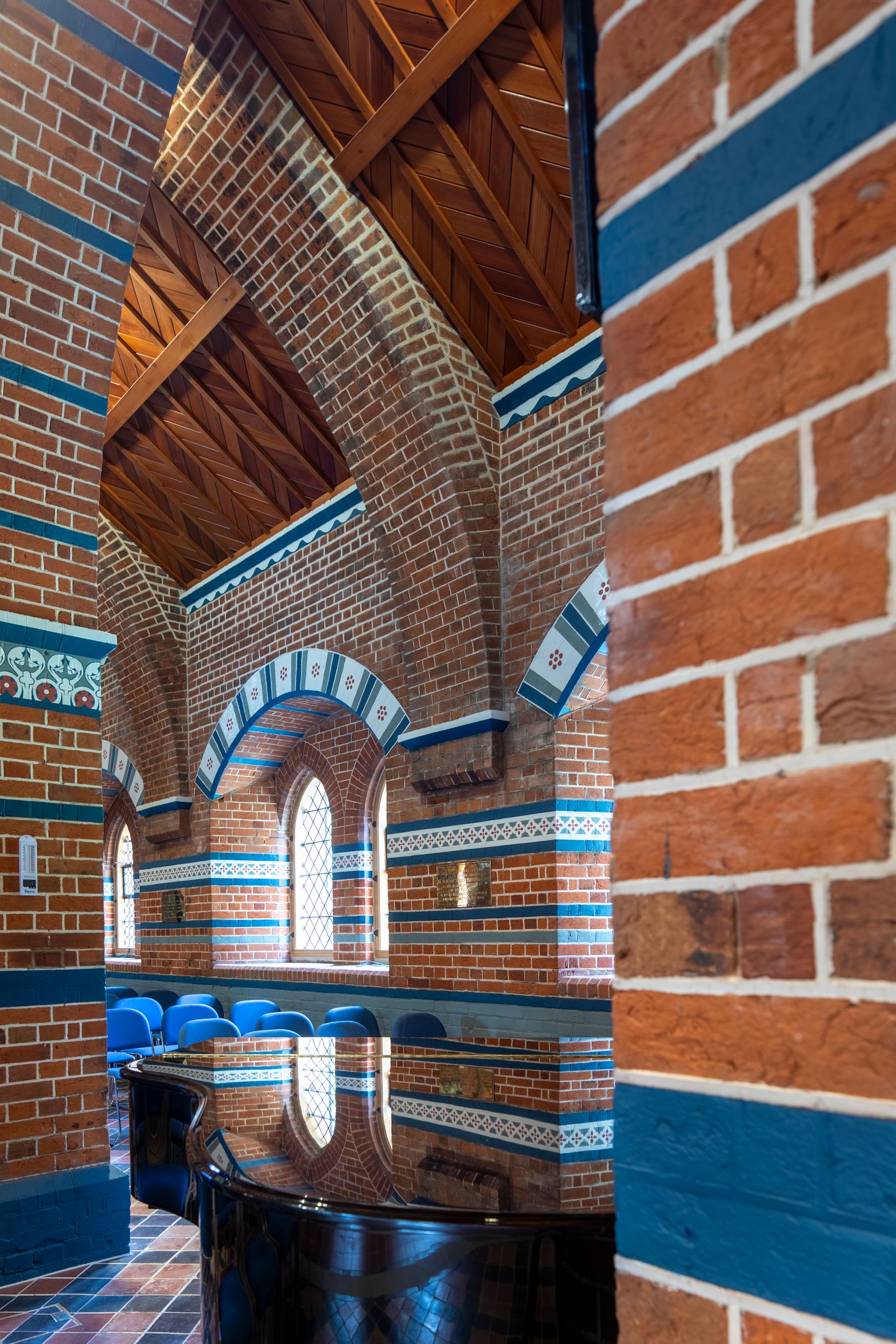
Interior
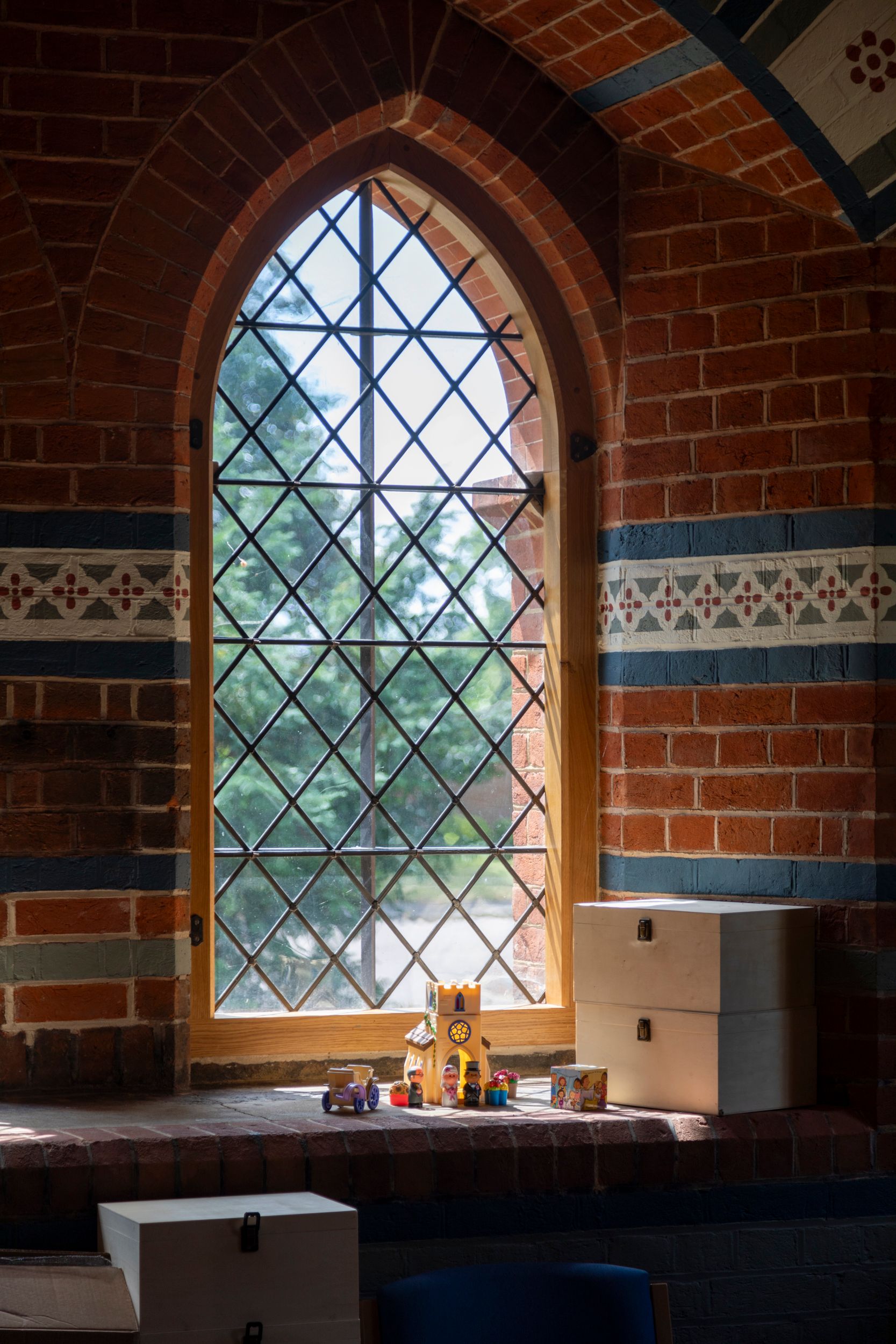
With thanks to Acanthus Clews Architects for letting me share some of the photographs I took on the day.


Members have the opportunity to see what the Victorian's saw in this beautiful VR of the interior of the church. The next best thing to being there. (Can be viewed in any device).
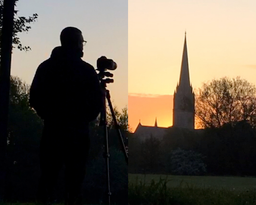 Andy Marshall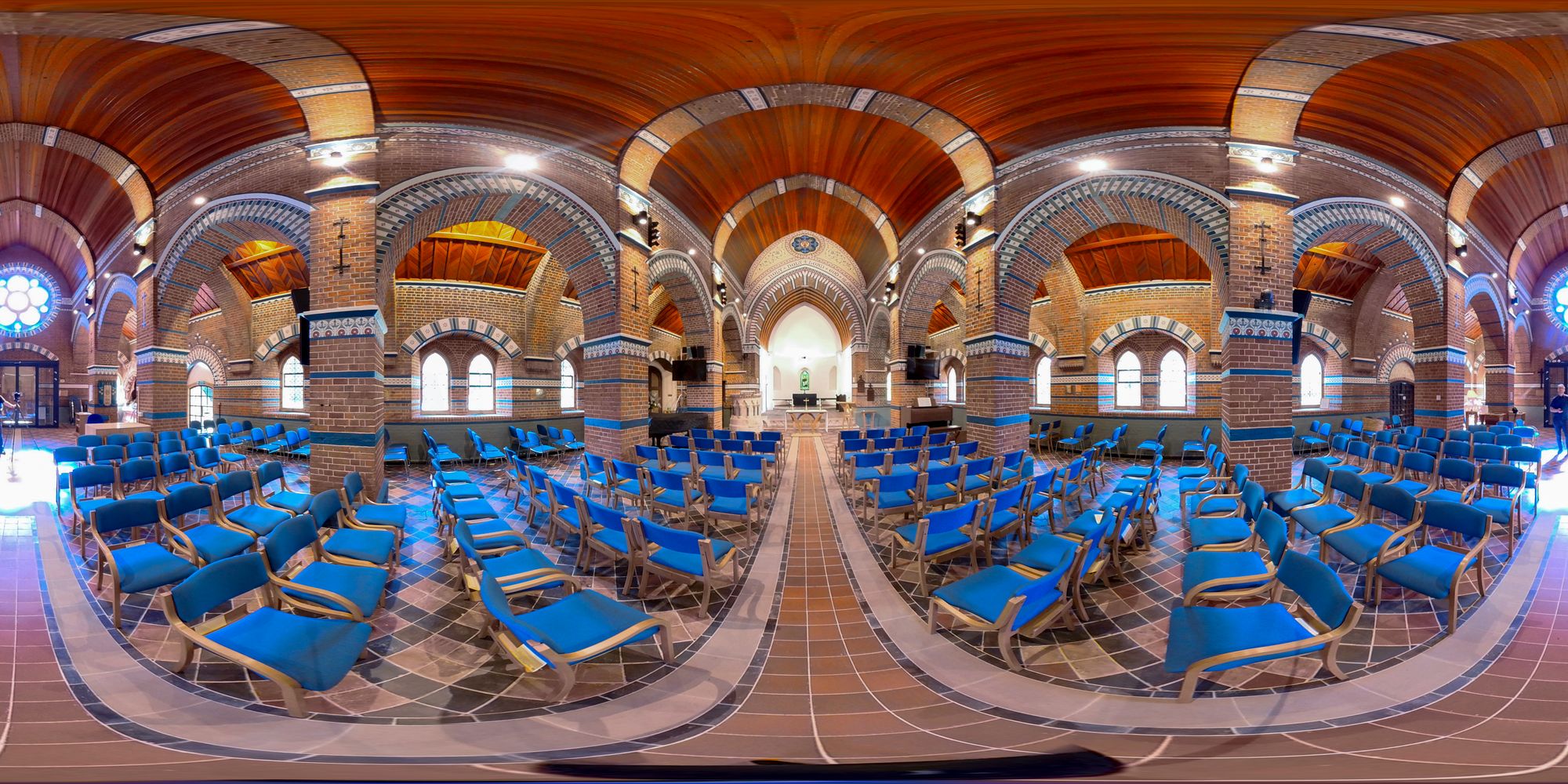
Walks Around Fleet

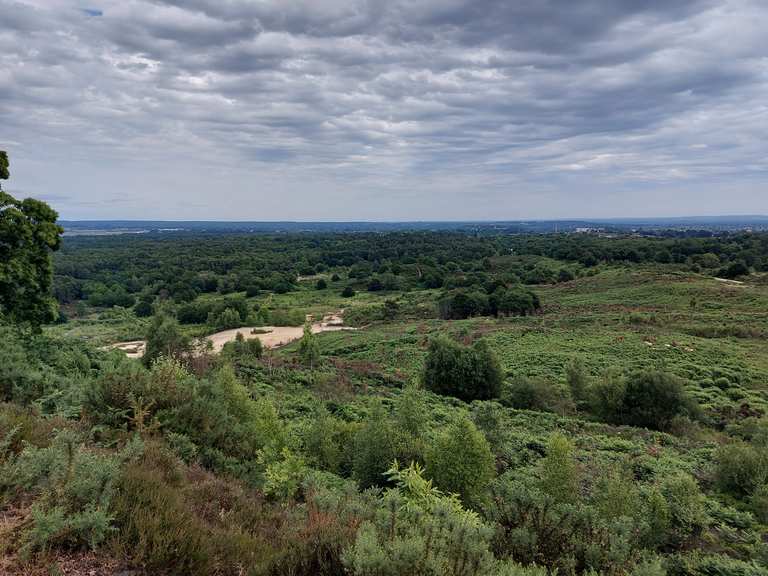
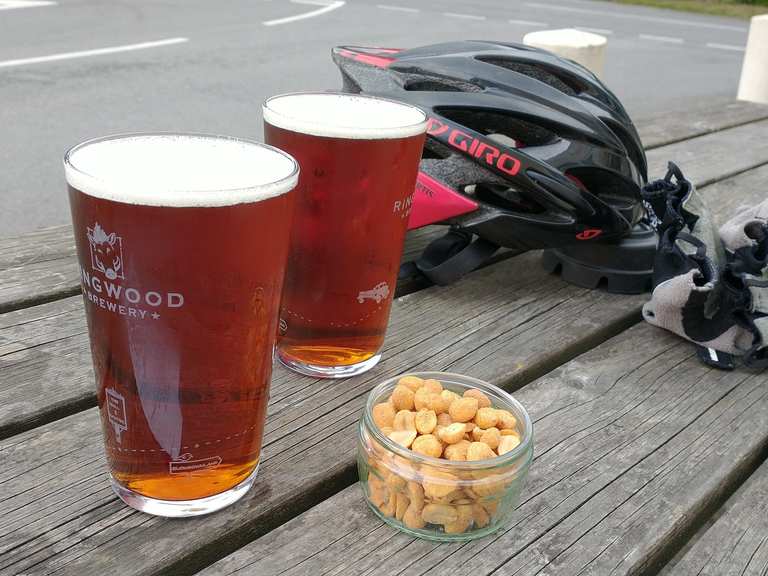
Cycling Around Fleet
The church warden kindly lets me lodge near to the church - it gives me space and time to breathe.
I can keep an eye on the light and work later than expected to get the twilight shots. After the twilight shots are in the bag, I turn the bed down in the van and hear a noise outside - it's a fox, sniffing around the churchyard. These places are not just important for humans.
I take a video - but, perhaps not the best I've ever taken..
Andy Marshall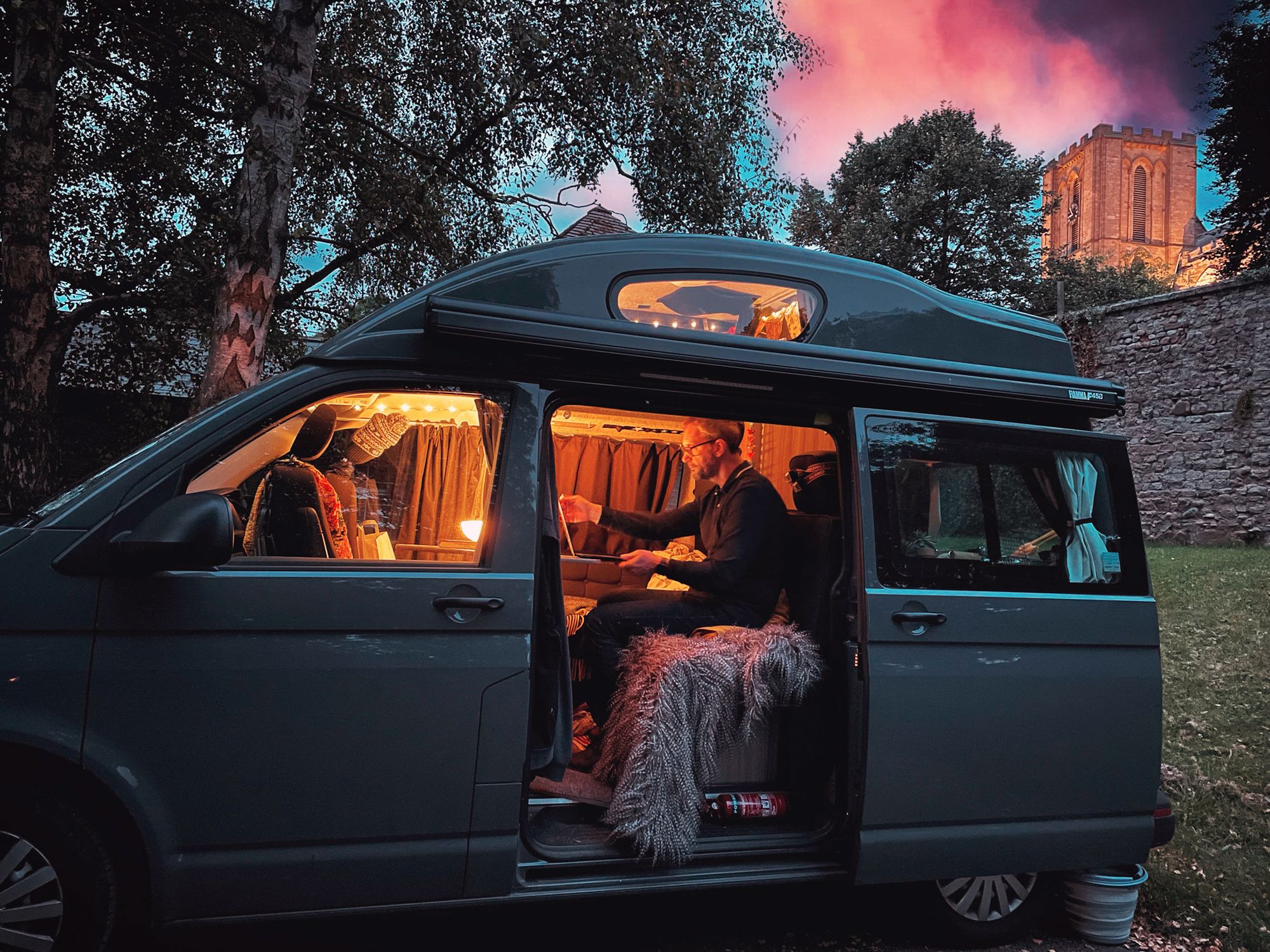

Connect with me on: Bluesky / Instagram / Facebook / X / Tumblr / Flickr / Vimeo / Pixelfed / Pinterest
Member discussion