Welcome!
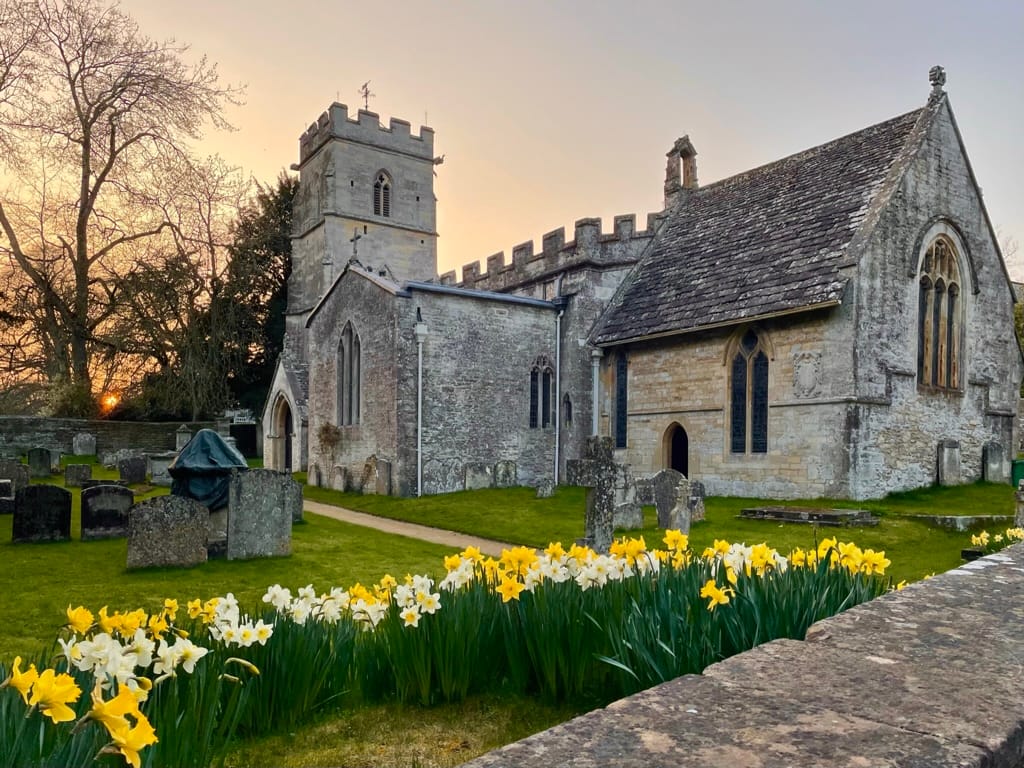
I hope you have a peaceful and happy Easter.
I'm taking an Easter break - the next Digest will be posted out on 17 April
⚡️ View the latest digest and the full archive here.
📐 My Goals ℹ️ Donations Page & Status 📸 MPP Status 🛍️Shop
🔗 Connect with me on: Bluesky / Instagram / Facebook / X / Tumblr / Flickr / Vimeo / Pixelfed / Pinterest / Flipboard/ Fediverse: @fotofacade@digest.andymarshall.co
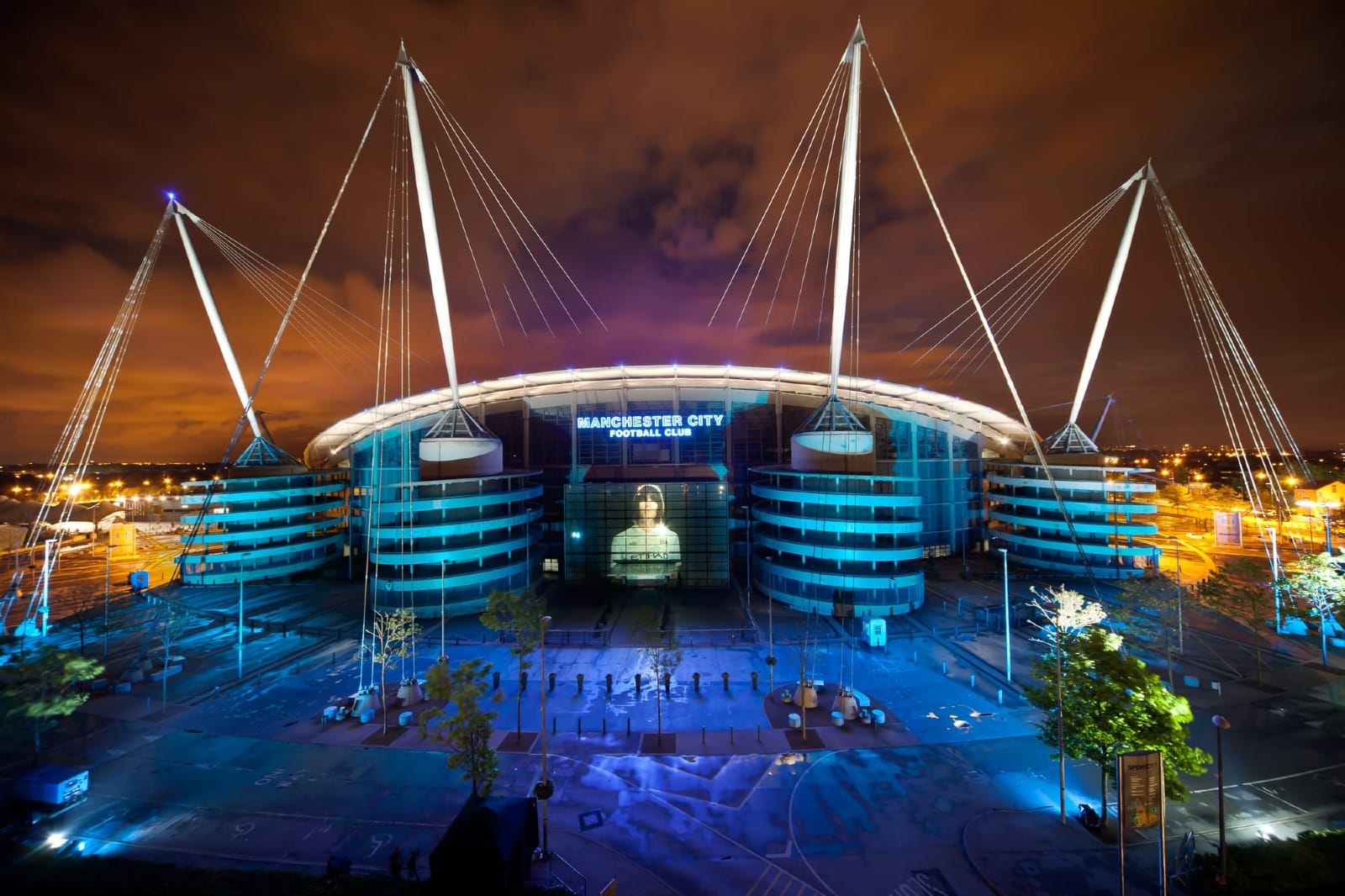
Etihad Stadium, Manchester
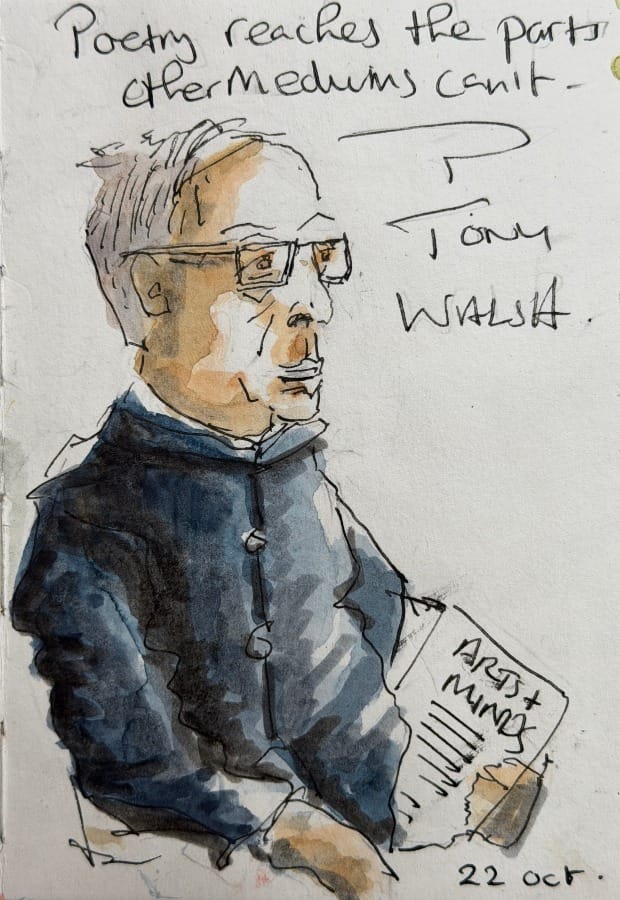
"And make us sing louder and make us believe that this is the place that has helped shape the world
And this is the place where a Manchester girl named Emmeline Pankhurst from the streets of Moss Side led a suffragette city with sisterhood pride
And this is the place with appliance of science, we’re on it, atomic, we struck with defiance, and in the face of a challenge, we always stand tall, Mancunians, in union, delivered it all
Such as housing and libraries and health, education and unions and co-ops and first railway stations
So we’re sorry, bear with us, we invented commuters. But we hope you forgive us, we invented computers."
From This Is The Place by Tony Walsh (Longfella)
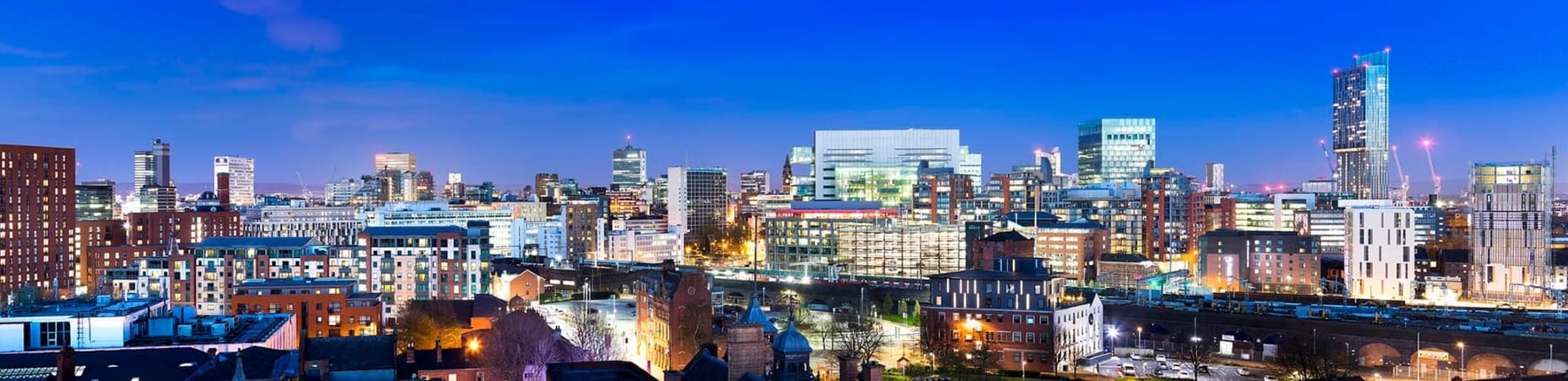
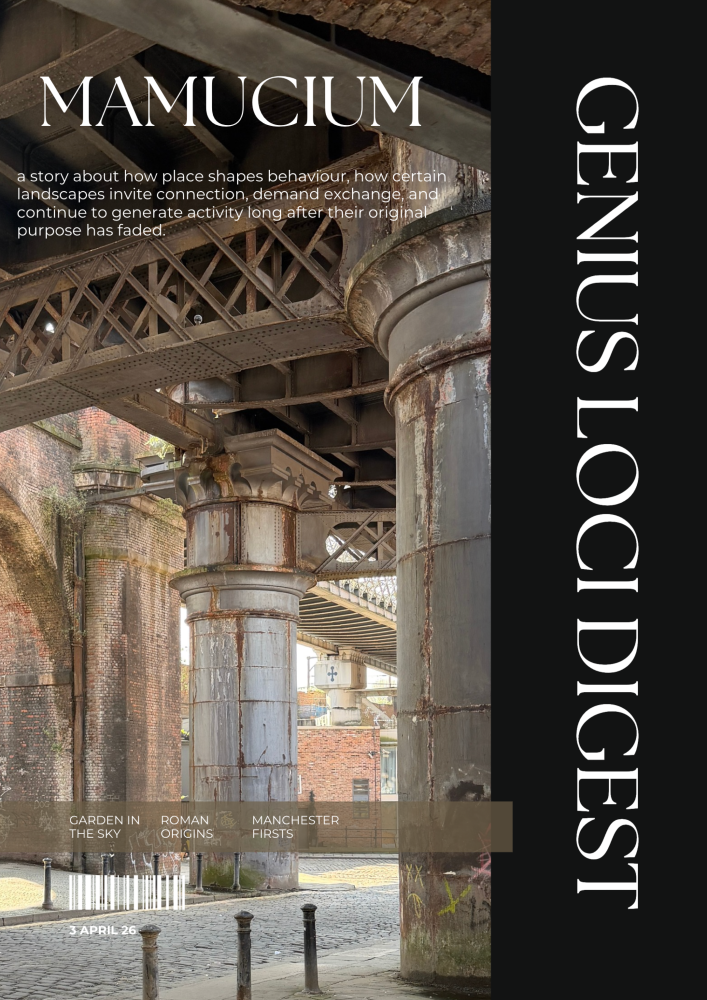
Mamucium
I regard myself as a Mancunian. Born in Crumpsall, brought up in Middleton. My dad was from Hulme, and the earliest reference to my first visits to the city centre is from my Uncle George, who told me that, as a toddler, I took the bus with dad to the Labour Exchange. He remembers me kicking him hard in the shin as he tried to look after me whilst dad was in the telephone box calling a potential employer.
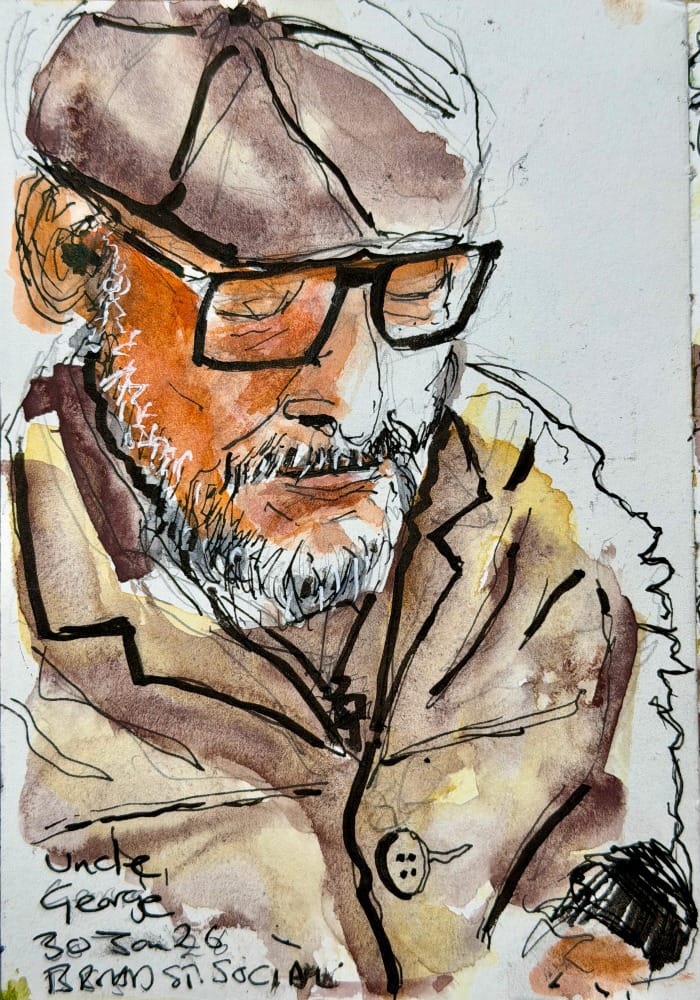
Ever since then I’ve had a fractious relationship with Uncle George, but developed a love affair with Manchester and all of its quirks including the industry and the dereliction. I remember the difficult times: the IRA bomb rattling my bedroom window, or being out on the bus with my dustpan and brush to help clean up Piccadilly after the riots.
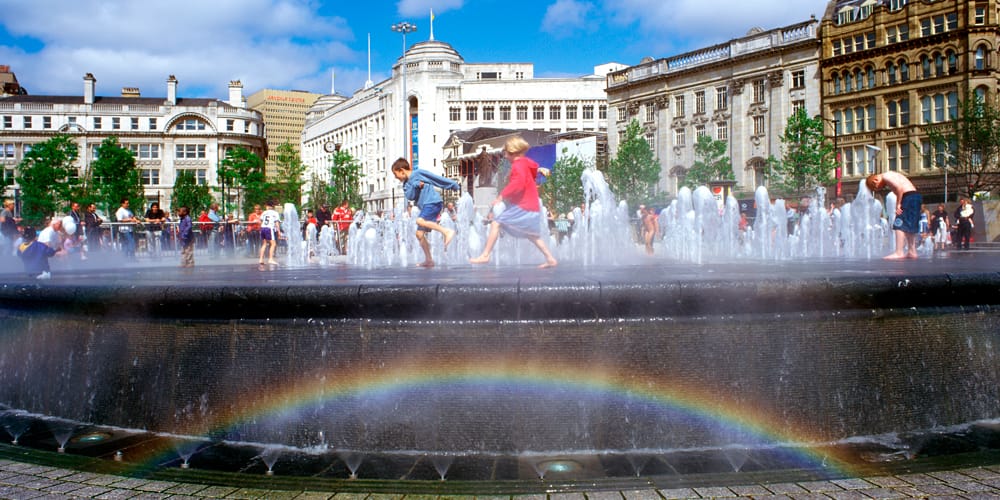
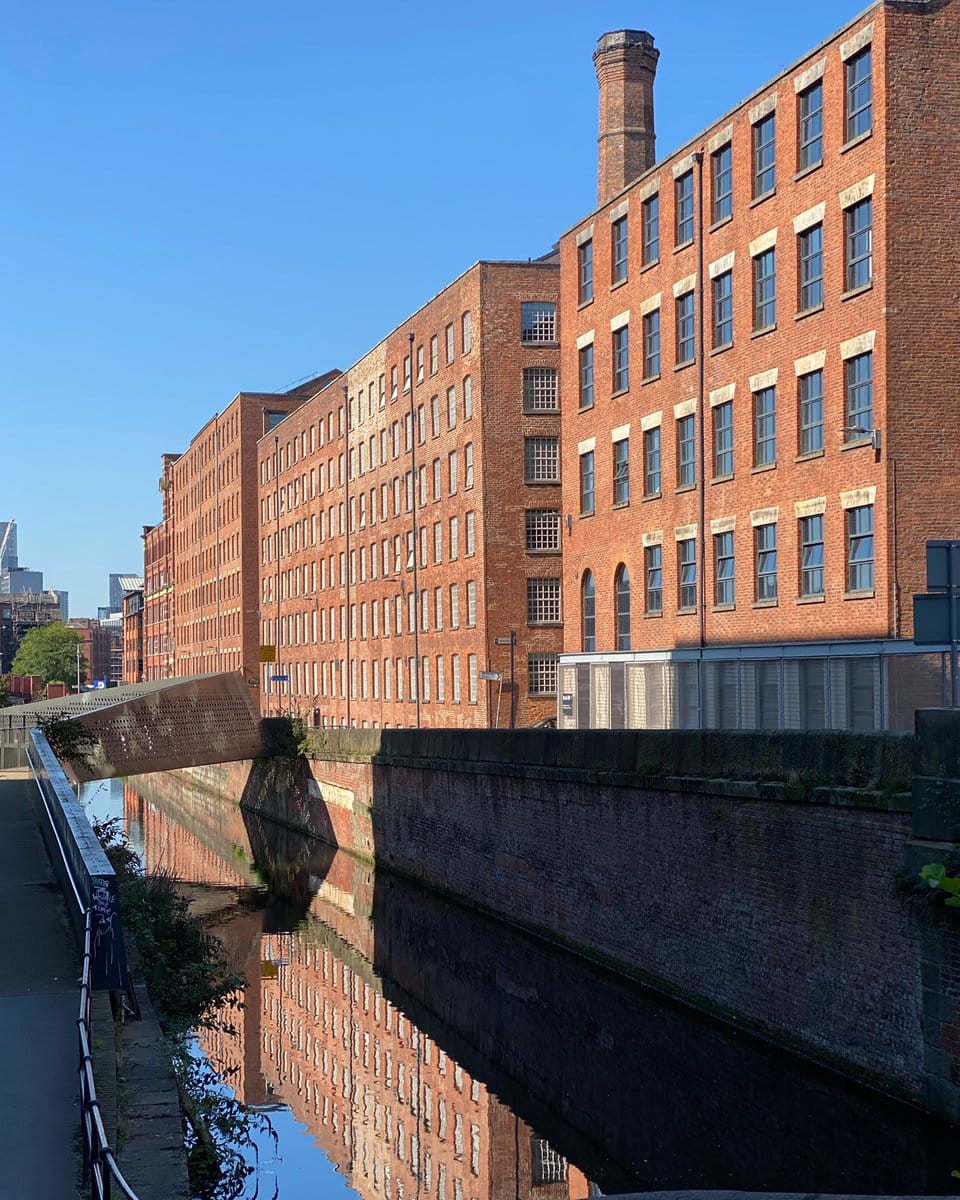
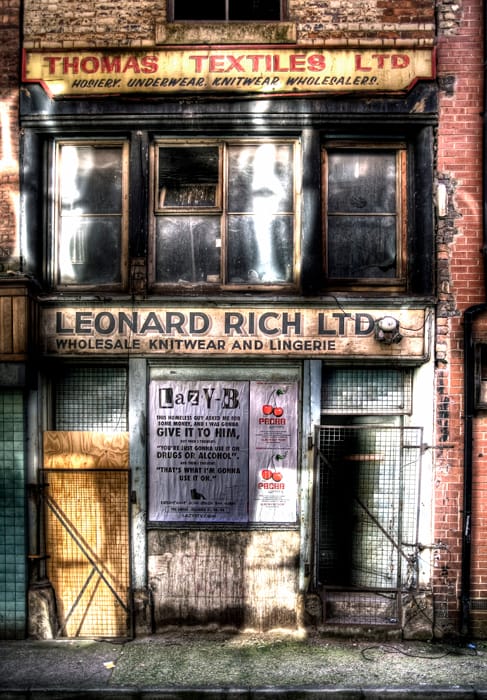
Still, I would get the bus into town and spend hours photographing the old streets, the industrial workshops and the pioneering mills. I cut my photographic teeth in Manchester.
Andy yet, the city is so engrained into my persona, I have been too close to it to see it clearly. That is, until a recent visit to Castlefield, where a garden in the sky helped me garner the kind of perspective I needed.
Because what this place reveals is not the city we think we know, but something older and deeper.
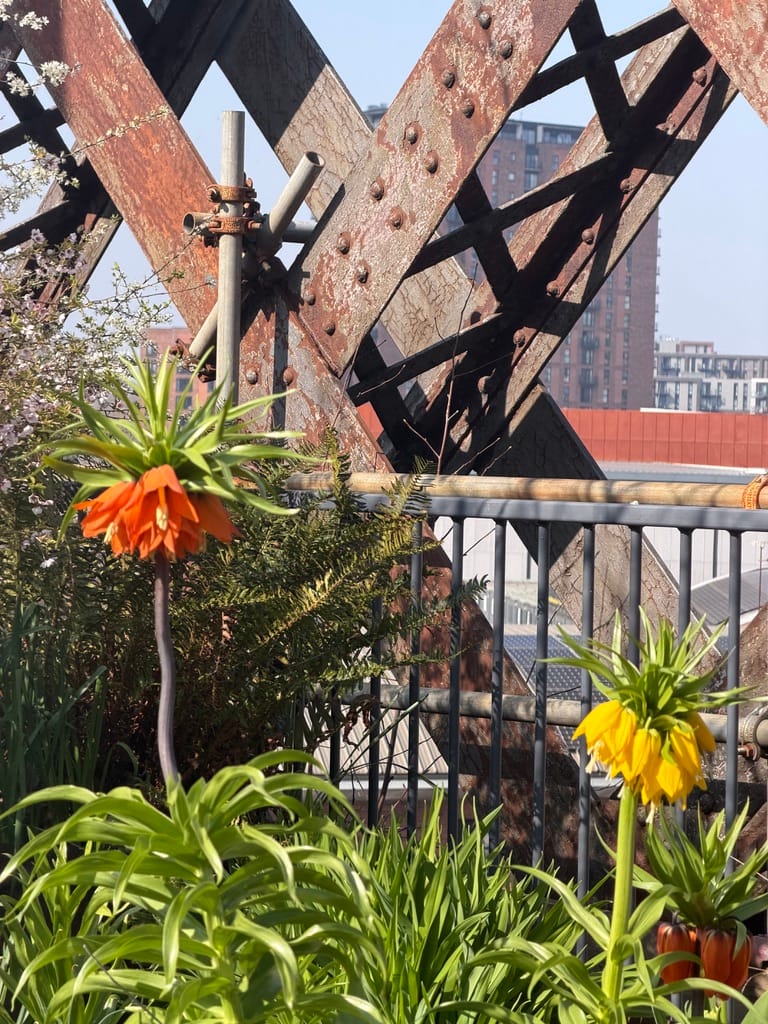
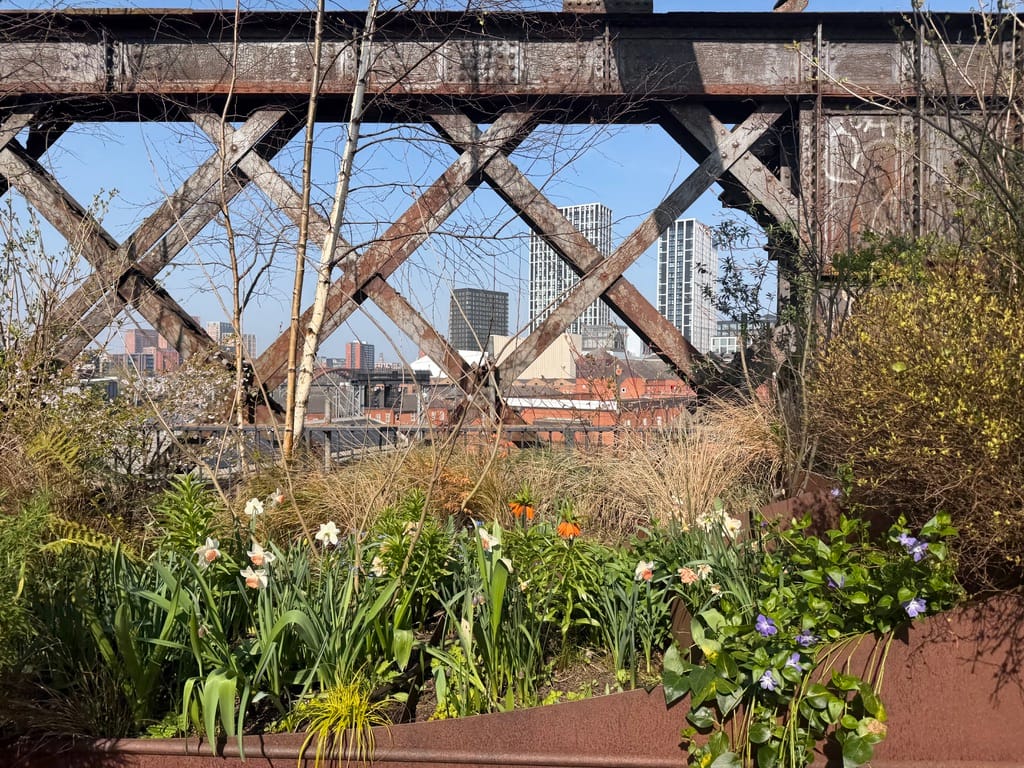
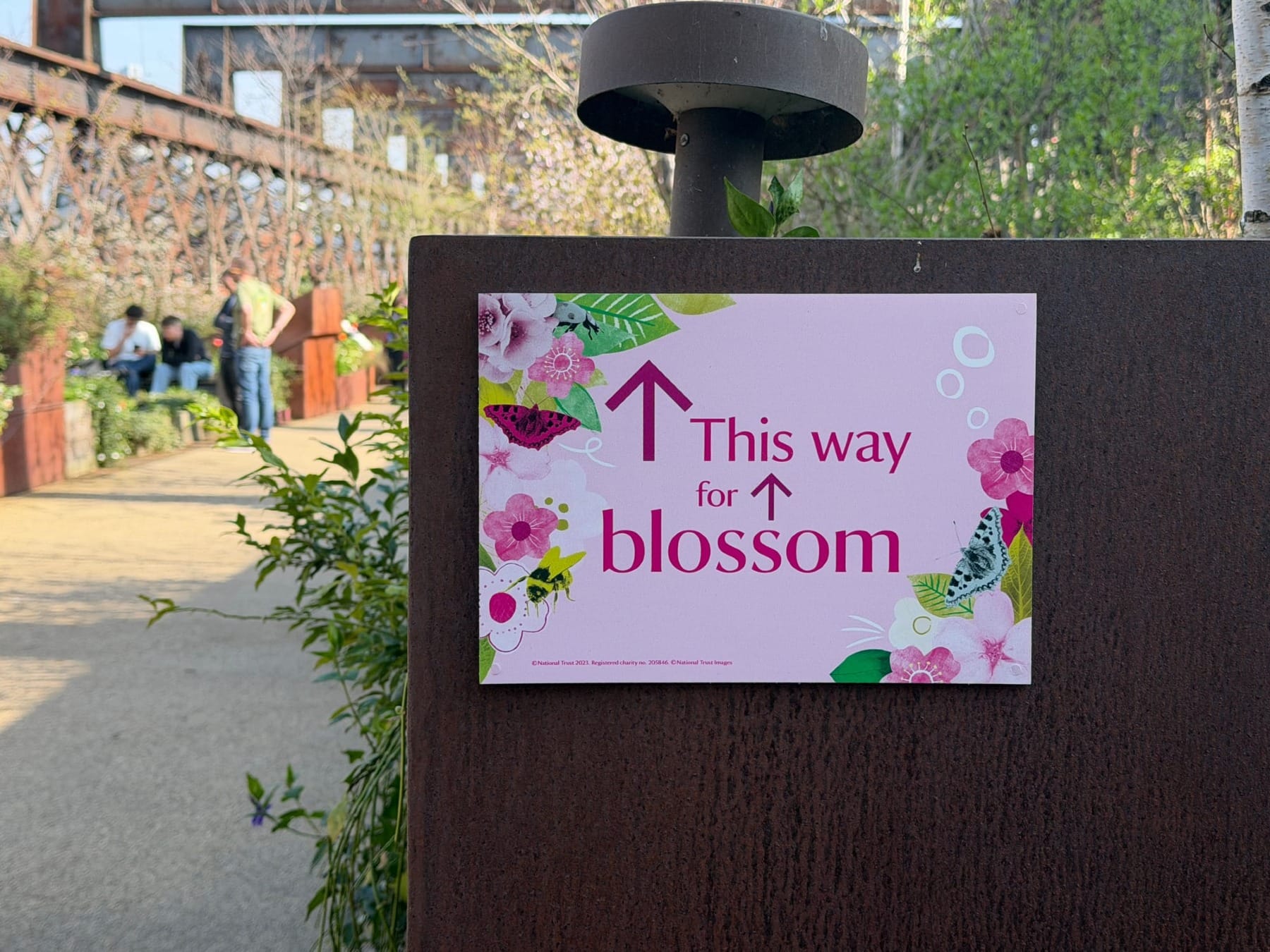
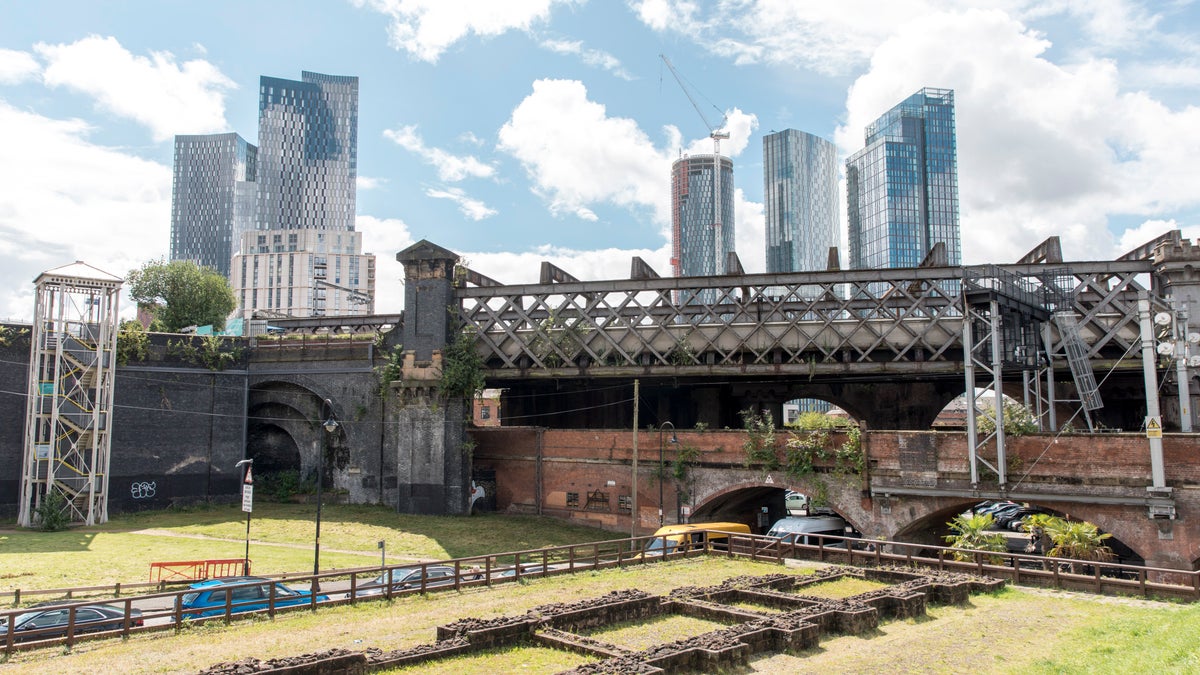
I’m standing on Britain’s version of New York’s High Line, the Castlefield Viaduct, once a working railway line carrying freight into the heart of the city, now reimagined as a suspended garden.
From there I saw something rare, not just a singular viewpoint, but a place that is just as rooted as Romanesque Lastingham or Saxon Repton. It is quite exceptional in its depth of history.
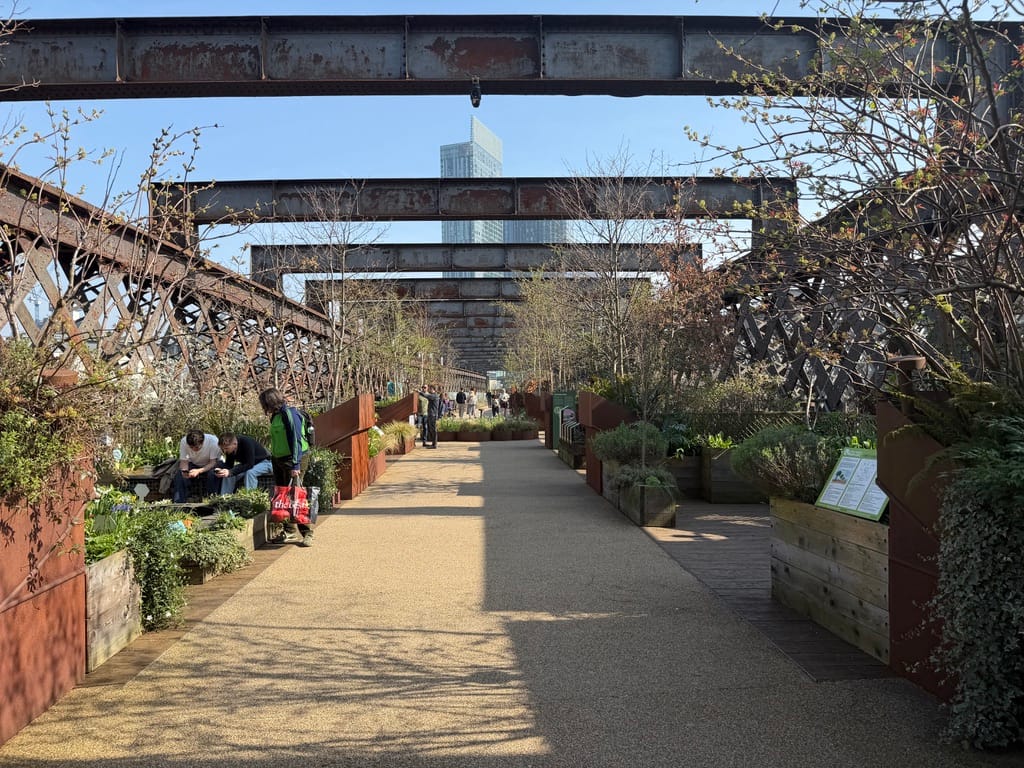
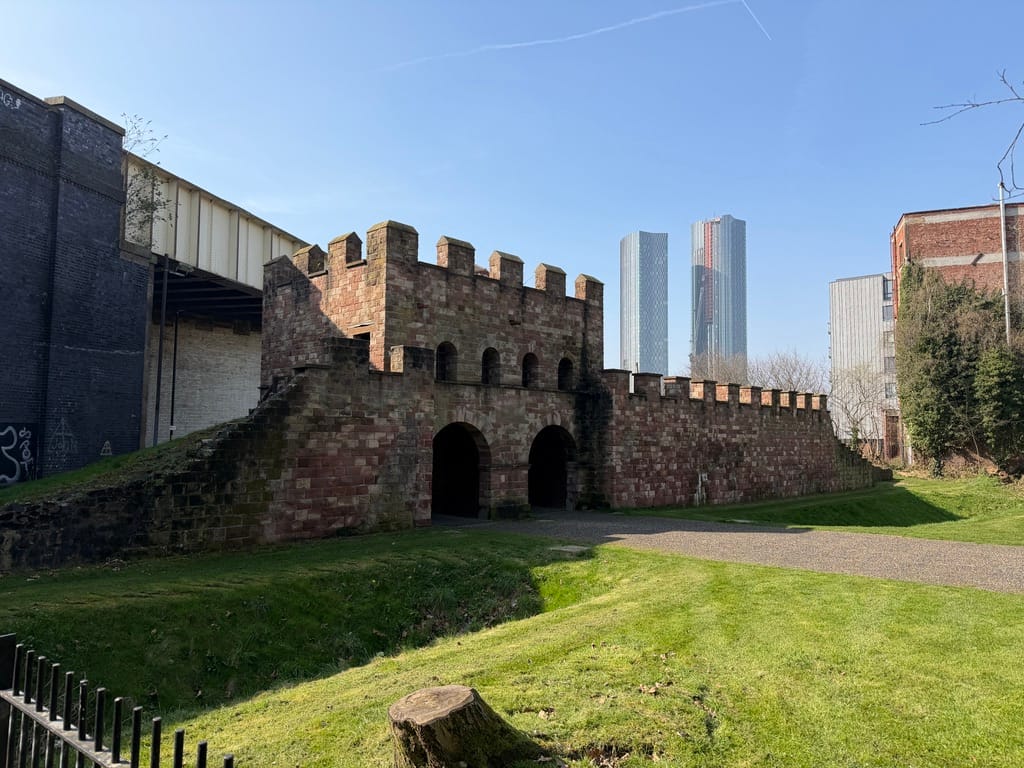
From here I’m afforded a view that conjures up a series of remarkable firsts. Just a few hundred yards away lies the site of the 1st Century Roman fort of Mamucium, set on a slight rise within the embrace of the rivers Medlock and Irwell.
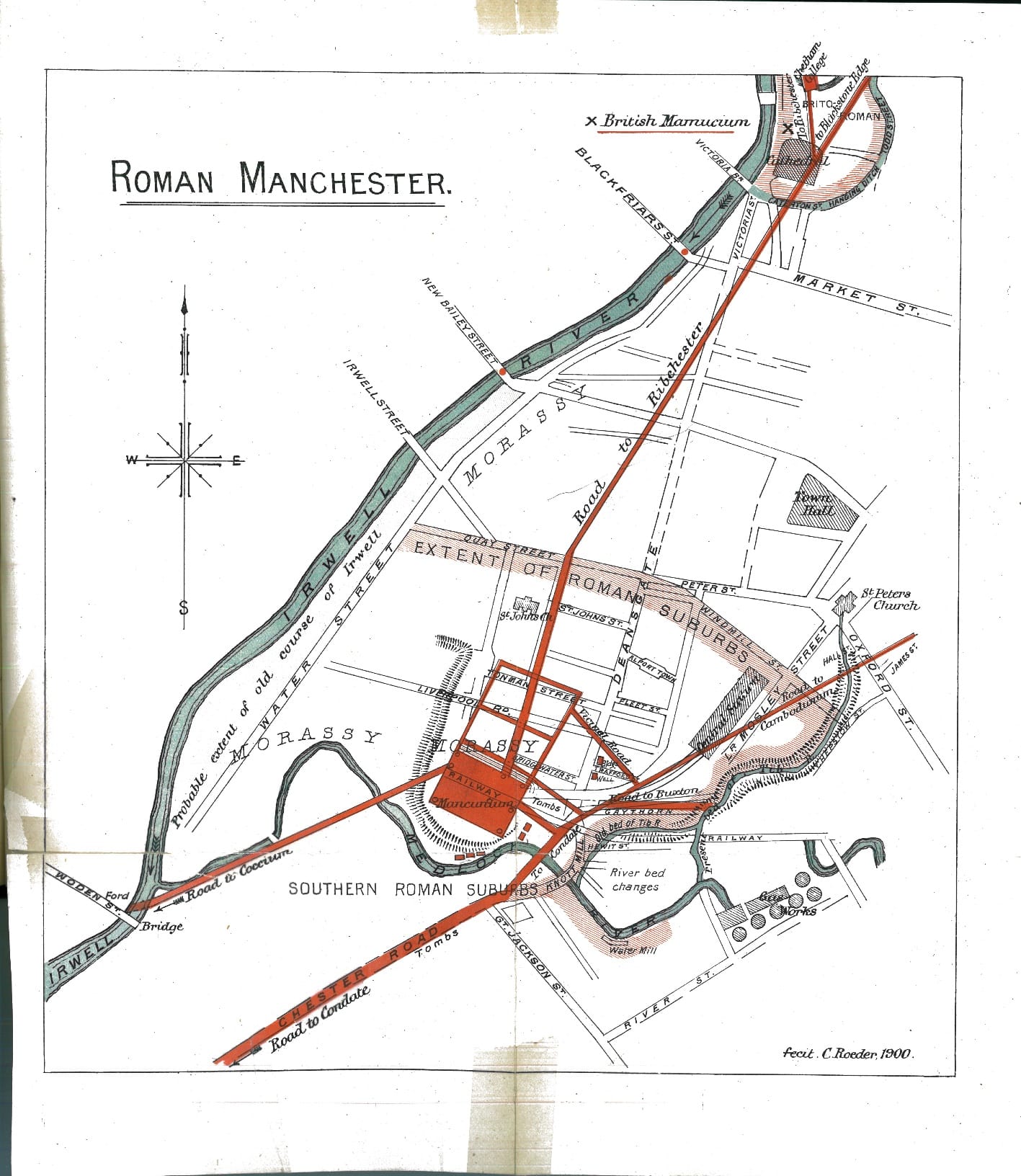
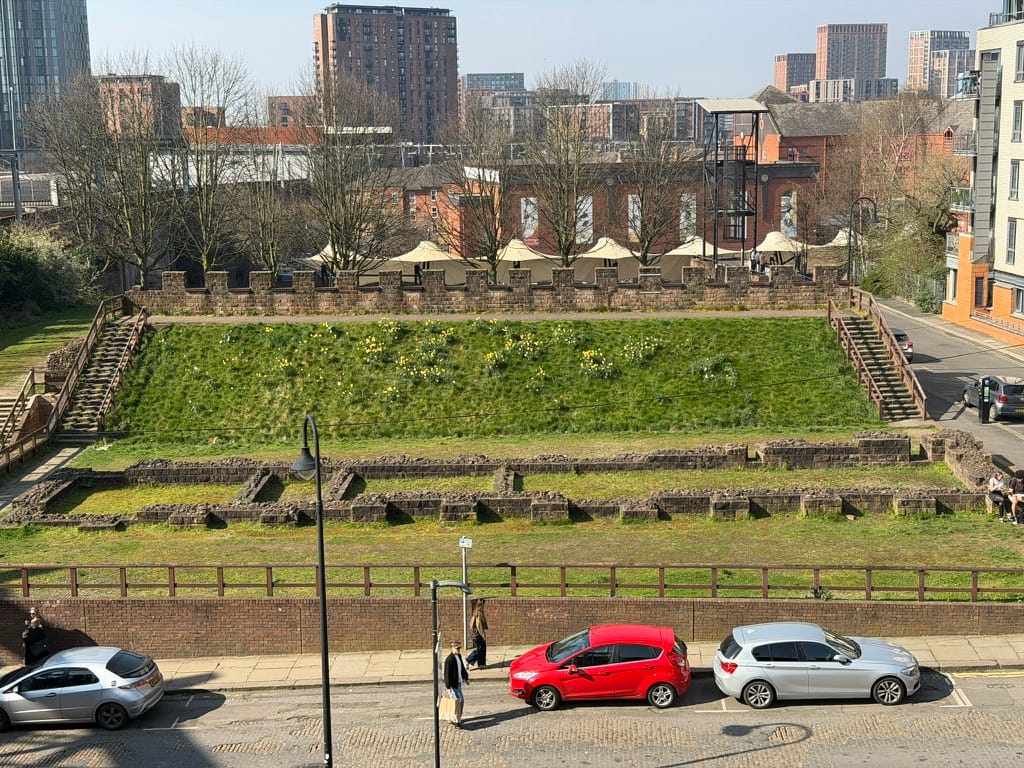
Its name is thought to derive from the breast-shaped form of the hill itself. Its positioning is no accident. This was a place of convergence: of water, of roads, of movement, of people. The vicus that grew around it hints at something more than a frontier outpost. Sherds and fragments suggest a place that pulsed with activity.
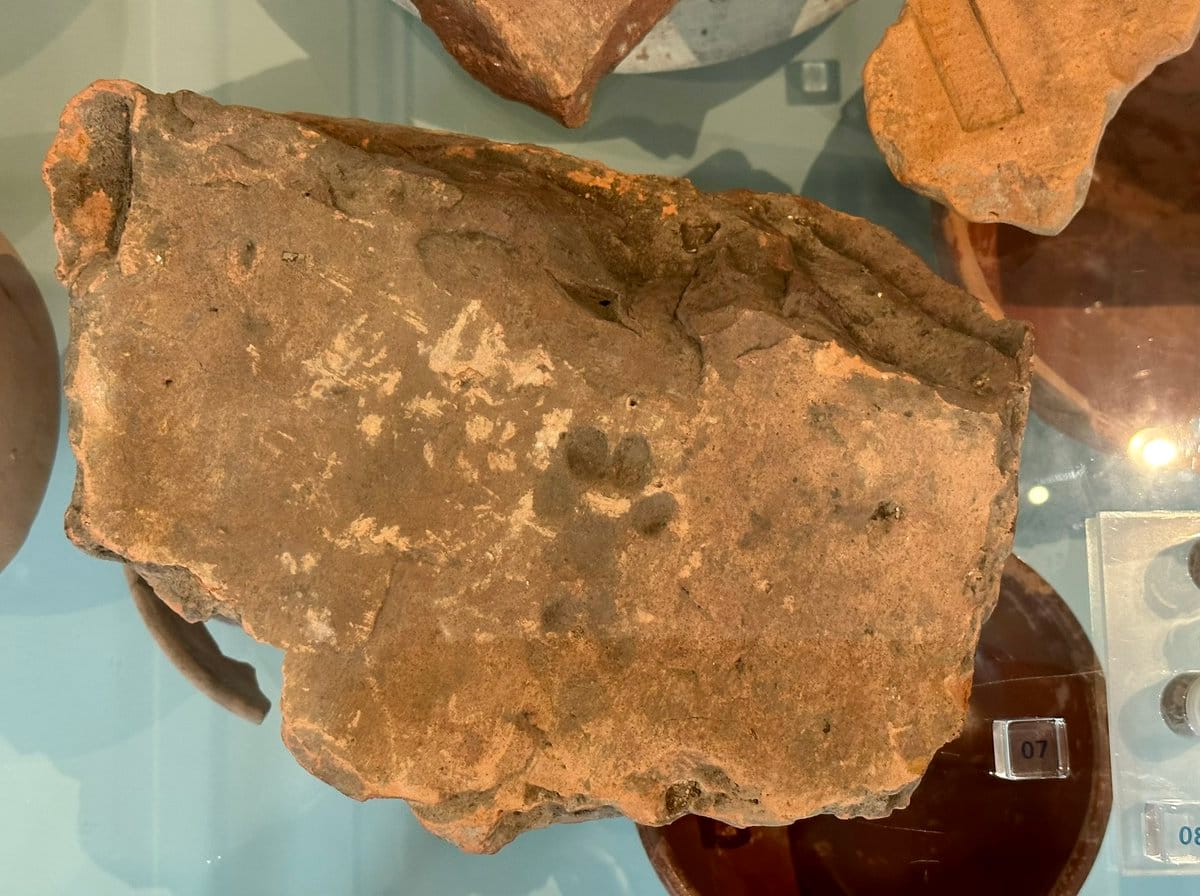
And what strikes me, standing here now, is how little that underlying condition has changed. Because Castlefield today is still a confluence, only now it is expressed in iron, brick and motion.
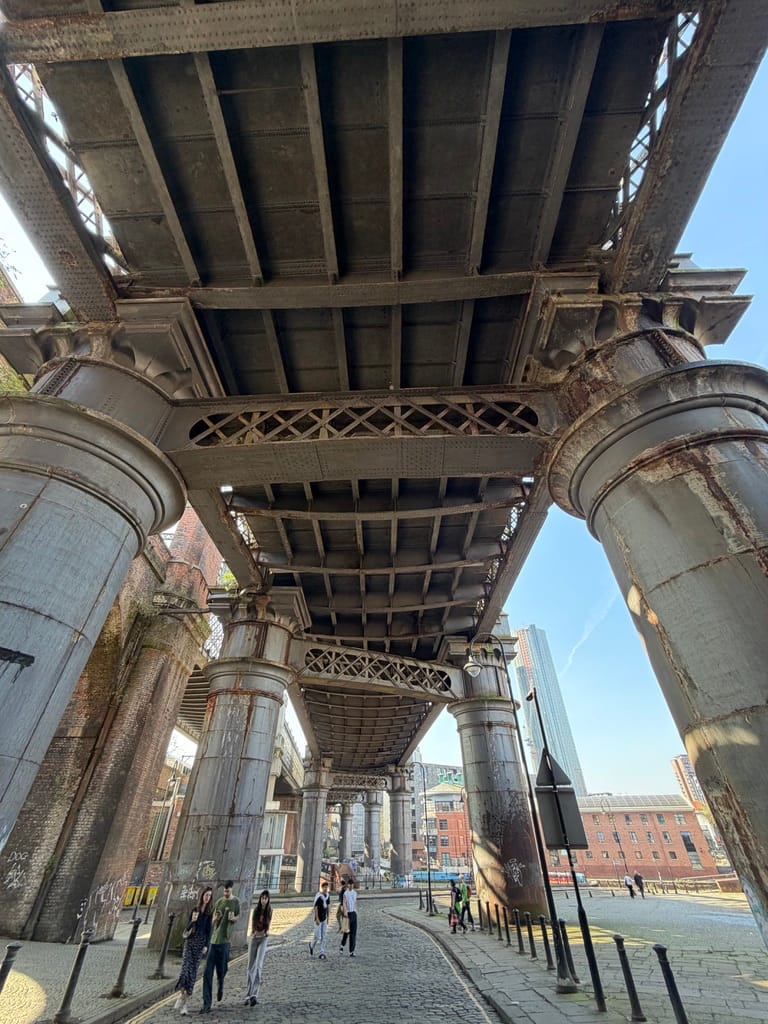
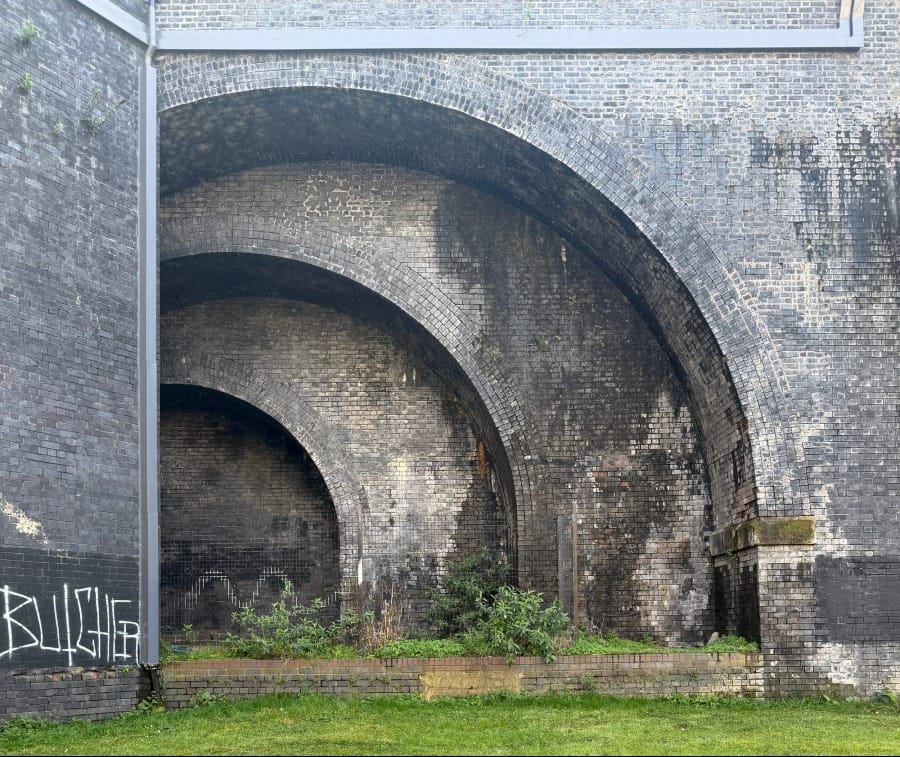
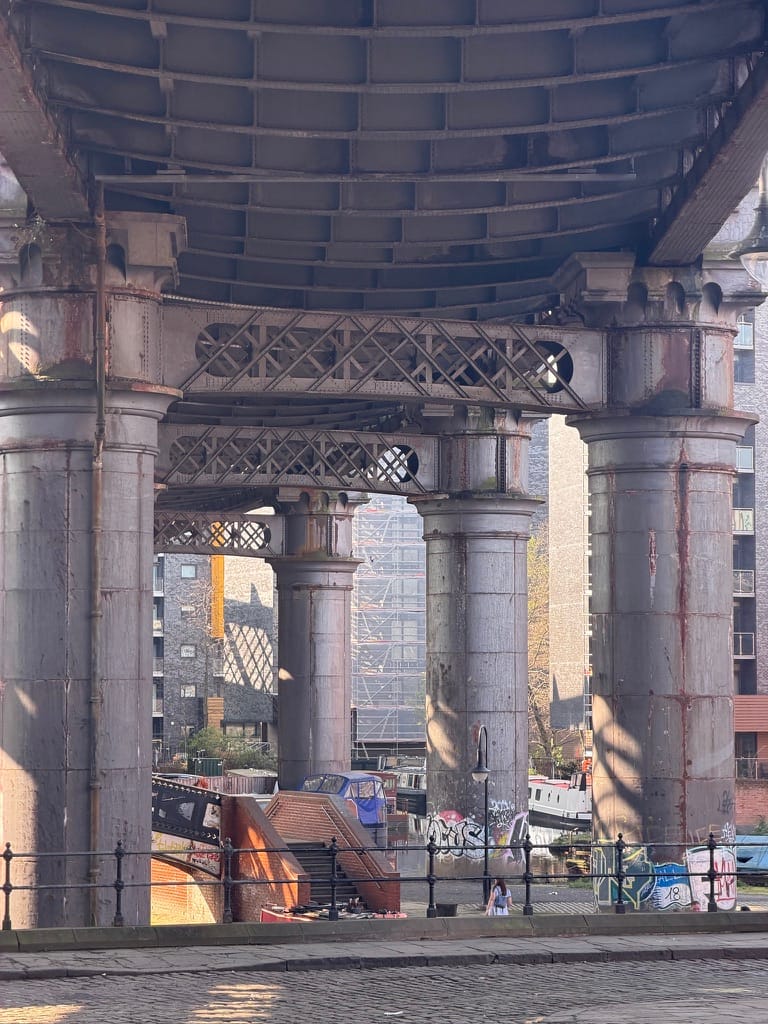
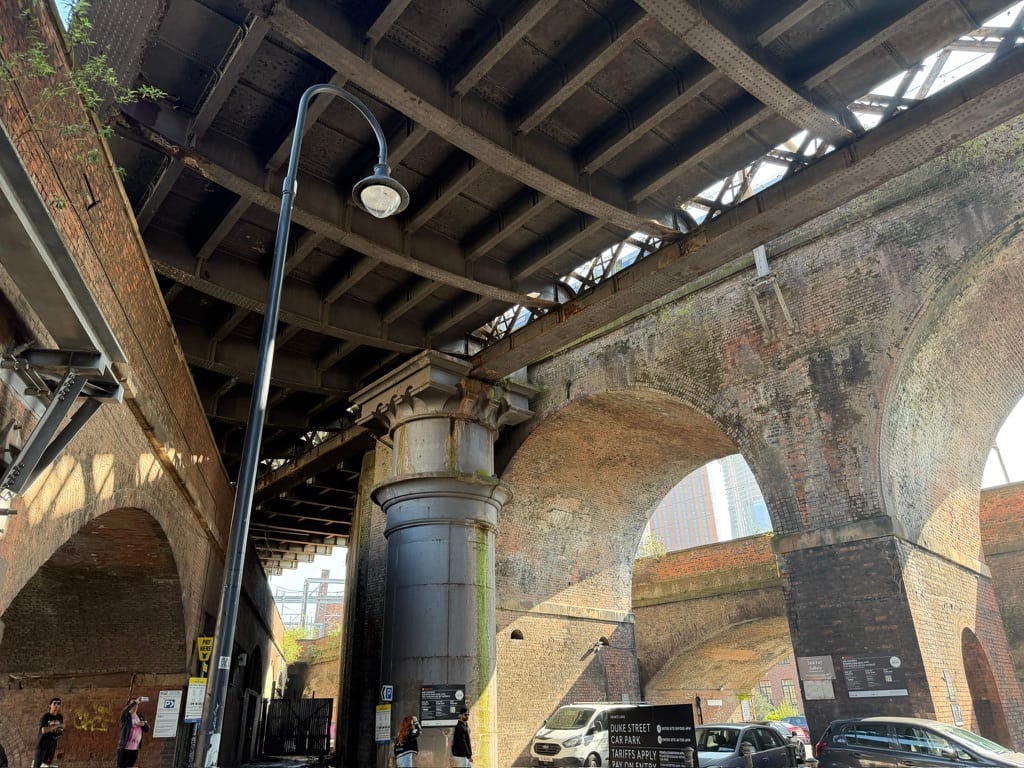
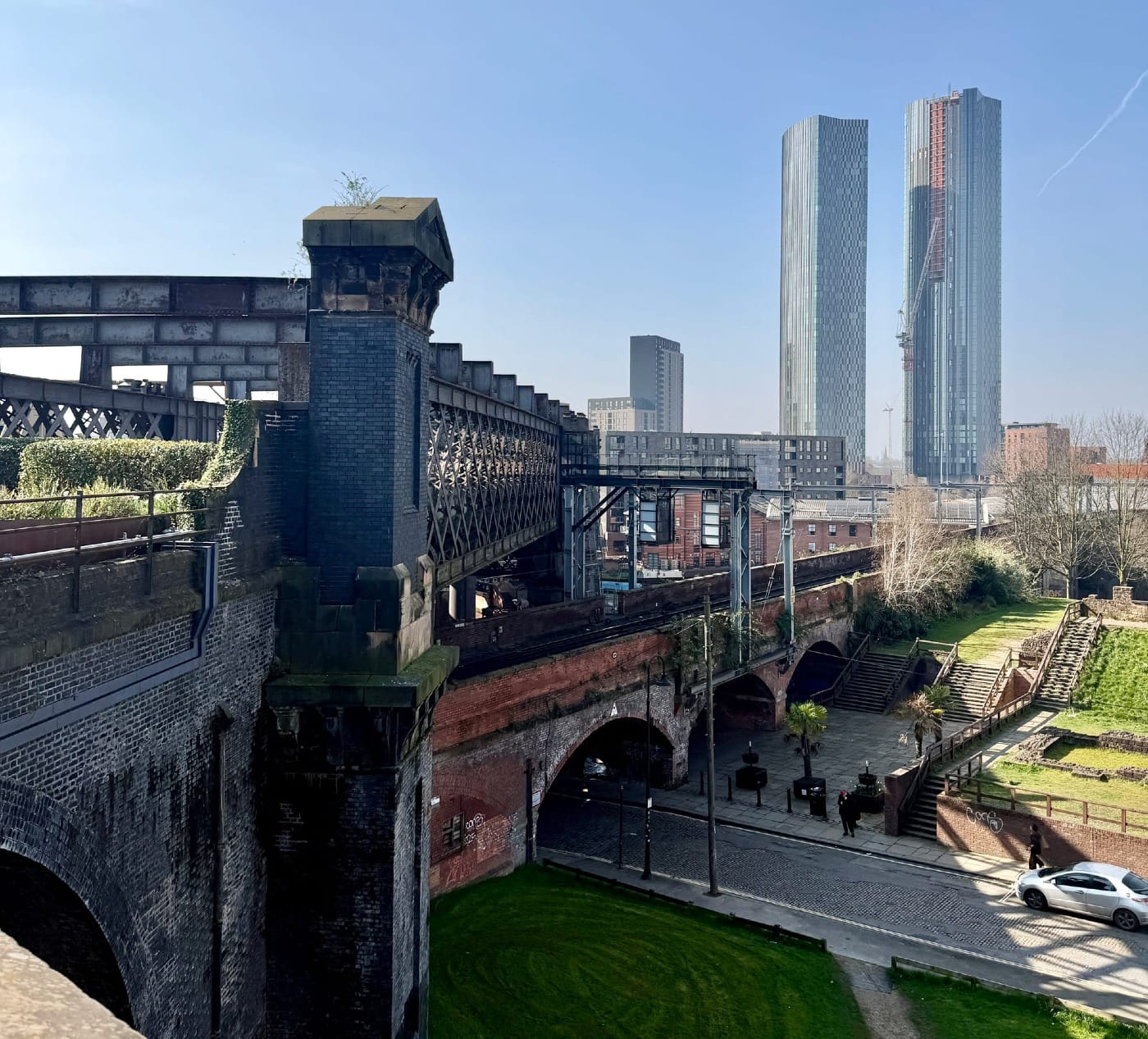
The canals cut through the landscape with intent, the Bridgewater Canal that threaded coal into the city. Above and across them, the viaducts stride, layered, intersecting, overlapping, carrying the weight of the railway age, now countered by the light hum of Metrolink trams.
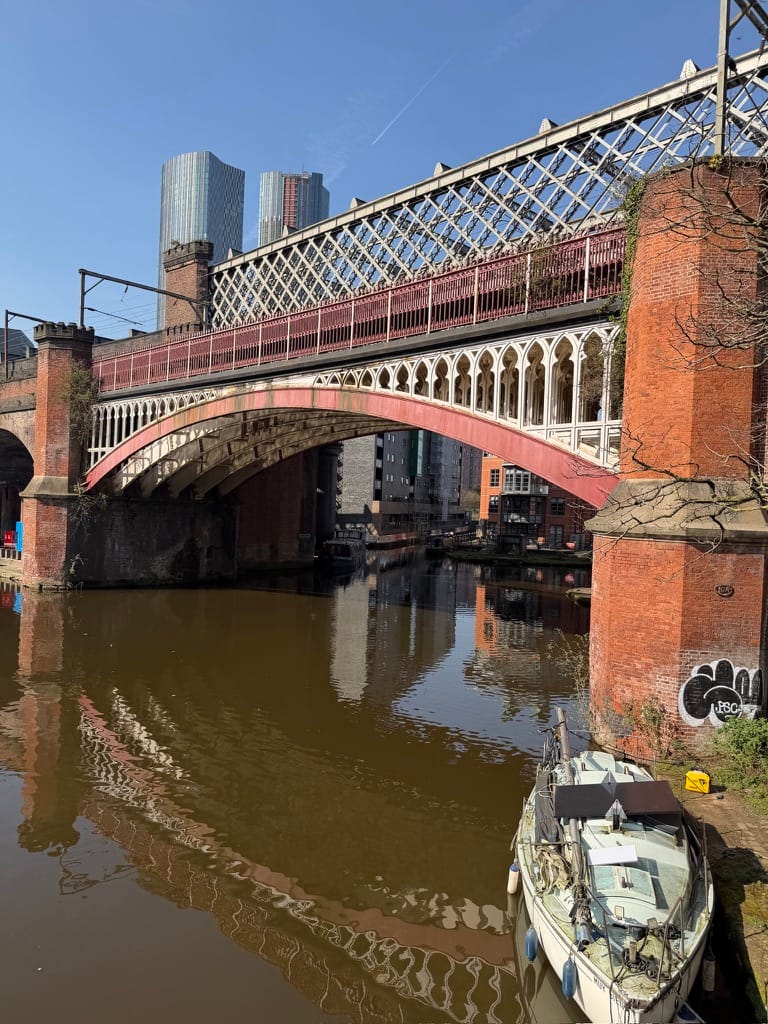
Rusted lattices, riveted beams, iron piers: each line a trajectory, each crossing a decision made, each level a different moment in time.
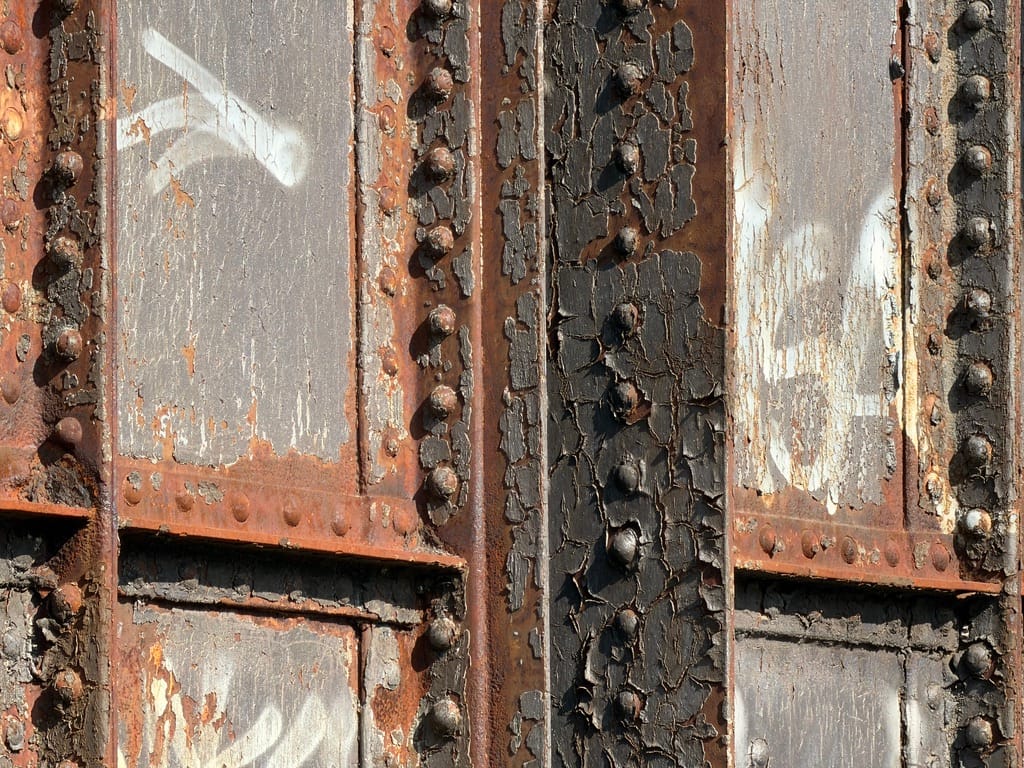
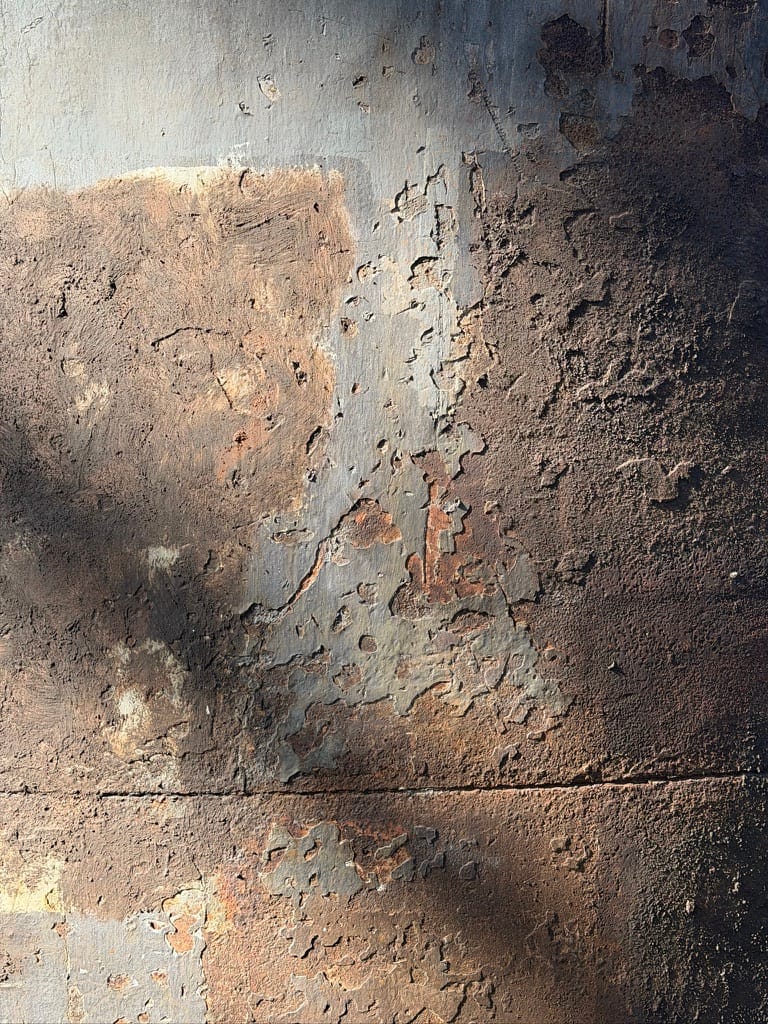
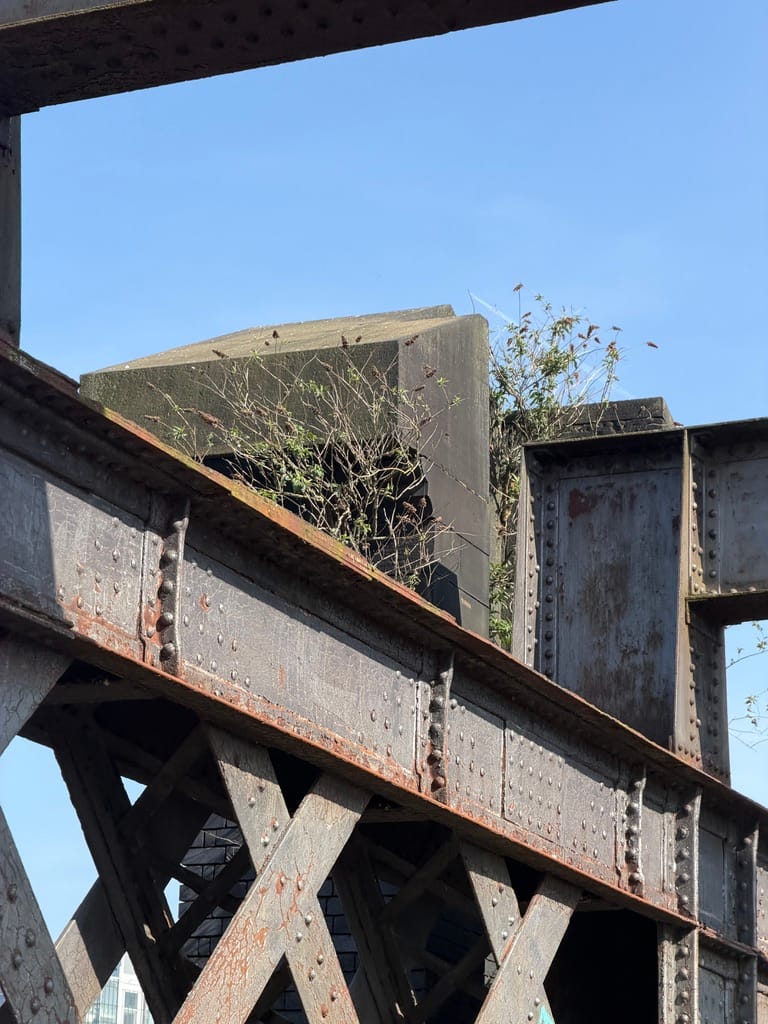
What I love most about this location is how horizons are constantly breaking apart and reforming. And that, for me, is a perfect metaphor for Manchester.
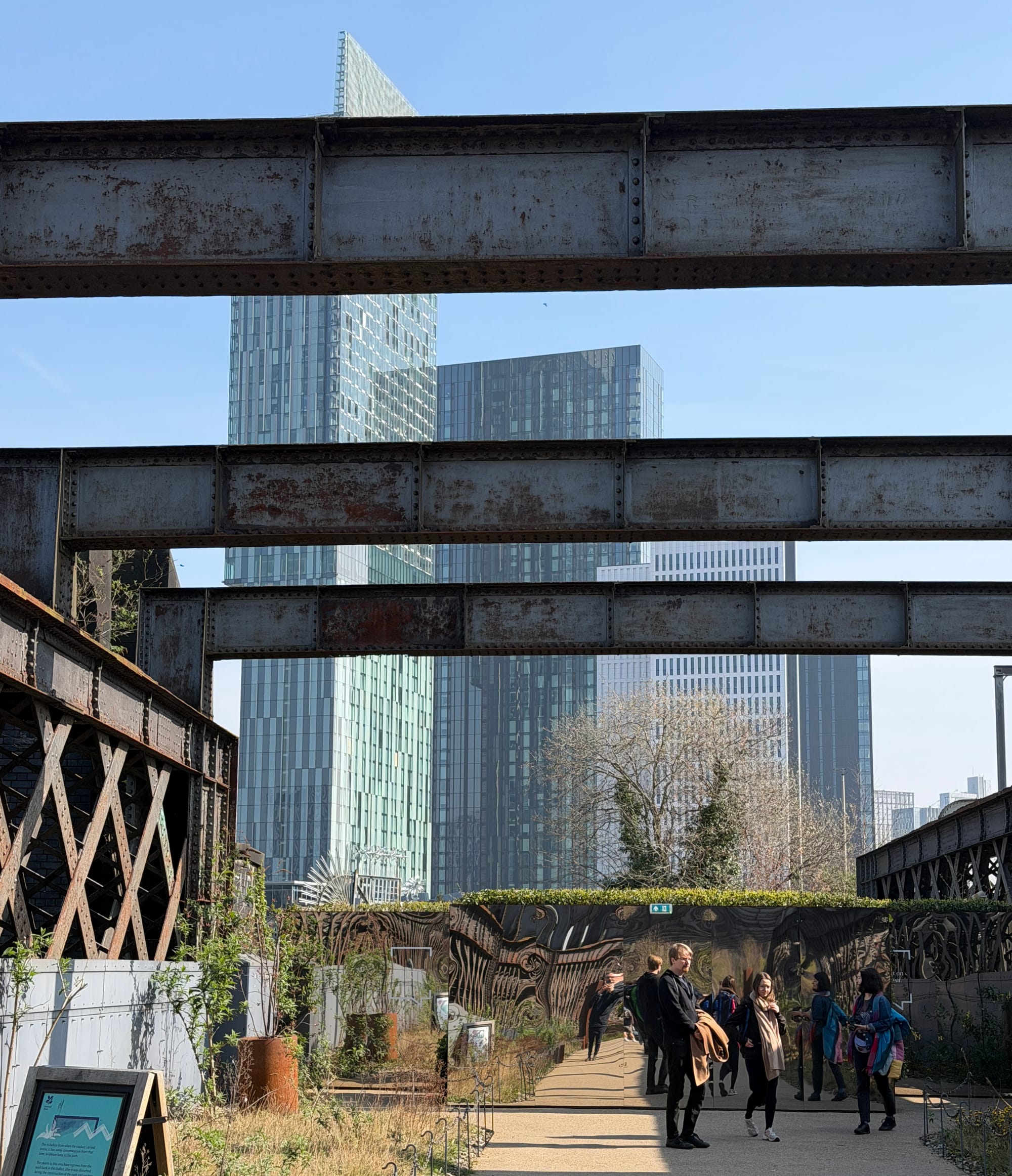
What I can see here from this vantage point is not accidental clutter, but something closer to a physical memory, a re-articulation, in industrial form, of the site’s original purpose. As with the splitting of the atom first realised in this city, what primarily appears dense and indivisible begins to resolve into structure - lines, forces, connections made visible.
From this platform I can trace a number of firsts. Nearby sits the Liverpool and Manchester Railway, opened in 1830 and widely regarded as the world’s first inter-city passenger railway, built to serve what was becoming the world’s first industrial city.
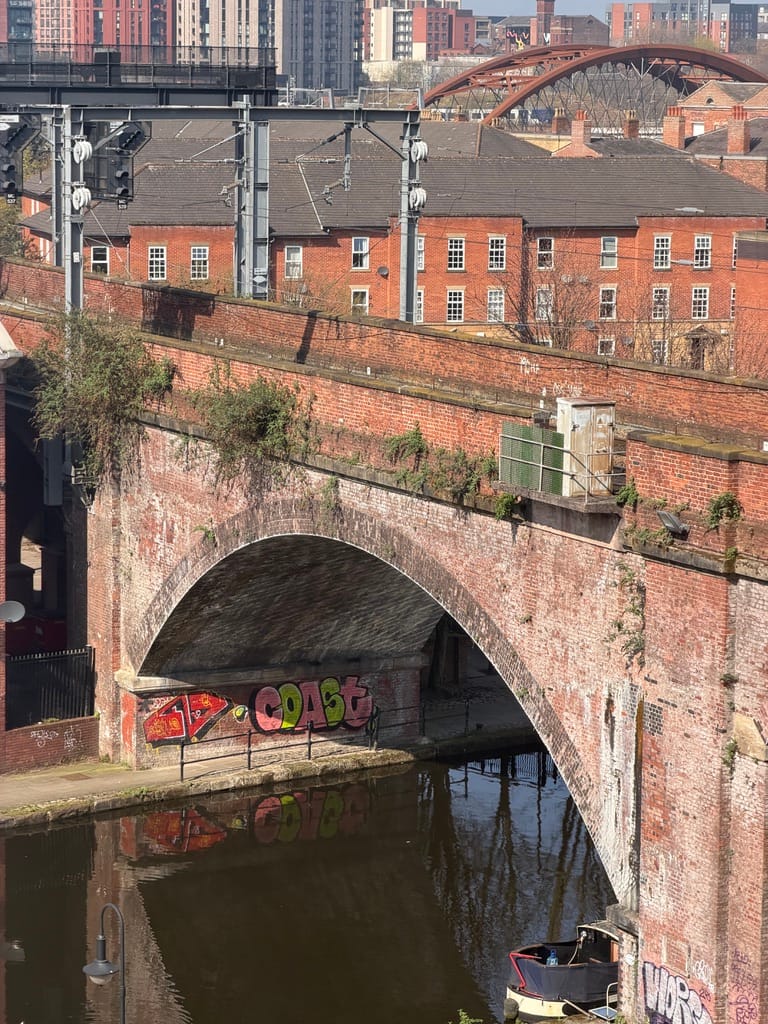
Through the tangle of viaducts and beyond the glass towers, I can make out the remnants of Manchester’s great warehouse tradition, buildings that borrowed from the language of the Italian palazzo, adapted for commerce. It was here that this architectural shift had its origins. The palazzo was reimagined as a machine for trade. A language of order and repetition that would travel across the Atlantic and find its way into the early skyscrapers of Chicago and New York. A style rooted in the ideology of the medieval merchant classes of Venice, carried forward into a new age of commerce.
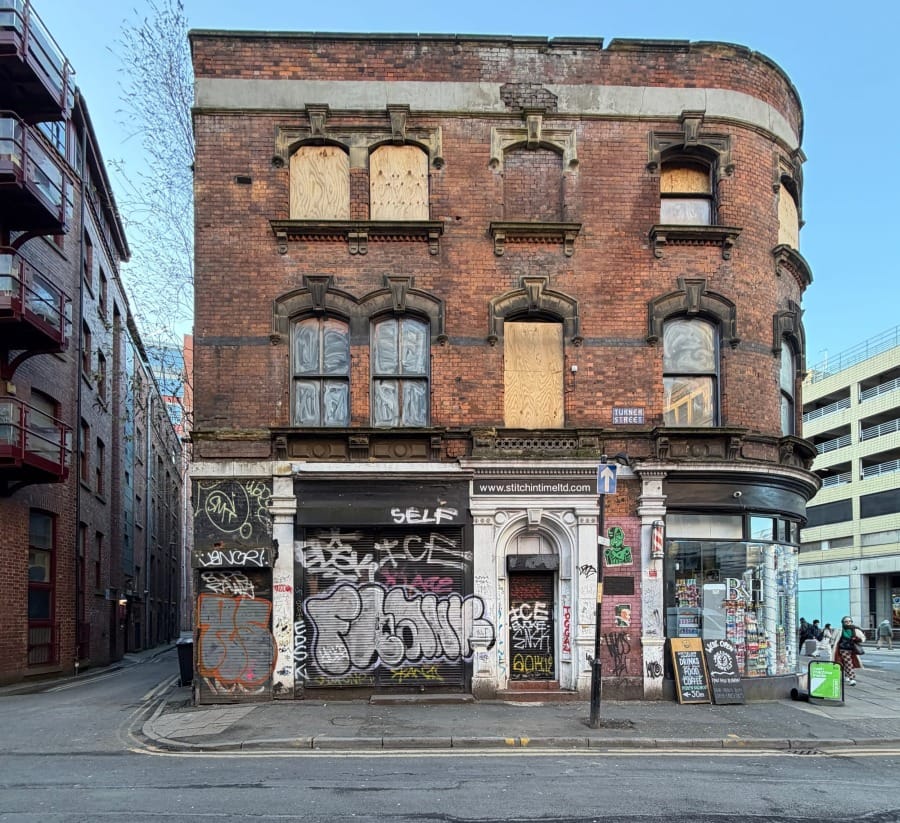
And then, just below, back within the bounds of the Roman vicus, they found another kind of beginning - where, beneath the cumulative grime of the industrial city described by Friedrich Engels in a book that profoundly impacted the modern world - they found a Roman fragment of pottery, a simple sherd, incised with the words:
ROTAS
OPERA
TENET
AREPO
SATOR
‘Arepo the sower guides the plough with care’.
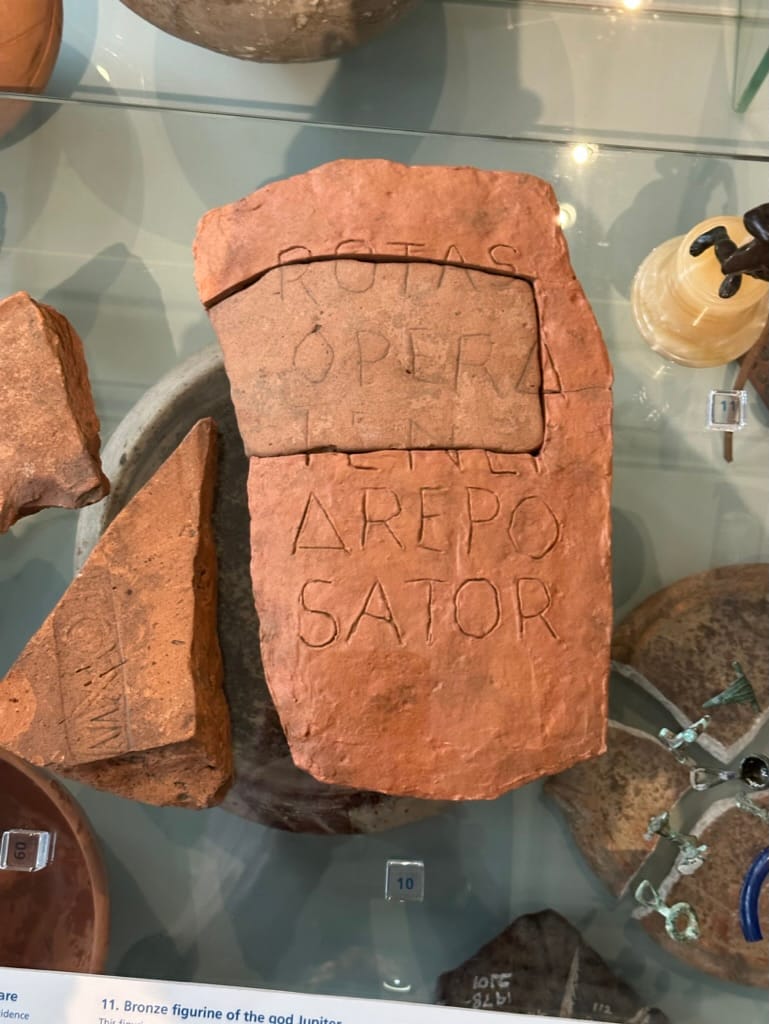
The inscription can be read in multiple directions. When the letters are rearranged, they form the words Pater Noster, ‘Our Father’, set out in the shape of a cross.
The Manchester word square, dated to around AD 180, is thought to be among the earliest evidence of Christianity in northern Britain. Whether code, prayer, or puzzle, it carries with it a suggestion of belief held within the fabric of everyday life.
So here, in one place, layered with lines, we find layers of meaning and layers of firsts: movement, industry, politics, science, architecture and belief, all tied, in some way, to this ground. There’s no city like this - every layer of soil put down here is the first in the journey towards the modern world.
And yet, there is something new here.
This latest iteration of the site, this garden in the sky, introduces a different kind of connection. Not one defined by trade, or the measurable movement of goods and people, but something that unfolds organically.
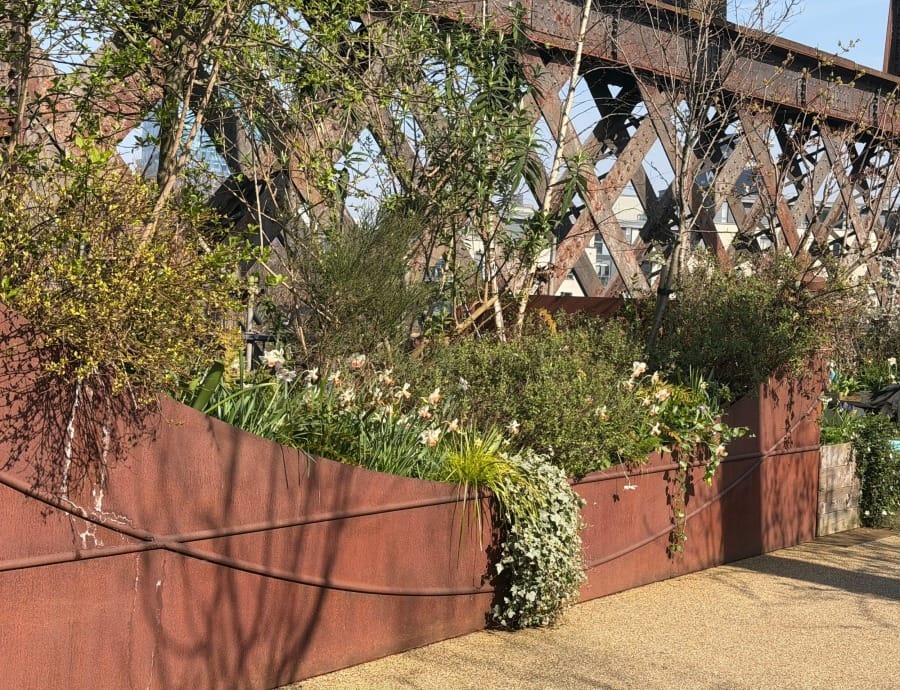
Against the burnished mix of iron and steel, there are now softened edges where once there were hard lines. Planters spill over with grasses, saplings finding their footing in shallow beds of soil, roots pushing into a structure that was never intended to hold life. It feels improbable at first, but the longer I stand here, the more it begins to settle into the logic of the place.
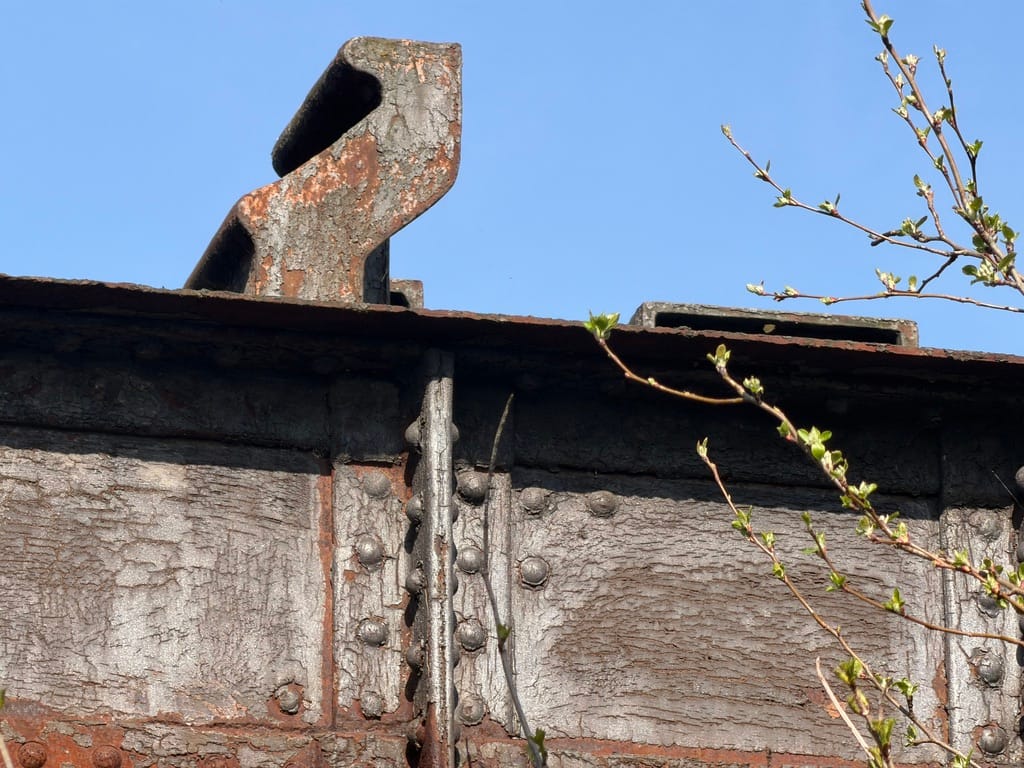
These plants are not separate from what came before. They are part of the same story, a continuation rather than a contrast. In the same way that we move through this lattice of steel, finding our way, adjusting, seeking out light, they too are negotiating this environment, threading themselves into it.
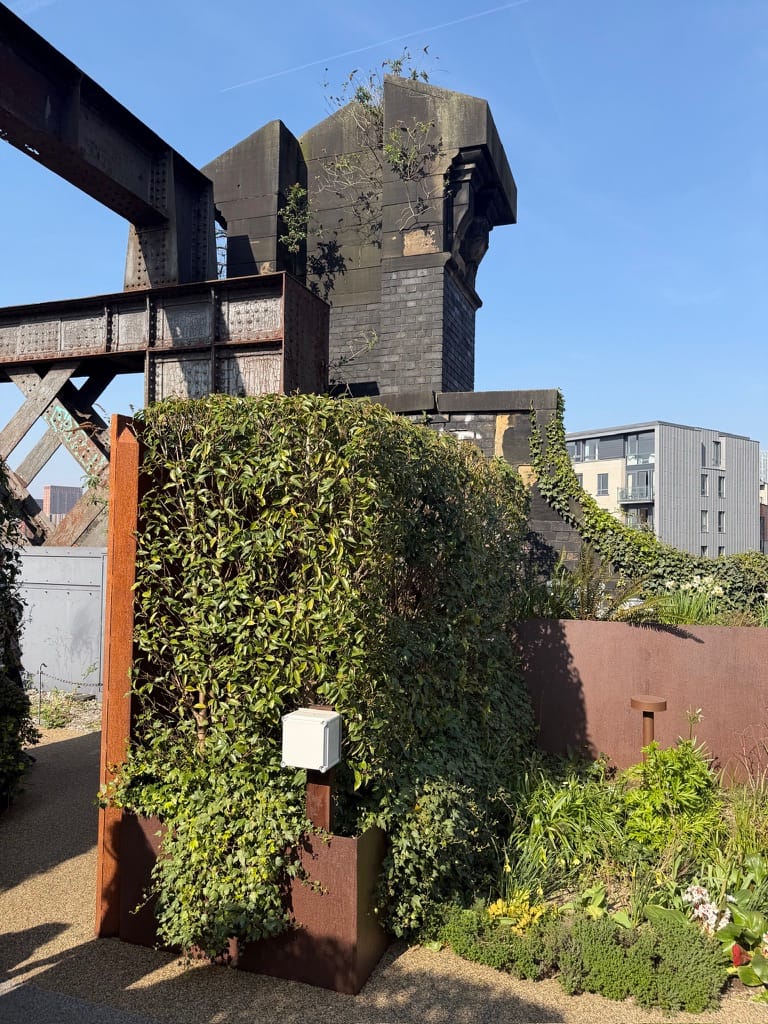
There is something hopeful in that, though not in a naive sense. It does not erase what this place has been: the industry, the inequality, the prejudice, and the sacrifice. The weight of it all still sits within the structure. But what emerges here suggests that even within that complexity, something else can take hold and emerge - not by replacing what came before, but by drawing from it - taking something of its story, and, in doing so, finding ways to grow as individuals, as communities, and as cities.
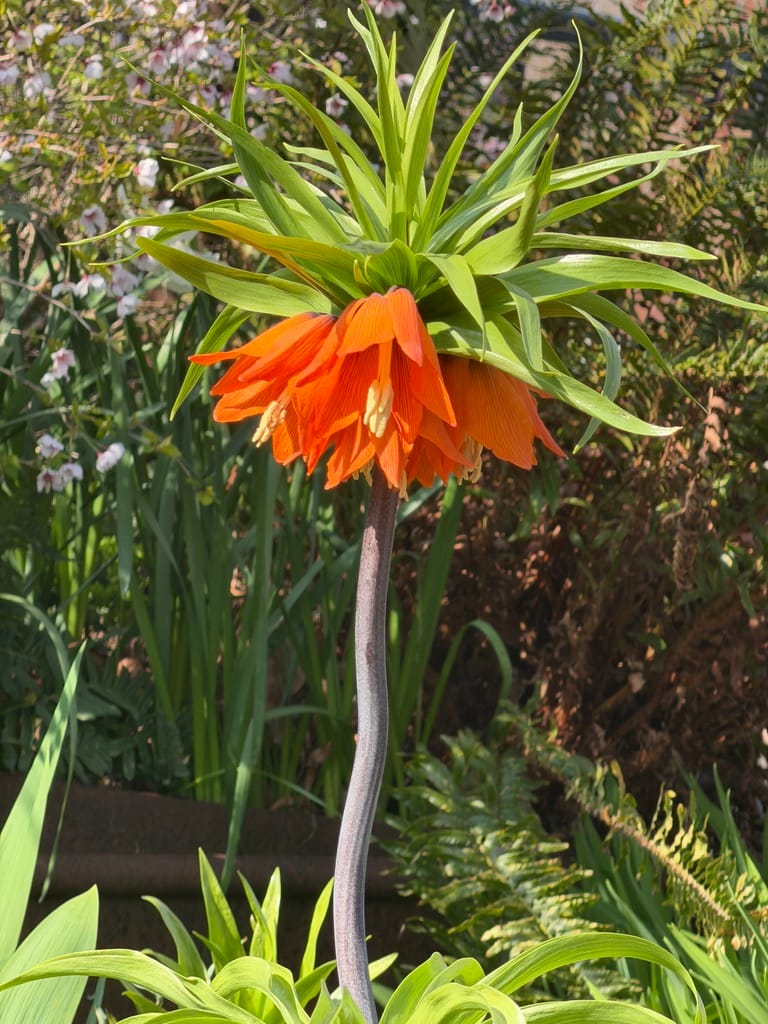
Mamucium, Mancunium, Manchester, Mycorrhizal.
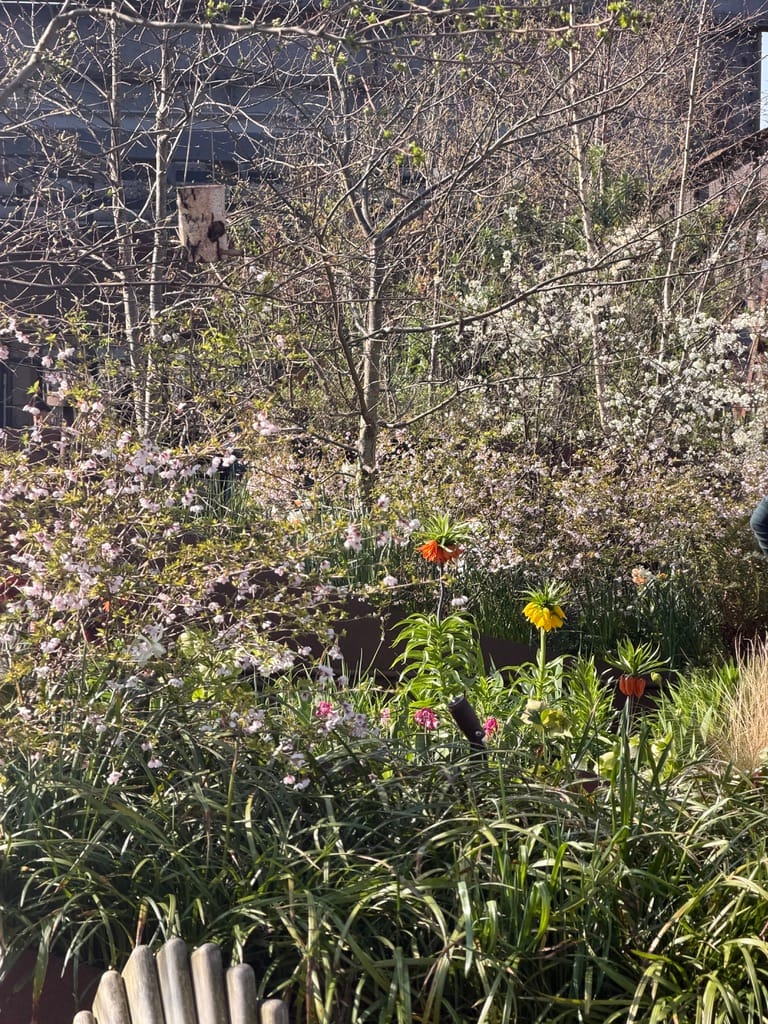
And perhaps that is where this place moves again. Not away from its past, but through it. Because in looking back, at the Romans, at the industry, at all that is uneven, difficult, or unresolved, we are not simply marking progress, but gaining perspective, seeing how far we have come, and how much of that journey still sits right beneath our feet.
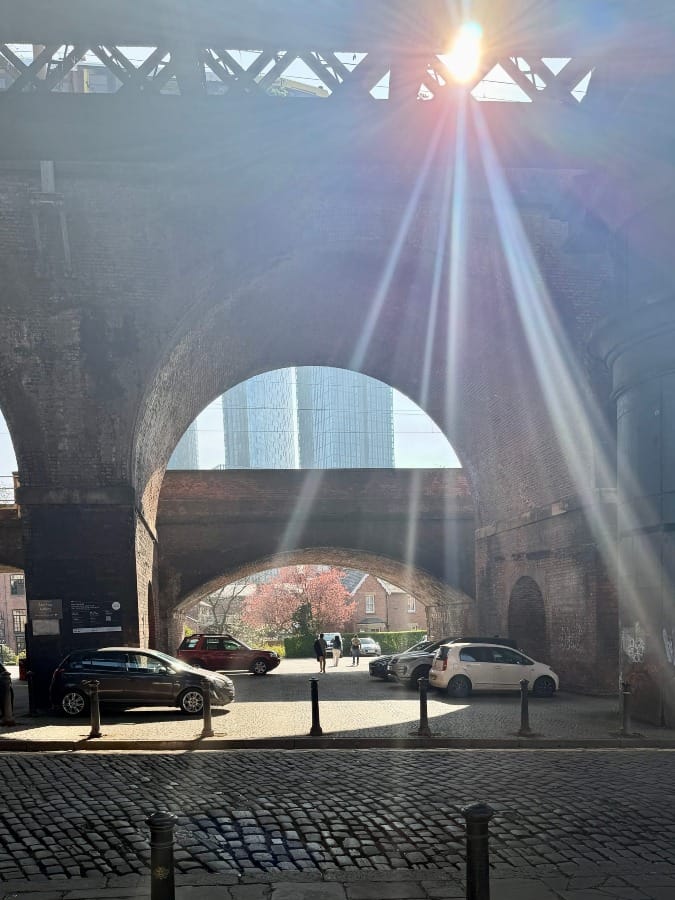
All around me is an architecture of connection made explicit. And within it, almost as a counterpoint, new life is unfolding. It feels, in some way, as though the site is remembering something. That connection is not only about movement across a landscape, but about relationship within it.
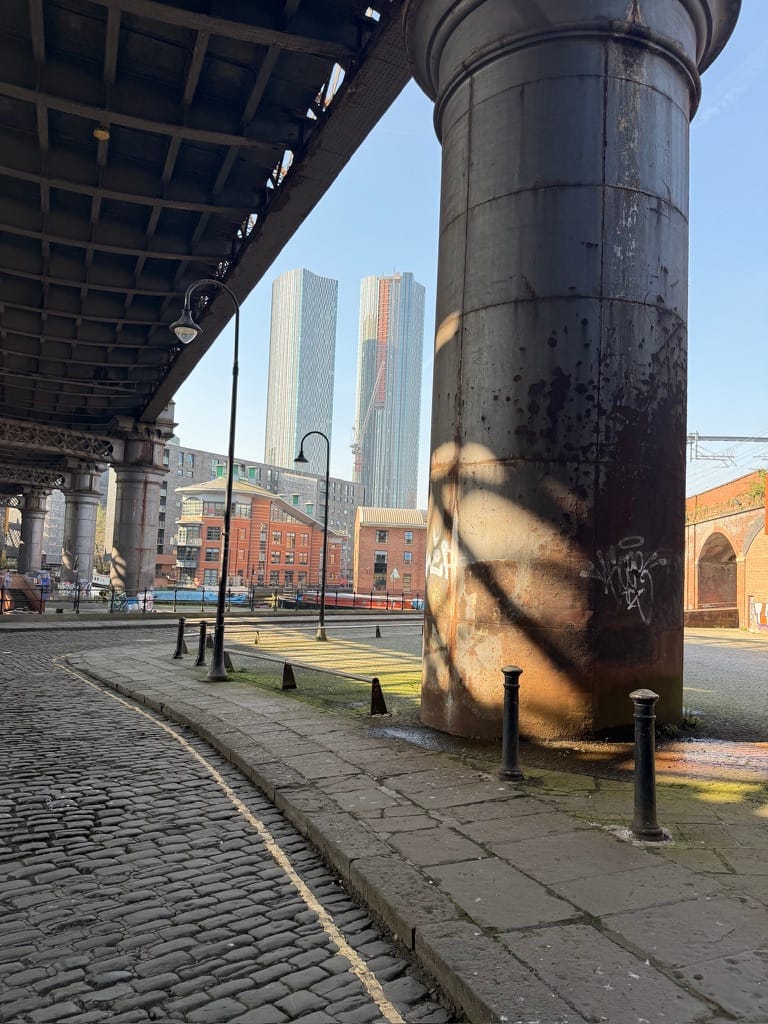
Standing here now, high up within this tangle of metal, in the hum of a thriving city, I feel like an observer within a kind of suspended bubble, set apart, yet drawn into the magnitude of it all. Yet this garden in the sky has helped me break through my amniotic relationship with this city and really see how special it is.
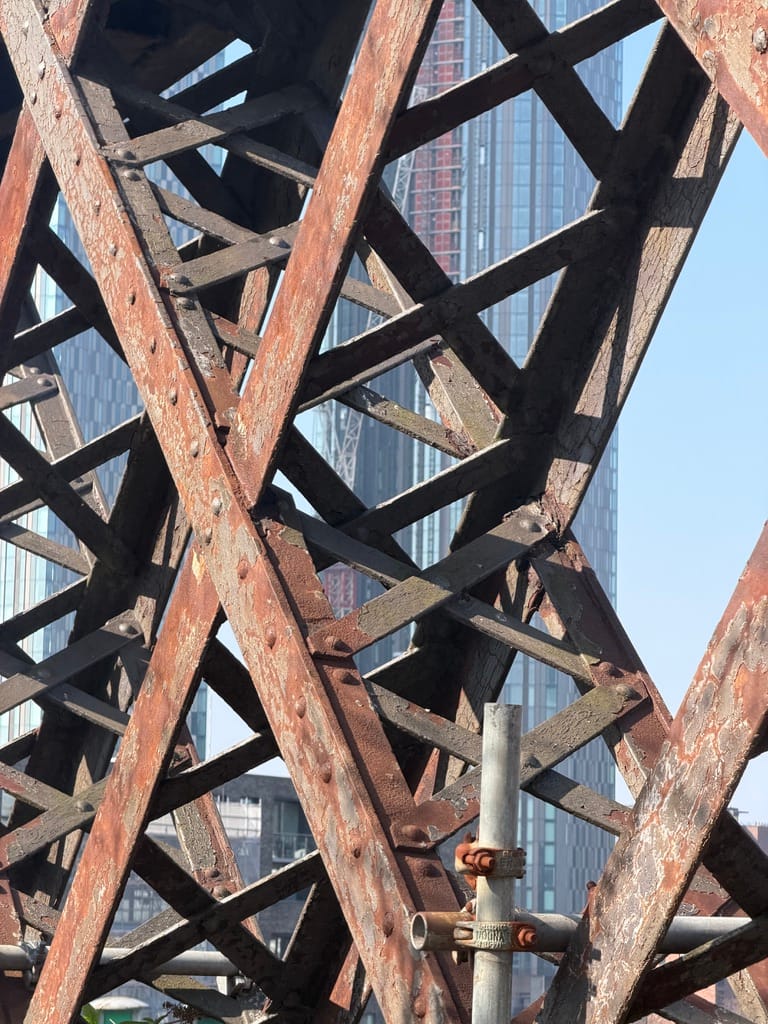
Because what becomes clear is that this is not just a story about Manchester. It is a story about how place shapes behaviour - how certain landscapes invite connection, demand exchange, and continue to generate activity long after their original purpose has faded. Here, within the bounds of a former Roman fort, connection is not just something that happens. It is something that persists. It is a condition of place.
And that is a powerful thing to hold onto in a city of firsts.
Standing here, watching it unfold in iron, water, movement and growth, feels as though that impulse to connect, to reach, to resolve has been carried through this place for nearly two thousand years - an origin story that pulses through the identity of this place like wine through water.
Member Powered Photography
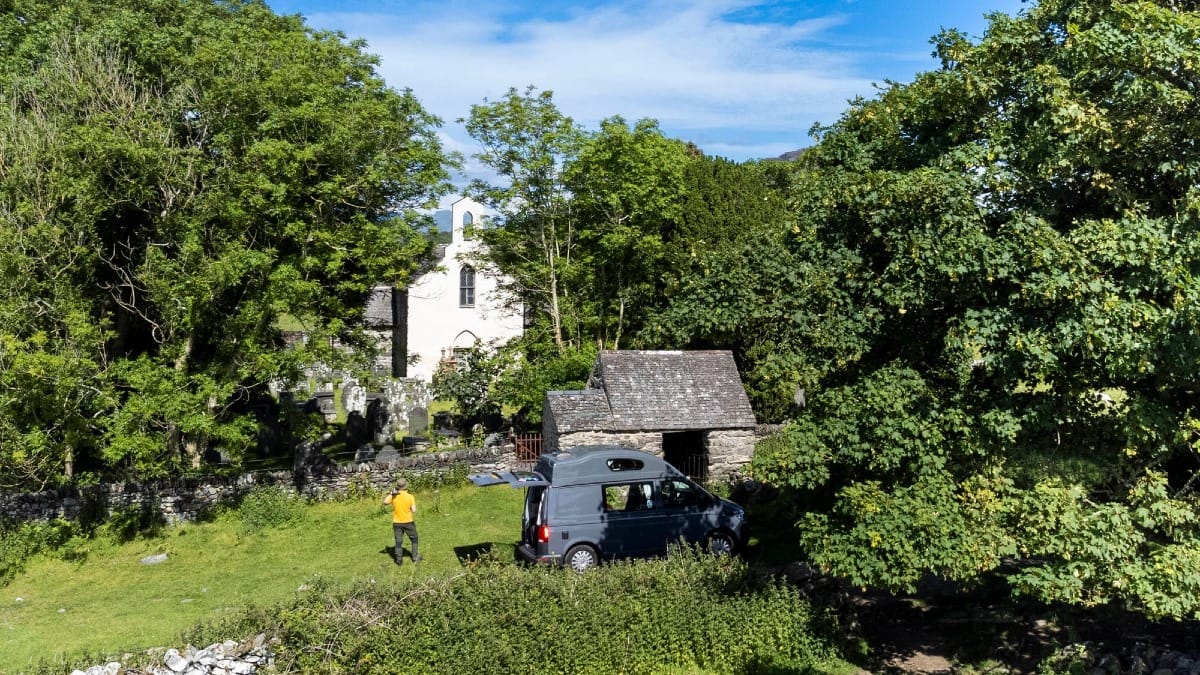
Two Member Powered Photo Shoots are about to begin shortly. Members will be able to follow the back story as I photograph some remarkable buildings in Ashwell in Derbyshire and Westwell in the Cotswolds.
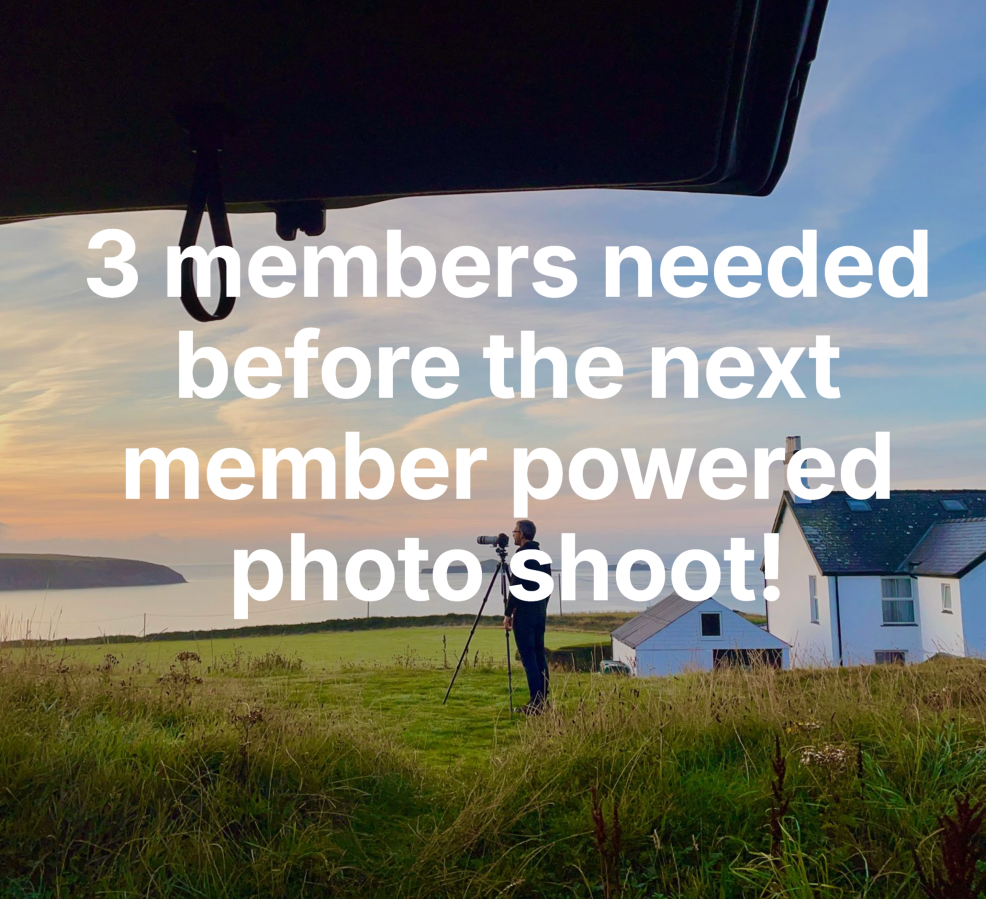
Three more members would not only release the next free MPP photo shoot, but also help reach the significant milestone of having 200 members. This will help release further Digest focused journeys such as 'In Pursuit of Spring.'
Membership really does help - thank you.
7 Churches 1 Cathedral
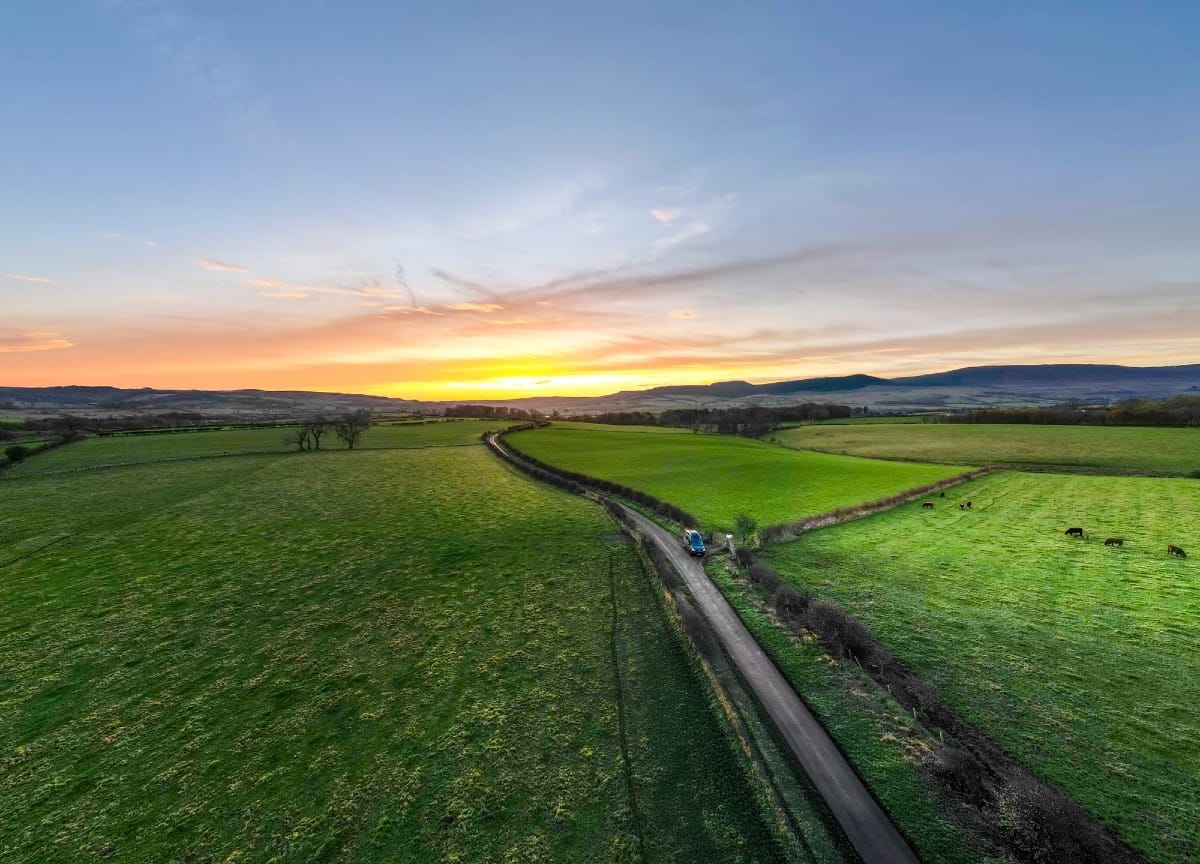
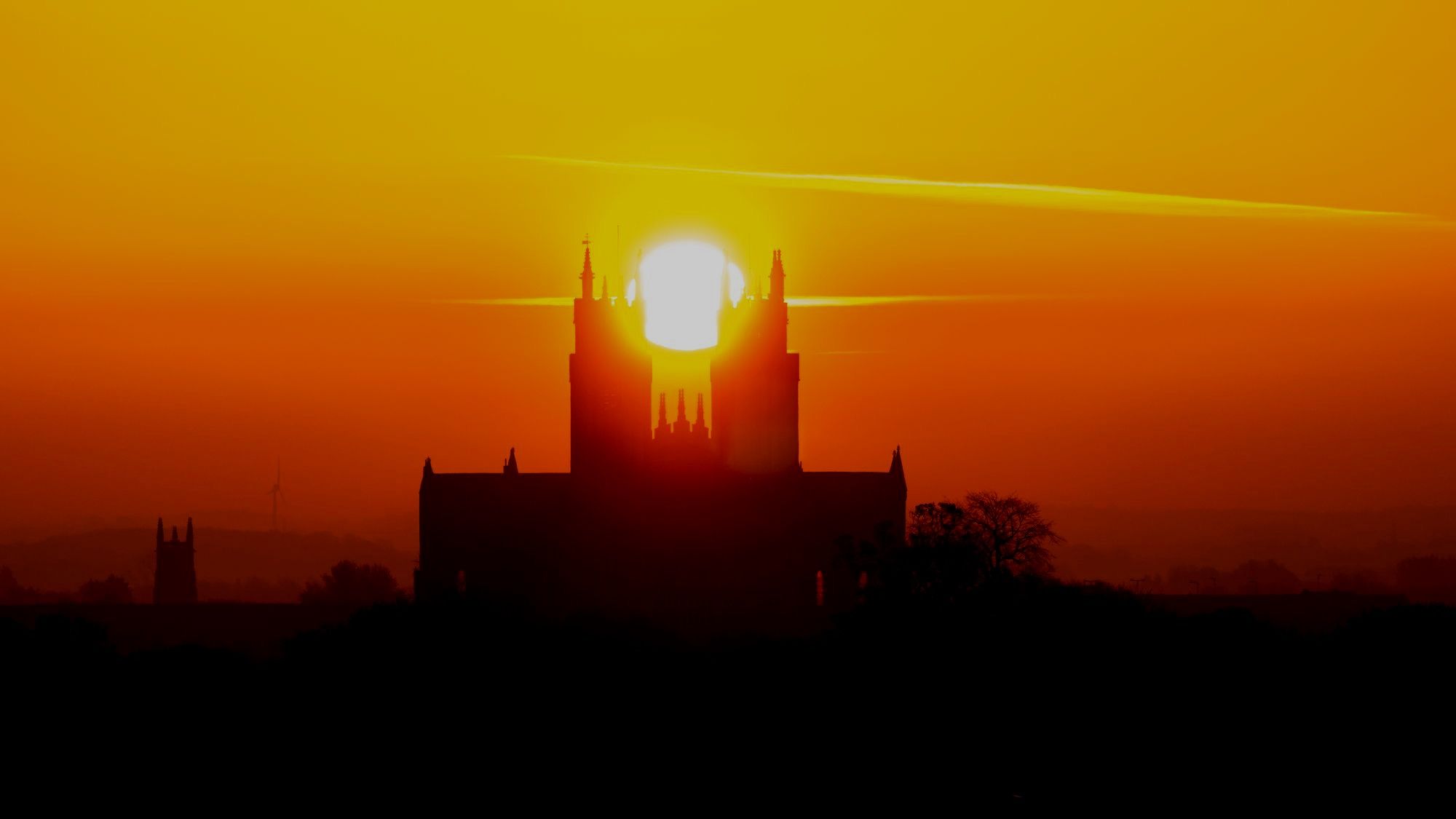
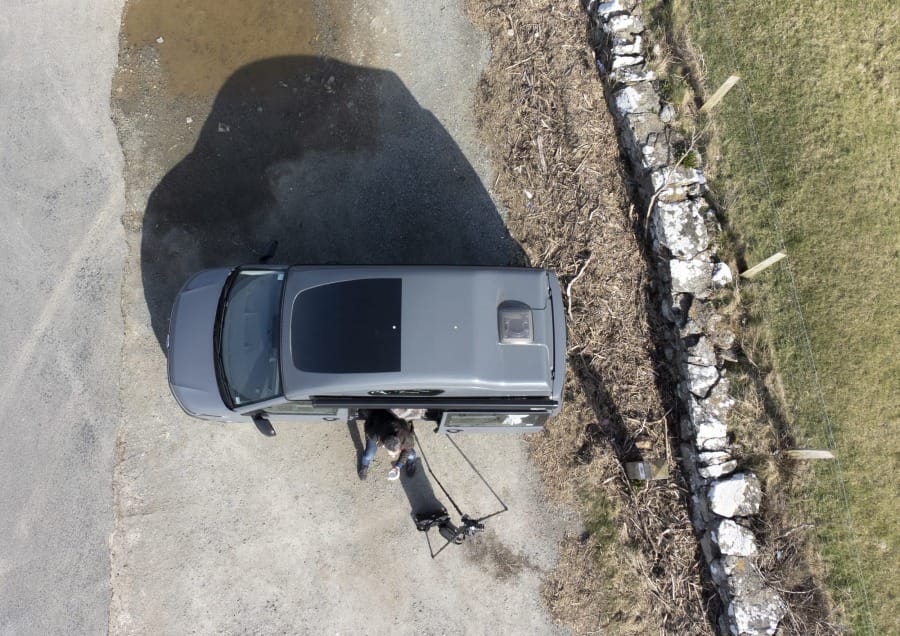
Next week I'll be heading out on an epic eight day journey photographing seven churches and visiting one cathedral. You can follow my journey from south to north on a dedicated WhatsApp Channel.
7 Churches 1 Cathedral WhatsApp Channel
I've created a WhatsApp Channel for this journey. Followers will receive live updates. Followers won't be able to respond to the updates but can email me via the contacts page on my digest.
You can follow the channel by following the link below:


 Helen Pidd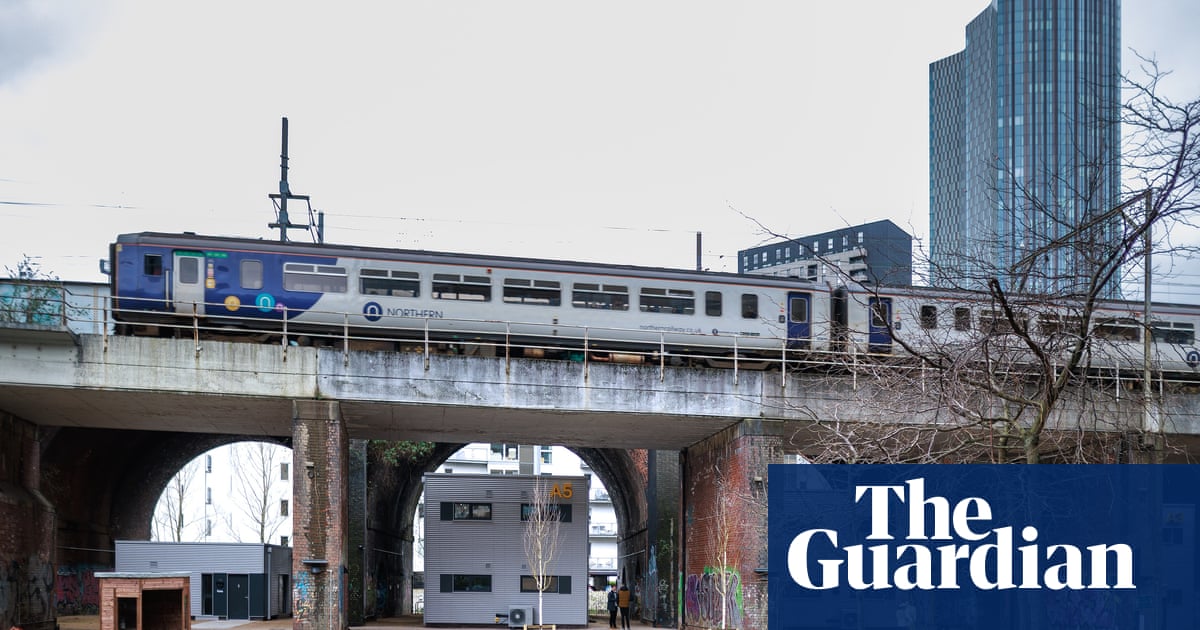
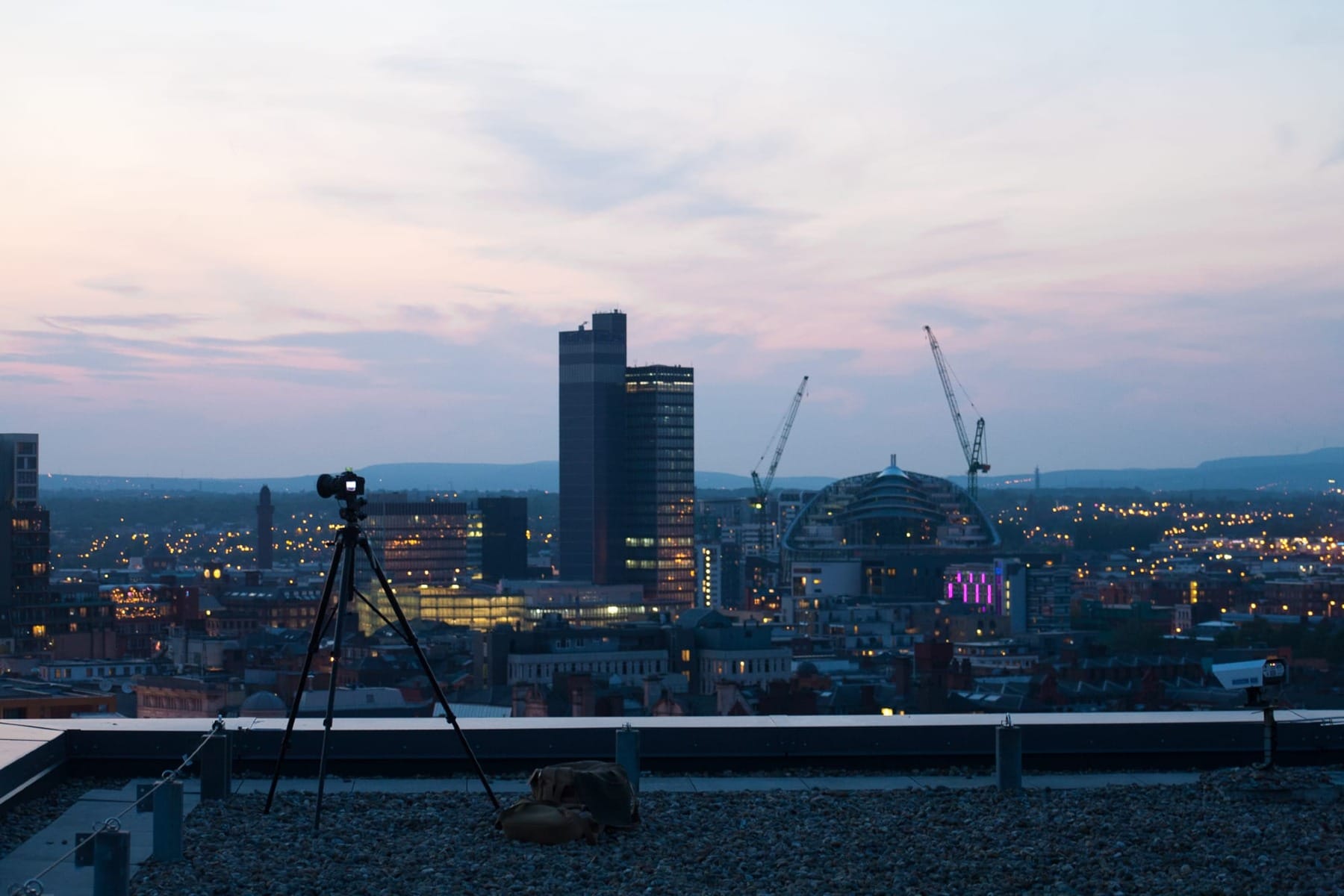
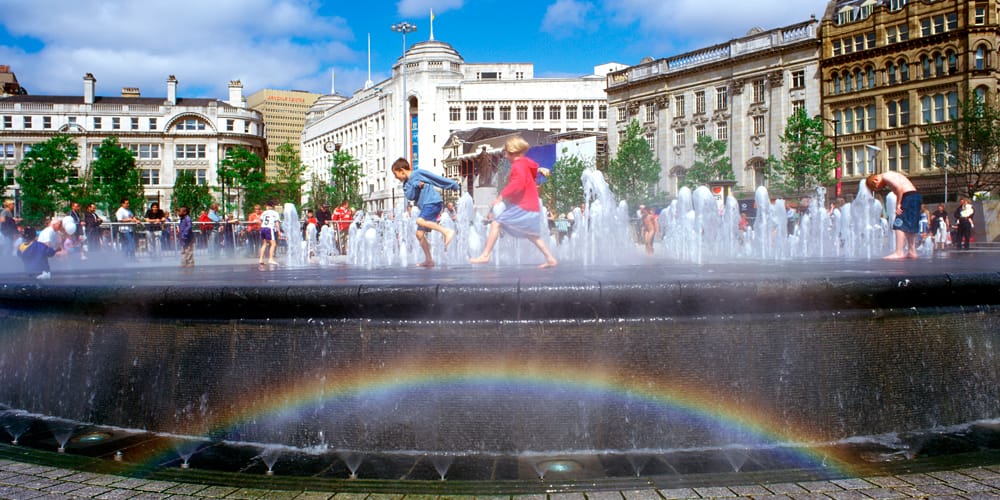
A time-lapse of Manchester I produced for Piccadilly Place several years ago. The skyline has changed so much since then.
Lastingham
 Andy Marshall
Repton
 Andy Marshall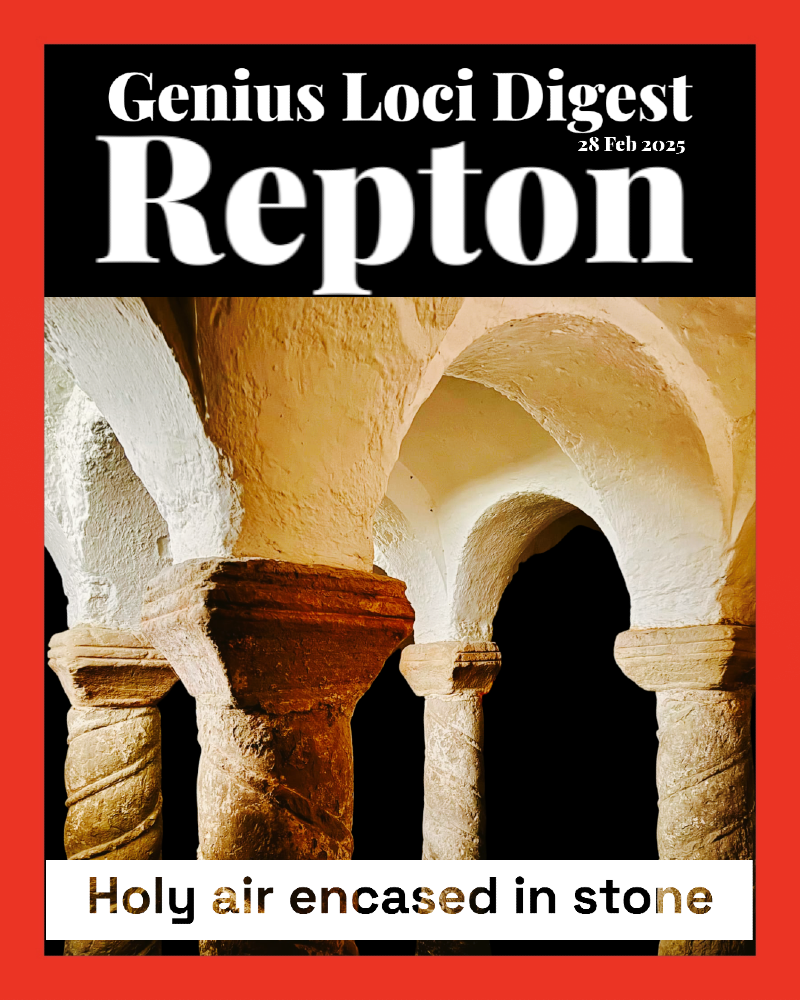
A walk along Oxford Road, Manchester
 Andy Marshall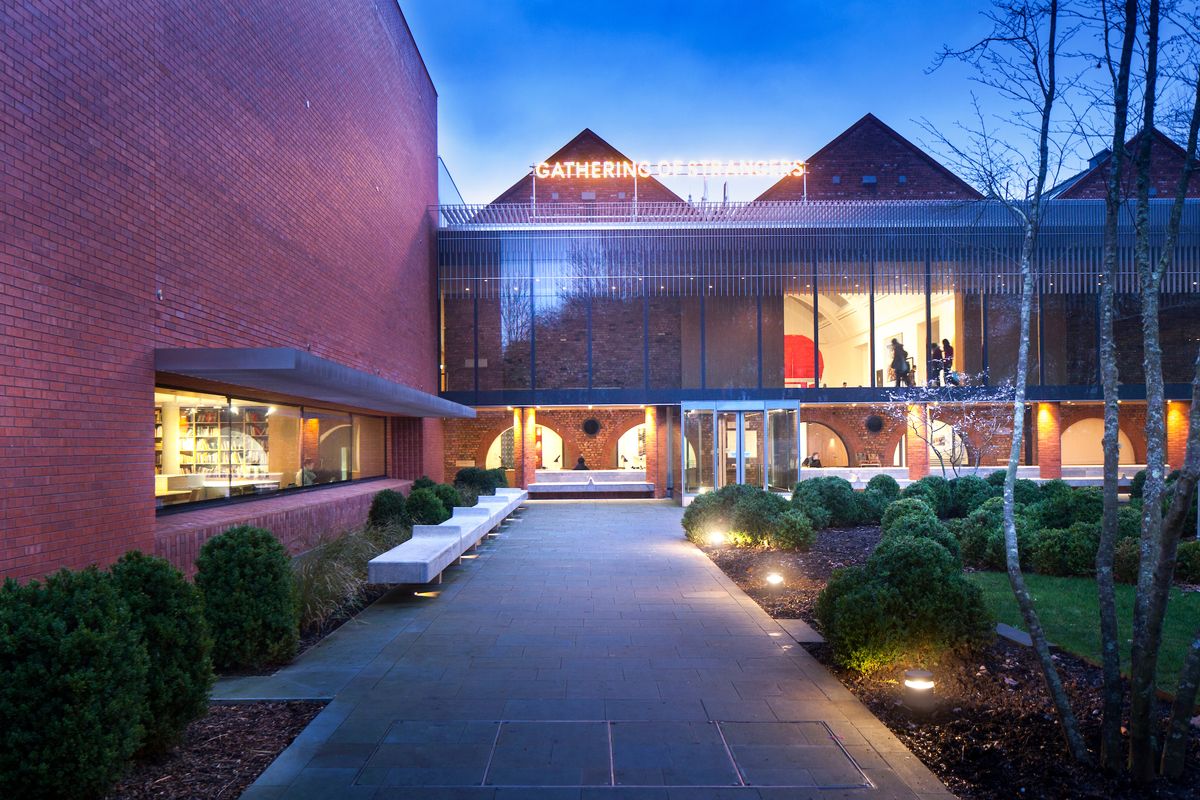
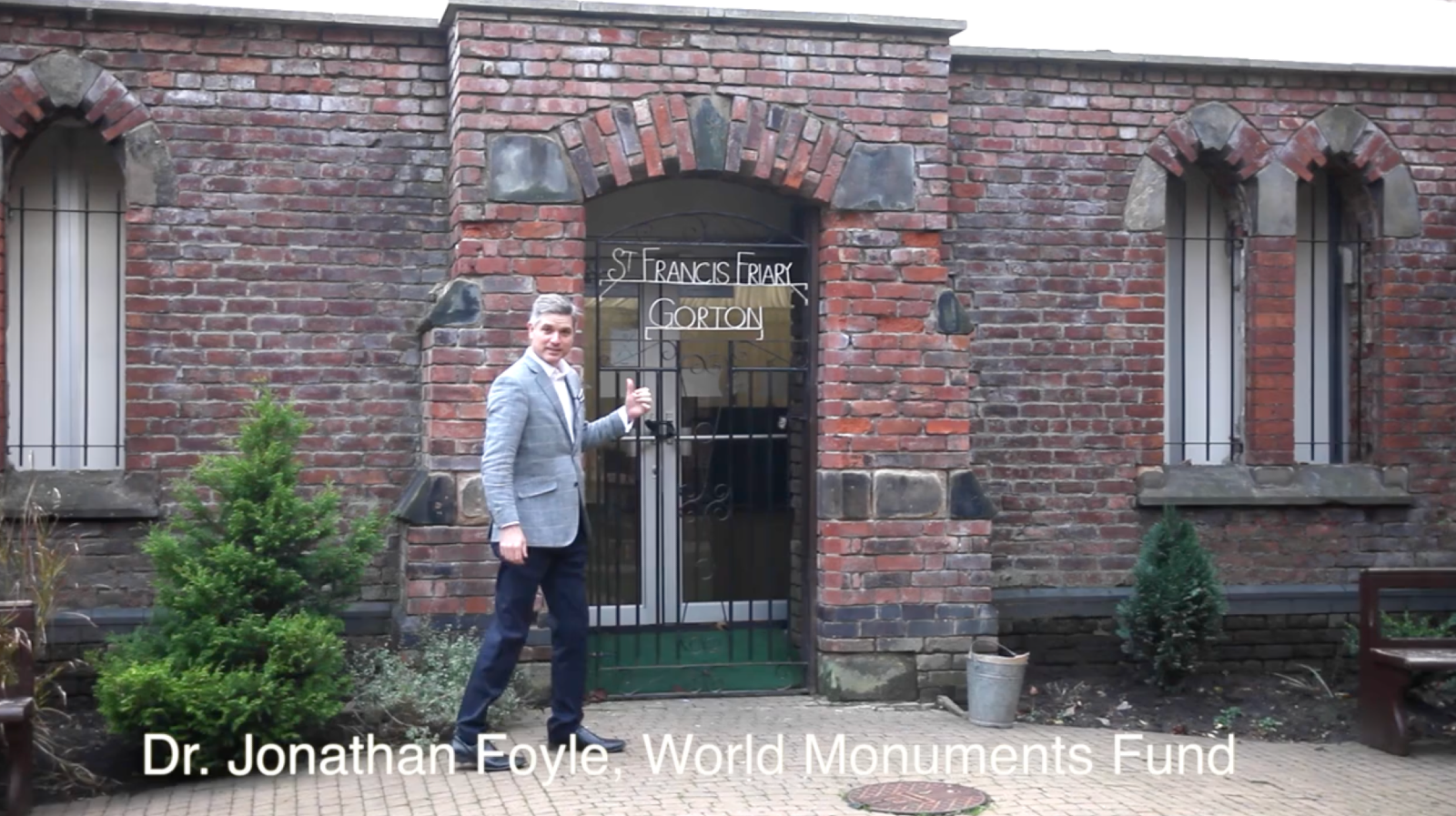
For Members - A film I made with Jonathan Foyle at Gorton Monastery
A wonderful example of regeneration in East Manchester
Click to View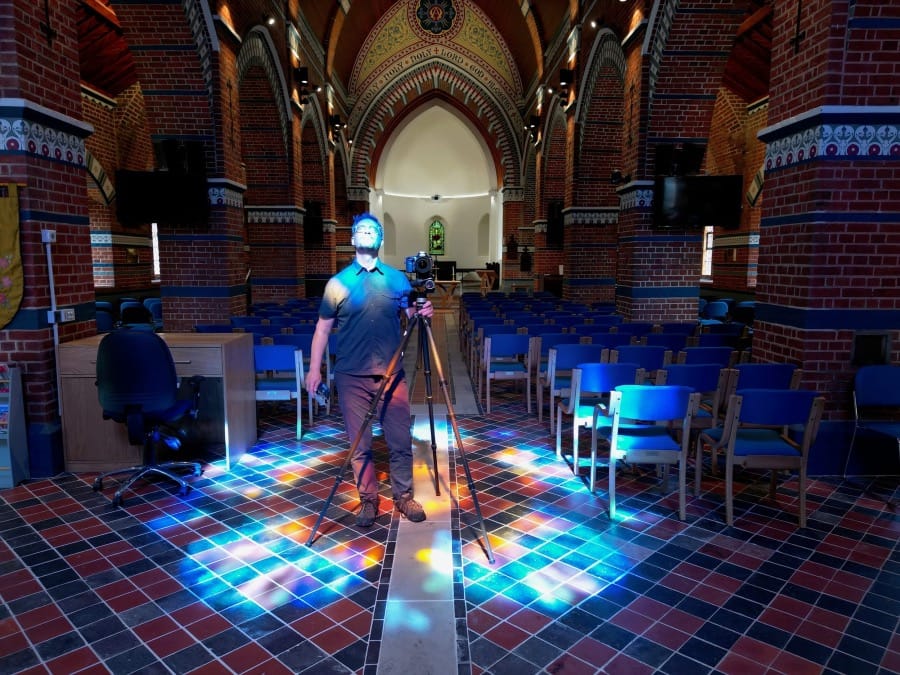
Kind words from a subscriber:
Andy your work is becoming wonderful, remarkable. A so-called breakdown has been milled into its constituent parts, becoming profound construction: through perception, architecture, the lens and the pen. In your Repton crypt essay a deep description of our social anxiety - and our reason to be....
Recent Digest Sponsors:
 Andy Marshall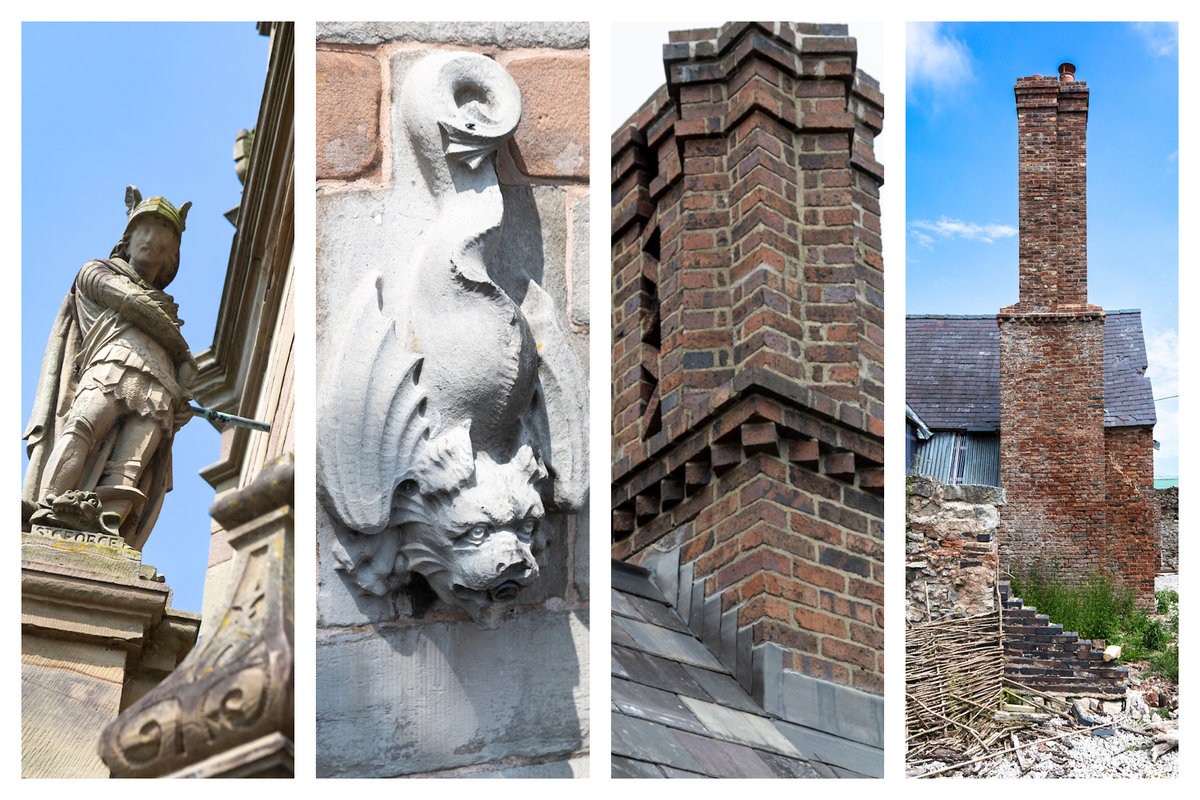
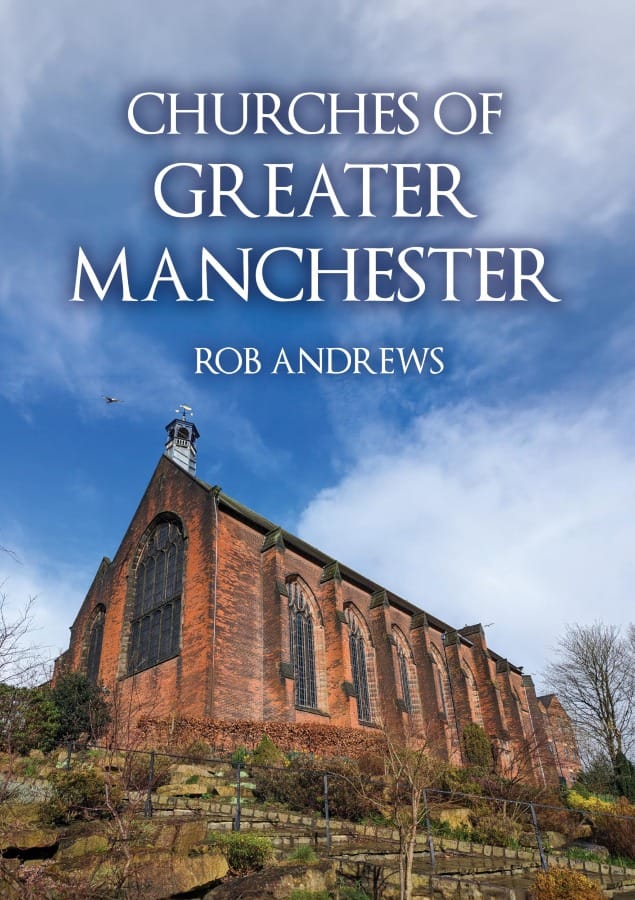
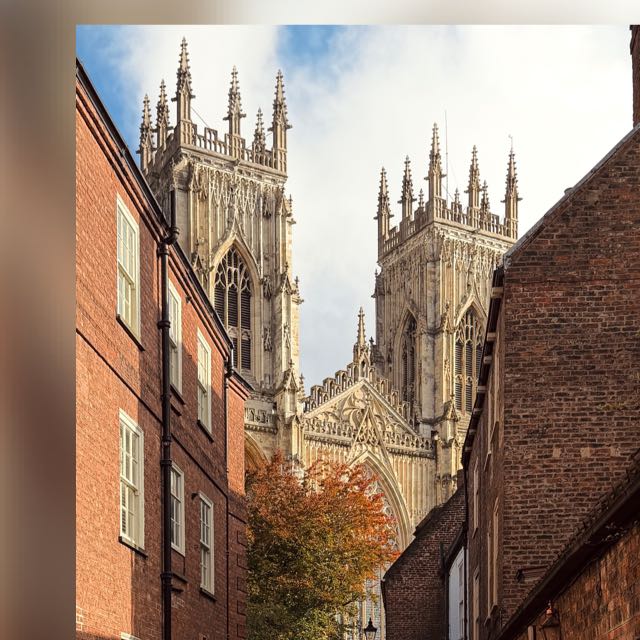
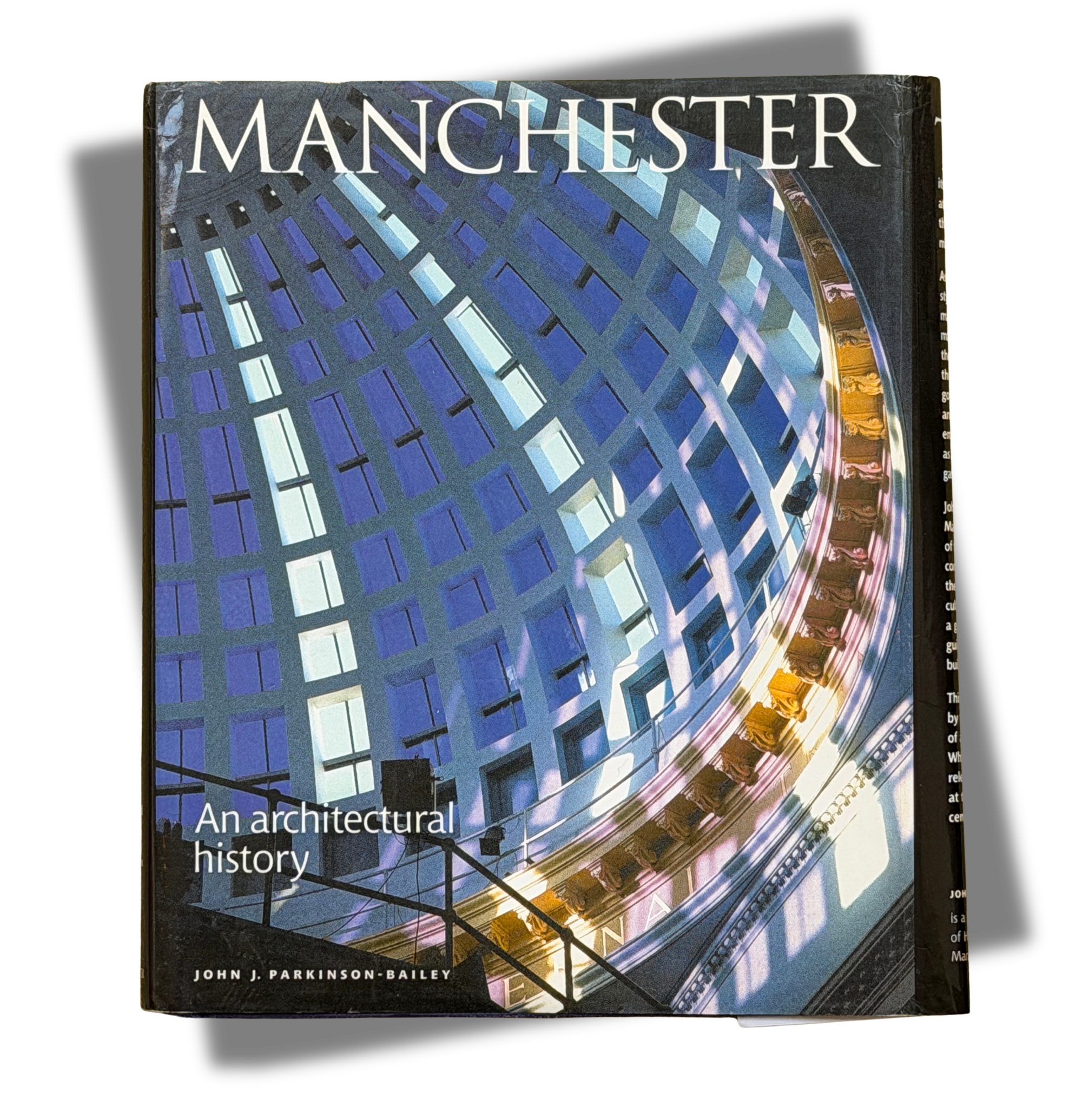
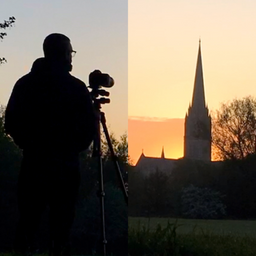
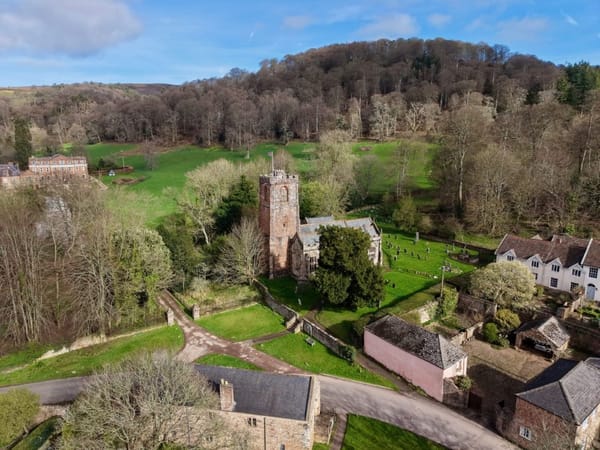
Sat within a pub in York with Rob chatting about churches has been a real eye opener and a privilege. His knowledge of church buildings is extensive and fires the imagination. Rob has recently completed a book on the churches of Greater Manchester which I have a copy of. It is lovingly crafted. Read more about it here:
 Andy Marshall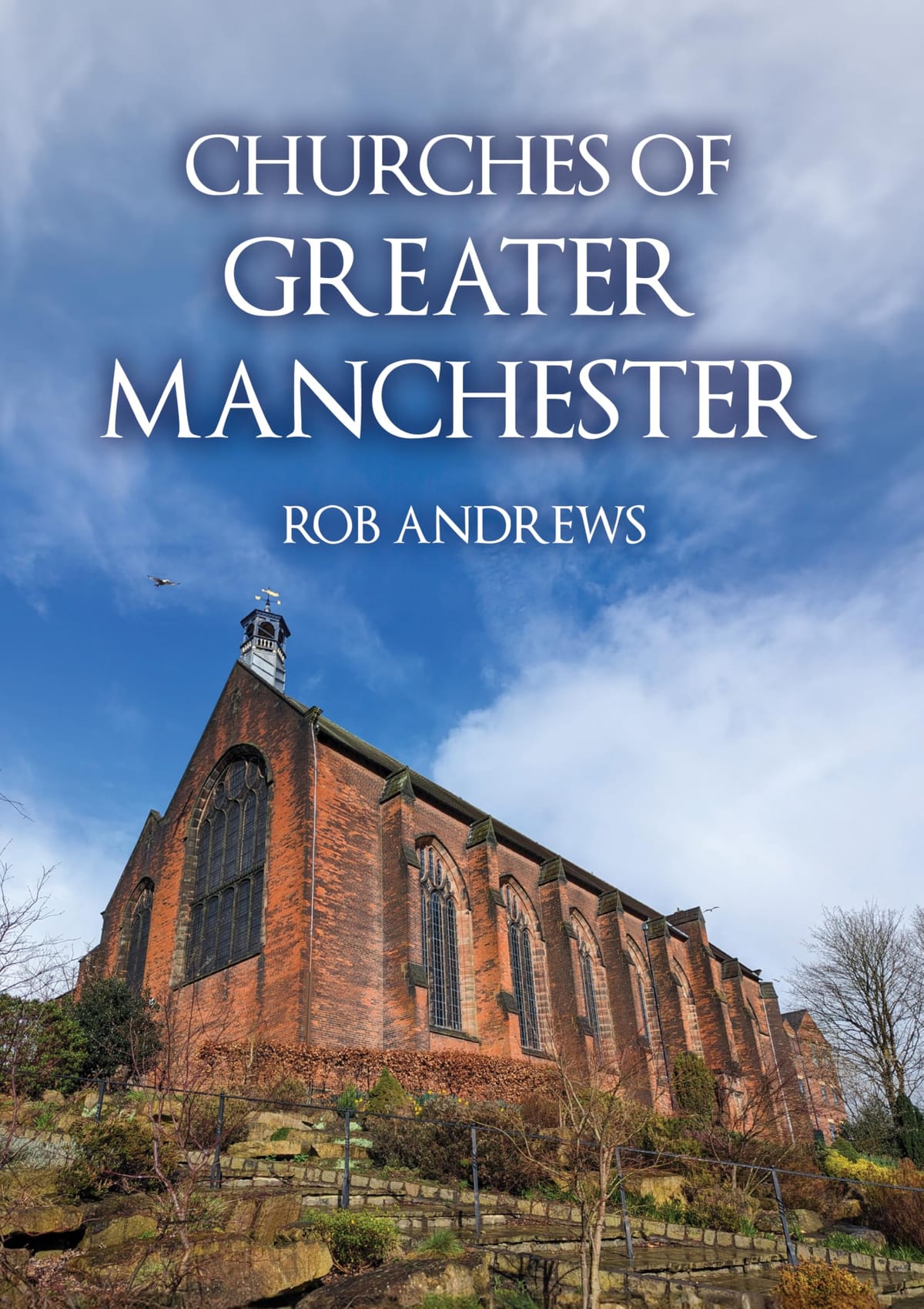
I'm taking an Easter break - the next Digest will be posted out on 17 April
Thanks for your support 🙏
Photographs and words by Andy Marshall (unless otherwise stated). Most photographs are taken with iPhone 17 Pro and DJI Mini 5 Pro.
🔗 Connect with me on: Bluesky / Instagram / Facebook / X / Tumblr / Flickr / Vimeo / Pixelfed / Pinterest / Flipboard/ Fediverse: @fotofacade@digest.andymarshall.co

Member discussion