Each week I send out a short, fresh reflection from the road – photographs, sketches, and observations from old places that still have something to teach us. What follows is a moment from that ongoing journey.
Kendal's Yards
I have a photo shoot at Brougham and I head up to Kendal to collect a key from an architect. I fall in love with Kendal all over again. I'm reminded of the last time I visited Kendal in my childhood.
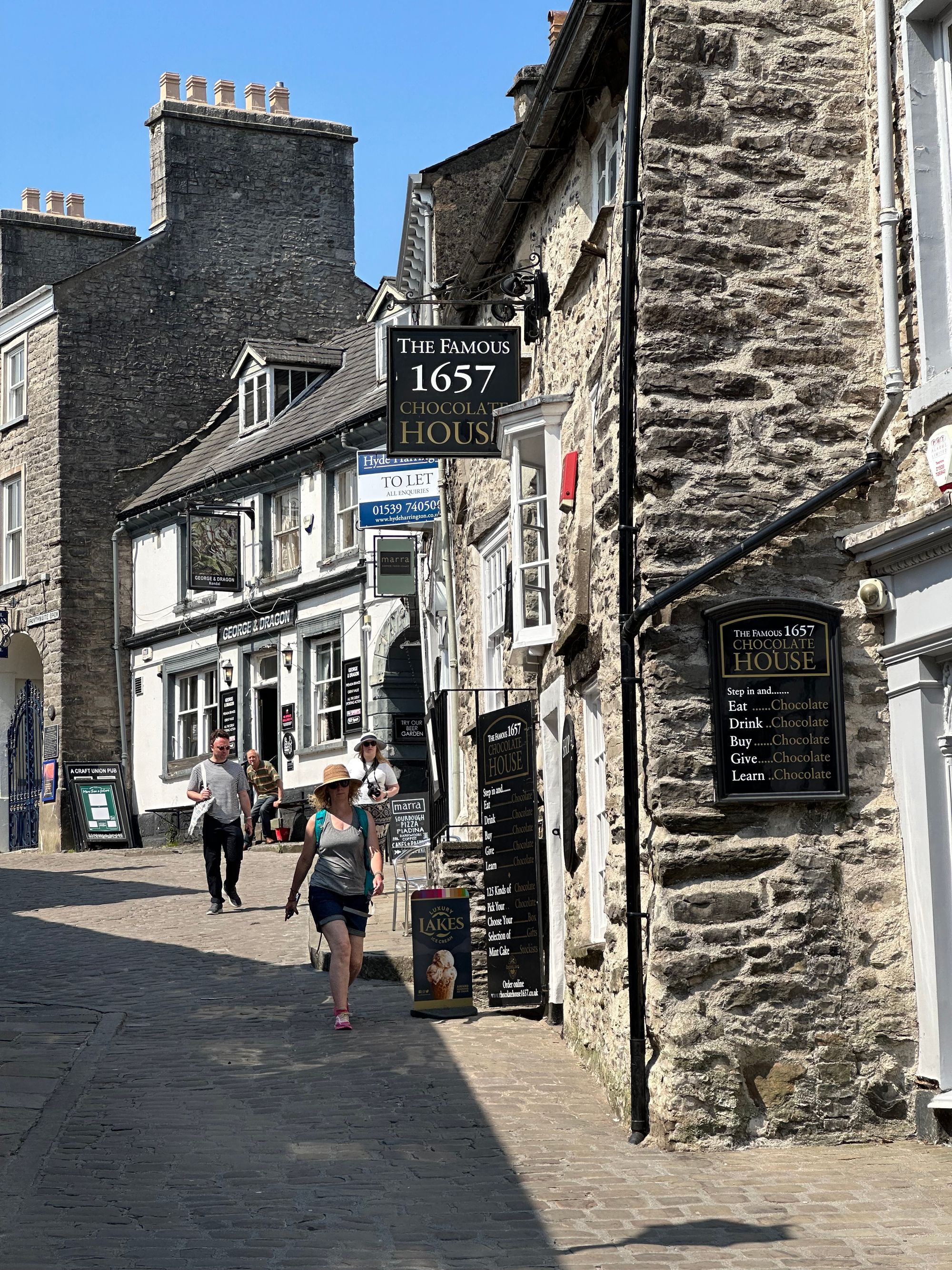
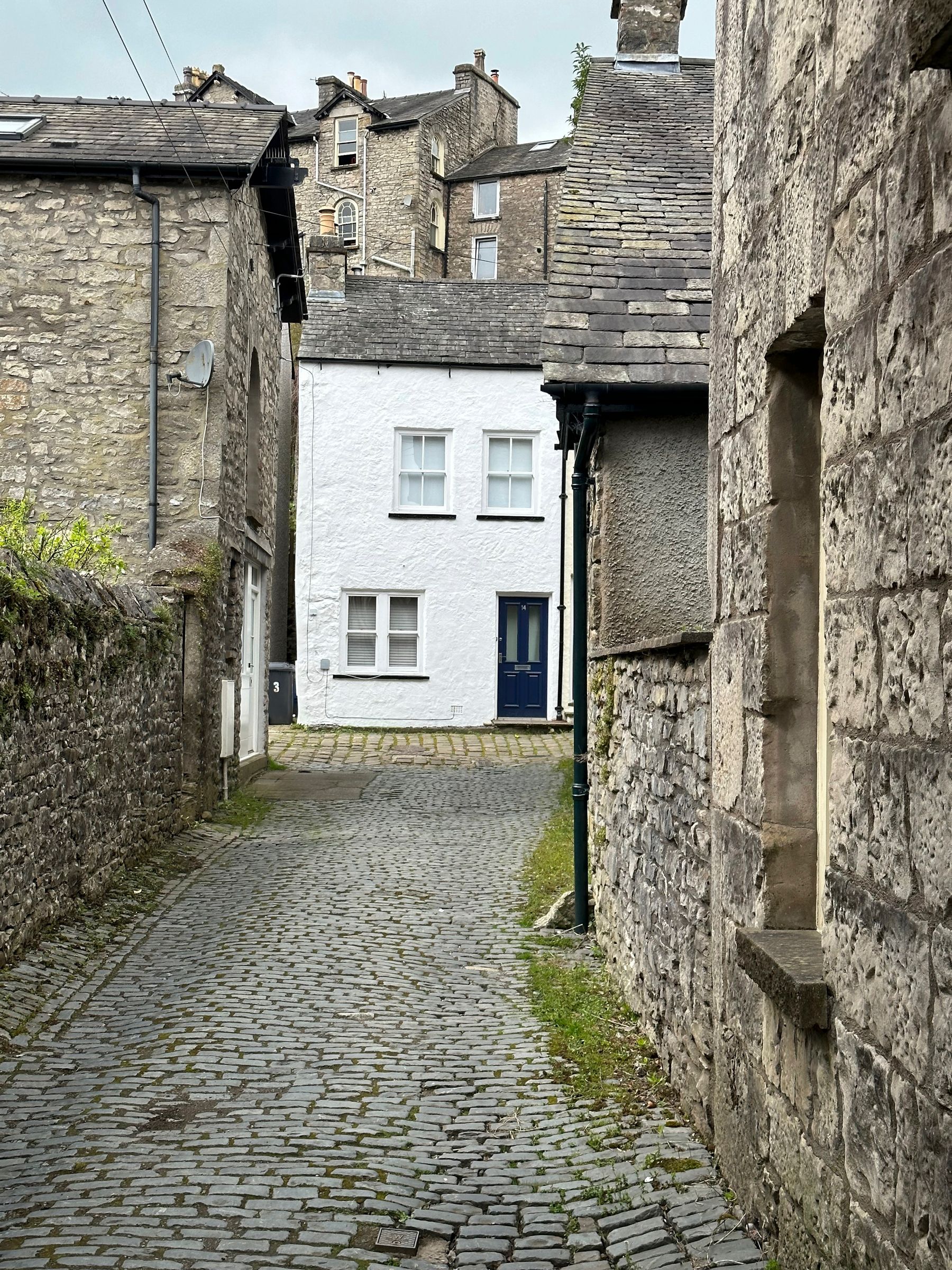
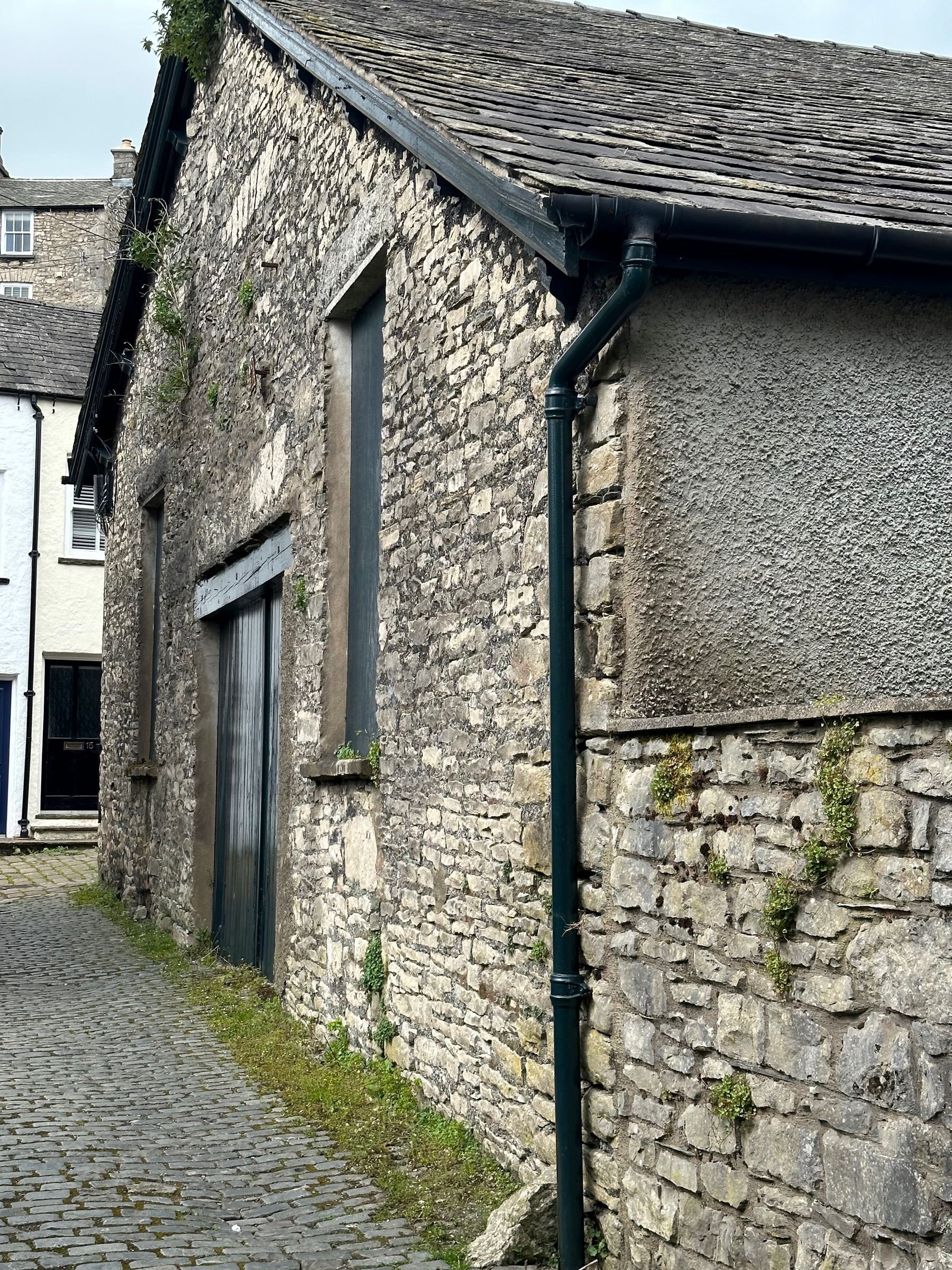
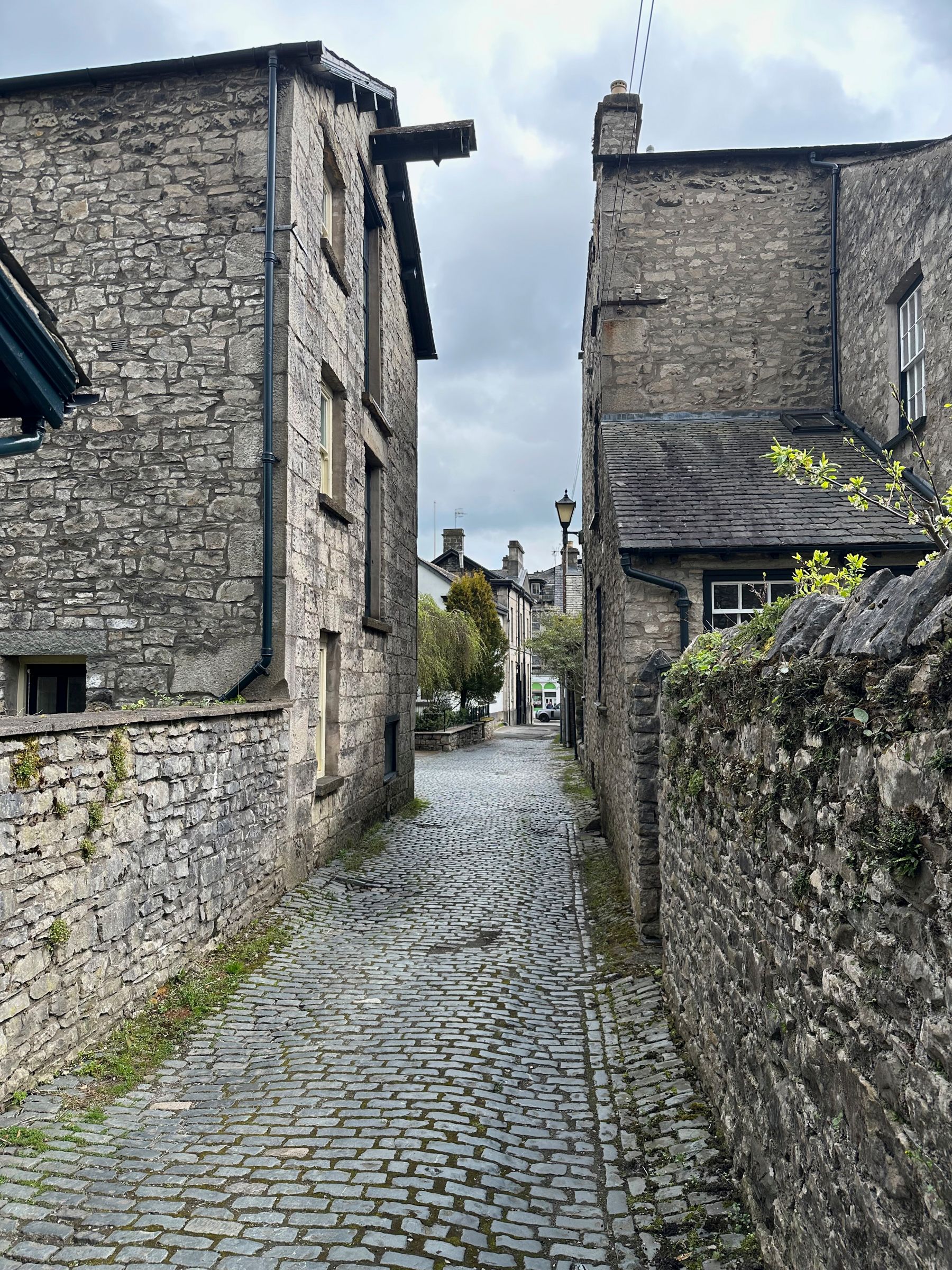
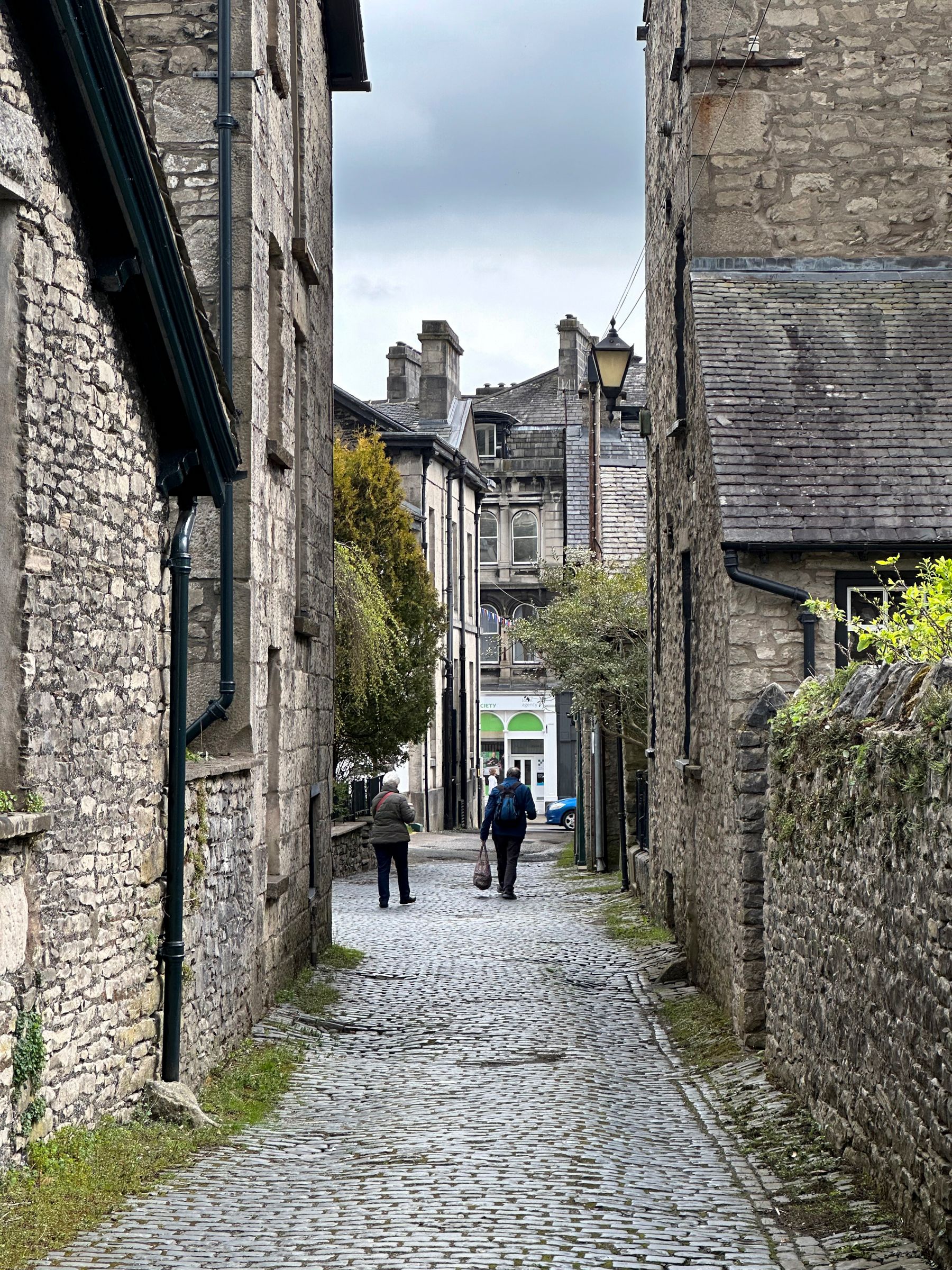
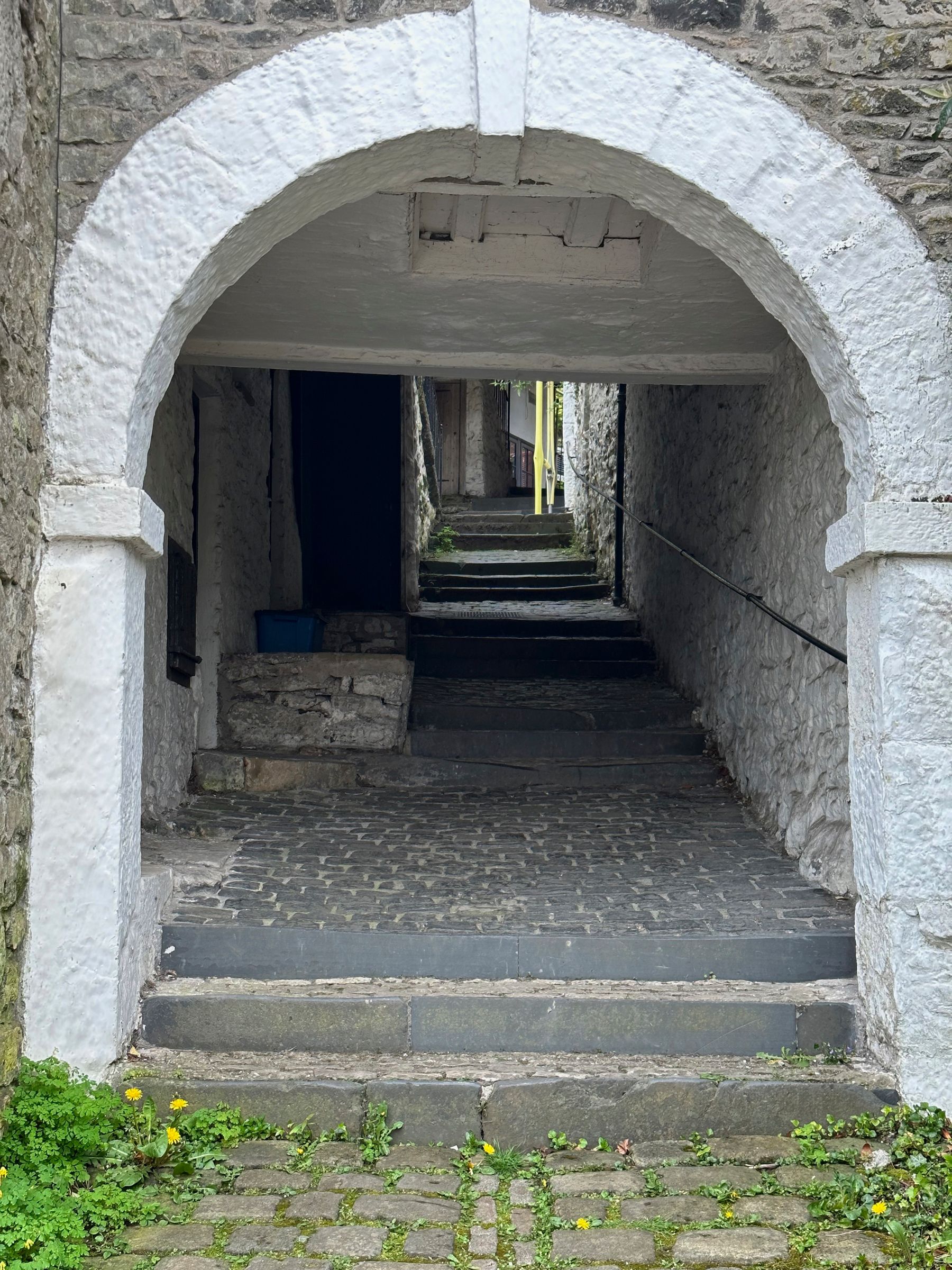
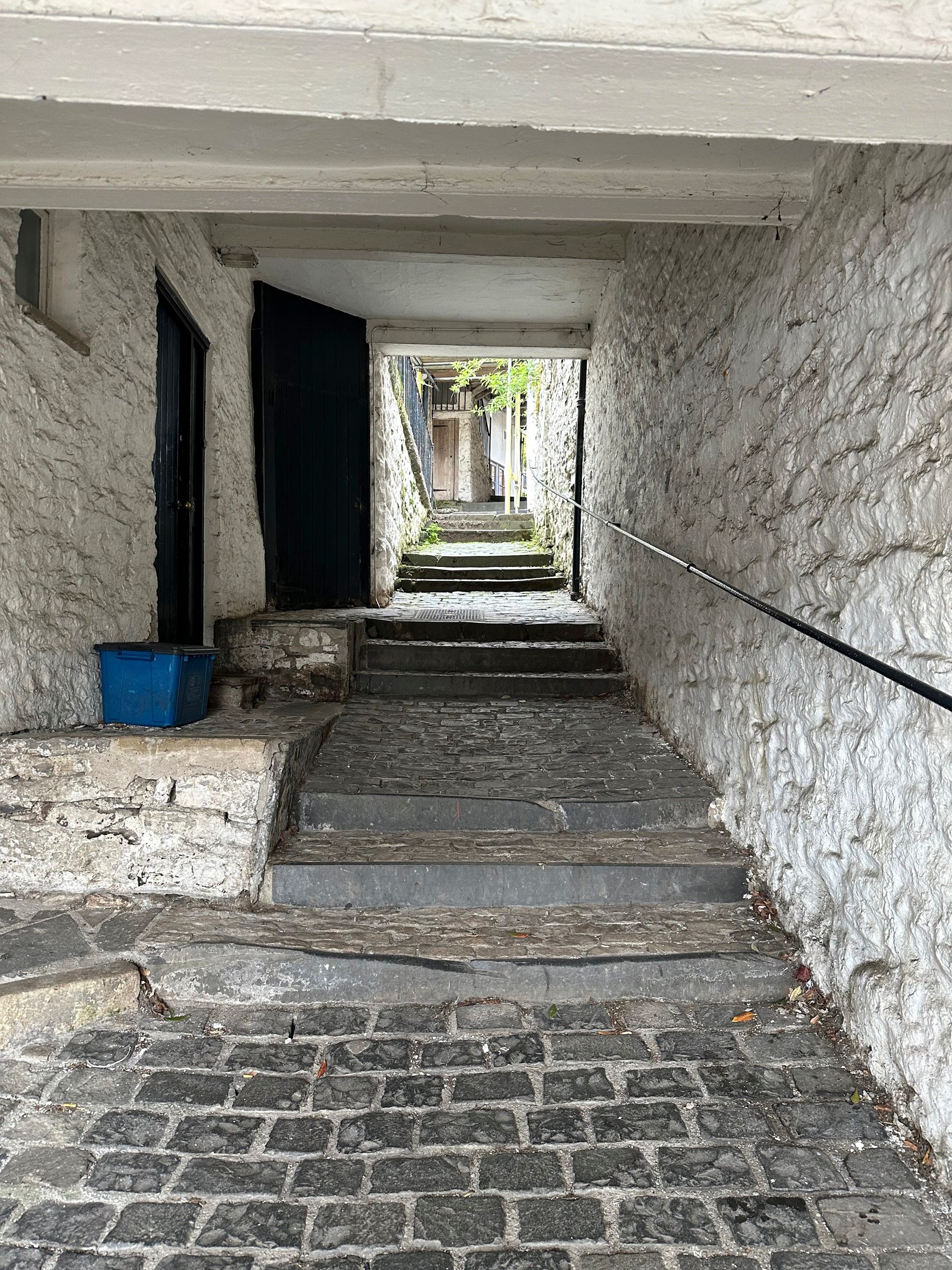
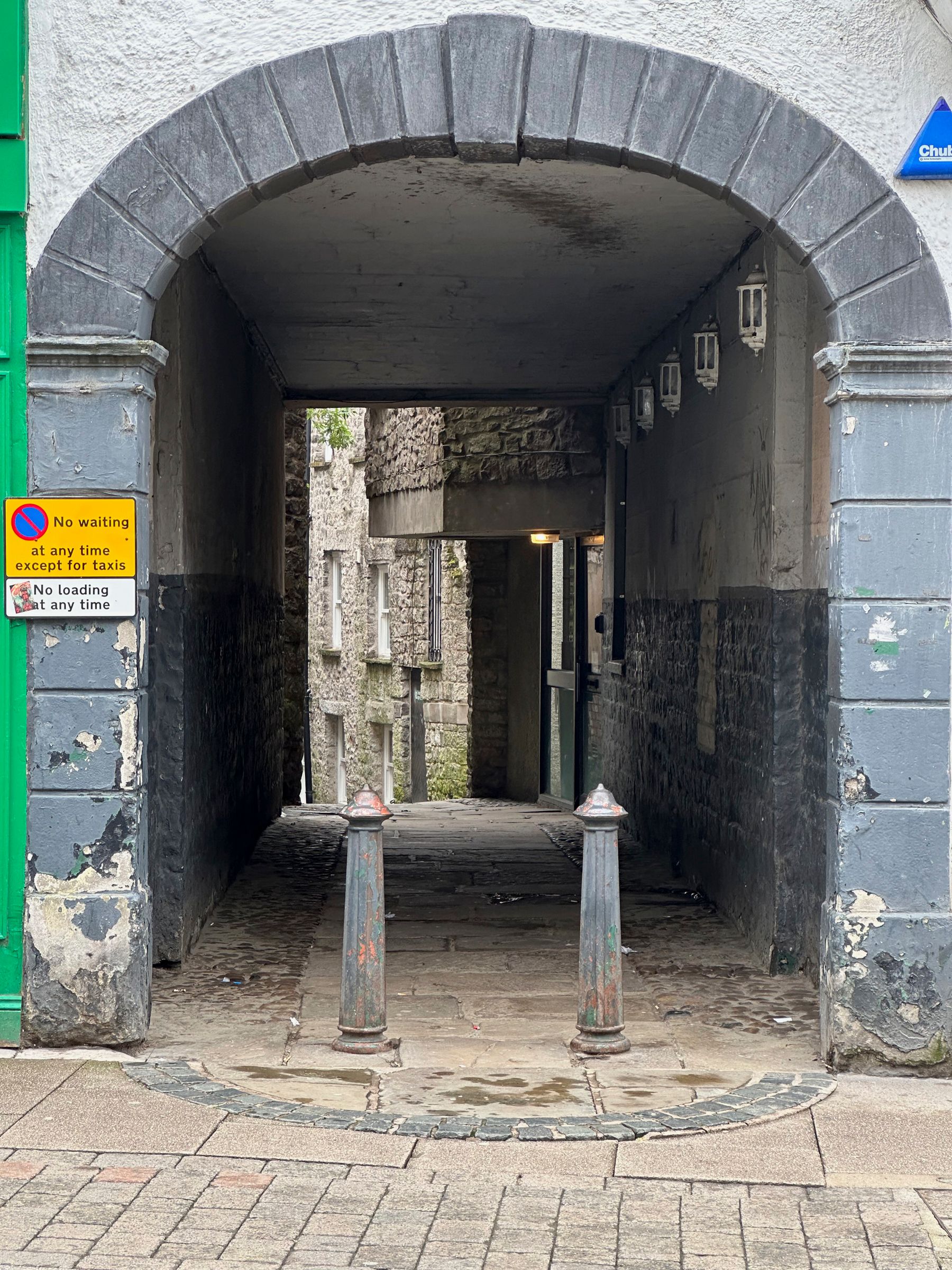
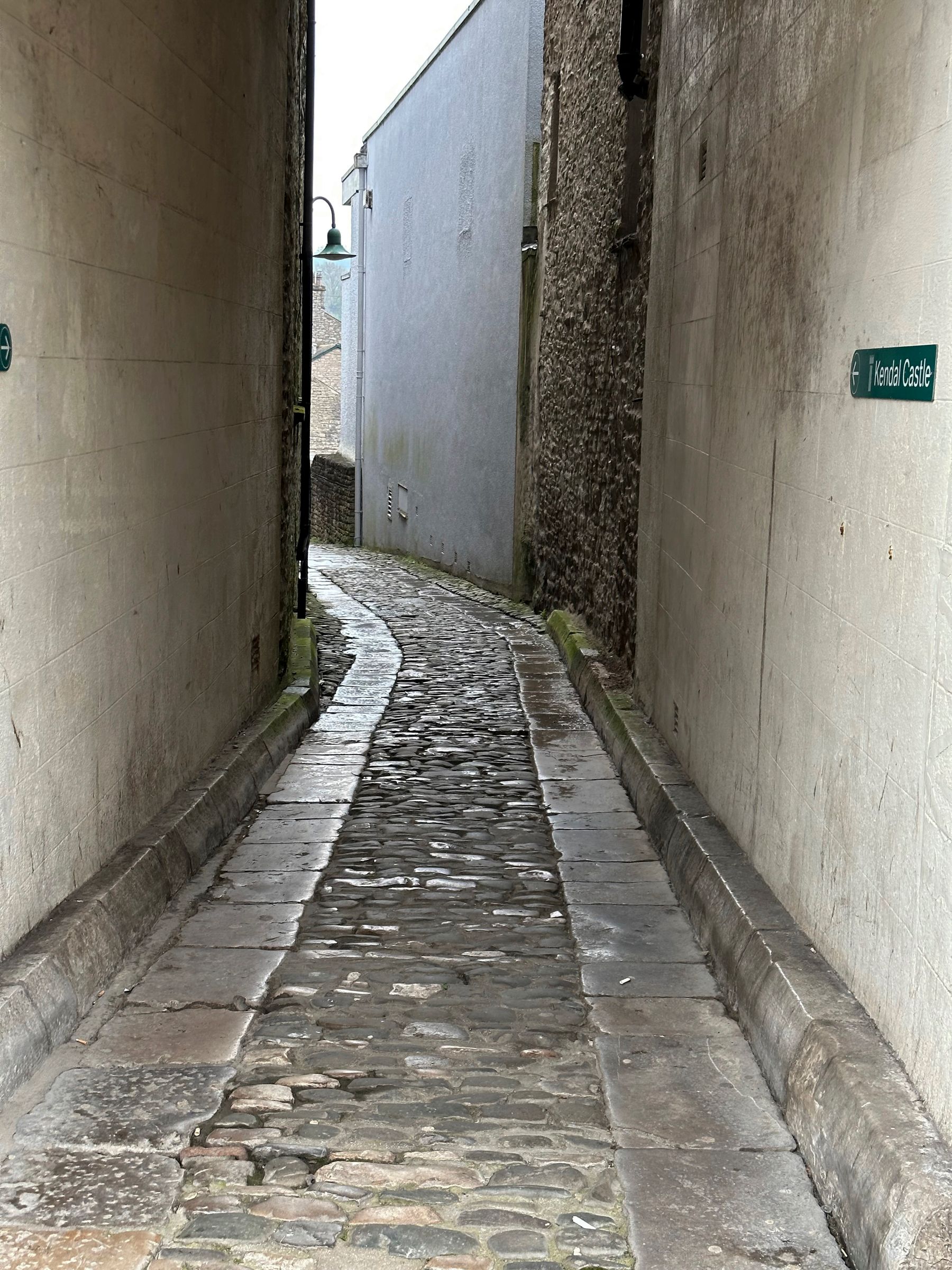
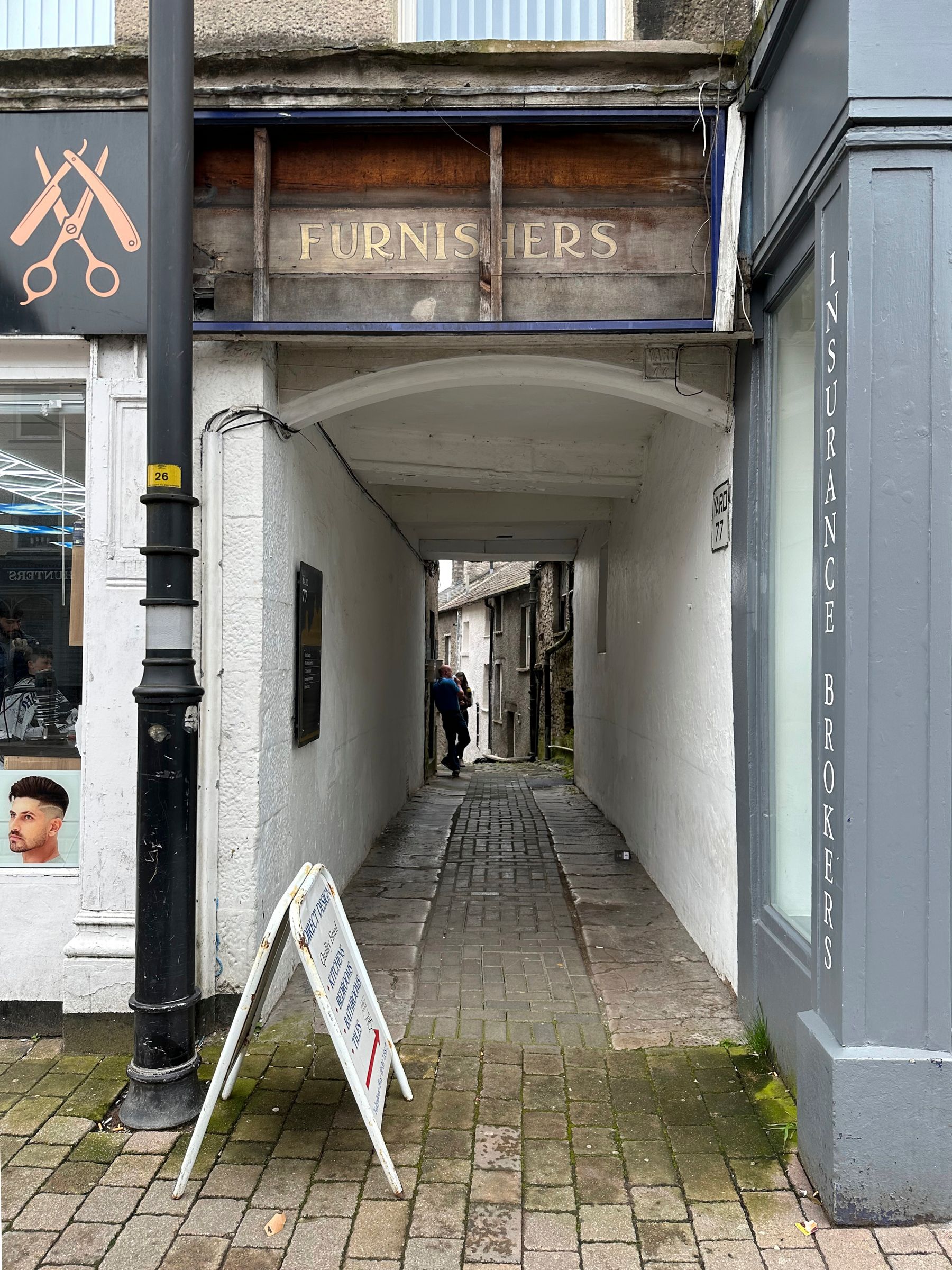
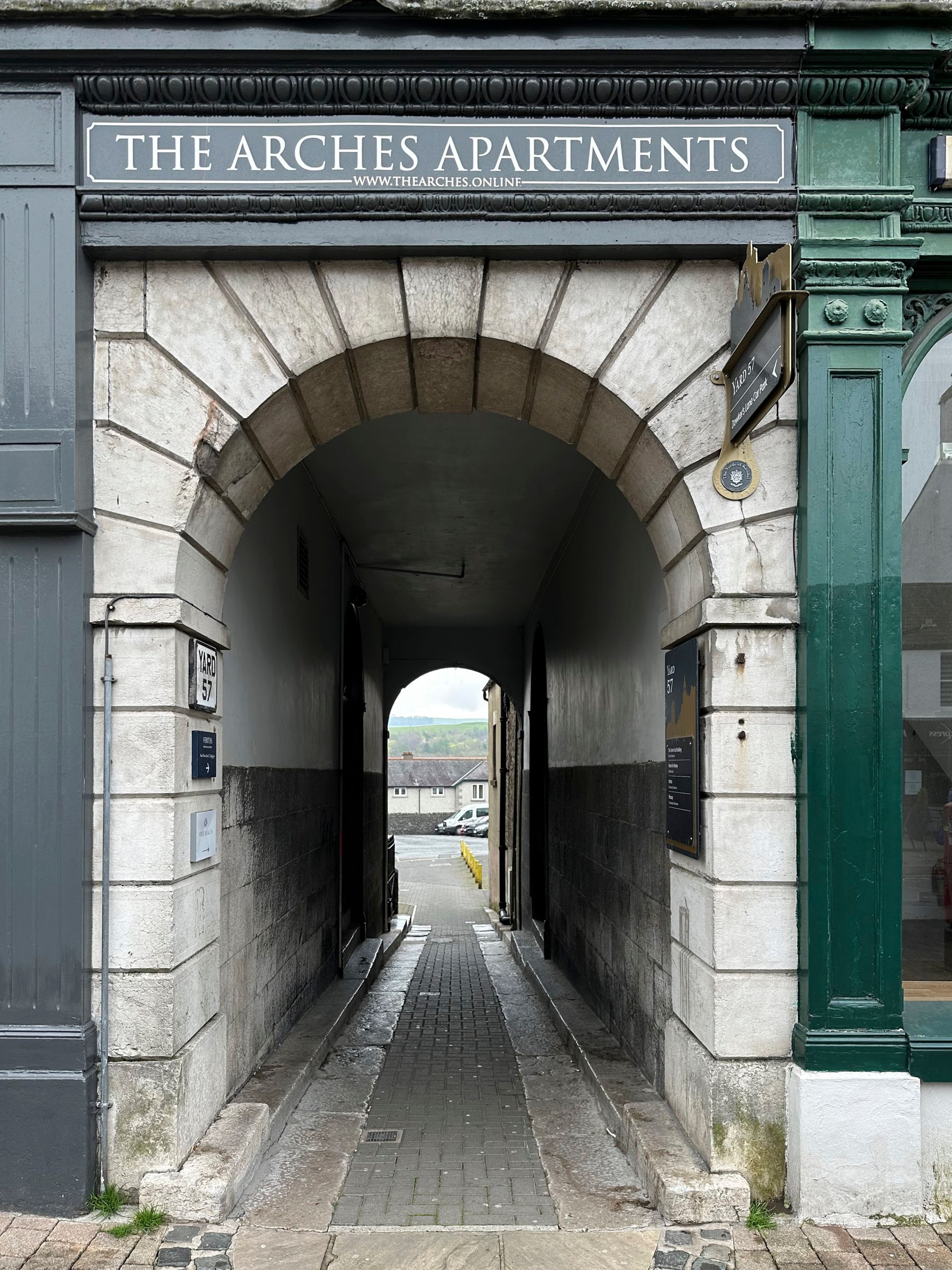
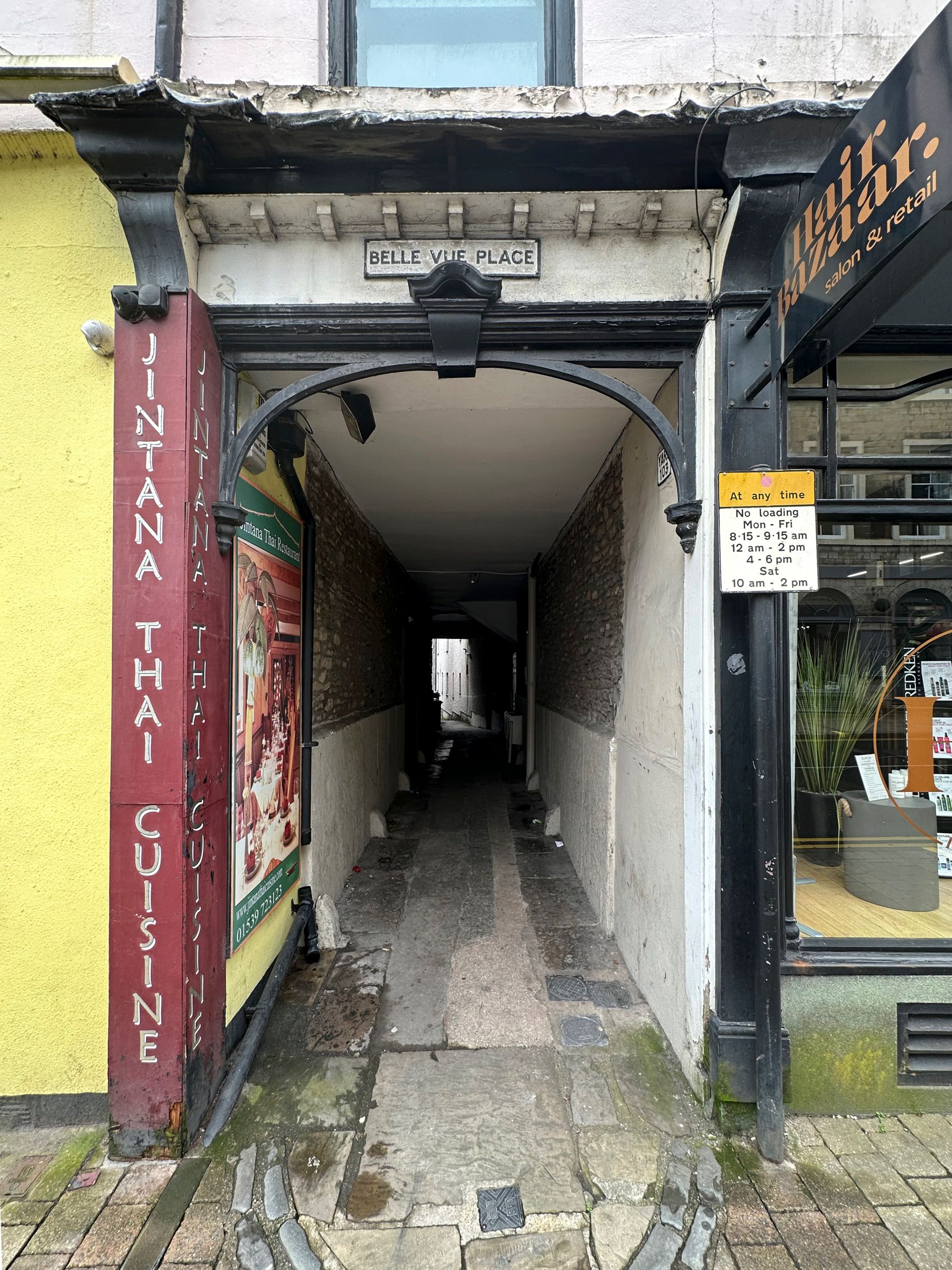
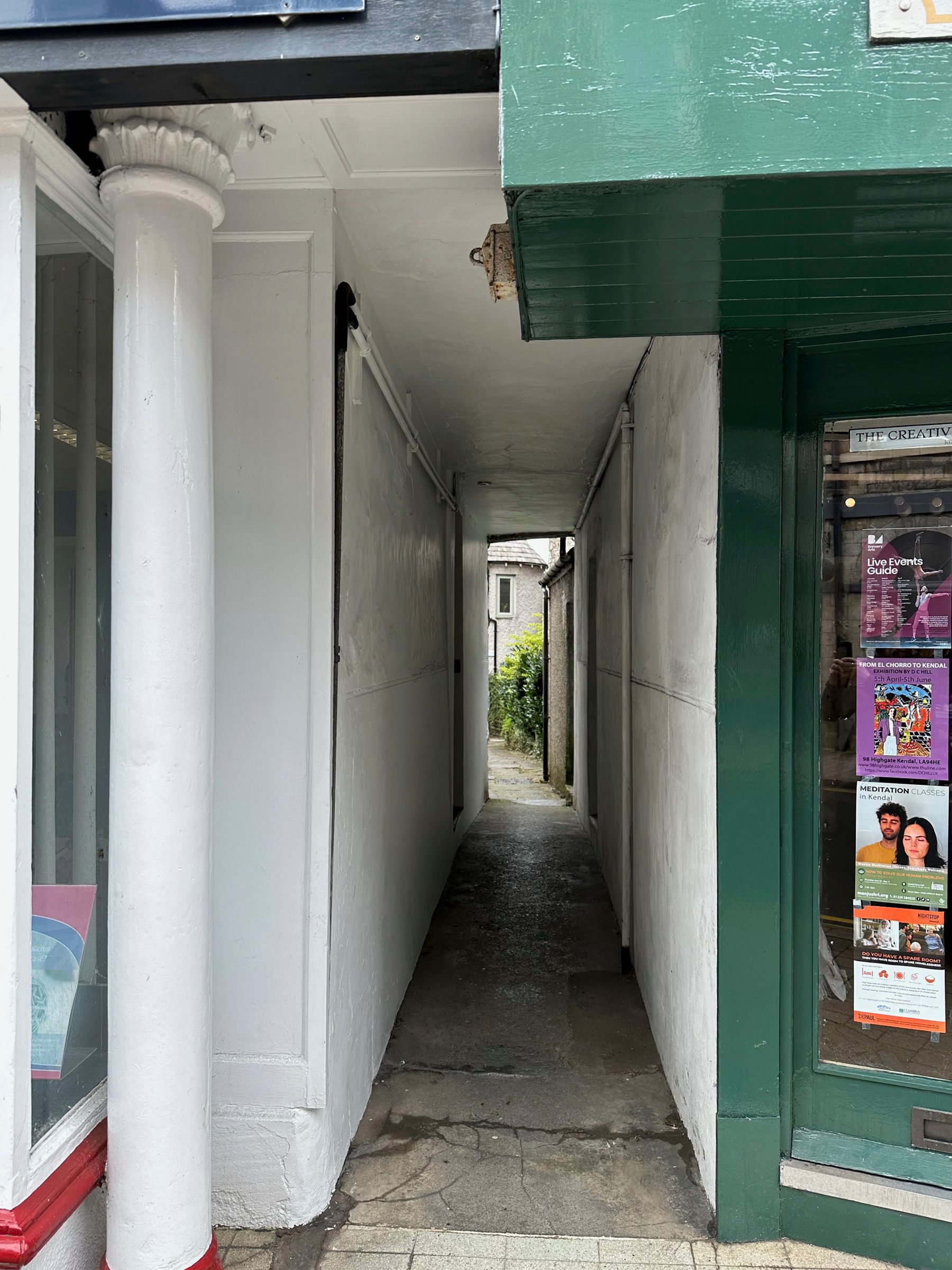
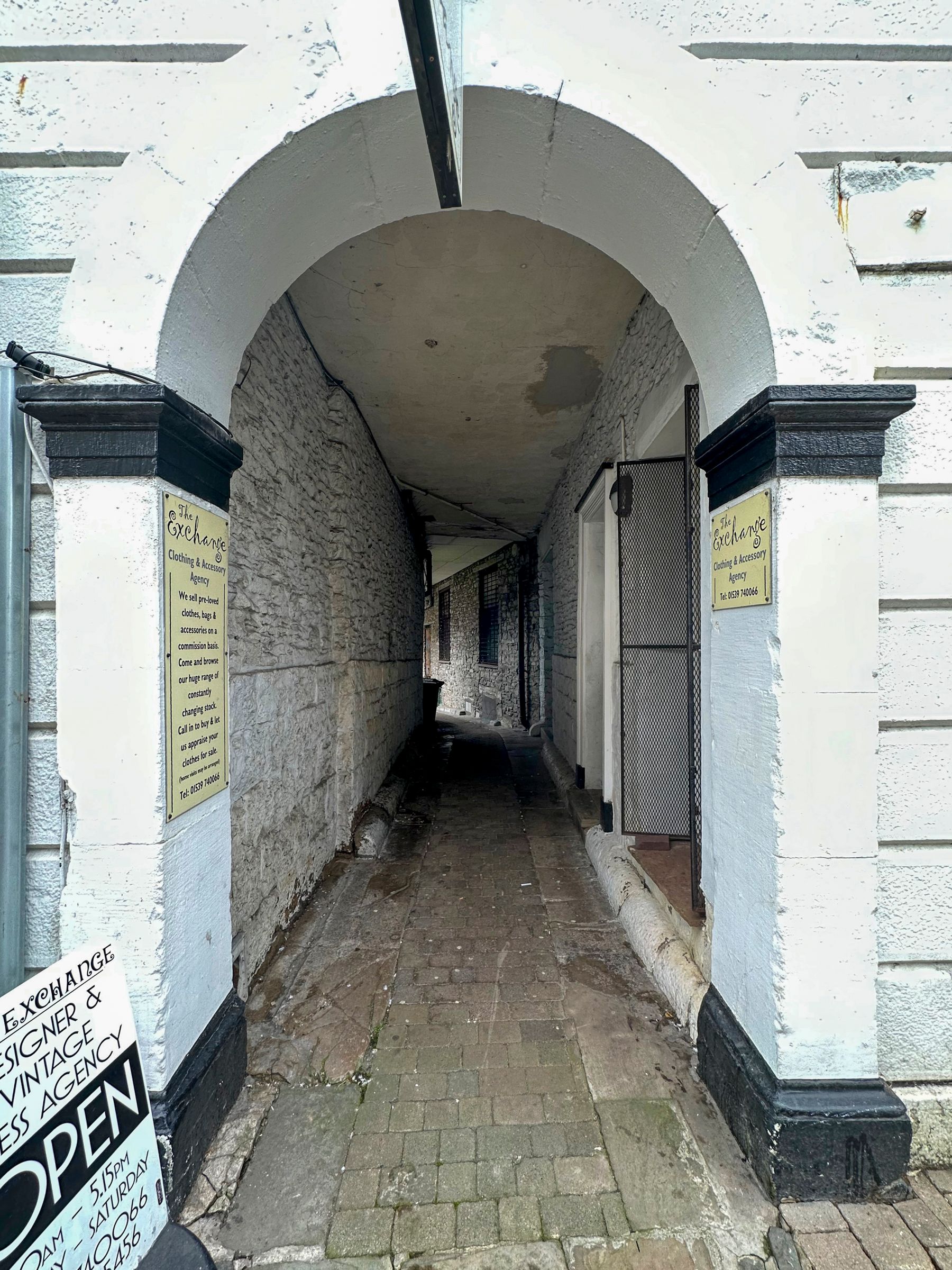
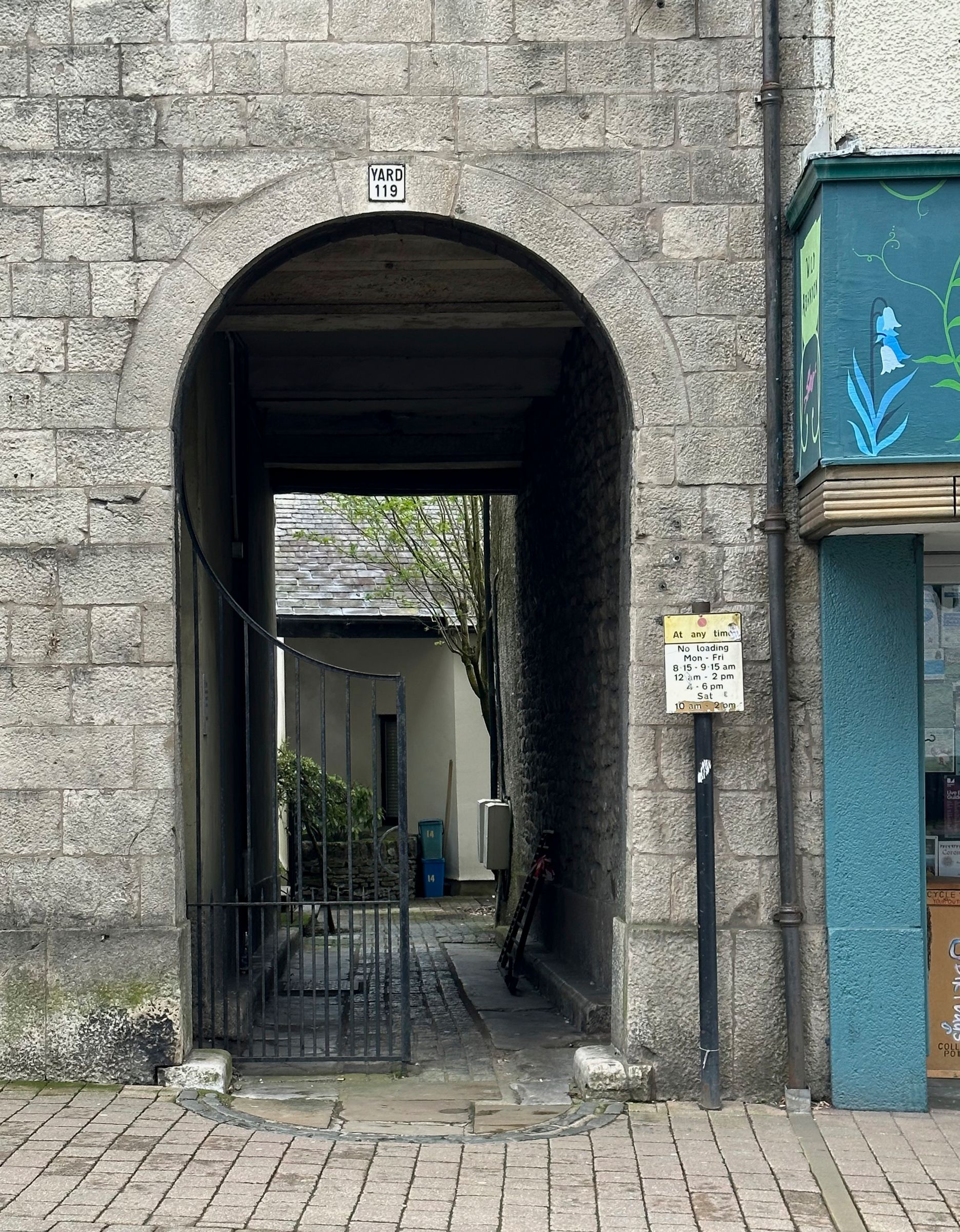
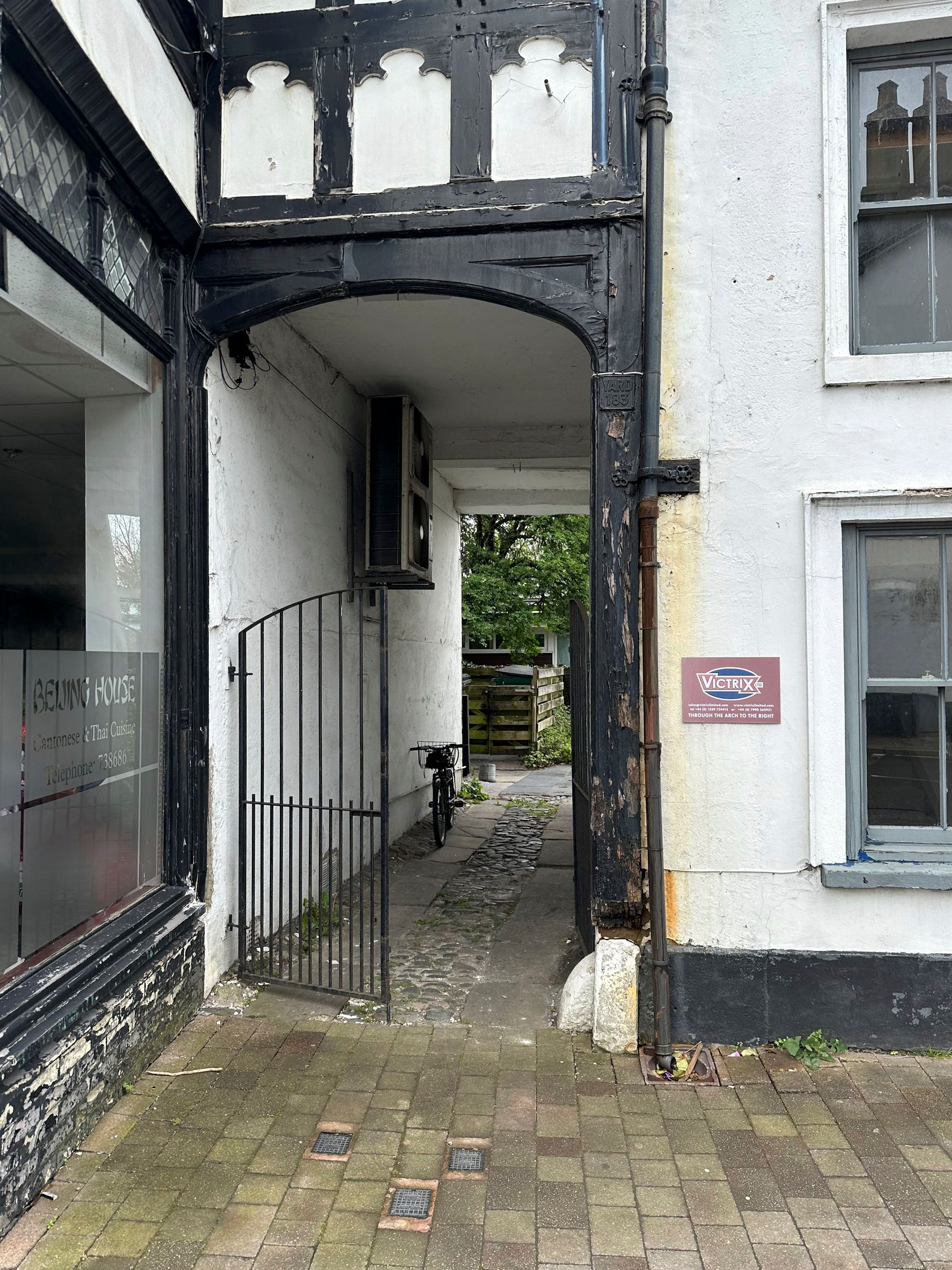
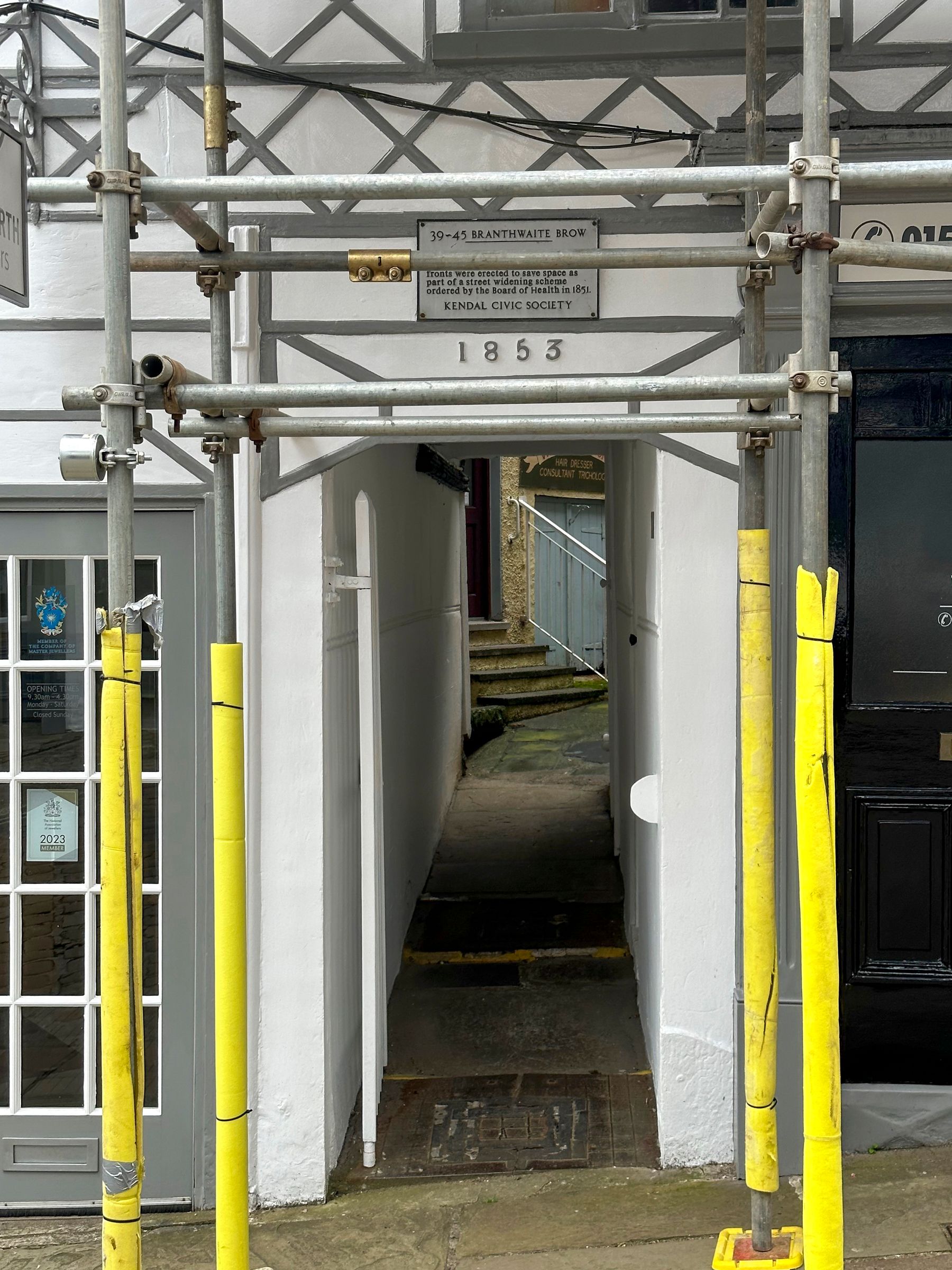
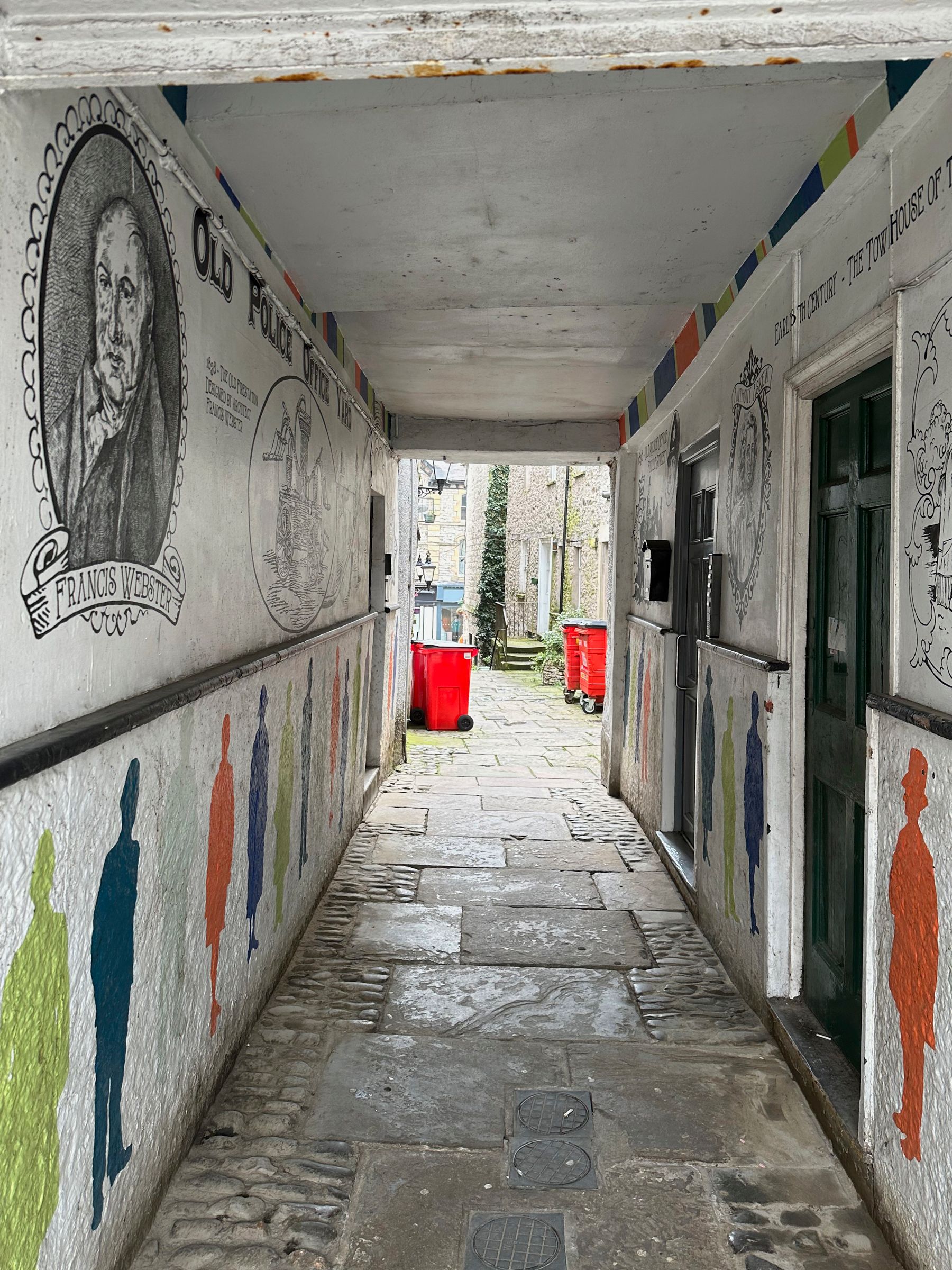
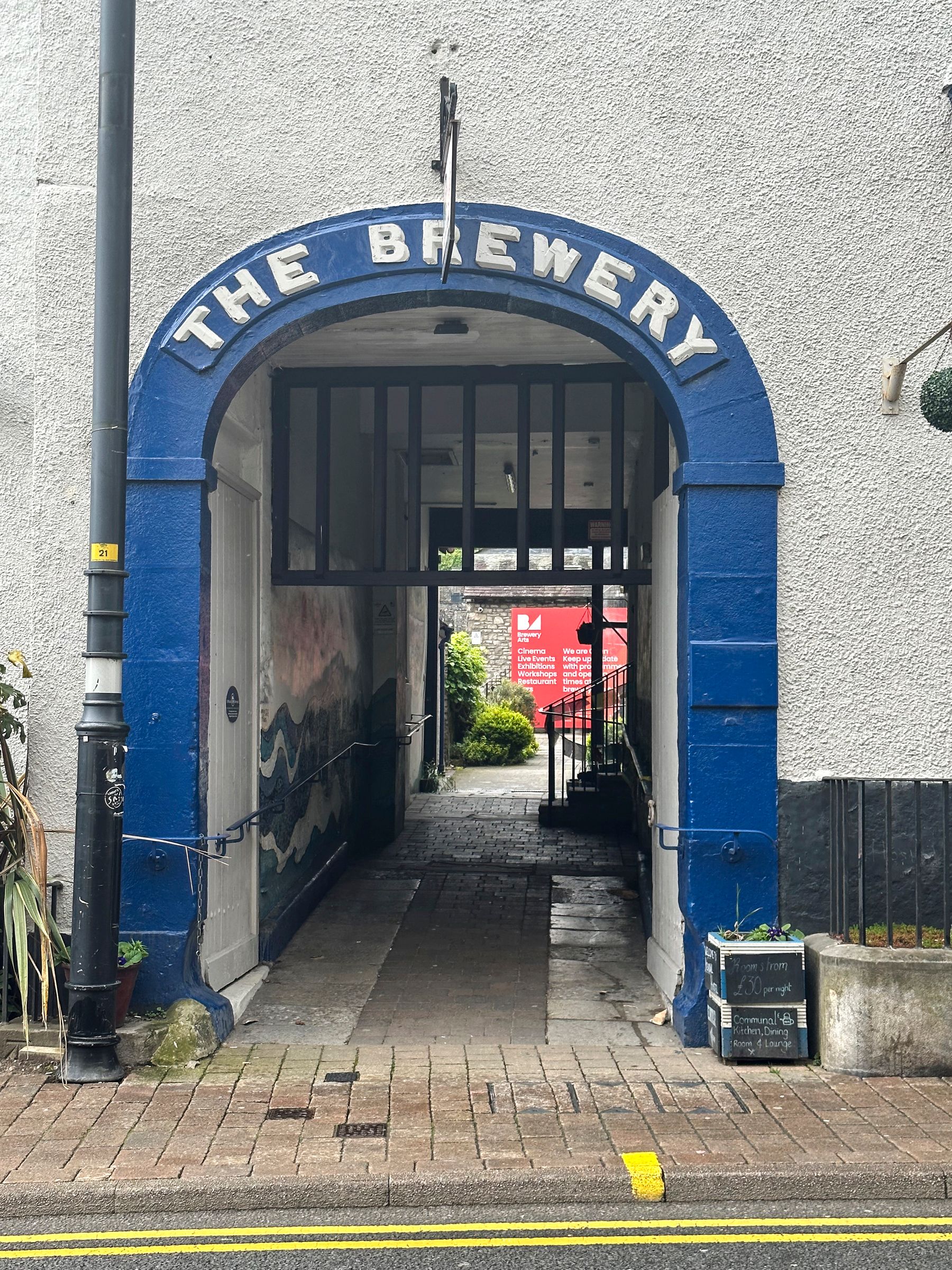
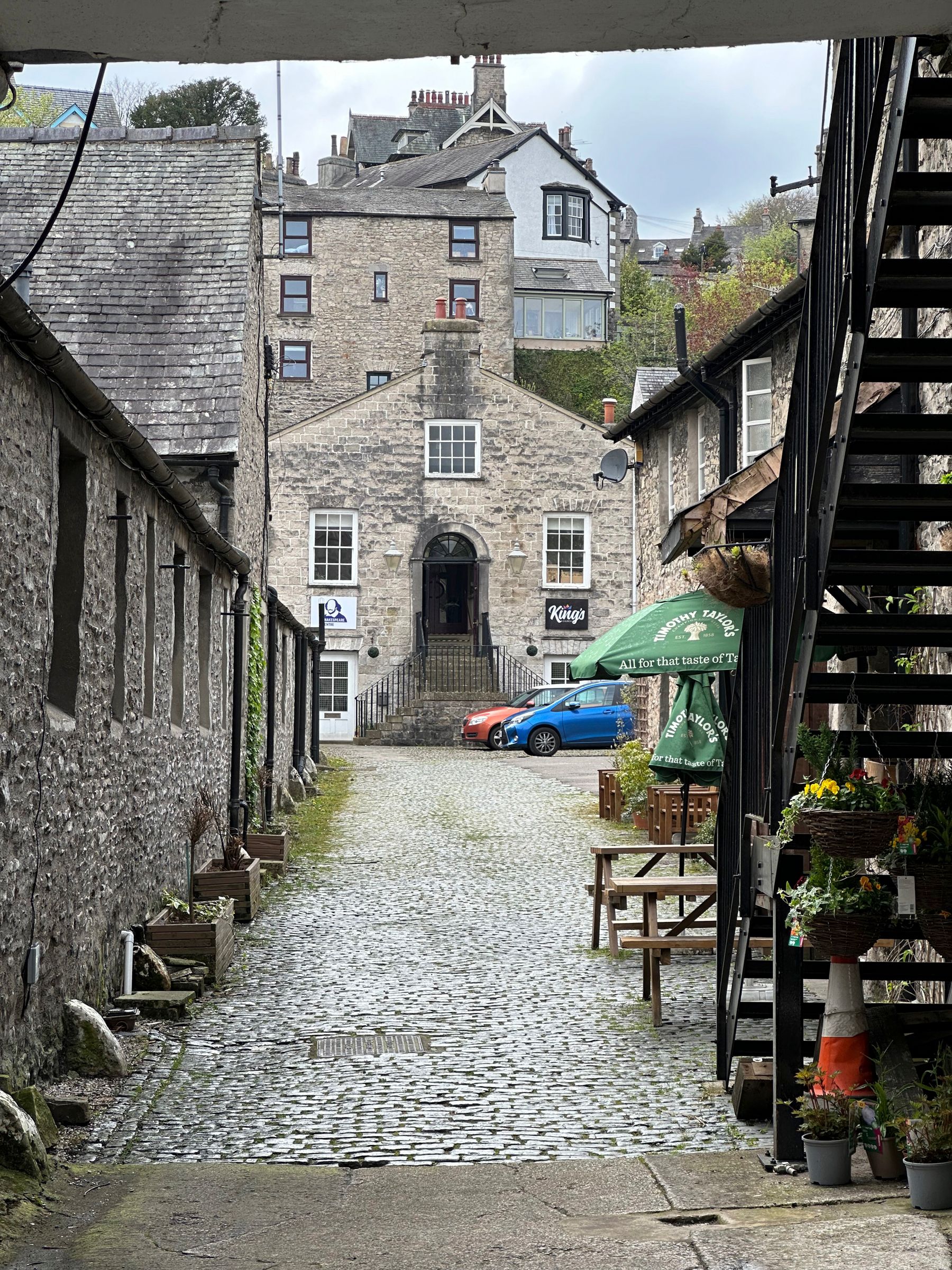
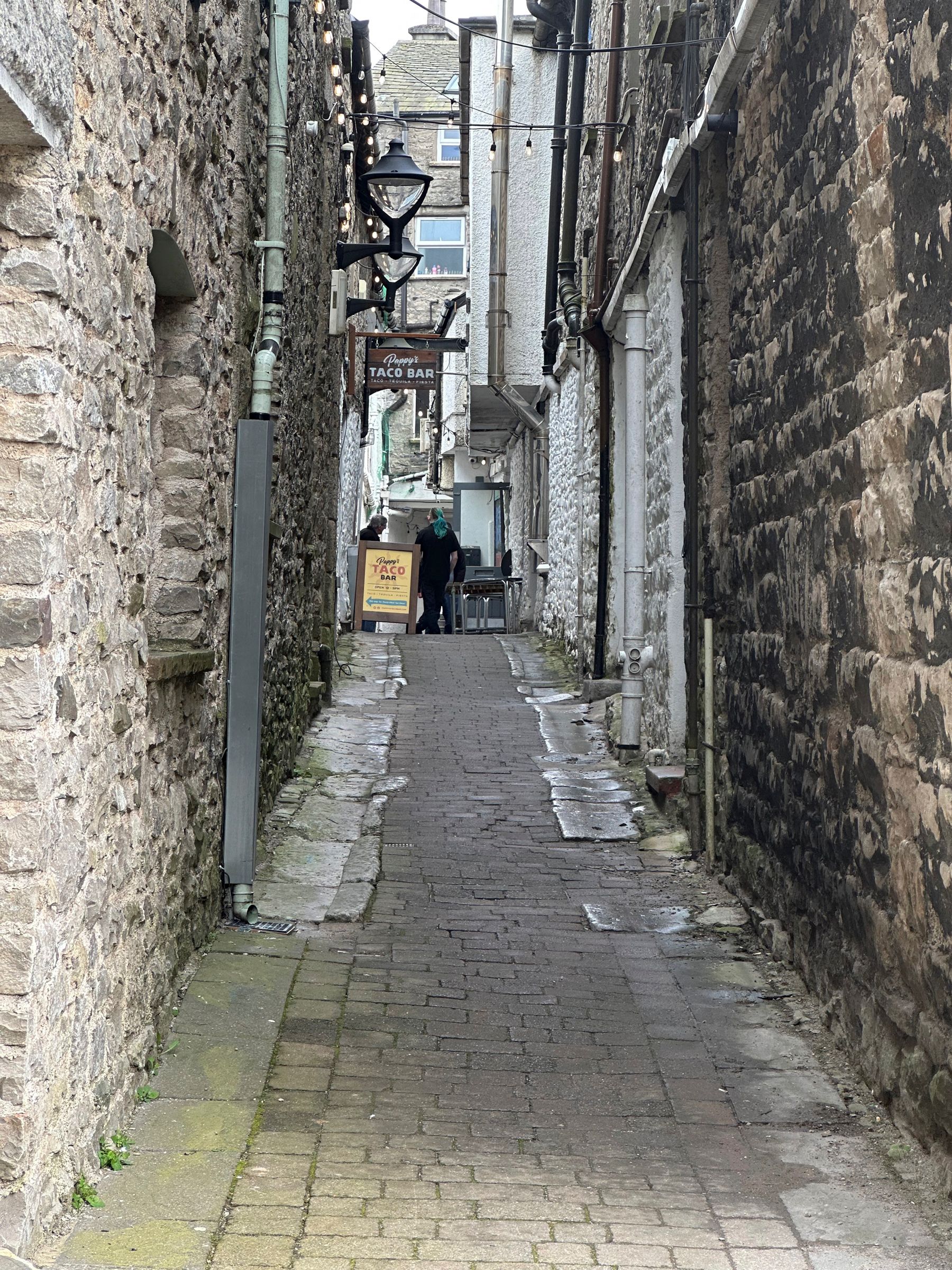
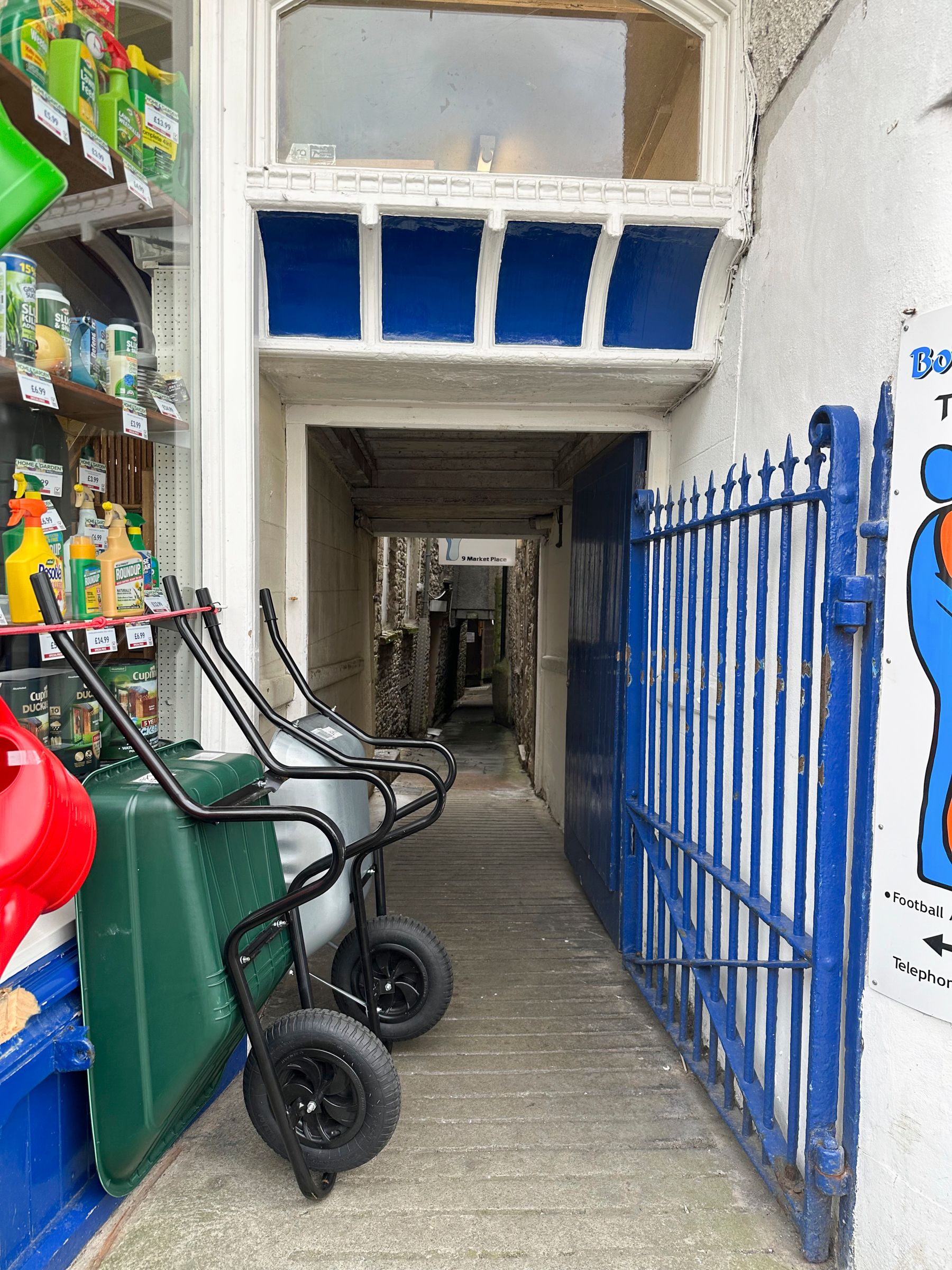
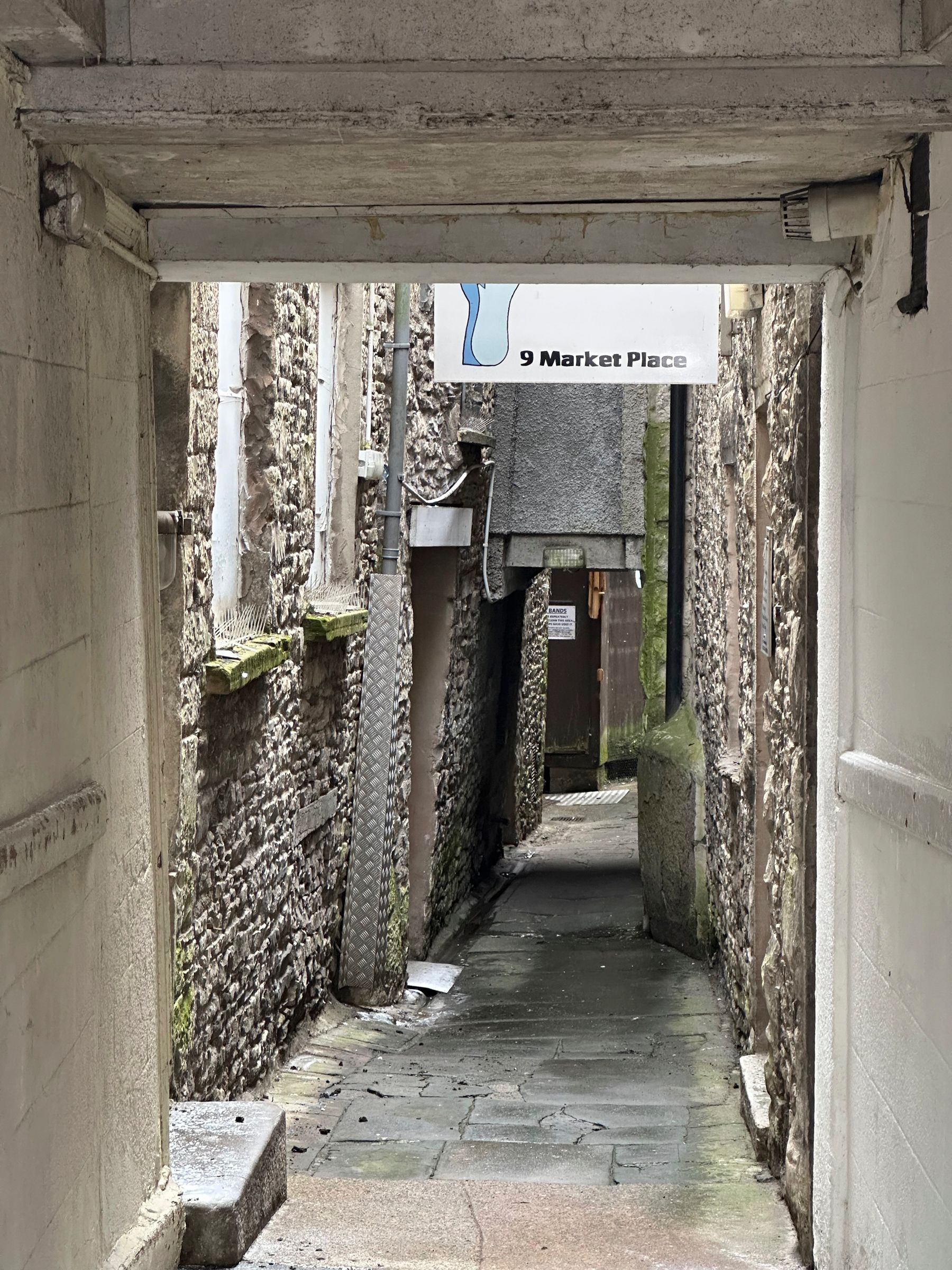
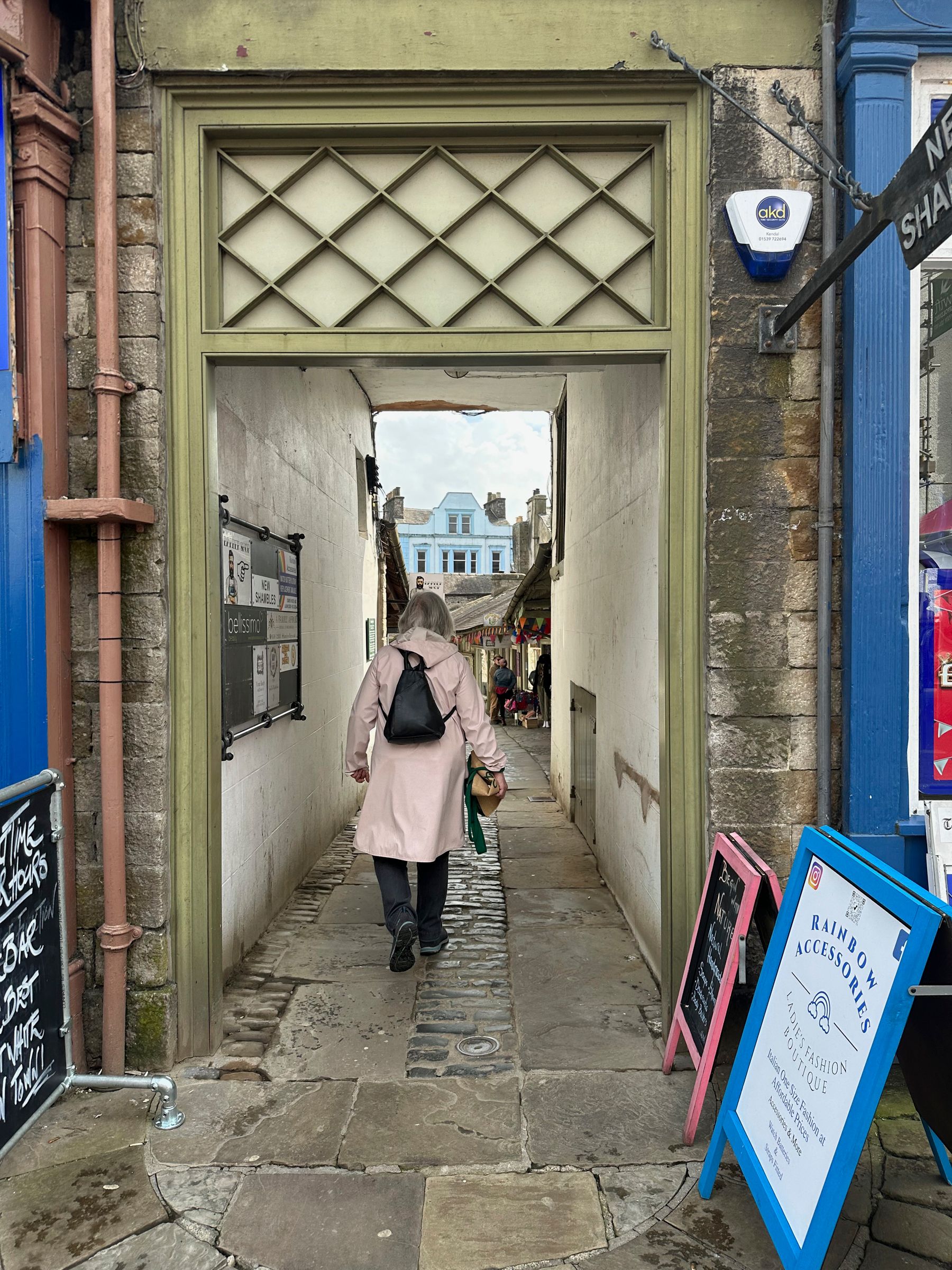
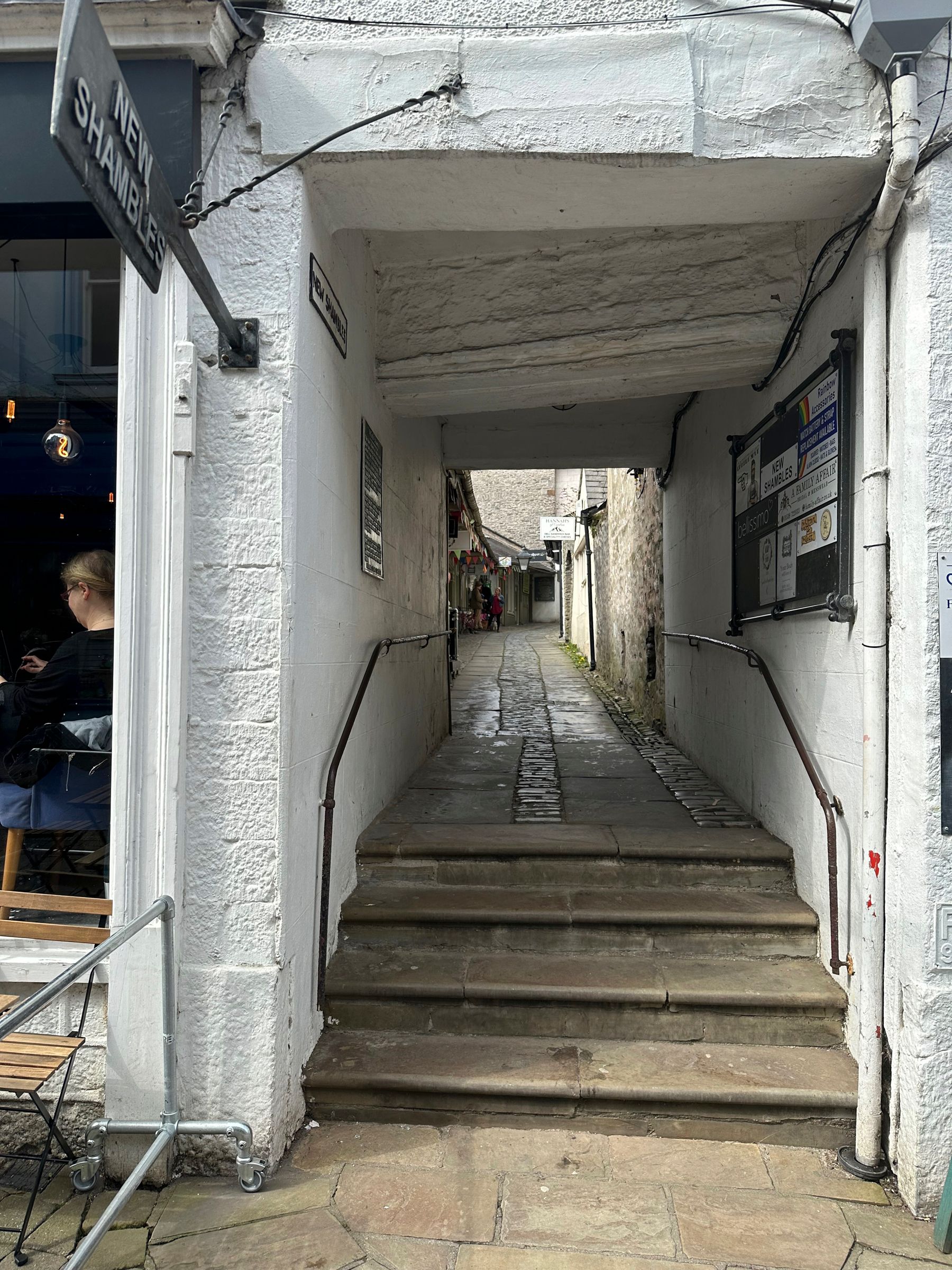
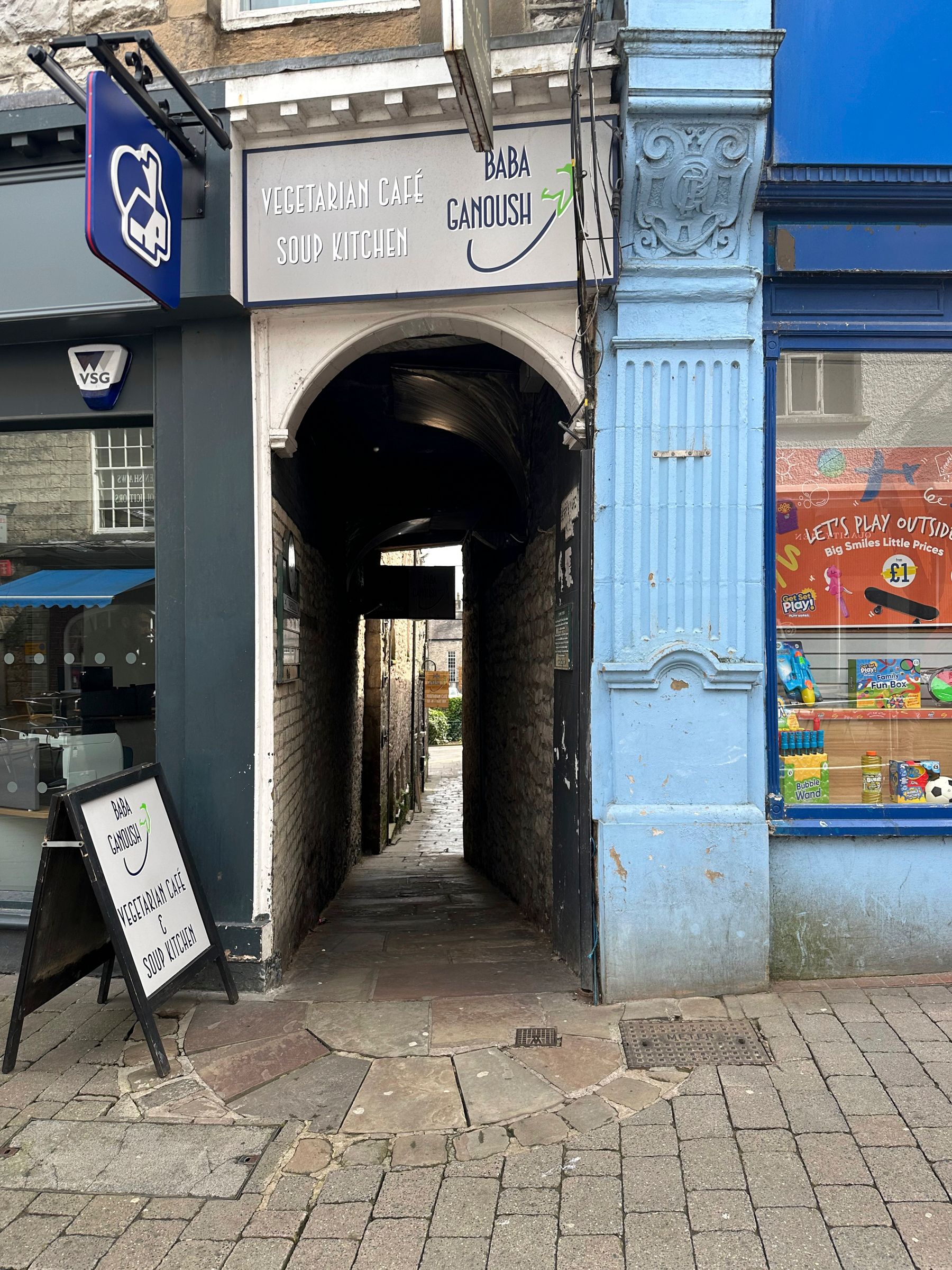
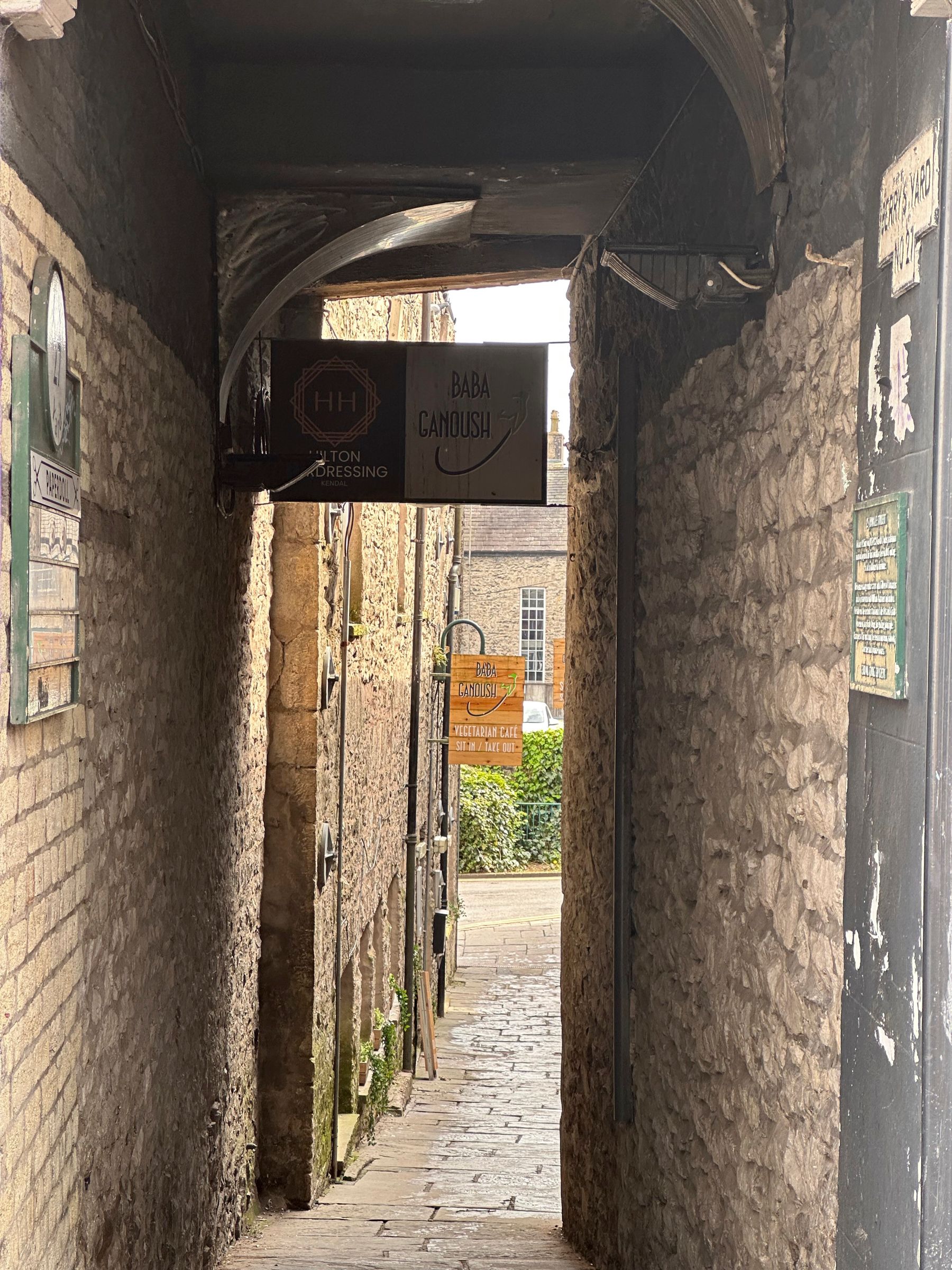
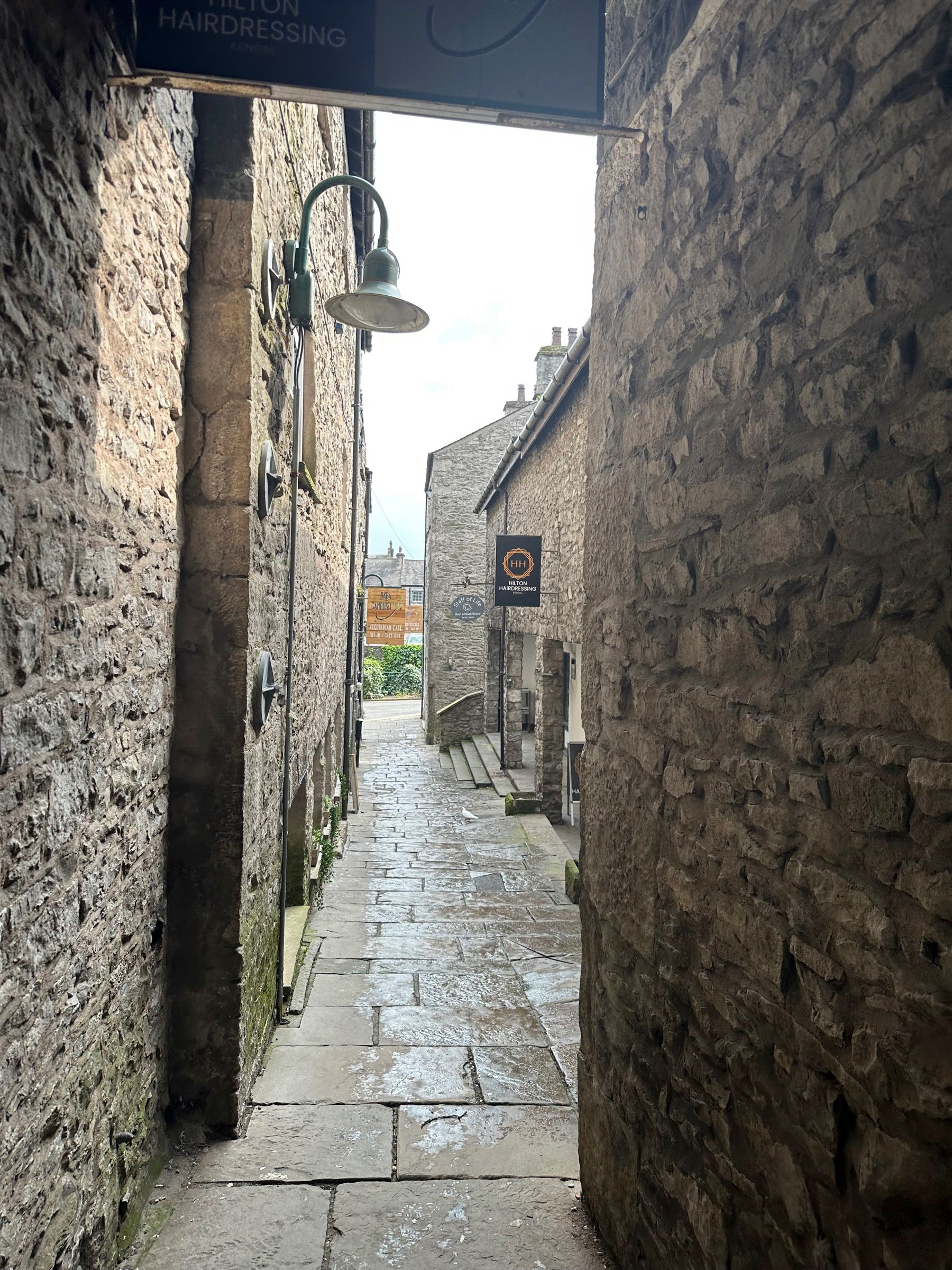
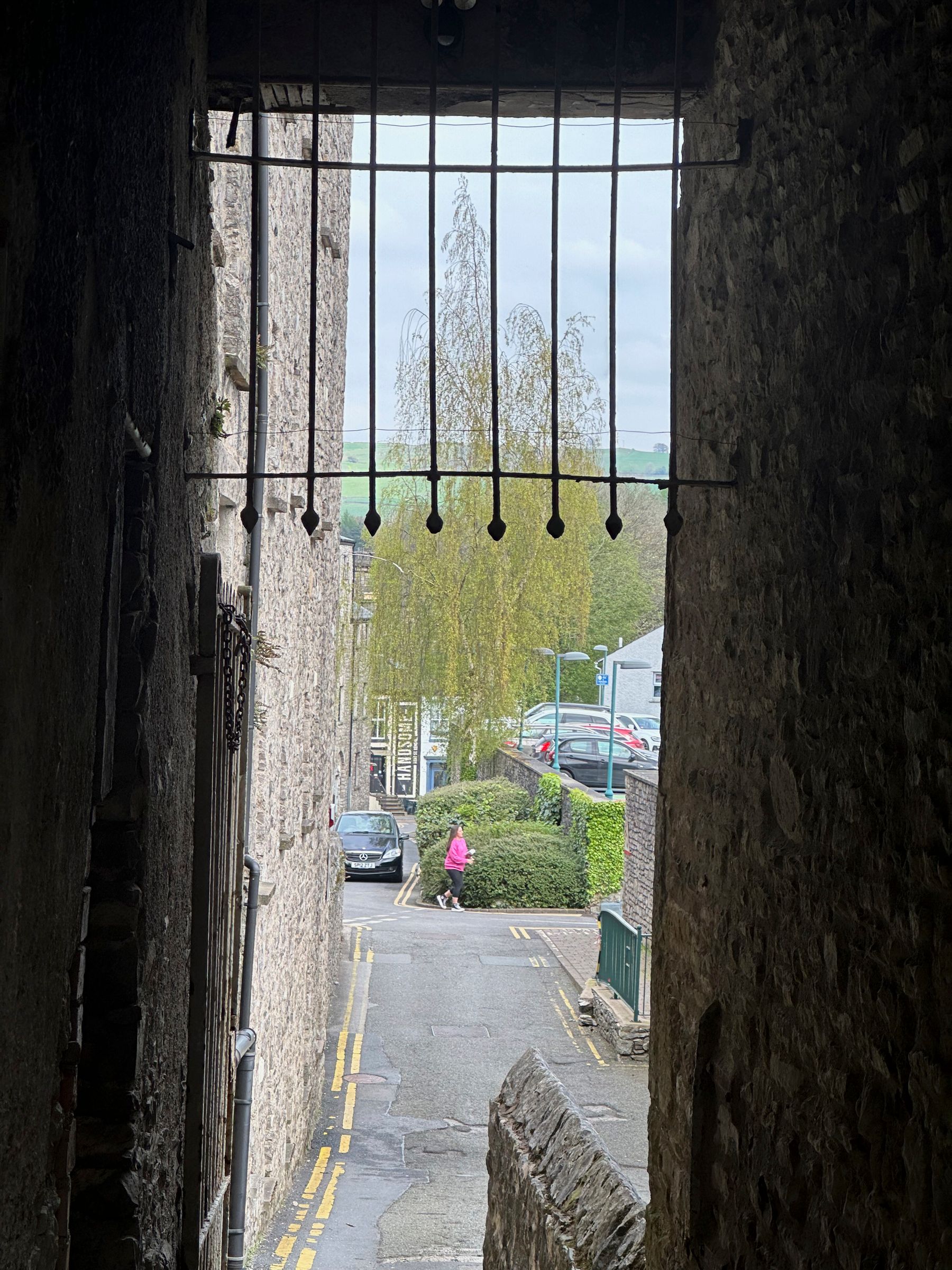
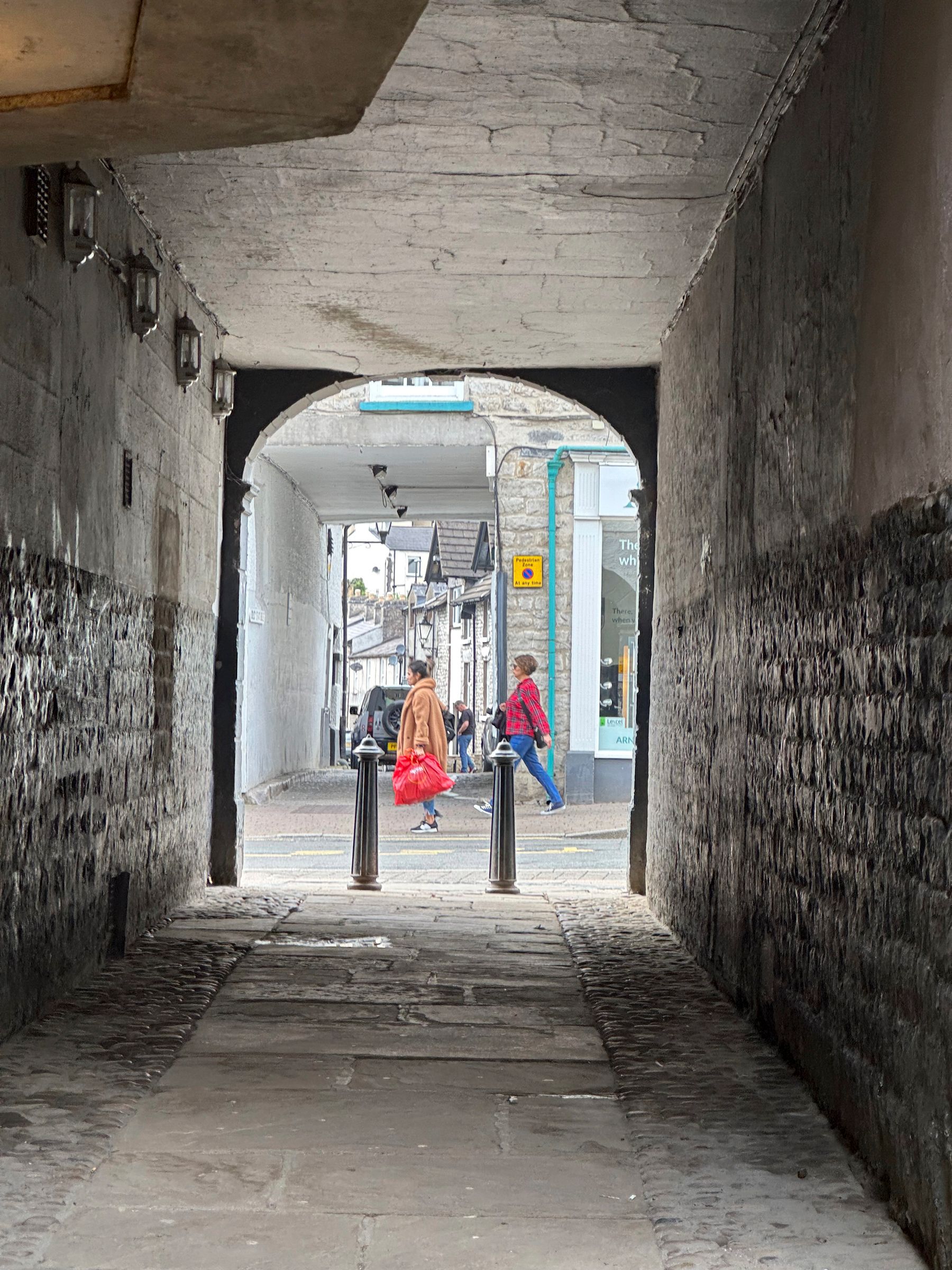
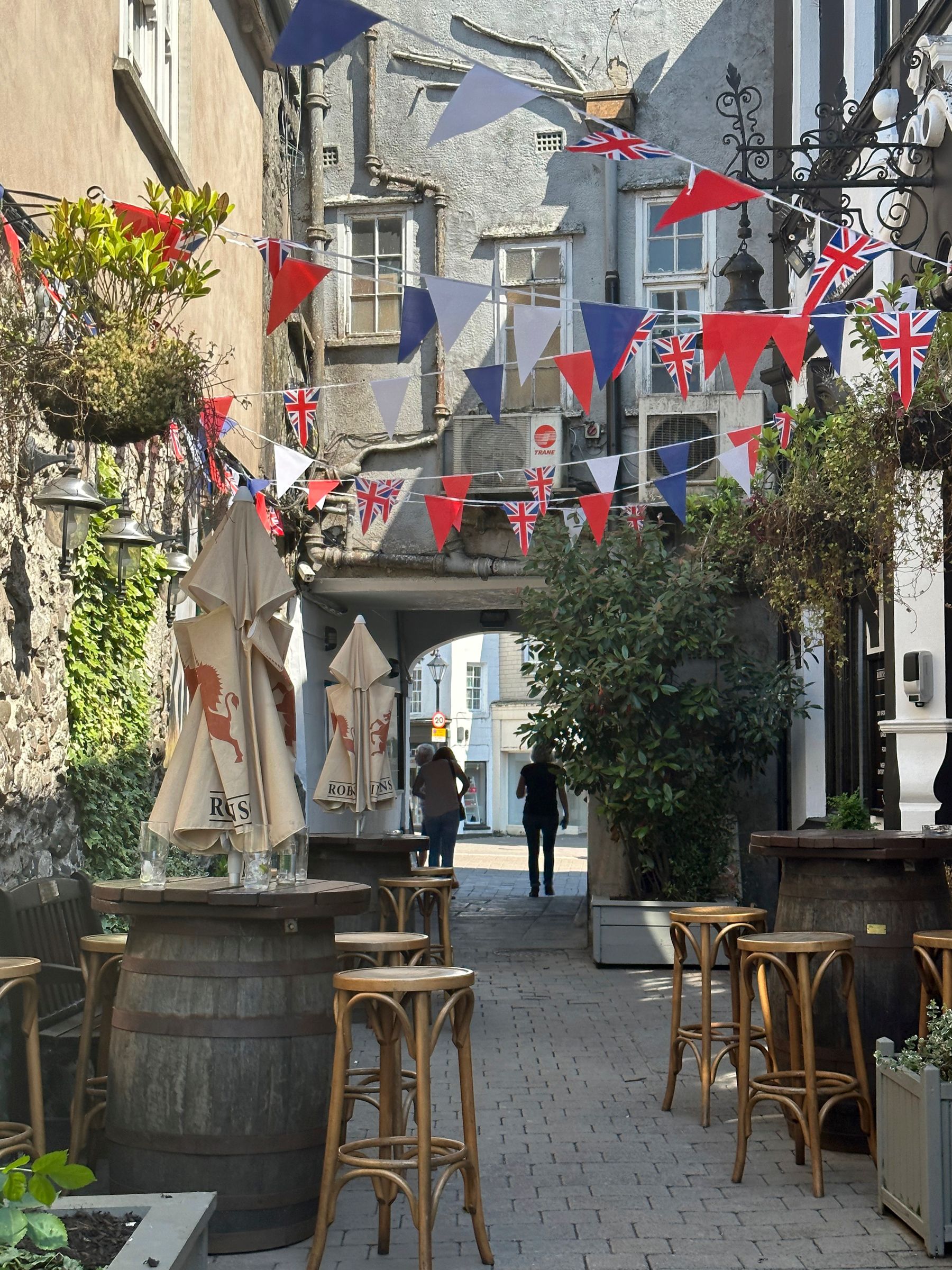
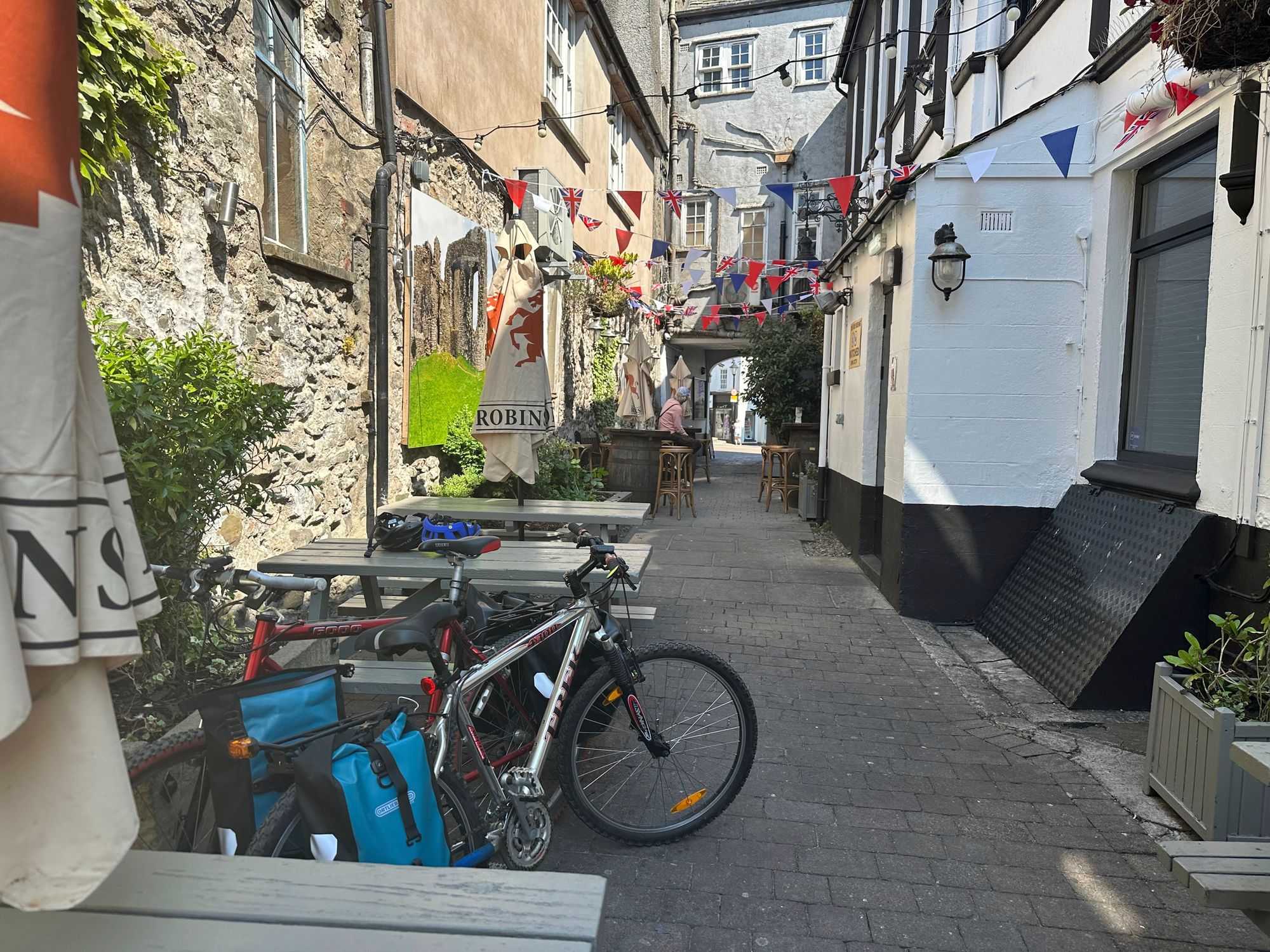
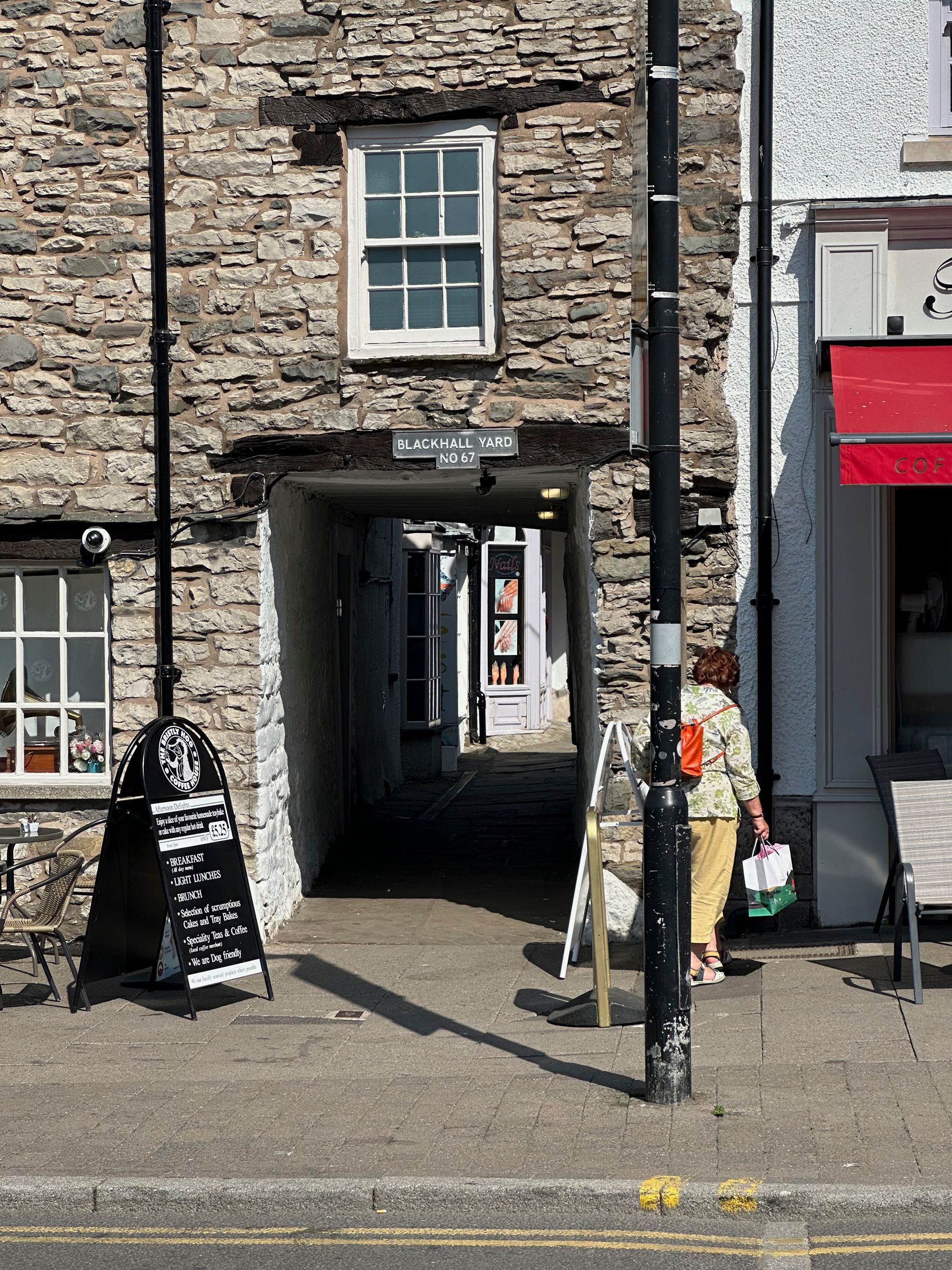
I'm struck by the streetscape and in particular its permeability - the absorbent nature of the openings that arise in the buildings that line the streets. People walk along the street and then, in an instant, disappear. They're negotiating the town centre through an organic network of yards. I imagine that a life time of living here might sustain a knowledge that's so complete that the incumbent could live and walk and survive in the yards without ever leaving them.
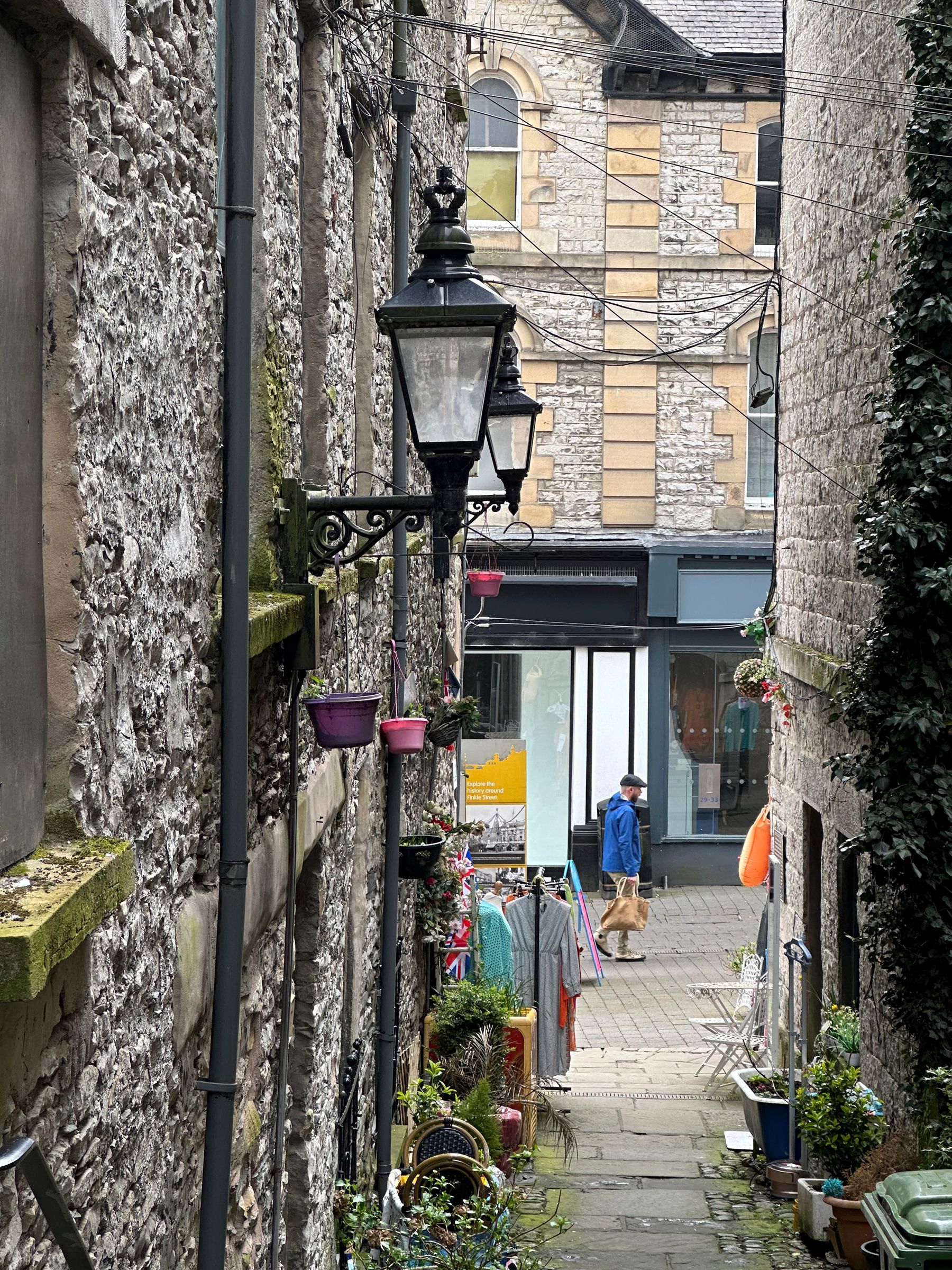
"I imagine that a life time of living here might sustain a knowledge that's so complete that the incumbent could live and walk and survive in the yards without ever leaving them."
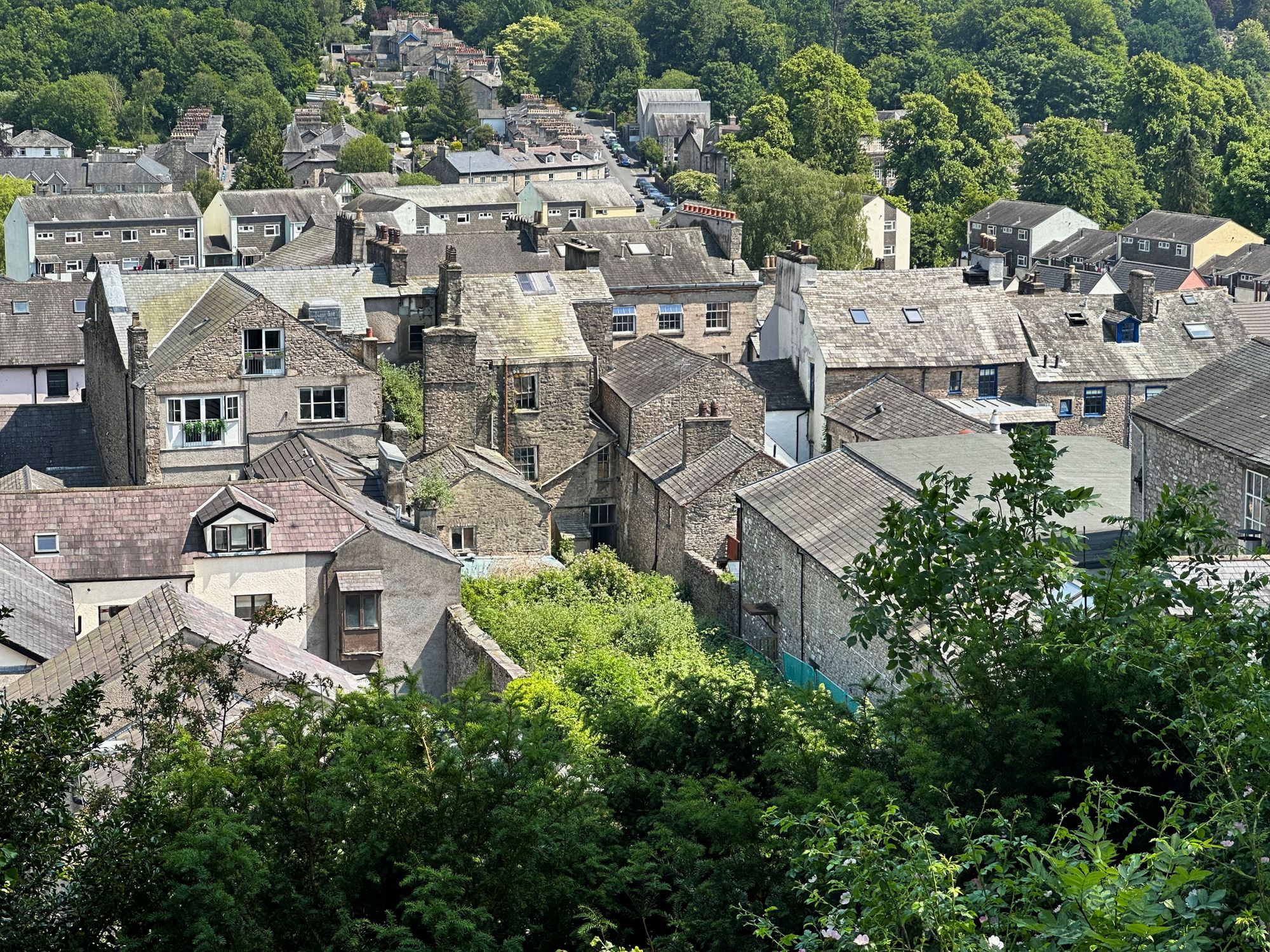
Kendal's yards were shaped and developed by the Industrial Revolution in the 18th and 19th centuries but they were formed around boundaries that stretch back to medieval times.
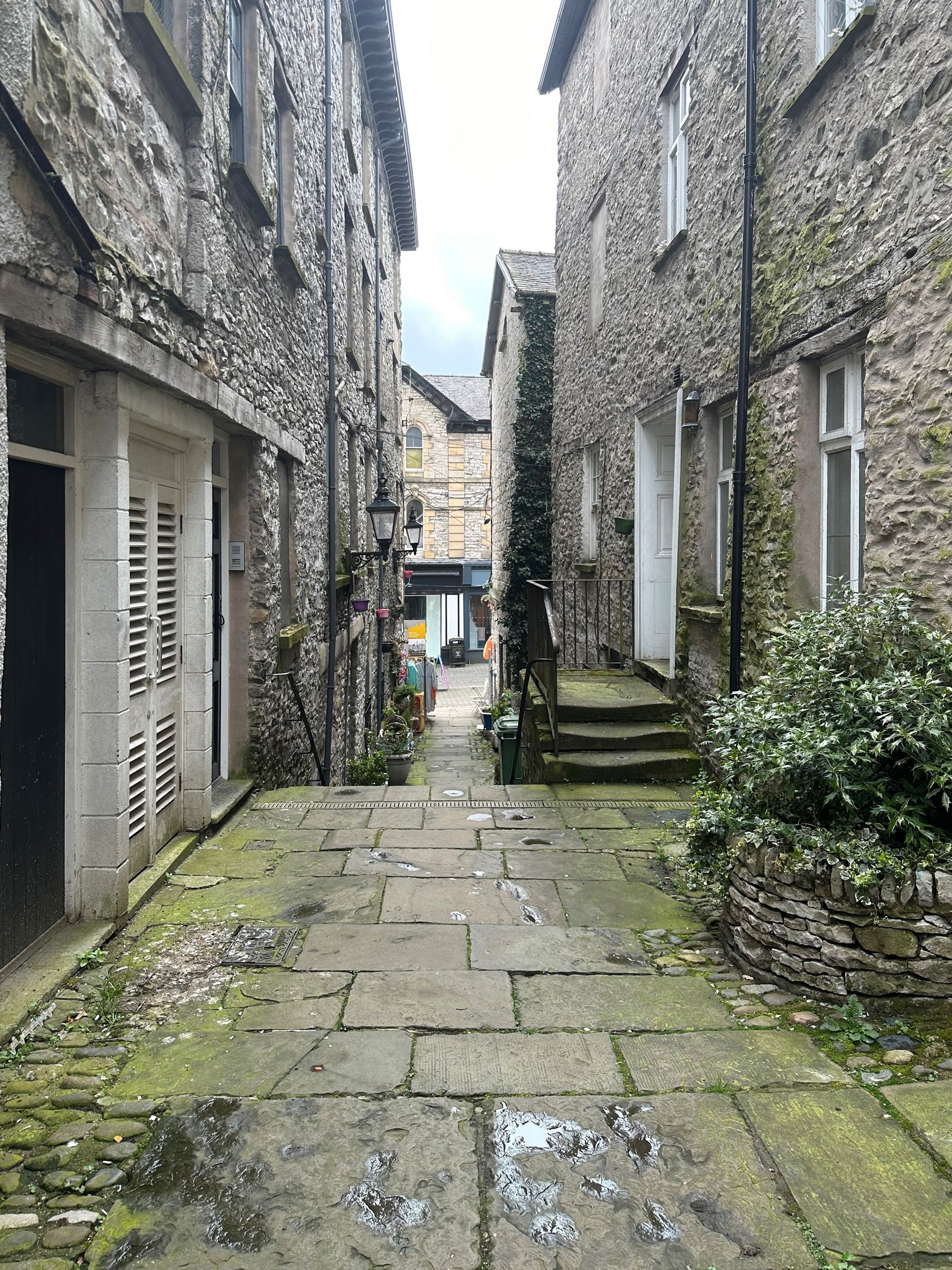
There's something about the yards of Kendal that appeals to the basic instinct for shelter: a defensible position, a place of respite, a view around a corner that intrigues.
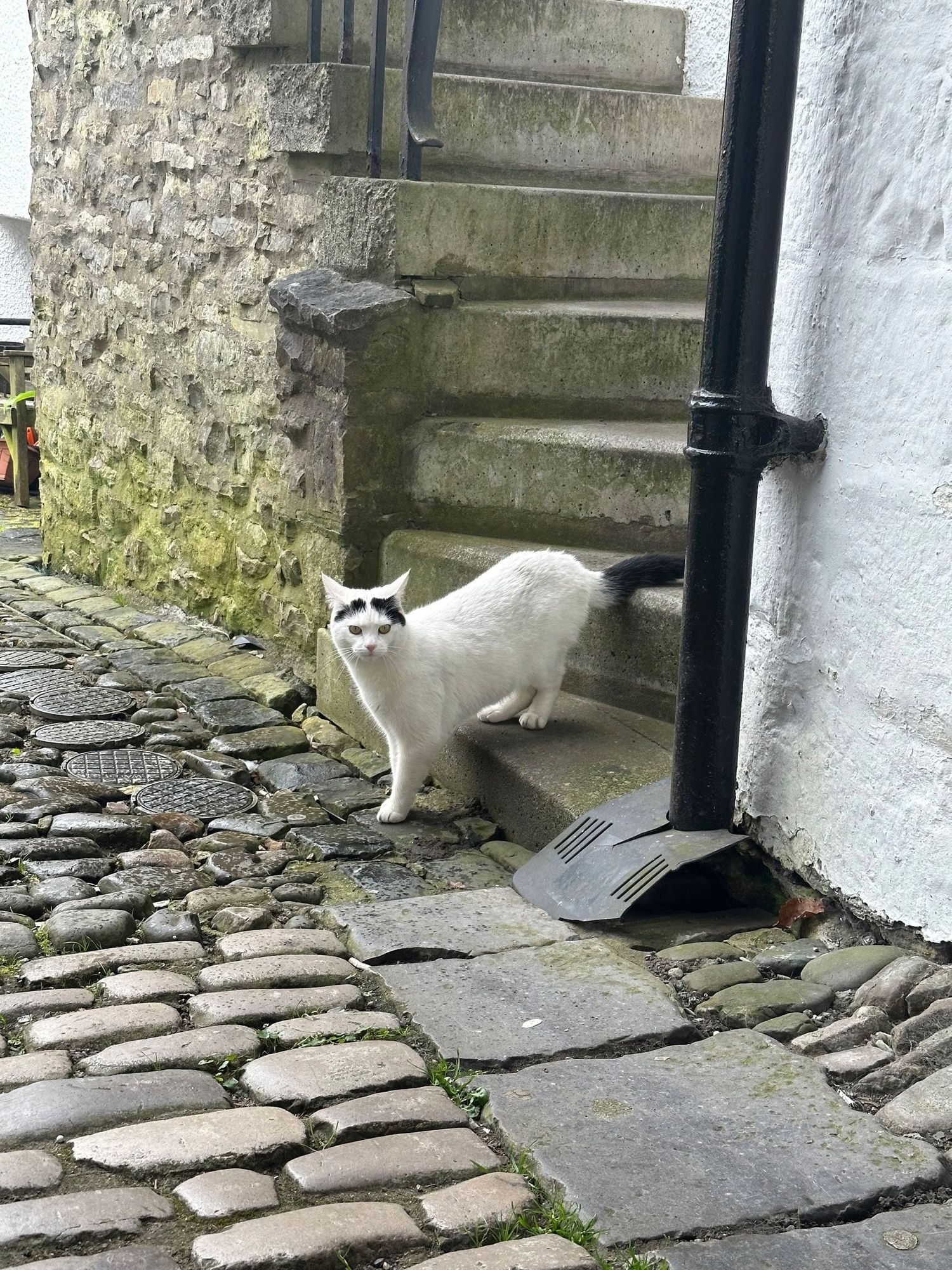
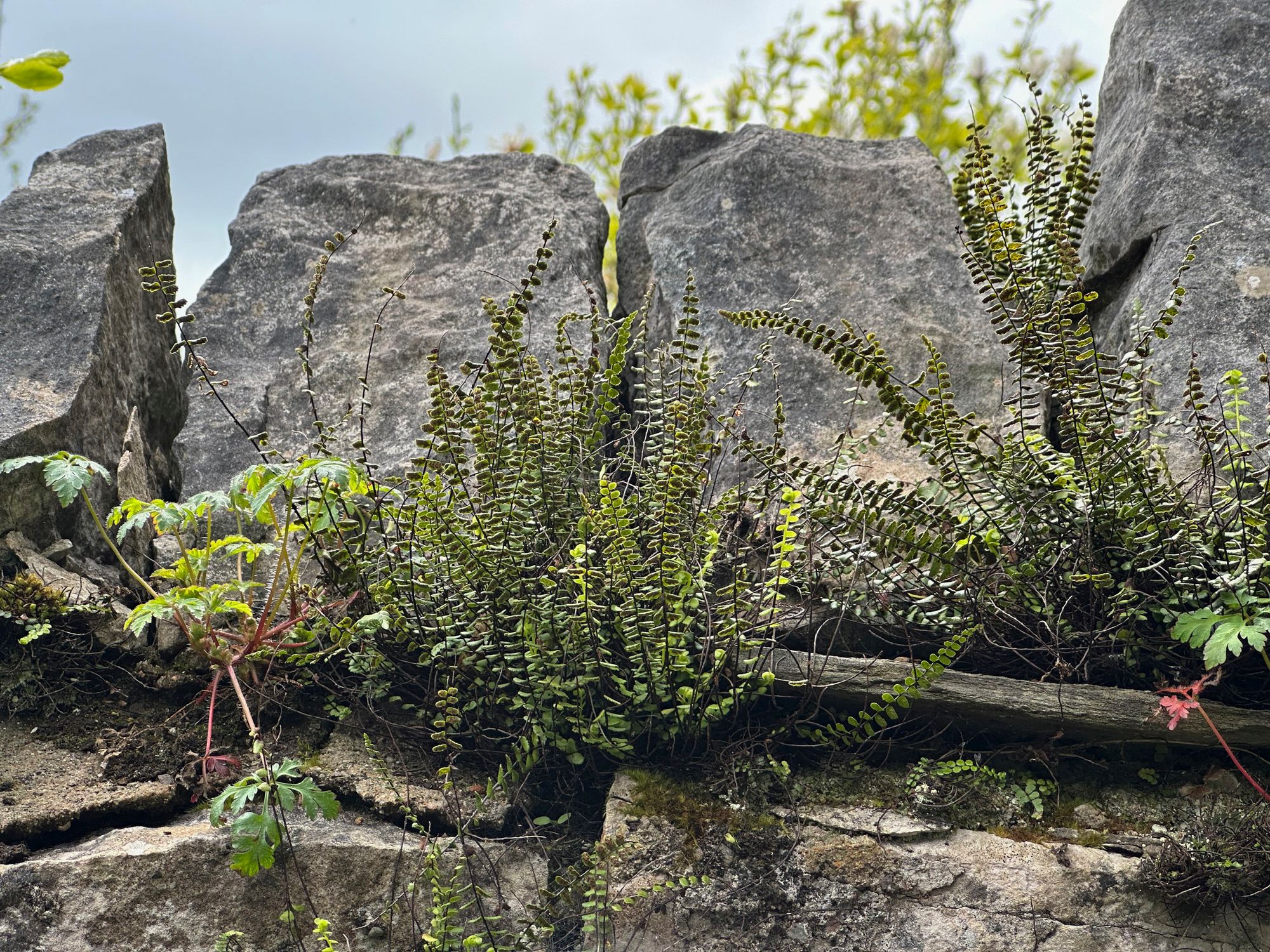
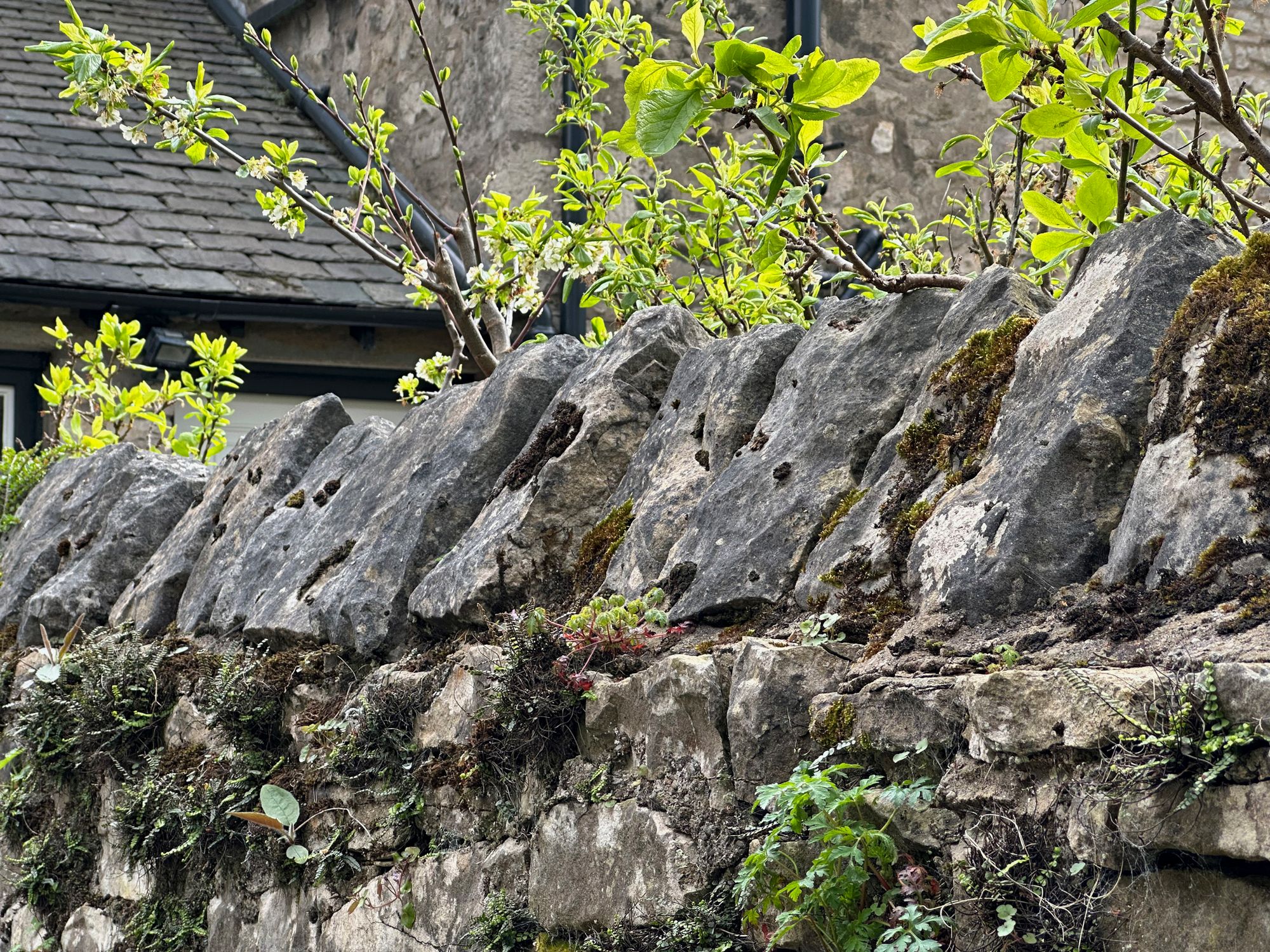
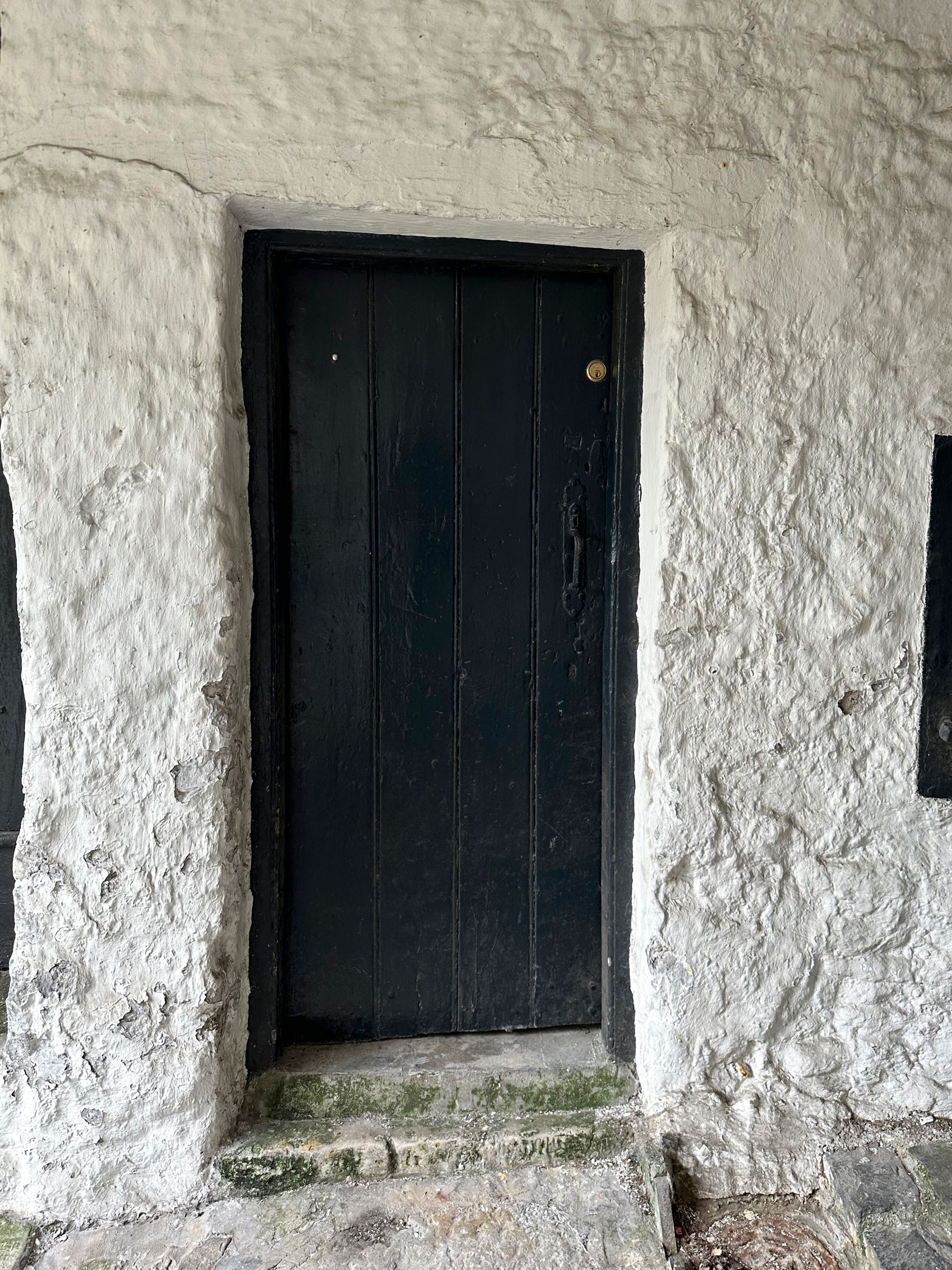
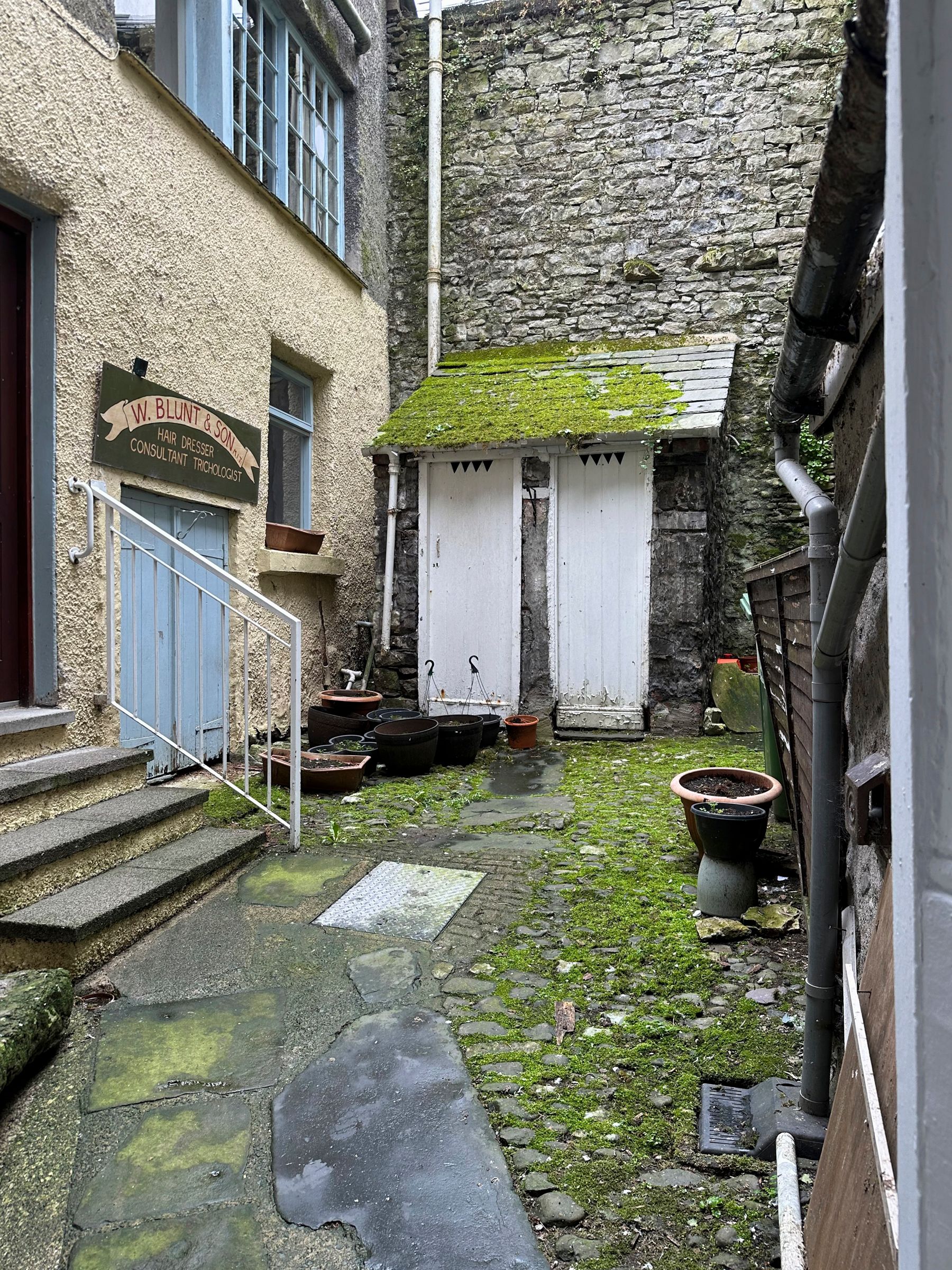
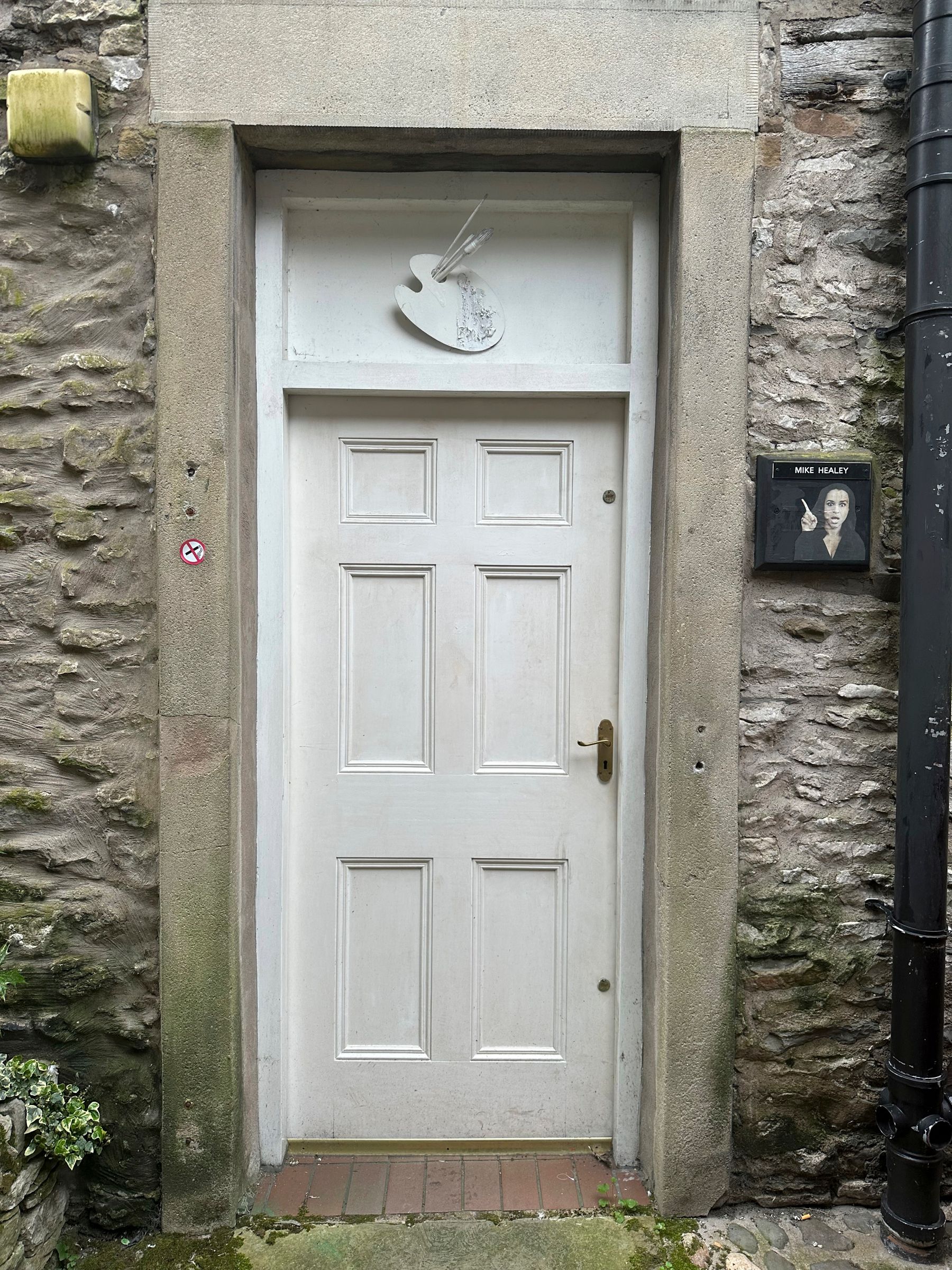
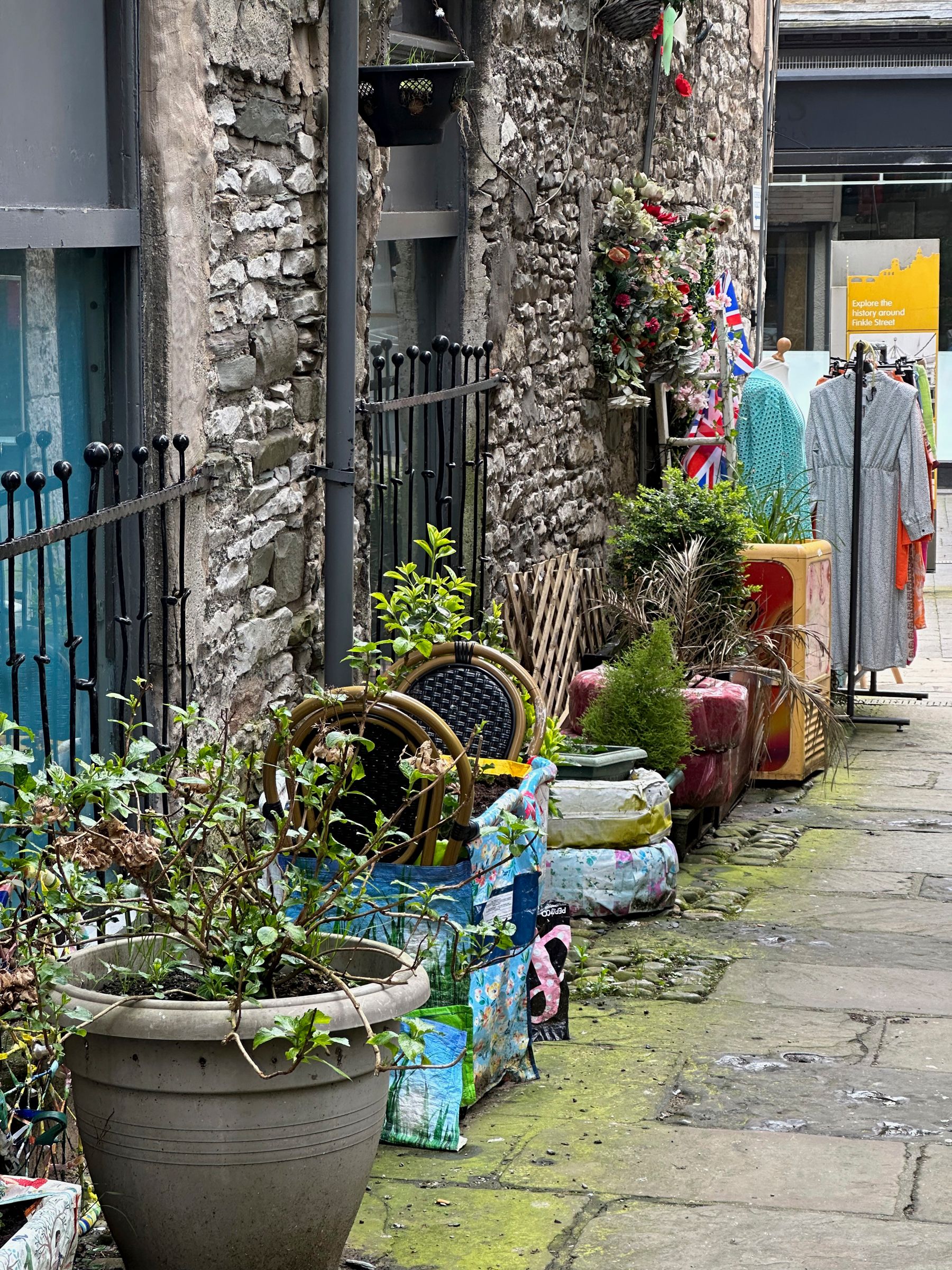
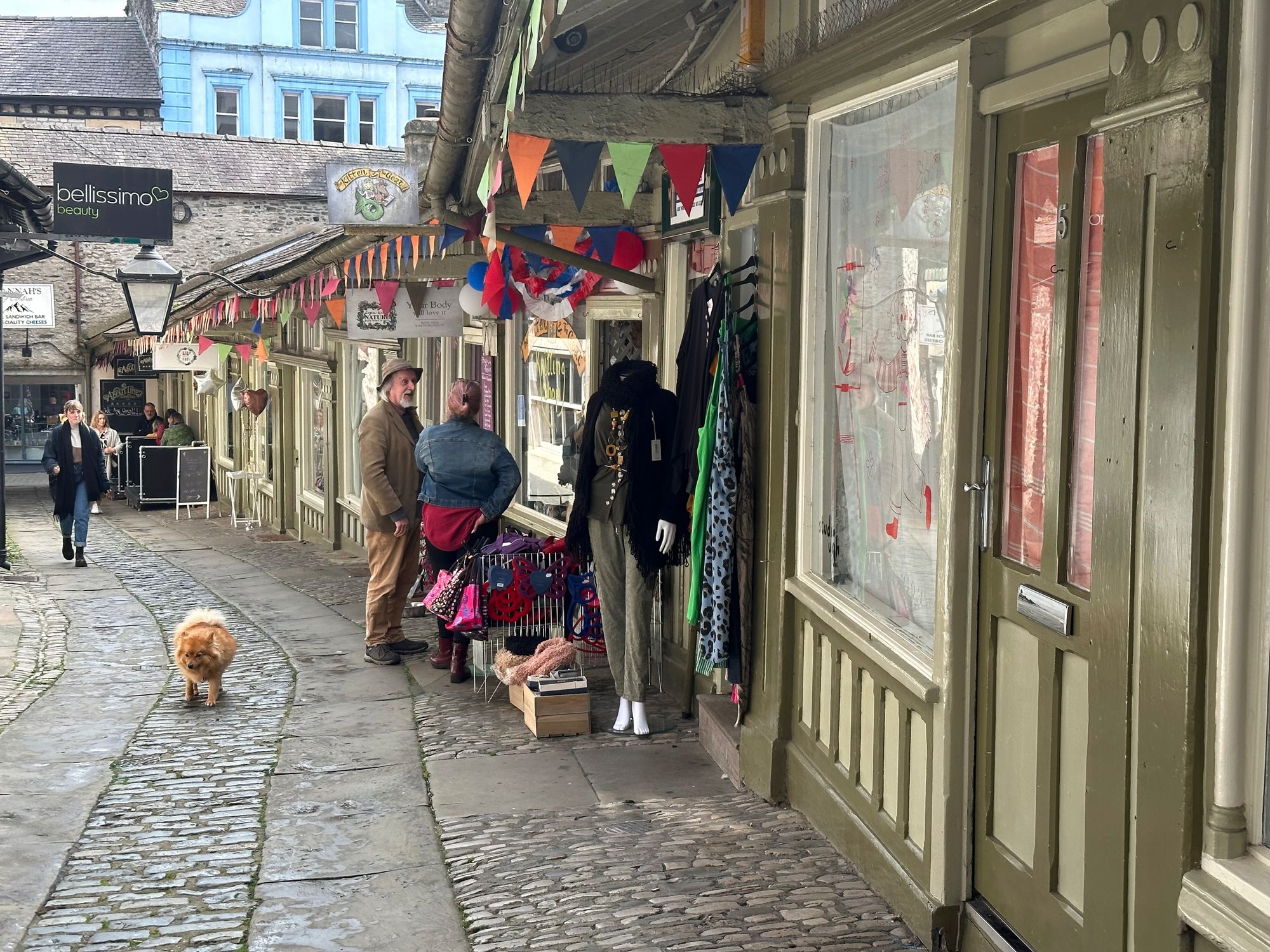
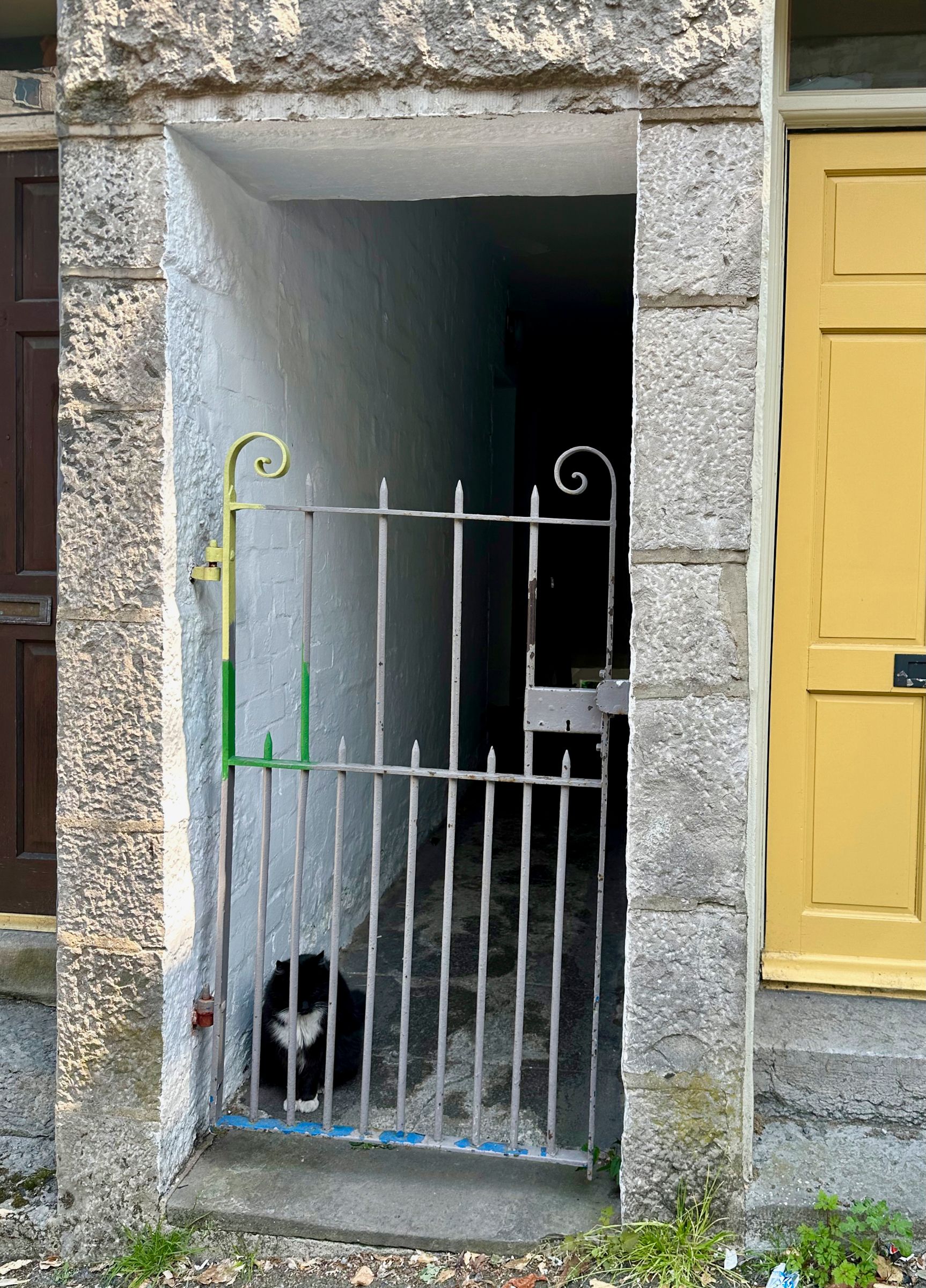
Each yard has its own eco system, a microcosm that encompasses the detritus of life, the cycle of decline, re-use and re-purpose. The yards have grown organically to infiltrate the town like the cells of a leaf. Some have become conduits and through-ways, whilst others have been absorbed into private buildings and embellished with a polite door.
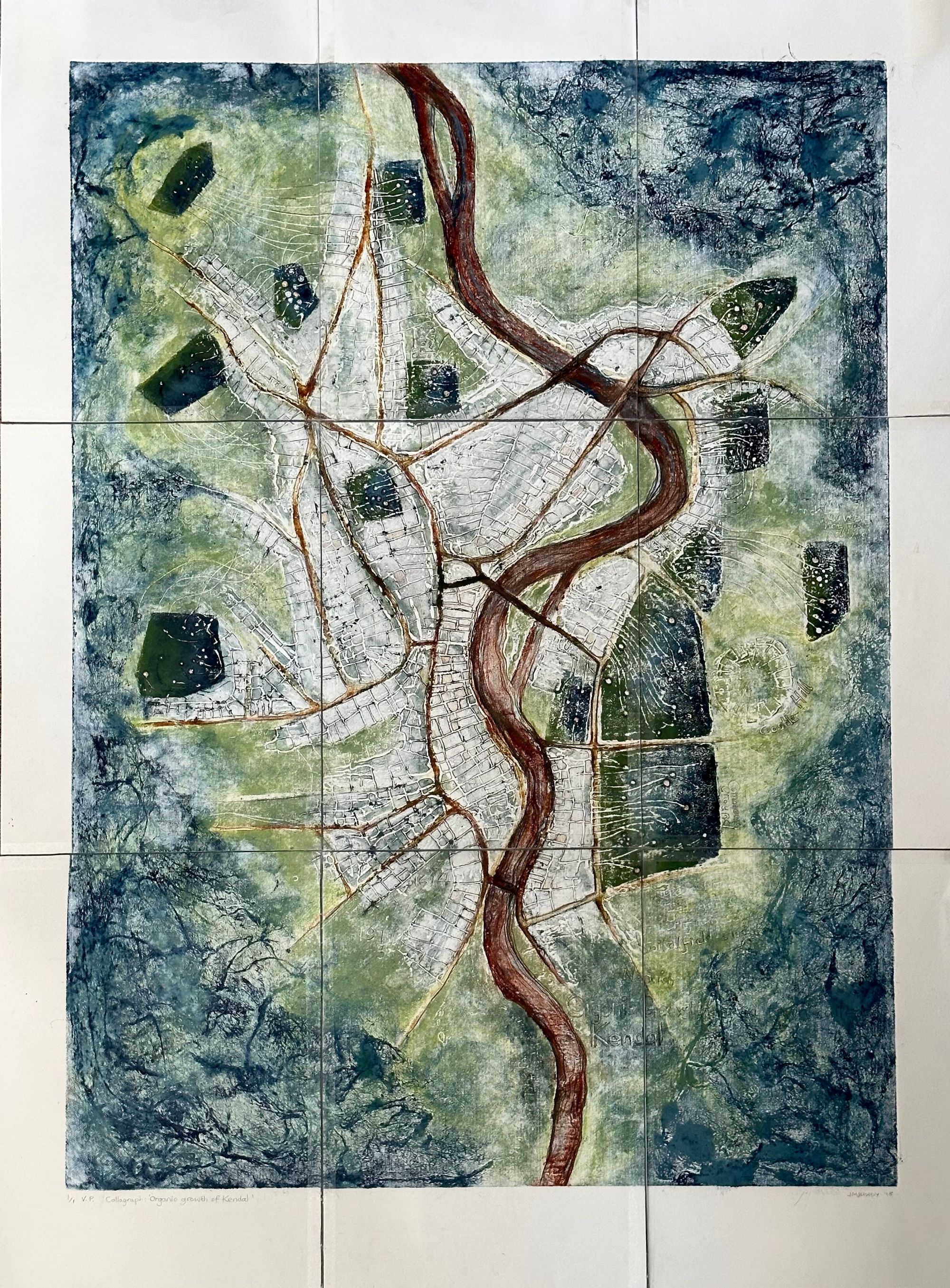
I talk to neighbour and artist, Janet Brady about Kendal and she tells me about how the town has impacted her. Later she calls over and gives me a most beautiful piece of work: a collagraph called 'Organic Growth of Kendal.' At first glance it looks like a tree and then a leaf and it corresponds with my view of the yards as being where Kendal's regenerative existence takes place - a kind of architectural photosynthesis.
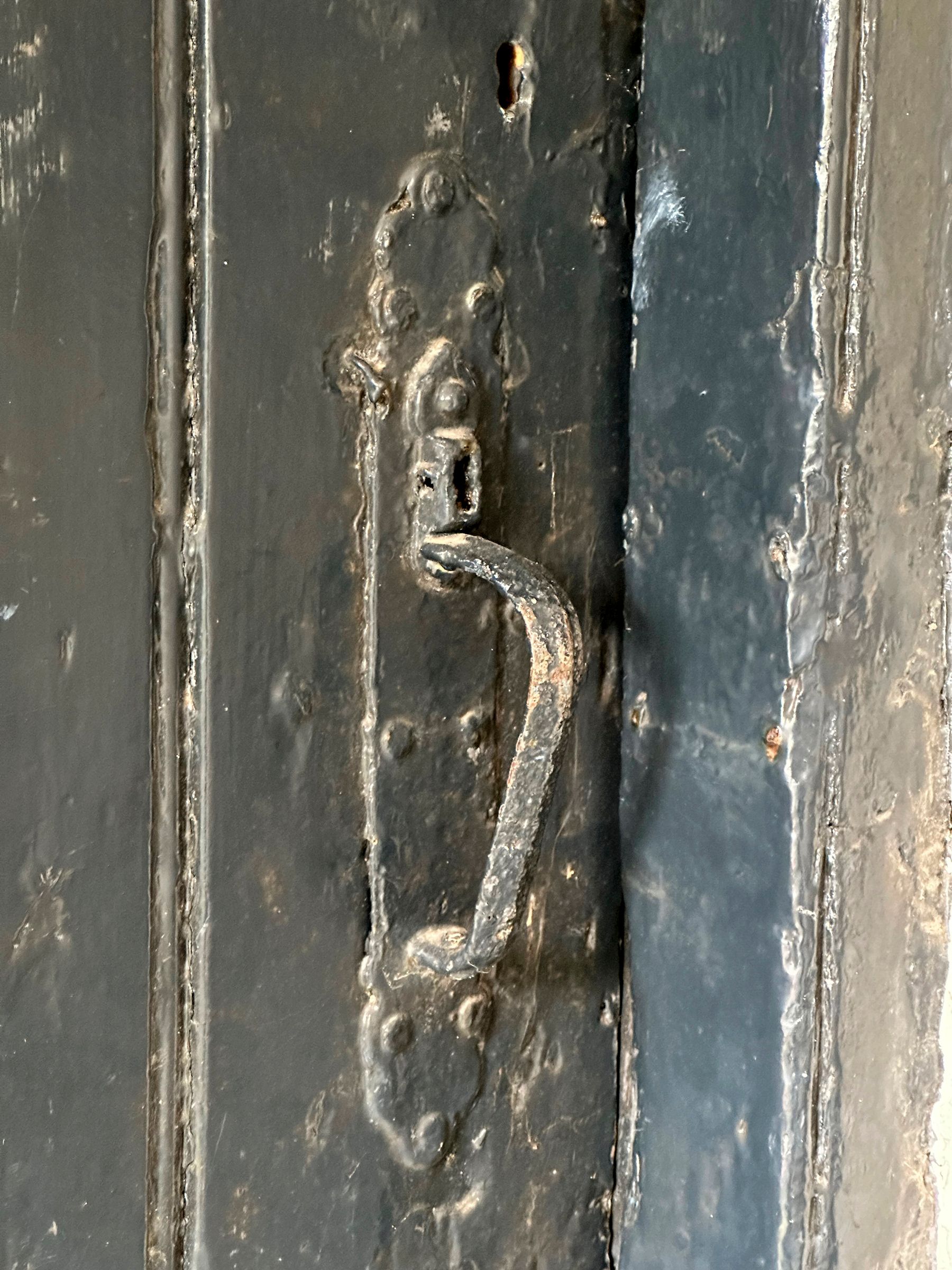
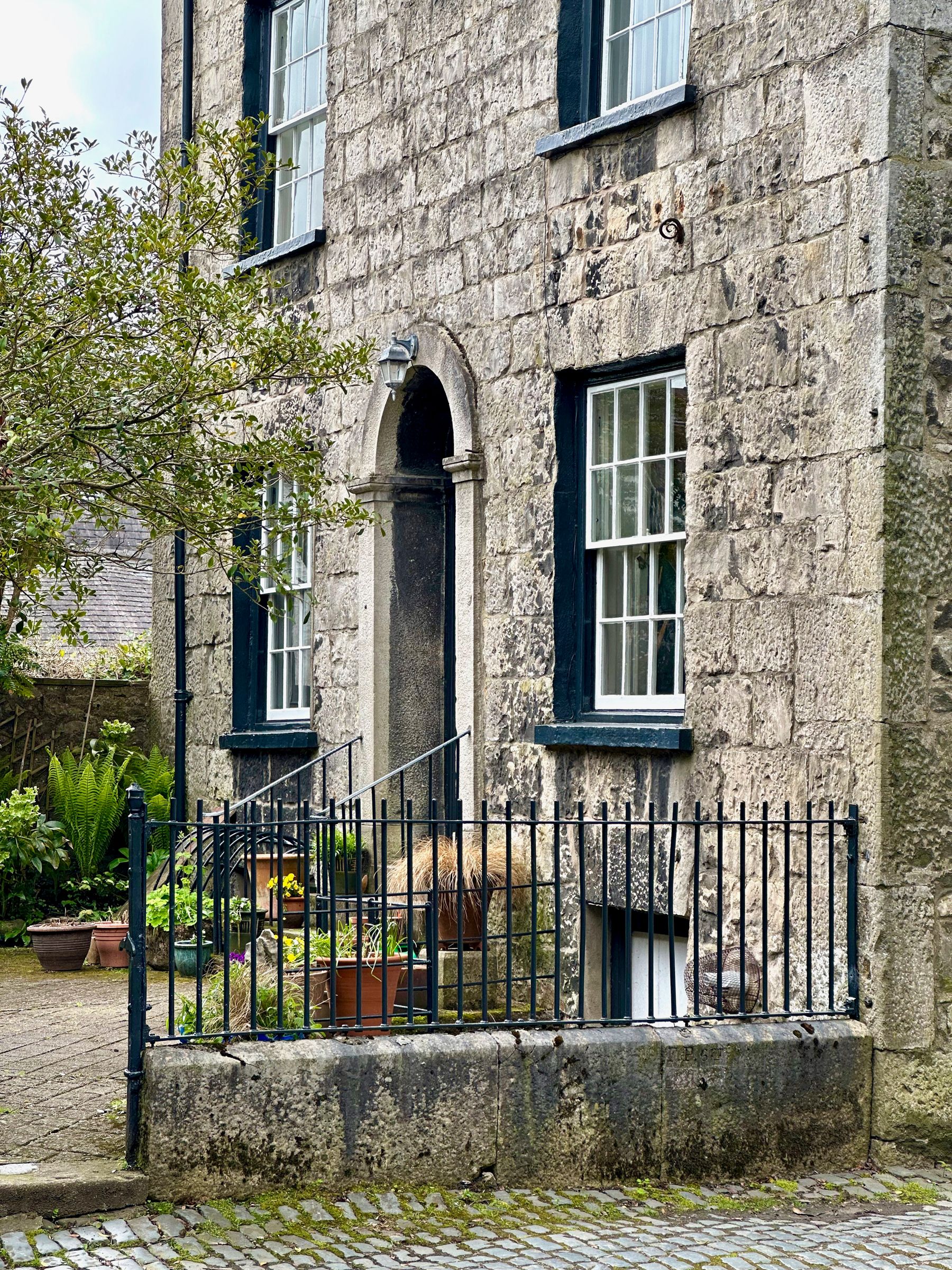
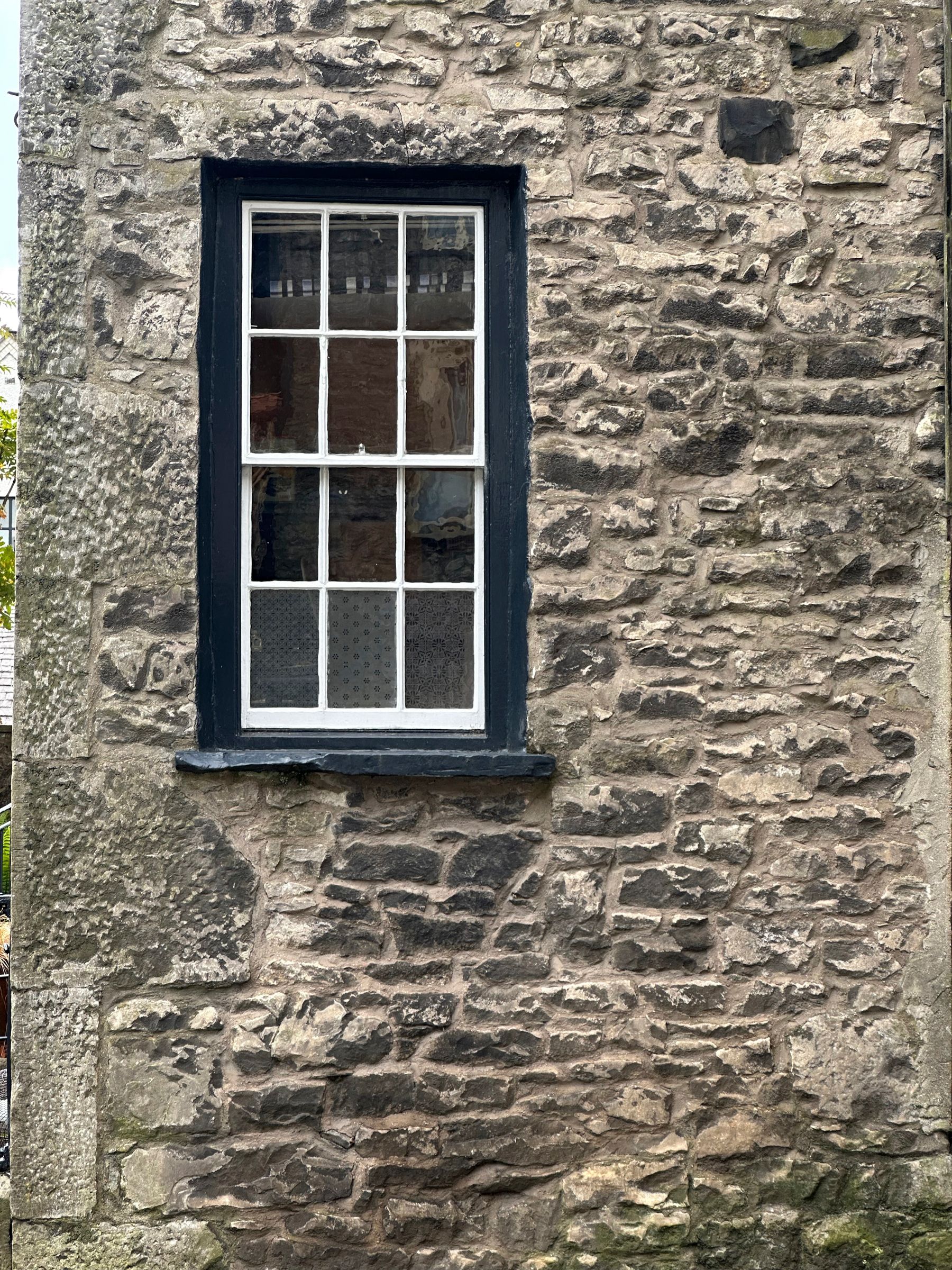
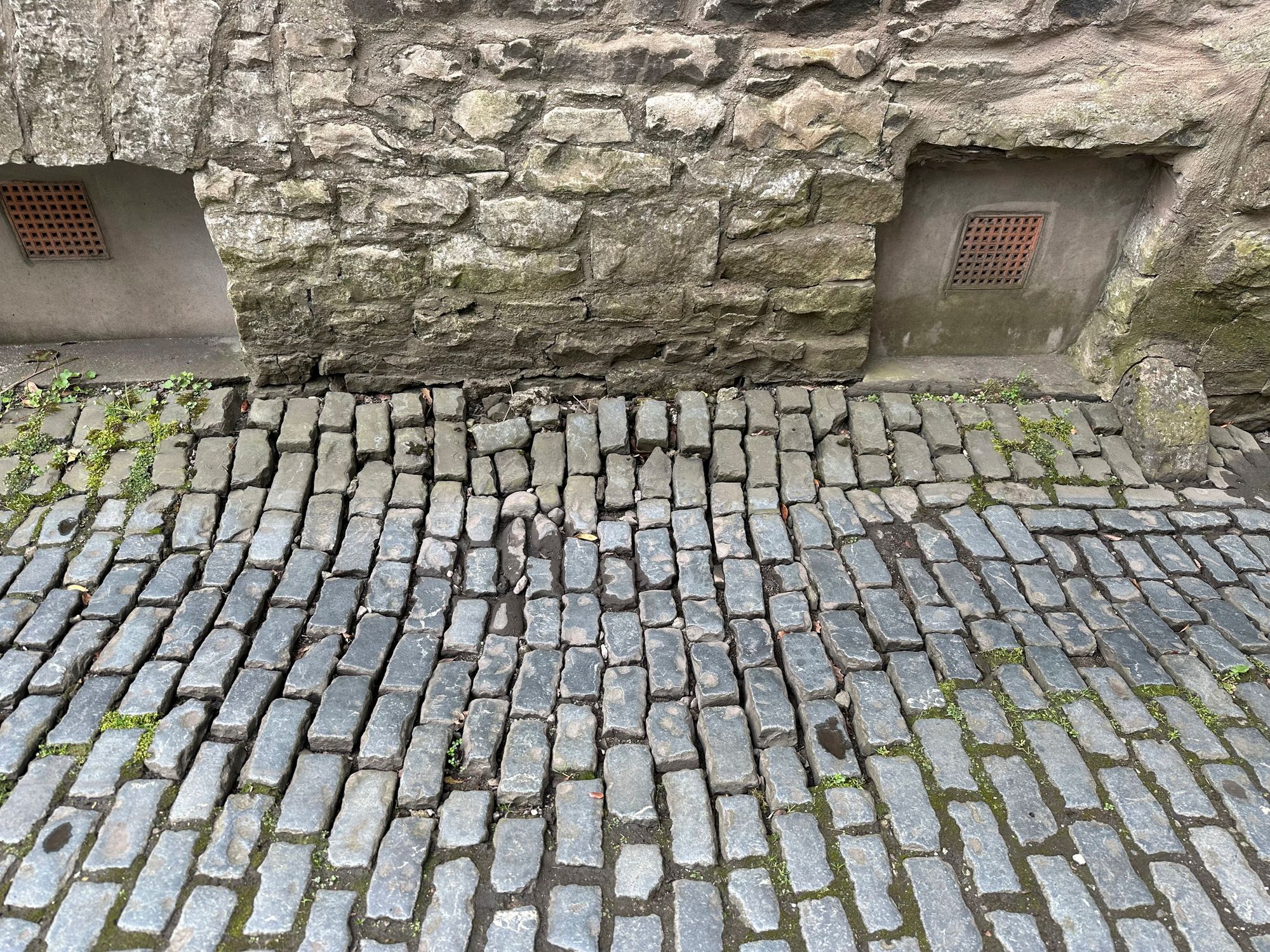
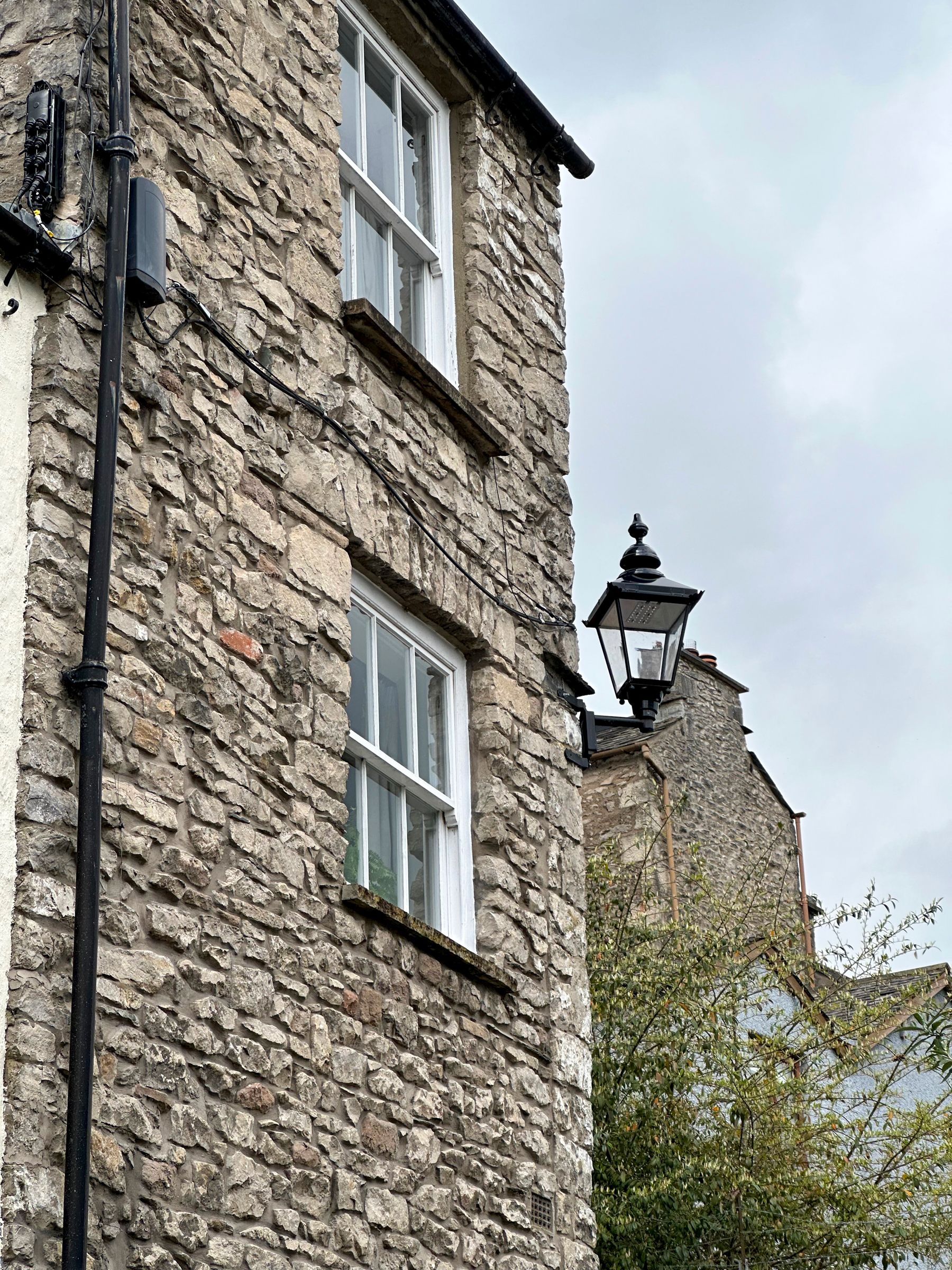
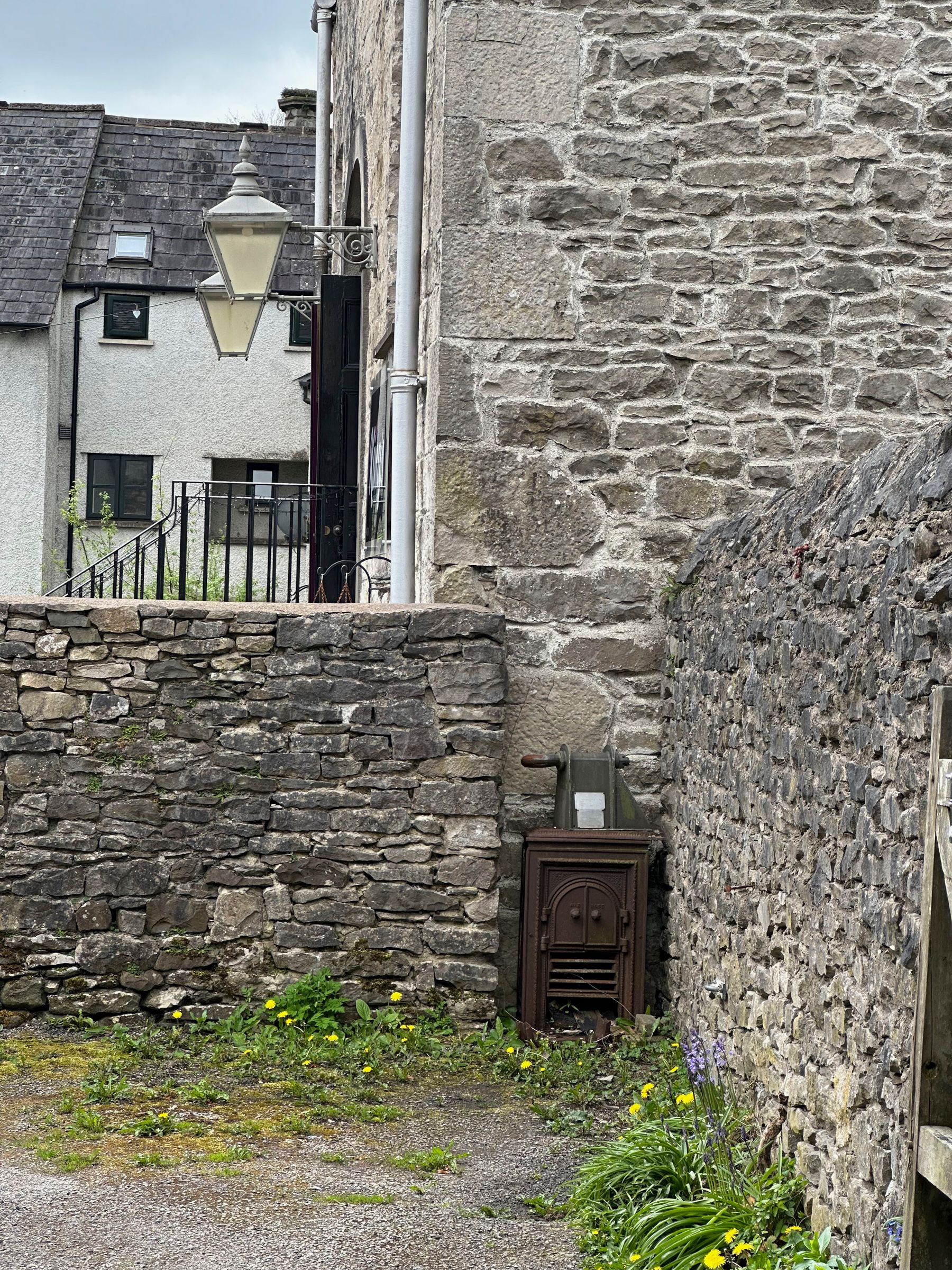
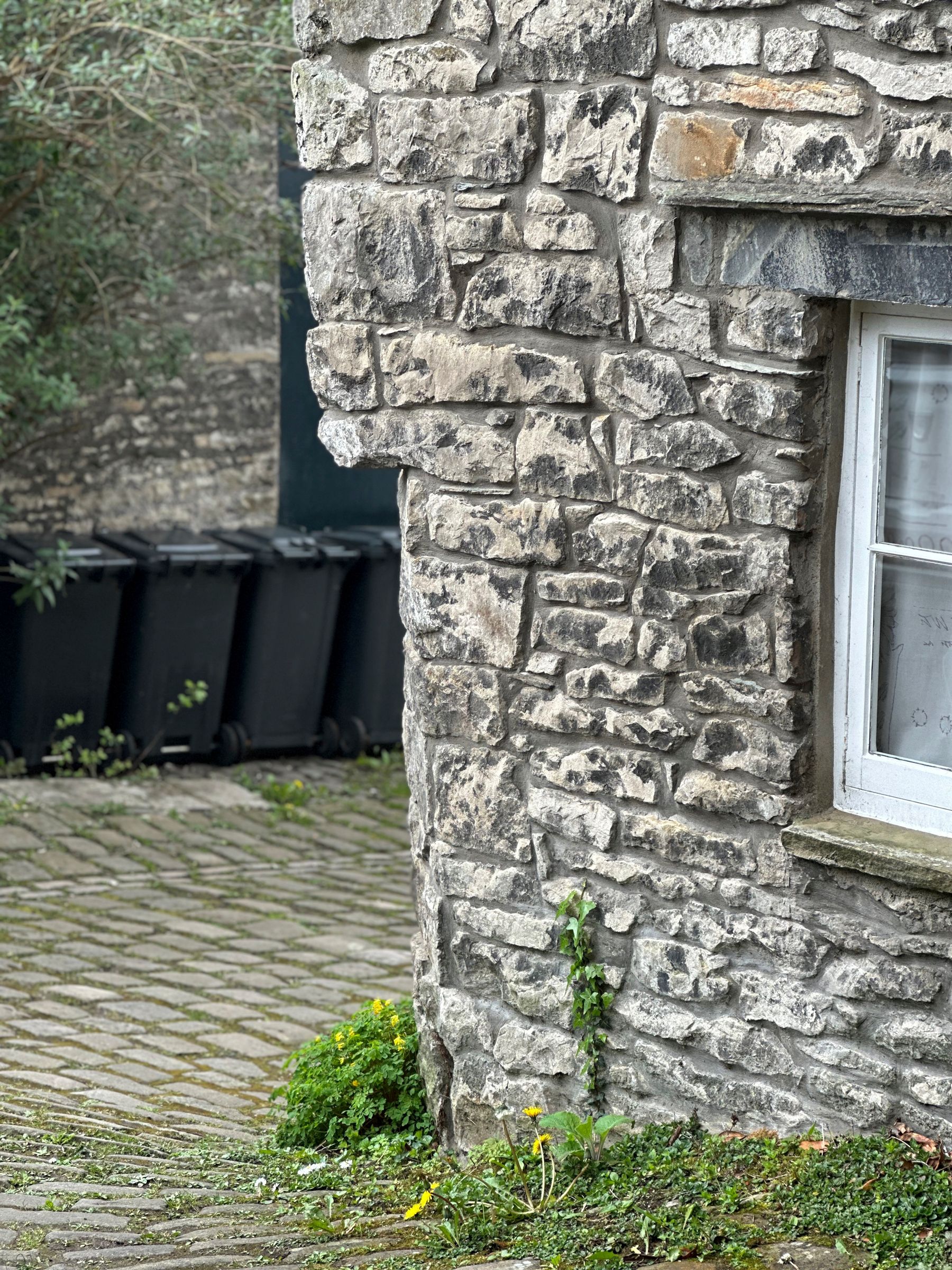
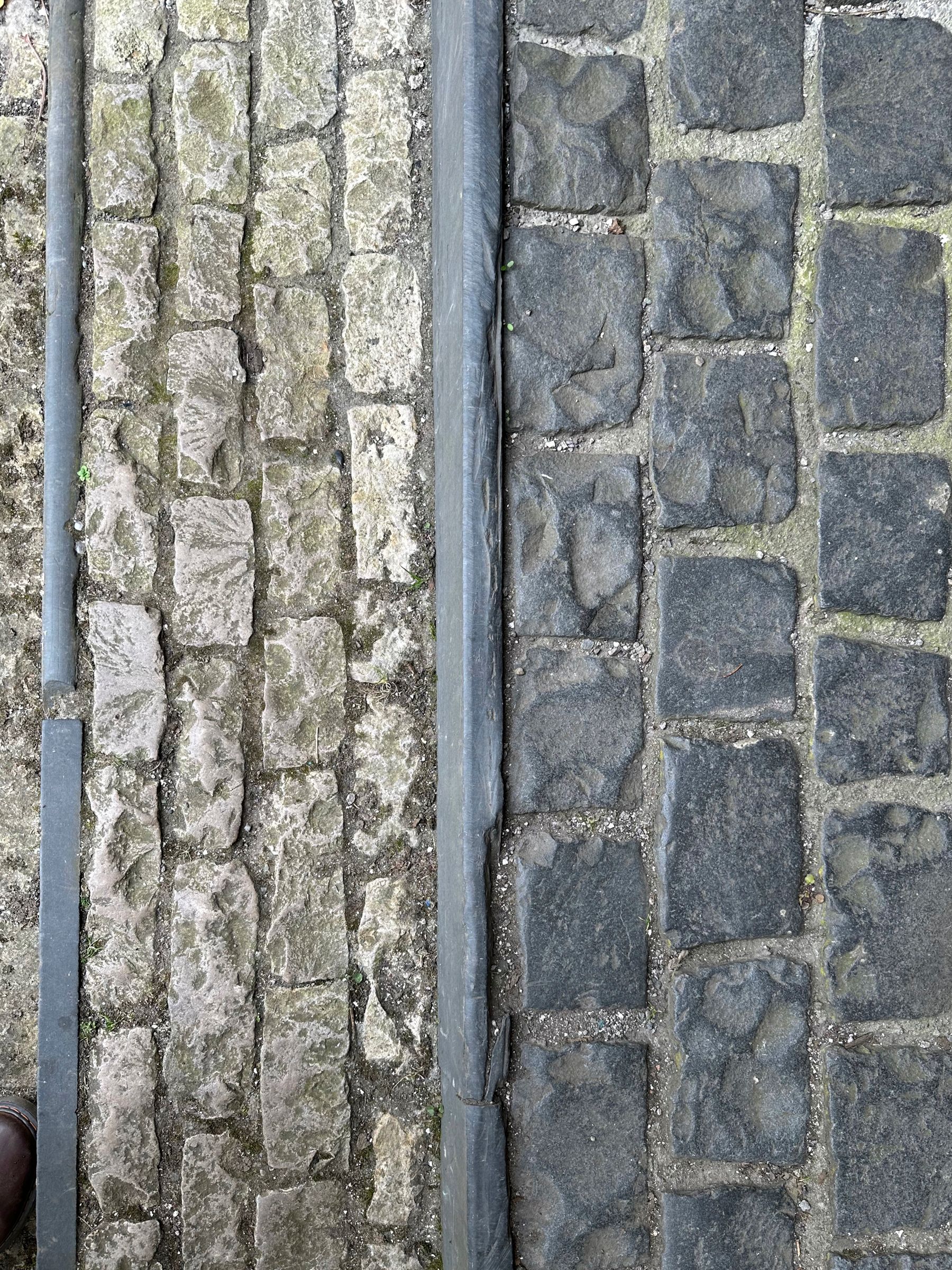
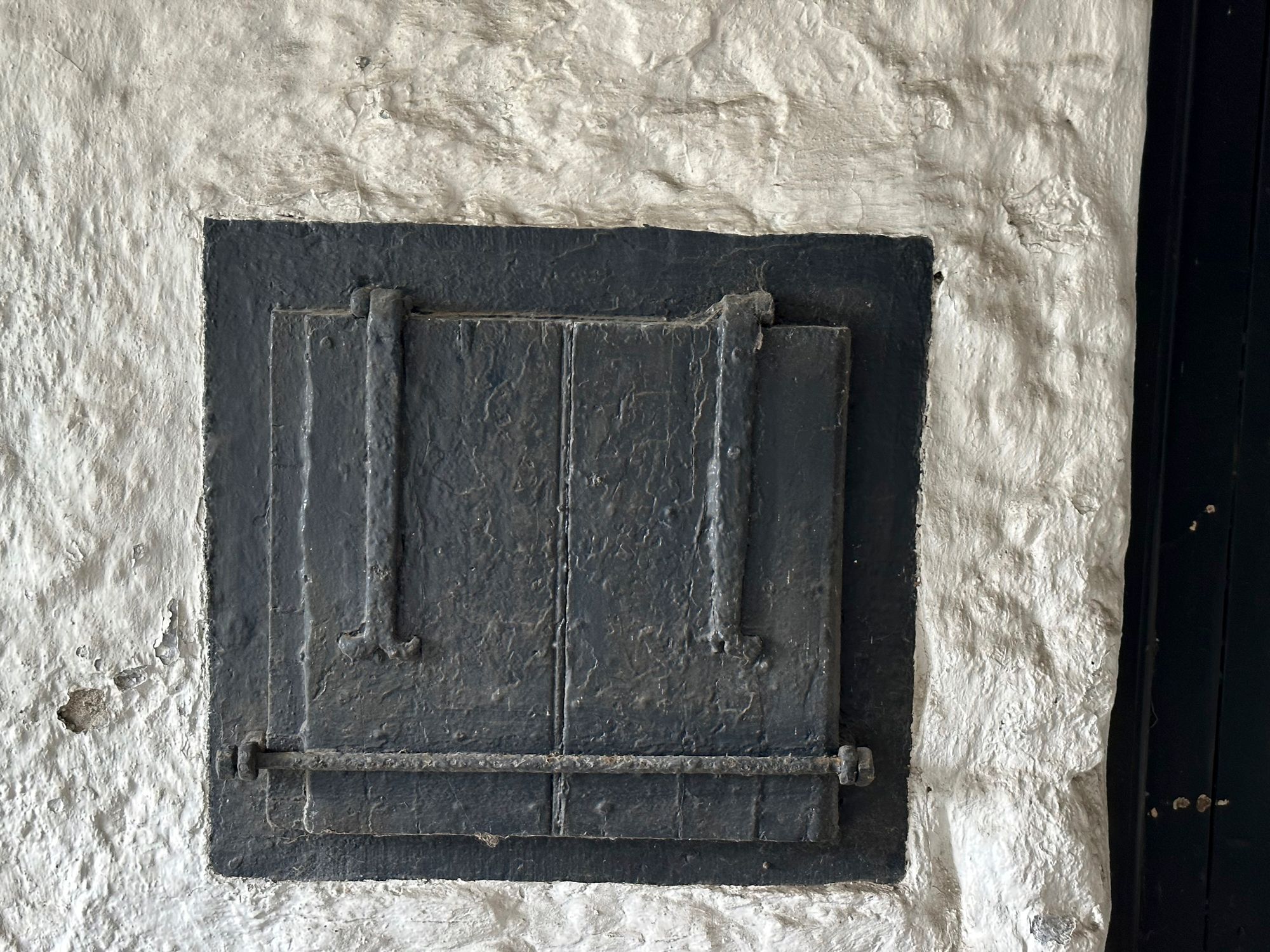
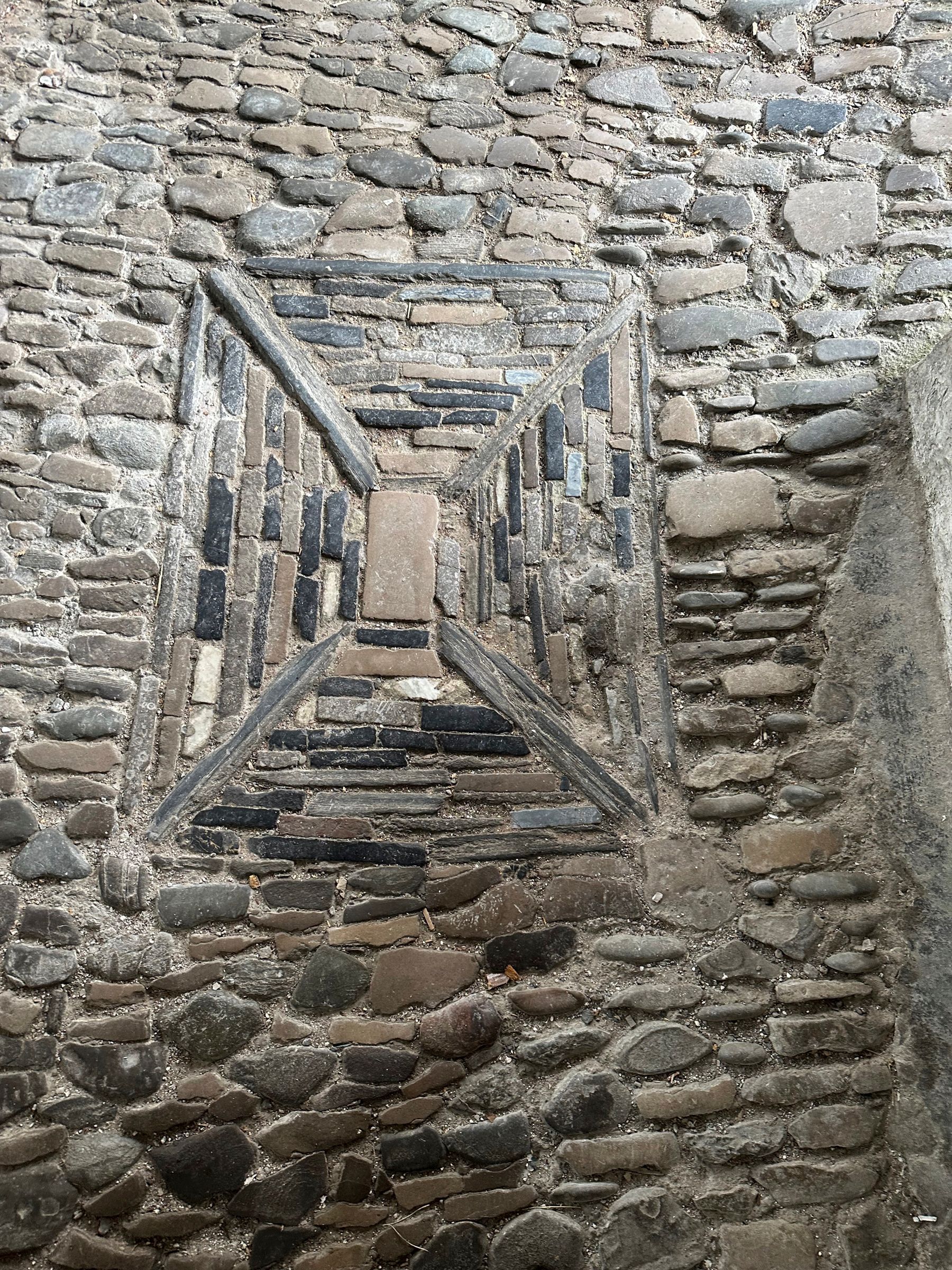
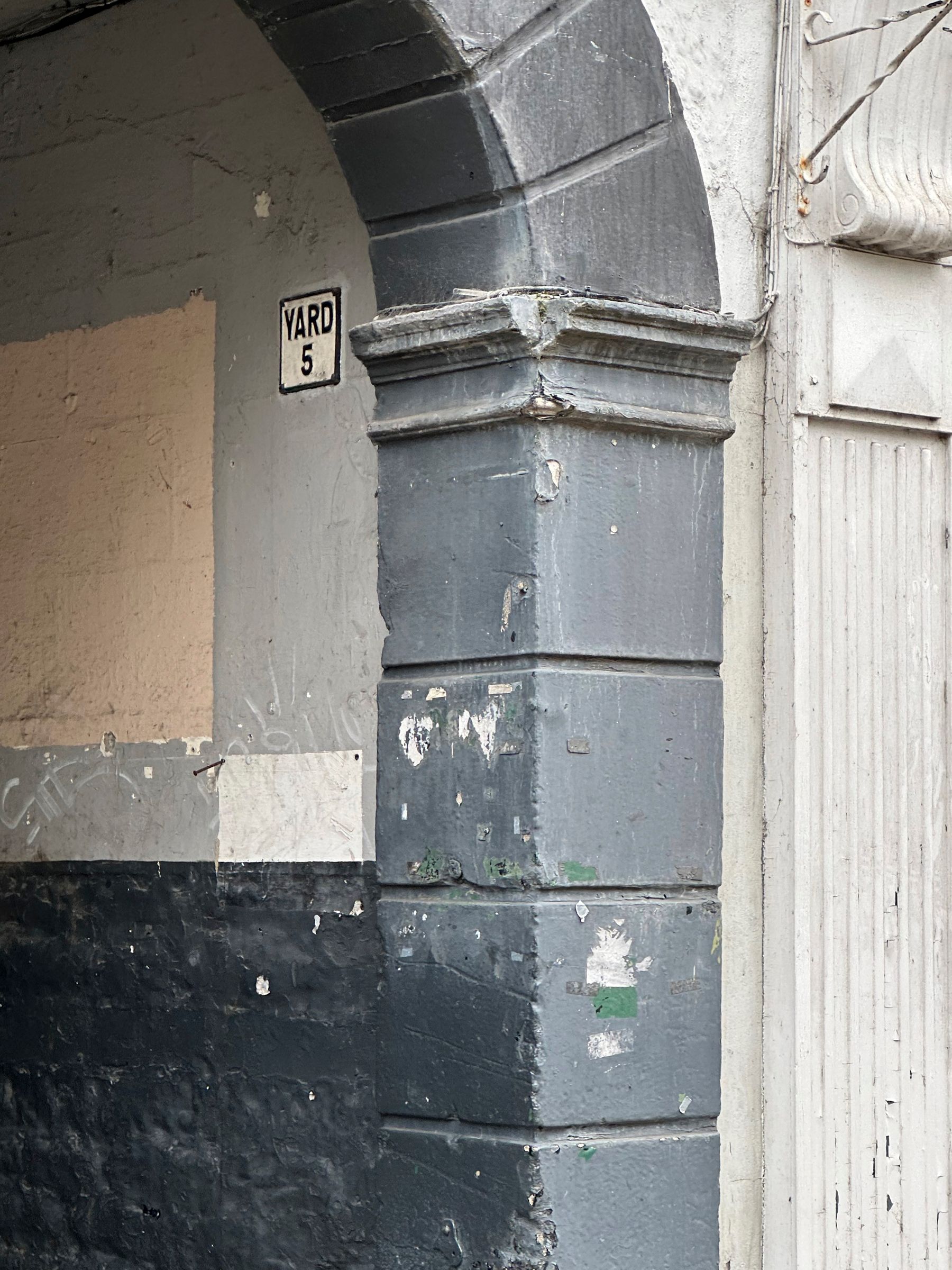
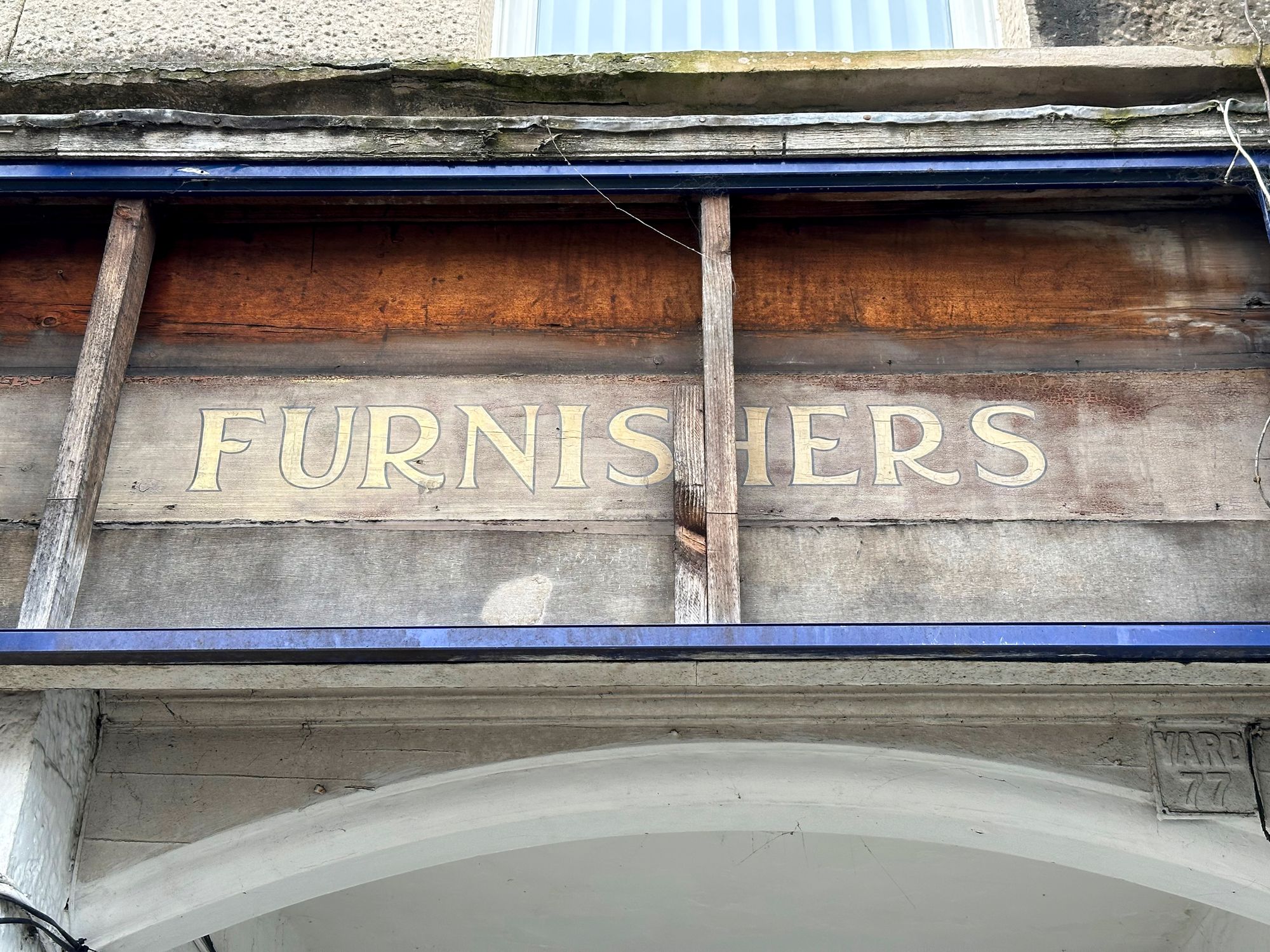
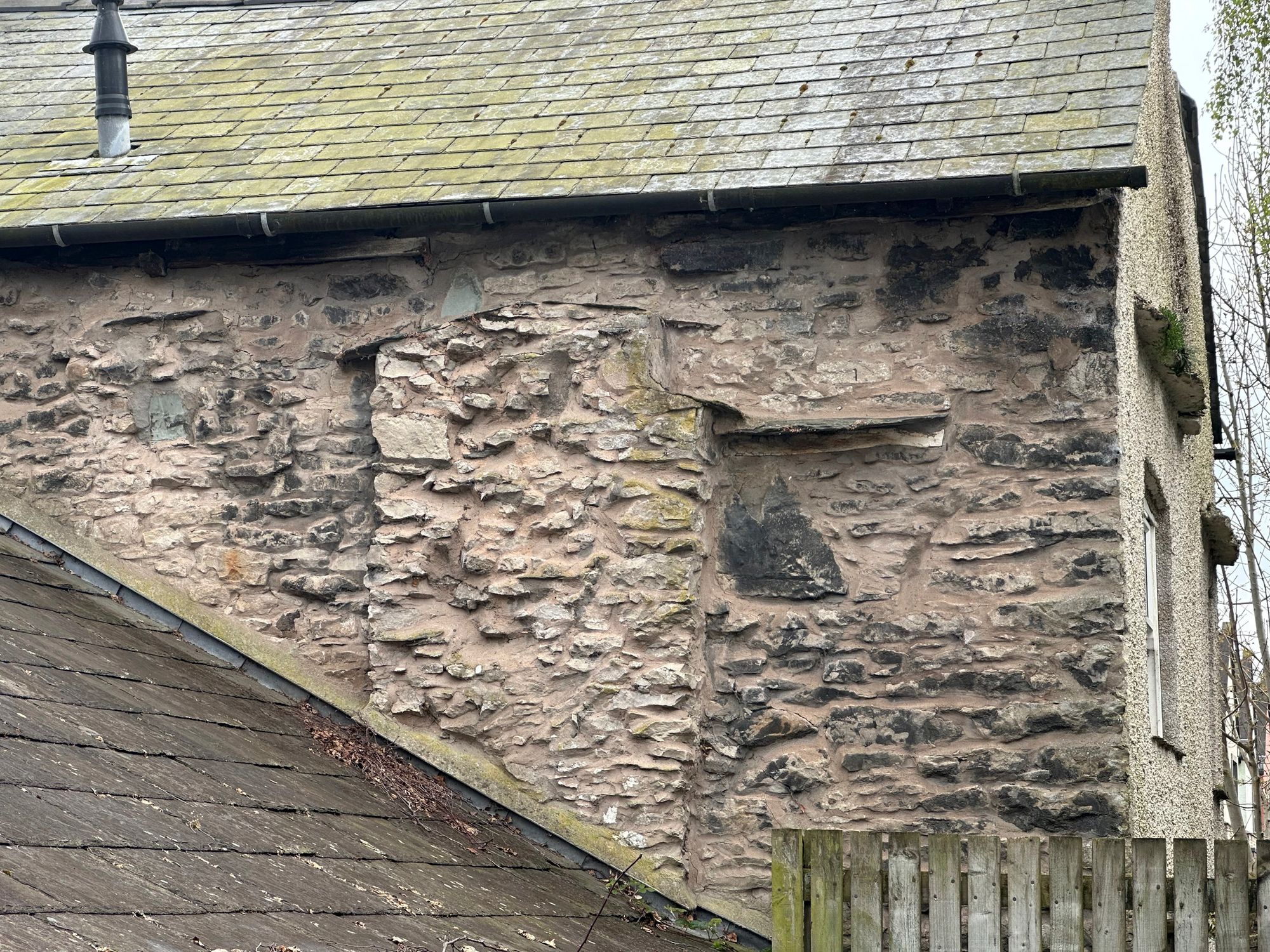
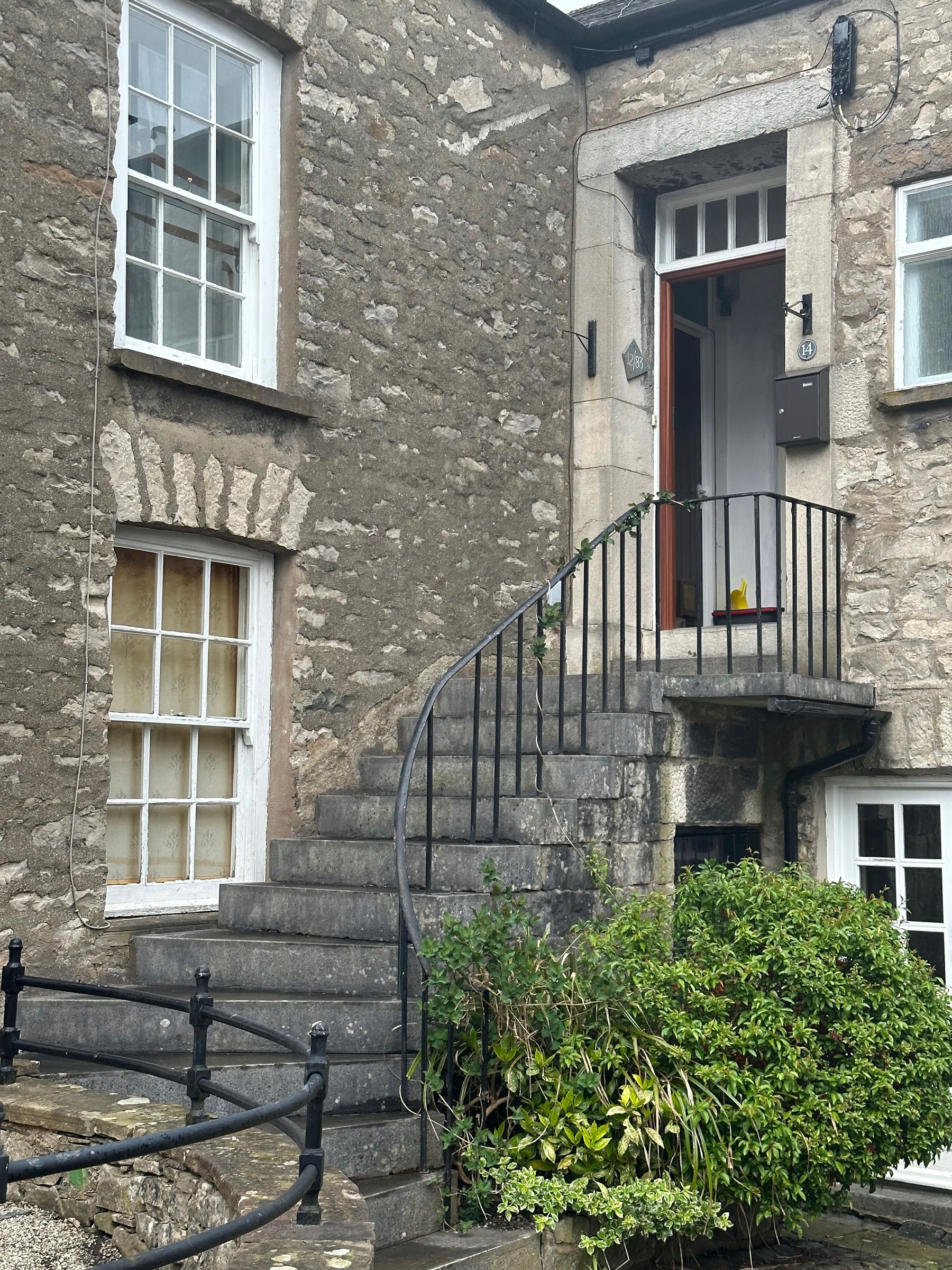
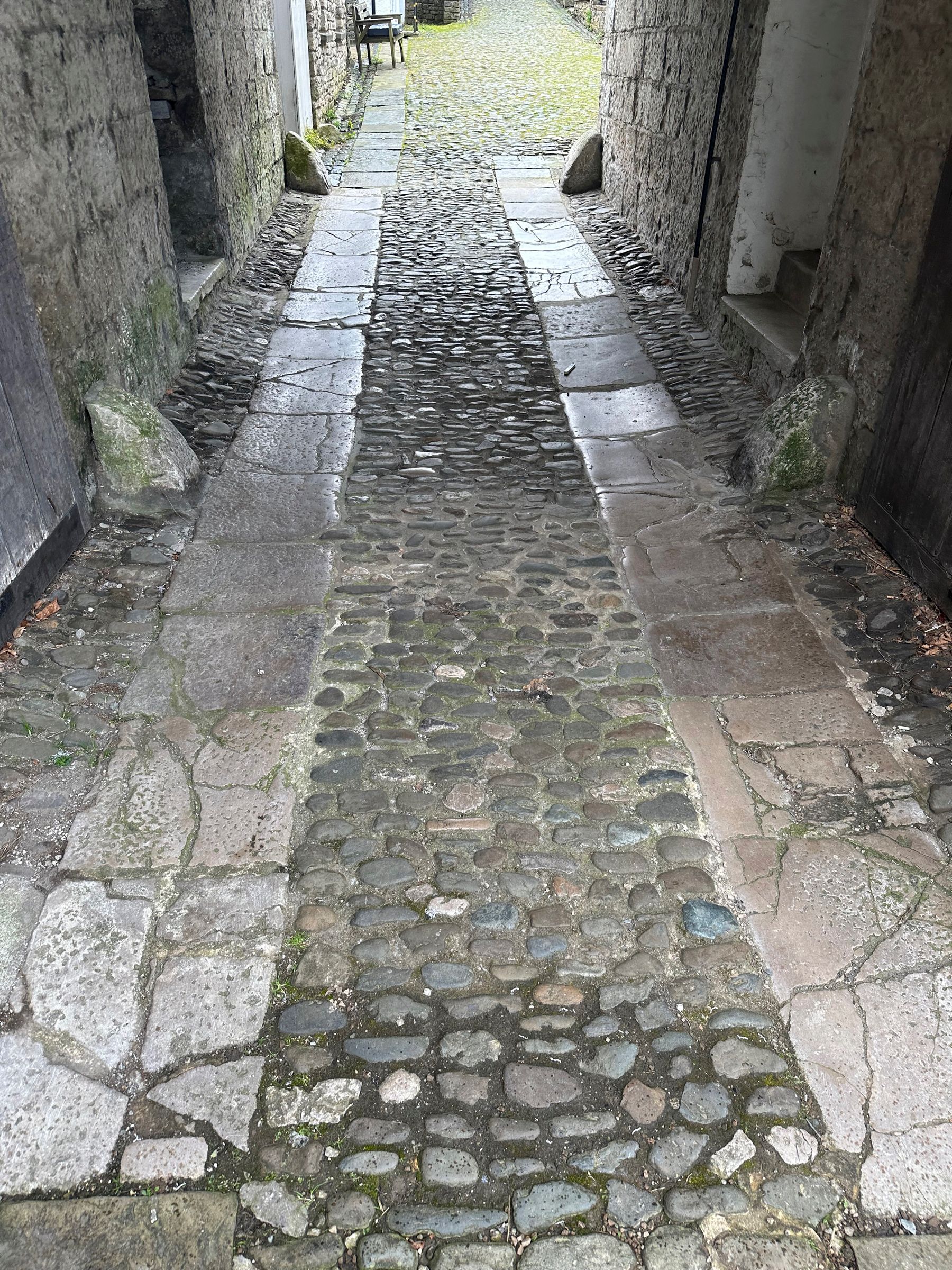
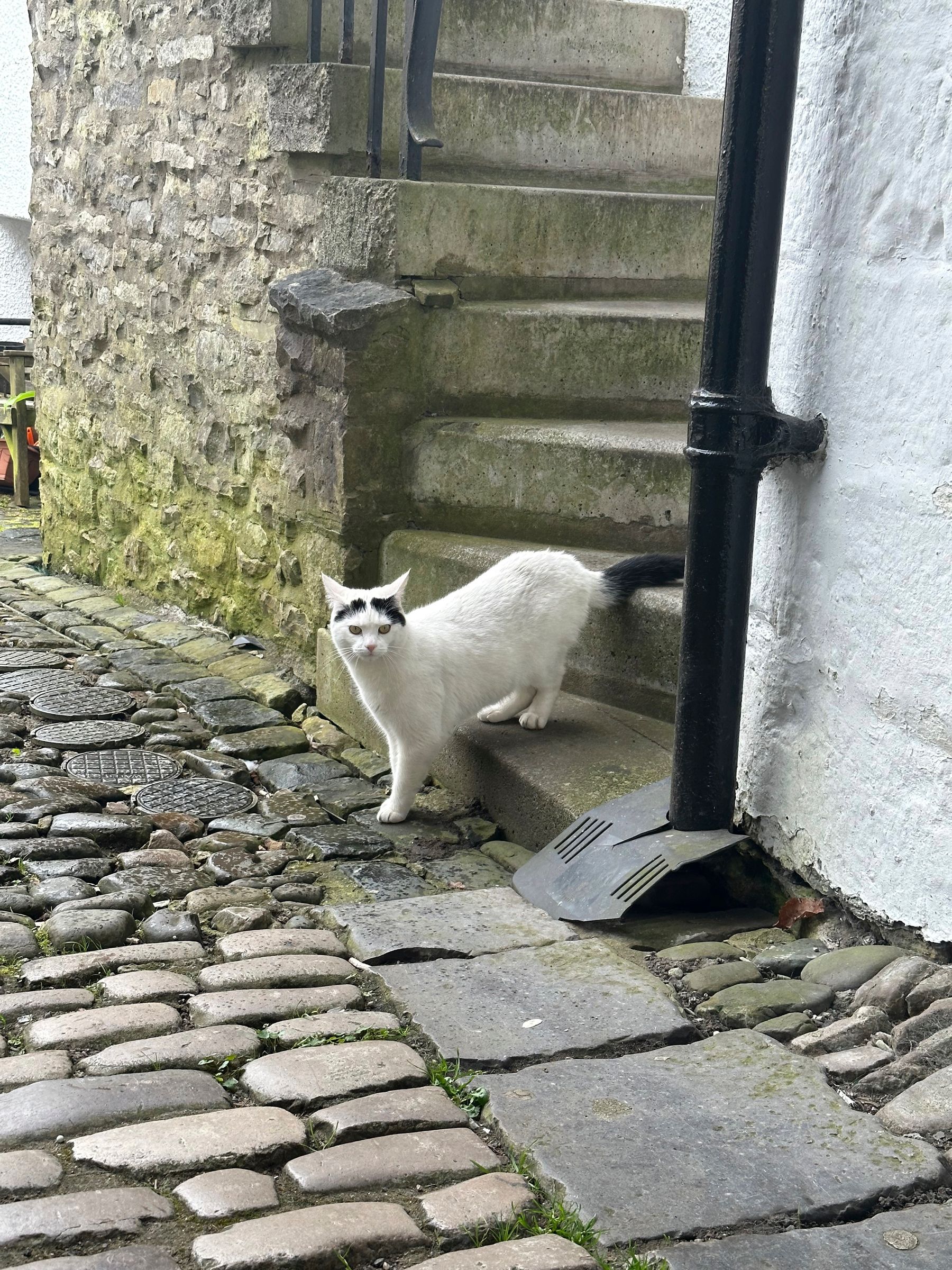
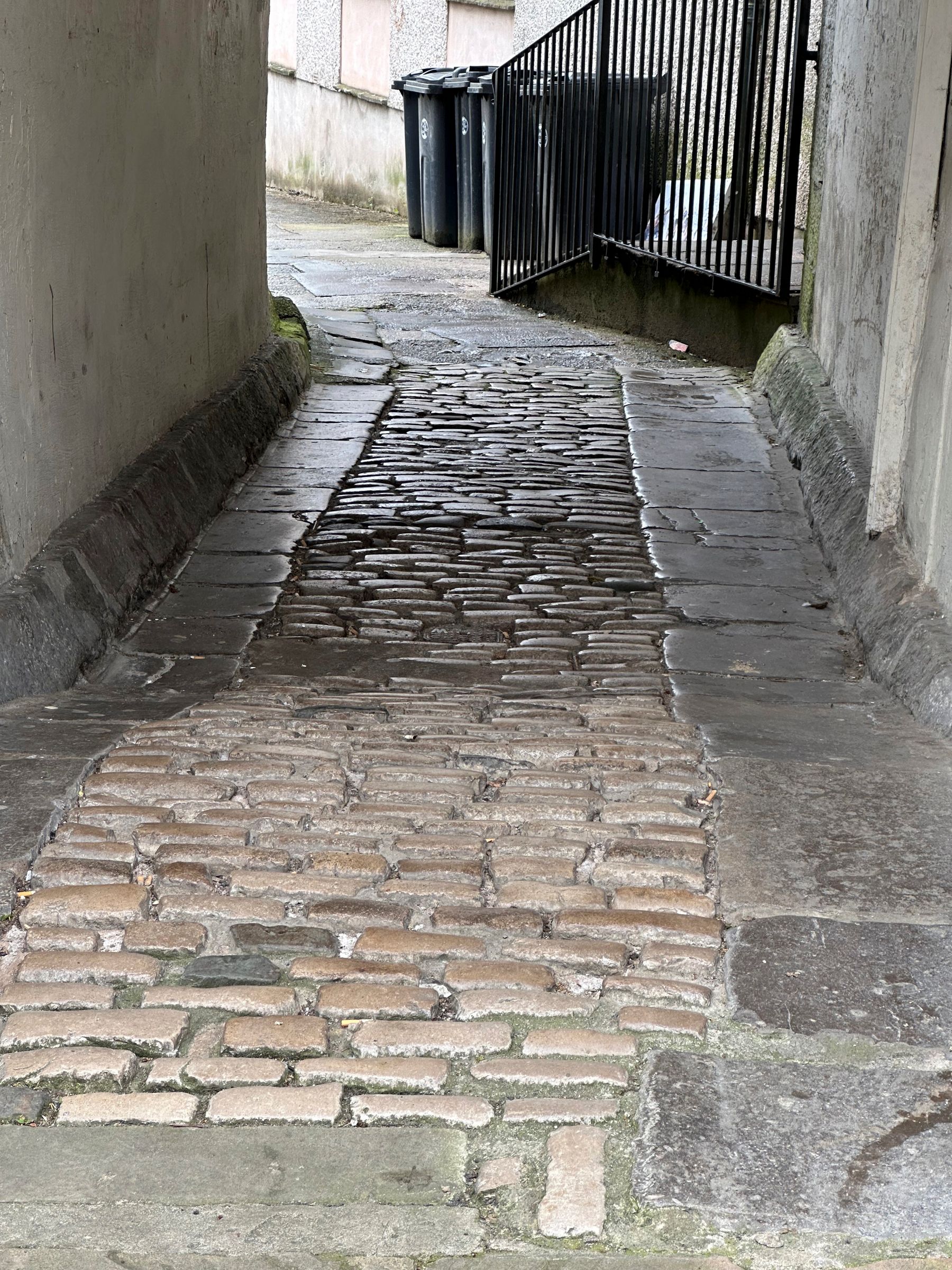
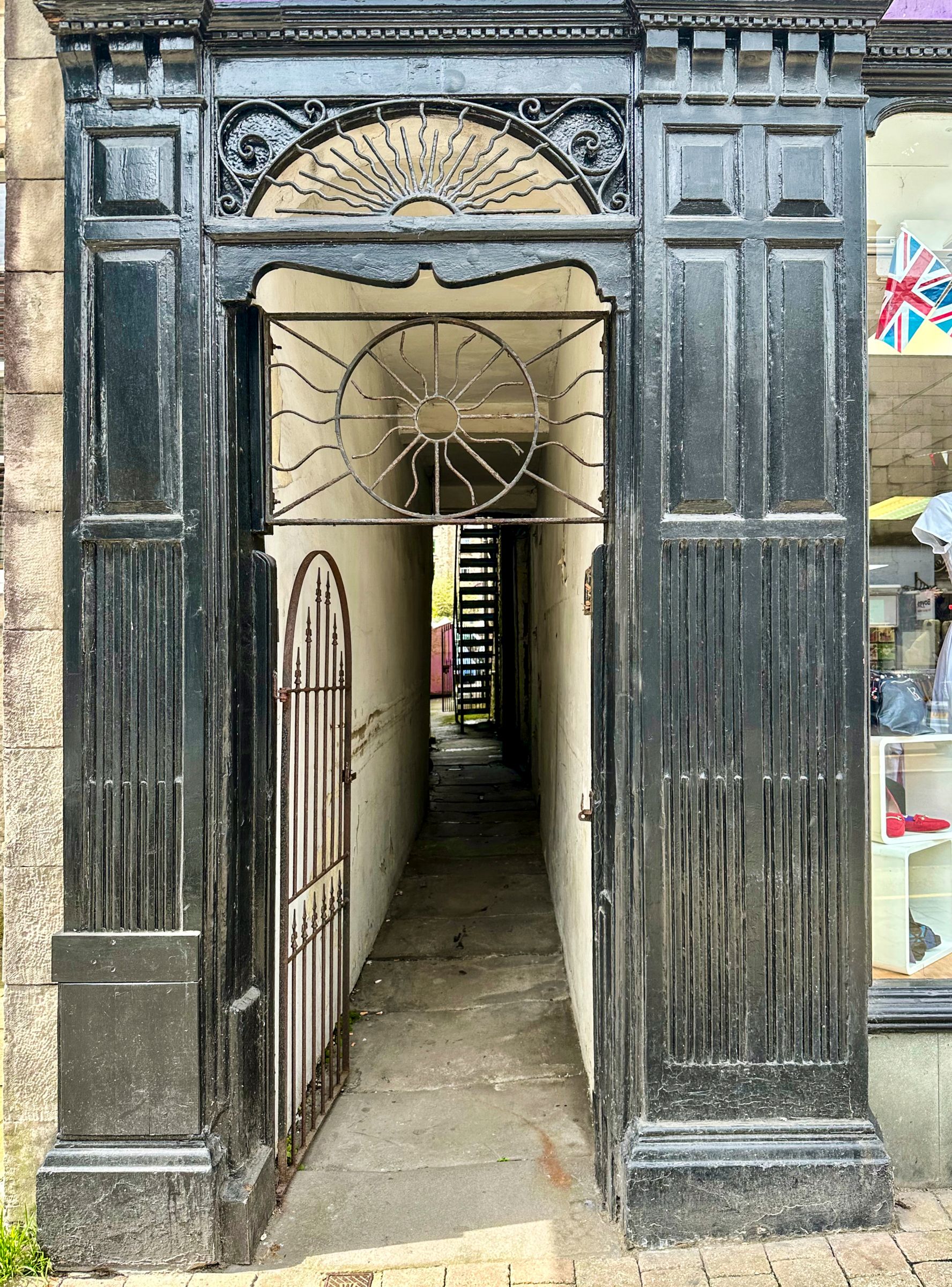
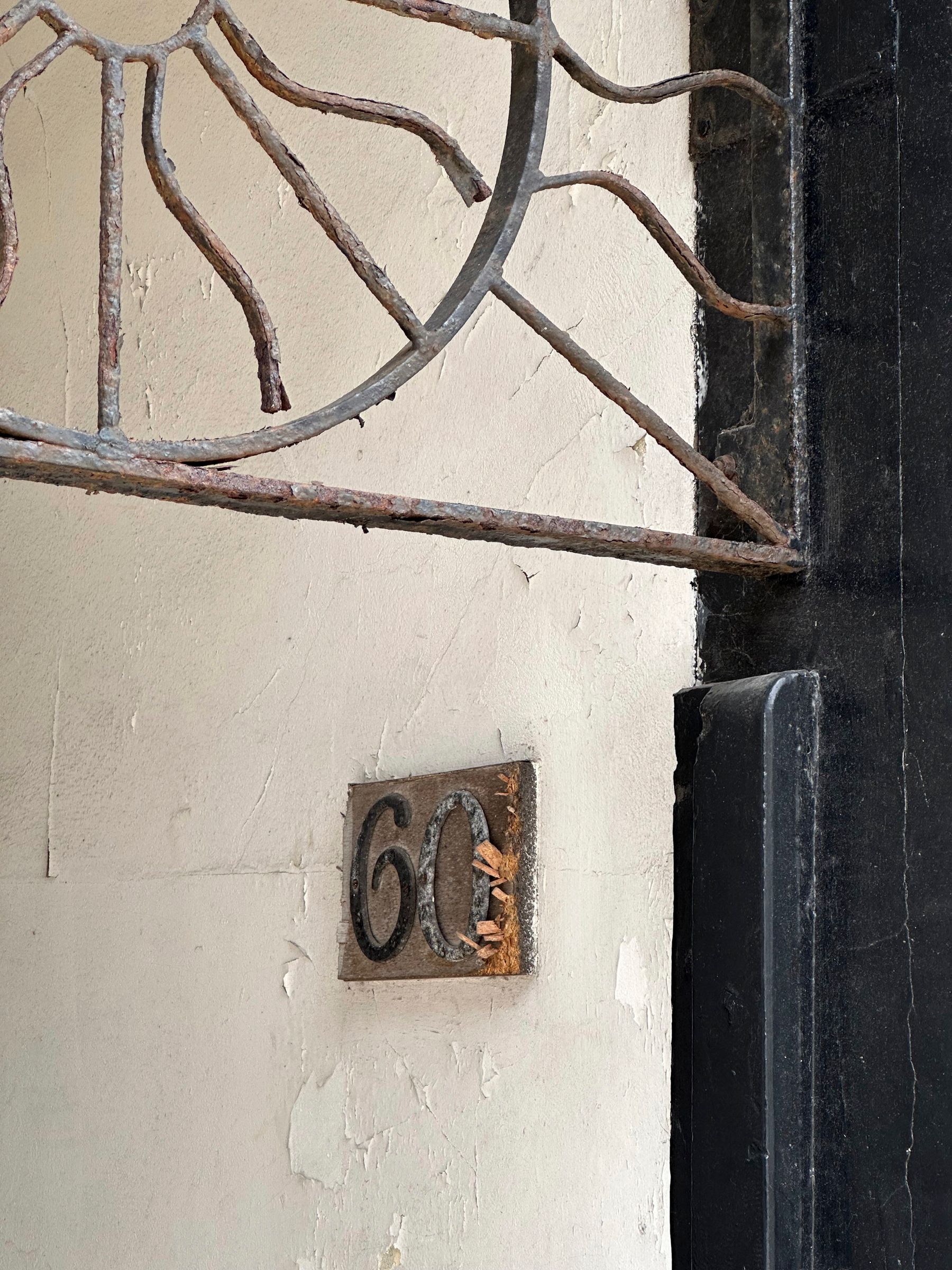
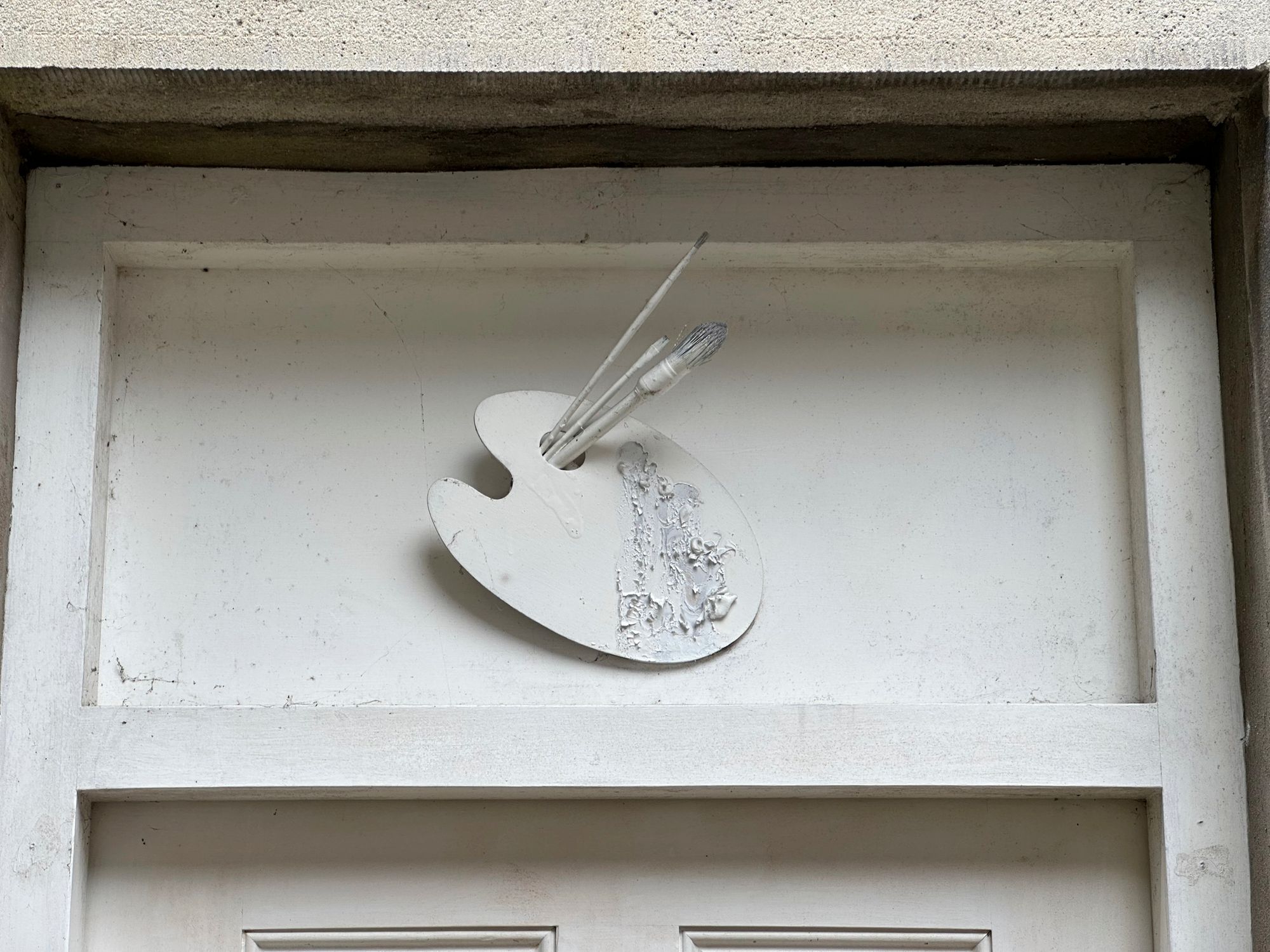
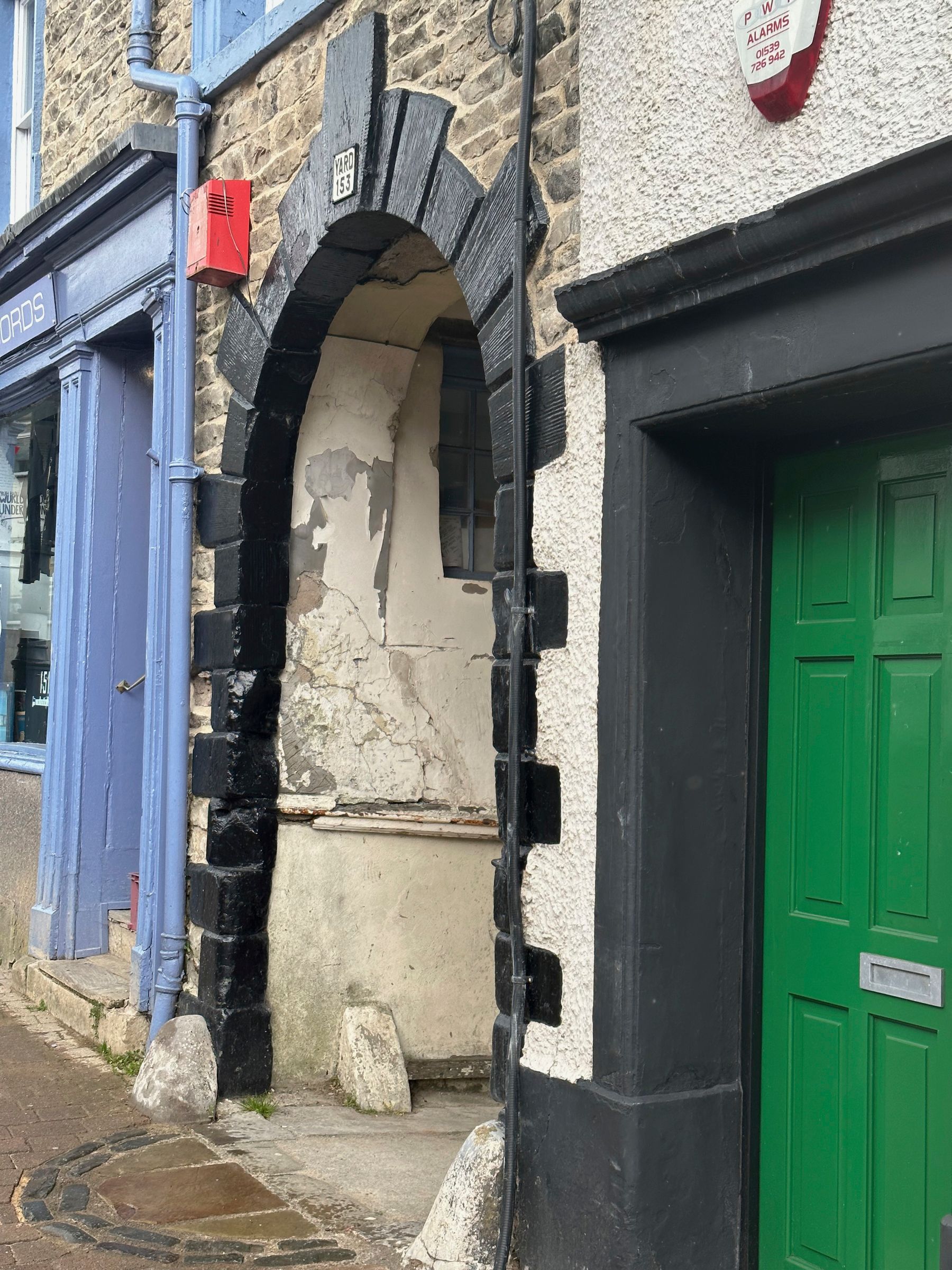
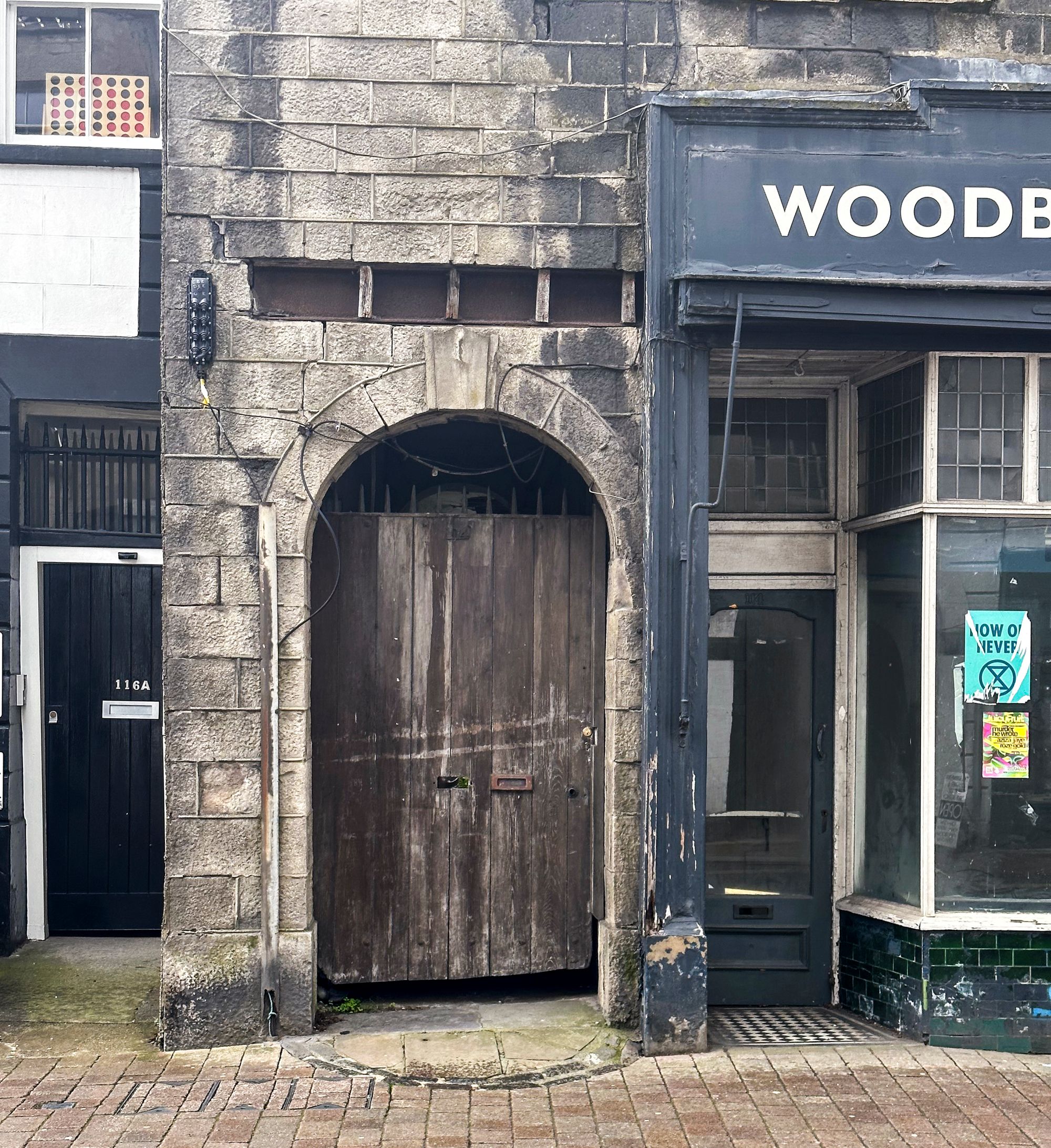
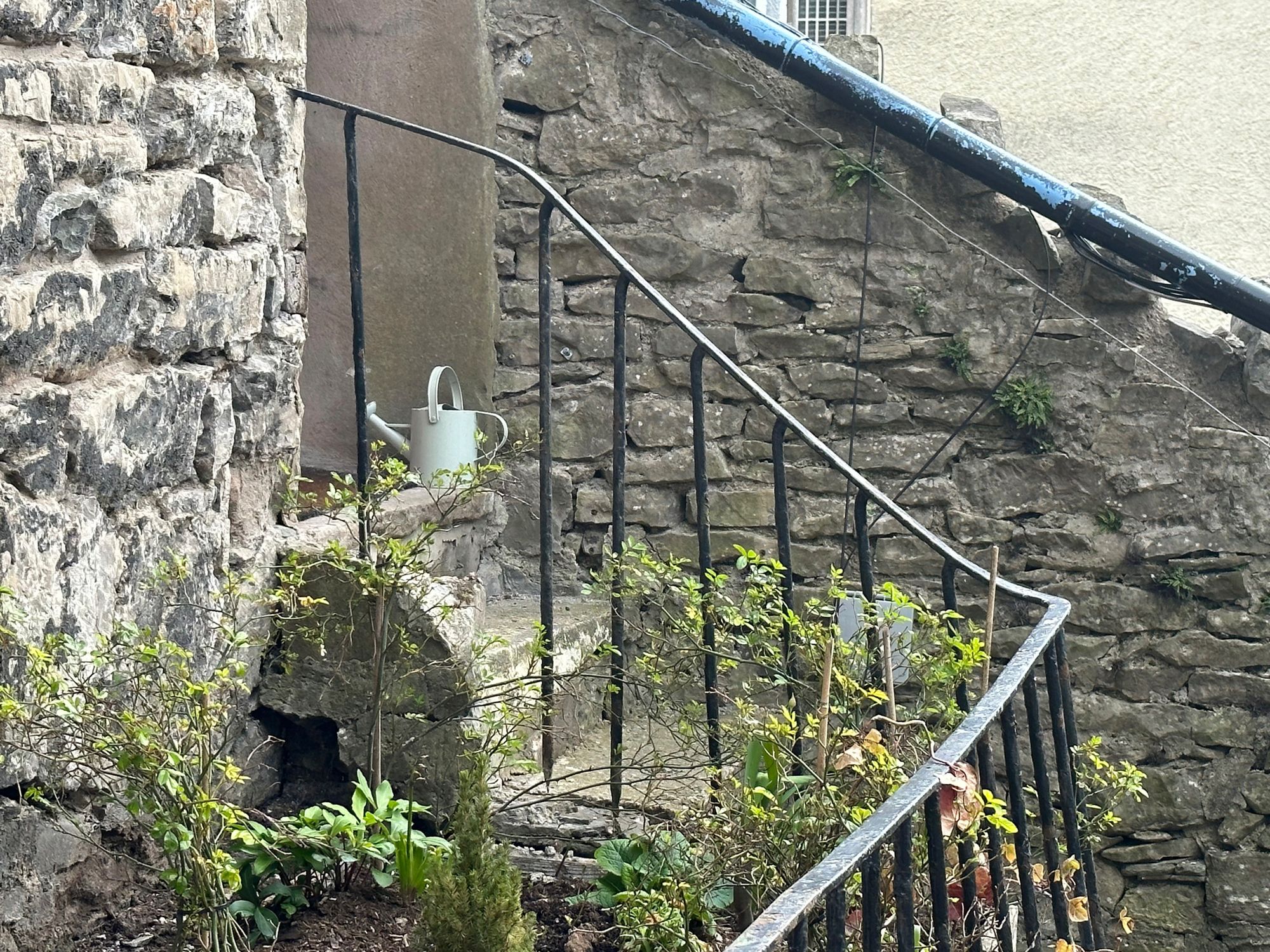
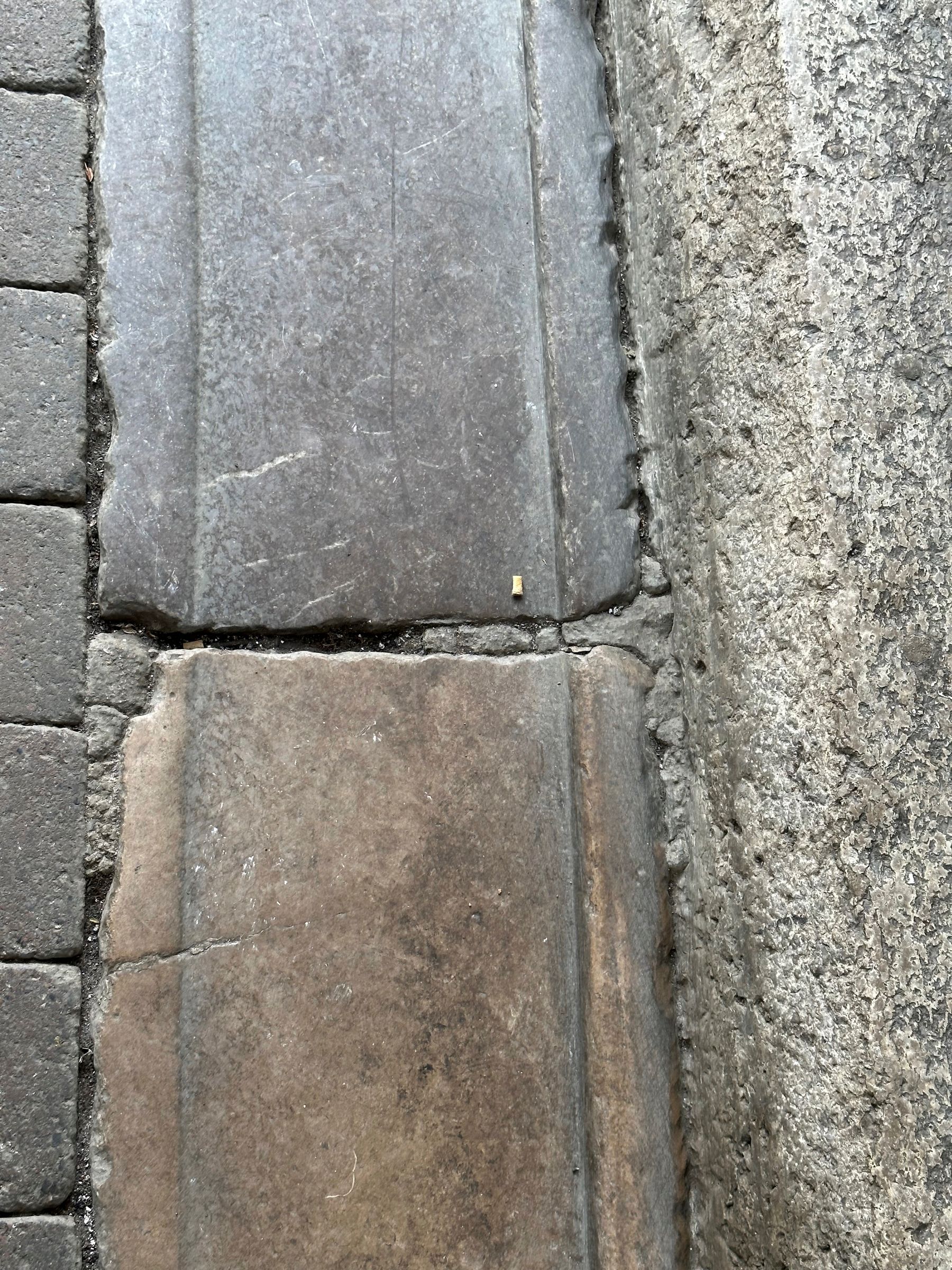
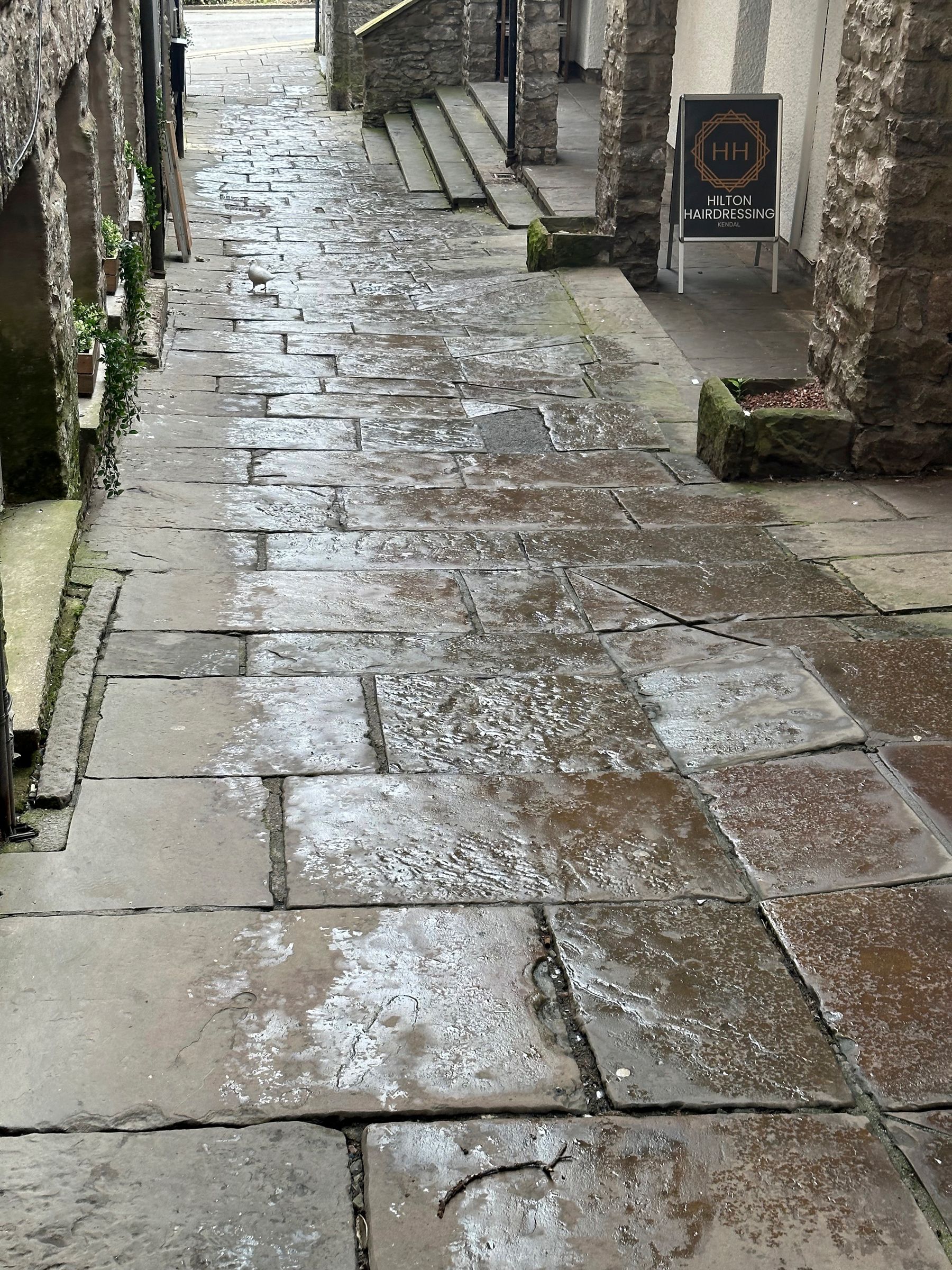
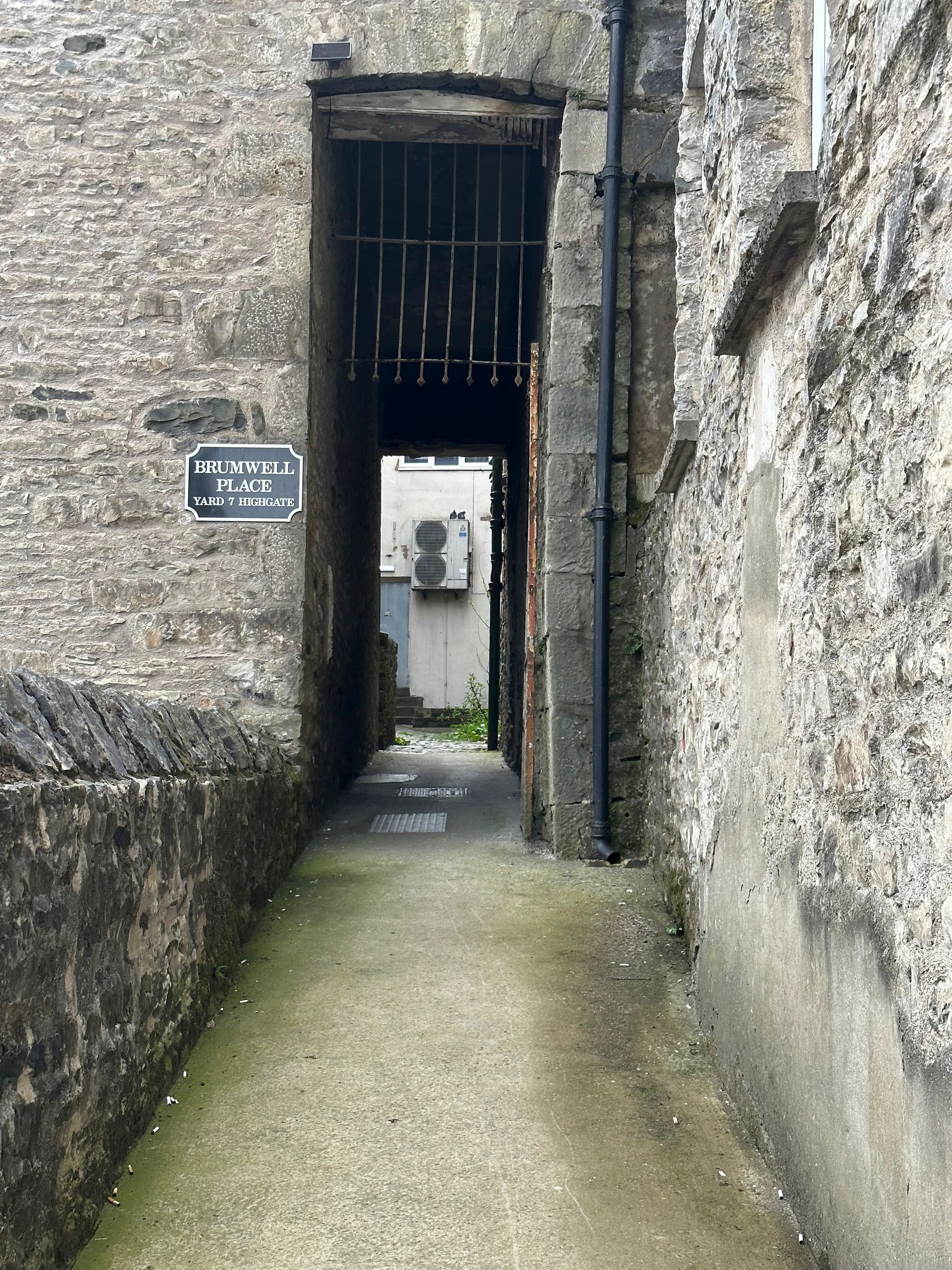
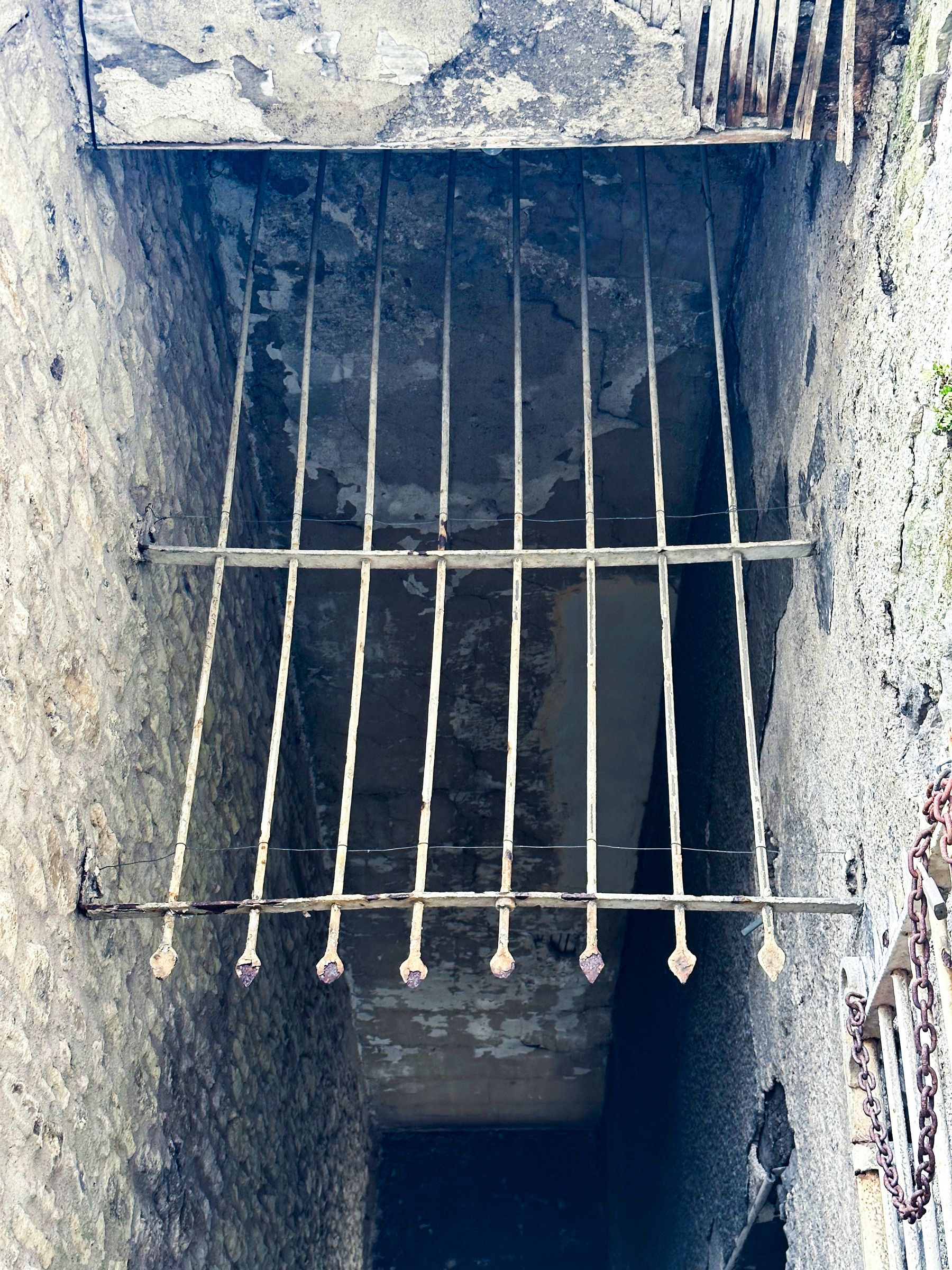
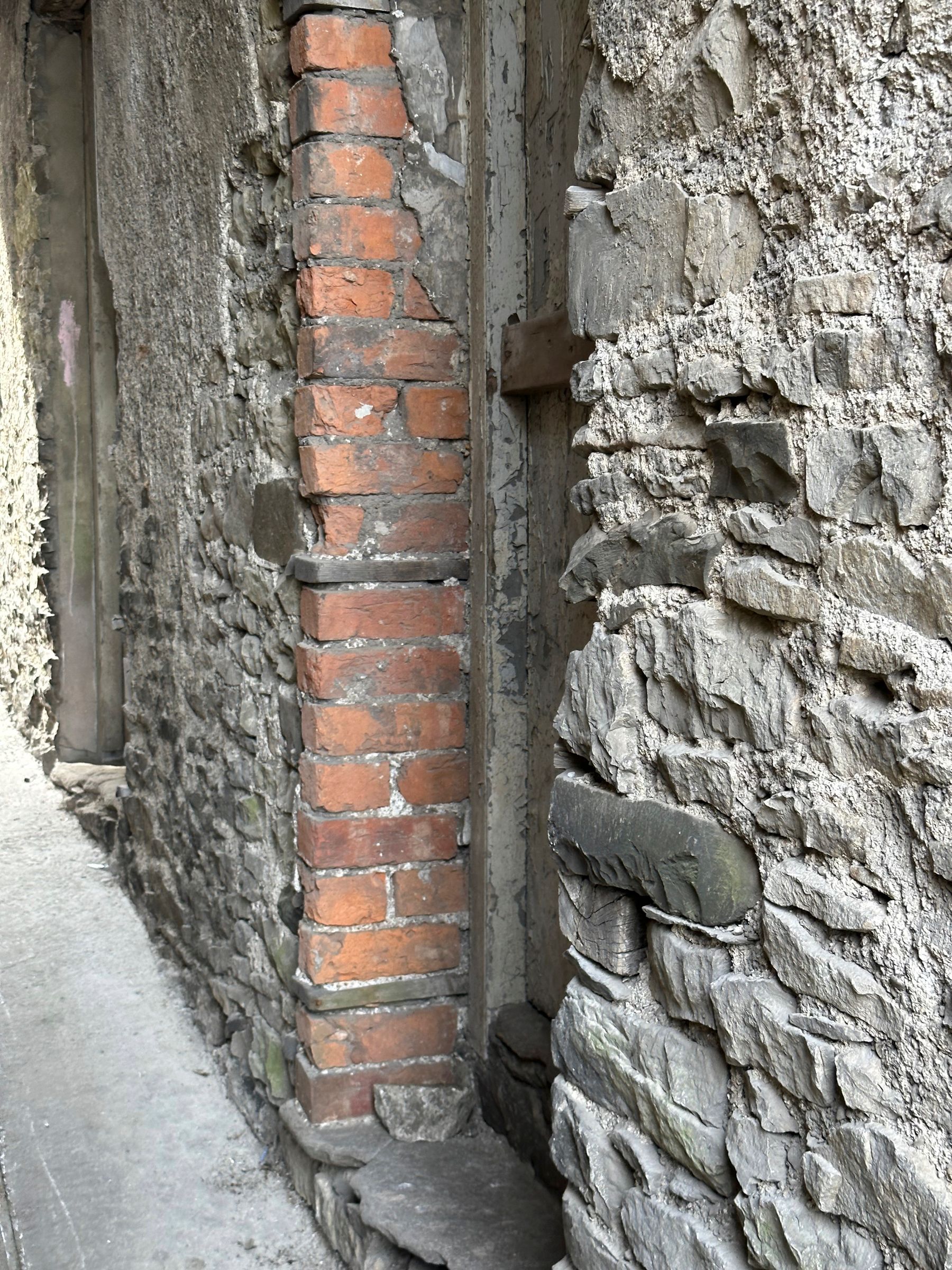
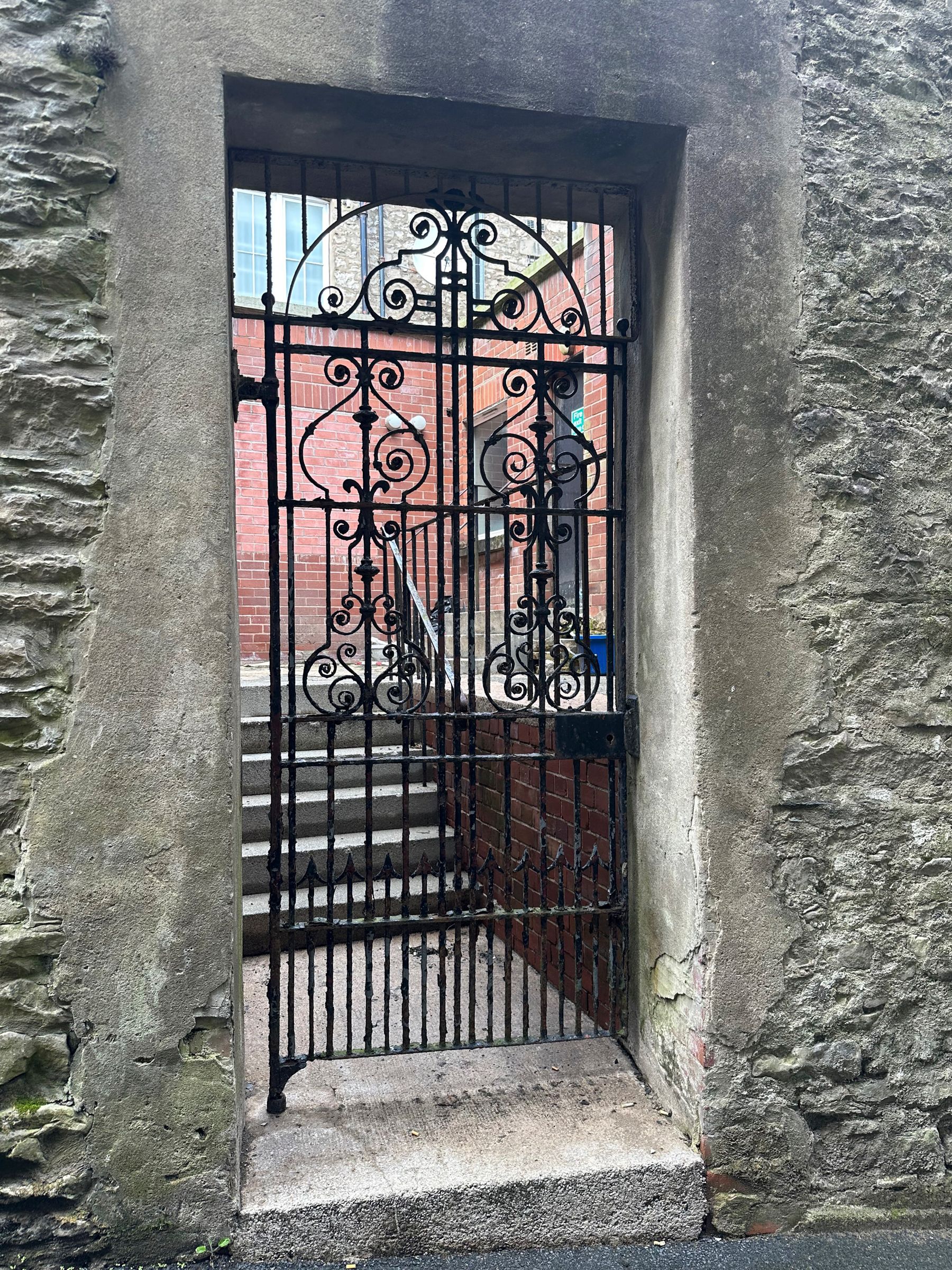
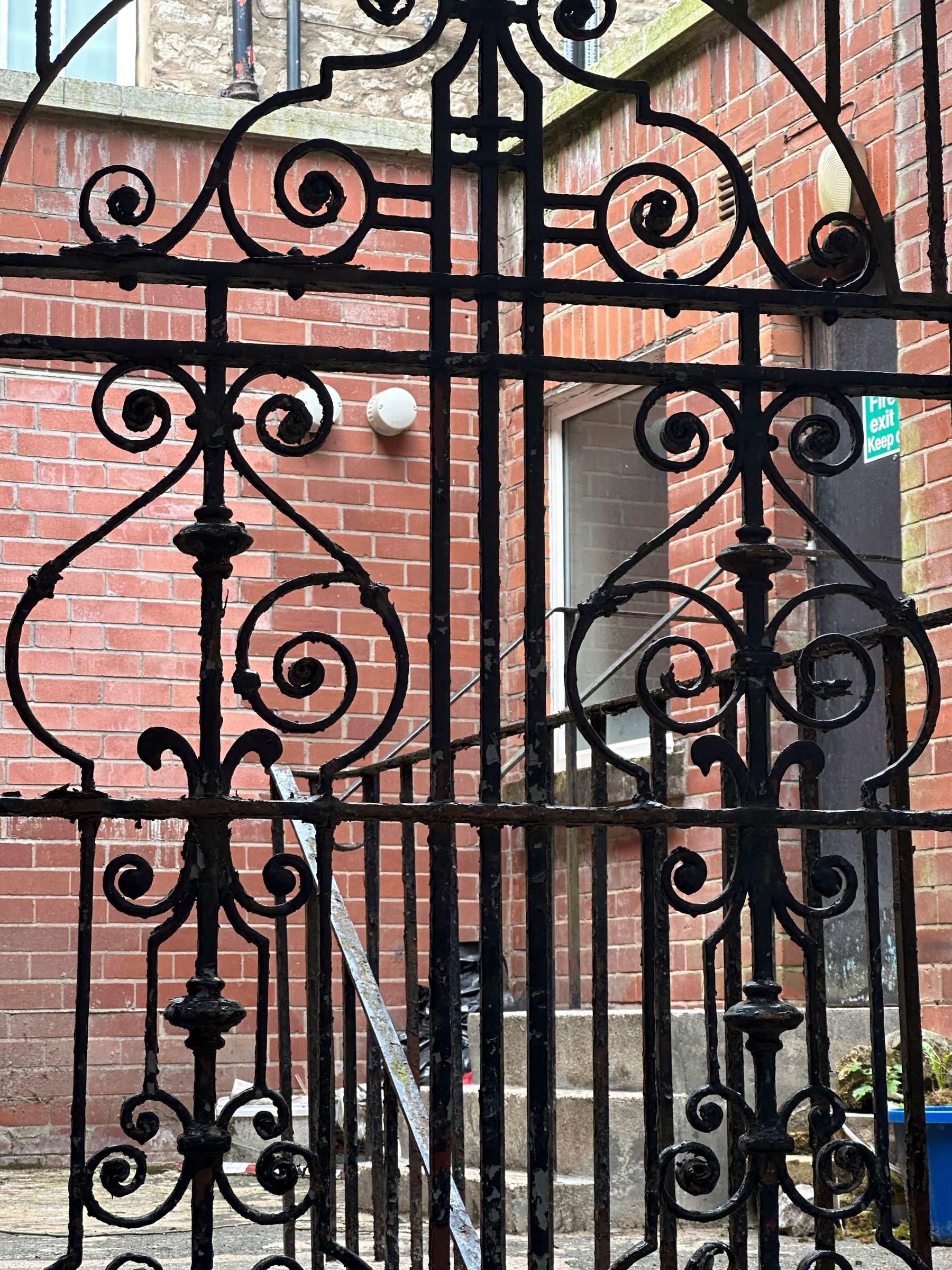
Equally intriguing for me is what remains - the little bread crumbs of the past that give clues as to previous use. The walls and floor surfaces and surviving details are delightful.
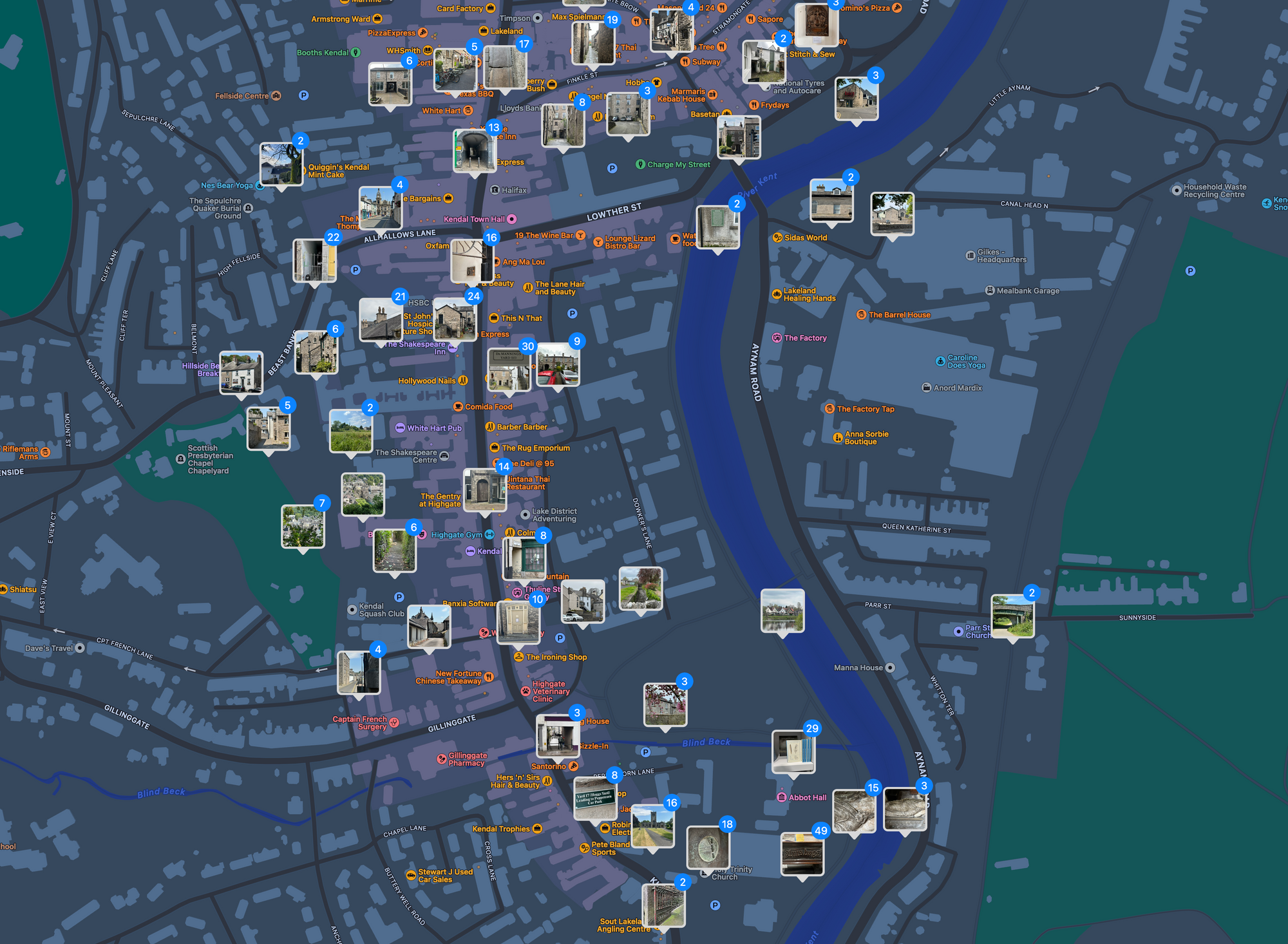
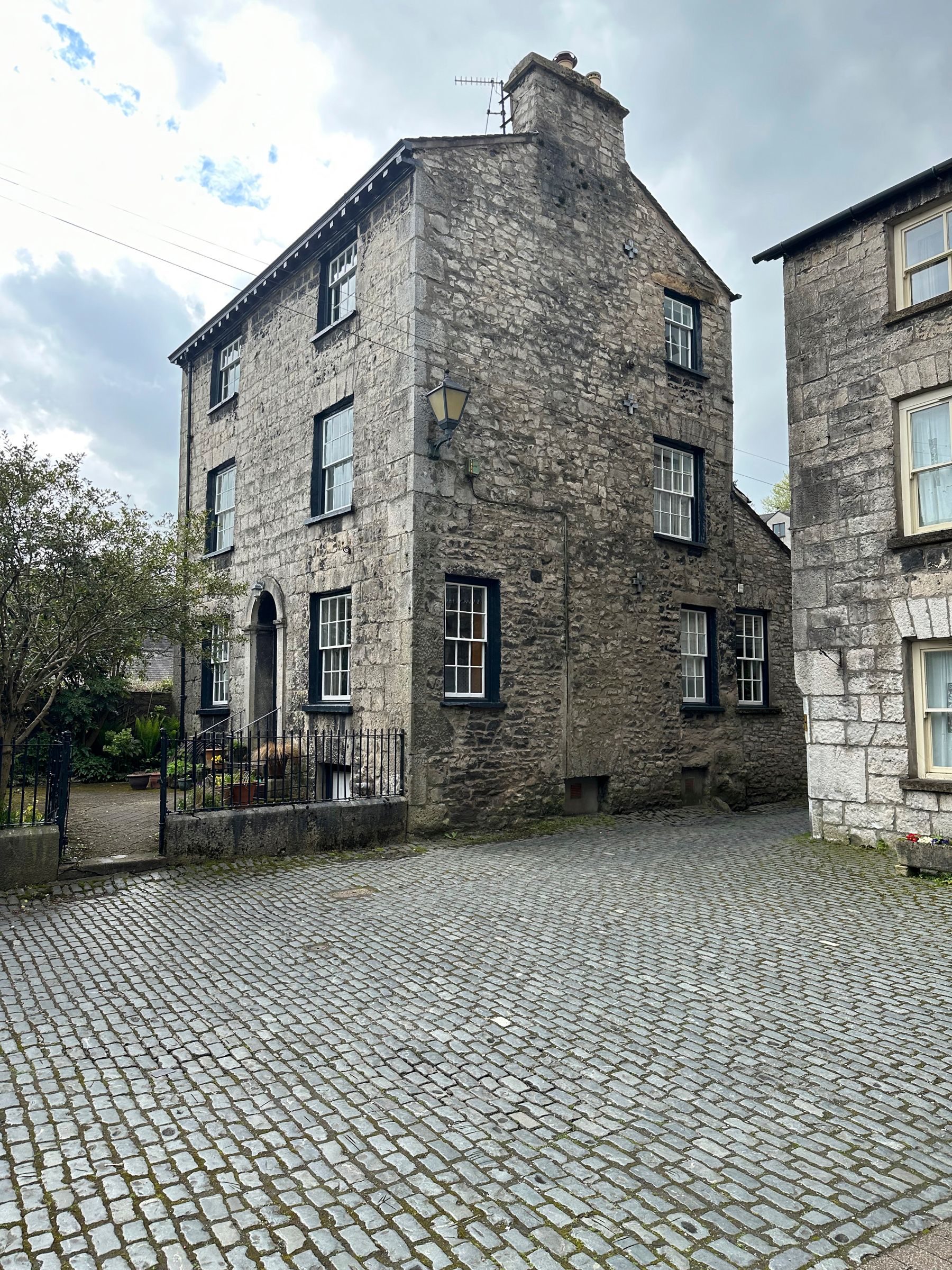
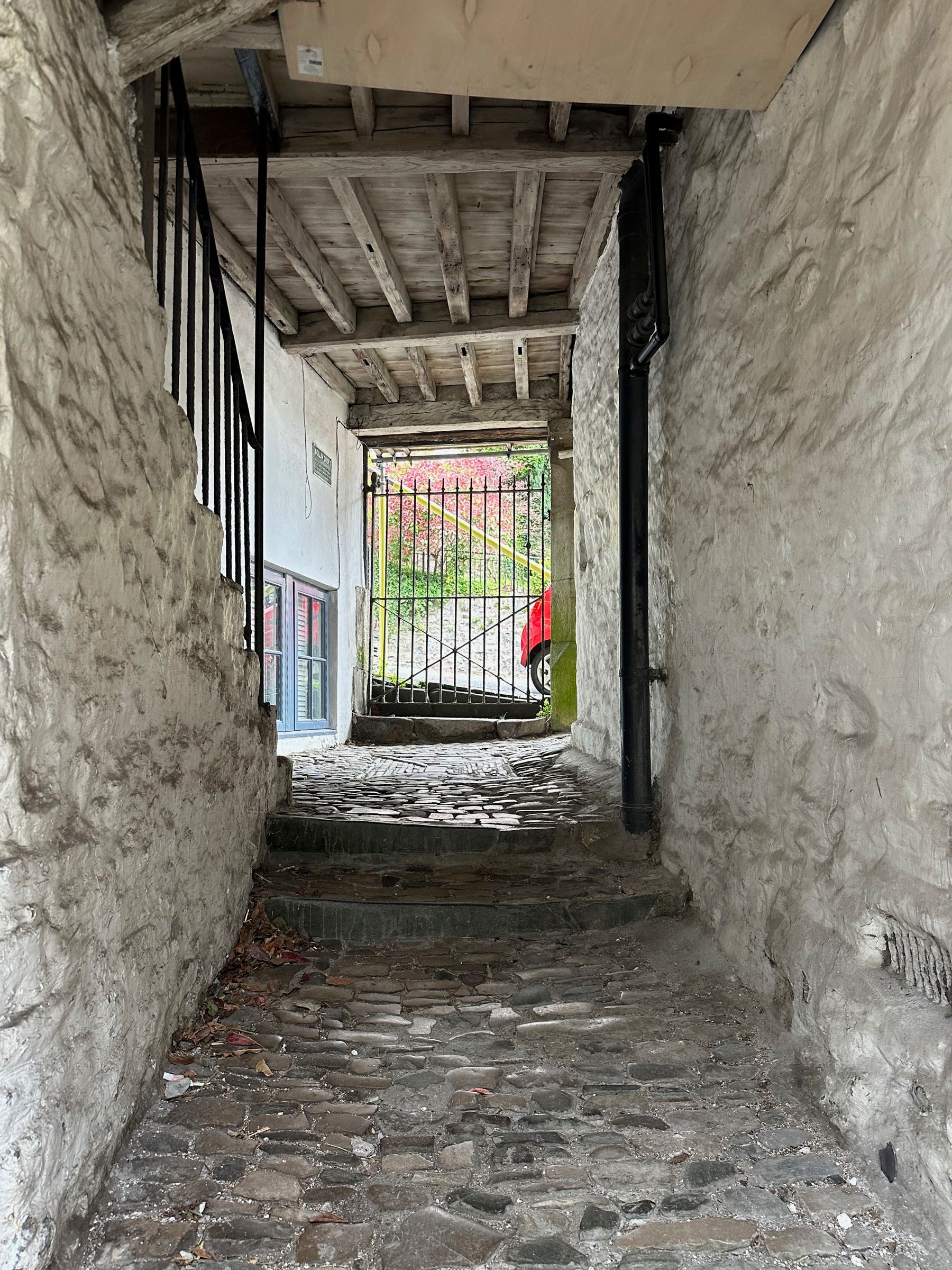
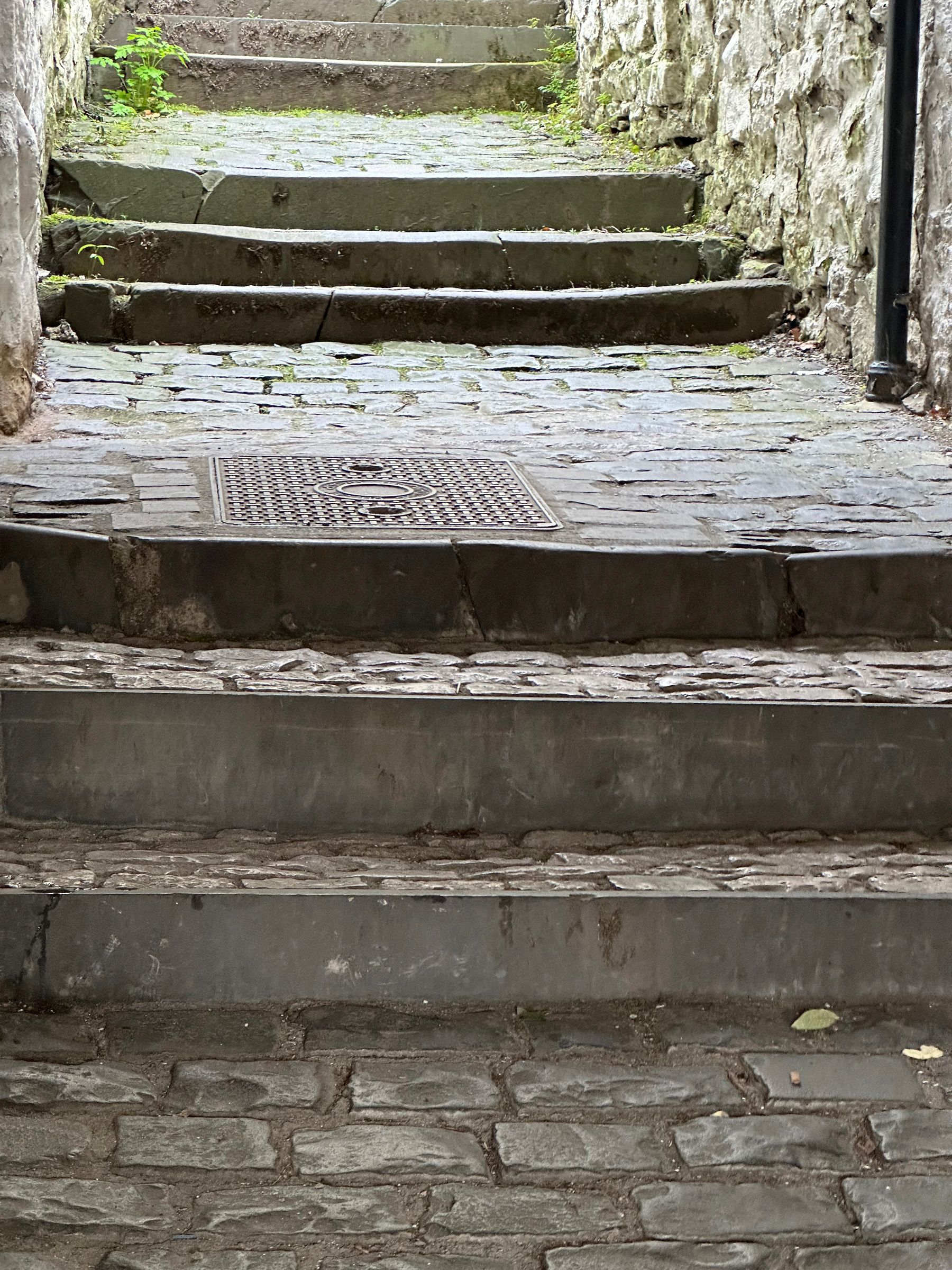
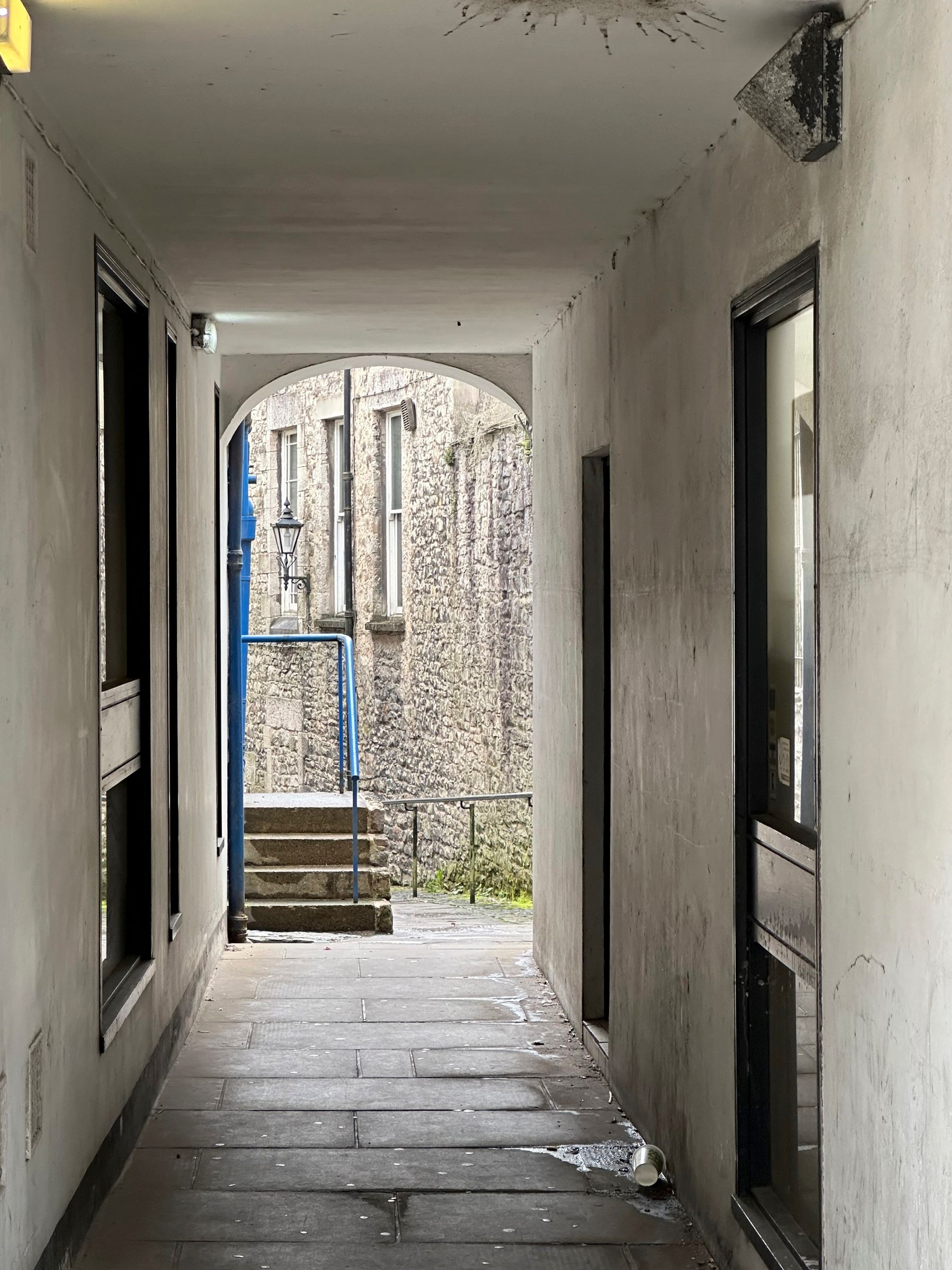
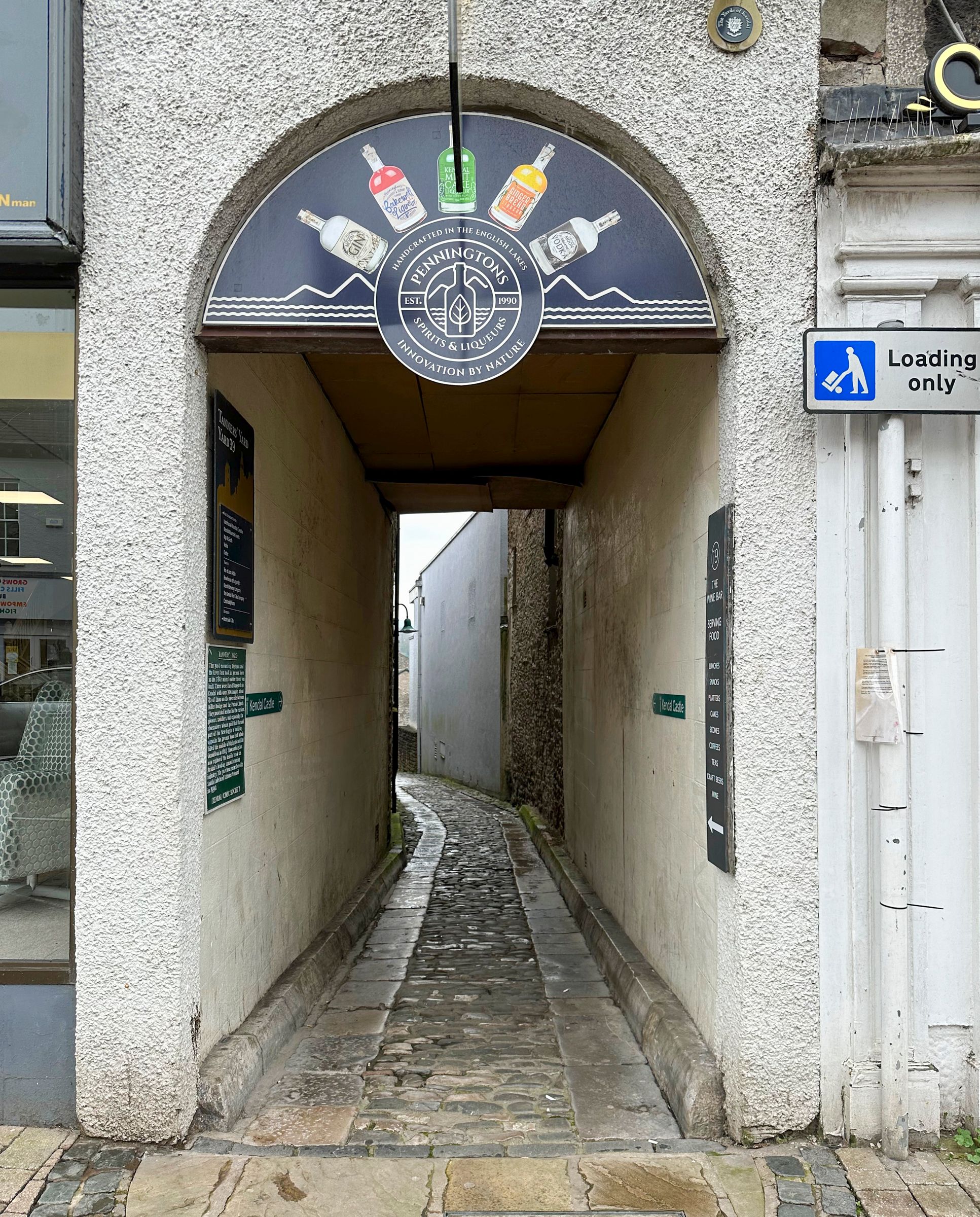
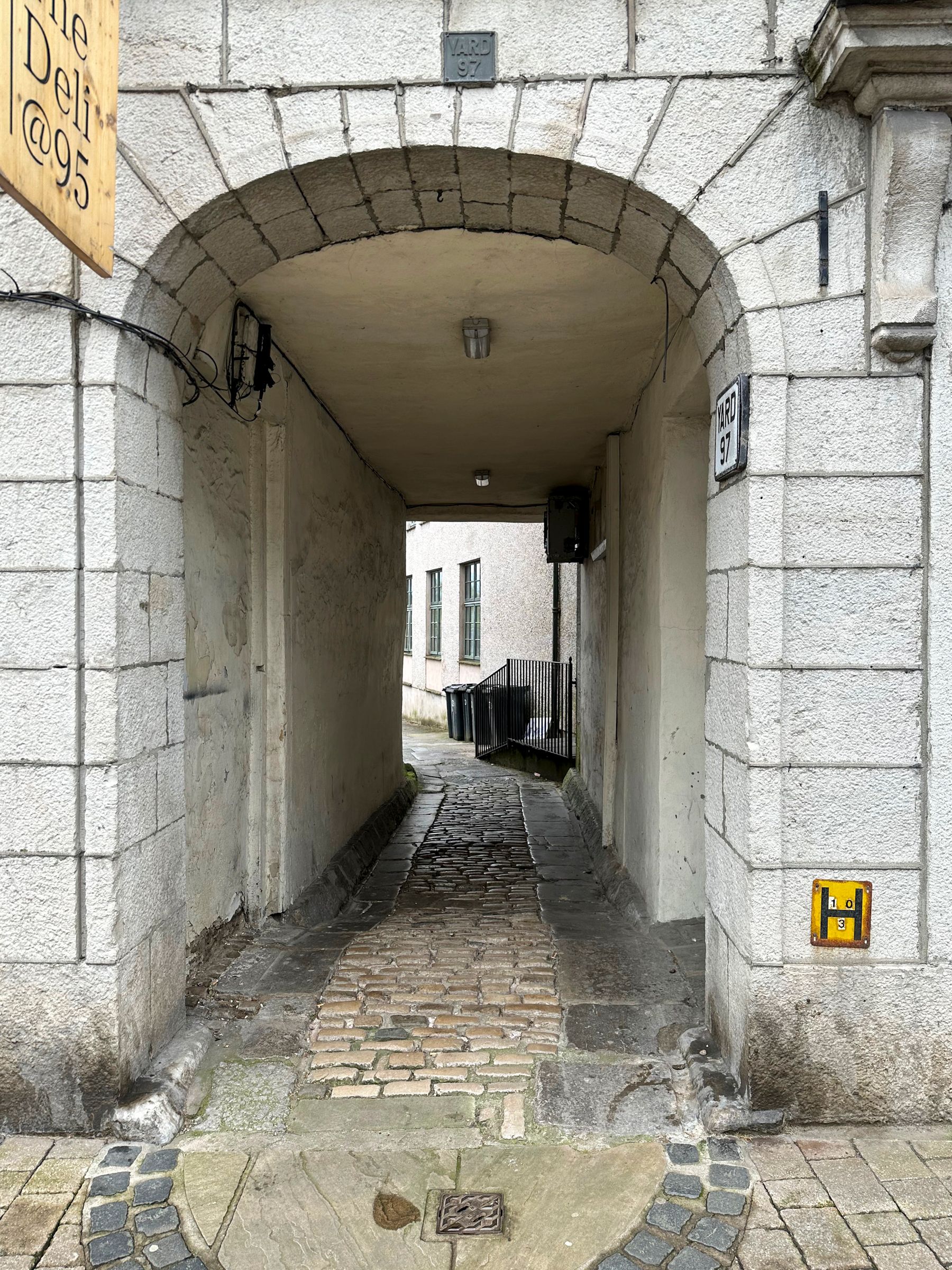
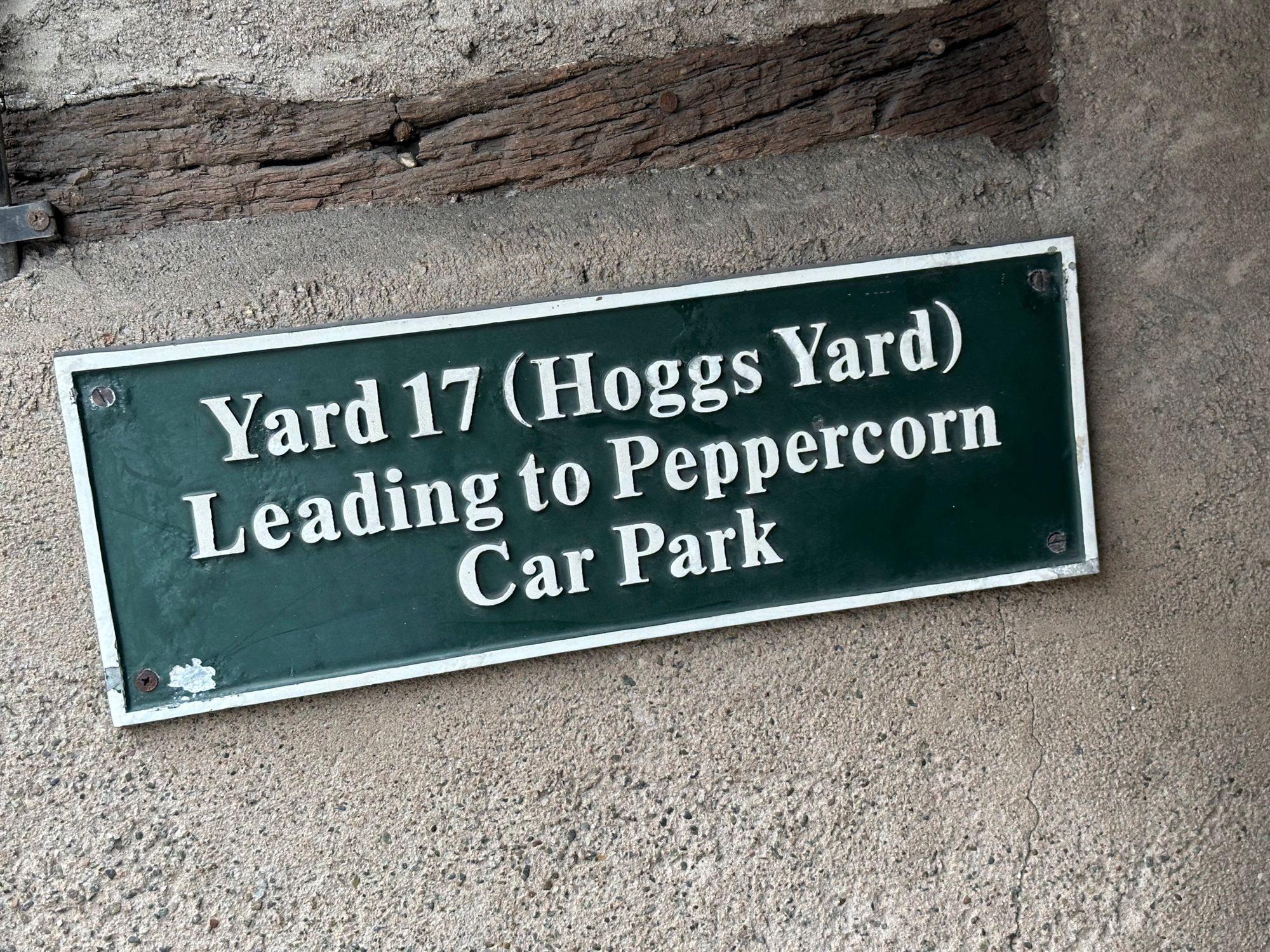
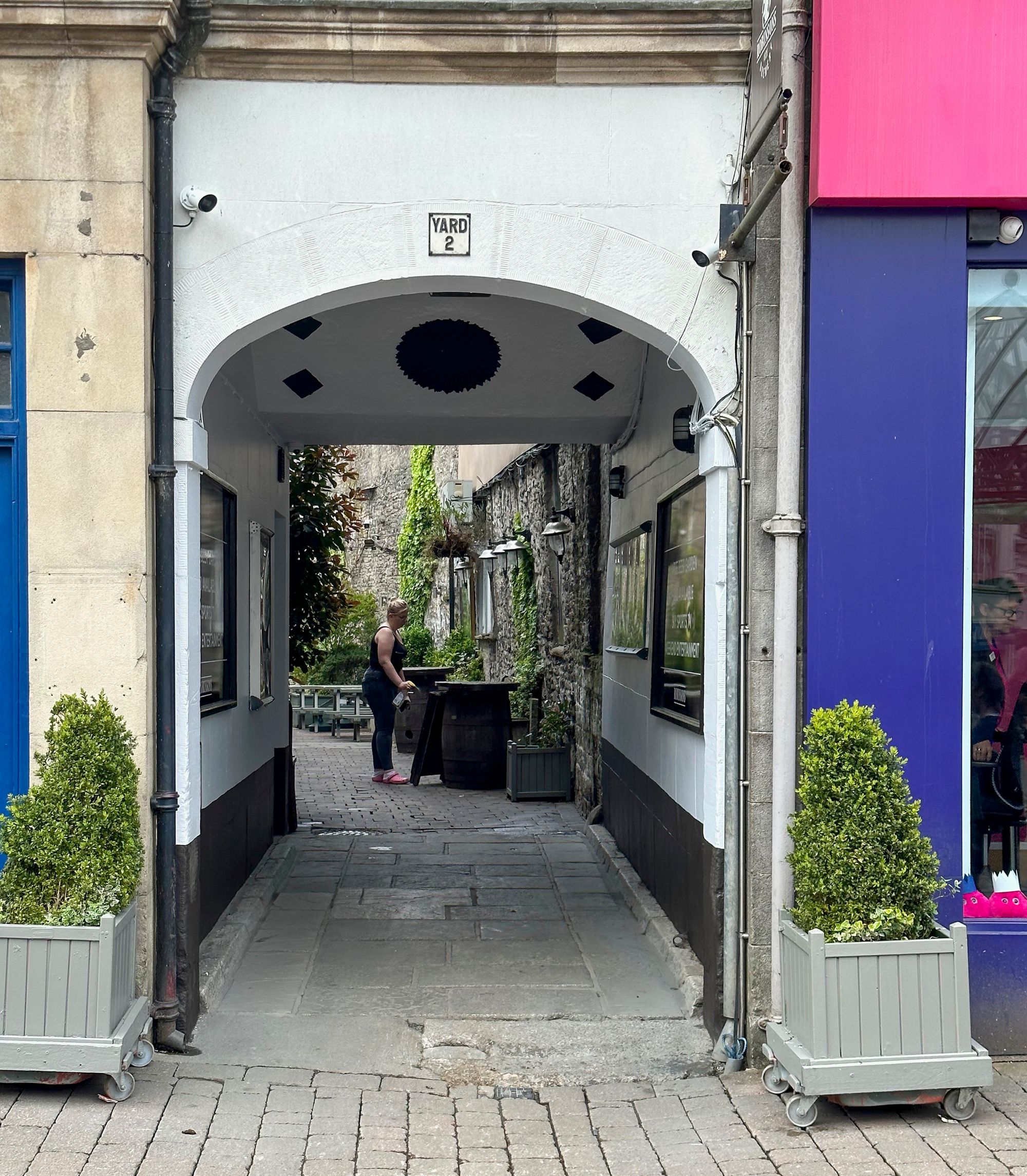
I returned to Kendal at a later date to photograph the yards - but I could never get the right light - which means I will return another day. I took these photos as records on my iPhone. Look out for the variety and detail – the materials, the surfaces and the patterns.
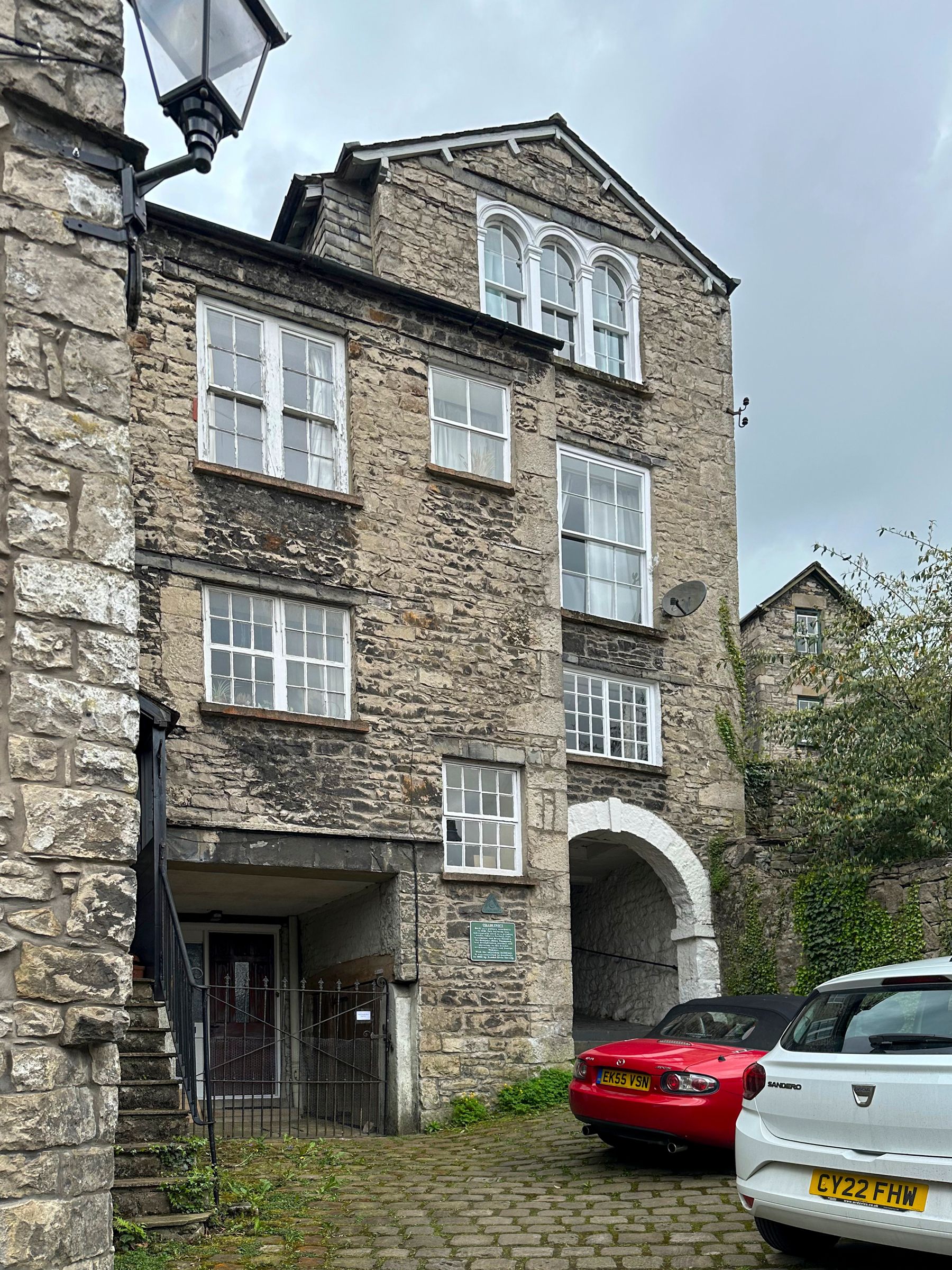
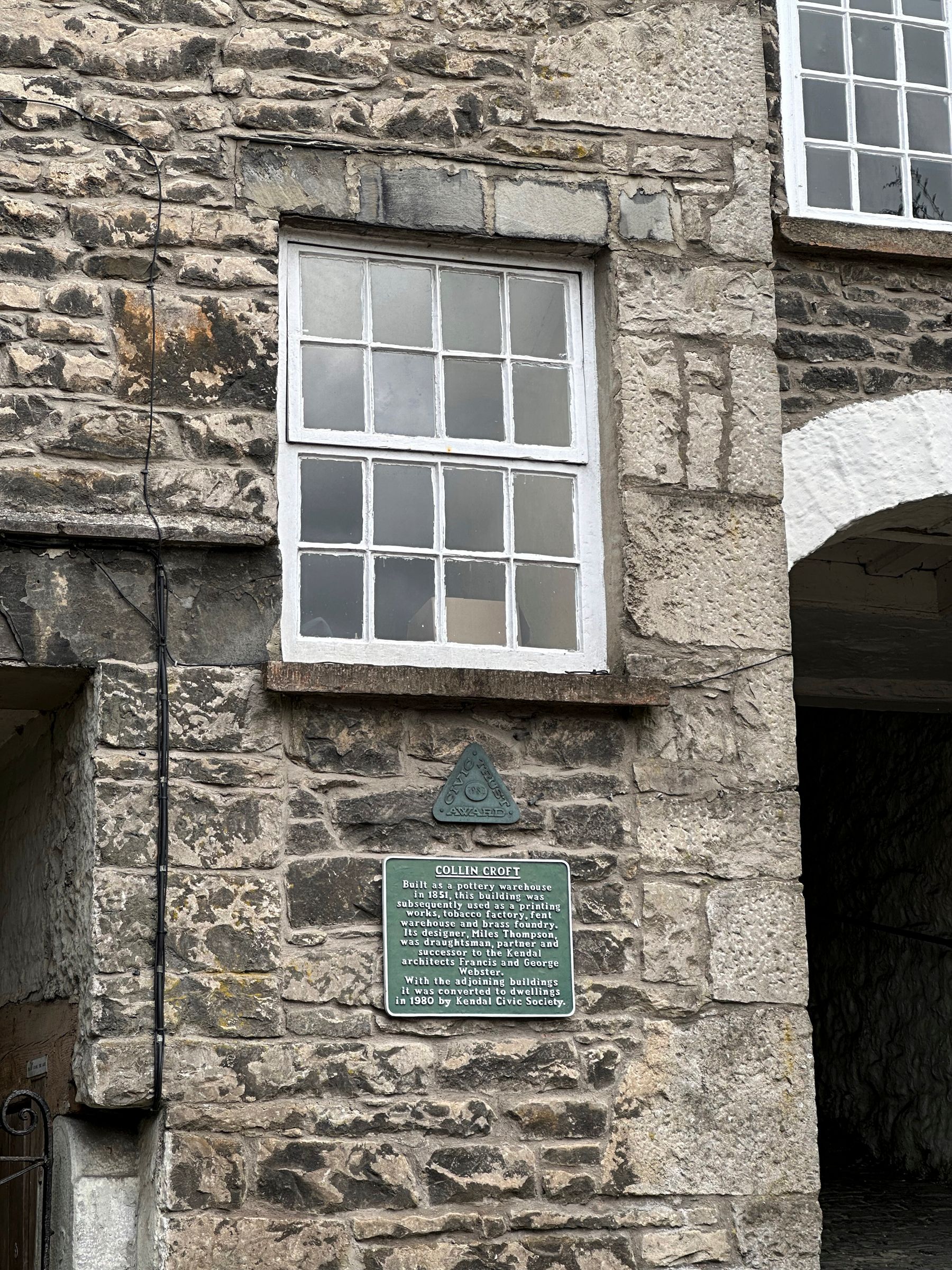
Anatomy of a Yard: Collin Croft
Collin Croft is exemplary in that its buildings bear witness to the ebb and flow of trade and business in Kendal. The croft was material witness to timber and clay and hops and iron and all the people that lived and worked there to ply their trade.

The Yards of Kendal - Pure Scroll
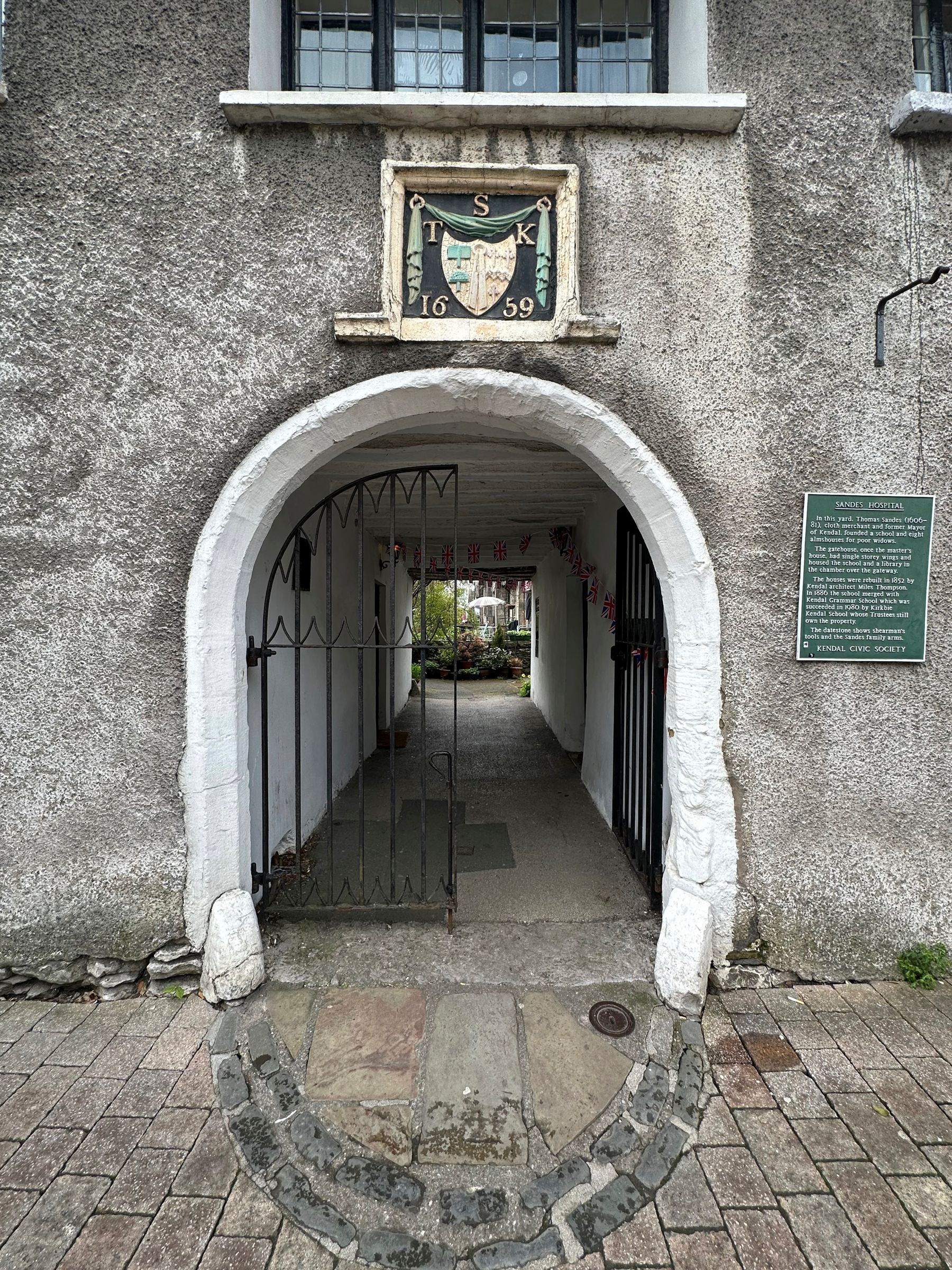
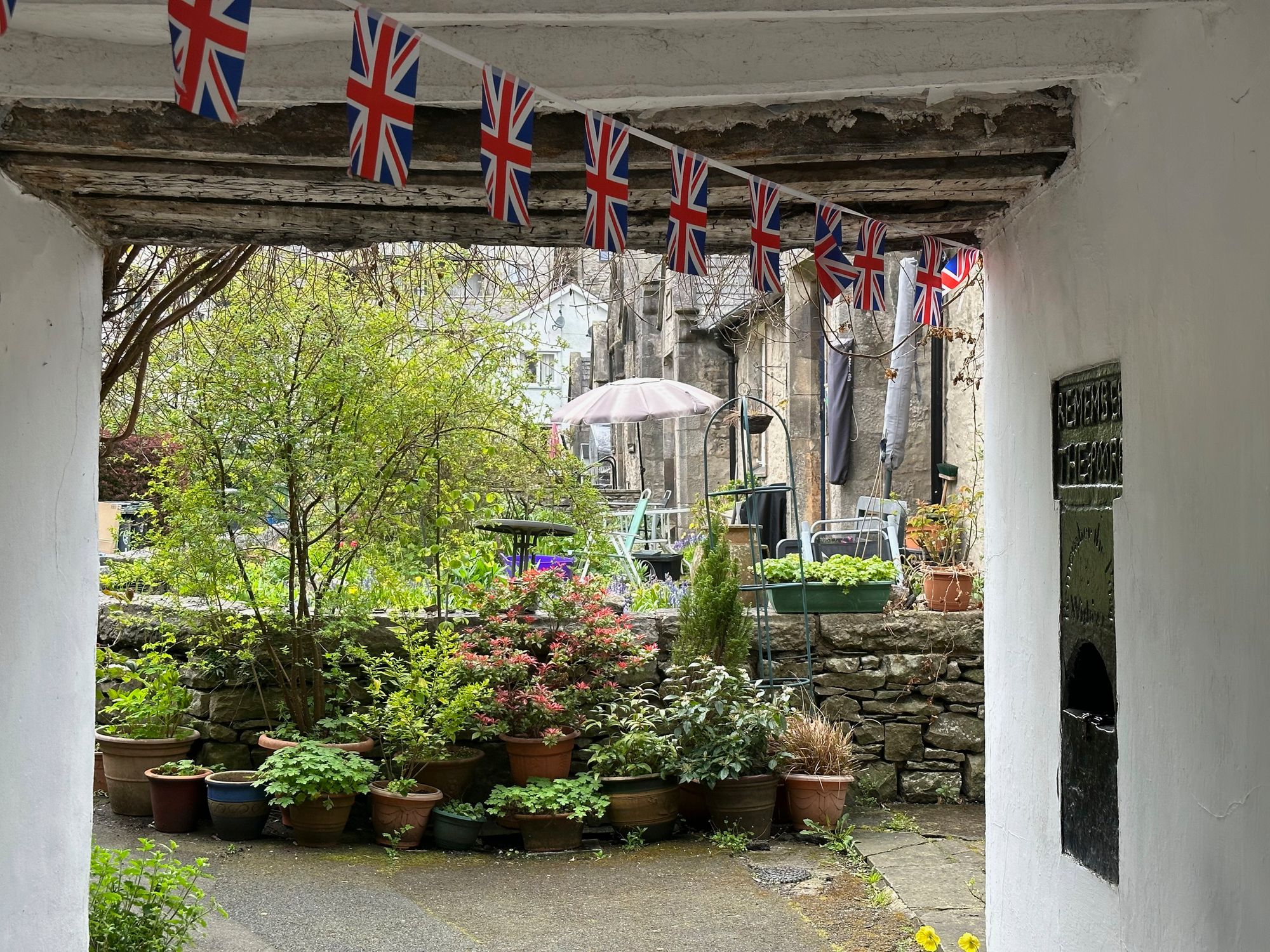
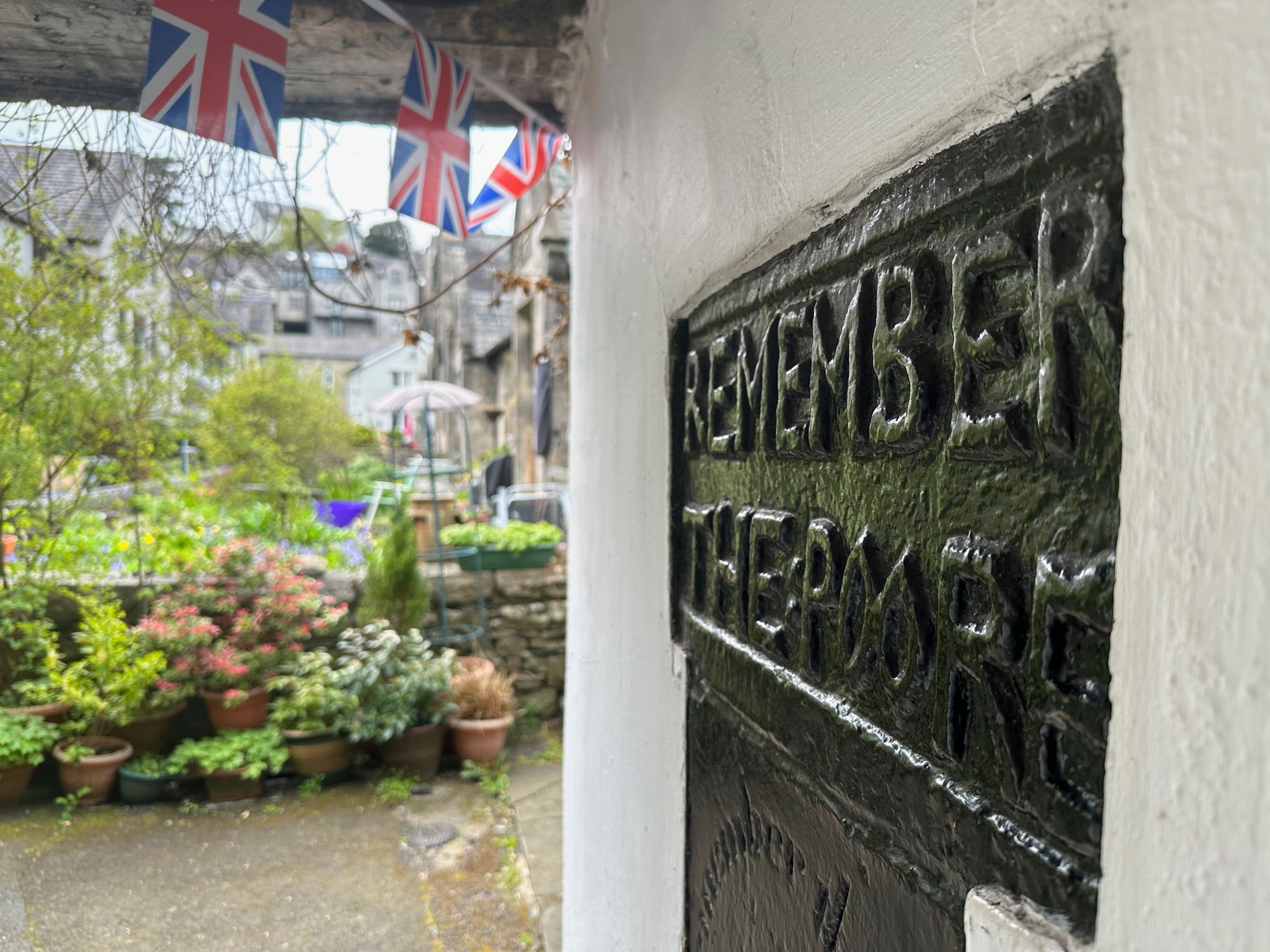

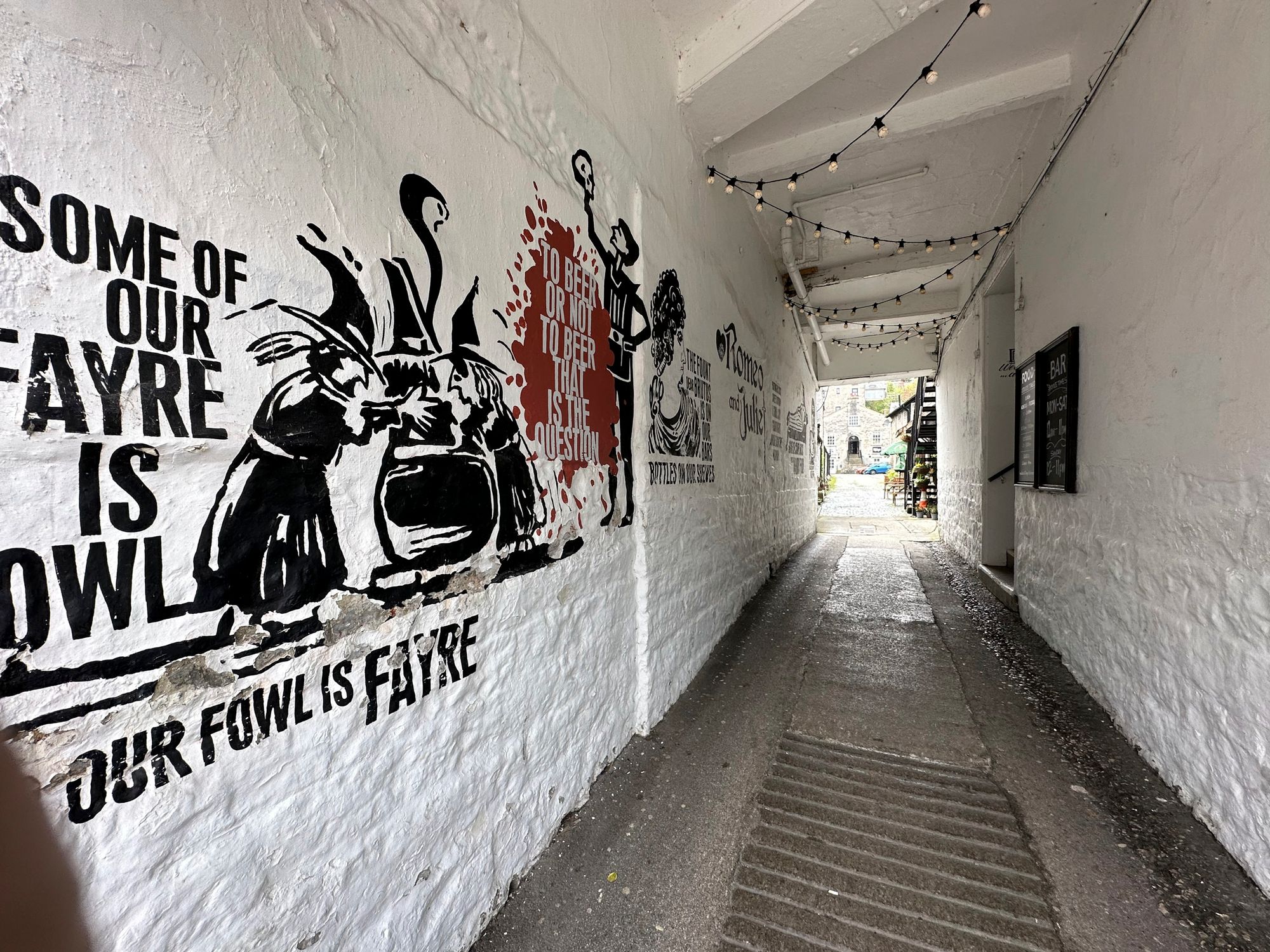
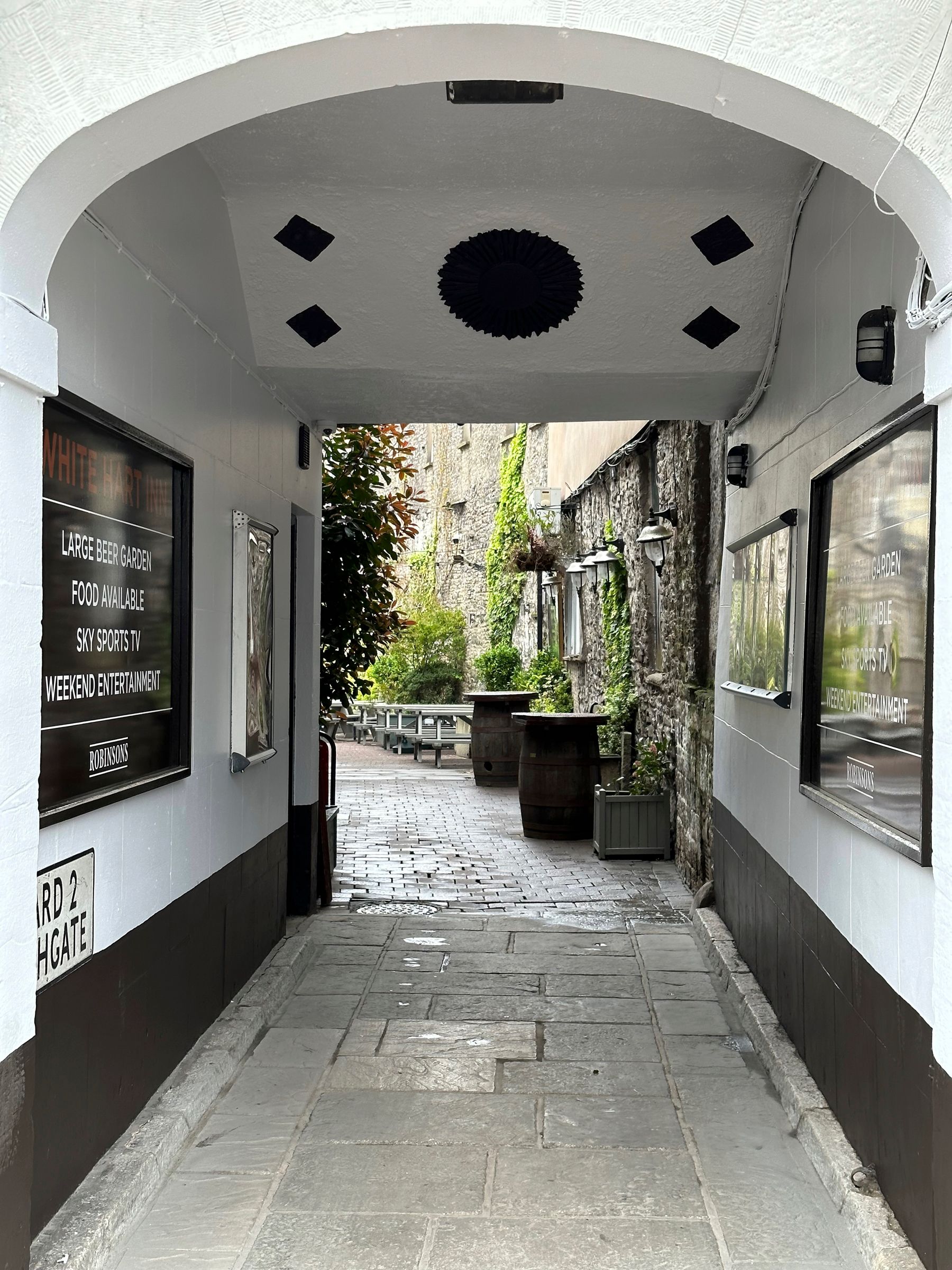
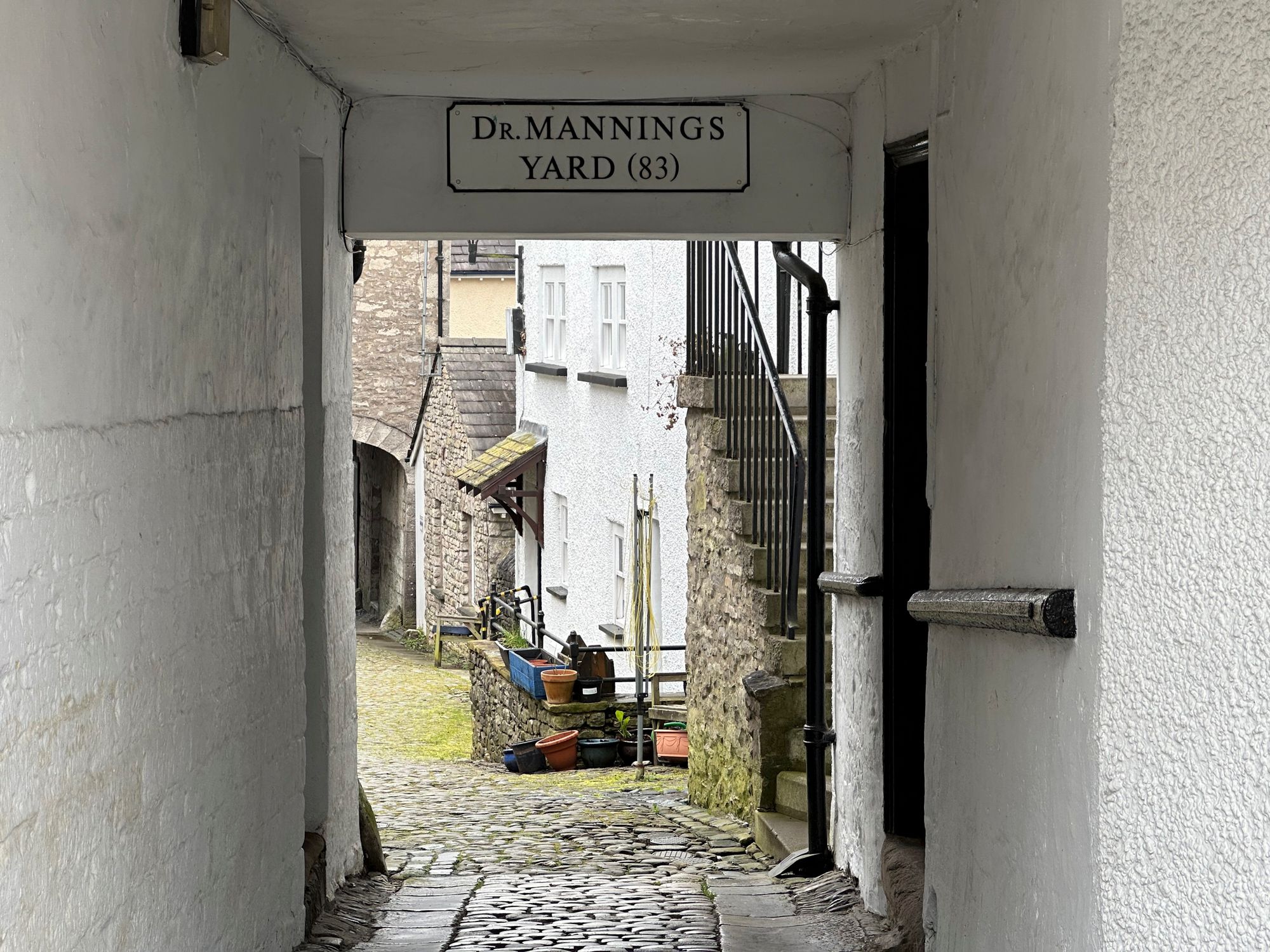
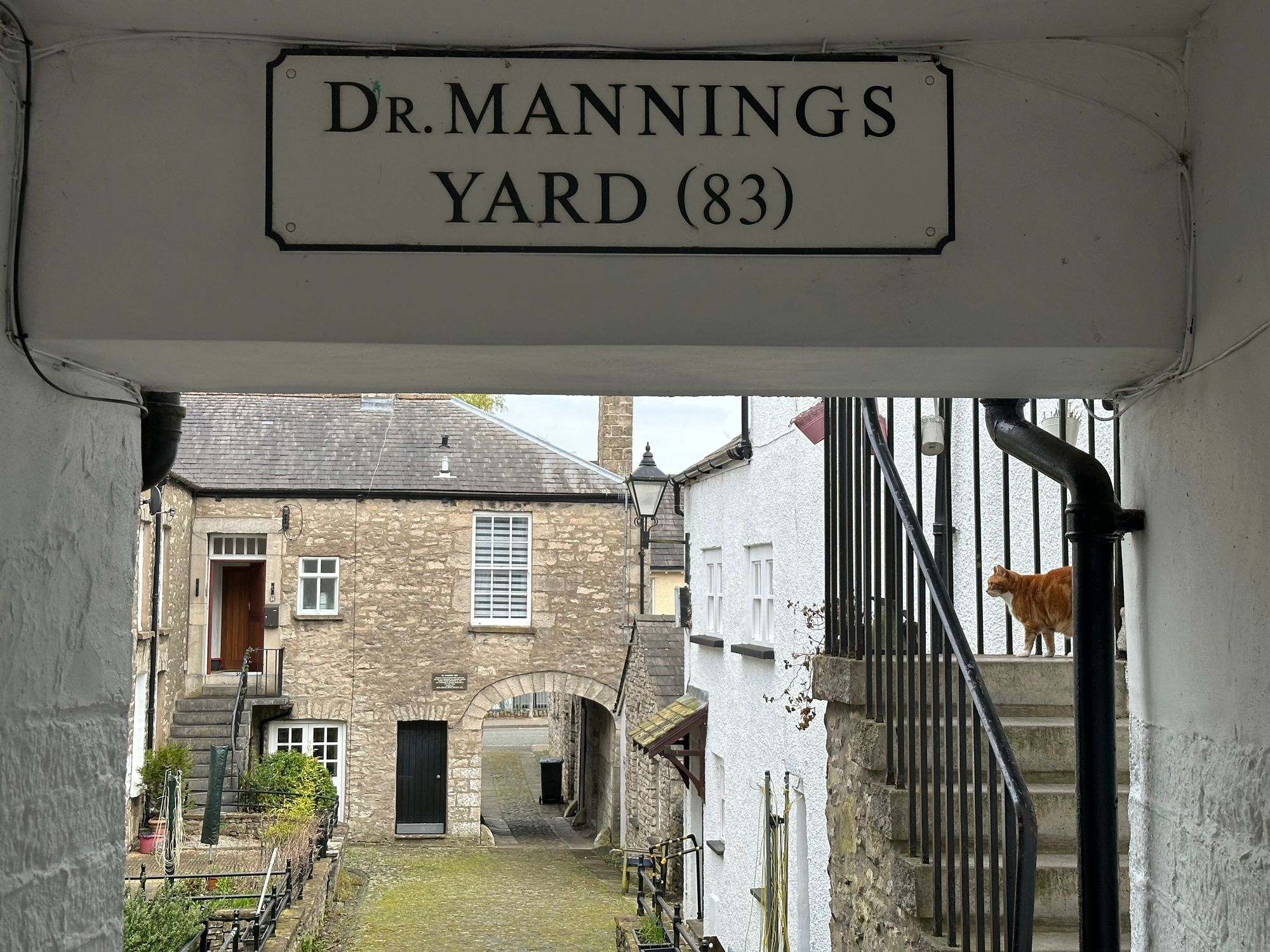
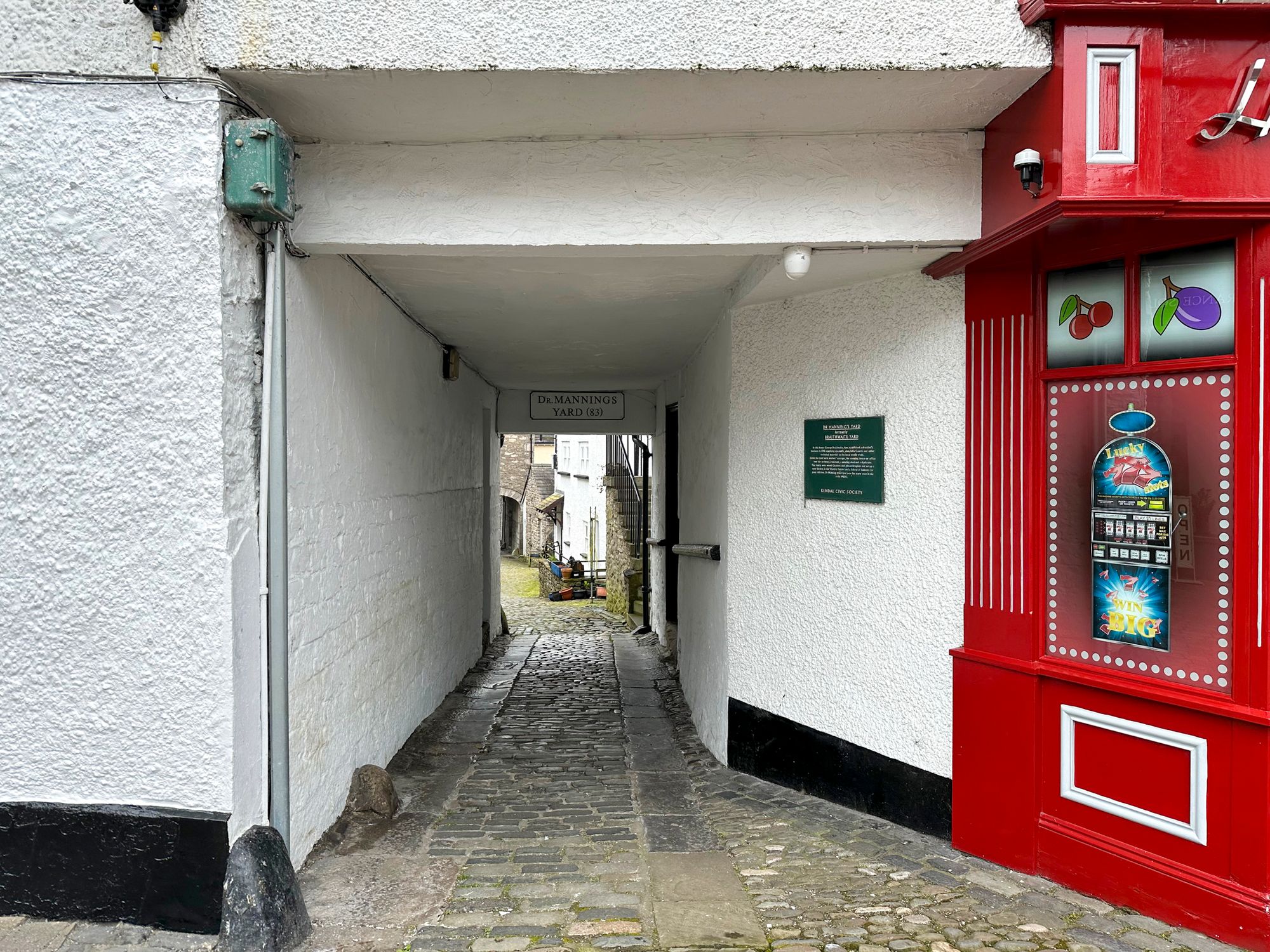
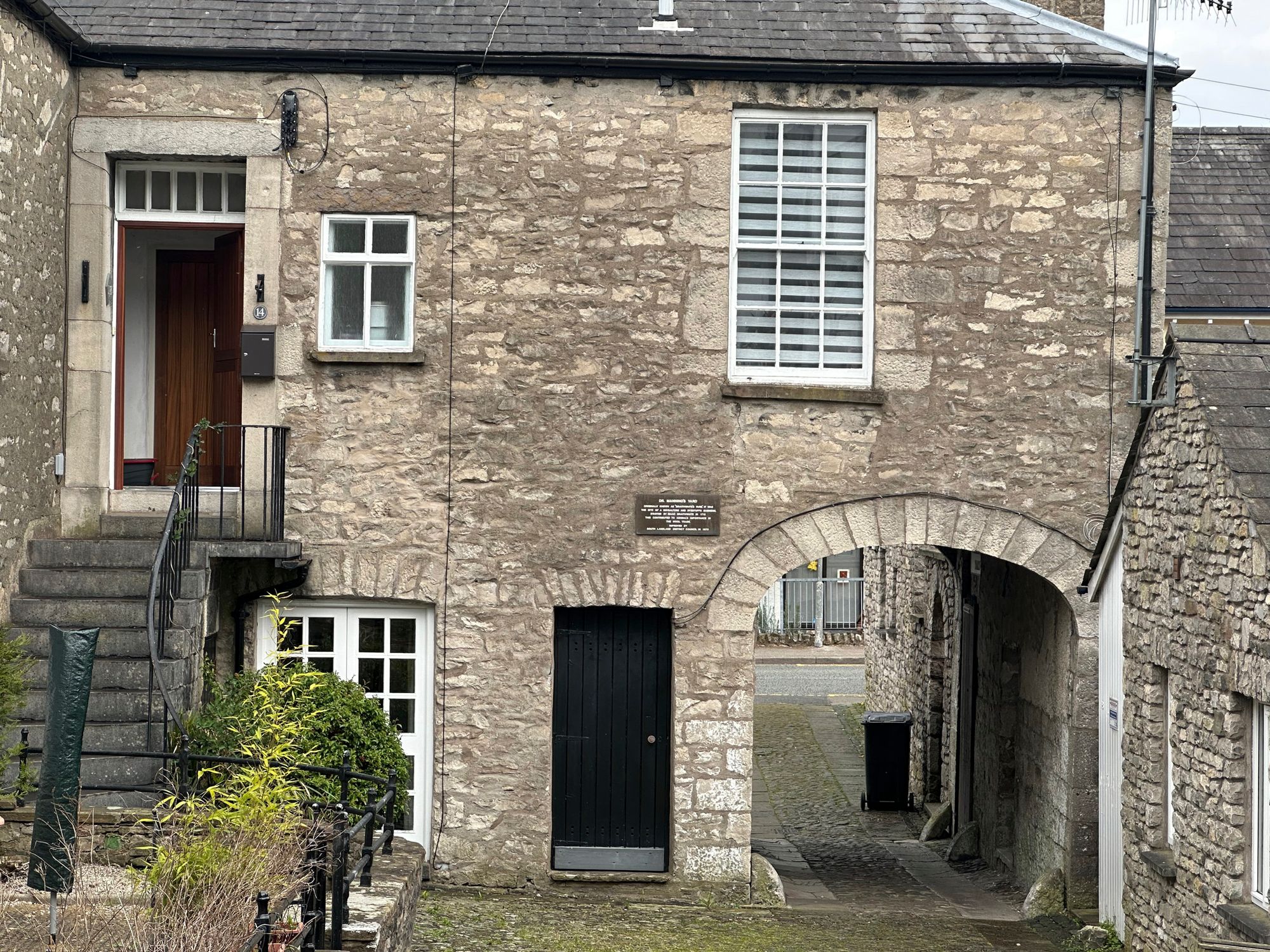
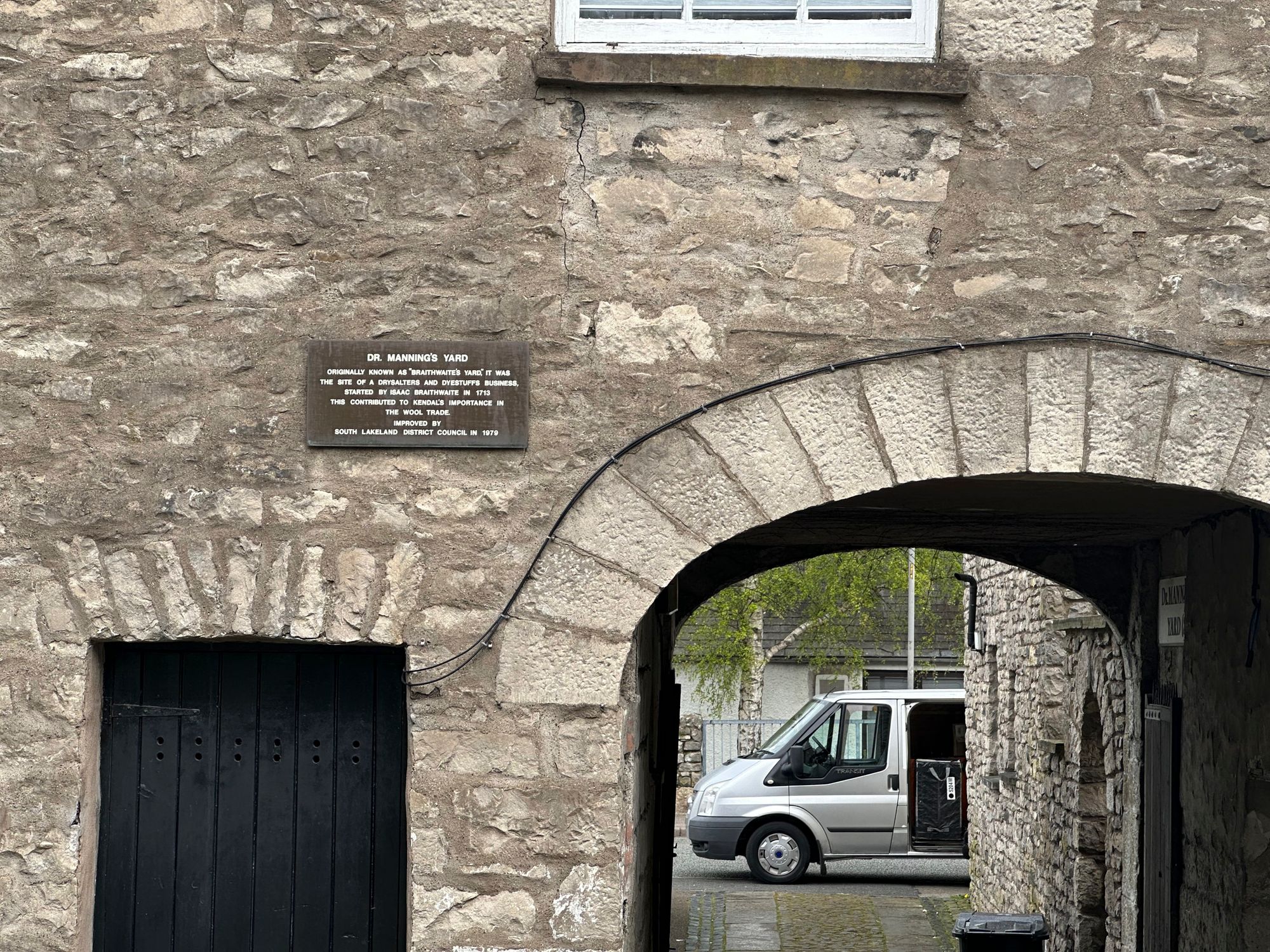
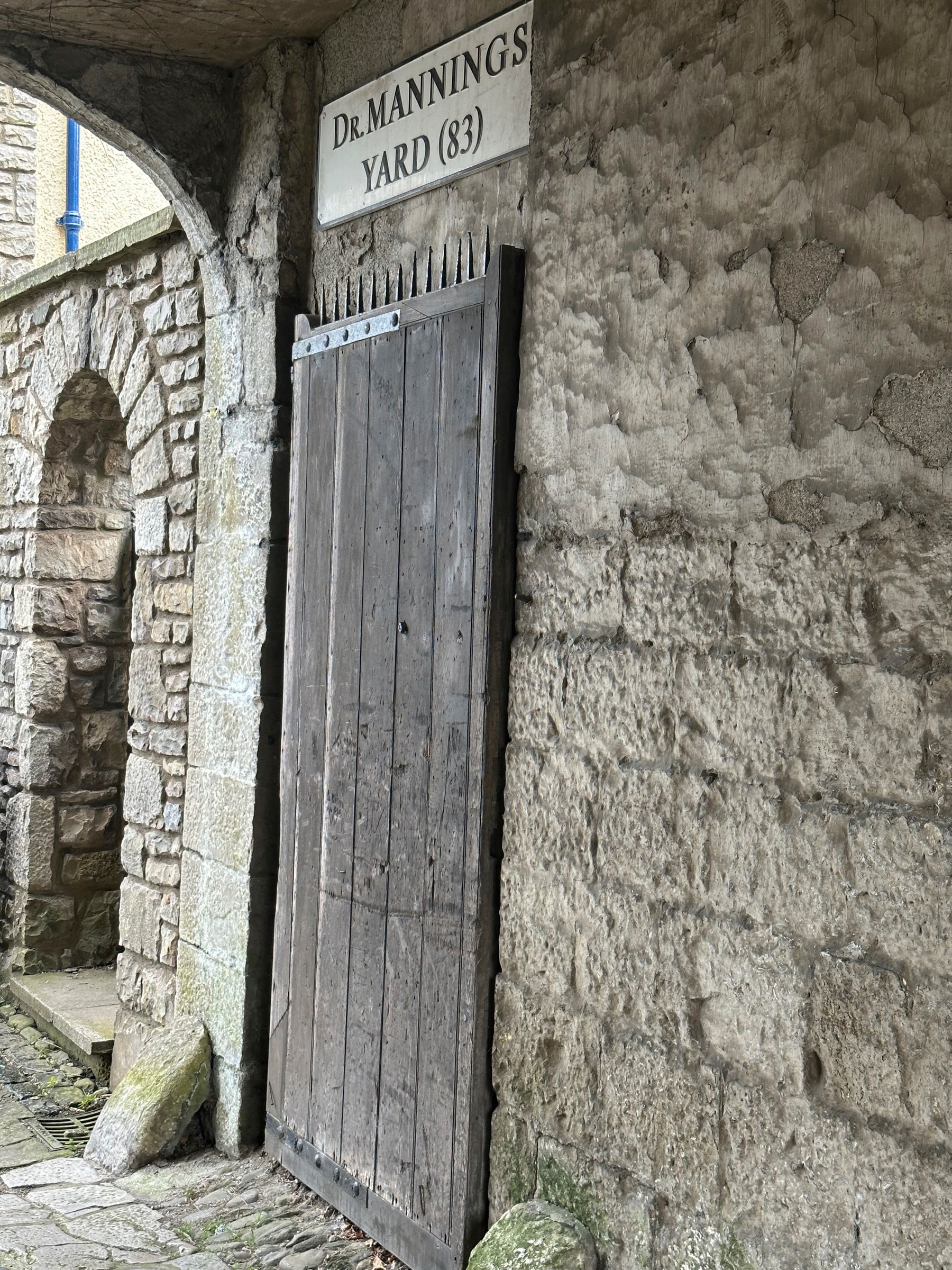
Anatomy of a Yard: Dr Manning's Yard
Formerly known as Braithwaite Yard - after the original occupier established a dye business here. Dr. Manning was a surgeon from 1898-1930 and lived at the head of the yard on Highgate.
End.
The yards continued...
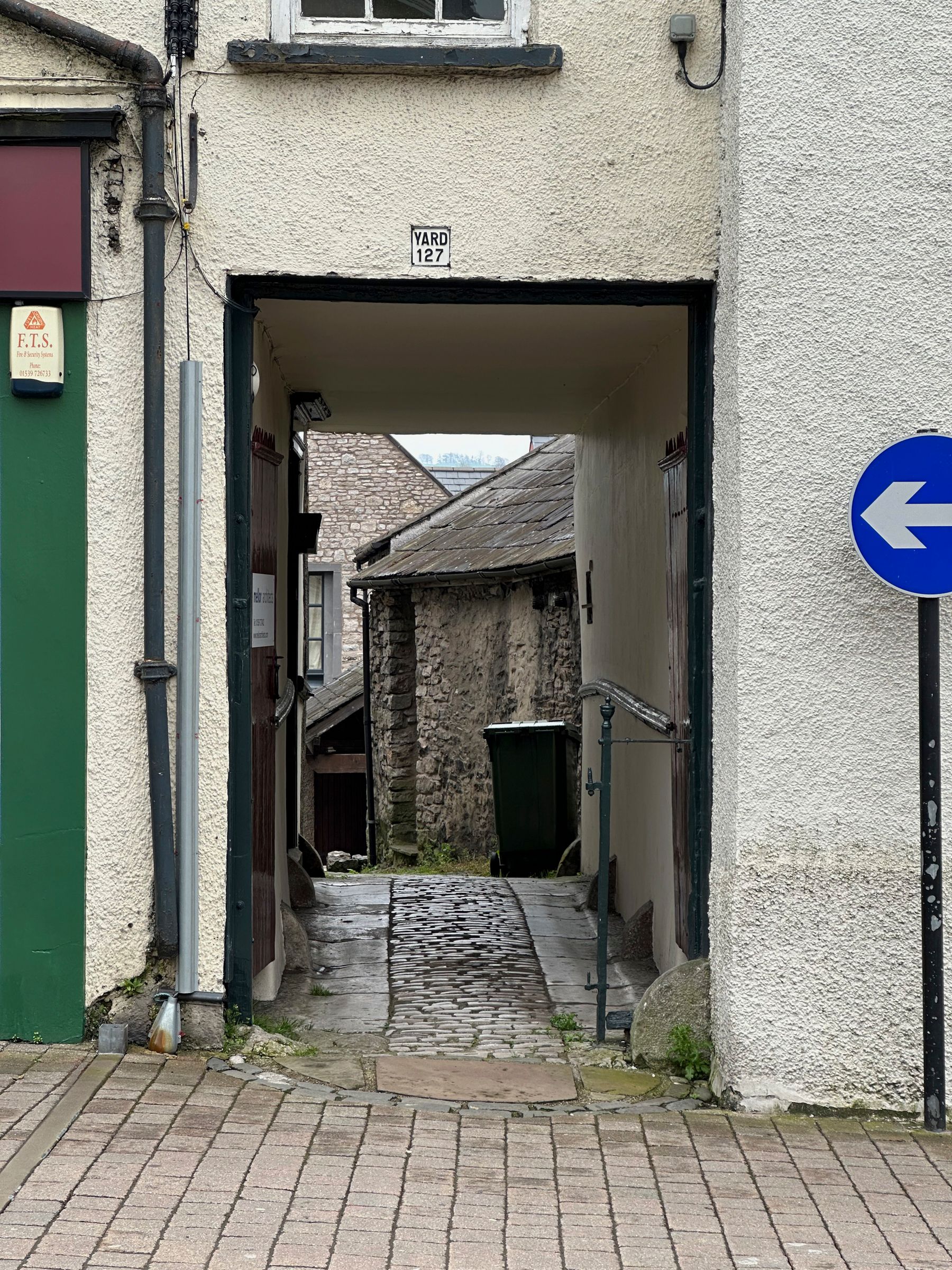
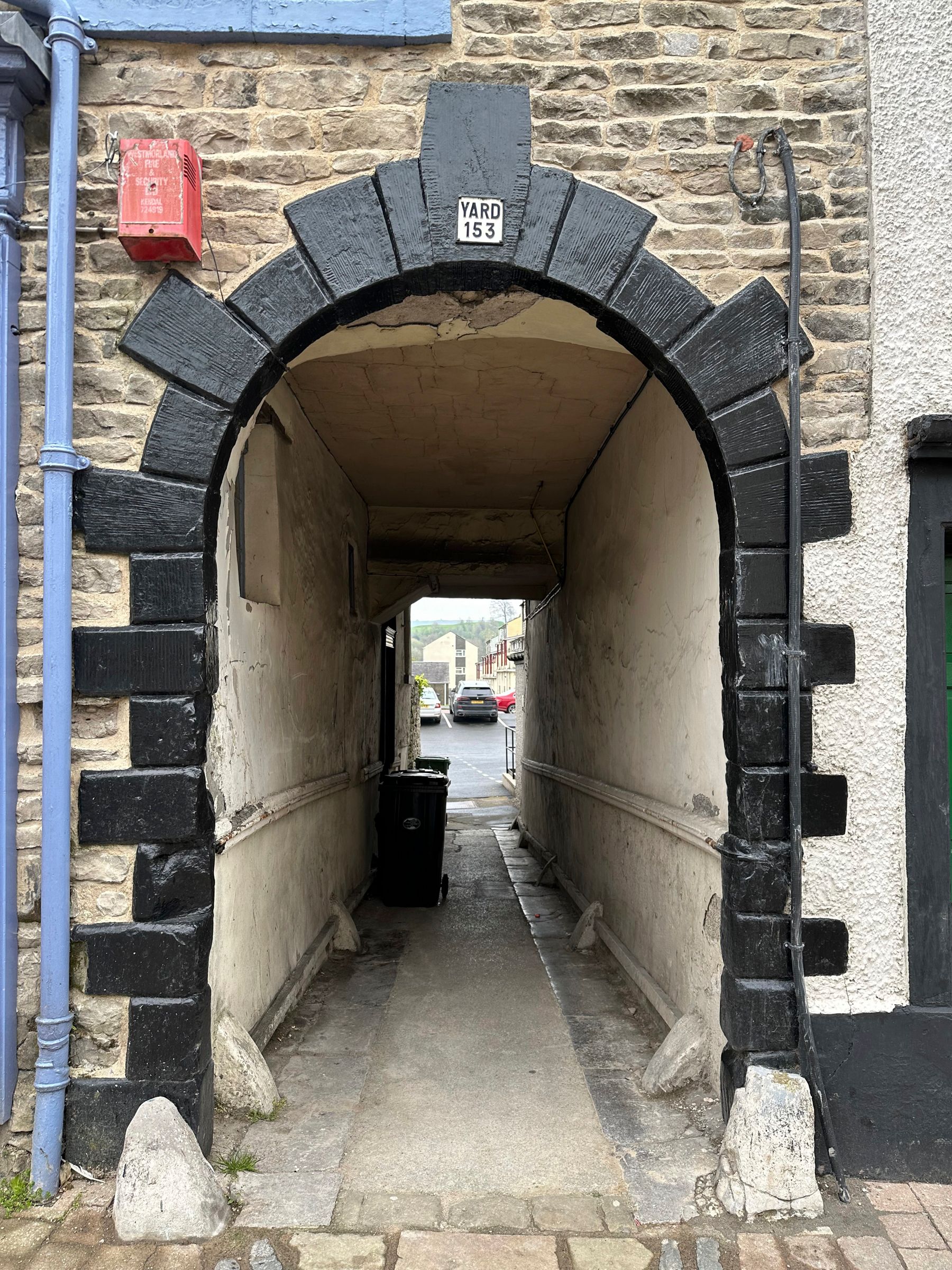
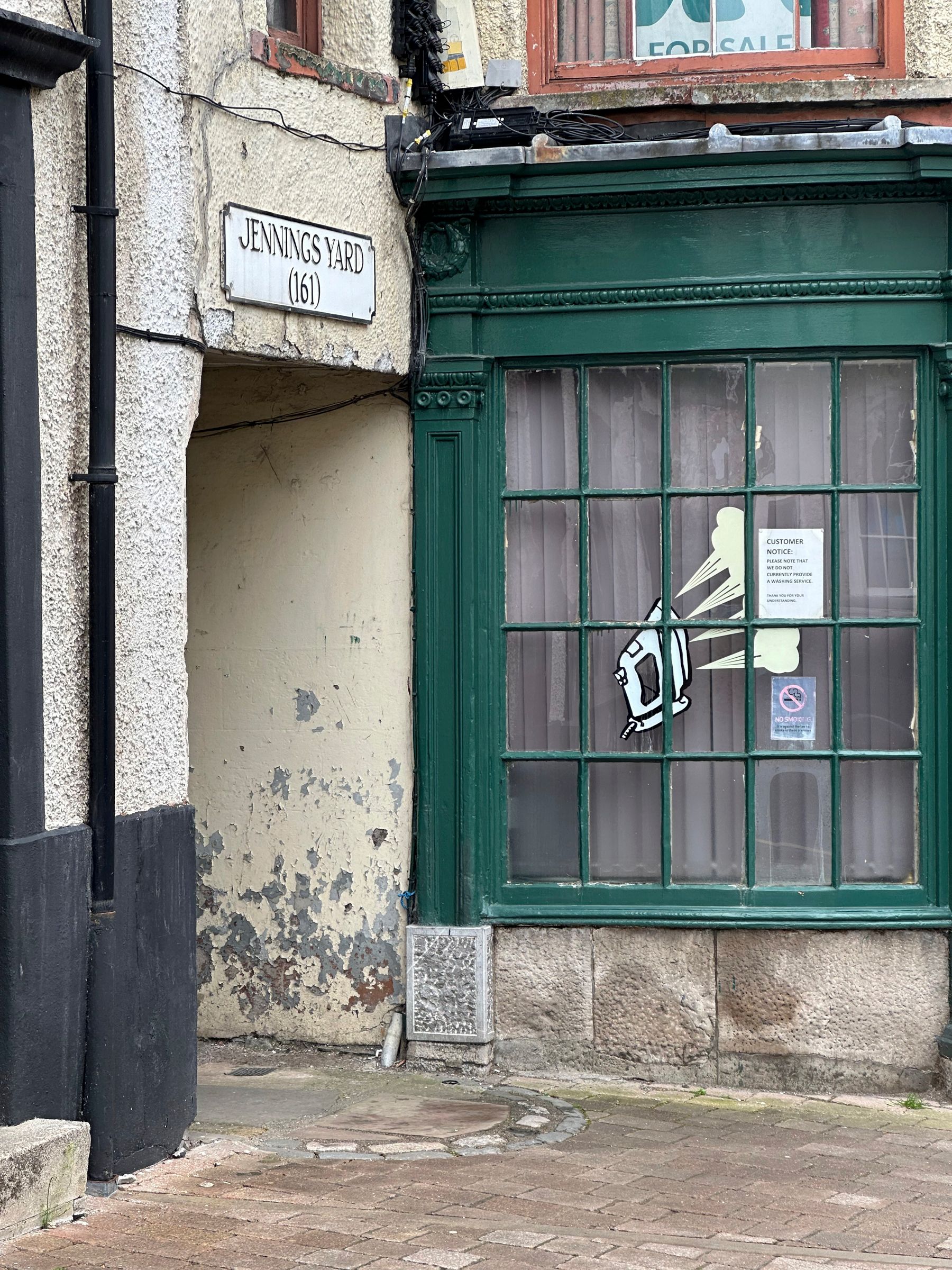
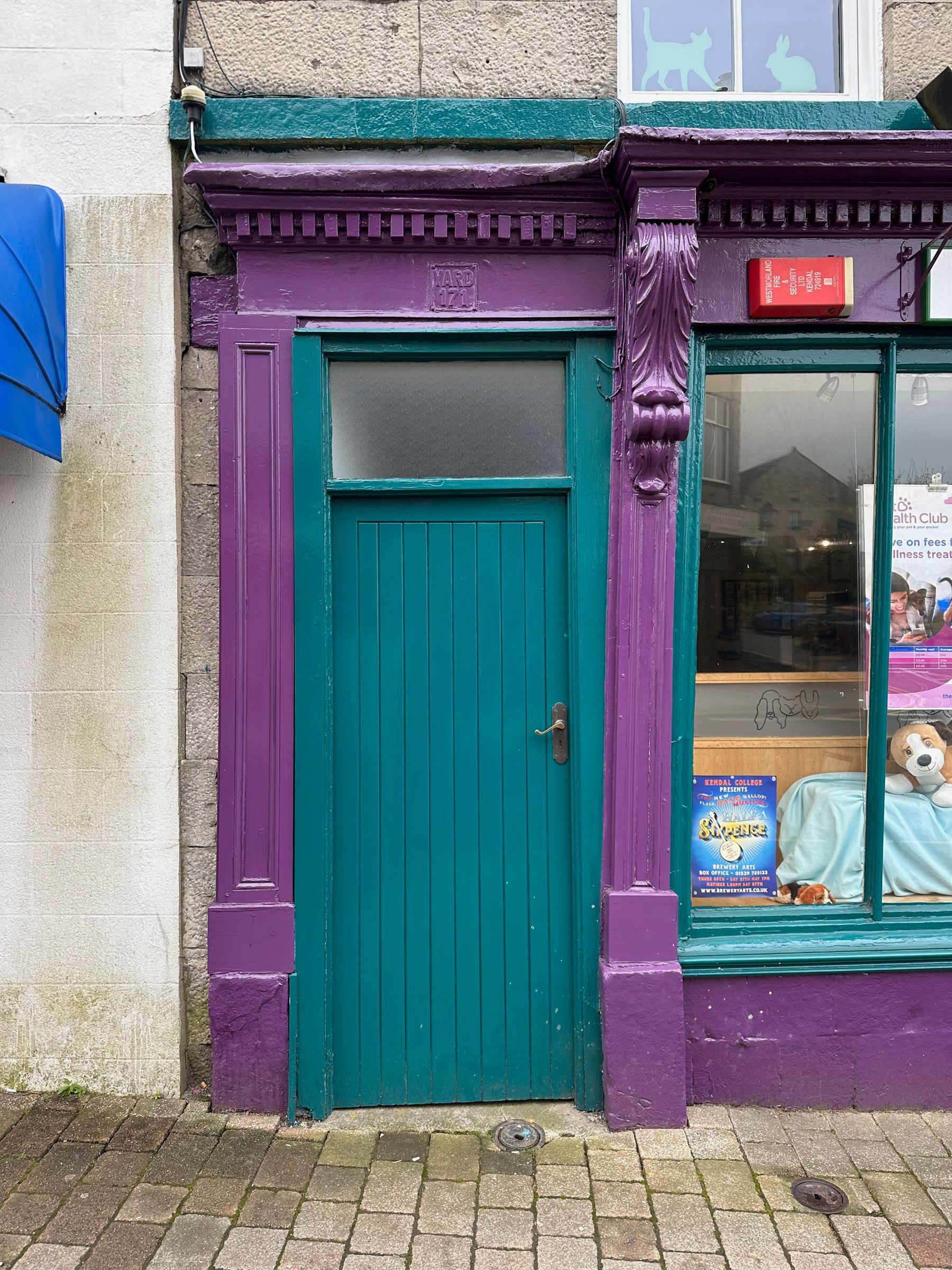
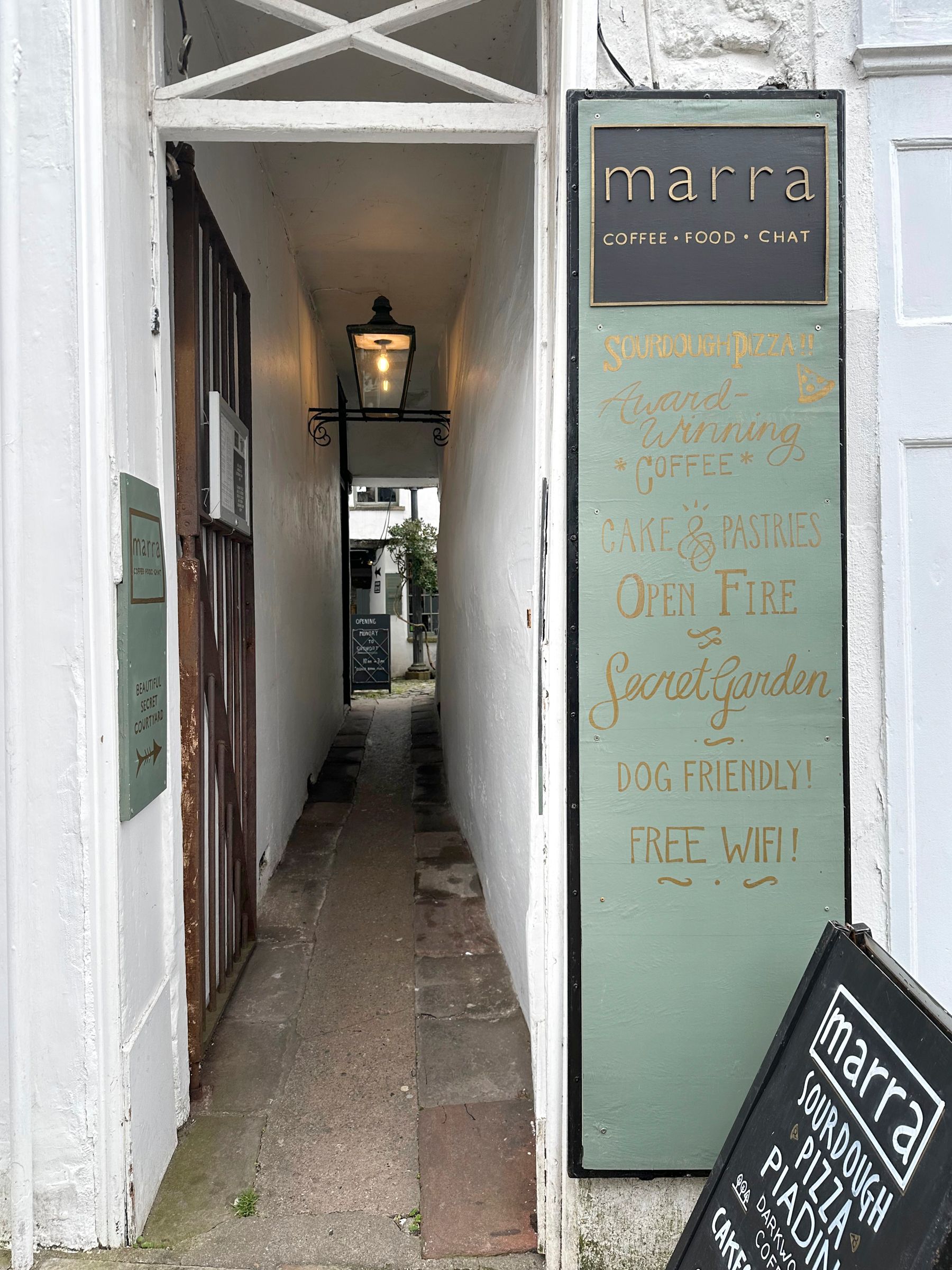
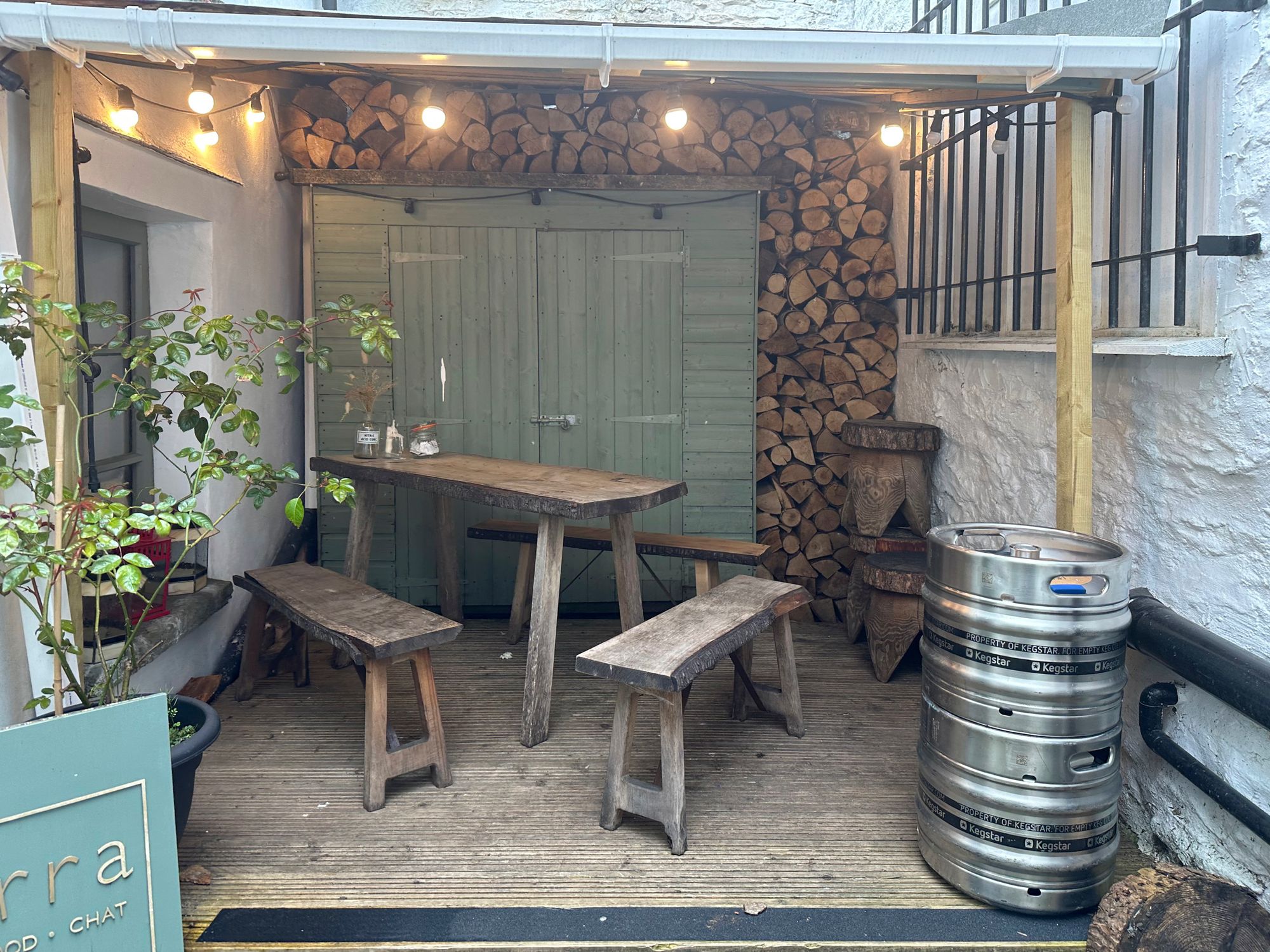
Marra
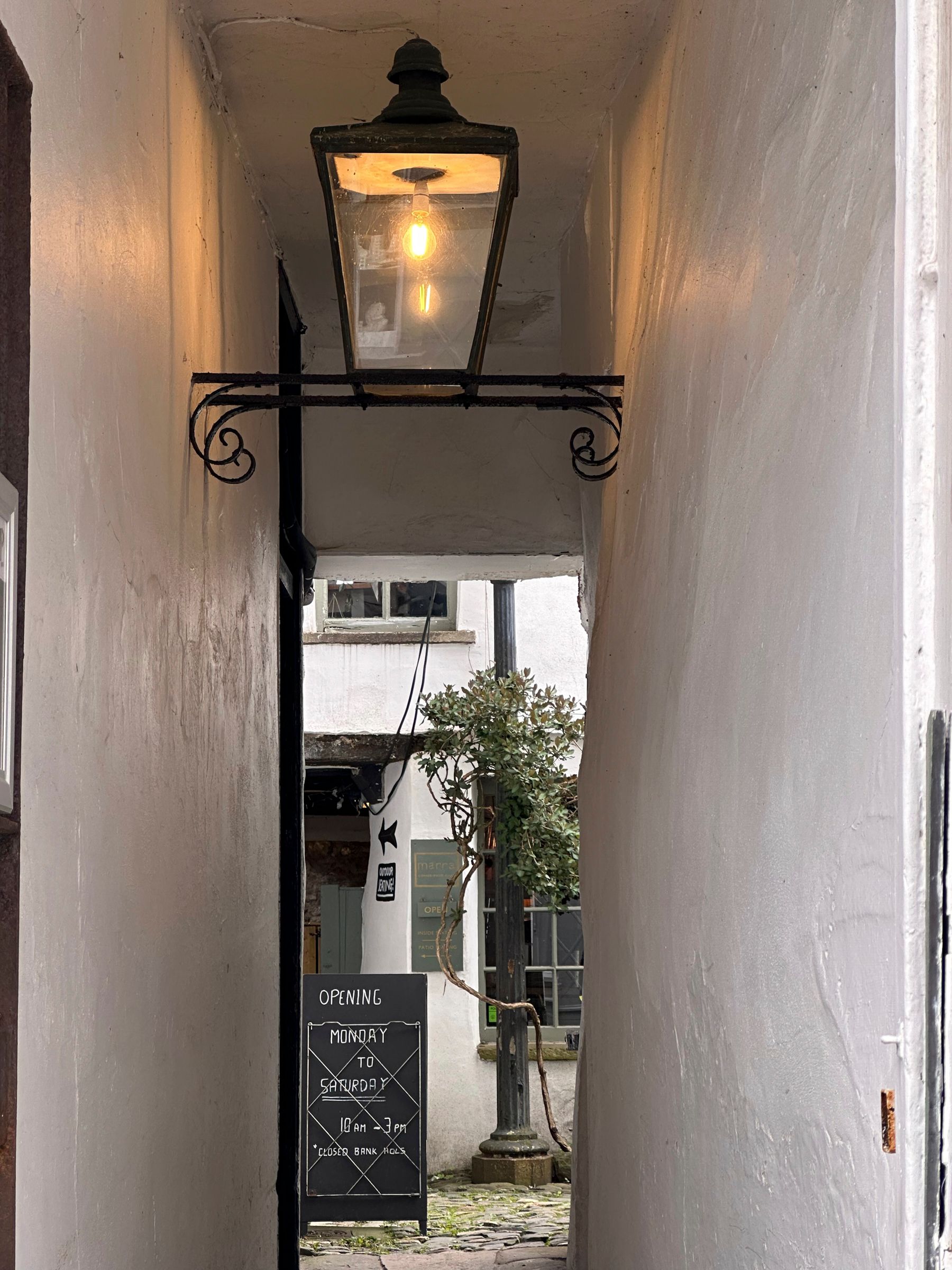
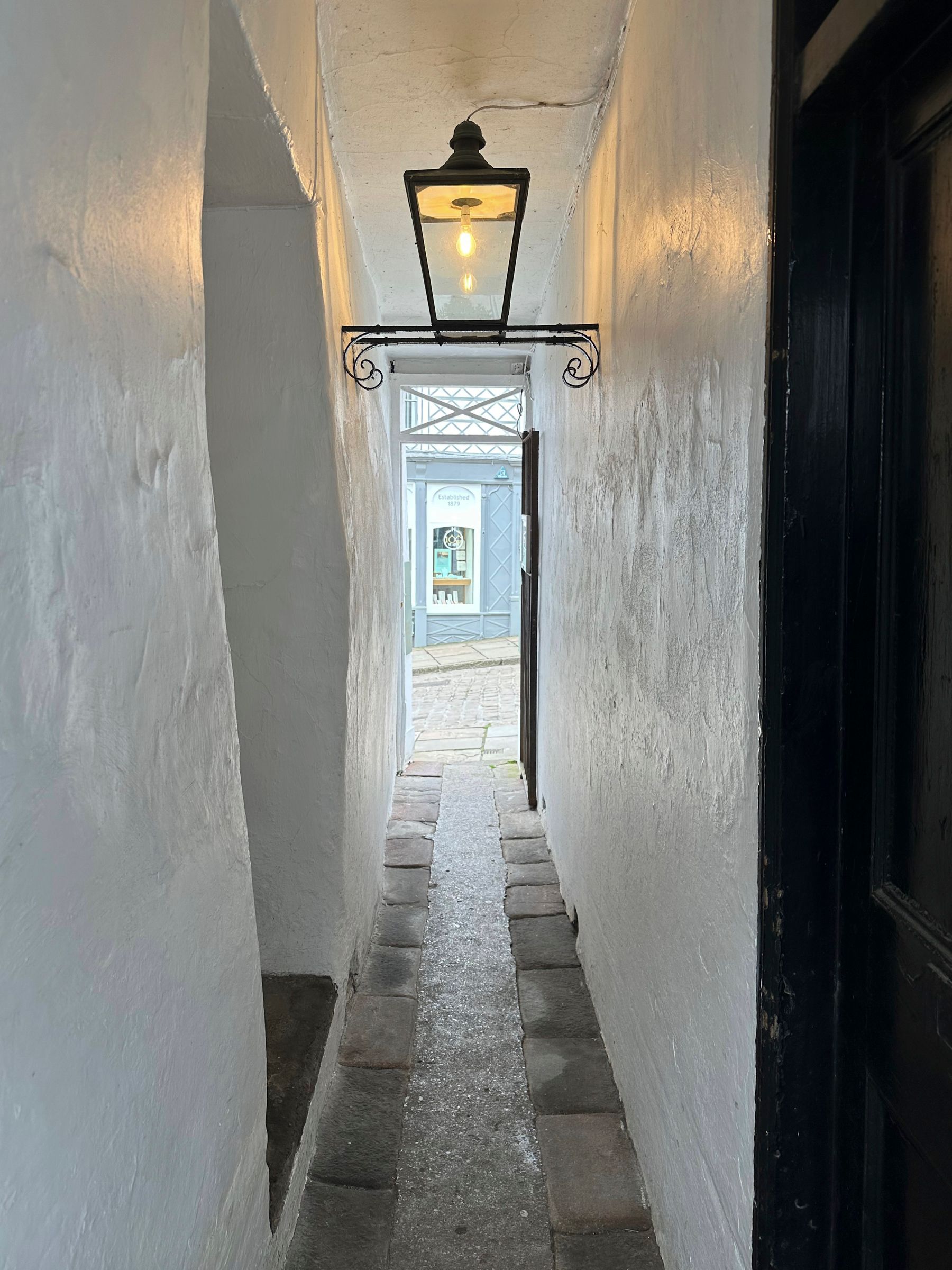
I had lunch at Marra - inside a secret yard.
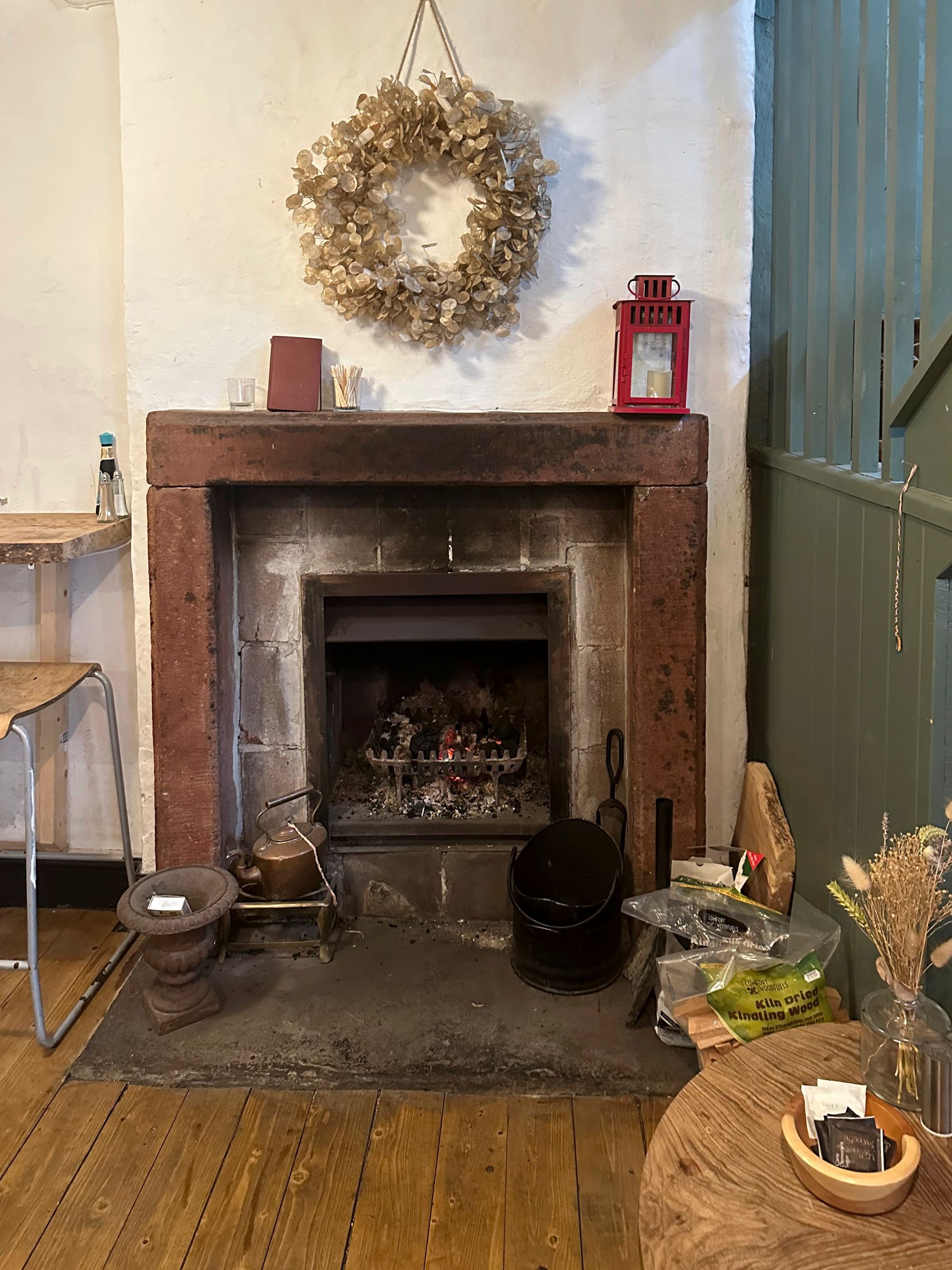
Great food and coffee - an open fire in the winter - and a labyrinth of locations to hide and dine.

End.
The yards continued...
Connect with me on: Bluesky / Instagram / Facebook / X / Tumblr / Flickr / Vimeo / Pixelfed / Pinterest

Member discussion