Each week I send out a short, fresh reflection from the road – photographs, sketches, and observations from old places that still have something to teach us. What follows is a moment from those travels.
Give me the long, straight road before me,
__A clear, cold day with a nipping air,
Tall, bare trees to run on beside me,
__A heart that is light and free from care.
Then let me go! – I care not whither
__My feet may lead, for my spirit shall be
Free as the brook that flows to the river,
__Free as the river that flows to the sea.
Olive Runner (with thanks to John Phillips for sending it in).
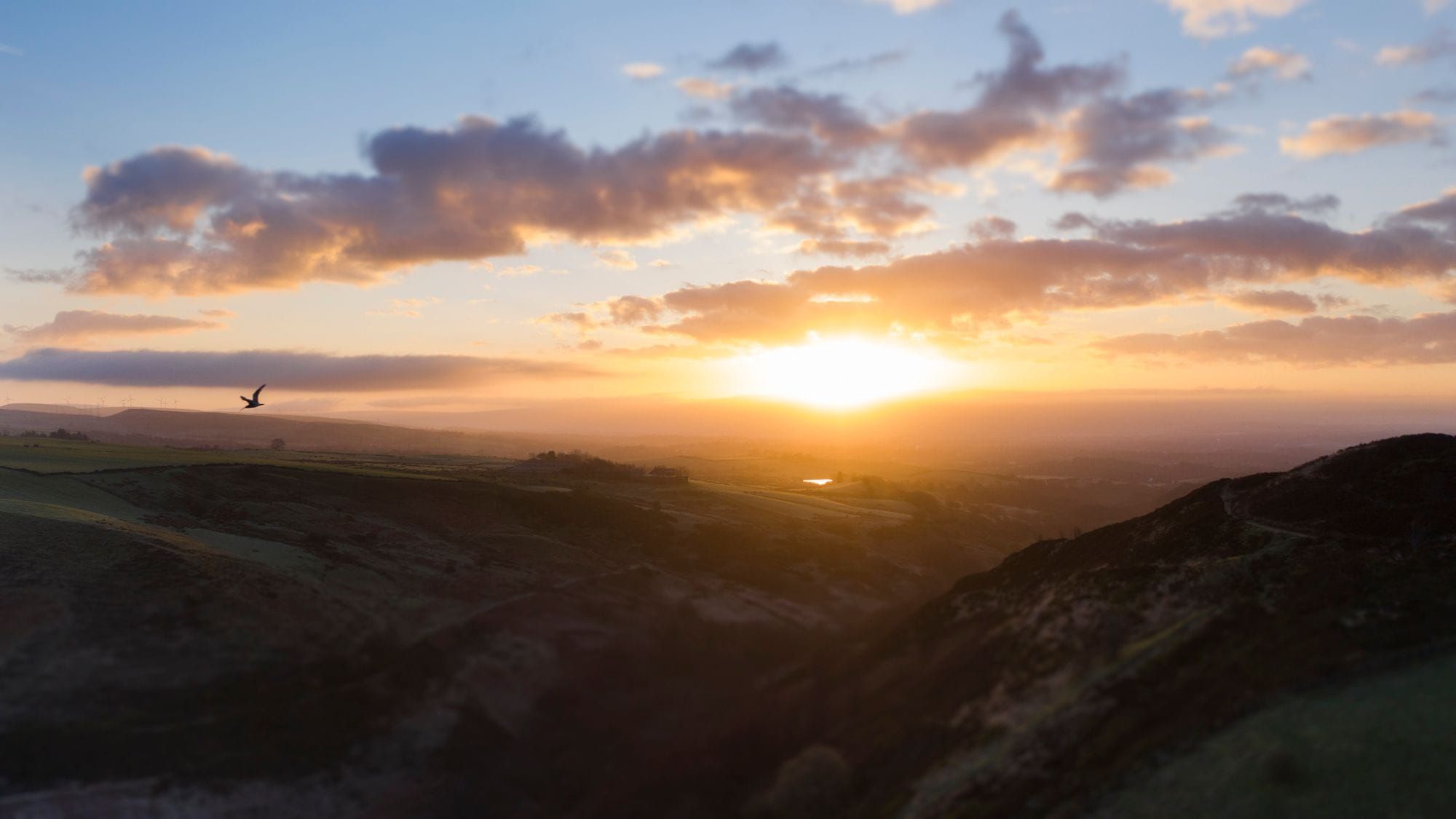
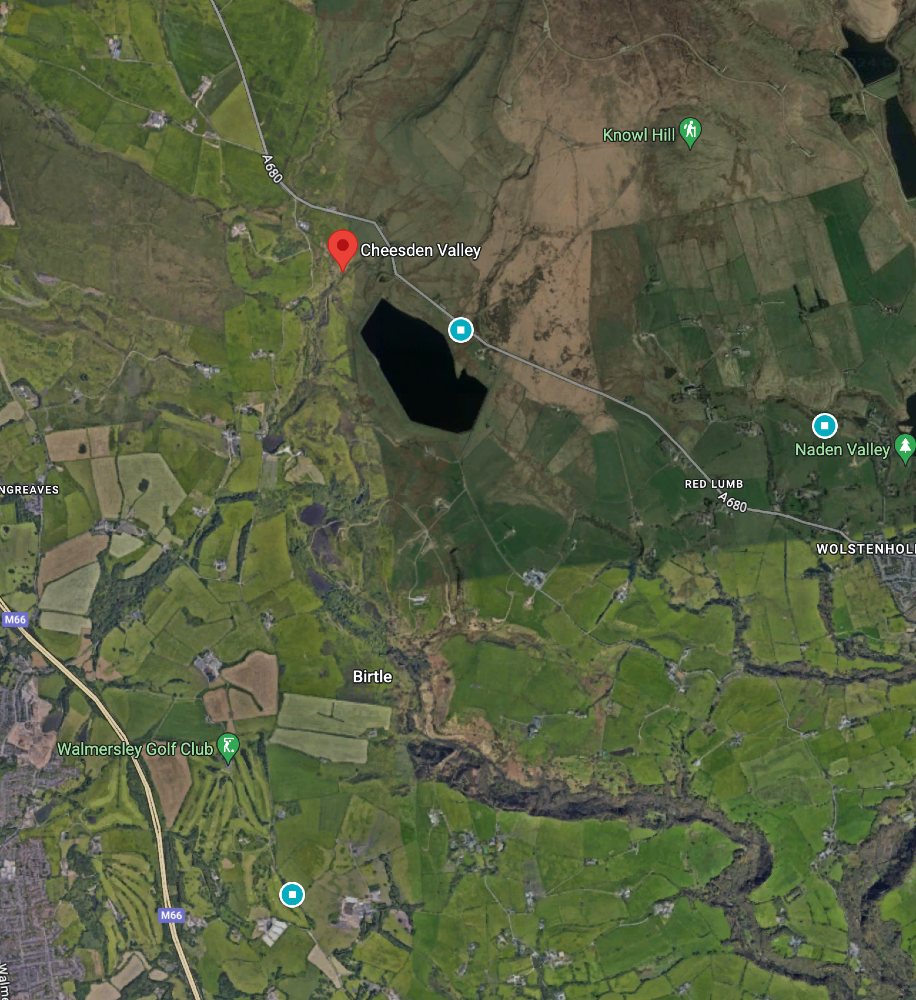
Just a couple of miles from Bury in Lancashire is a place that I’ve been exploring for over a decade: Cheesden which has often been called the hidden valley, or the forgotten valley.
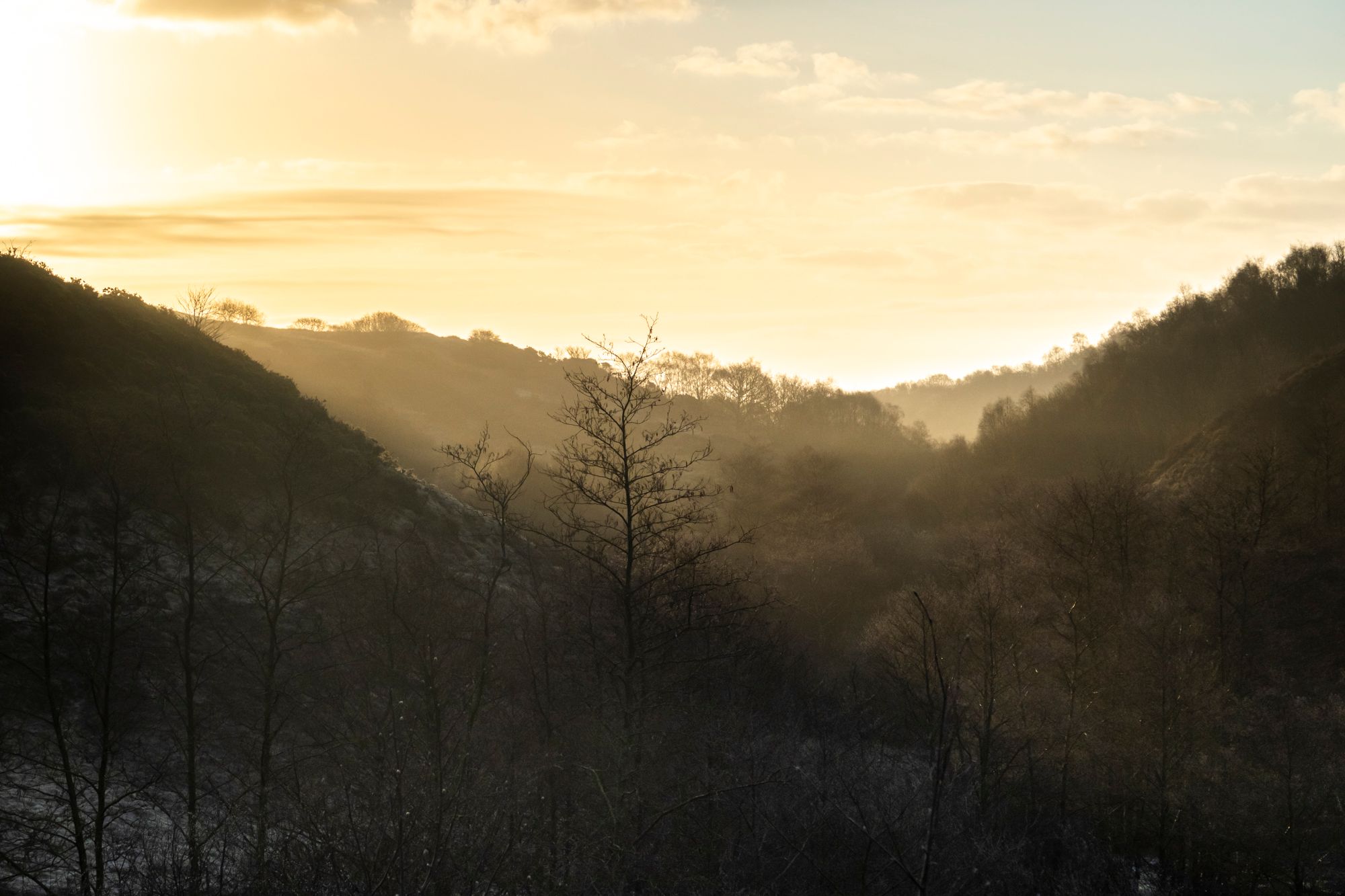
It’s a deep cut thrutch, a gravelly, wooded vale of a few miles in length, embracing the industrial and agricultural remains of a generation at risk of being lost in memory.
My time there has been spent capturing and photographing the decaying constructs of working lives - the early lodges and wheel pits, the scouring becks and chimneys - suspended in a landscape more akin to agriculture than industry.
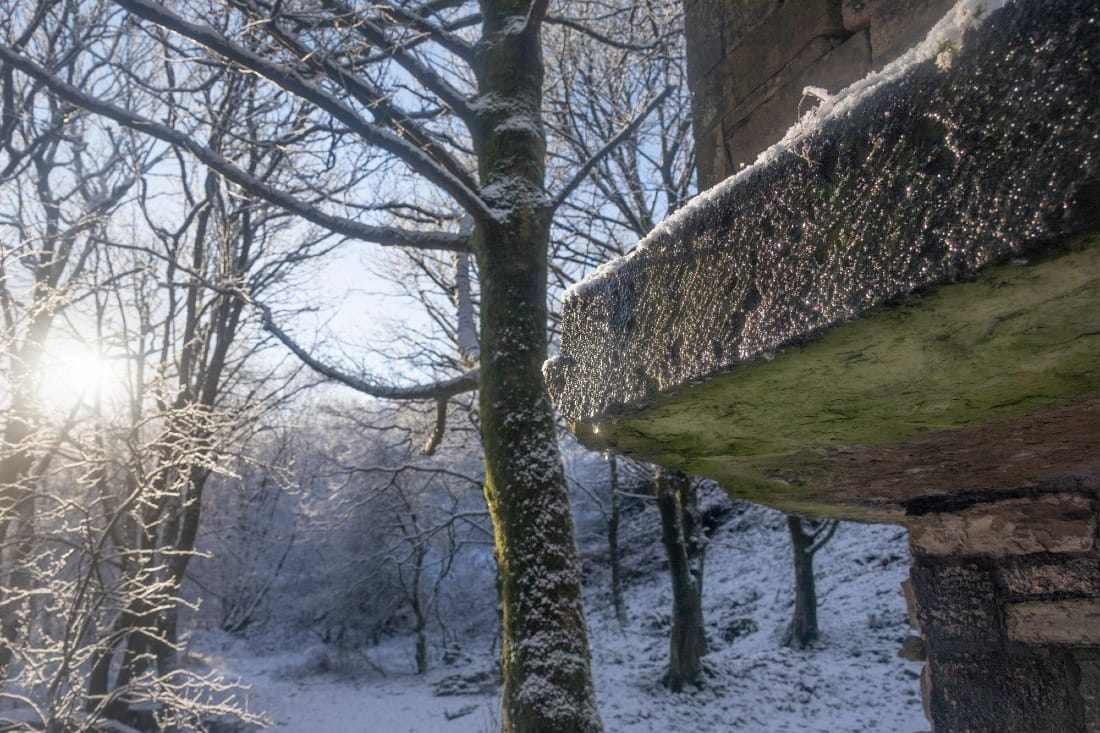
A hundred years ago, there might have been the sporadic sounds of industrial occupation devoted to the recycling of cotton. Today, the only sonic connection to textiles is the ribbon like shrill of the Curlew.
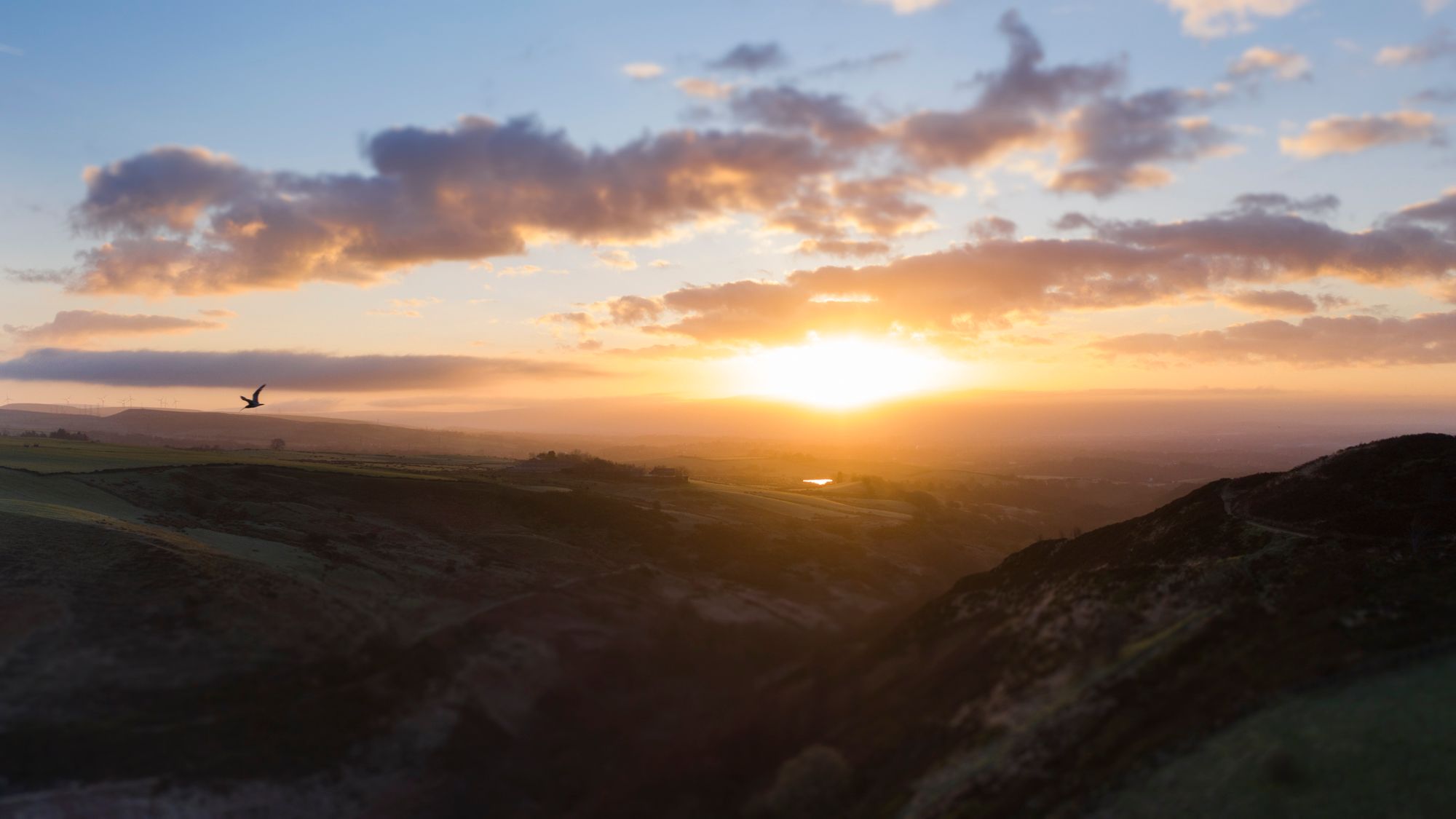
Or perhaps not.
If you listen carefully, there are nooks that still echo the sounds of people that toiled here once. They are sounds that reside within the nominology of place. It is a prose wrenched from the ice, grit and shale of the vale.
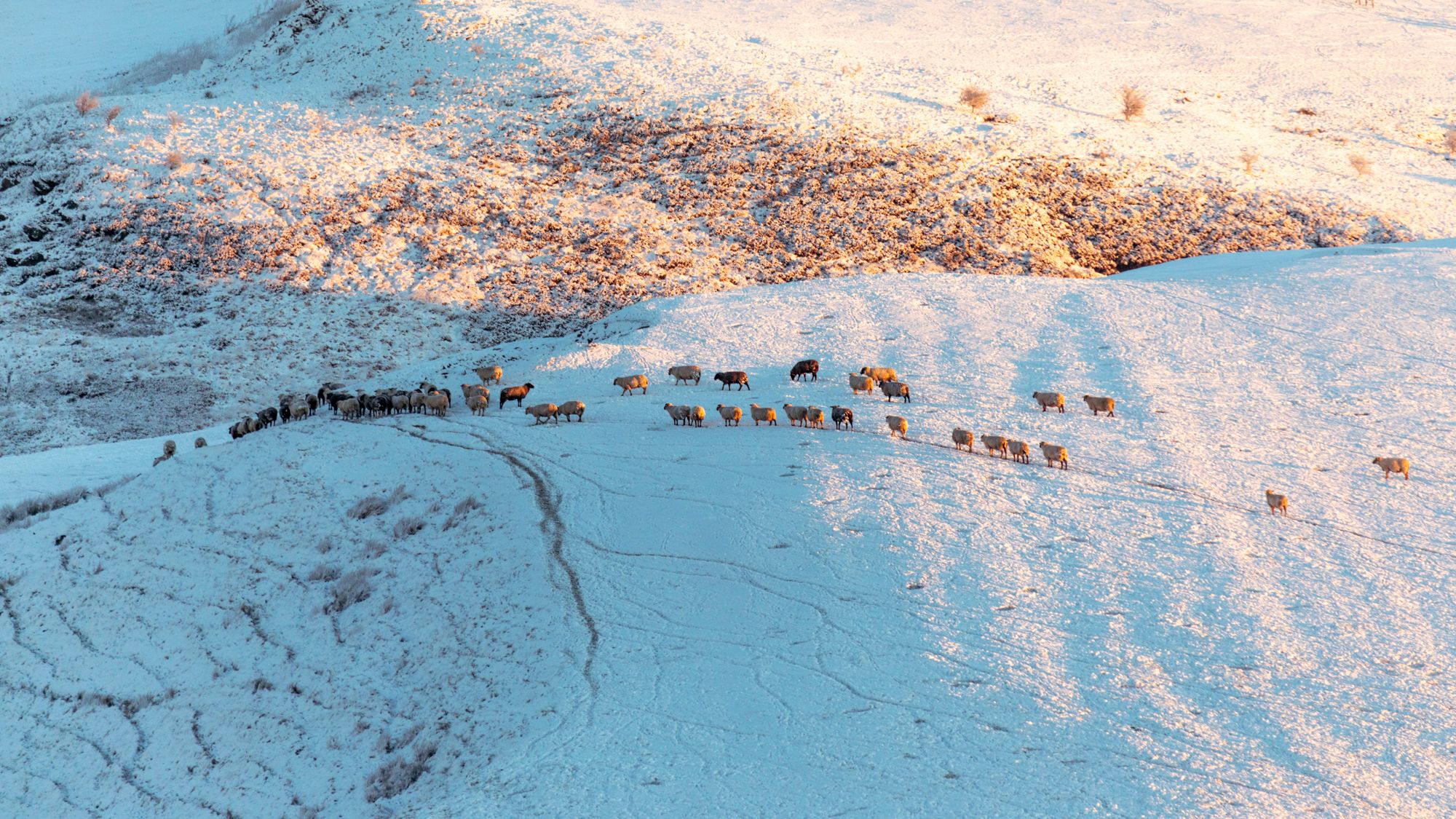
Whilst the trials and tribulations of this lost generation can be caught within the receding water-shot walls of the valley, their vibrancy and warmth is best found in the names that they have peppered the landscape with.
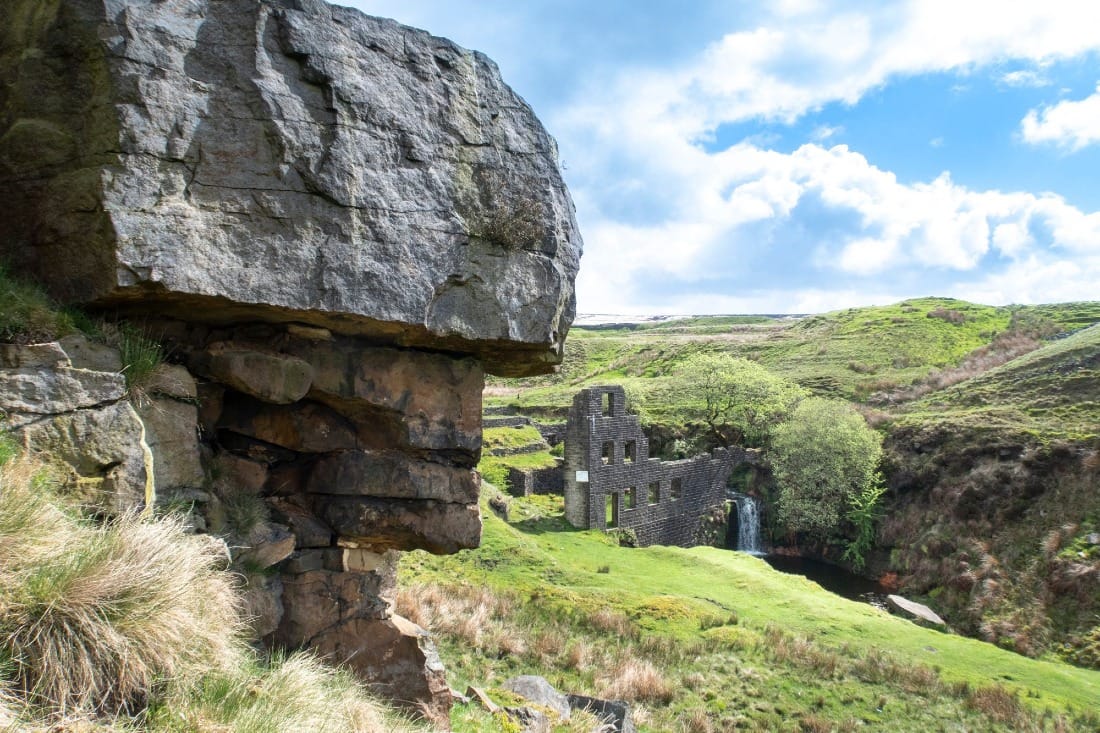
When I flip through the old OS maps of the valley chronologically, some of these names evaporate with the passing of time. It's a gradual dislocation of our deep-seated association with place.
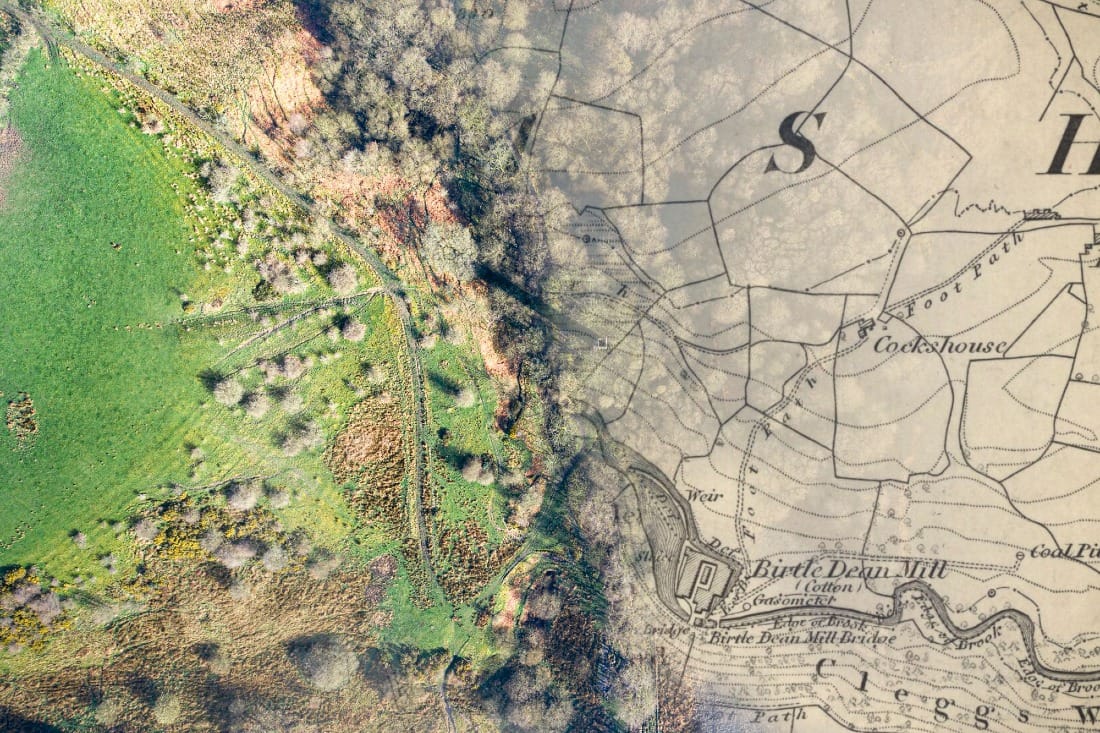
The lost names tell not only of people and place, but also their interactions with it.
Birchen Bower, Birtle Dean and Blue Scar; Moulding Moss, Midge Hill and Fecit; Silen Hurst, Cinder Hill and Herculist; Cokshouse, Pigden and Bird Fields; Shepherds Hey, Deep Moss and Dunham.
The words hold within the brew: people, history, language, location and identity.
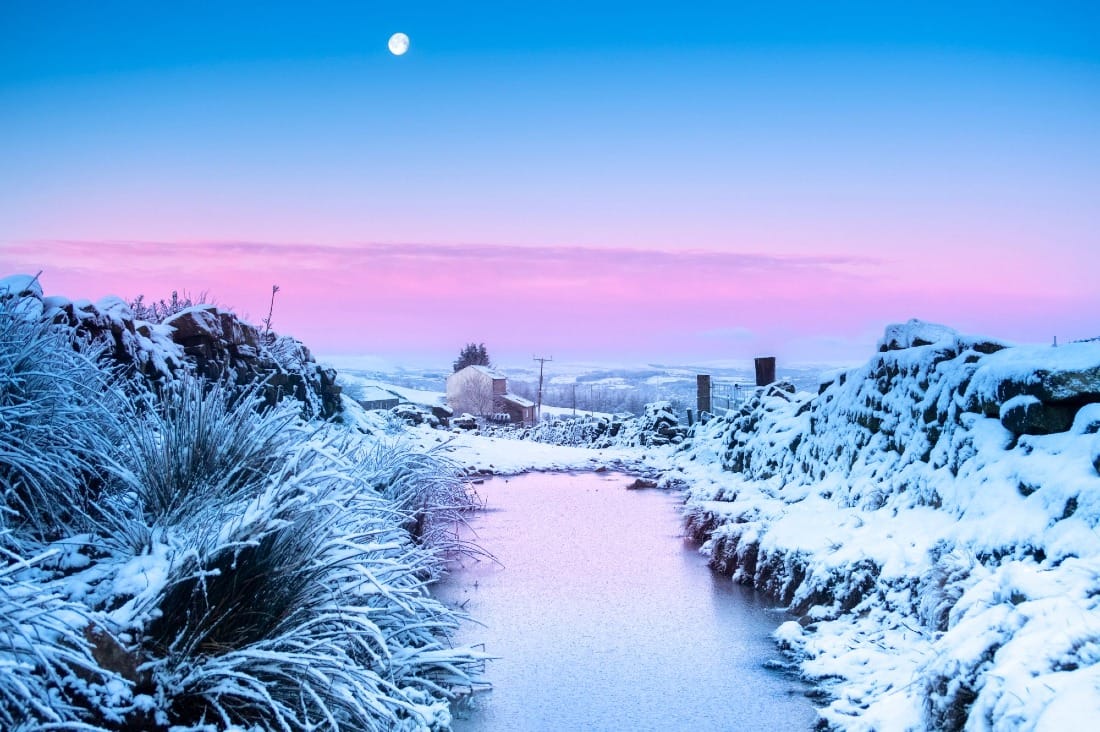
It’s a language that reflects the natural order of things.
Phonetic and poetic, the dialect rises from the nature of the land, from minds that formed a grammar of association. A lexicon which is deeply revealing of the ingress of place on person, the ingrained correspondence with landscape.
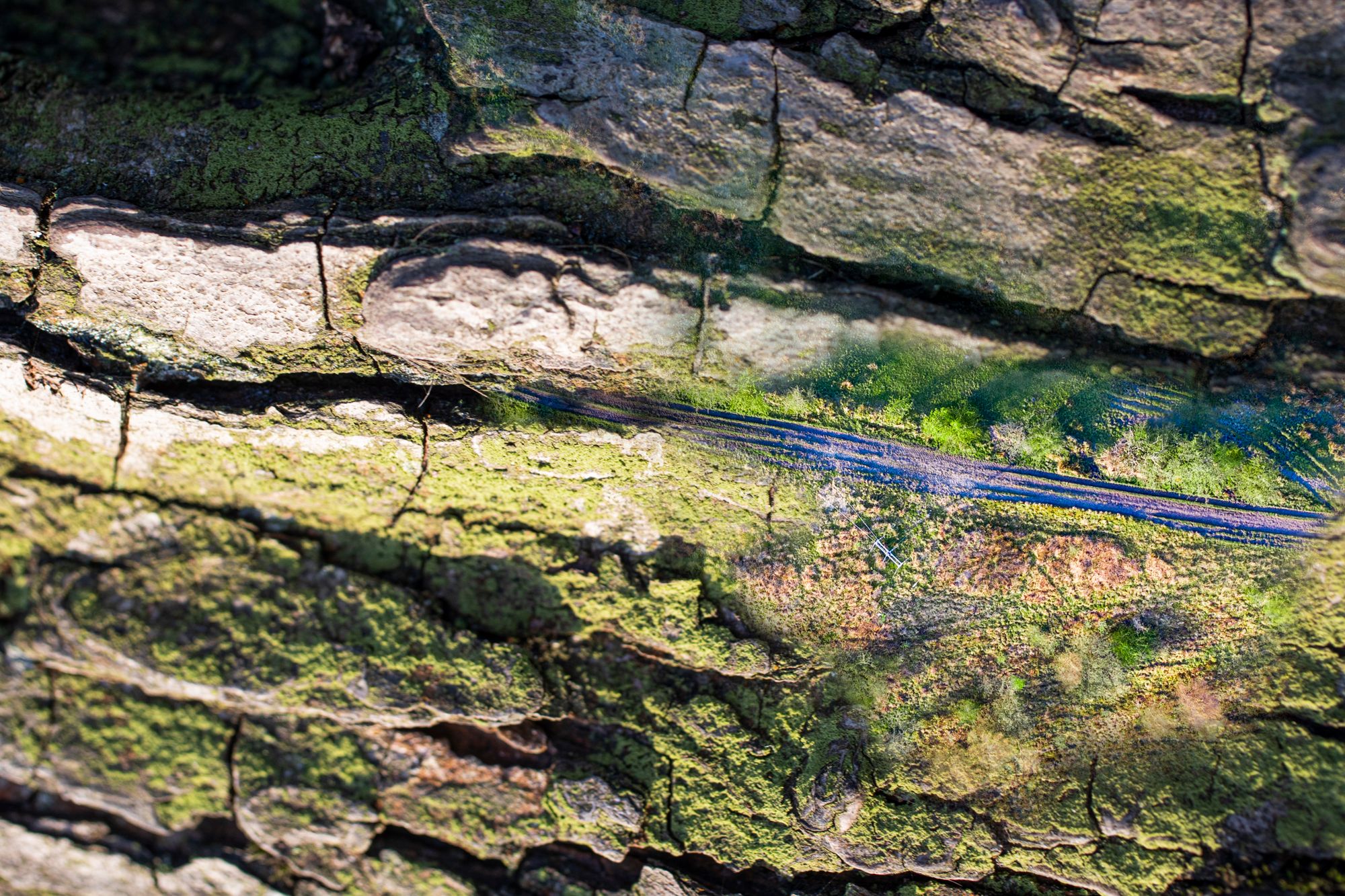
It’s a vocabulary that’s on the verge of being lost to my generation.
I come across a place called Cuckoo Narr. I ask on Twitter for the meaning of "Narr". I’m told it’s a meadow or a Germanic word for fool. But it’s only when I summon up the ghosts of my childhood, the words of my grandparents - their Lancashire twang - that I fully comprehend: Cuckoo Narr - the place ‘near’ where the cuckoo resides.
And how many generations will it take for somebody to question the meaning of the word cuckoo?
Digging deep into the words of place has given them purchase on my person. Words without meaning are brittle in my memory, but those that unravel the lives of the people that lived here before me, ignite a profoundly nourishing connection.
I'm reminded of Robert Macfarlane's words in his book The Old Ways:
'I have long been fascinated by how people understand themselves using landscape, by the topographies of self we carry within us and by the maps we make with which to navigate these interior terrains. We think in metaphors drawn from place and sometimes these metaphors do not only adorn our thought, but actively produce it. Landscape, to borrow from George Elliot's phrase, can 'enlarge the imagined range for self to move in.'
And if the kinship that rises from the phonetics of place isn’t enough, then imagine the joy brought about by the accidental discovery of the material expressions of their lives suspended in a midden - exposed by the meandering Cheesden brook.
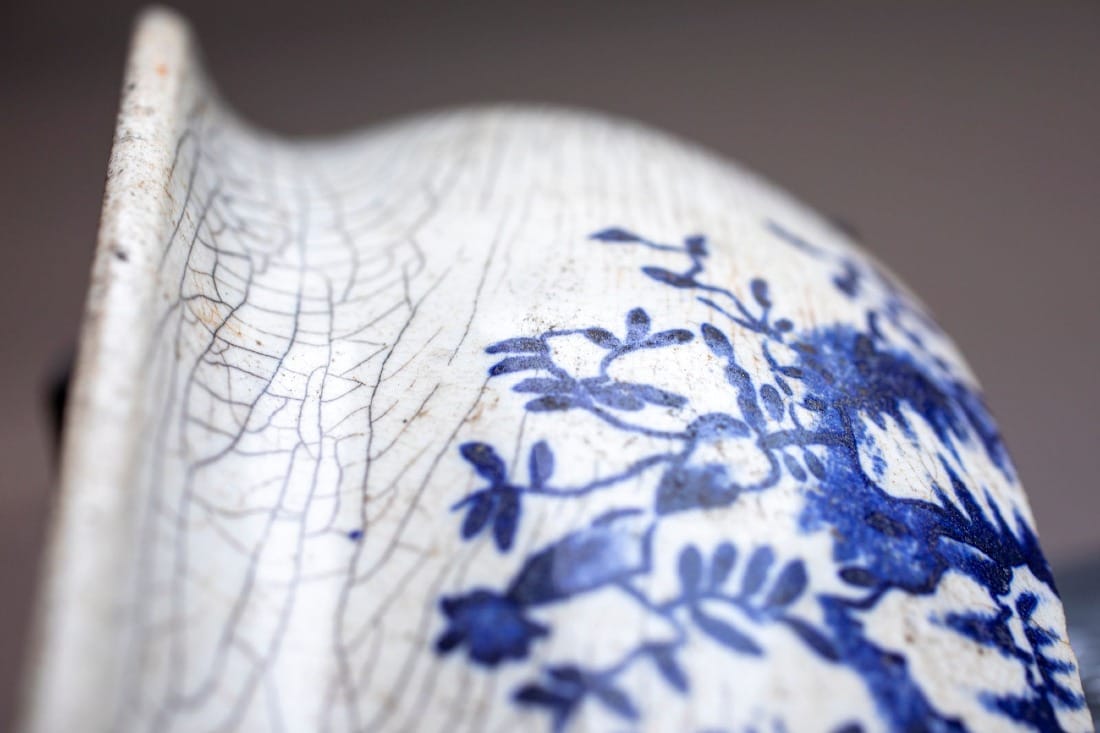
Here I’d discovered a pattern language which embellished the places that they had named.
Member discussion