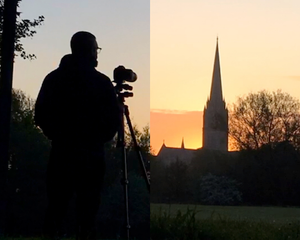
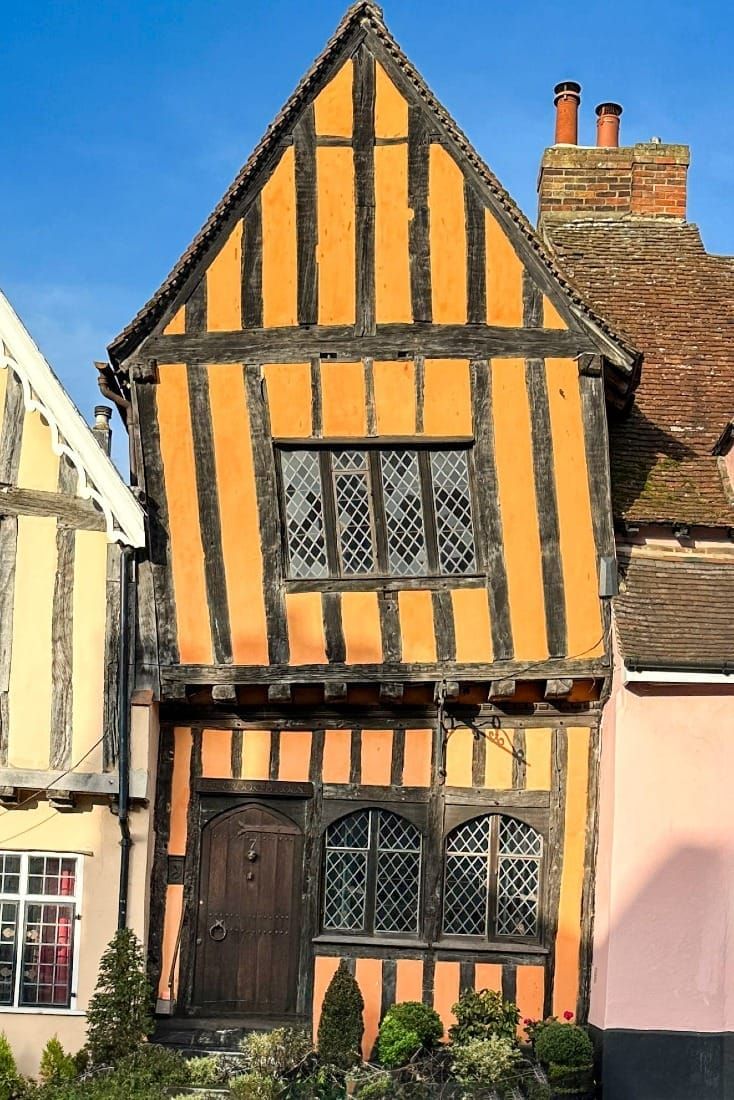
Each week I send out a short, fresh reflection from the road – photographs, sketches, and observations from old places that still have something to teach us. What follows is a moment from those travels.
"We shall not cease from exploration
And the end of all our exploring
Will be to arrive where we started
And know the place for the first time.
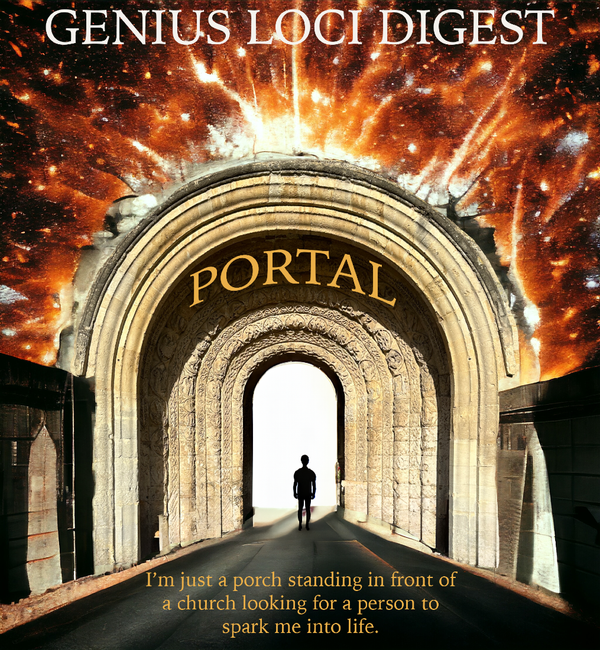
Through the unknown, remembered gate
When the last of earth left to discover
Is that which was the beginning..."
T. S. Eliot, The Four Quartets
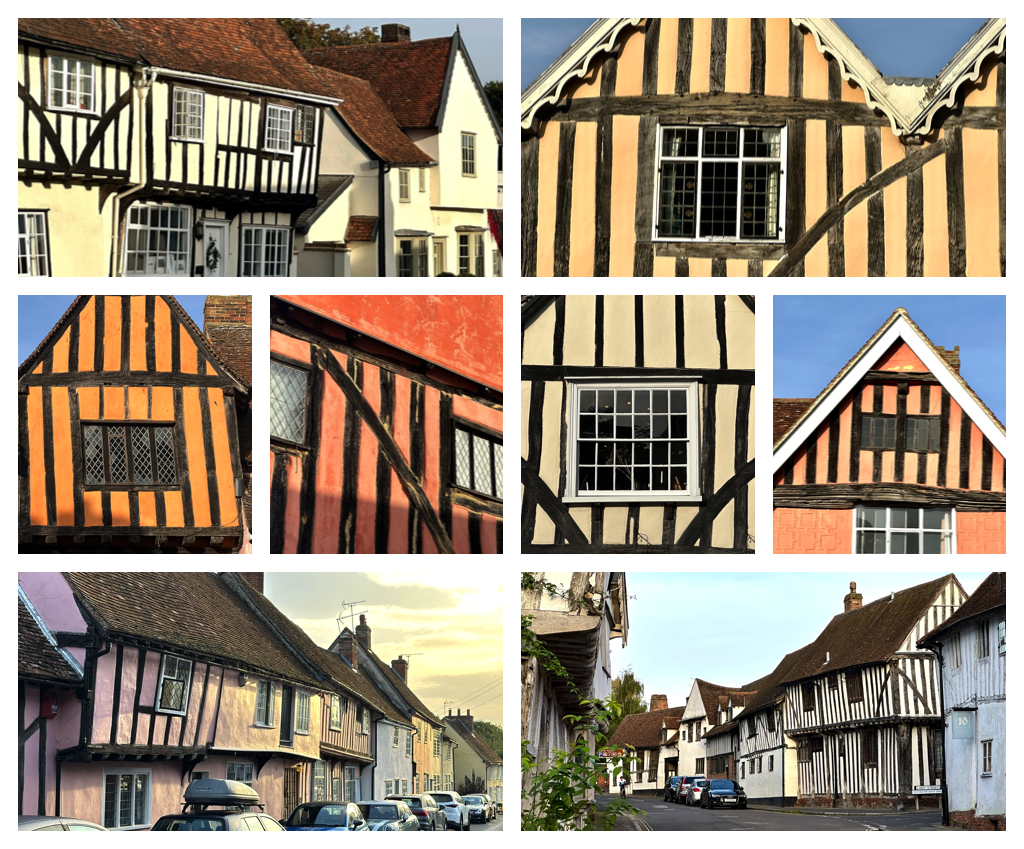
It took quite some time for the wonky lines of the timber-framed-vernacular-fest that is Lavenham to have an effect upon my sense of balance, and before I head off for the church, I spend the time during first light walking around the empty village trying to ponder as to why these buildings are so appealing.
I’m drawn to them because of their honesty: the indigenous construction emerges from the ground in organic forms without any regards for symmetry. Buildings like the Palace of Westminster are an embodiment of an architect, an age and an ideology, whereas places like Lavenham have no common agency, they haven’t been built to impose a greater will onto the senses. It’s this lack of conscious imposition that underpins their appeal.
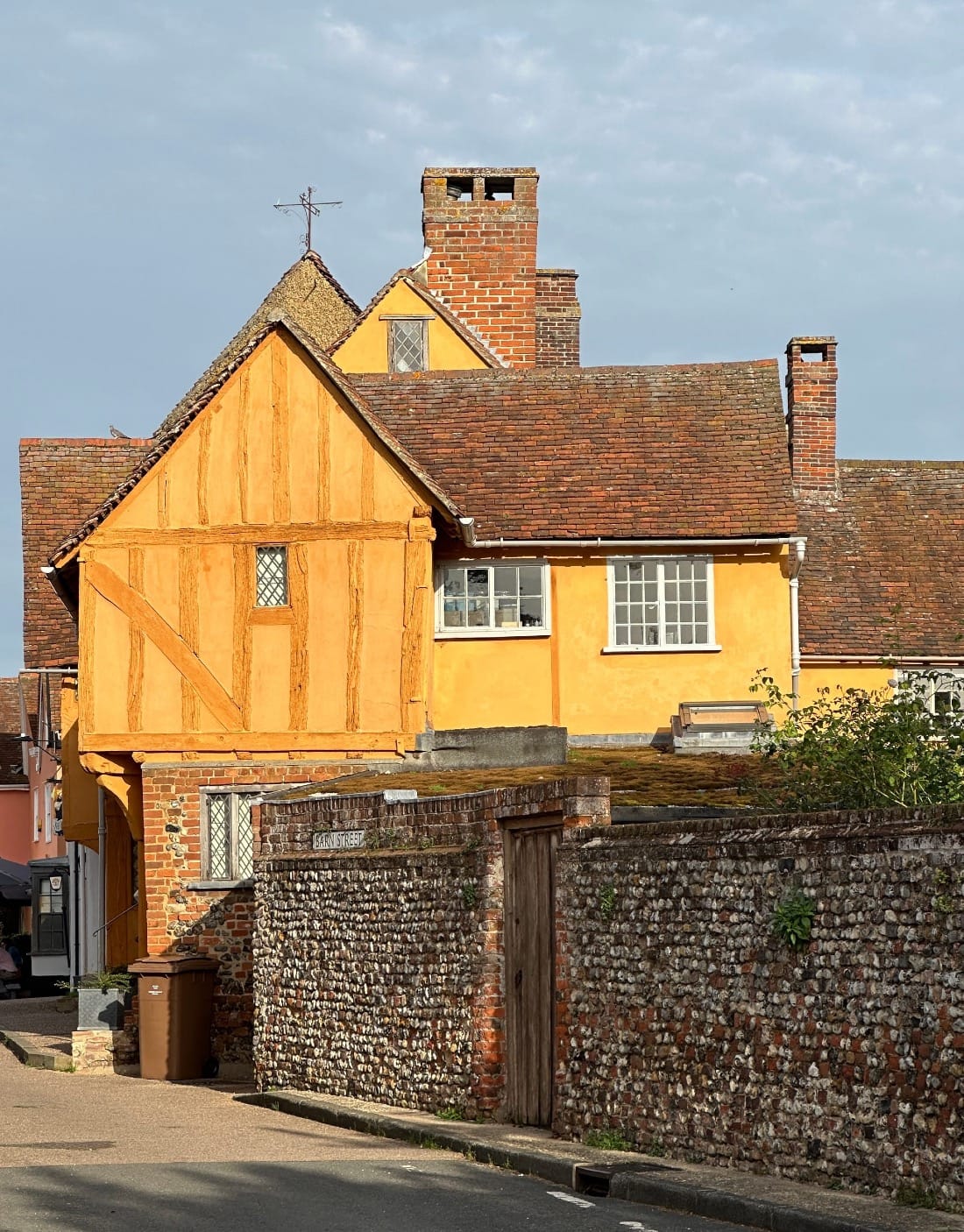
In these buildings a window is a window because it needs to be so - a blind window or a ghost door are not the results of rigid classical symmetry, but of the evolution of the home or workplace - form follows function.
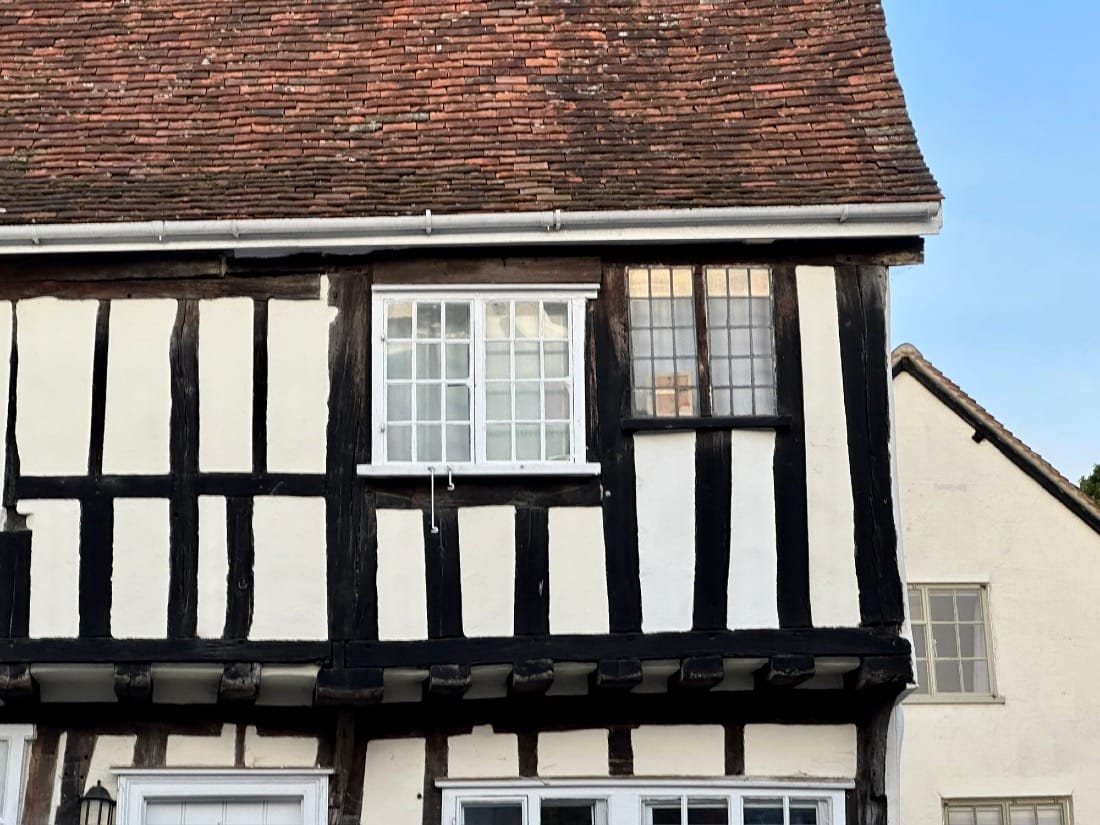
Unlike our brick and stone buildings, which are held together by compression, timber framed buildings are held together by tension. If a giant were to pull up a stone building from its foundations it would crumble in his hands. But if it plucked the timbered Lavenham Guildhall from the street and rolled it down the hill into the river Brett, it would hold together (with a bit of loss of plaster) and probably bottom up from the river's depths.
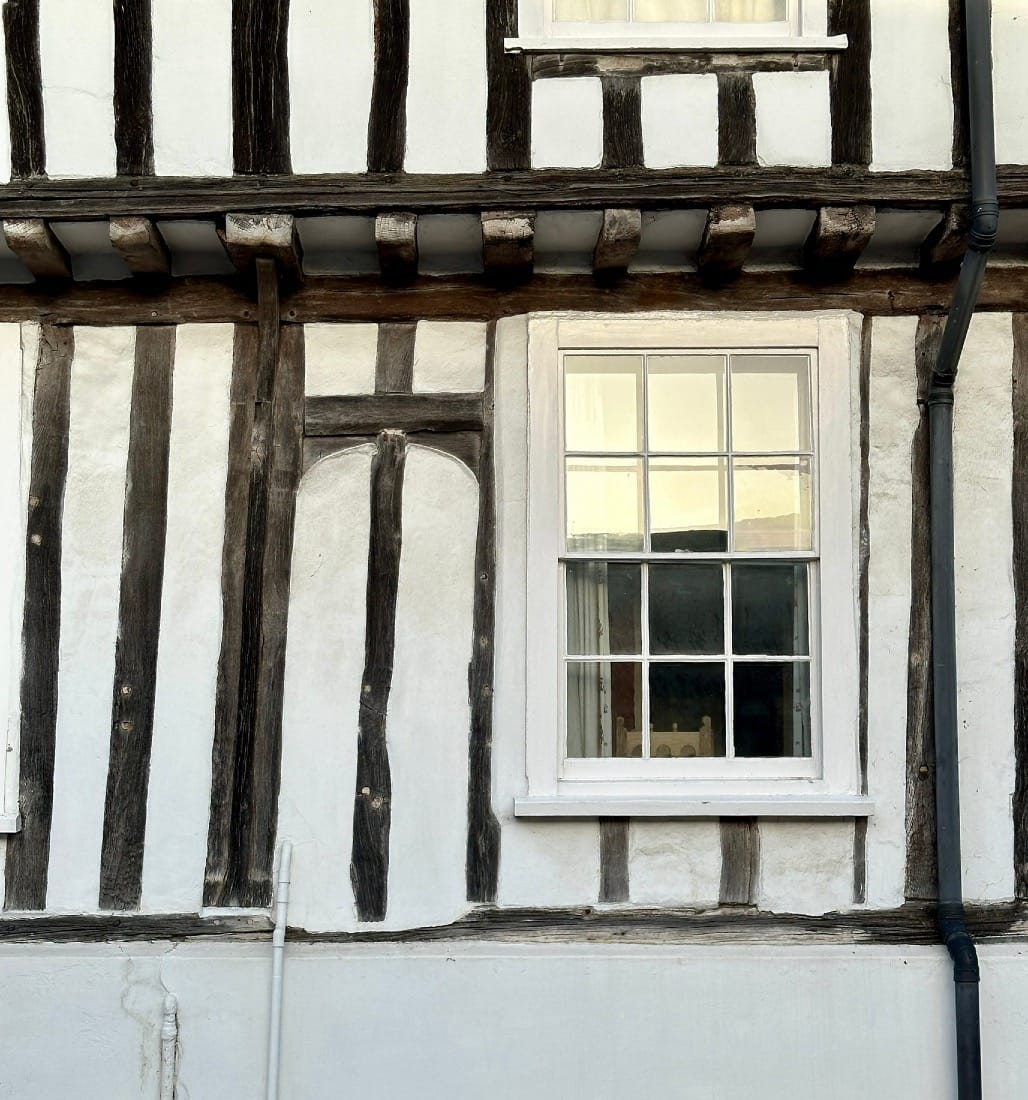
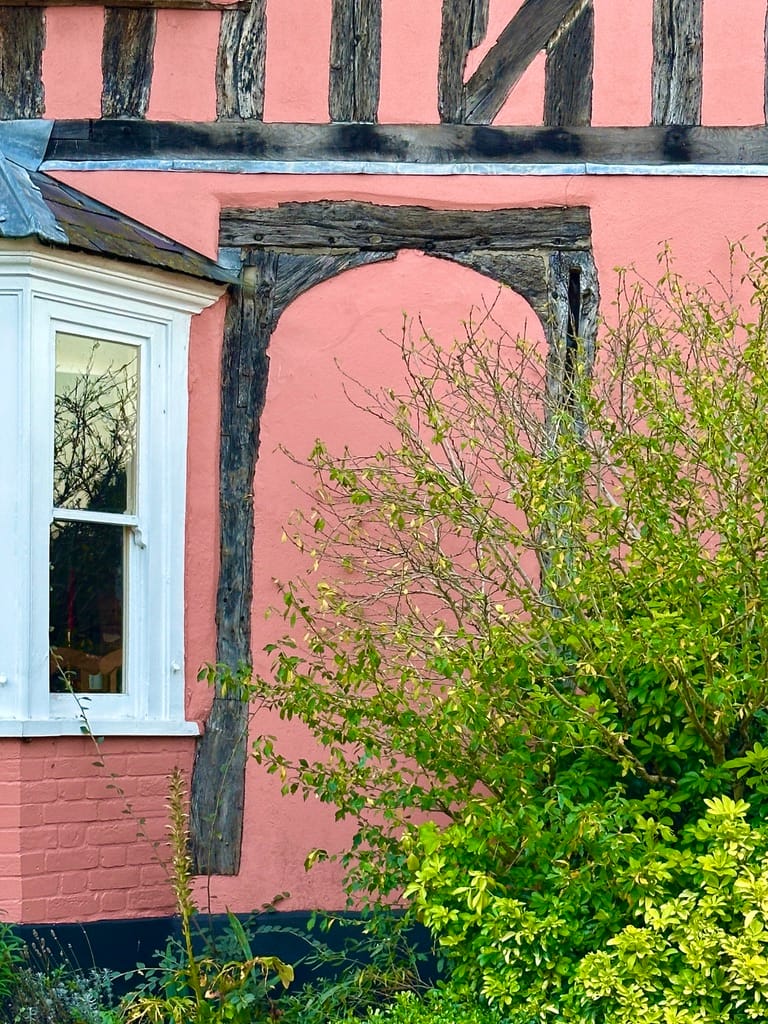
And then there’s the personality behind the buildings.
Alain De Botton says:
‘So refined is our skill at detecting parallels to human beings in forms, textures and colours that we can interpret a character from the humblest shape. A line is eloquent enough. A straight example will signal someone stable and dull, a wavy one will appear foppish and calm, a jagged one angry and confused.’
There are those that peep.
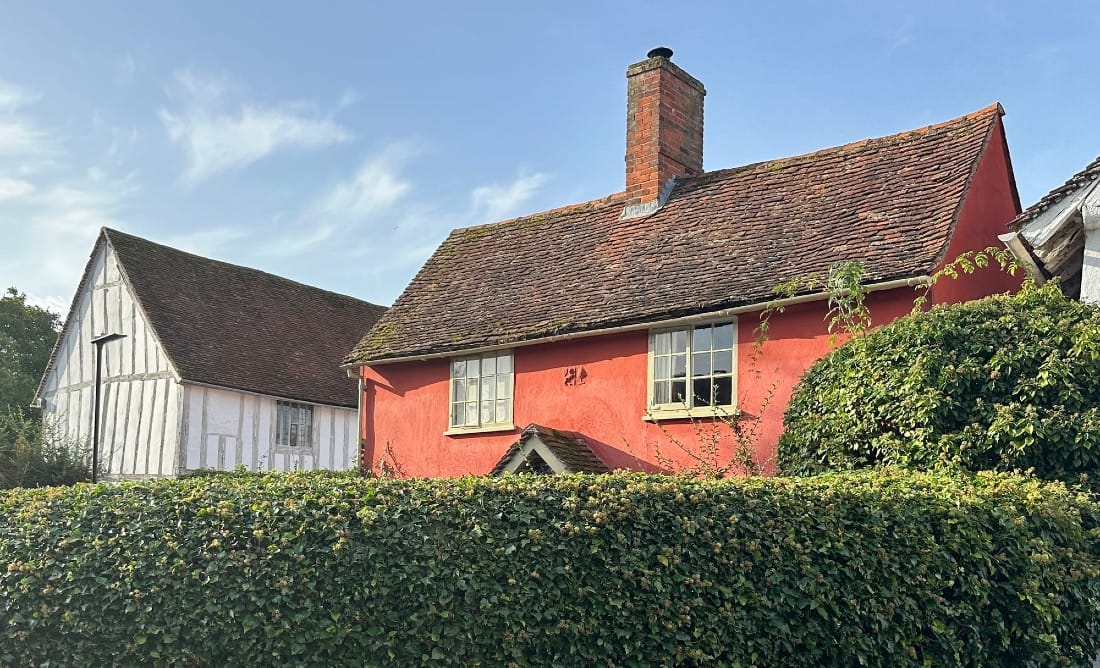
Those with furrowed brows.
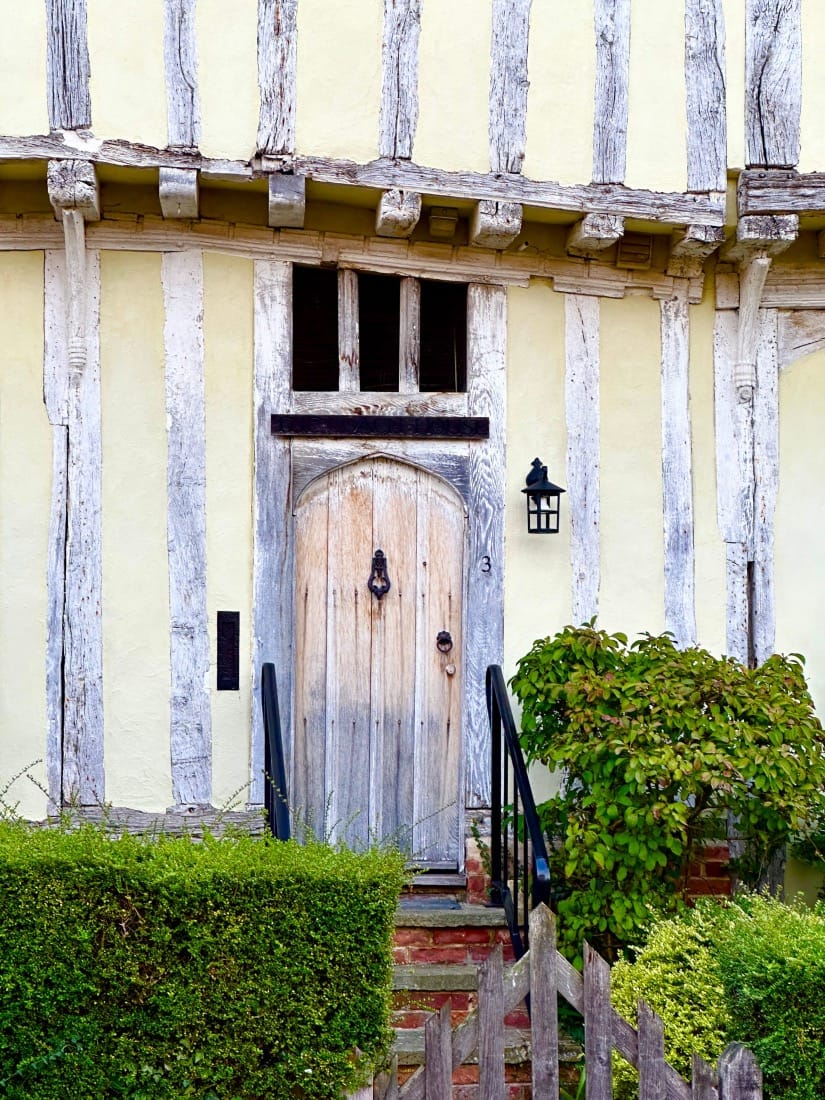
Those that lean.
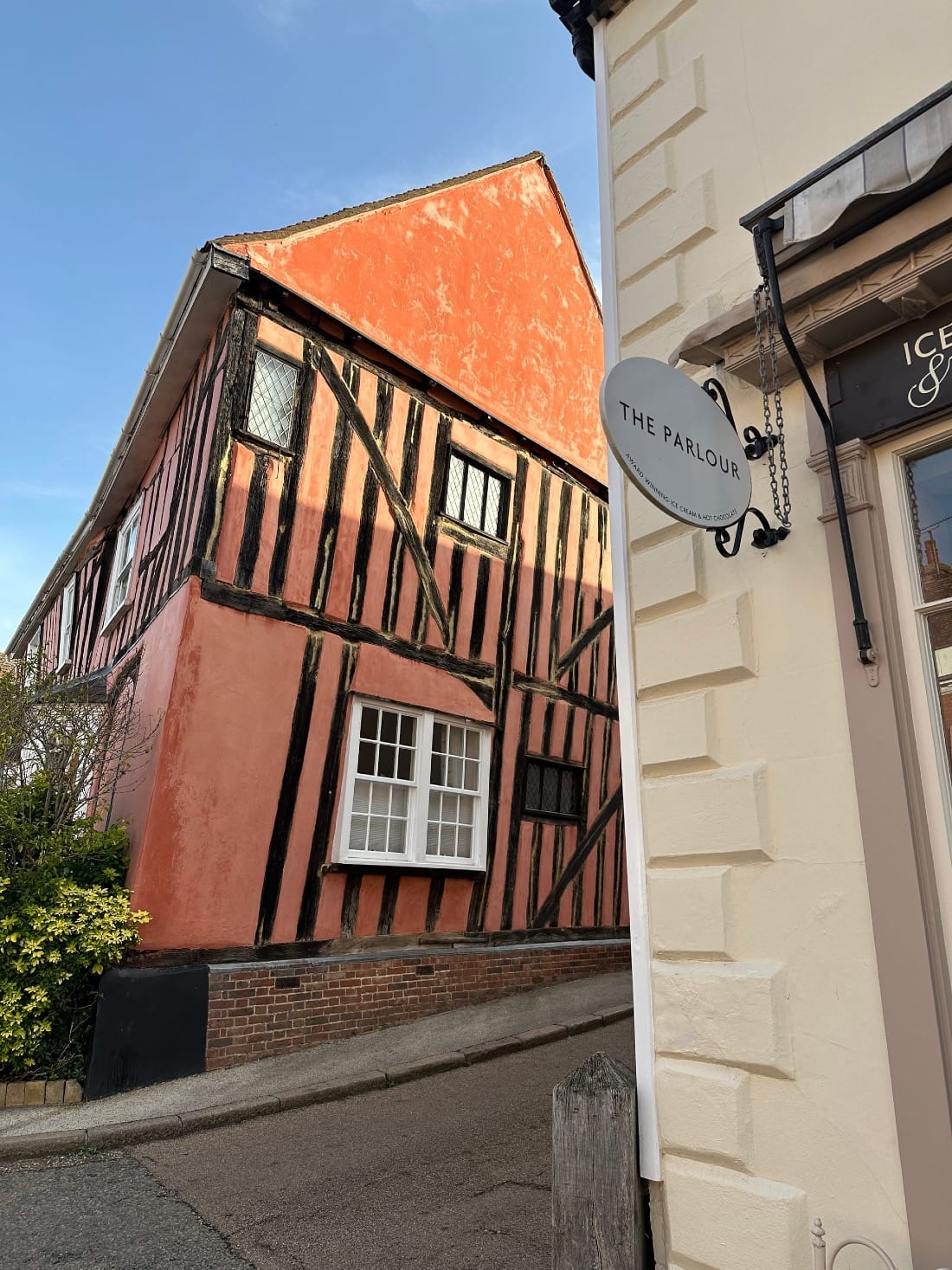
Those that celebrate their roofs with a Mexican wave.
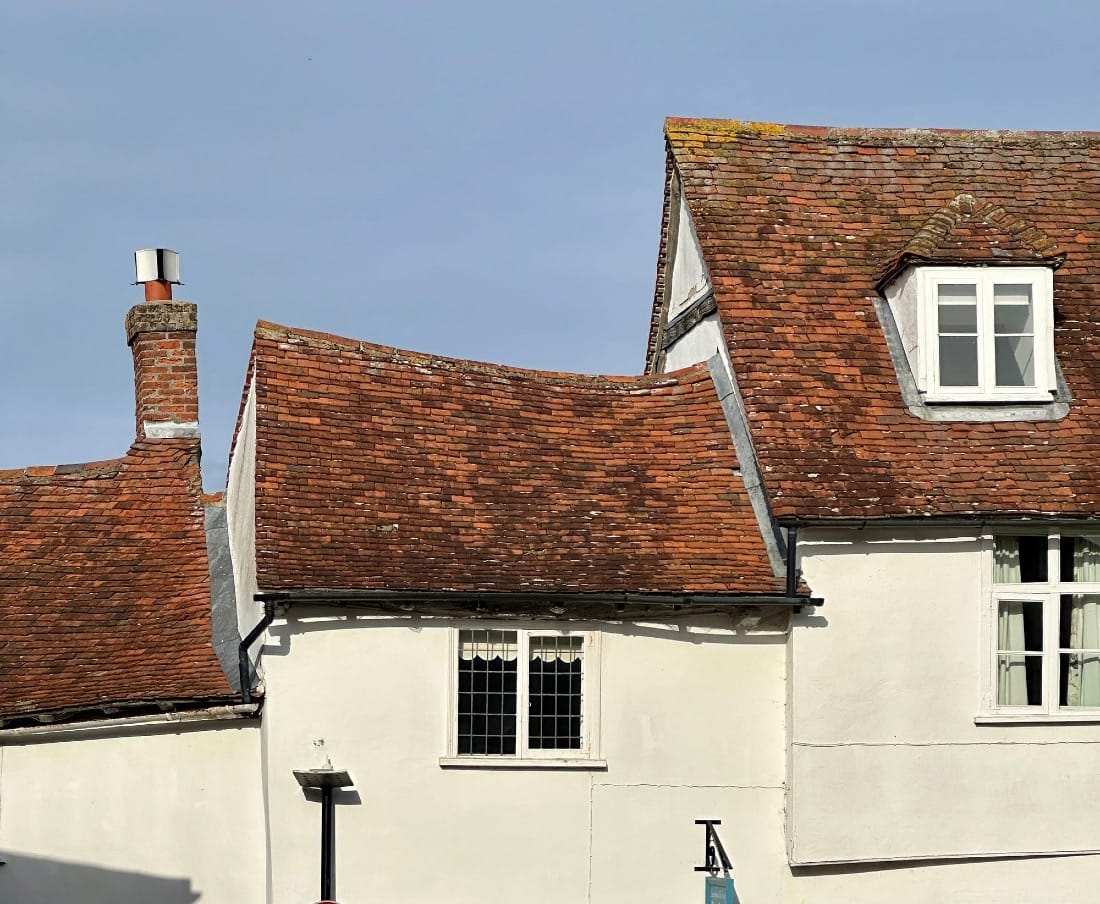
Those that are pre-cursors to the Arts and Crafts,
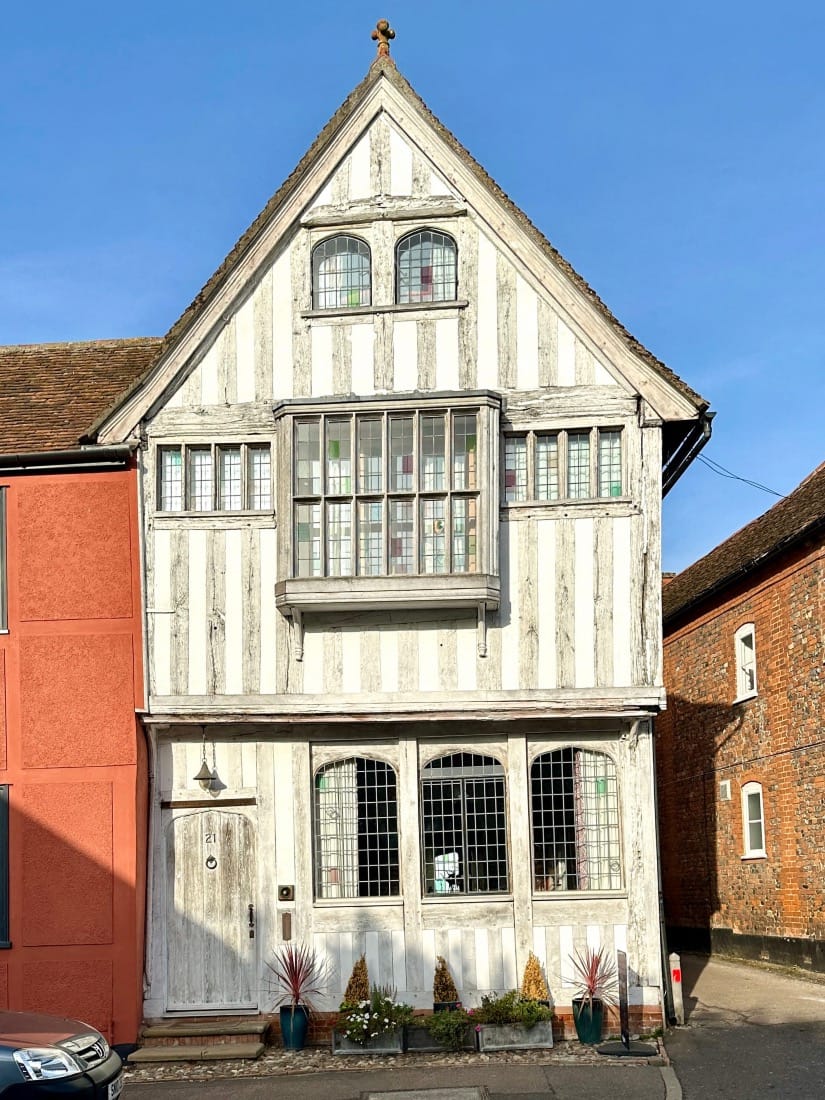
And those that are reformed - caught in a straight jacket of the latest fashion.
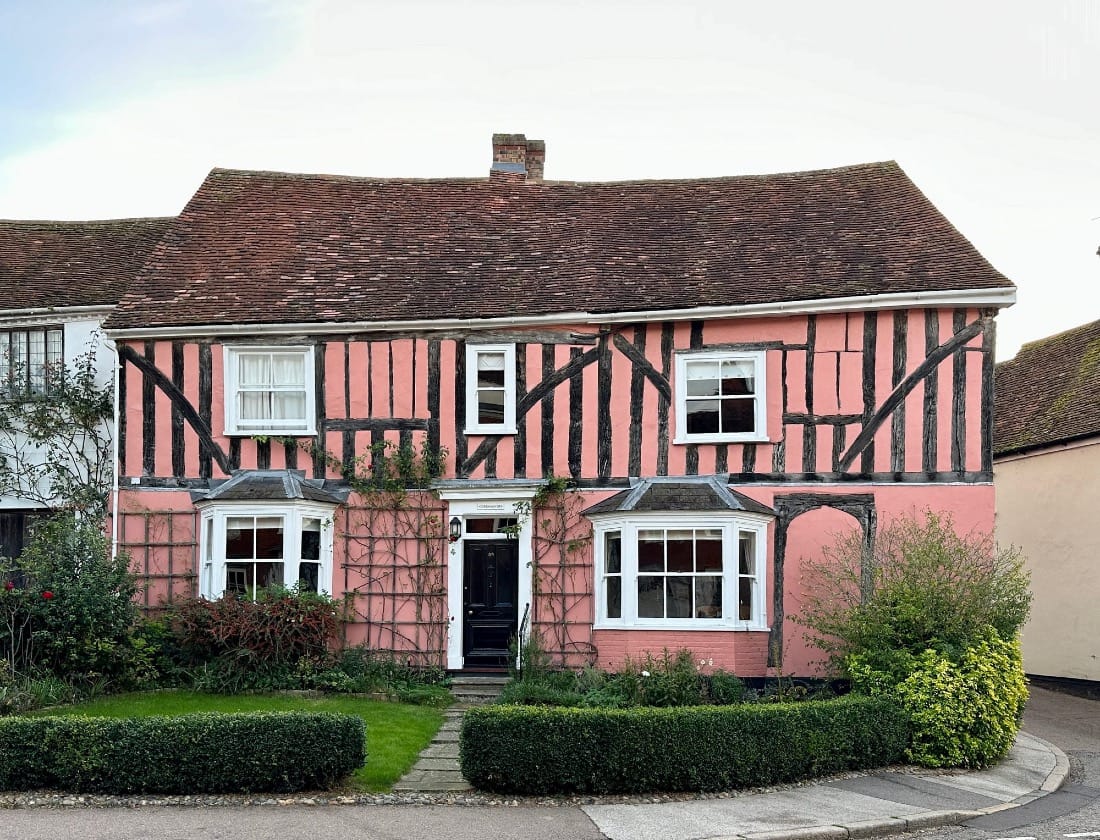
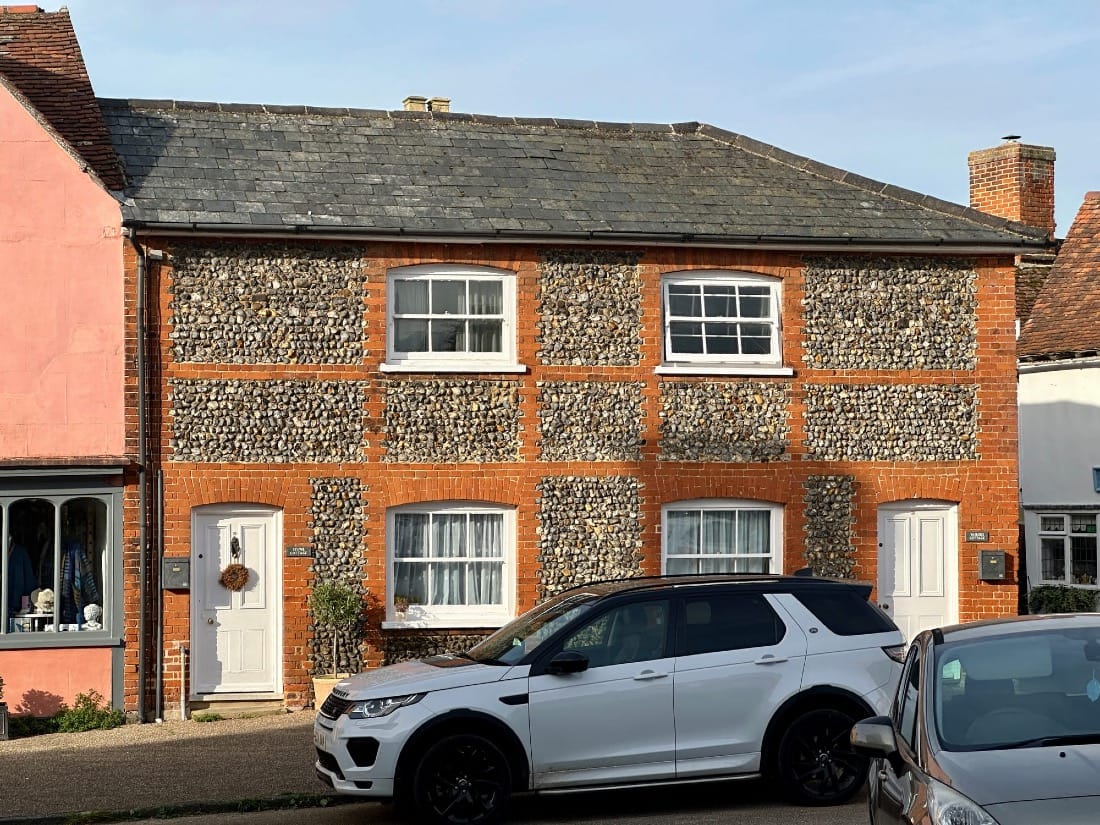
Some are messengers for the latest fad in brick, but even they can’t belie the studded heritage of their neighbours.
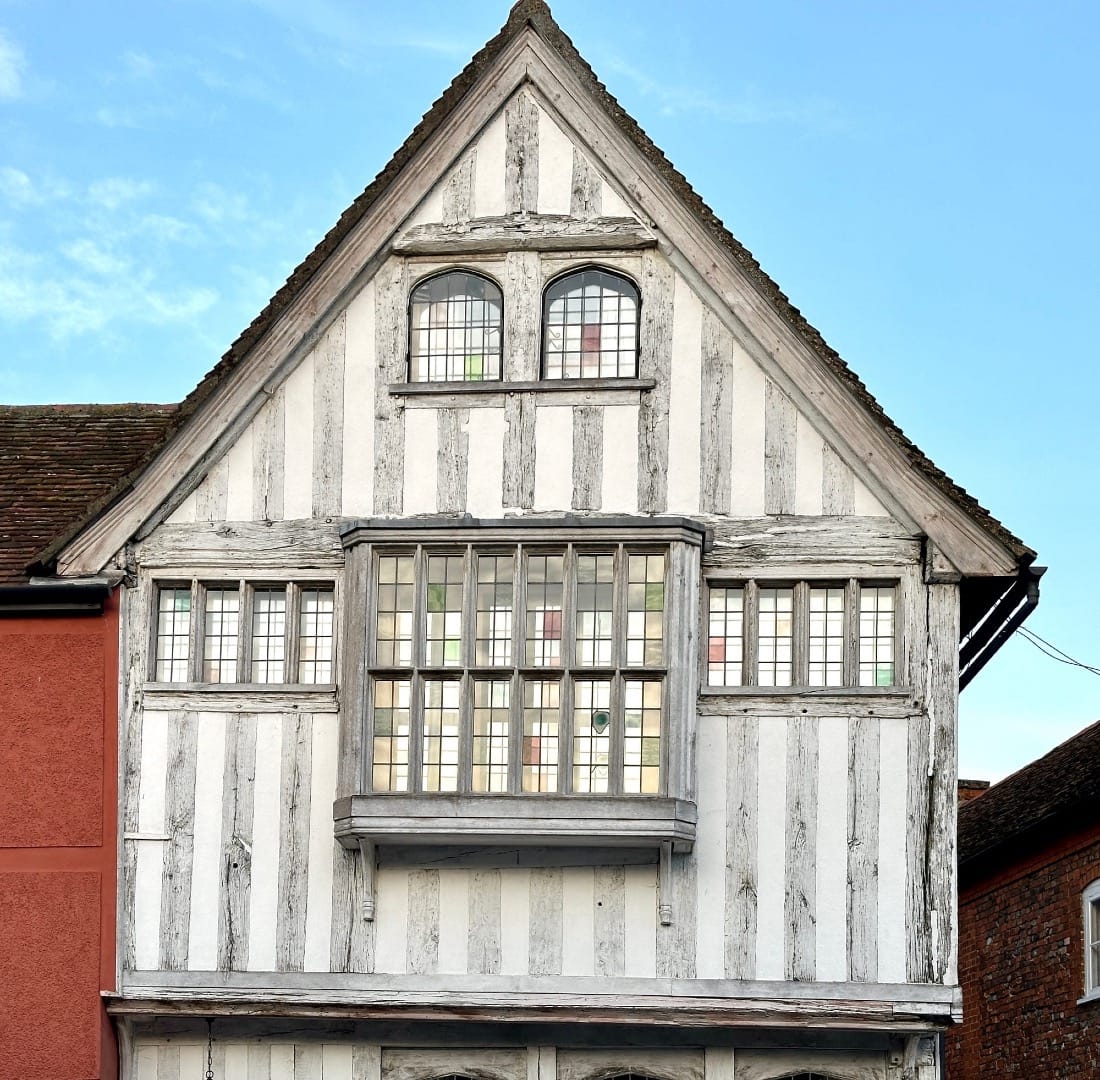
And then there are those that show their faces and connect with our inherent Pareidolia.
And those that share their joy through their arch braces with a collective Yay!
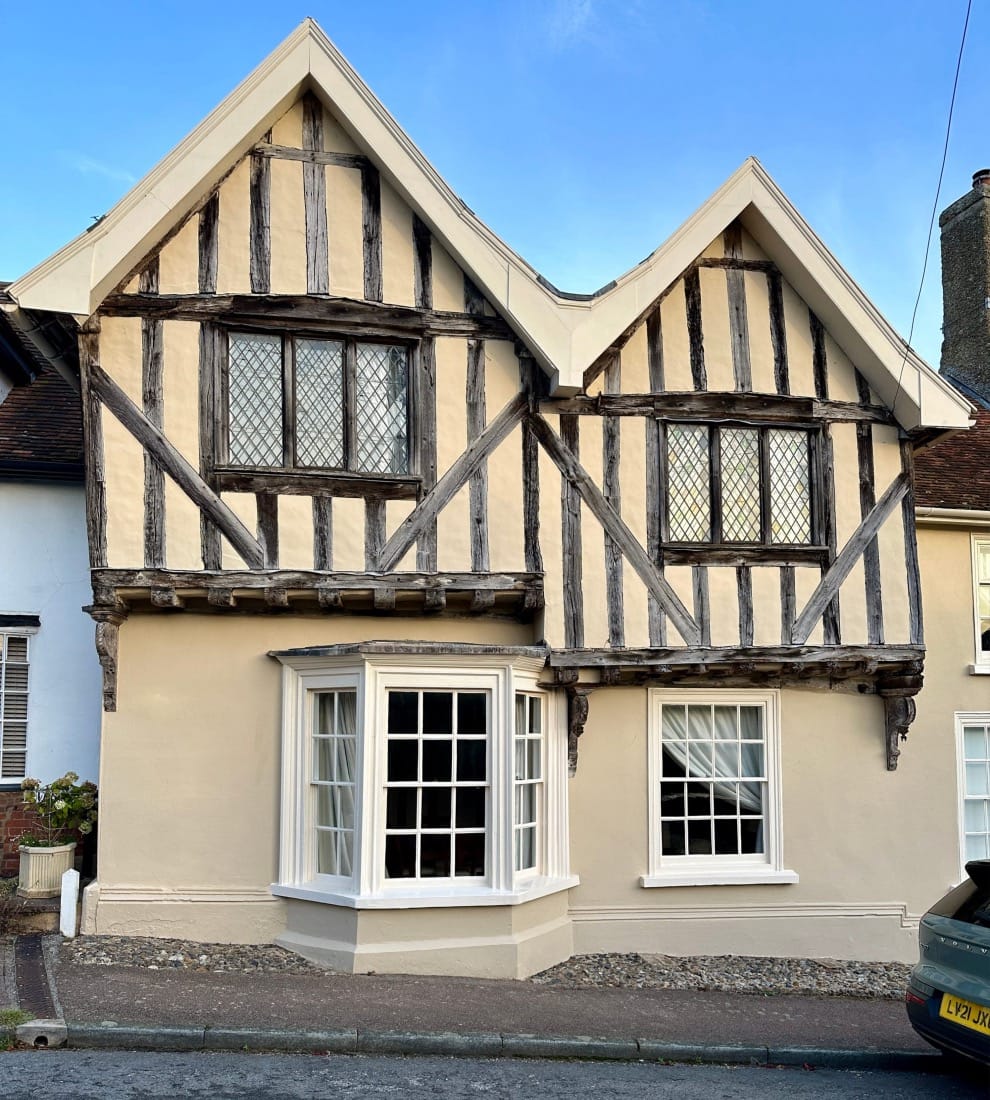
Beyond our interpretation of line and contour, timber-framed buildings, in their very nature, allow us to express ourselves through the use of natural materials.
I’m reminded of Hugh Conway Morris’s words:
'Vernacular architecture is the community's expression of itself in physical and enduring form. It is a pure expression of culture; manifold examples have shown how the myths of a certain community are not only embodied but reinforced in the physical structure of their buildings.'
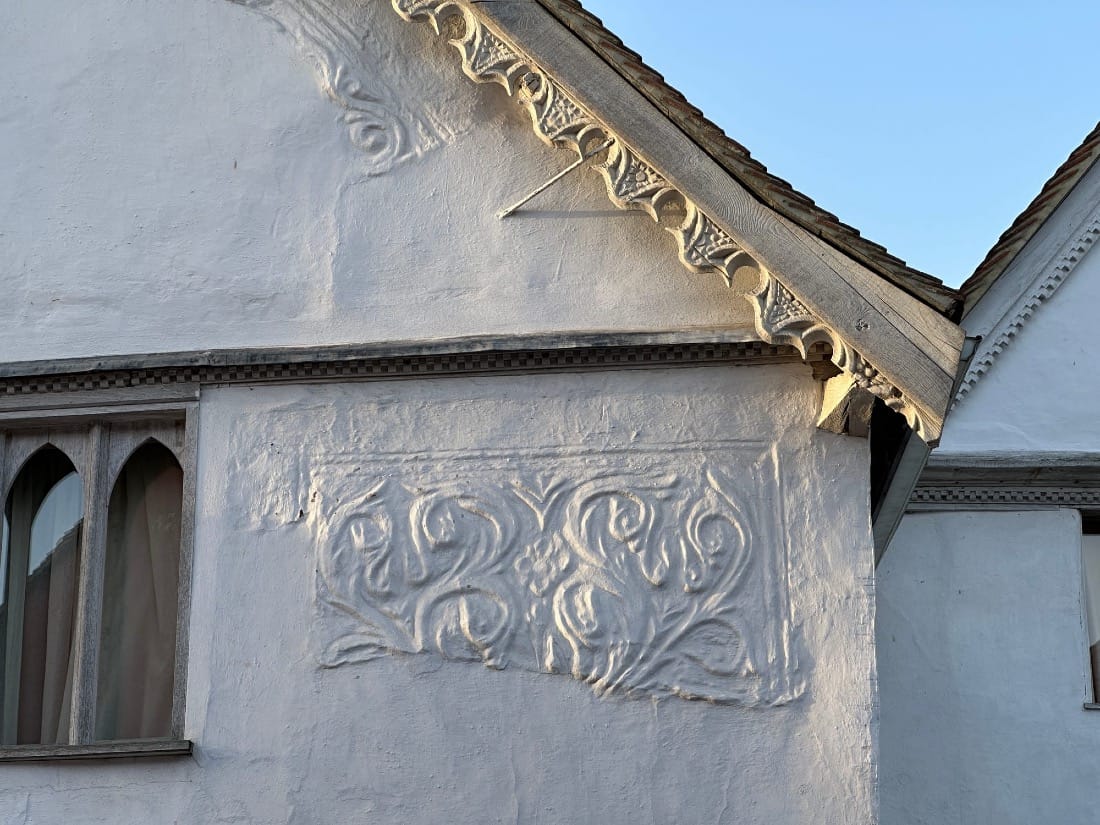
Each and every building in Lavenham has a story to tell, either within the pattern of the dragon post or writ large within a wall.
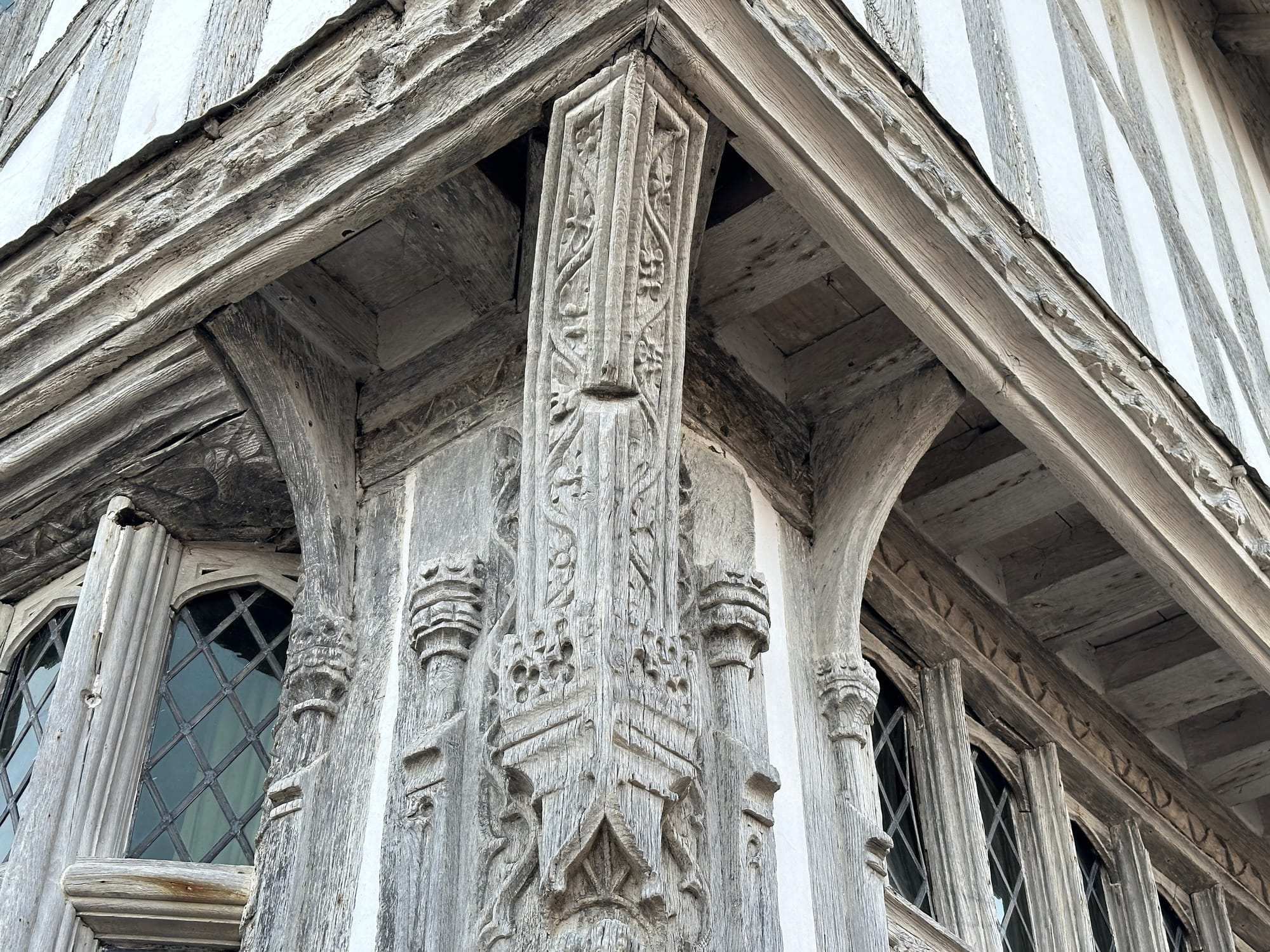
After photographing buildings for twenty odd years, I often find myself keyed into the narrative of a facade - in Lavenham, it is a little overwhelming at times, because there are messages flying through the ether like swallows through a barn.
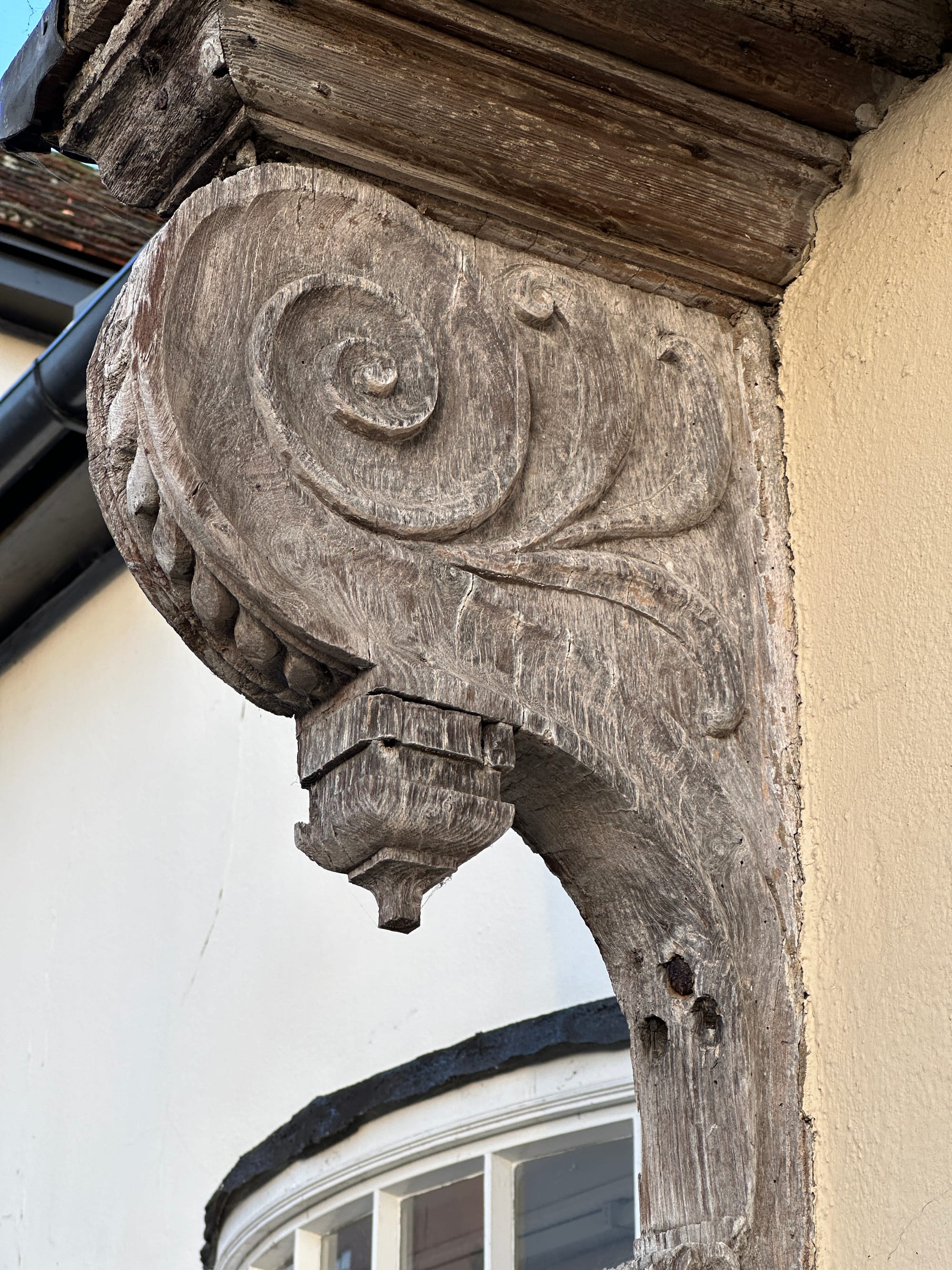
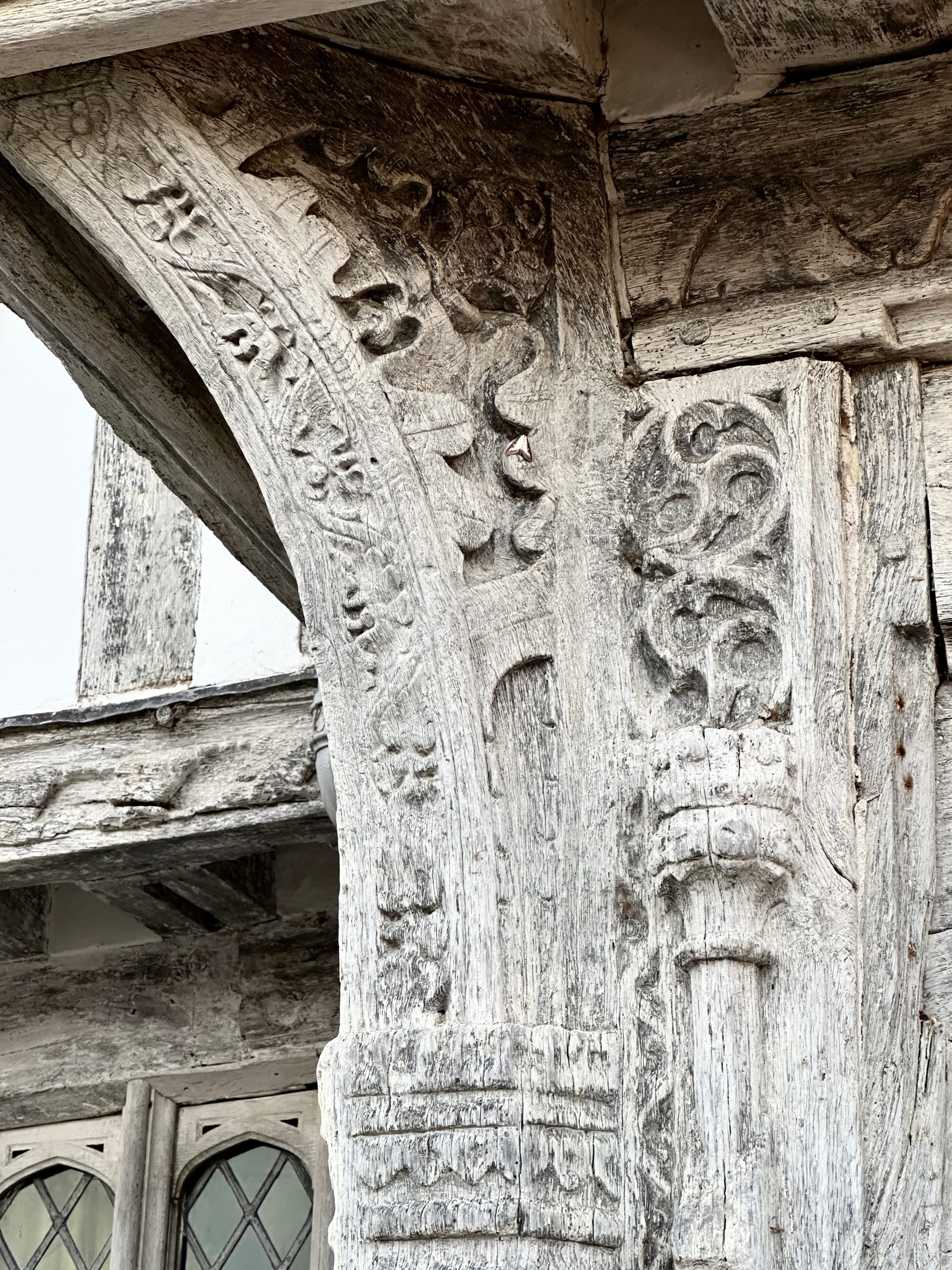
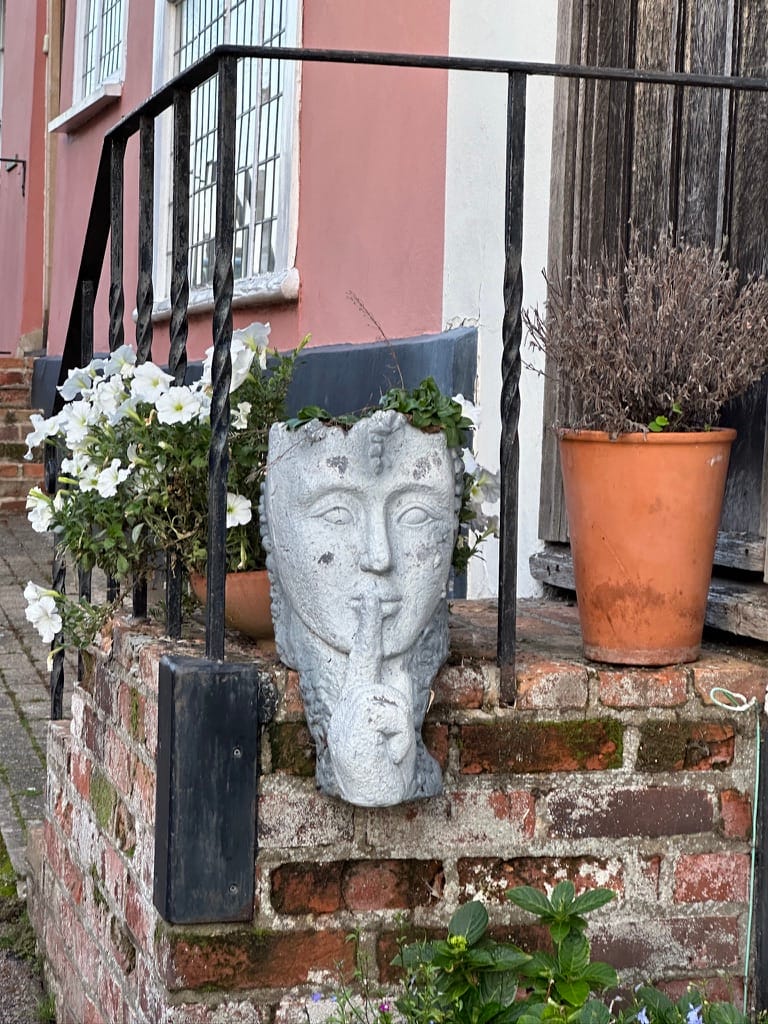
Shhh. Don't tell everybody. If you only have one place to visit this year, then make it Lavenham.
Connect with me on: Bluesky / Instagram / Facebook / X / Tumblr / Flickr / Vimeo / Pixelfed / Pinterest
Member discussion