
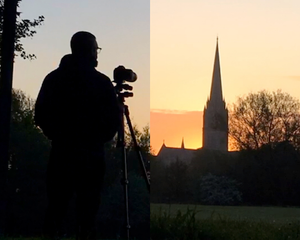
In Wirksworth, I encountered two contrasting artefacts: a mid-9th-century Anglo-Saxon carving at St. Mary's Church, depicting Christ's life, and an aged garage door on Greenhill. This experience reshaped my perception, revealing beauty in both historical art and everyday objects.
Wirksworth changed the way I see things and I'm thankful for that.
There, I discovered two artefacts and contrasted their histories. Two things that are perhaps, in my Wirksworth state of mind, just as beautiful as each other.
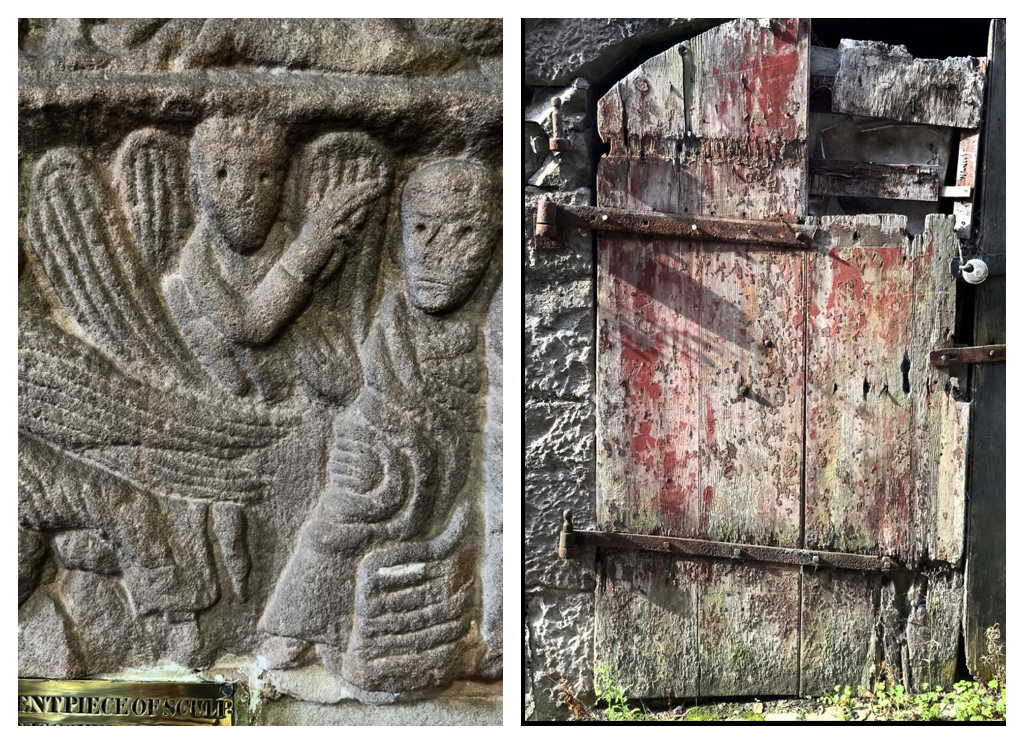
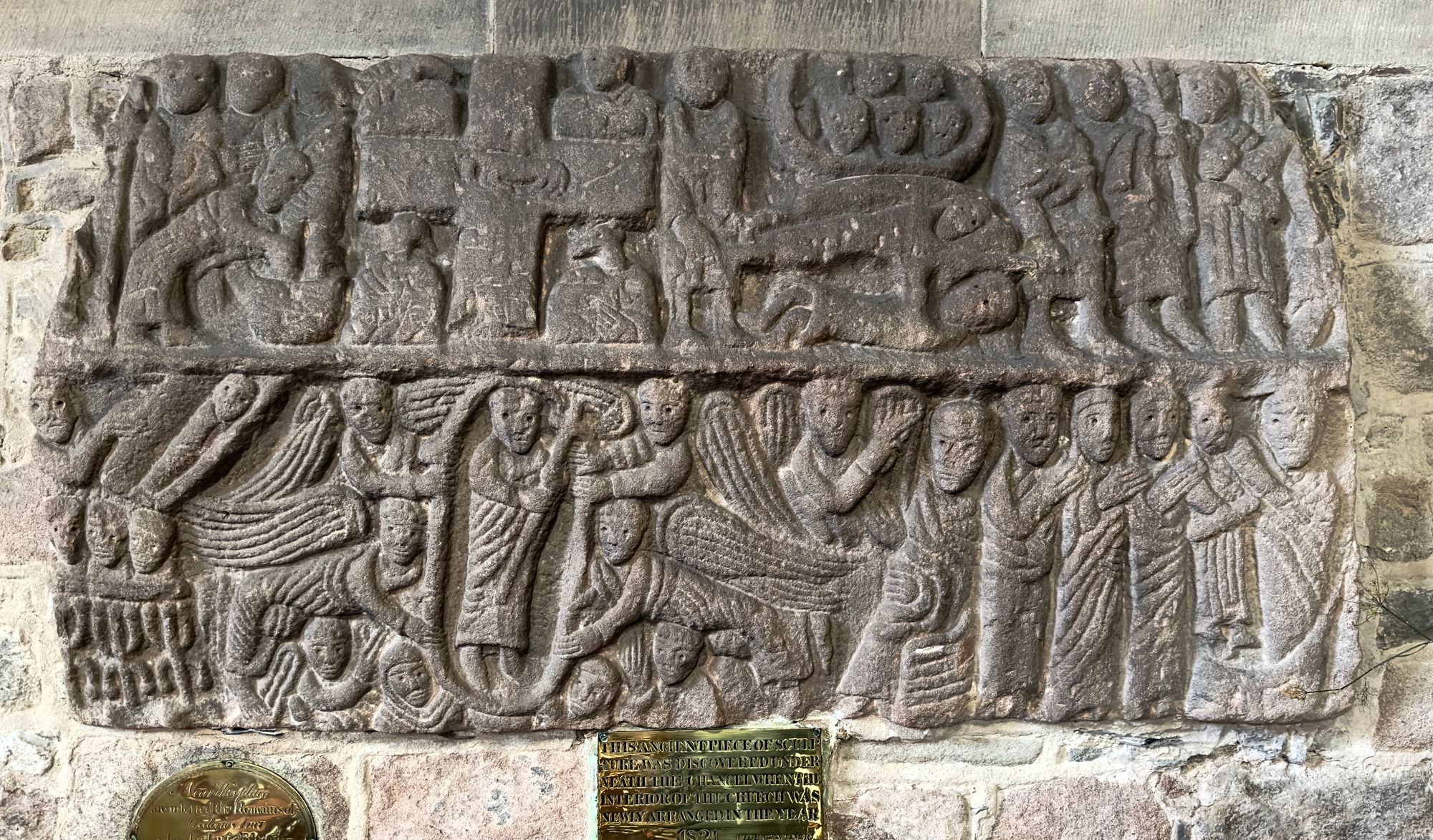
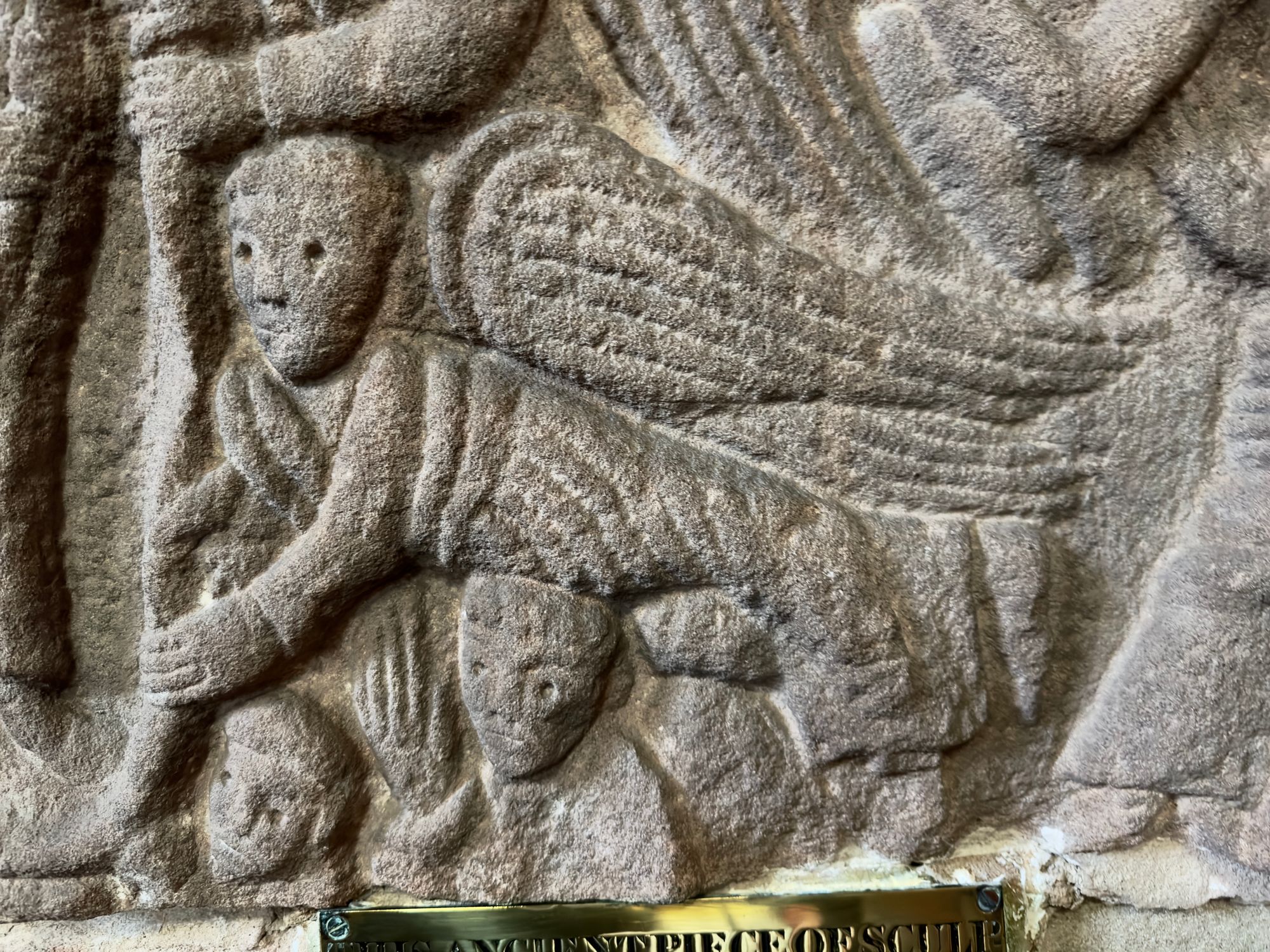
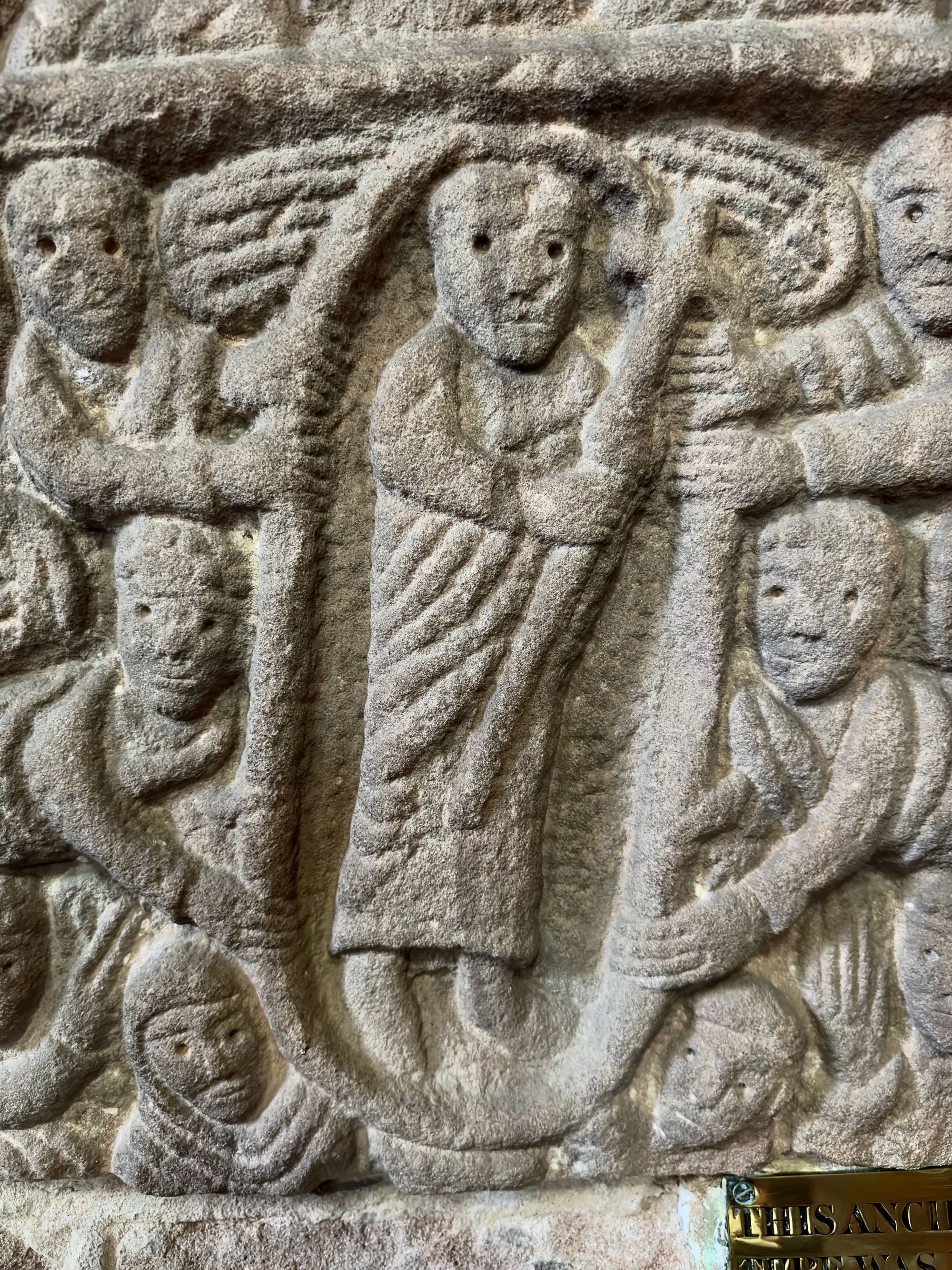
The first was the Anglo Saxon carving at St. Mary's, which is probably mid C9th, and depicts scenes from the life of Christ. If ever there was evidence of a link with the Byzantine of continental Europe, then here it is:
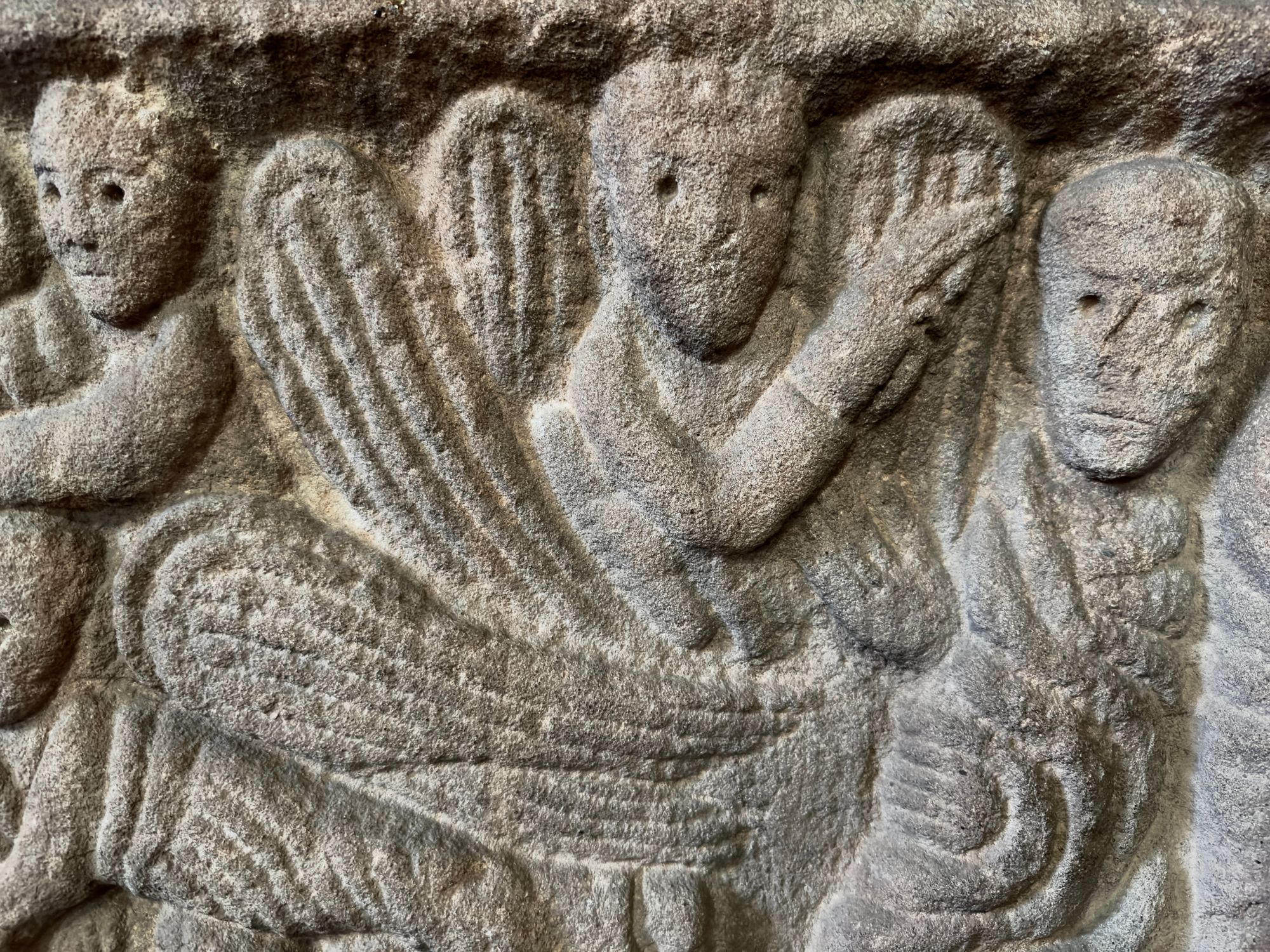
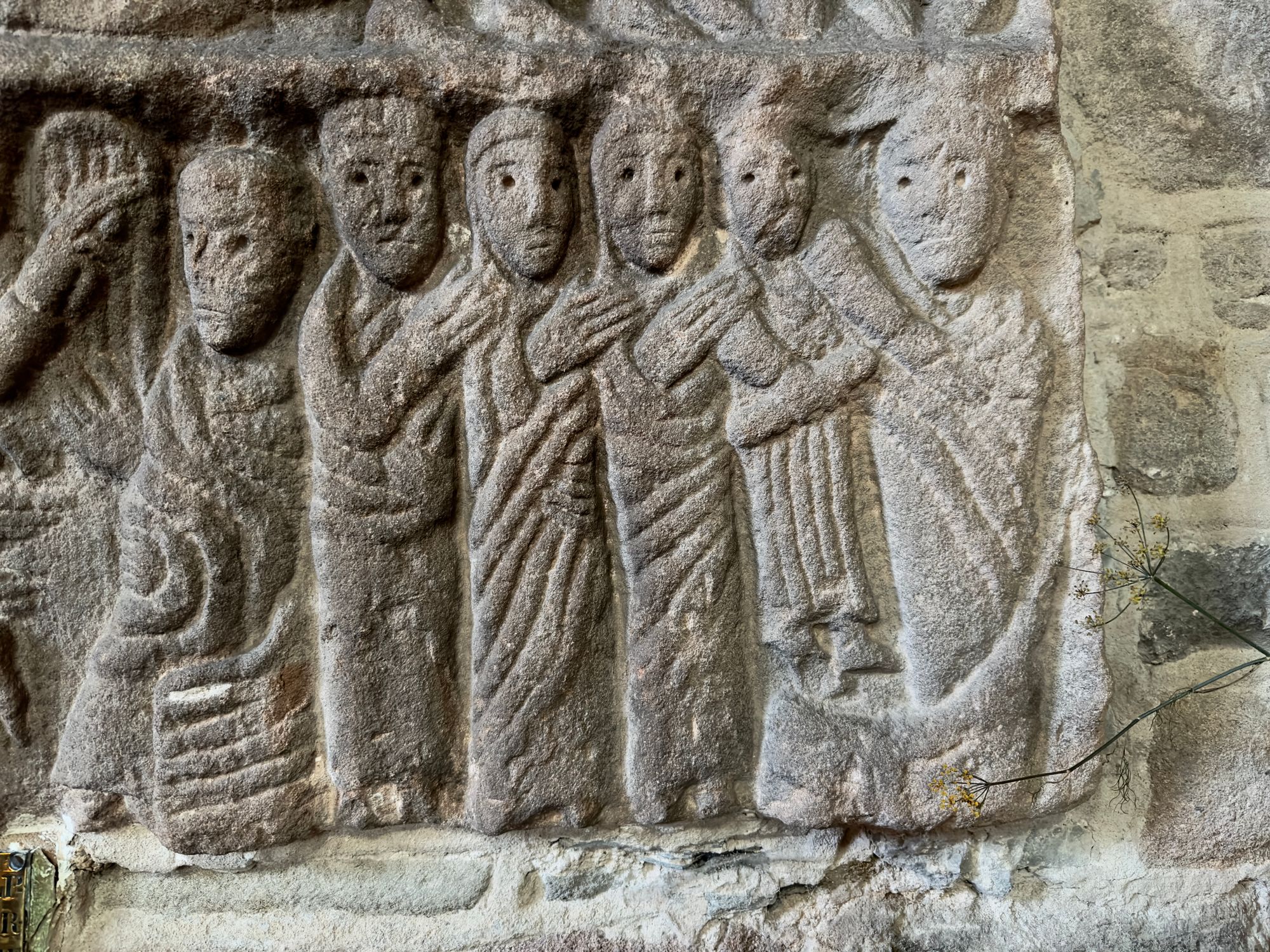
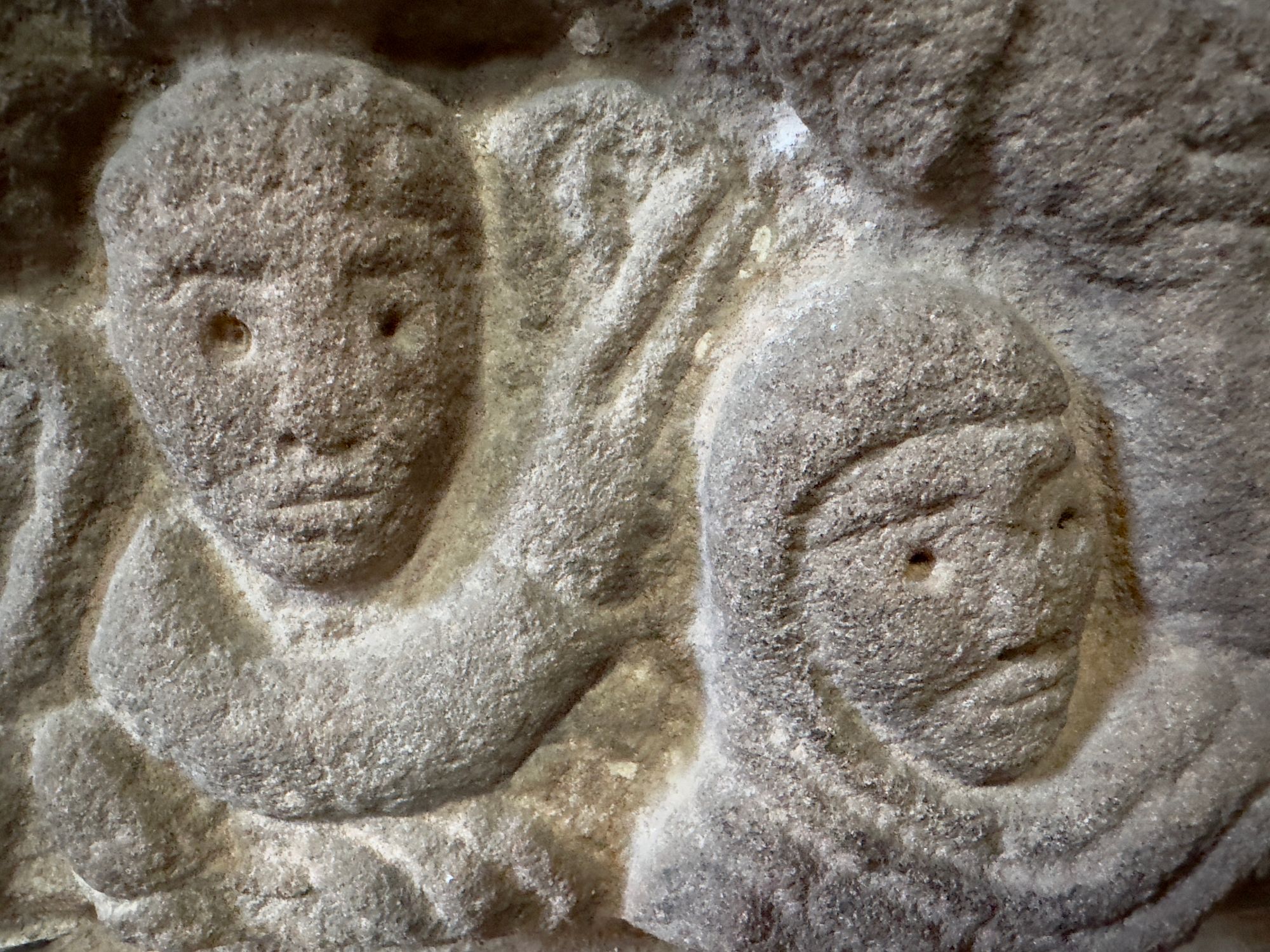
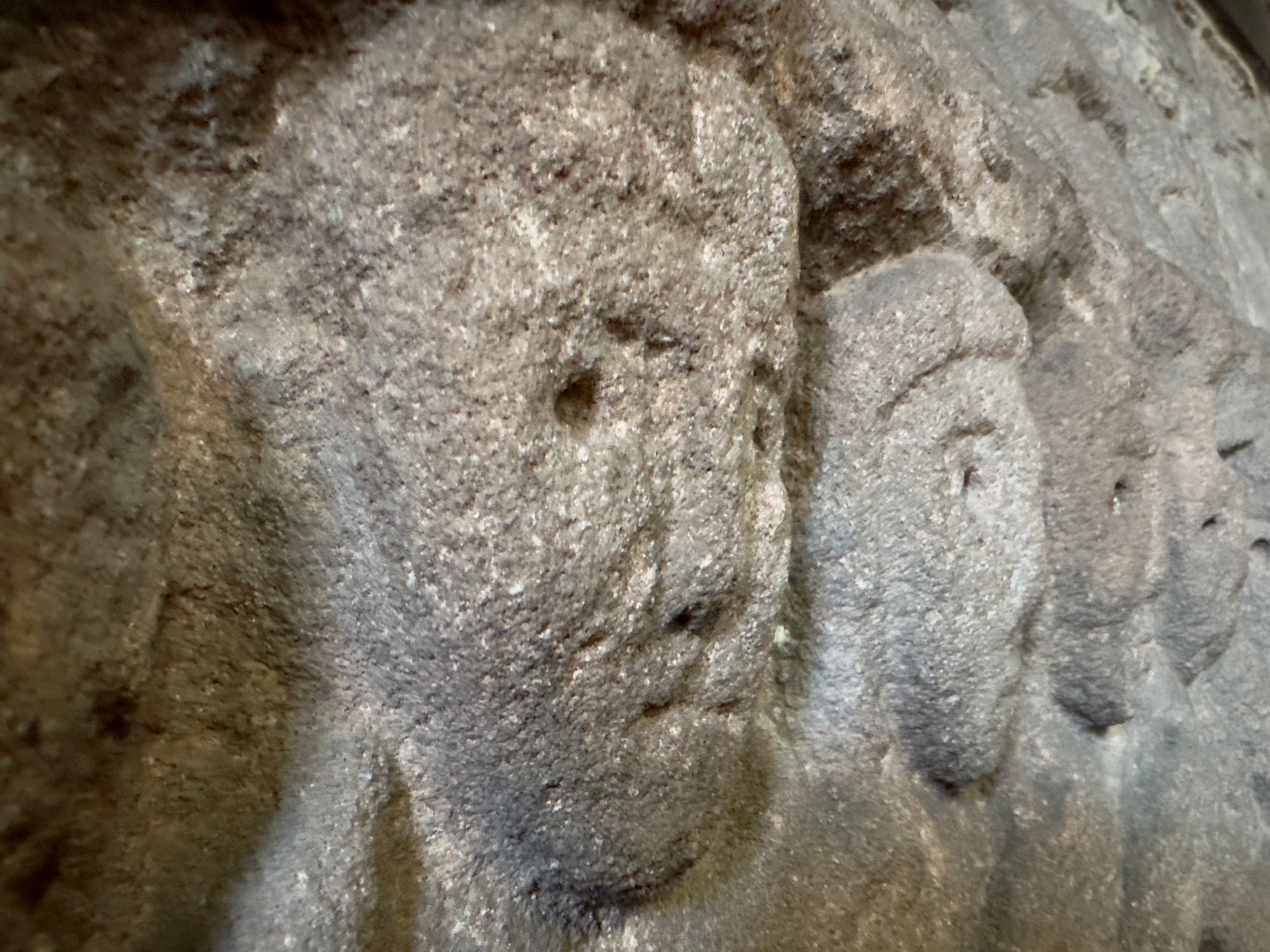
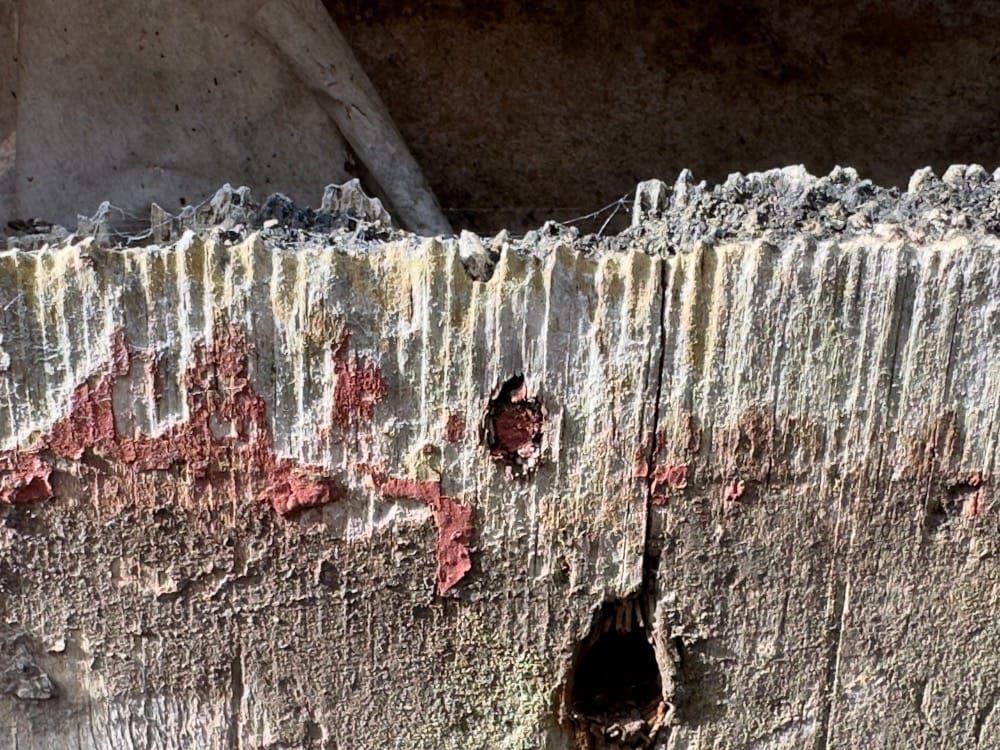
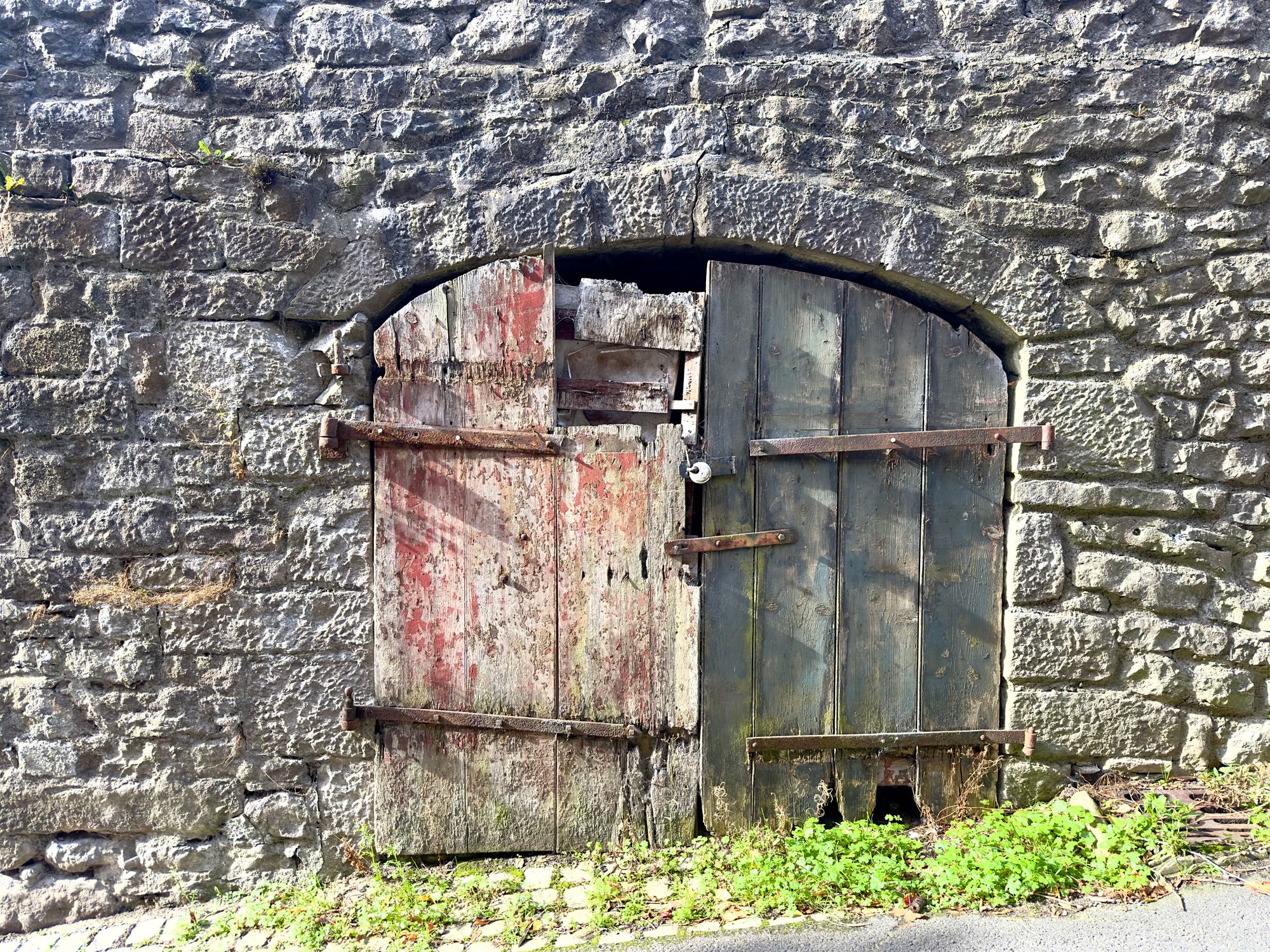
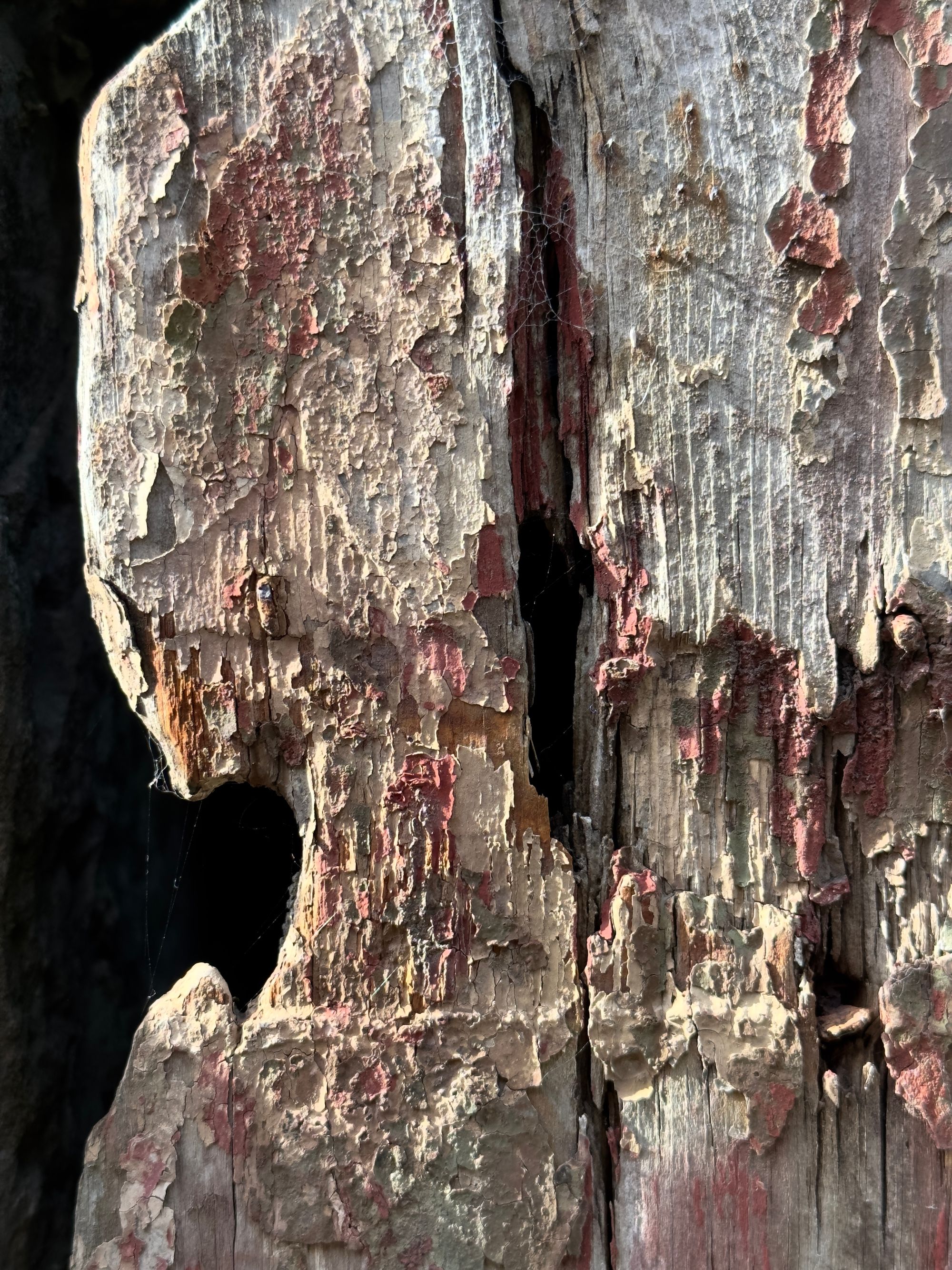
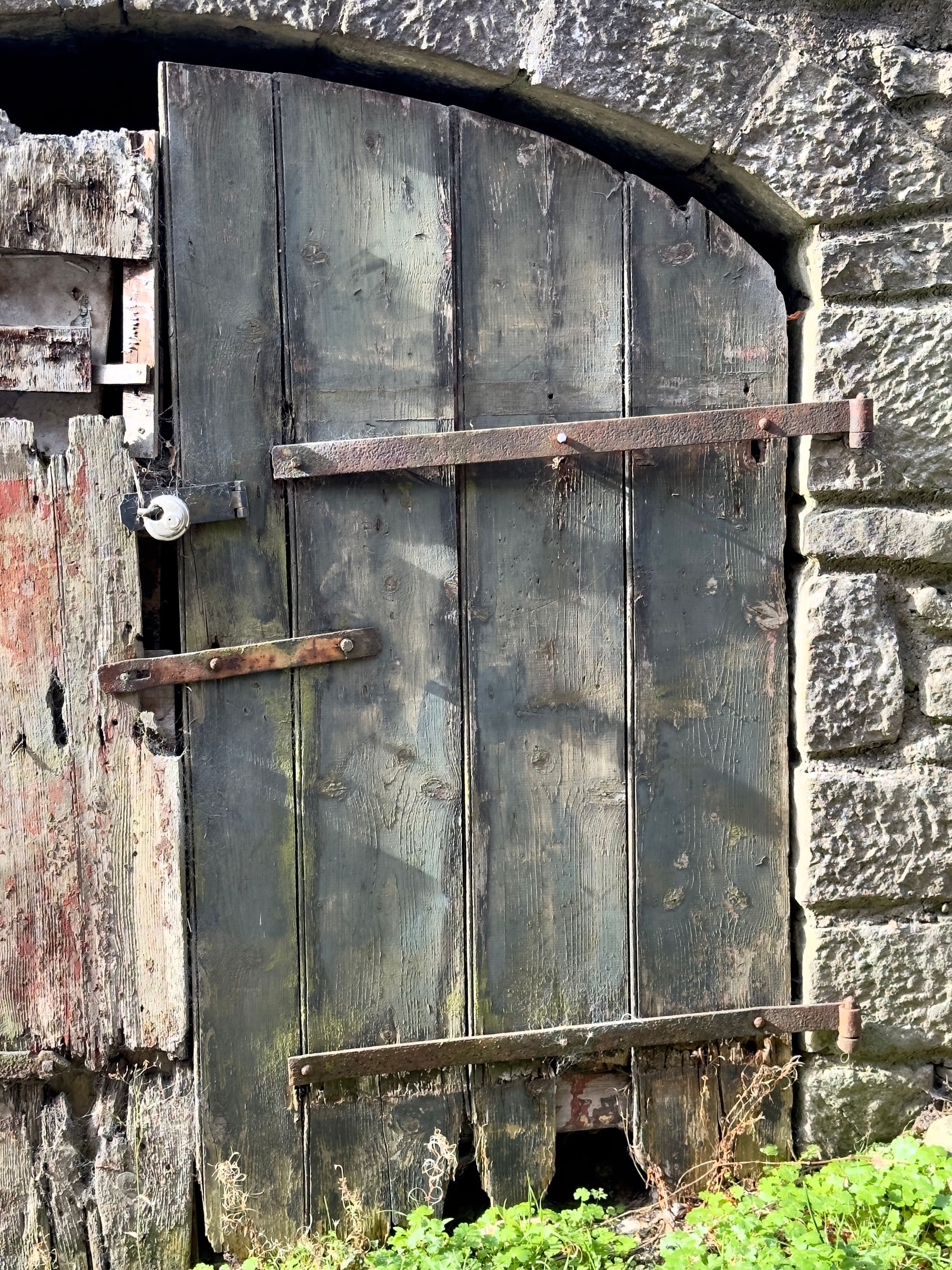
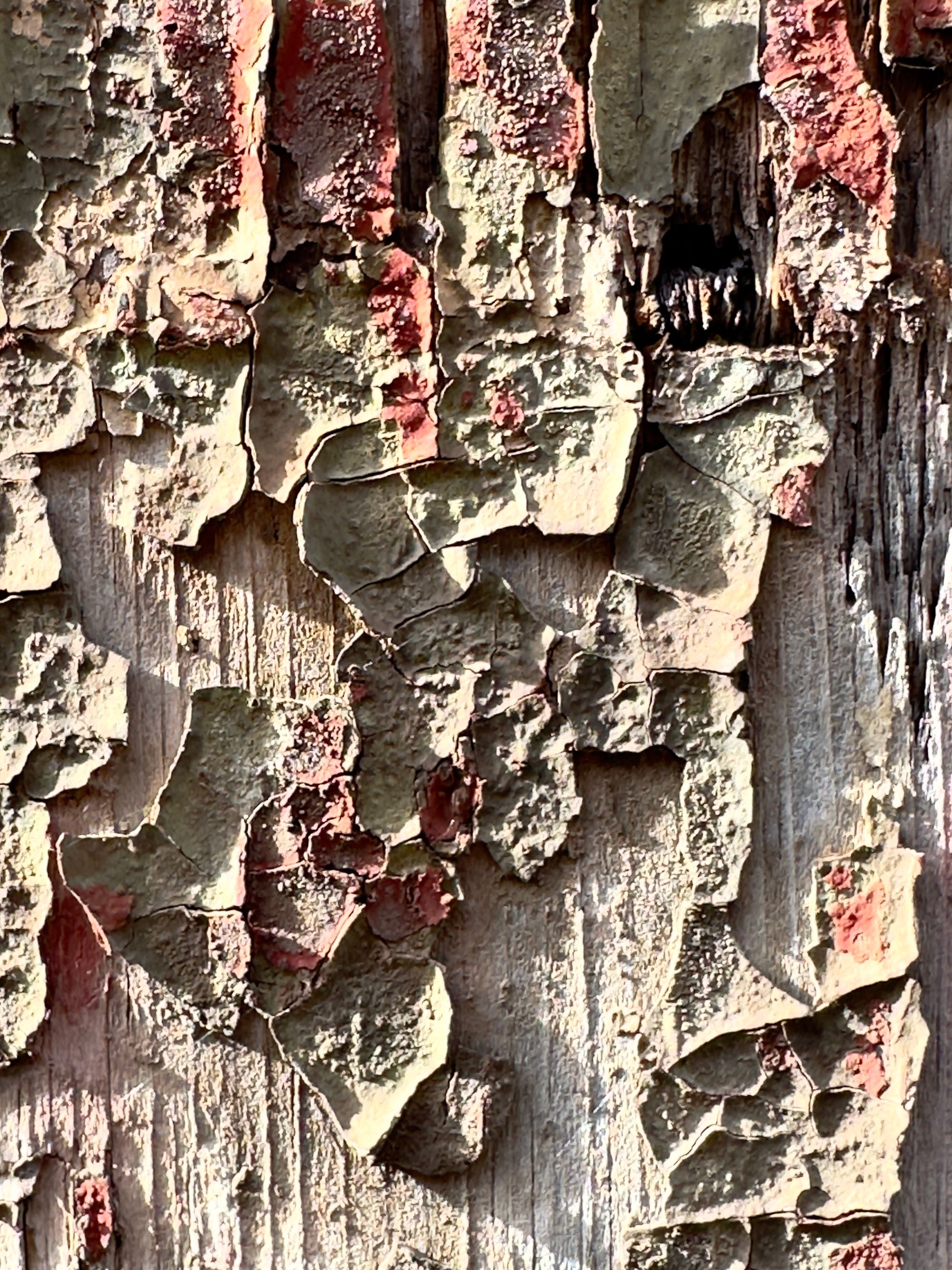
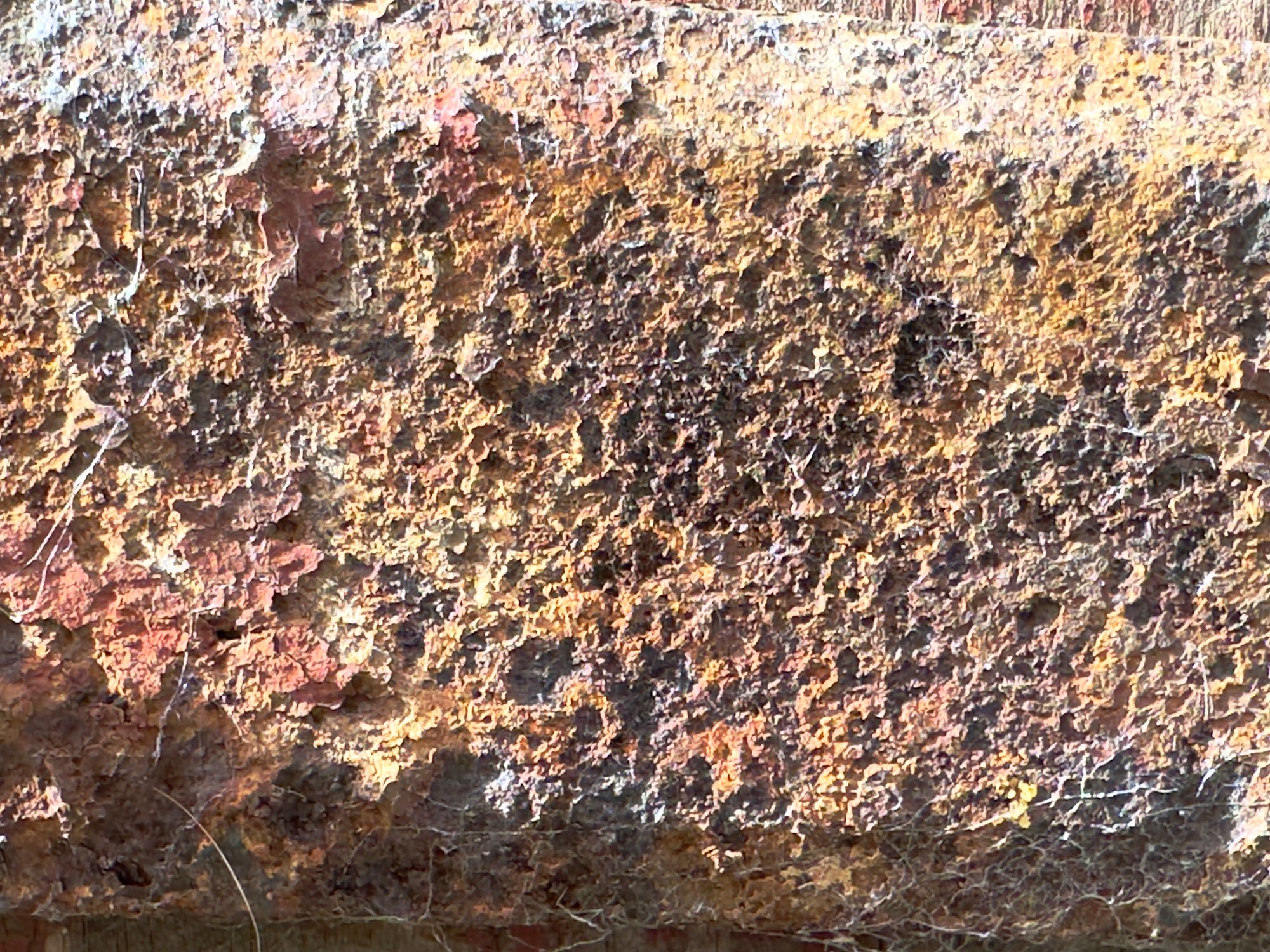
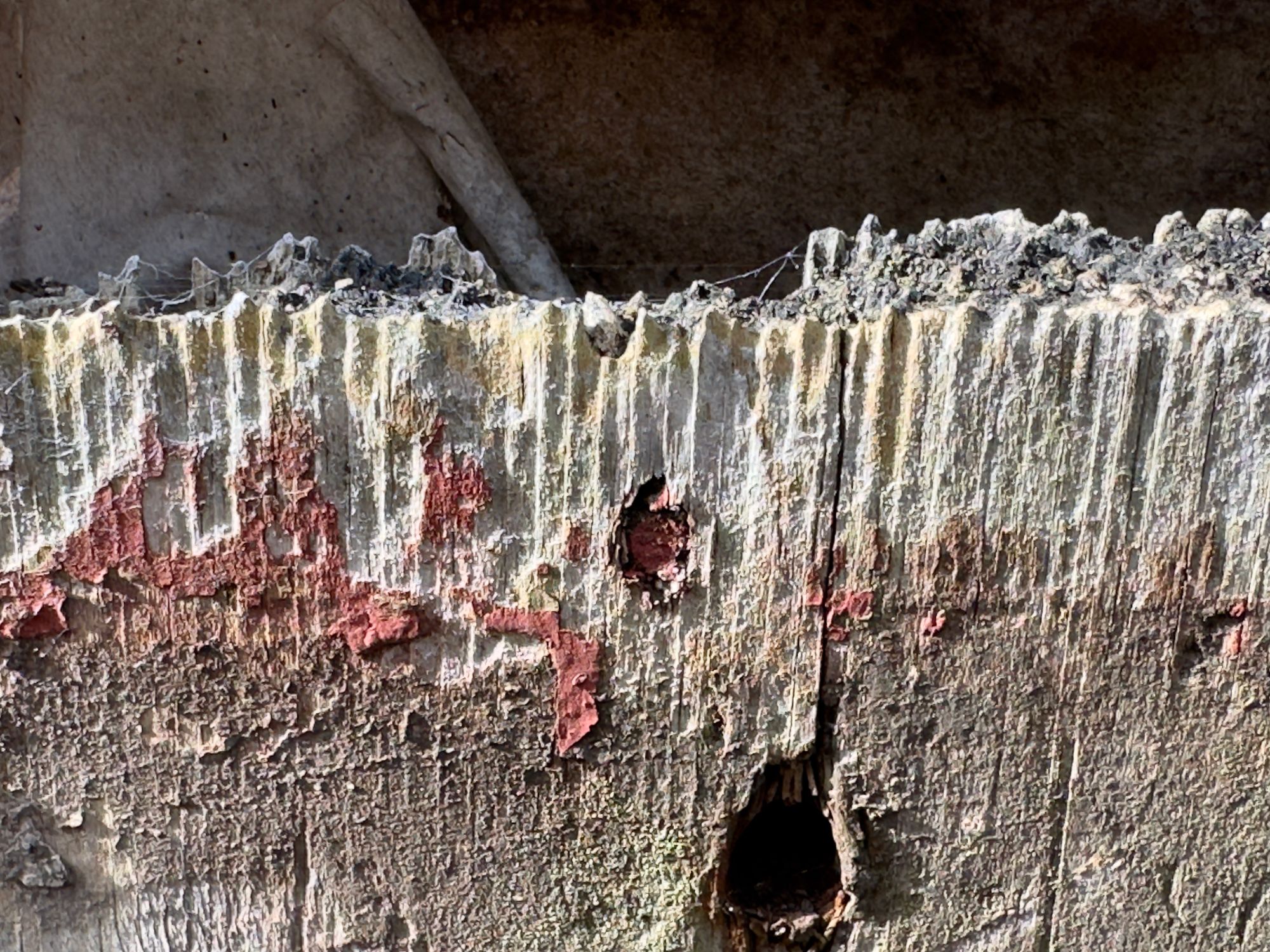
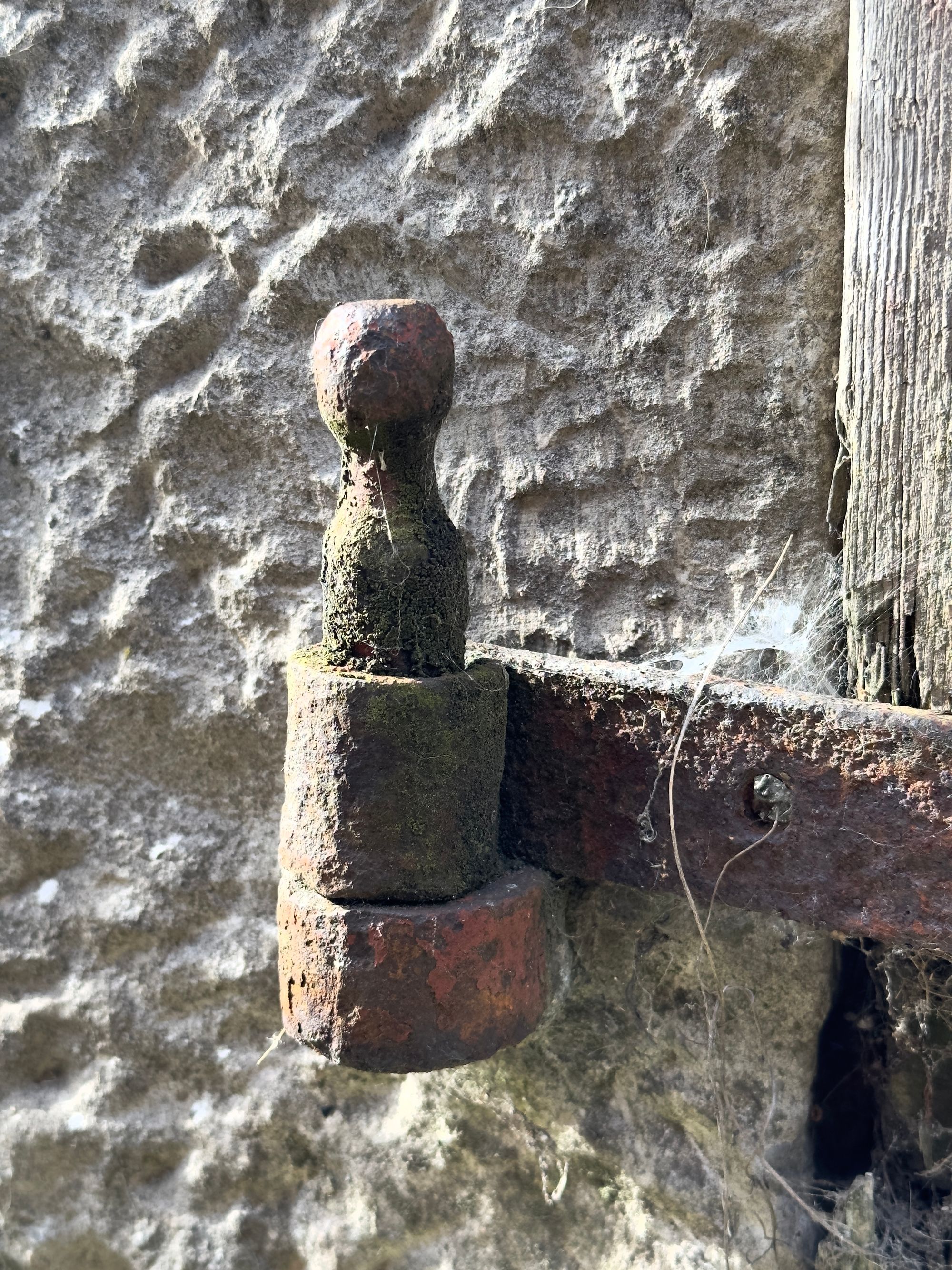
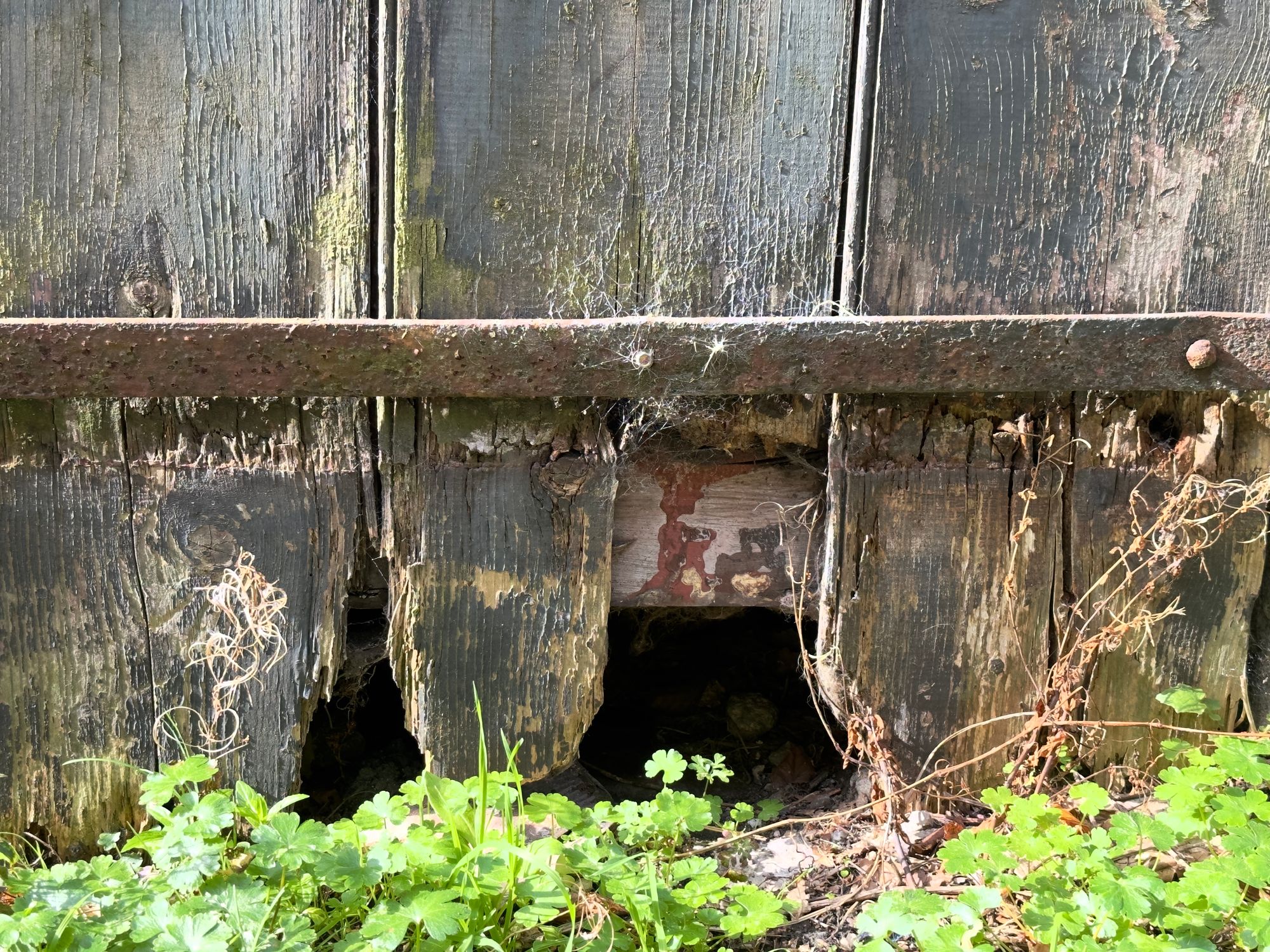
The second was a garage door on Greenhill that showed me that there is tremendous beauty to be found in the mundane. When I saw it, I was reminded of John Ruskin's words in his "The Seven Lamps of Architecture"
"The greatest glory of a building is not in its stones, nor in its gold. Its glory is in its Age, and in that deep sense of voicefulness, of stern watching, of mysterious sympathy... which we feel in walls that have long been washed by the passing waves of humanity."
I gave myself permission to stop and enjoy it, and to take time to photograph it, inspite of the curious glances from passers by.


Member discussion