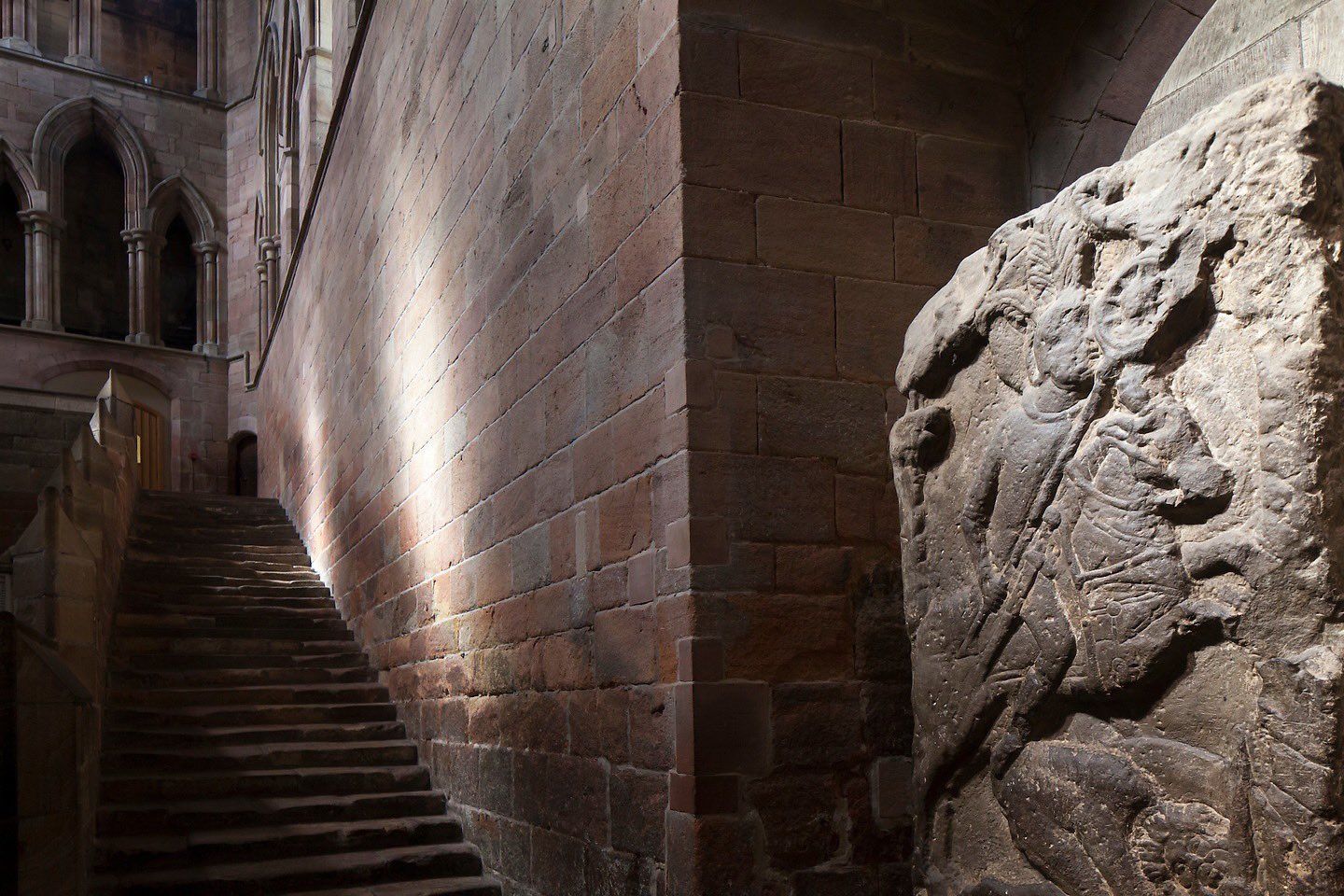
This tomb to a Roman standard bearer is around 2000 years old and shows the mounted Flavinus riding over a barbarian.
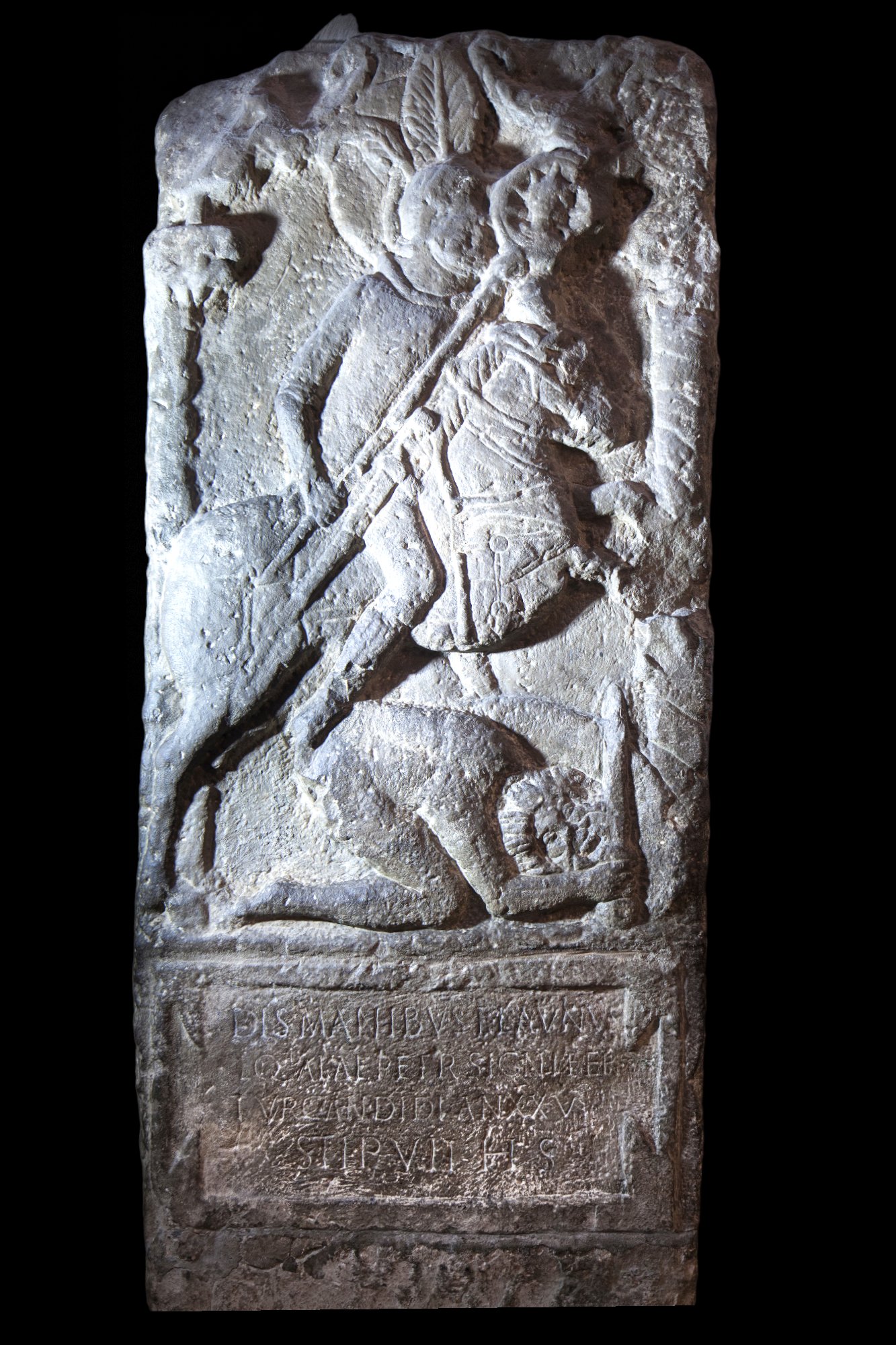
For me, what is striking about this monument is the tartness of its message against the remarkable patina of its age.
Time has softened the sandstone, but not the assertion carved into it - a mounted Roman soldier riding down the man beneath him. There is something disquieting about finding such violence within a surface that draws me closer, and a building that is tilted towards silence and prayer.
Yet my eye keeps returning to the fallen figure. Do I detect a touch of resistance in his face? His sword remains upright - he is pressed down, but somehow not quite defeated. I find myself wondering about the hand that carved him. Could a local maker have slipped a little defiance into this declaration of Roman power? That is speculation, of course, but it makes me look again. The figure intended to embody defeat seems, to my eye, to retain the possibility of another outcome.
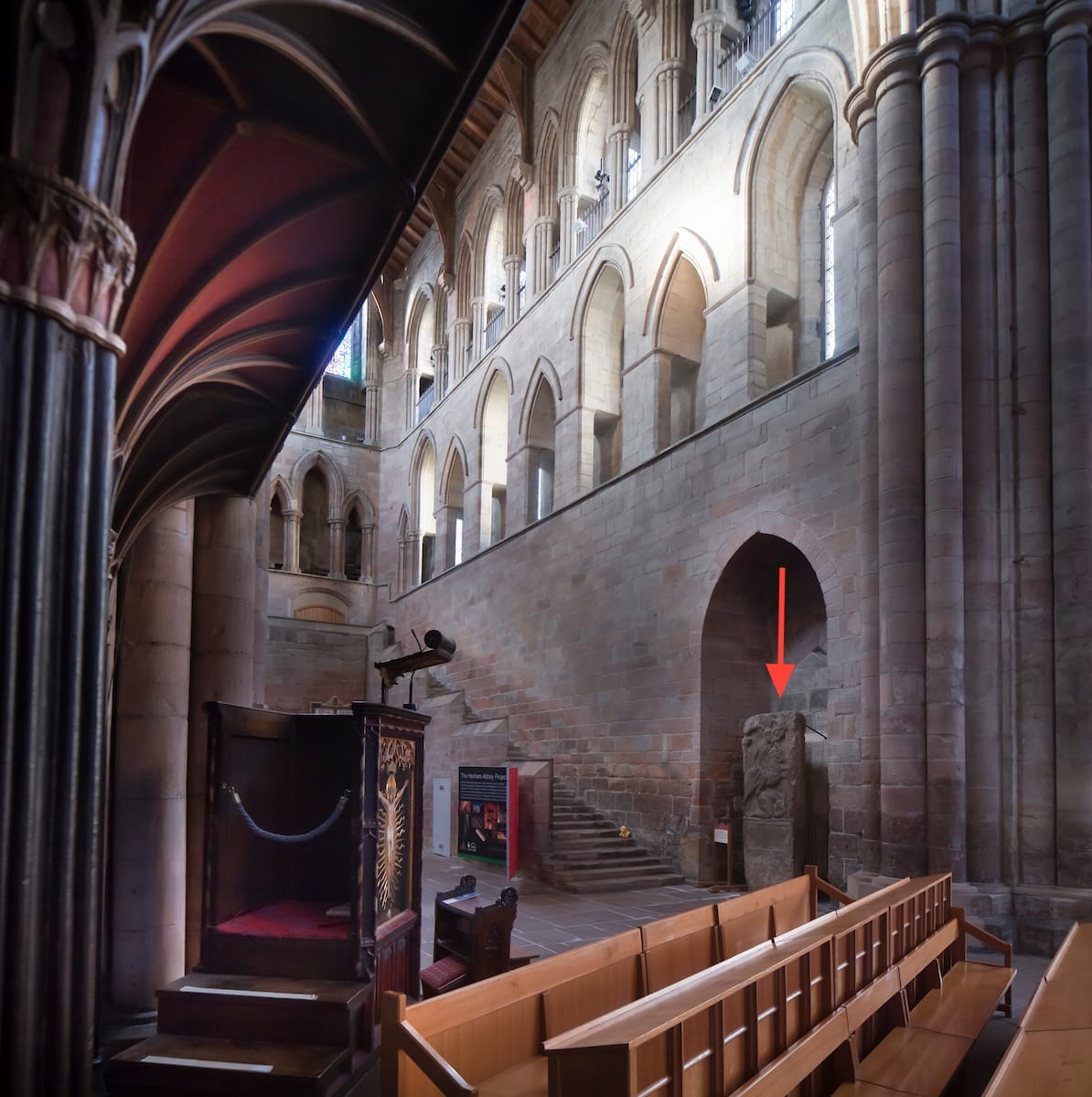
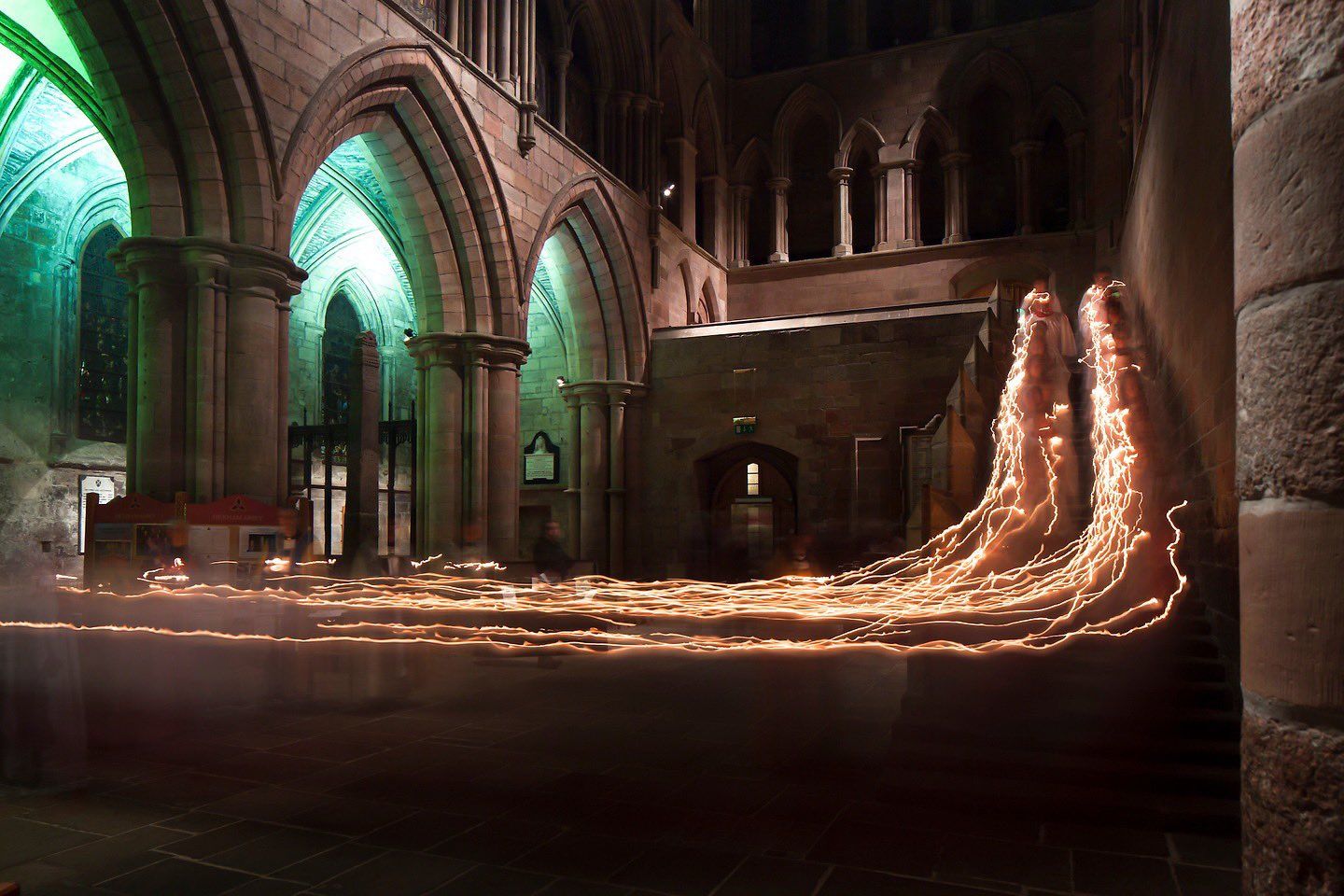
The tombstone now stands at the foot of the Night Stair, down which the canons would descend before dawn to Matins. That setting adds another layer to the encounter - this proclamation of worldly power beside steps worn by the daily passage to prayer. Nearly two thousand years old, it makes the surrounding medieval architecture seem a mere pup. What an extraordinary survival - a monument where intended certainty has weathered into something that still leaves room for questions.
It probably stood in the military cemetery near Corbridge - not too far away from Hexham.
Hexham Abbey
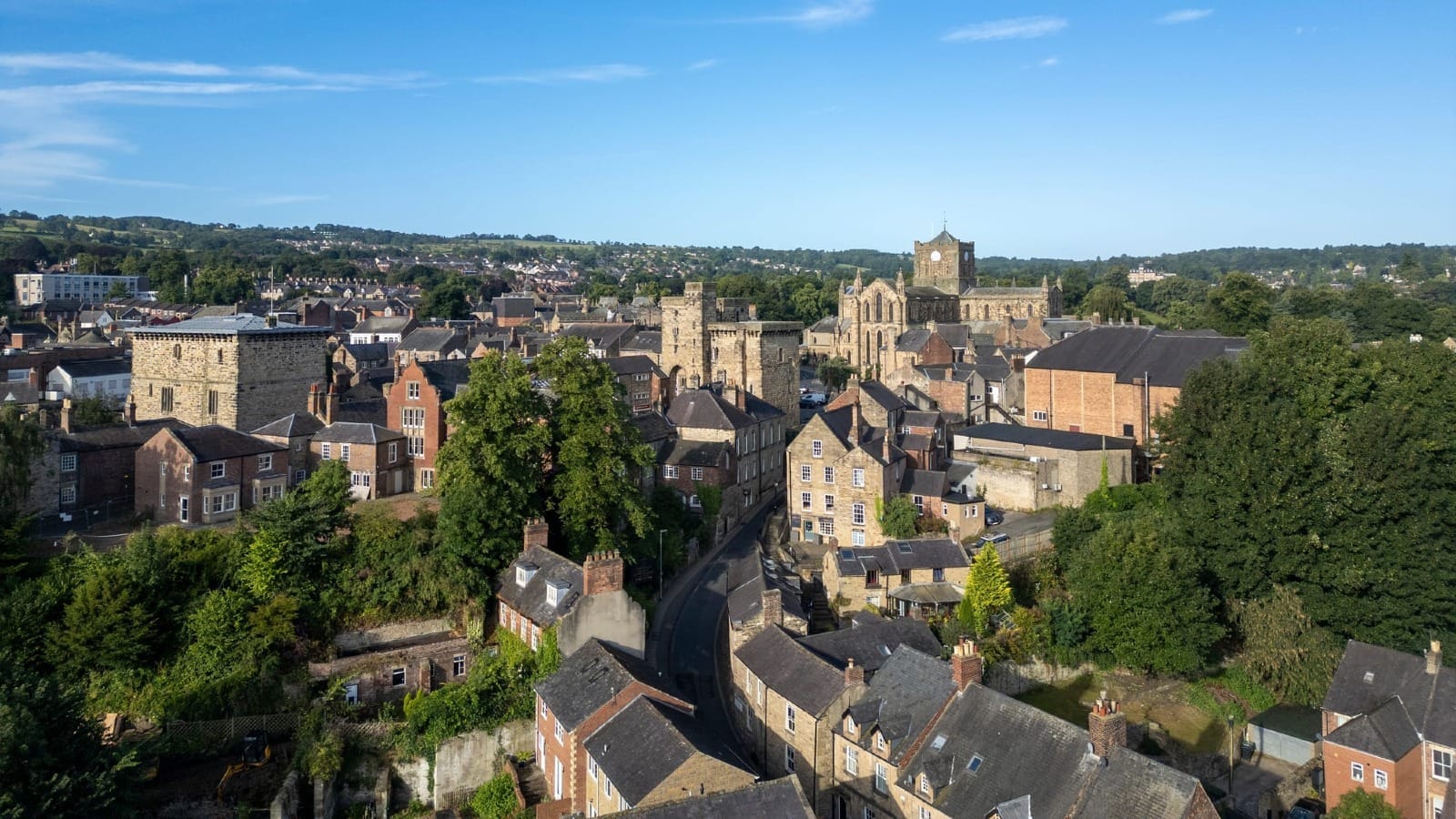
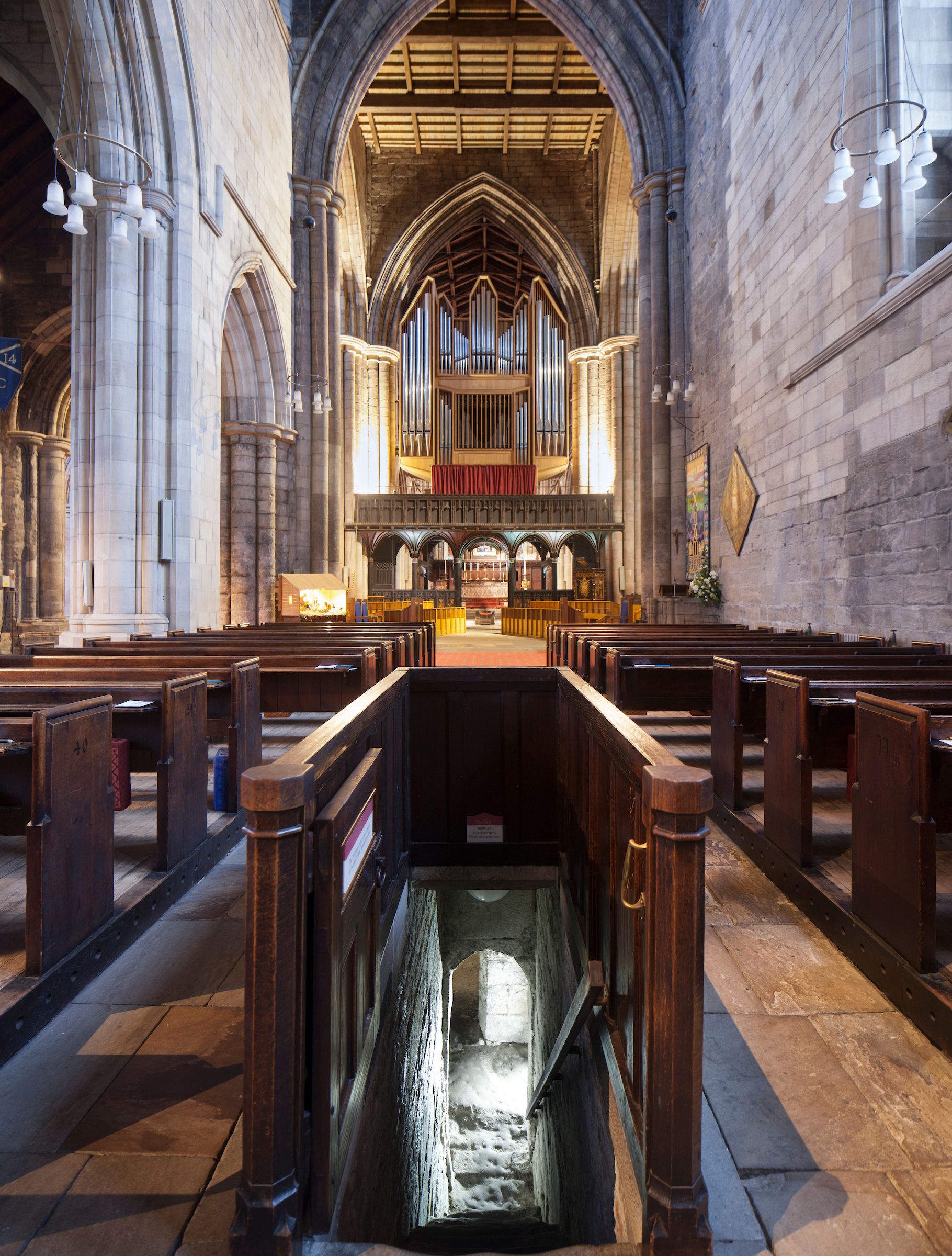
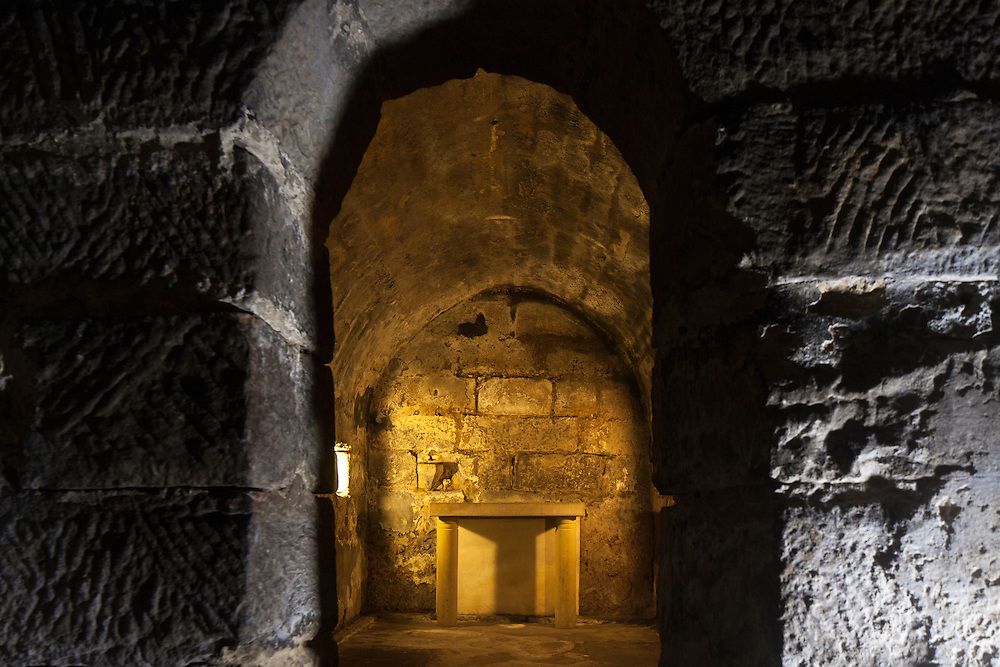
Hexham Abbey is a remarkable building. St. Wilfrid's Anglo-Saxon crypt is a must see - pre-dating the existing church and made up of stones robbed out from Roman buildings.


Member discussion