

The guide opens the door and I'm left to my own devices. The room is above the south porch and accessible by a spiral staircase. I wander up the stairs and am gifted with a shuttered view of the room through a shouldered door. I'm taken aback - the room still has large swathes of original plaster work left.
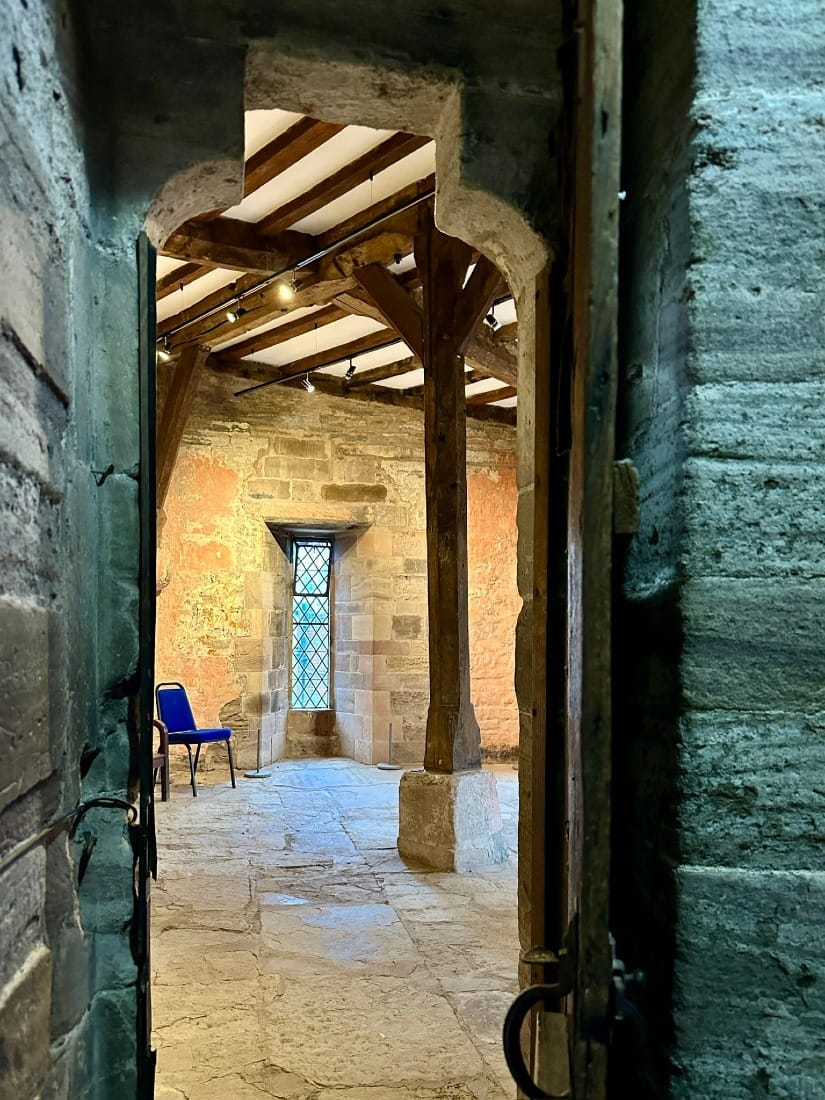
If you do ever visit St. Laurence - ask to see this room - it isn't usually open to the public.
I need to change my perspective - take off the 'Andy Marshall' lens and look at this room through Tim Meek's eyes.

Looking through Tim Meek's eyes.
Dr. Tim Meek is a specialist on wall coatings and wrote a guest post for the digest recently. I've always struggled to understand the concept of how lime mortar can be coated delicately over complex surfaces - and thus had many doubts about some buildings that were claimed to be rendered in medieval times.
Tim has gifted me with new ways of seeing.
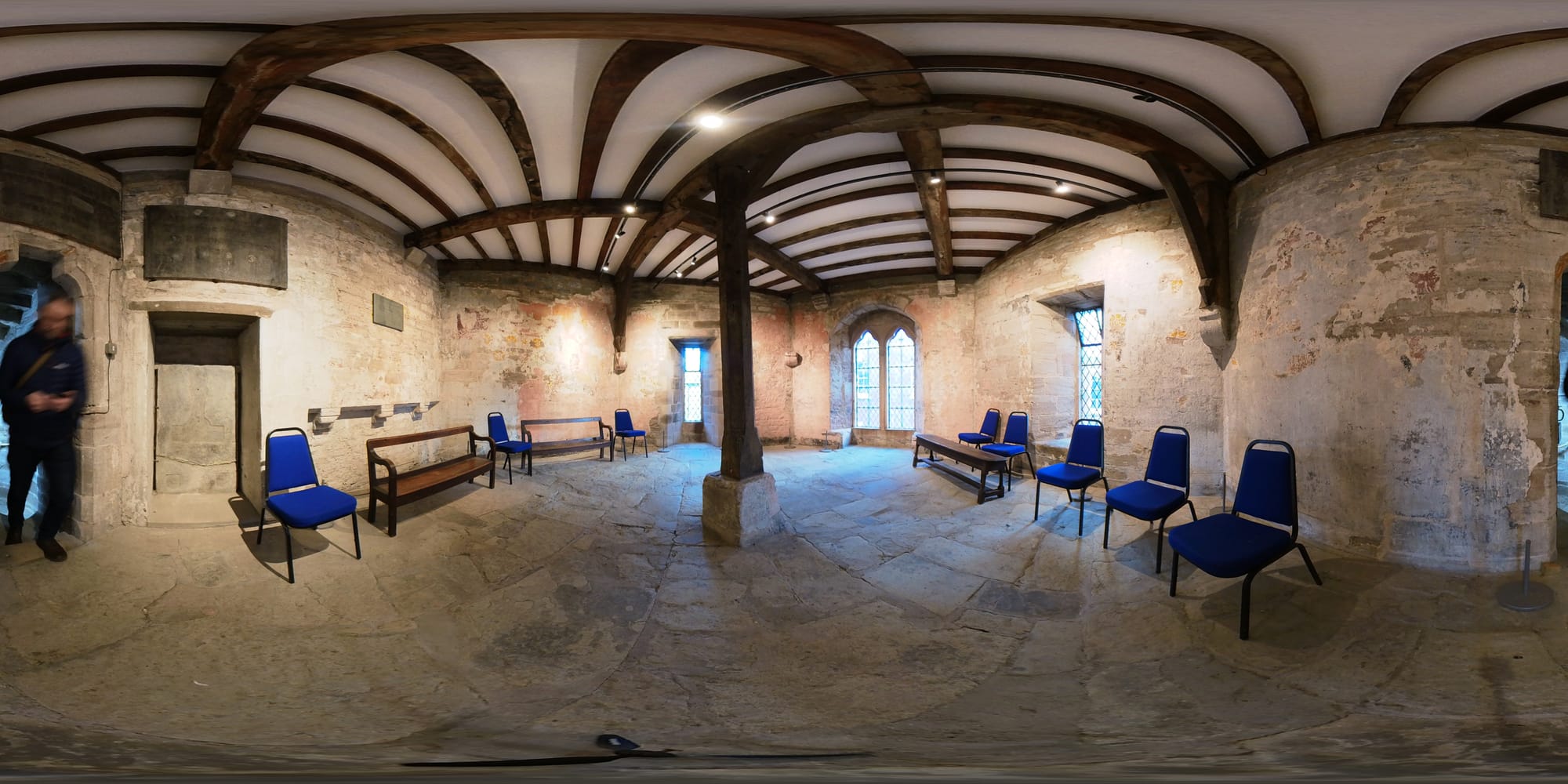
In the Parvis Room my doubts were dispelled - for the coating has been used over every surface including corbels and lintels - and it has survived.
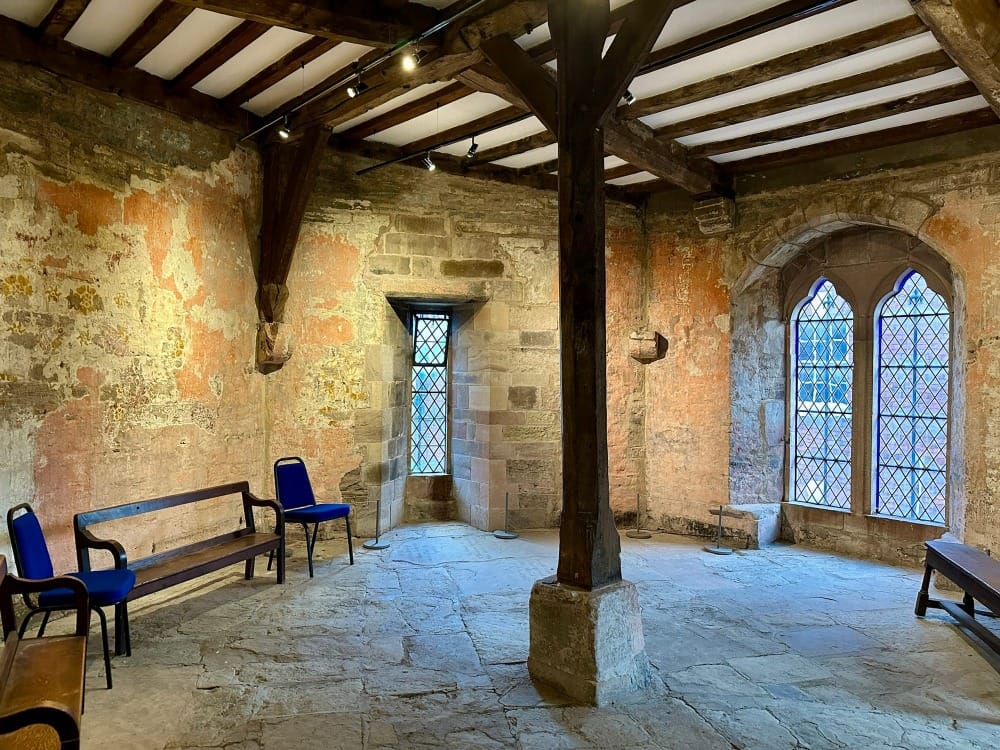
The room was originally used by the church deacons and then became a library. It has patterned floral decoration on the walls.
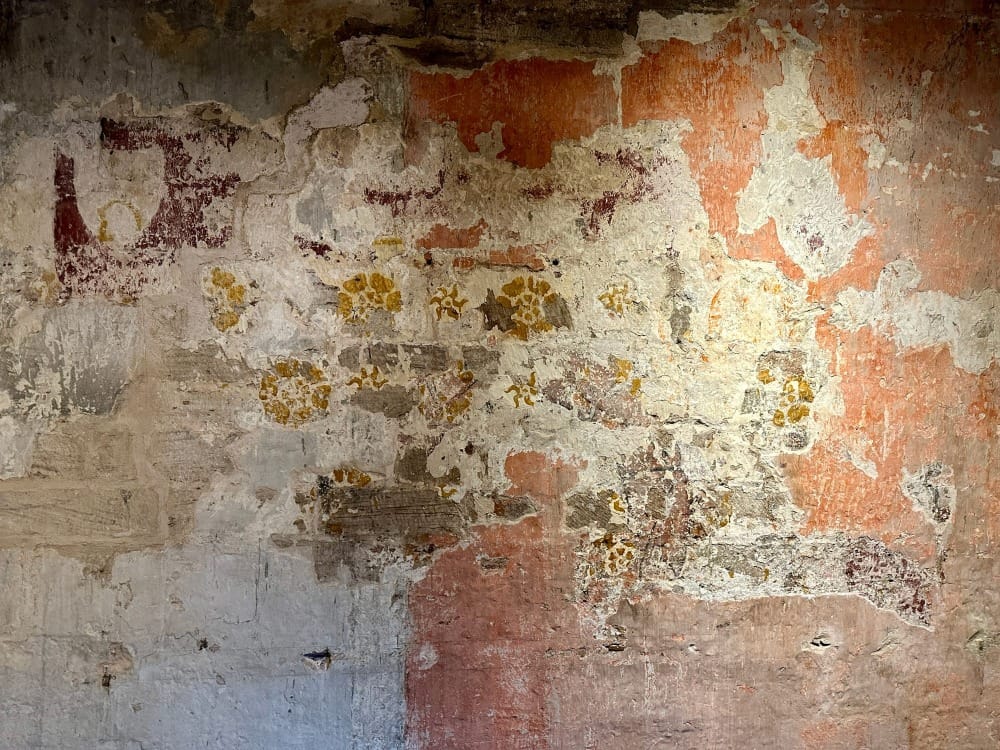
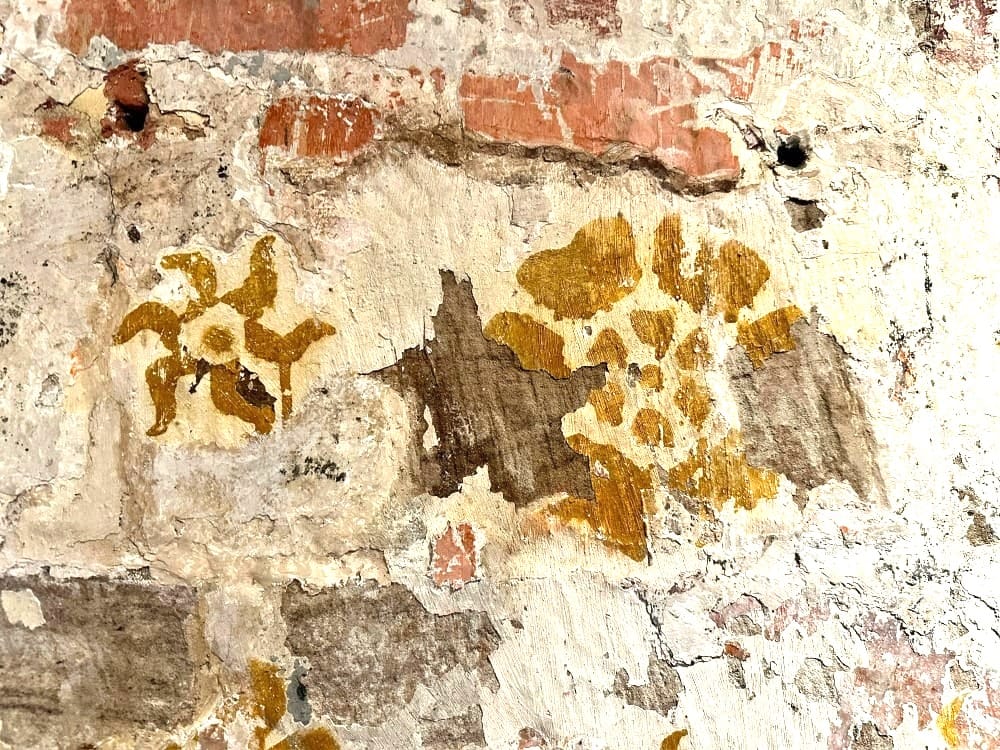
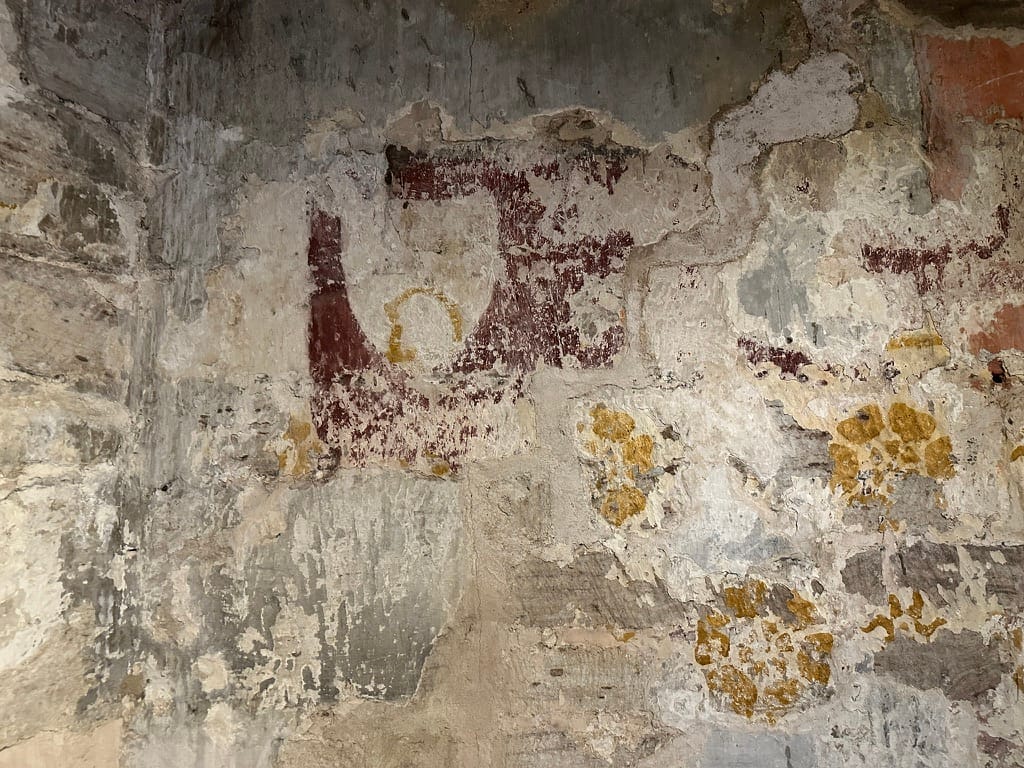
And a thin ochre base layer.
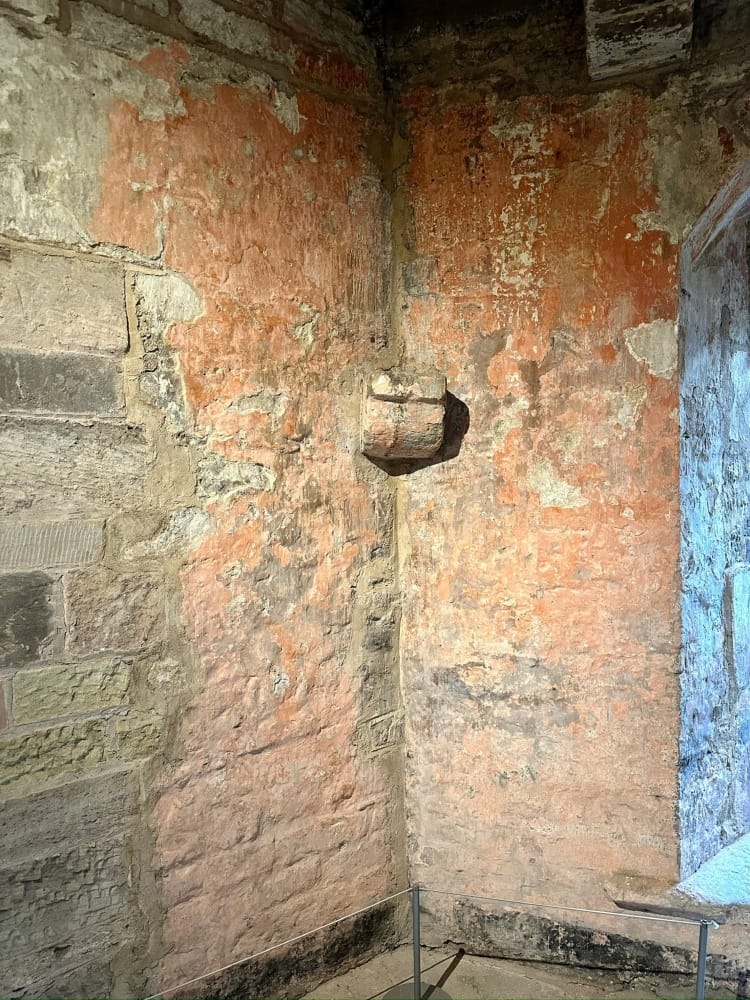
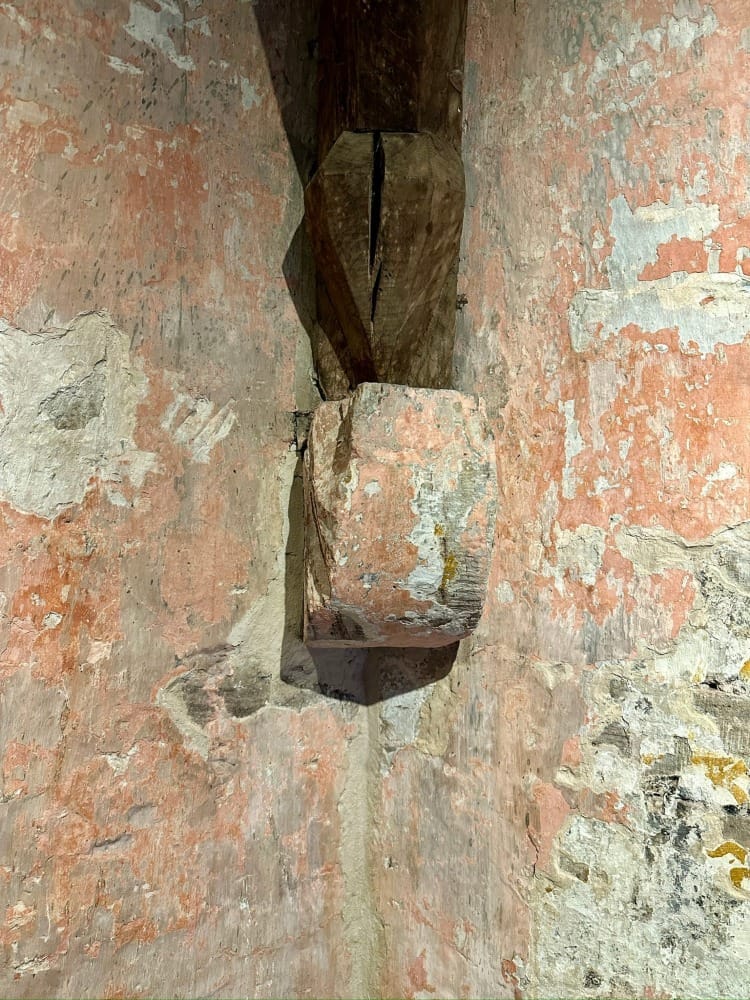
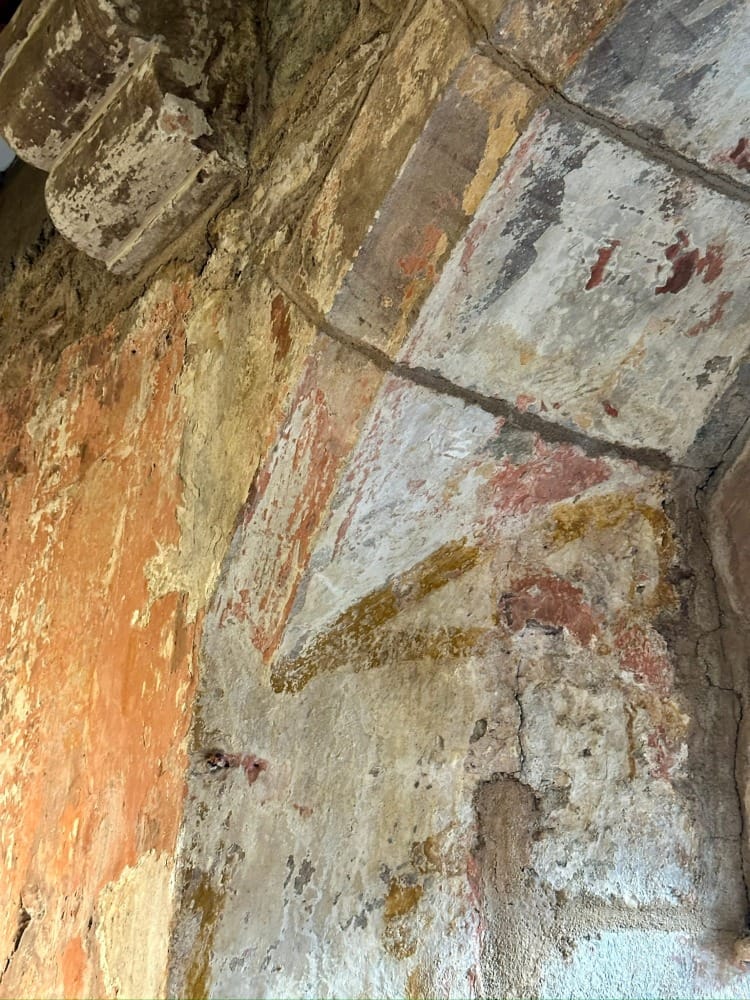
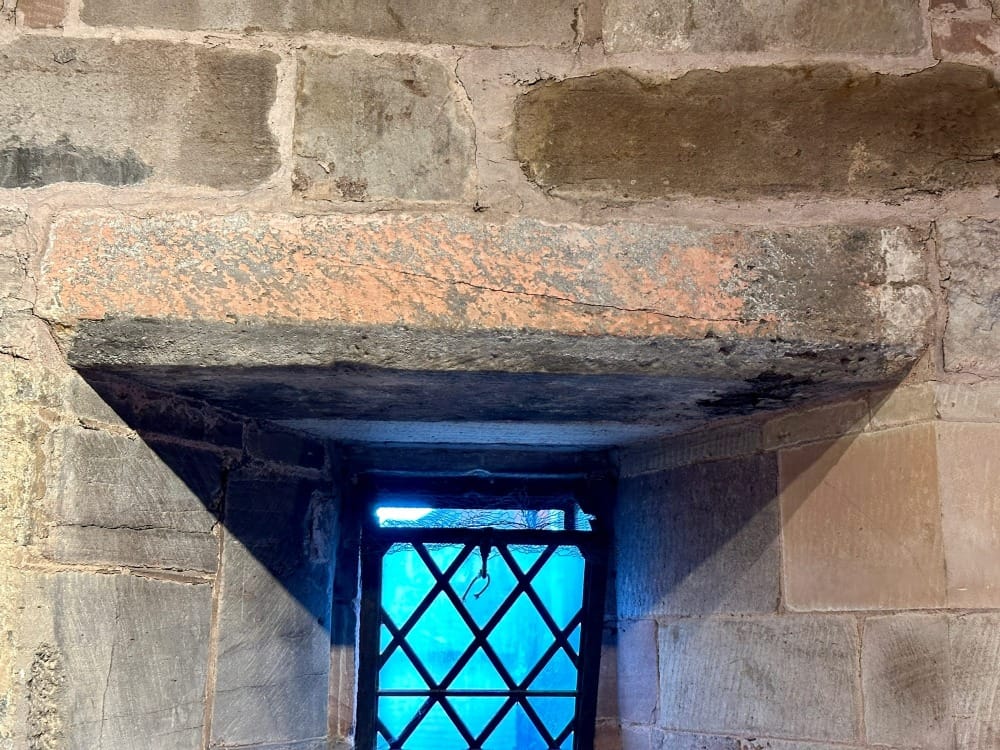
As I walk around the space I can sense how the room would have looked several hundred years ago. Our modern selves would paint within boundaries, negate the windows and ceiling, but here, every surface is covered in render and paint. The render has a kind of shape shifting effect - changing it from a room into a spatial concept.
Connect with me on: Bluesky / Instagram / Facebook / X / Tumblr / Flickr / Vimeo / Pixelfed / Pinterest


Member discussion