
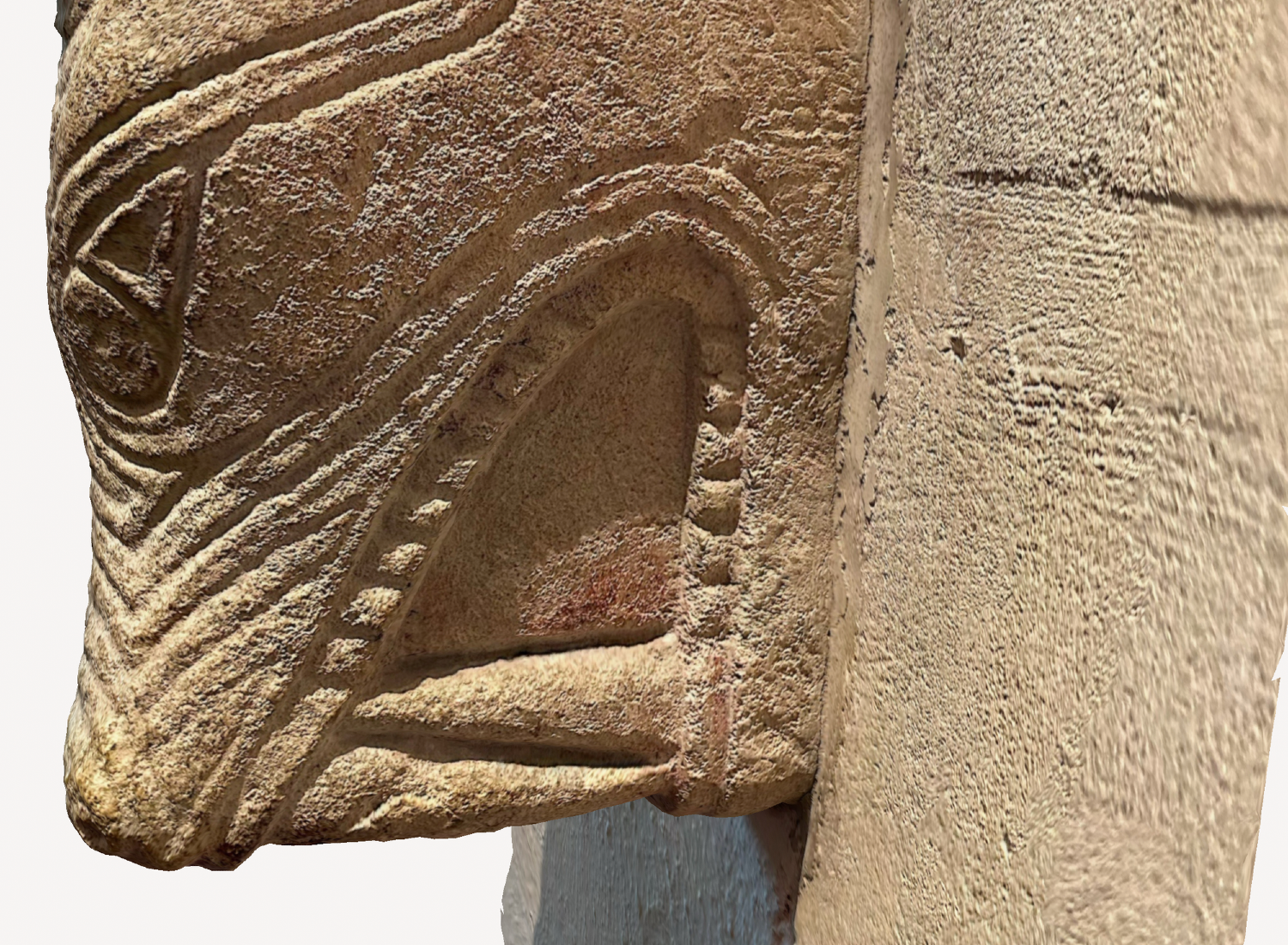
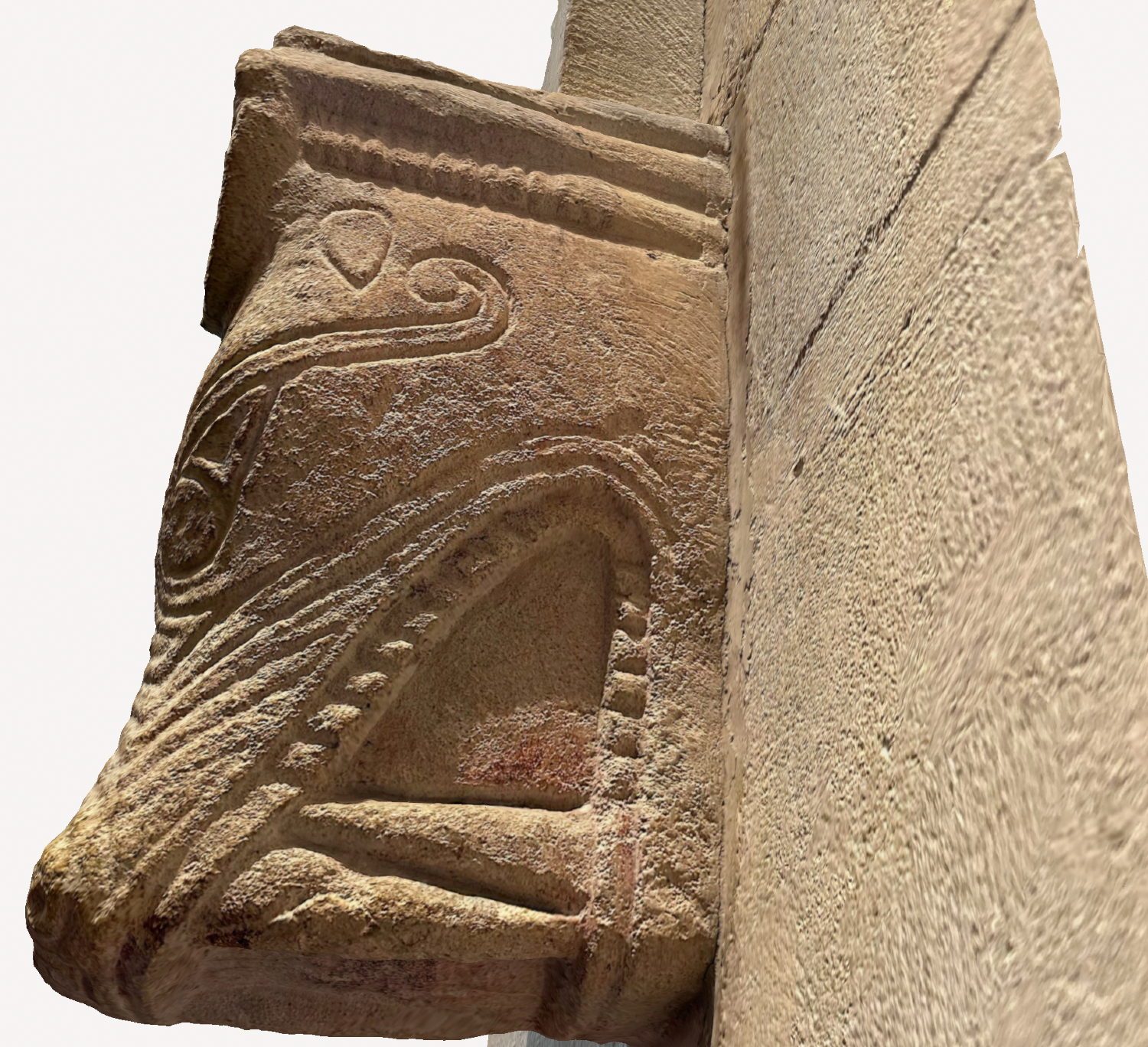
An enigmatic face, thought to be a wolf, with lines that vividly depict the senses. The eyes are watchful, the ears are listening, the nose is prostrate, and the mouth is open. After a few more minutes, there’s an overwhelming sense of movement—an allusion, perhaps, to the head thrusting forward, ears and eyes emerging from swirling mists or the murky depths of the sea or a river.
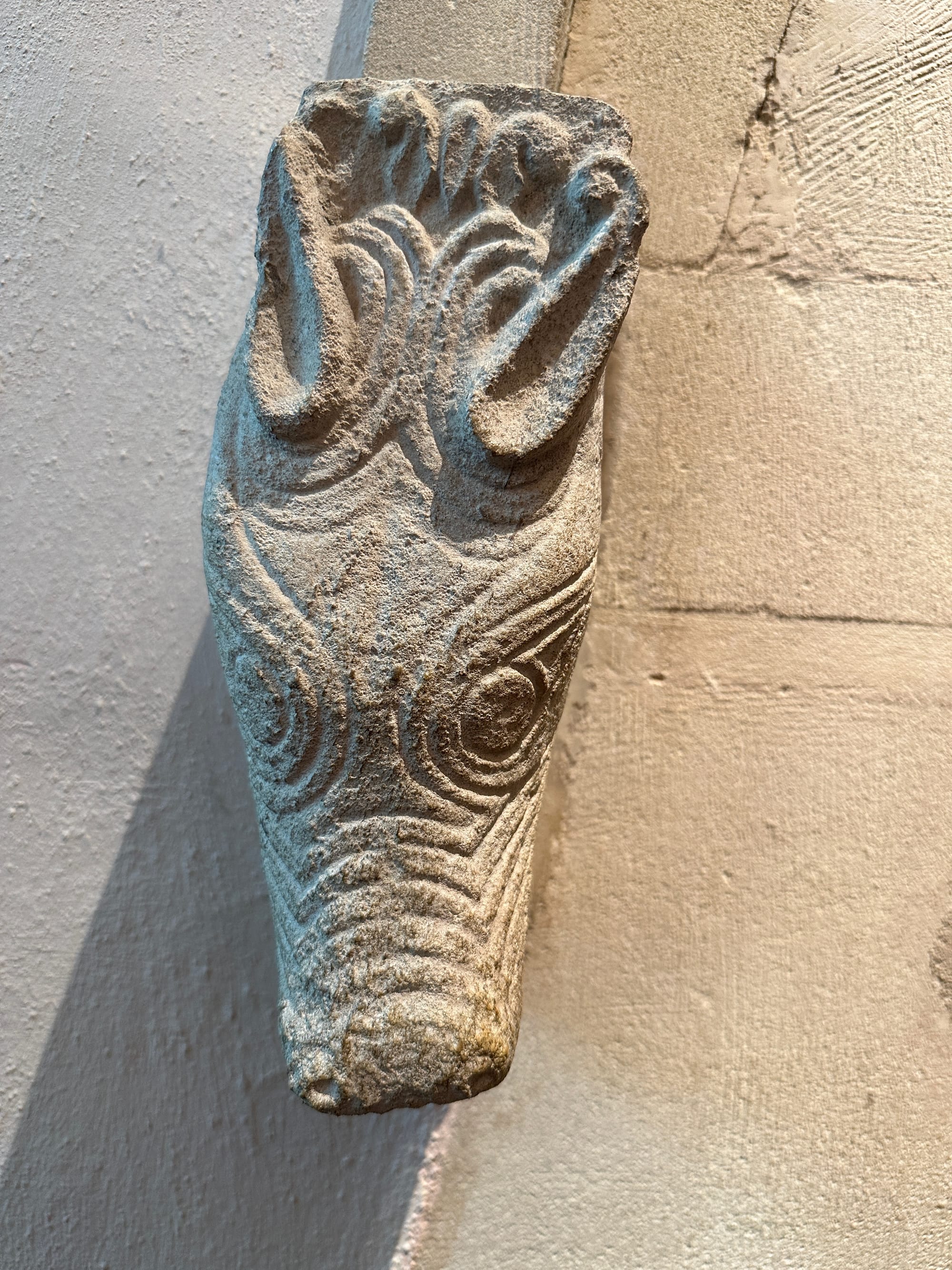
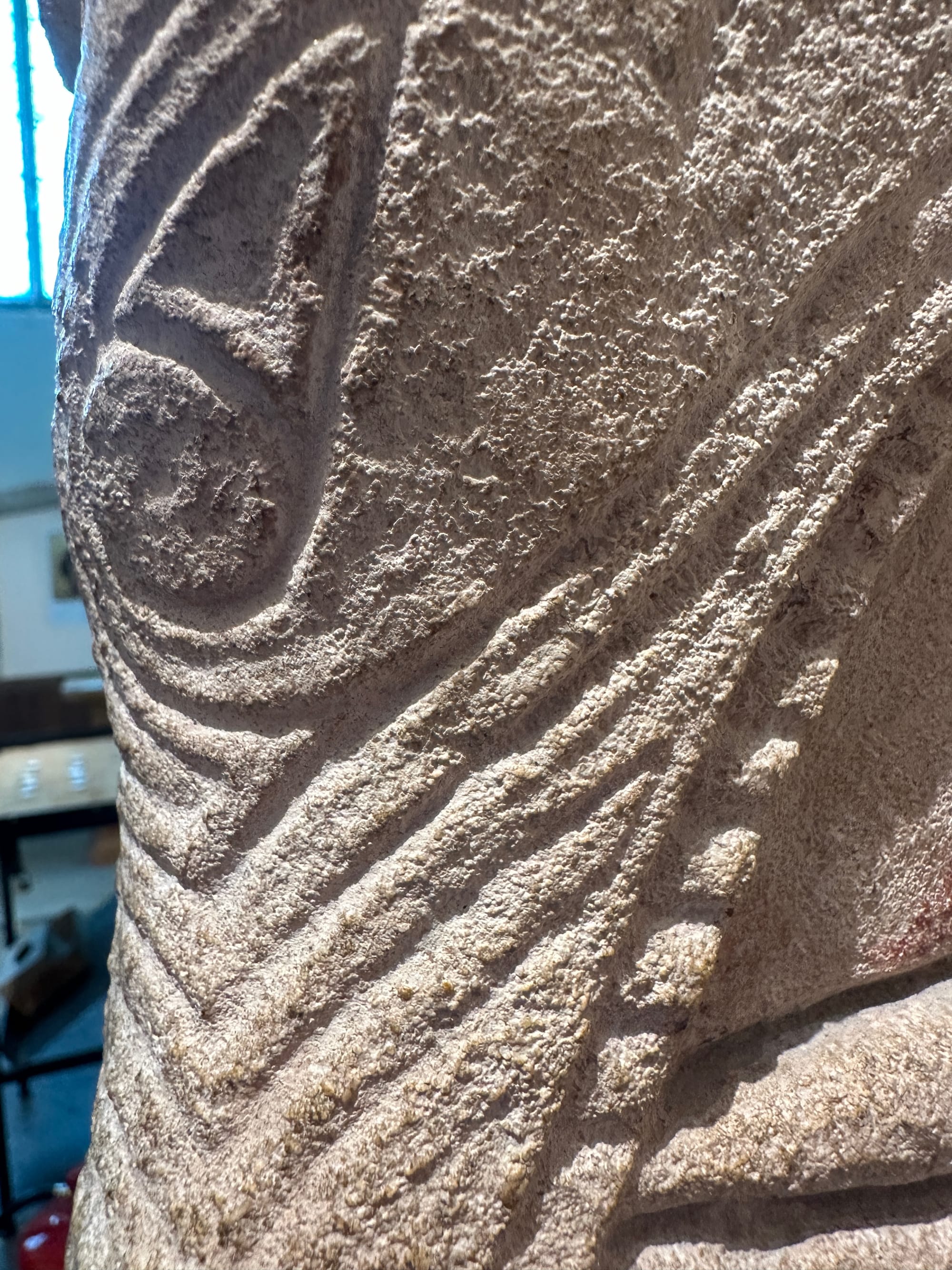
This is one of the most powerful pieces of nonverbal communication I have encountered. In our modern age, the equivalent might be Edvard Munch’s The Scream.
St. Mary's, Deerhurst, Gloucestershire.
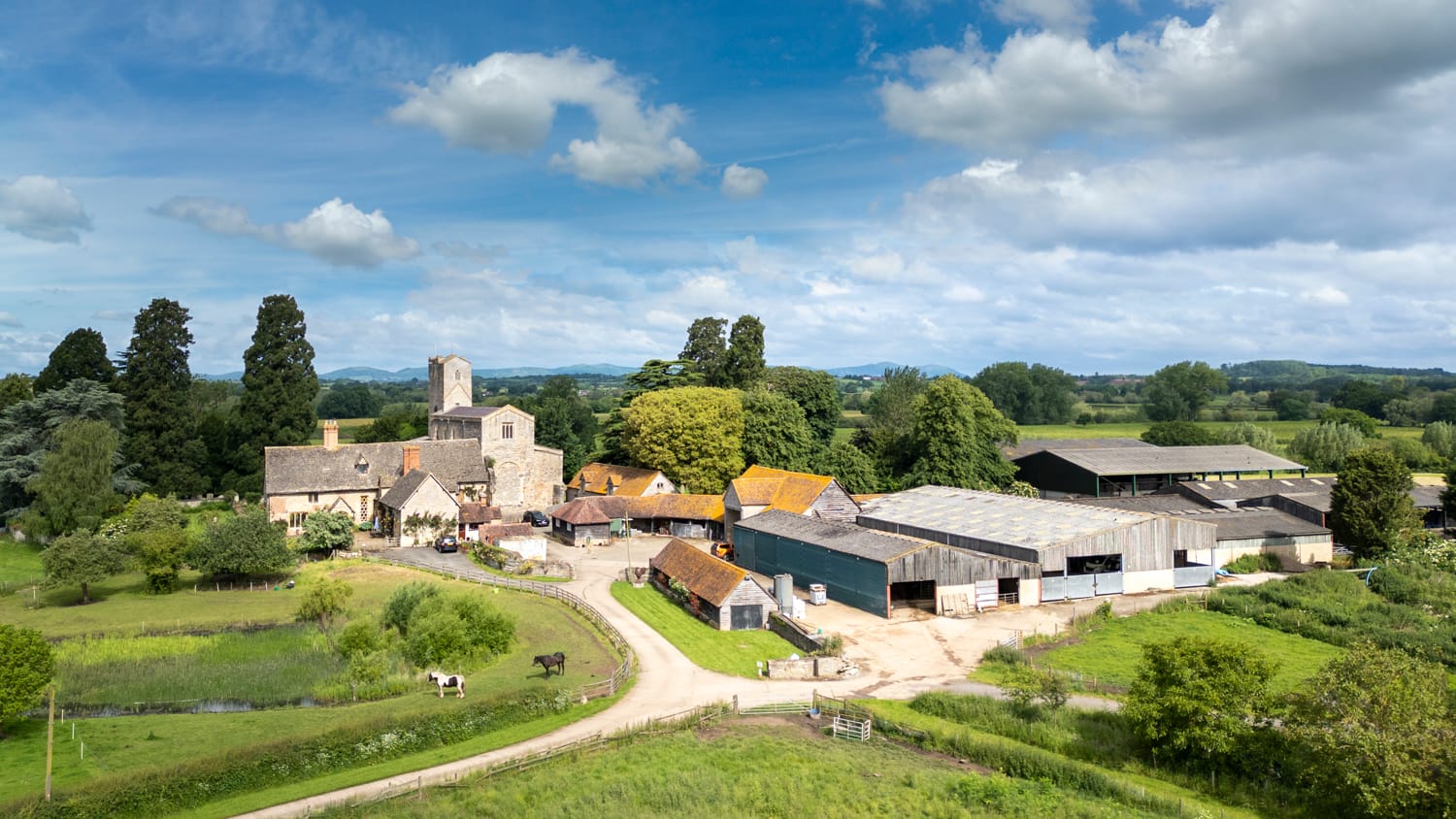
St. Mary's, Deerhurst sits within a bucolic setting. Set amongst the Gloucestershire countryside it nestles within a farm complex with origins in the original monastery on this site. This area was the scene of the treaty between Canute and Edmund Ironside in 1016AD.
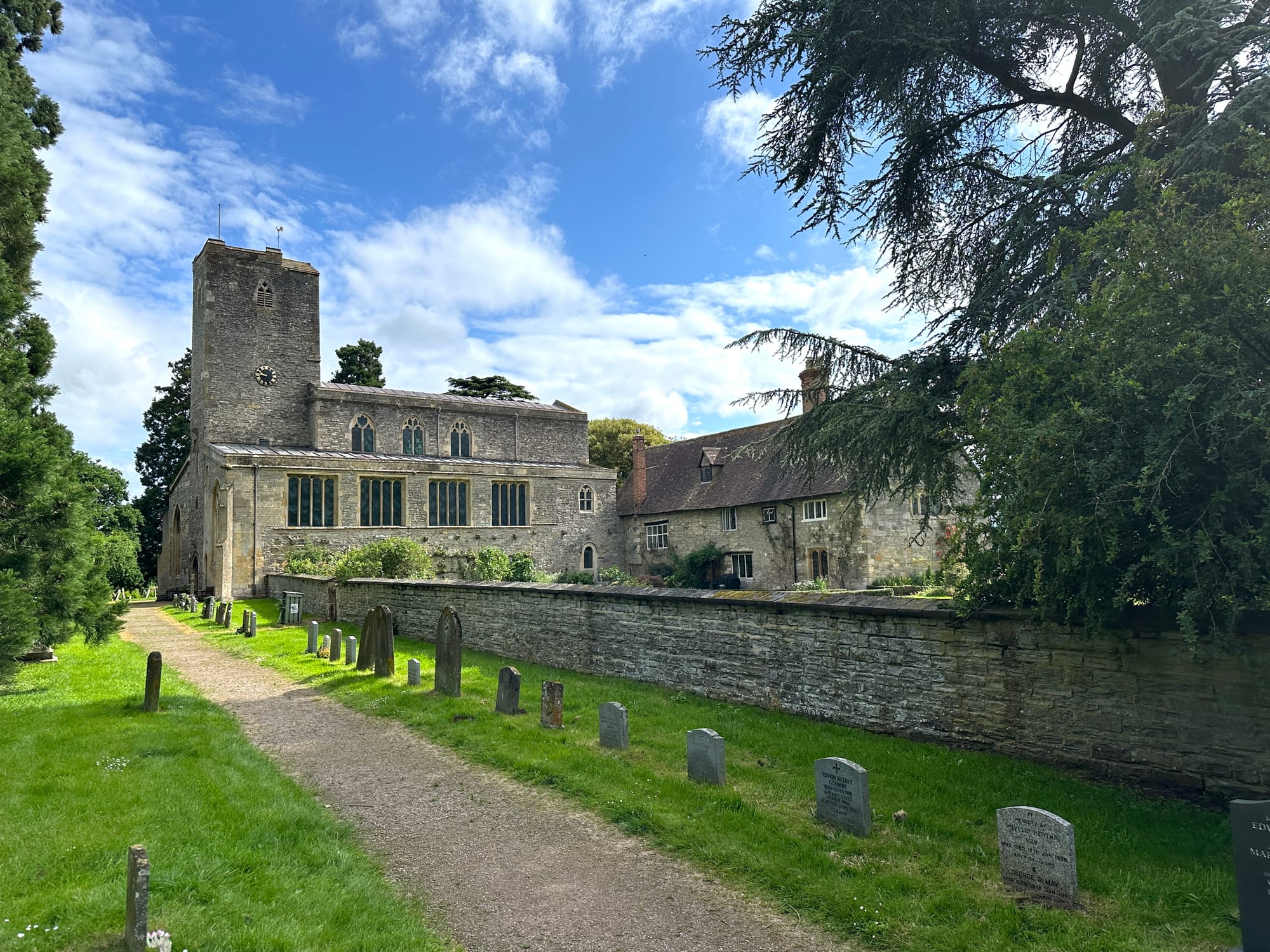
The church has significant Anglo-Saxon remains both outside and inside dating from the C9th onwards. Remarkably the outline of the original Saxon apse can still be seen at the east end, in front of the farmhouse which has origins in the original monastery on the site.
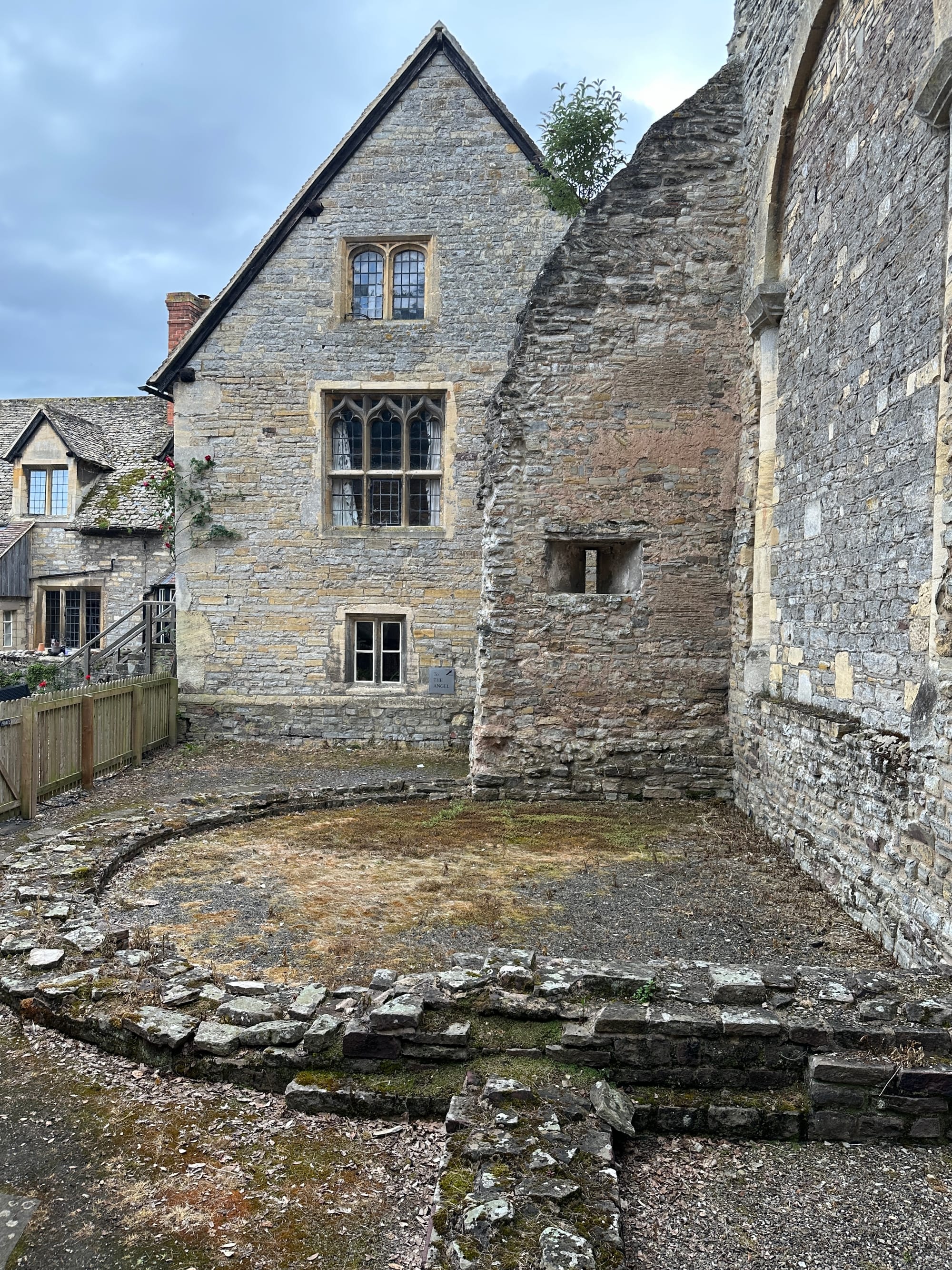
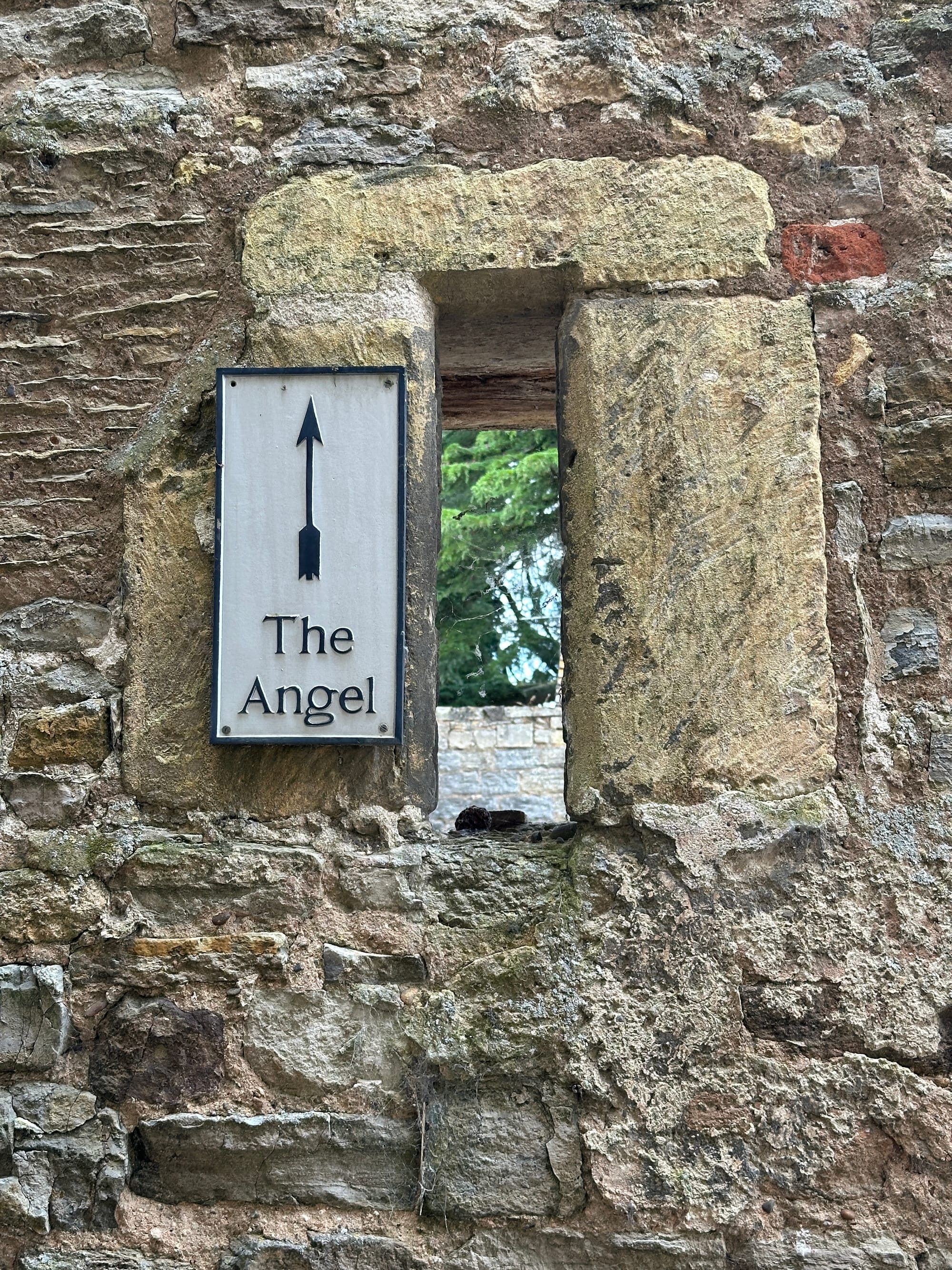
Walk around to the gable of the farmhouse, turn around, look up and you will see angels.
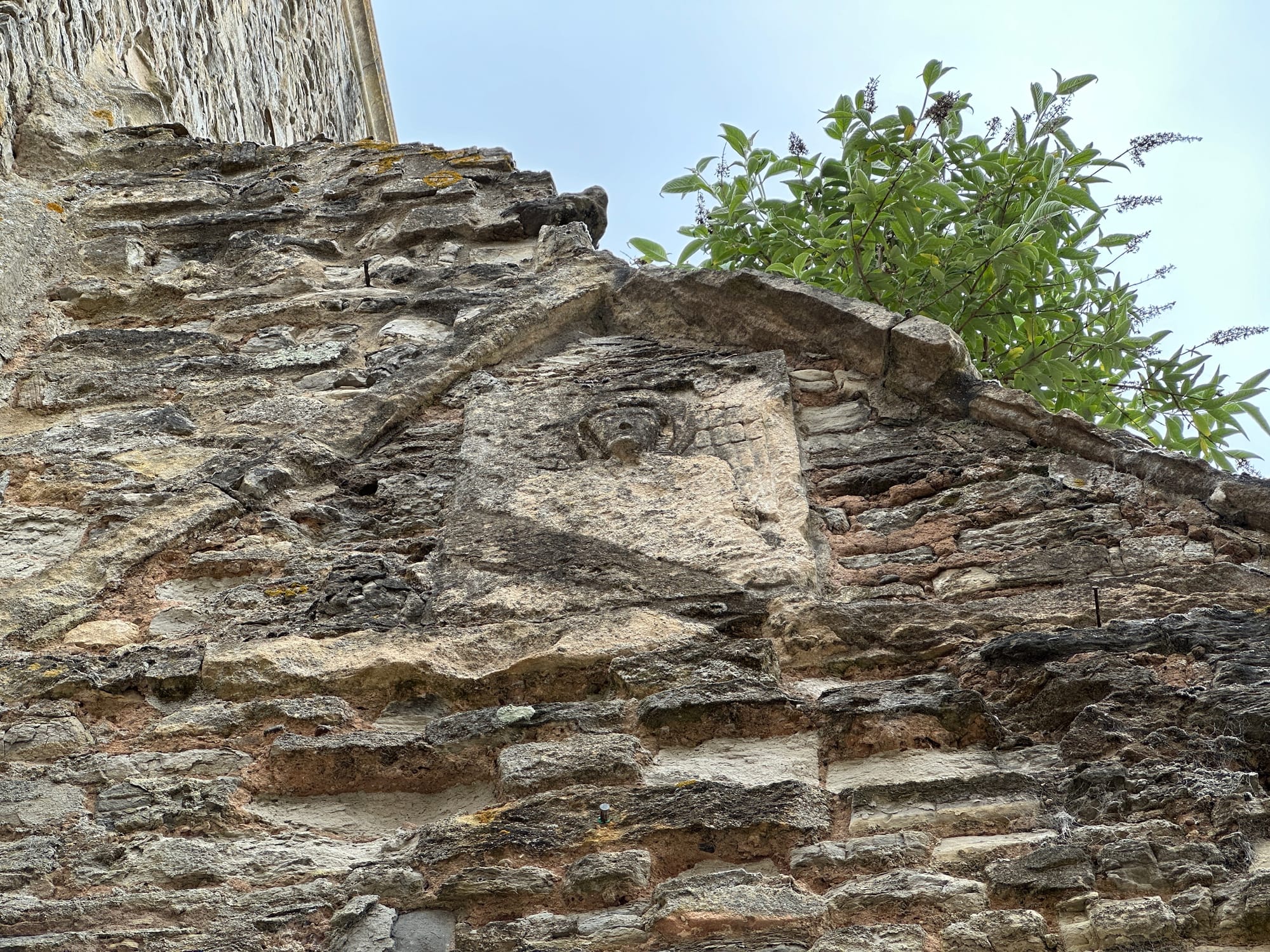
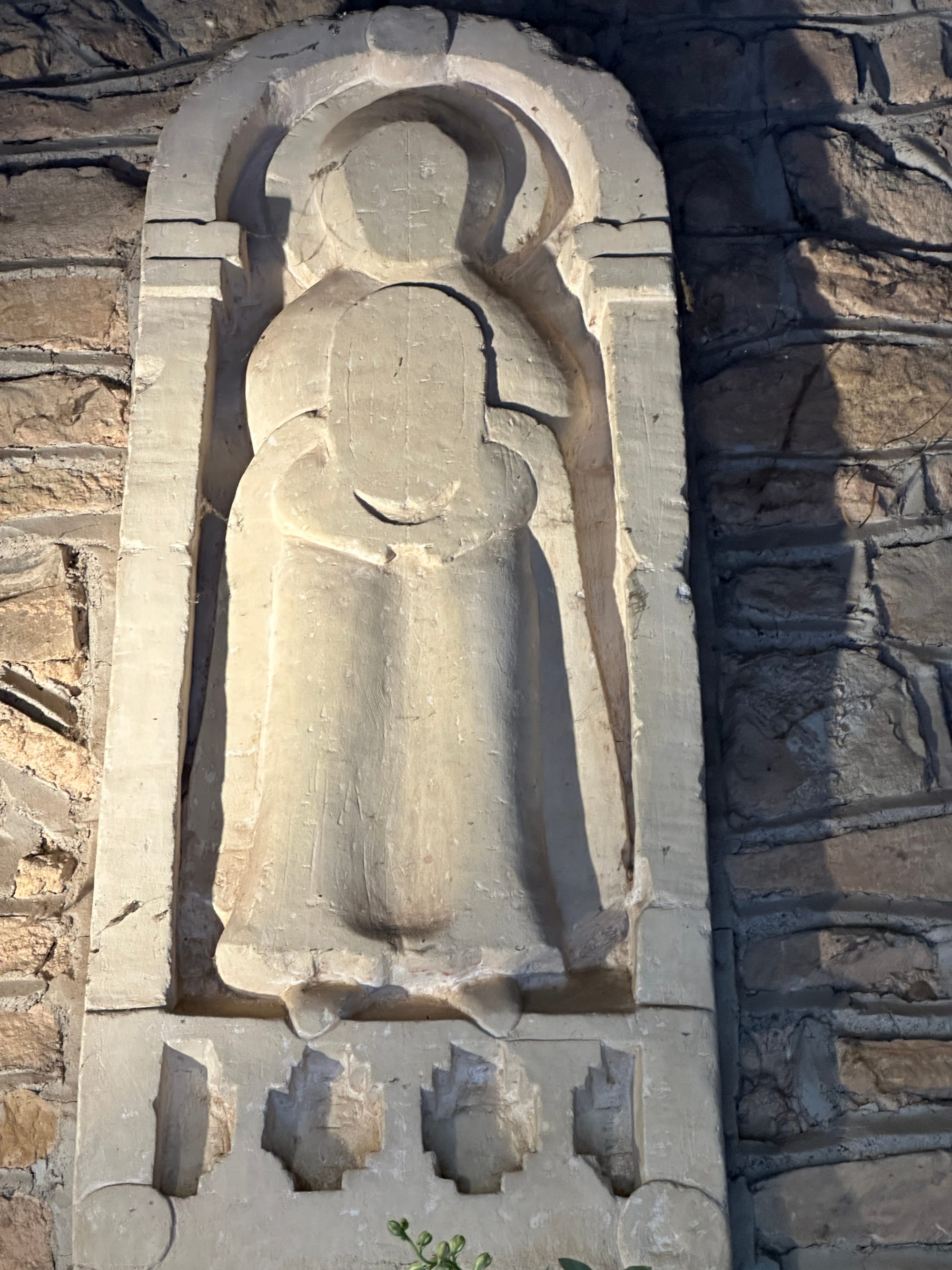
Inside, we are greeted by an C8th Virgin with Child that might have been part of the destroyed apse (alongside the angel). Some painting still survives on the stone.
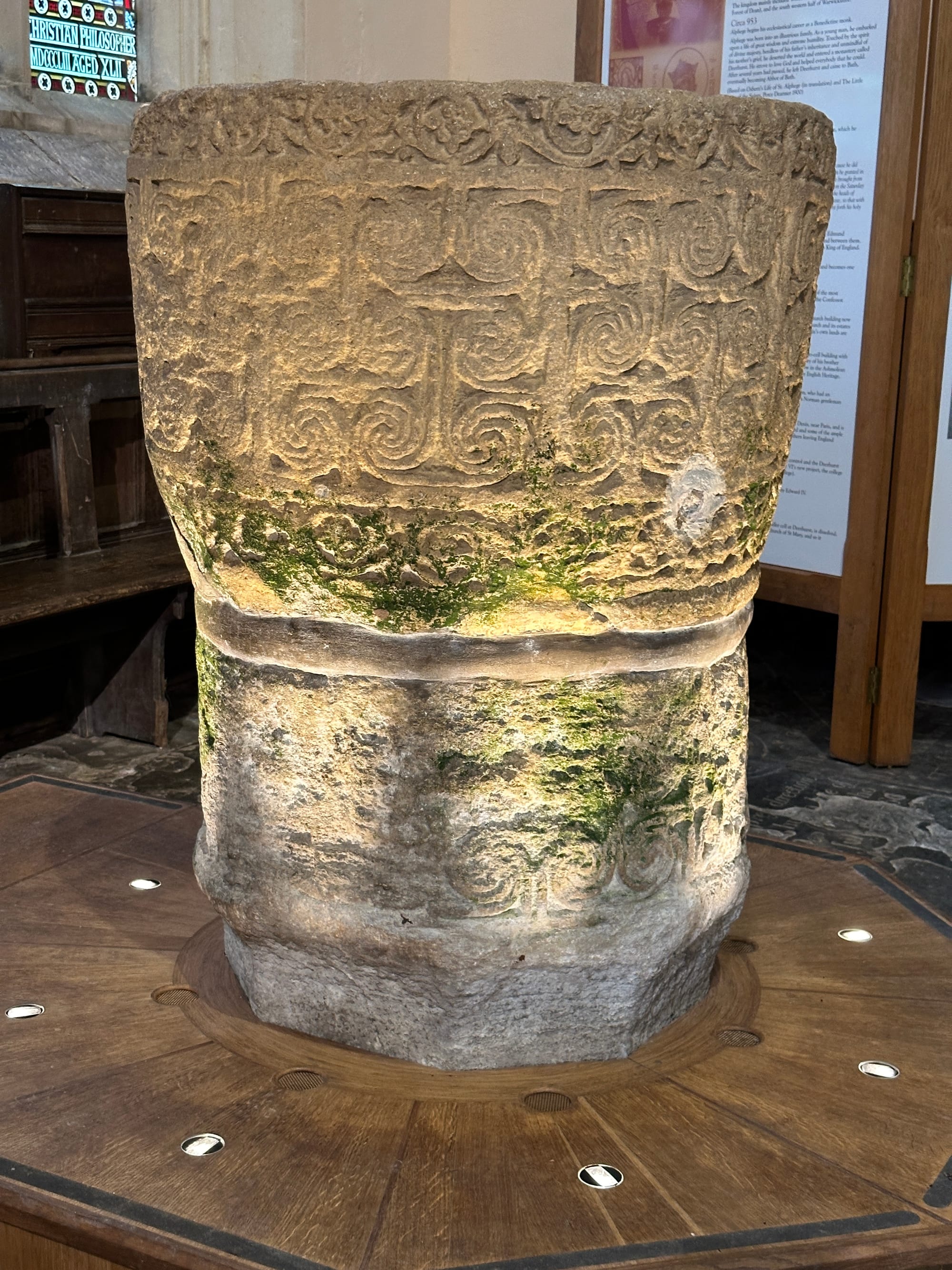
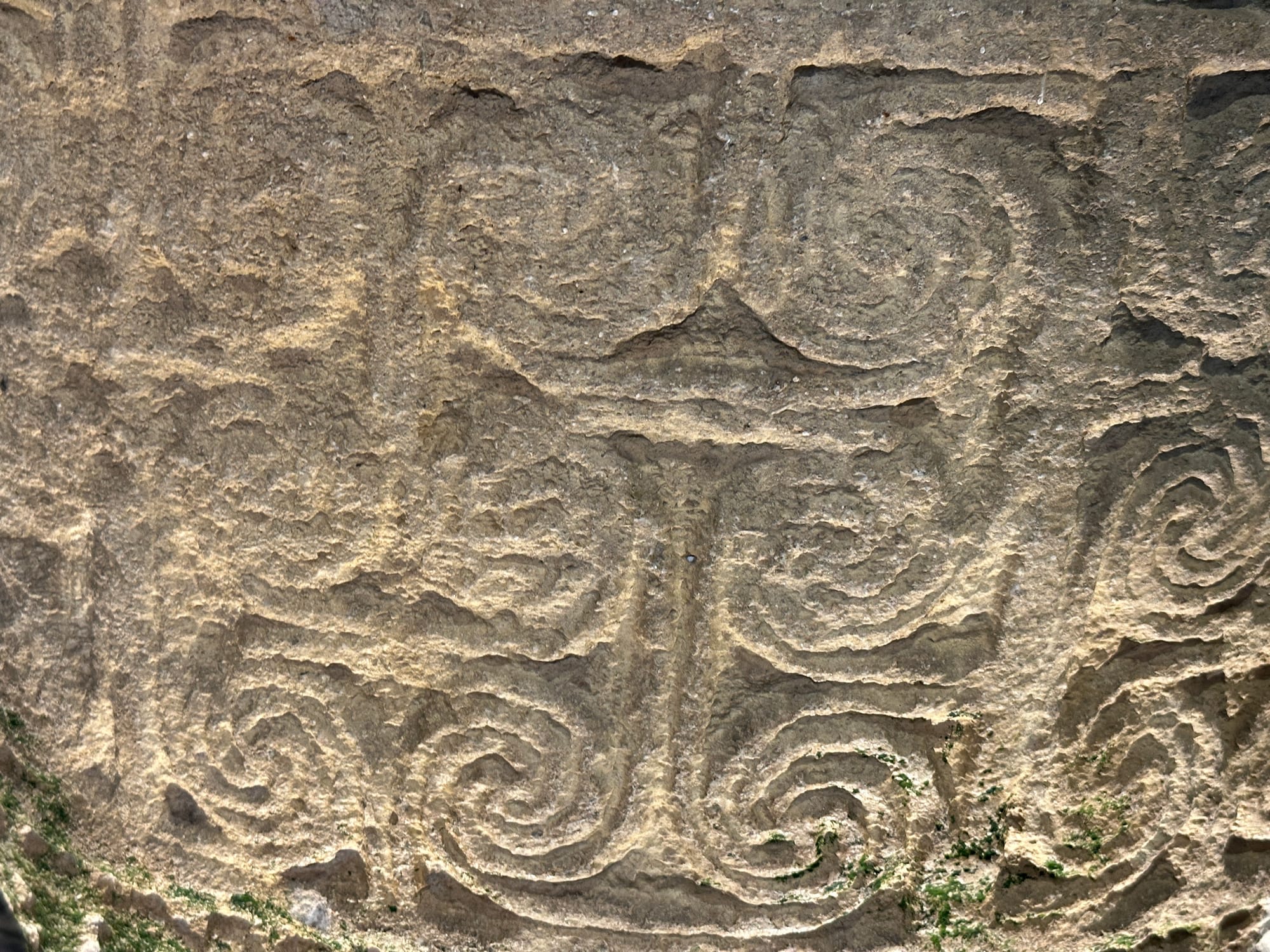
Once again, another remarkable design - the C9th tub font - is Anglo Saxon - covered in swirls and swags with Celtic intonations. Apparently it was used as a water butt on a farm for many years.
Connect with me on: Bluesky / Instagram / Facebook / X / Tumblr / Flickr / Vimeo / Pixelfed / Pinterest

Member discussion