
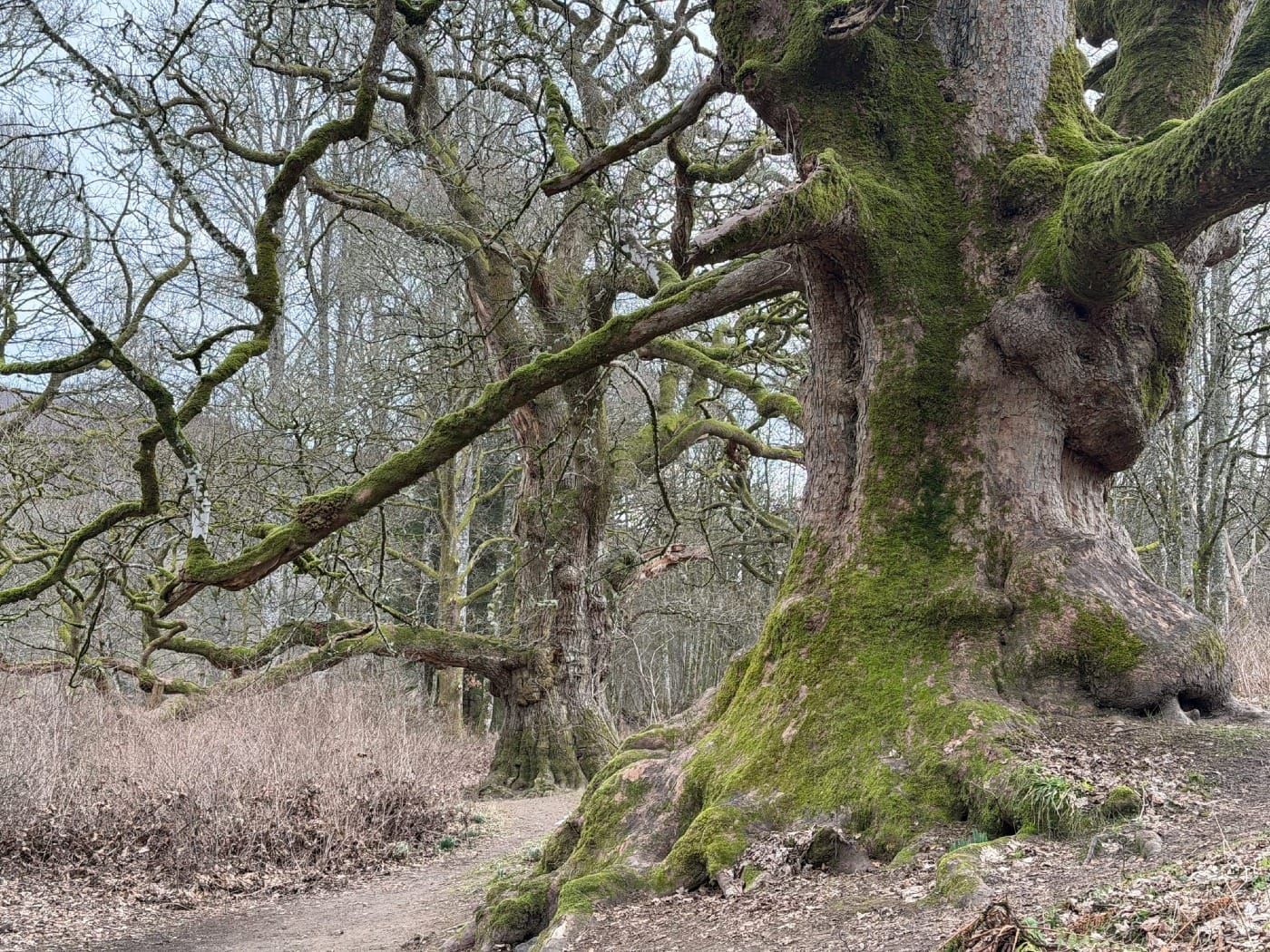
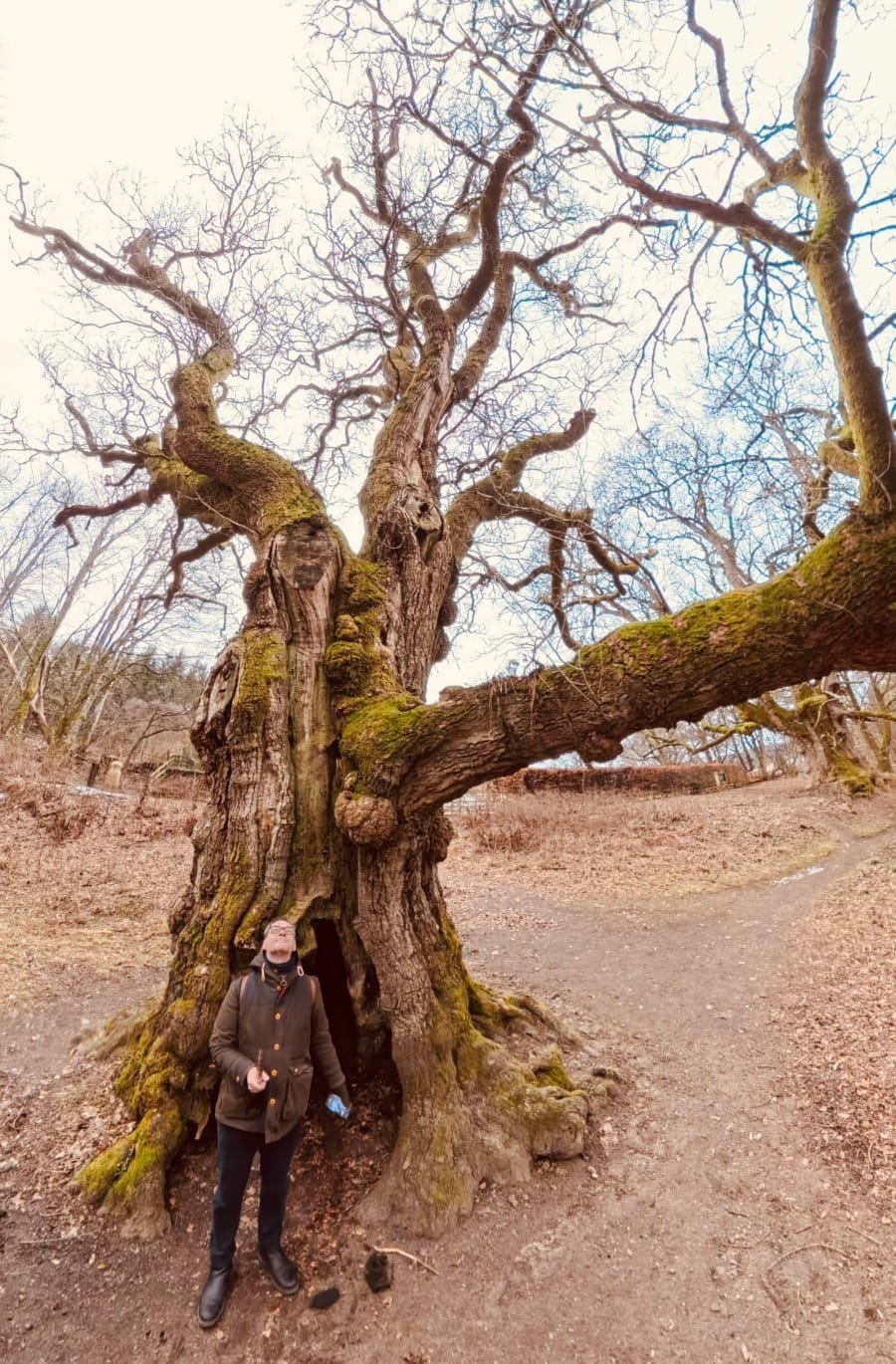
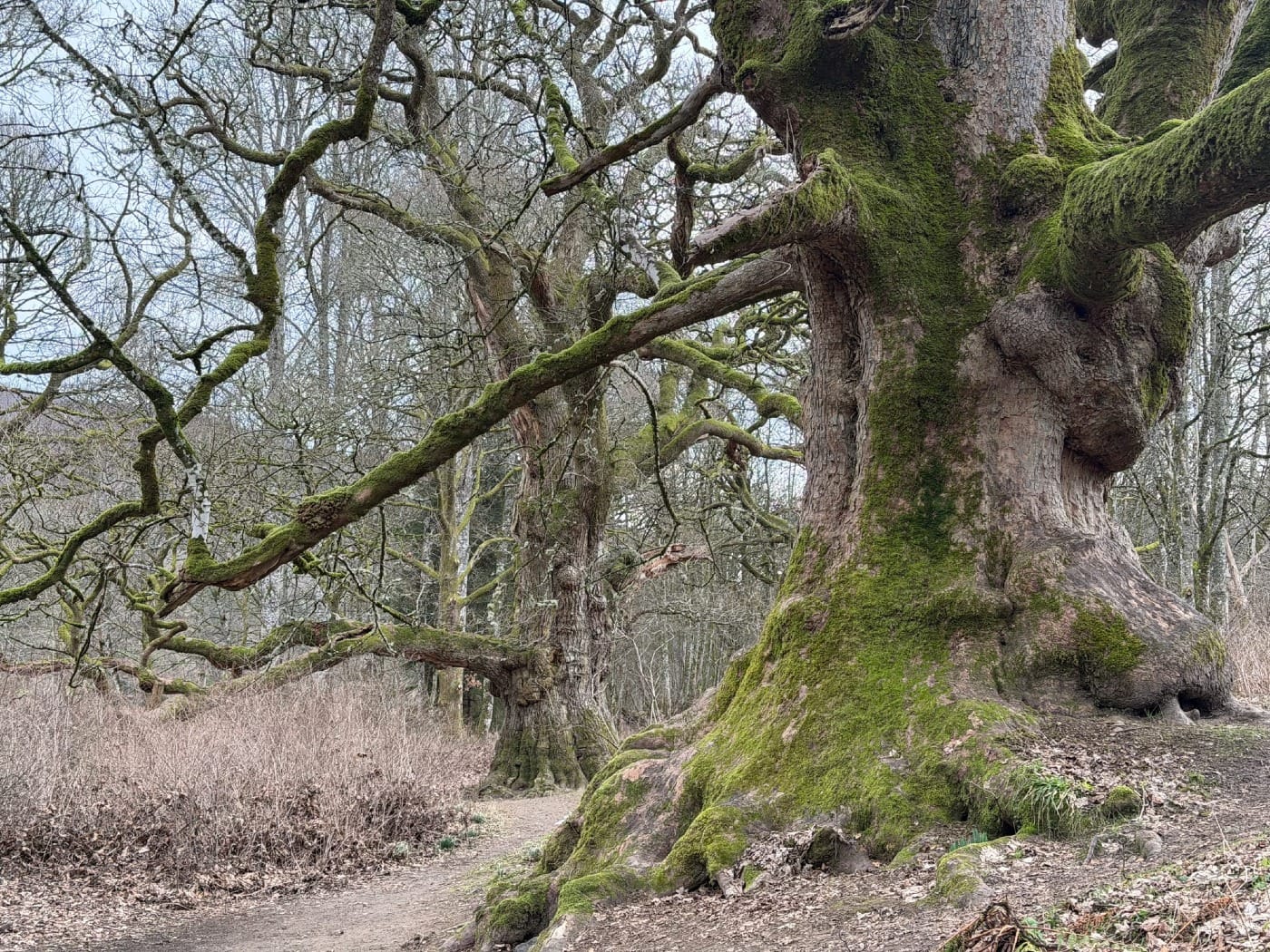
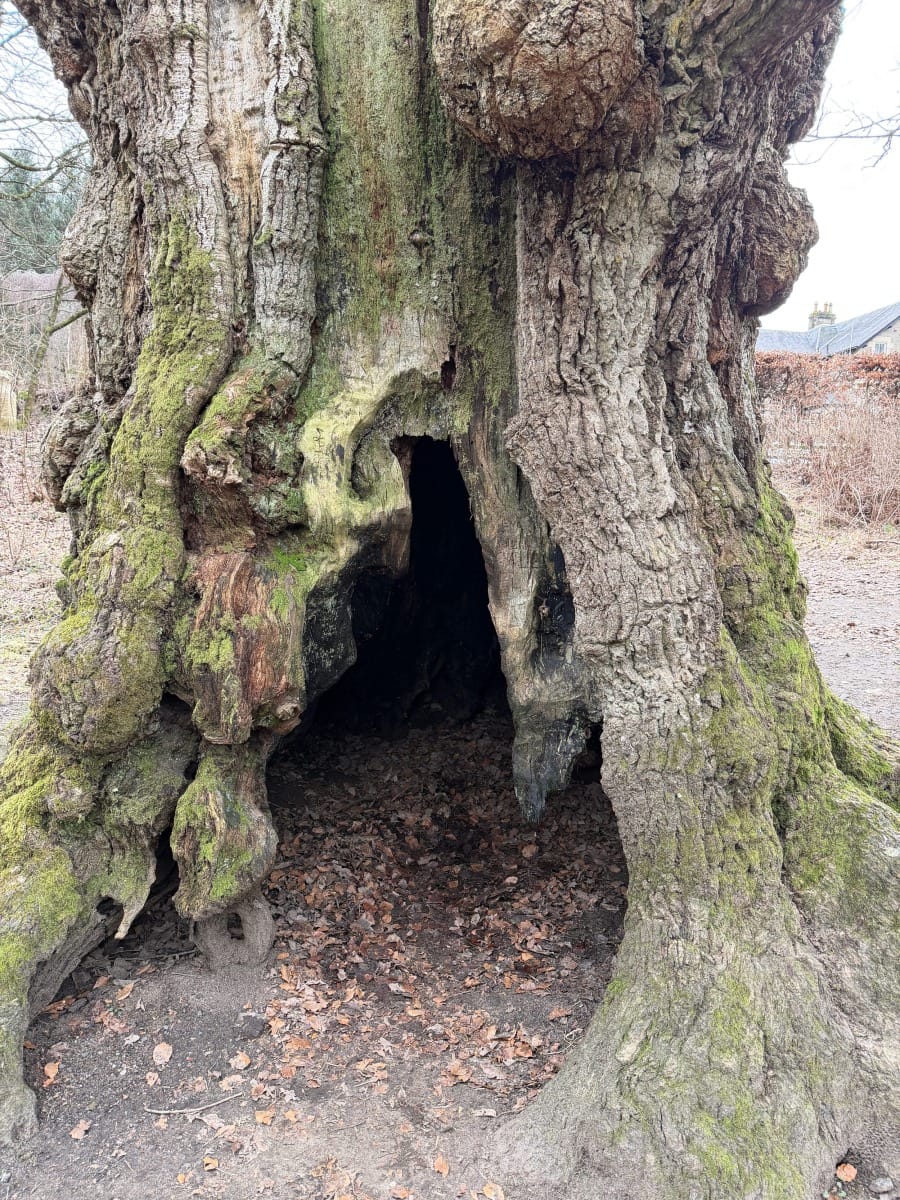
Not more than a mile away from Dunkeld in Scotland stands a real rarity. The Birnam Oak stretches out towards the Tay - a vast, hollowed bowl of timber, its trunk split and contorted, its limbs propped and sprawling, bark thick as armour. It feels less like a tree and more like a living remnant of another age.
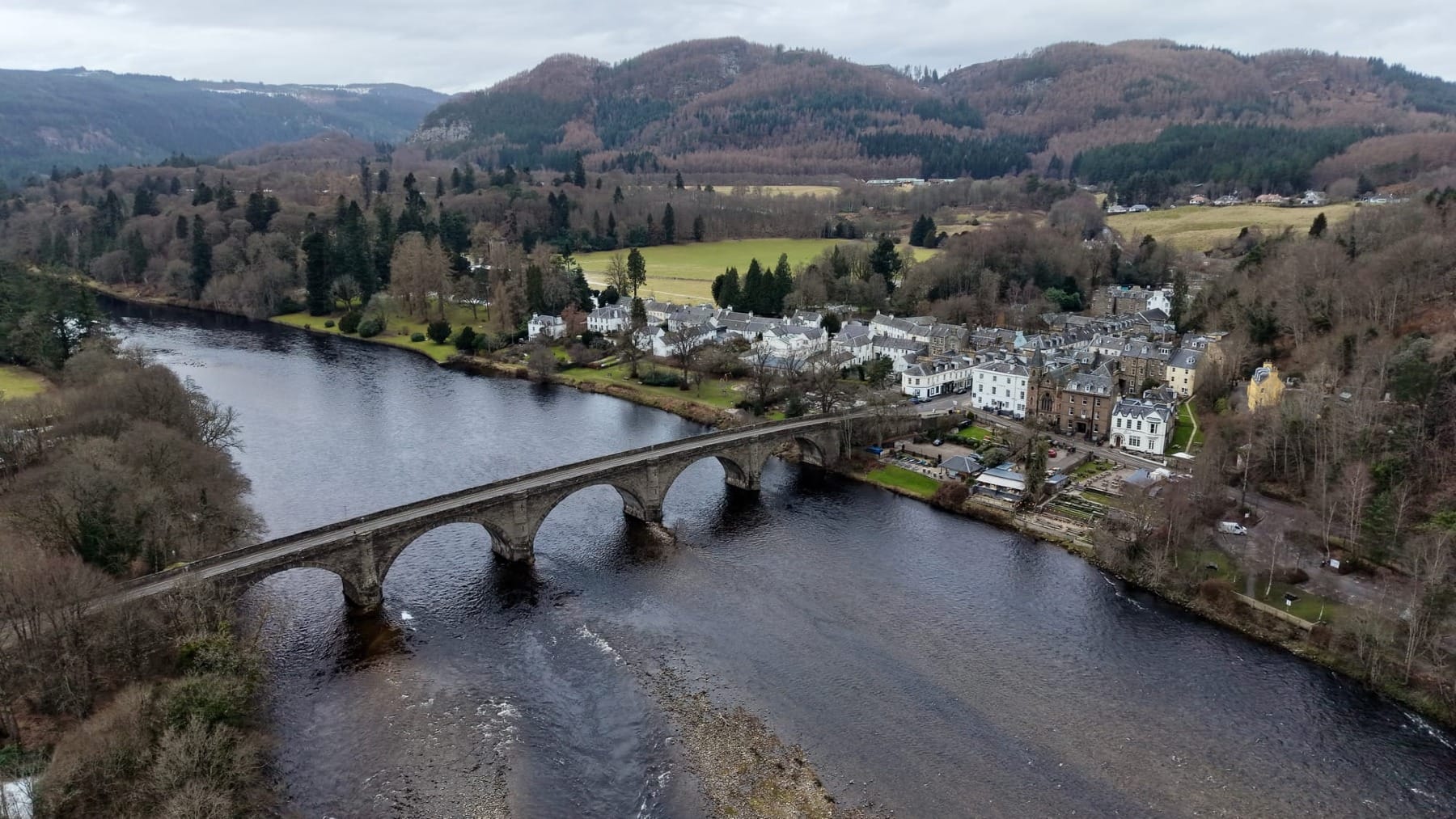
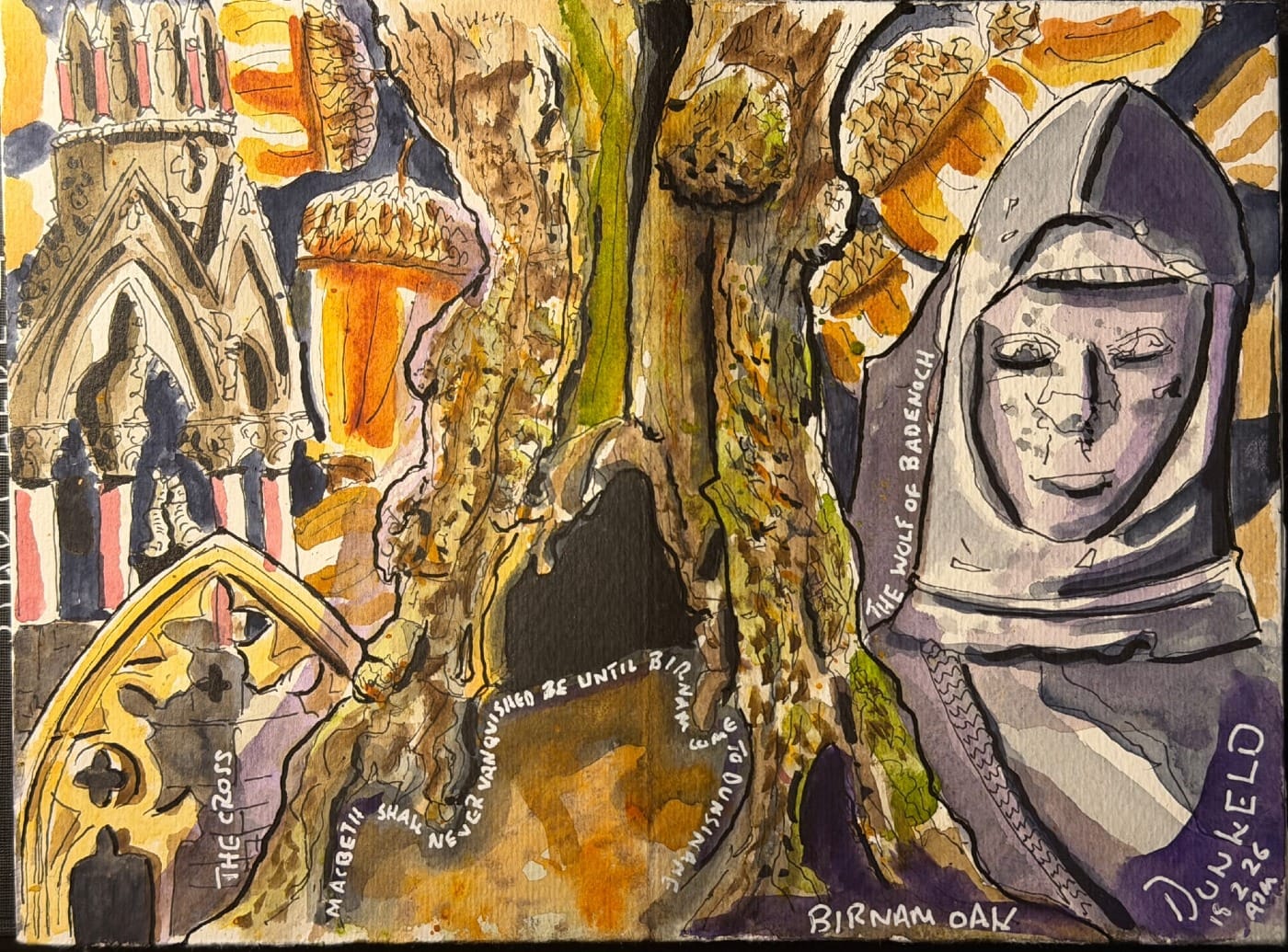
It was Birnam that became the turning point in Shakespeare’s Macbeth. After his violent ascent to kingship, Macbeth is told he will remain safe until Birnam Wood comes to Dunsinane - a prophecy that appears impossible.
Forests do not march and trees do not uproot themselves. And yet the impossible happens - his opponents cut branches from Birnam Wood and carry them as camouflage towards Dunsinane Hill. The forest appears to move. The prophecy is fulfilled. The moral imbalance created by Macbeth’s unnatural force corrects itself.
This oak was a sapling when Shakespeare wrote those lines.
Macbeth achieves his crown through violence against the moral order of his world. What the oak represents for me is the inevitable reassertion of that order.
I walk around the tree in awe at its size, but my eye is drawn to something smaller - an acorn resting in the leaf mould. How mighty is this thing that fits within the palm of my hand?
Connect with me on: Bluesky / Instagram / Facebook / X / Tumblr / Flickr / Vimeo / Pixelfed / Pinterest

Member discussion