
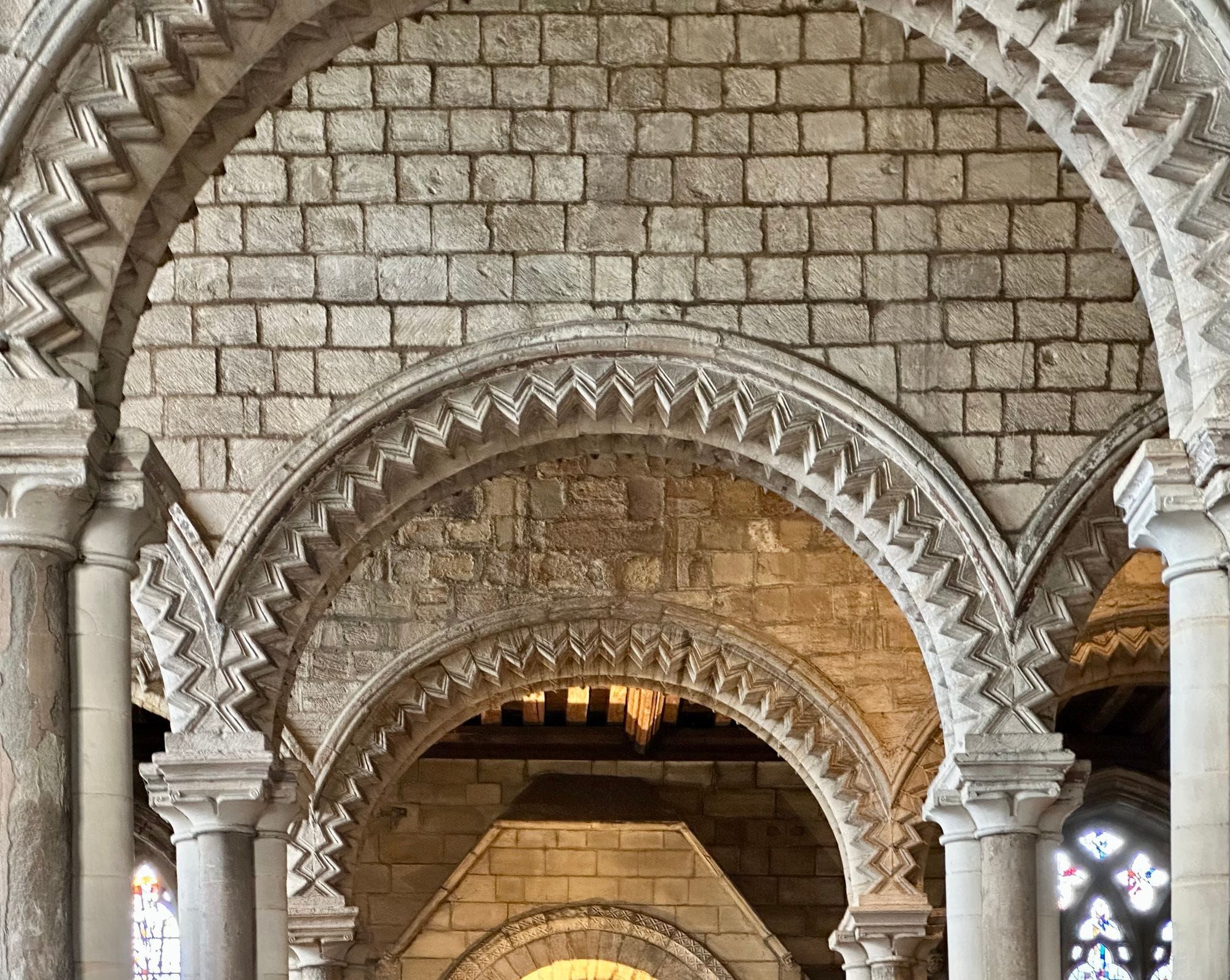
If this chapel were not attached to Durham Cathedral, it would be regarded as a separate wonder on its own. It houses the tomb of Bede and is adorned with art from my guru architect, George Pace.
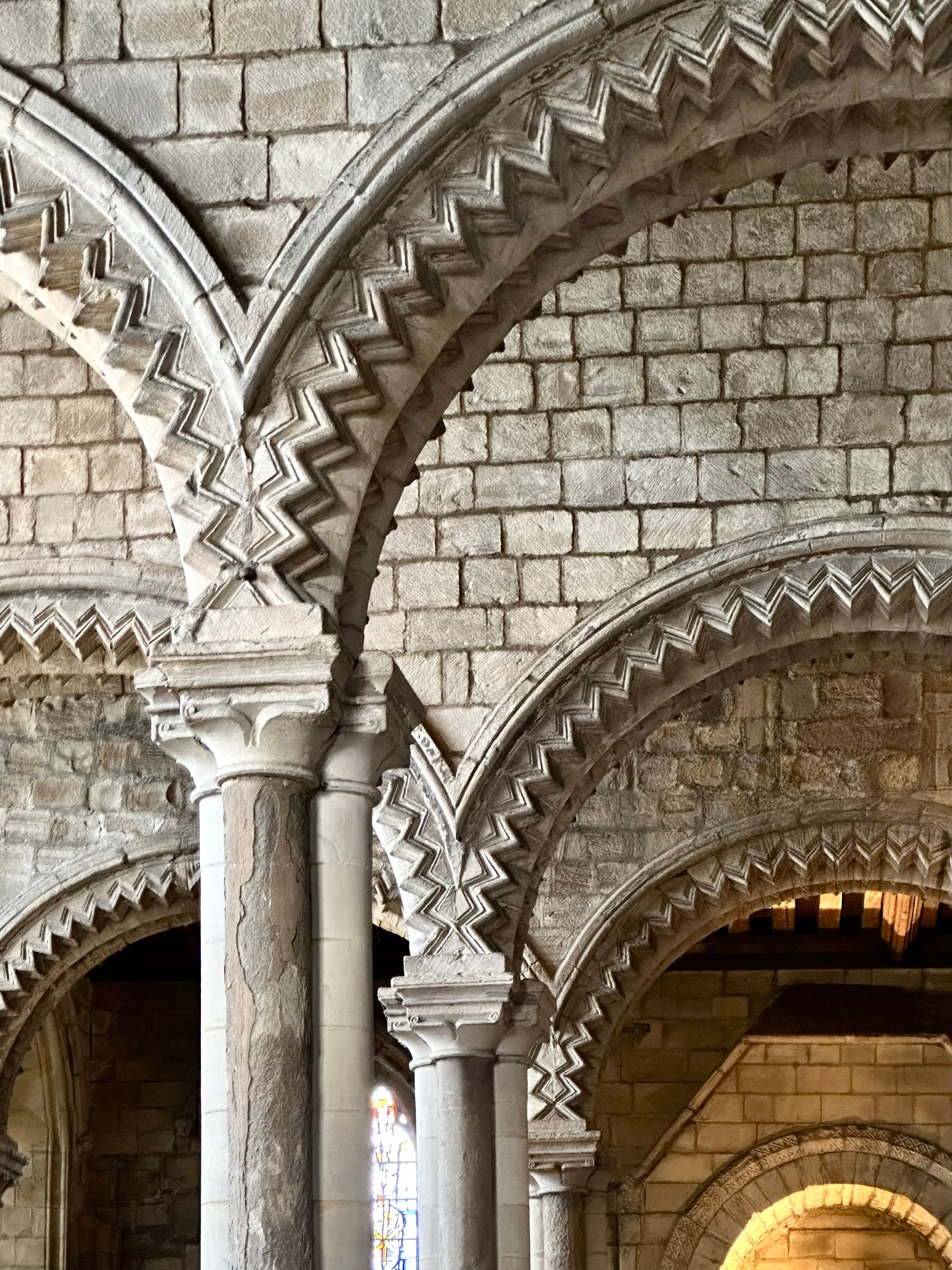
Built in 1170, it offers a transitional glimpse of the lighter, airier stylistic elements that would evolve into Gothic. I cannot help wondering whether Islamic architecture lies somewhere behind its visual language.
Architectural ideas travelled with pilgrims, merchants, crusaders and craftsmen, allowing forms and motifs to migrate far beyond their origins. Here, mass begins to dissolve into pattern, light and shadow; Romanesque architecture appears poised on the brink of transformation.
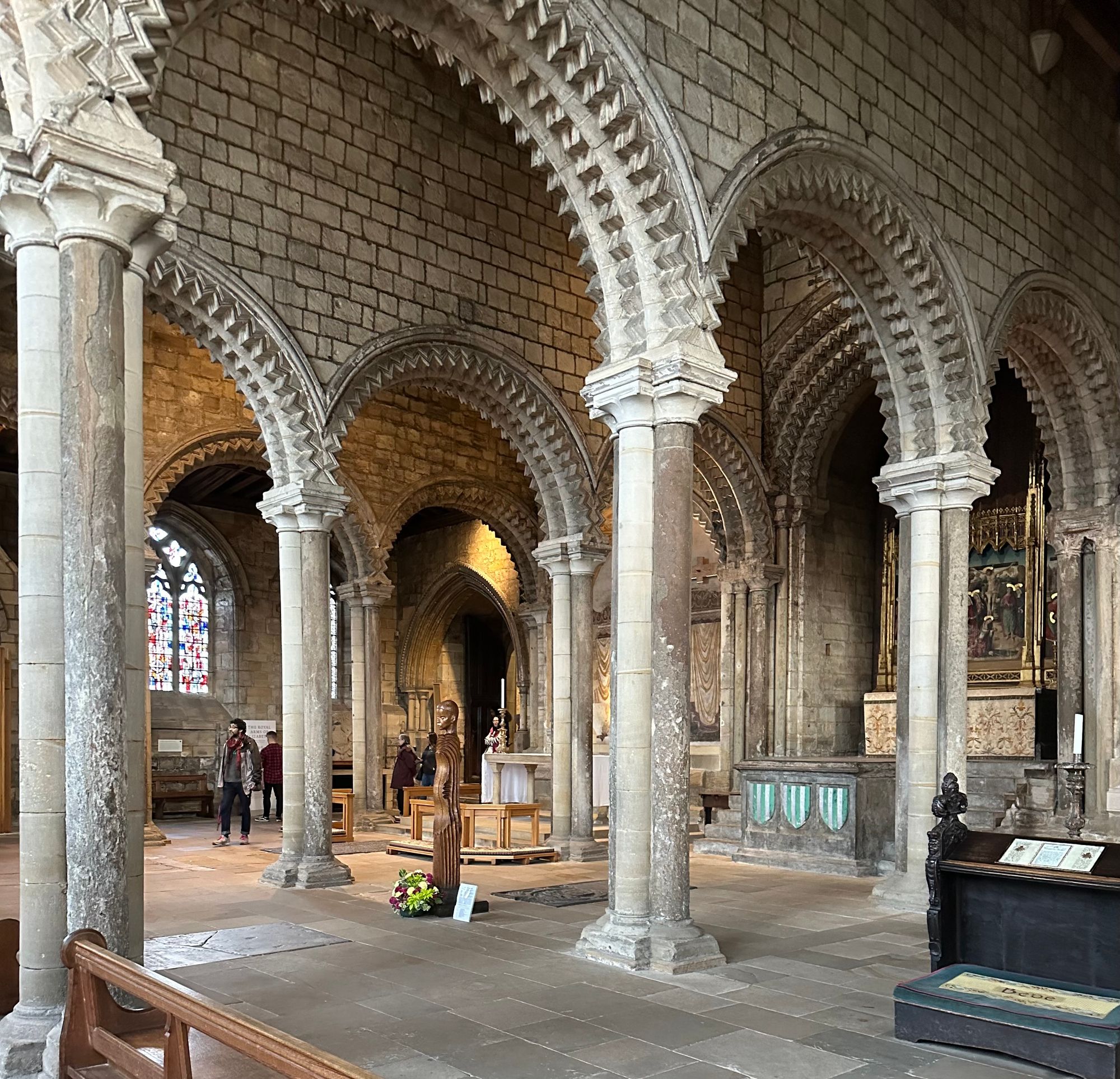
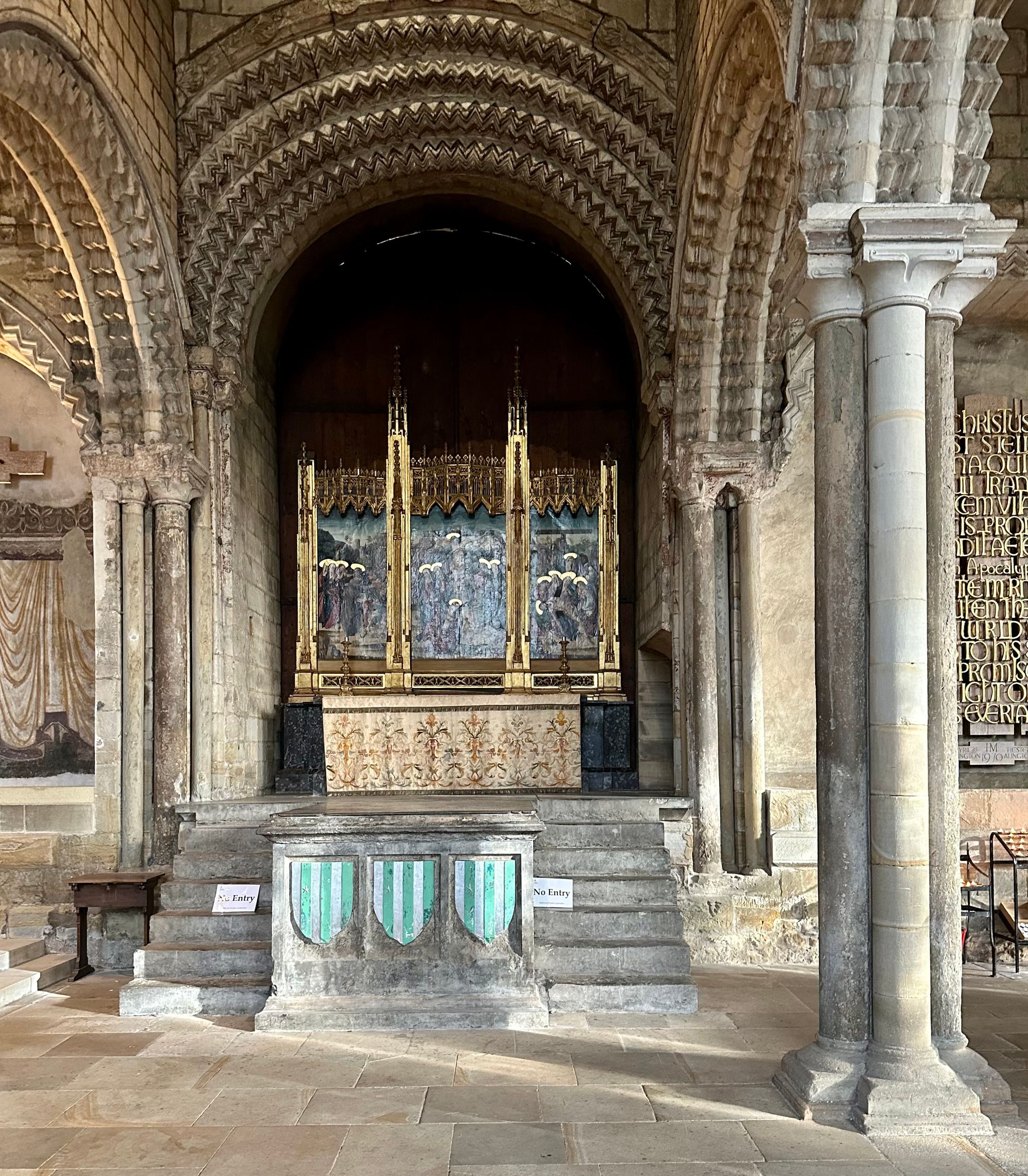
I hark from a town called Middleton in Greater Manchester, and another son of that town, Thomas Langley -who was Bishop of Durham (also Bishop of York, Lord Chancellor to three kings and Britain's first foreign minister) - refurbished the roof and added the fenestration. He is buried in the Galilee chapel, and the three green striped shields in the photo above are part of the Middleton coat of arms.
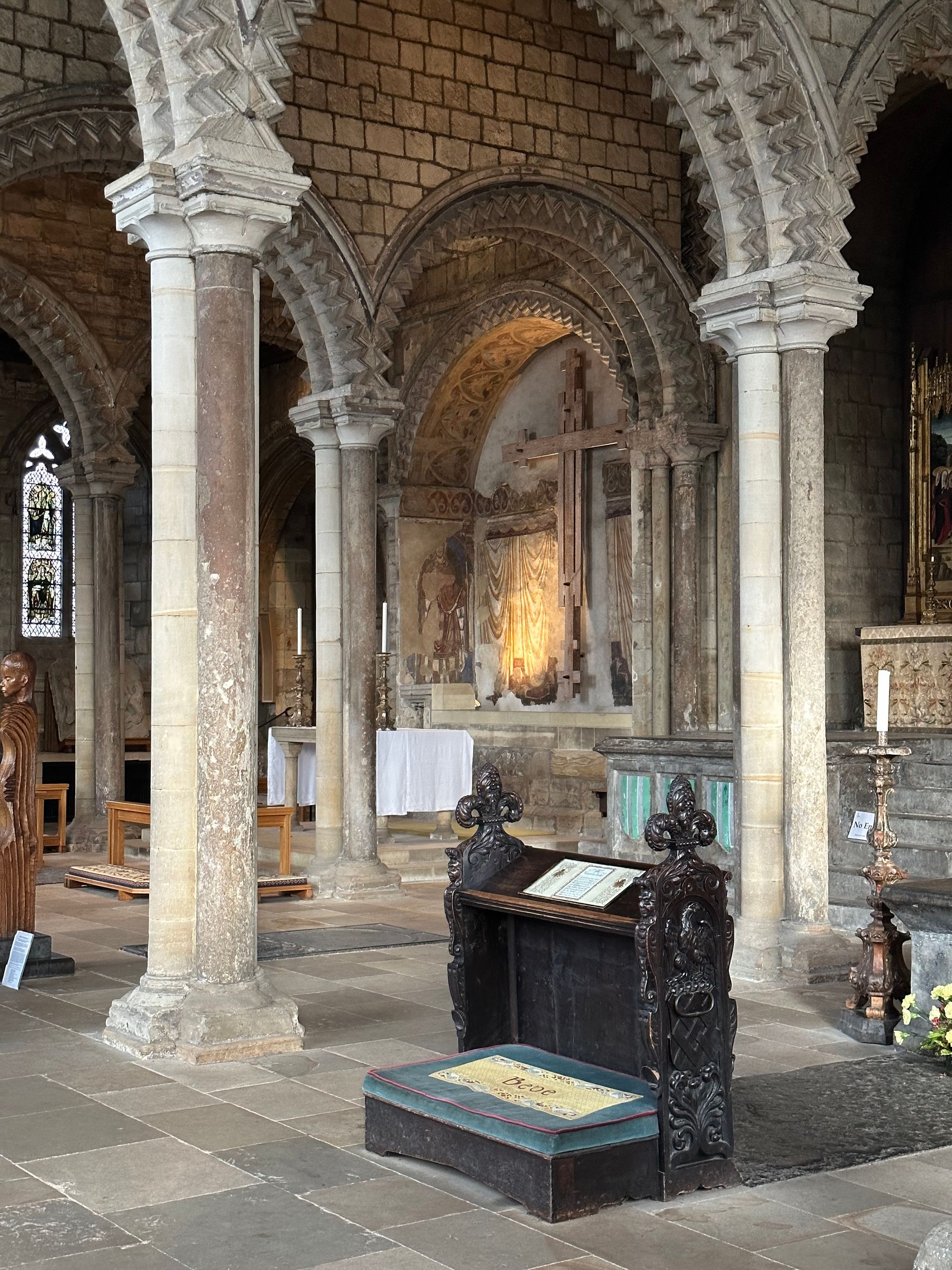
Bede's resting place.
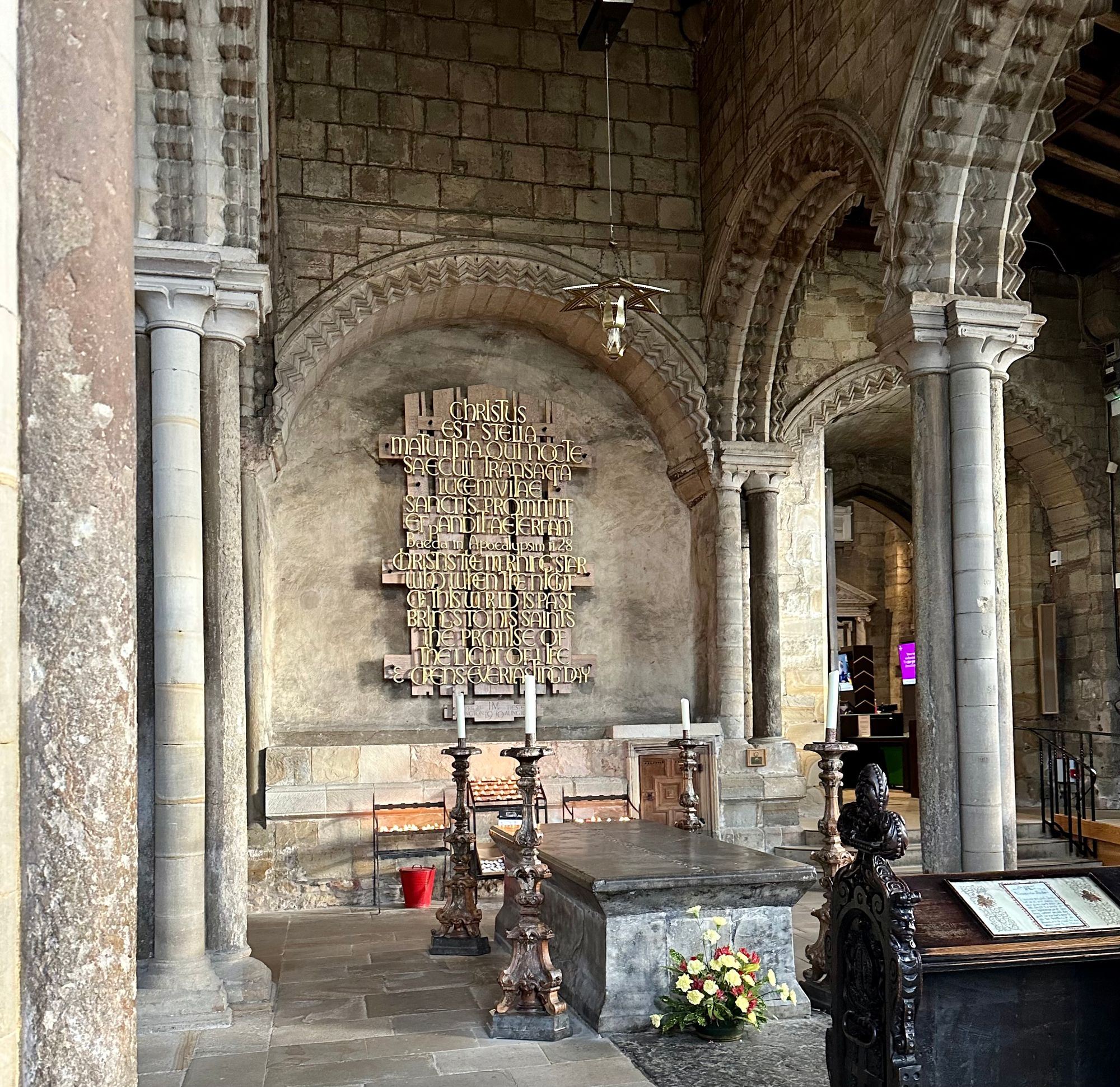
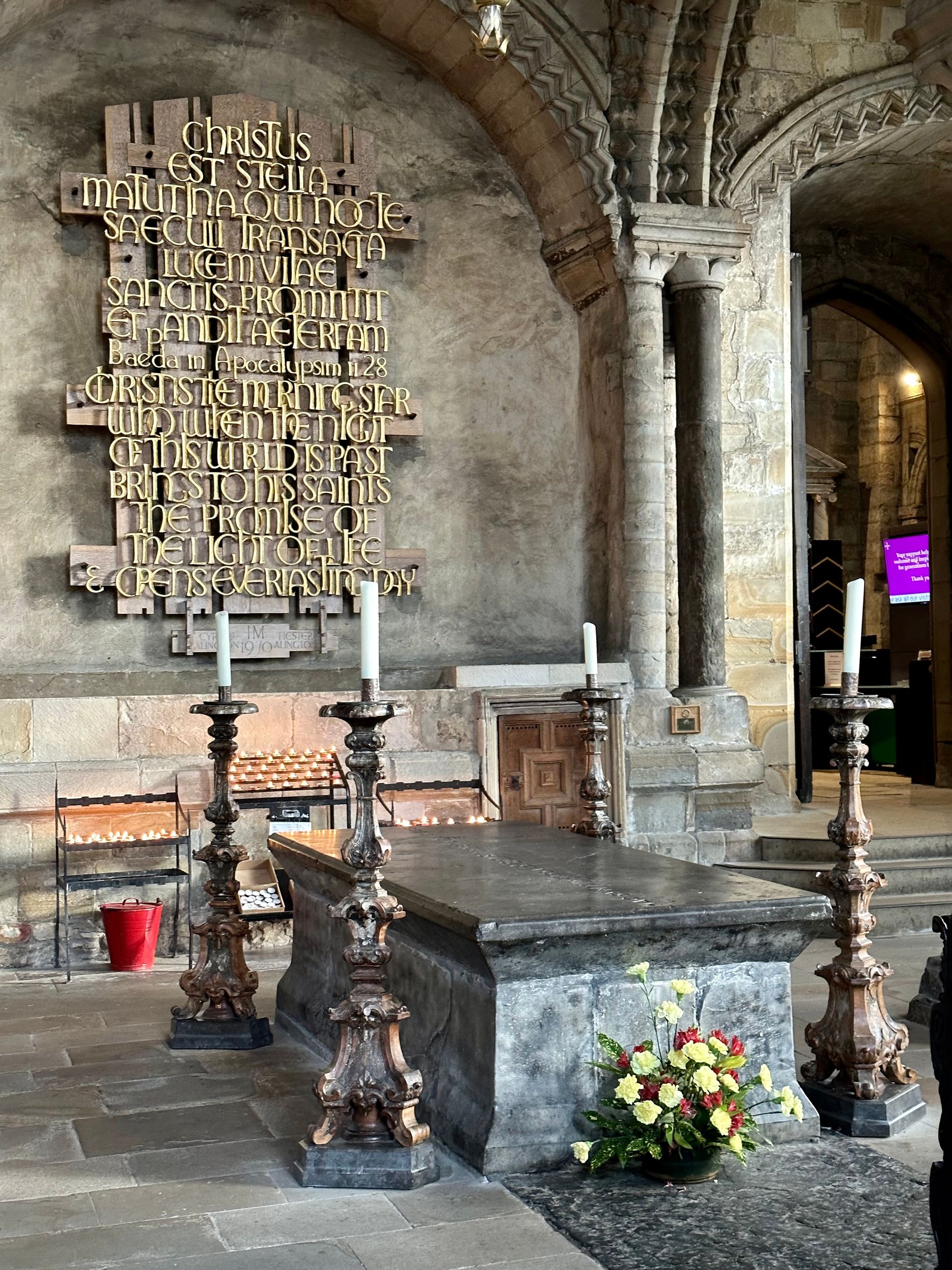
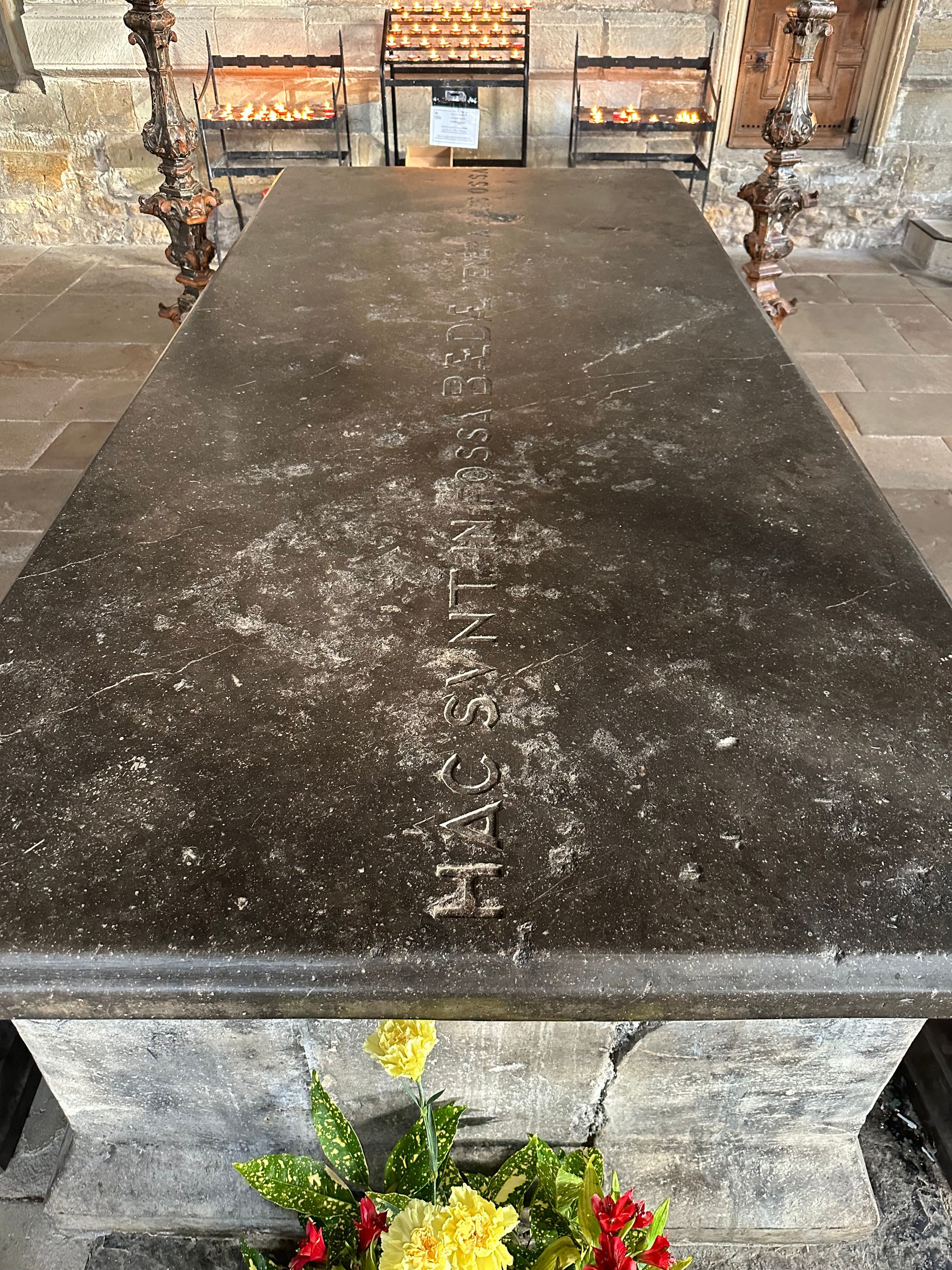
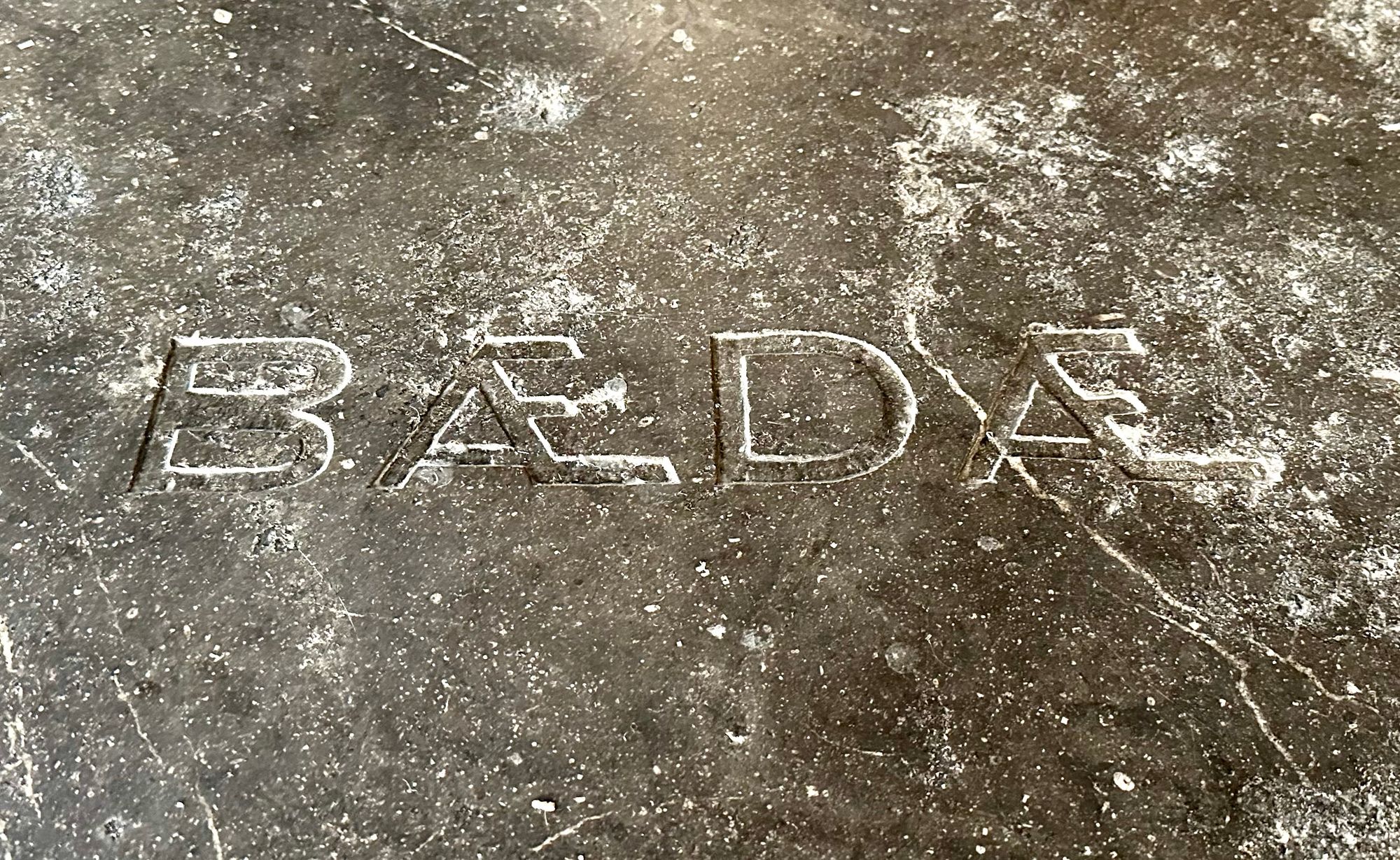
The words at the back of Bede's tomb are designed by George Pace - in a similar font to those at Llandaff Cathedral (see pic below) - the Durham words say:
‘Christ is the morning star who when the night of this world is past brings to his saints the promise of the light of life and opens everlasting day.’
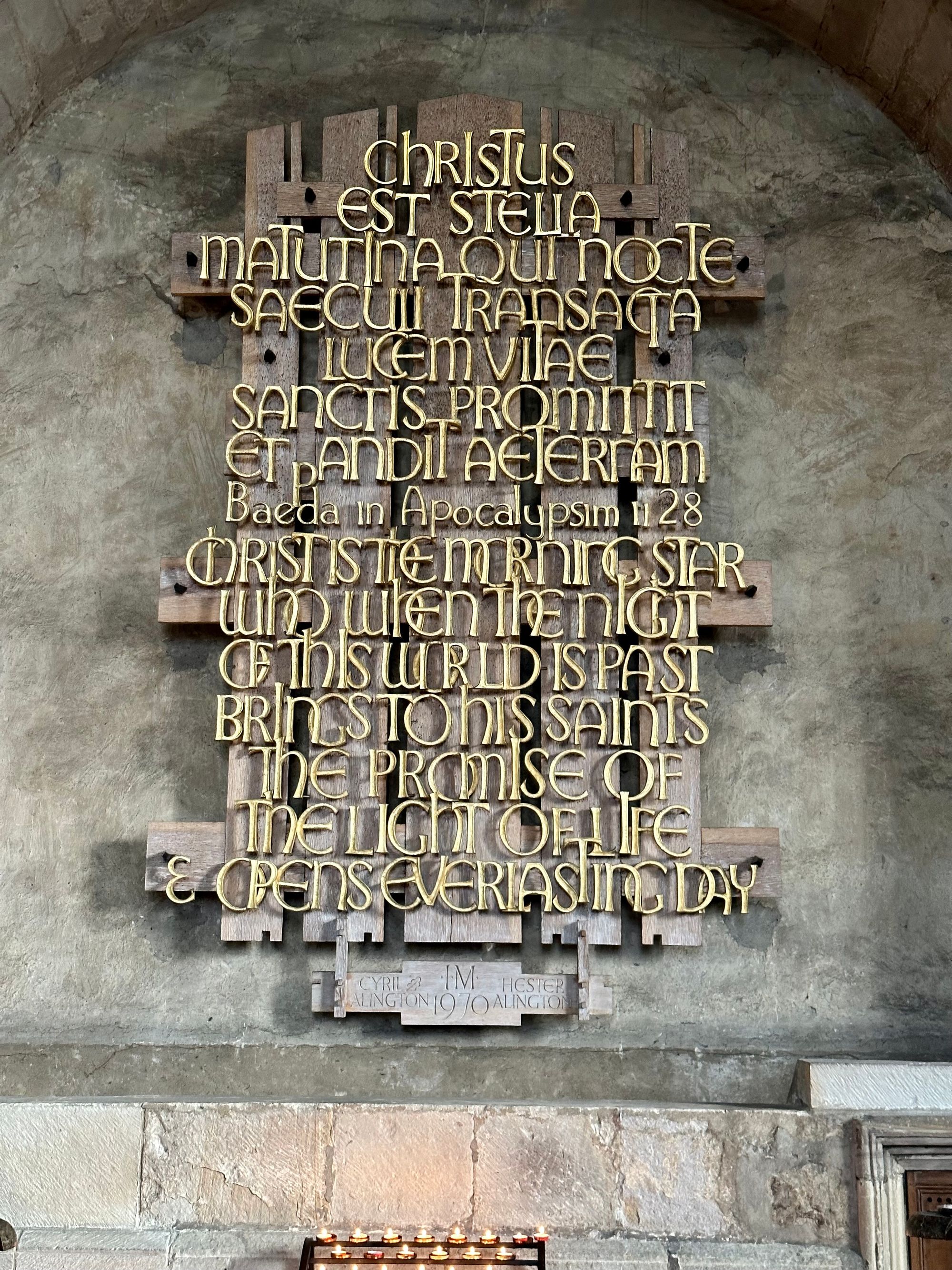
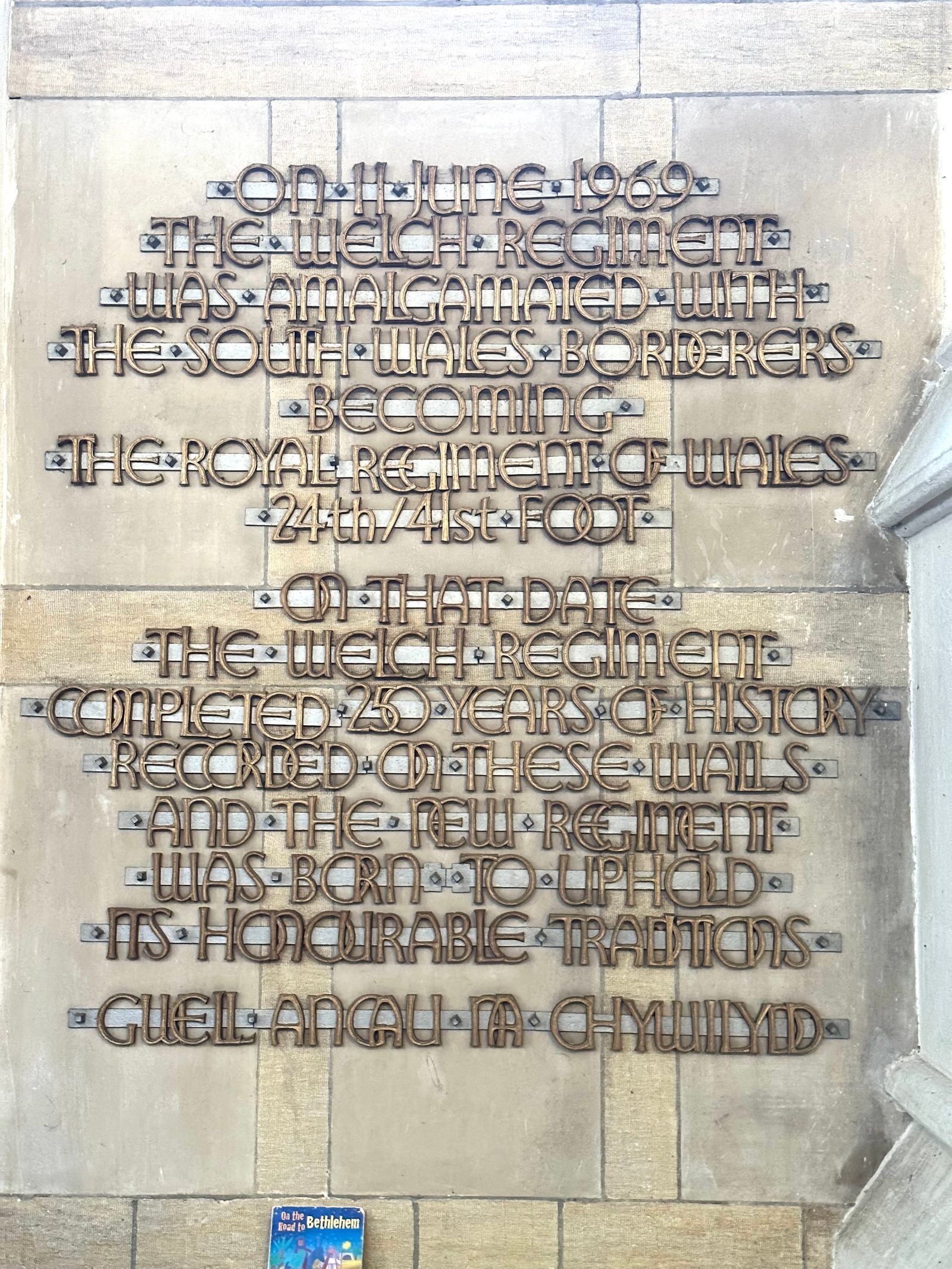
Left Durham, Right Llandaff
Connect with me on: Bluesky / Instagram / Facebook / X / Tumblr / Flickr / Vimeo / Pixelfed / Pinterest

Member discussion