
Kilpeck is in Herefordshire, England but was originally a part of the Welsh kingdom of Ergyng and the Welsh language remained strong here until the C19th. This is a place between - between two cultures, two identities, two histories. It is from this unique co-mingling of identity that such a remarkable building has come about.
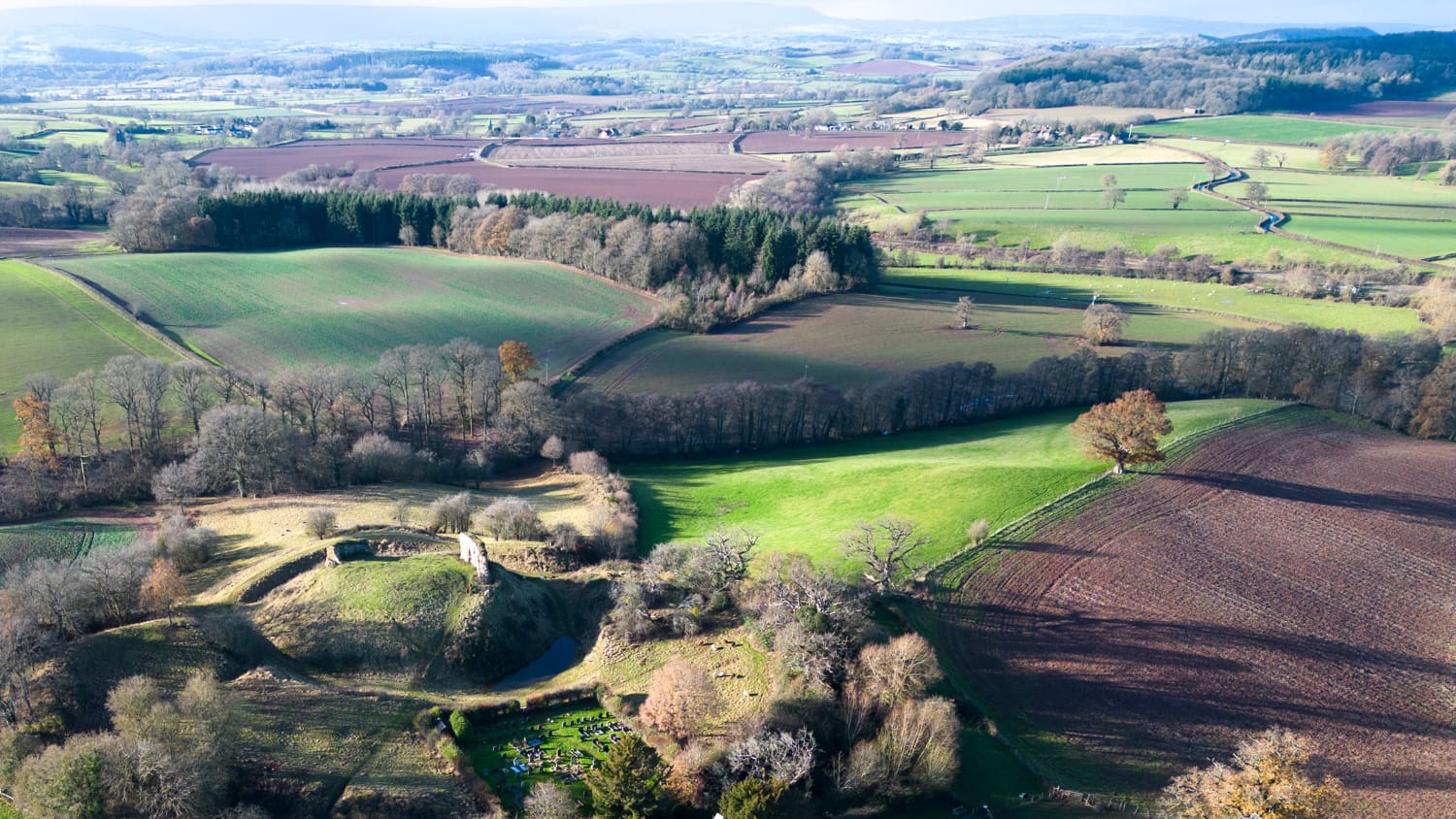
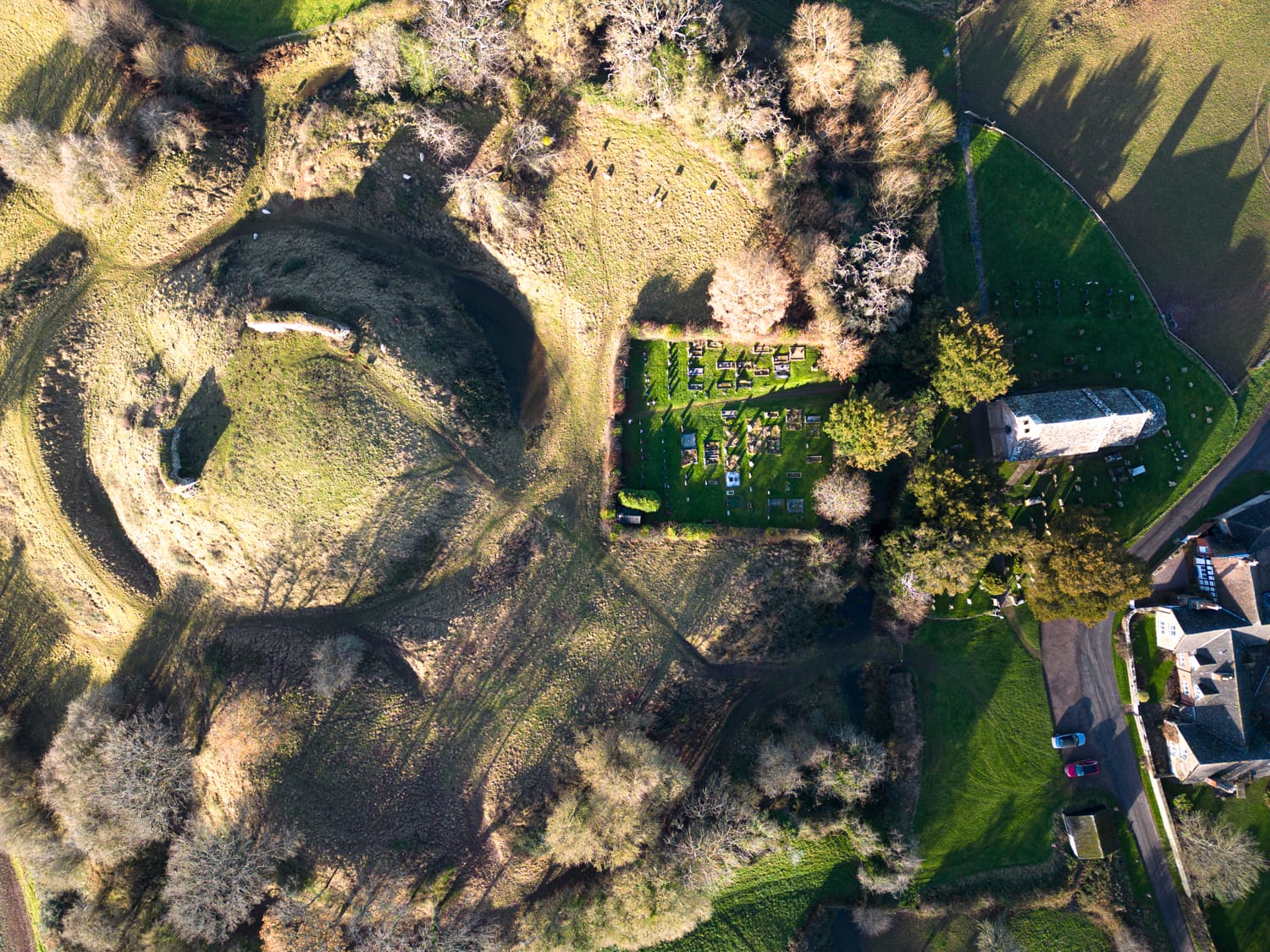
The church lies to the south of a deserted medieval village site. The remains of the motte and bailey of the castle are evident within the landscape to the west of the church.
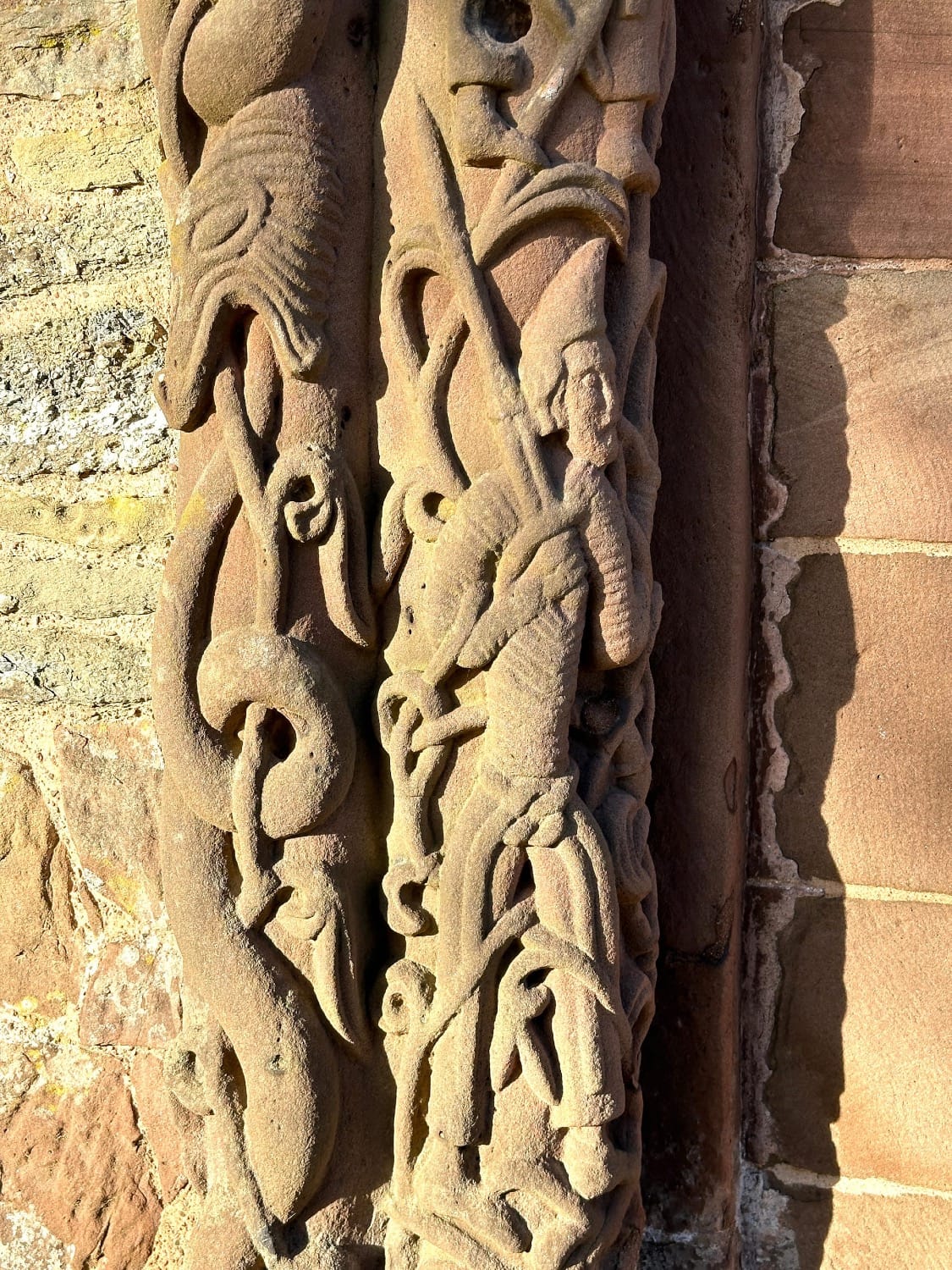
Every time I visit this place, the air feels charged, my senses are piqued. More than the building, it is the Romanesque carvings that draw me in.
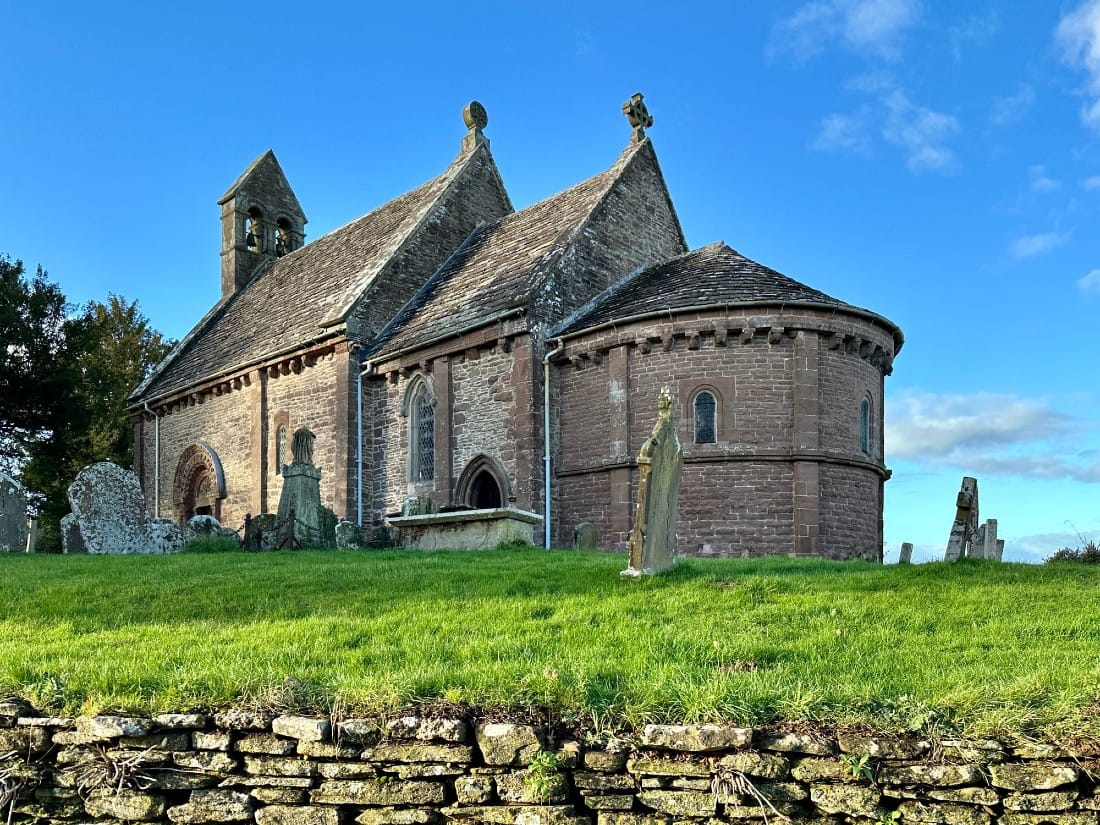
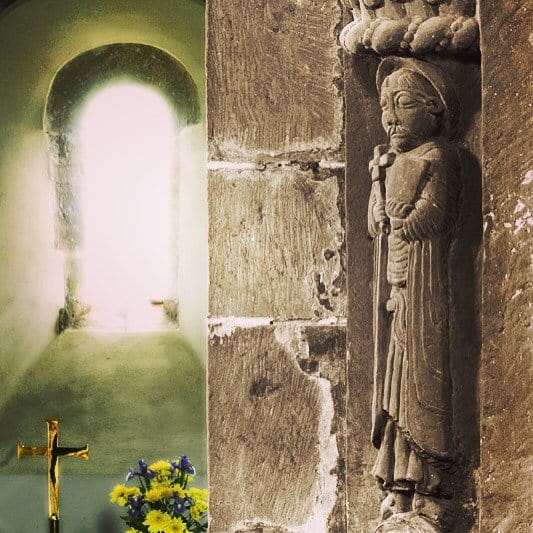
Caught around the perfect proportions of a three cell C12th Romanesque plan is a lavish and eclectic mix of carving that fire the imagination and defy one's preconceptions of a Christian church.
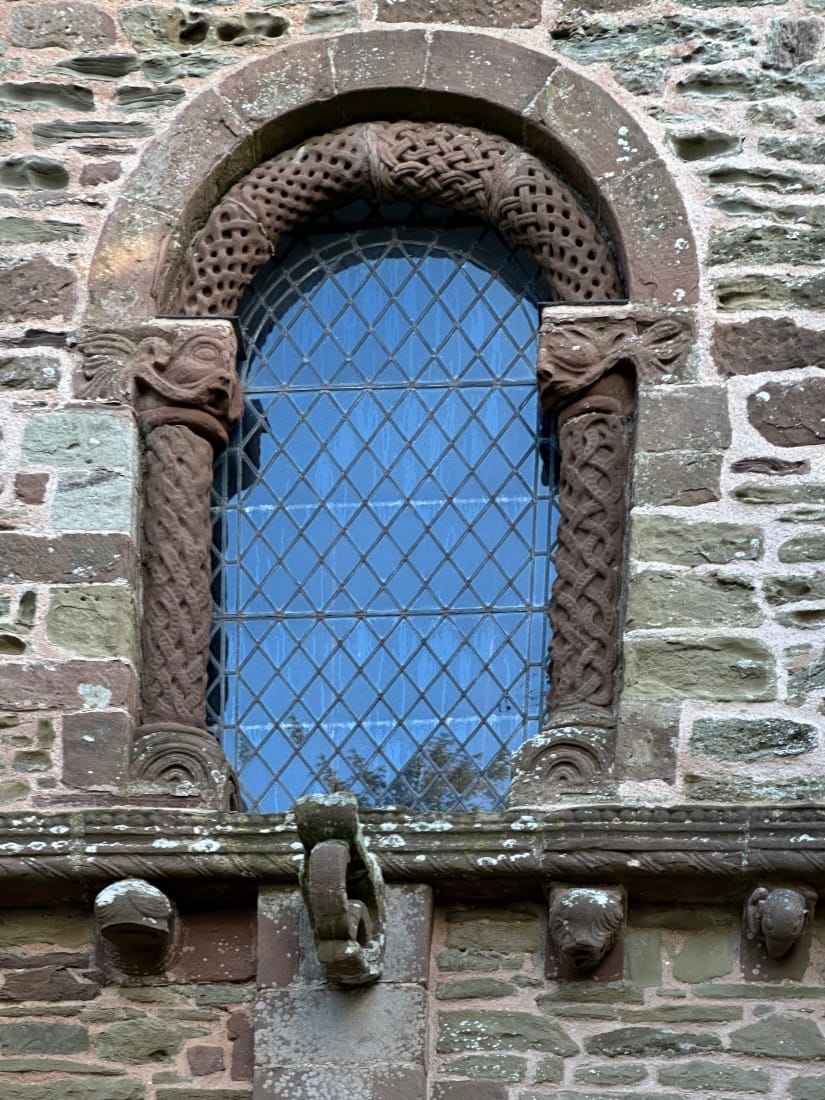
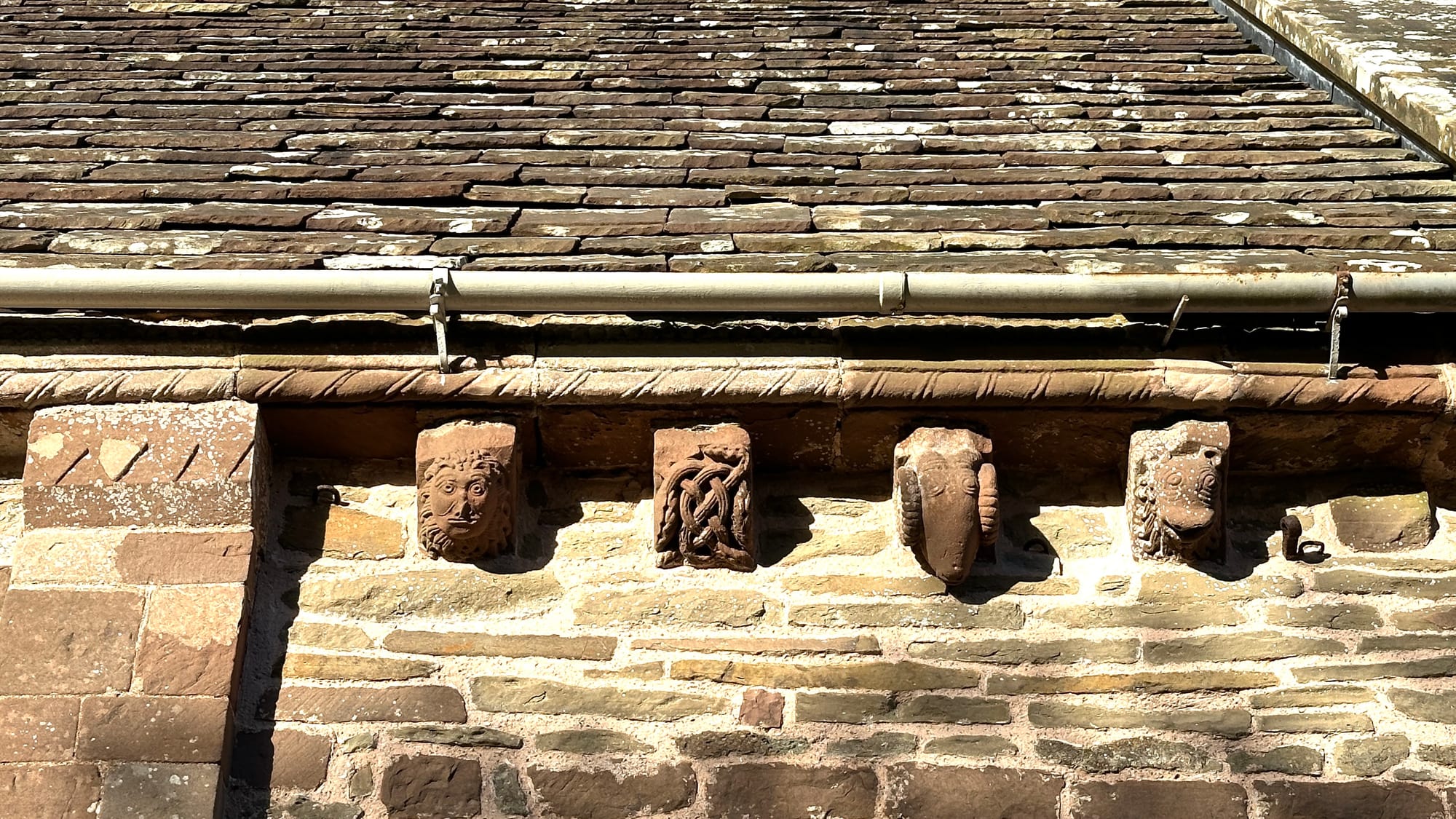
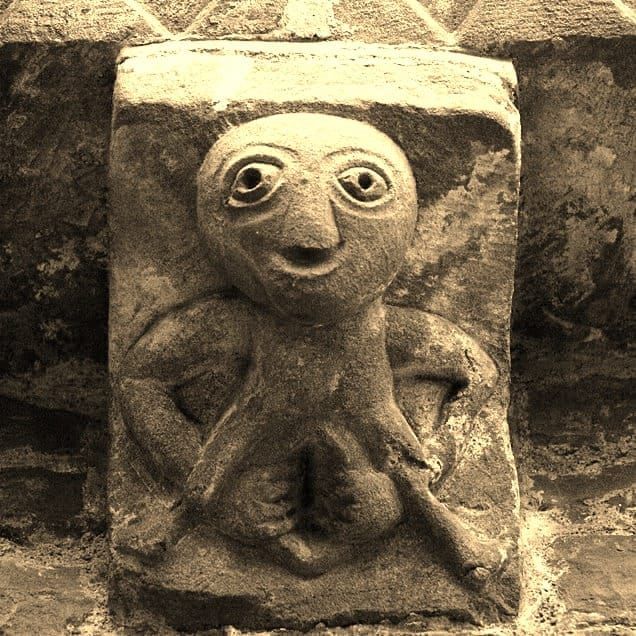
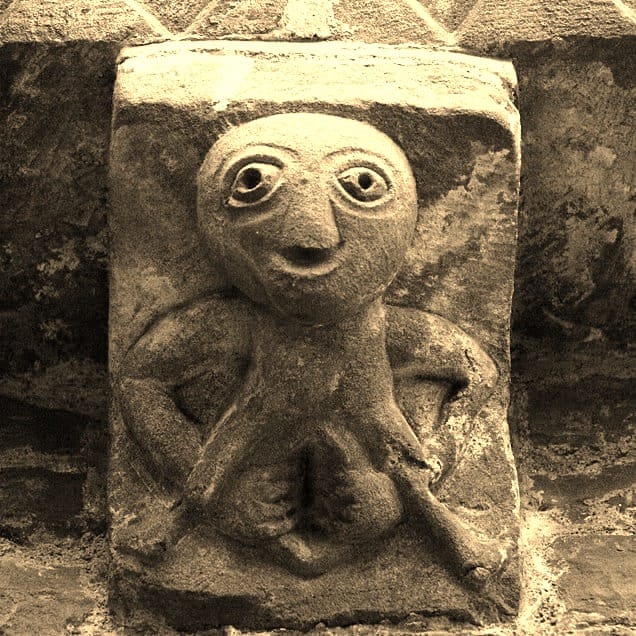
The most surprising addition is the Sheela-na-Gig: a figure revealing its most private of parts - thought to be a fertility symbol. A Sheela-na-gig offers a startlingly different lens on the medieval world. Grotesque, explicit and deeply ambiguous, such carvings reveal how tastes, meanings and sensitivities have changed. Their presence on churches hints at the syncretic character of medieval sacred space, where Christian belief could coexist with older, stranger and earthier traditions.
Connect with me on: Bluesky / Instagram / Facebook / X / Tumblr / Flickr / Vimeo / Pixelfed / Pinterest

Member discussion