Frankwell
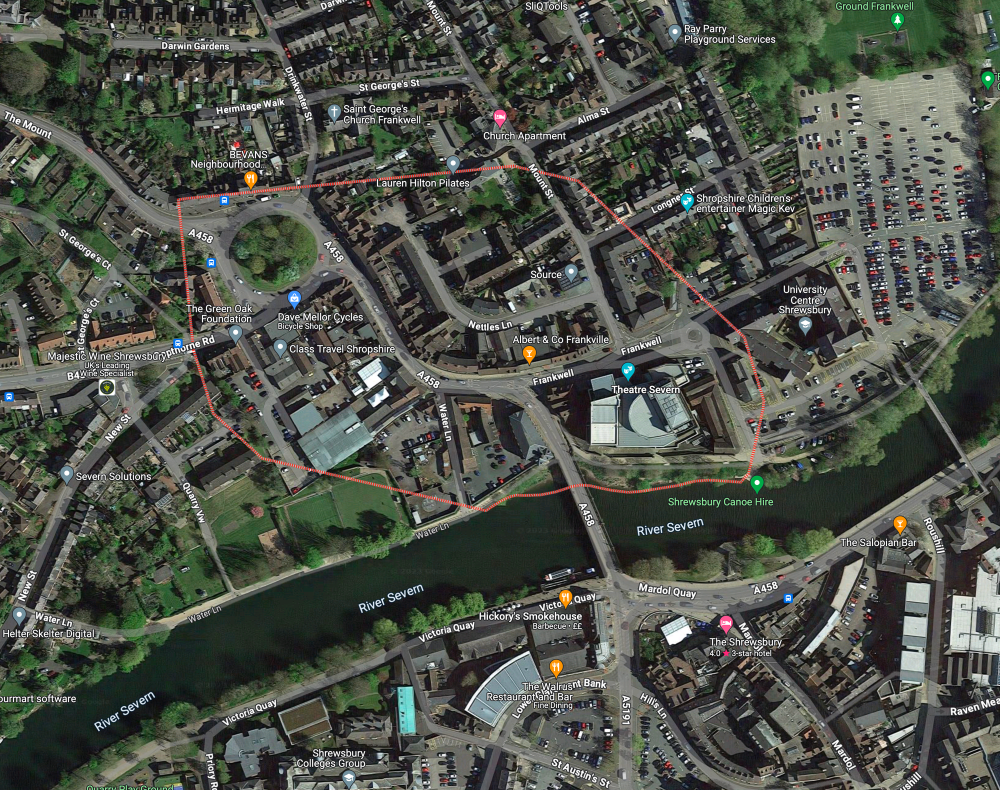
Frankwell is one of those seemingly in-between places. If you're heading into Shrewsbury from the north - you'll drop into Frankwell on the way.
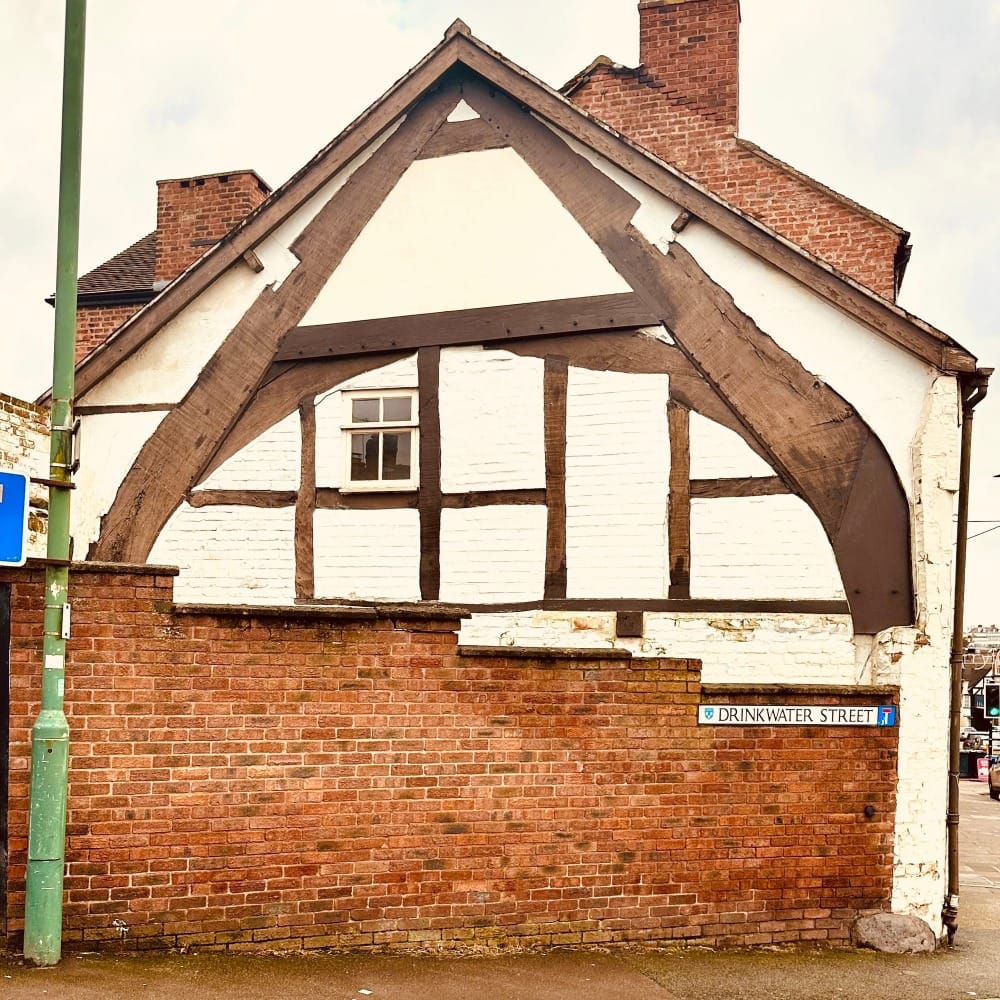
If you're like me, whilst driving, you'll likely get snagged by the imprint of a ghost gable on the side of a building. The crucks are the large bent beams either side of the gable - cut from the same tree. Notice the cut-outs near the top where the original purlins would have been.
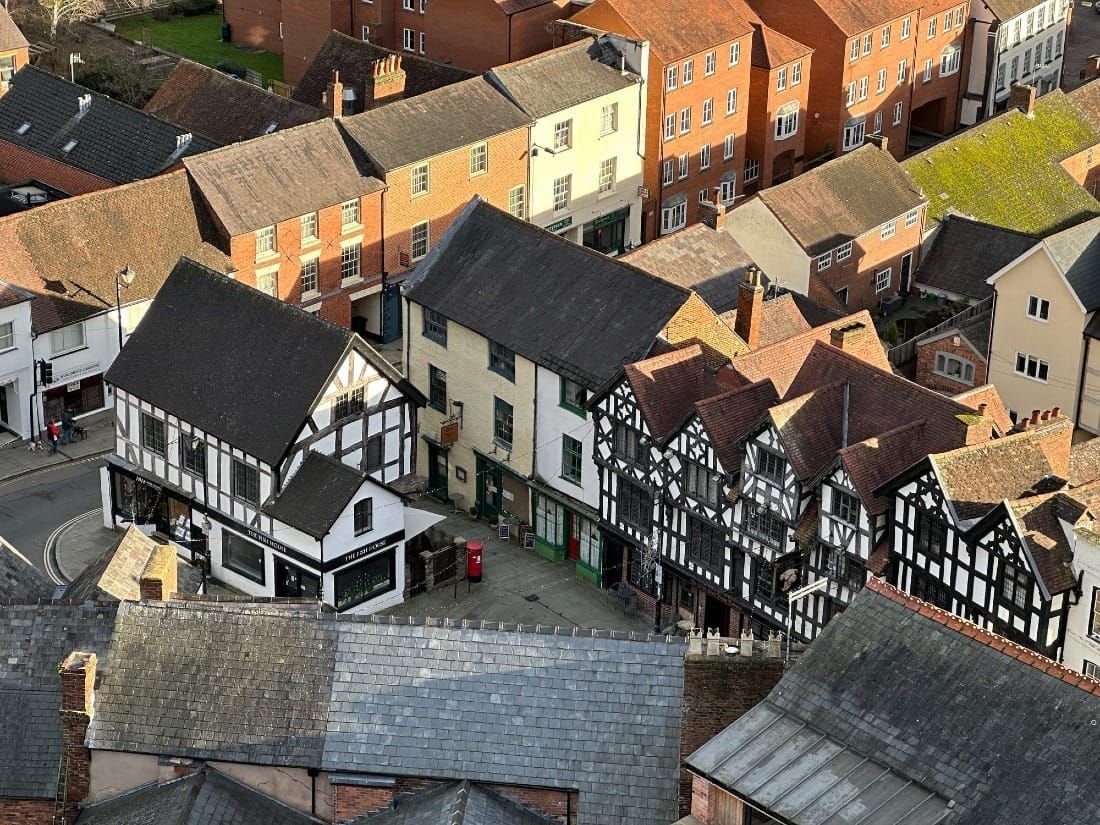
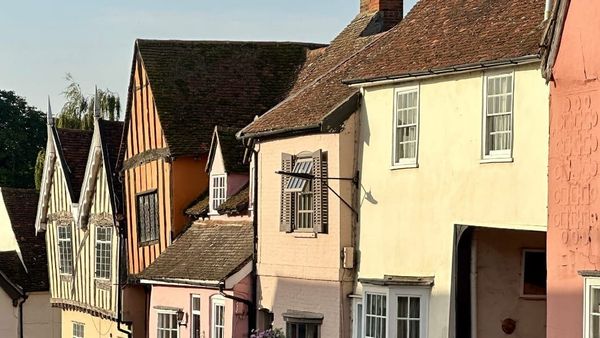
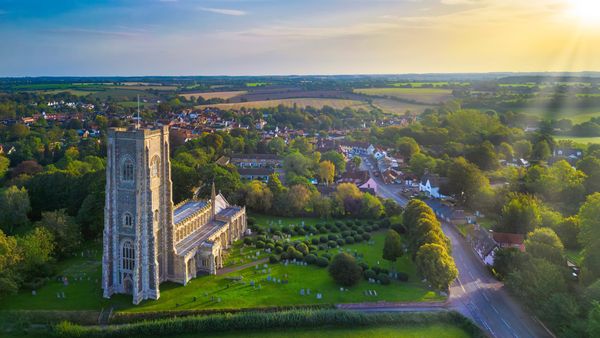
Frankwell is a 'little Lavenham'.
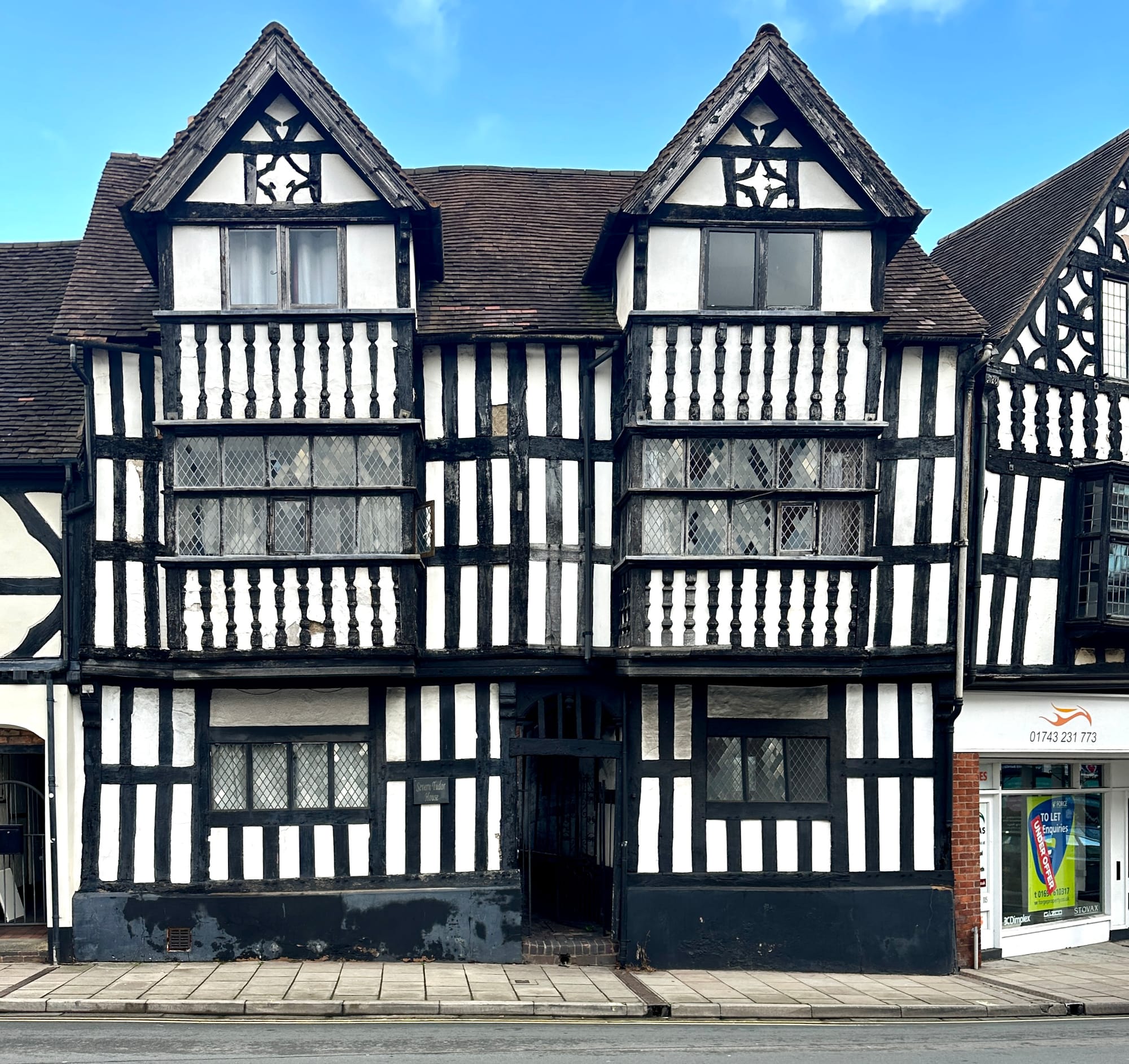
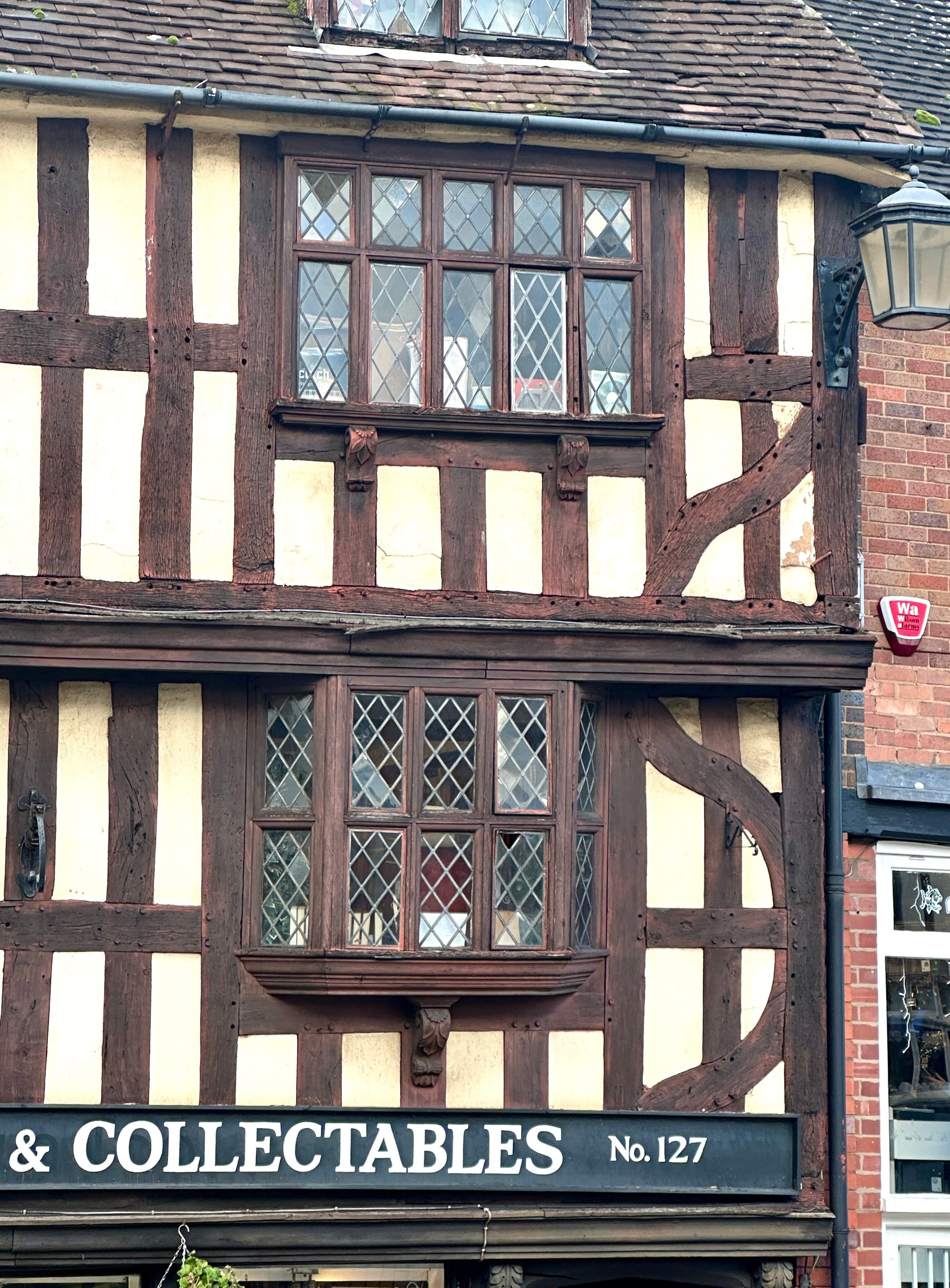
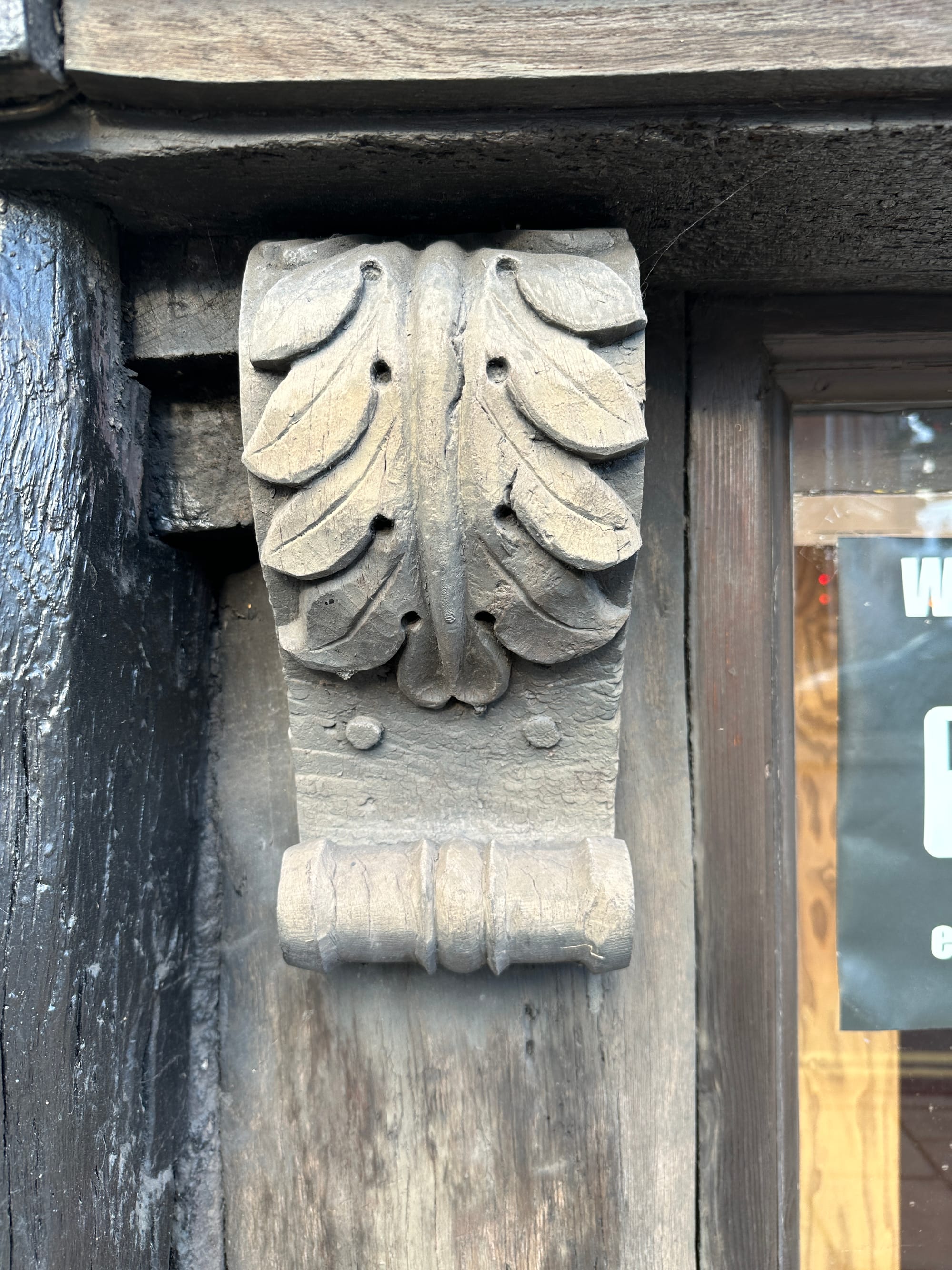
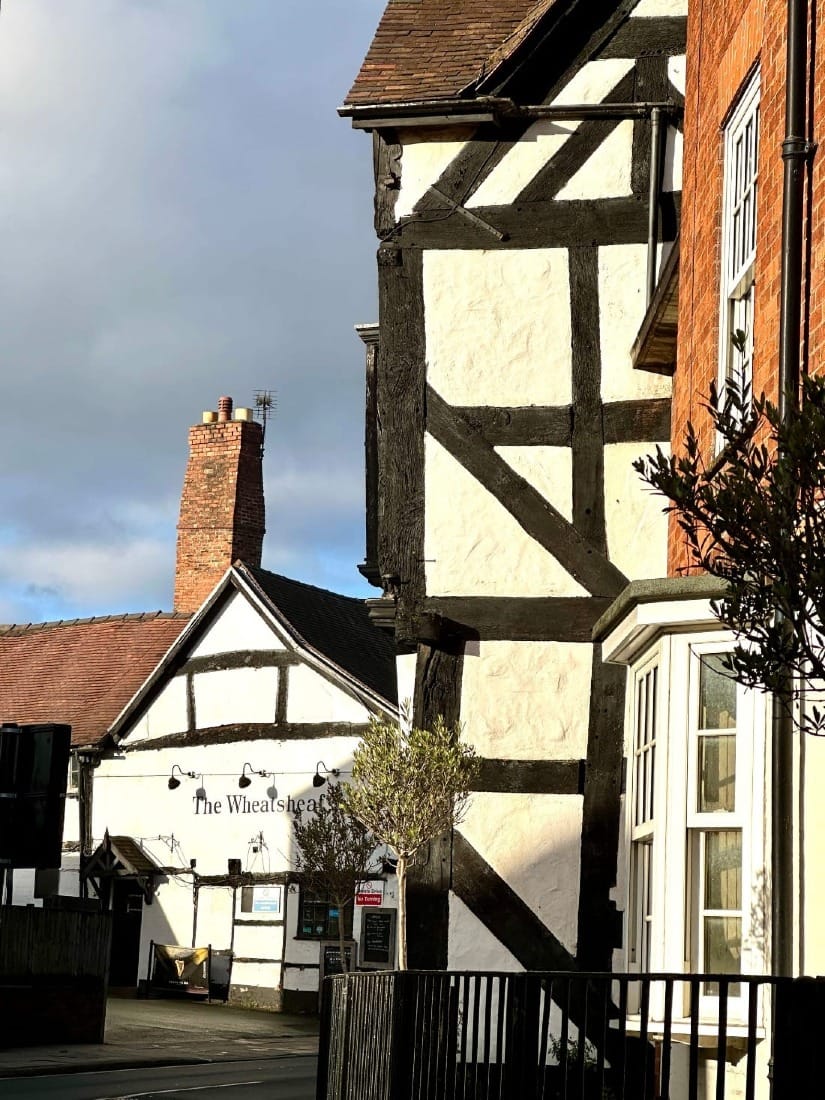
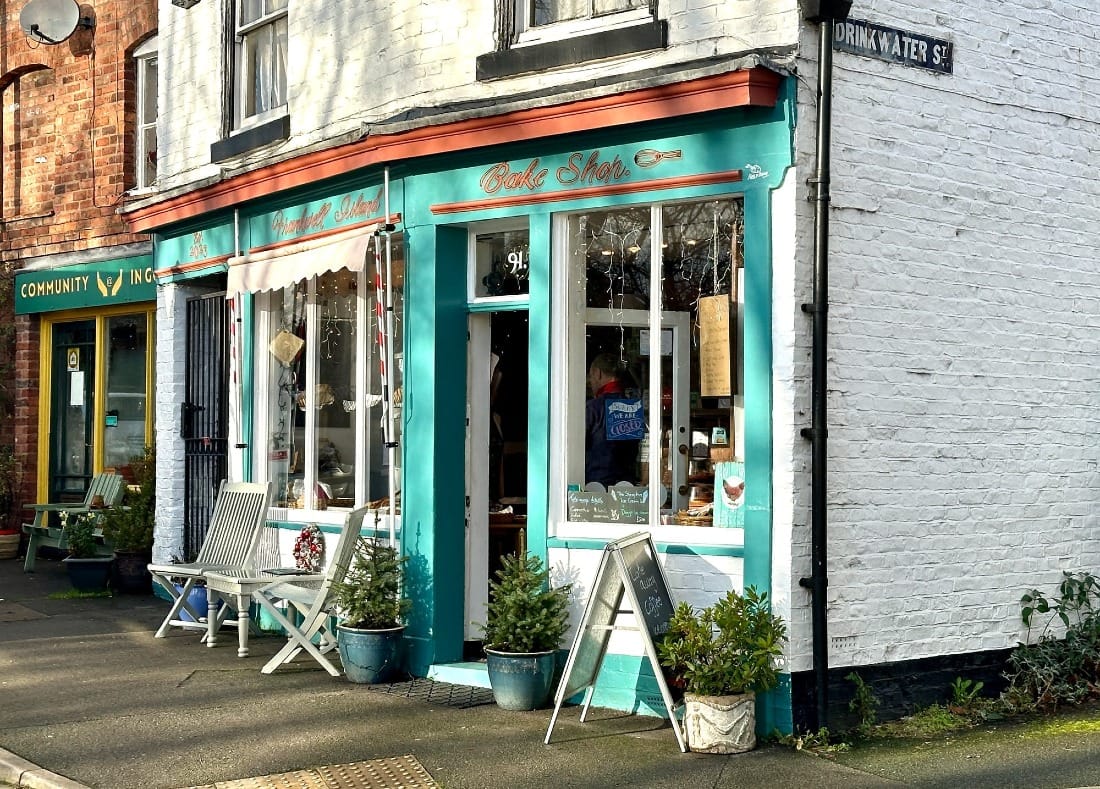
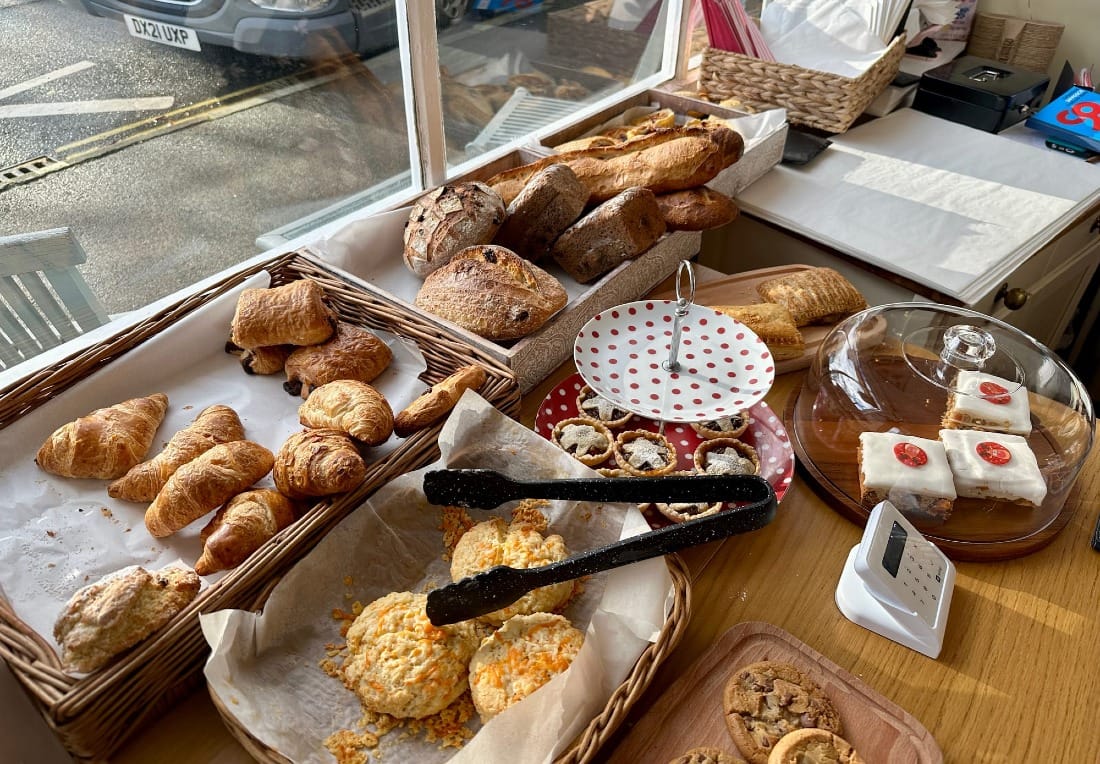
As well as the buildings, there's another excuse to pull over at Frankwell - Frankwell Island Bake Shop which has an artisan feel. It is hosted by Mel Hirst - full of mouth watering joy.
Ludlow
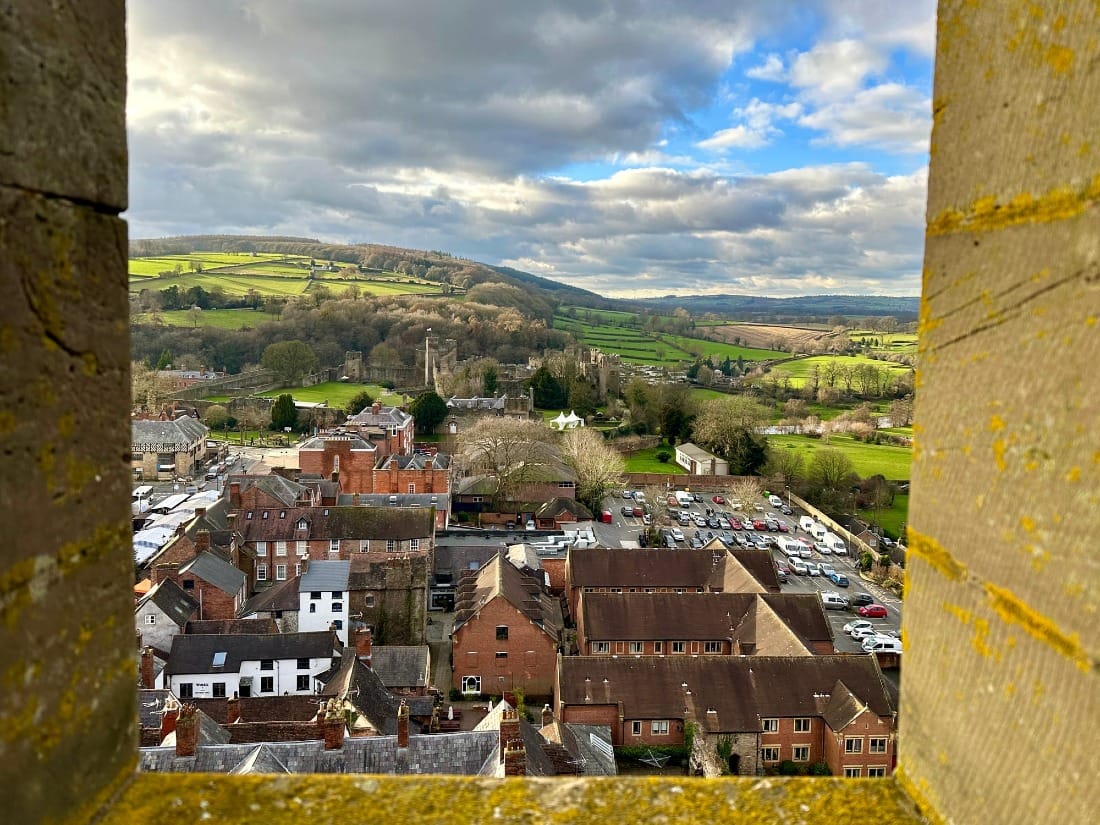
Ludlow is simply magnificent, the full package. I haven't got the space to share all the delights of Ludlow so I'm going to share two buildings with you: the church and a pub.
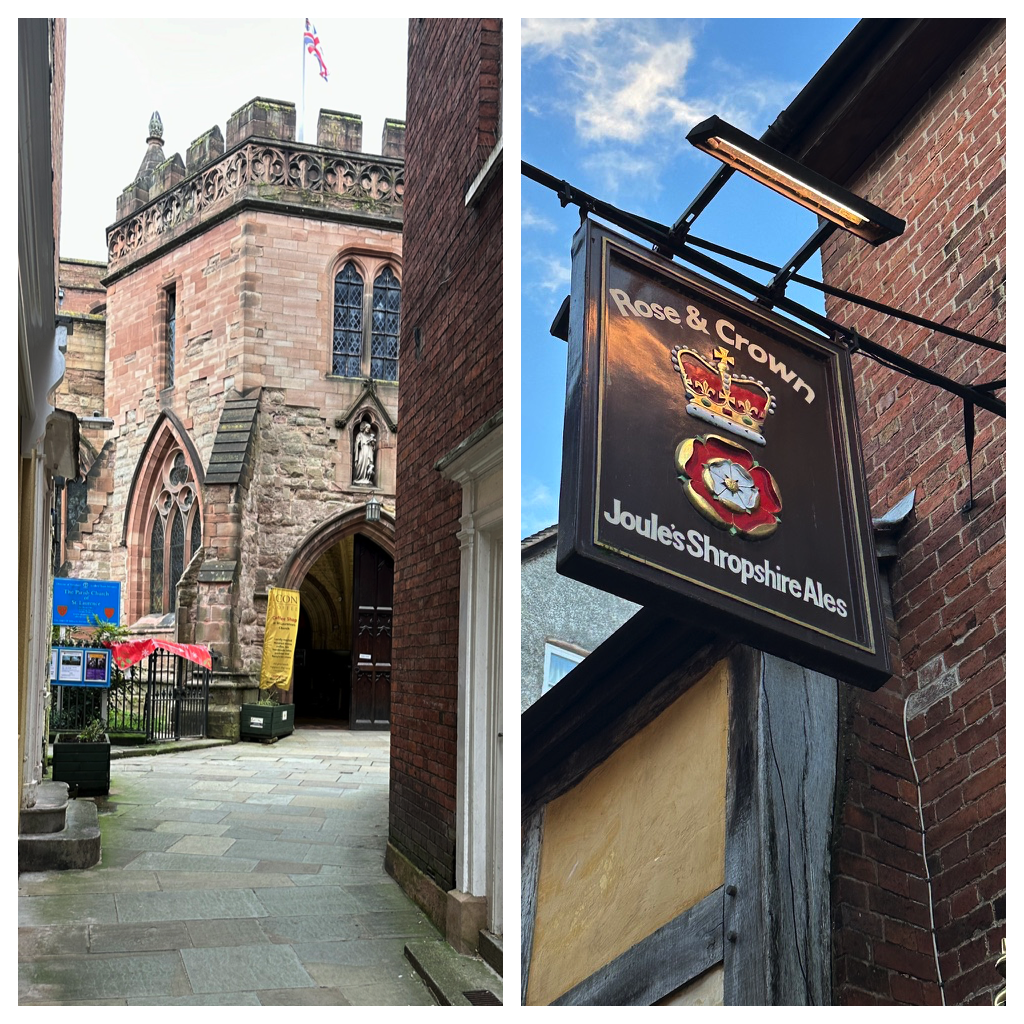
I'm going to visit the church first and then finish with a pint in the pub (that order is best advised). Together we can both be saints and sinners in a single digest.
St. Laurence, Ludlow
Delightfully situated in the townscape with glimpses of it down alleyways and ginnels. When I visit there's barely anybody in - I have the guide all to myself.
She tells me that the church is famed for its stained glass, the choir stalls, its monuments and the view from the tower.
"Can I go up the tower now?' I ask, salivating.
"Oh yes, you'll be the only one though - don't get up to any mischief!"
"I won't, I say, I'll be very good."
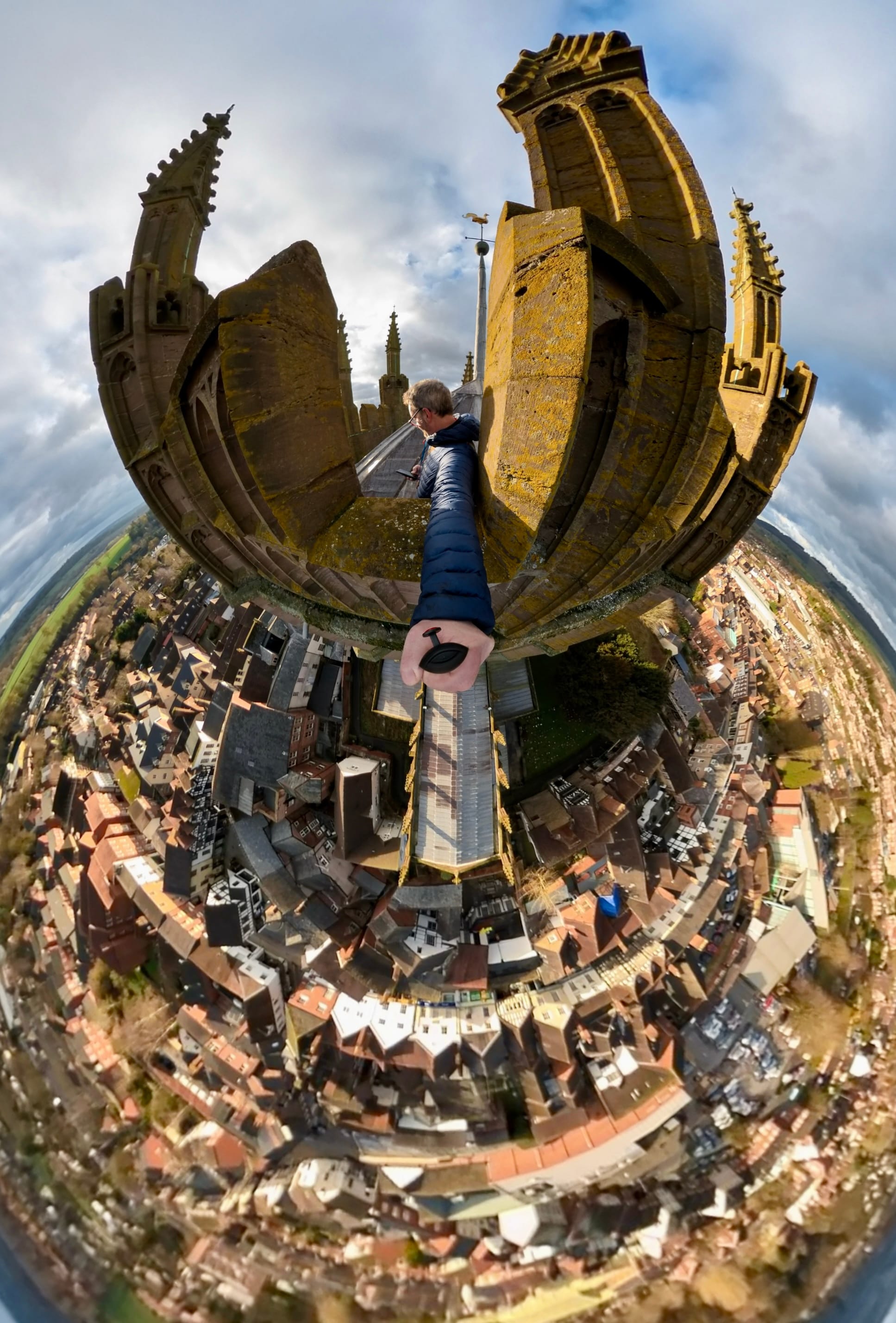
The views are exquisite. Every architect, town planner, developer should climb the tower at Ludlow and absorb the view into memory.
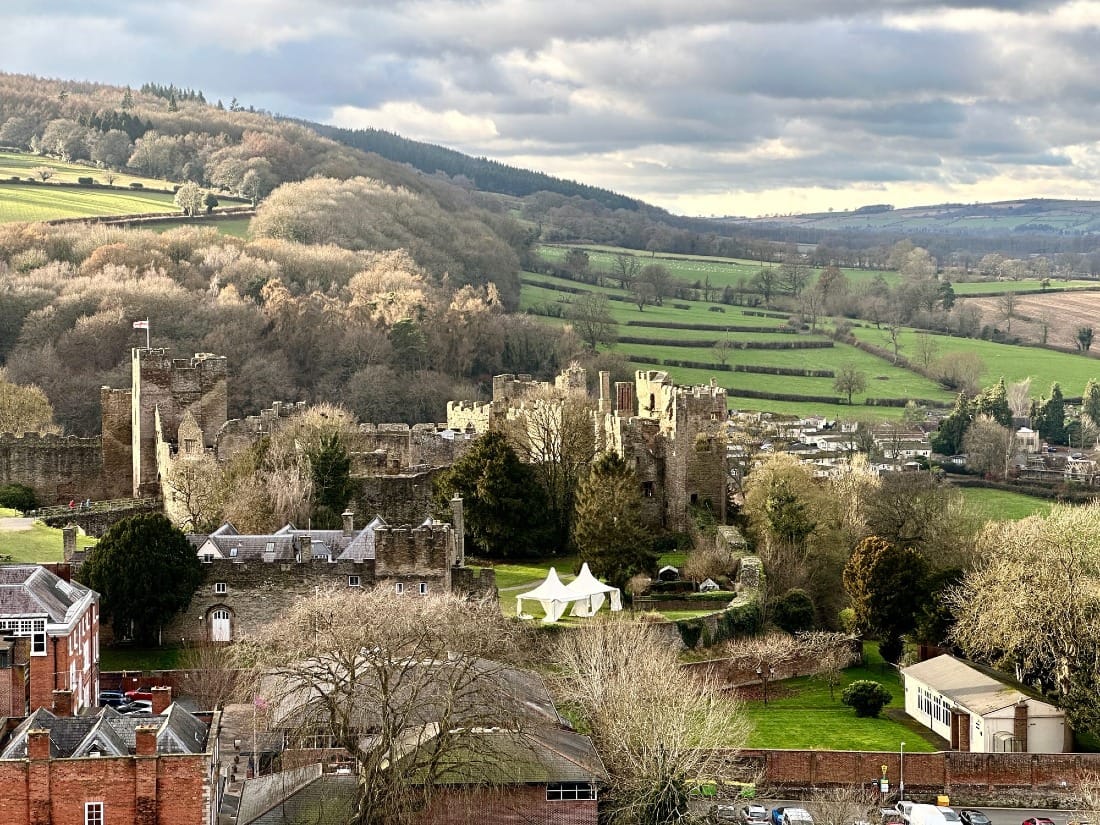
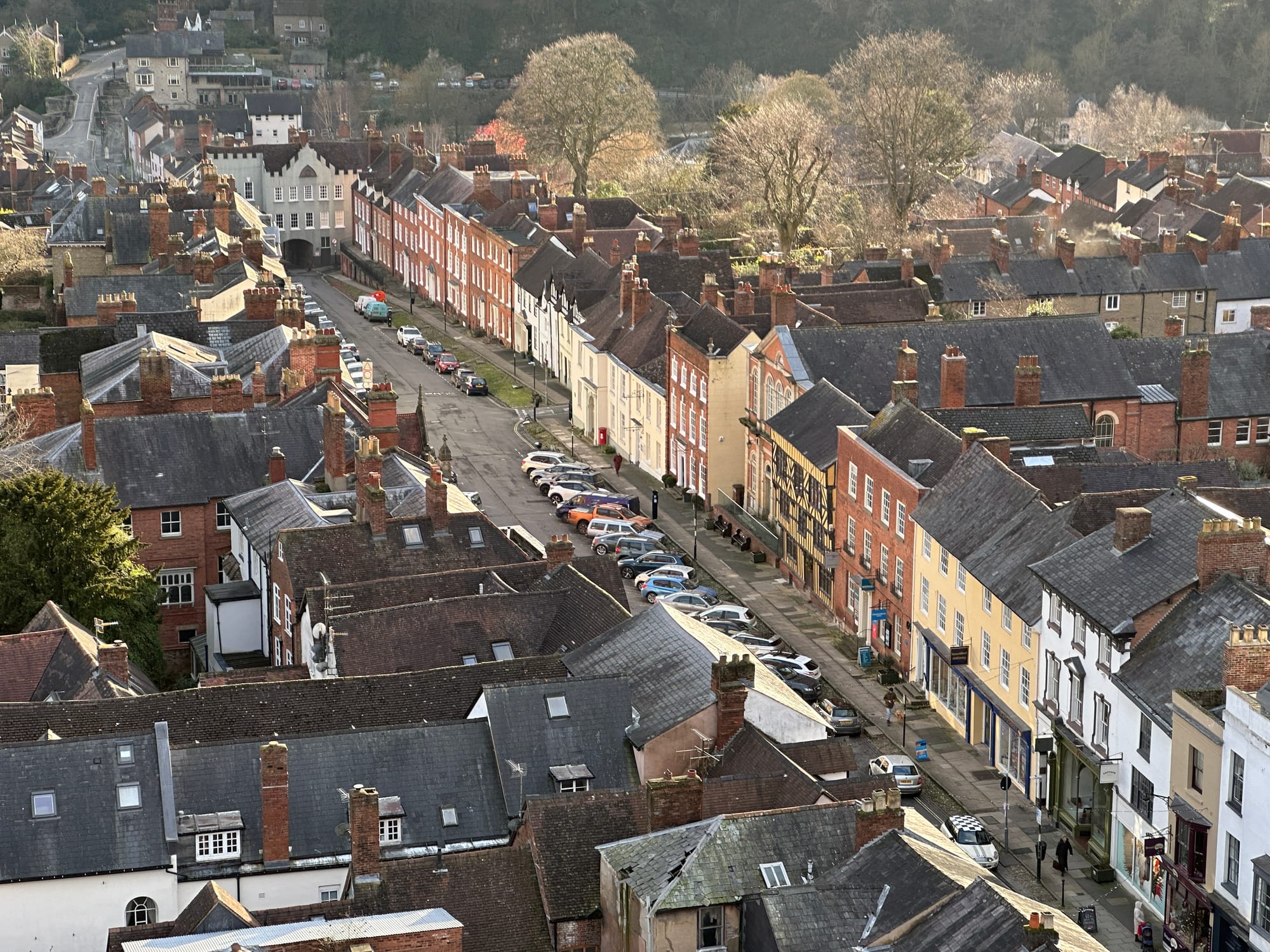
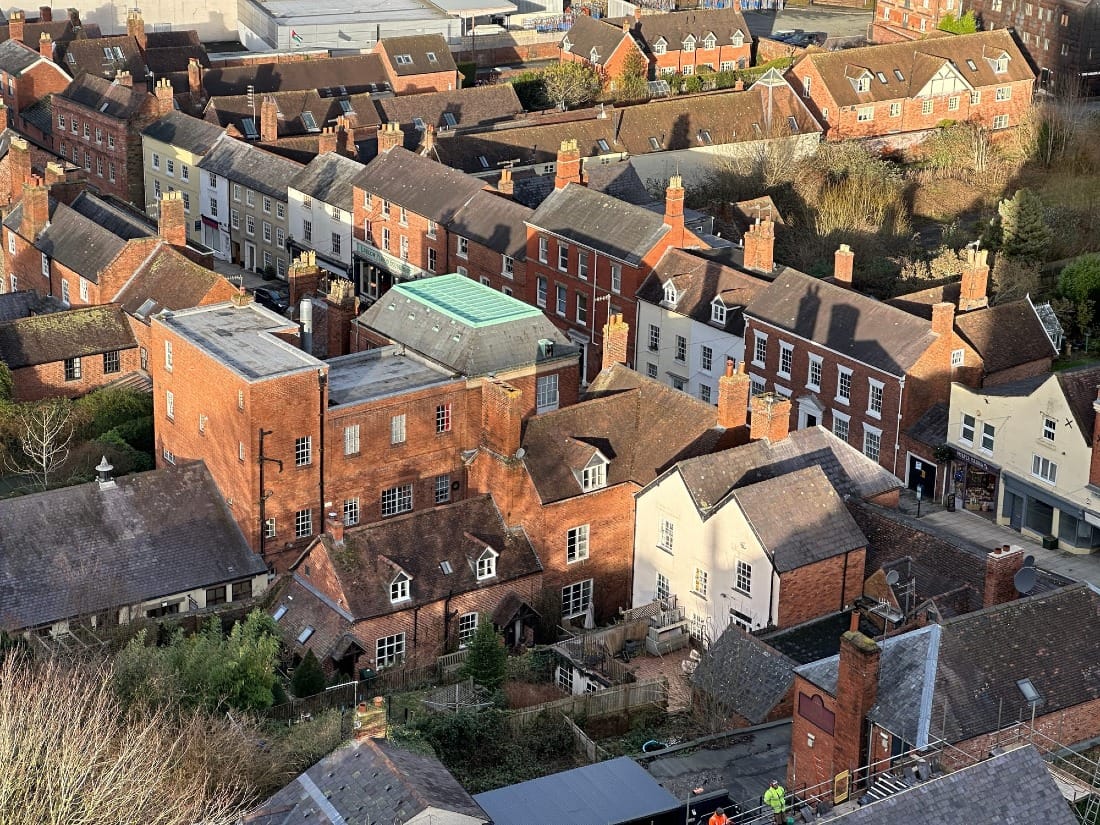
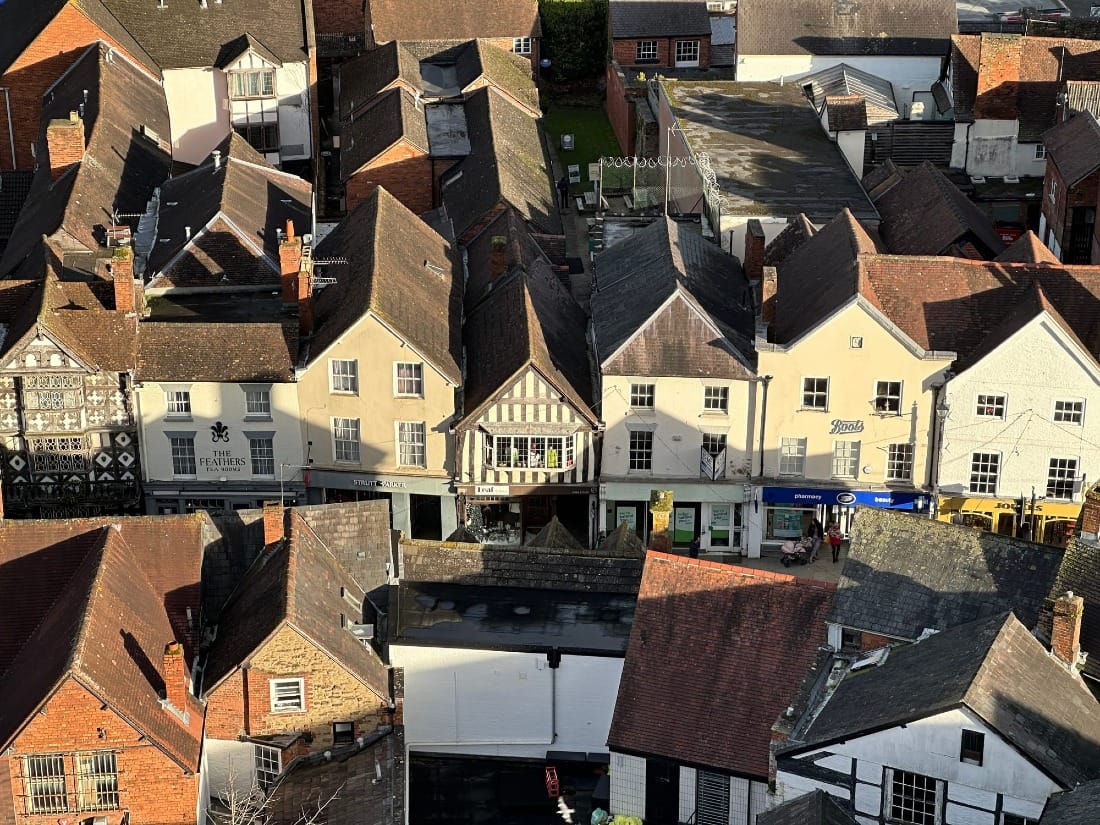
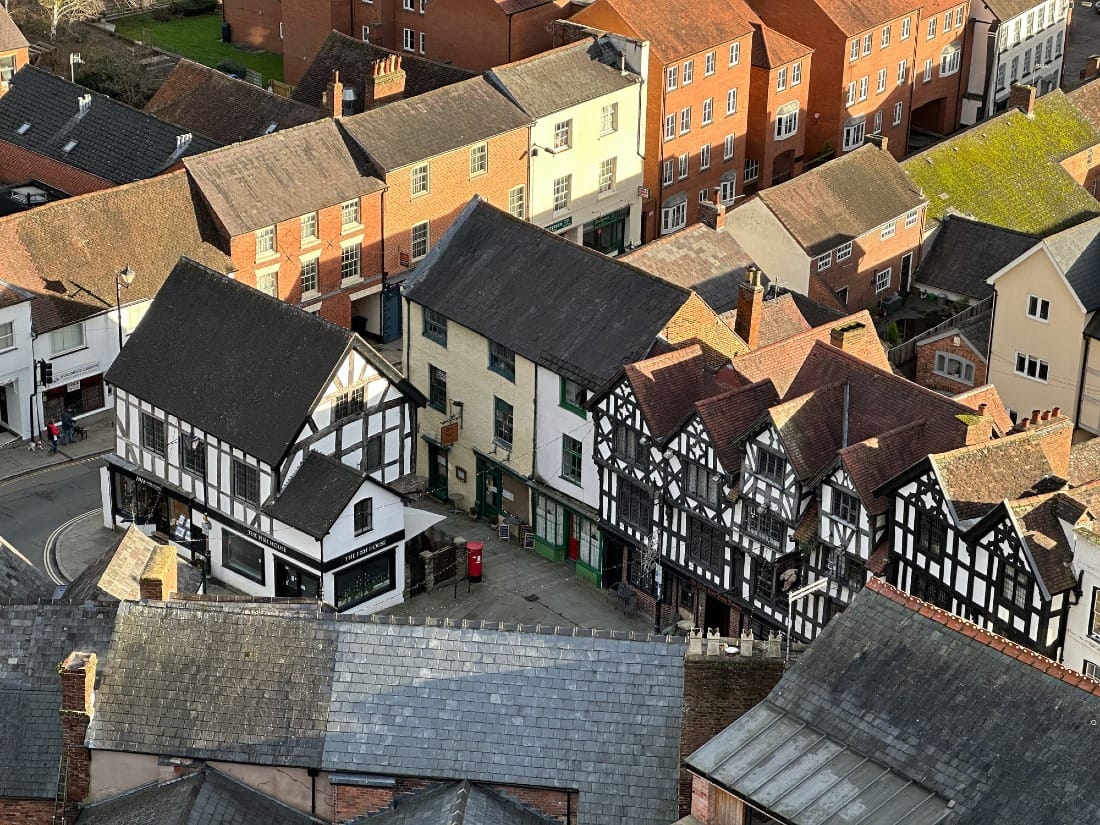
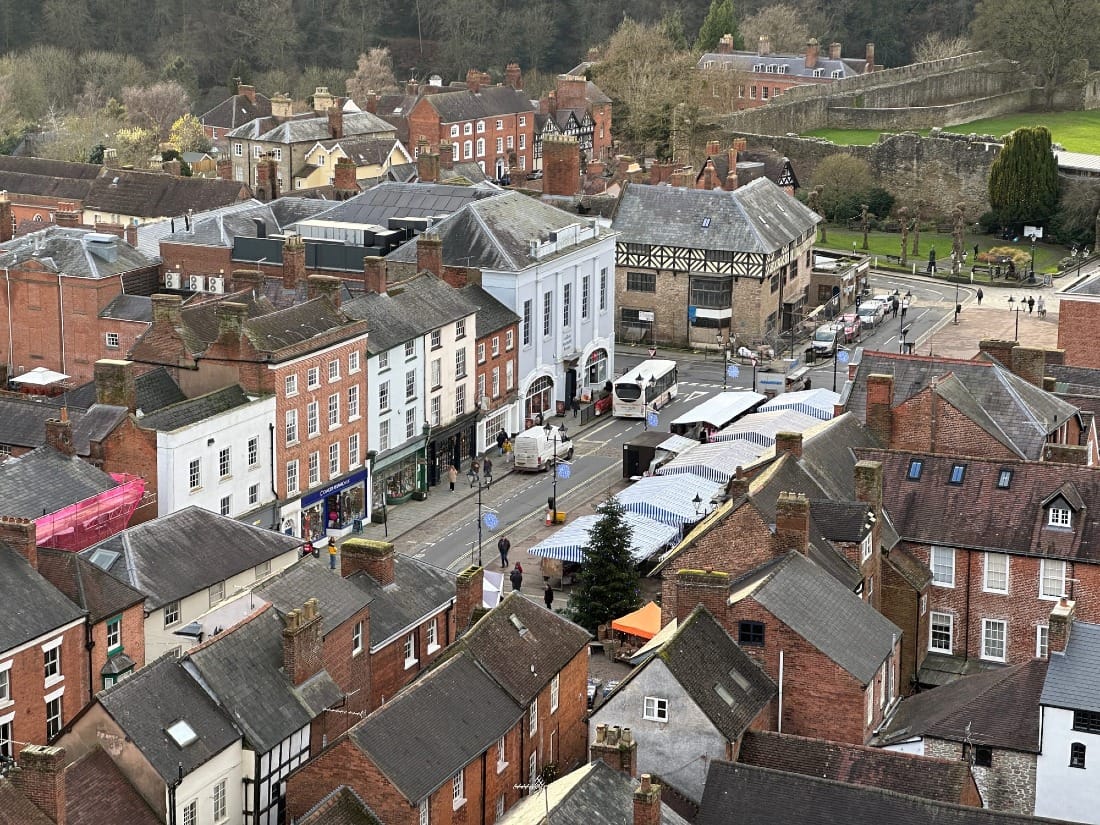
Members can view three magnificent views from St. Laurence tower in VR (viewable on any device) here:
 Andy Marshall
The Stained Glass
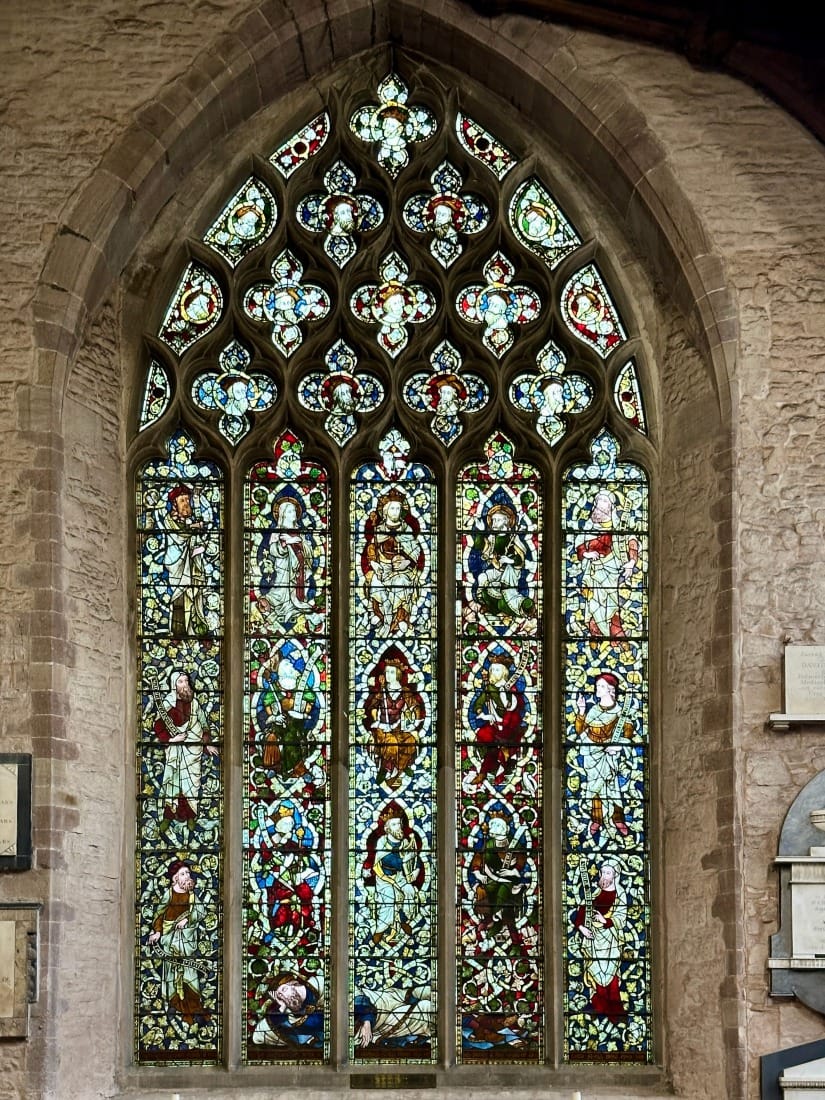
St. John's Chapel houses some wonderful medieval stained glass donated by the Palmer's Guild.
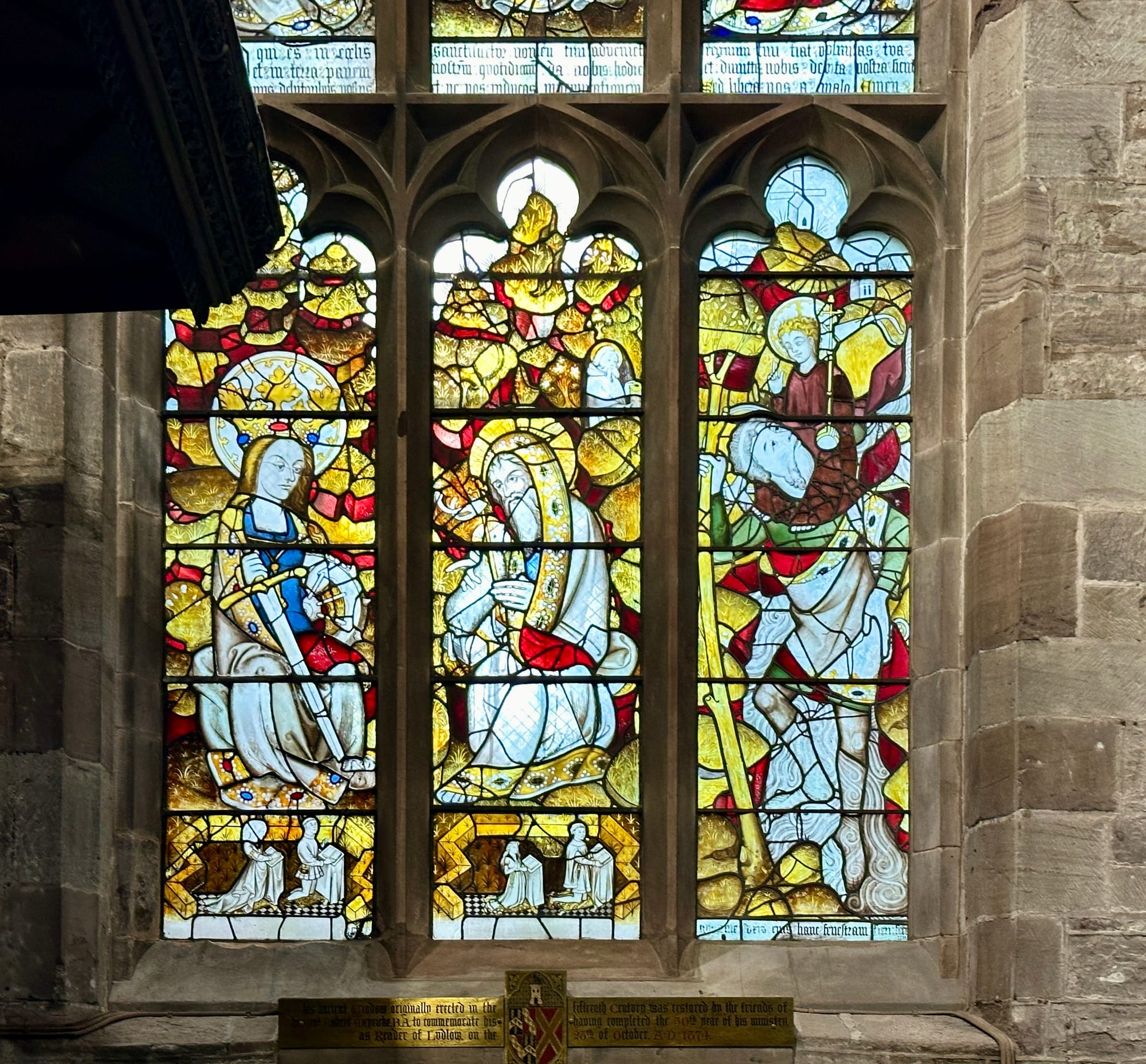
Tree of Jesse
In the Lady Chapel. Restored by Hardman & Co. in 1880 but contains much of the original glass of 1330.
The Monuments
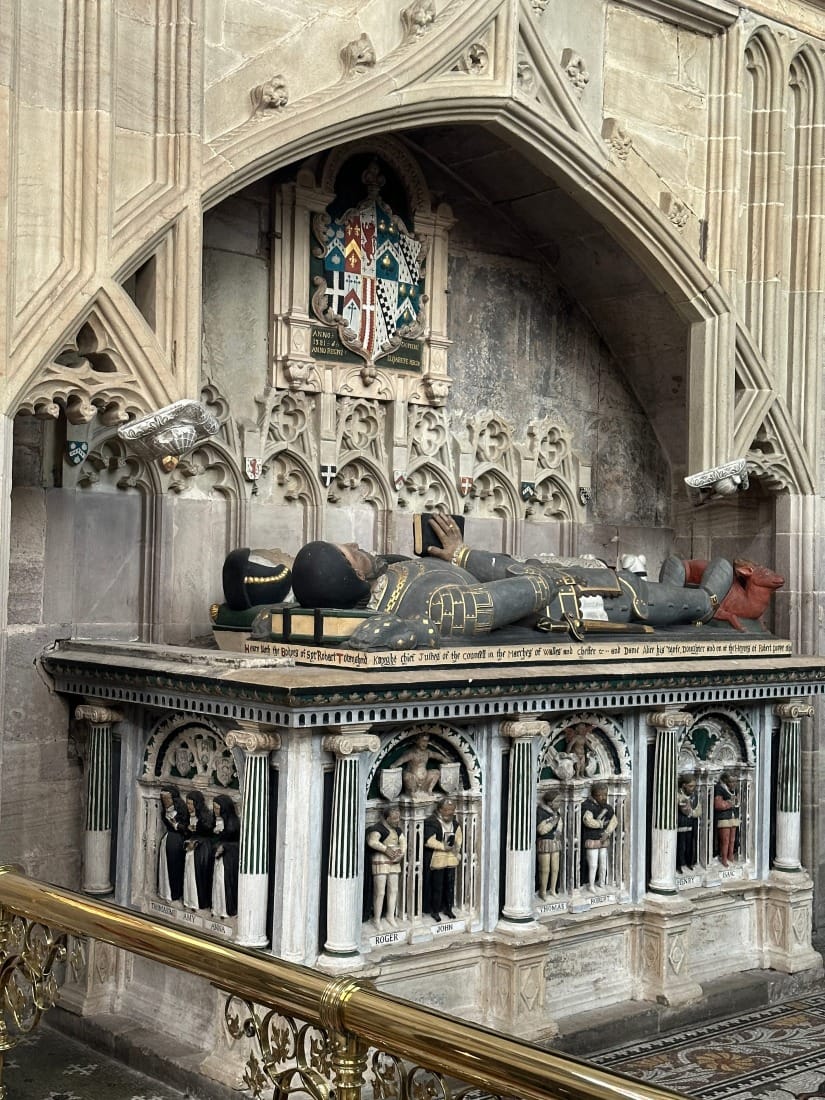
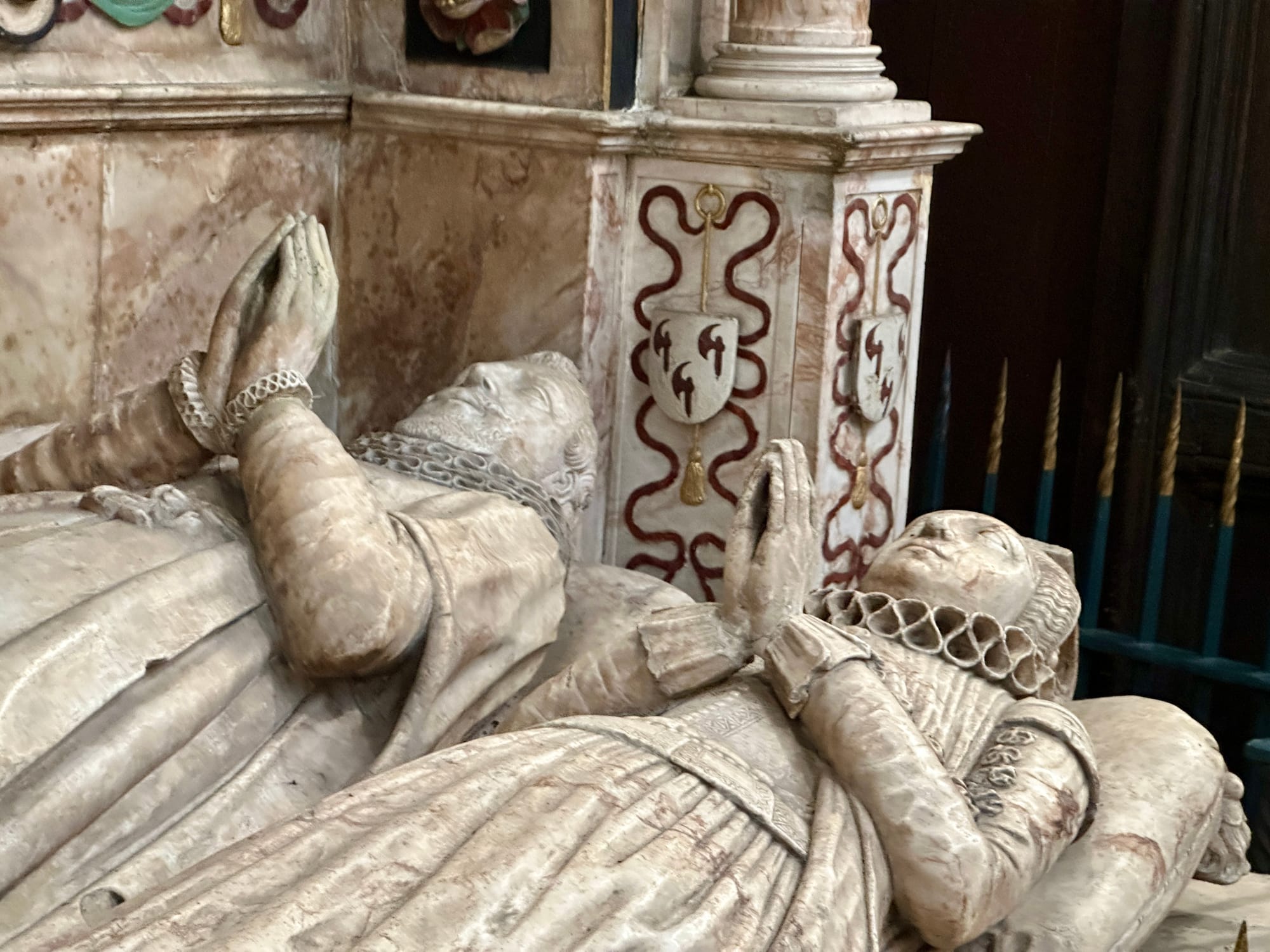
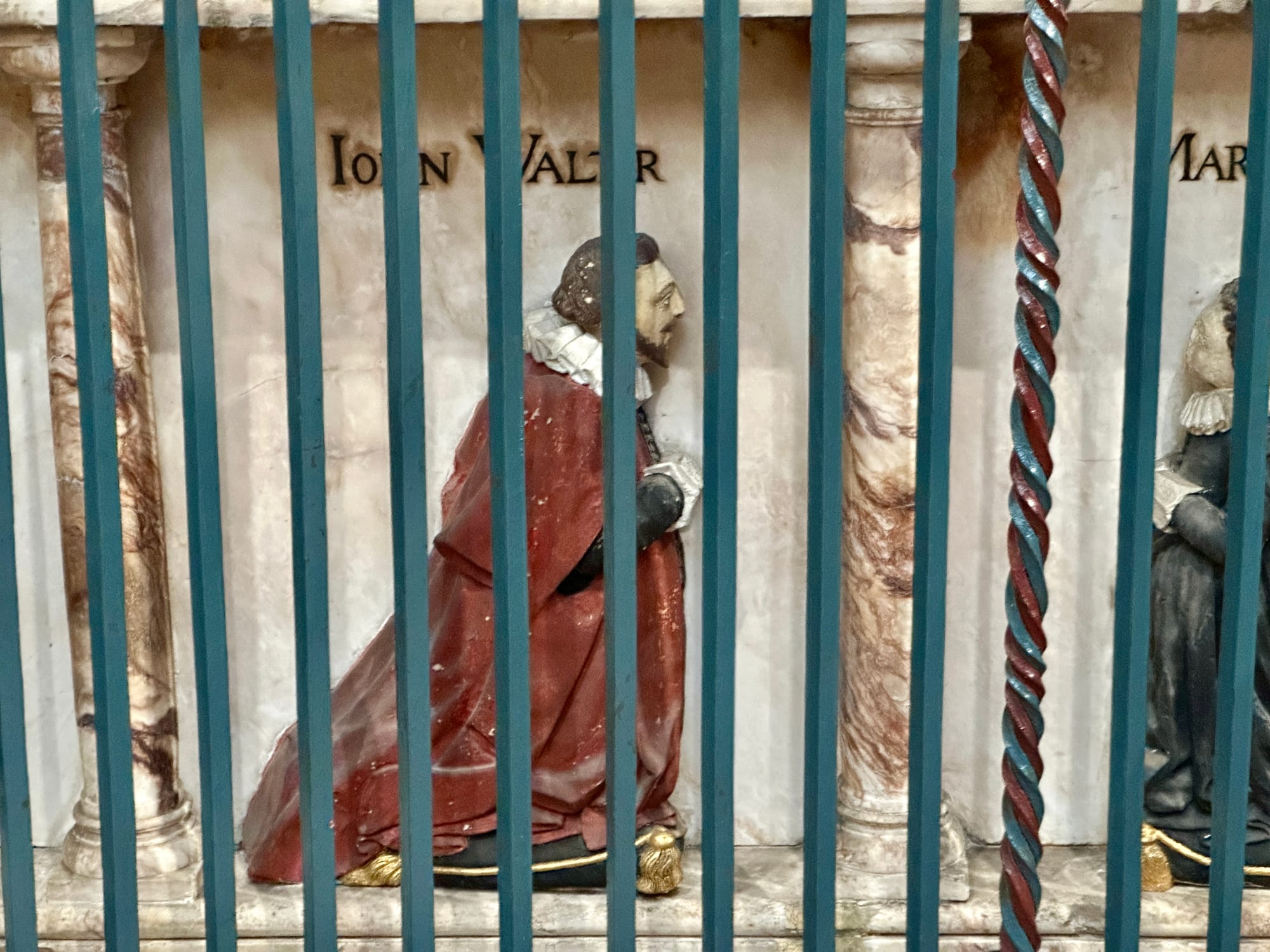
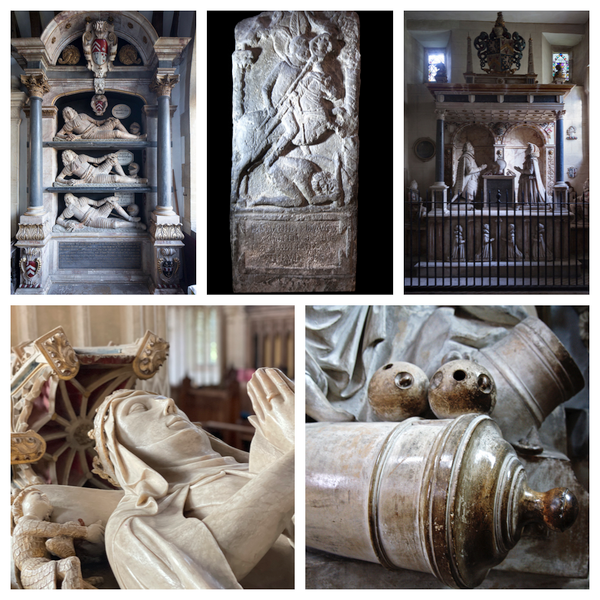
Most of the monuments are of Ludlow's councillors of the Marches.
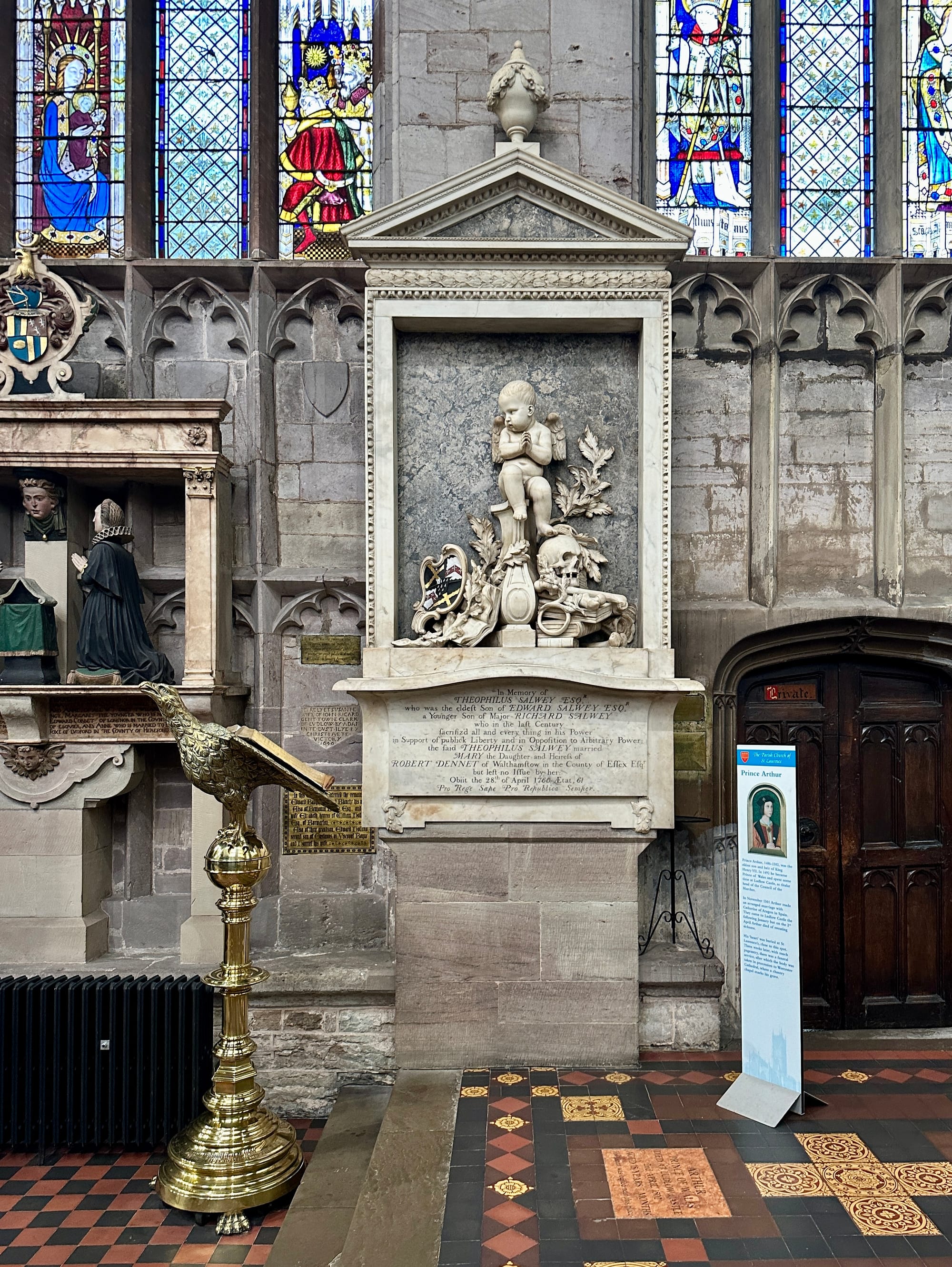
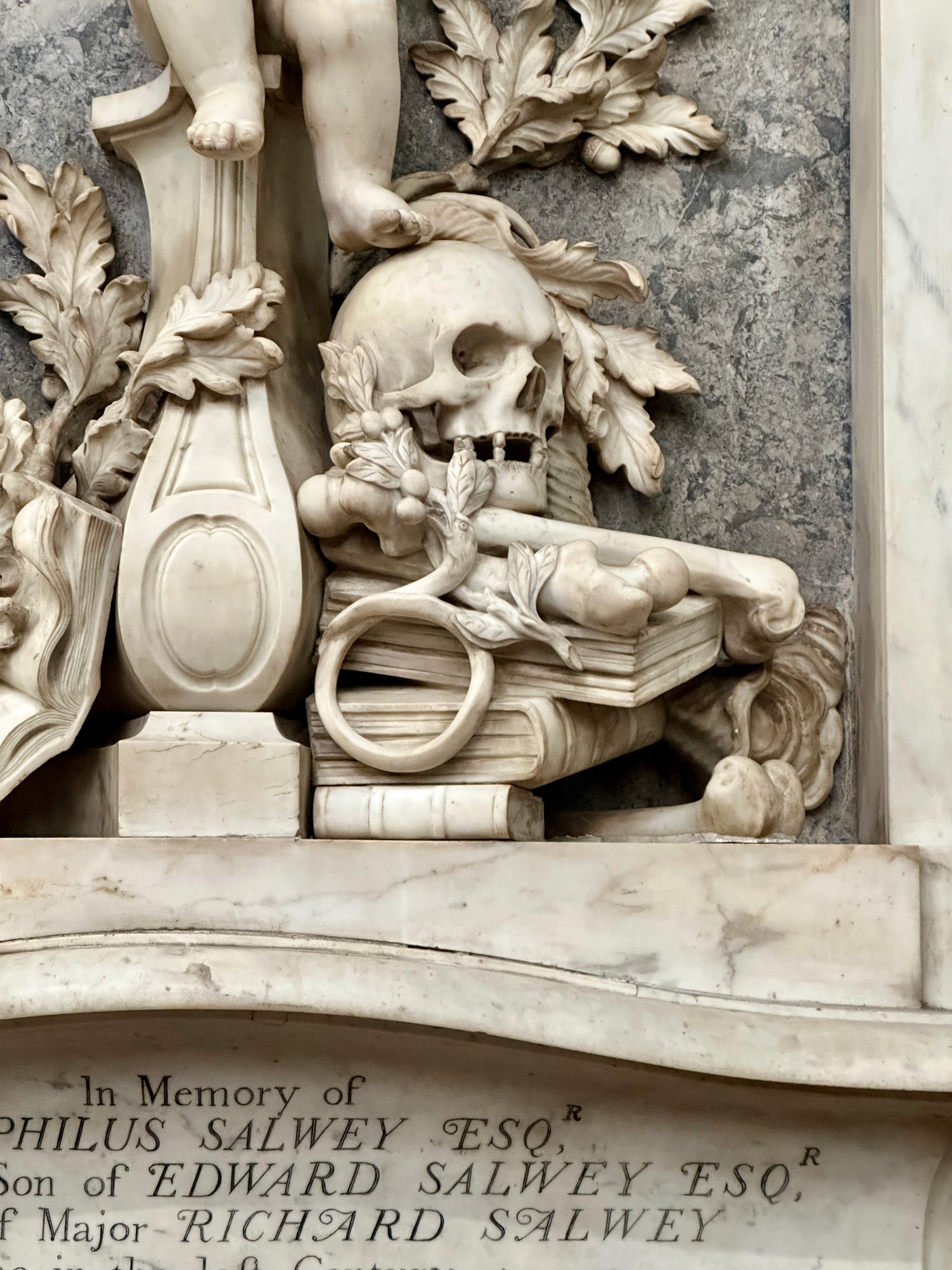
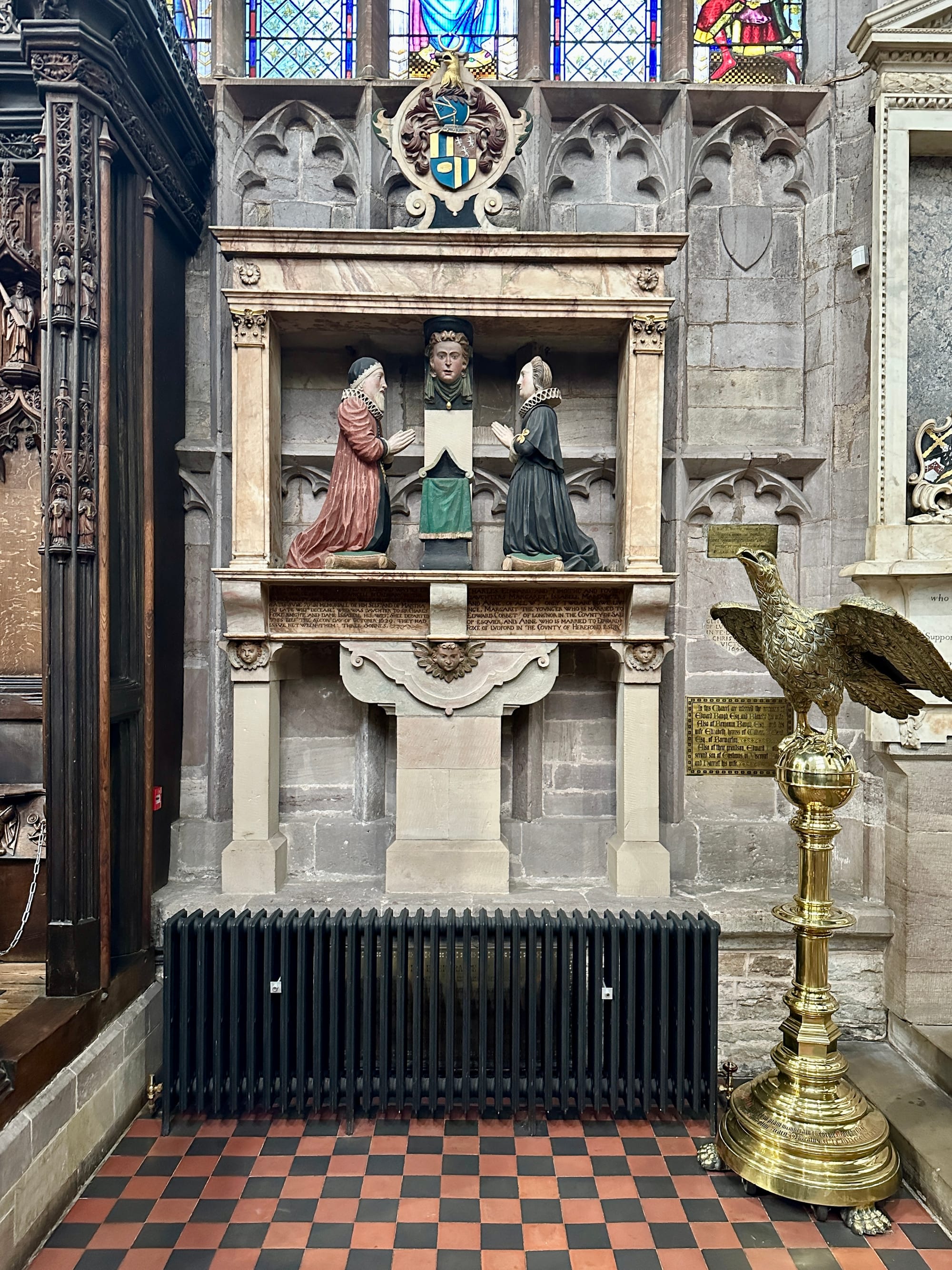
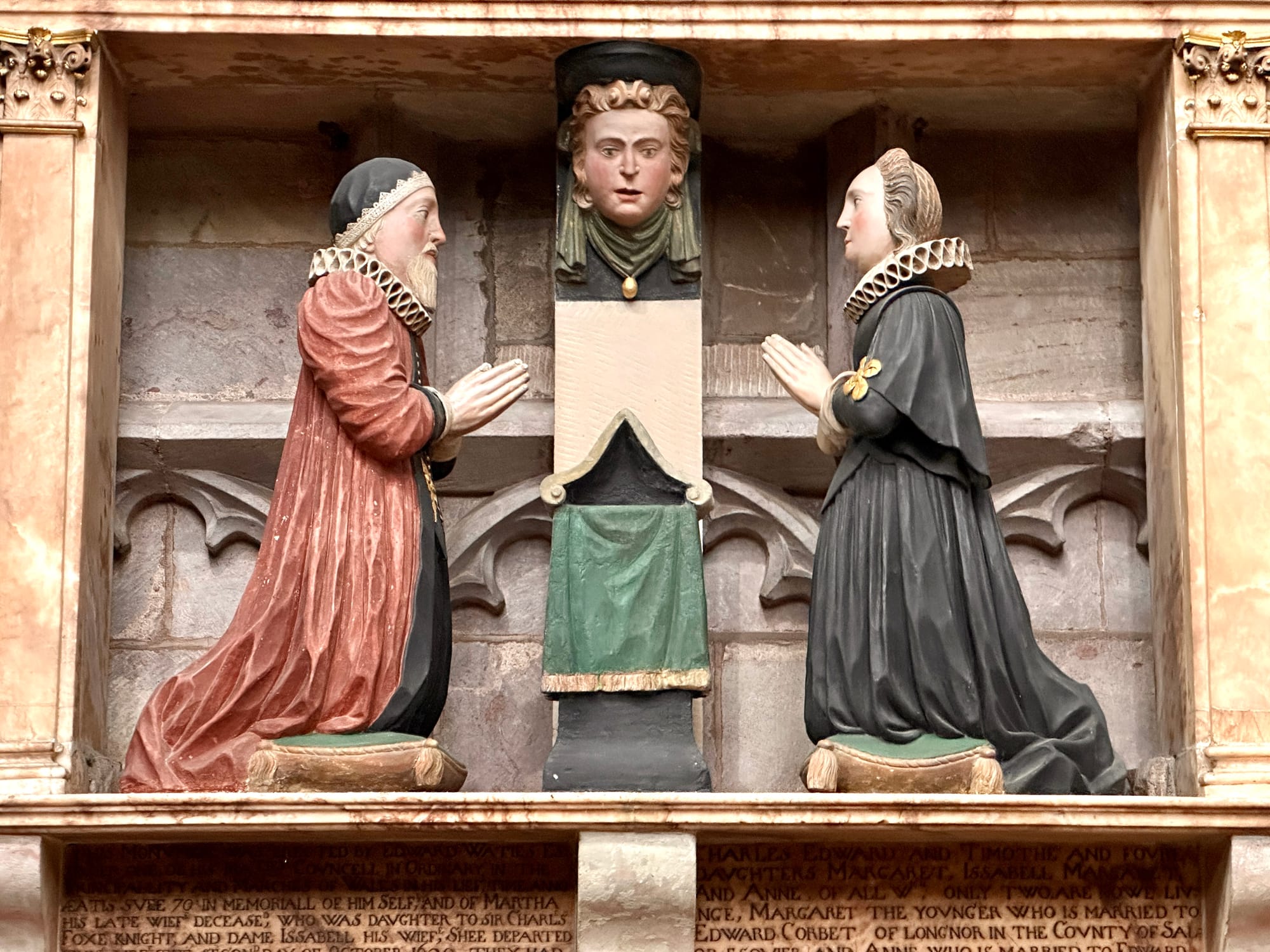
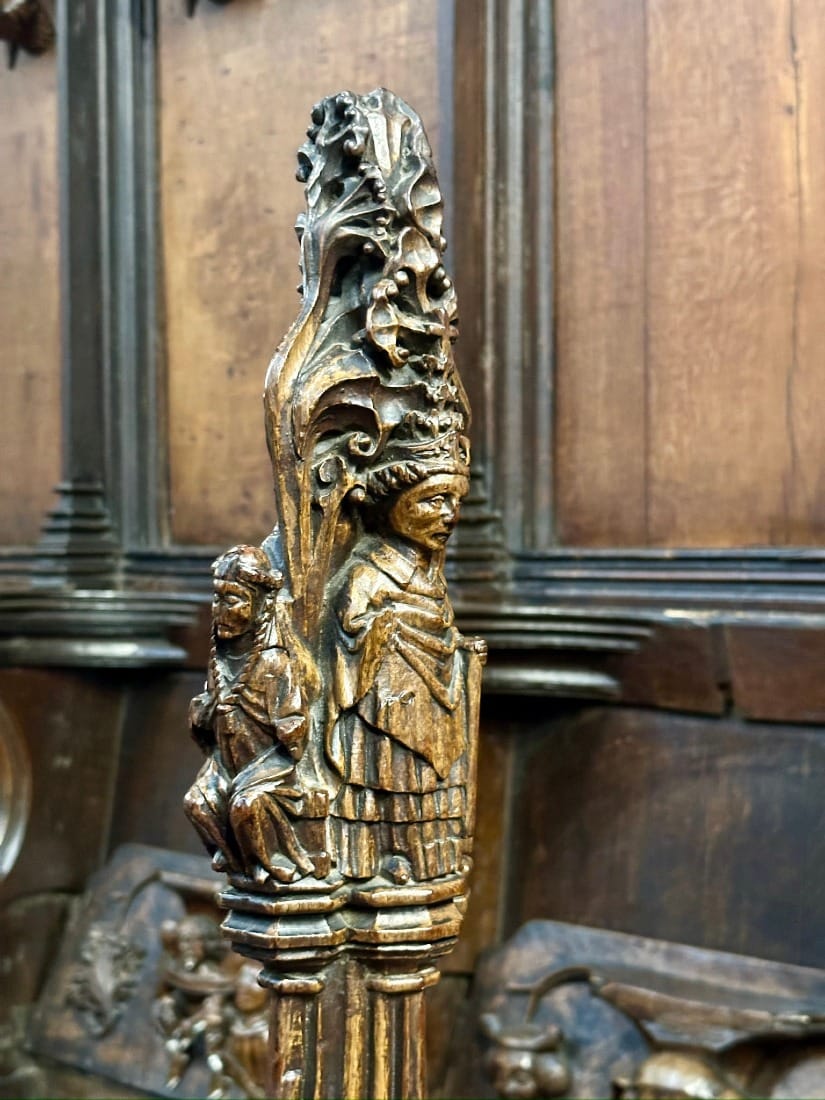
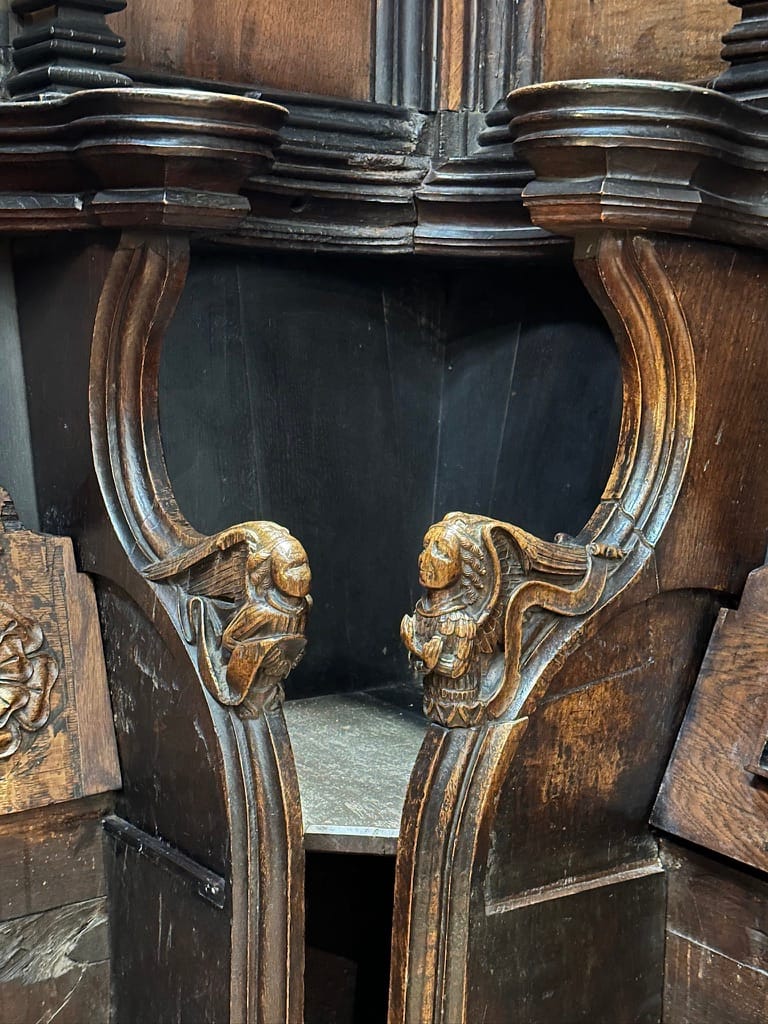
The Choir Stalls
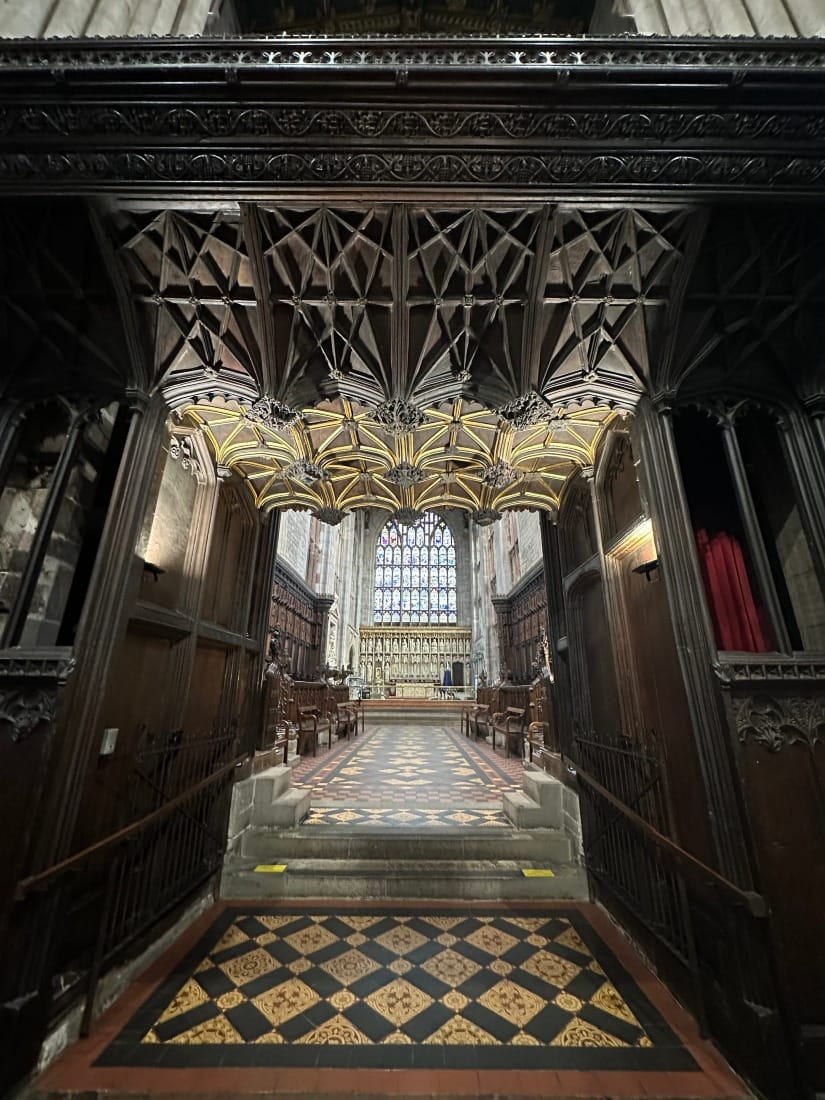
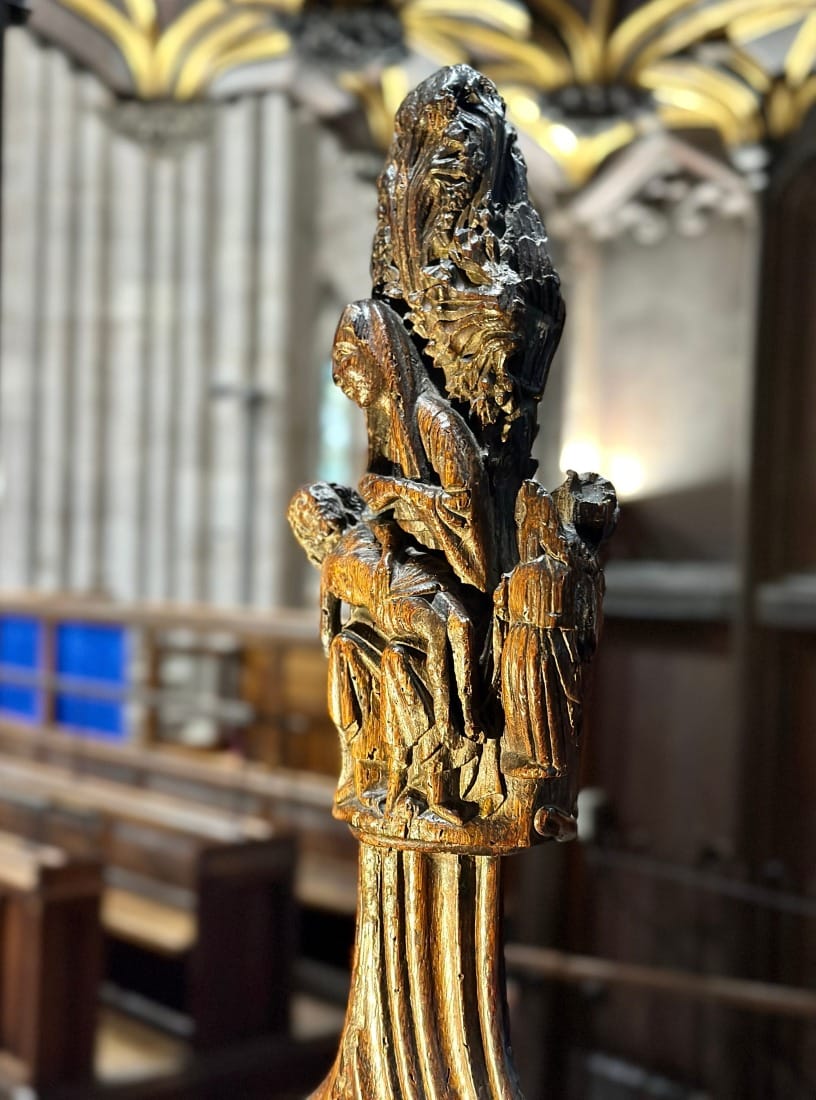
The jewel in the crown at St. Laurence, including some beautiful bench end carvings. The best of these is a Pietà - depicting the Virgin Mary holding Jesus after crucifixion.
Misericords
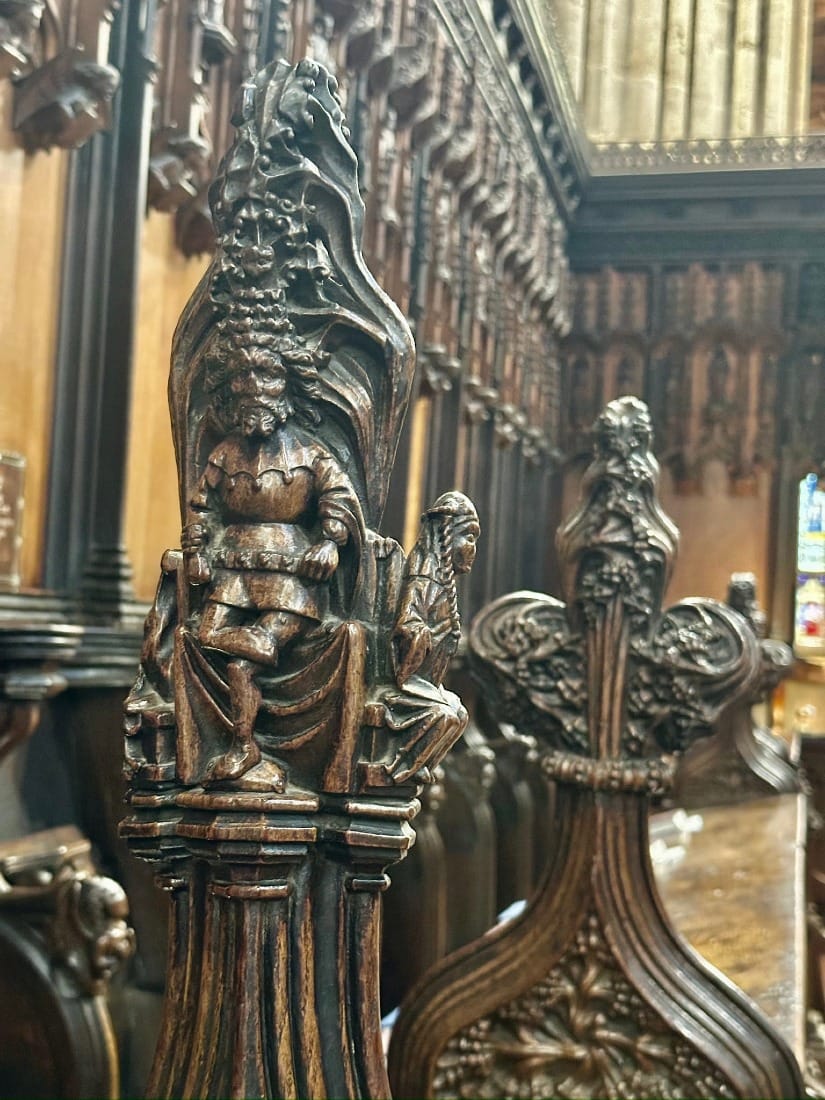
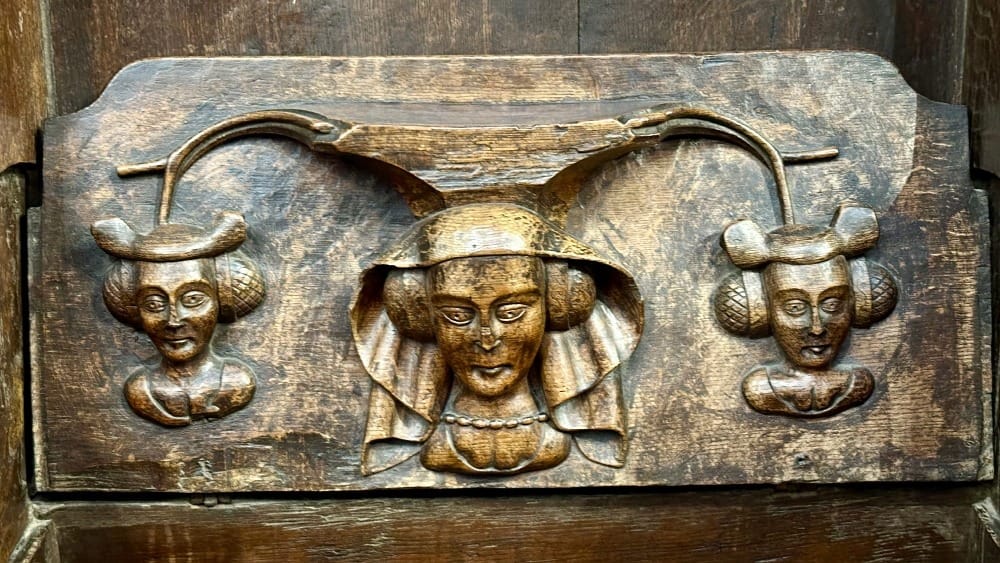
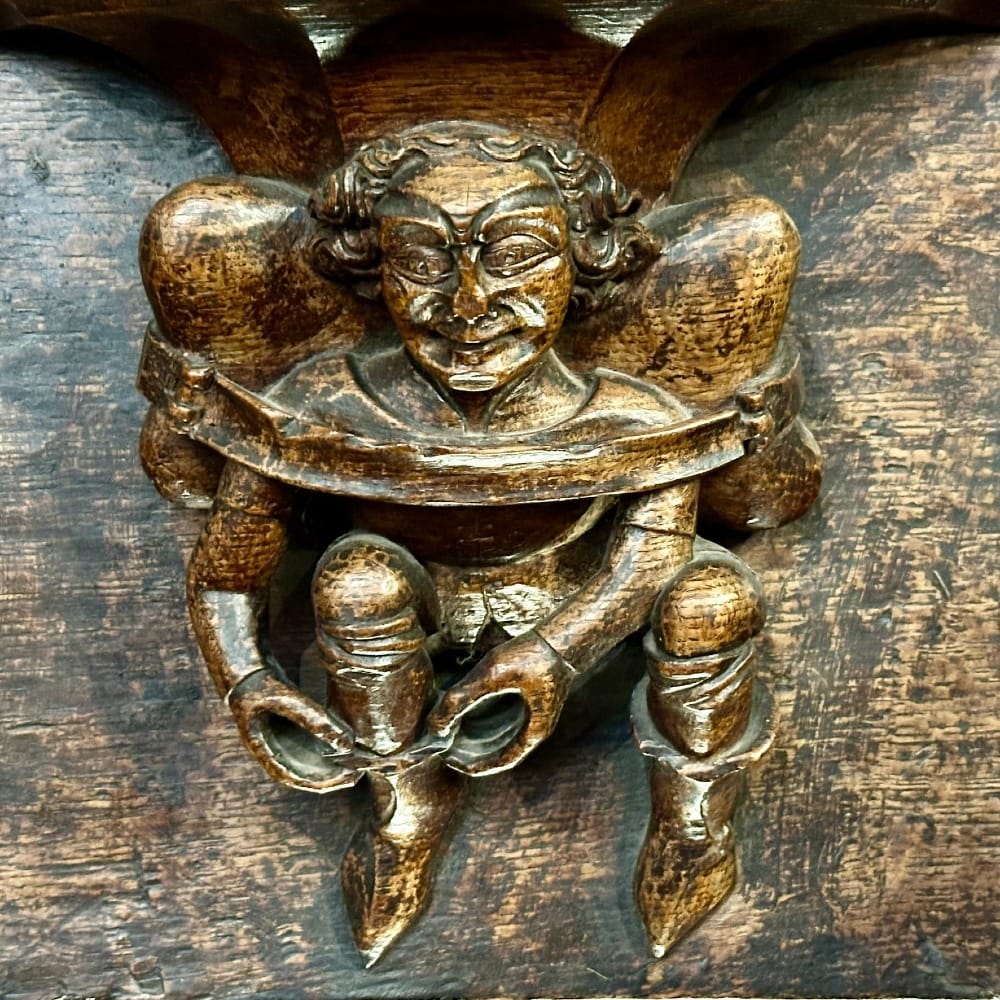
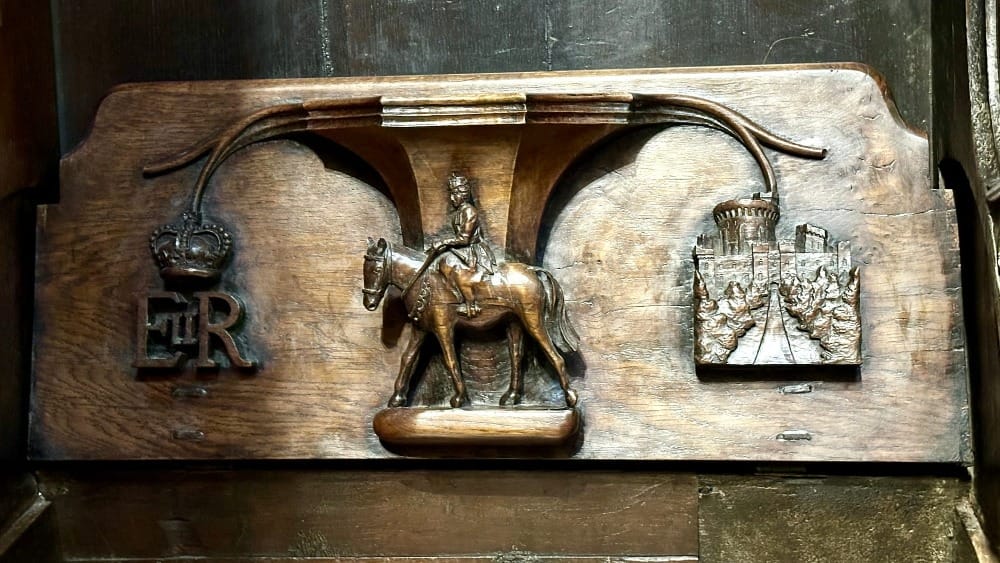
The stalls are of the C15th and have one of the best collections of misericords in the country - each one carved in deep relief. Here's a selection:
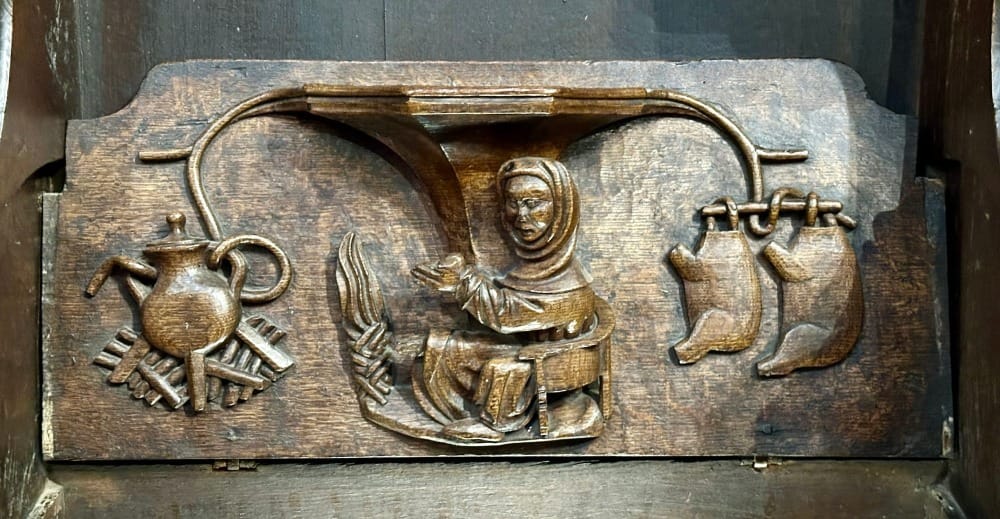
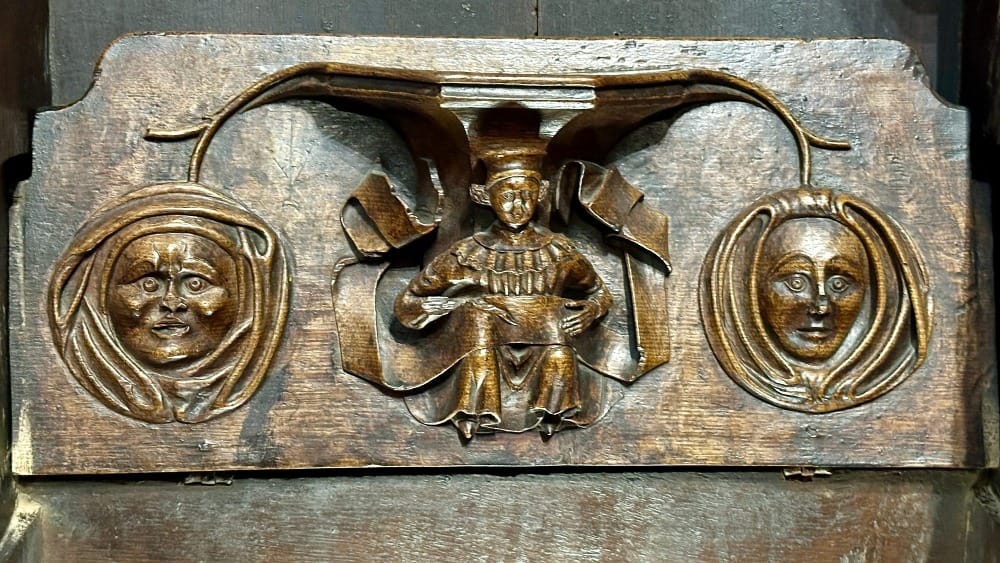
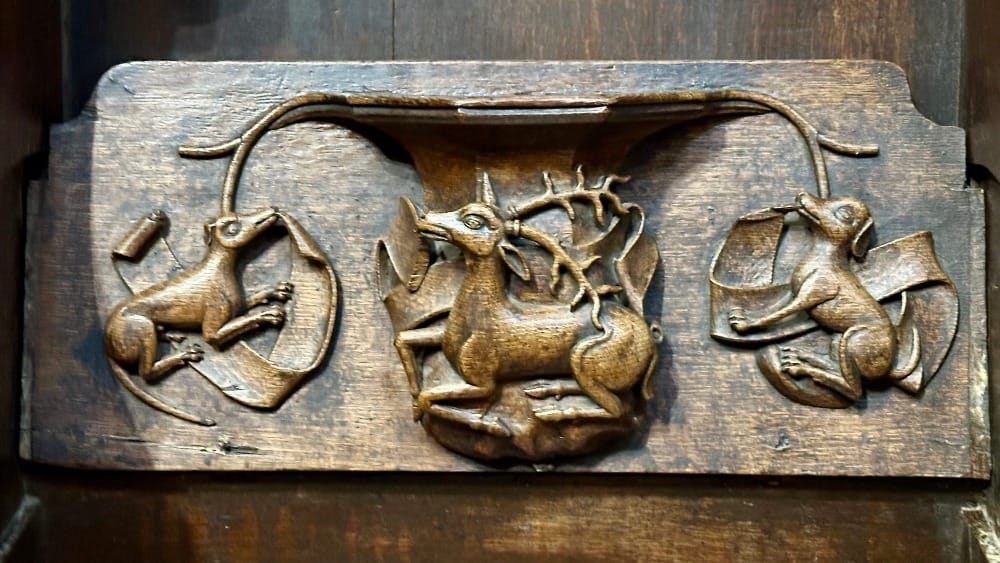
The misericords hold one intriguing C20th addition - that of the late Queen (and Windsor) (I wonder if she ever sat on this?)
I head out of the chancel and catch the guide's eye.
'Can you tell me of a decent pub nearby with a historic interior?'
'Oh yes, I'll take you there - there's lots to tell you about! But before you do I've just got the key to the Parvis Room - would you like to see it?
The Parvis Room
The guide opens the door and I'm left to my own devices. The room is above the south porch and accessible by a spiral staircase. I wander up the stairs and am gifted with a shuttered view of the room through a shouldered door. I'm taken aback - the room still has large swathes of original plaster work left.
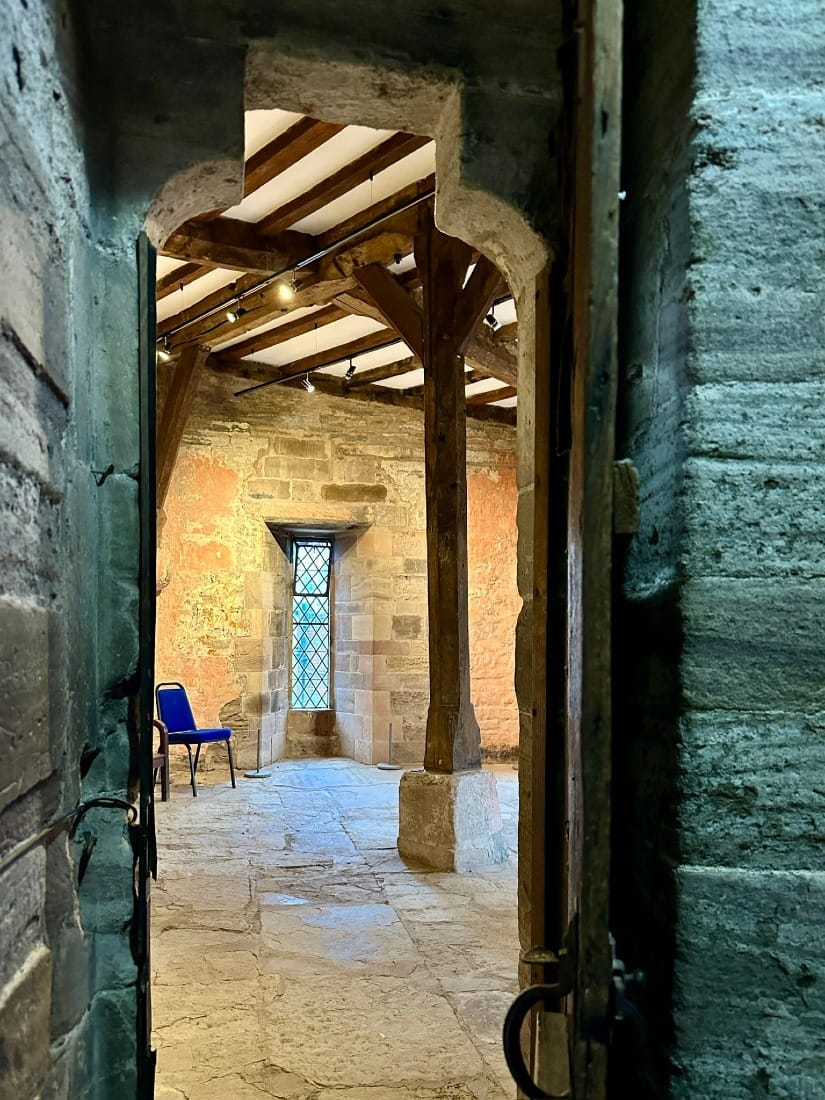
If you do ever visit St. Laurence - ask to see this room - it isn't usually open to the public.
I need to change my perspective - take off the 'Andy Marshall' lens and look at this room through Tim Meek's eyes.

Looking through Tim Meek's eyes.
Dr. Tim Meek is a specialist on wall coatings and wrote a guest post for the digest recently. I've always struggled to understand the concept of how lime mortar can be coated delicately over complex surfaces - and thus had many doubts about some buildings that were claimed to be rendered in medieval times.
Tim has gifted me with new ways of seeing.
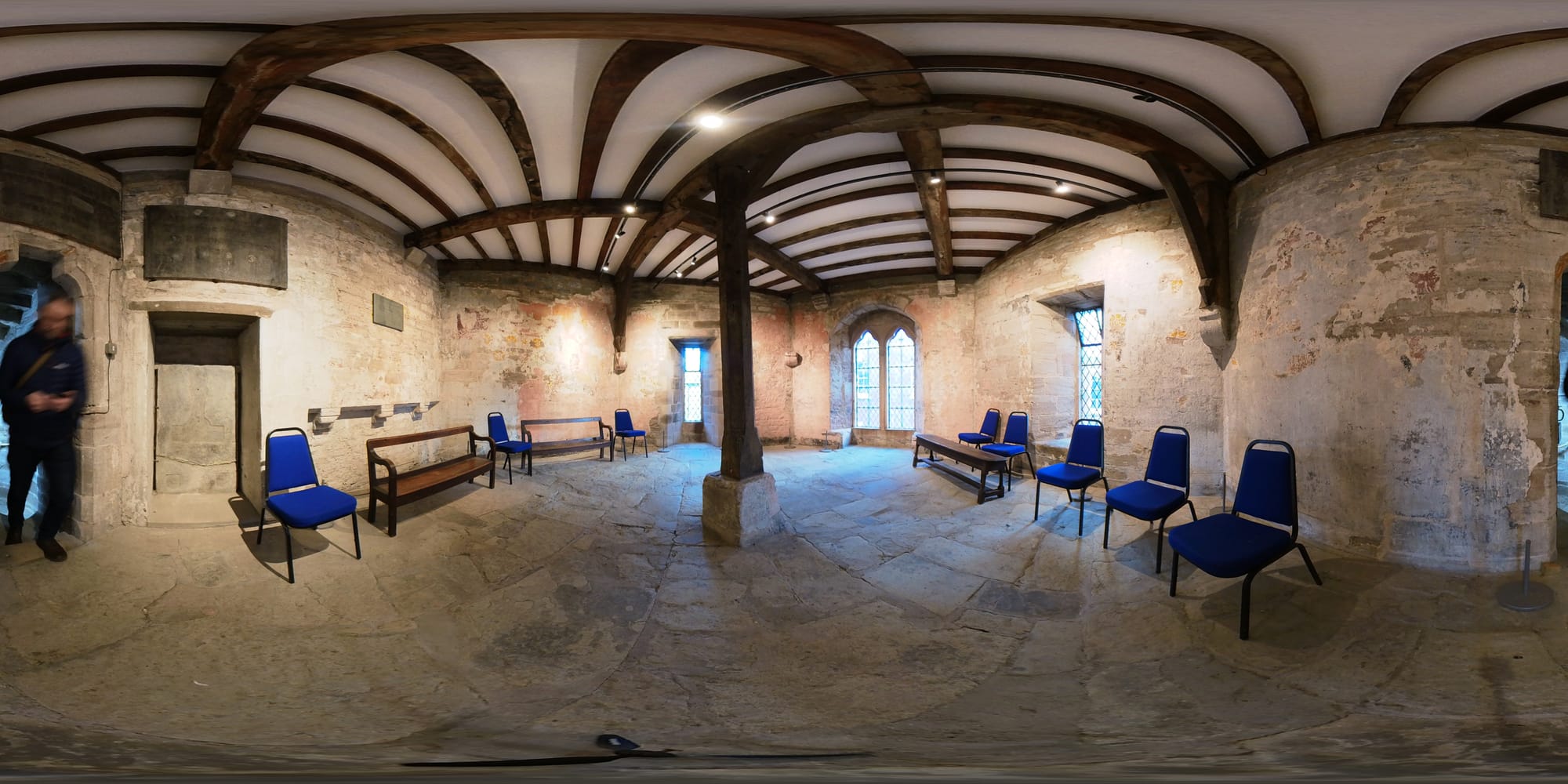
In the Parvis Room my doubts were dispelled - for the coating has been used over every surface including corbels and lintels - and it has survived.
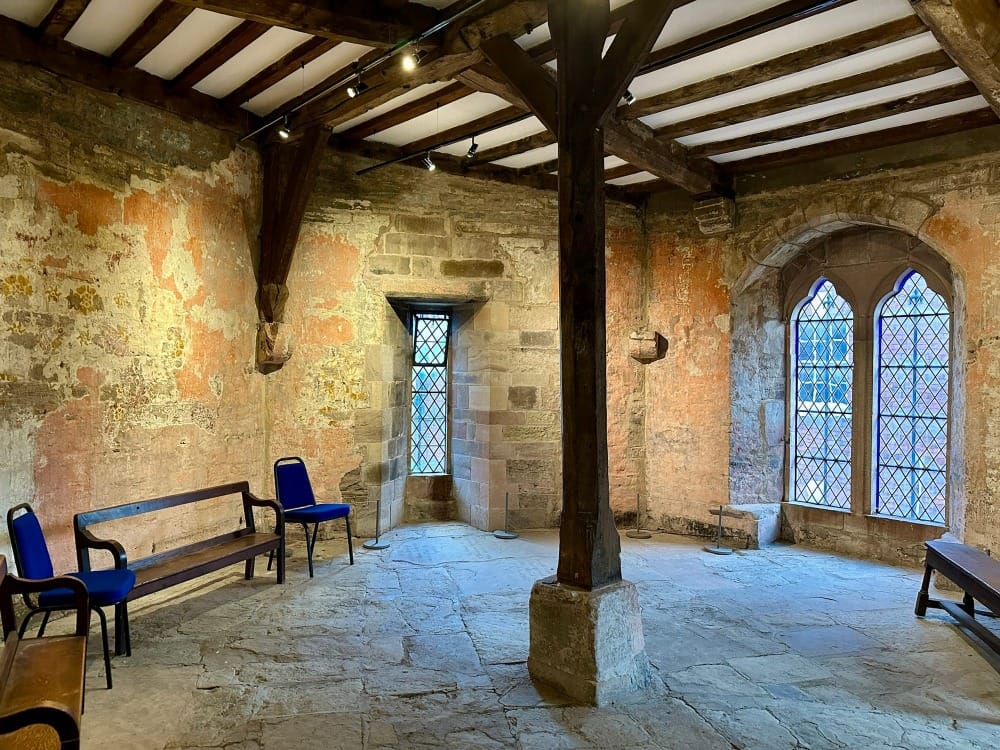
The room was originally used by the church deacons and then became a library. It has patterned floral decoration on the walls.
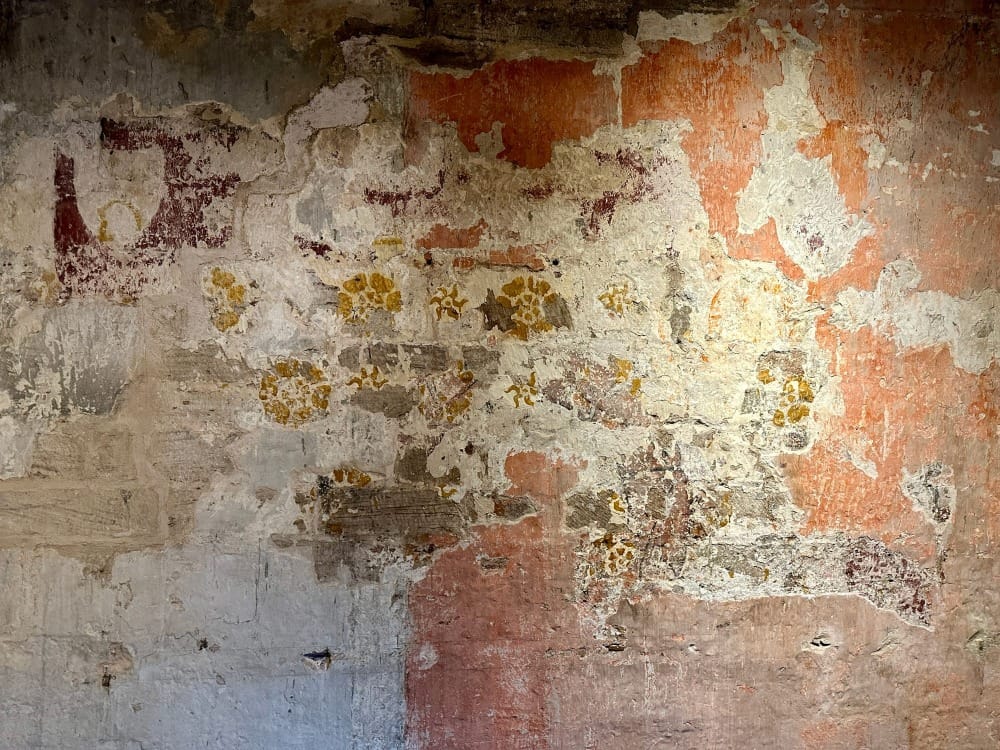
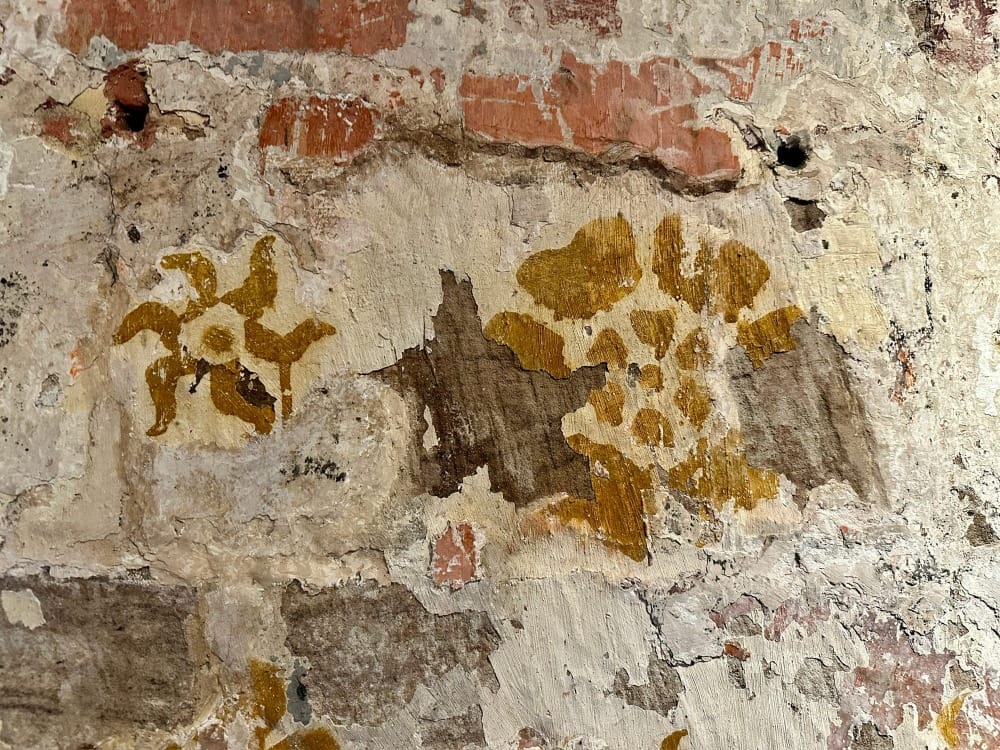
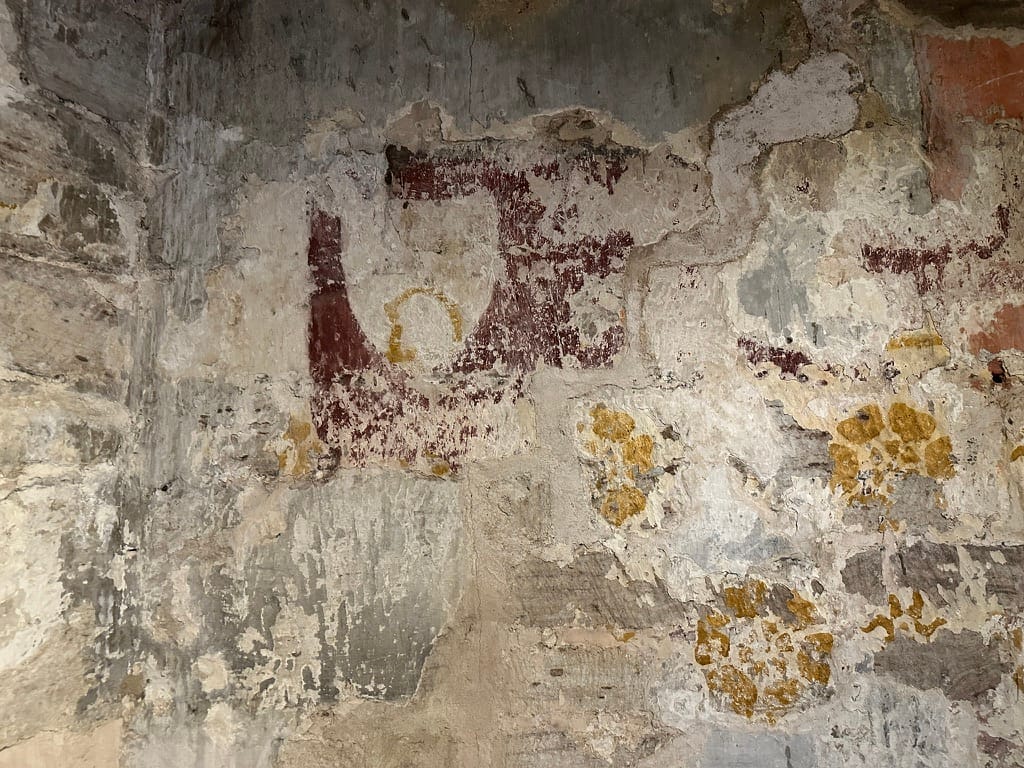
And a thin ochre base layer.
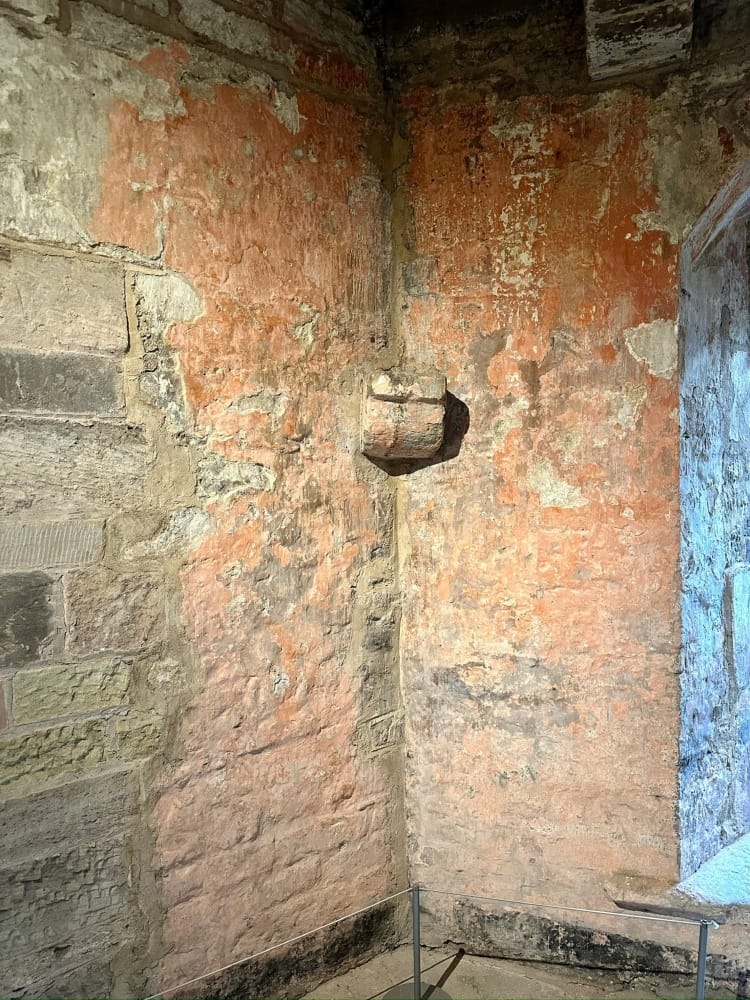
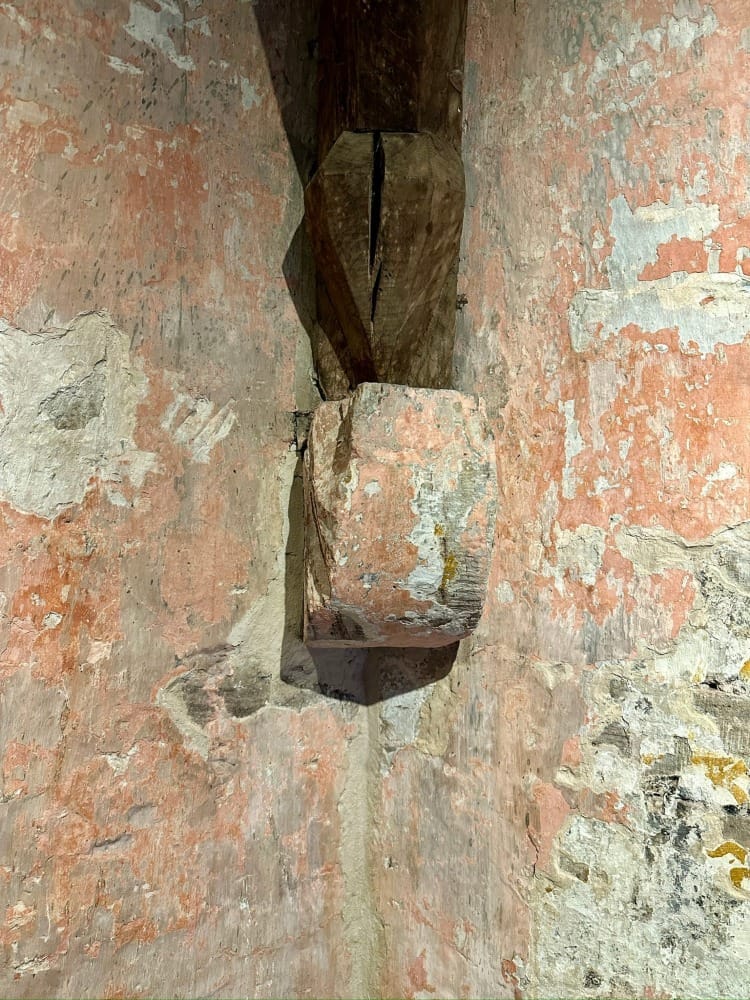
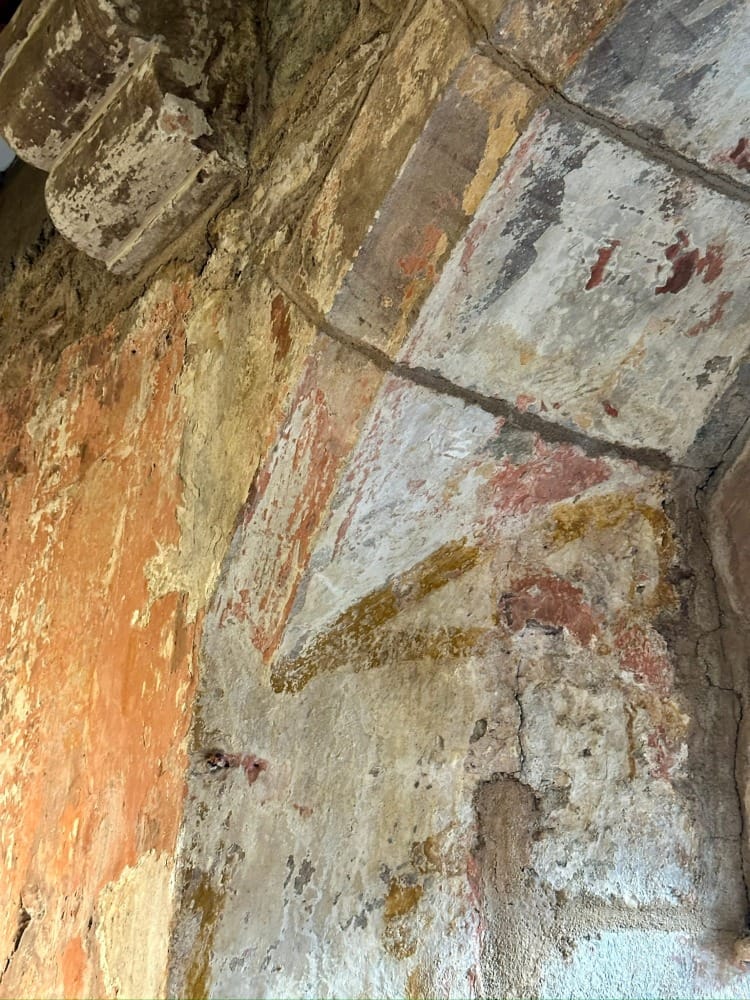
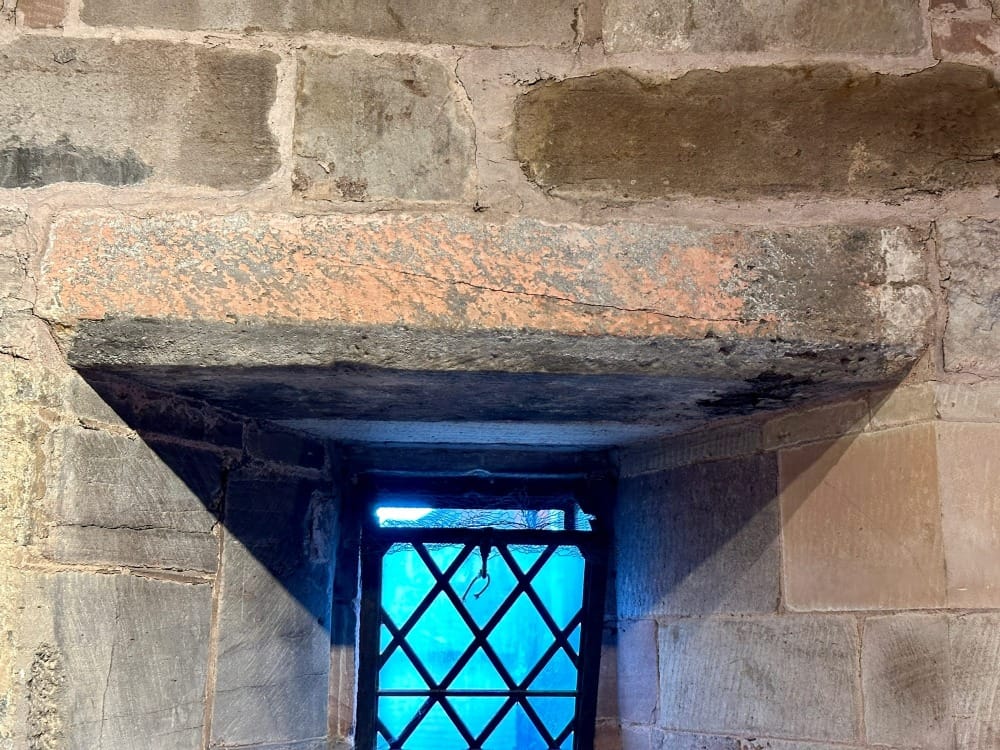
As I walk around the space I can sense how the room would have looked several hundred years ago. Our modern selves would paint within boundaries, negate the windows and ceiling, but here, every surface is covered in render and paint. The render has a kind of shape shifting effect - changing it from a room into a spatial concept.
Members can see the Parvis Room in gorgeous VR (and get a sense of the concept and space) here:
Andy Marshall
The Rose & Crown Pub, Ludlow
The Rose & Crown has one of those delicious entry points that is full of intrigue and mystery - through a ginnel and into a courtyard.
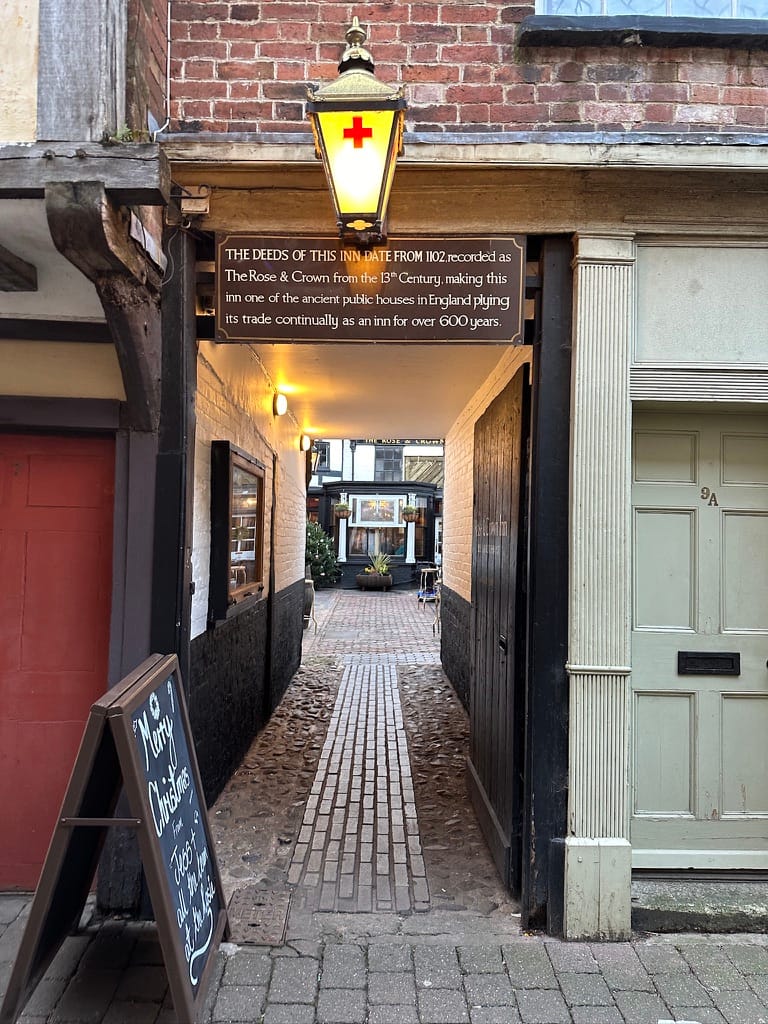
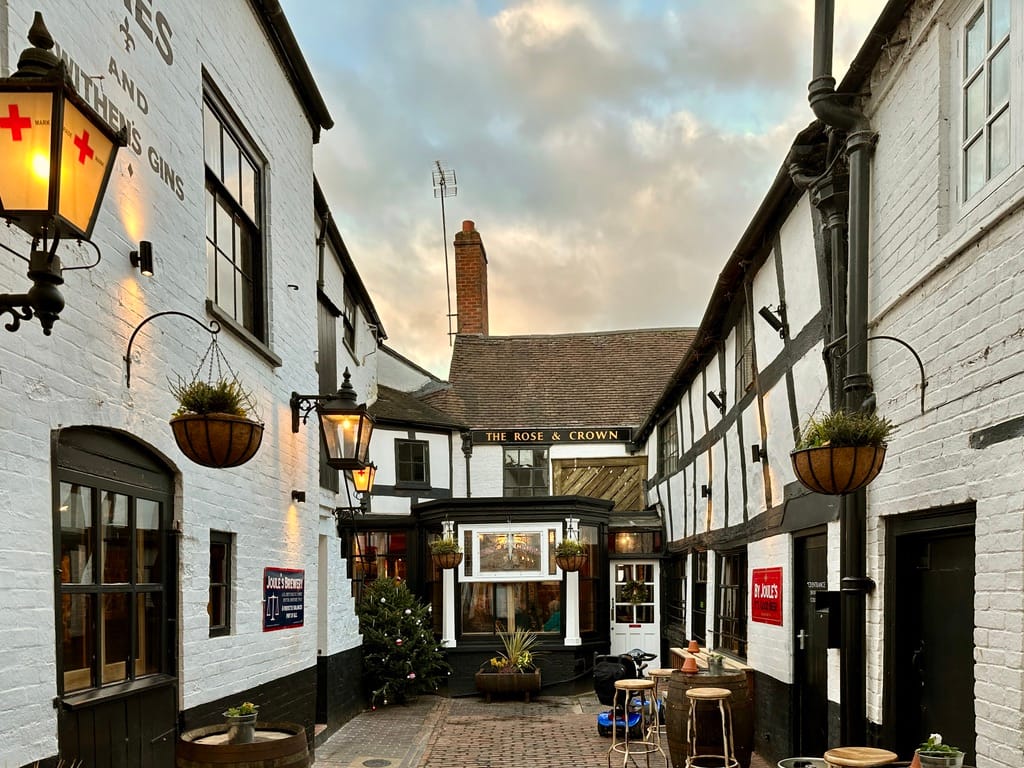
But my guide says that the best bits are around the side and at the back of the pub. They show the remains of a medieval building that was adjacent to the chantry cloisters - a building, perhaps, used by the chantry priests themselves.
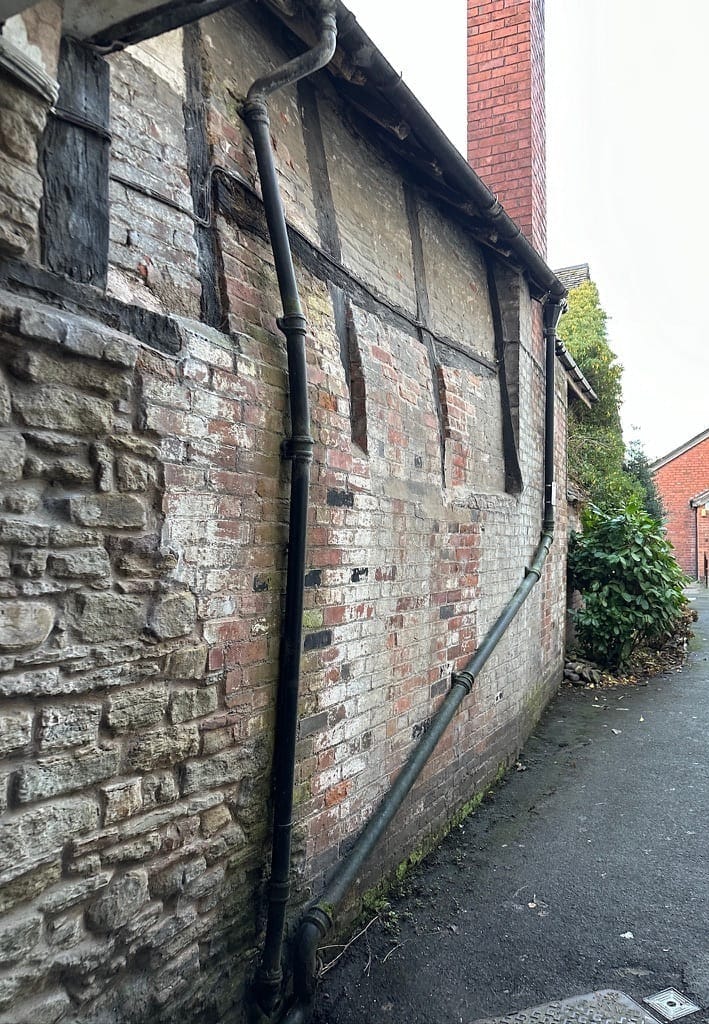
A building for archaeologists.
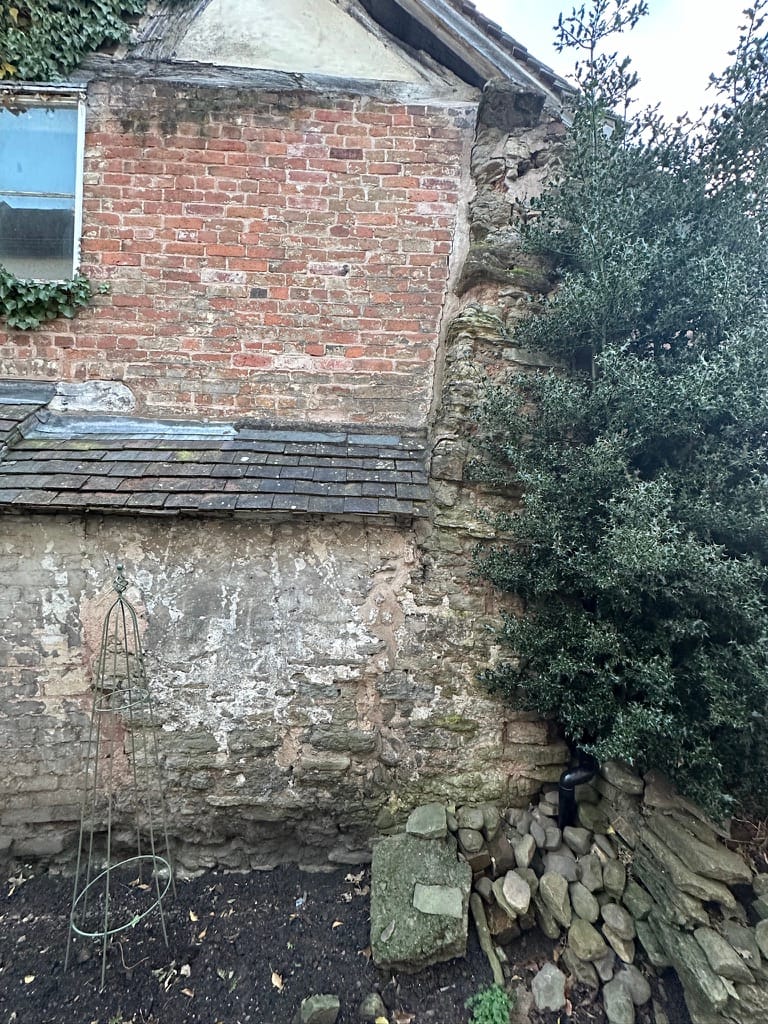
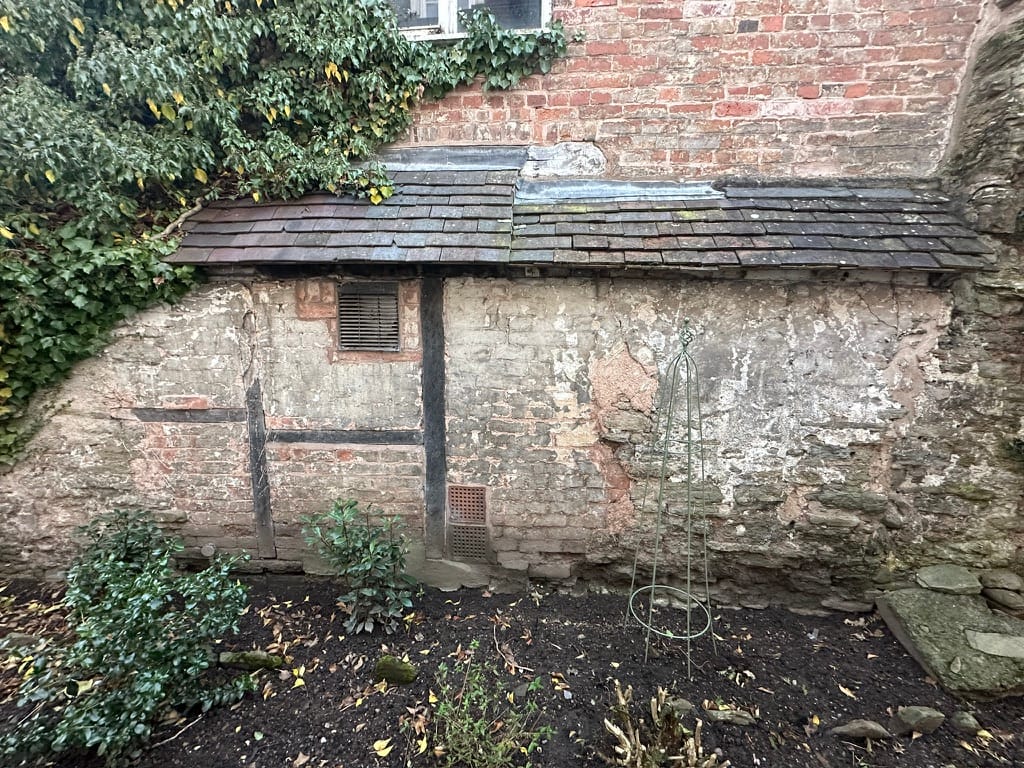
My guide takes me inside to see part of the medieval structure caught in the pub wall like a fly in amber, and then leaves me to have my pint.
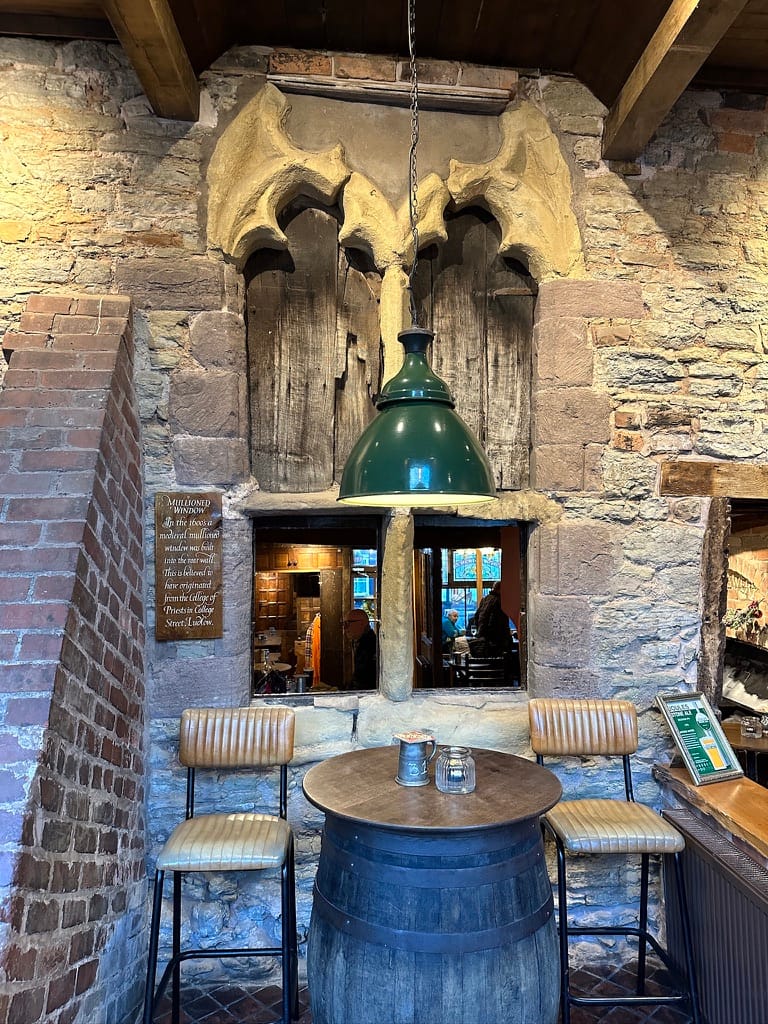
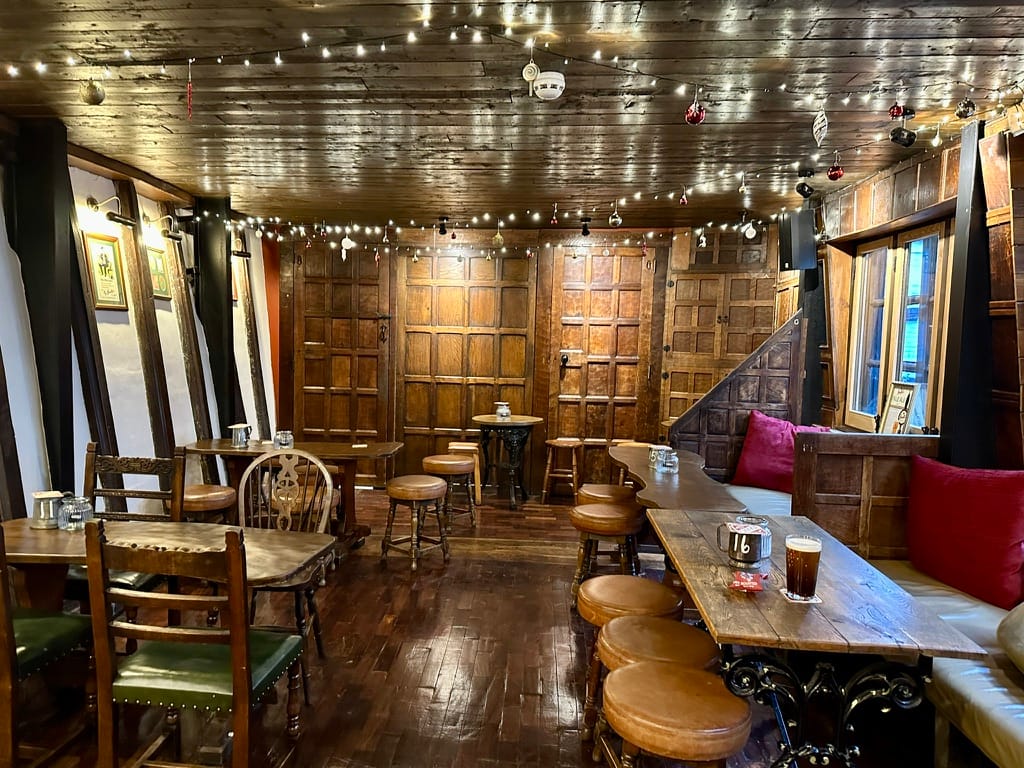
After a well earned rest, I see that the light is dimming outside - a lovely golden twilight, so I head out to capture the heart of Ludlow at night.
 Andy Marshall
Connect with me on: Bluesky / Instagram / Facebook / X / Tumblr / Flickr / Vimeo / Pixelfed / Pinterest
Member discussion