Each week I send out a short, fresh reflection from the road – photographs, sketches, and observations from old places that still have something to teach us. What follows is a moment from those travels.
“We..love a good story to such an extent that we can appreciate one silently in the sequential flow of a building plan or garden design and conversely, get upset by a place that seems without one. “
Ann Susan and Justin B. Hollander: Cognitive Architecture.
The Keyholder
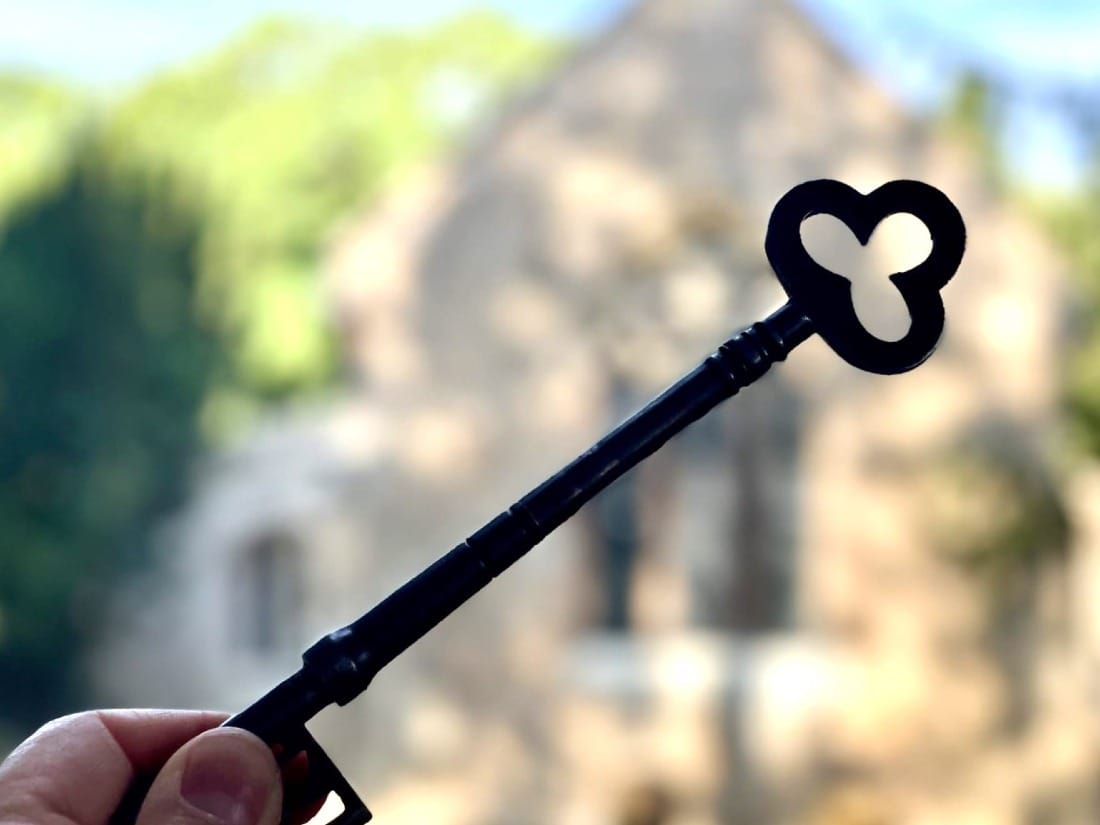
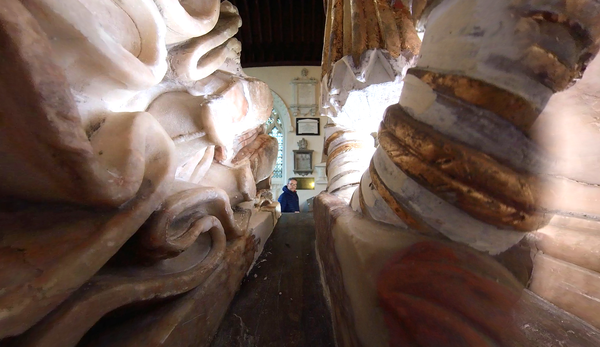
Before I head back to Ludlow, I have two churches to photograph. Both are a few miles from the other but on opposite sides of the Welsh/English border.
Prior to visiting the second church I contact the keyholder. My correspondent is warm and helpful. I find myself caught between the practicalities of organising the logistics and listening to the honeyed rhythm of his accent. I ask him if it’s possible to collect the key from his house and he answers:
‘This is how it is, you see. My neighbour from over the Callow turns up the other day out of the blue and says: ’ Do you fancy coming to market today? Farmer’s market is on today.’ And I says, ‘yes!’ So I gets my stuff together and takes a jacket just in case it rains. And there we are in the truck on the way to Abergavenny without a nod or a call. I’m gone like that, with the door bolted behind me. That’s how it is you see.’
Instead of saying ‘No. I probably won’t be in.’ he informs me by wrapping his message in a story.
To be honest I was expecting the clipped response, but when he started talking my mind lit up. I felt as though a fuse had been replaced in my brain.
His words told me of people and place and the environment they lived in. They gave a sense of time through the rhythm of the market and of the seasons. In spite of the underlying reason for him telling his story [I might not be in] he also conveyed a myriad of messages with words that were full of associations, correlations, interrelationships: a vibrant humus of humanity.
I don’t know if the keyholder is Welsh, but I sense that his English is rooted in the Welsh/ Celtic syntax which is rich in mnemonic flora and fauna.
It is a language that originated in an indigenous correspondence with place, one that helped connect people with the landscape. It’s such a powerful way of deeming significance to people and places and subsequently an amulet towards protecting and connecting place through memory and association.
I’m reminded of Pamela Petro’s words in The Long Field: ‘Peer into the grammar of Welsh, and you begin to suspect that it is steeped in ancient knowledge of the human heart.’
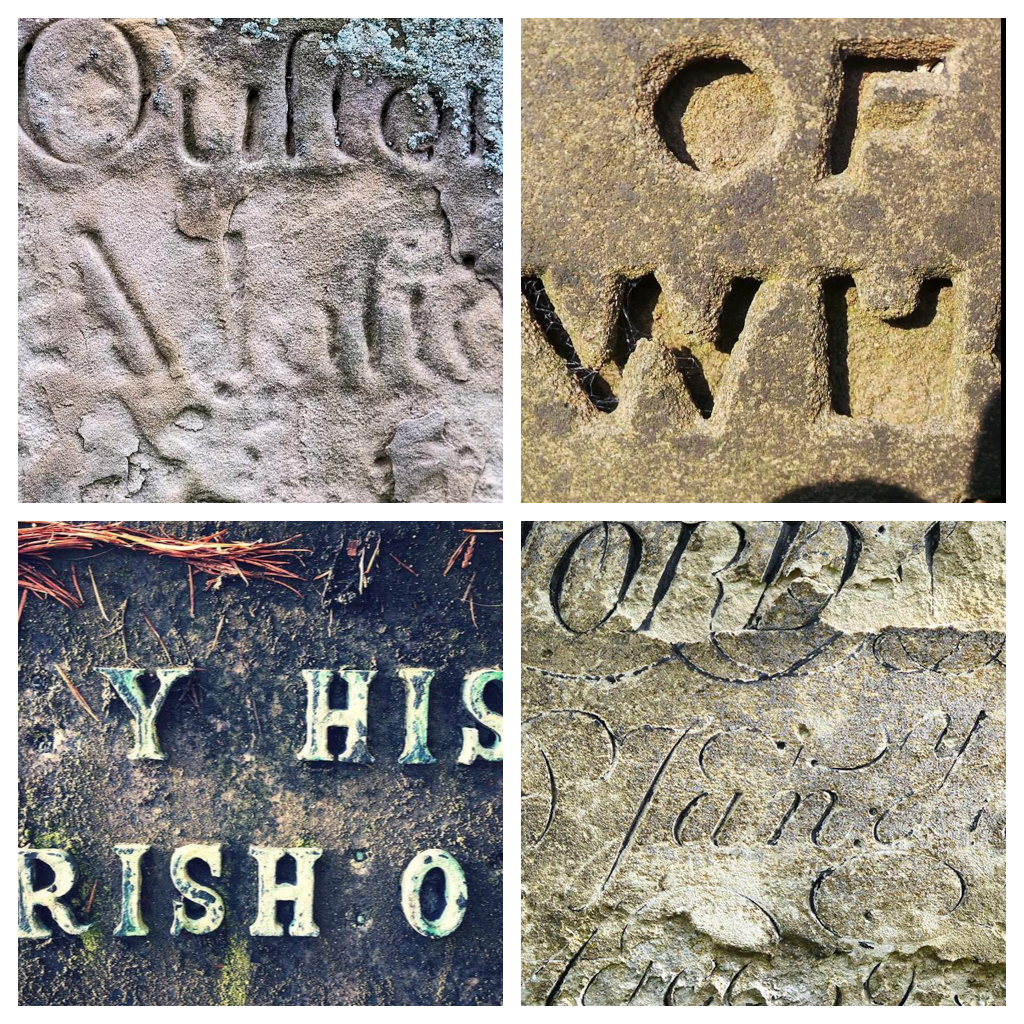
What happens to relationships with people and place when our language is pared down into a sparsity of syntax -one that is shaped and economised by the limitations of our devices, or negated by 6 second videos, or culled by website SEO farms - worded for clicks to a search engines demands? Or on a more sinister bent: when the computer says ‘no’.
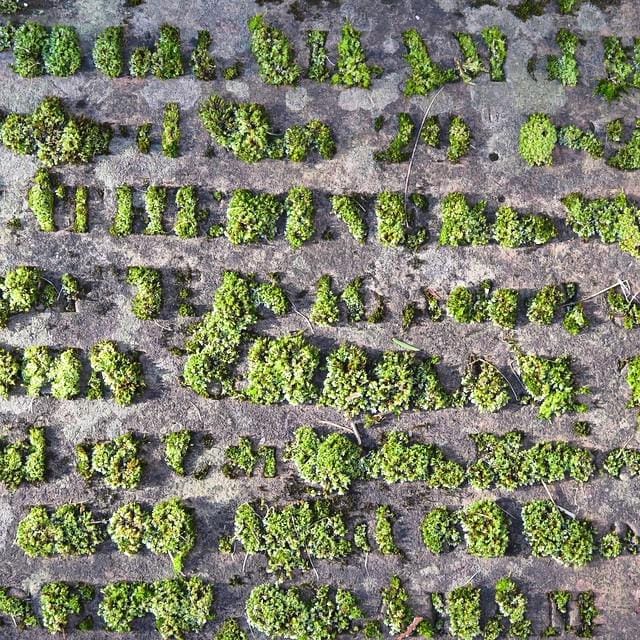
Brazilian anthropologist Eduardo Viveiros de Castro says that ‘All that is required for sticks and stones to leap into life is our own presence.’ He praises the power of our imagination, but our imagination is rooted in our language and when we shutter and clip it we reduce our capacity to make connections that initiate empathy for others.
There are times that I have to remind myself of Viveiros de Castro’s thoughts, and subsequently, of the powerful agency of our imagination. My ‘note to self’ says: ‘Andy, take your time, work through your words and respond with grace, dare to articulate them with a long sentence, a paragraph indeed.’
Language is more powerful than we think. We need it to gloss the world and all those in it. A vibrant, imaginative and descriptive language is the glue that holds us together. It helps form attachments and subsequently build relationships: relationships with the landscape and environment but, more significantly, relationships between people.
Who’d have thought a humble phone call might be so significant? That literacy, language and poetry might be key to underpinning our common humanity? Every English teacher and lecturer should shout it from the rooftops.
Power to the storytellers, the photographers and the artists, for they hold more influence than we give them credit for: the skill to teach others how to see; the potency to save buildings and places that might inform our future; the capacity to give salve to collective identity and personal wellbeing. Credence to those that shine a light, point their lens or ink their pen about the small, seemingly insignificant things, that give our lives a meaning beyond measure.
Connect with me on: Bluesky / Instagram / Facebook / X / Tumblr / Flickr / Vimeo / Pixelfed / Pinterest
Member discussion