Each week I send out a short, fresh reflection from the road – photographs, sketches, and observations from old places that still have something to teach us. What follows is a moment from that ongoing journey.
A Grain of Sand.
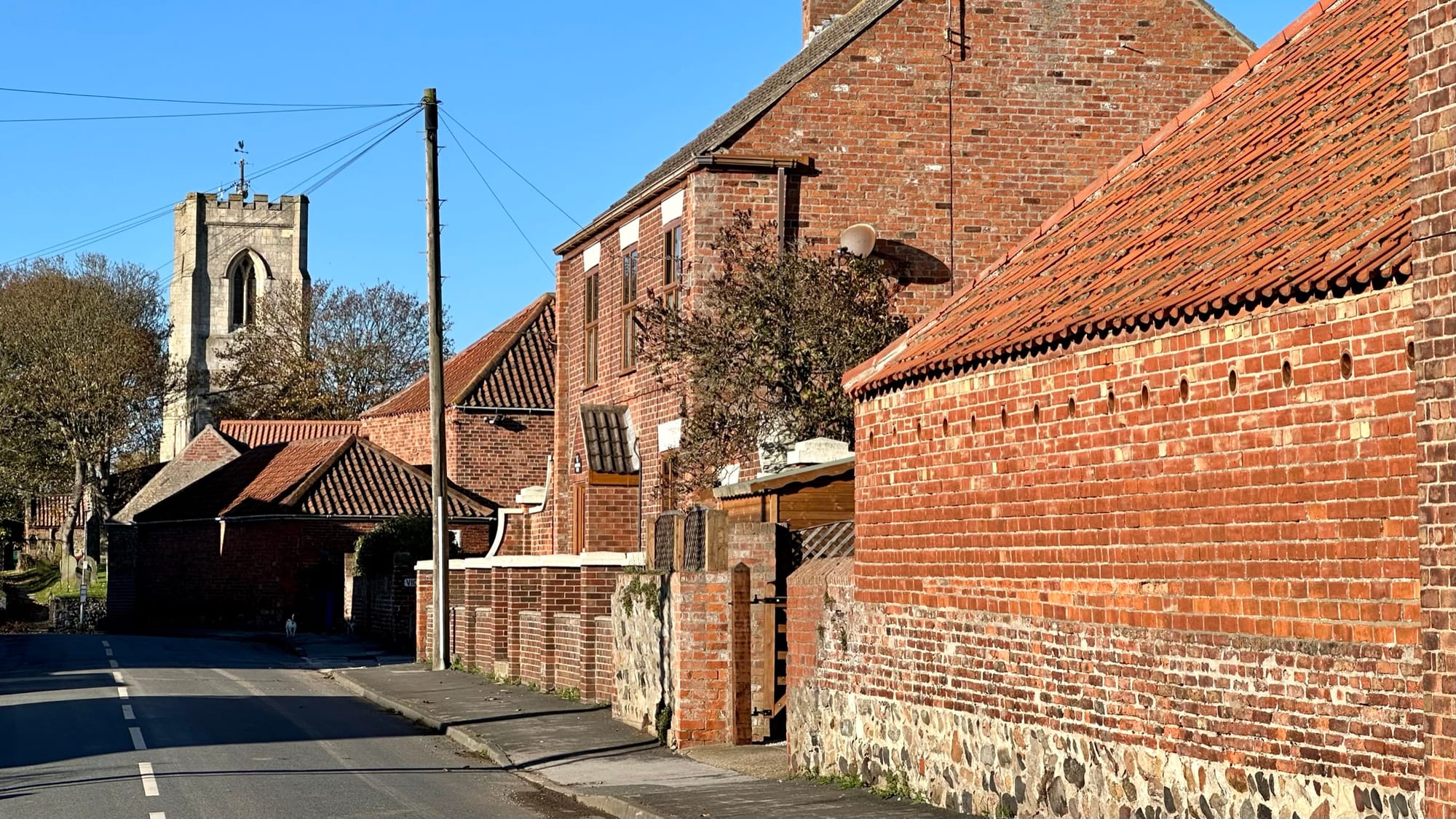
As I step into St. Mary's church in Easington, Yorkshire, I feel a sense of familiarity wash over me. After all, I’ve done this a thousand times before: adopting a kind of ‘church crawling’ mode that I slip into effortlessly.
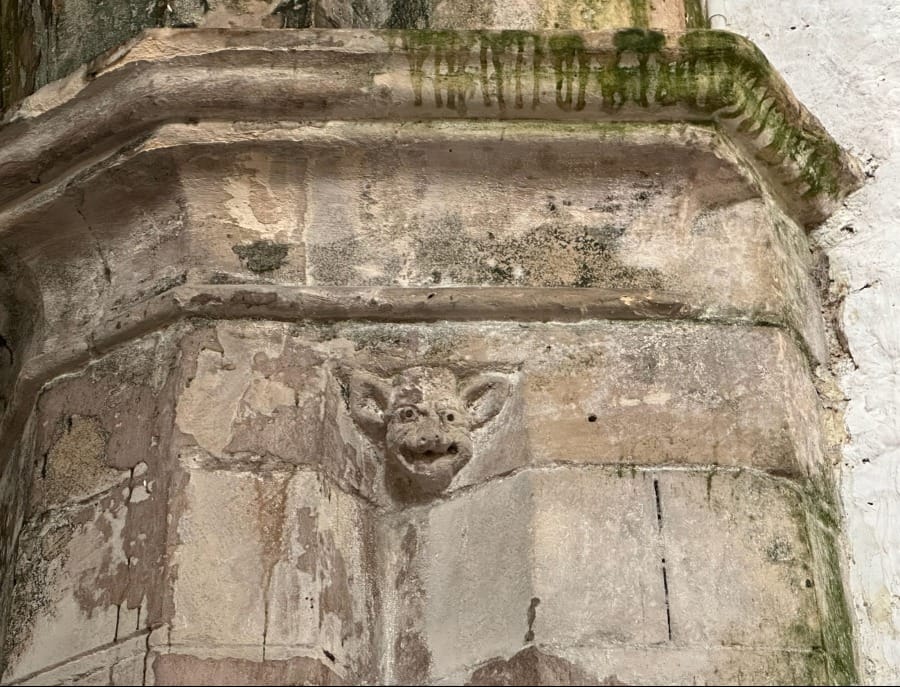
This time my expectations are met with a sight so unusual that I step back and lose my balance. The chancel space is filled with a modern green tent and the nave is bustling with activity. Polite individuals acknowledge my presence but stay focused on their tasks, until a kind stranger explains to me the purpose behind this unexpected arrangement. The tent is providing warmth for those who can’t afford it.
I can’t help but feel a sweet and sour mix of emotions as I contrast the kindness of strangers and the harsh realities of the world we live in.
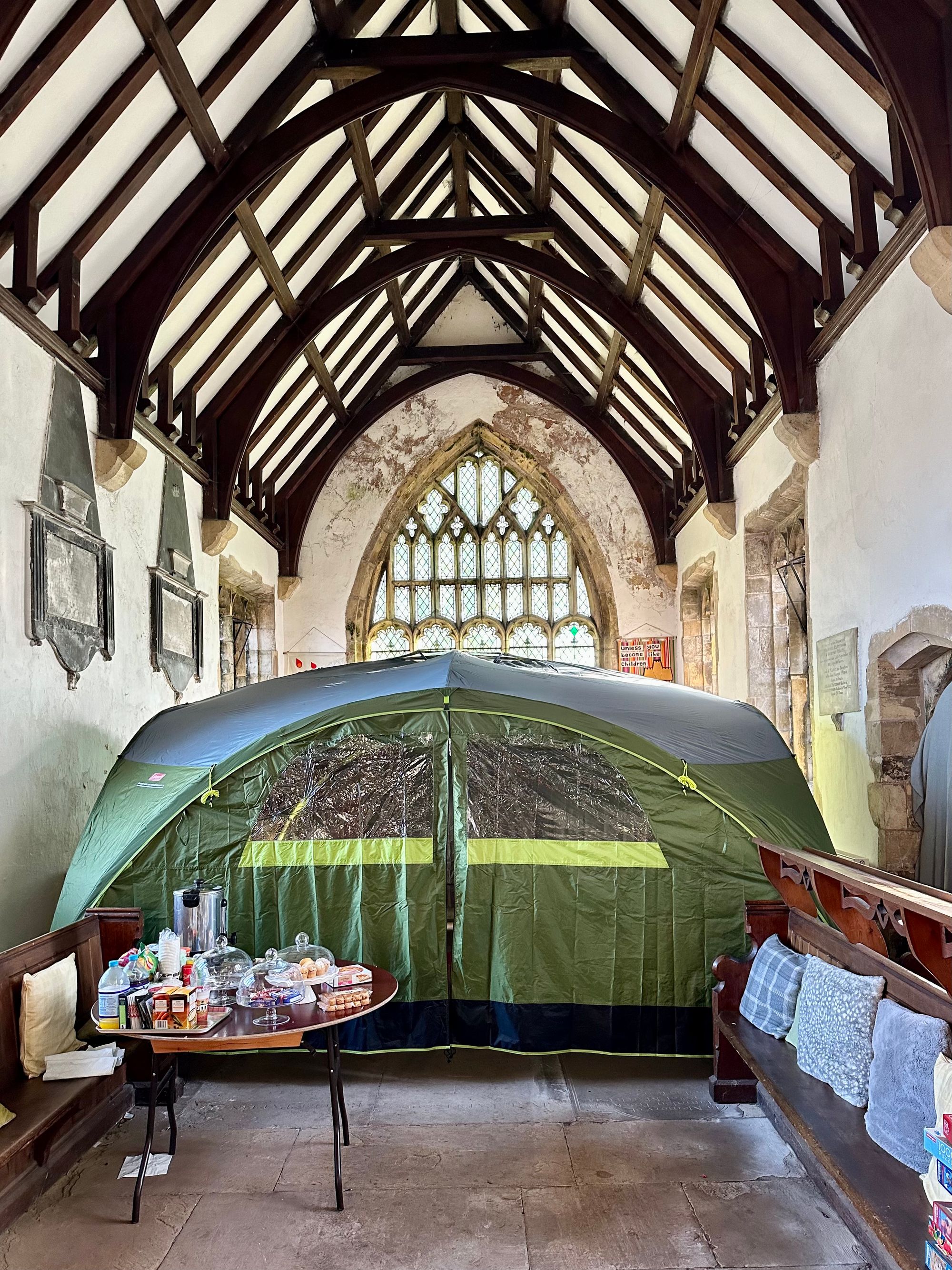
Leaving the church, I can’t shake off the shock and sadness. I head for the van, close the sliding door behind me and take a moment. How can such small acts of kindess overcome the overwhelming and destructive tilt of this world?
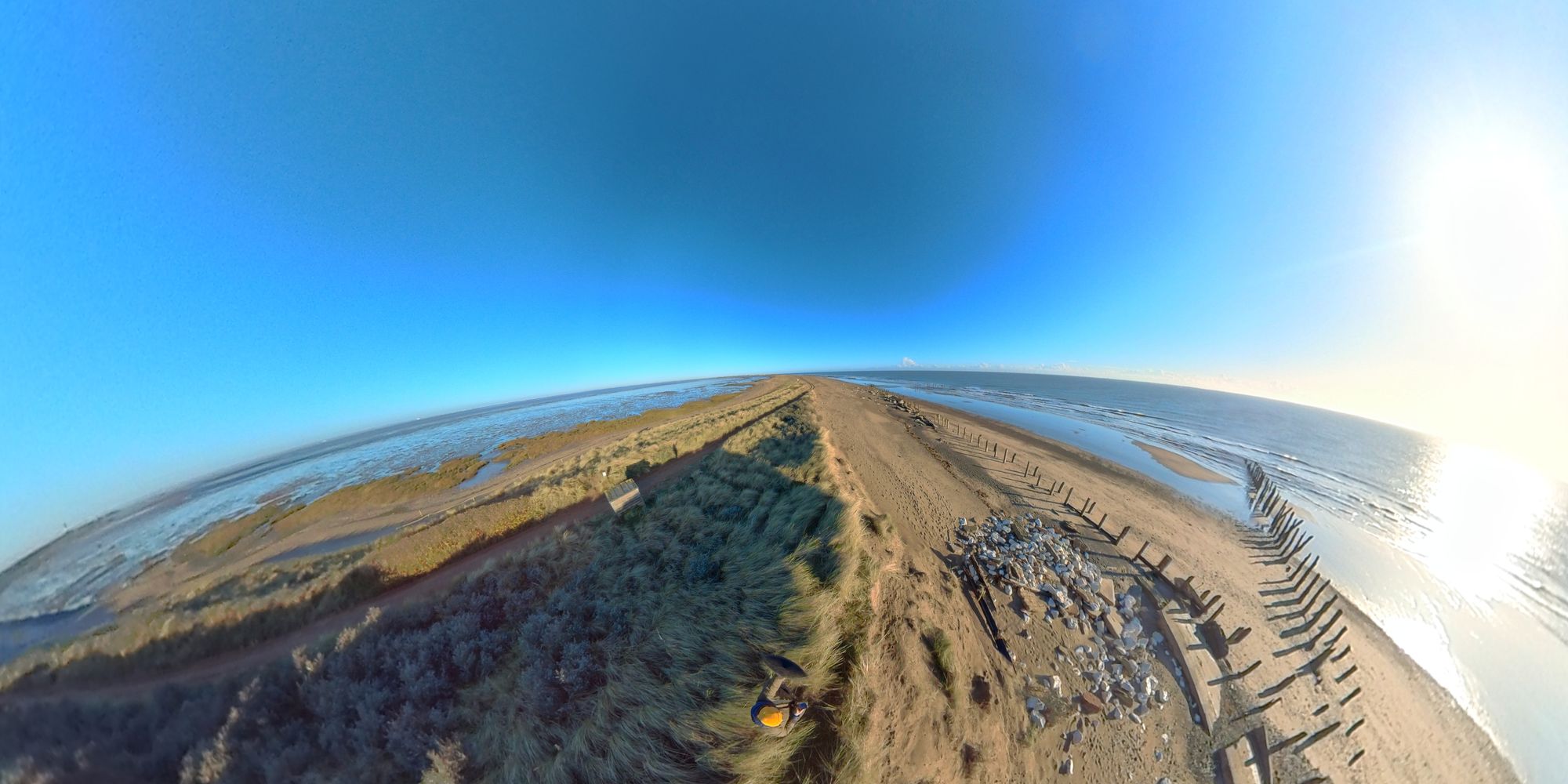
Seeking solace, I make my way to a place that might gift me a different perspective. Spurn Point is a liminal place that is almost indistinguishable against the vast North Sea.
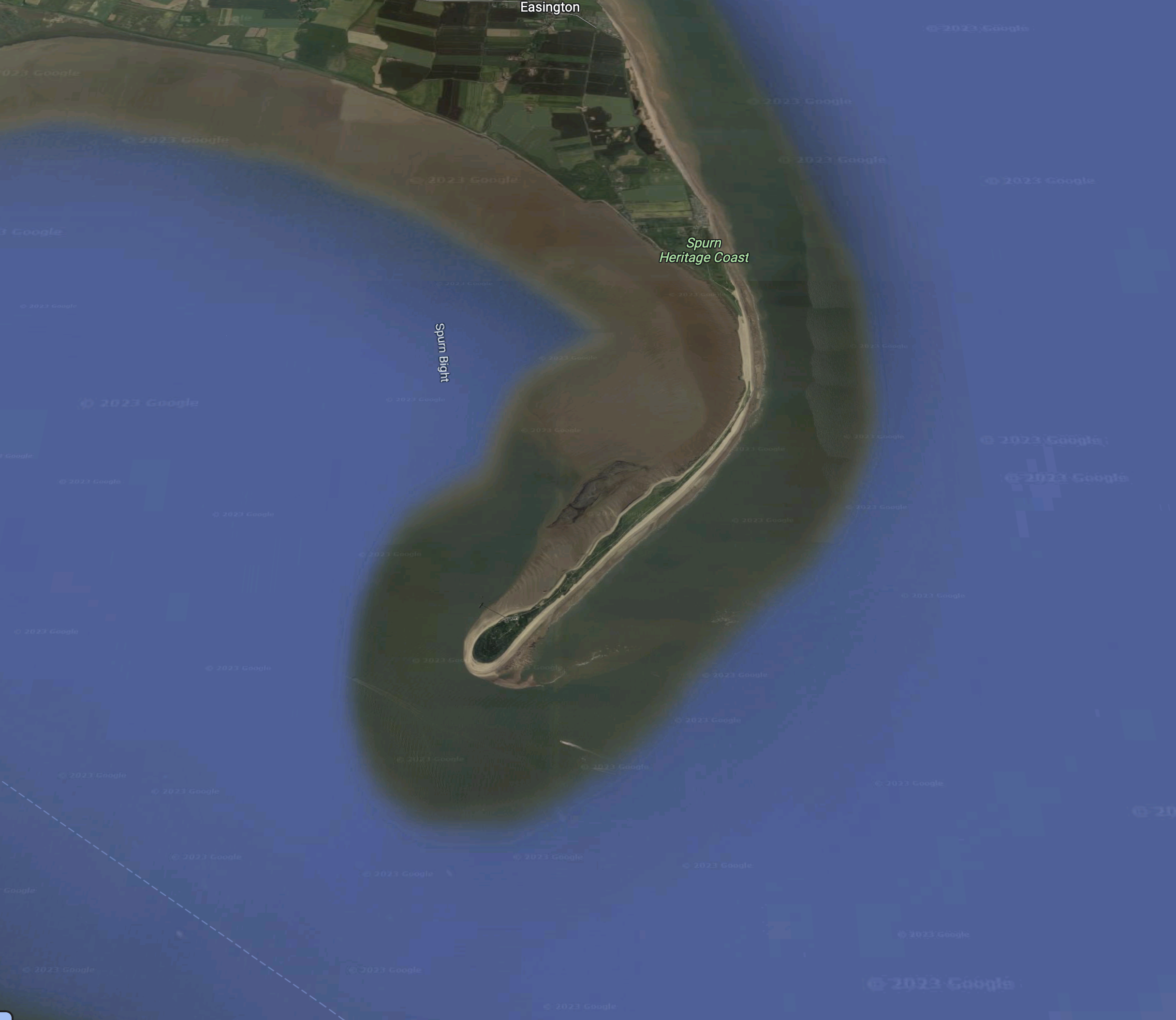
This tapering spit of land curls around the Humber Estuary as if to offer protection from the unforgiving might of the sea. It's one of the world's fastest eroding coastlines. Life and death coexist here in a constant cycle of renewal, shaped by the relentless forces of nature that seek to destroy it.
Lying in the depths close by are the remains of Ravensor Odd - a town that sat on the previous sandbank before it was inundated by the sea during the Grote Mandrenke storm in the C14th. Its name stems from 'Hrafn's Eyre' or 'Hrafn's Sandbank' which is mentioned in the Iclandic sagas. Egil the viking was shiprecked here in 950AD, and it is thought that this was also the embarkation point of Harold Hadrada before his defeat at Stamford Bridge in 1066.
Despite being swallowed by the brine intermittently, Spurn Point always emerges anew, remade by the tidal forces that threaten its existence; and it’s because of this that I feel a sense of hope, and a better understanding of how small acts of kindness, like those at Easington, have their part to play in our world. For when this coast was smothered by the sea, out of the destruction and loss arose a new place from a single grain of sand, and then another, and another, until even the might of the North Sea and the raging swell of the Humber could contain it no more.


Travel with me weekly - subscribe to my Genius Loci Digest for free
Each week, this Digest offers a small pause – photographs, sketches, and reflections from historic places that still carry meaning. It’s a weekly practice of noticing, continuity, and learning to see more deeply.
Subscribe📍More Loci:
 Andy Marshall
Spirit of Place * History * Material Culture * Heritage * Continuity * Photography * Travel * Architecture * Vanlife * Ways of Seeing * Wellbeing * The Historic Environment * Churches * Art * Building Conservation * Community * Place Making * Alternative Destinations * Hidden Gems * Road Trips * Place Writing *


Member discussion