Each week I send out a short, fresh reflection from the road – photographs, sketches, and observations from old places that still have something to teach us. What follows is a moment from that ongoing journey.
"And in buildings of all kinds there is a surface to be immediately enjoyed, and layer after layer to be unpeeled as a result of which one can experience ingenuity, folly, vanity, skill, affection, pride, or adventurousness of all types of people in all kinds of locations."
Mark Girouard, Town and Country.
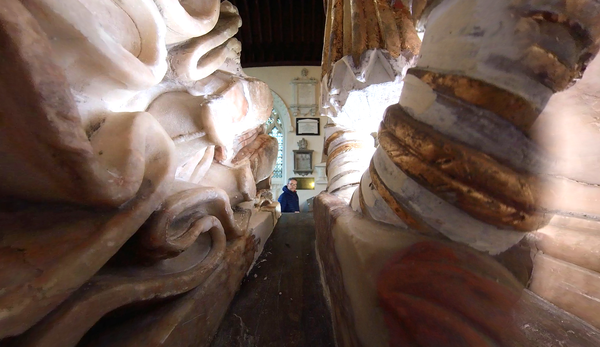
The volute and the cobbled floor.
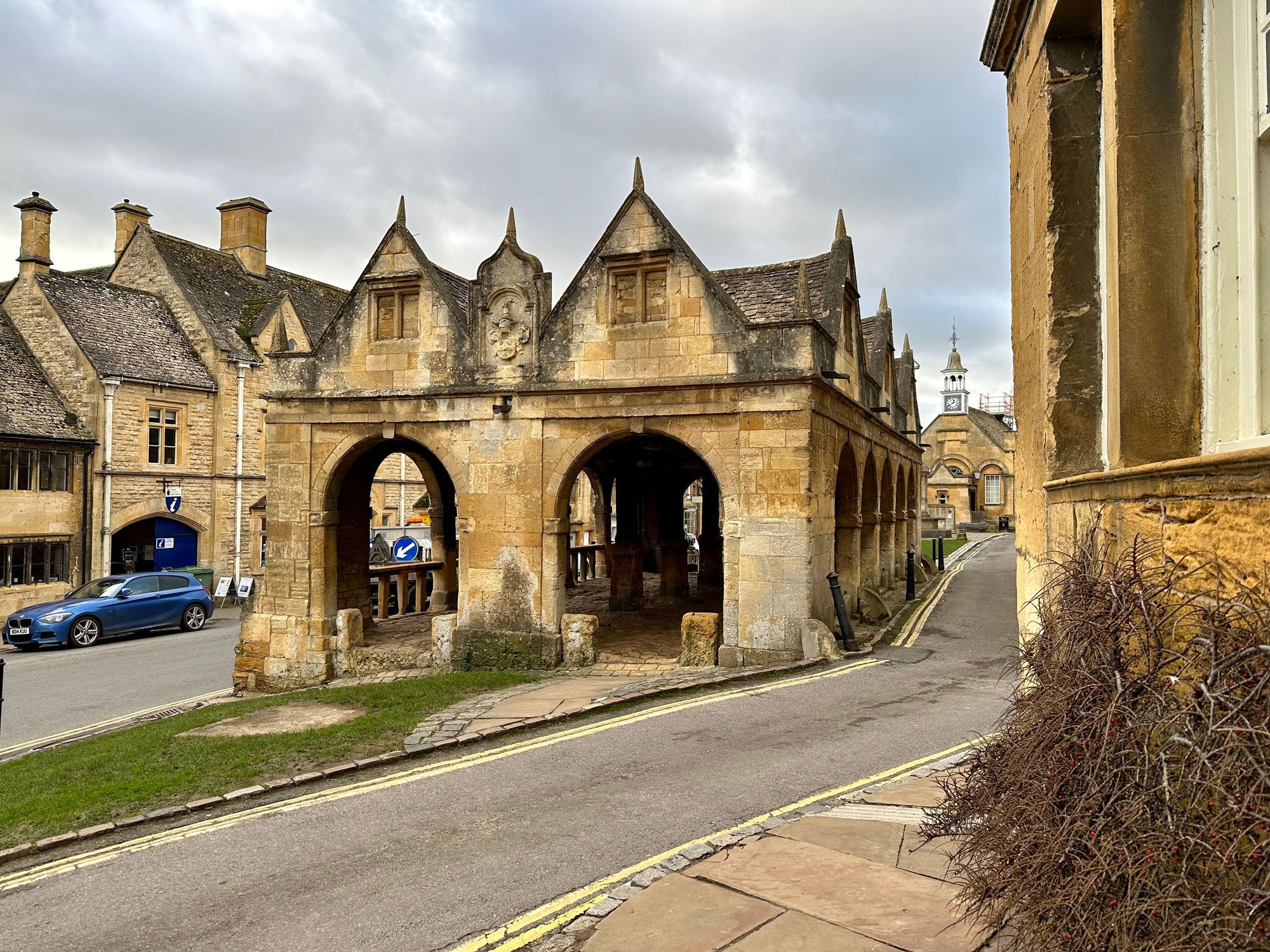
Every place is an open book and every time I visit somewhere, no matter where, I come away feeling enriched. Chipping Campden in Gloucestershire is no exception. I have a commissioned shoot of a new theatre at the school, and I take time out to visit the town centre and church. Even though the weather isn’t kind, the Cotswold stone is resonant with ochre hues - warm to the touch - retaining the latent memory of over 900 years of use.
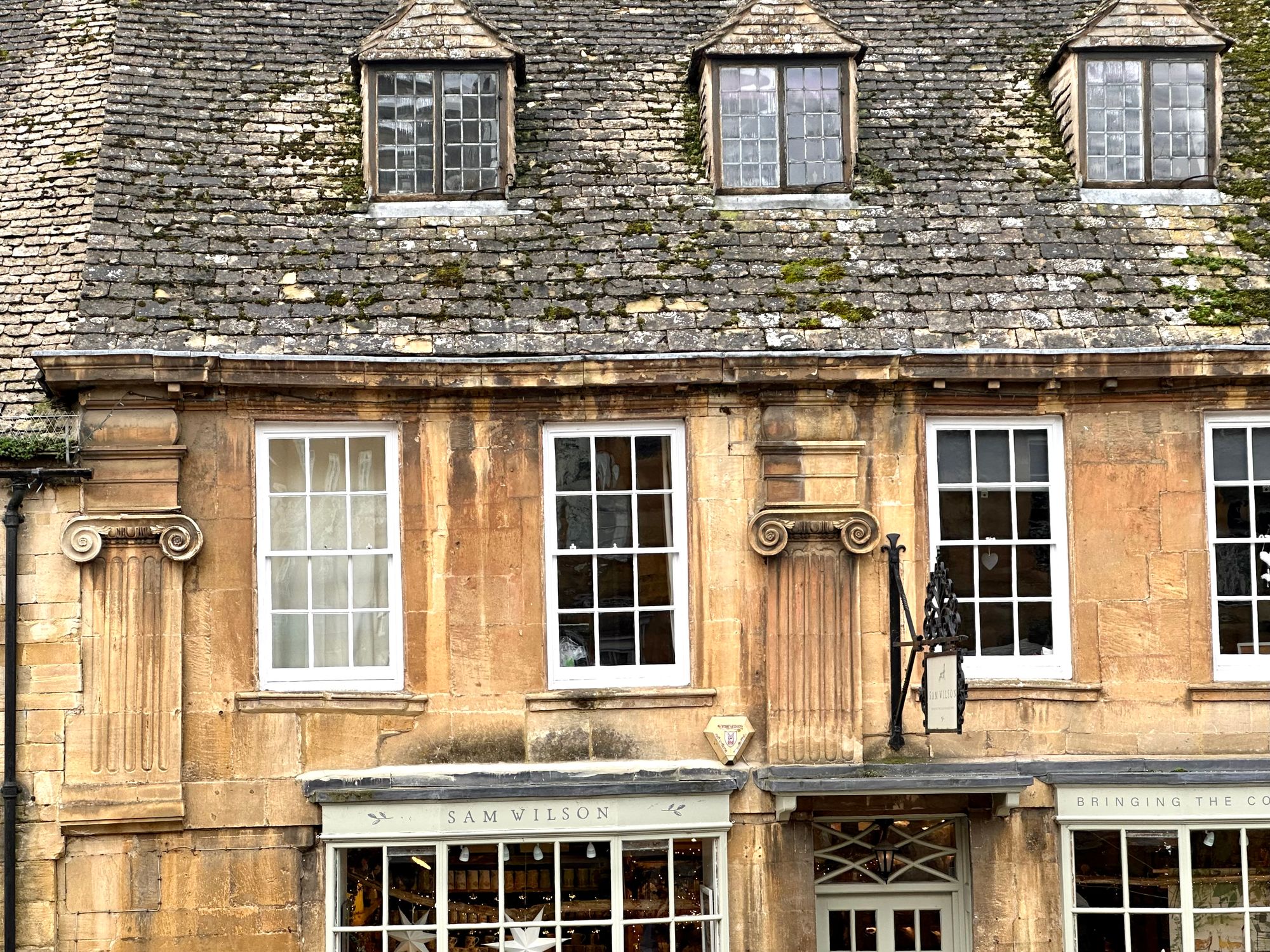
Chipping Campden’s buildings betray a tantalising glimpse of the hopes, trials and tribulations of a single community throughout the growth of the town. The stylistic formality of classicism is embossed upon the jaunty angled village vernacular of a planned town of the C12th. Behind the decorum of the volute is the warm personality of a community that prospered for several hundred years. Their aspirations are writ large in the fluting, but the essence of the human disposition is percolated through the humble details.

One such building is the Market Hall built by Sir Baptist Hicks in 1627. I could sit and ponder the phonetics of his name for several hours. Sir Baptist was a successful cloth merchant and built the Manor House in Chipping in 1612.
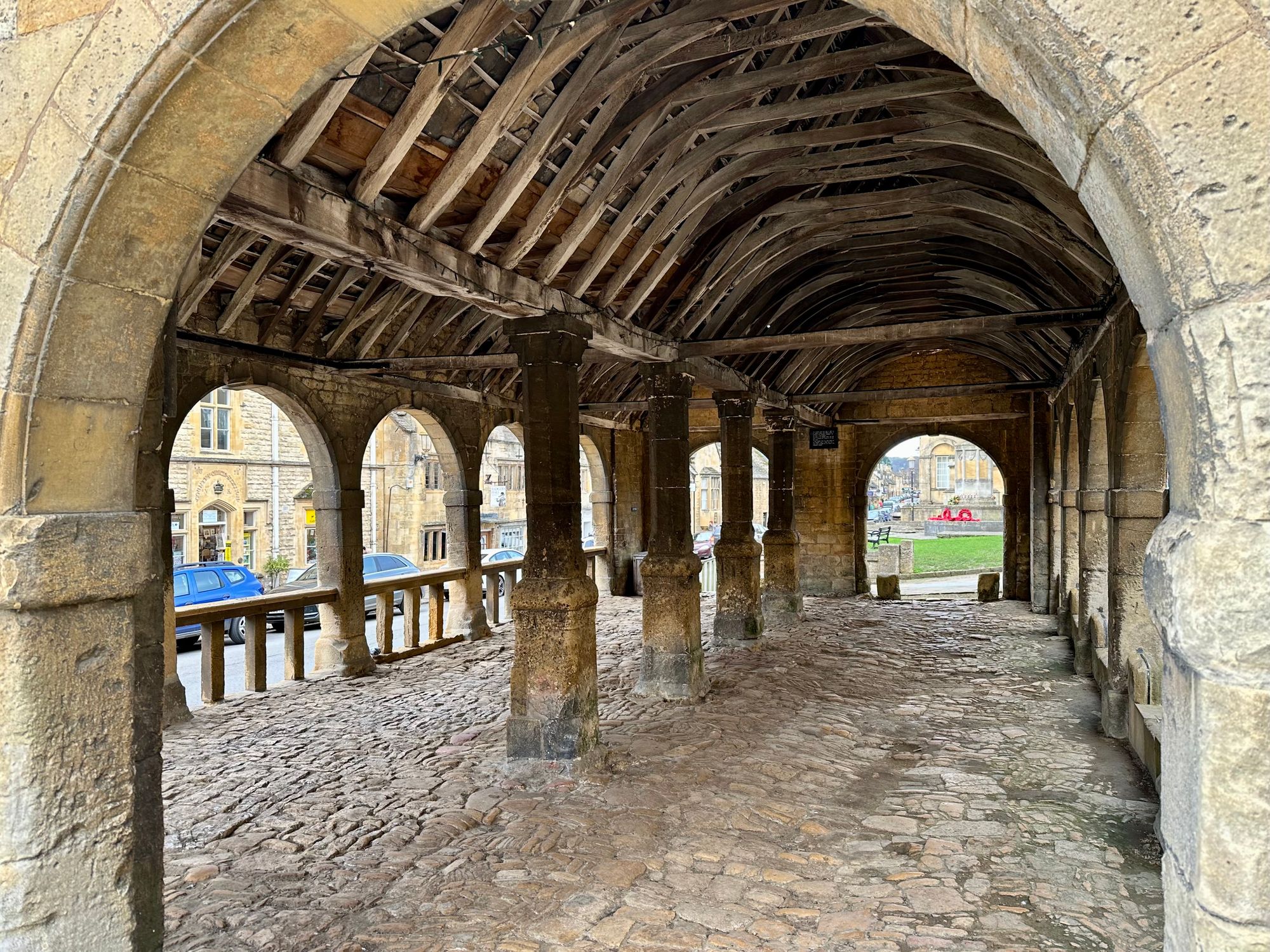
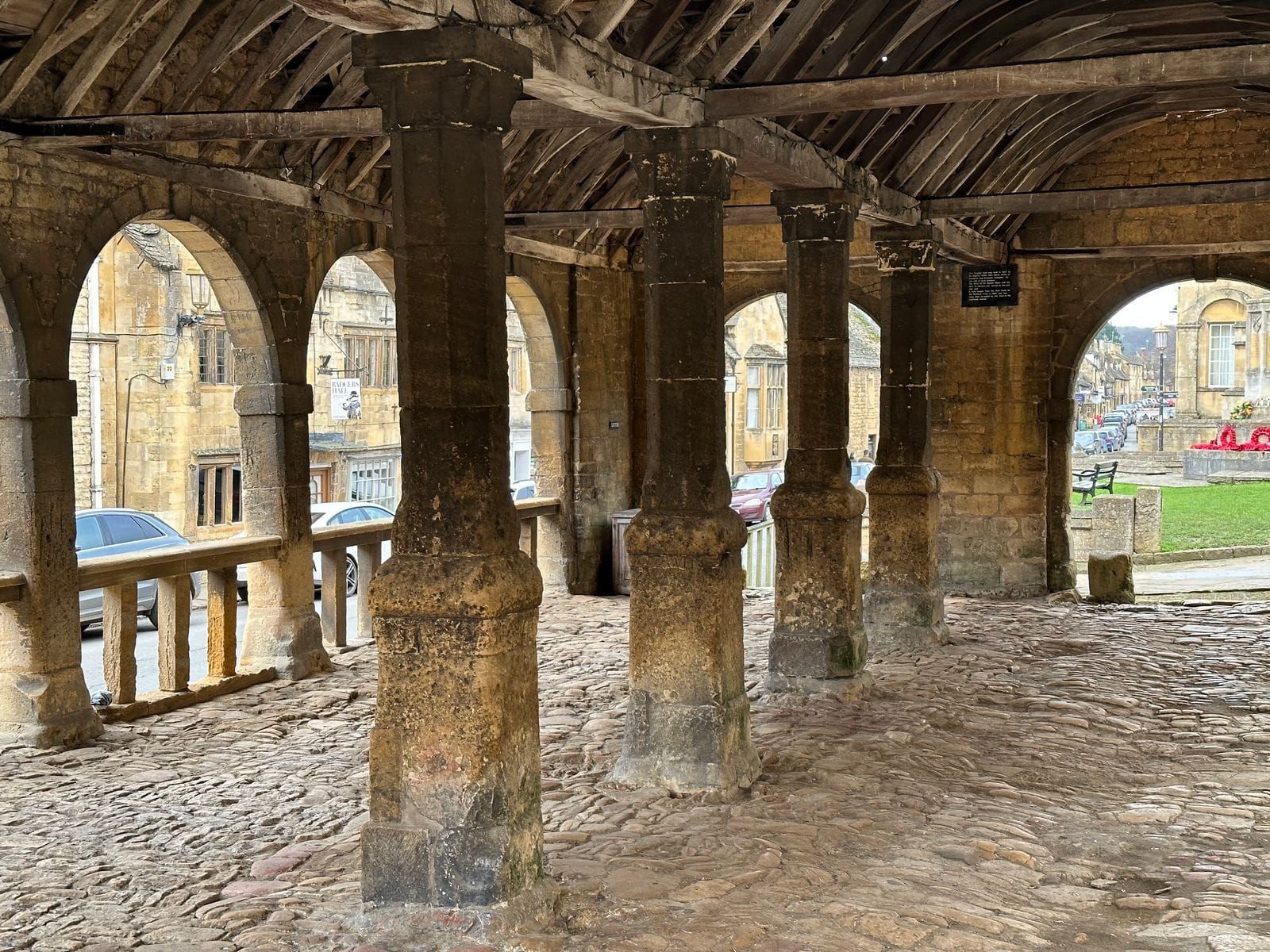
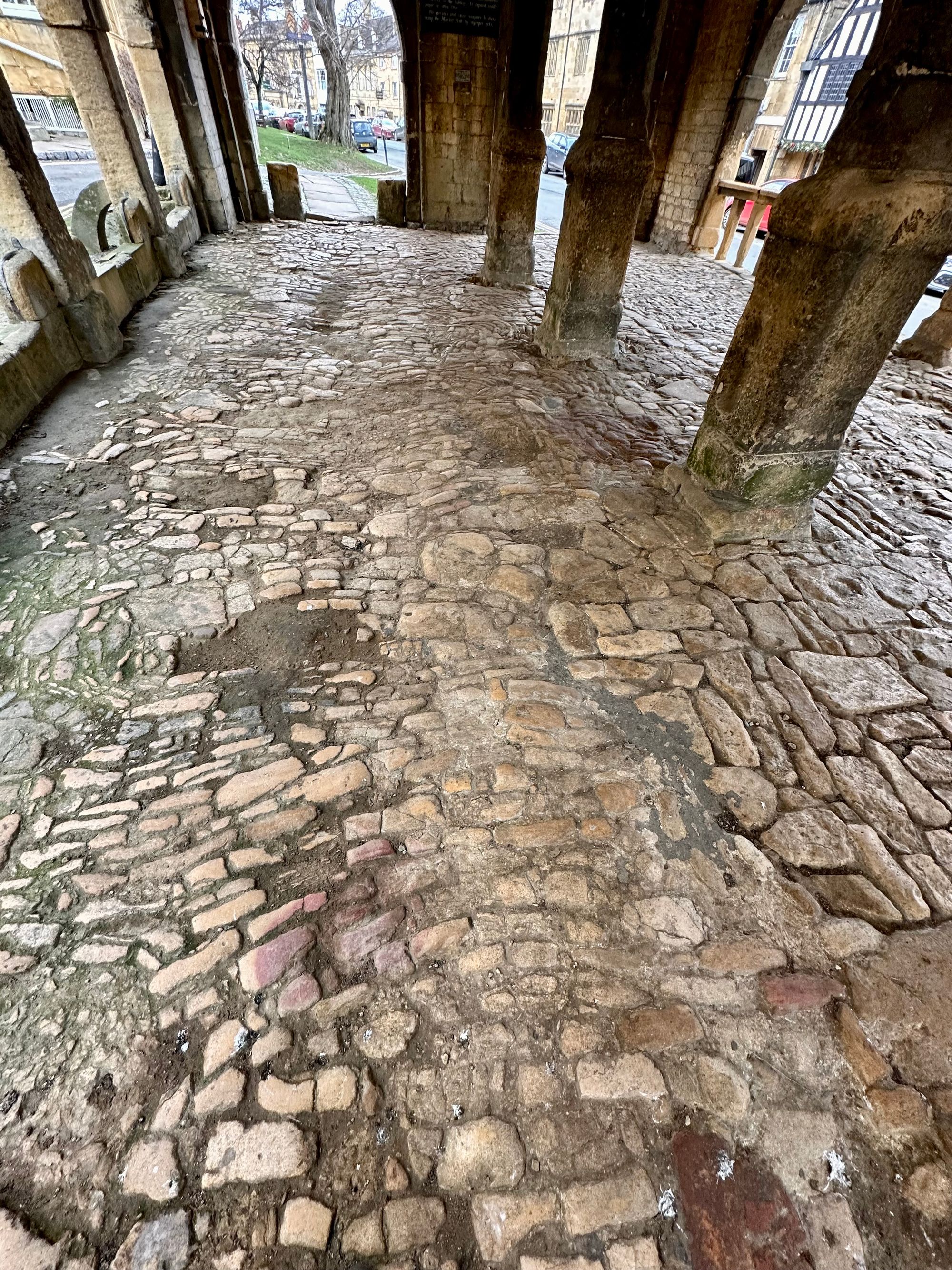
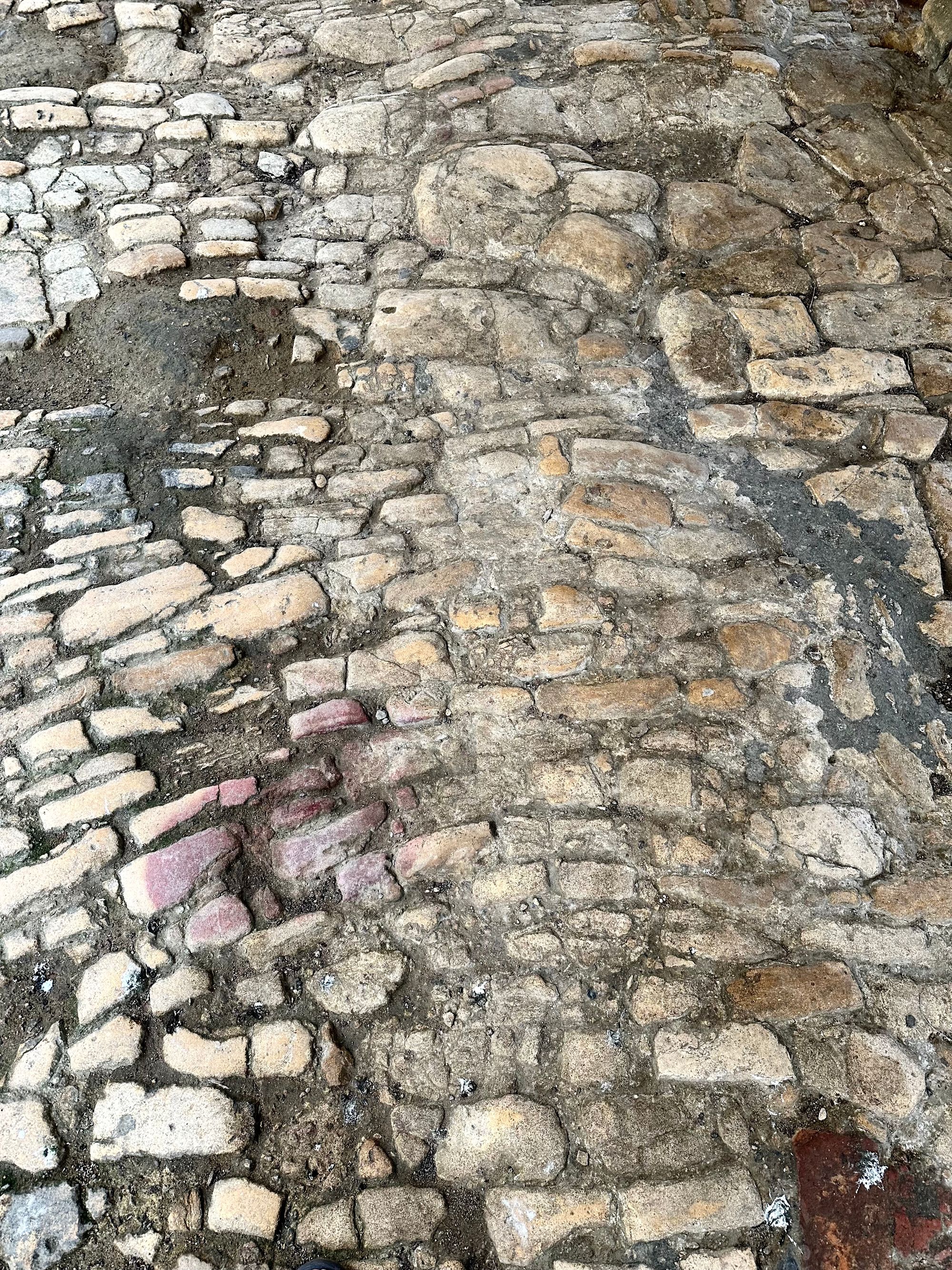
The Market Hall is a destination in itself - a classical double arcaded loggia built in ashlar with a wagon ceiling. It is full of pretension and intention but, for me, the joy of this space is the stone floor that bears its story over time with its deletions and insertions, its patina and staining and murmurative undulations. Its pattern is just as phonetic as Sir Baptist Hick’s name - revealing what Ruskin called the ‘voicefulness’ of the things we fashion and leave behind.
Connect with me on: Bluesky / Instagram / Facebook / X / Tumblr / Flickr / Vimeo / Pixelfed / Pinterest


Member discussion