
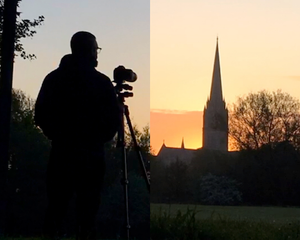
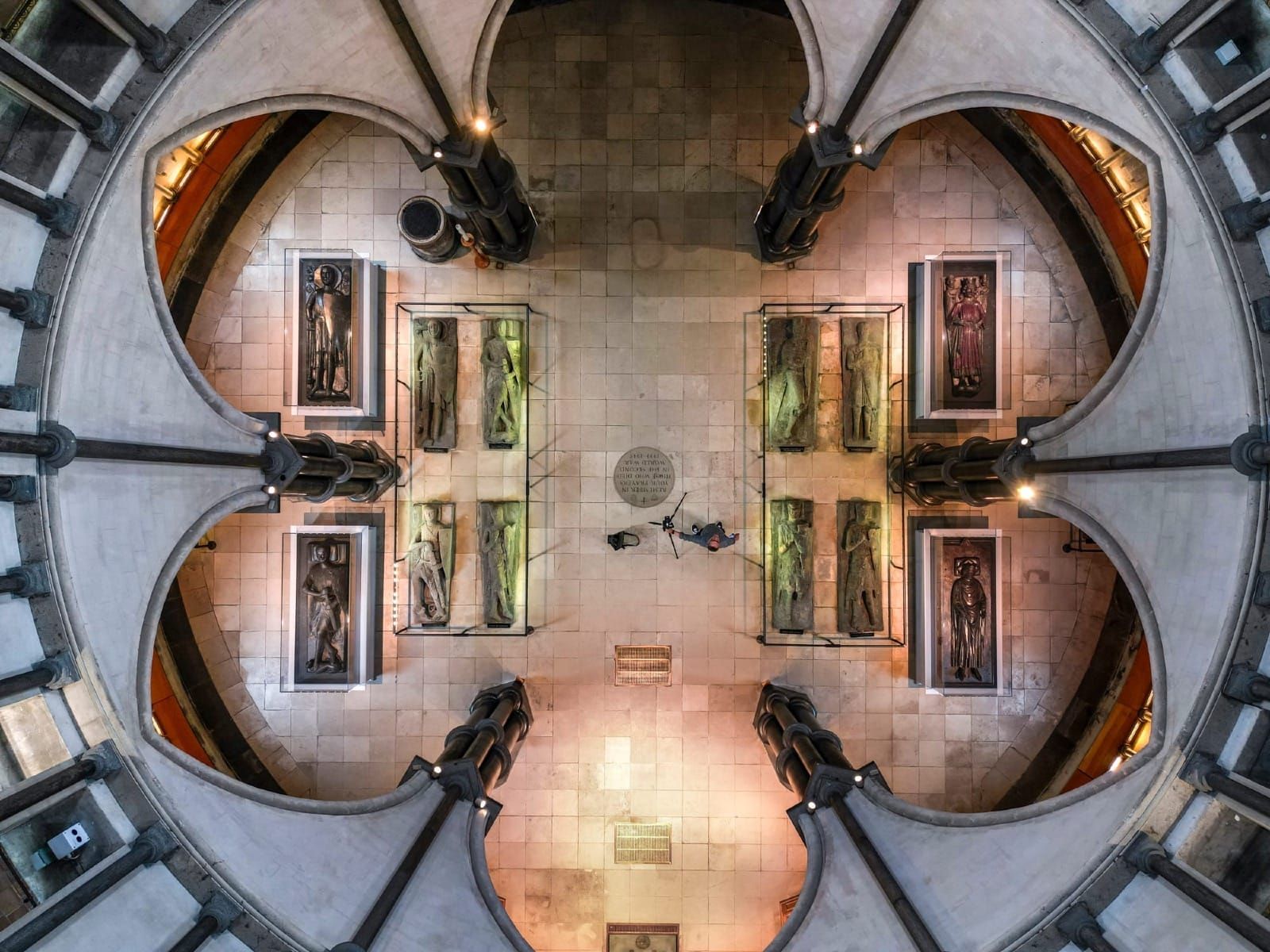
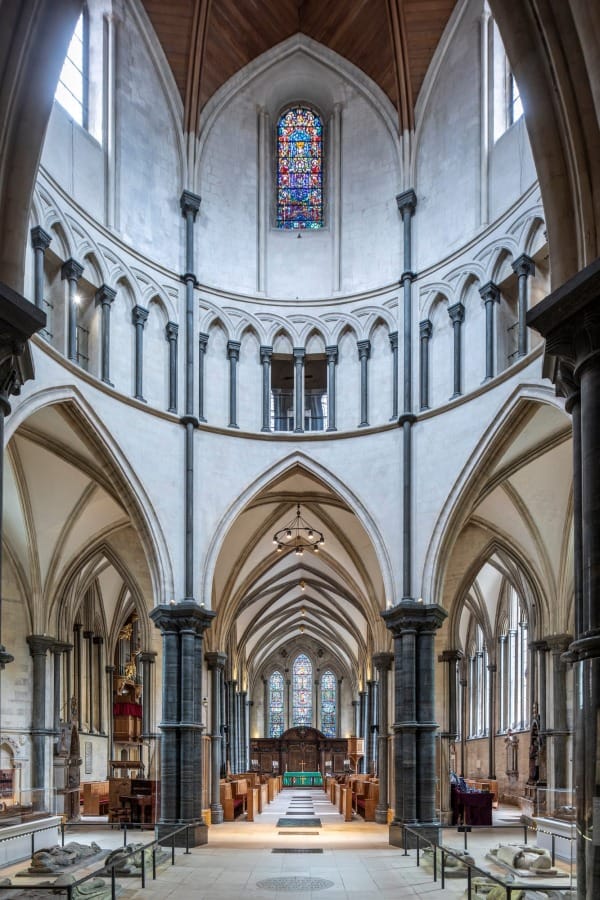
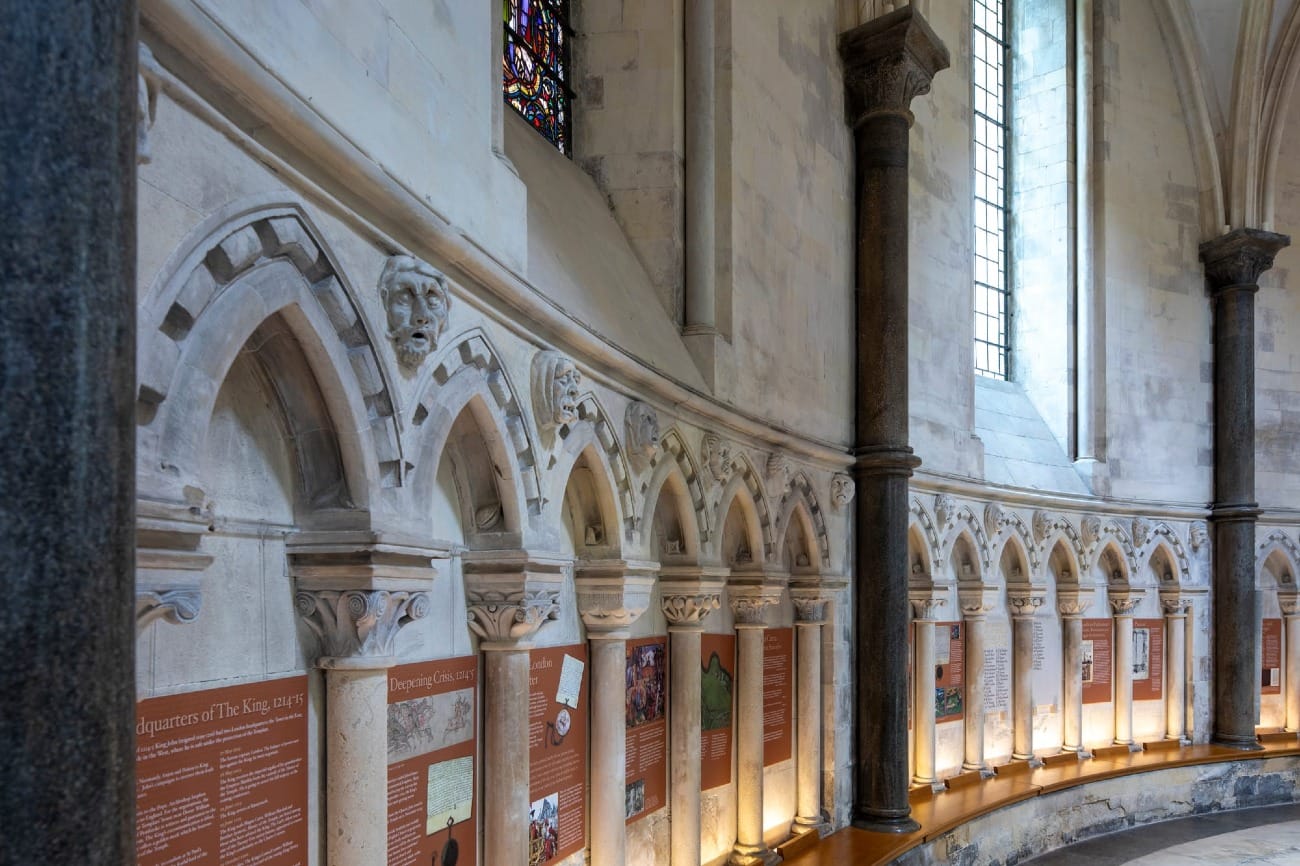
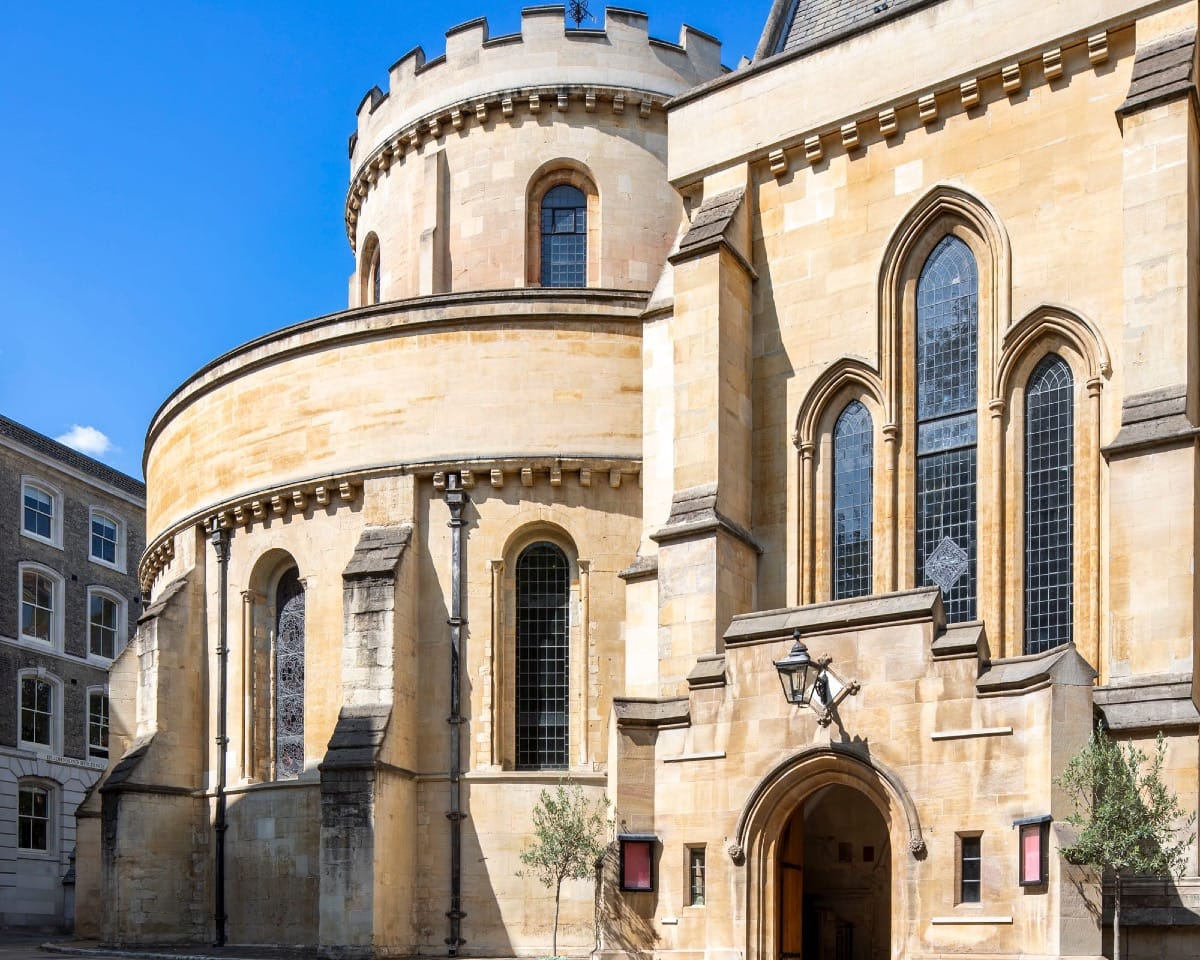
Temple Church, in London, is among the most important surviving examples of medieval architecture in Europe and one of the earliest expressions of Gothic design in England. Built by the Knights Templar, it is a structure of overwhelming unity, where proportion and meaning are held in equilibrium.
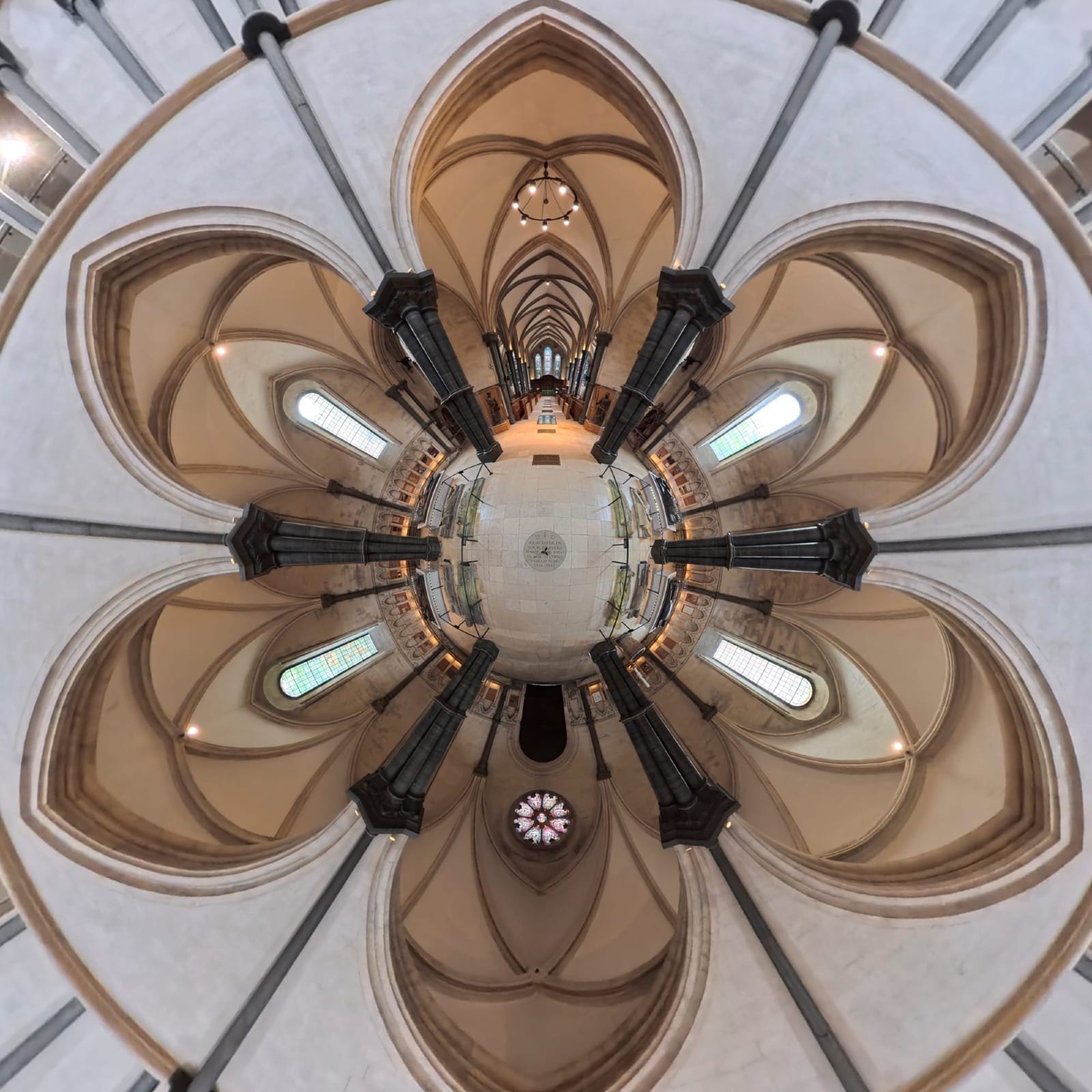
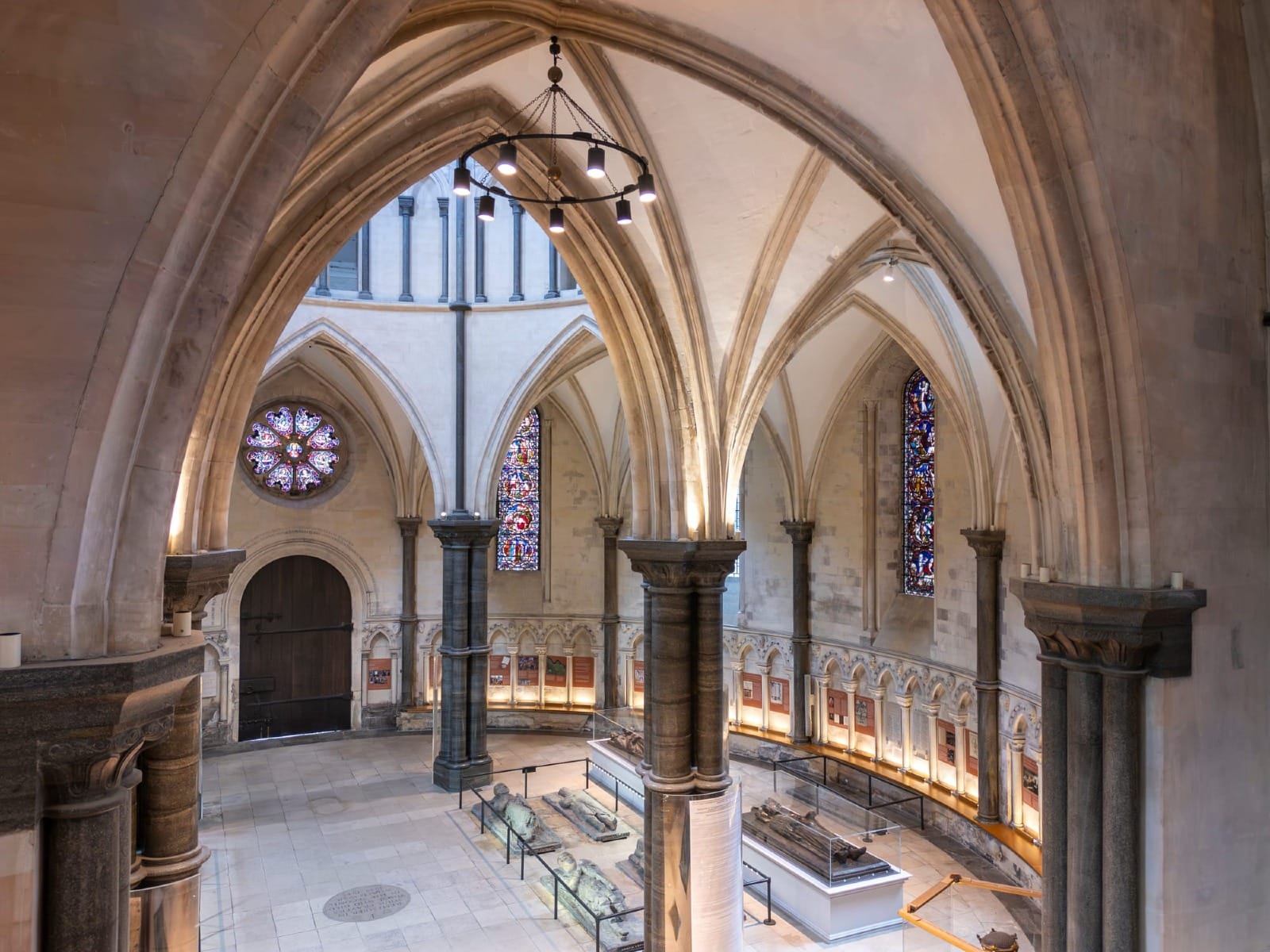
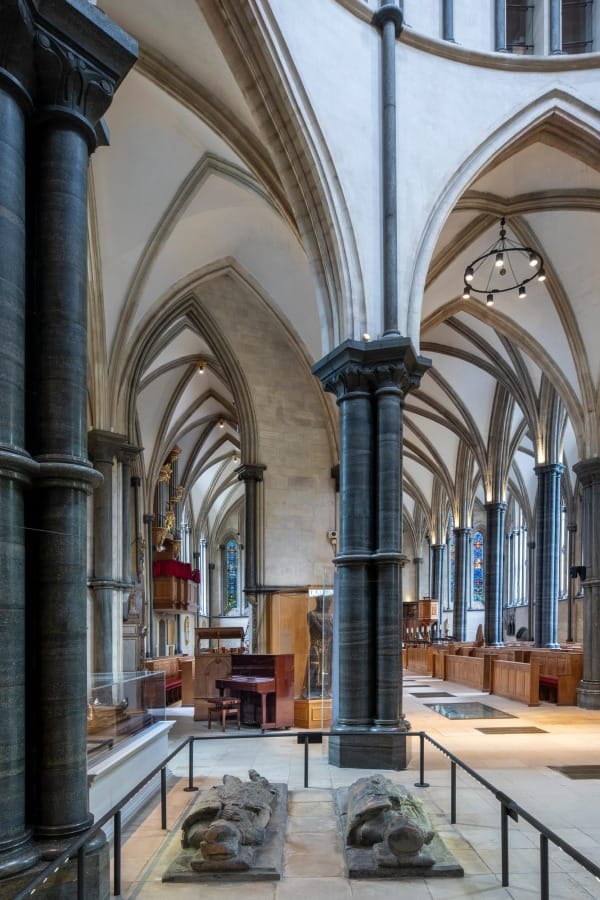
The nave, which is circular - the most enduring of geometries is modelled on the fourth-century Church of the Holy Sepulchre in Jerusalem. Every column, arch and carving converges upon this still point. Standing at the centre unlocks the spirit of the place. It’s as though the building itself were an epic drama, and I had stepped into the pivot of its plot - a moment of revelation.
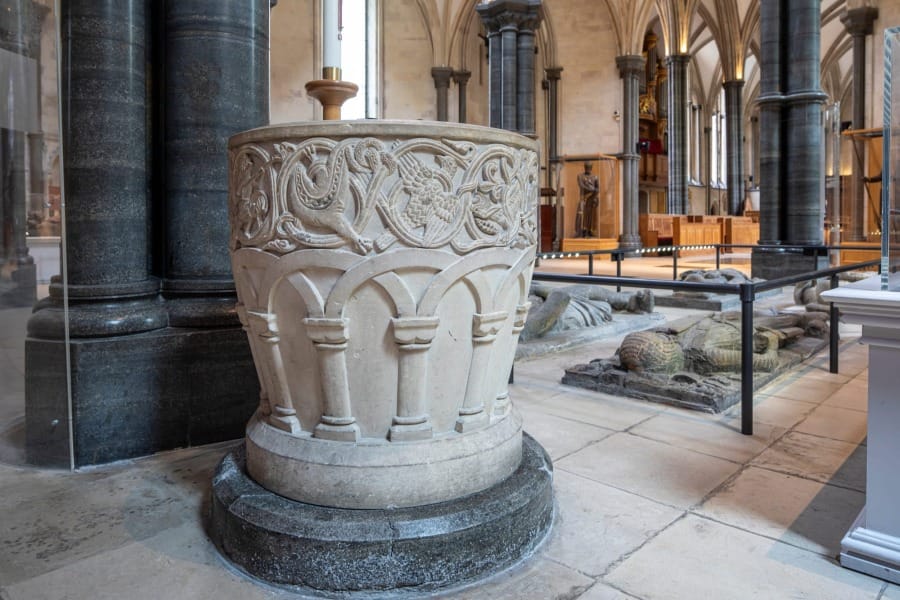
The space is garlanded by Purbeck and sandstone sentinels in the form of some of the most well-known effigies in the country. These stone figures have long captured the public imagination.
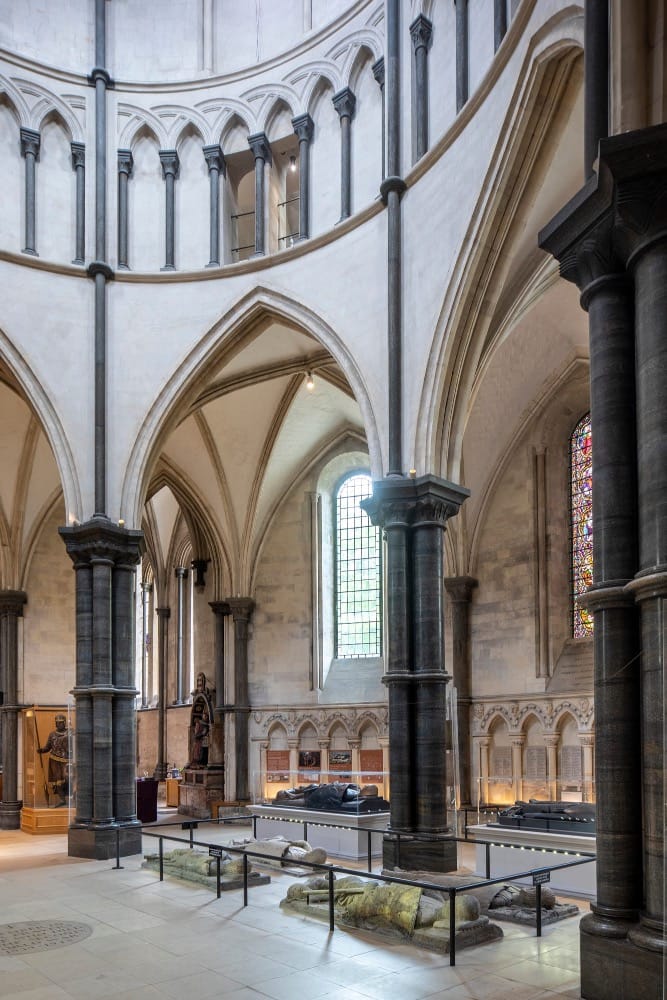
Though they are unlikely to be members of the original order, the book and film The Da Vinci Code helped to renew interest in them, depicting Langdon and Neveu circling the effigies in search of Templar secrets. The scene might blur reality, but it reflects a truth that I can sense here in the moment - that this space is charged with something beyond myth and memory, fact and fiction.
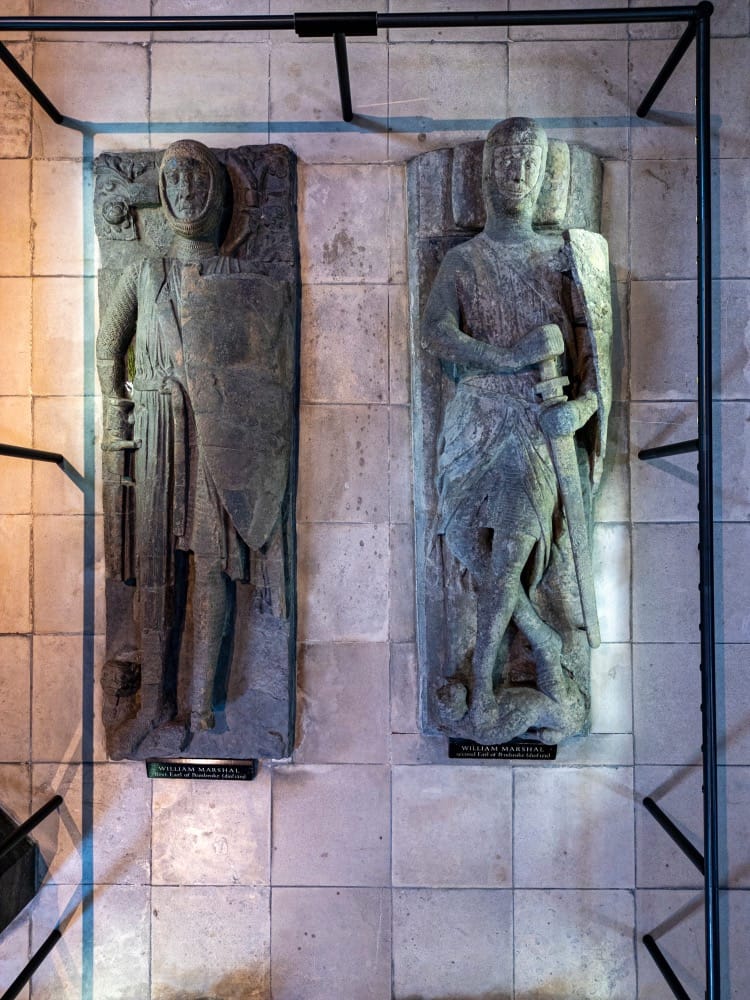
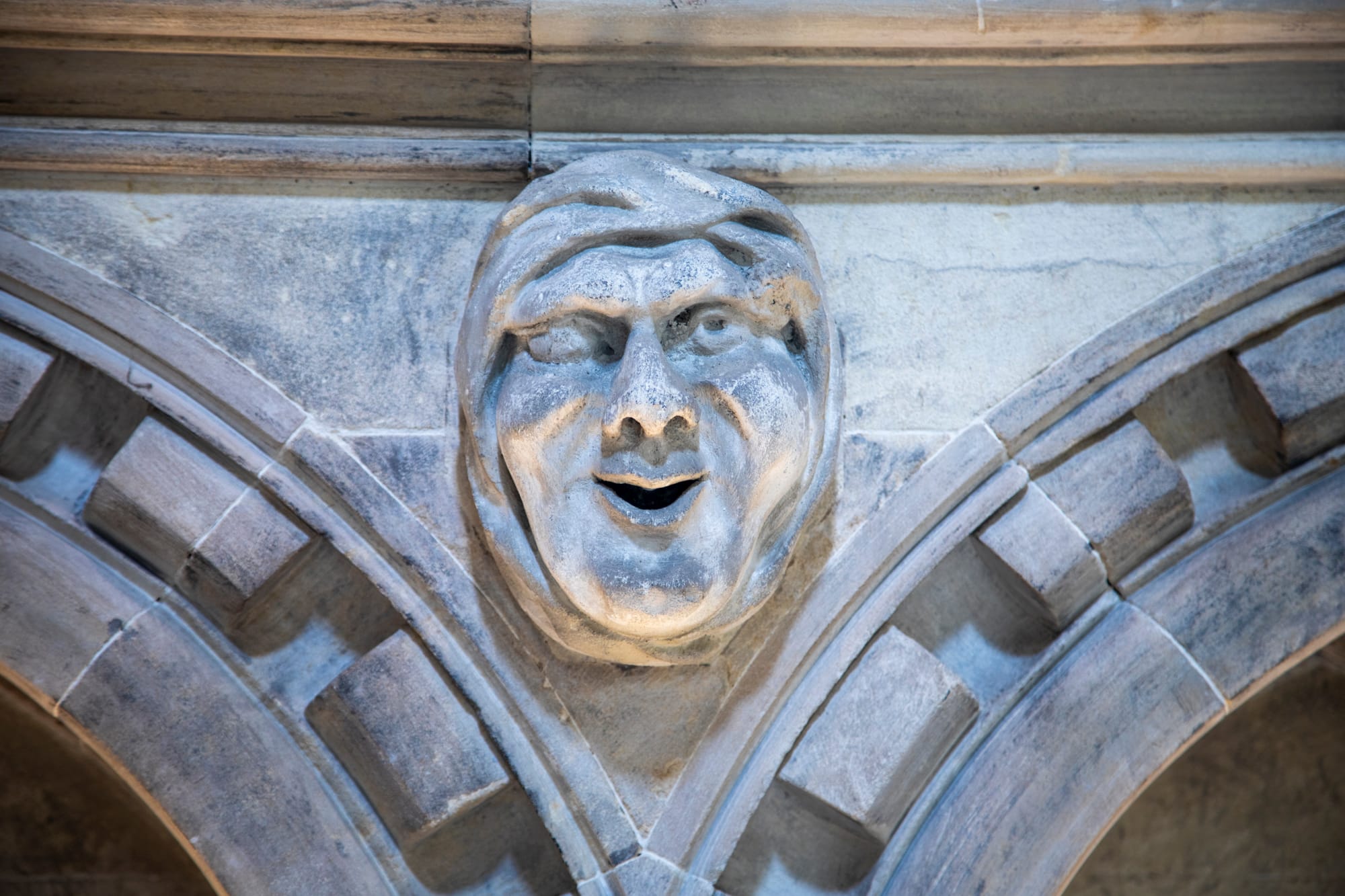
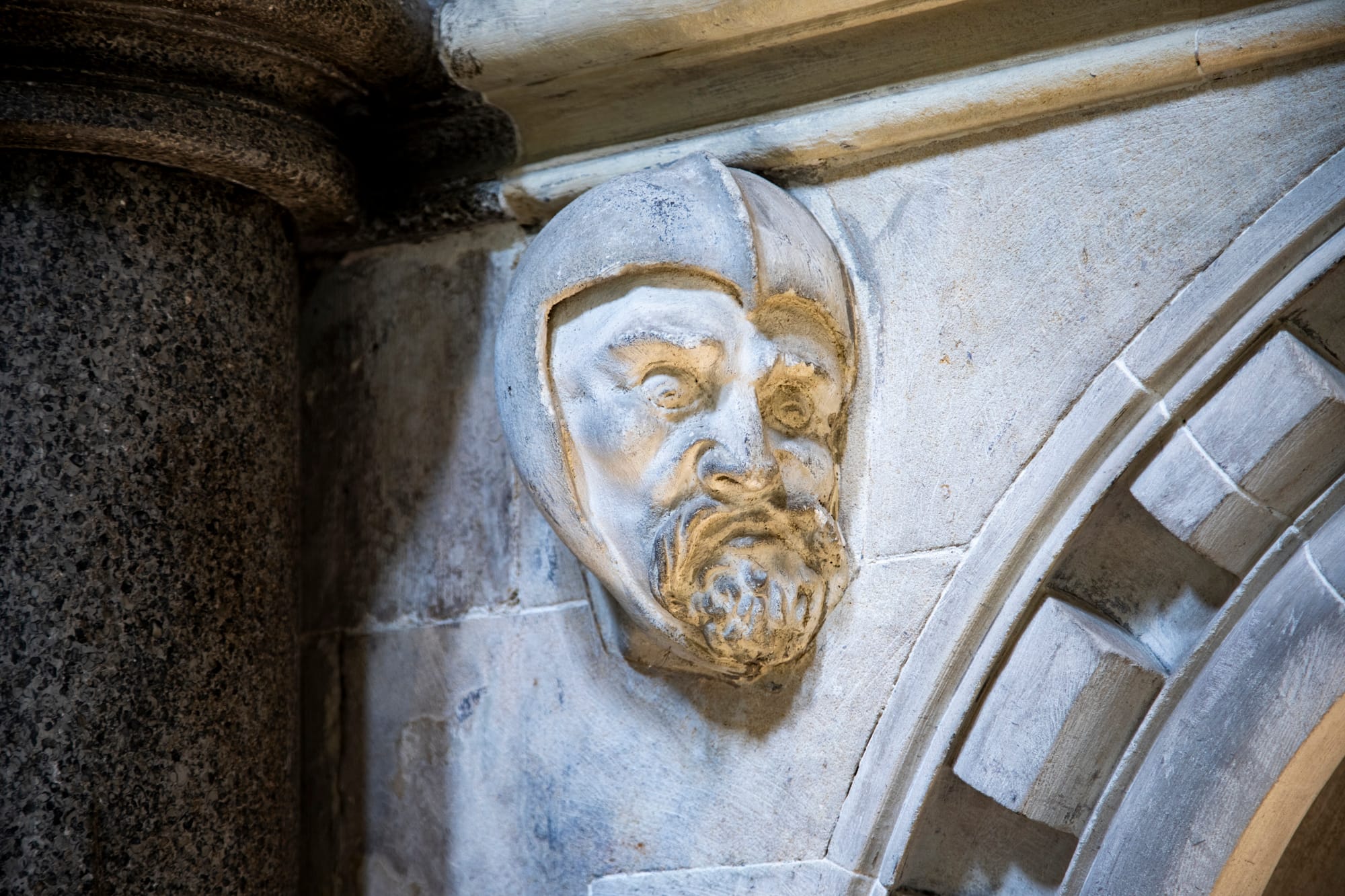
This is not a building defined solely by dates and dimensions. It’s a sensory place - spatial, sonic, interstellar - a unique signature that leads to a spirit that is hard to define. Here, the boundary between the material and the immaterial thins; the physical bends towards the felt sense. It is a building that reaches beyond architecture into the emotive.
Connect with me on: Bluesky / Instagram / Facebook / X / Tumblr / Flickr / Vimeo / Pixelfed / Pinterest


Member discussion