
Welcome!
I believe that certain places still have the power to change the way we see the world. Every week I post out from my travels, creating photographs, paintings and stories inspired by their landscapes, architecture and forgotten lives. Together they form the Genius Loci Digest - a hopeful counter-narrative to our fast-changing world.
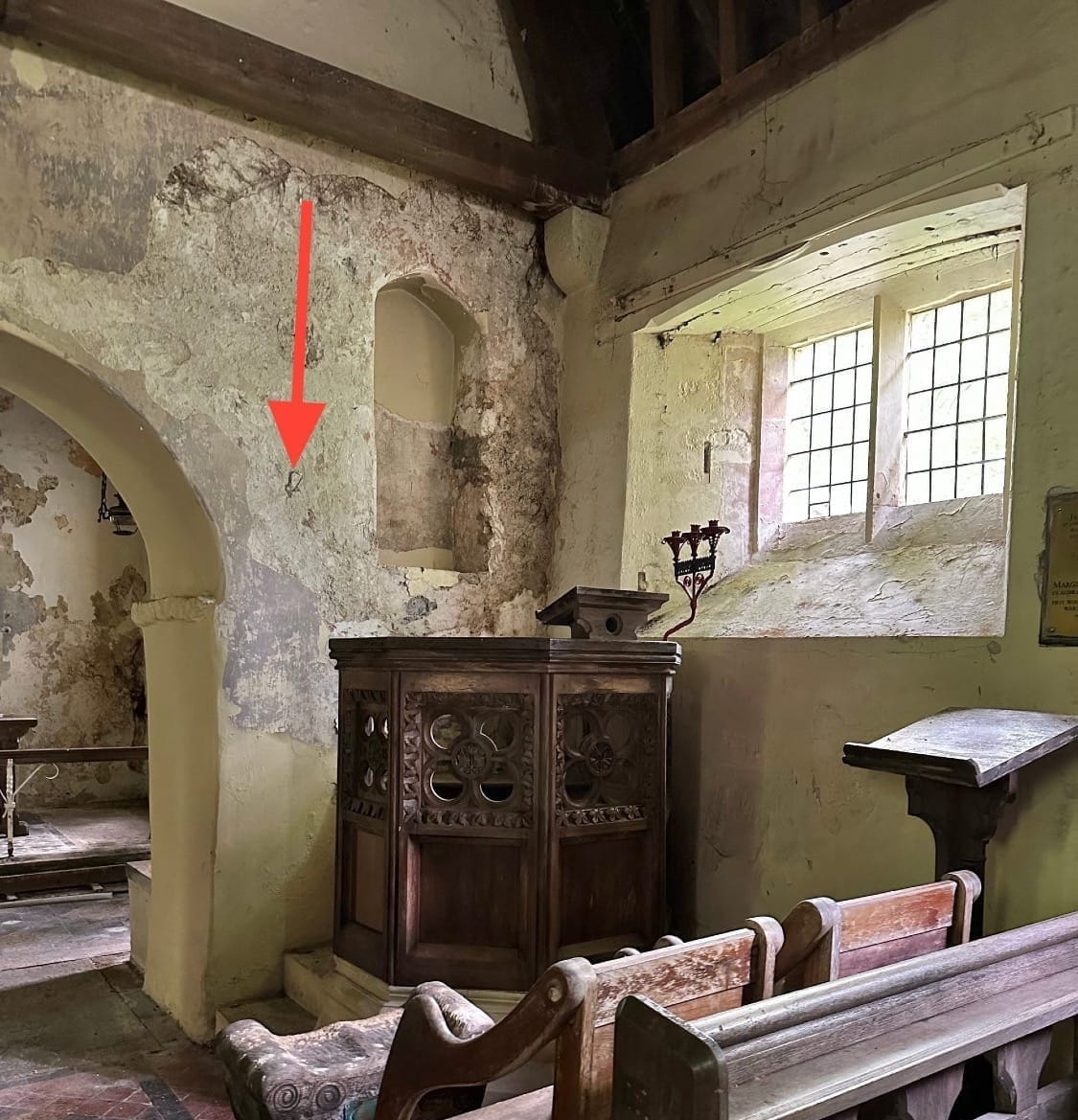
Coming this summer: A final visit to St. Lawrence in Gumfreston - a medieval marvel.
What did they find behind the plaster?
Kind words about the Genius Loci Digest
... I look forward to the Genius Loci Digest every Friday. The photos are sublime, the writing is beautiful and evocative, and it's a weekly reminder for this historical fiction writer that the magic happens when you slow down and sink in. (Thank you Hesse)
⚡️ View the latest digest and the full archive here.
📐 My Goals ℹ️ Donations Page & Status 📸 MPP Status 🛍️Shop
🔗 Connect with me on: Bluesky / Instagram / Facebook / X / Tumblr / Flickr / Vimeo / Pixelfed / Pinterest / Flipboard/ Fediverse: @fotofacade@digest.andymarshall.co
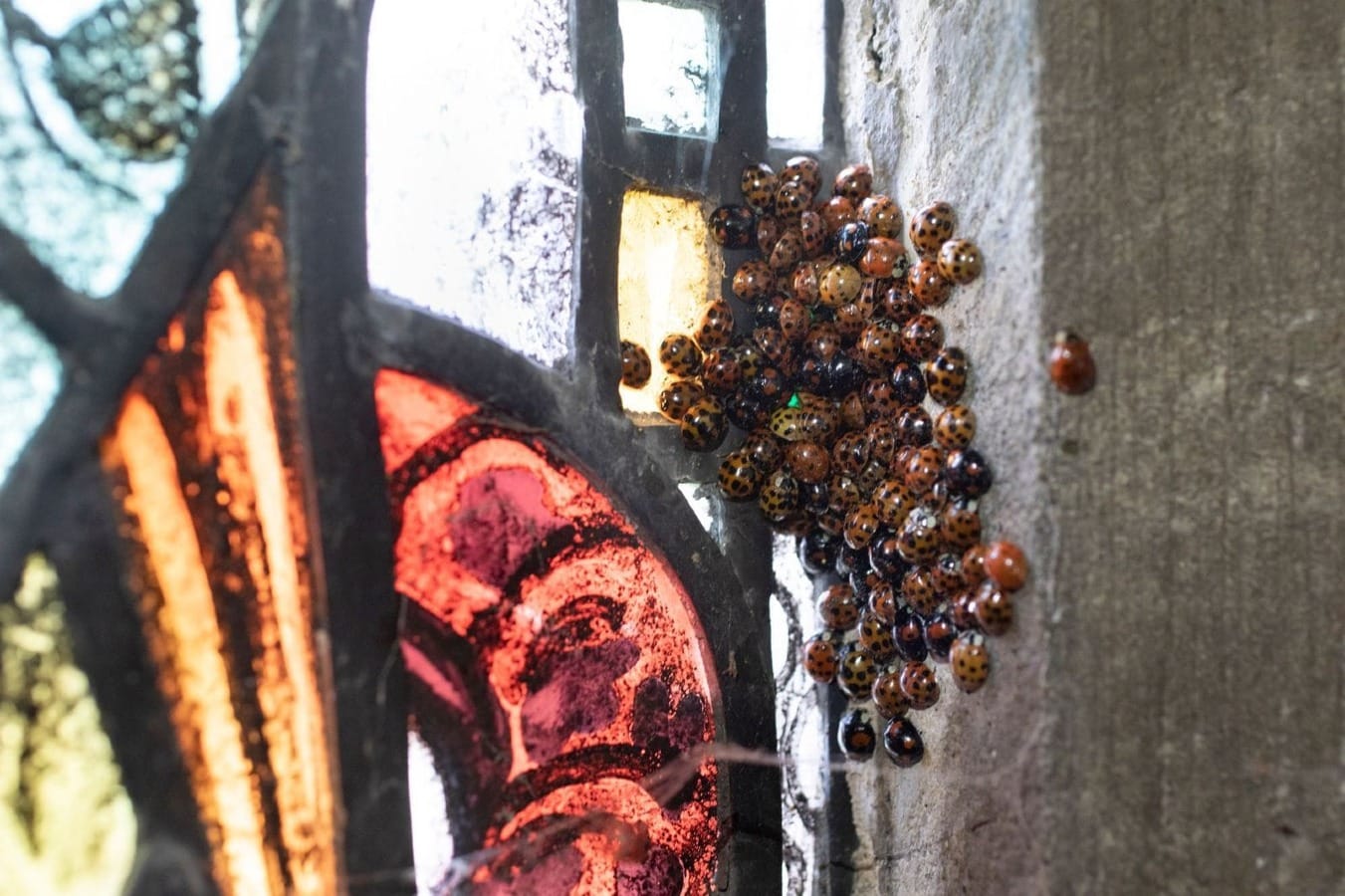
A deluge of ladybirds at St. Mary of the Angels, Brownshill
“Over the years, one comes to measure a place, too, not just for the beauty it may give, the balminess of its breezes, the insouciance and relaxation it encourages, the sublime pleasures it offers, but for what it teaches. The way in which it alters our perception of the human."
Barry Lopez, About This Life
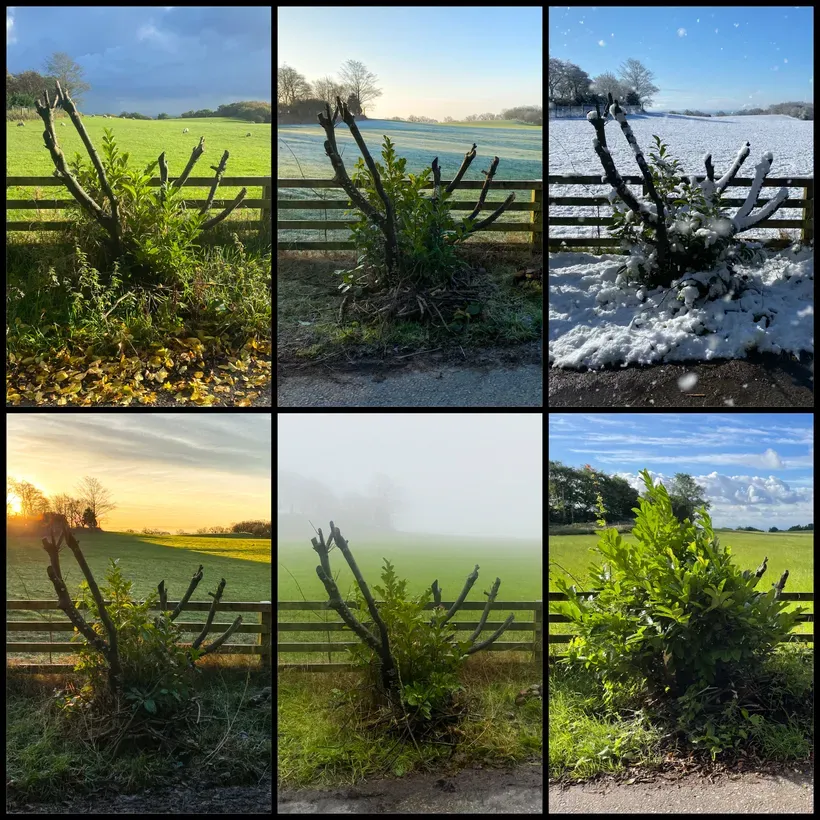
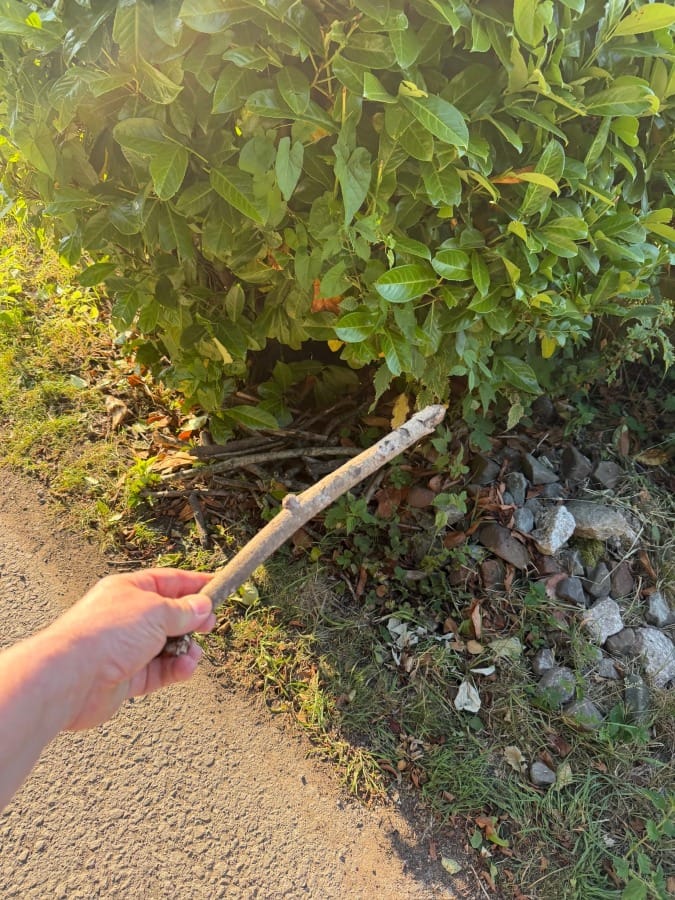
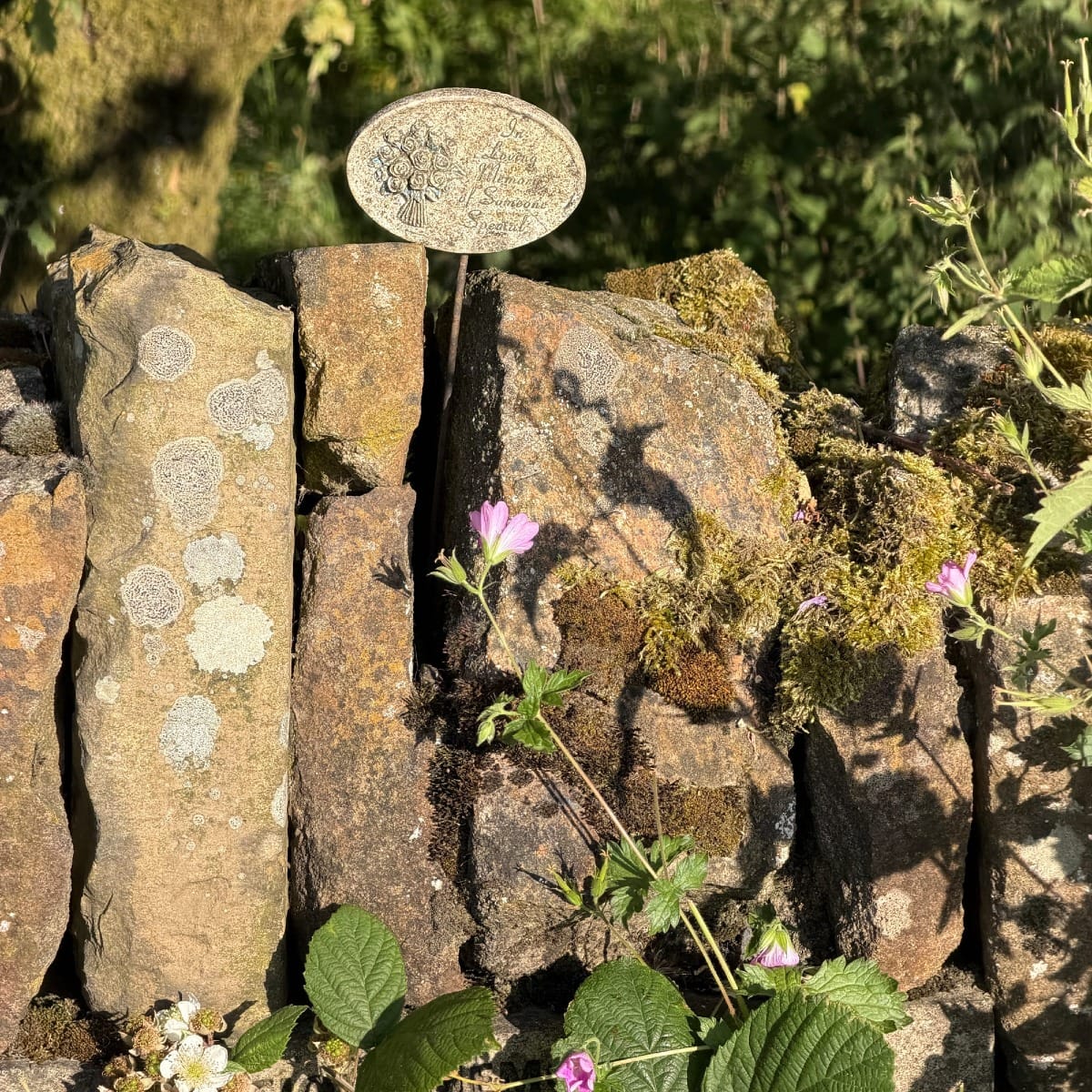
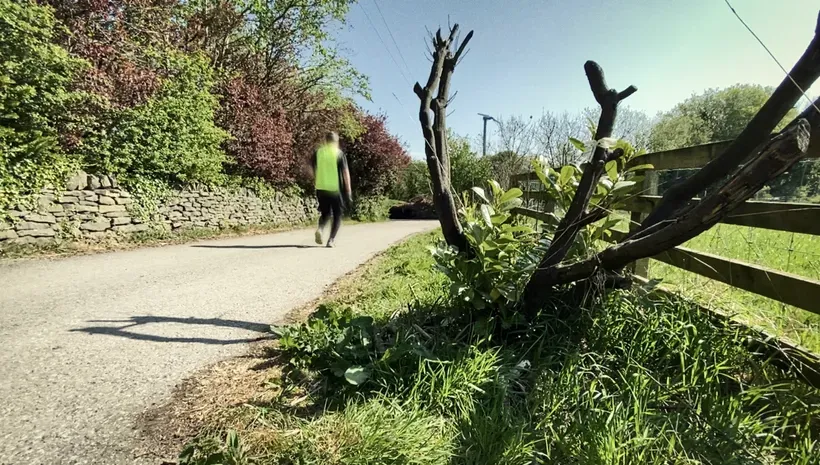
I take the route up to Cheesden in the Rossendale Hills and stop at the Whitten Tree and place a stick on the stick pile and a stone on the stone pile. The Whitten Tree is a small shrub at the top of Cinder Hill which, during the Covid crisis of 2020, took on a kind of mystical quality when we tied blue ribbons to its branches during each lockdown. Since then people have been leaving sticks and stones next to the tree every time they pass. Some sticks were placed in the joy of temporary freedom and some were placed in sorrow and grief. So, every time I come to these parts, I place a stick and a stone.
Whilst the stone pile keeps on growing, the pile of sticks remains the same - a delightfully self-regulating feature of nature. Not only that, but they seem to have helped the shrub (quite spindly and forlorn in lockdown) thrive and grow.
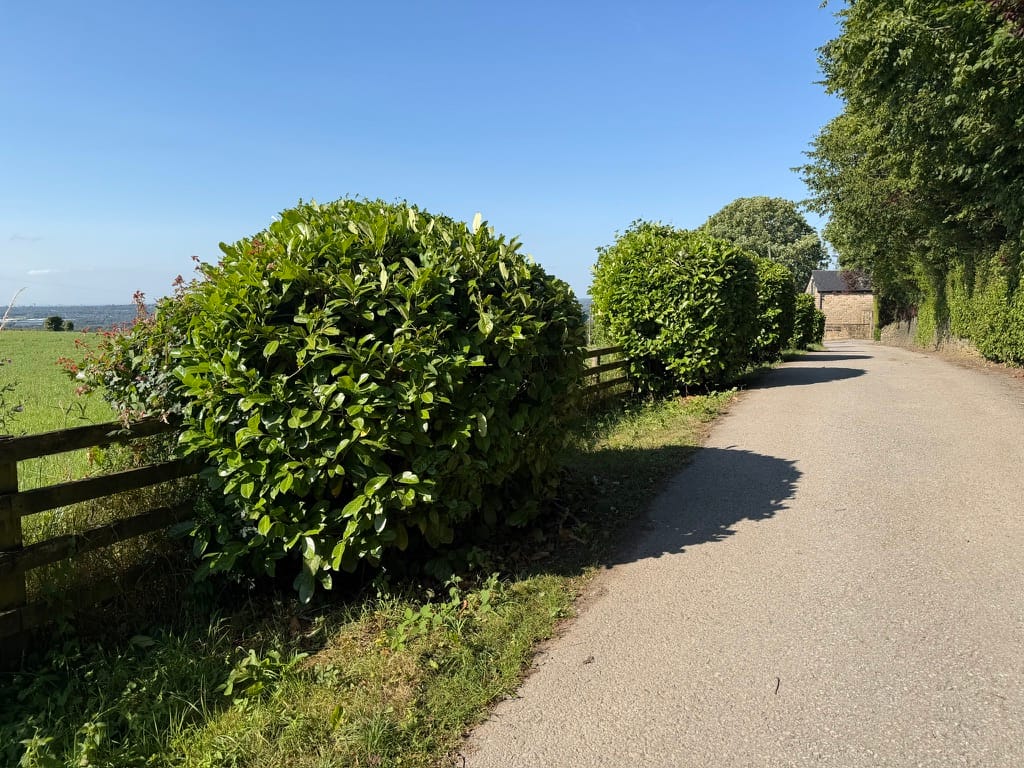
I imagine all the nutrients the Whitten has been gifted from the sticks laid there - each one charged with human emotion. I think about how, even in our modern world, something deep within us still compels us to mark a place with a stone, a symbol or a name - an impulse older than religion itself. On my three-mile walk to the midden, the paths and drystone walls are dotted with unofficial memorials like the Whitten Tree, stitching people and events into the landscape they lived in and loved.
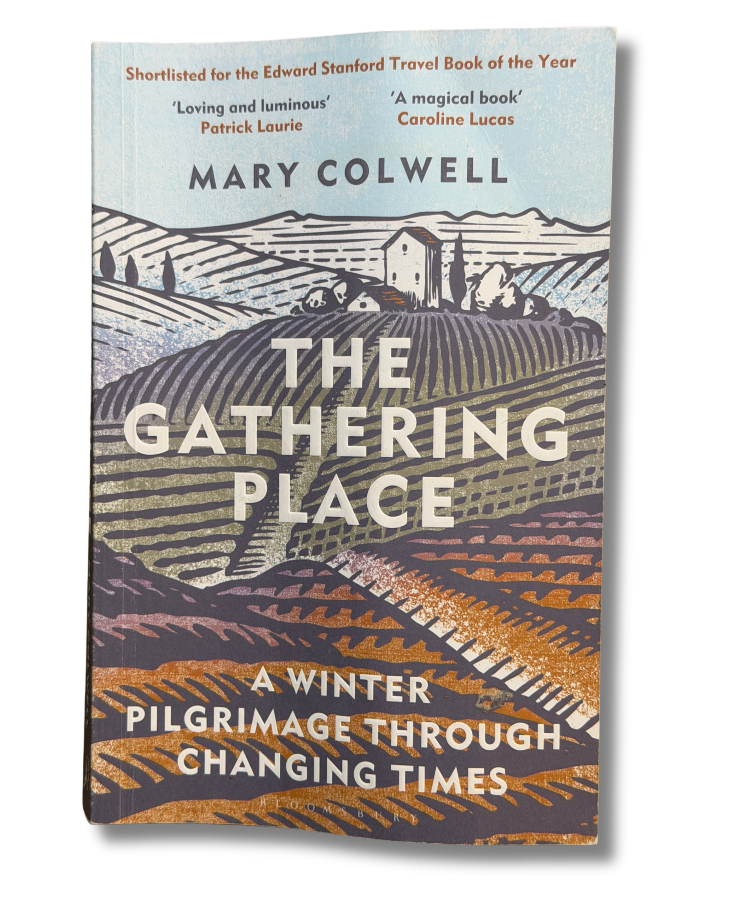
Mary Colwell in her book The Gathering Place talks of the monuments she comes across on her pilgrimage to Santiago de Compostela:
“Our ancestors trod these paths, leaving their fretful and hopeful dreams in the monuments they built across the landscape….all of them speak of a hunger for pardon, for immortality, for otherness, for beauty and release from fear.”
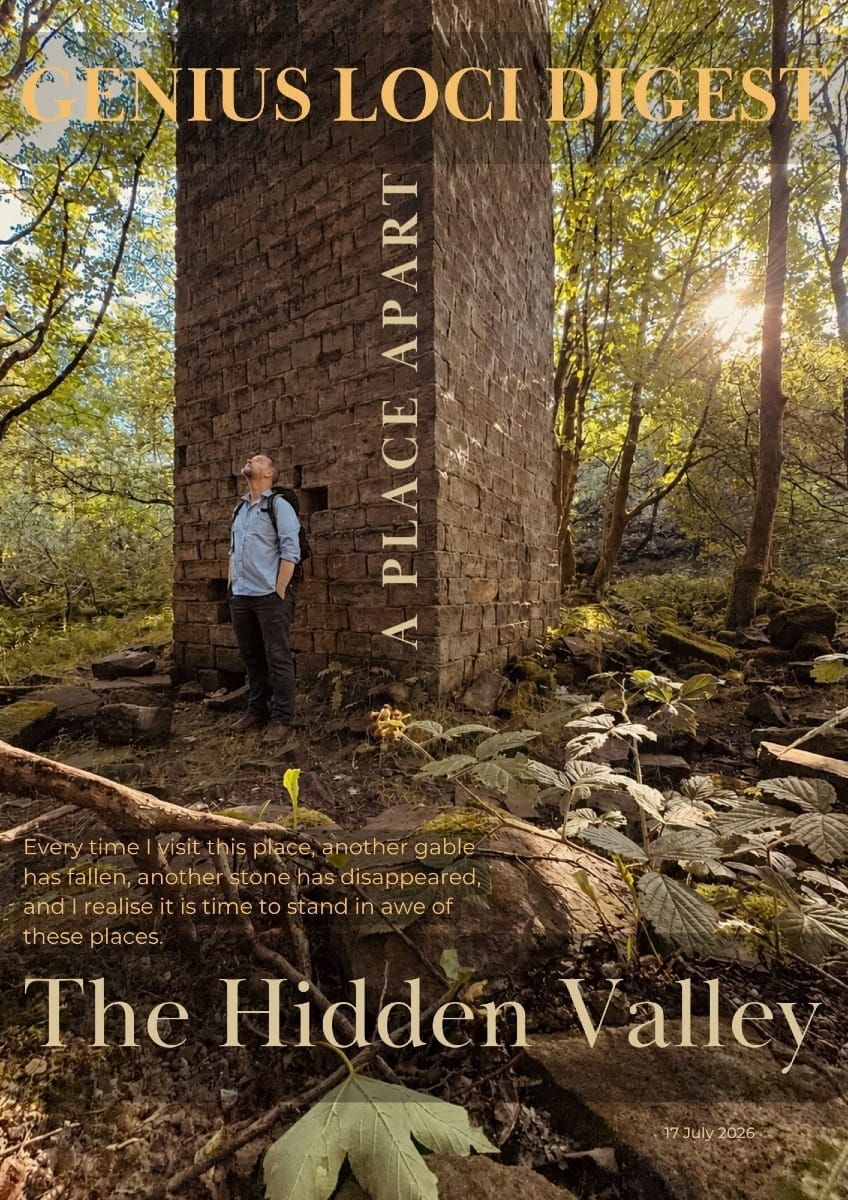
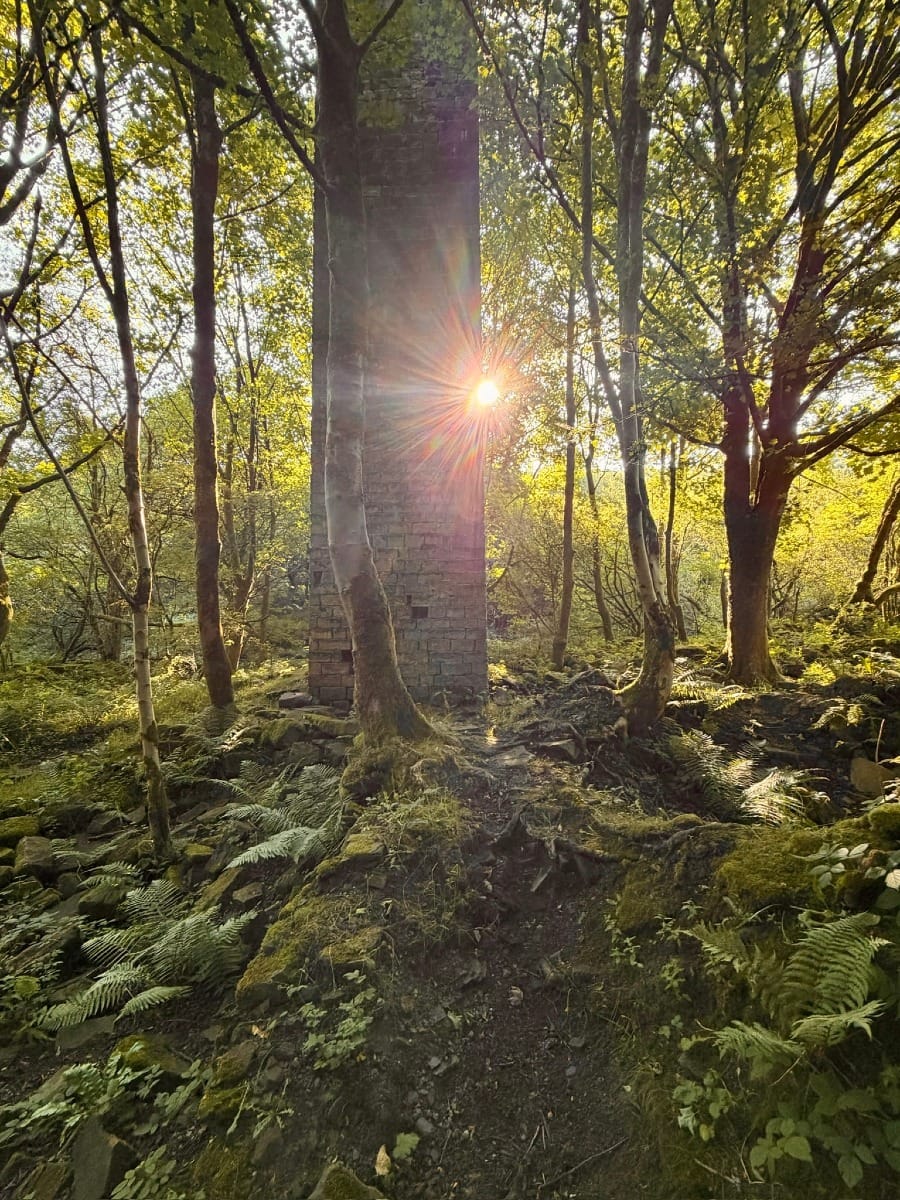
As I walk down into the valley, I can see the brick-topped sandstone chimney of Washwheel Mill poking through the tree canopy.
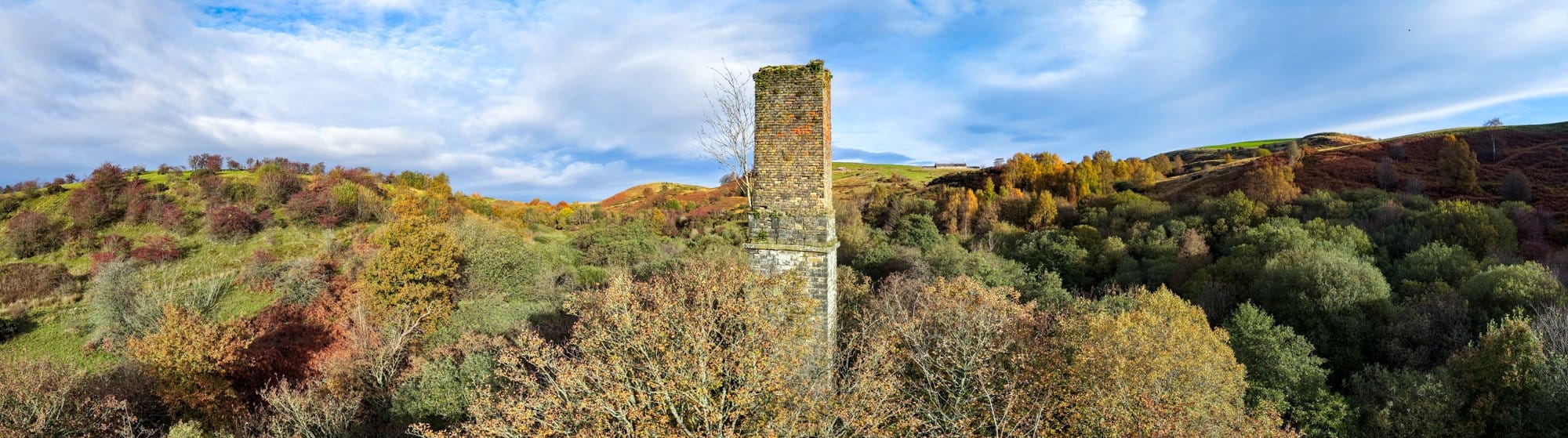
The scene is idyllic, though some might object to the presence of the chimney. But, I don’t want you to be put off by the industrial tag associated with the chimney and the other remnants that survive here. They have given rise to a secluded and singular landscape that makes the soul sing. If we were to replace the chimney with the teetering gable of a medieval abbey, instead of wheelpits, scouring stations and the solitary call of the curlew, there might be car parks, information boards and the shrill ring of the ice-cream van.
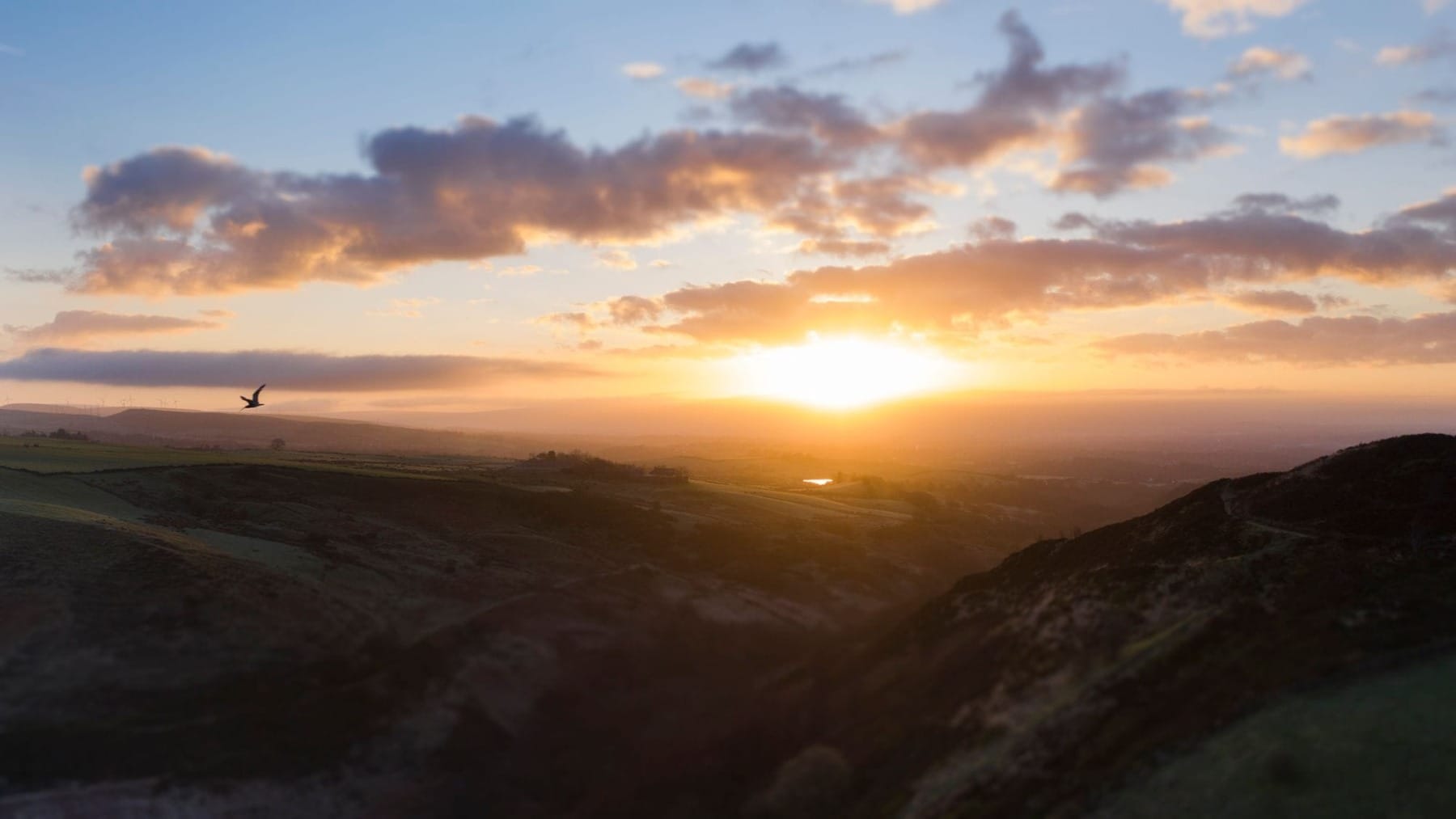
These buildings mostly pre-date the industrial era we are familiar with - built in the local vernacular and spliced into the brooks and valleys to harness the power of water. They grew alongside farms and communities, forming small parts of the wider putting-out system, where people, mostly women, worked handlooms in the lofts of their own homes.
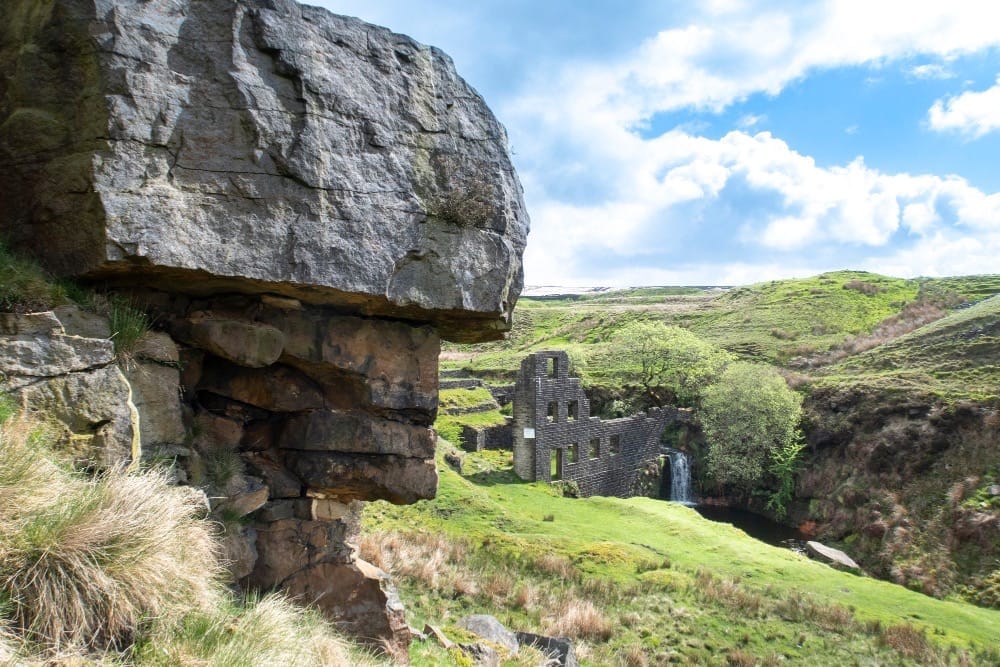
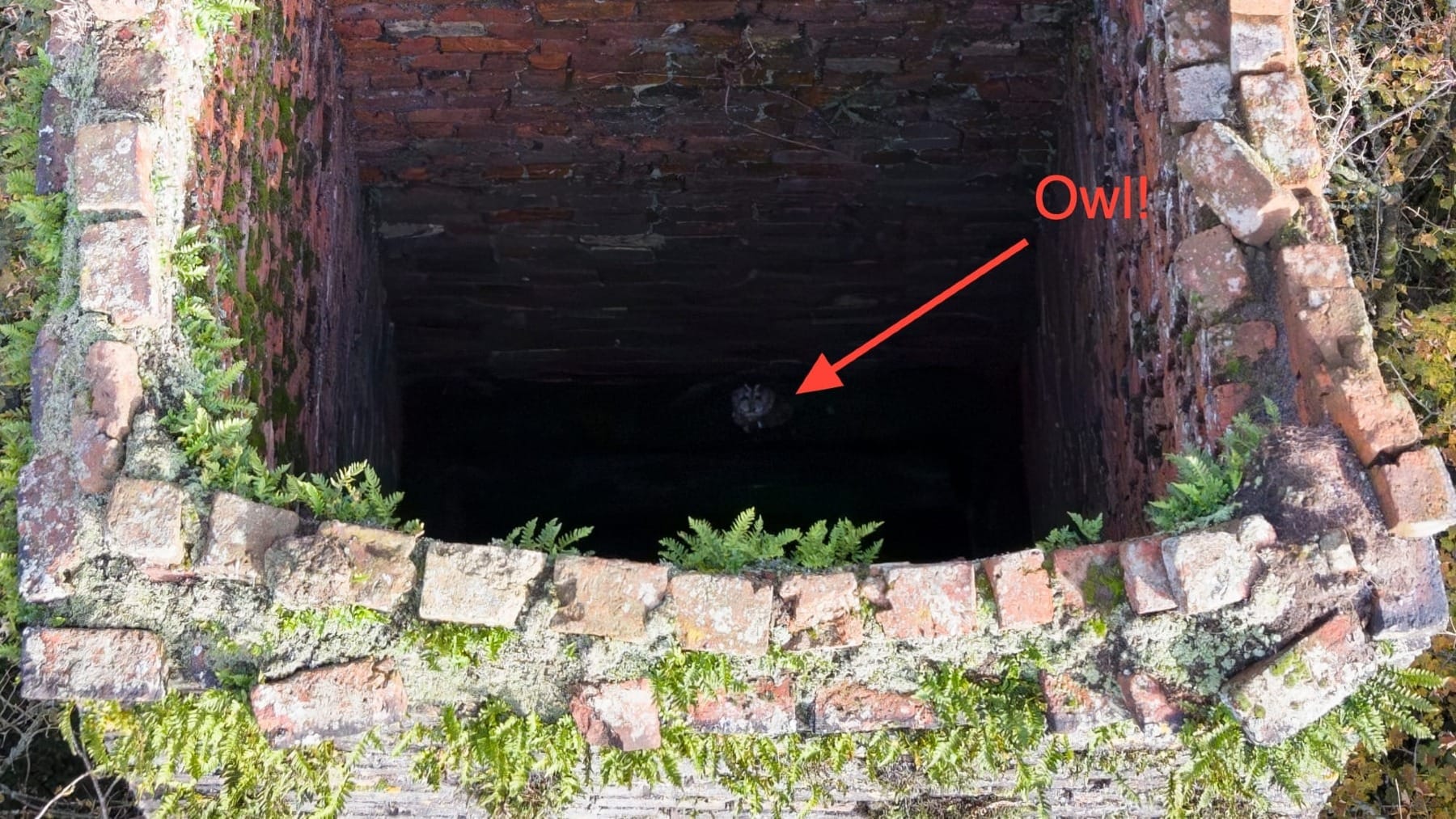
And so the brick-topped sandstone chimney at Washwheel Mill - now a sanctuary for owls - is of this place, not imposed upon it. Its sandstone was quarried half a mile away; its bricks were likely fired in kilns little more than a mile beyond that.
When I get up close to some of the mills, I might as well be standing within the bounds of Fountains or Rievaulx - buildings that were themselves cogs in their own industrious machines devoted to wool.
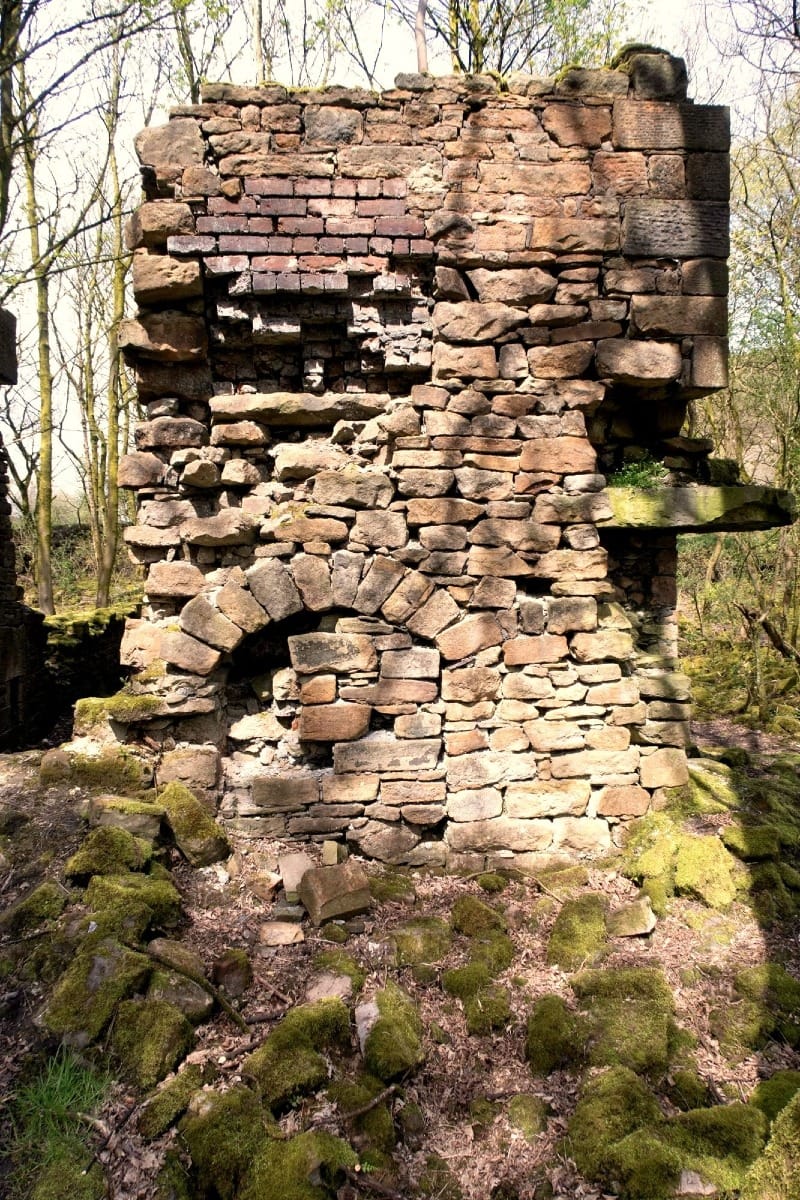
There was a time, over a thousand years ago, when the Anglo-Saxon turned his nose up at the cracking coffered ceilings, tilting columns and flooded amphitheatres of imperial Rome, much as we do now with our industrial heritage. Every time I visit this place, another gable has fallen, another stone has disappeared, and I realise it is time to stand in awe of these places.
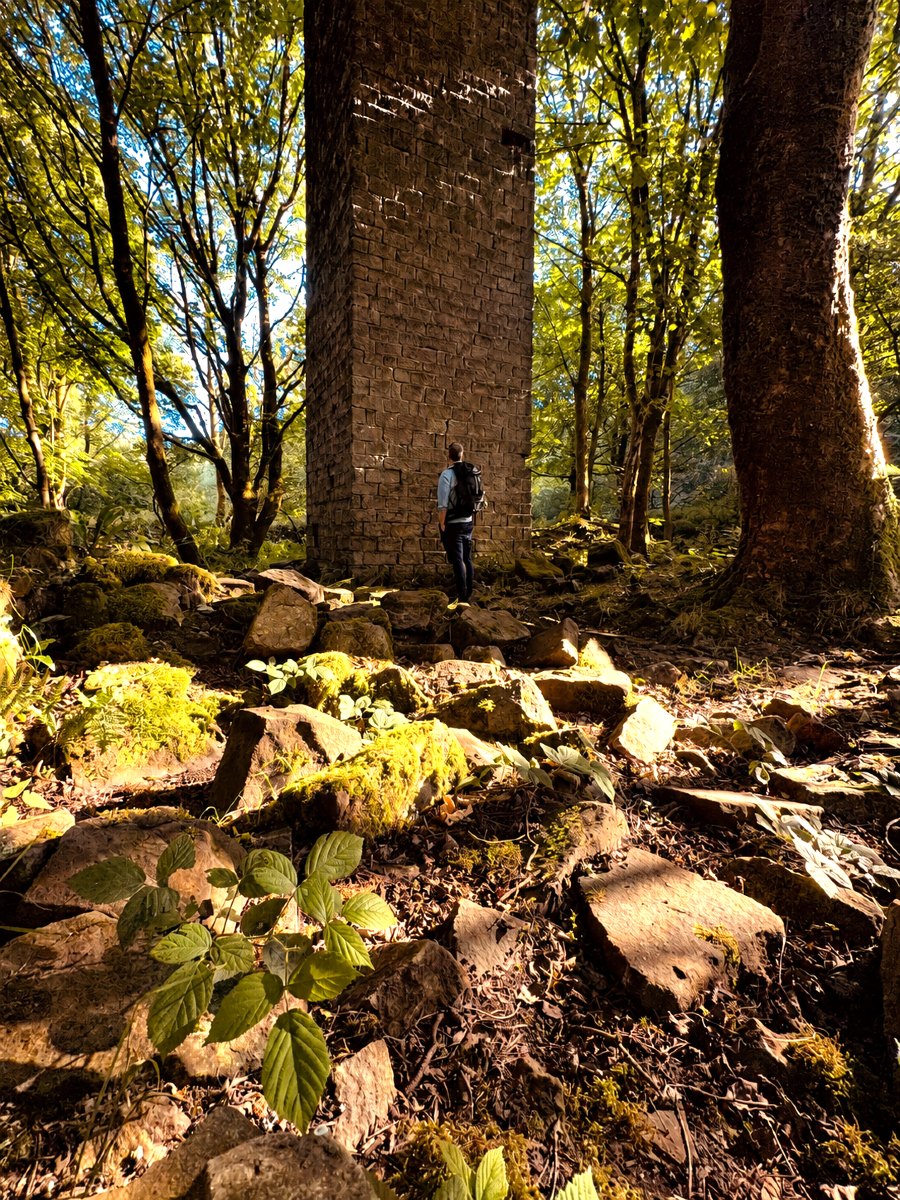
No doubt, a thousand years from now, people will look back with envy at the moment I’m having here today - just as we look back at the Anglo-Saxon, oblivious to the embarrassment of Roman riches around him.
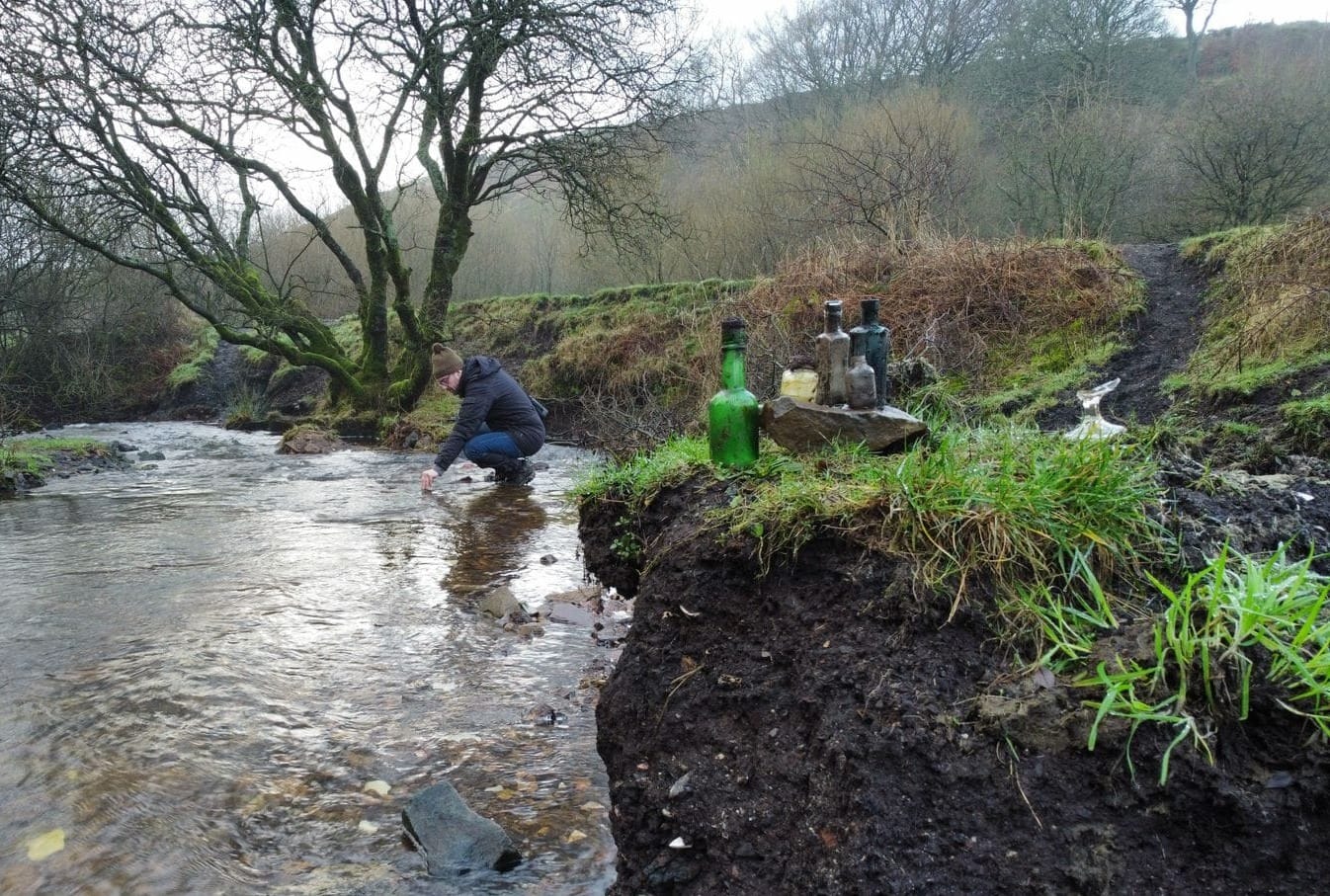
Just beyond Deeply Vale, I come across the midden and think of the Saxon walking through his Roman ruins and leafing through the detritus. But here, instead of the odd tesserae and broken brooch - there is, because of the changing nature of the brook, an evergreen constellation of finds scattered about a river bank that reveals the lives of an isolated and industrious community - cut off from the rest of the world by the steep valley sides.
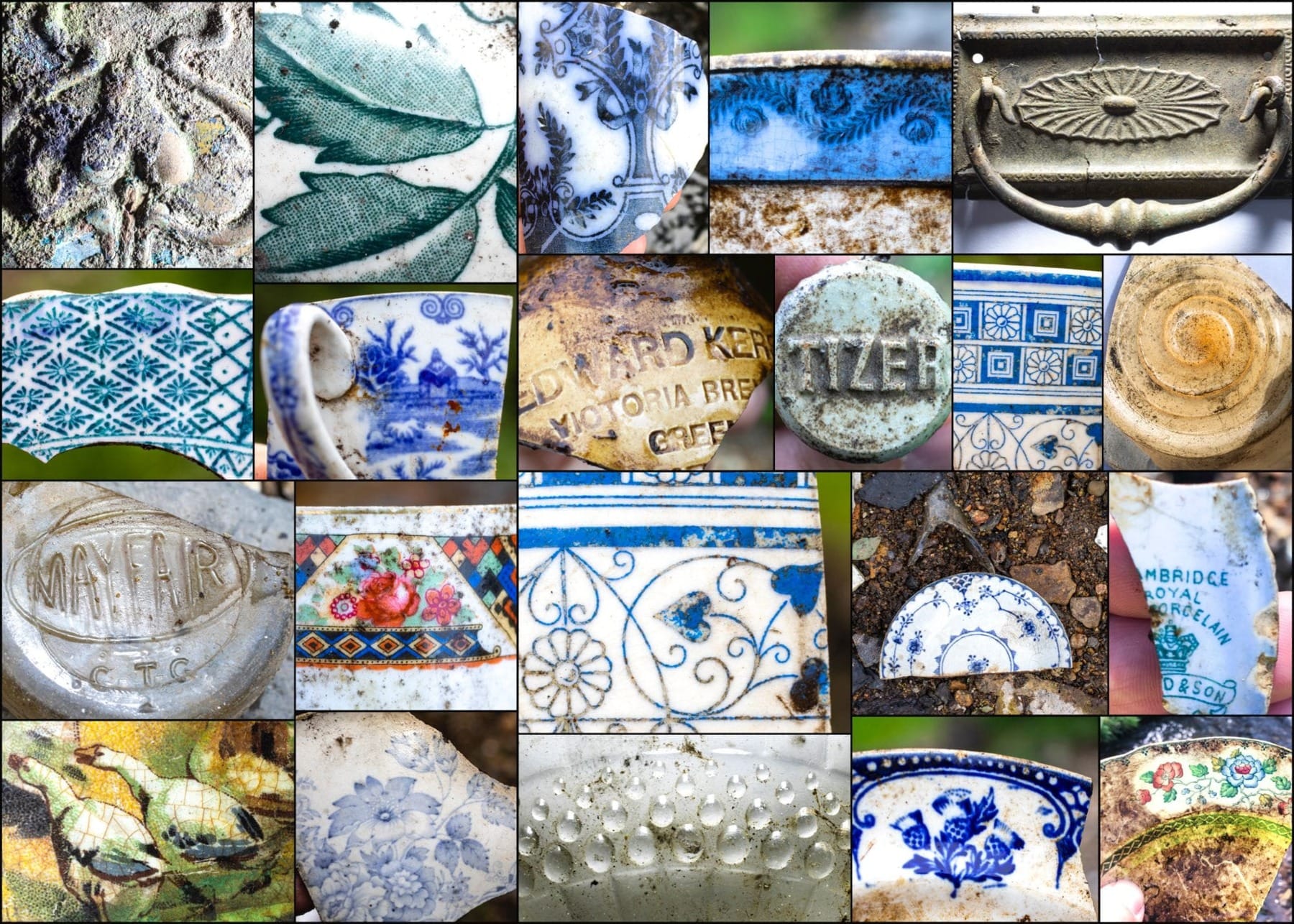
The things that are littered throughout the brook, the shards that I’m holding in my hand right now, are a different kind of memorial than those like the Whitten Tree.
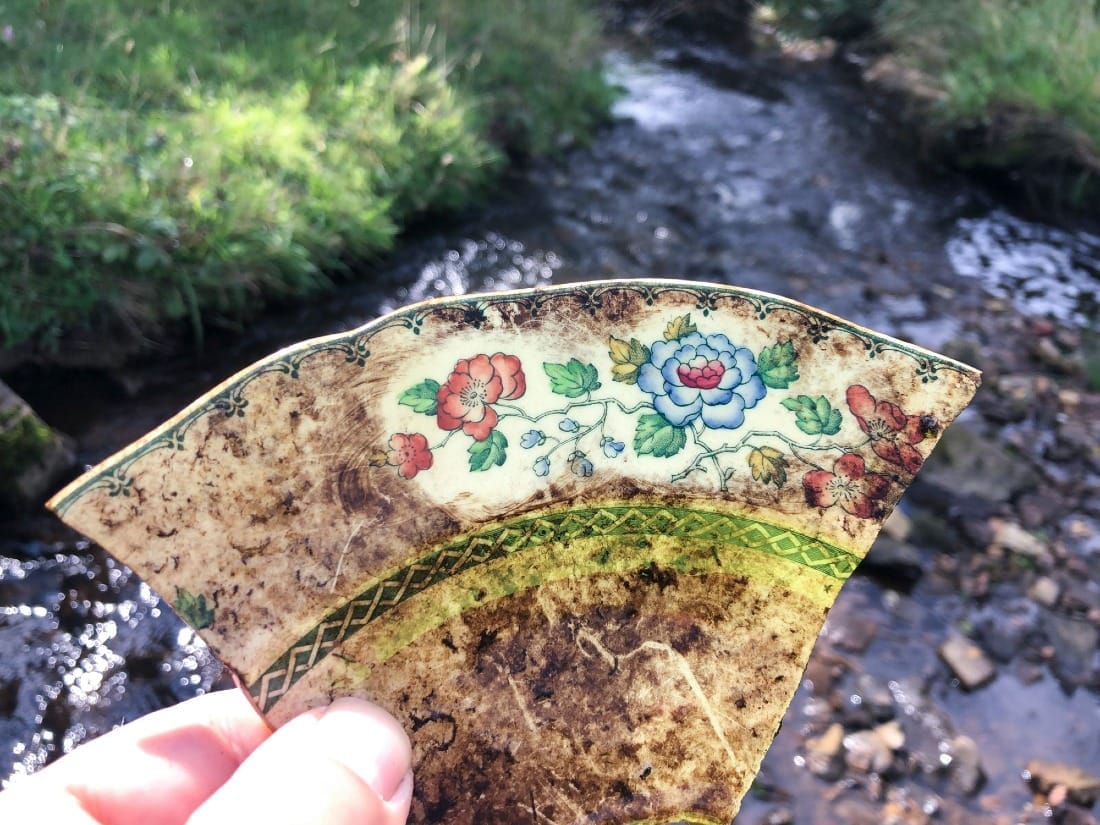
Whilst each devotional has its own human impact, for me, the most moving memorials are often the ones no one meant to leave behind.
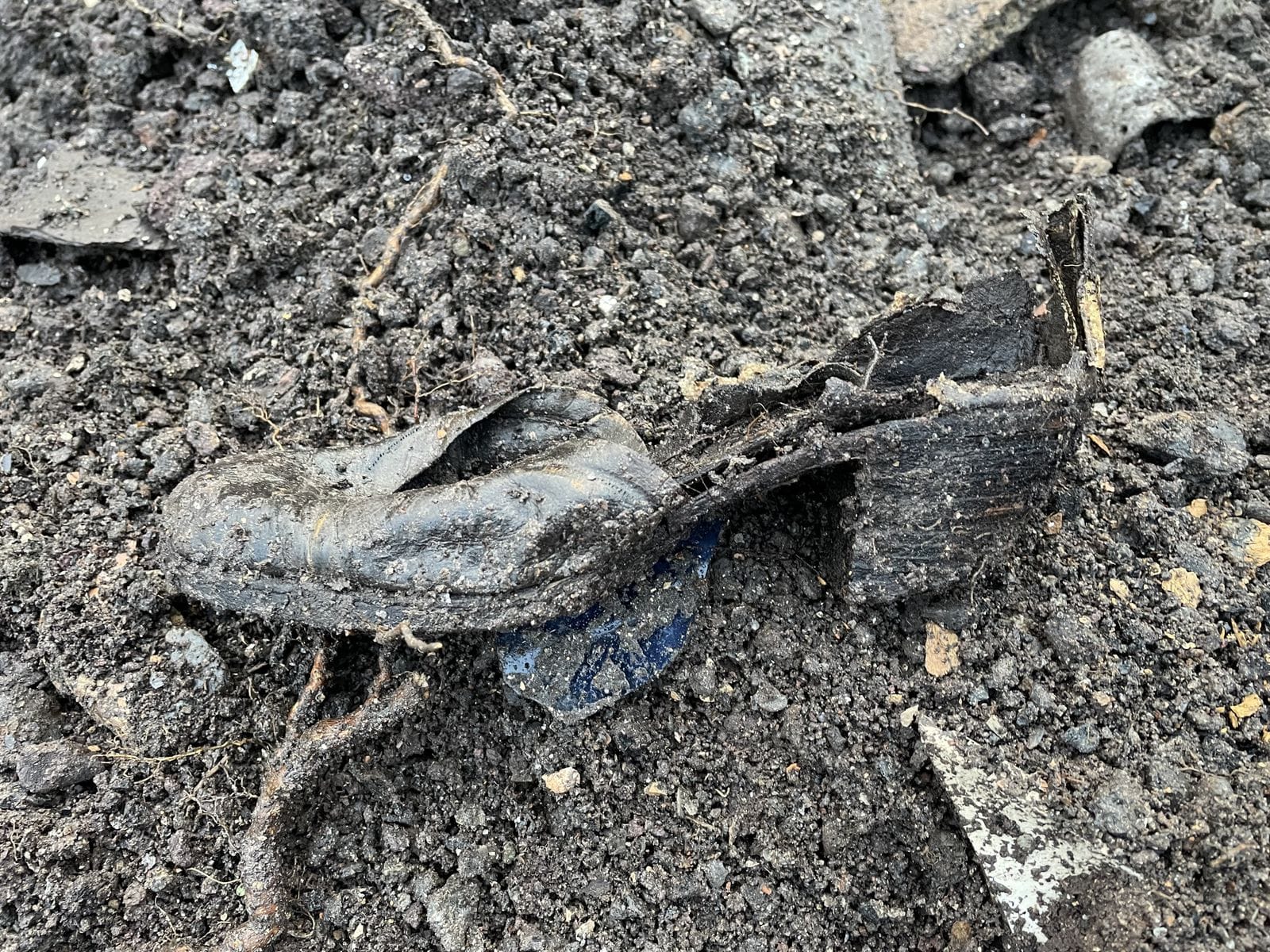
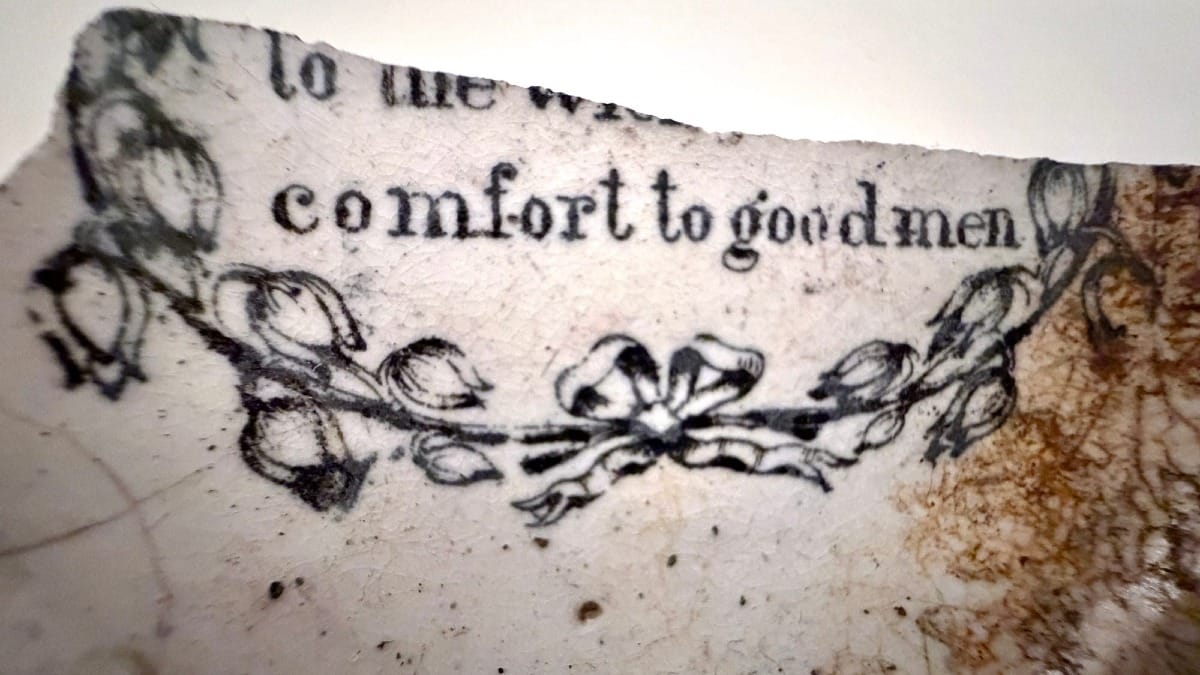
The people of Cheesden lived in the ordinary flux of life, never imagining that their homes might vanish, their community fade, and that centuries later the brook would begin returning fragments of their everyday lives. For me, there is something profoundly moving in that innocence. Every shard is gilded by the life it once touched.
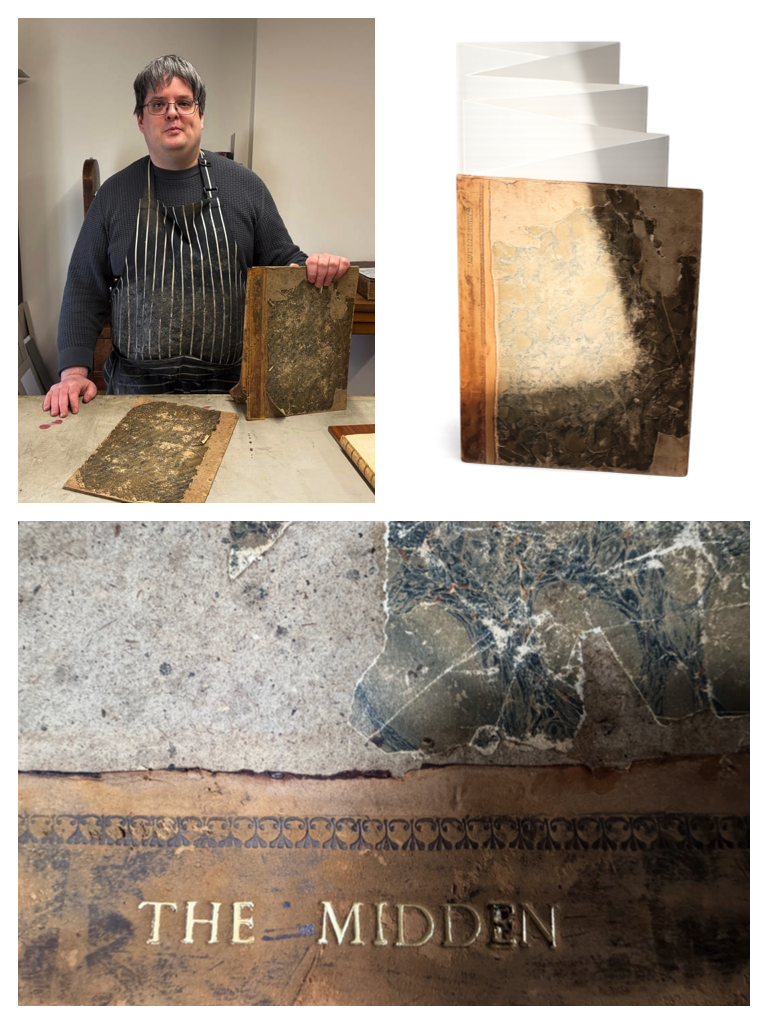
And so, as promised in previous digests, I’m creating a special book full of art - a kind of intentional Whitten and unintentional midden all in one. It is bound out of the covers of an old tome that many Cheesden people were contemporaries with. From next week, I am starting to capture each shard I find - and through the slow, absorbent process of observation and recollection - I want to honour each and every individual through the echoes of the things they left behind.
For me, the midden inverts archaeology: instead of seeking treasure, it asks us to value the commonplace: a broken plate, a bottle, a worn shoe. They become precious because of who they once belonged to. I really do believe that ordinary lives deserve the same reverence we instinctively give to kings, churches and monuments, and it is in that sense that Cheesden feels every bit as sacred as Fountains or Rievaulx.
Sometimes I become overwhelmed by a restlessness that refuses to be silenced driven by a sense that we are becoming disconnected from something fundamental.
Thank you for believing that this still matters. Can you help support my work?
Every subscription and tier membership is a vote of confidence in independent photography, writing and art inspired by Britain's spirit of place - work that offers a hopeful counter-narrative to our fast-changing world.
Support My Work
Brigstock, Stowe House, Ashwell, Chaldon and Kew Gardens.
 Andy Marshall
Bala, Manordeifi, Castlemartin, Gumfreston
 Andy Marshall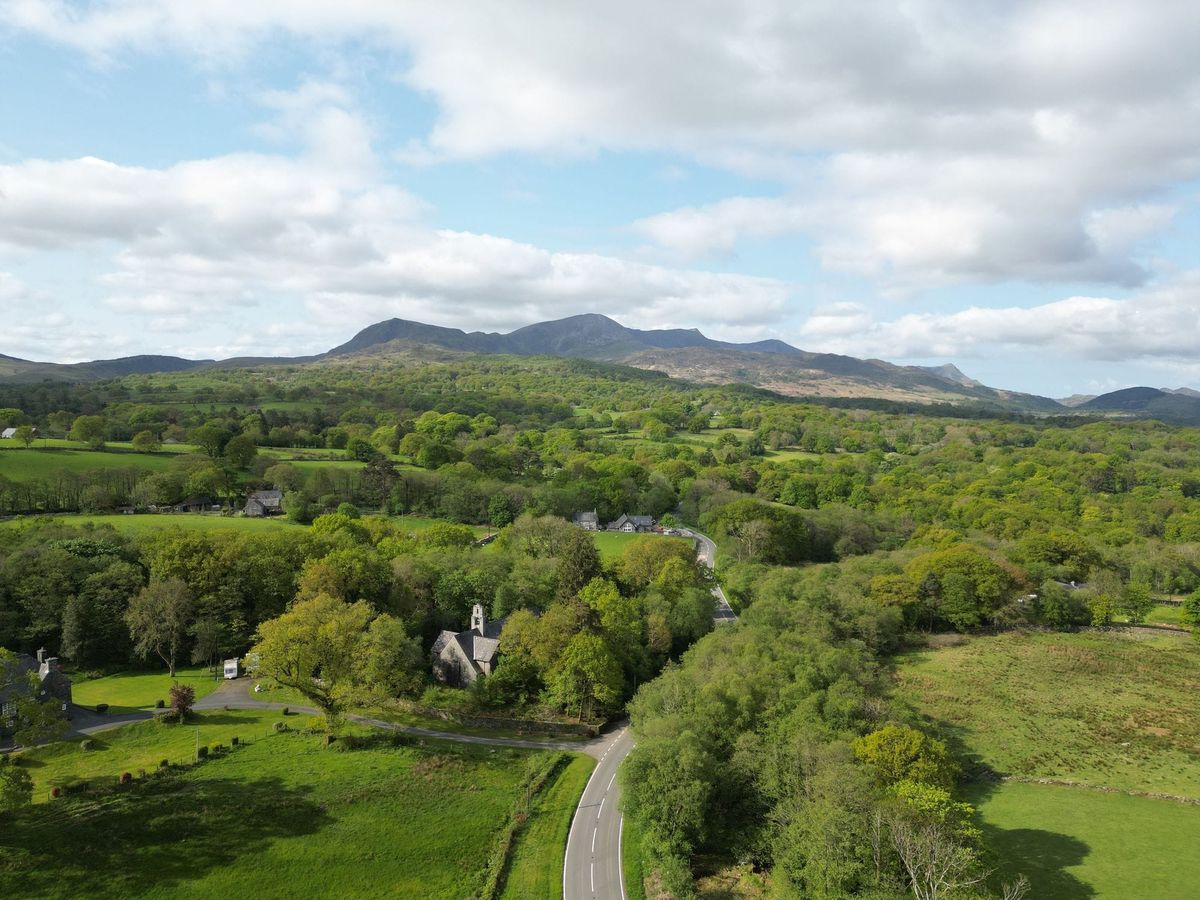
Broadwell, Oxfordshire
 Andy Marshall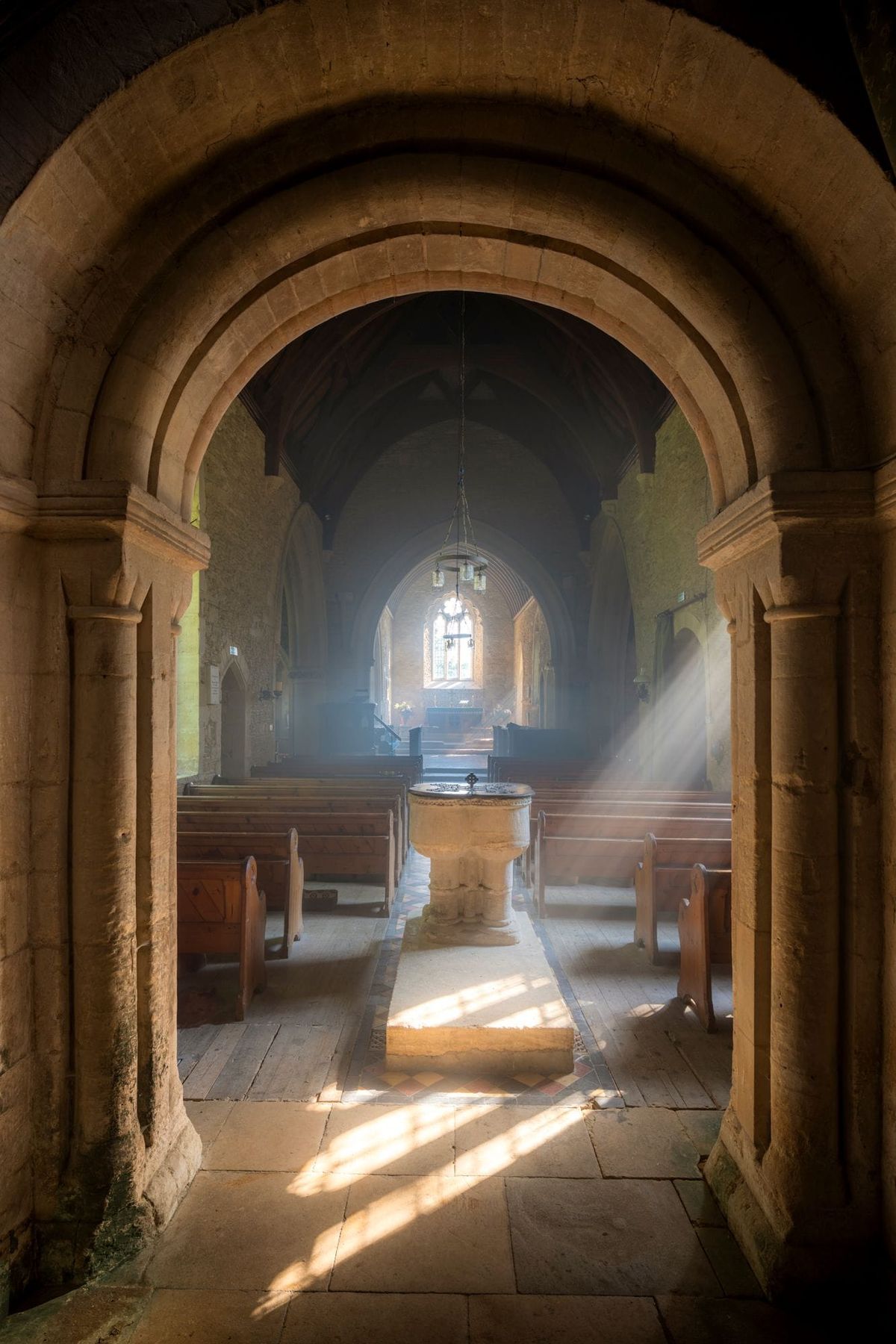
Explore My Treasure Hoard Gazetteer (With Map of Places To Visit)
 Andy Marshall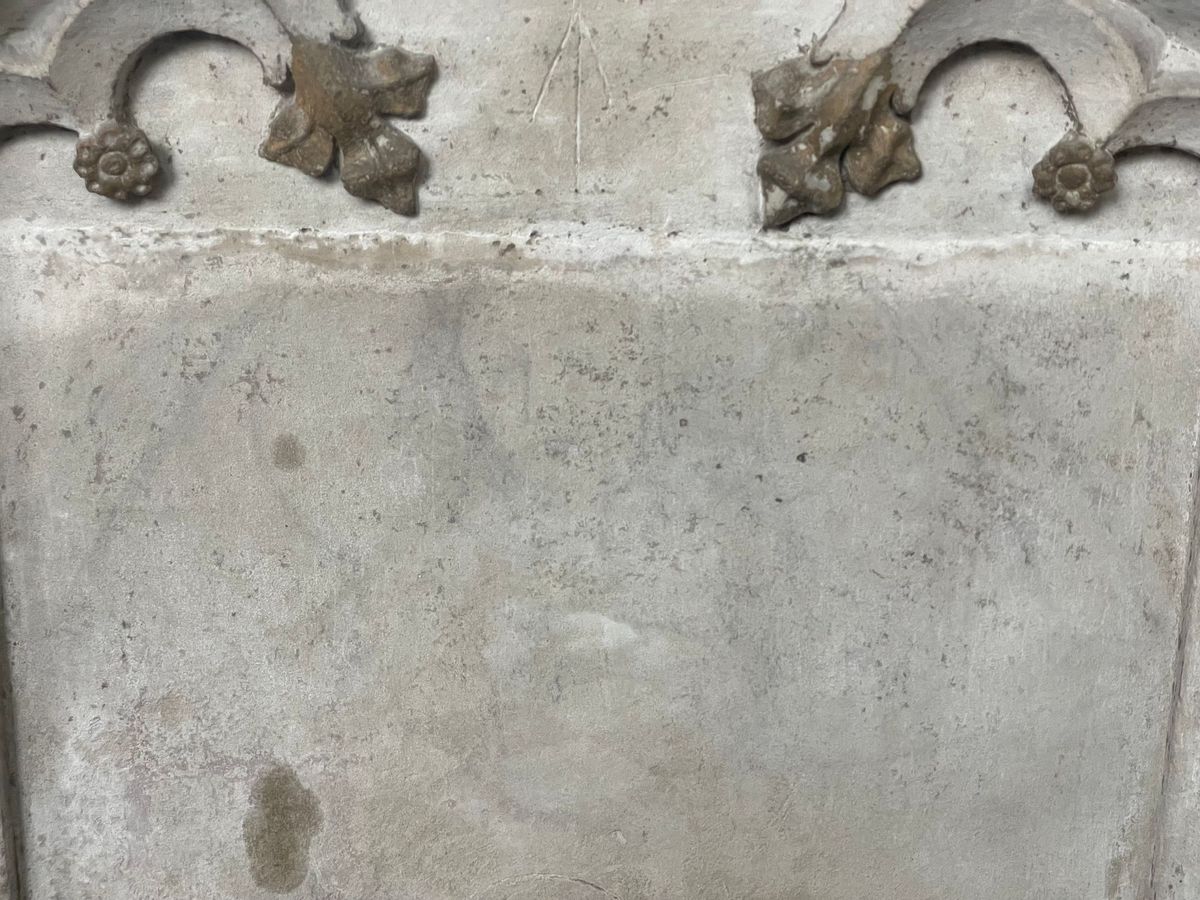
More Field Notes Next Week.
 Aamna Mohdin
 CBA
CBA
 William Condry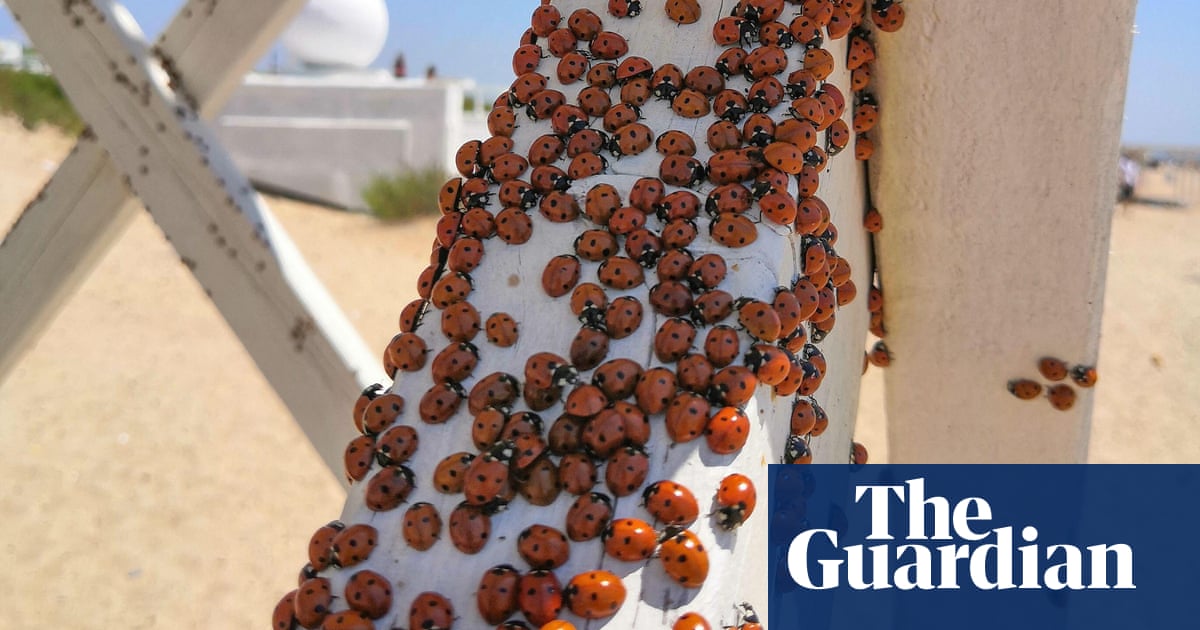
The Story Behind The Whitten Tree
"I've lost count at the number of sticks I've thrown at the Whitten. I’ve had sticks blown back in my face in a raging westerly. I’ve held sticks and said a prayer before depositing them; and in the convulsions of a strenuous bike ride, I’ve thrown them wide of their mark in the field beyond. On a ten-mile run, I’ve seen the perfect branch - encrusted with lichen - and carried it to the Whitten for five miles or more."
 Andy Marshall
.jpeg?auto=webp)
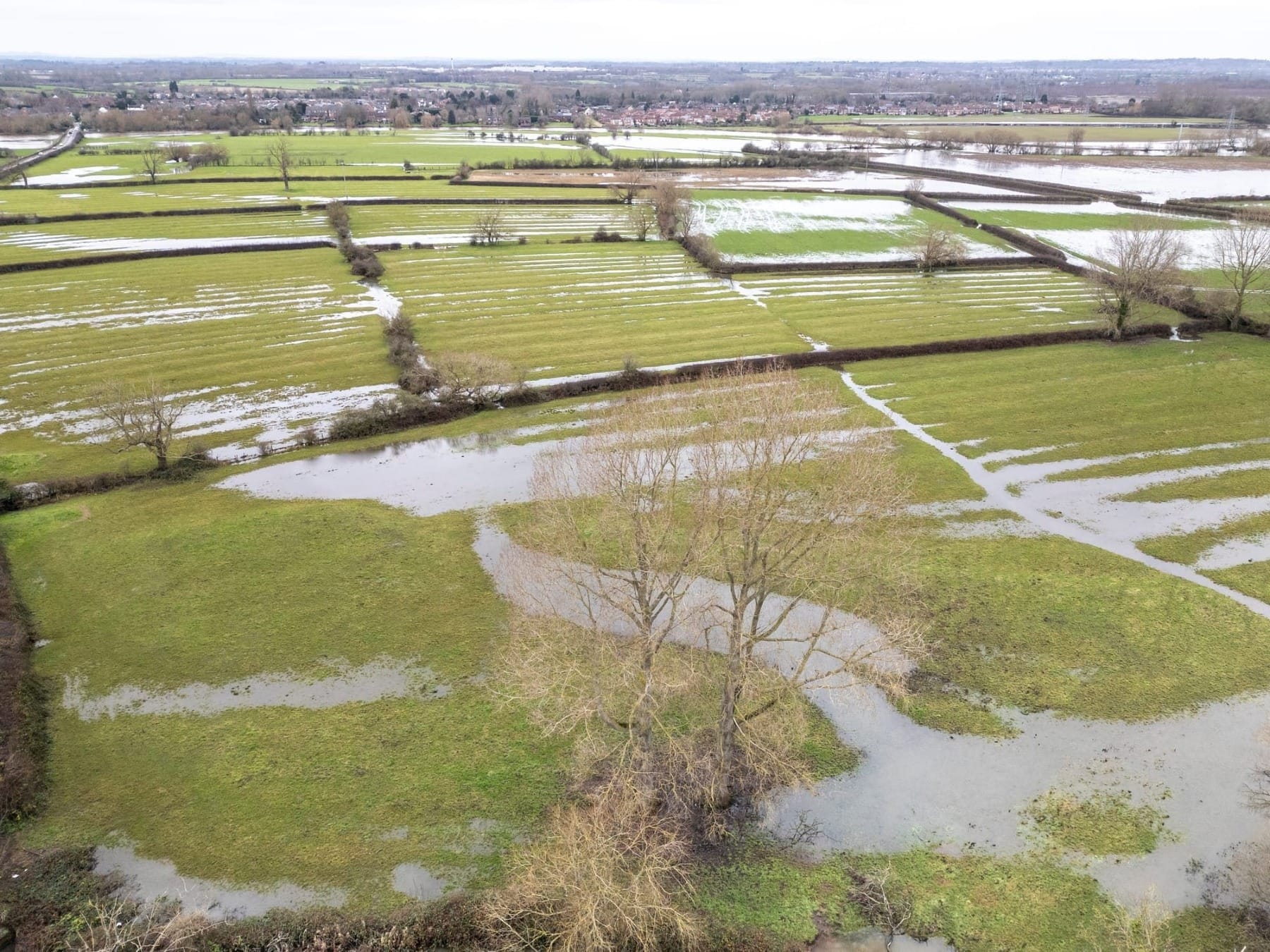
Archaeology Amongst The Ridge And Furrow
"Amidst the medieval ridge and furrow are lumps and bumps that mark events from the past, reverberating through this place. It was at Repton that a great Viking army wintered in 873 AD under the leadership of Ivar the Boneless. The lumps and bumps are the boundaries of their camp."
 Andy Marshall
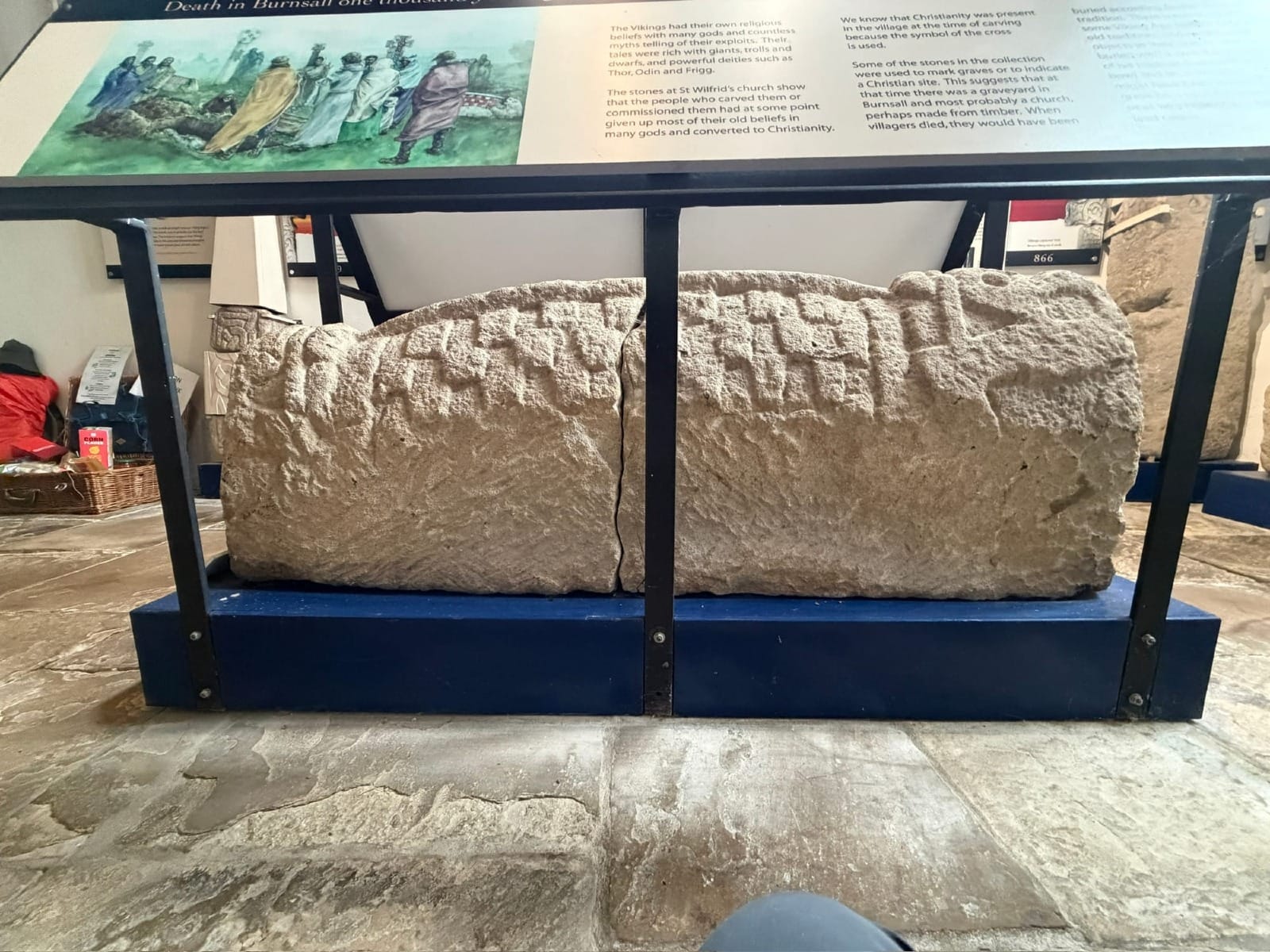
For Members - Vikings at Burnsall in the Yorkshire Dales
Some remarkable pre-conquest sculptures at Burnsall church including a hogback and a divine C15th alabaster Adoration of the Magi
Click to ViewRead More Member's Supplements:
 Andy Marshall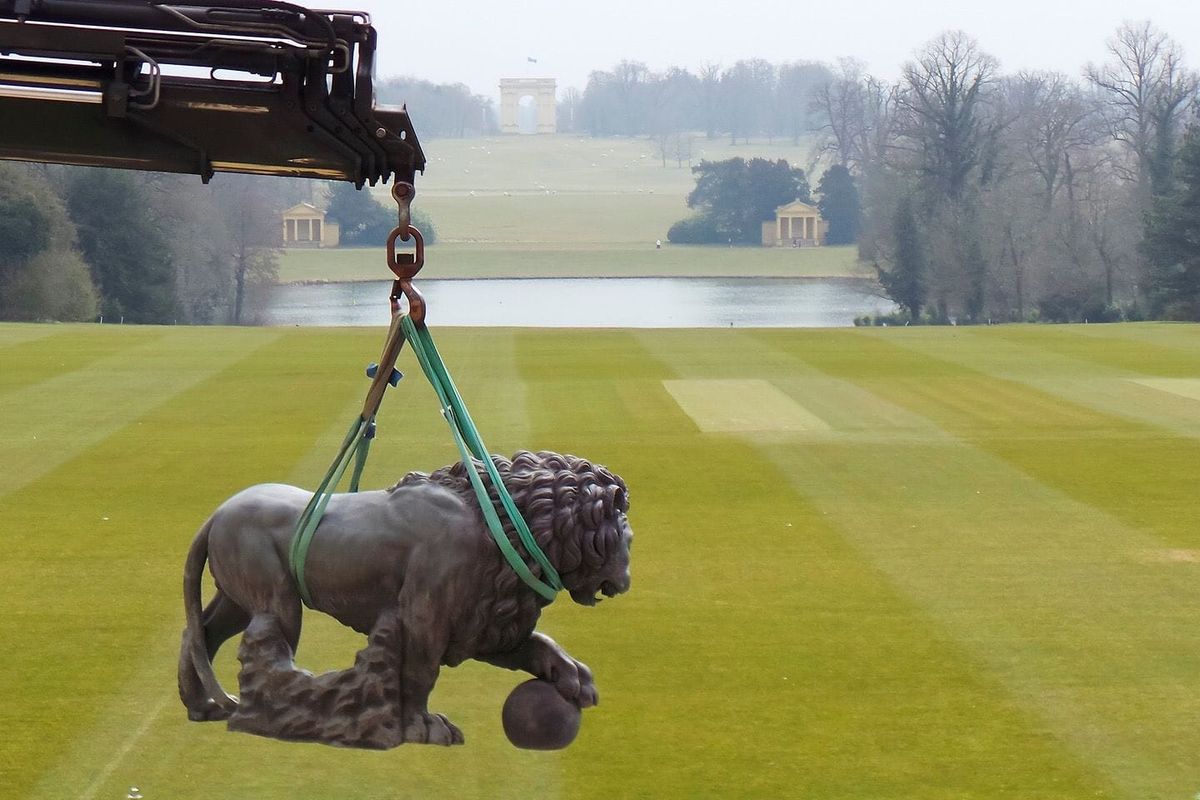
Join a thriving community of people who see the world differently.
Membership opens the door to exclusive journeys, deeper insights and behind-the-scenes field notes, while helping this work continue.
Become A Member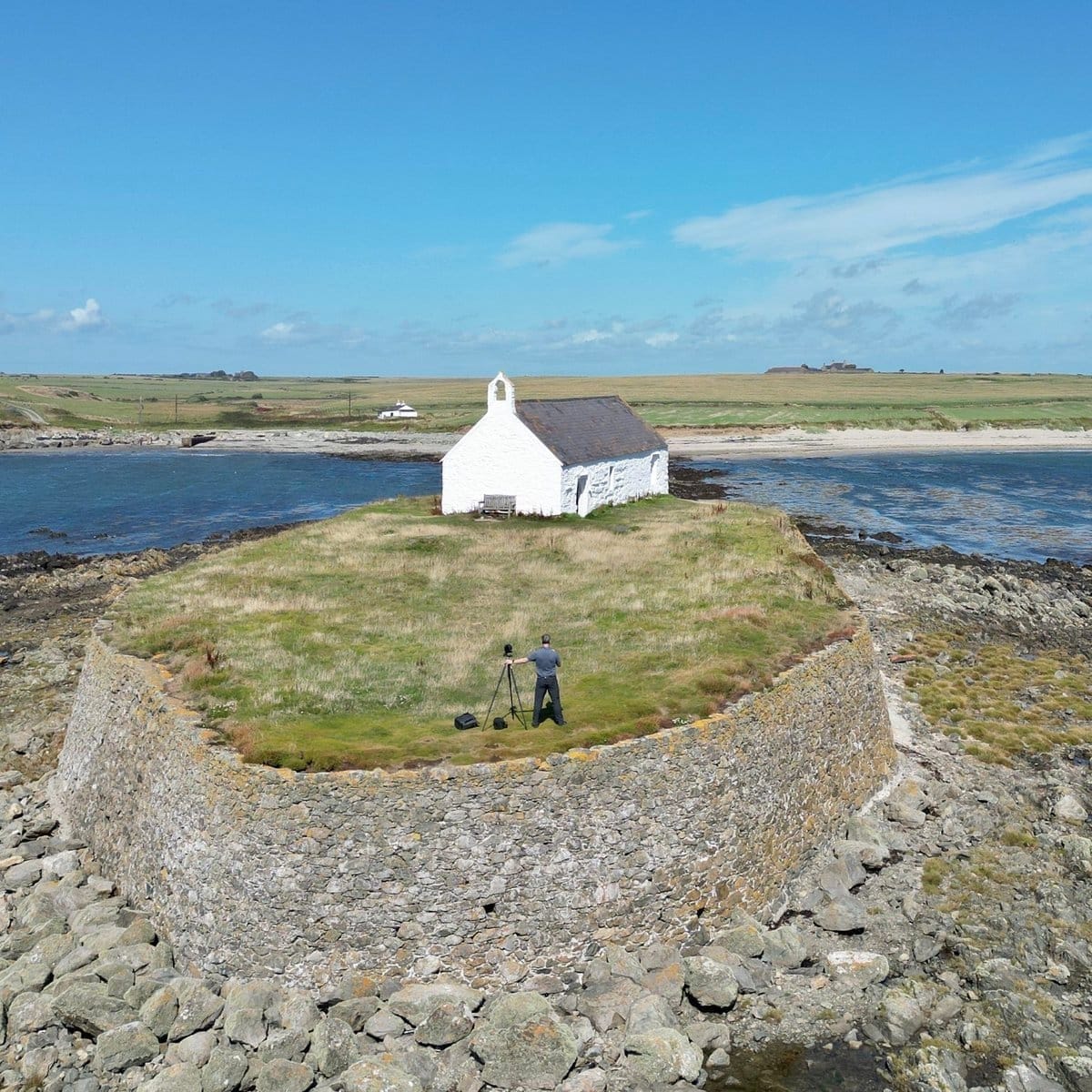
Kind words from a subscriber:
Andy your work is becoming wonderful, remarkable. A so-called breakdown has been milled into its constituent parts, becoming profound construction: through perception, architecture, the lens and the pen. In your Repton crypt essay a deep description of our social anxiety - and our reason to be....
Recent Digest Sponsors:
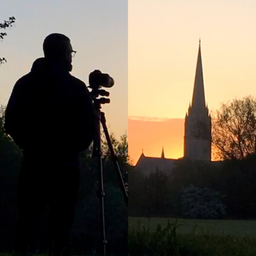 Andy Marshall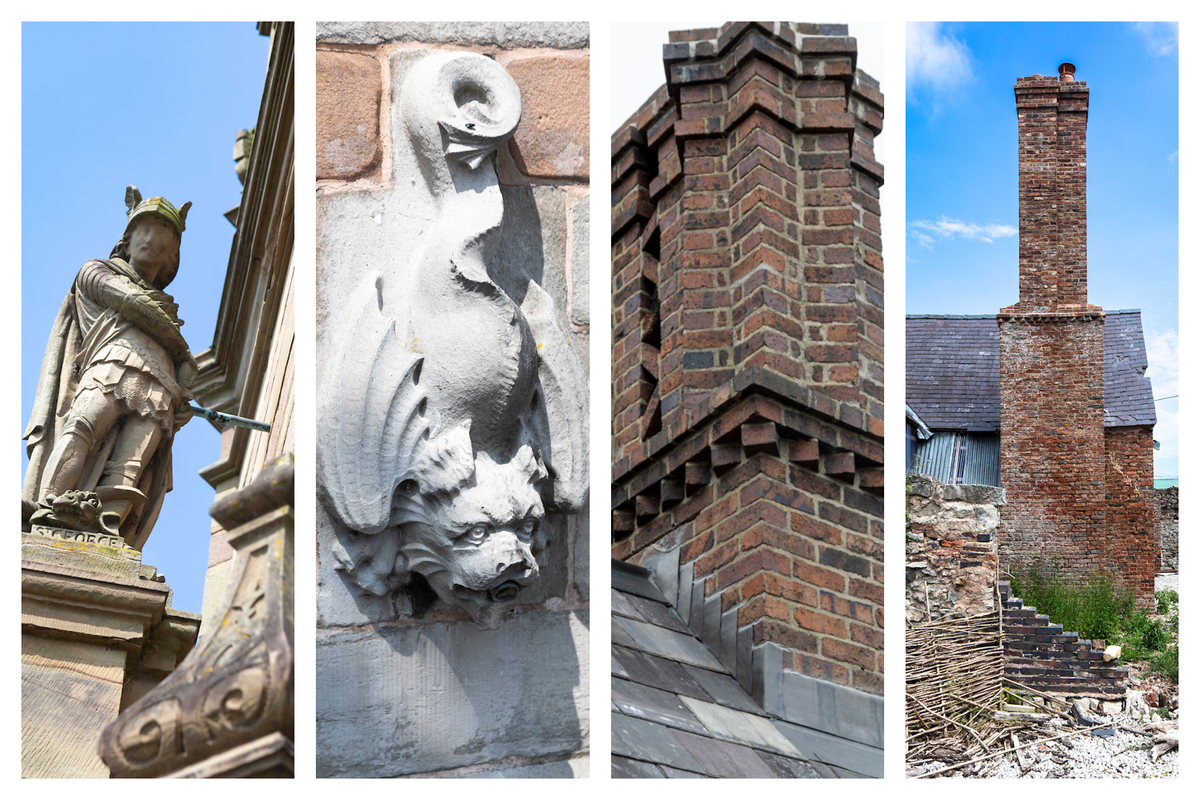
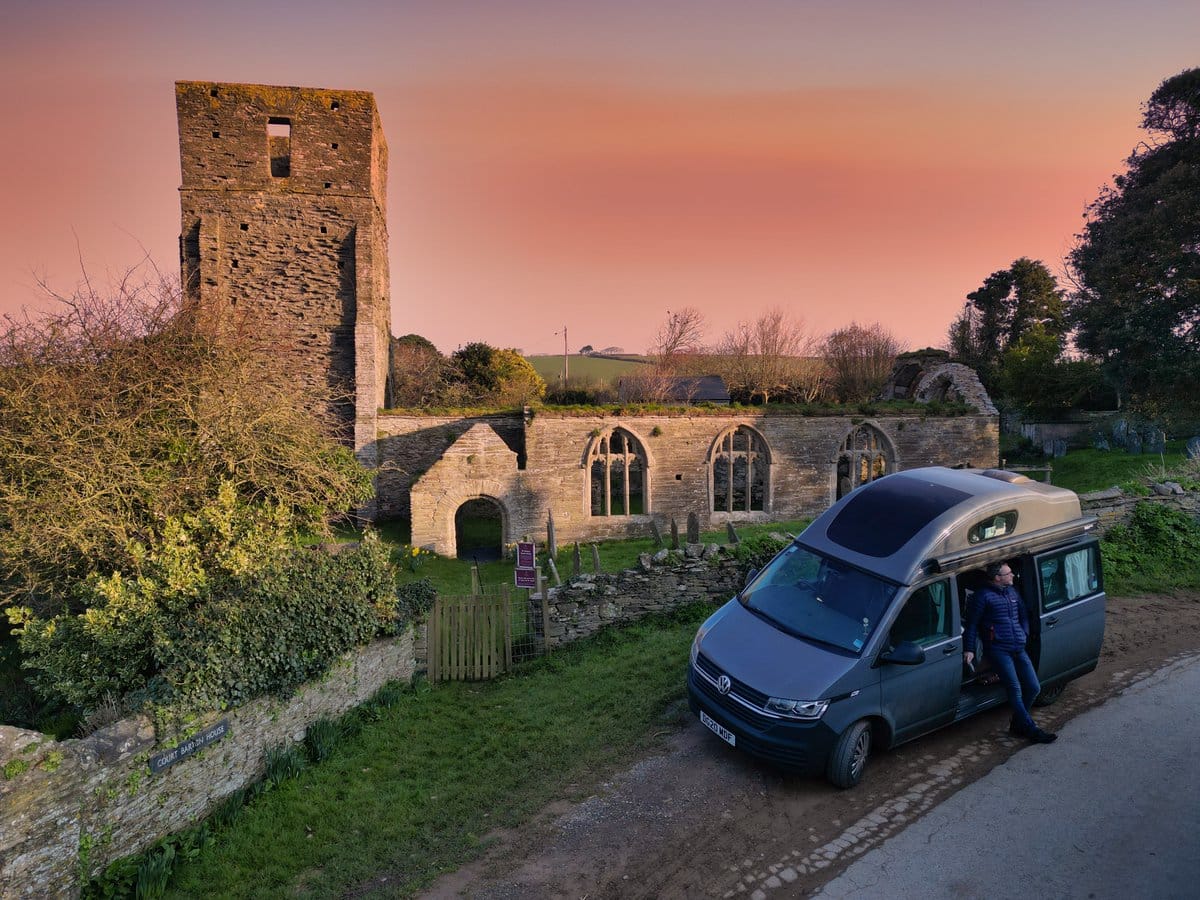
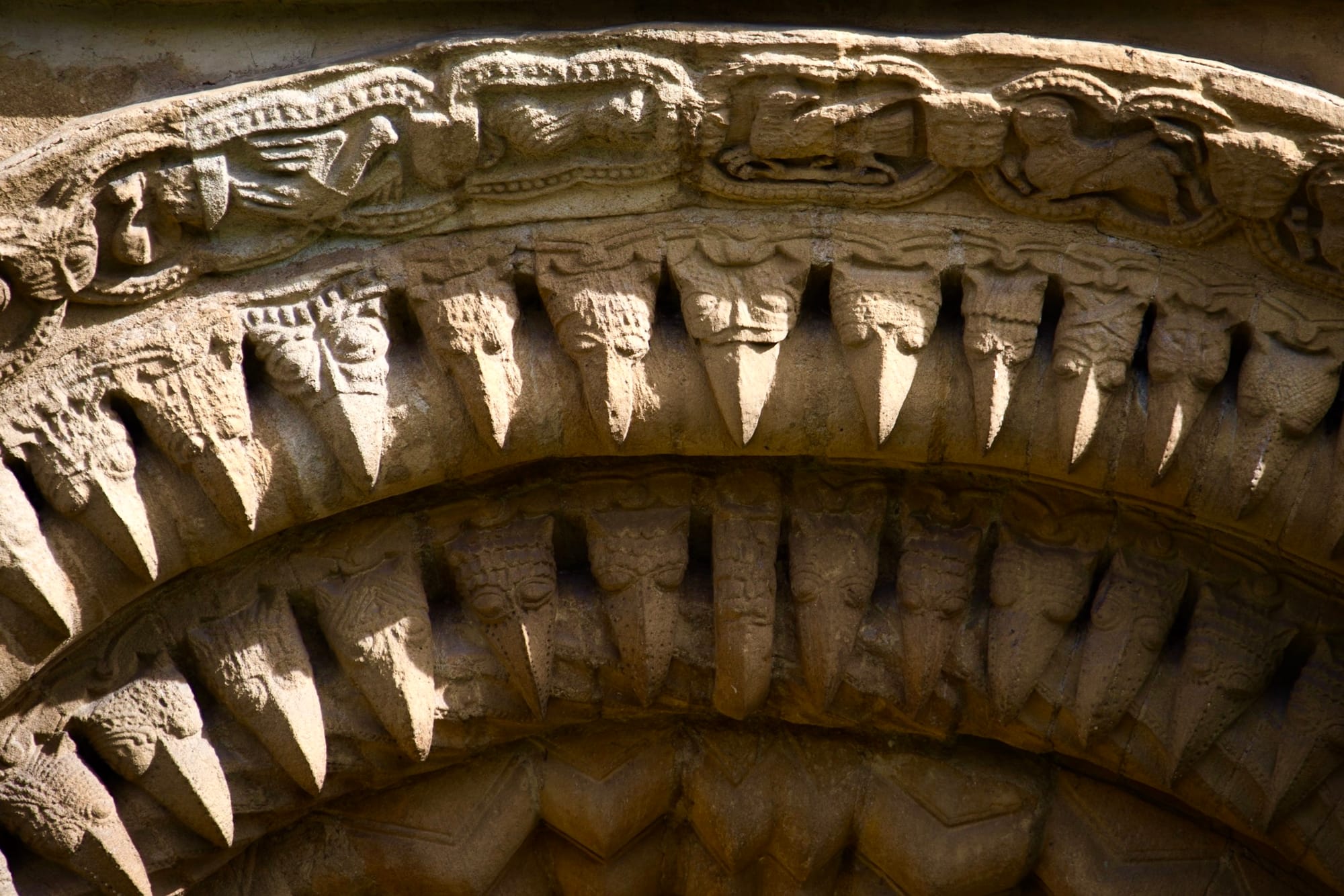
If you've enjoyed travelling with me so far, the next few months promise some of the journeys I've been looking forward to most including one of the most complete Romanesque buildings in the country and a church with foundations rooted in Saxon times.
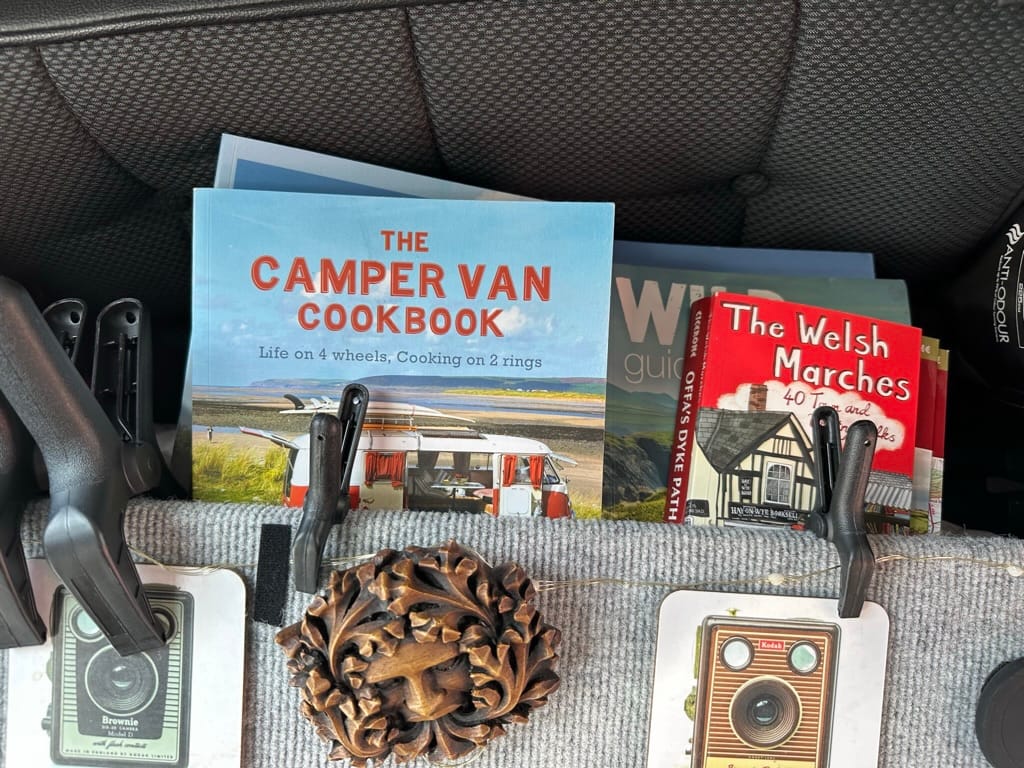
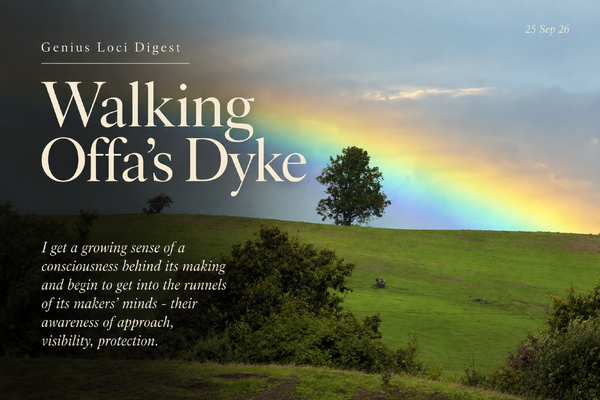
Summer travels will be followed by a walk along Offa's Dyke and the Welsh Marches - from Hay-on-Wye to Llangollen in September - before attention turns to an ambitious spring 2028 expedition through the Western Isles of Scotland, Northern Ireland, Dublin and Anglesey. I can't wait to share them with you.
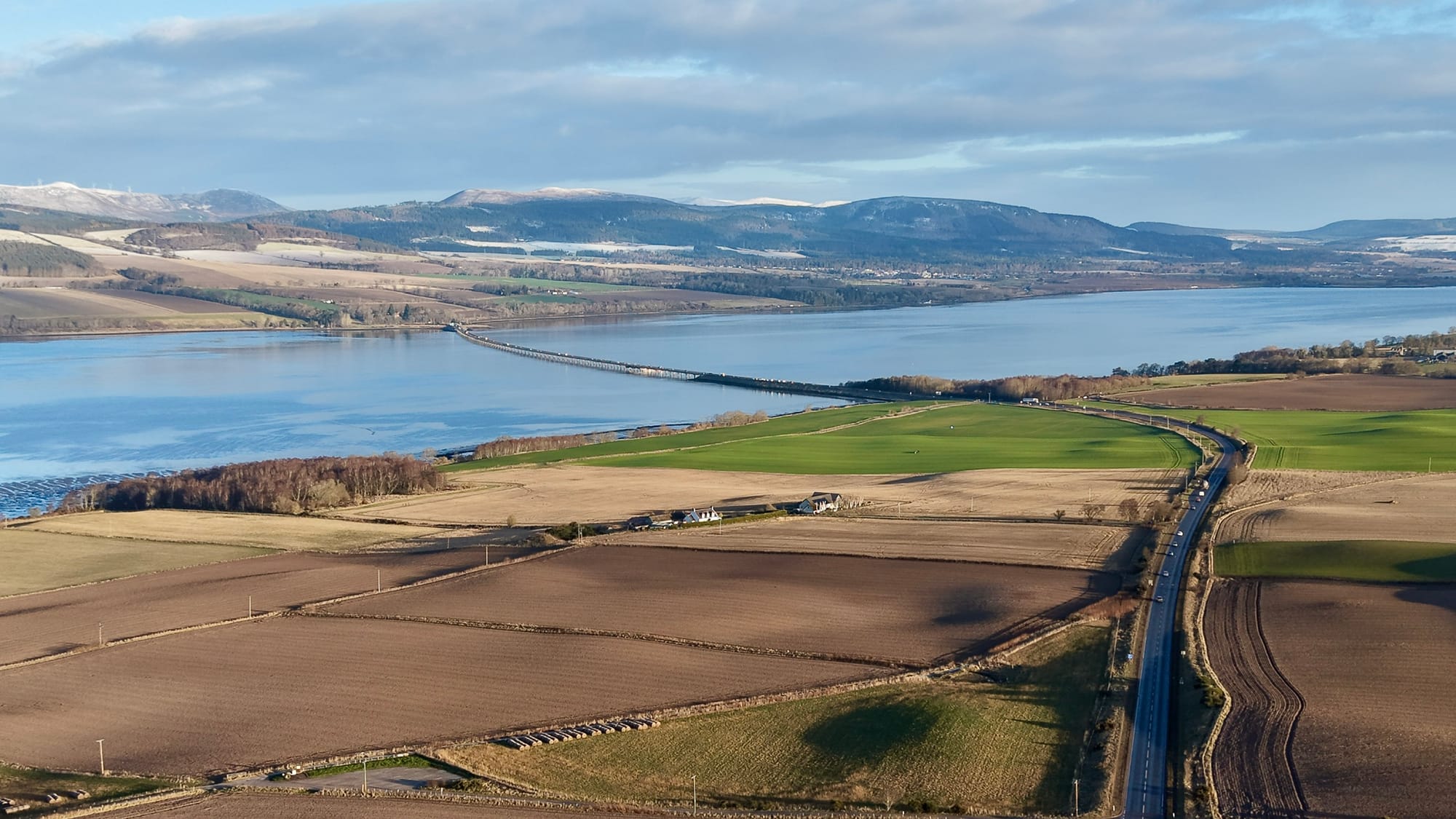
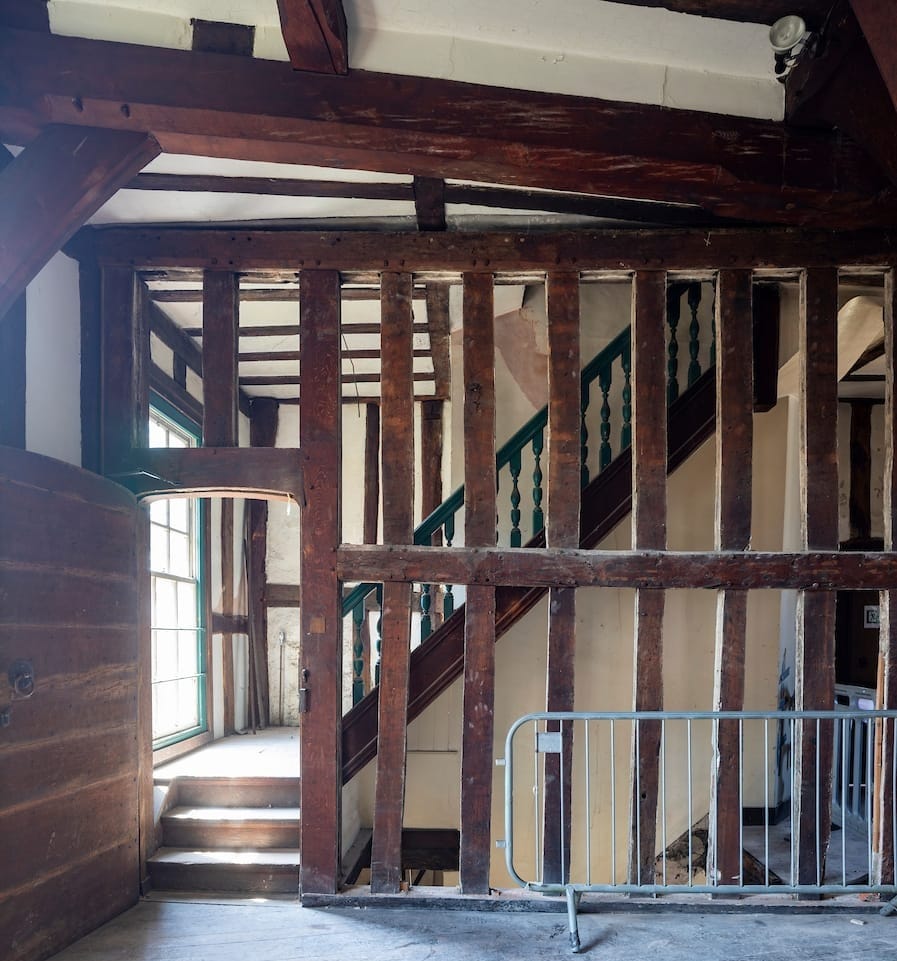
And, of course, I'll be sharing progress of my Midden Project art work and more updates on the conservation of St. William's College in York.
Thank You!
Photographs and words by Andy Marshall (unless otherwise stated). Most photographs are taken with iPhone 17 Pro and DJI Mini 5 Pro.
🔗 Connect with me on: Bluesky / Instagram / Facebook / X / Tumblr / Flickr / Vimeo / Pixelfed / Pinterest / Flipboard/ Fediverse: @fotofacade@digest.andymarshall.co
Member discussion