Welcome!
⚡️ View the latest digest and the full archive here.
📐 My Goals ℹ️ Donations Page & Status 📸 MPP Status 🛍️Shop
🔗 Connect with me on: Bluesky / Instagram / Facebook / X / Tumblr / Flickr / Vimeo / Pixelfed / Pinterest / Flipboard/ Fediverse: @fotofacade@digest.andymarshall.co
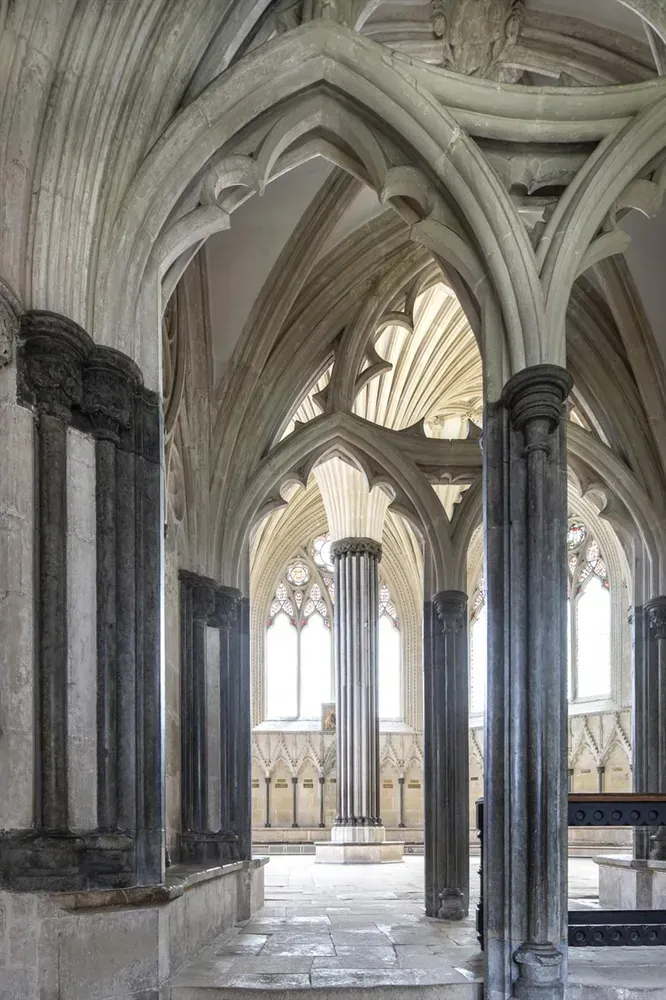
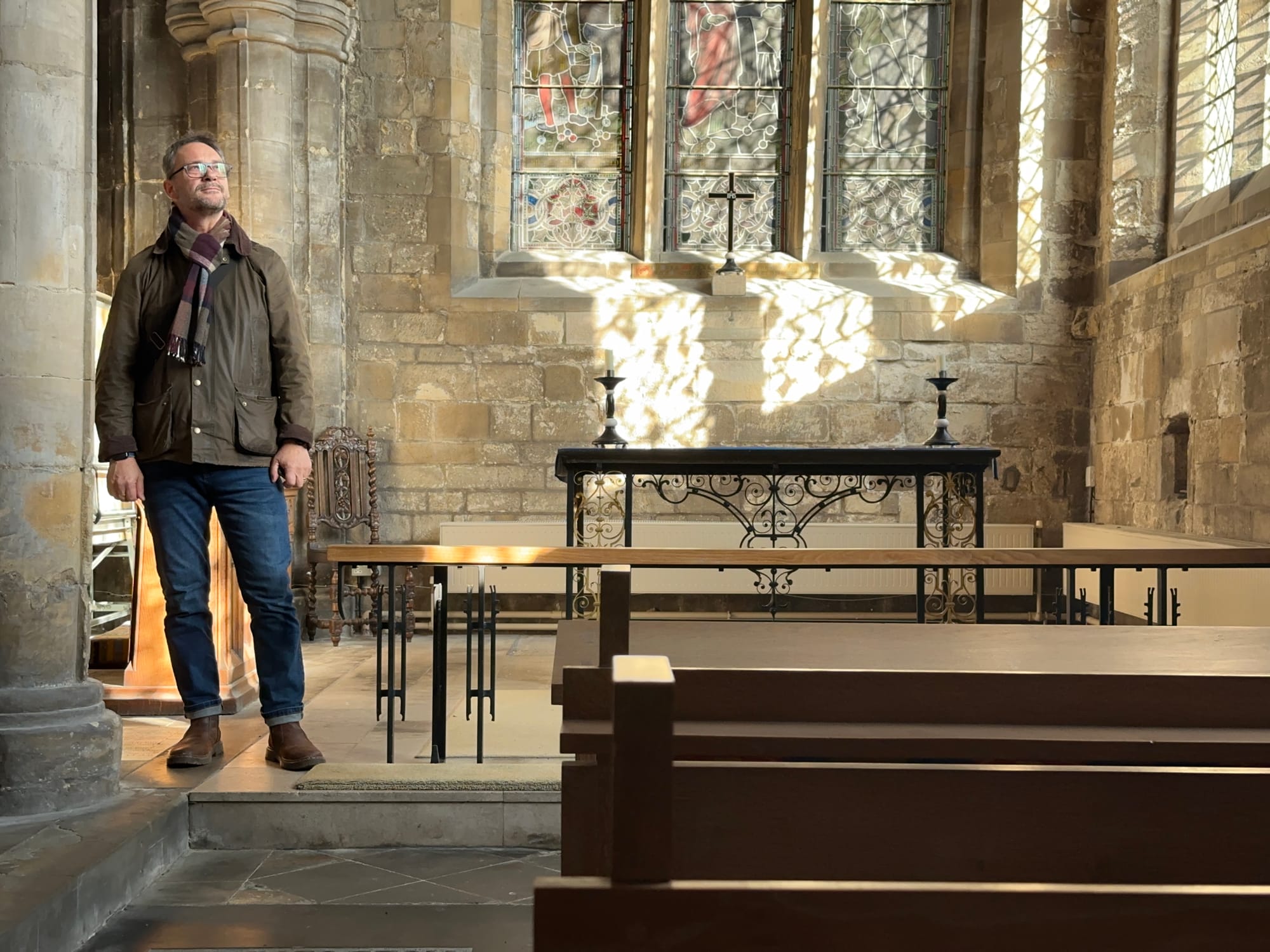
✨ What is so jaw dropping about the medieval chapter house at Wells is its nested complexity - the feeling as if you are walking through a wooded glade.
She lives with little joy or fear.
Over the water, running near,
The sheepbell tinkles in her ear.
Before her hangs a mirror clear,
Reflecting tower'd Camelot.
And as the mazy web she whirls,
She sees the surly village churls,
And the red cloaks of market girls
Pass onward from Shalott.
The Lady of Shalott - Alfred, Lord Tennyson.
Better to be Silly
My journey with Byron brought me to Louth and it was here that I had to let him go. Apparently a trip to Greece was in the offing. I wish he had stayed because in Louth he might have seen poetry within the walls.
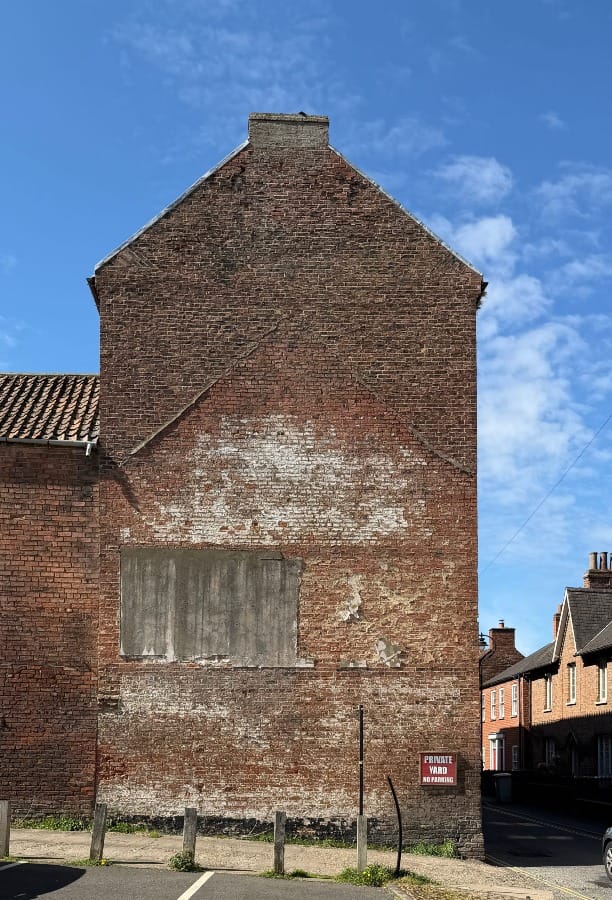
On my way into the car park I noticed an old wall near to the church. As I passed by in the camper I caught divine glimpses of Tudor brickwork, erratic bonds and crumbling mortar adorned with moss and lichen. And so, after parking up - even before heading to the church - I sought out the wall.
I returned just at the right moment when the sun was angled so acutely that it lit up every mortar joint, every brick, fissure and particle.
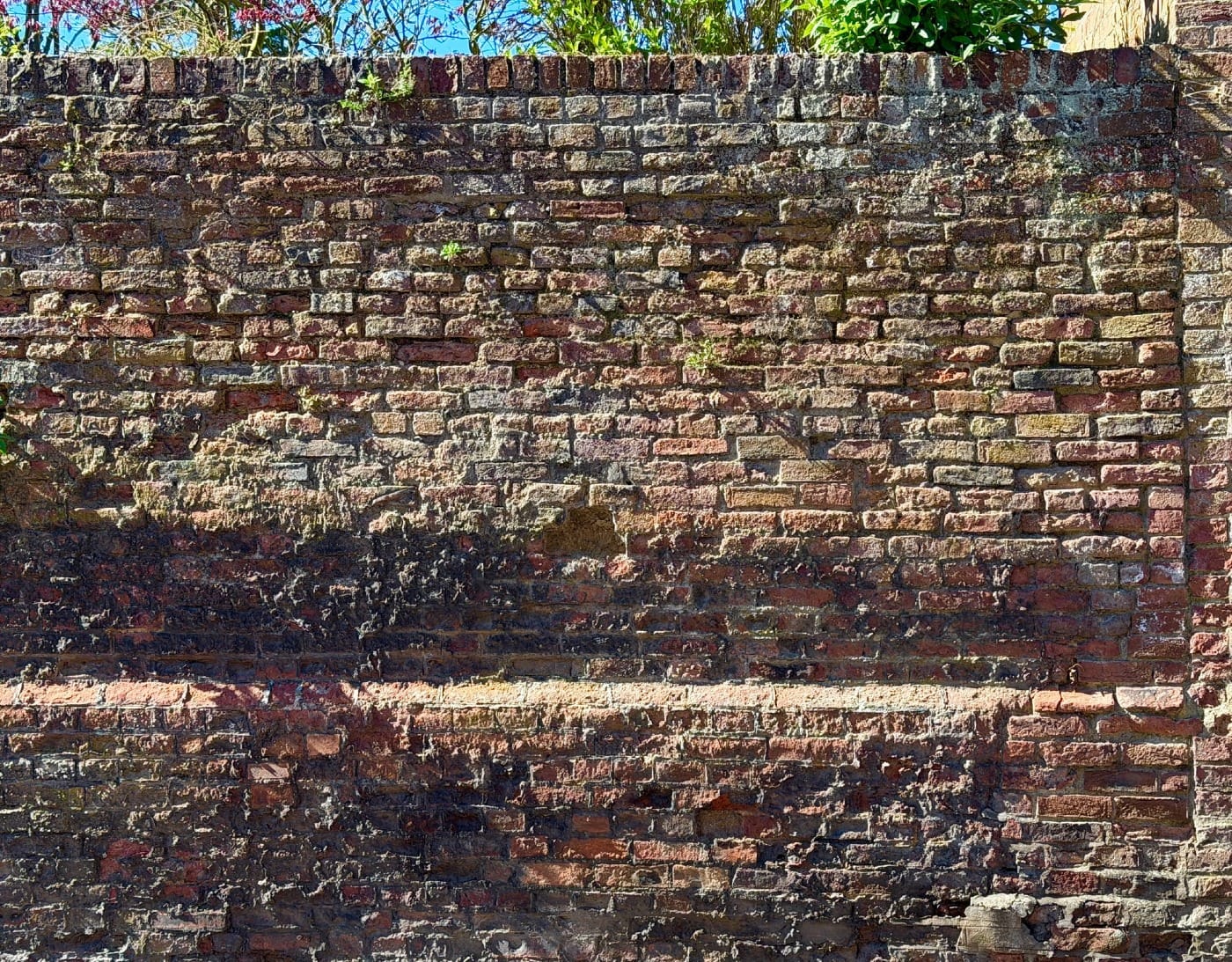
There’ll be a thumb print or a paw print in there somewhere - I thought to myself as I touched the ghost lines of the drying racks on one of the bricks.
Upon observing the wall, I was reminded of Ruskin’s golden stain of time underpinned with a powerful sense of it being so complete in its incompleteness and so perfect in its imperfection.
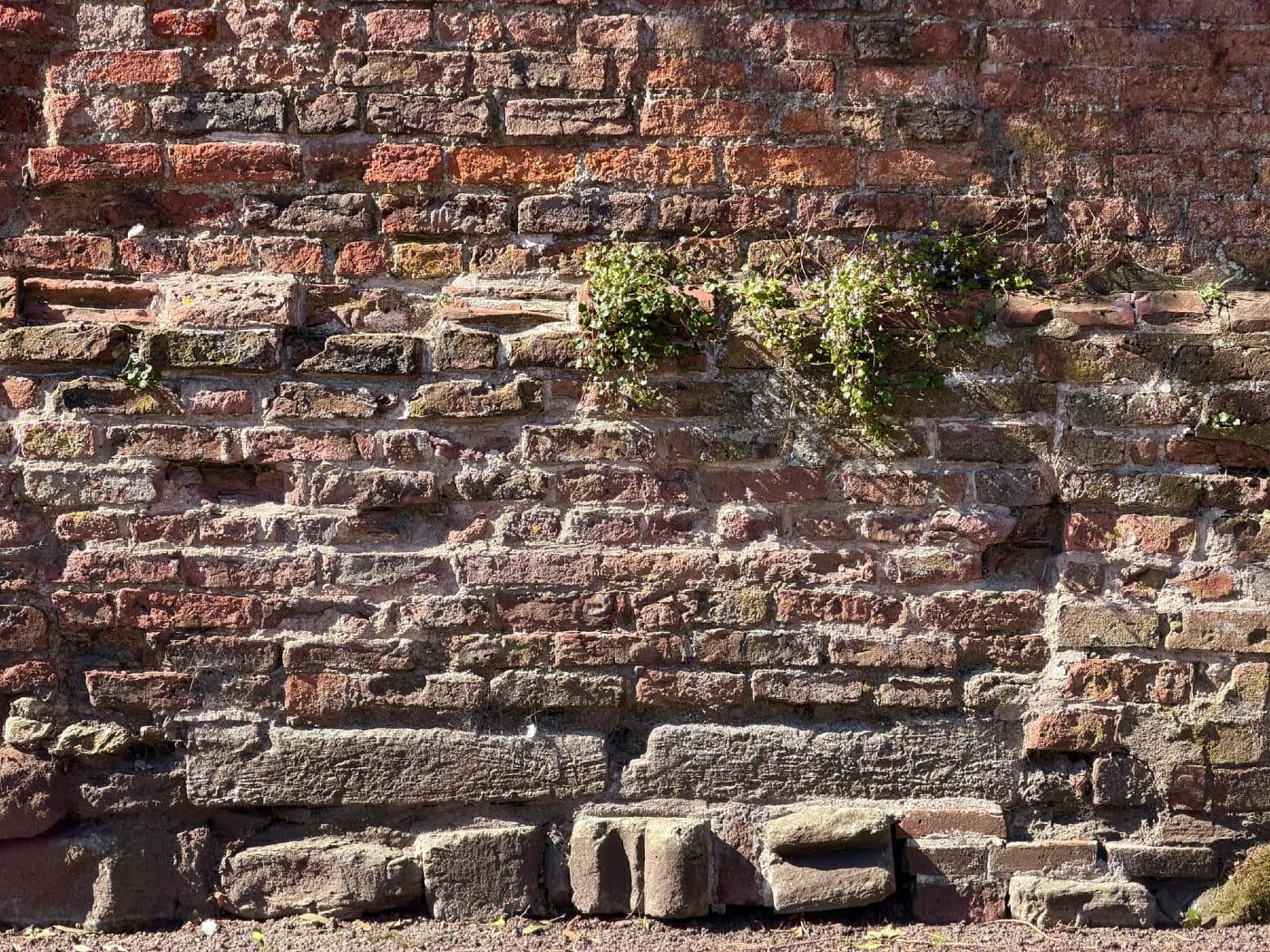
I felt oddly defiant beginning my journey around Louth with a wall. It is easy to miss. Easier still to pass by while looking into the glowing mirror of a phone screen.
And yet I suspect that this wall contains, in miniature, something important about Louth itself.
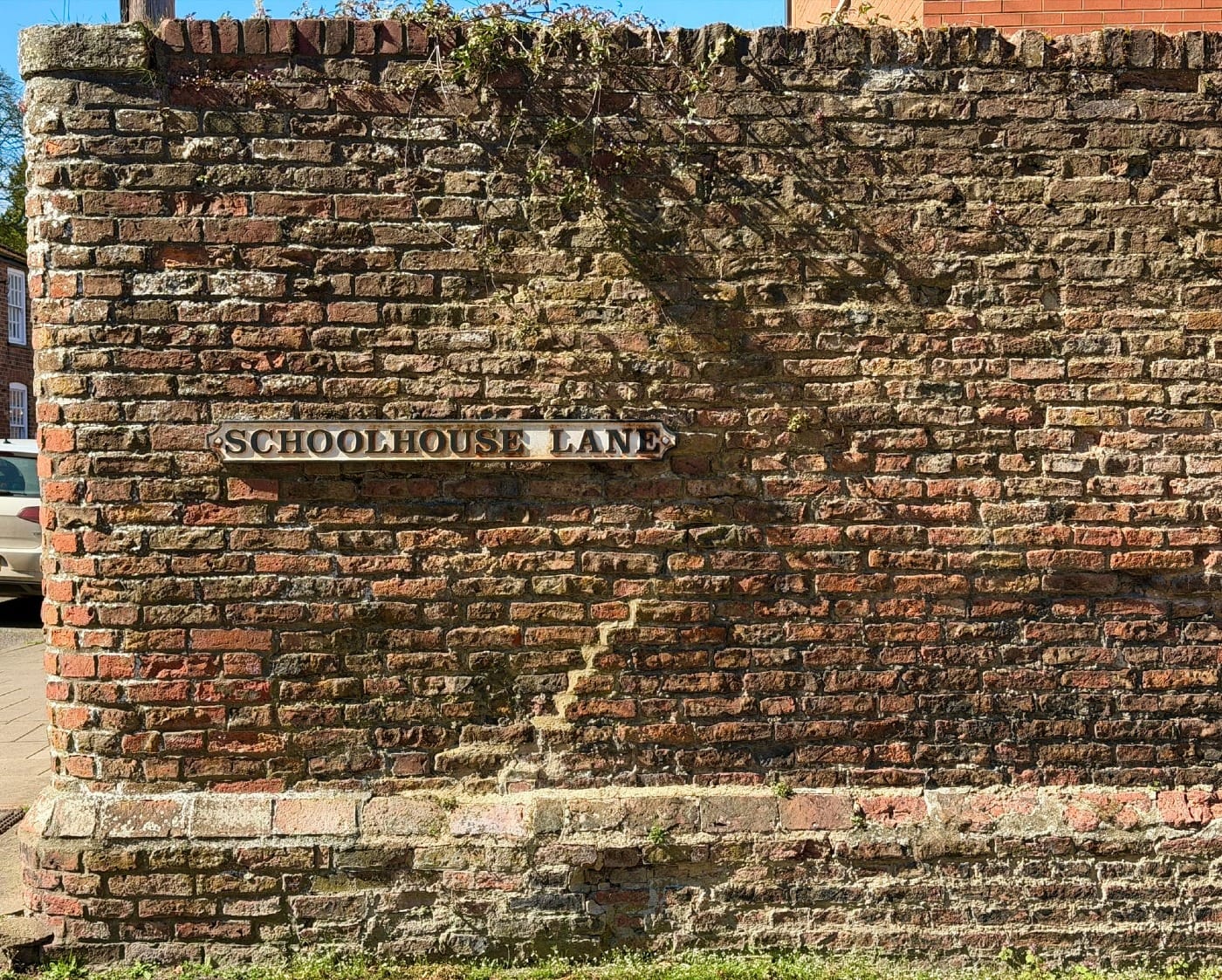
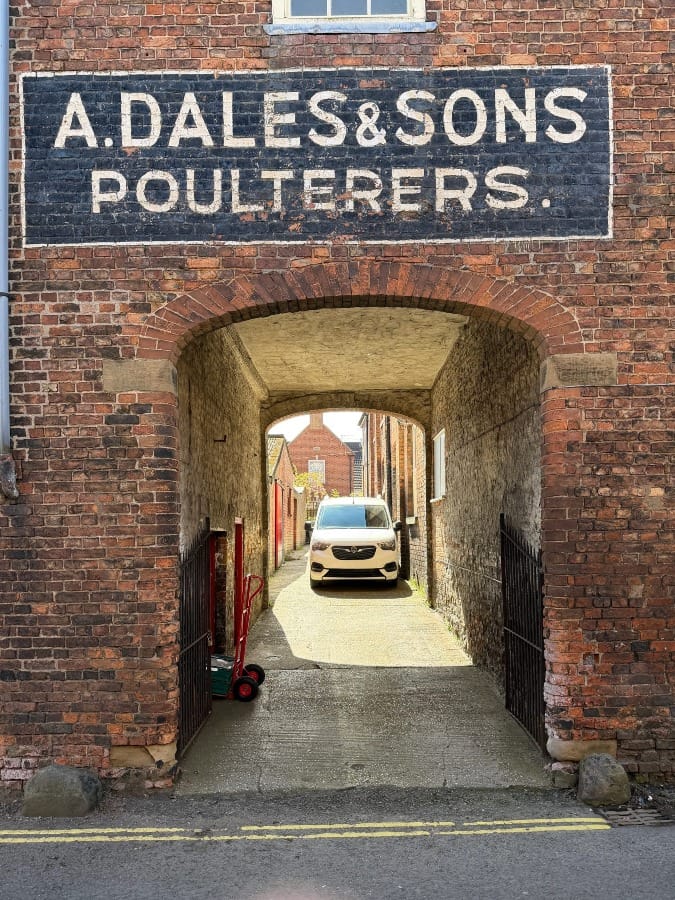
This town is not the product of singular genius or spectacle. It has been shaped gradually over centuries through acts of making, repair, adaptation and care.
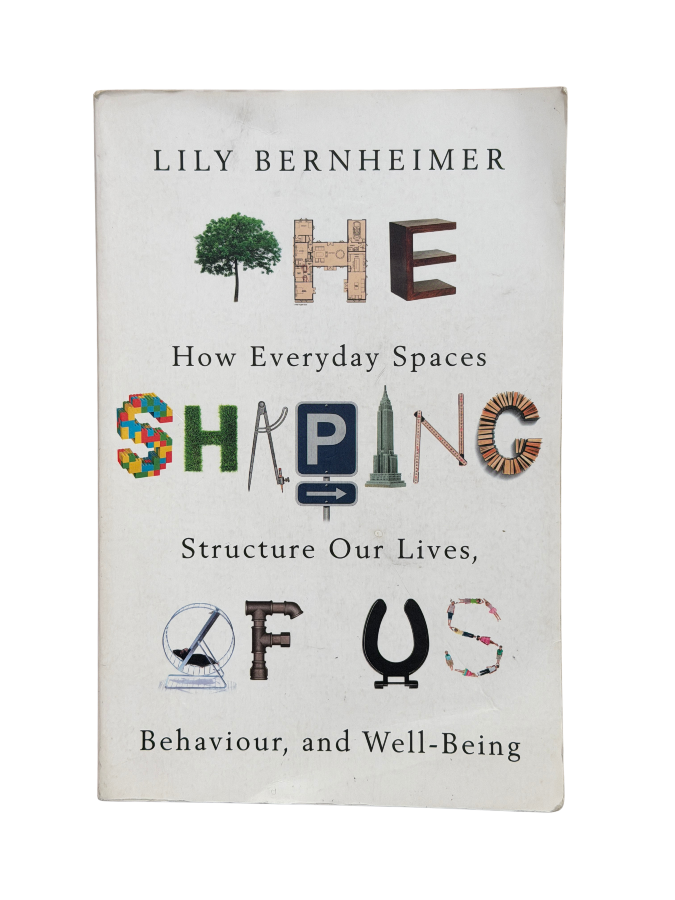
I’m reminded of some words by Lily Bernheimer:
“The usability of the casement window, the beauty of Venice, and the durability of ancient stone walls are achieved thanks to the small and repeated contributions of many people over many years. We love old buildings because they envelop us in patterns we understand intuitively.”
Louth is full of these patterns.
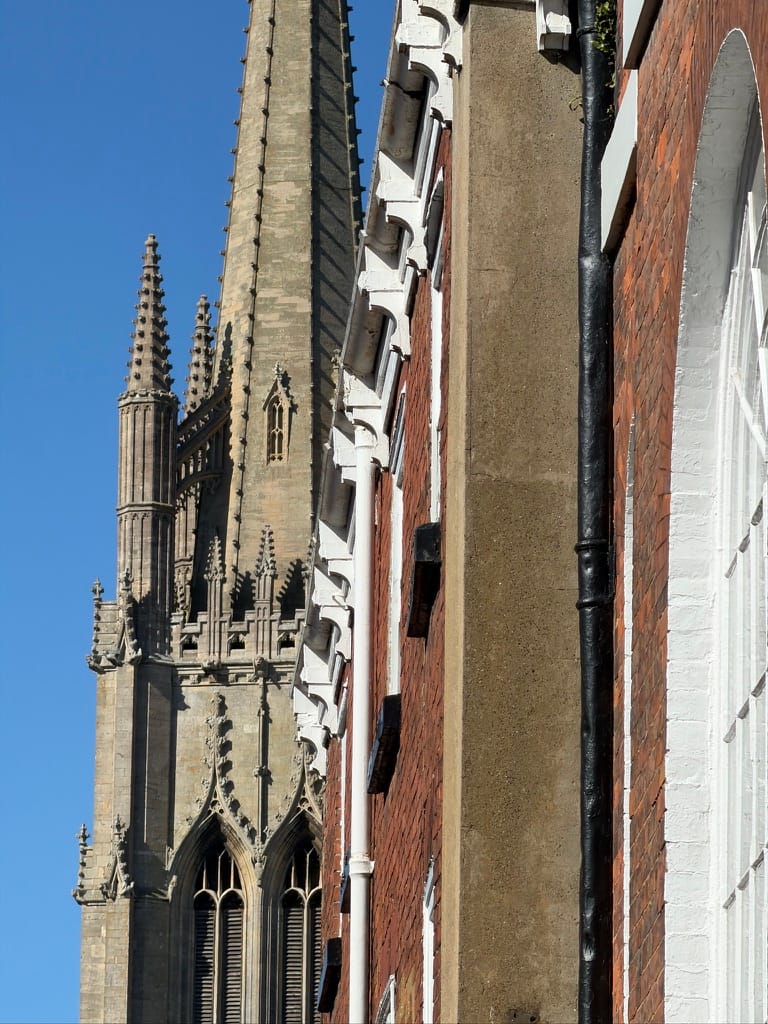
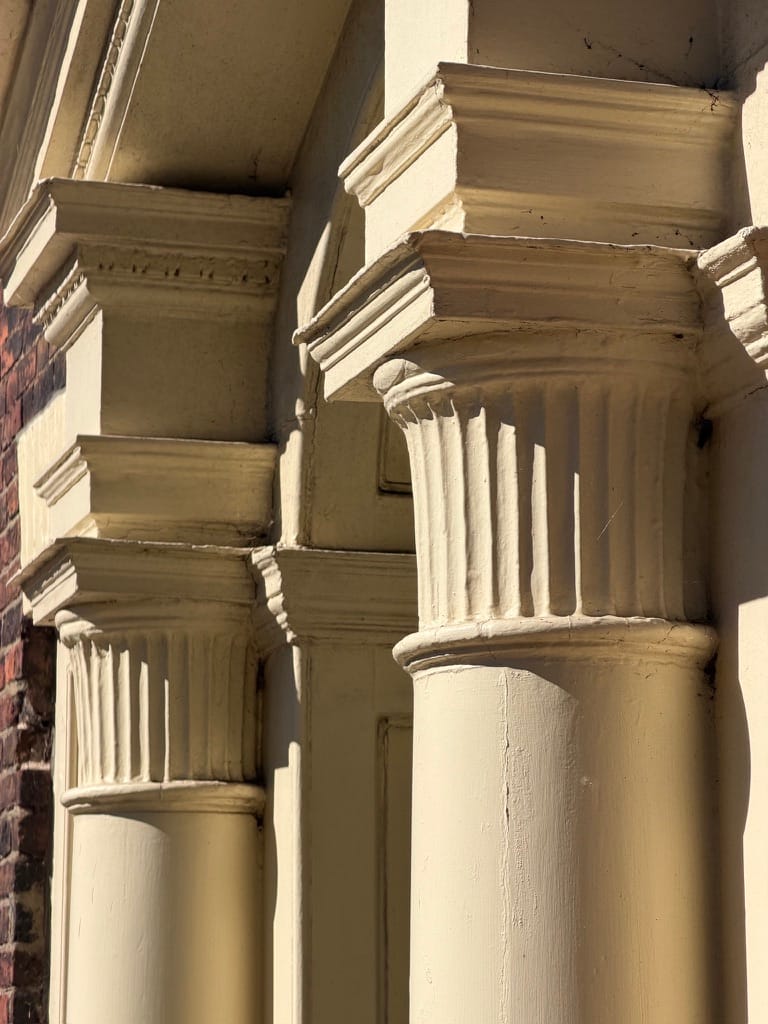
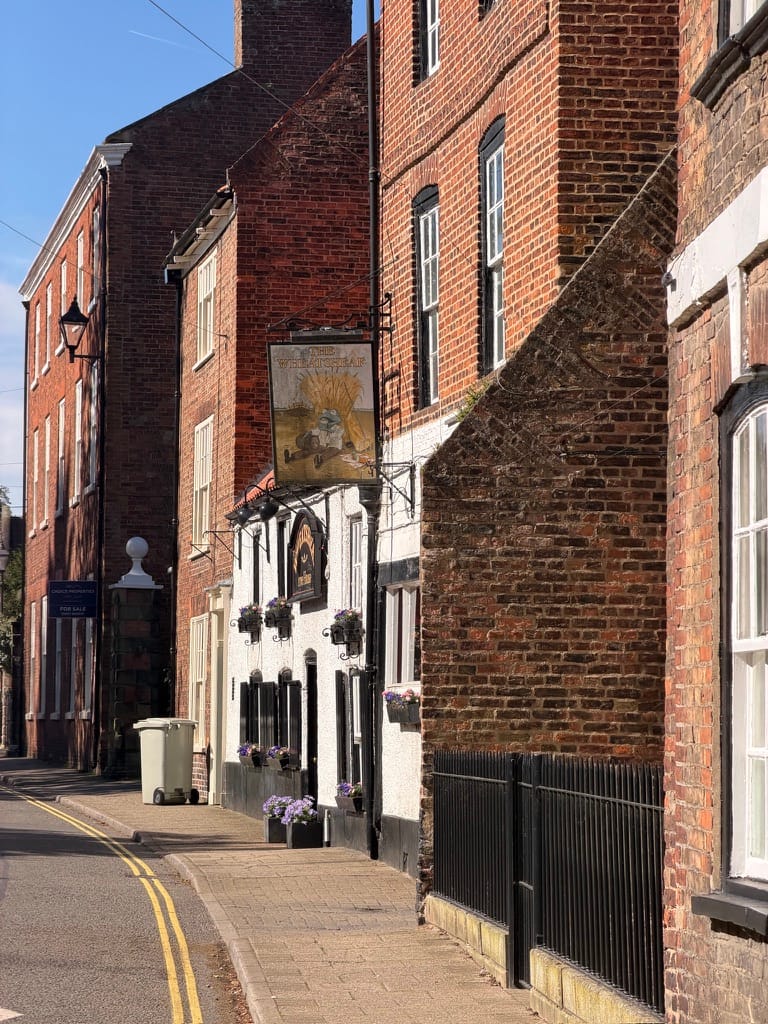
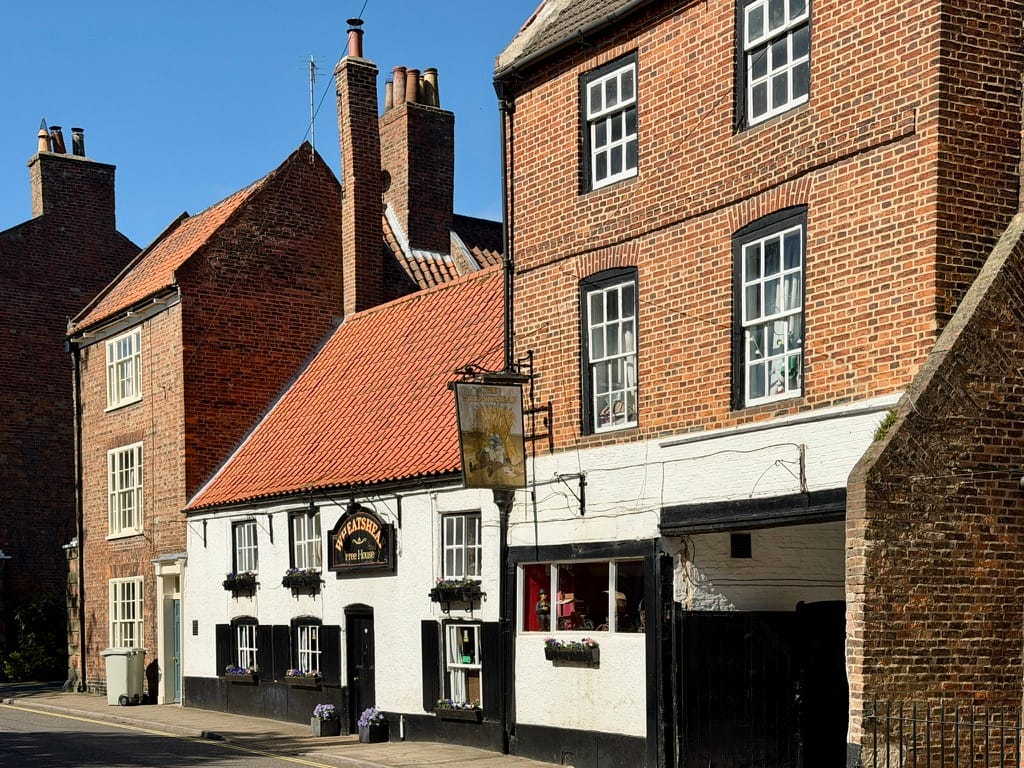
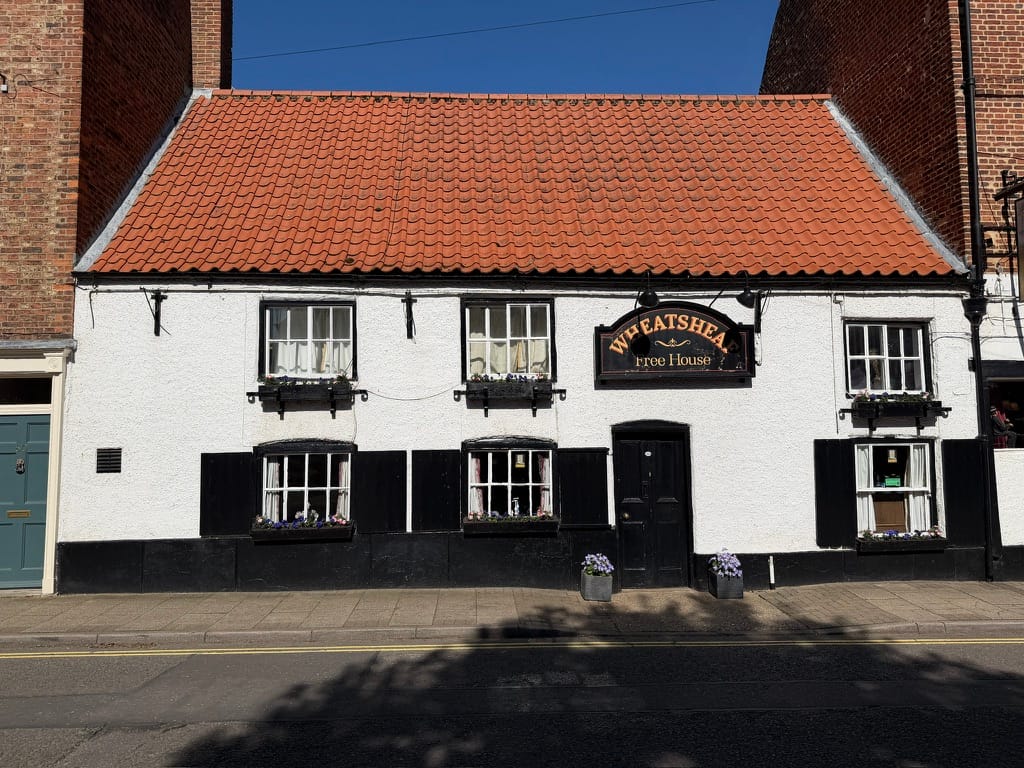
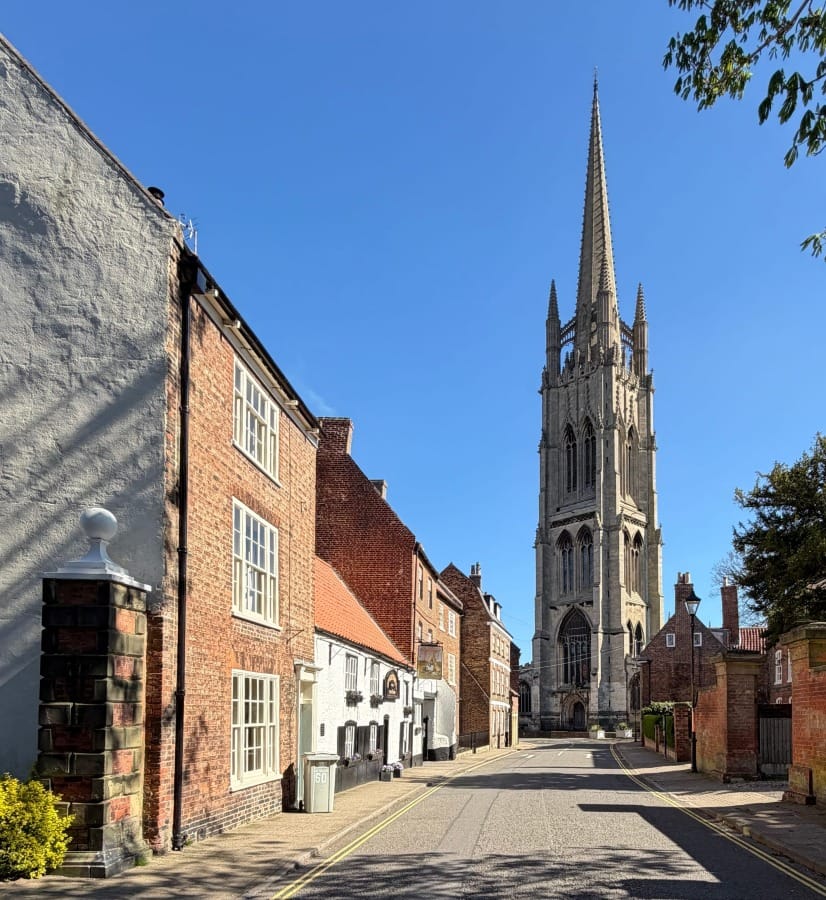
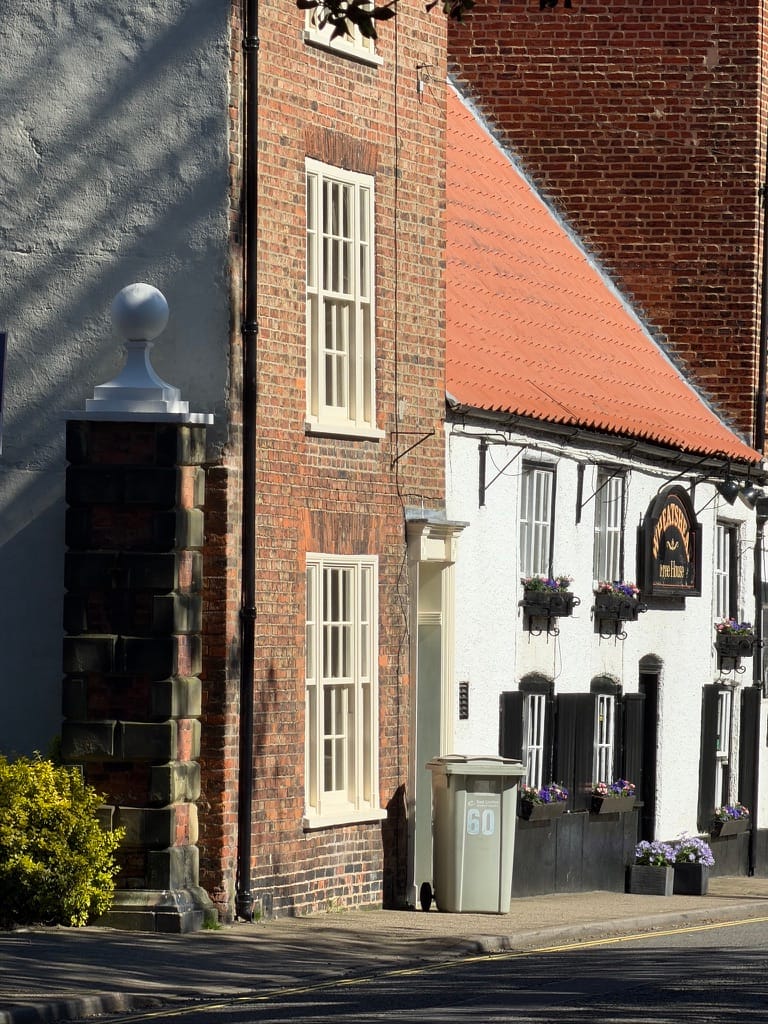
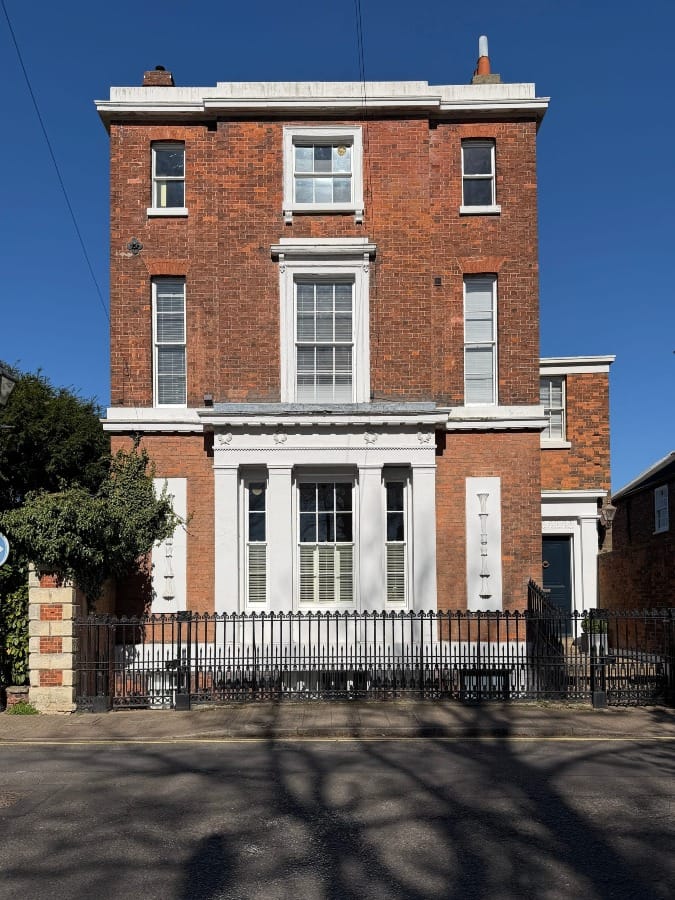
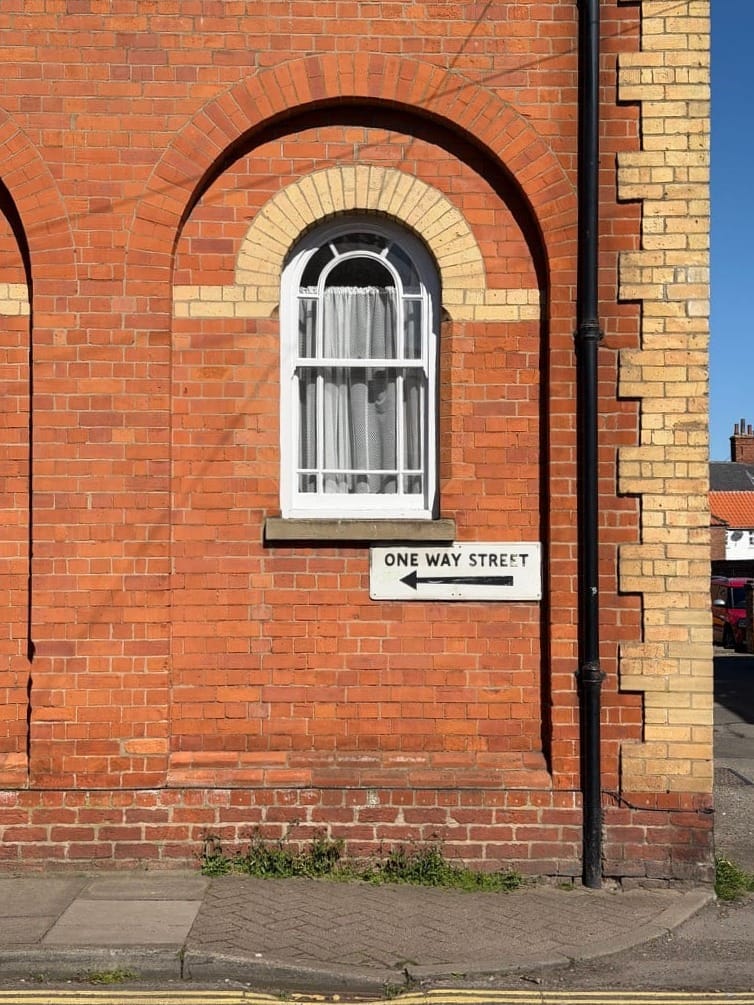
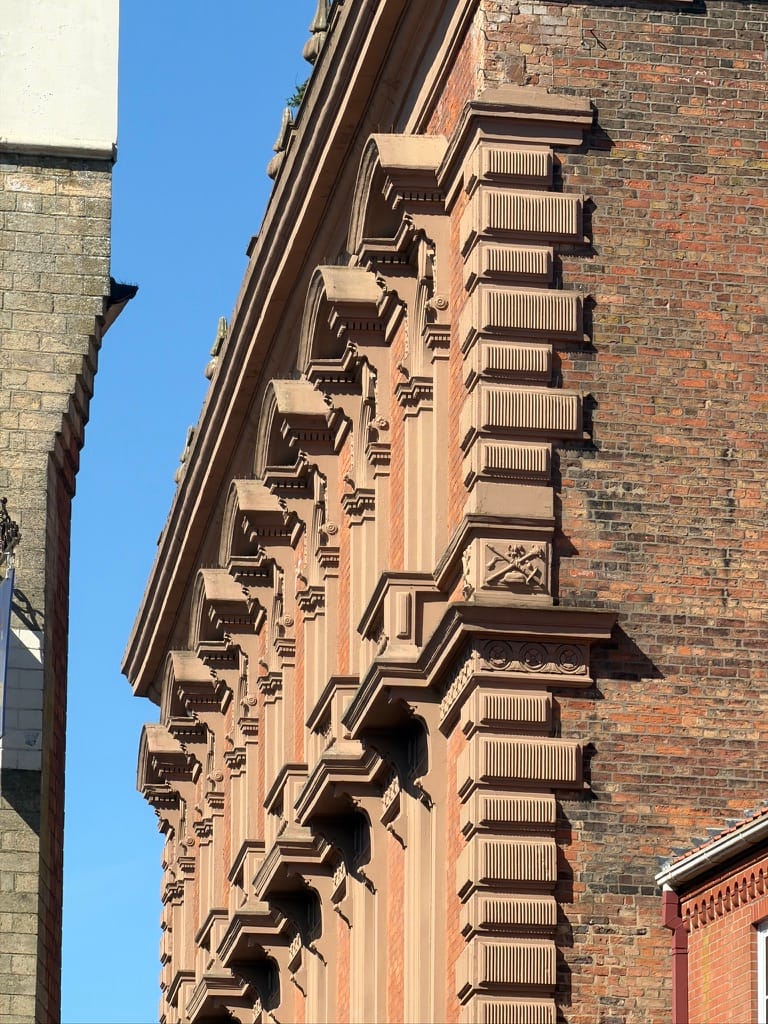
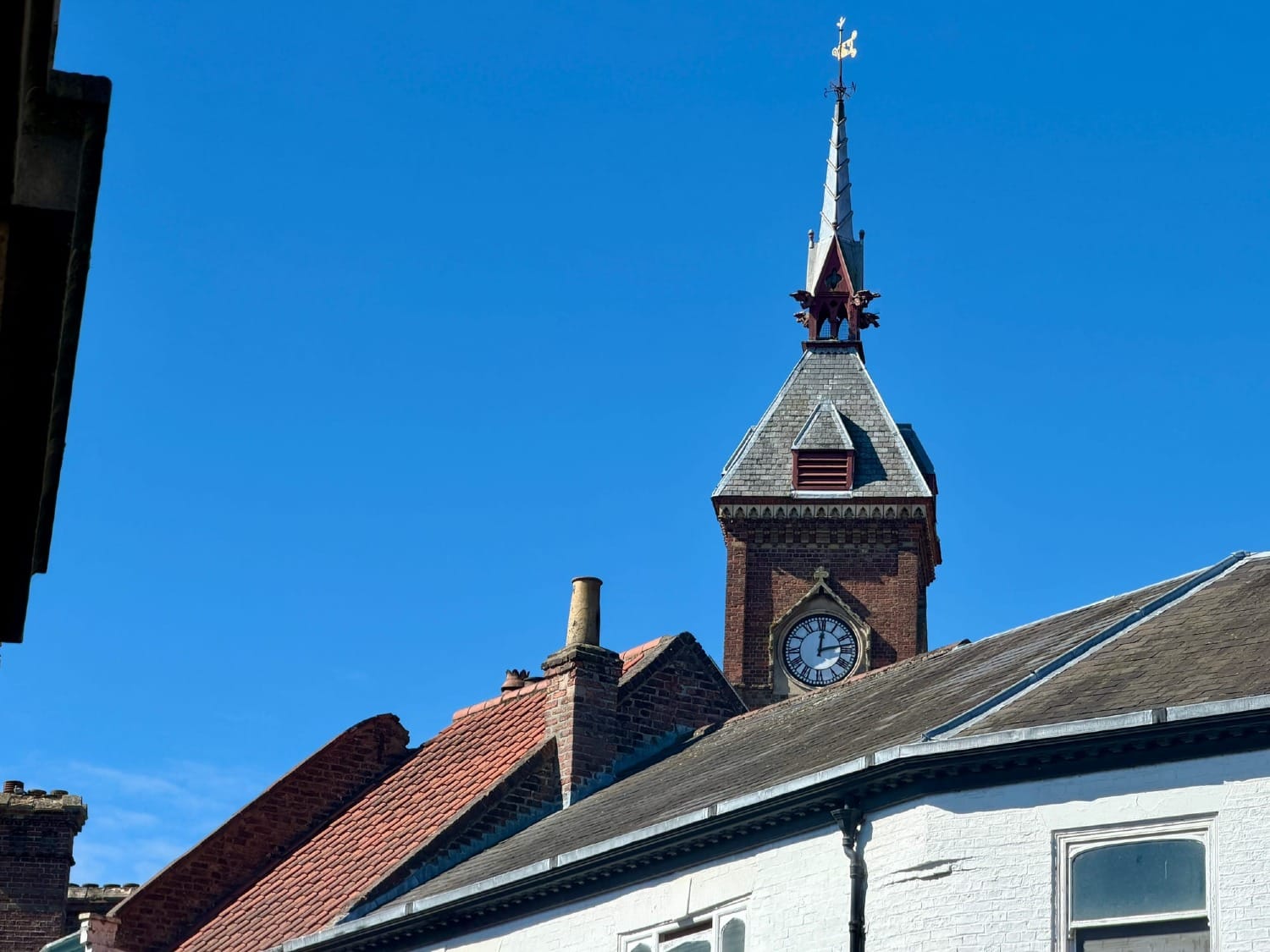
Not only in the great vertical drama of St James’ Church and its astonishing spire, but also in the vernacular rhythms beneath it - the repeated geometry of brick bonds; the wavering reflection in old crown glass and the channelled views through cut and ginnel.
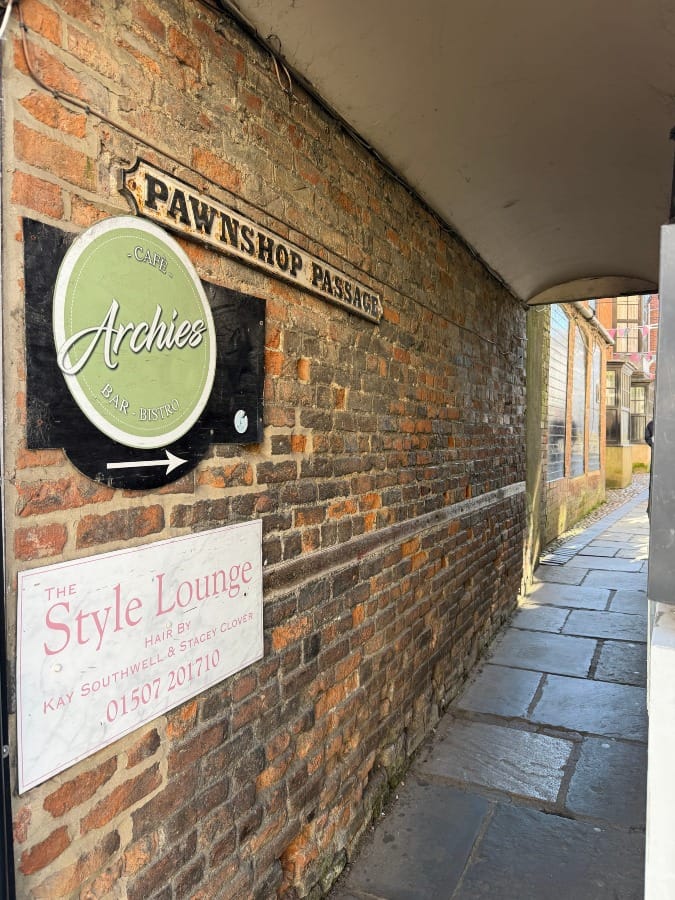
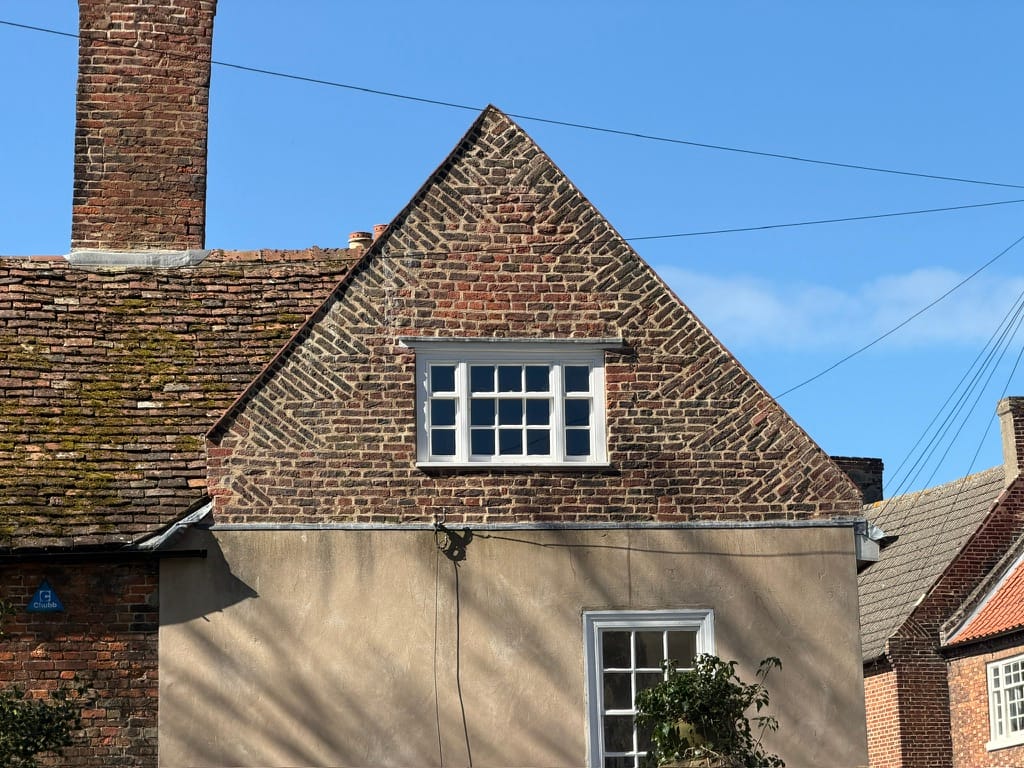
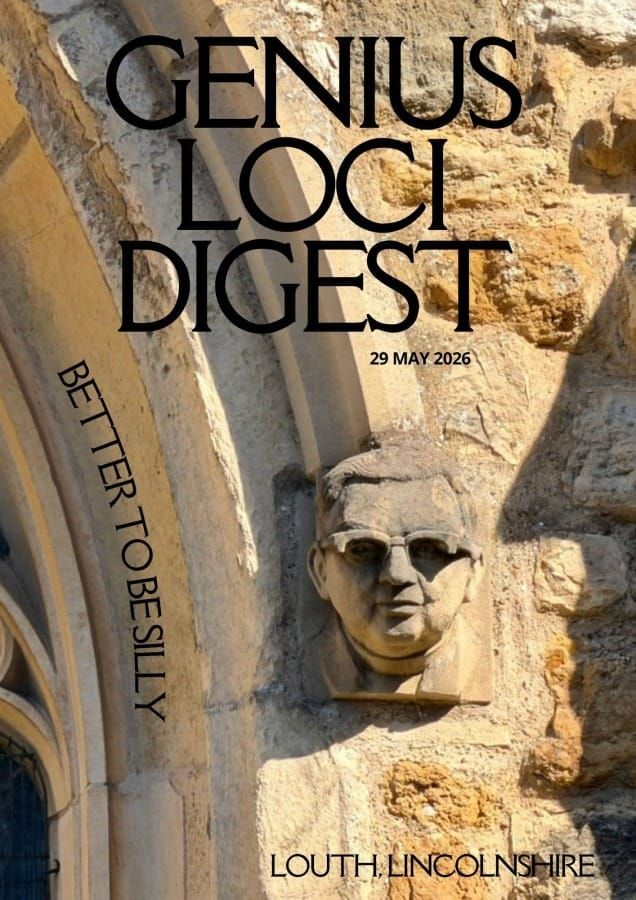
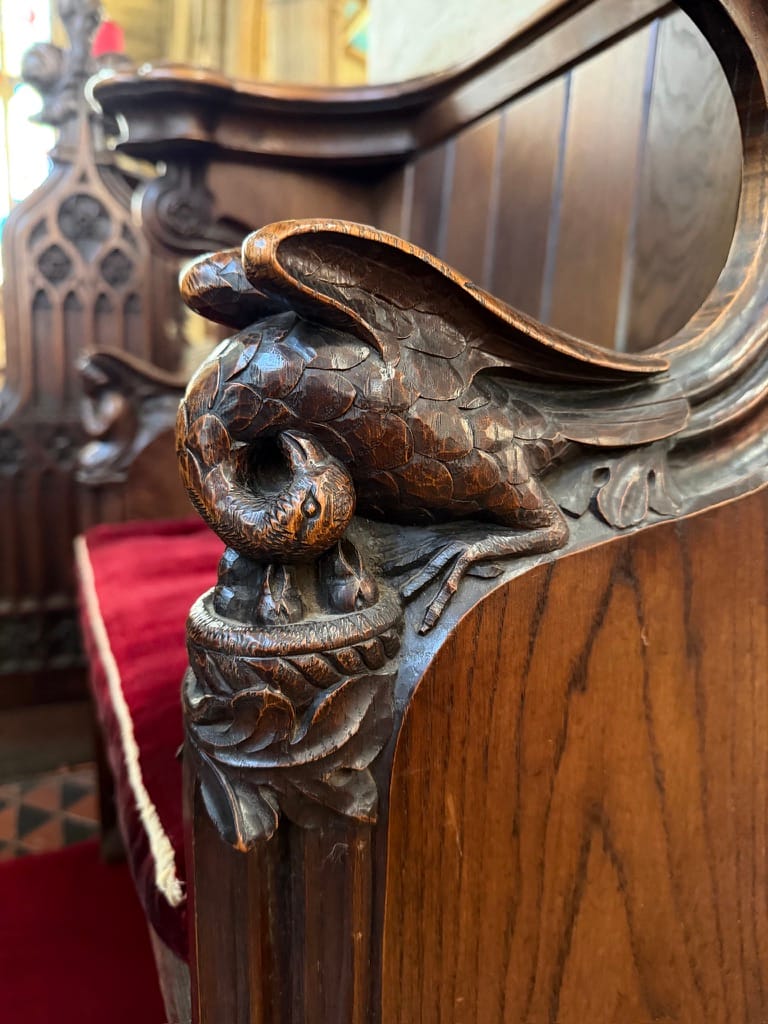
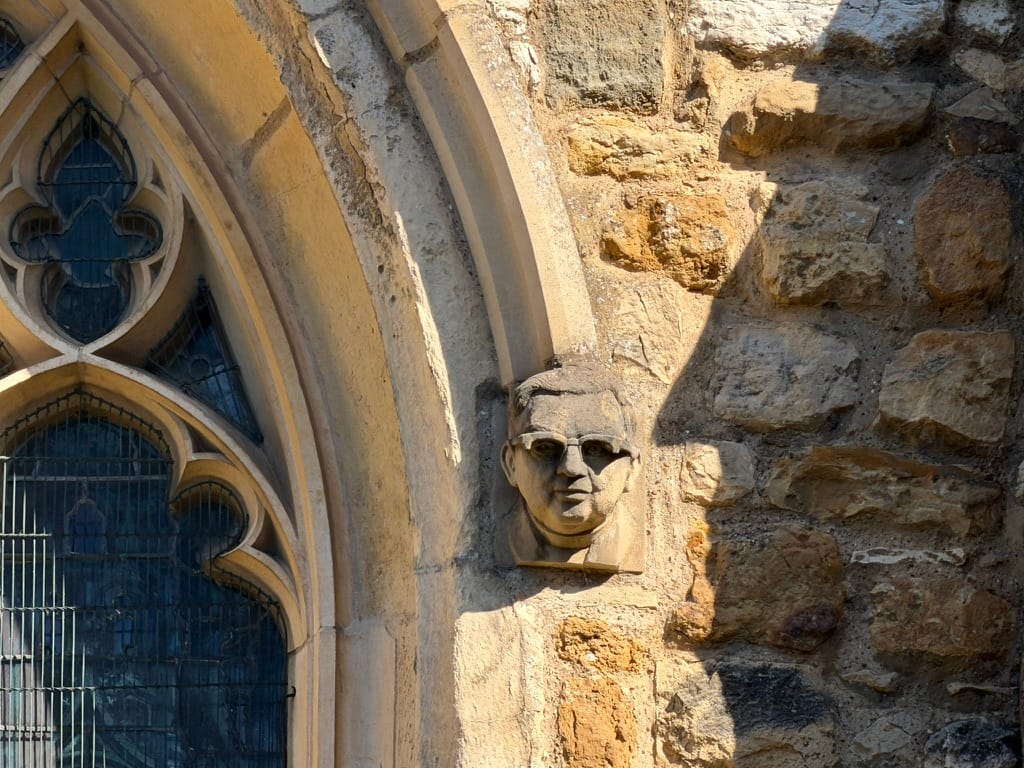
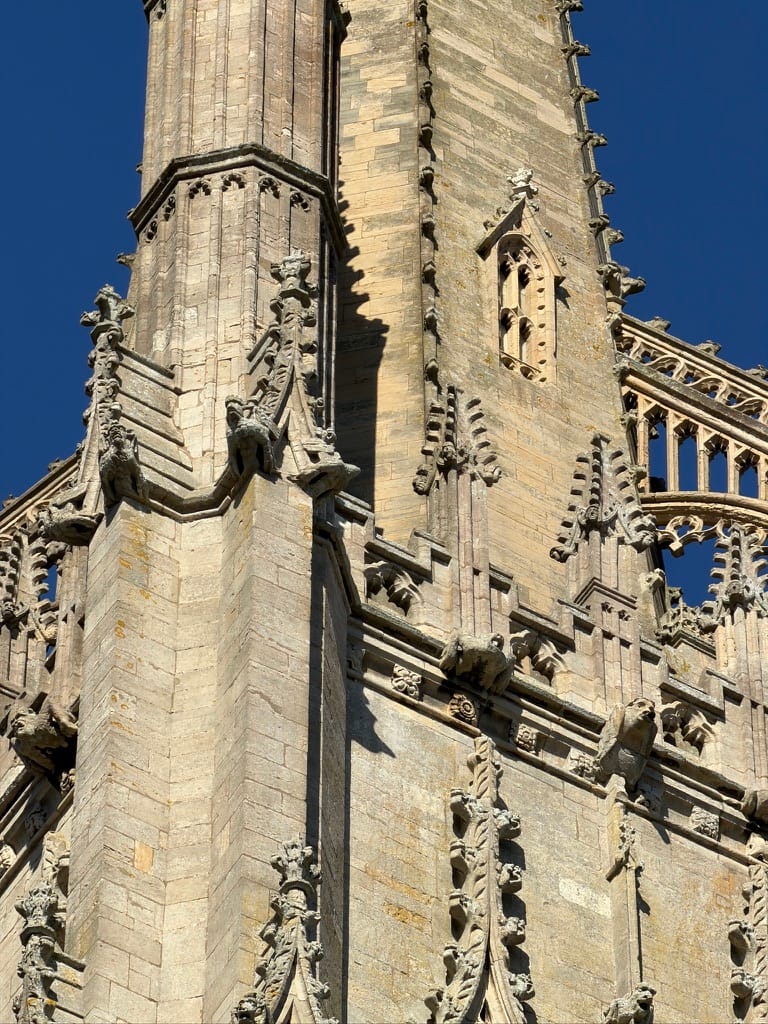
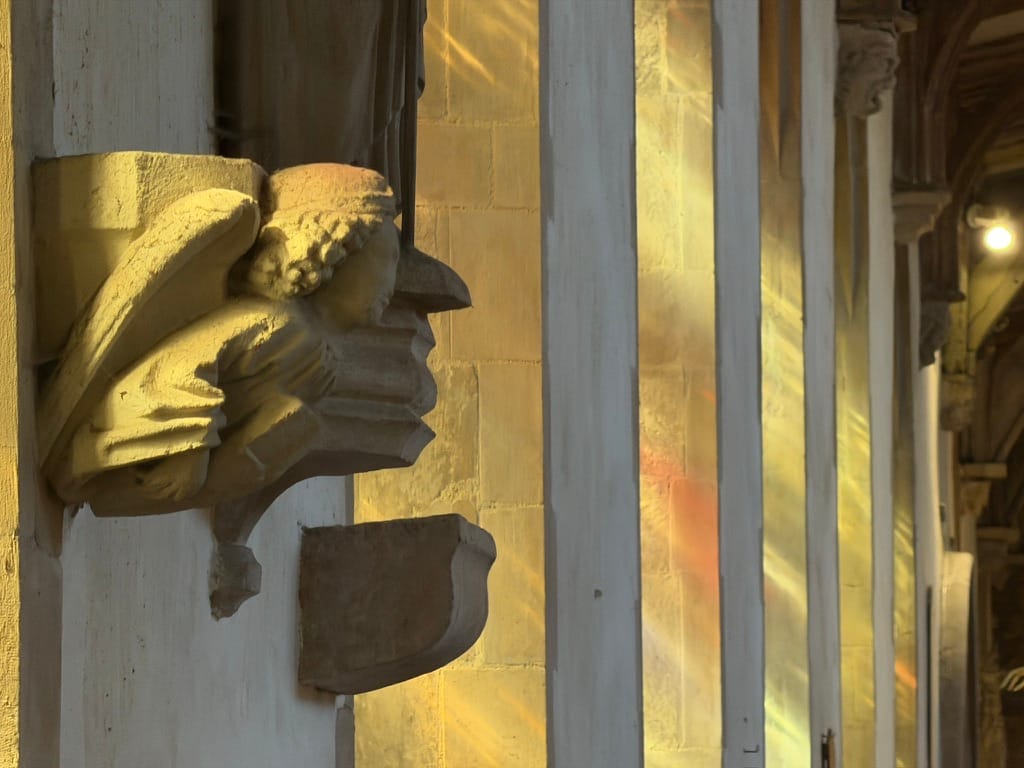
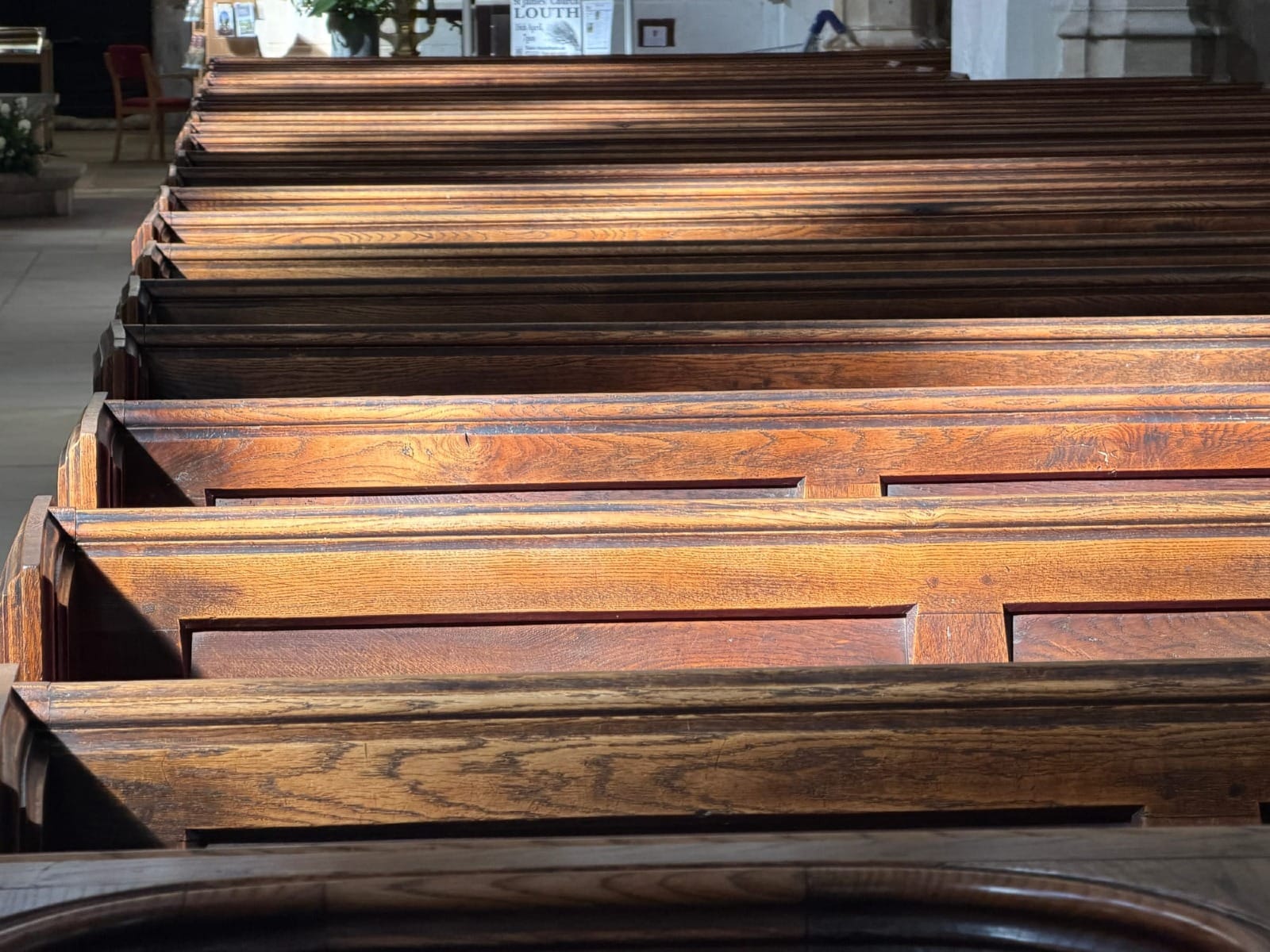
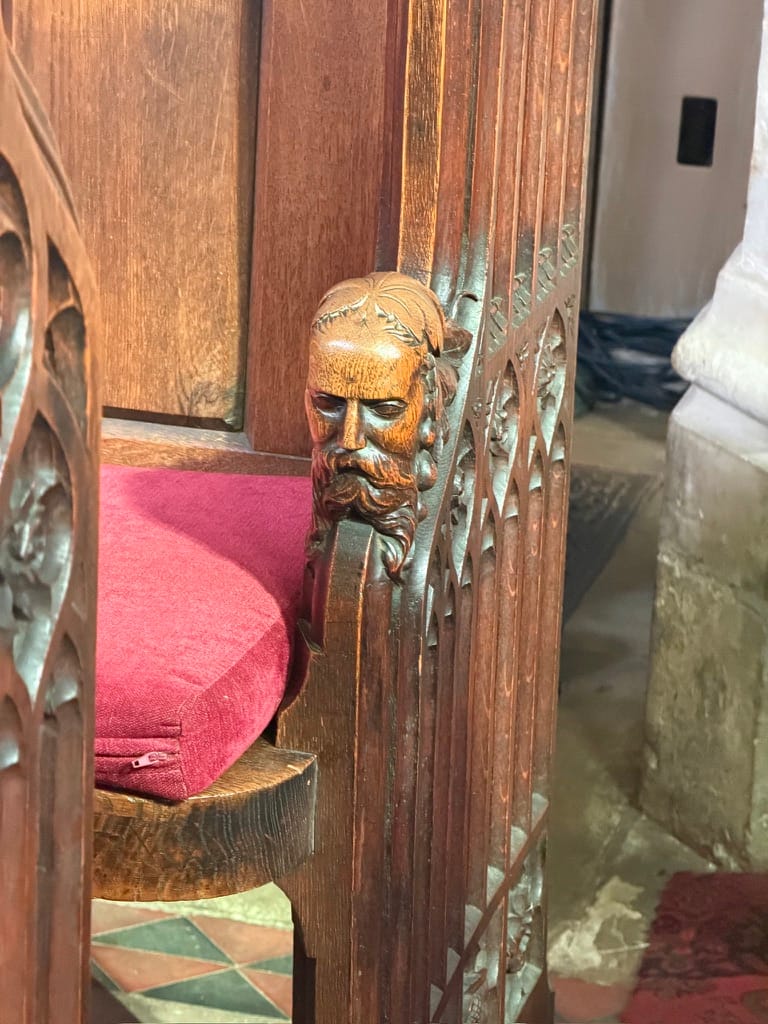
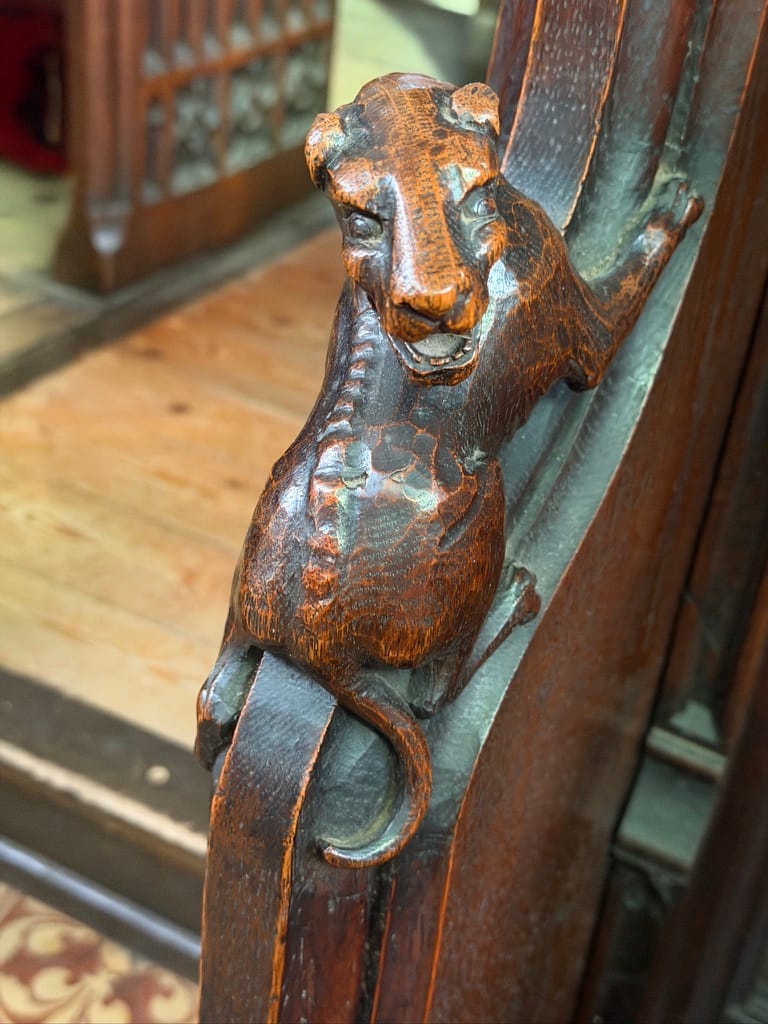
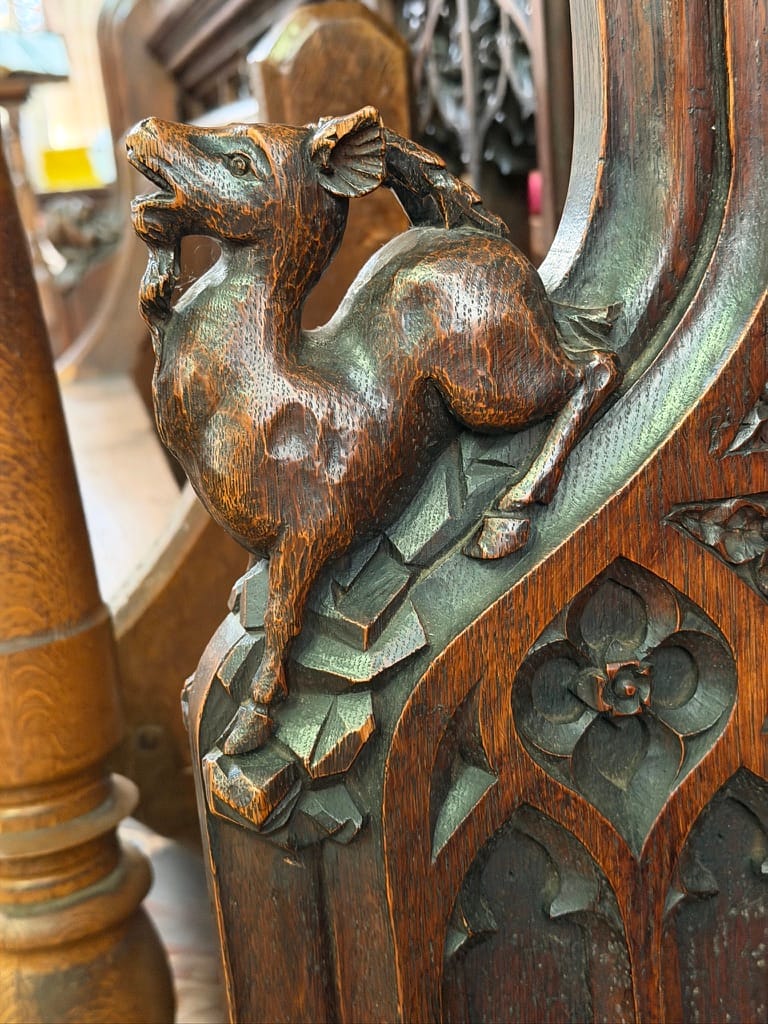
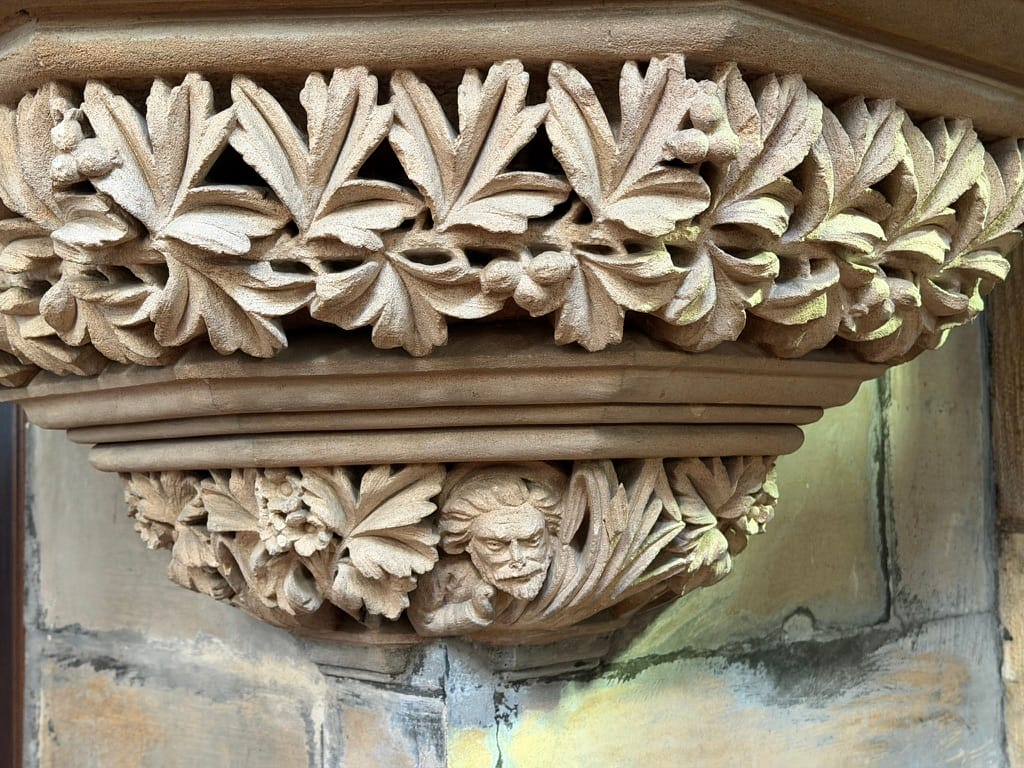
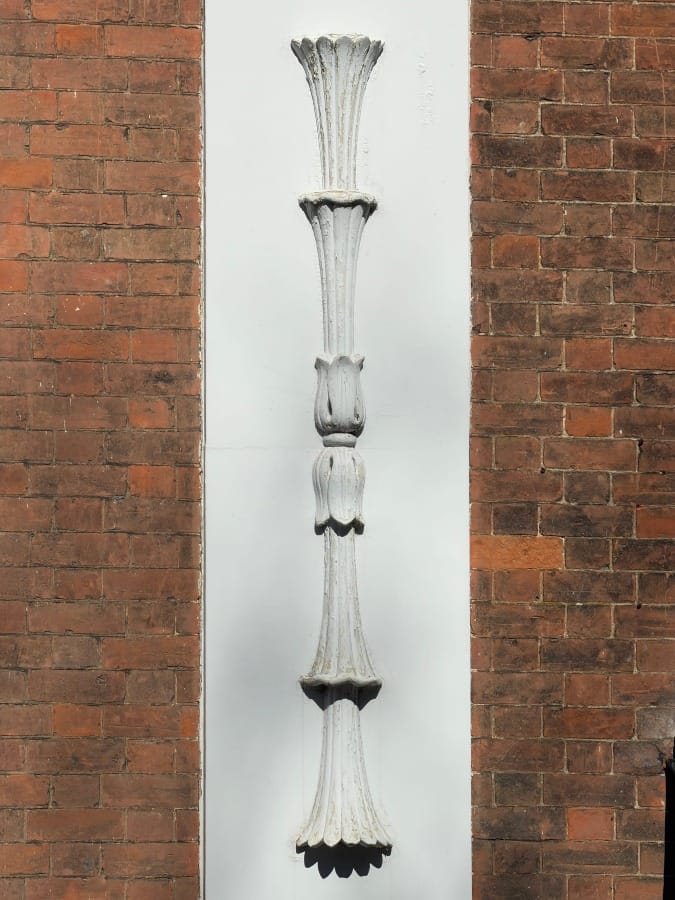
Even the smallest details seem to carry memory forward. At the church: a carved bird at the end of a pew; a bespectacled head-stop and a medieval sheep dog. Tiny gestures repeated over time until they become part of the emotional architecture of a place.
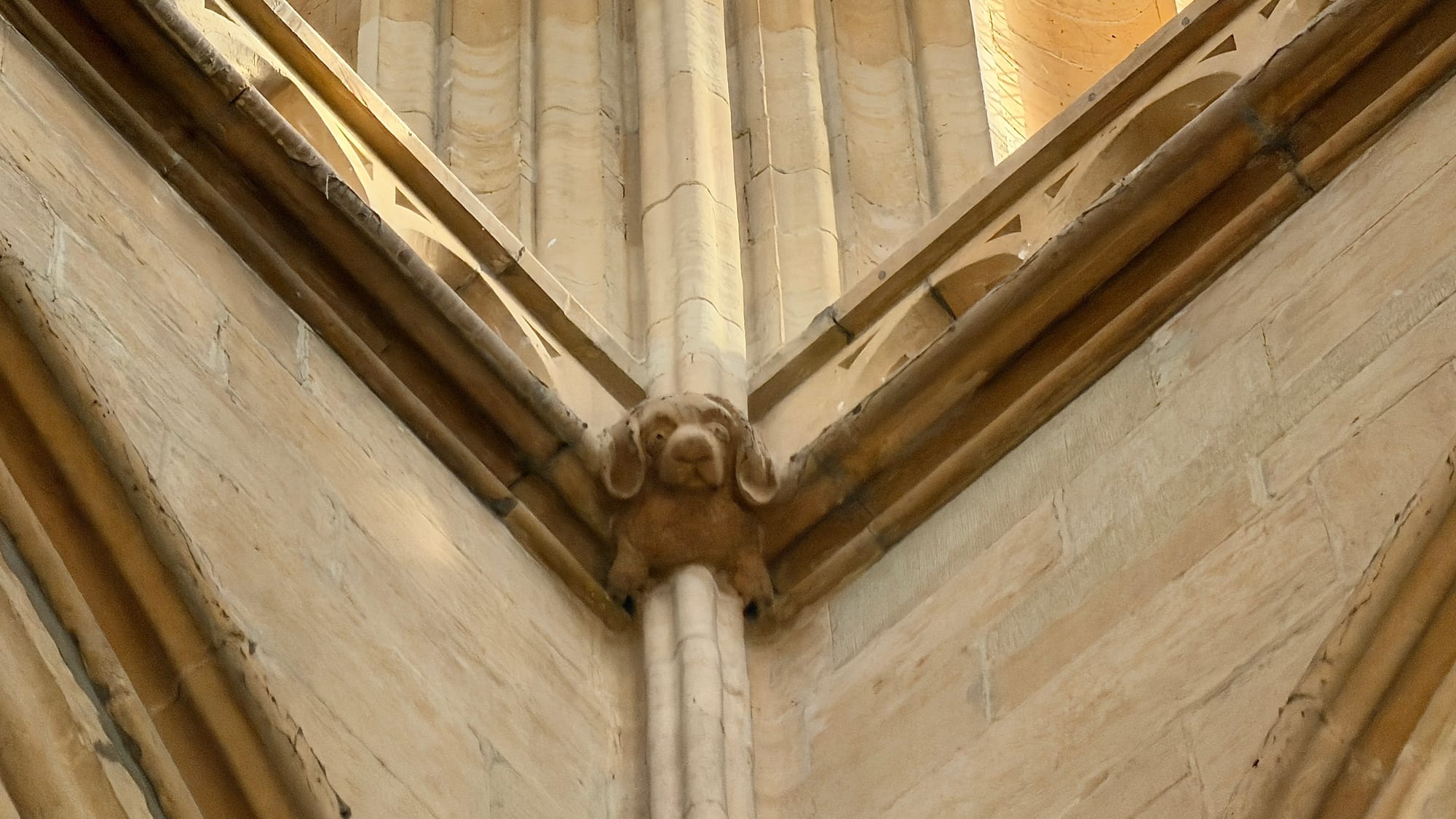
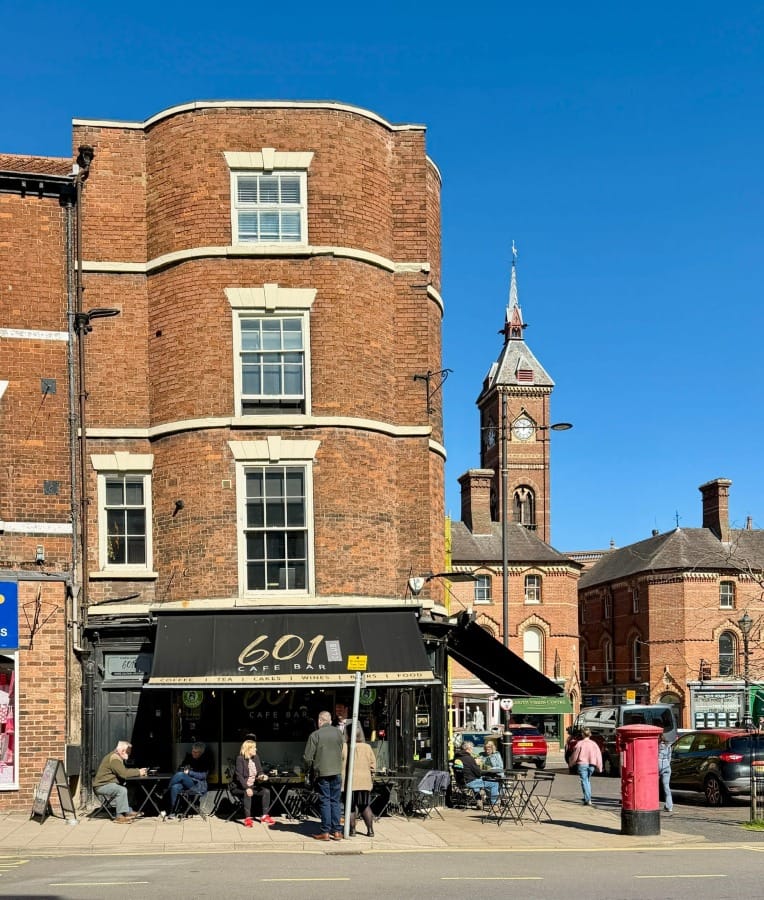
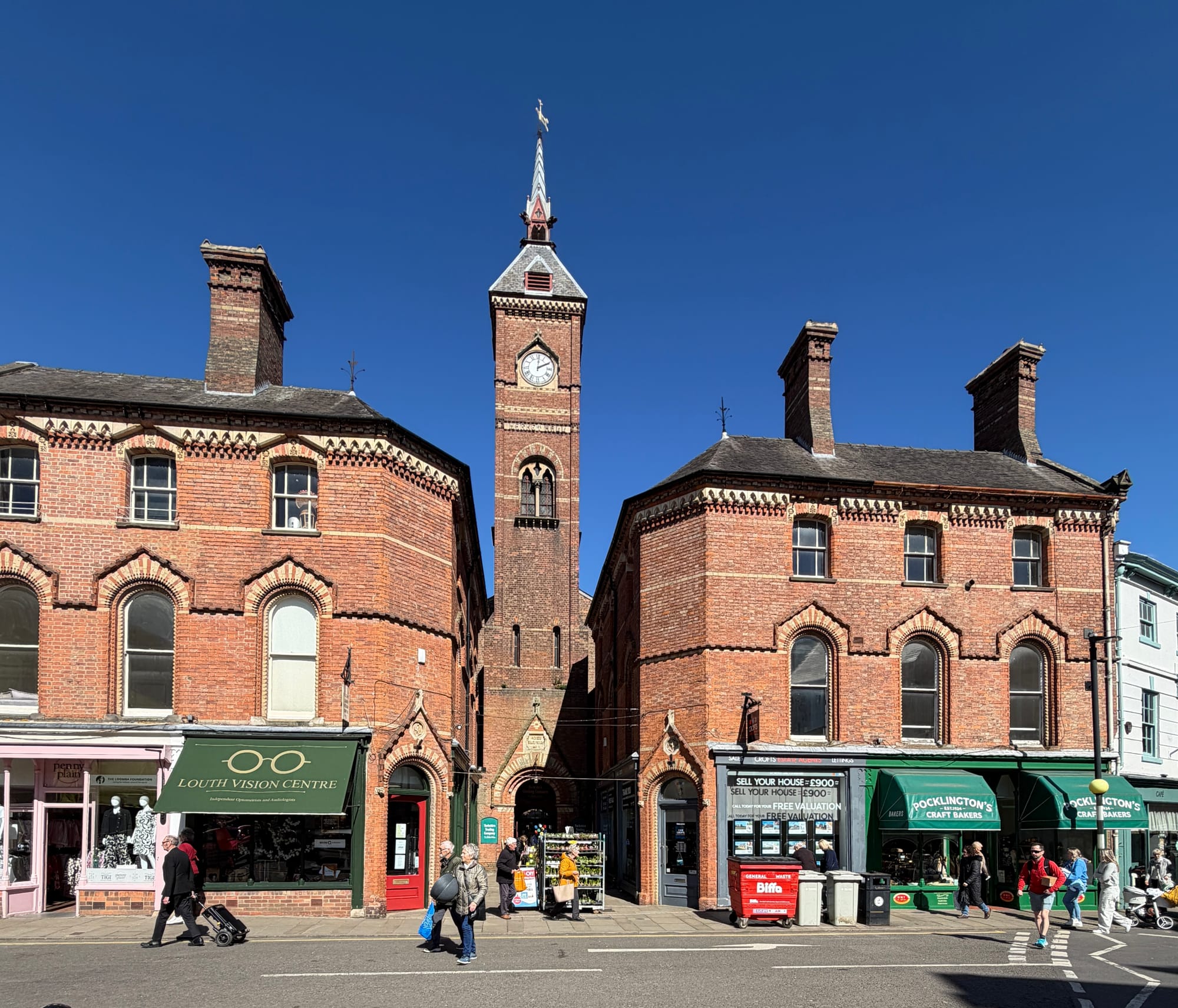
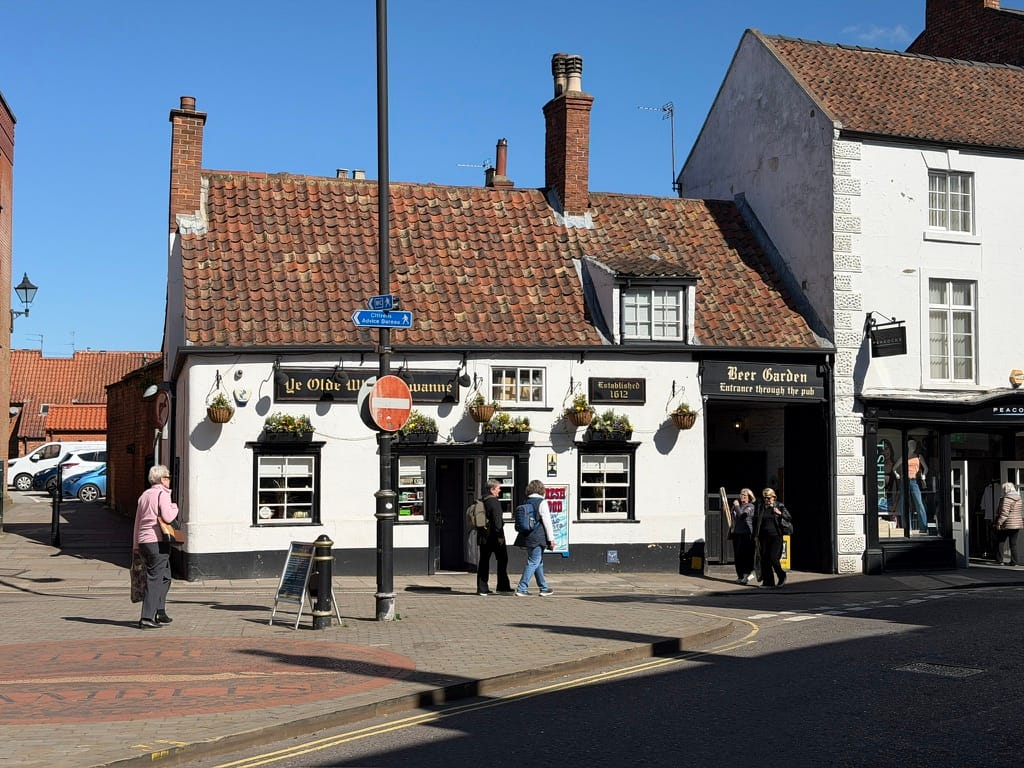
What struck me walking through Louth was how much cohesion is embedded within these surfaces. The town feels less designed and more incremental - shaped gradually between utility, beauty, repair and inheritance.
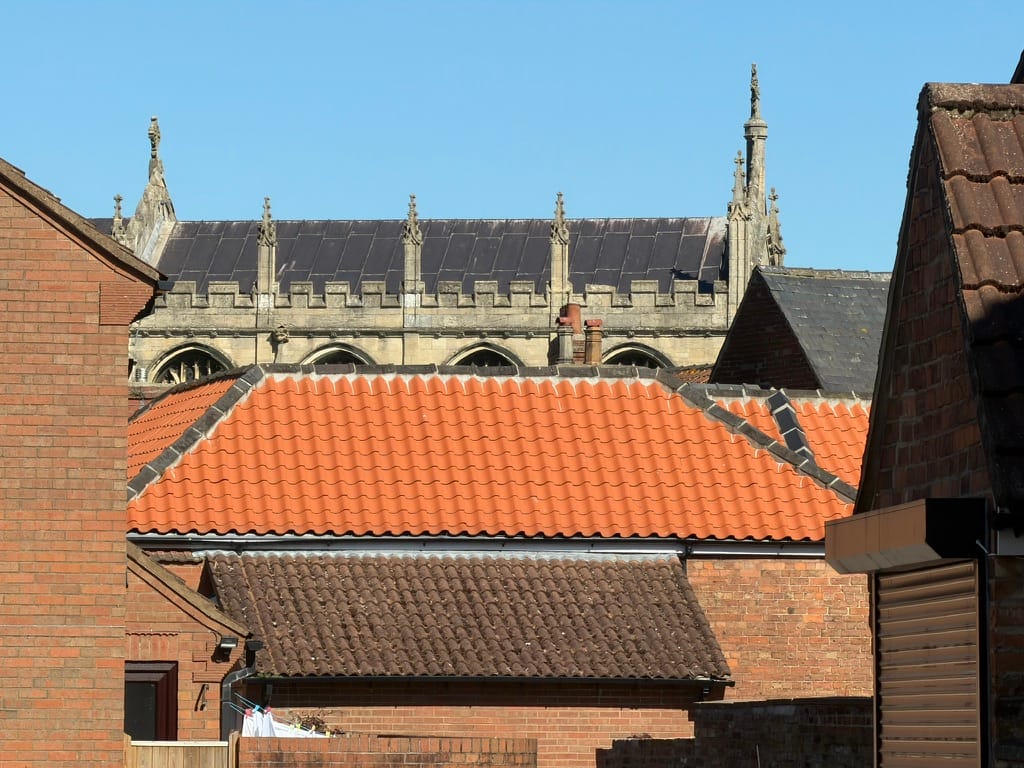
And I think this is why historic places help me feel rooted.
Places like Louth allow us to slow down enough to notice relationships - between materials, between scales, between generations. If we take the time to look.
Modernity often encourages us to see in extremes - the spectacular and the catastrophic, the trending and the discarded - while blurring out the middle ground where most human life unfolds. But old places return definition to the middle ground. They sharpen our perception of continuity and reciprocity. They remind us that durable worlds are rarely built through spectacle, but through accumulated acts of care.
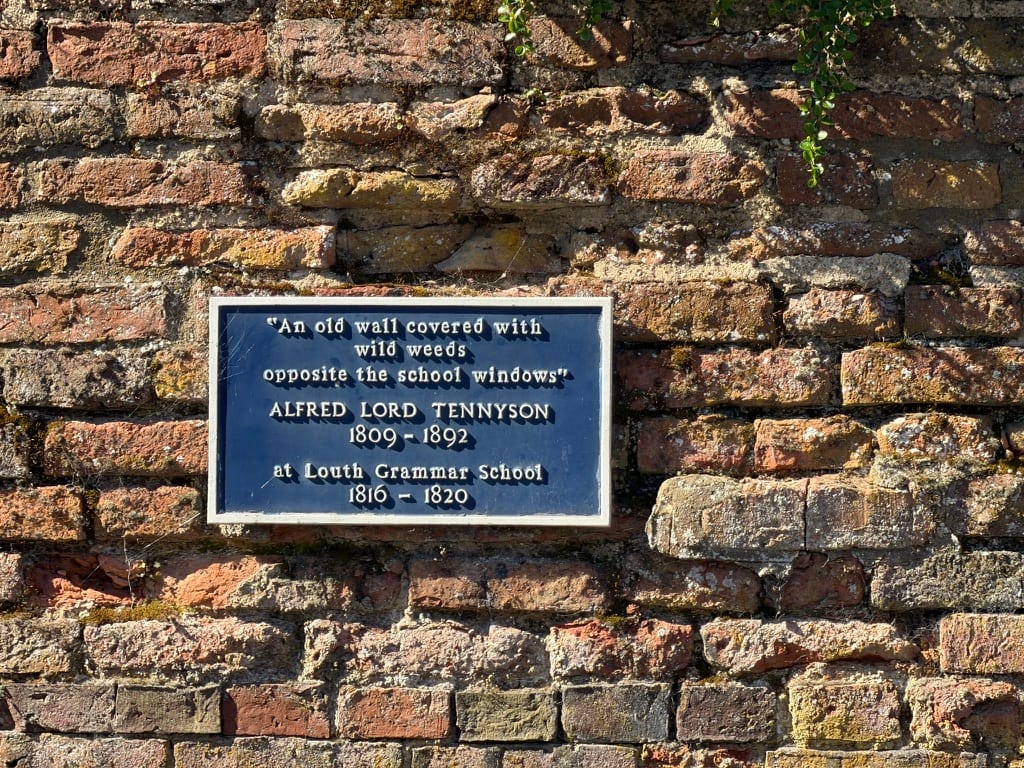
After visiting the church and wandering the streets, I returned to the wall and noticed a small blue plaque.
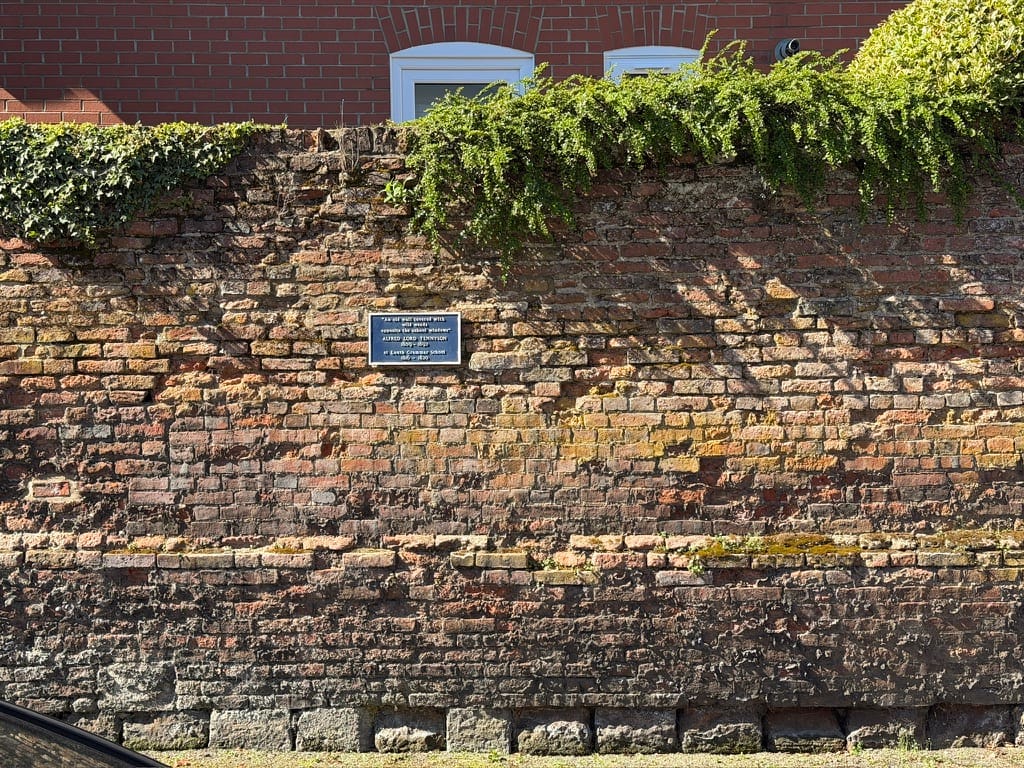
Astonishingly, this wall stands opposite the school attended by Alfred Lord Tennyson and he later wrote about the “old wall covered with wild weeds opposite the school windows.”
I remember studying his poem The Lady of Shalott at school. She is a cursed figure who experiences life indirectly through reflections in a mirror. She experiences only a mediated world.
It is difficult not to feel the modern resonance of that now.
Increasingly, we too encounter reality second-hand - through feeds, outrage cycles and curated abstractions that pull us away from embodied experience. We stare into illuminated mirrors while the texture of the world recedes from view. And yet places like Louth remind me that another way of seeing is still available to us.
I’m not naive - I understand that human interaction has been impacted as much by conflict as by cohesion. But there is nevertheless a tried, tested and locked-in wisdom within the material culture of places like this. One that reveals itself through attention and association.
This is how it happened to me - I noticed a wall and paid attention to it. Then I discovered the association with Tennyson. Tennyson reminded me of a poem. The poem conjured up a lens through which to see modern times. One act of attentiveness led naturally into another until the town itself began to feel charged with correspondence and meaning.
You see how it happens? How places carry a kind of memory that is akin to wisdom?
What frightens me most about the present moment is not hardship itself, but the notion of economics alone determining the boundaries of possibility. As though threadbare circumstances must inevitably produce threadbare ways of seeing, alongside the growing suspicion that we are sleepwalking into an age that benefits from a diminishing of our imagination.
My response to that shrinking of expectation is via the words of Dickens’ Barnaby Rudge:
“Ha ha! Why, how much better to be silly, than as wise as you! You don’t see shadowy people there, like those that live in sleep - not you. Nor eyes in the knotted panes of glass, nor swift ghosts when it blows hard, nor do you hear voices in the air, nor see men stalking in the sky - not you! I lead a merrier life than you, with all your cleverness. You’re the dull men. We’re the bright ones. Ha! ha! I’ll not change with you, clever as you are - not I!”
If we listen to our intuition and cultivate ways of seeing that are both observational and connective, we possess an antidote to the algorithm, to fake news, to polarisation and to the distrust of modern times.
We should teach our children this as if our lives depend upon it.
Old towns remind us that continuity is not the same thing as inertia. That difficulty does not automatically extinguish creativity.
Everywhere within the town are reminders that beauty, usefulness and meaning are so often born from limitation rather than abundance - from adaptation, reuse, imagination and repair. Renewed ways of seeing can still open renewed ways of living.
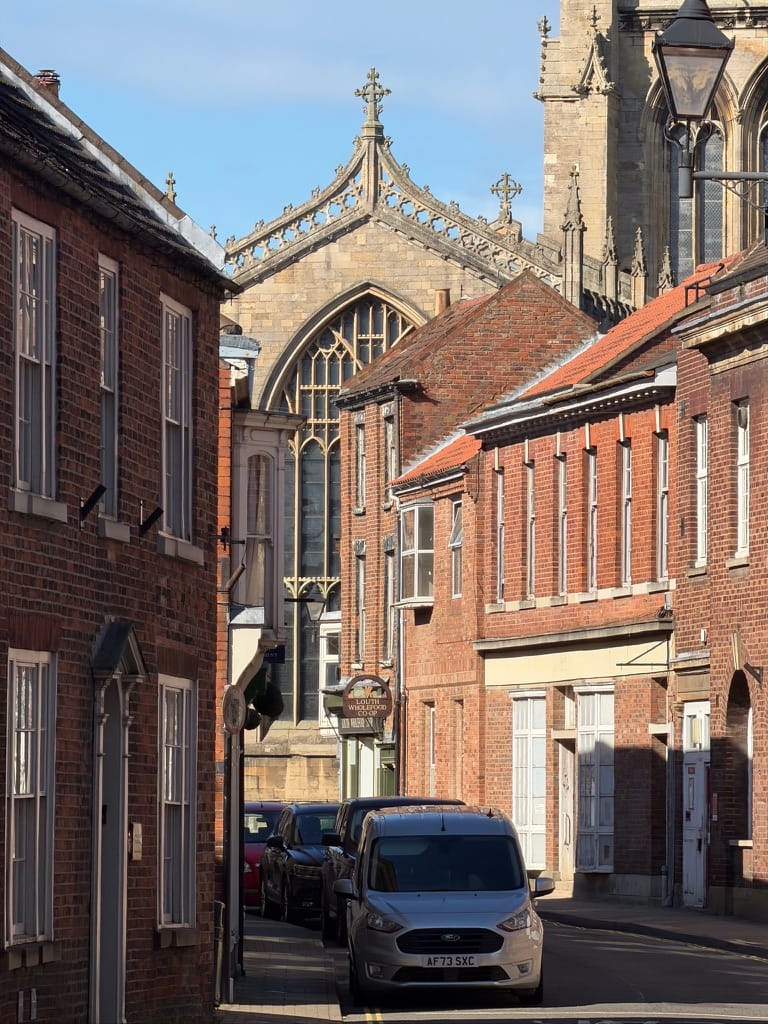
Perhaps this is partly why historic places continue to matter psychologically as much as architecturally. They return us to patterns of thought larger than the perpetual churn of crisis and reaction. They remind us that human beings have always lived through uncertainty - and yet still found ways to make meaning, beauty, fellowship and hope tangible within the material world.
To cultivate attentiveness, then, is not escapism. It may in fact be a potent form of resistance against the numbing idea that there are no alternatives left to us.
Long before Tennyson became Poet Laureate, before the great poems and national acclaim, he found himself captivated by nothing more dramatic than the wall I’m stood in front of now.
Silly really.
Membership really helps. Thank you.

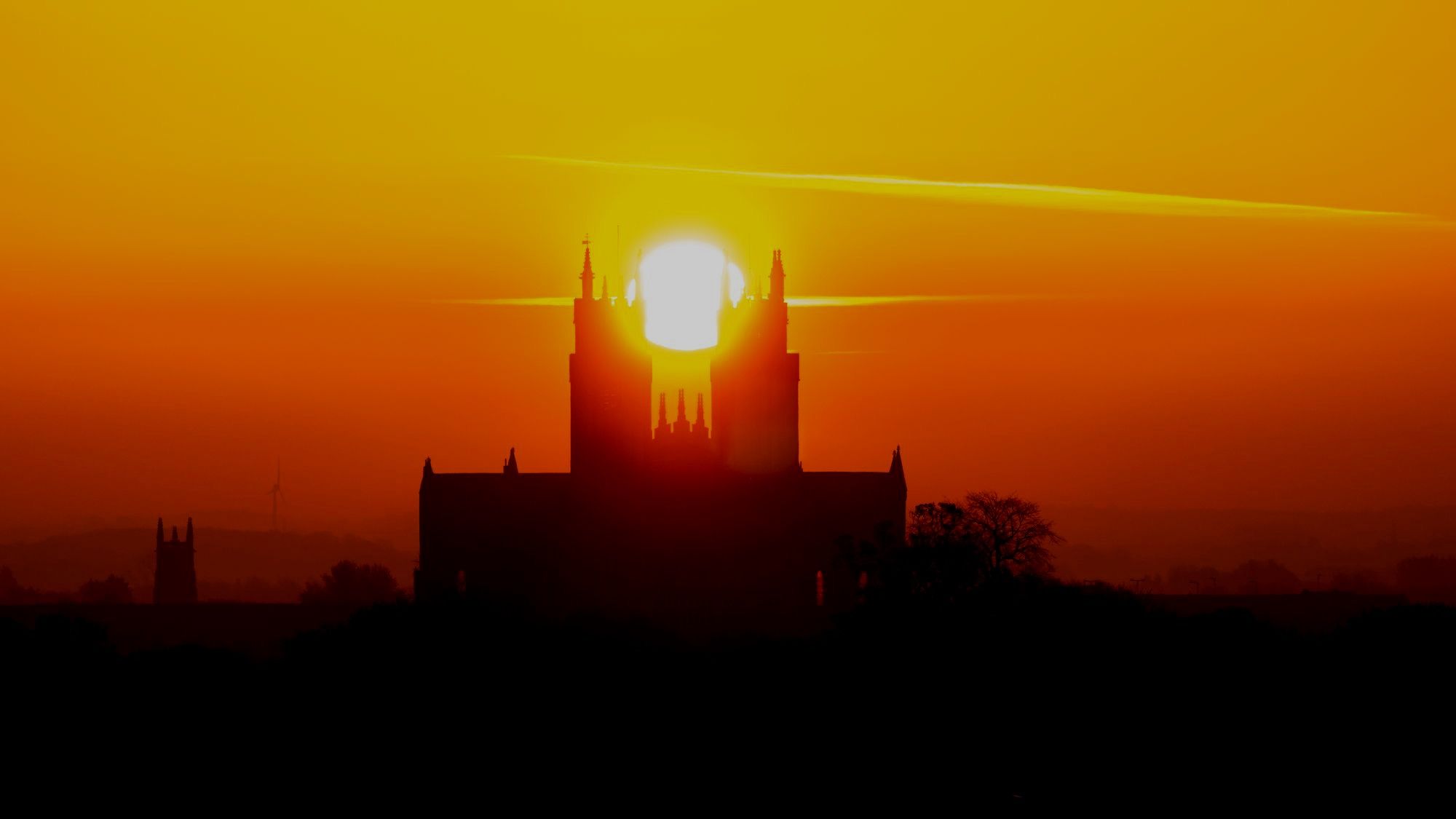
Louth, Lincolnshire.
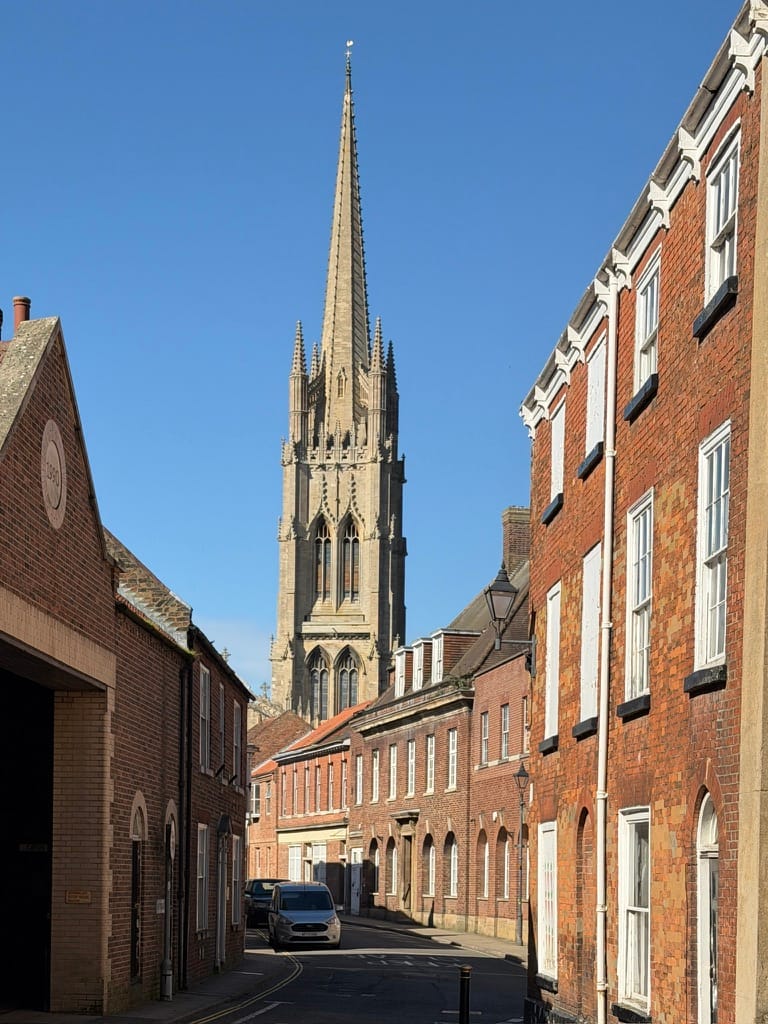
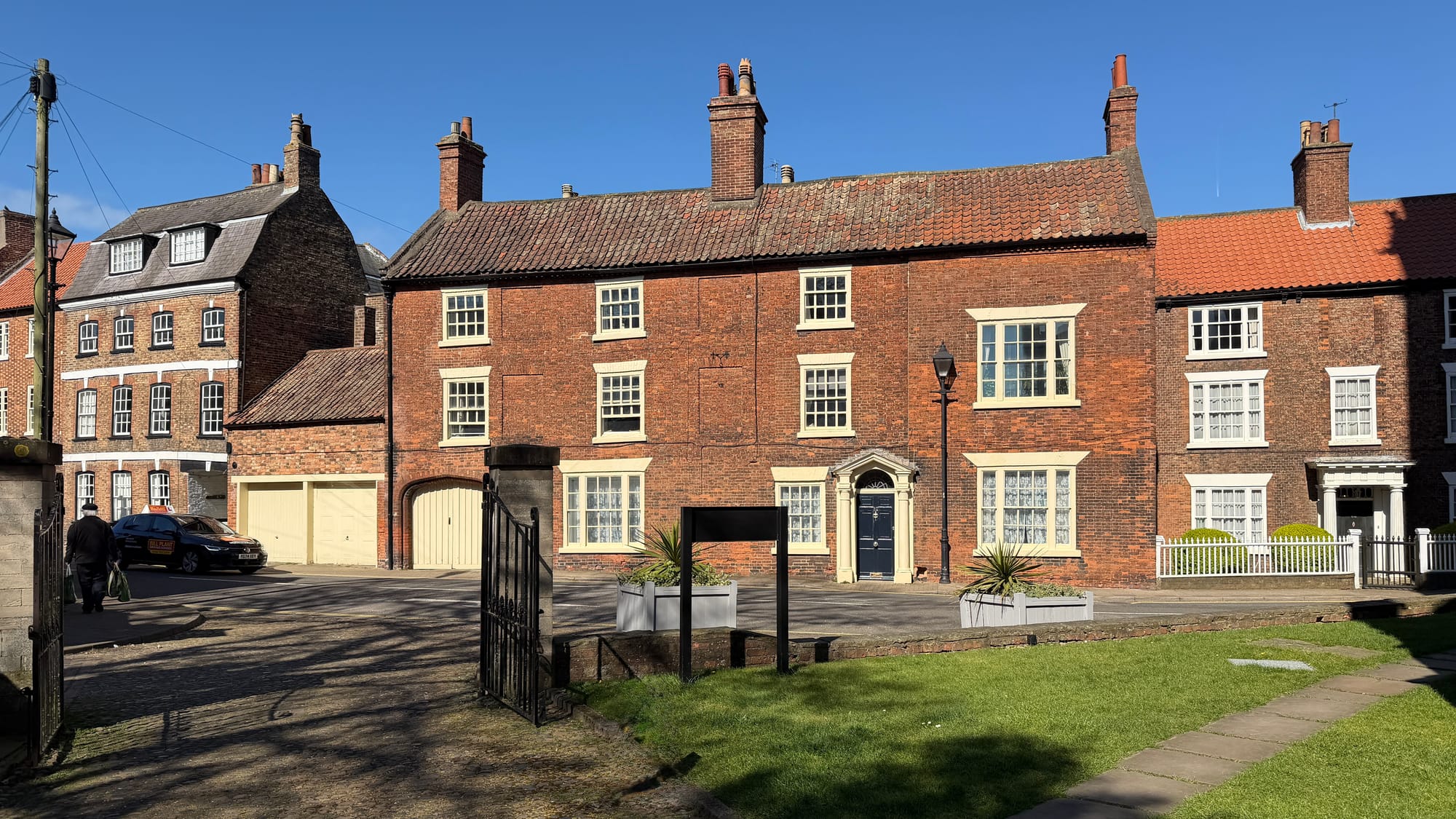
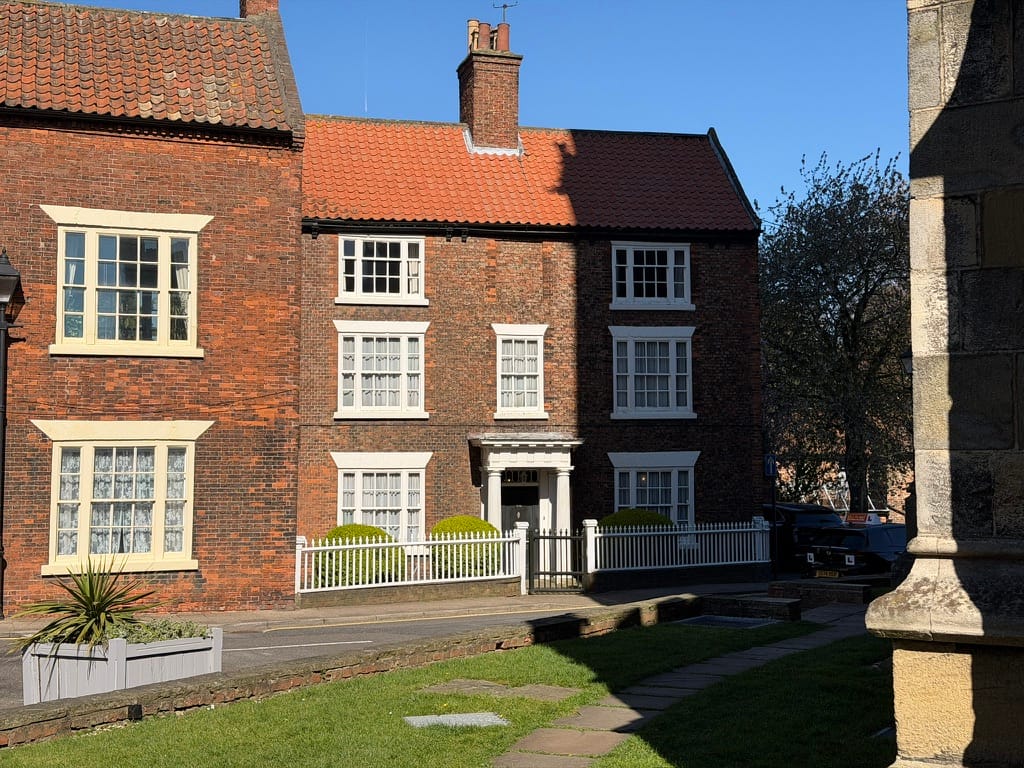
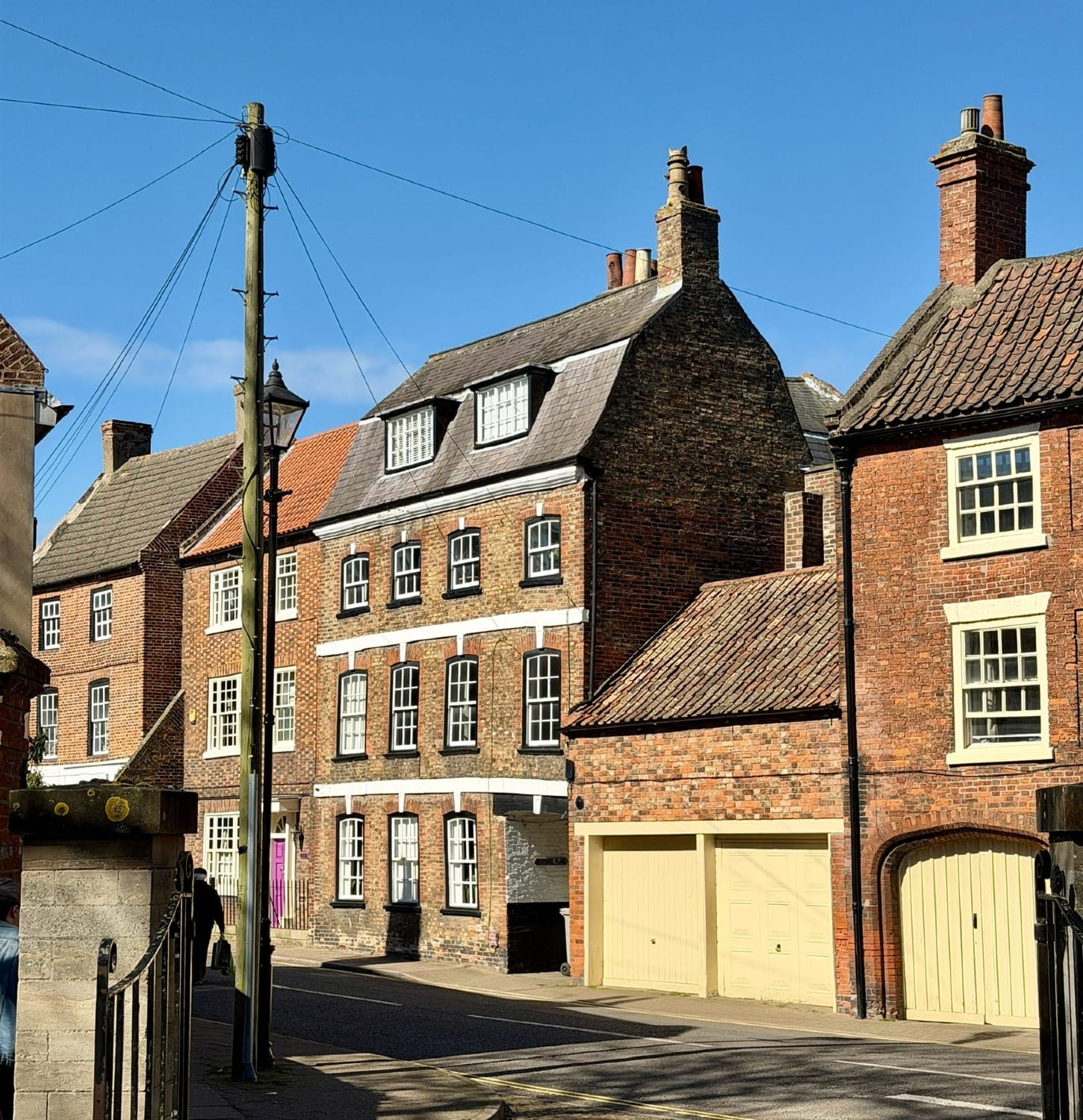
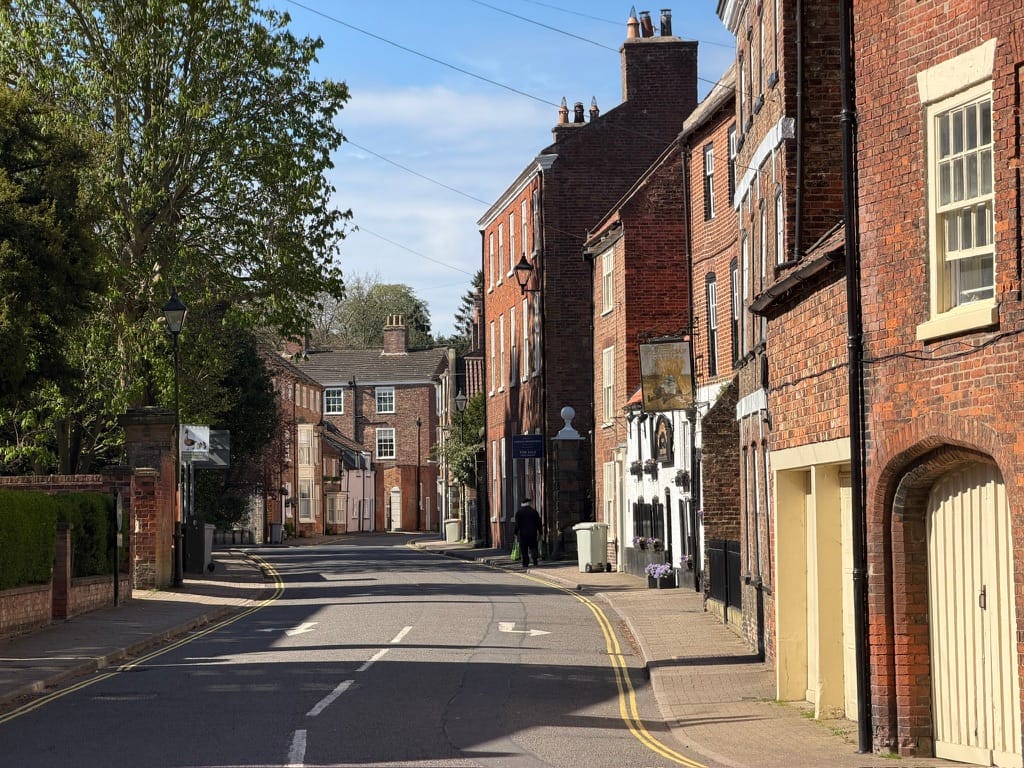
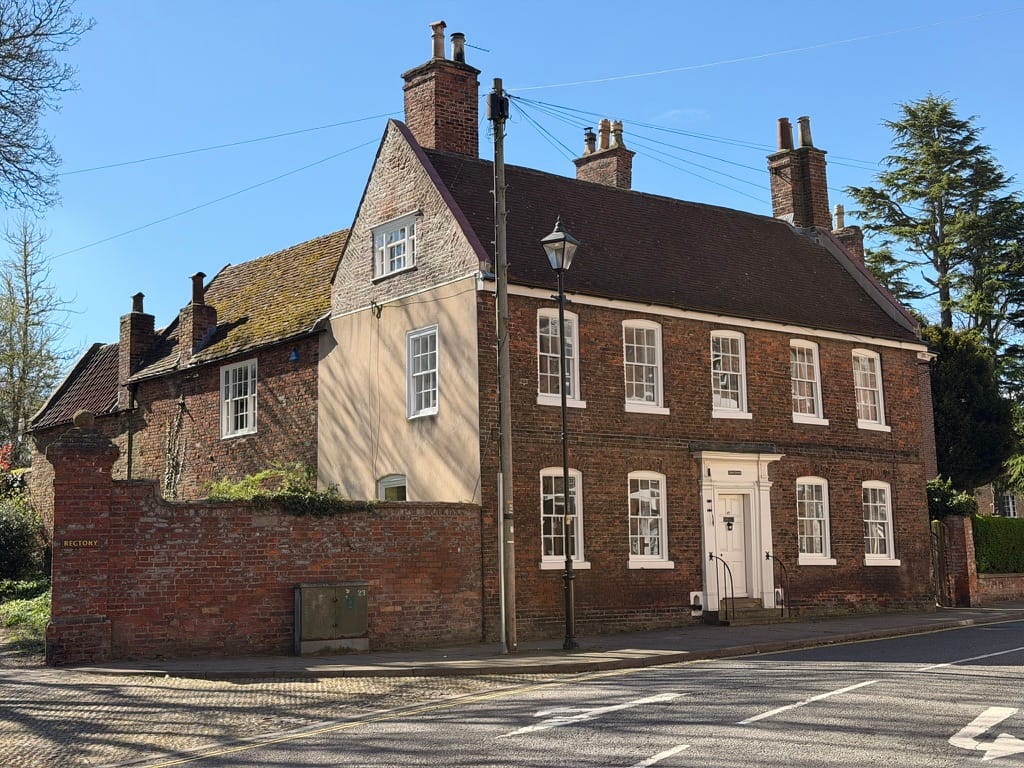
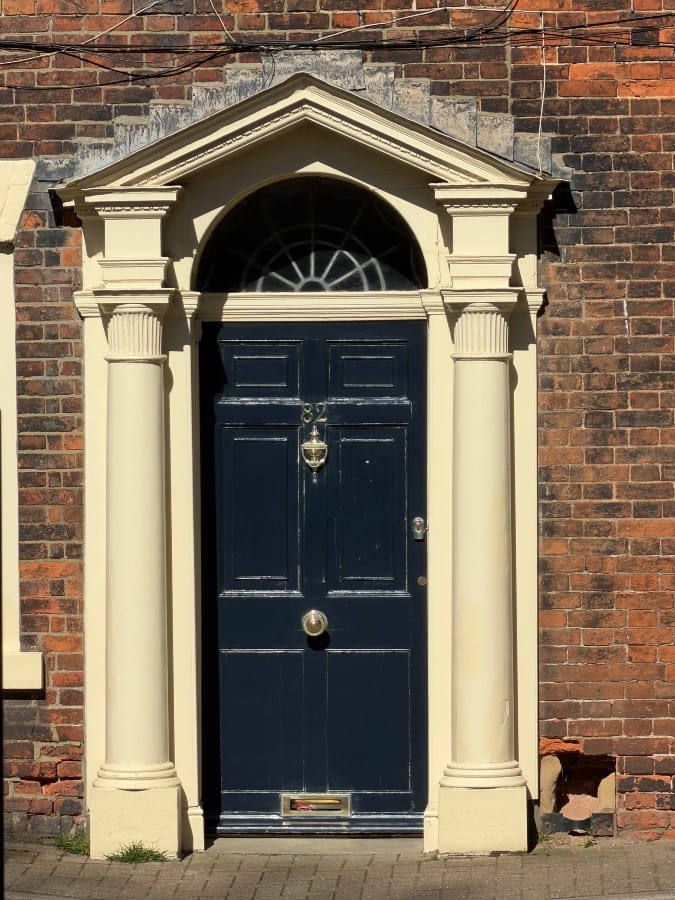
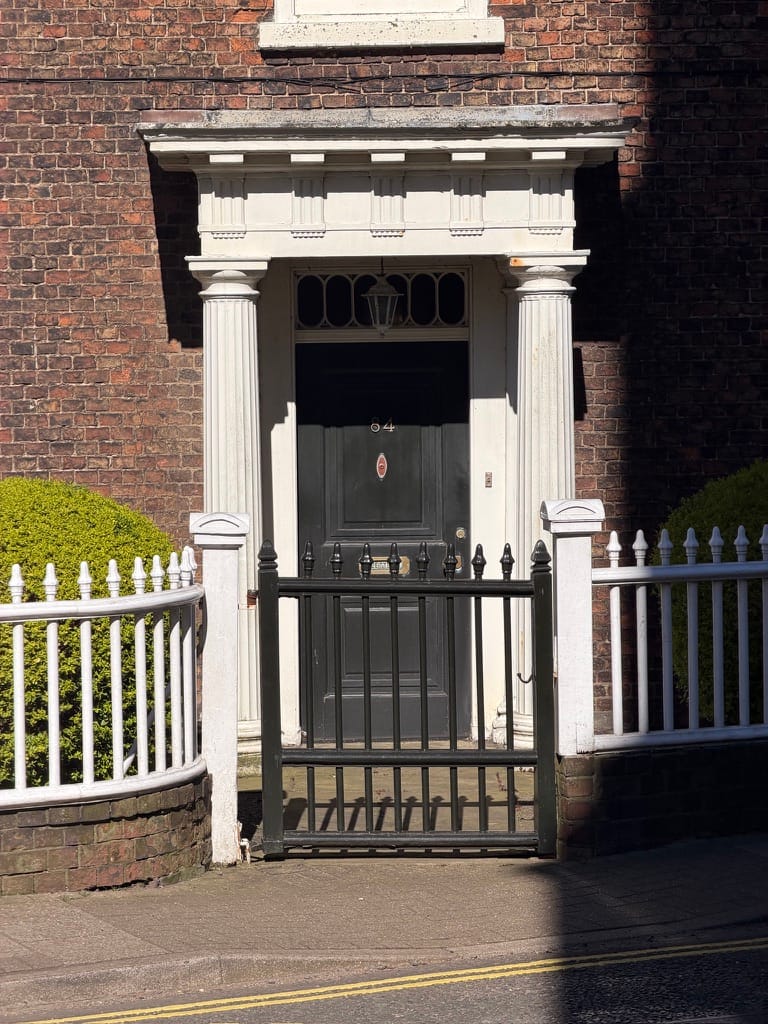
Louth is an ancient Lincolnshire market town with Anglo-Saxon origins, shaped by wool trade, craftsmanship and gradual adaptation over centuries. It is best known for St James' Church, Louth and its soaring medieval spire (the tallest medieval parish spire in Britain), independent character, vernacular beauty, and associations with Alfred, Lord Tennyson.
Pure Scroll
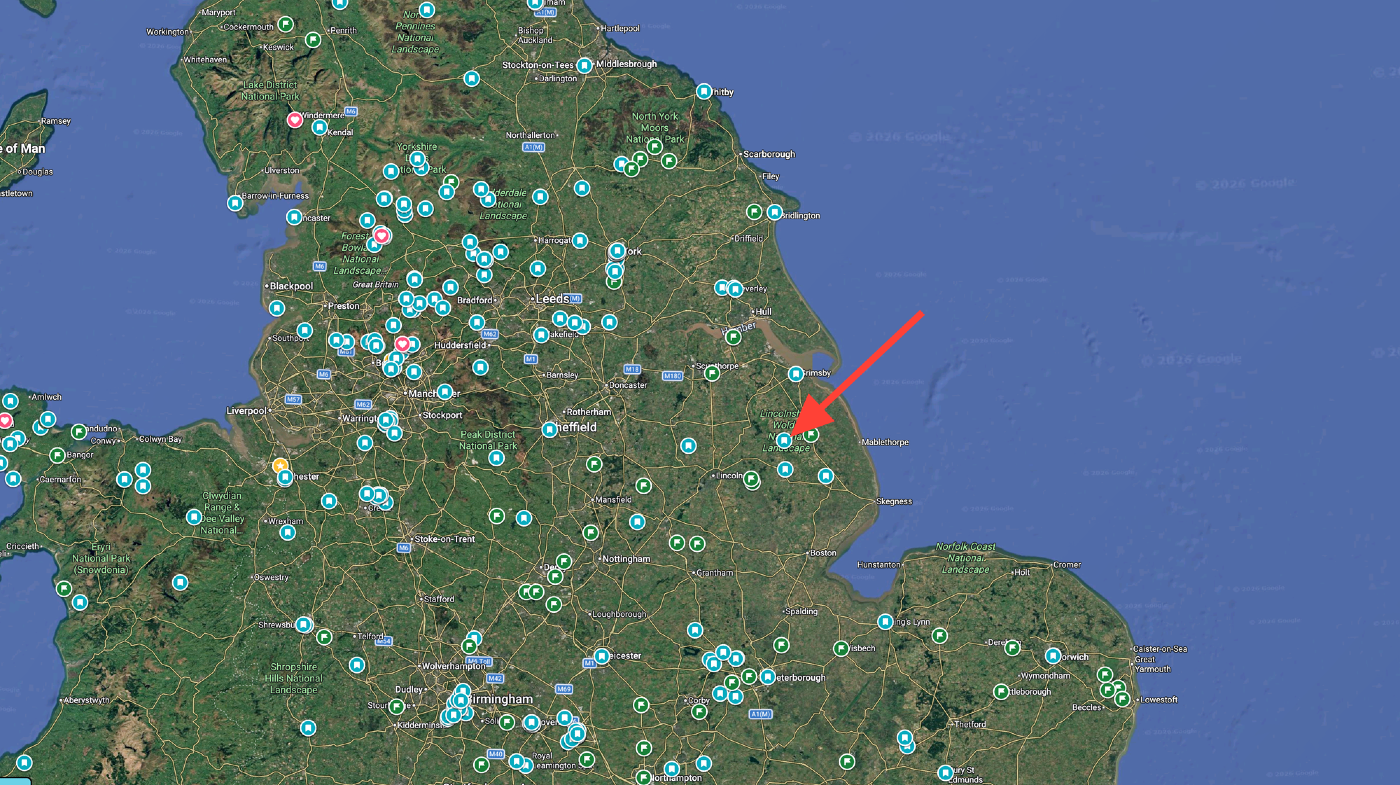
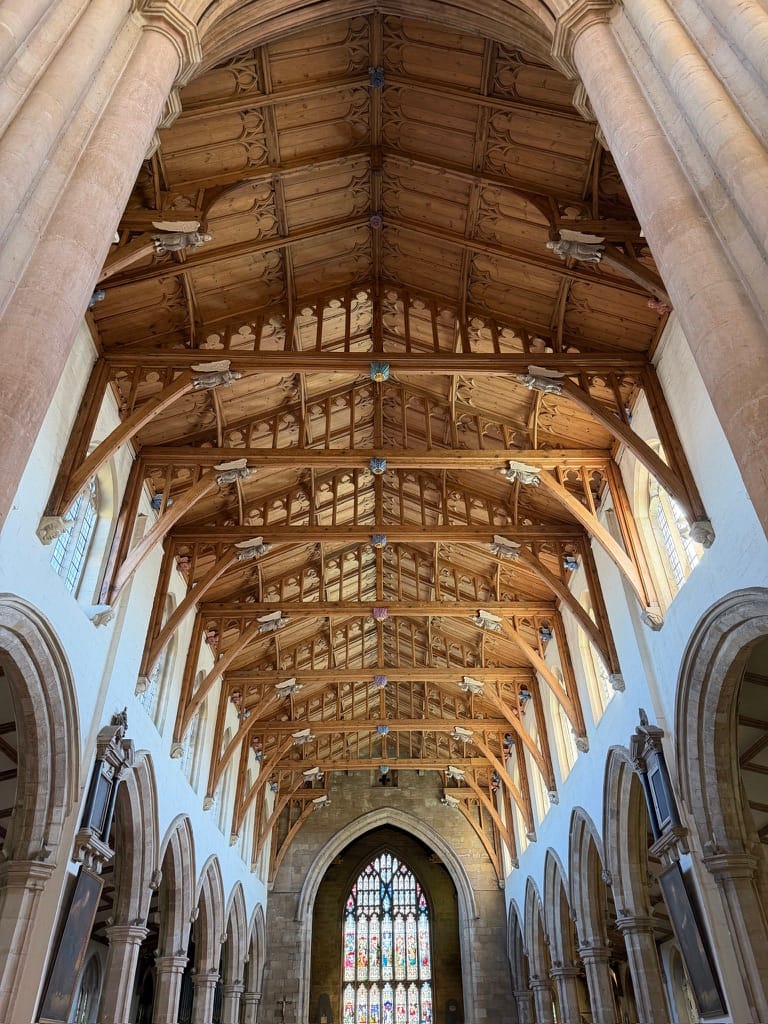
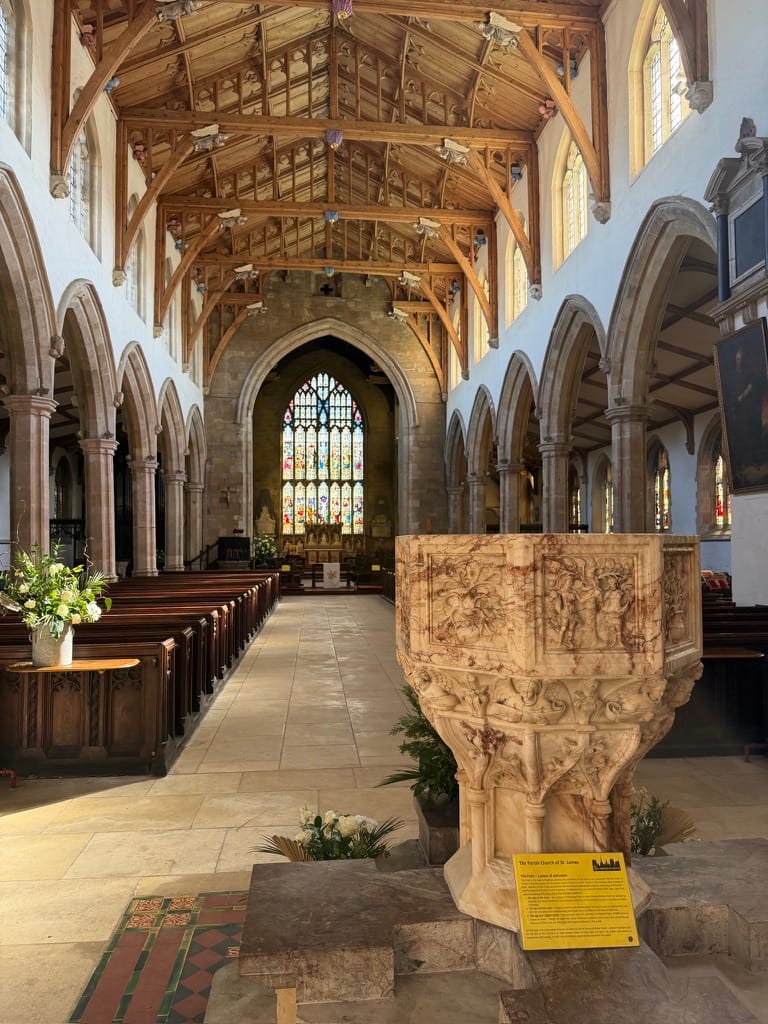
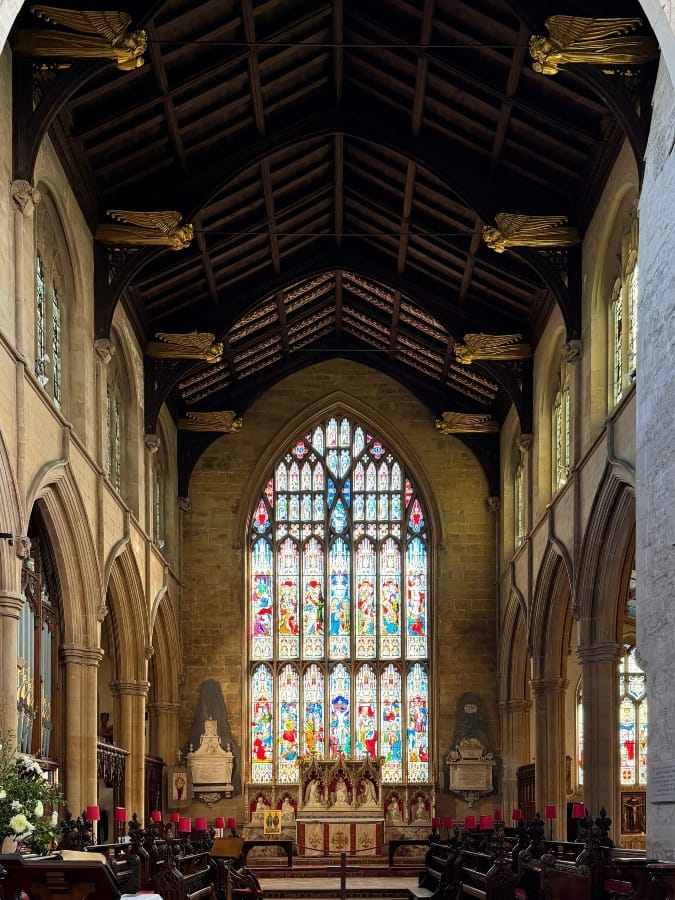
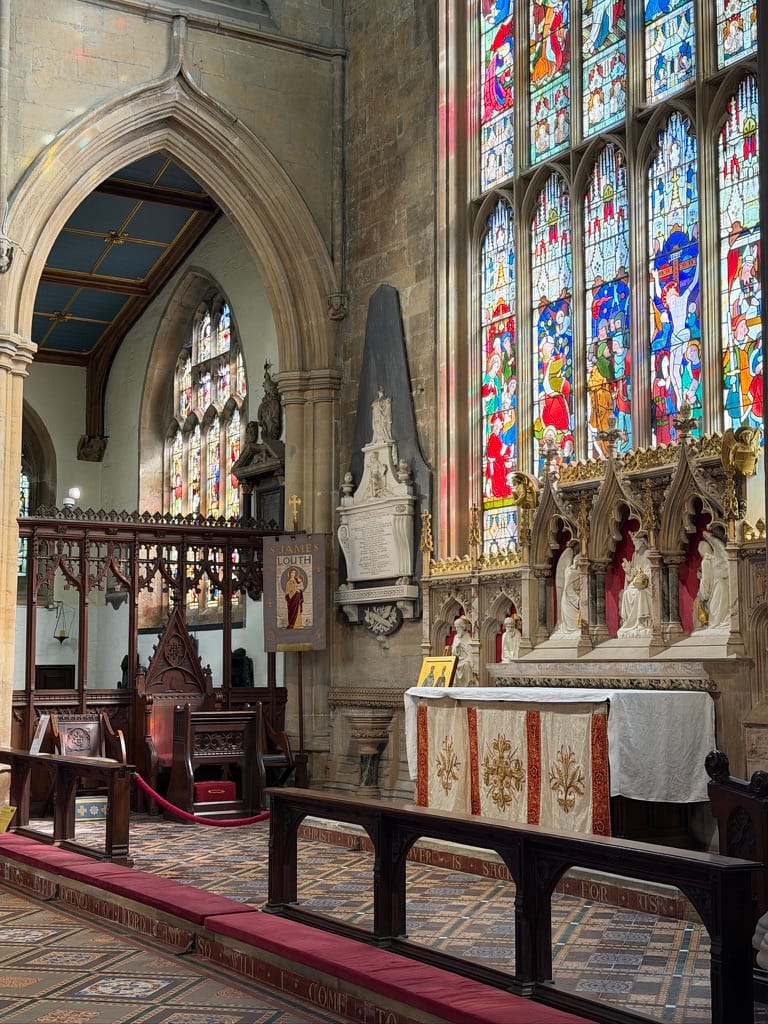
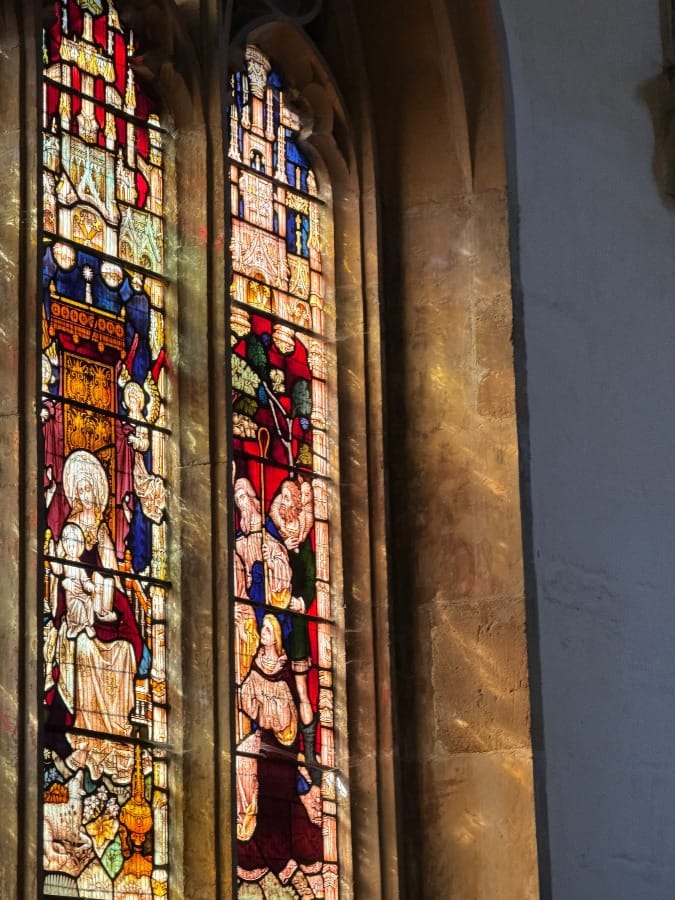
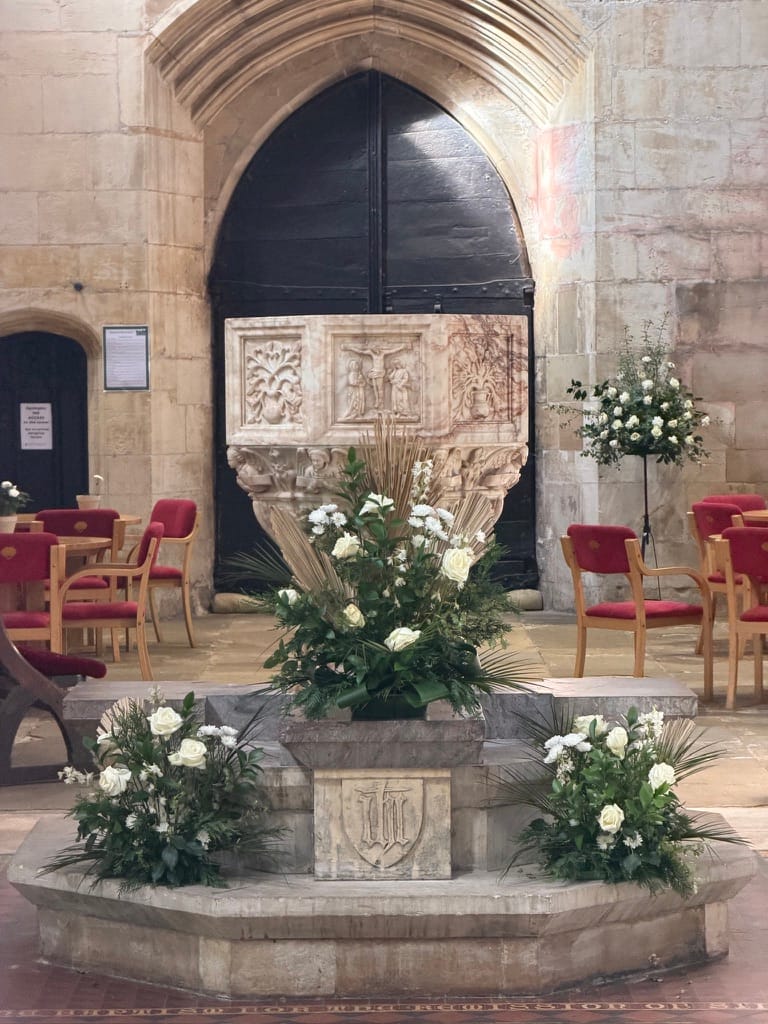
St. James', Louth
The Historic England listing says:
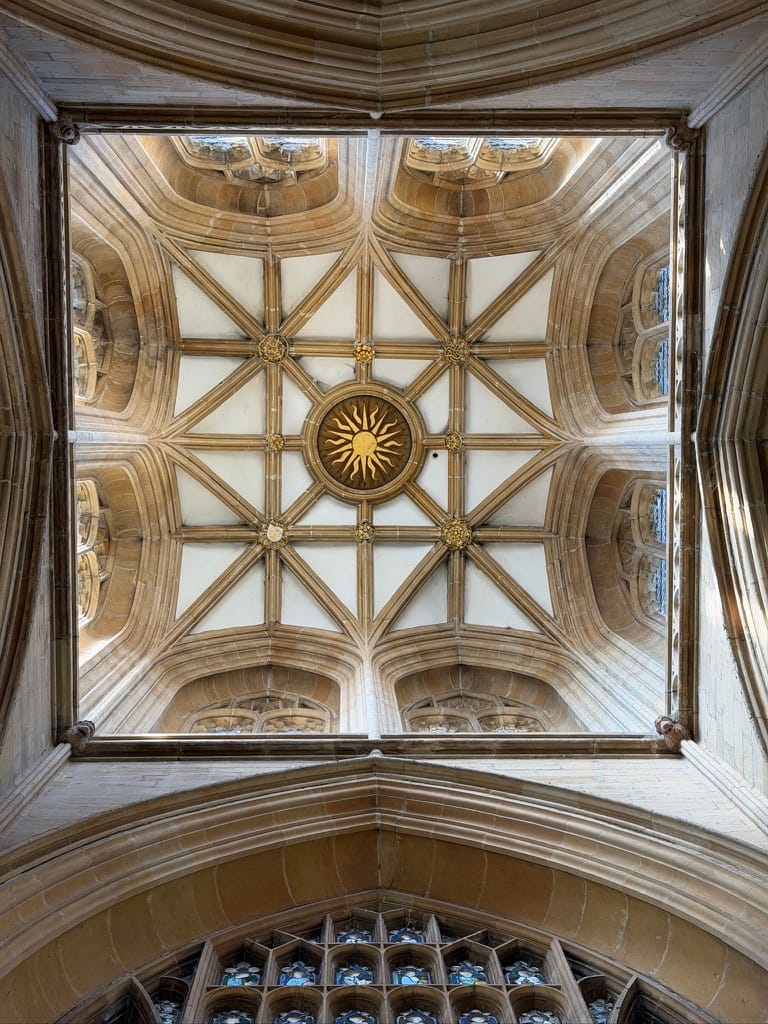
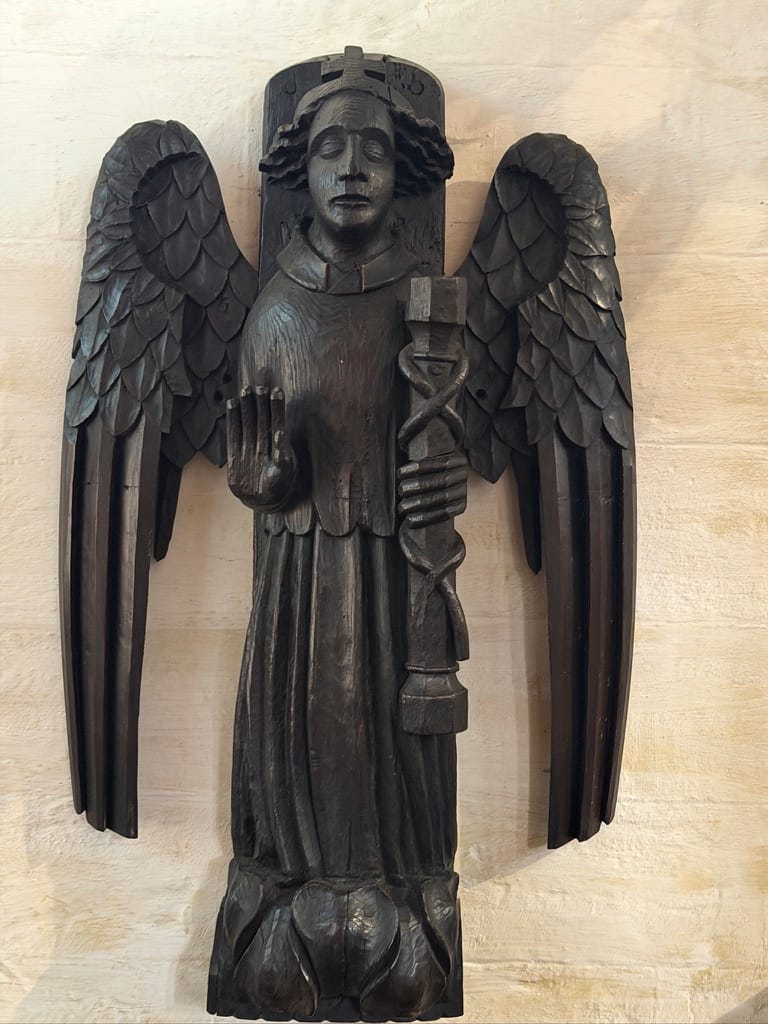
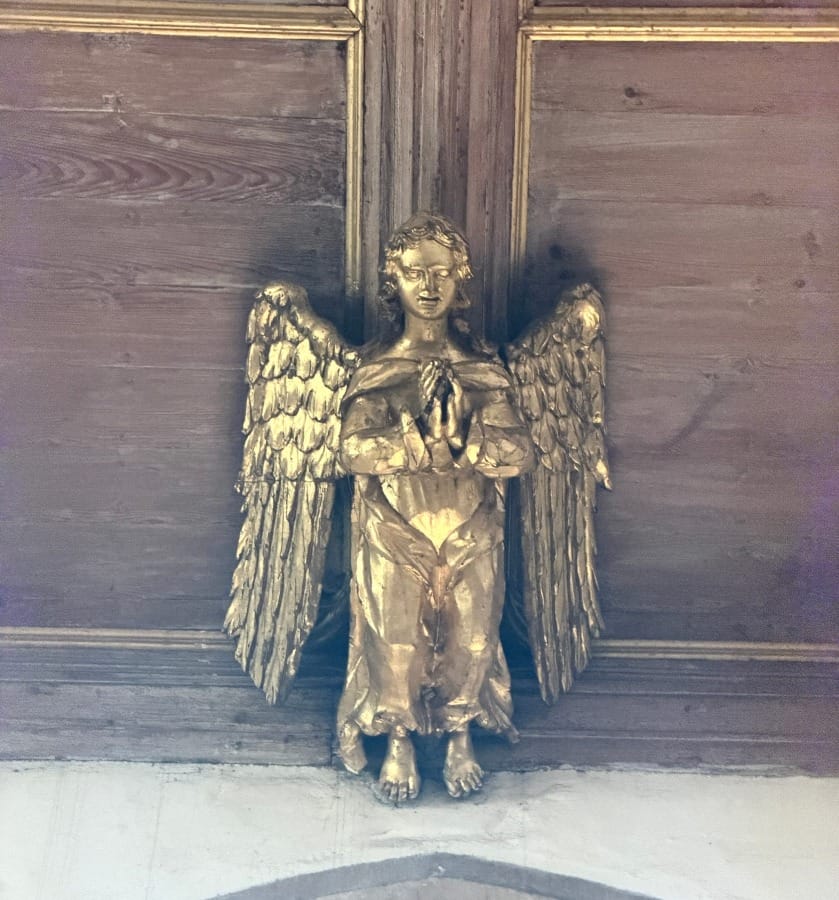
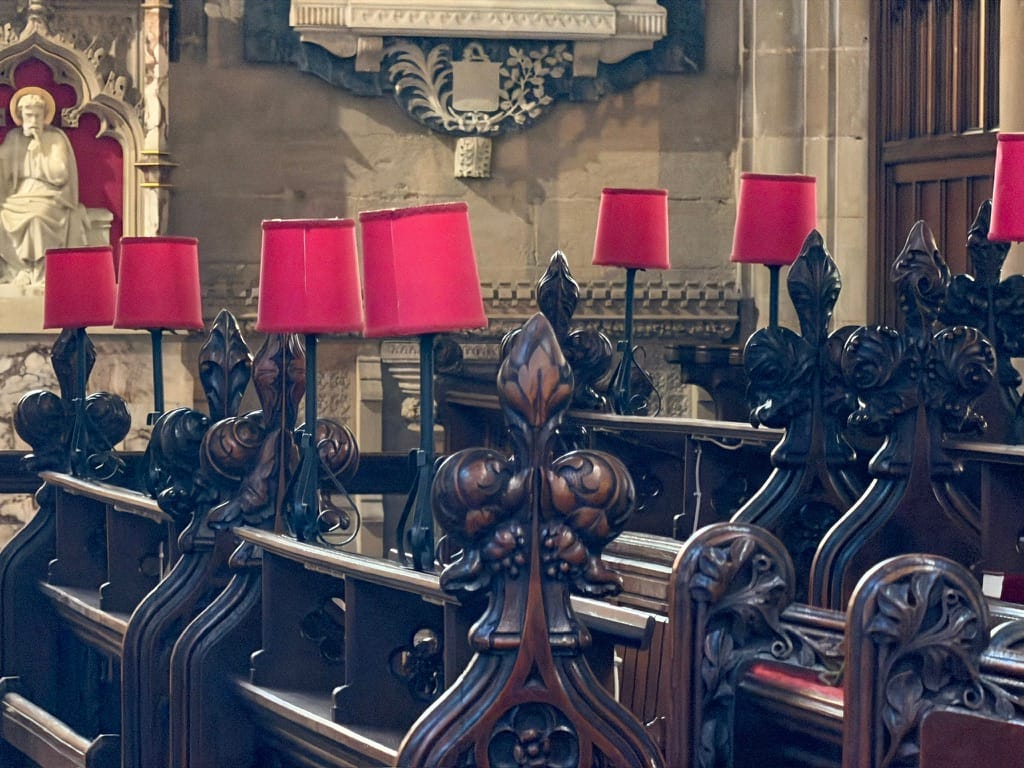
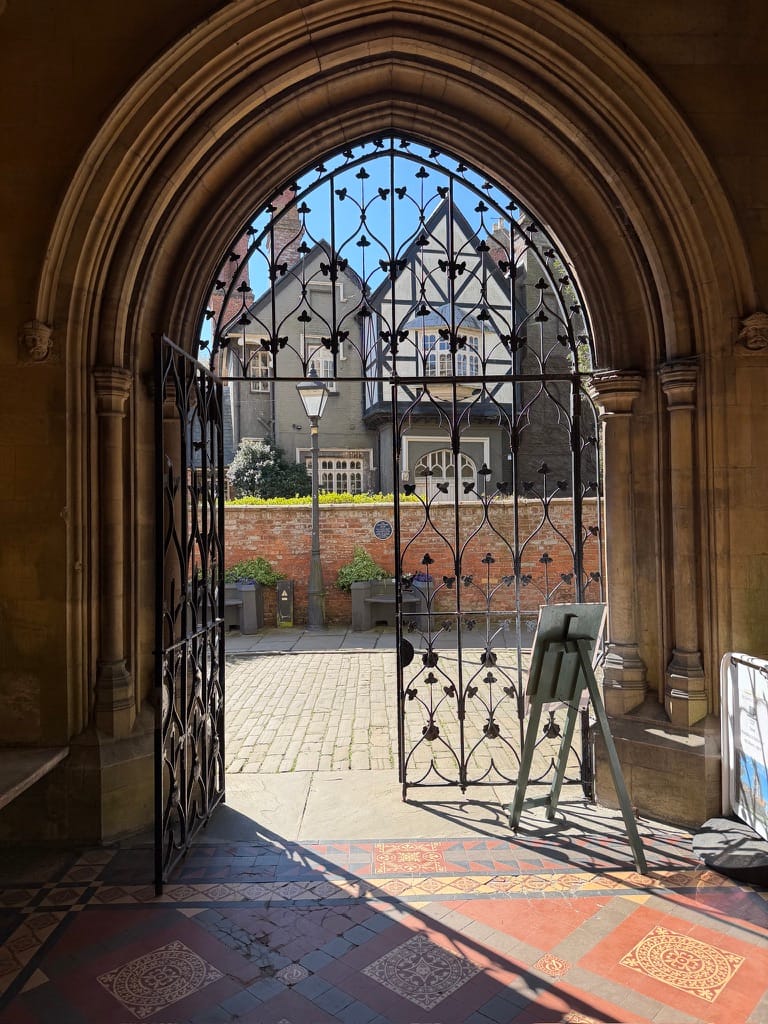
A magnificent church, rebuilt mainly in the early C15 and substantially unaltered, except for the tower of about 60 years later and the 2 porches, which date from the 1861-1869 restoration by James Fowler, who removed the galleries, relaid the floor and inserted the present reredos. The chapel on the North side of the chancel contains 2 angels in wood, the only survivors from the roof of the original building, and some renovated mediaeval stalls.
The Town
 Sundus Abdi

"If we listen to our intuition and cultivate ways of seeing that are both observational and connective, we possess an antidote to the algorithm, to fake news, to polarisation and to the distrust of modern times."
Helping young people cultivate ways of seeing: Museum on the Move: The Secret Lives of Buildings
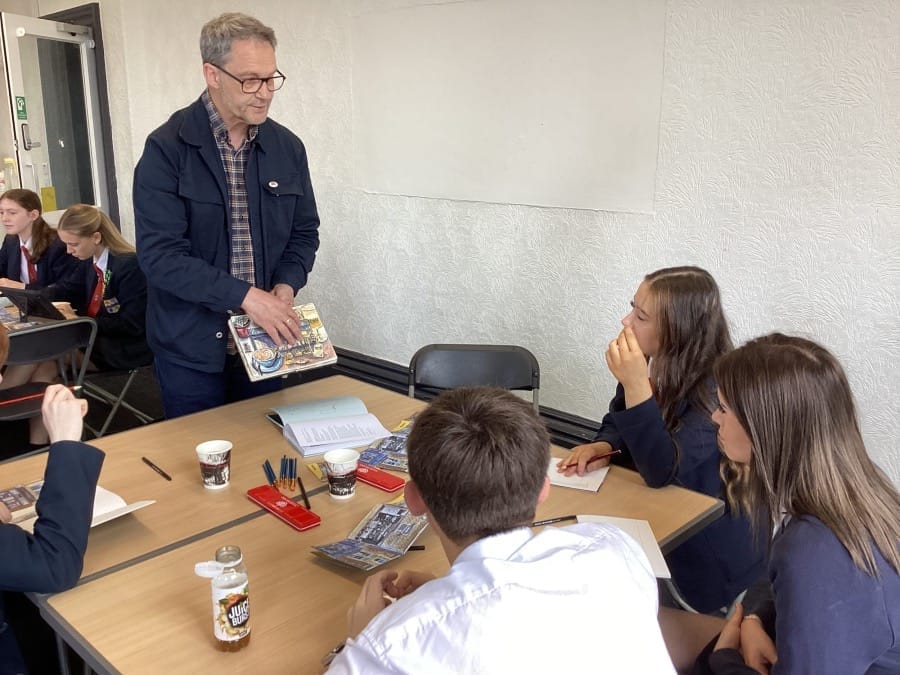
"I walked around the tables as they worked, looking at the variety of their responses: fantasy towers, hidden interiors, window details, sculpted patterns, oak leaves and stone capitals. What we all realised today is that our high streets are not just places to shop – the buildings that line them are repositories of memory."
Read on:
Andy Marshall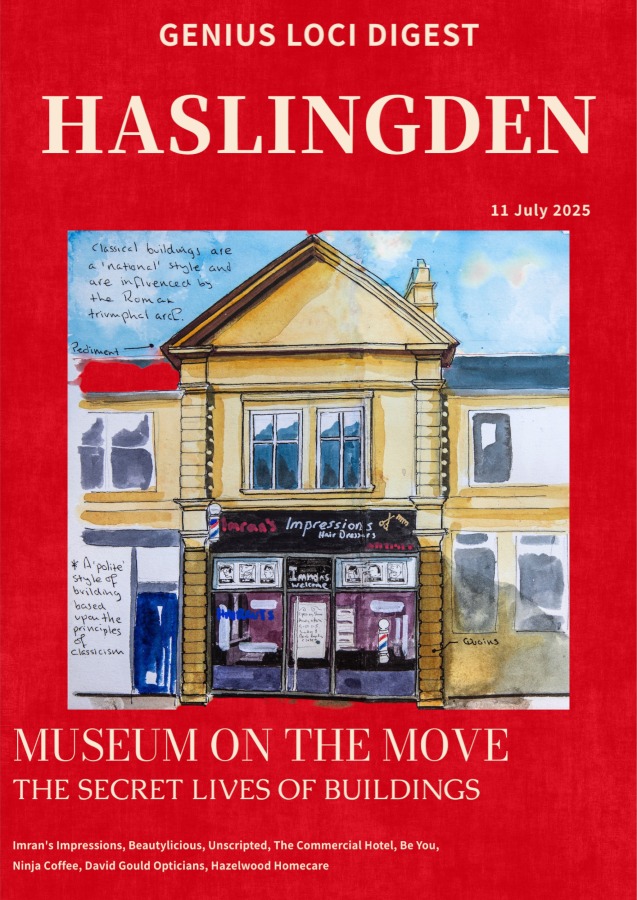
How Photography Taught Me How To See
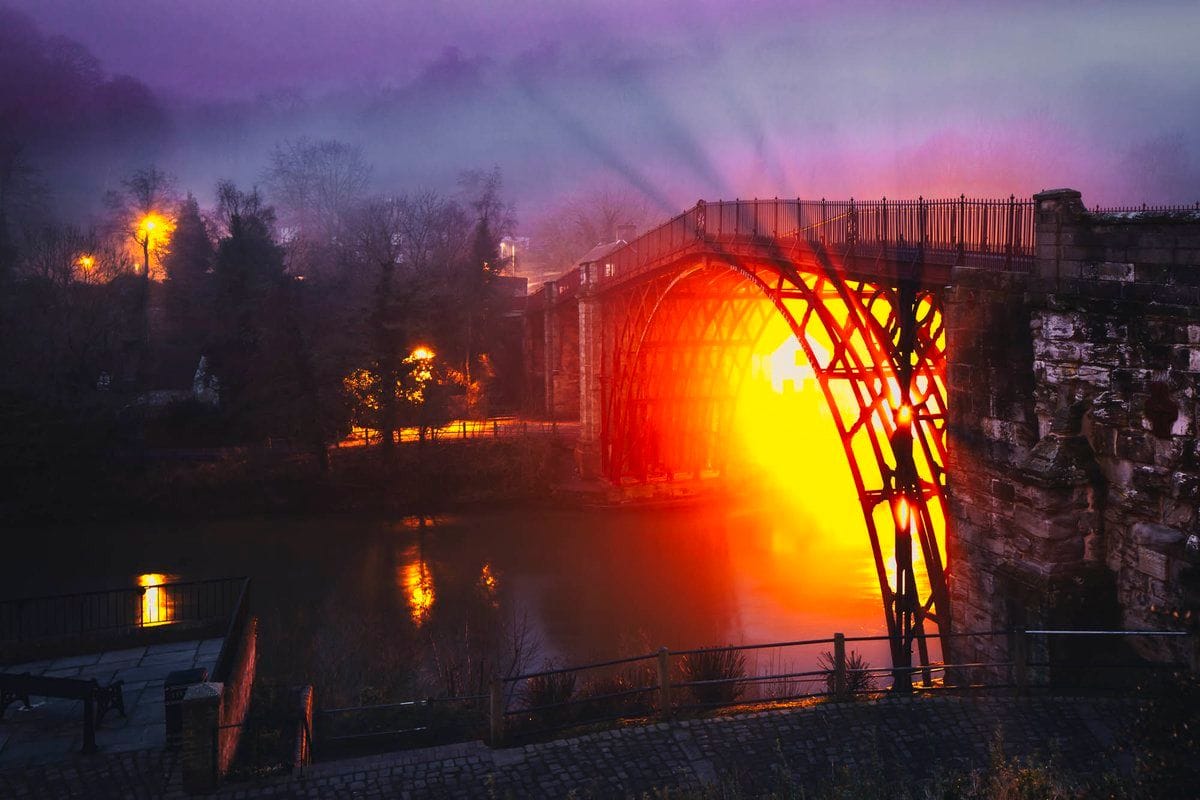
More than that, taking the time to observe, feels like my little protest against the flakiness of current times. Read on:
Andy Marshall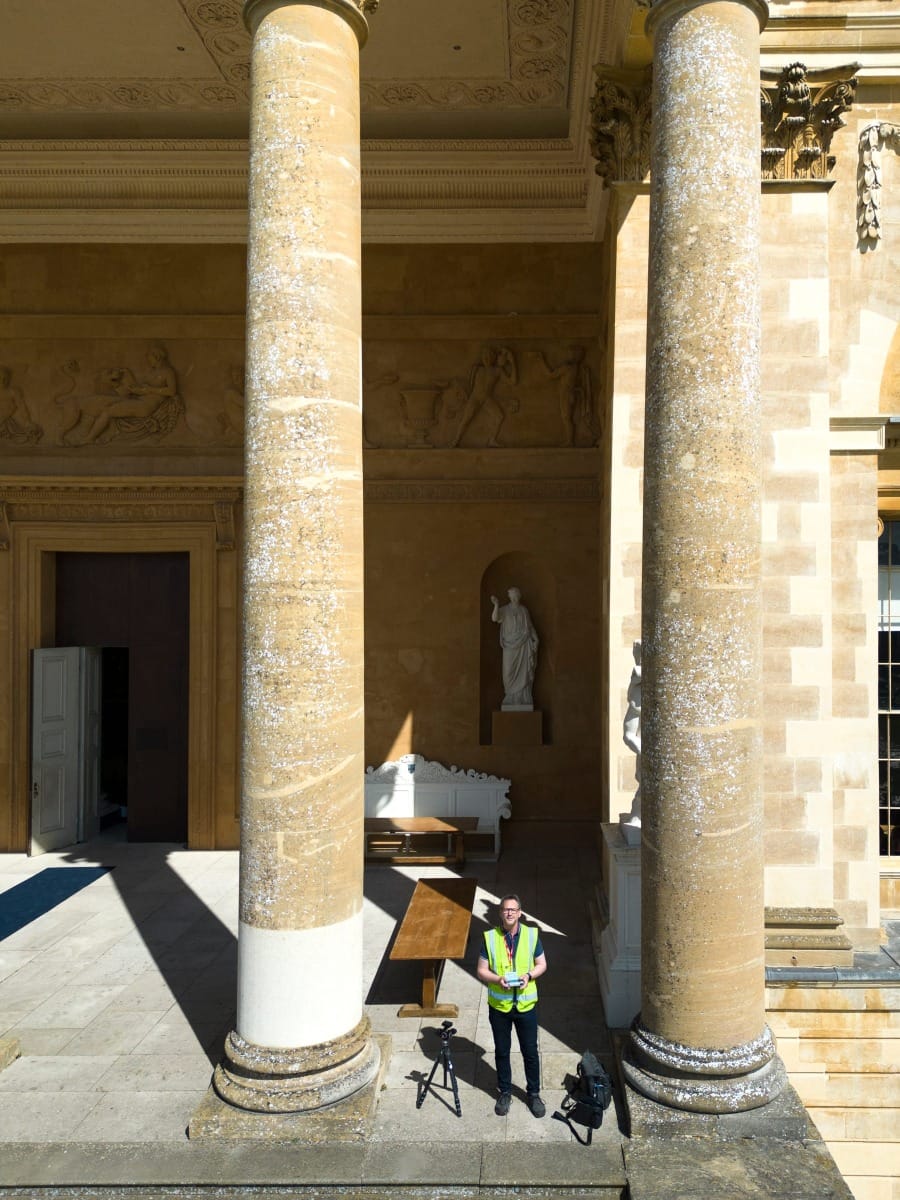
York Minster Art Commission - Artist Day in Residence - Thursday 4th June.
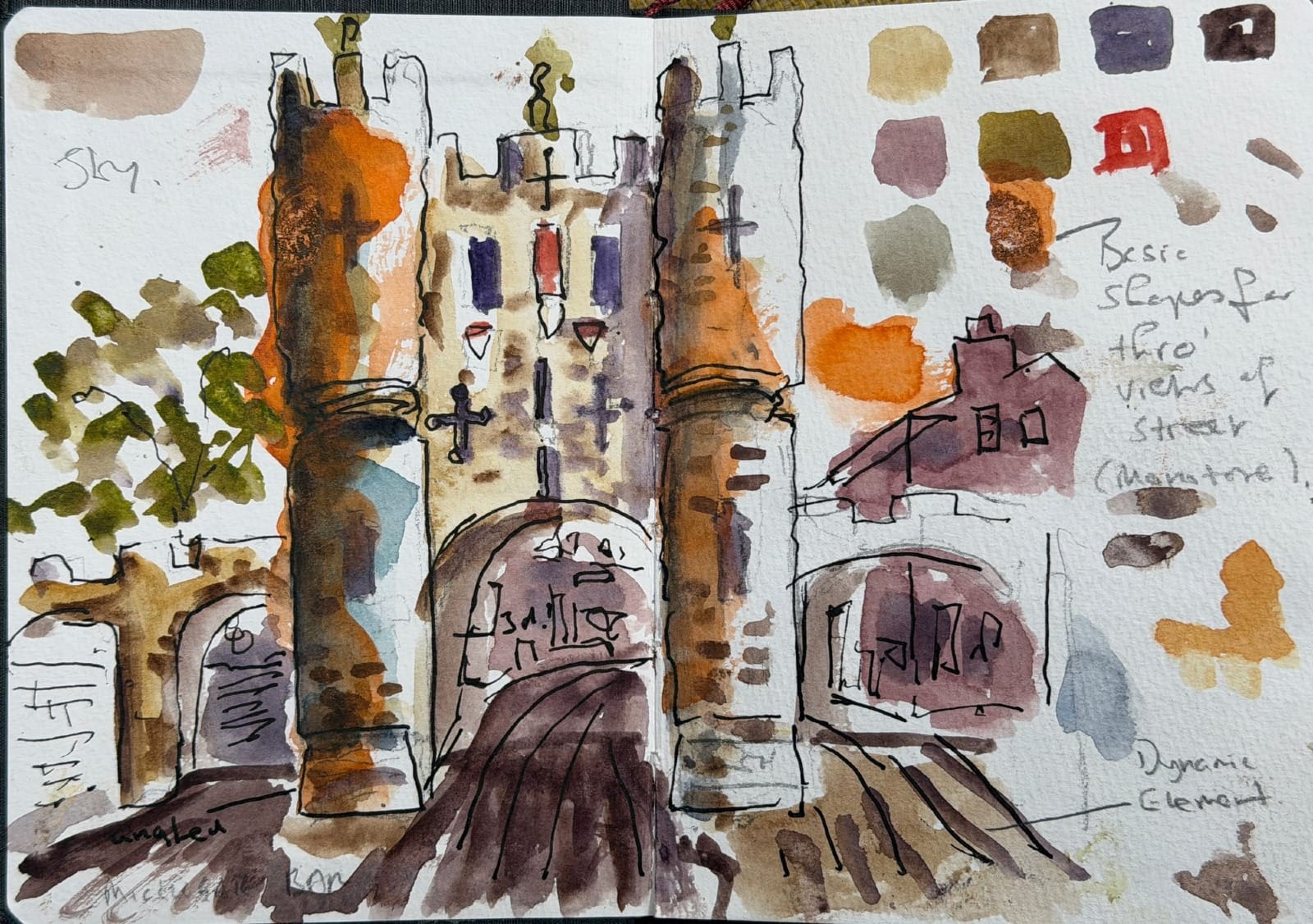
My commission for York Minster is well under way and I've shared some of primary work with members (updated to this week) below this article. It's been a marvellous process working with the Minster and developing an art work about St. William, history, continuity and the million petalled flower of the present.
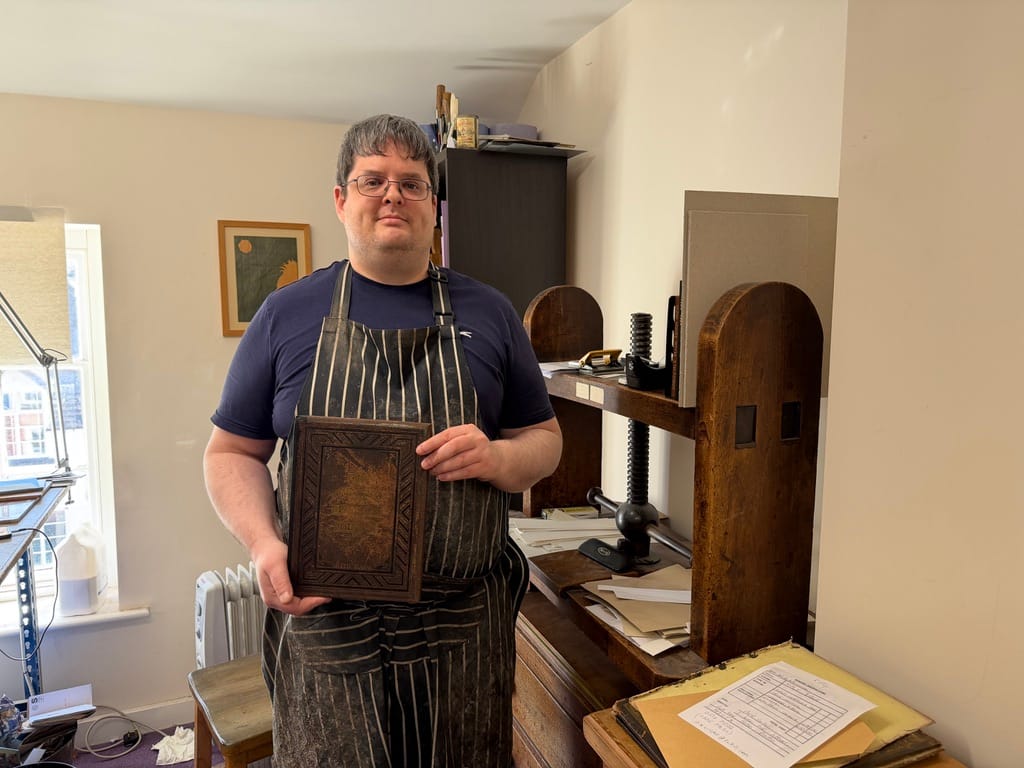
My art work is cradled within an accordion sketchbook that has been specially created by bookbinder Adam Jurkojc from two orphan bible covers. It was Adam who I photographed for Member Powered Photography.
My work focuses on some surviving buildings that were part of St. William's story in York. It also intertwines elements of the remarkable St. William window.
It's is a wonderful privilege and honour to be able to complete the art work in the Quire (opposite the St. William window) at York Minster on Thursday 4 June.
If you're in the area and plan on visiting the minster - please do come and say hello!
Members can view my process and more images of the work below:
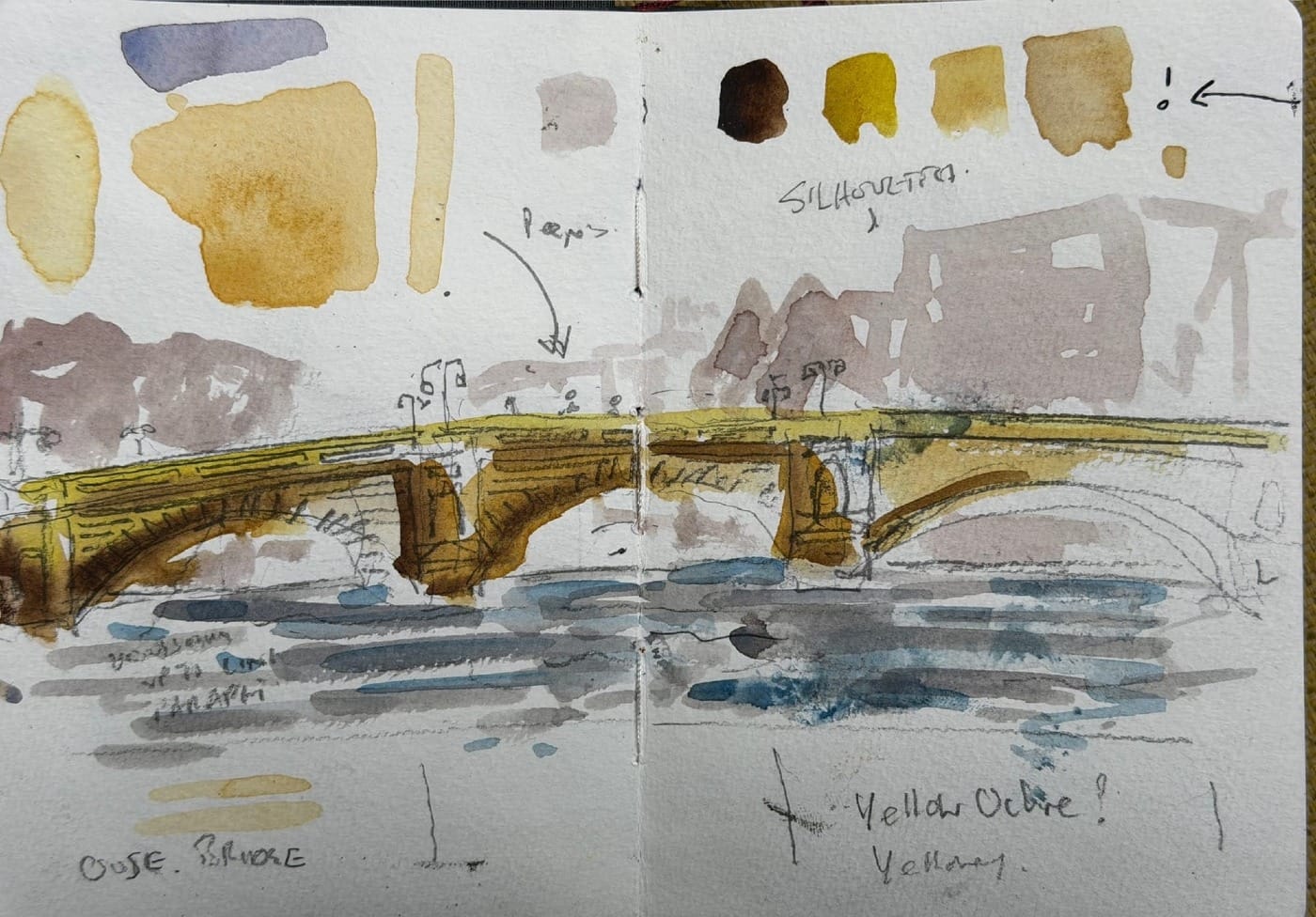
For Members (Updated) - Finding St. William - York Minster Art Commission
Exclusive behind the scenes photographs for members
Click to View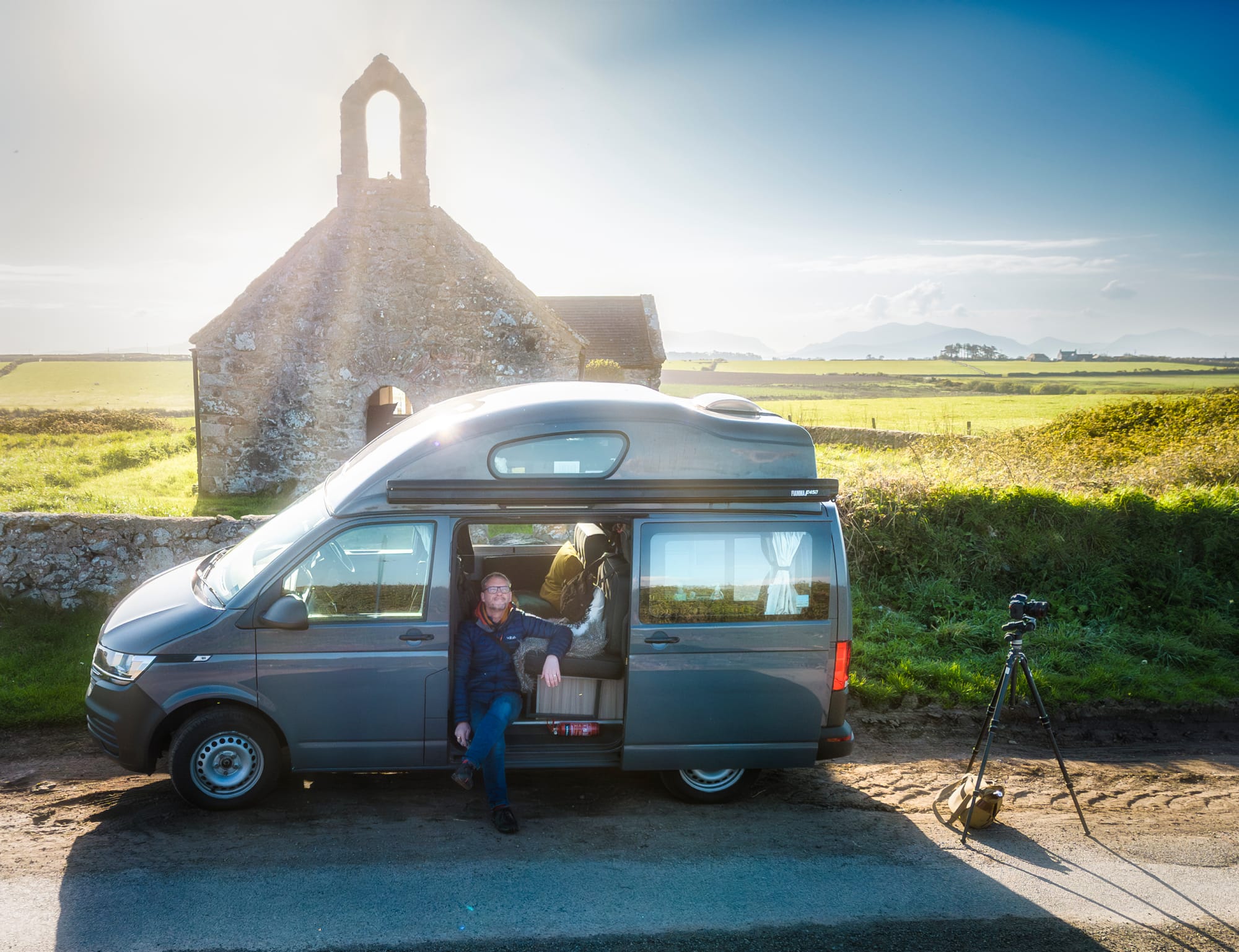
Thank You!
Photographs and words by Andy Marshall (unless otherwise stated). Most photographs are taken with iPhone 17 Pro and DJI Mini 5 Pro.
🔗 Connect with me on: Bluesky / Instagram / Facebook / X / Tumblr / Flickr / Vimeo / Pixelfed / Pinterest / Flipboard/ Fediverse: @fotofacade@digest.andymarshall.co

Member discussion