Each week I send out a short, fresh reflection from the road – photographs, sketches, and observations from old places that still have something to teach us. What follows is a moment from that ongoing journey.
"We shall not cease from exploration
And the end of all our exploring
Will be to arrive where we started
And know the place for the first time.
Through the unknown, remembered gate
When the last of earth left to discover
Is that which was the beginning..."
T. S. Eliot, The Four Quartets

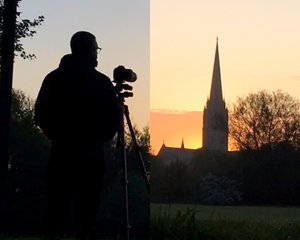
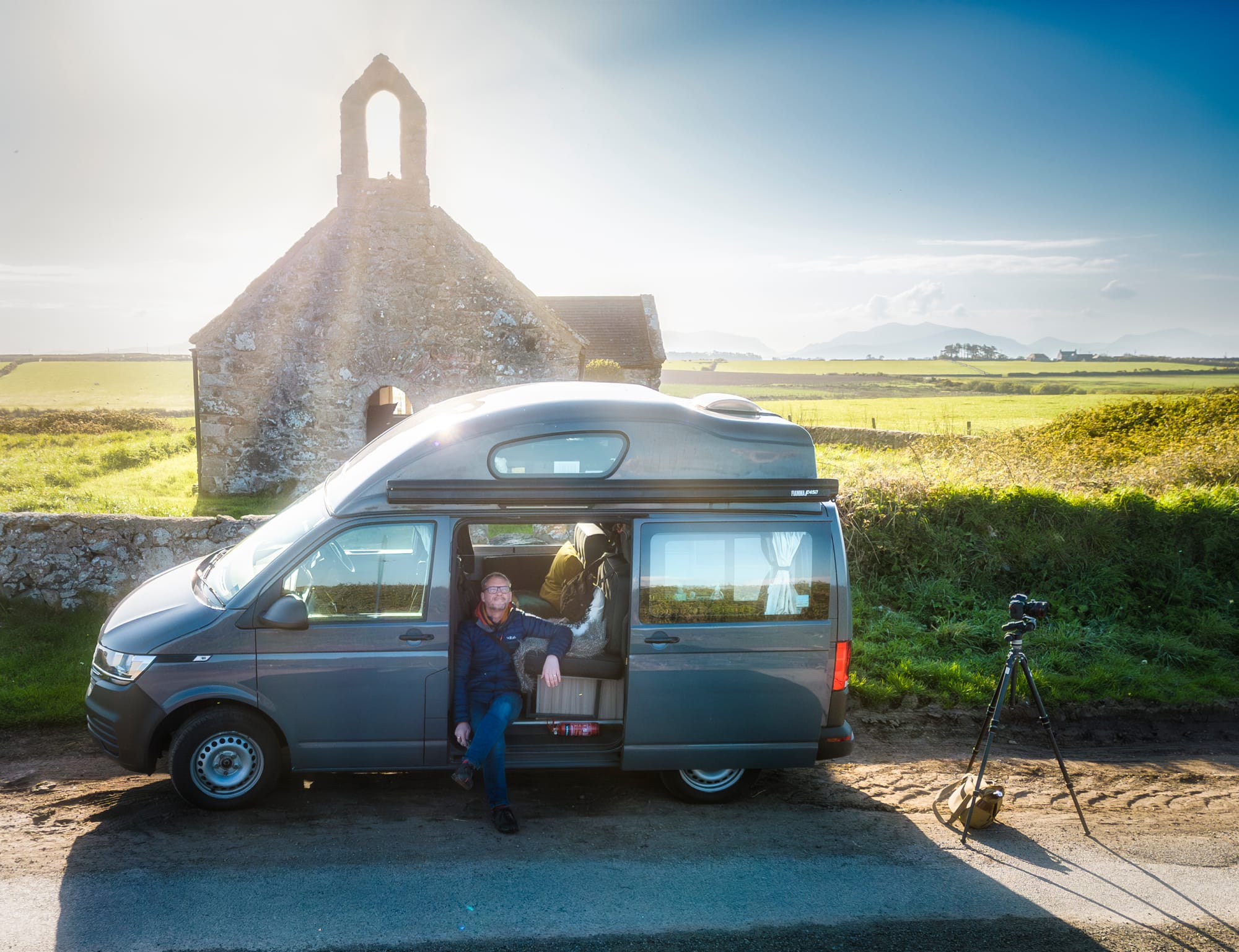
I'm travelling in Woody on the way to a photo shoot beyond London, but I make a detour to see a place that I've been wanting to see for a very long time.
You know how you can set up a place or an event in your imagination and then be disappointed by how it really turns out? To avoid such disappointment, I park the van on a scuff of land on the road into the village of Brixworth in Northamptonshire. It gives me a bit of time to gather myself before I see it.
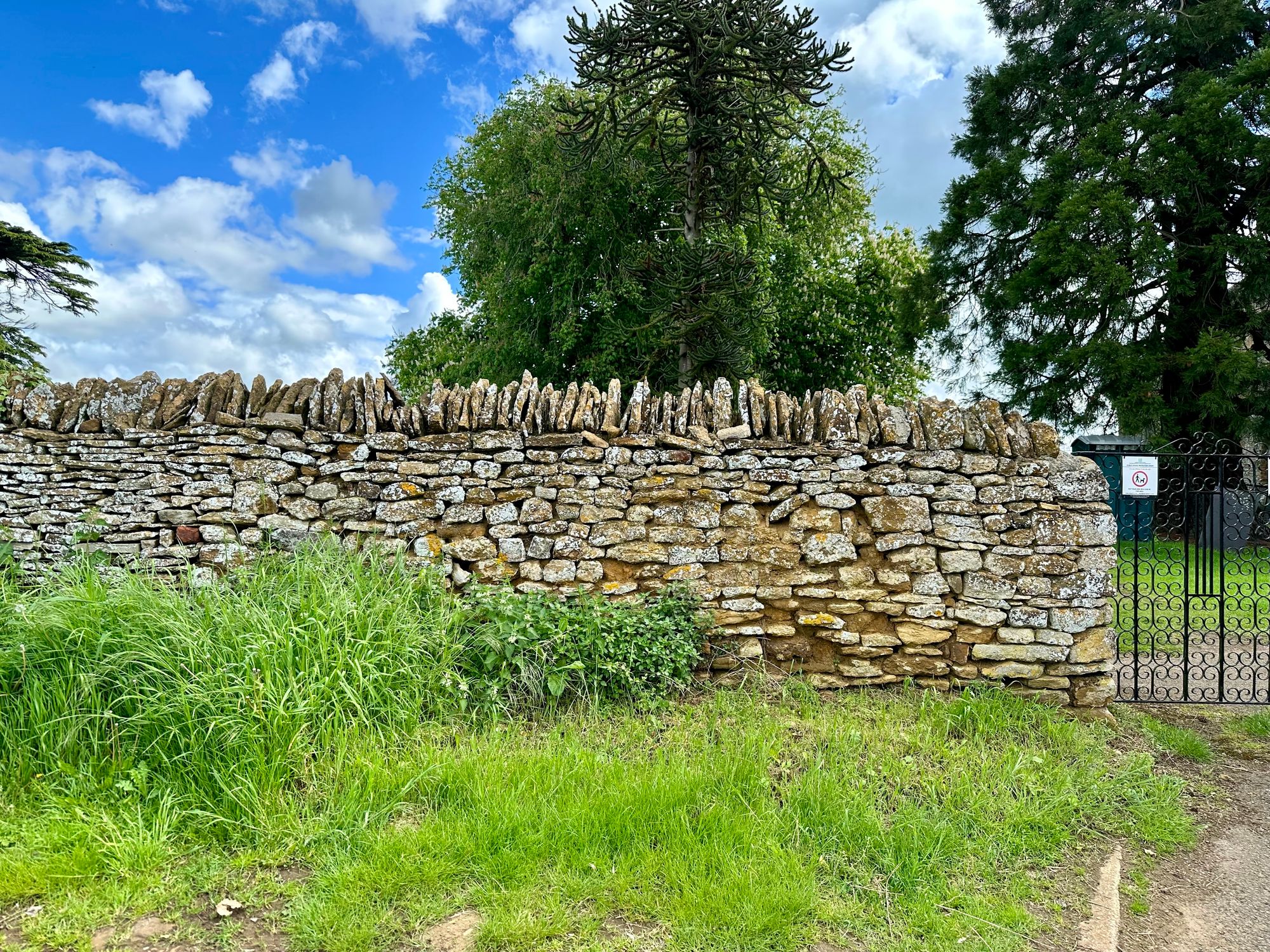
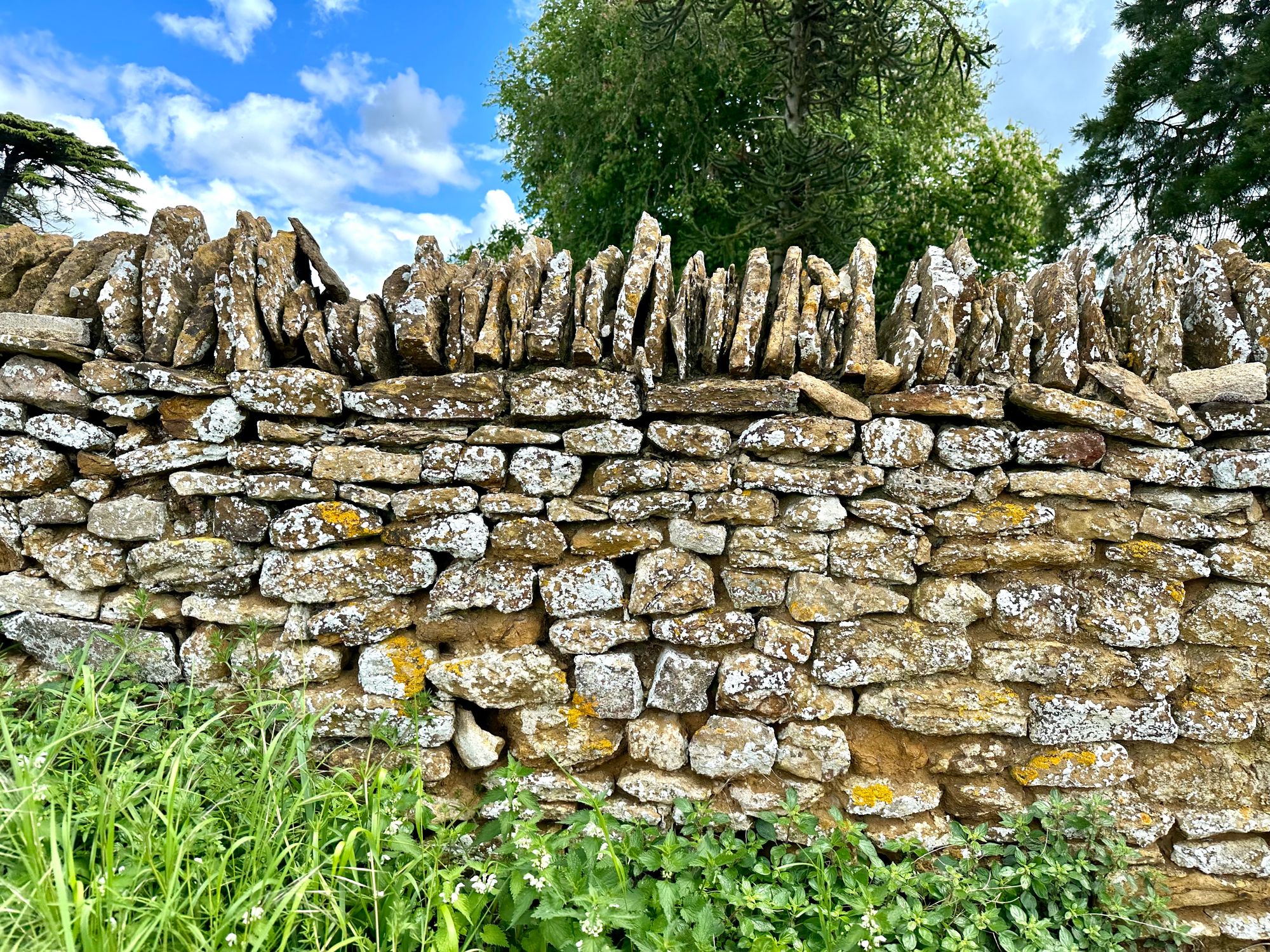
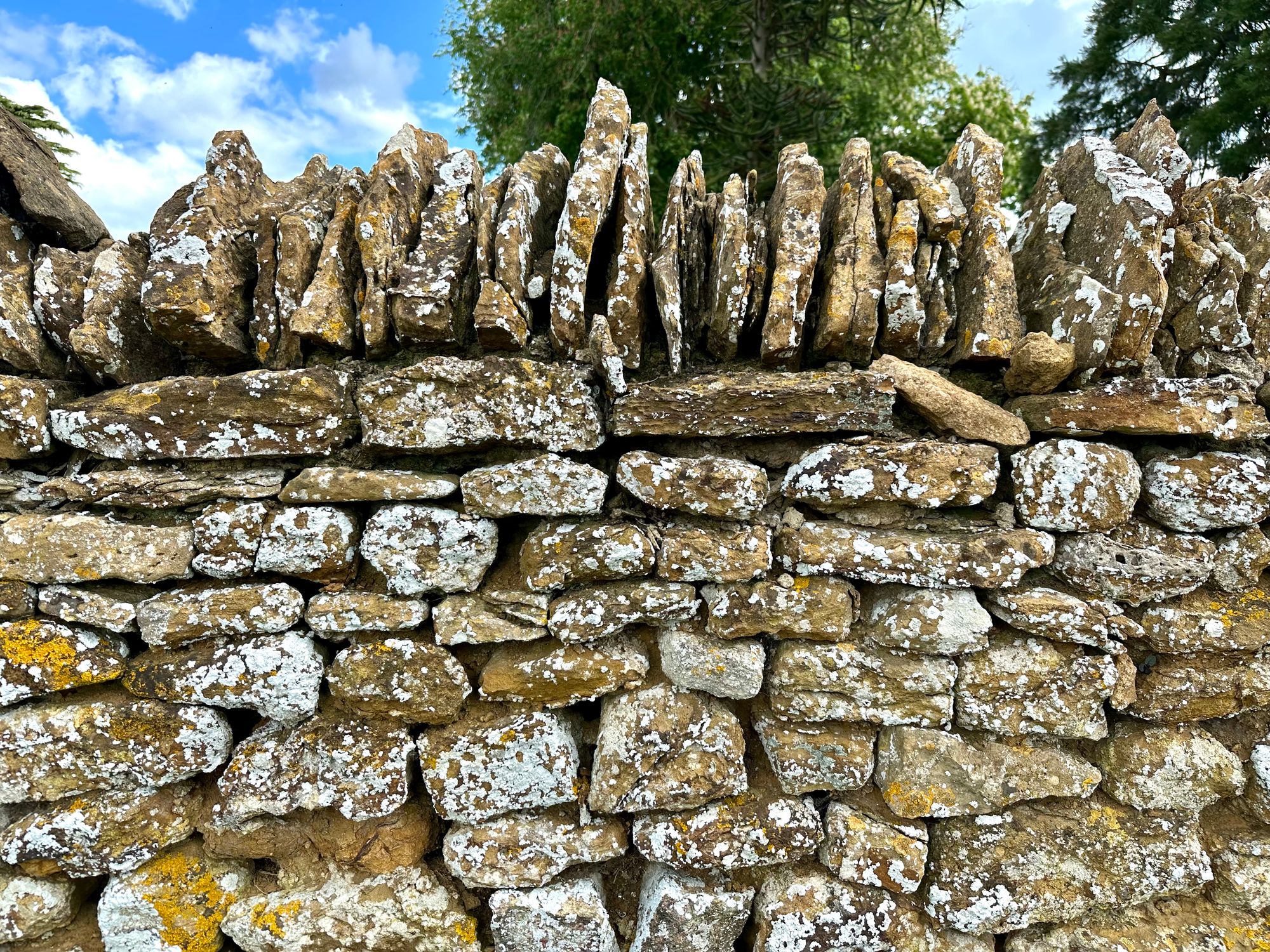
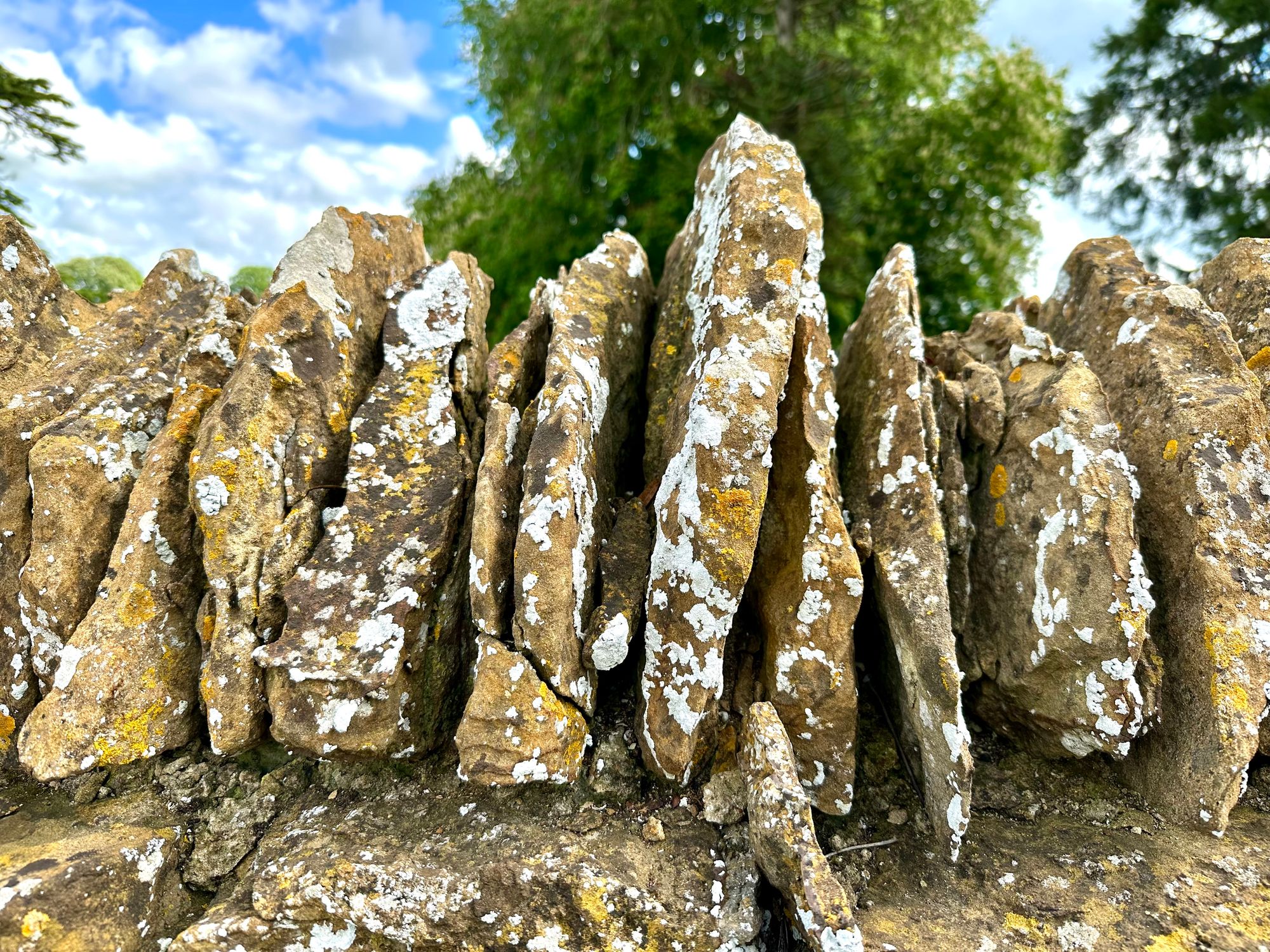
I walk along the road and then cut up into a small gravel track. I can see a limestone wall, which must be the boundary of the church I've come to see. It is resonant in the sunlight: dotted, patterned and speckled with a patina that betrays its age.
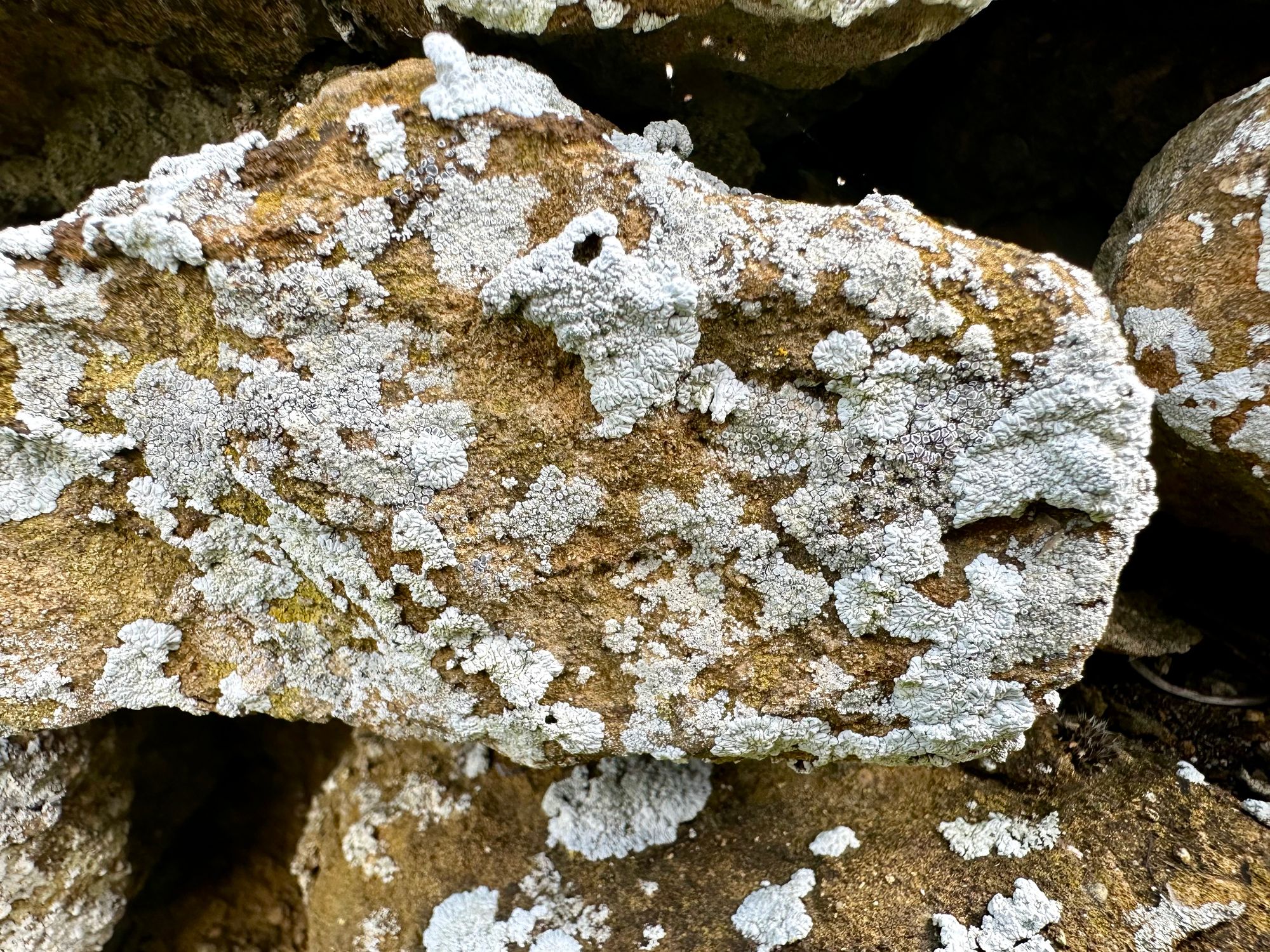
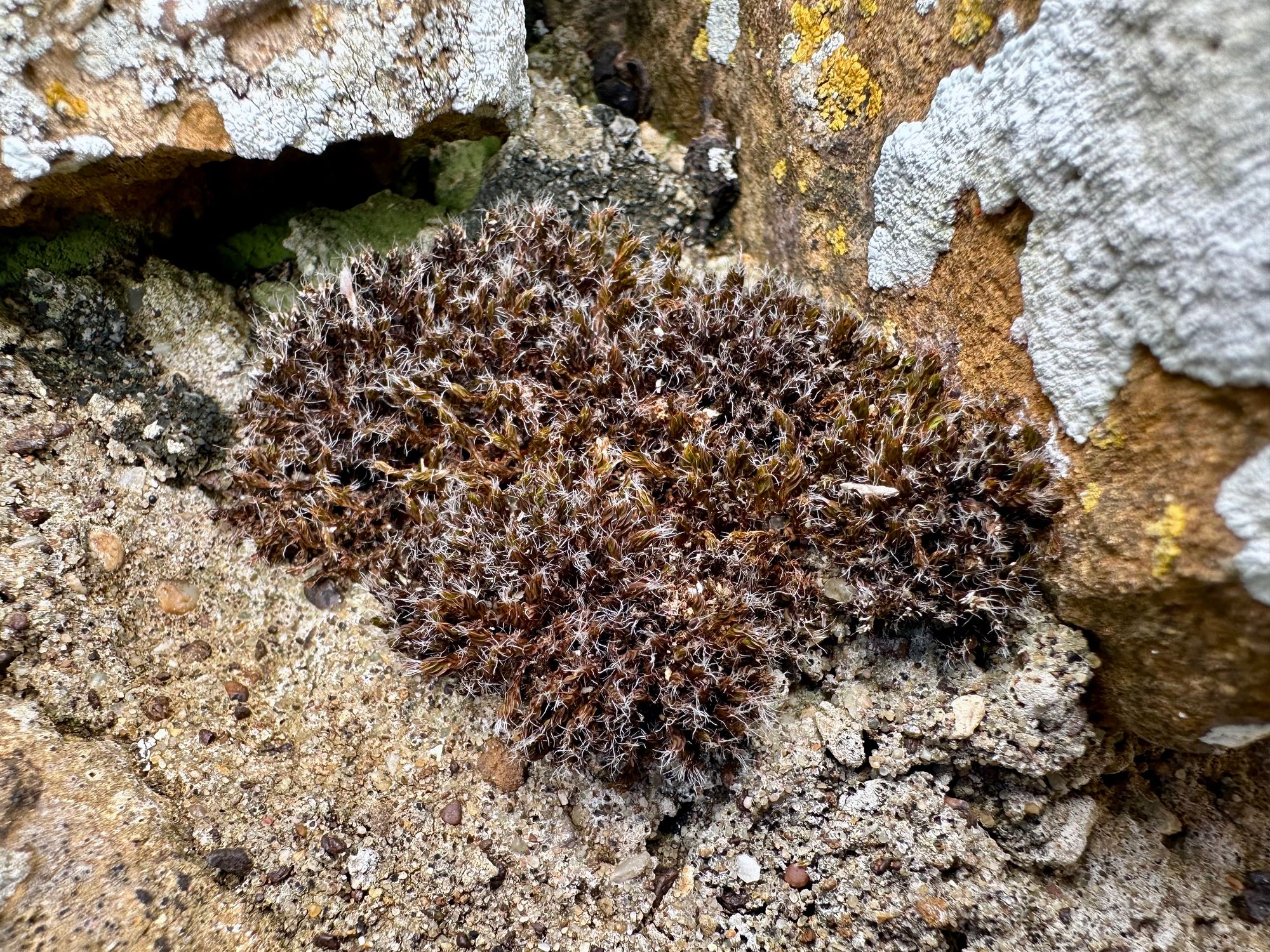
I keep walking and focus on the wall and, as I get closer, the details reveal themselves. I can see the coursing first, and then each stone and then the elements and filaments that make up the living, exhaling, procreating mass of lichen and moss that inhabits the wall.
Travelling from the macro to the micro (and vice versa) has always served me well. When I am gripped by anxiety or a ruminating thought, I find release through observing the veins of a leaf. Or when I'm overwhelmed by the demands of a photo shoot, I calm myself down by seeking out the marks of chisel on stone with my 300mm lens.
Craig Mod gets to the nub of it all:
"Looking closely is valuable at every scale. From looking closely at a sentence, a photograph, a building, a government. It scales and it cascades — one cognizant detail begets another and then another. Suddenly you’ve traveled very far.."
But there's more to it than that, because I've realised that macro/micro observation enlivens and refreshes my imagination. It can spin a morning of mundanity into an afternoon of profundity. It blows away the cobwebs, the demons, the gremlins.
"It can spin a morning of mundanity into an afternoon of profundity. "
Here in Brixworth in front of this humble dry stone wall everything is alive: the stone, the moss and even the boundary that it betrays. It's all so bloody beautiful.
It's an experience that is best captured by the words of Alice Munro:
“…for what I wanted was every last thing, every layer of speech and thought, stroke of light on bark or walls, every smell, pothole, pane, crack, delusion, held still and held together, radiant, everlasting.
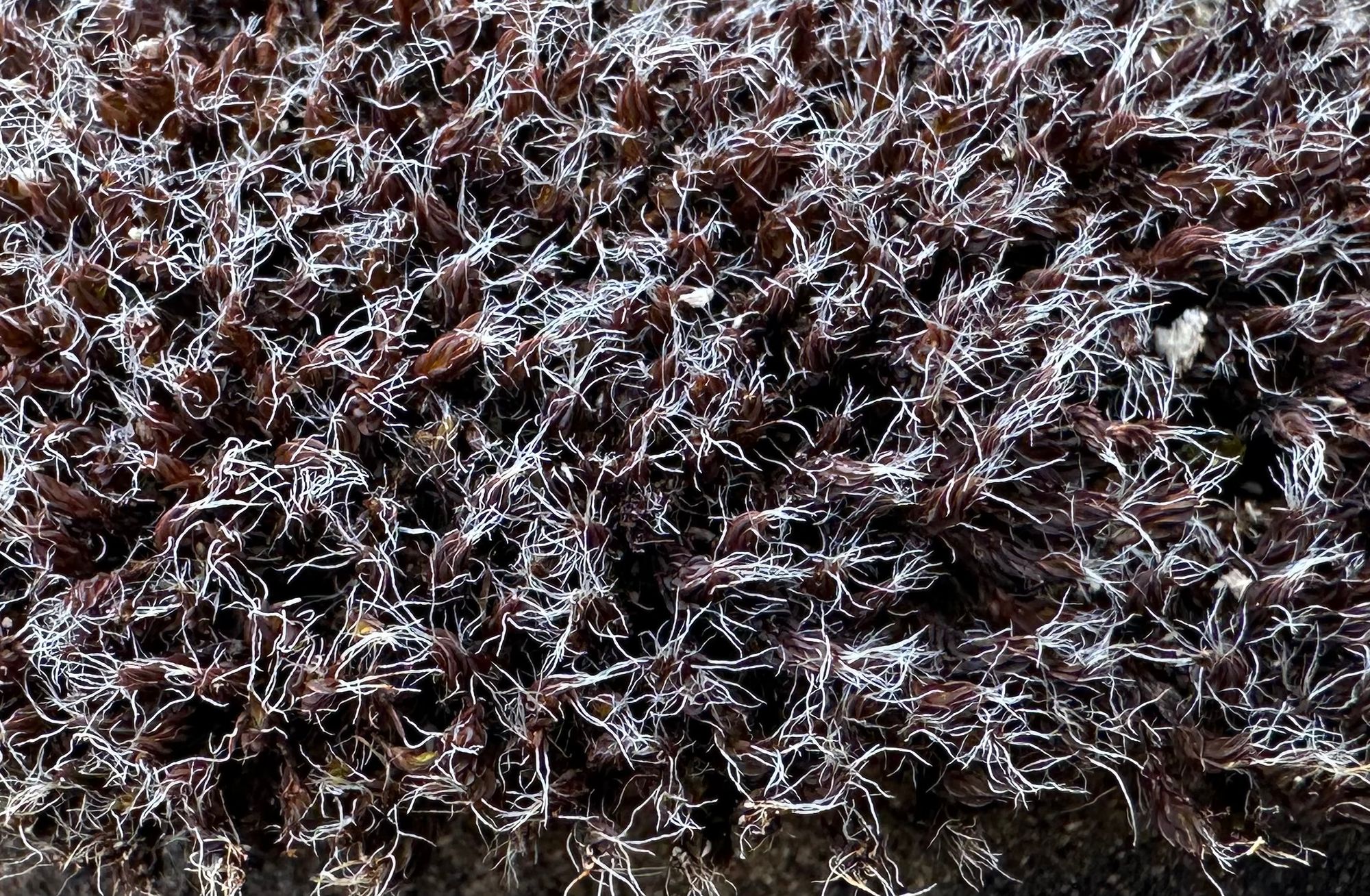
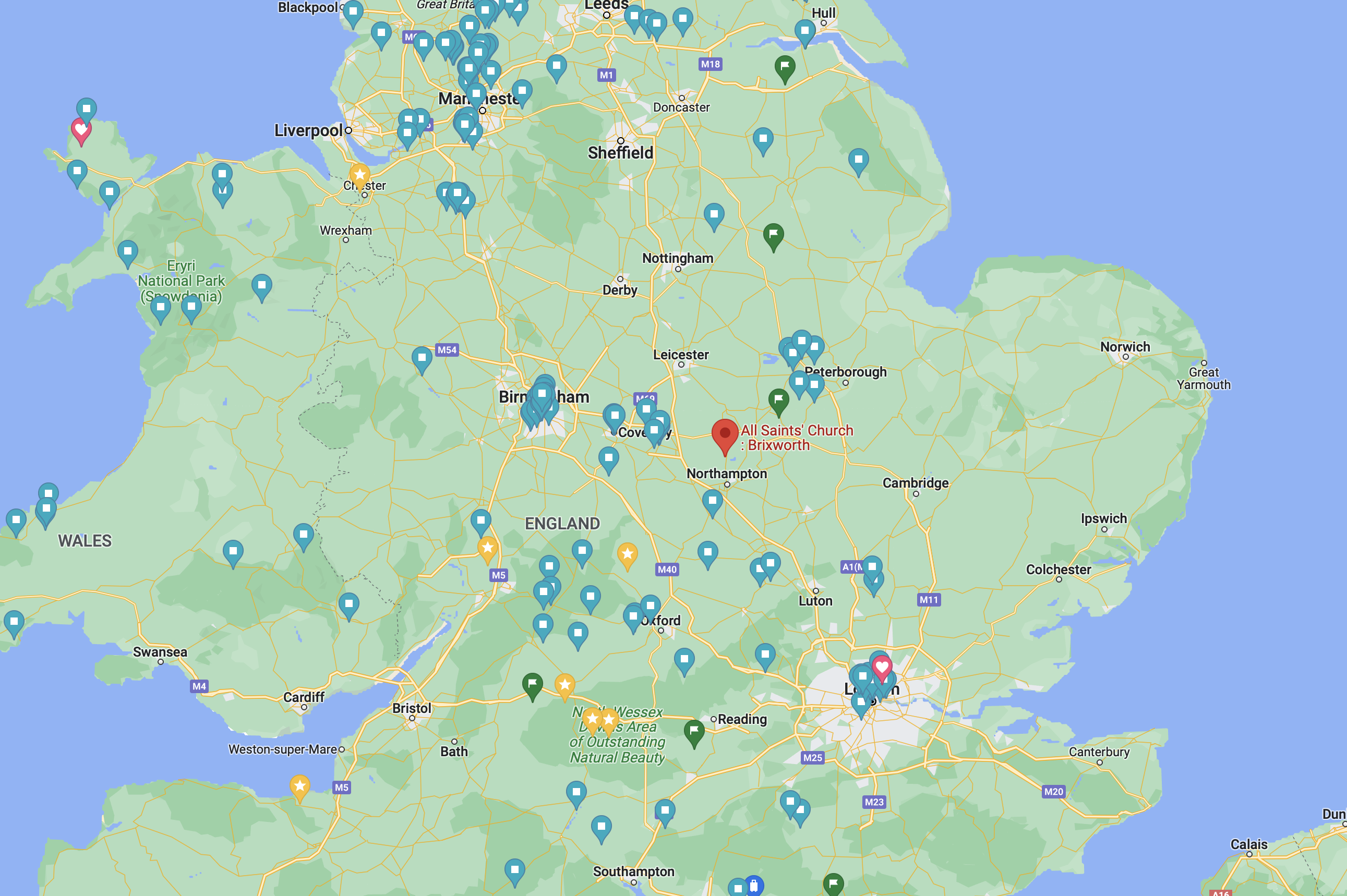
All Saints', Brixworth, Northamptonshire
Uplifted by my interaction with the church wall, I choose to look for clues as to the building's past in the material. I choose to ignore the fact that the majority of this building is perhaps one of the last surviving C7th buildings in the country.
I also choose to nullify the notion that this place might have been the far reaching epicentre of the pomp and glory of Mercian kings - a building to show that they were equal to that of Rome. I also tuck away the knowledge that this place was built in the Roman style - to encourage the kind of hegemony that would eventually lead to the bringing of all the parts of this island together under one idiom.
I ignore it all and start with the micro; and what it reveals is breathtaking.
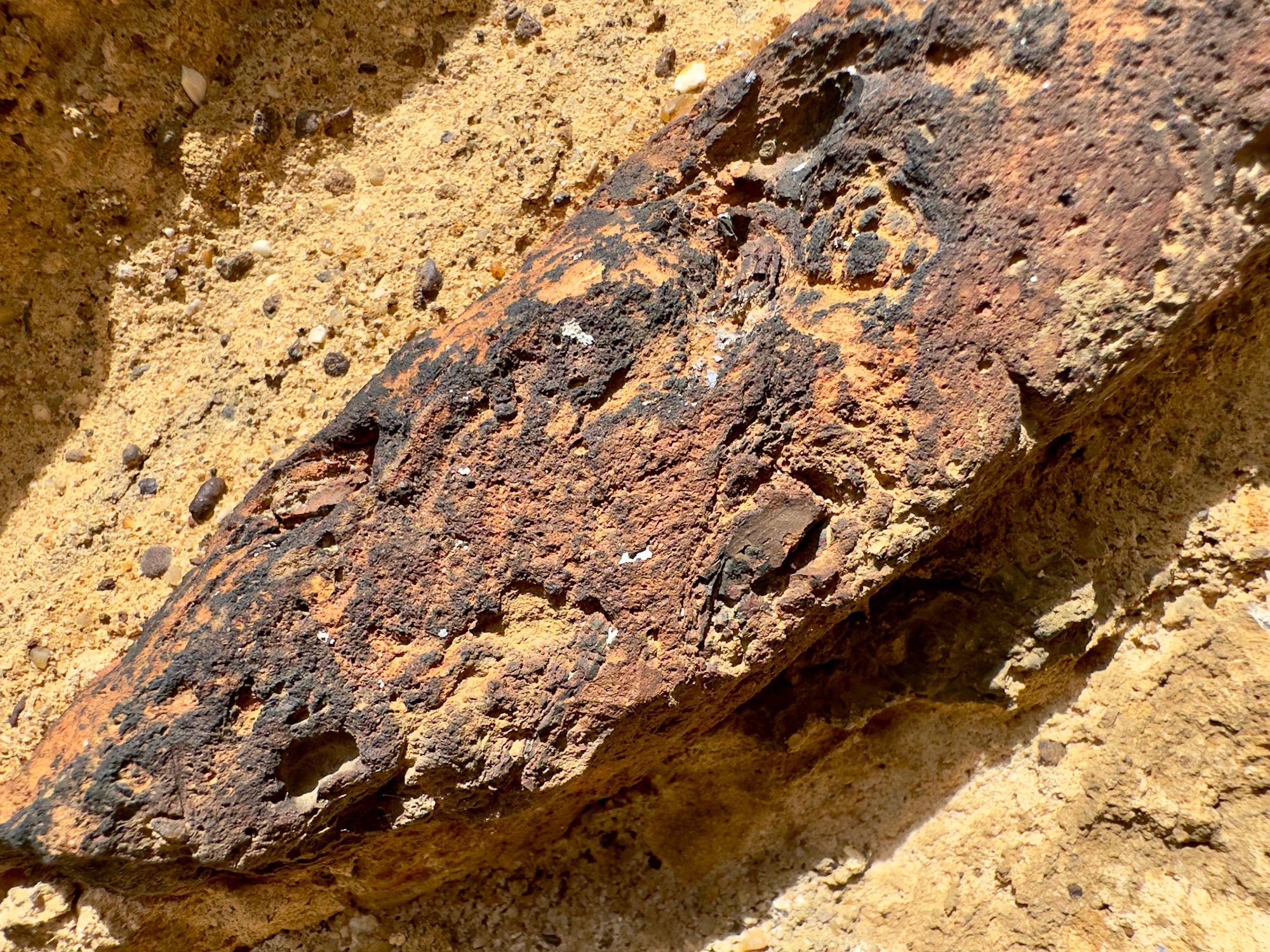
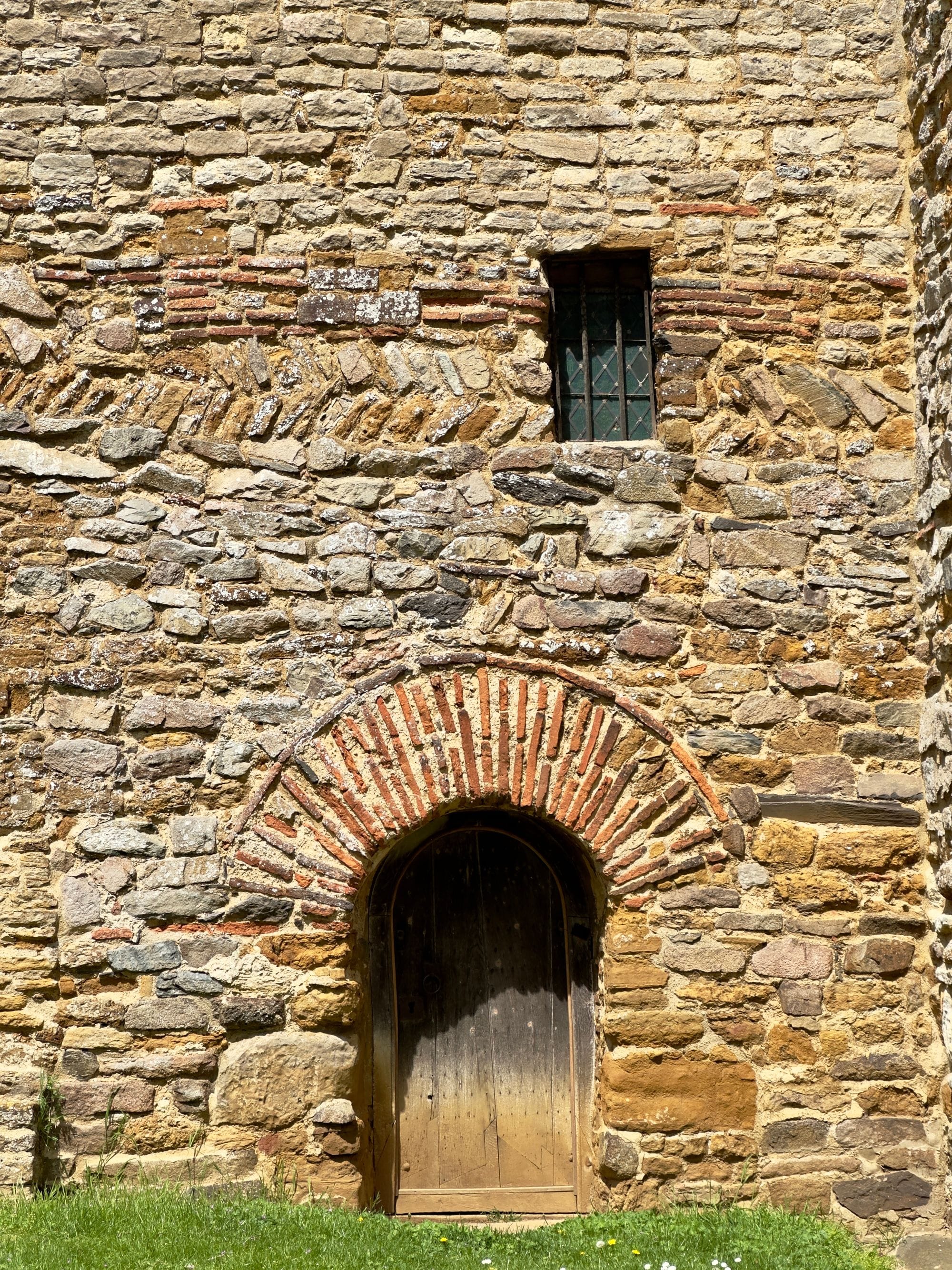
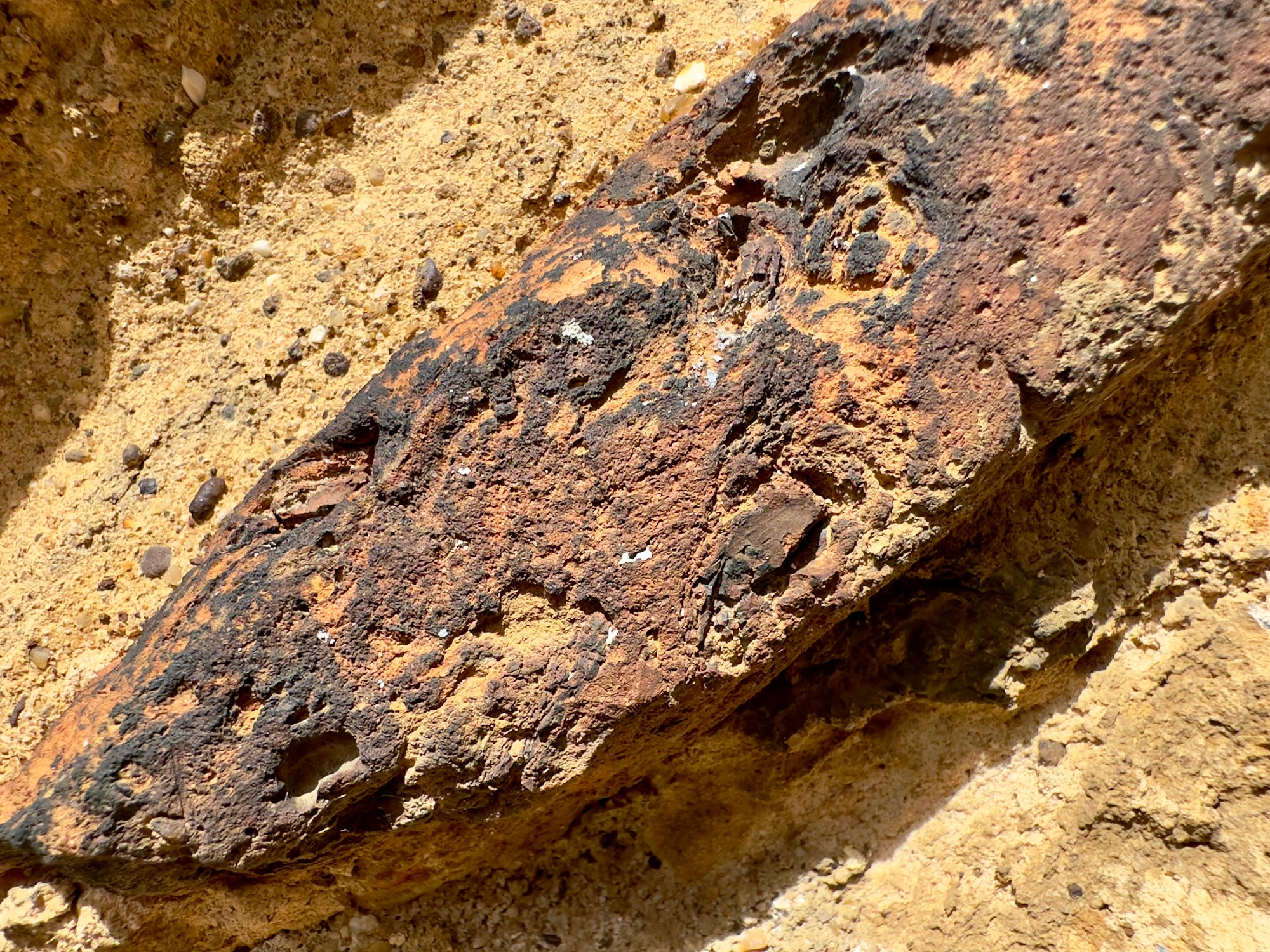
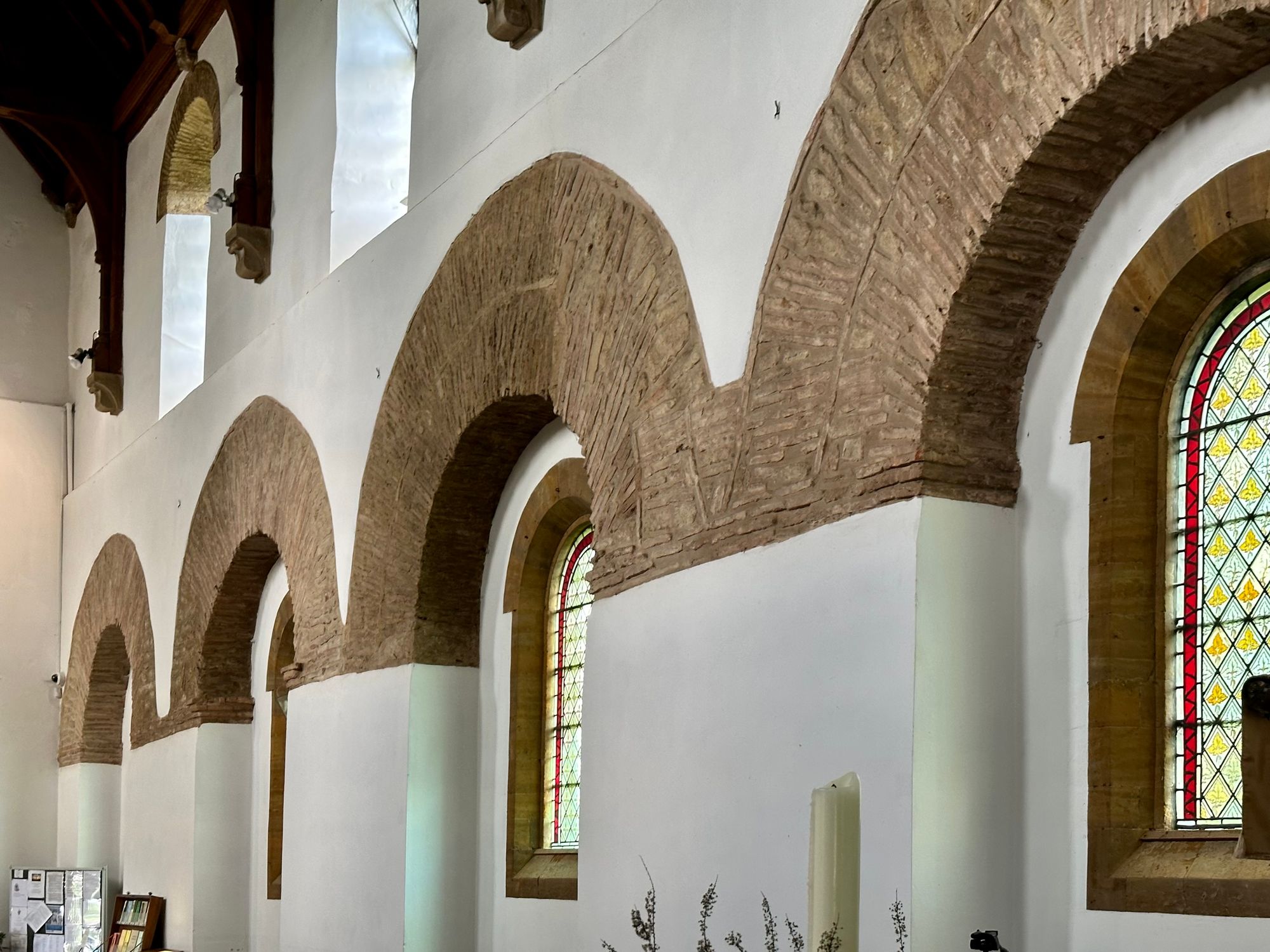
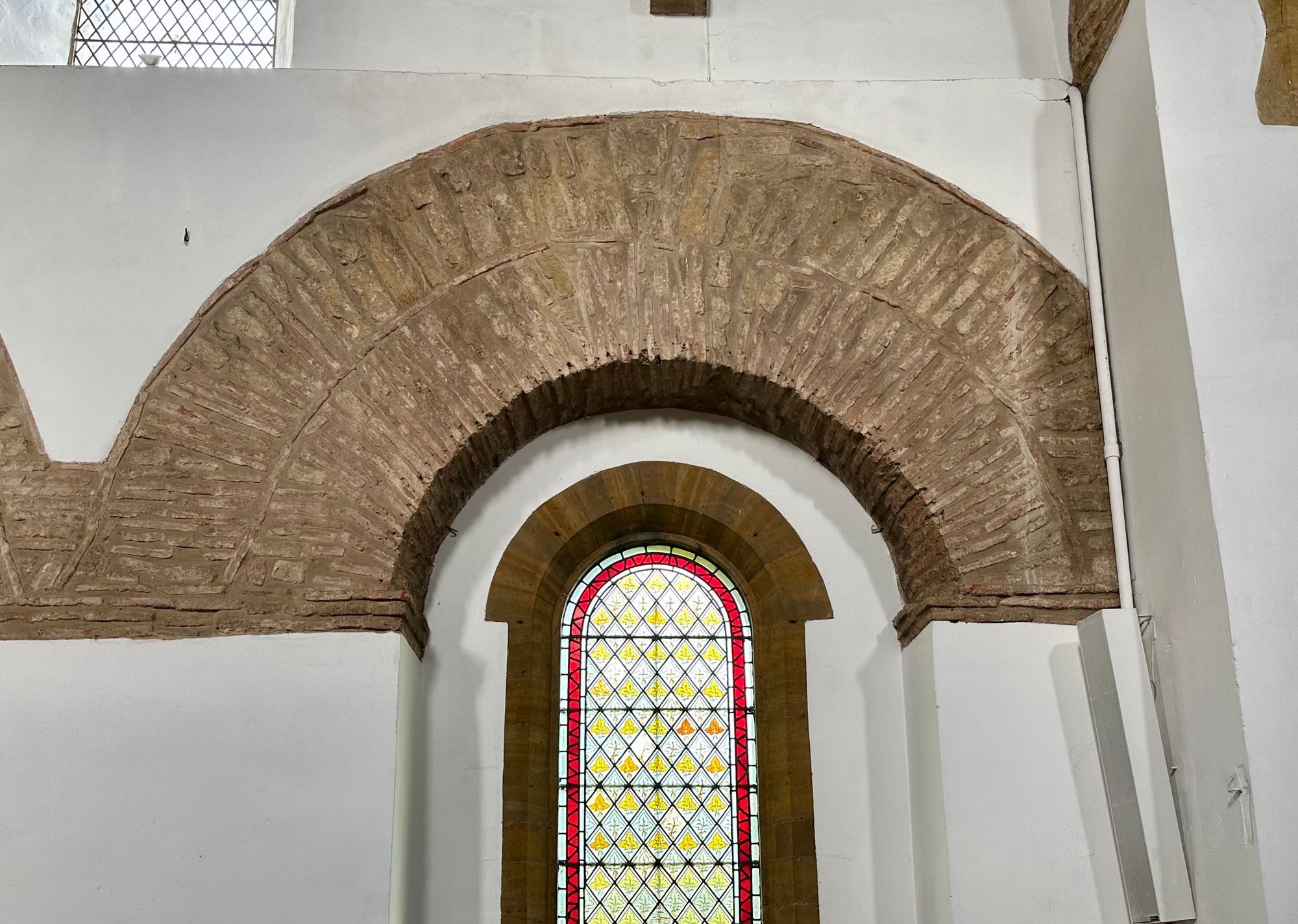
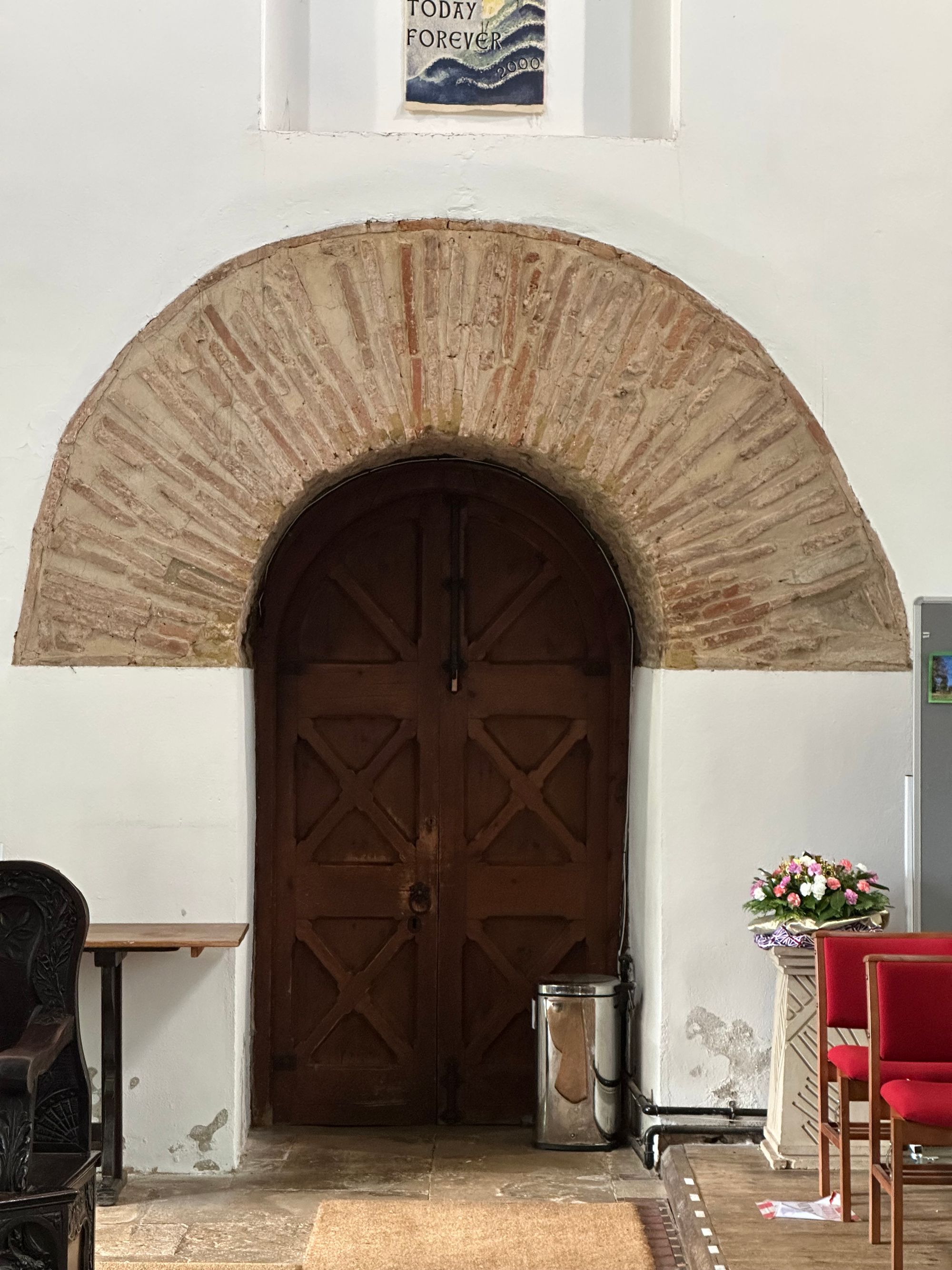
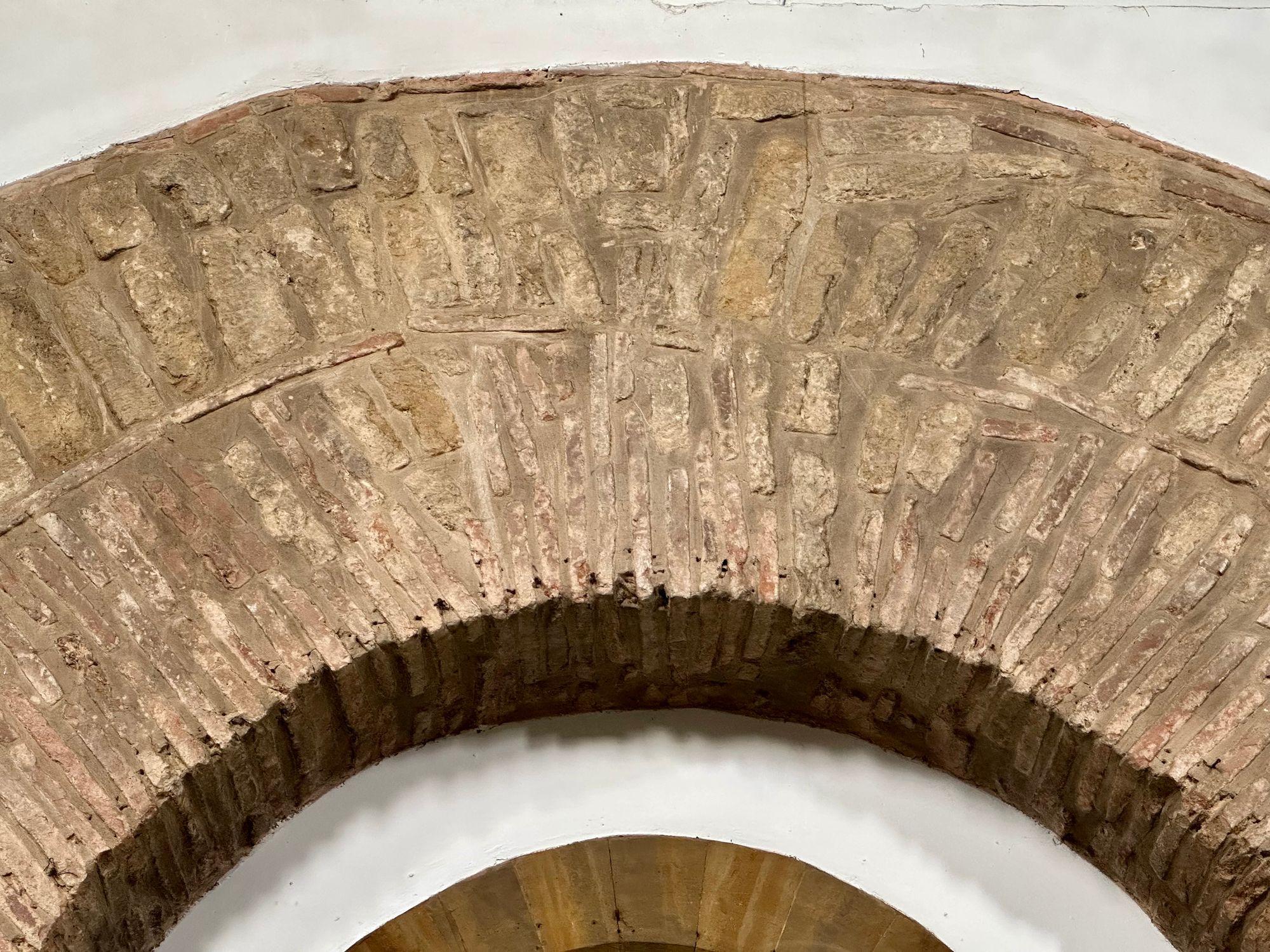
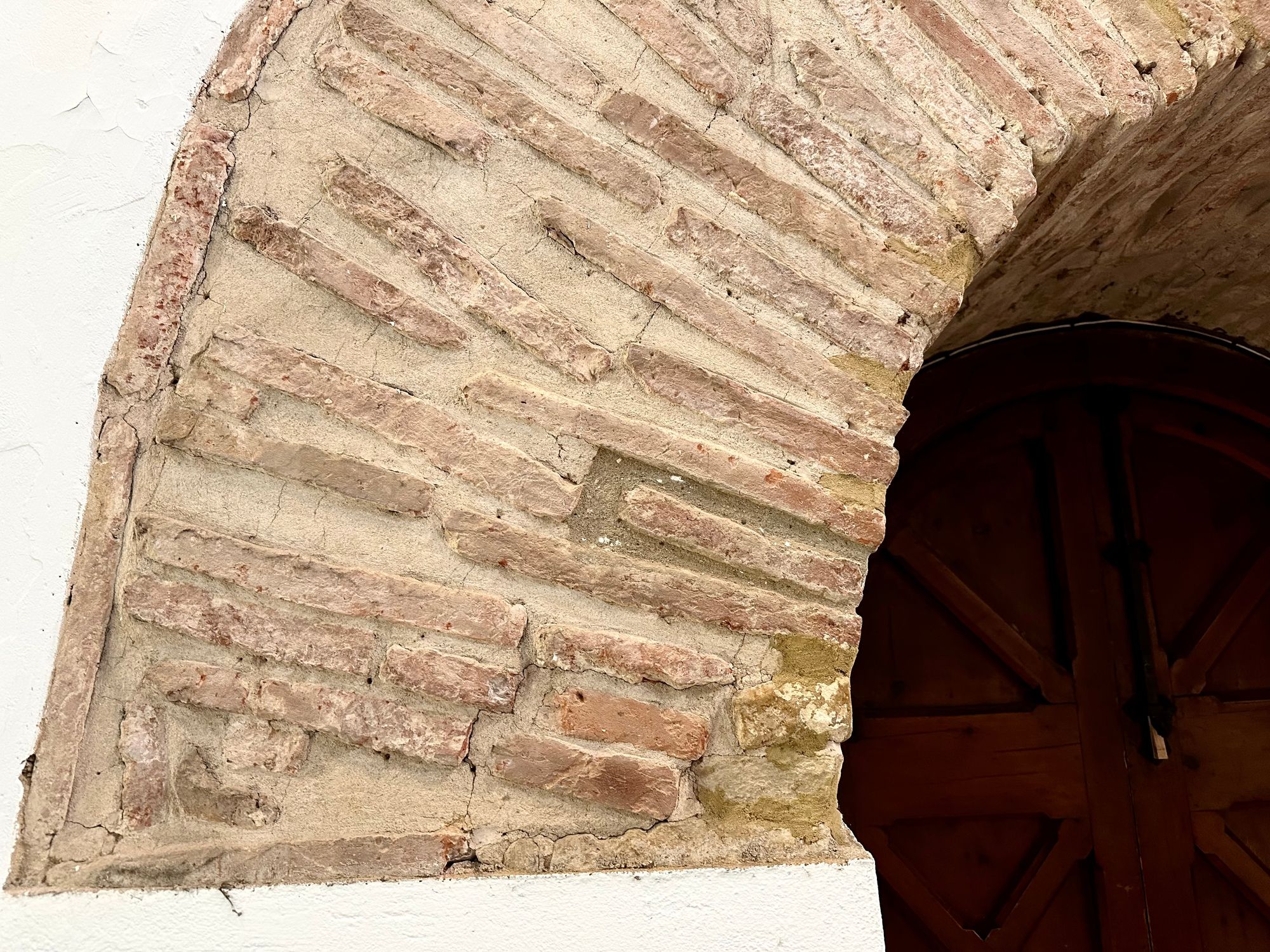
There are Roman brick tiles embedded in the wall, they are around 1700 years old. They still have the patterns and swirls of hand-slapped clay (tugged up from the earth around Leicester and Towcester they say).
Parts of the brick tiles are still burnt from their firing and parts still hold the grit that got caught up in their making. Some have the lines of the drying rack still on them.
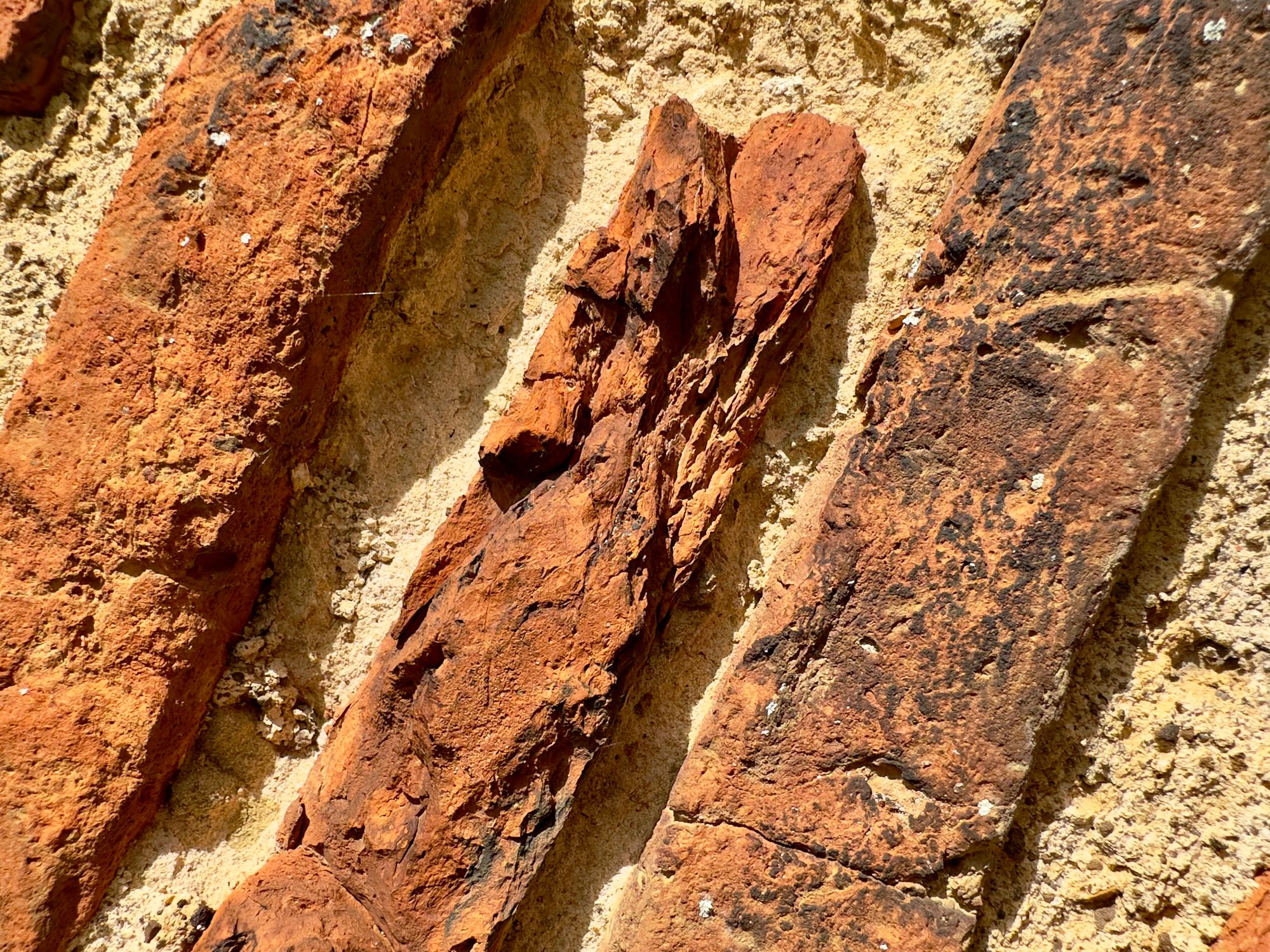
The bricks have been used intermittently throughout the building. They would have been old when the building was first built in c. AD675.
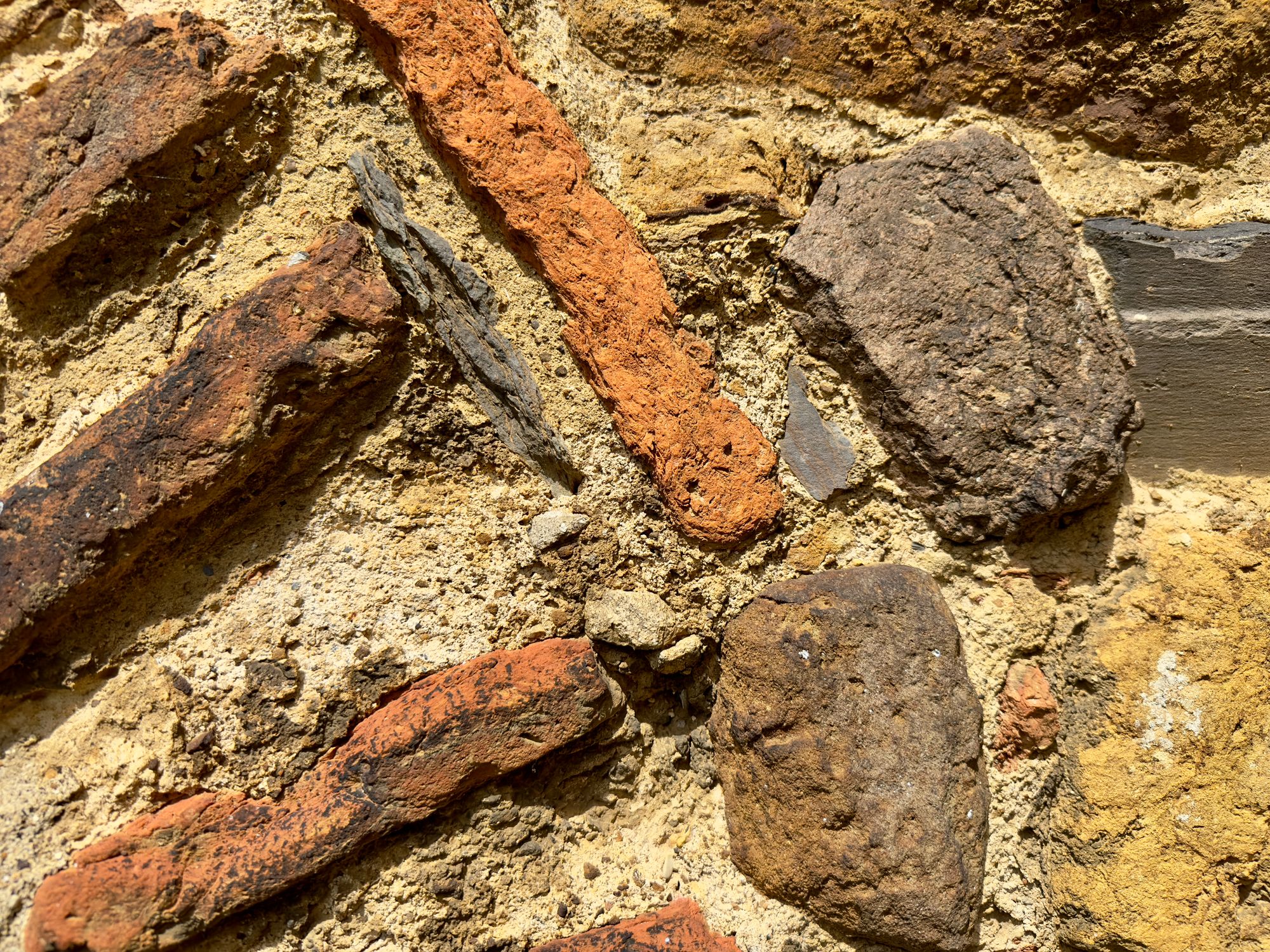
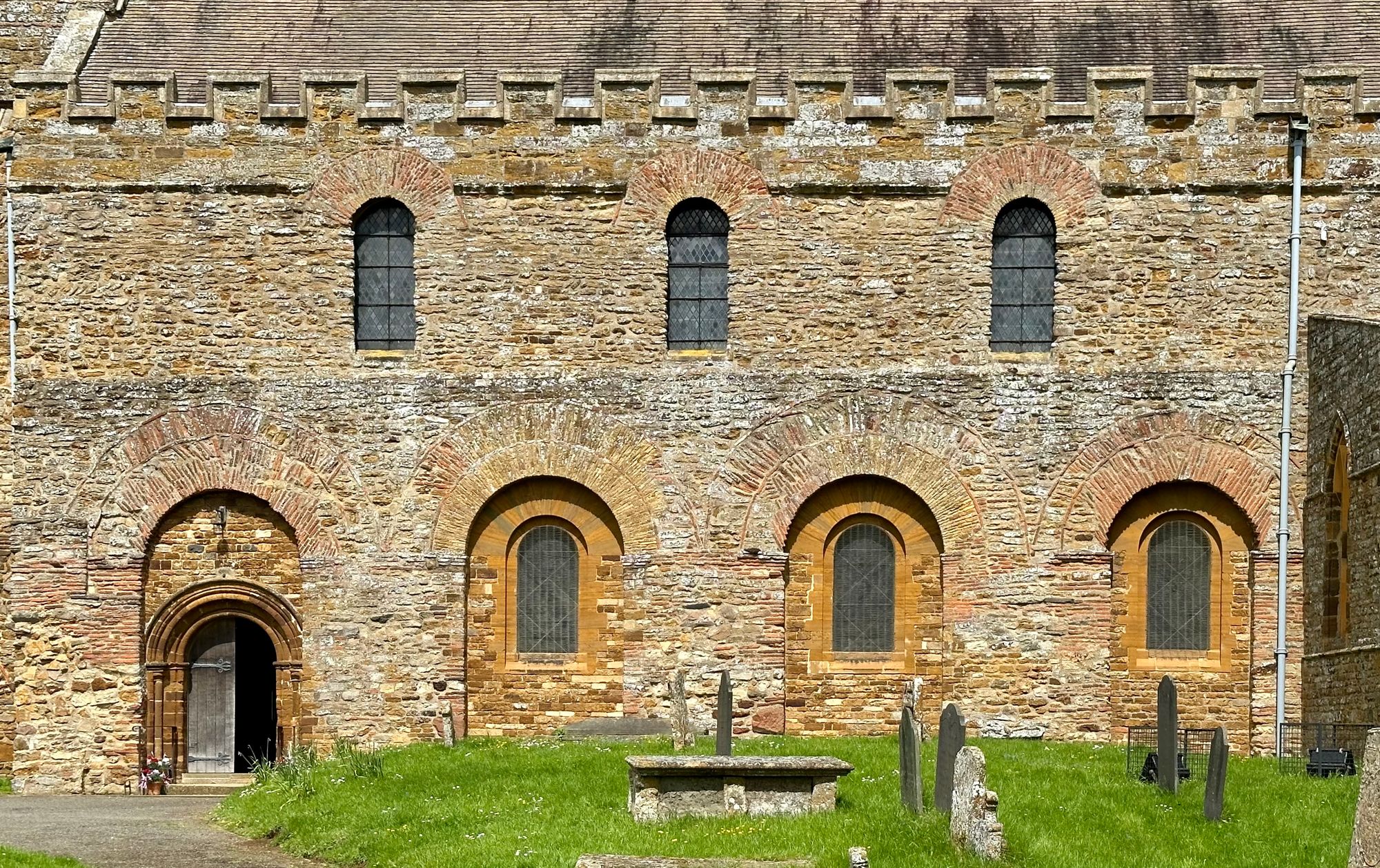
The most telling use of the bricks is within the arches and arcades, where they have been fashioned in arrays that remind me of an open concertina.
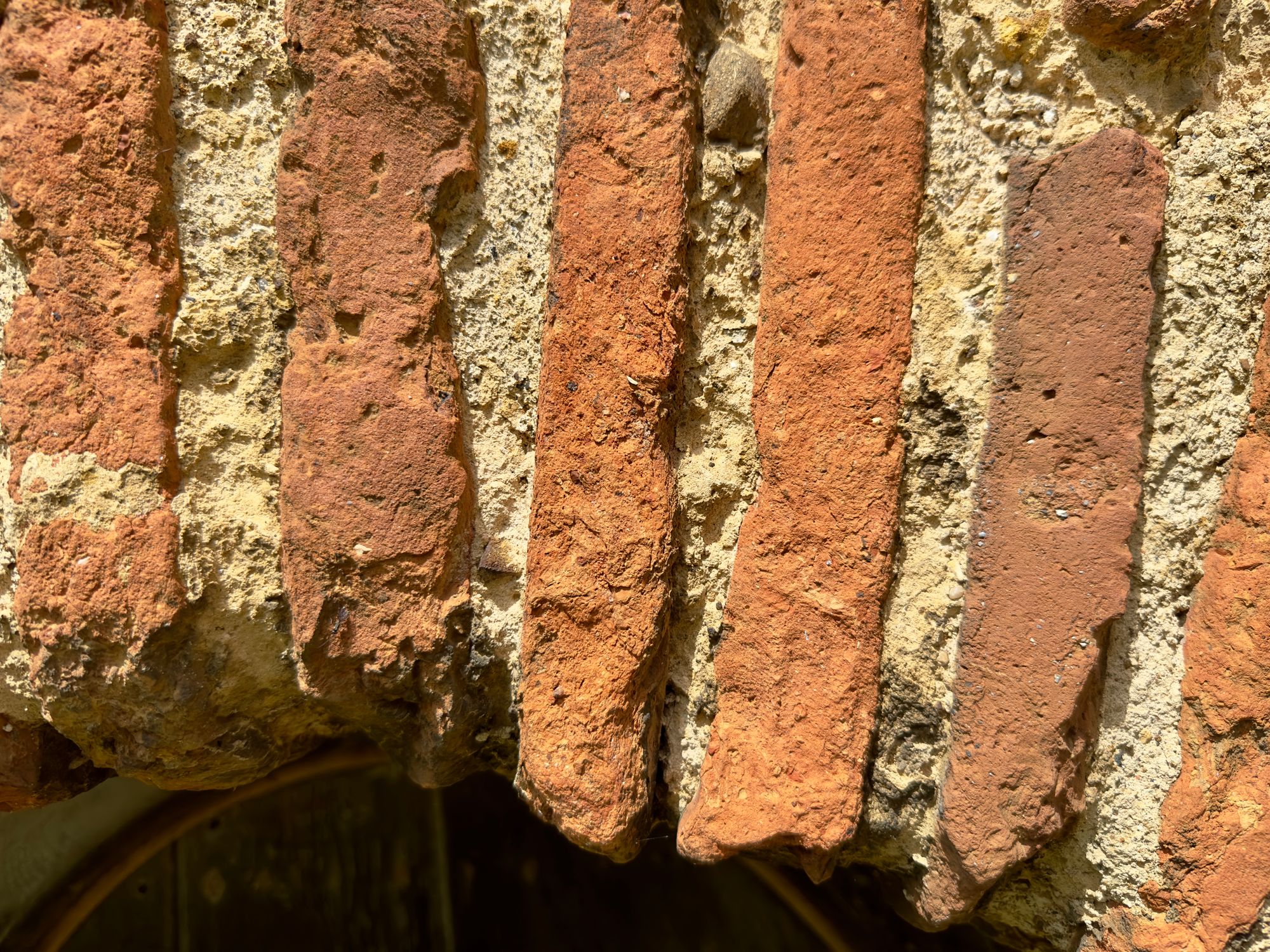
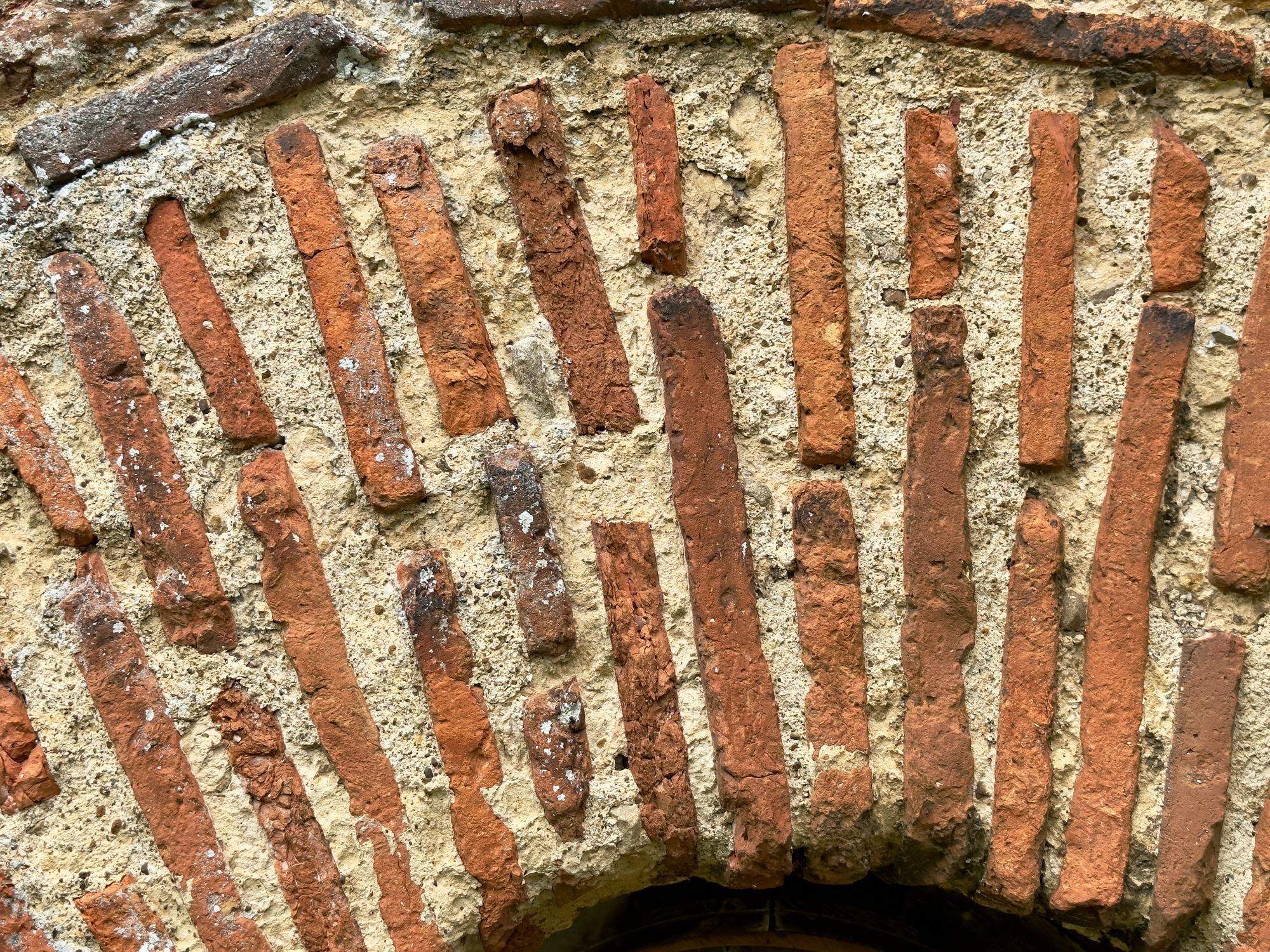
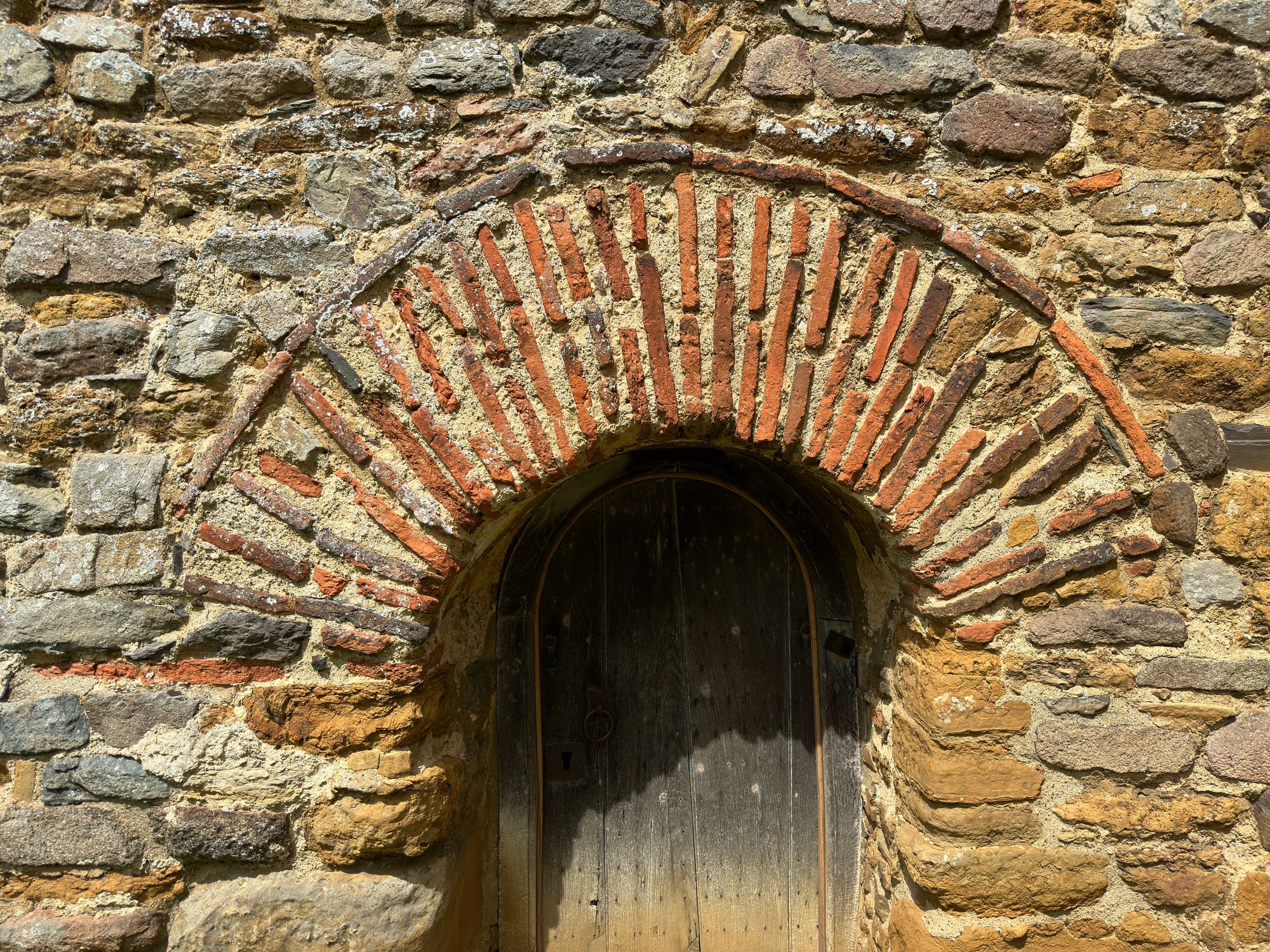
It is in the use of the Roman tiles that the Saxon builders have encoded their intention: for they use the Roman tiles to fashion the most Roman of things - the segmental arch - the bastion of the basilica, an embryo of classicism. They use the Roman stuff to build a Roman thing. There is intent within these walls without reading any history books.
Their story is enshrined within the materials of the building. The bricks used in this way are signifiers of a rooted culture growing in confidence and comparing their journey to that of the mighty Roman Empire.
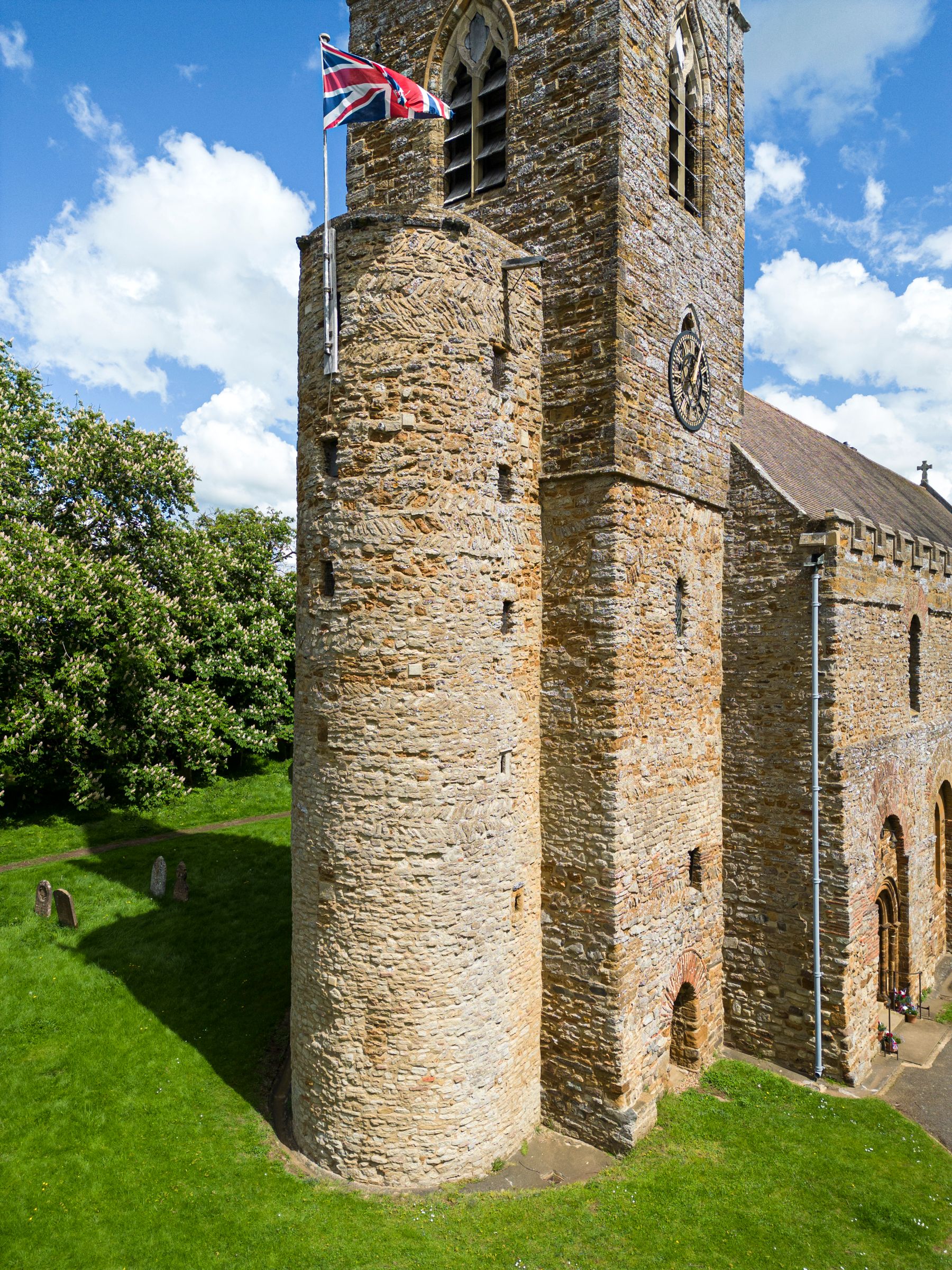
And as I stand further back and observe the context of the brick, I see that the Saxons have added their own vernacular in a murmuration of herringbone rubble.
This herringbone and brick is a fusion that shines through the cataracts of time in utterly beautiful combinations.
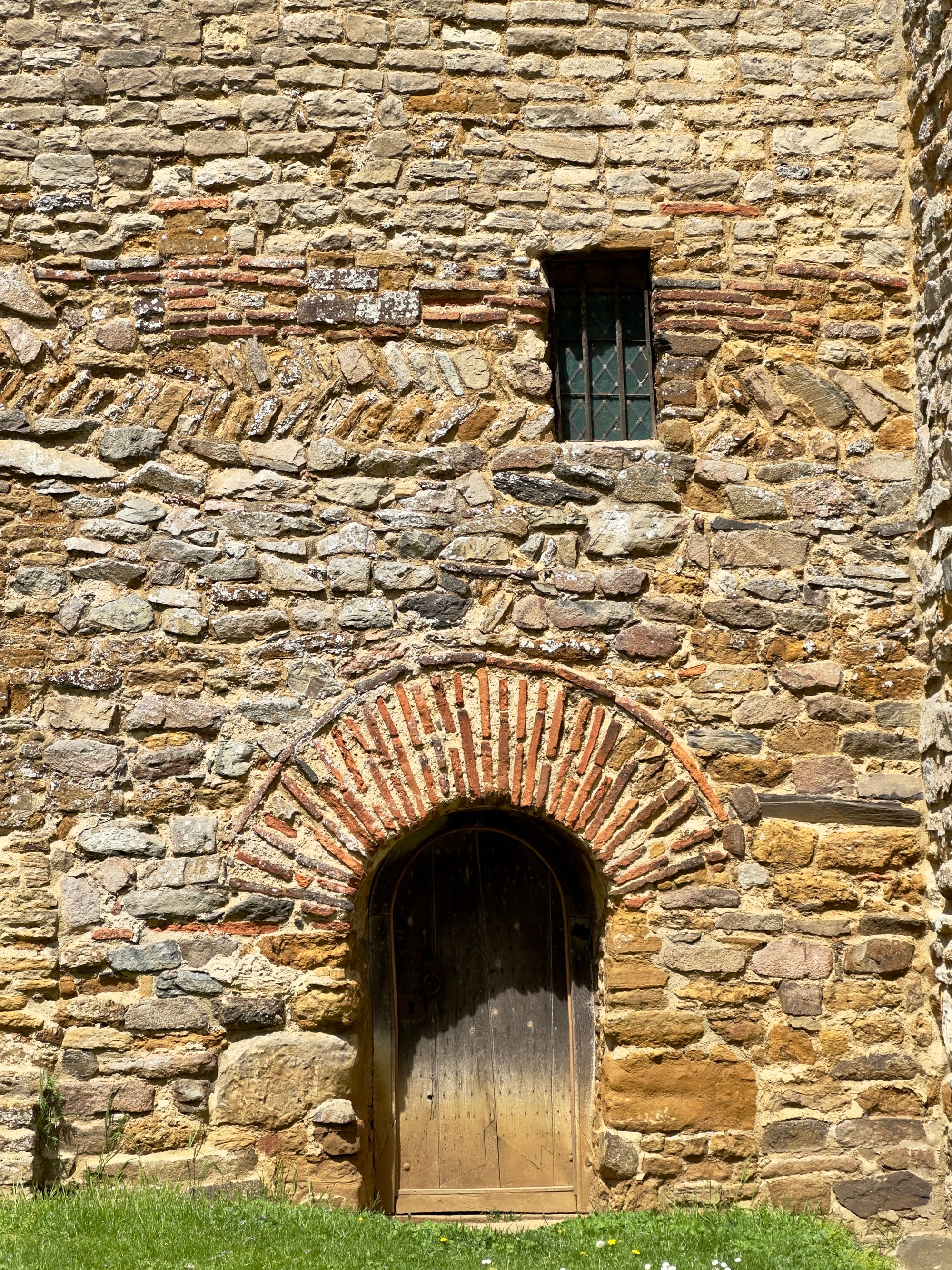
And further back the arcade bounces like a skimmed stone. These arches were once on the inside and have now been infilled, forming the intersection between nave and side aisles of the C7th basilica.
And a little further out... a later addition - a mere pup in the scheme of things - a C10th stair turret. One of only four that survive intact.
Add a late medieval twist - with the addition of a Gothic tower and spire and the church is complete.
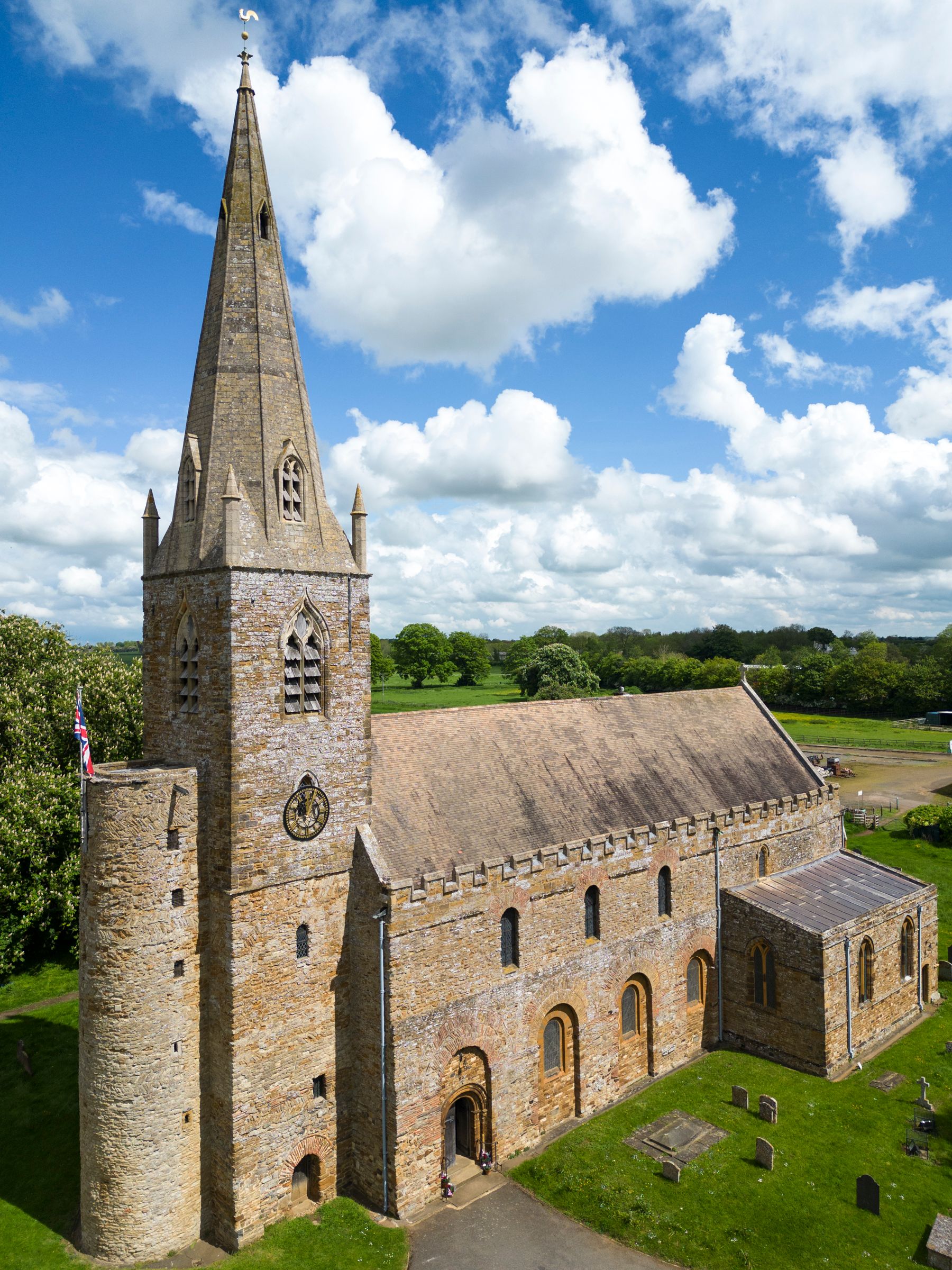
Our journey is complete. From micro to macro:
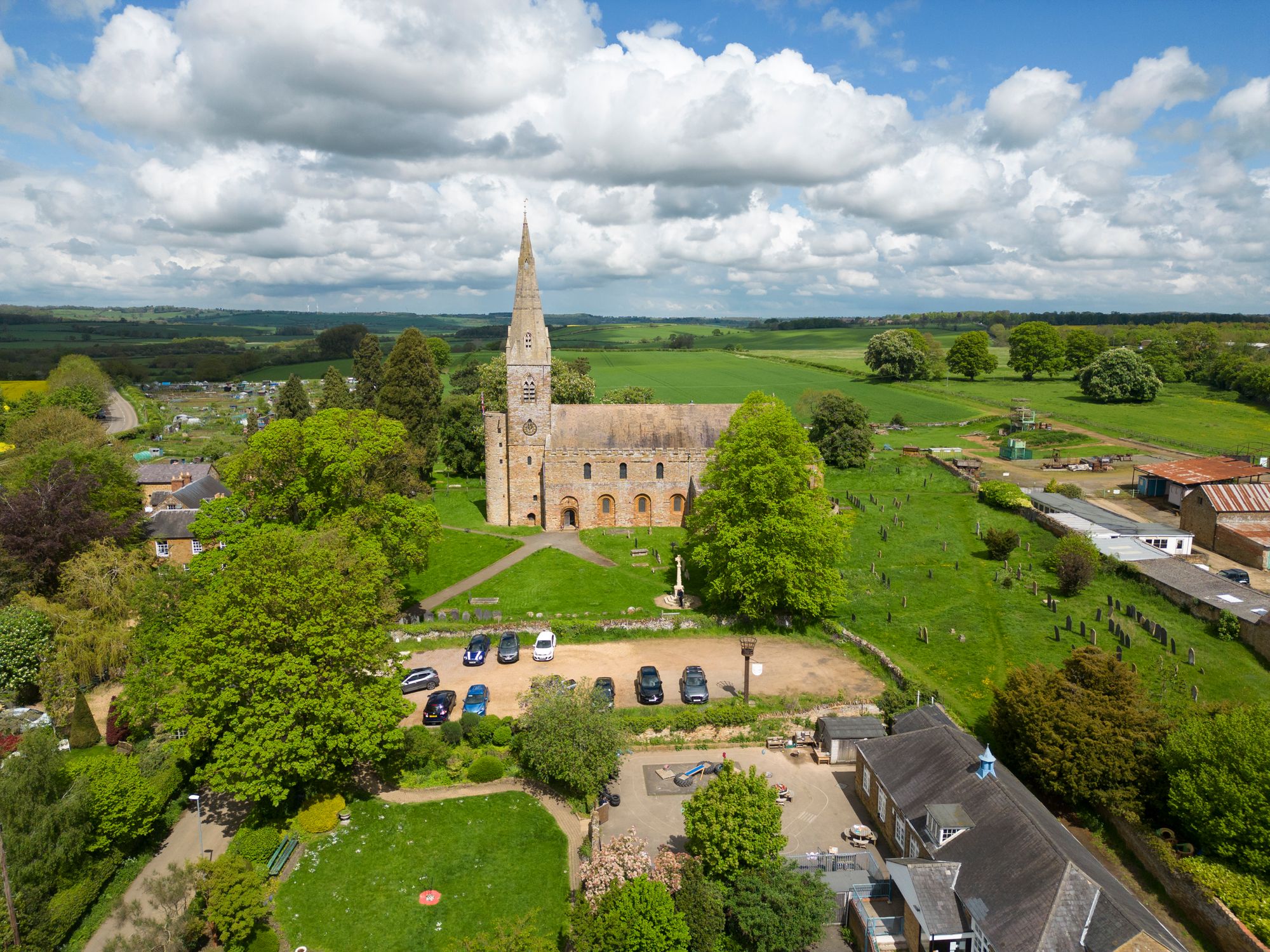
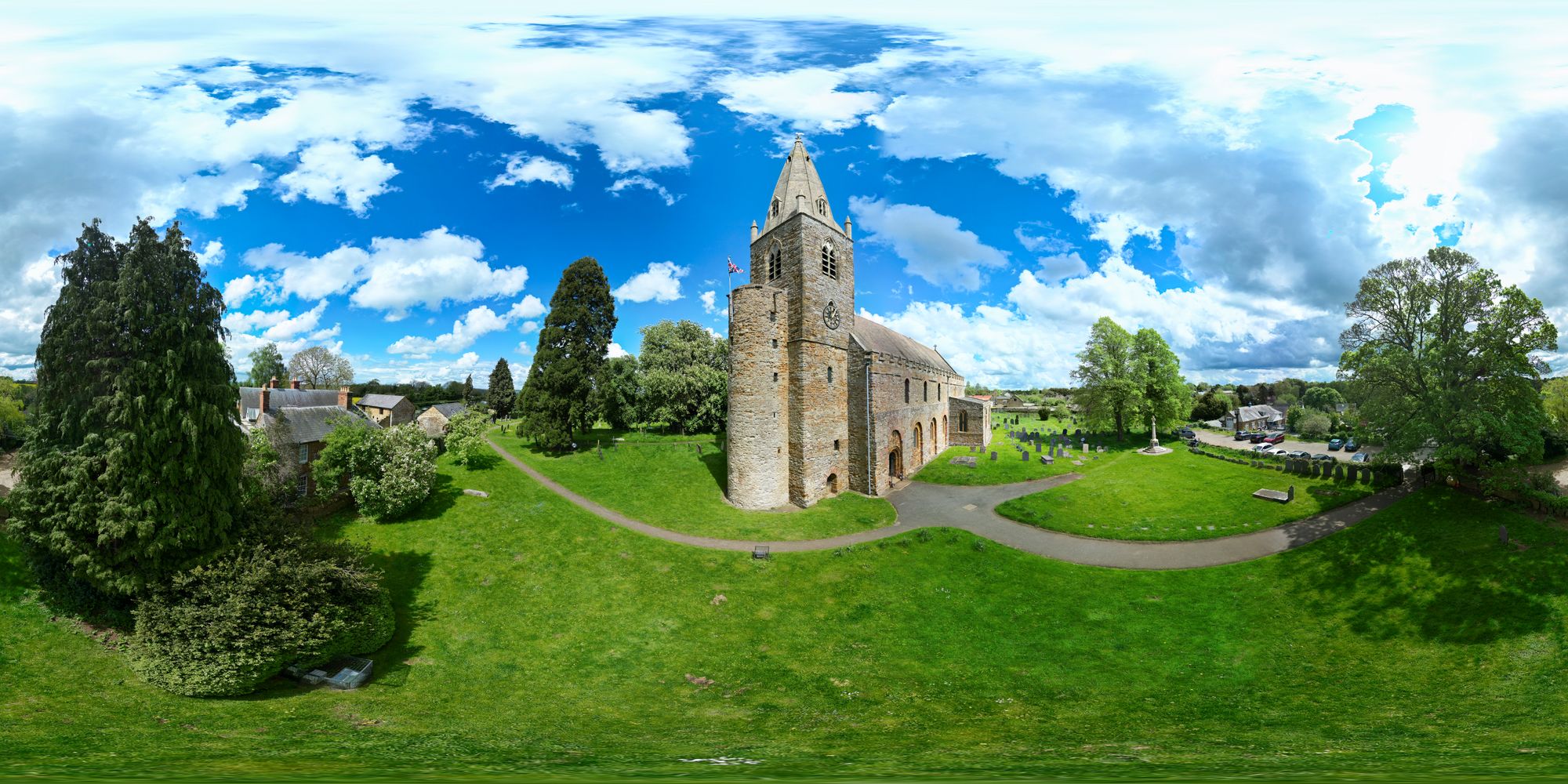
Members can view an aerial VR that I took right next to the tower. It really takes you there. Viewable on all devices.
Members can also view an aerial video that gives some context to the church. If you squint, you can sense the make-up of the basilica.
Click the boxes below to view:
 Andy Marshall
 Andy Marshall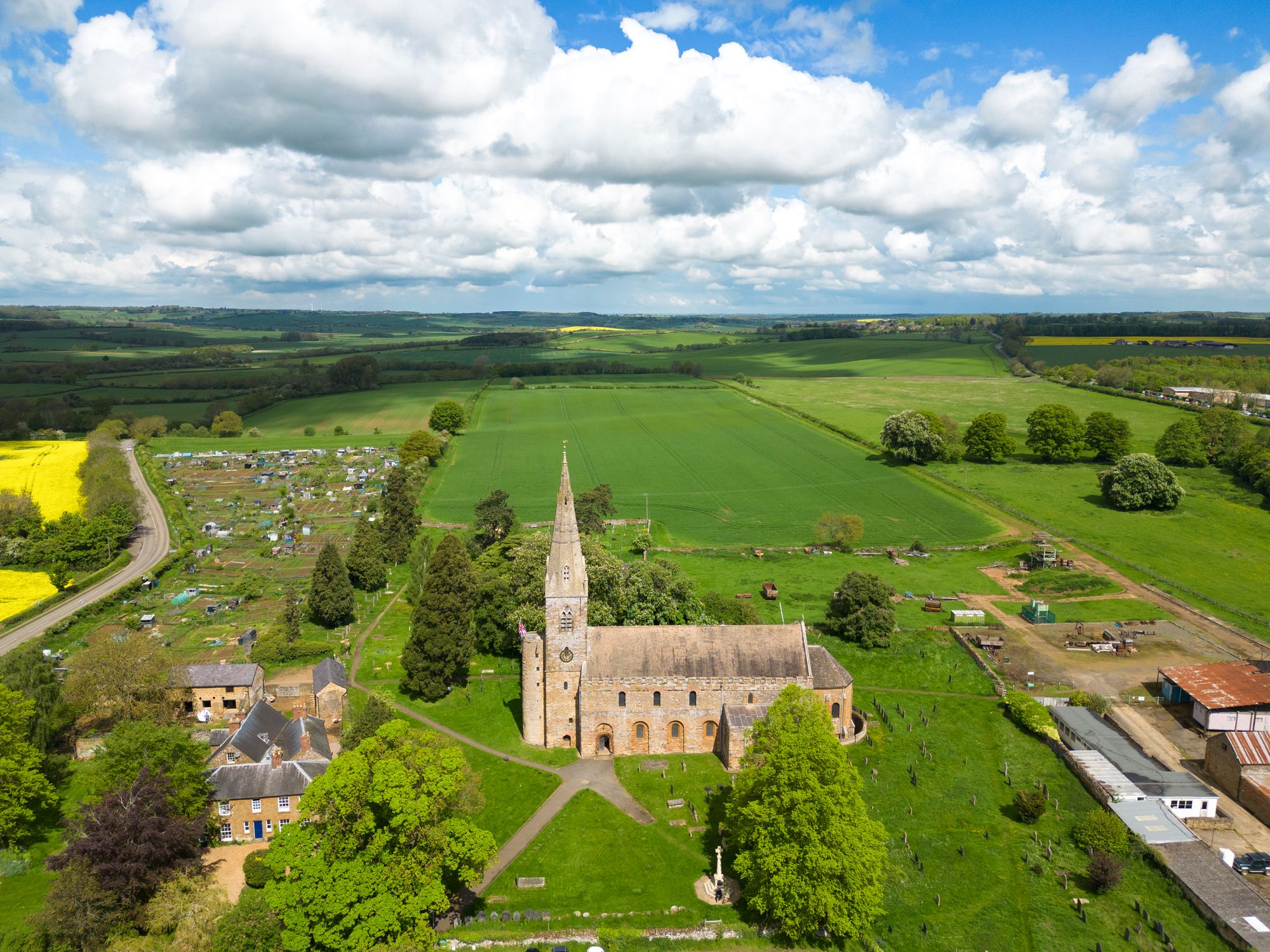
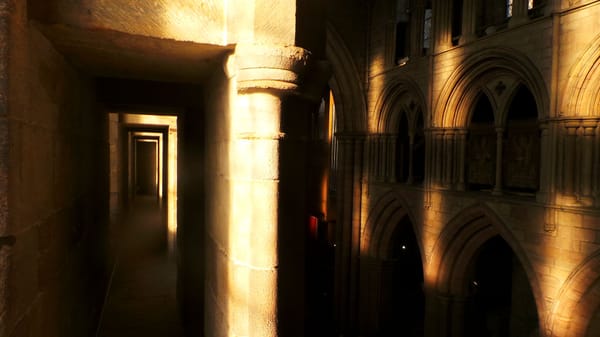
All Saints' Brixworth is a place that lived up to my every expectation including the interior where you can sense the size and scale and shape of the basilica. Below is the kind of view that King Alfred would have seen when he visited a church in Rome
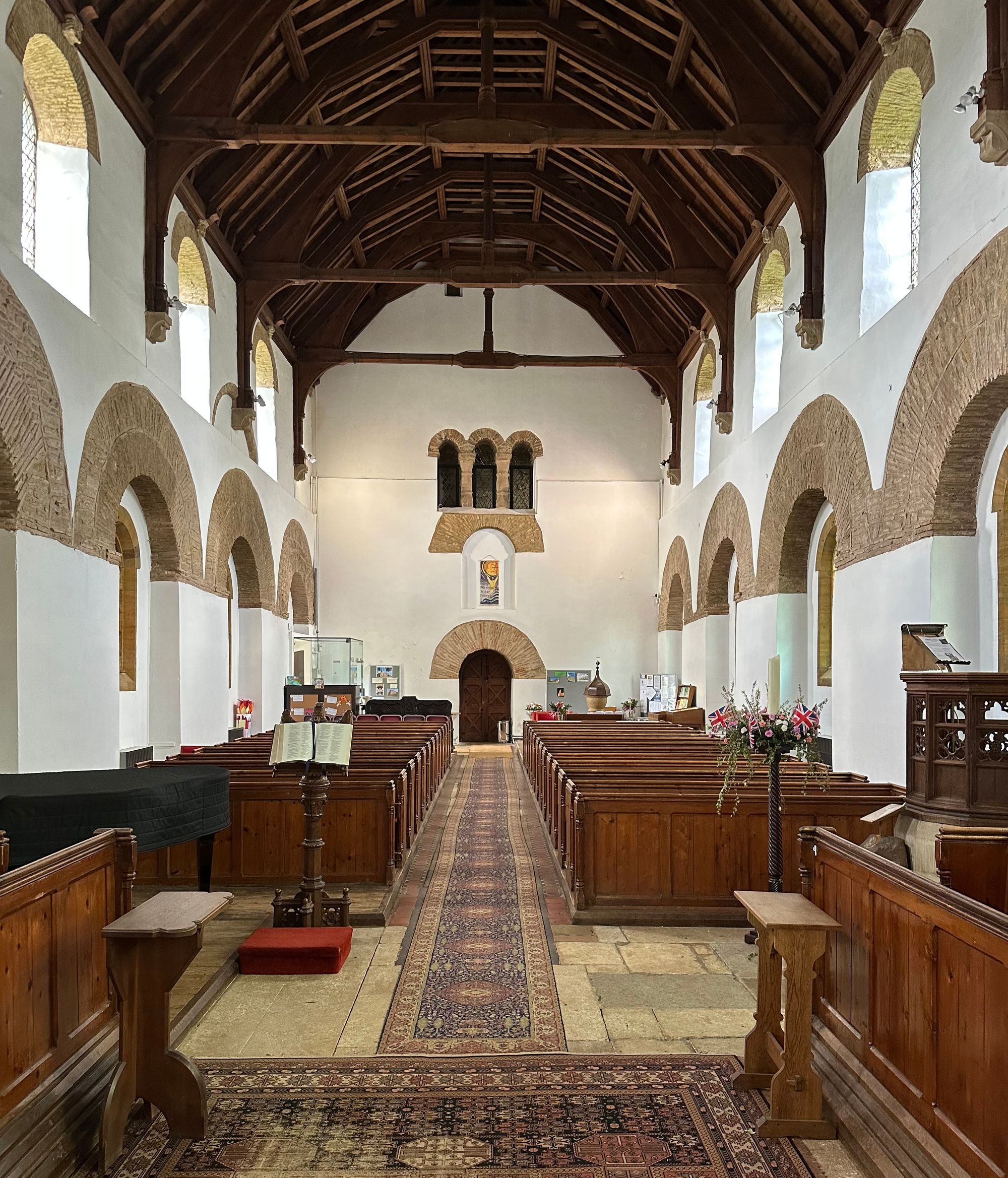
This place is a piece of standing archaeology.
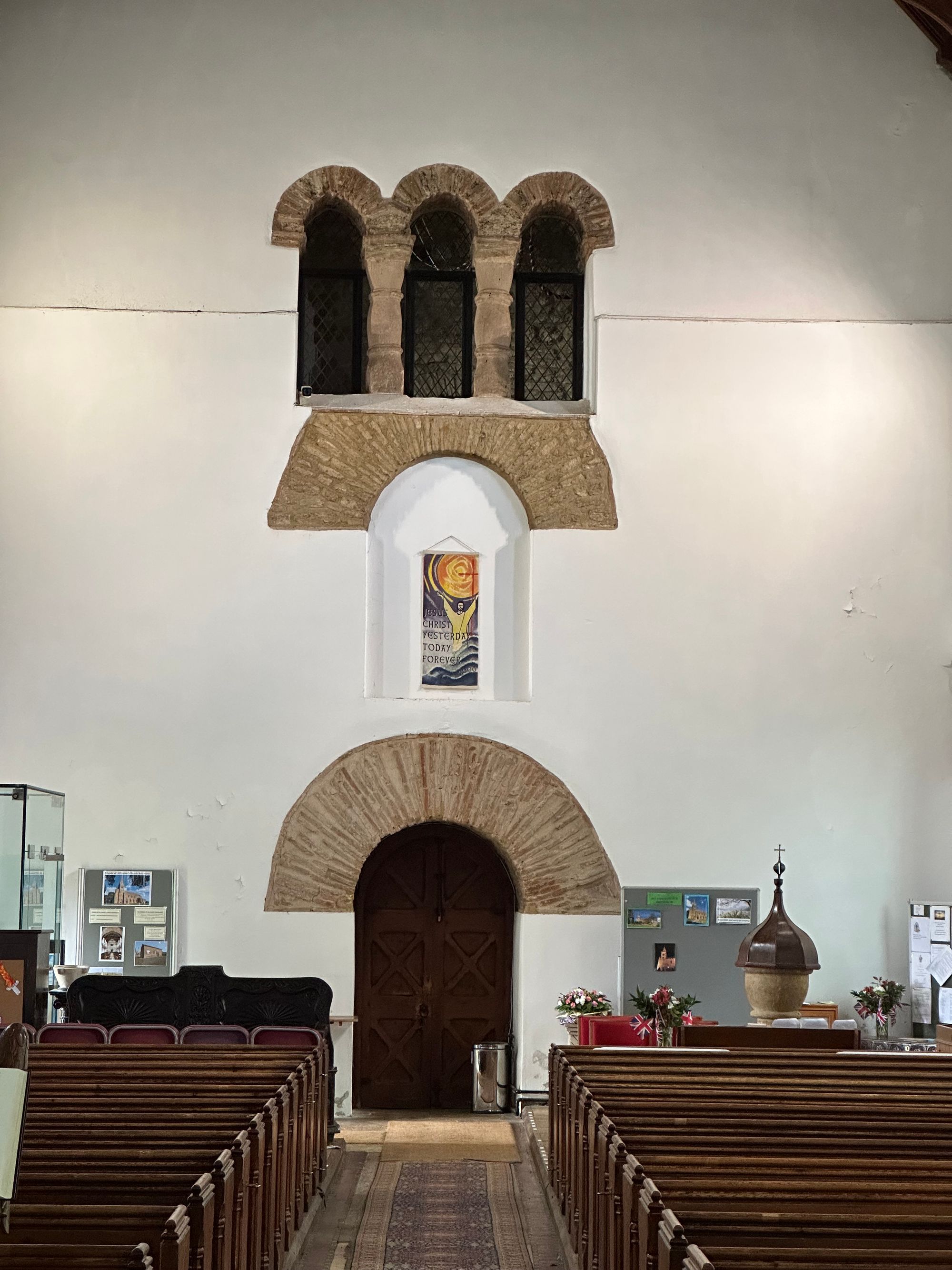
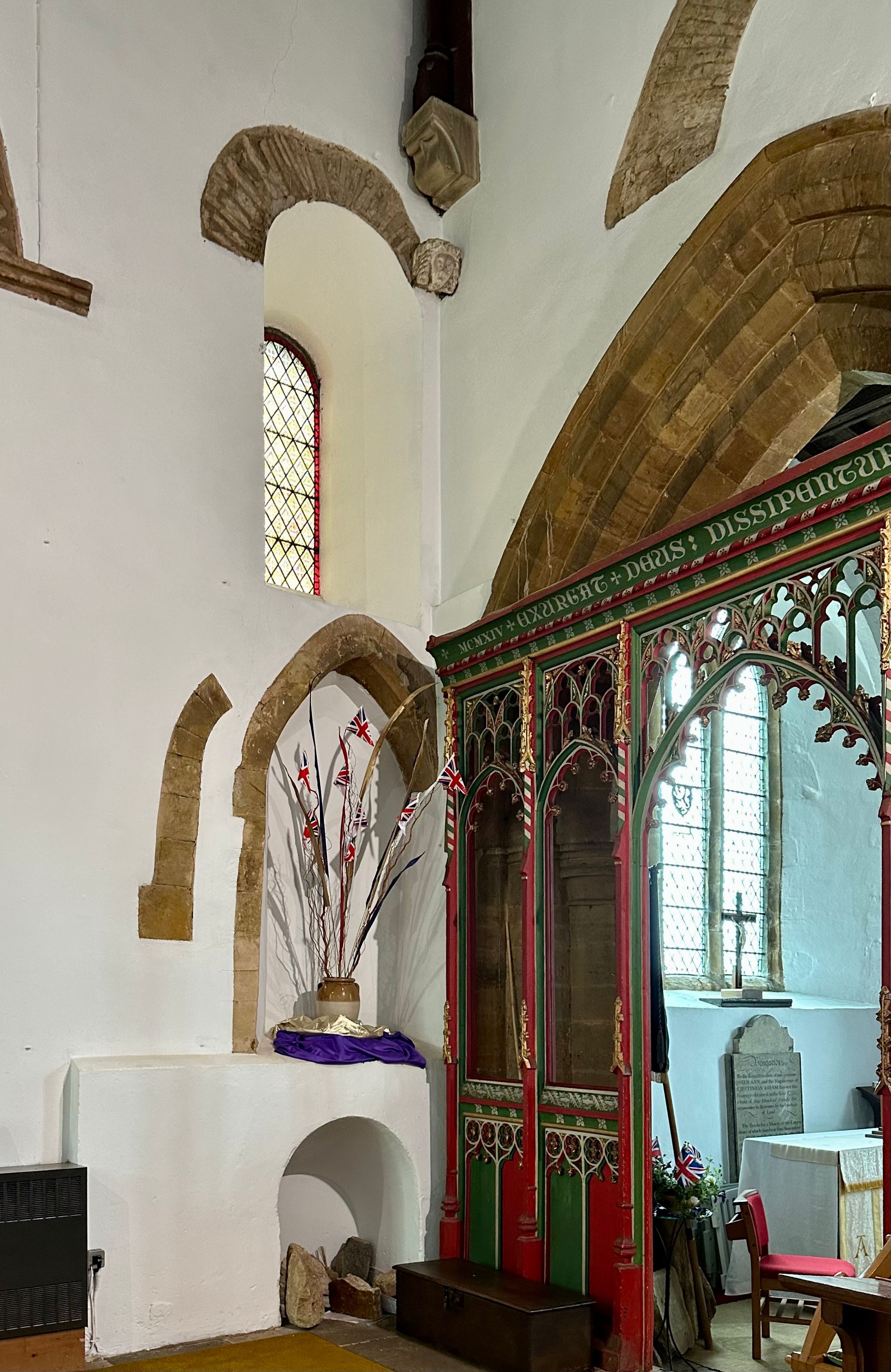
Explore Brixworth.
There is a cycle (and walking) loop near to the church at Pitsford Water. Take in a bike ride and this very special building.

Travel with me weekly - subscribe to my Genius Loci Digest for free
Each week, this Digest offers a small pause – photographs, sketches, and reflections from historic places that still carry meaning. It’s a weekly practice of noticing, continuity, and learning to see more deeply.
SubscribeThis work is sustained by a small group of tier members who value time, care, and continuity. If that resonates, there’s a more immersive path you can step onto. Become a Tier Member:
 Andy Marshall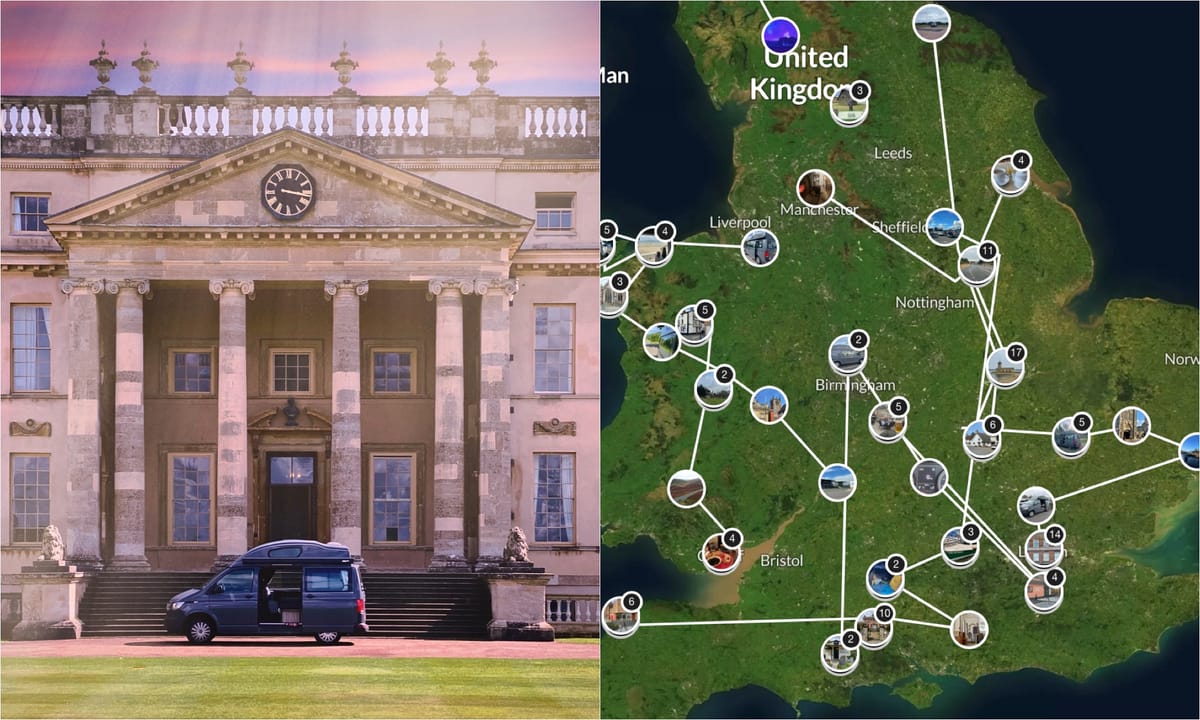
Spirit of Place * History * Material Culture * Heritage * Continuity * Photography * Travel * Architecture * Vanlife * Ways of Seeing * Wellbeing * The Historic Environment * Churches * Art * Building Conservation * Community * Place Making * Alternative Destinations * Hidden Gems * Road Trips * Place Writing *
"That aura, those echoes-the muted light is transporting. What a space to feel rooted in history. I'd love to make that journey myself; you've stirred the opera lover and architectural dreamer in me."
@sonatasips via X
Genius Loci has rapidly become the highlight of my Friday morning mailboxes, Andy!
David via Linkedin
"In reading & seeing Andy's work I always struggle to know which is more impactful - his writing or photos. In truth, the two combined are greater than their parts, he allows you to explore the importance of place and time from the comfort of home."
Peter from Bluesky
"Andy your work is becoming wonderful, remarkable. A so-called breakdown has been milled into its constituent parts, becoming profound construction: through perception, architecture, the lens and the pen."
Stephen via Email
Connect with me on: Bluesky / Instagram / Facebook / X / Tumblr / Flickr / Vimeo / Pixelfed / Pinterest
Member discussion