
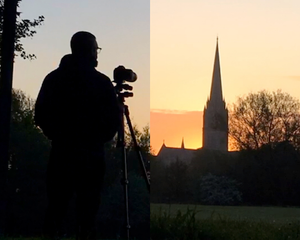
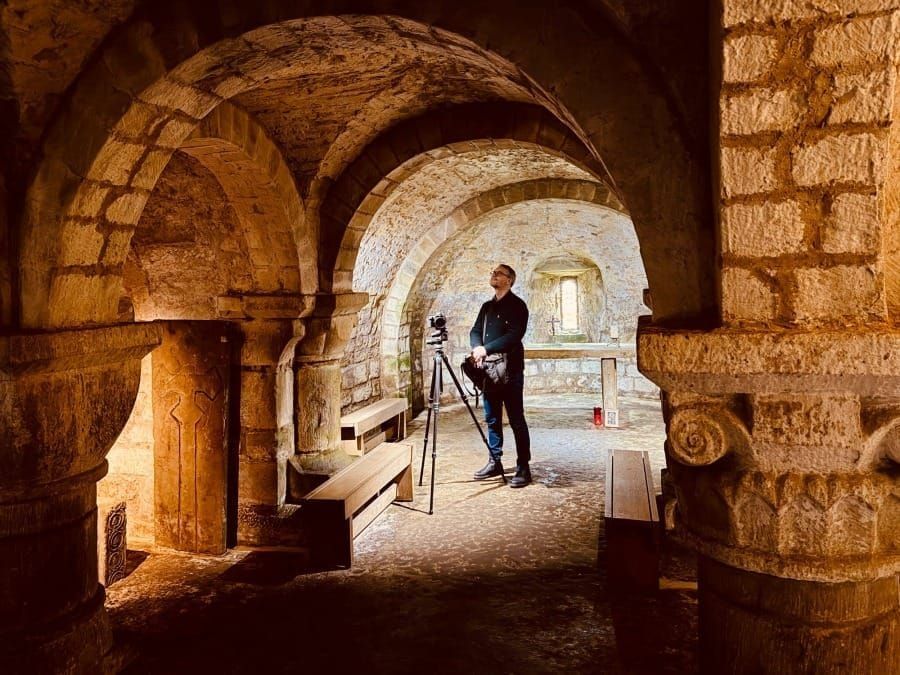
Finding richer ways of navigating a changing world through the collective memory and wisdom held in Britain's historic places.
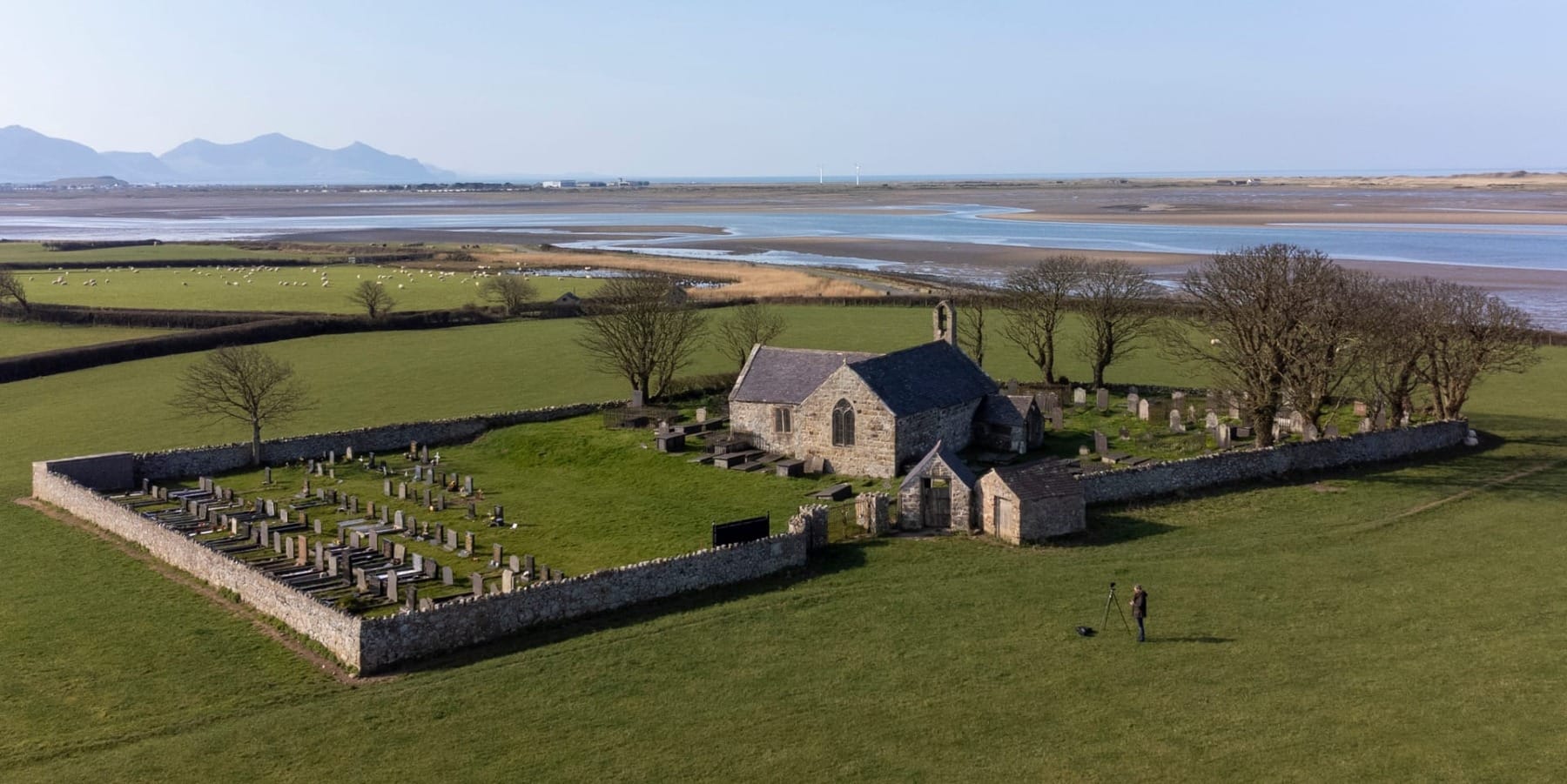
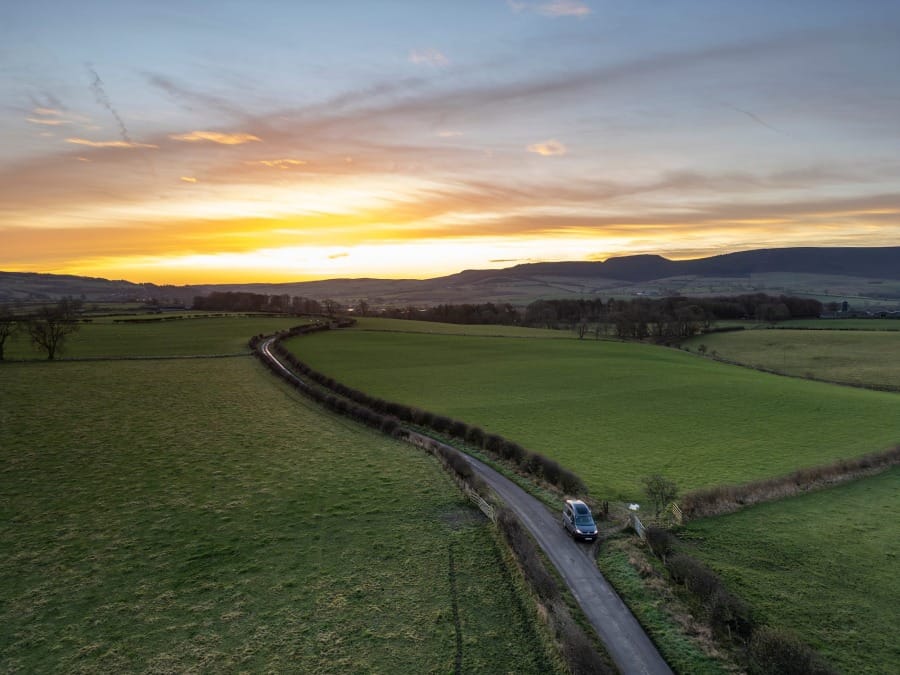
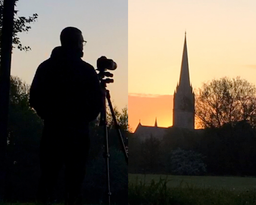
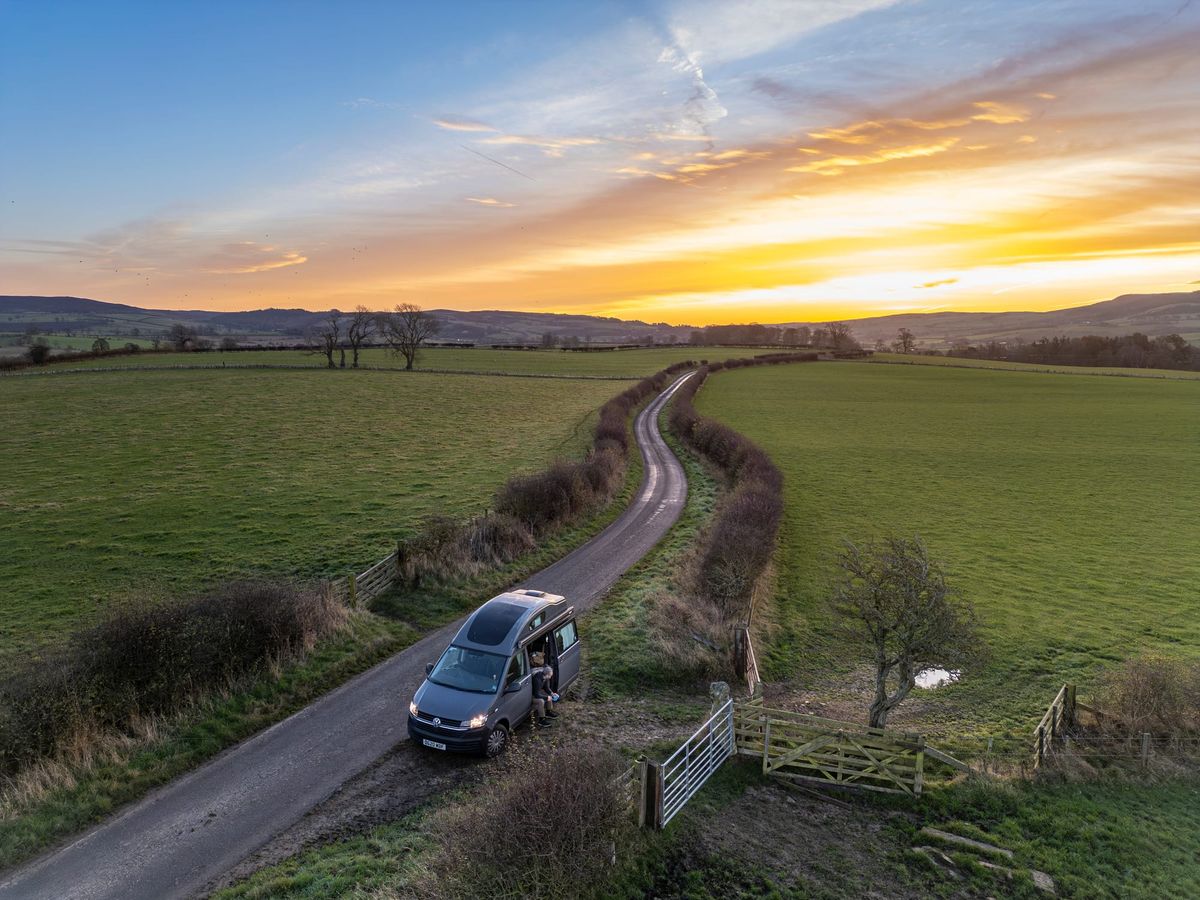
On the surface, the Genius Loci Digest follows me, architectural photographer, artist and writer Andy Marshall, as I travel through Britain in Woody, my camper van.
Each week, I bring back observations from my travels and share them in my Digest through photography, writing and art.
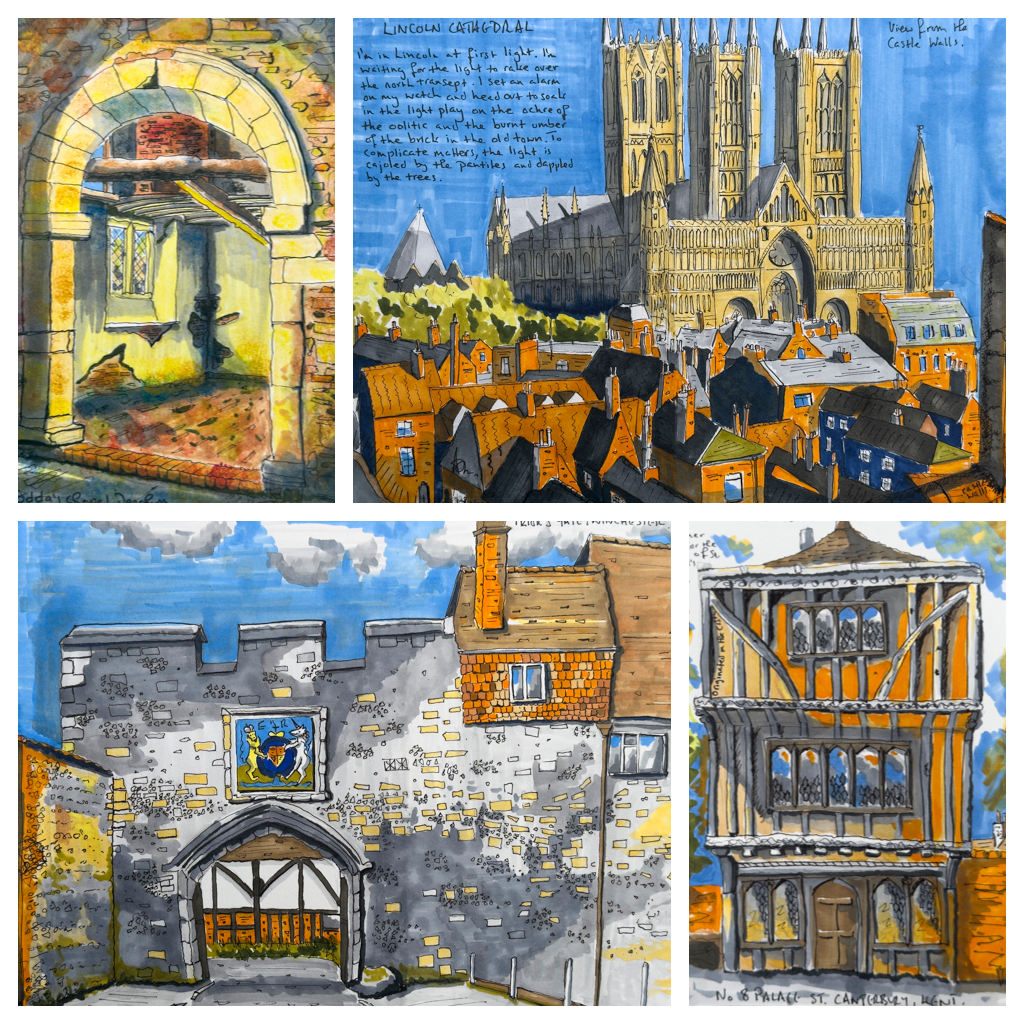
But the Digest is about more than the places on a tick list.
To me, the modern world often feels transient, as though the pace of change has outstripped our ability to make sense of it. I see its effects in our children, our communities and, at times, in my own mental wellbeing.
I do not think these challenges are mine alone. Many of us are trying to care for our mental health, sustain a meaningful life and find our bearings as the world changes around us.

After a breakdown, this Digest became a record of my search for firmer ground. Along the way, photography became a new vocation. Connecting with Britain's historic places through my lens helped me develop a different way of seeing - and, with it, a more grounded way of navigating the present.
The Digest explores how buildings and places can nourish and reconnect us; how the material remains of the past can help us interpret change; how curiosity and attention can lead us beyond the formal and the majestic to overlooked stories, alternative forms of beauty and enduring wisdom; and how this might help us adapt and find our bearings in a fast-changing world.
Why place?
At first, I honestly did not know why certain places seemed to offer answers to my difficulties. I only knew that their solidity, continuity and accumulated human presence had a magnetic appeal for me.
Why could a building, street or landscape affect me so profoundly?
The Digest is my continuing attempt to explore that question.
Long before it existed, I had written my postgraduate thesis on the idea of Genius Loci - the spirit of place - exploring the relationship between the tangible and intangible qualities of architecture. My travels became a way of testing those ideas beyond the library.
To me, Genius Loci is the lived relationship between people and place. It is what emerges when generations invest their labour, beliefs, memories and imaginations into the same landscape, street or building. Sometimes, if we pay attention, we can still sense those accumulated lives today.
In short:
The Genius Loci Digest uses photography, travel and the accumulated wisdom of historic places to reveal overlooked stories, encourage new ways of seeing and help us find continuity, meaning and hope in a complex world.
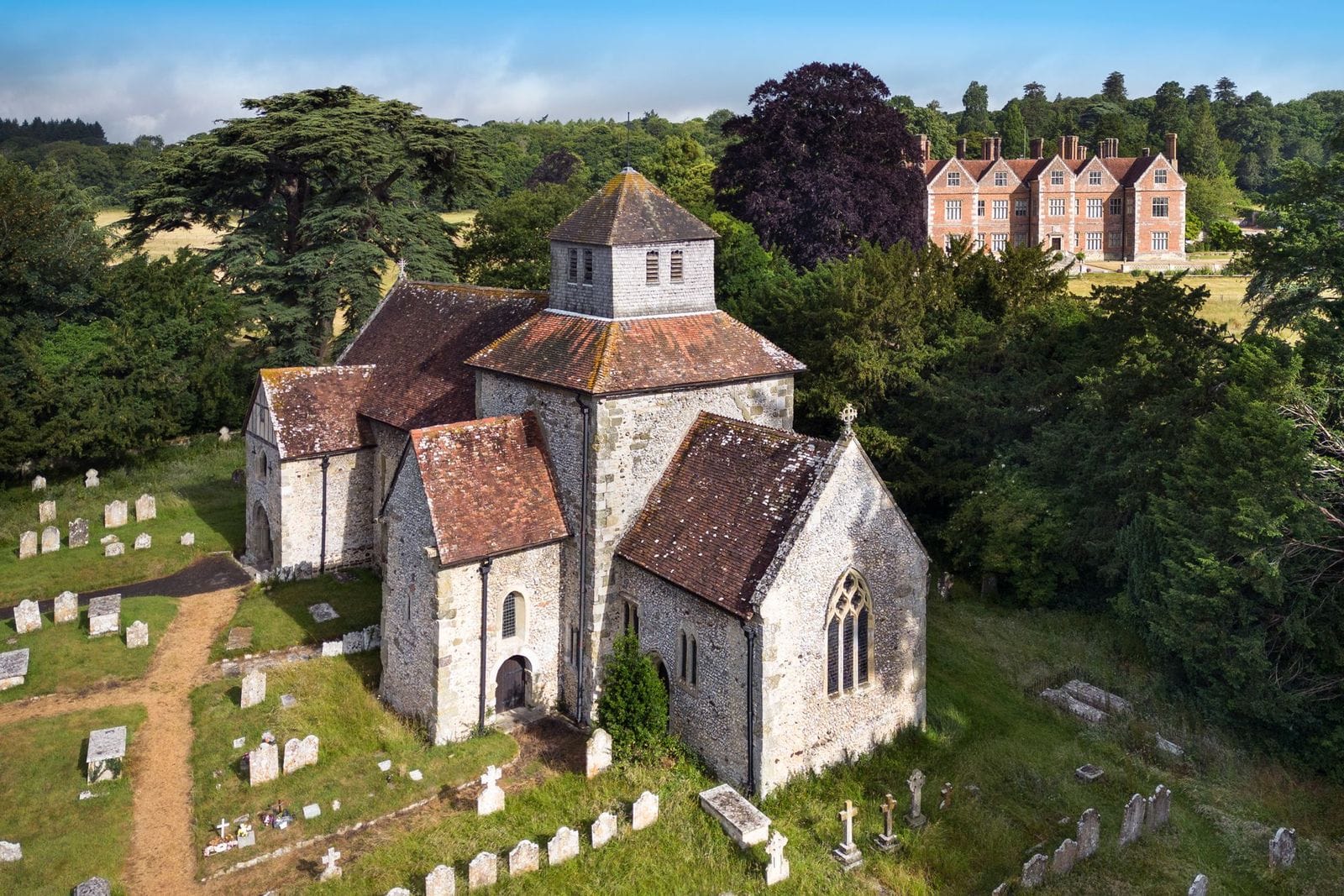
Why the Digest exists
From darkness to light
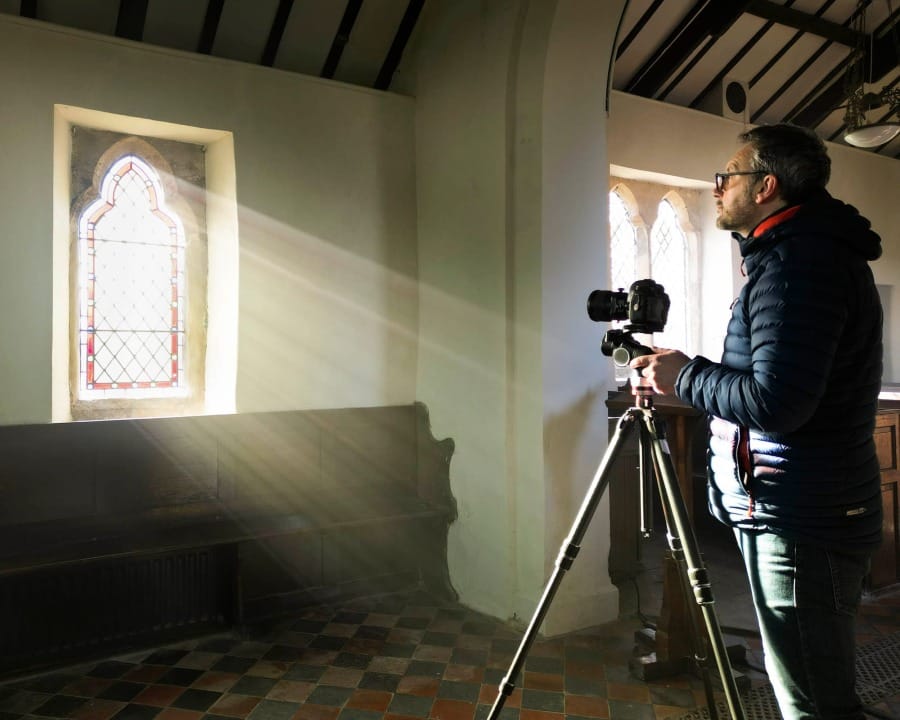
In the late 1990s, I experienced a mental breakdown. During the long period of anxiety and depression that followed, I began to notice how light, line, form and the physical presence of buildings could anchor me in the present.
Photography became more than a means of recording what was in front of me: it became an instrument for learning, a way of reconnecting mind and body, and eventually the beginning of a new career.
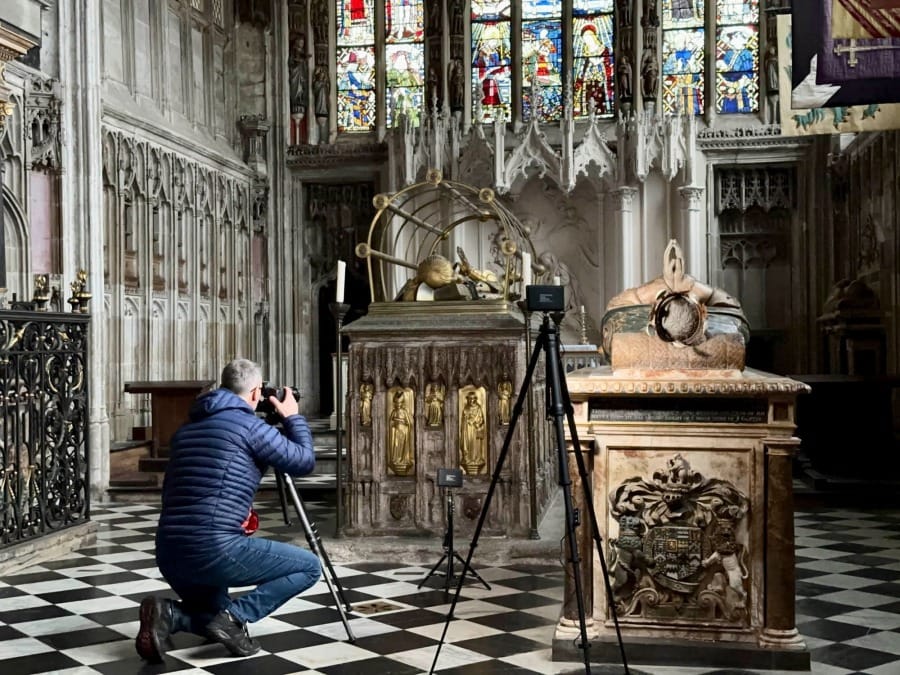
The camera taught me that seeing is an active and nourishing process. It taught me to be curious and to stop and listen to the felt sense.
Curiosity gradually gave way to wonder. The more closely I looked, the more I realised that some places could never be fully explained. Alongside their history and architecture remained something that resisted reduction - a quality of presence that continued to draw me back.
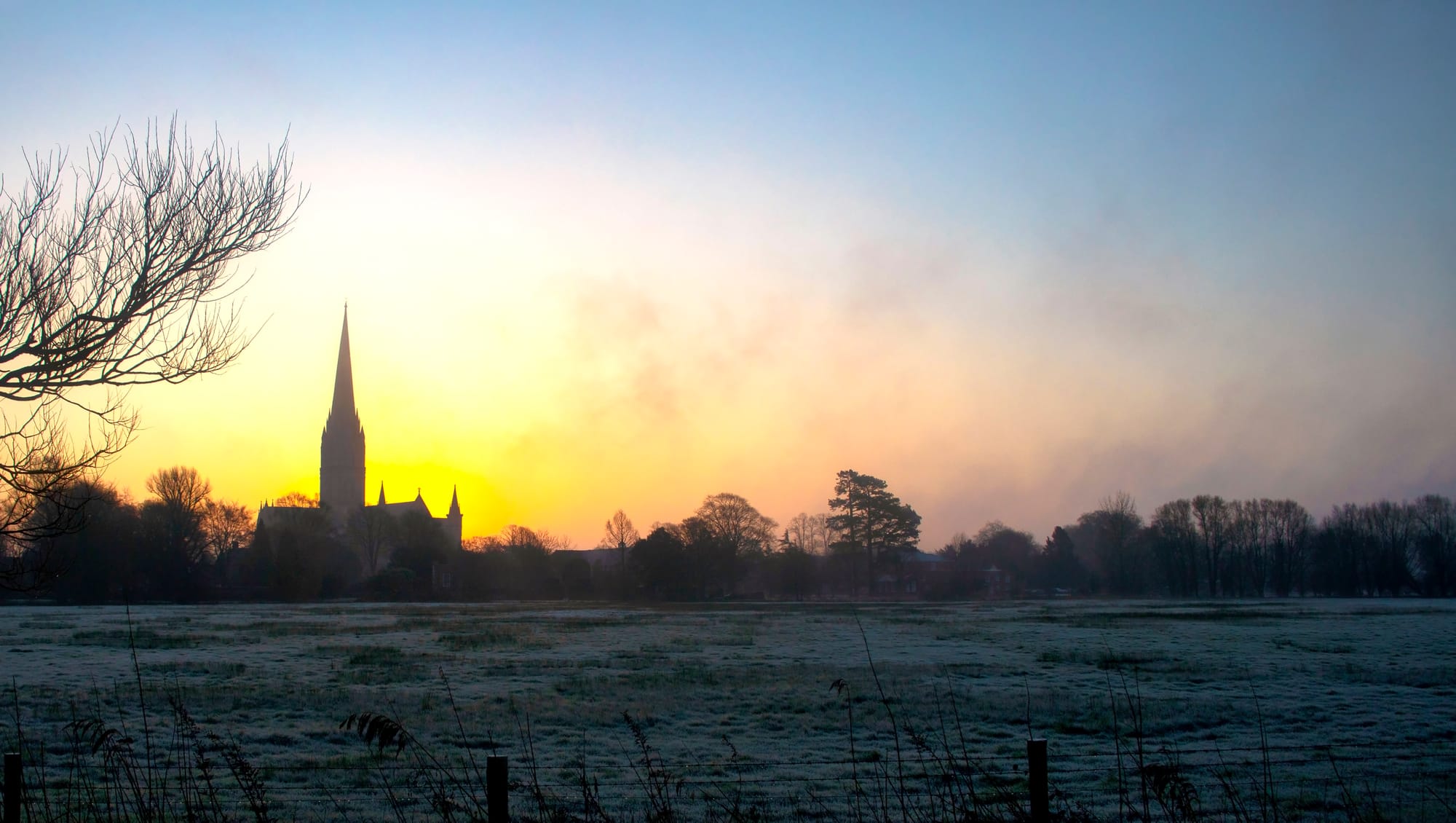
Over time, that practice became part of my recovery and remains at the heart of the Digest.
Read my journey from breakdown to a new vocation.
A countermeasure
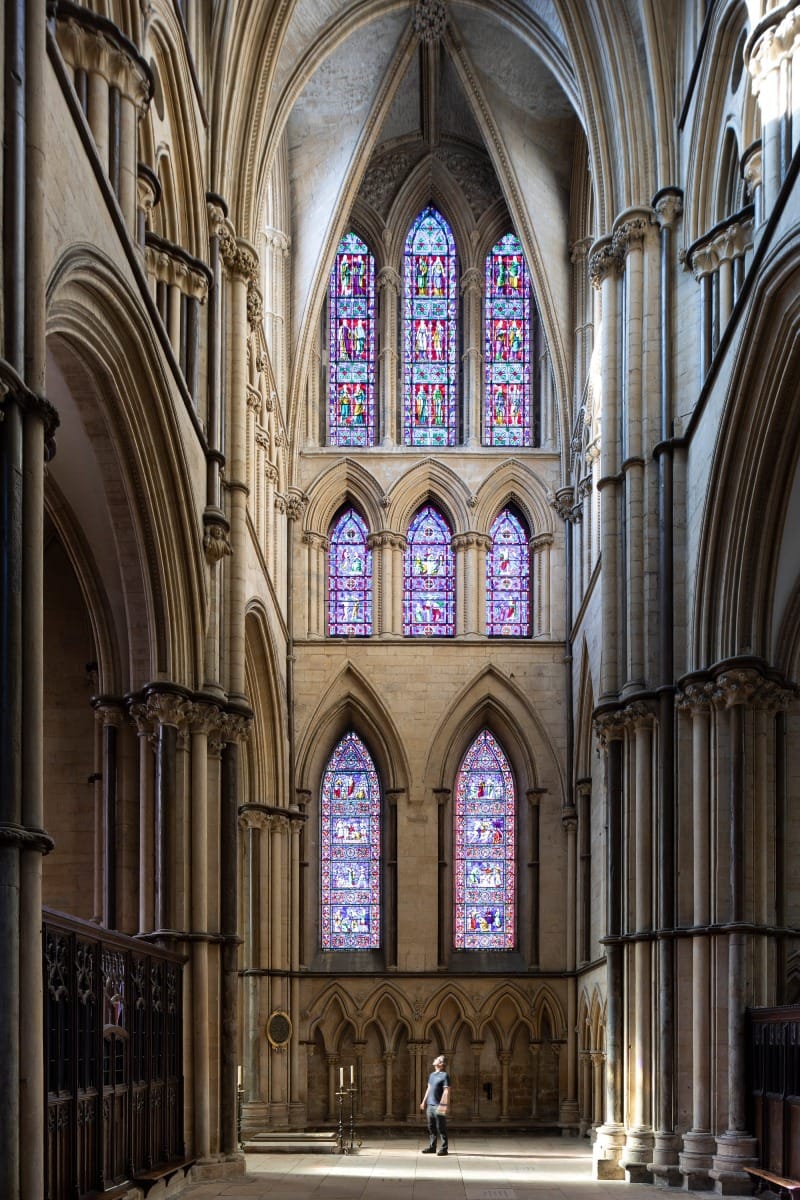
We increasingly encounter places through ratings, rankings, reviews and images selected for instant impact. The famous and “Instagrammable” rise to the surface, while unassuming buildings, local knowledge and other forms of beauty disappear from view.
The Genius Loci Digest is my countermeasure.
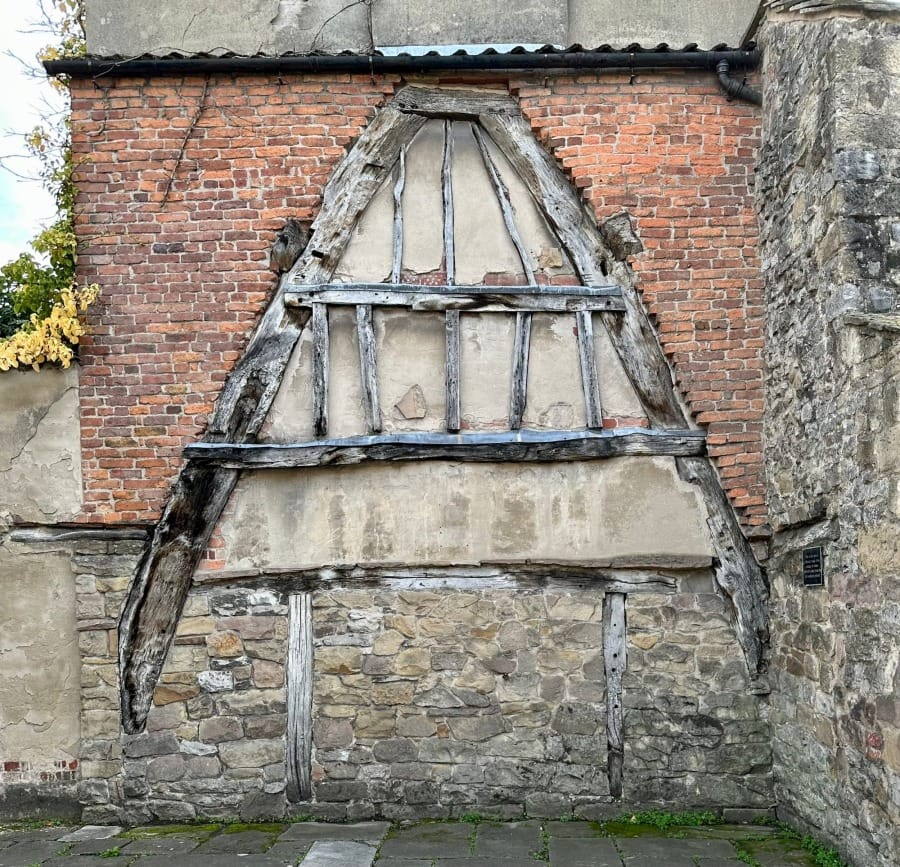
It draws attention to the overlooked, the in-between and the presence of absence. It values slow time, nuance and the discoveries that cannot be reduced to a five-star rating. Rather than accumulating destinations, it asks what might happen if we put all of that aside for a moment.
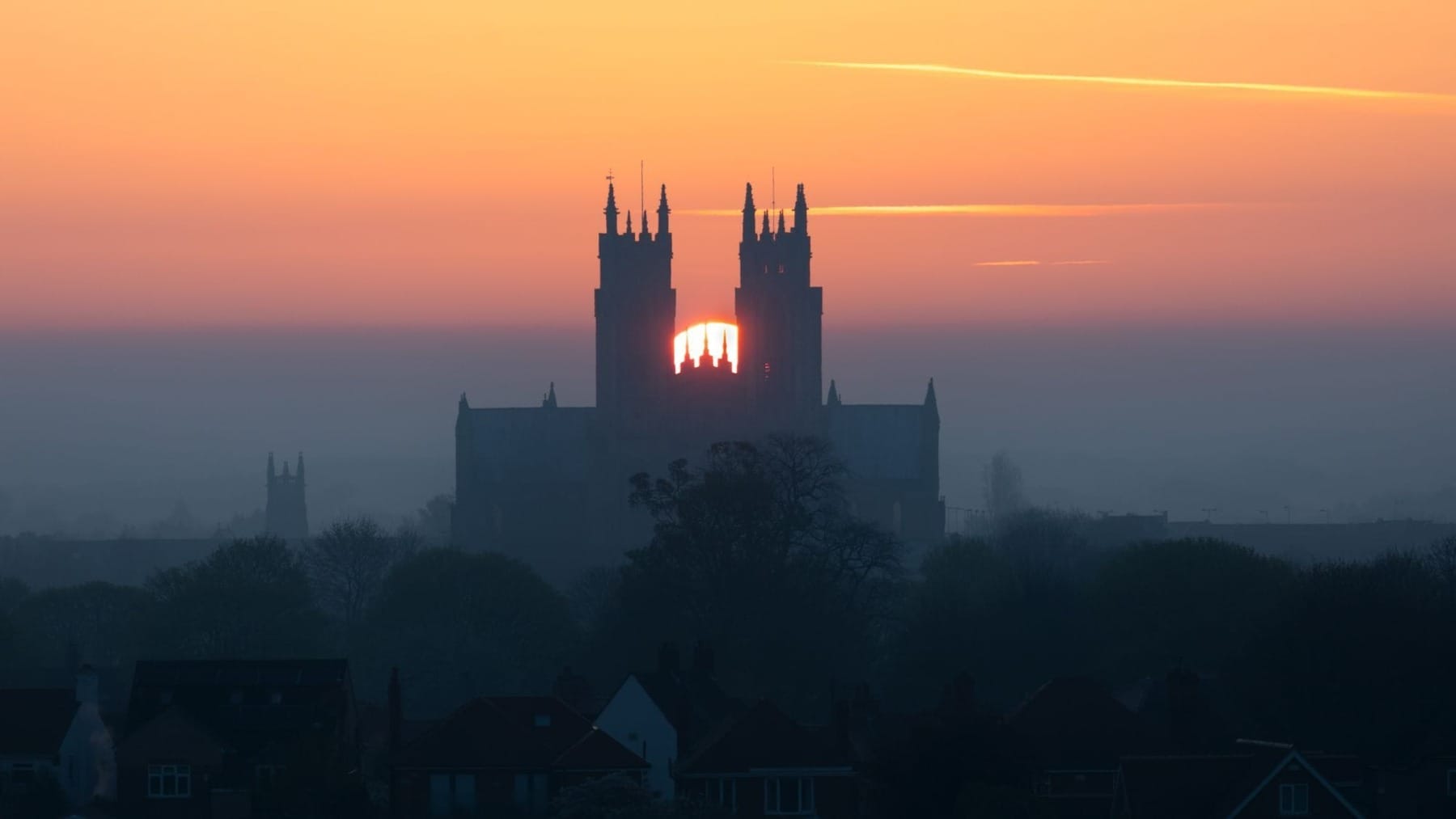
This is not nostalgia or a retreat from the present. It is a search for the longer view: for ideas, skills and patterns of human experience that might help us respond to the bluntness of the present with greater imagination.
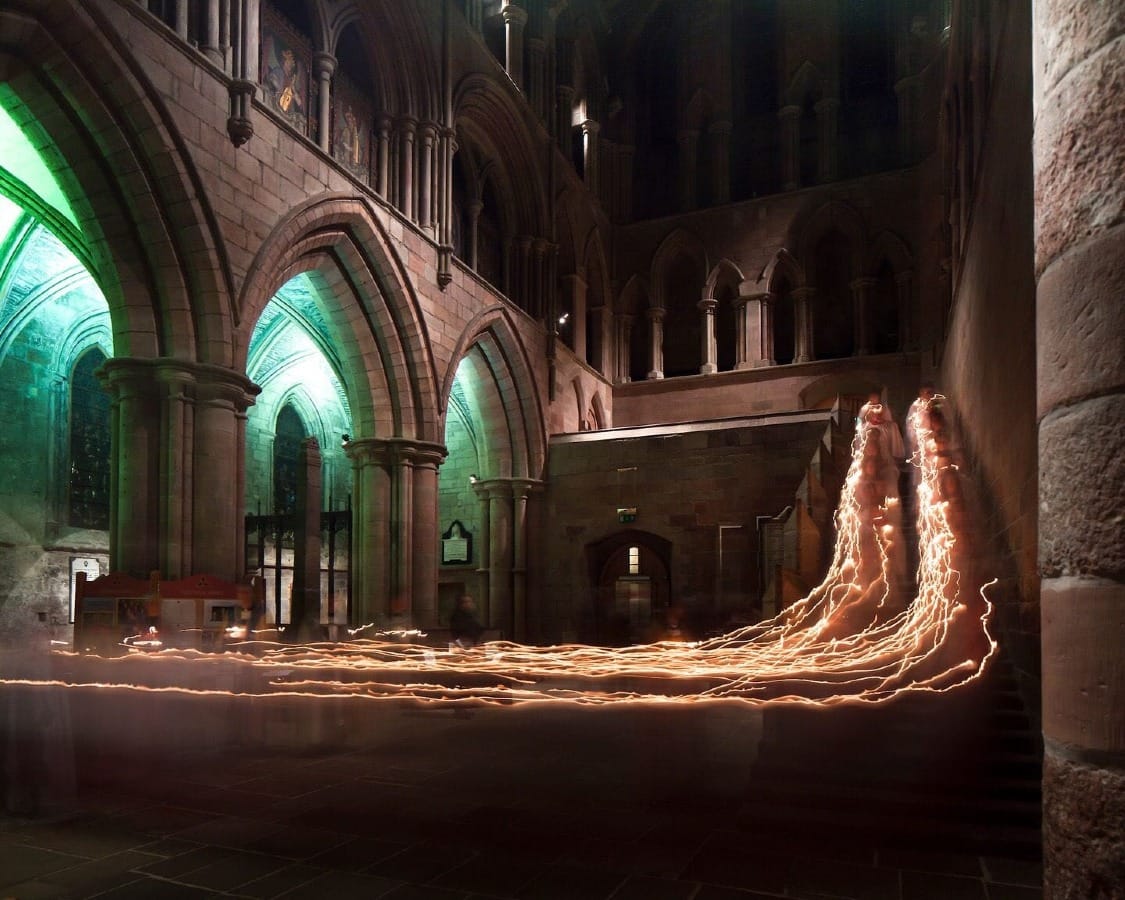
The themes running through the Digest
Spirit of place
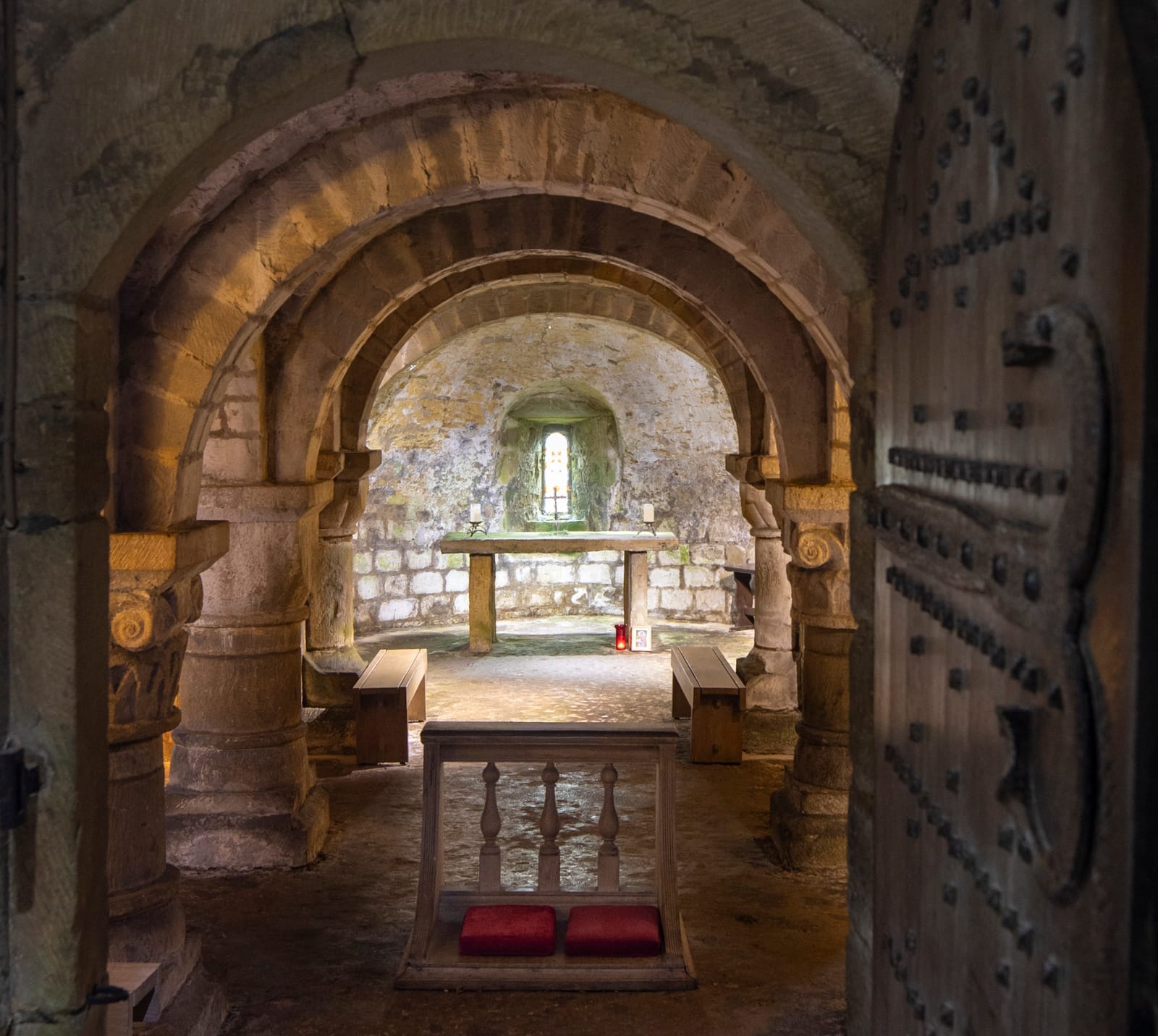
I learnt through my thesis that places have atmospheres formed by material, setting, use, memory and the slow and incremental investment of generations. By becoming more receptive to them, we can develop a stronger sense of belonging and a richer understanding of where we are.
Just because we can't see something doesn't mean that it isn't there.
The Digest is a litmus test for the spirit of place.
I felt this profoundly in the small village of Lastingham. If you want to explore this more, read on:
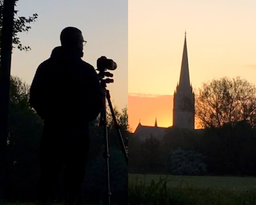 Andy Marshall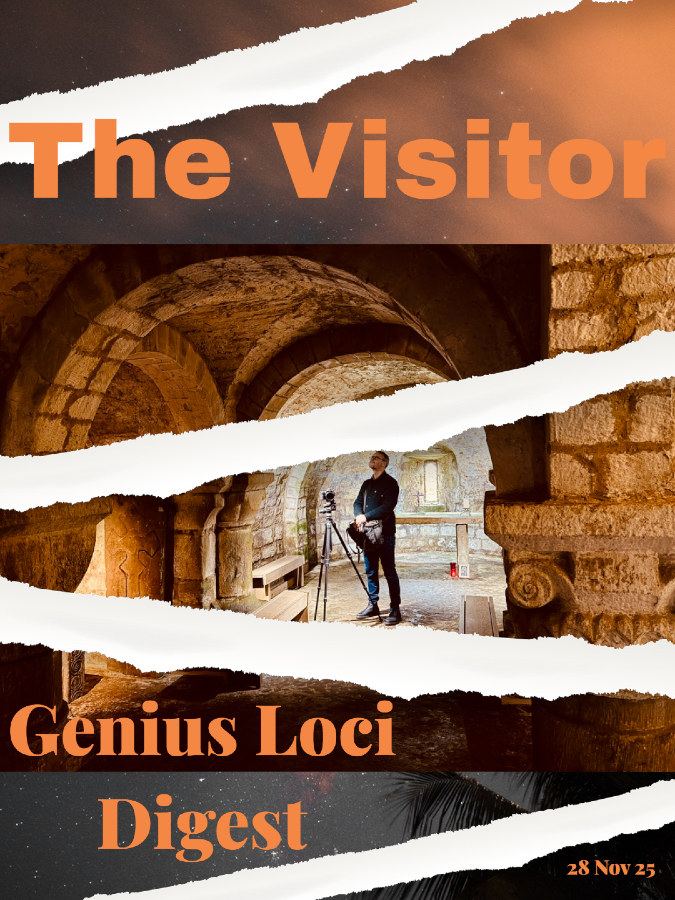
New ways of seeing
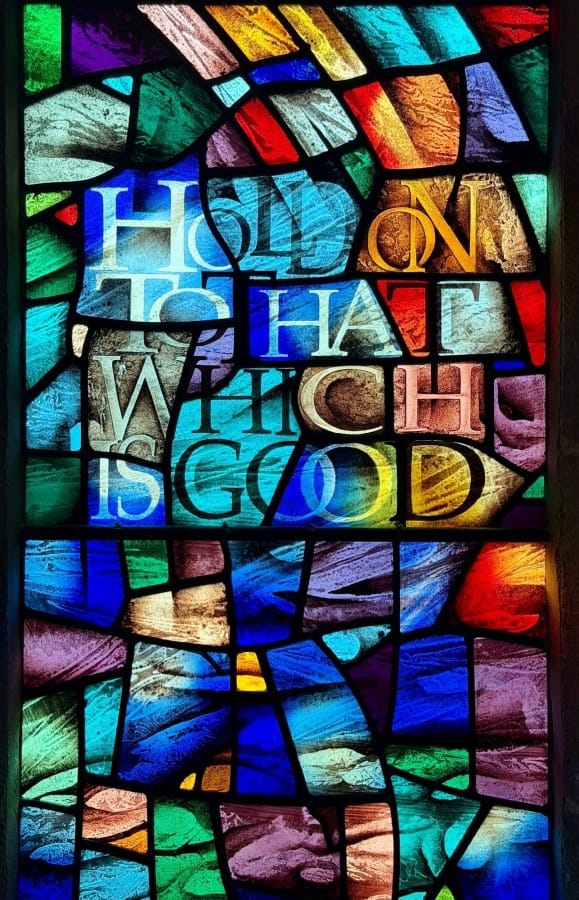
I think that this is the hardest thing to convey. Before, I actually experienced the benefits of learning to see and feel a place, I already thought that I knew what it meant. Nan Shepherd in her book describes how she lies upon a rock in the Cairngorms until she feels as though she is part of the mountain: '..… place and mind may interpenetrate till the nature of both be altered.'
It has something to do with allowing the felt sense to meet a place before analysis takes over.
The Digest shows how we can develop new ways of seeing that ground us and help us navigate.
A visit to St. Mary's in Richmond in Yorkshire showed me a different way of seeing which helped me view the present with fresh eyes:
 Andy Marshall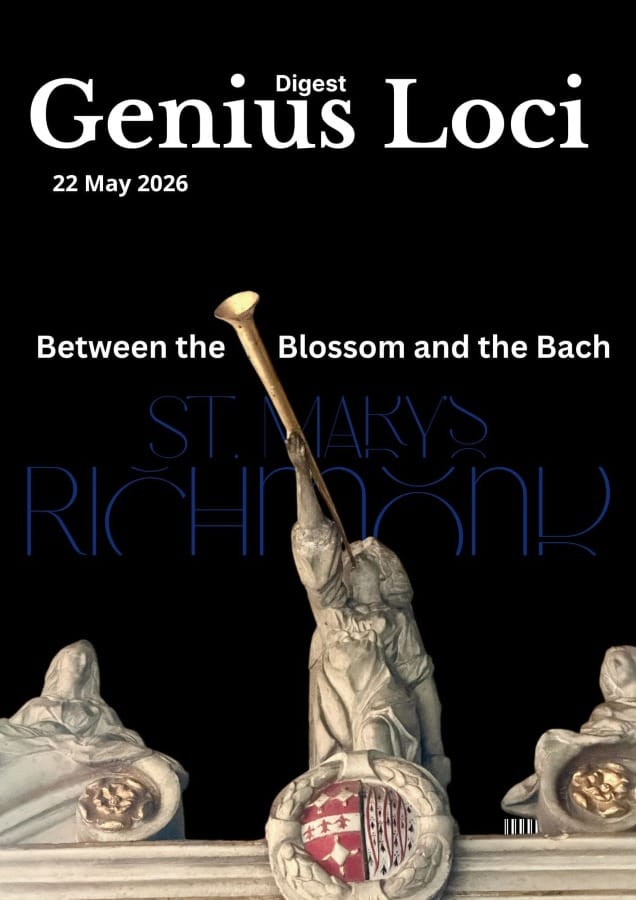
The power of photography and the arts
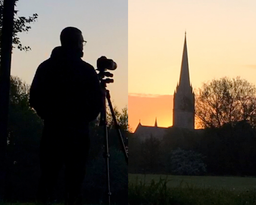
In a throwaway image culture, I am a champion of photography because it still has the power to make us pause. A photograph can hold time, disclose a point of view and make the apparently insignificant visible. At its best, the camera becomes a divining rod: a tool for discovery rather than consumption.
In the Digest, I show how photography and the arts are not only relevant to our society, but vital in helping us navigate the complexities of the present.
Here's a post that shares how photography can really change a person:
 Andy Marshall
.jpeg?auto=webp)
Mental health, wellbeing and ways of navigating
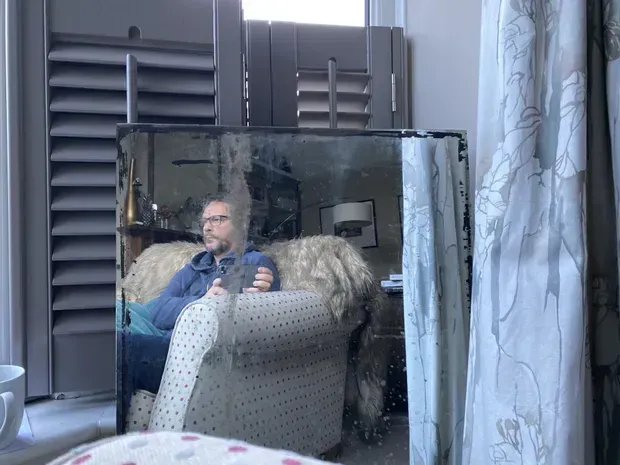
The story behind the Digest begins with breakdown, but it does not end there. It is about the practices that helped me find my bearings: paying attention, cultivating curiosity, creating, returning-to-self through place and nurturing wonder within difficult circumstances.
But it is also about the places that have helped, and are still helping me along the way.
Certain places are imbued with the contemplative and the restorative. Without knowing it, the fragility of breakdown helped me seek them out.
The Digest shares my story of breakdown and recovery through the power of place.
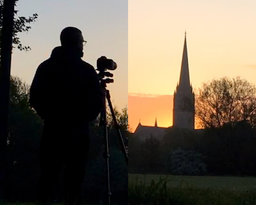
Here's a post that shares the start of my journey from a fragmented past:
 Andy Marshall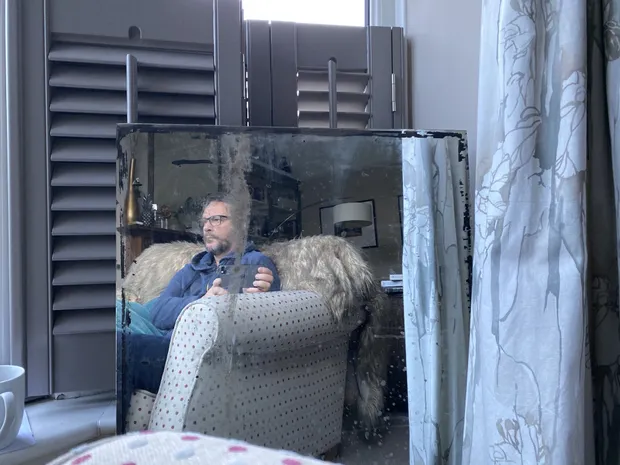
Heritage as an emotional and living landscape
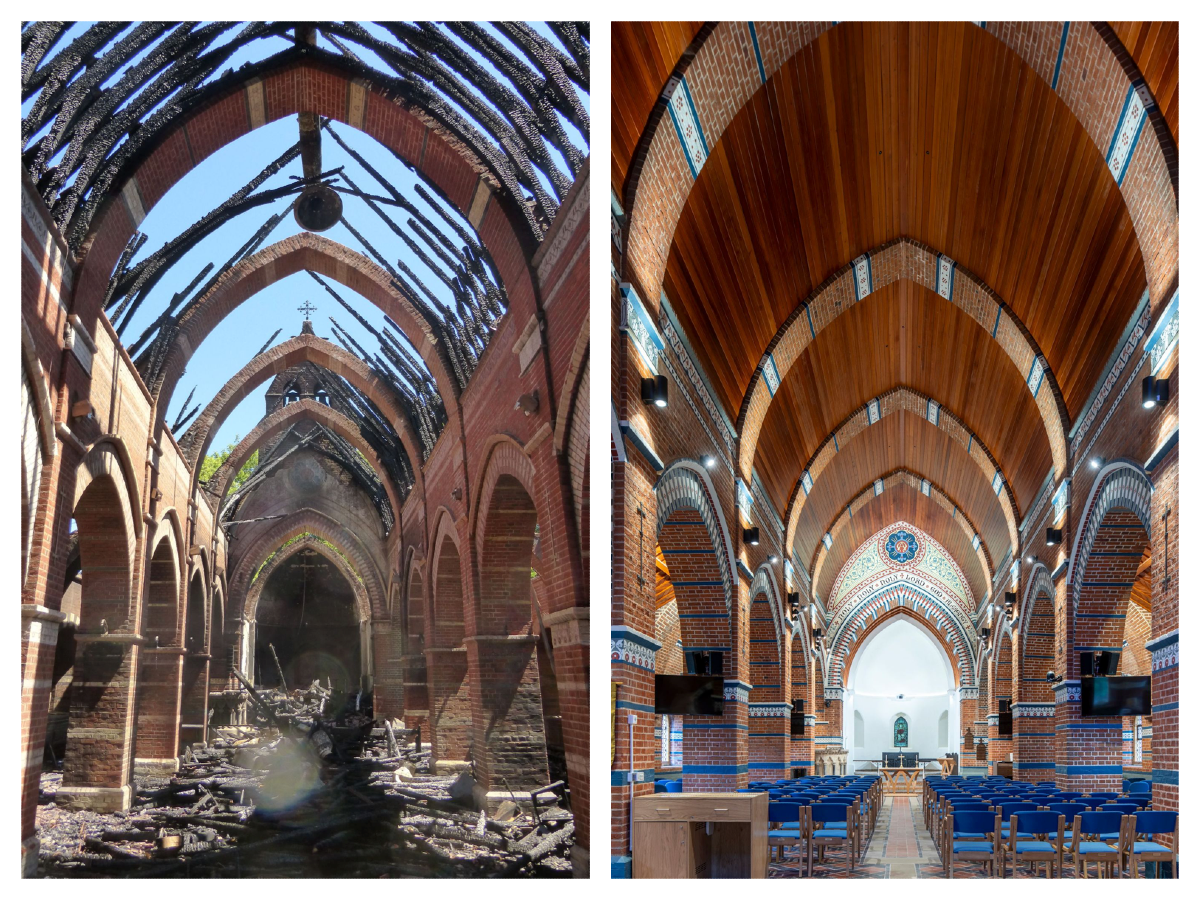
Heritage isn't a collection of isolated monuments or picturesque remains. It is a living series of emotional and connected landscapes that empower nourishing relationships between people and place, and, of course, with each other.
The word heritage really doesn't help here - because I believe that there are parts of our material world that defy categorisation - the floral pattern found behind some wallpaper, lichen encrusted words on a gravestone, the secret marks on a door-frame, the desecrated face of a carving, or the brick bond selected for a house facade.
Heritage can also help define and connect us in a crisis. When we re-instate or bring buildings or landscapes back to life we are saying that continuity matters - keeping the channels opened up to the wisdom and nourishment of the past.
The Digest is a repository of places that continue to impact us because we recognise their inherent value to our society and communities.
Here's a story of hope in the face of crisis and how a building's renaissance helped define a community:
 Andy Marshall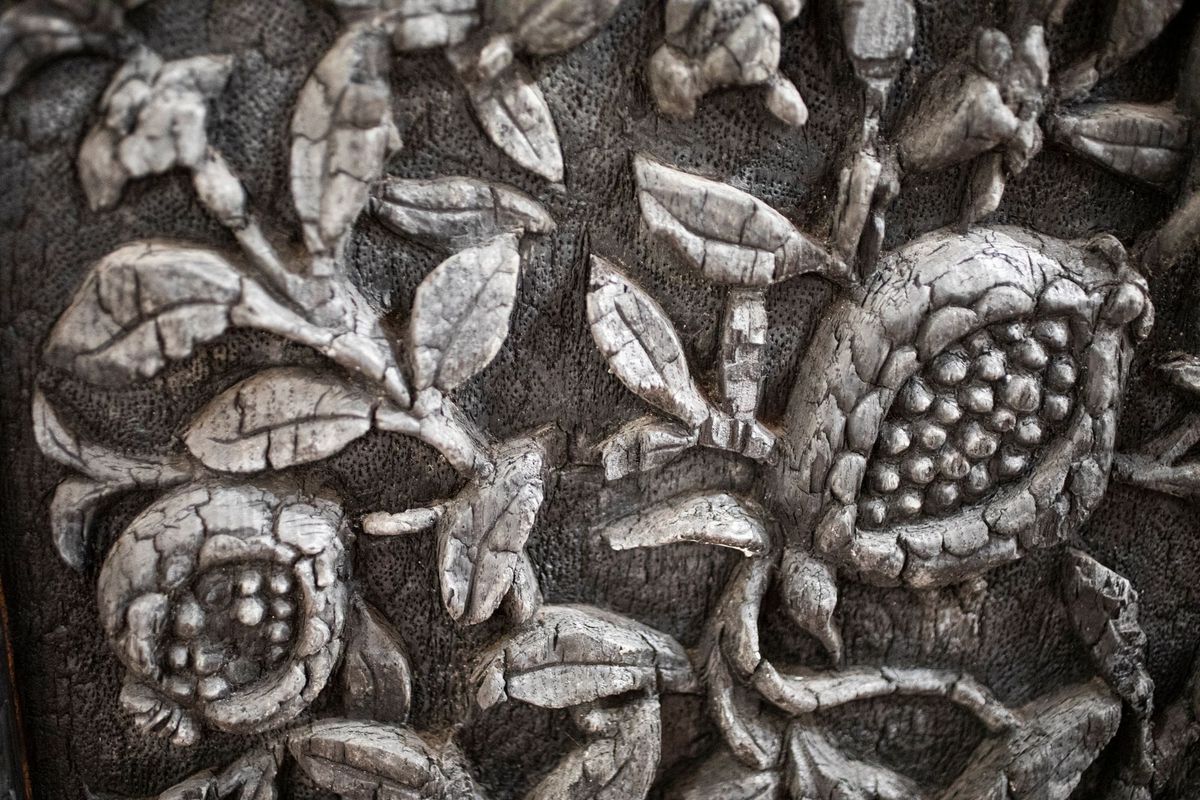
Care, Continuity and Conservation
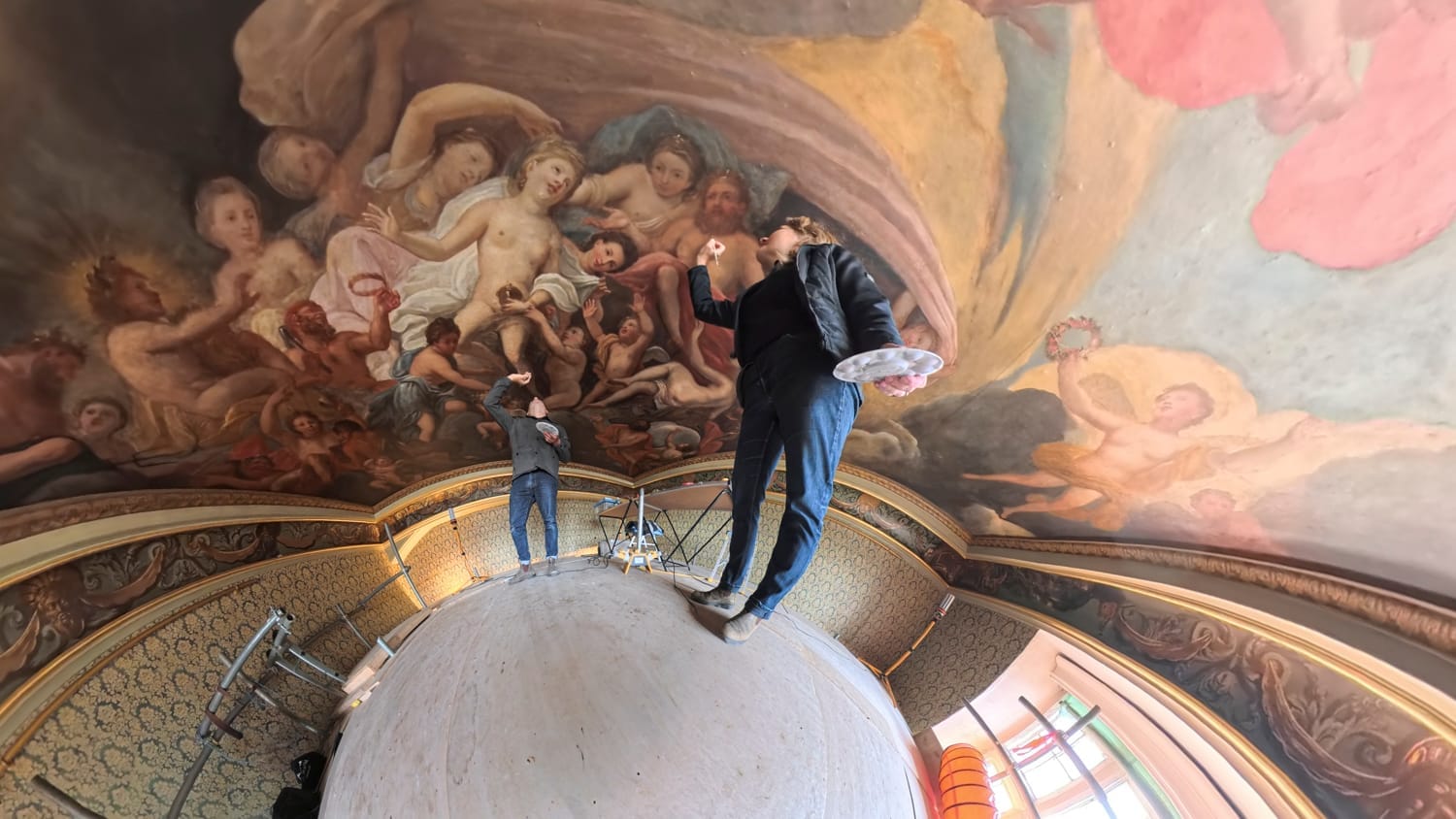
Conservation isn't about holding on to the past. The most impactful places often bear the marks of adaptation, imperfection, repair and continued use. Their value lies partly in the continuity that they make possible, but also the latent memory within their walls. It might tell us stories about how other people overcame prejudice and opposition, or how a person secretly shared their hopes on a wall, hidden behind whitewashed plaster.
From the obvious to the subtle and the hidden, from the gaps, lapses and silences, we can interpret, absorb and be transformed, inspired or informed by what remains.
The Digest shares stories of conservation and how investment in conservation reaps rewards far greater than cost-benefit.
Here's a story of conservation and renewal of a myth that might still teach us something about the world we live in:
 Andy Marshall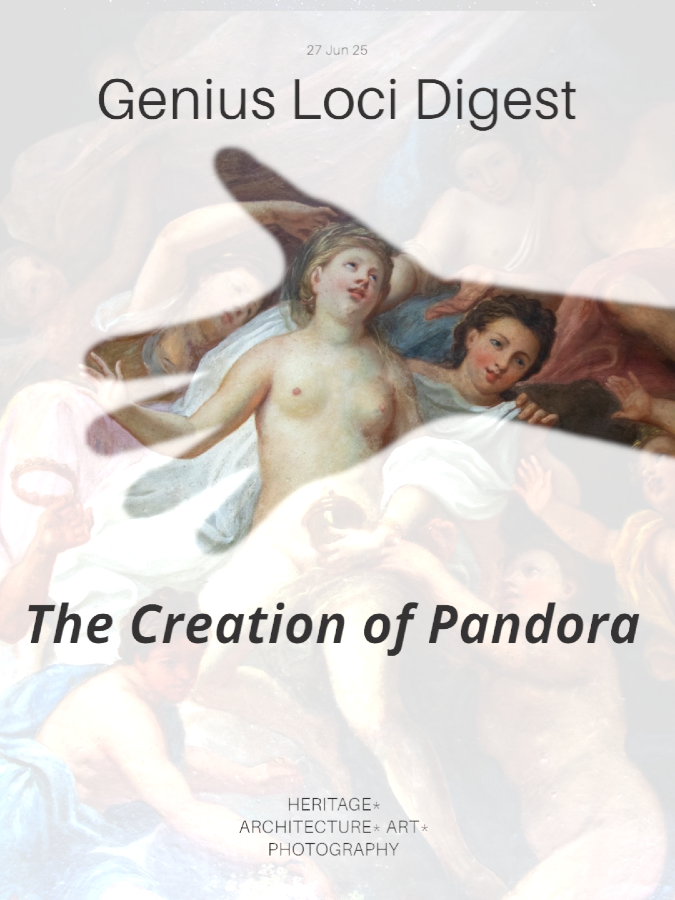
Finding beauty and dignity in ordinary things
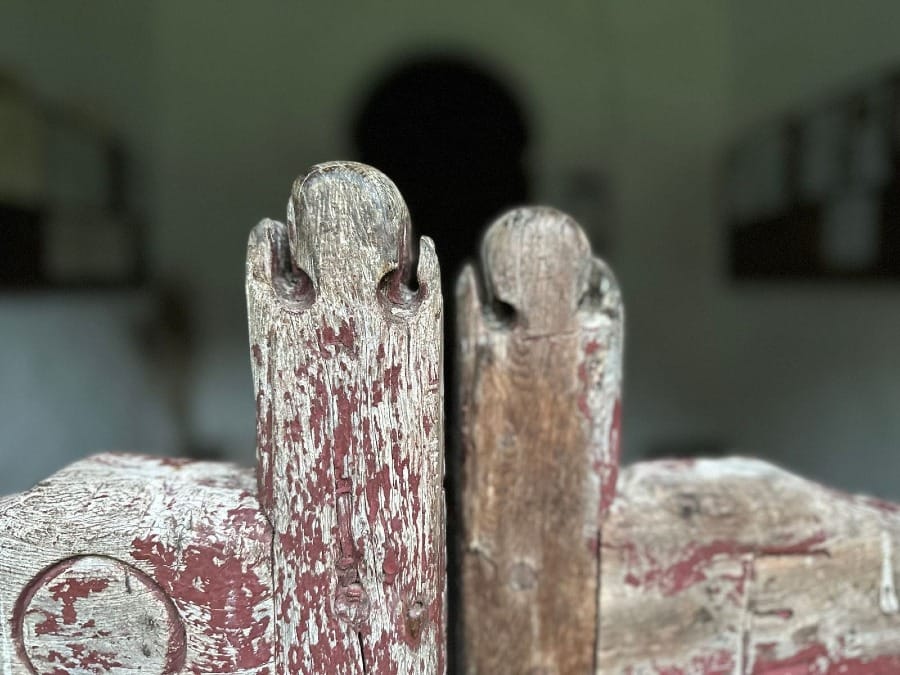
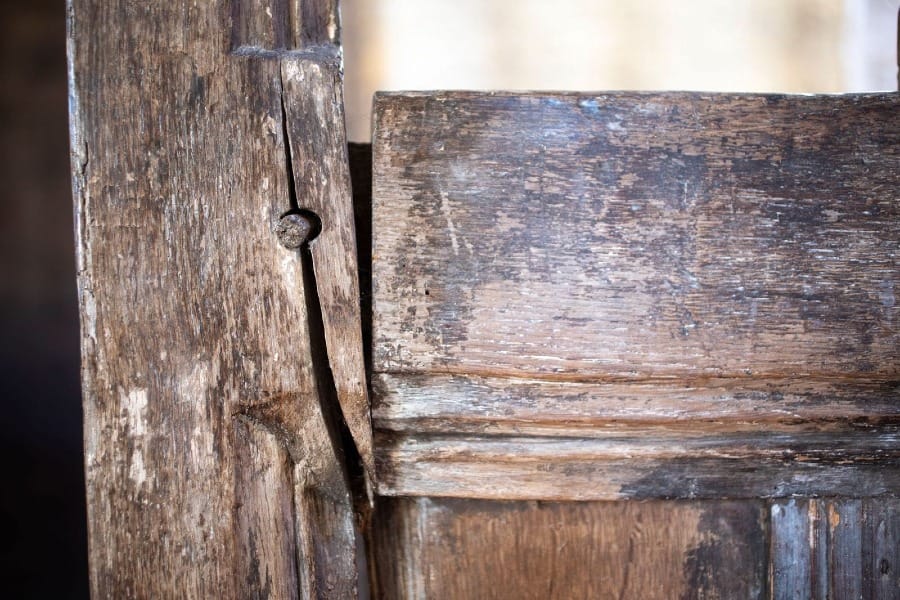
A hand-forged hinge, a worn threshold, a scratched symbol or a thumb-print in a brick can carry as much human meaning as a grand monument. These details preserve the presence of people who rarely enter the written record. Looking closely restores individuality and dignity to their work, but also teaches us something about the arc of their lives - their hopes and fears.
The Digest helps us stop and look and find beauty and wonder all around us, no matter where we are.
Here's a post about how attention can transform the ordinary into something profound:
 Andy Marshall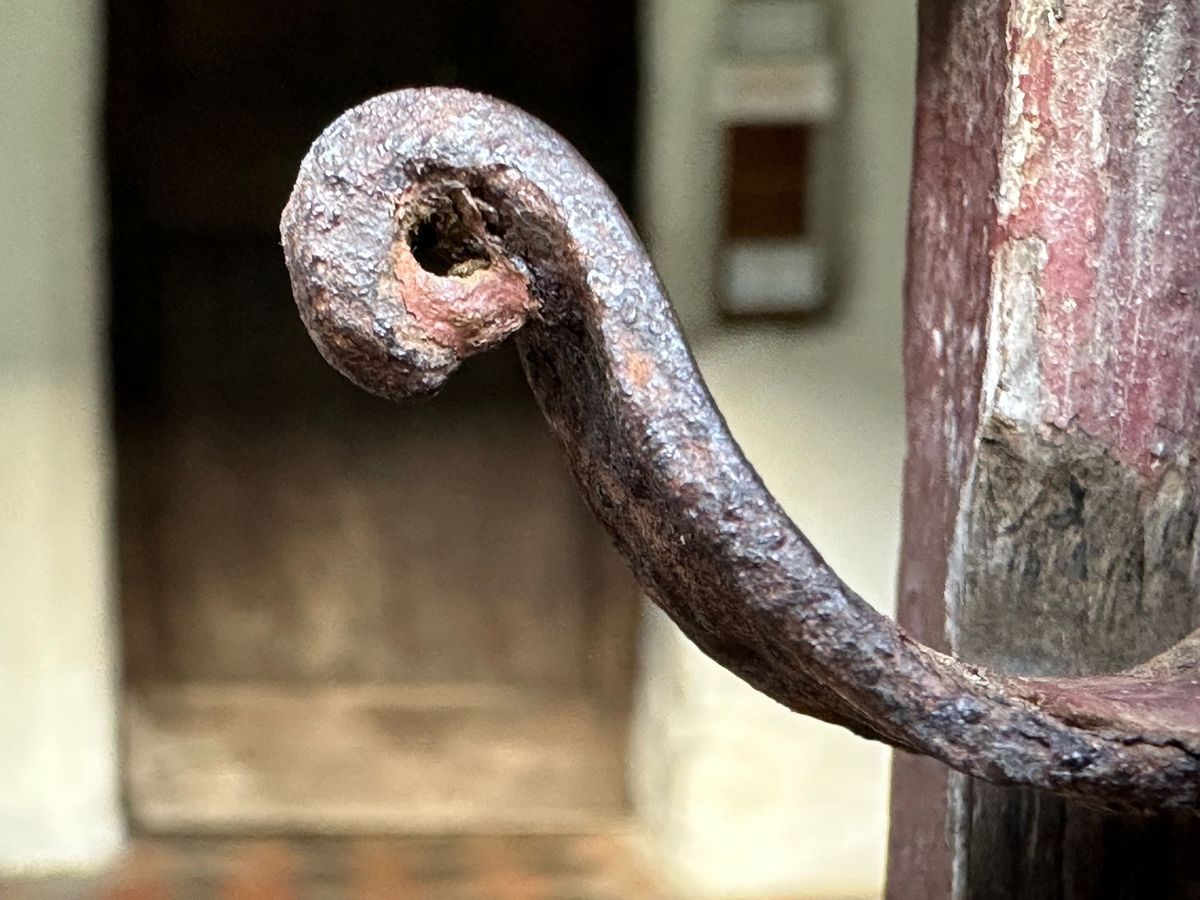
People and community
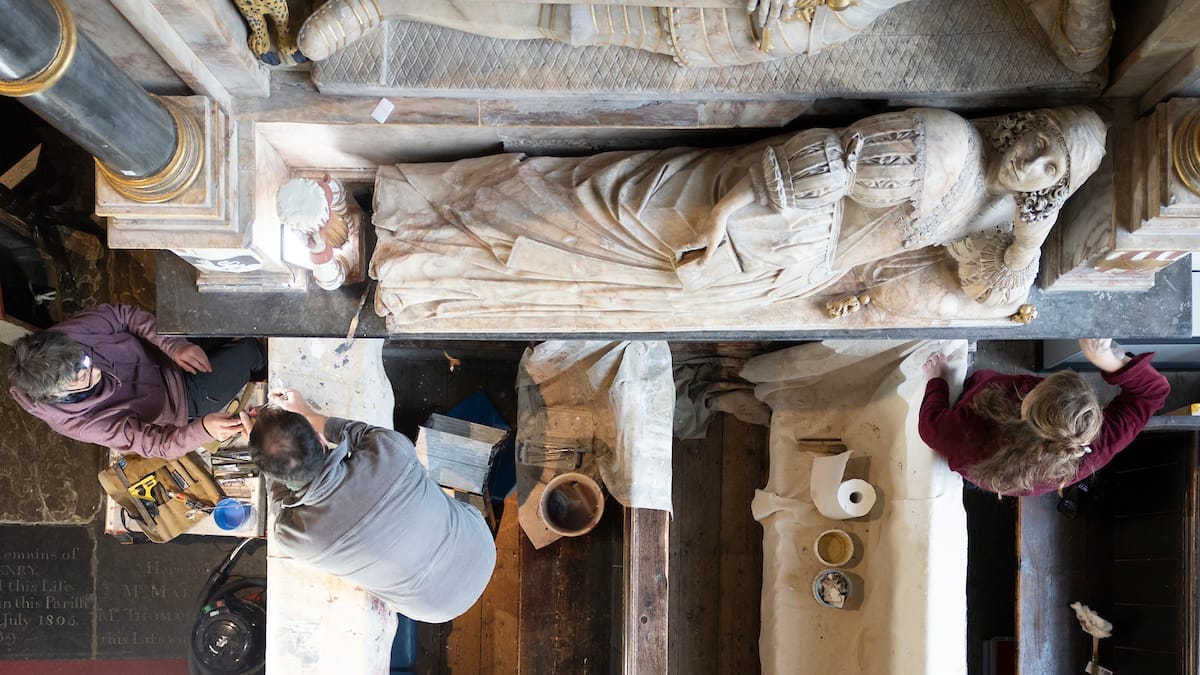
The character of a place is created and sustained collectively. The Digest celebrates the communities, custodians, craftspeople and volunteers who keep buildings useful, loved and open to possibility. Investment in heritage is also investment in skills, identity, confidence and the qualitative life of communities.
The Digest celebrates the people that care for our places.
Here's a post about how and why a community cares about the buildings in its town:
 Andy Marshall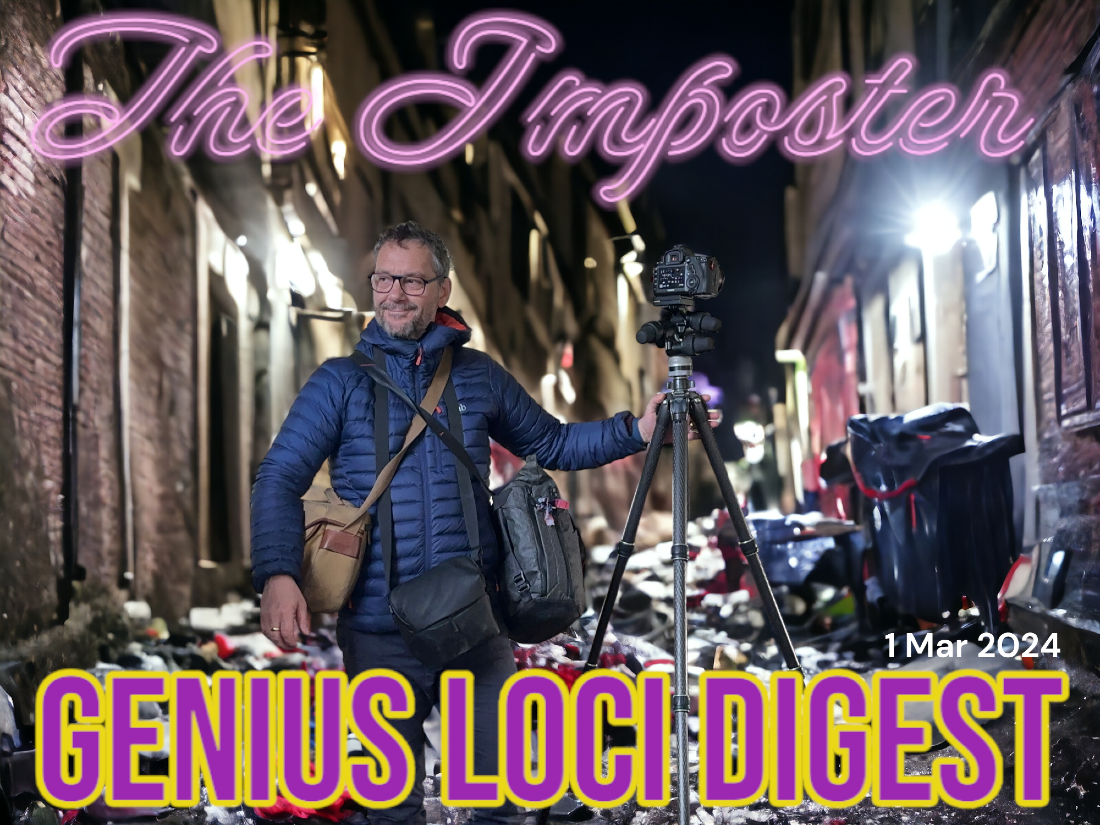
The long view
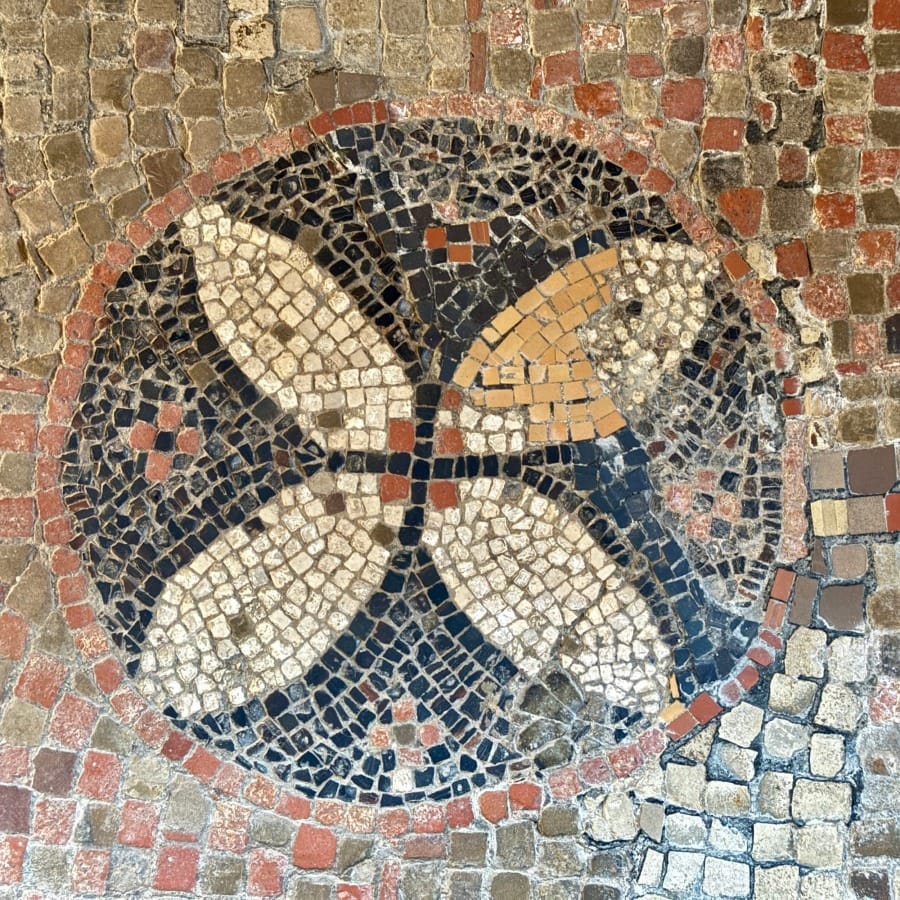
Historic places remind us that the concerns of the present are part of a much longer human story. They reveal previous periods of upheaval, ingenuity, loss, faith, prejudice, beauty and renewal. The longer view can bring perspective and make hope imaginable.
The Digest helps us tap into the long view and develop a sense of our part in the world.
Here's a post about the long view and why it is vital for community health and wellbeing:
 Andy Marshall
A counter-narrative
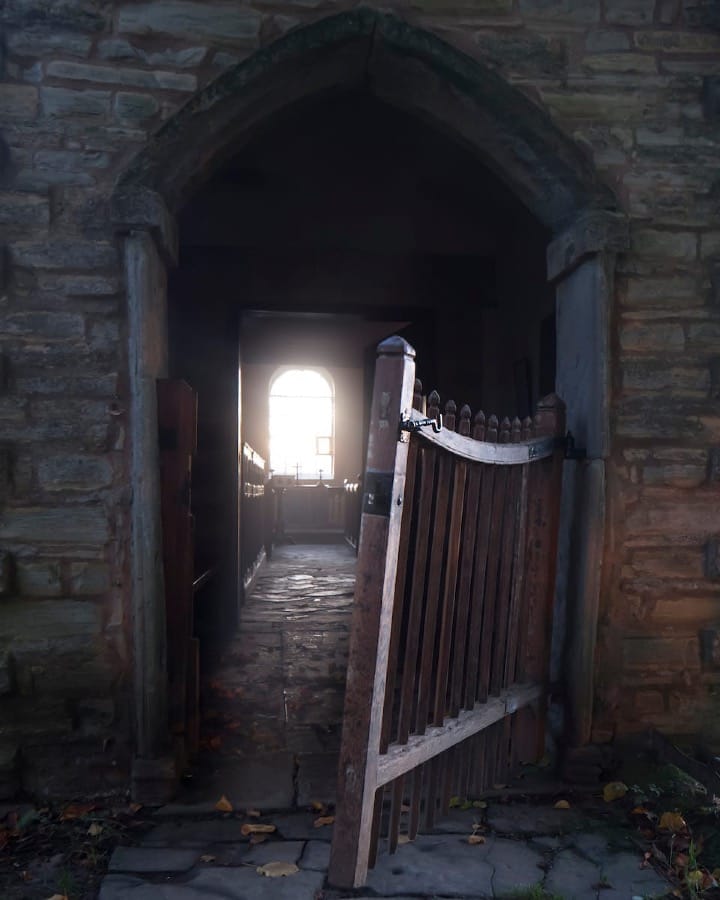
The Digest resists the idea that value is about novelty, popularity or price. It looks for wisdom in what sits hidden amongst us, wonder in the margins and communion with the ignored and overlooked. It offers a counter-narrative to polarisation, cost-benefit, cultural amnesia and the flattening effects of algorithmic life.
The Digest is founded on the belief that every life has value, and that the places that move us often become an expression of who we are.
Here's a post about a place beyond our blinkered, instagrammable world - one that holds its own kind of magic:
 Andy Marshall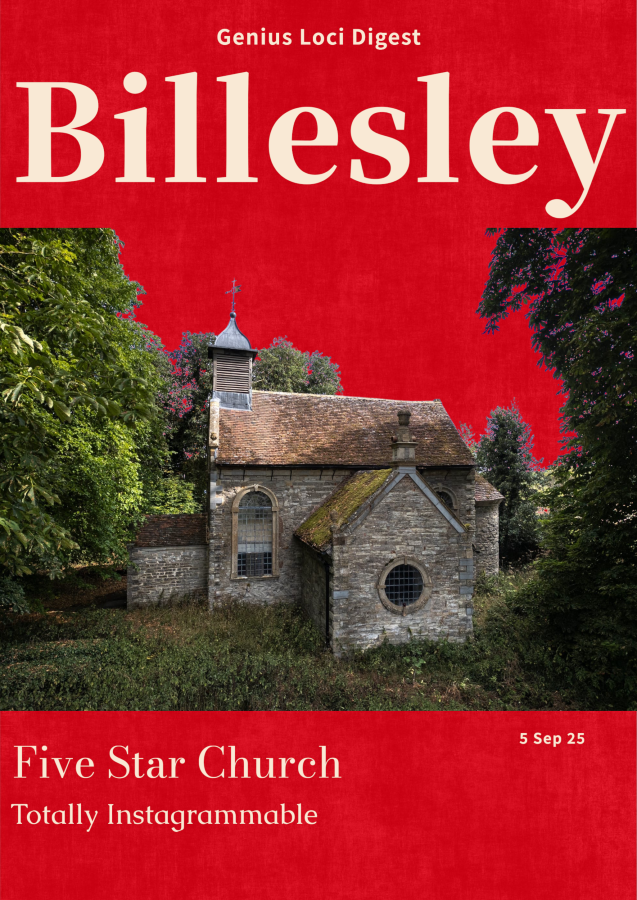
The world is storied.
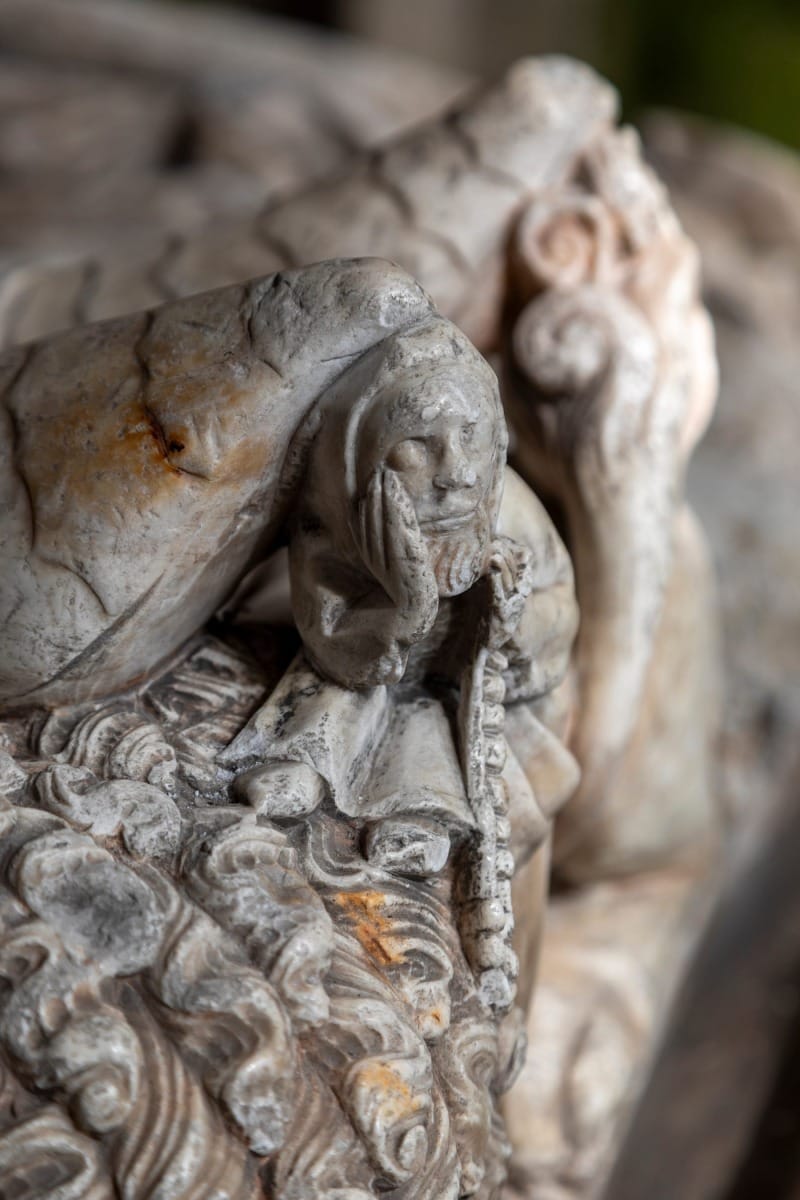
The world is storied. Every place holds traces of those who came before us. These stories are not delivered to us through a feed or selected by an algorithm. They wait to be discovered through curiosity, attention and imagination.
There is something peculiarly refreshing about this. In an age of curated news, personalised feeds and carefully managed appearances, historic places simply present themselves as they are. Their weathered surfaces, repairs and imperfections express a kind of material truth. They do not compete for our attention or attempt to persuade us. Instead, they invite us into a relationship based on discovery rather than consumption.
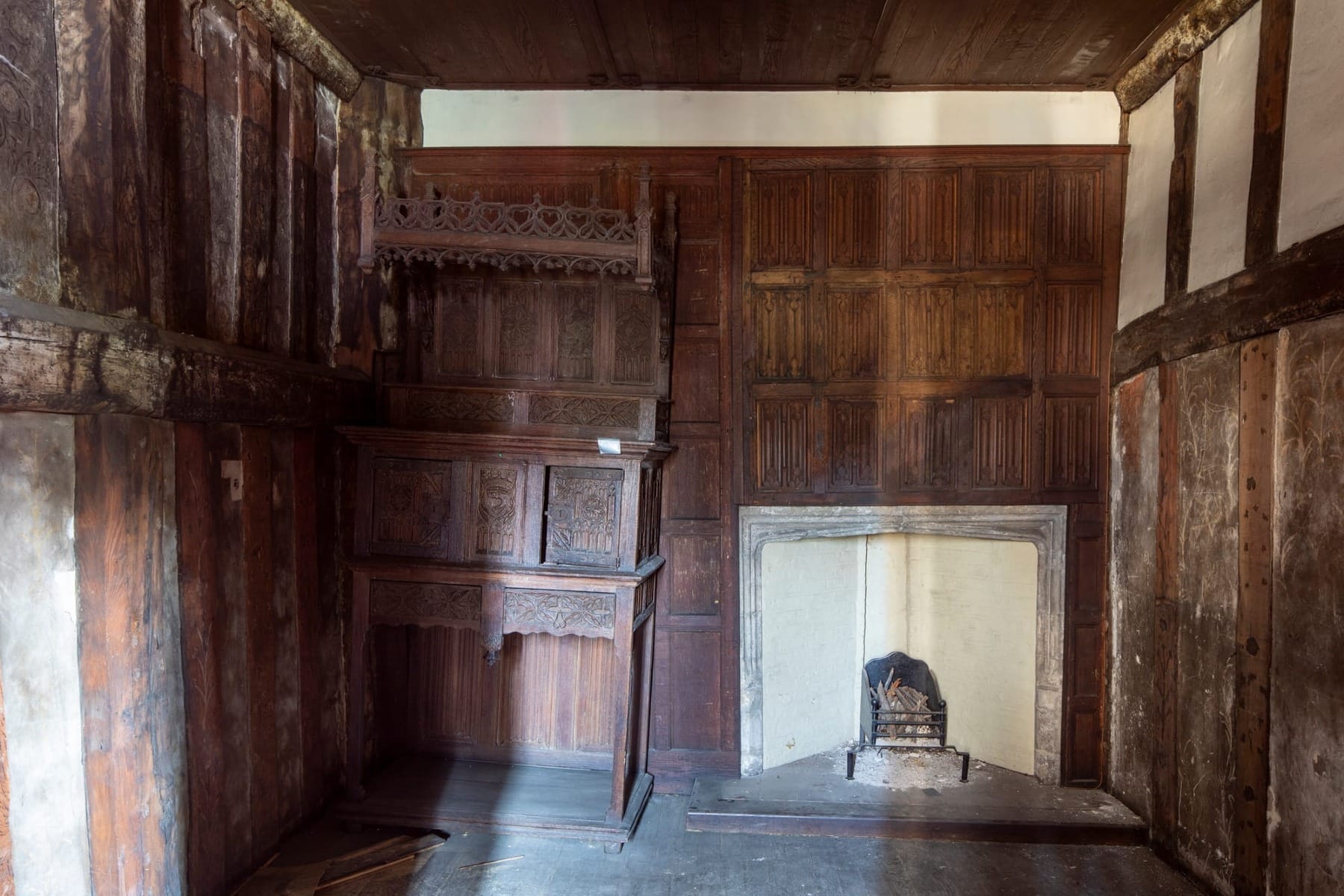
When we encounter a storied place, nobody is directing our gaze or deciding what we should think. We are not being measured, profiled or farmed for data. We are free to linger, to ask questions, to make unexpected connections and to discover meaning for ourselves. The relationship becomes one of participation rather than passive consumption.
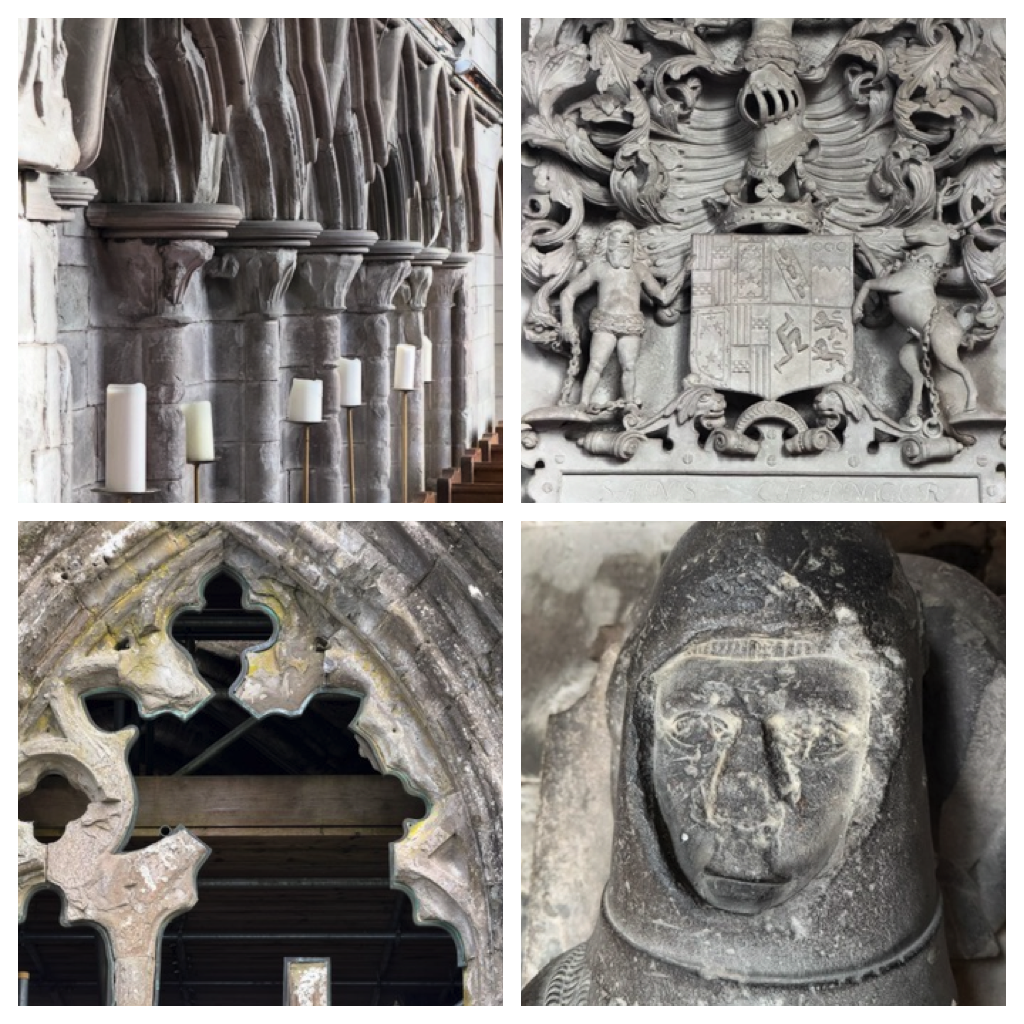
Perhaps that is one of the greatest gifts Britain's historic places still offer us. They remind us that meaning is not manufactured for us or delivered by an algorithm. It already exists all around us, waiting to be noticed.
I believe in progress, but I also believe that, as time goes on, and we become increasingly enmeshed into an AI world, these places will refresh us like clear pools of deep blue water.
The more we learn to read the stories held within the world around us, the richer, deeper and more hopeful our own lives become.
The Digest seeks out the stories and memories that are hidden like whispers within the walls and landscapes that surround us.
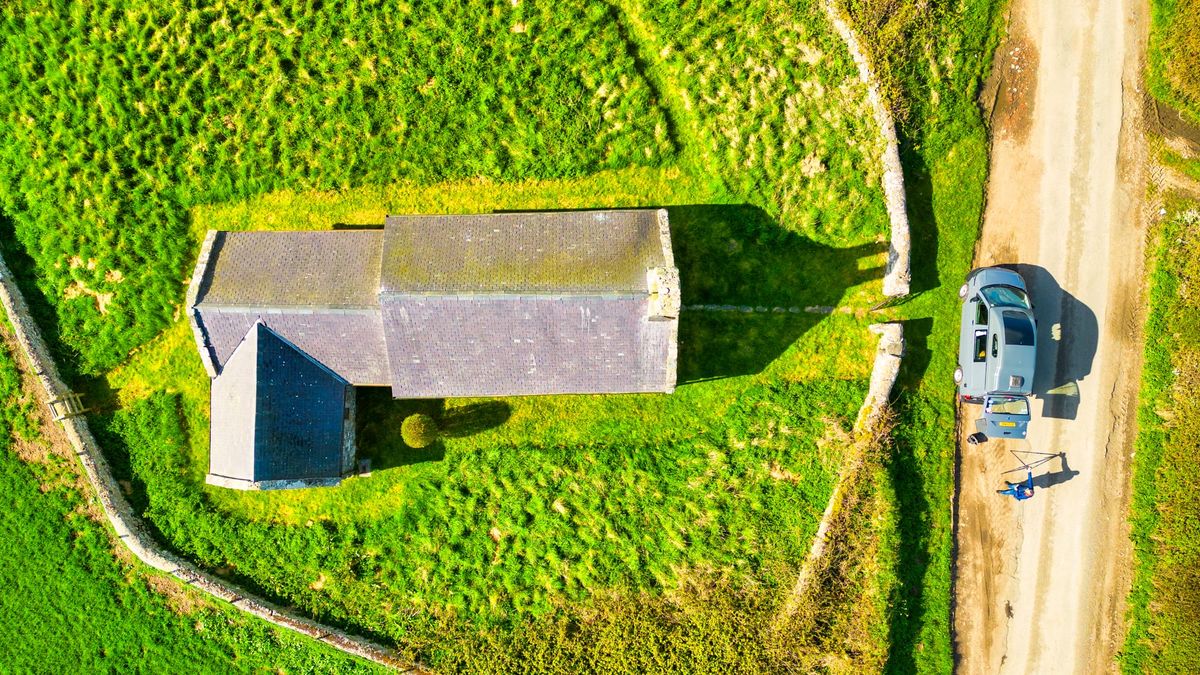
If buildings could speak. What would they say? Here's a post that tells the secret life of the ancient church at Boveney:
 Andy Marshall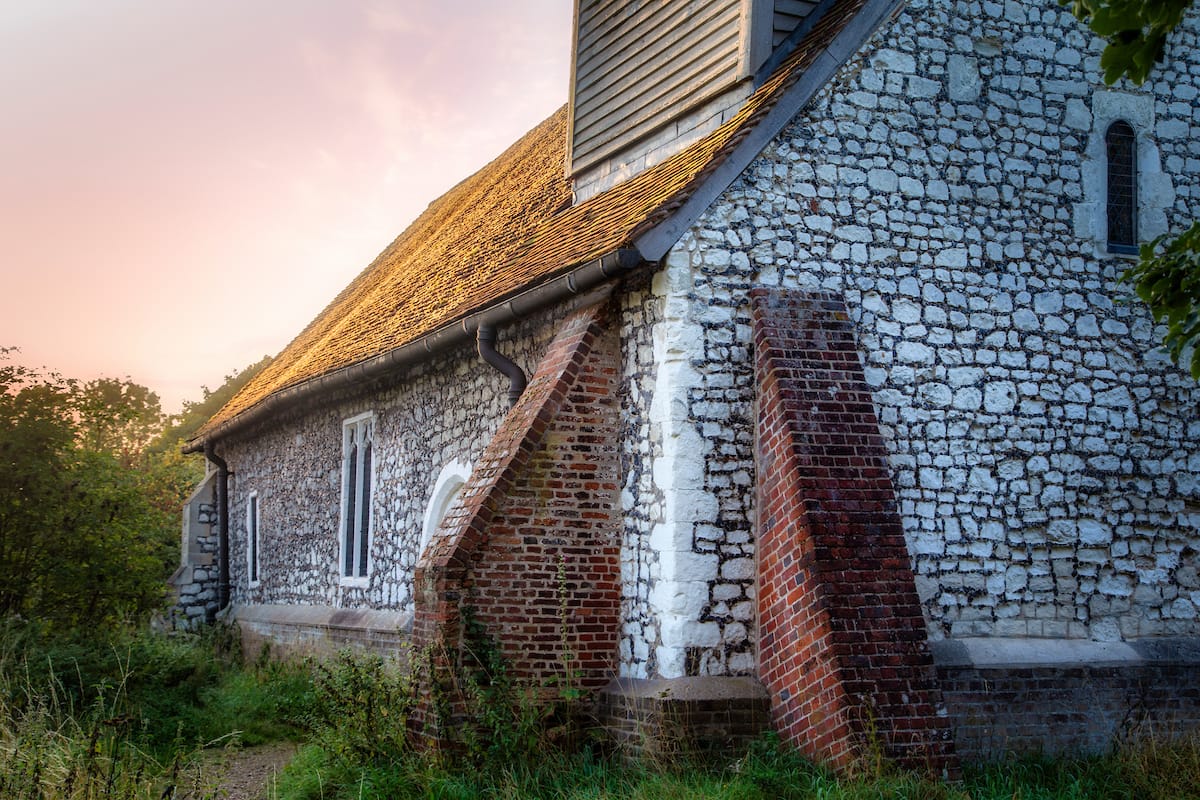
Readers of the Genius Loci Digest
What stays with readers
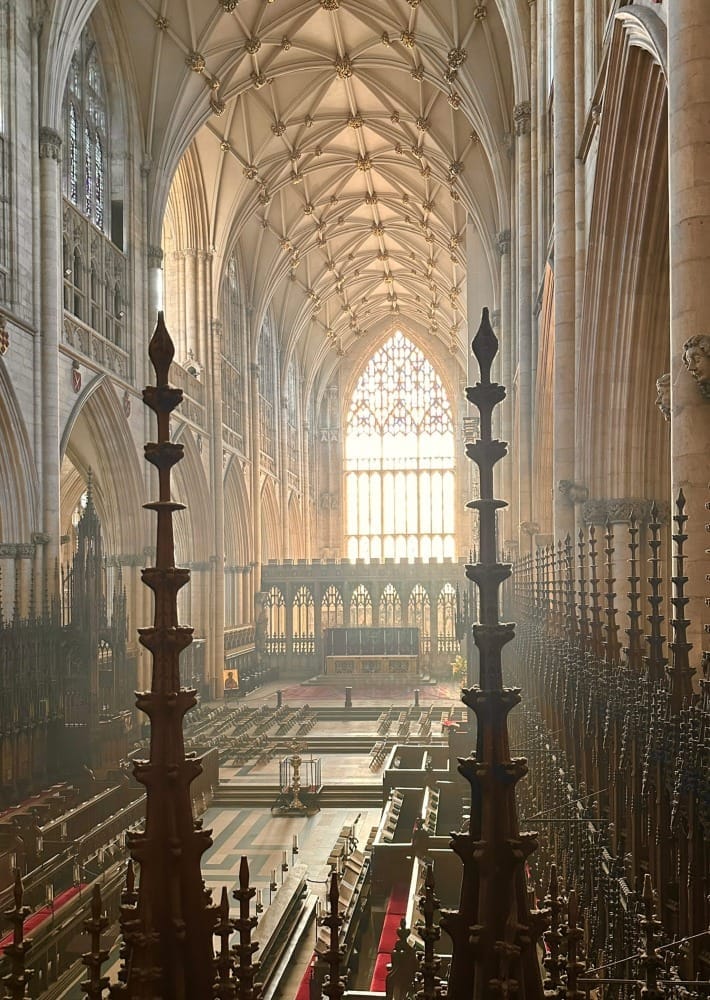
That aura, those echoes - the muted light is transporting. What a space to feel rooted in history. I'd love to make that journey myself; you've stirred the opera lover and architectural dreamer in me.
From the heritage portfolio
Member discussion