Welcome!
Kind words about the Genius Loci Digest
My mind keeps going back to this thoughtful essay, especially this: "Whilst photographing [certain places] the impetus becomes less to capture and record and more to inhabit." - Mary Bsky.
⚡️ View the latest digest and the full archive here.
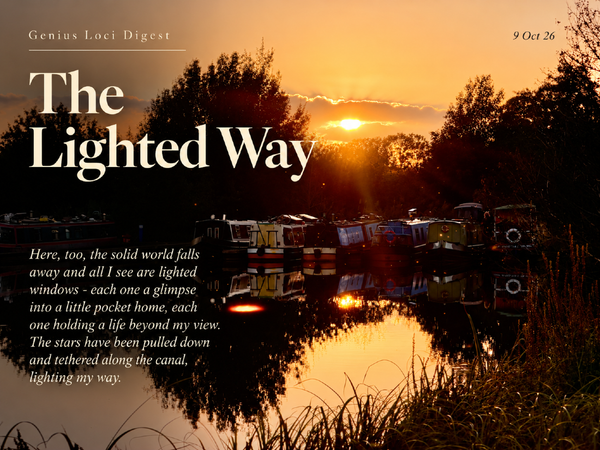
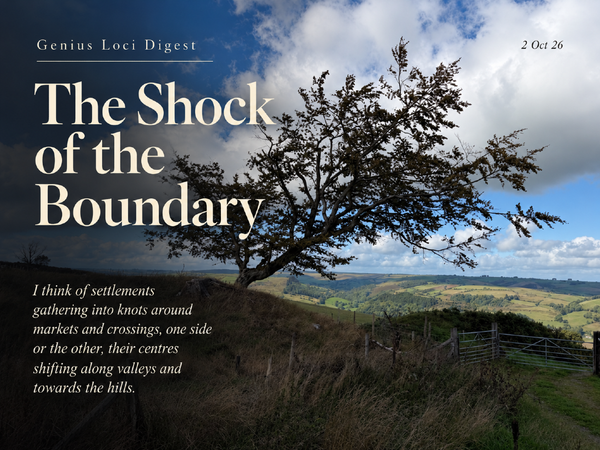
Member Powered Photography helps me shoot historic locations and traditional skills for free. Check out the status of the next free photo shoot here:
🔗 Connect with me on: Bluesky / Instagram / Facebook / X / Tumblr / Flickr / Vimeo / Pixelfed / Pinterest / Flipboard/ Fediverse: @fotofacade@digest.andymarshall.co
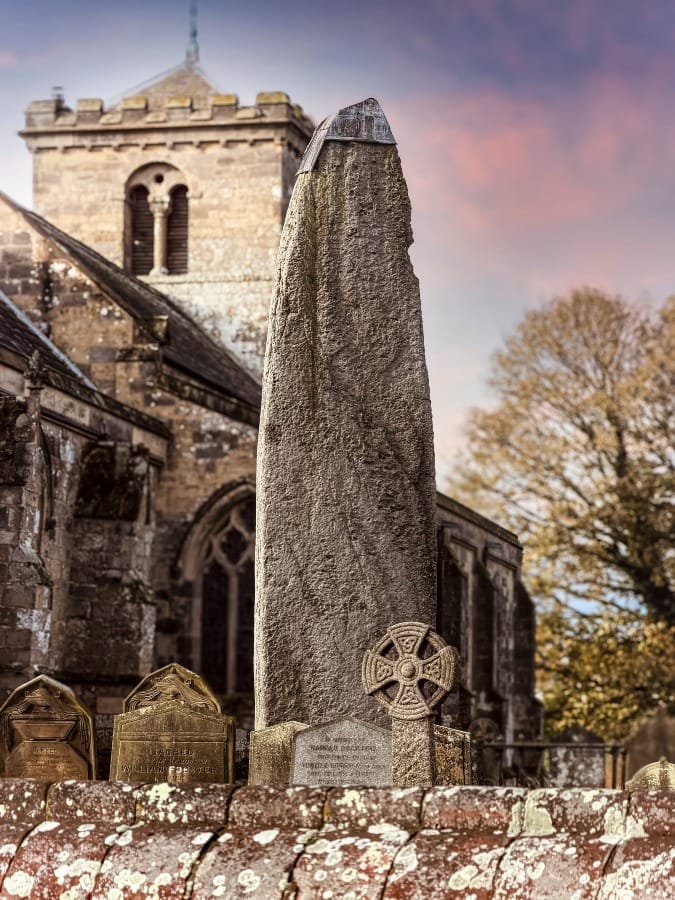
For around 4,500 years, the Rudston Monolith has stood within an ancient ritual landscape in the Yorkshire Wolds. Beside it, the medieval church of All Saints is a mere pup - a later chapter in a place held sacred for millennia.
“Over the years, one comes to measure a place, too, not just for the beauty it may give, the balminess of its breezes, the insouciance and relaxation it encourages, the sublime pleasures it offers, but for what it teaches. The way in which it alters our perception of the human."
Barry Lopez, About This Life
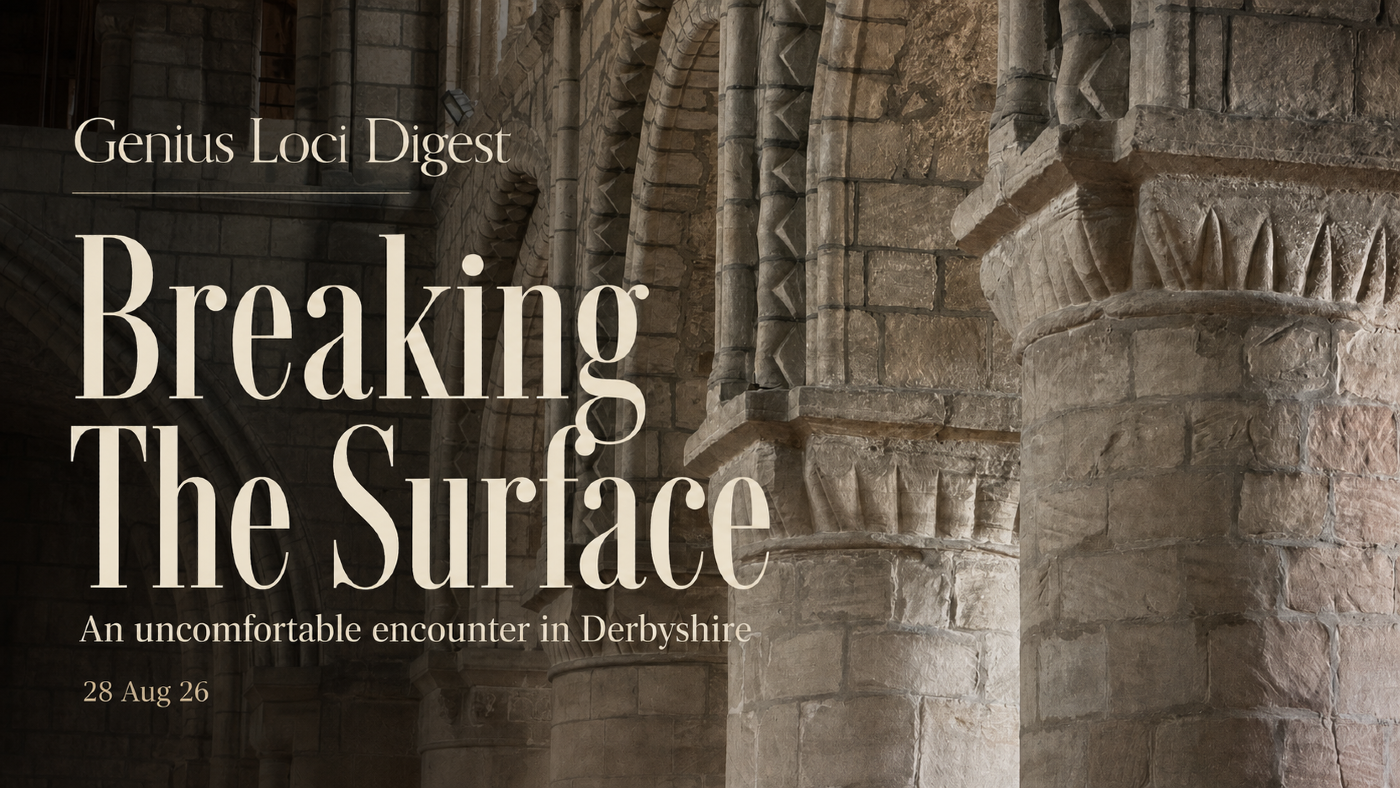
Breaking the surface
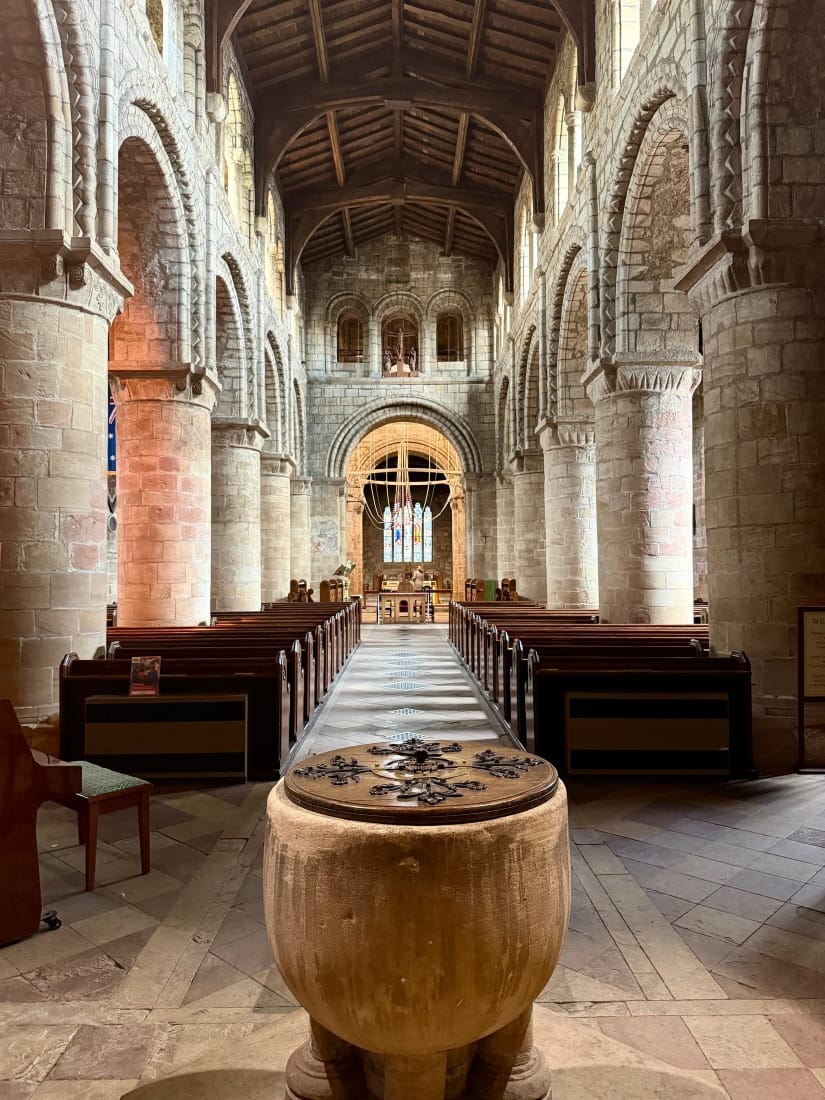
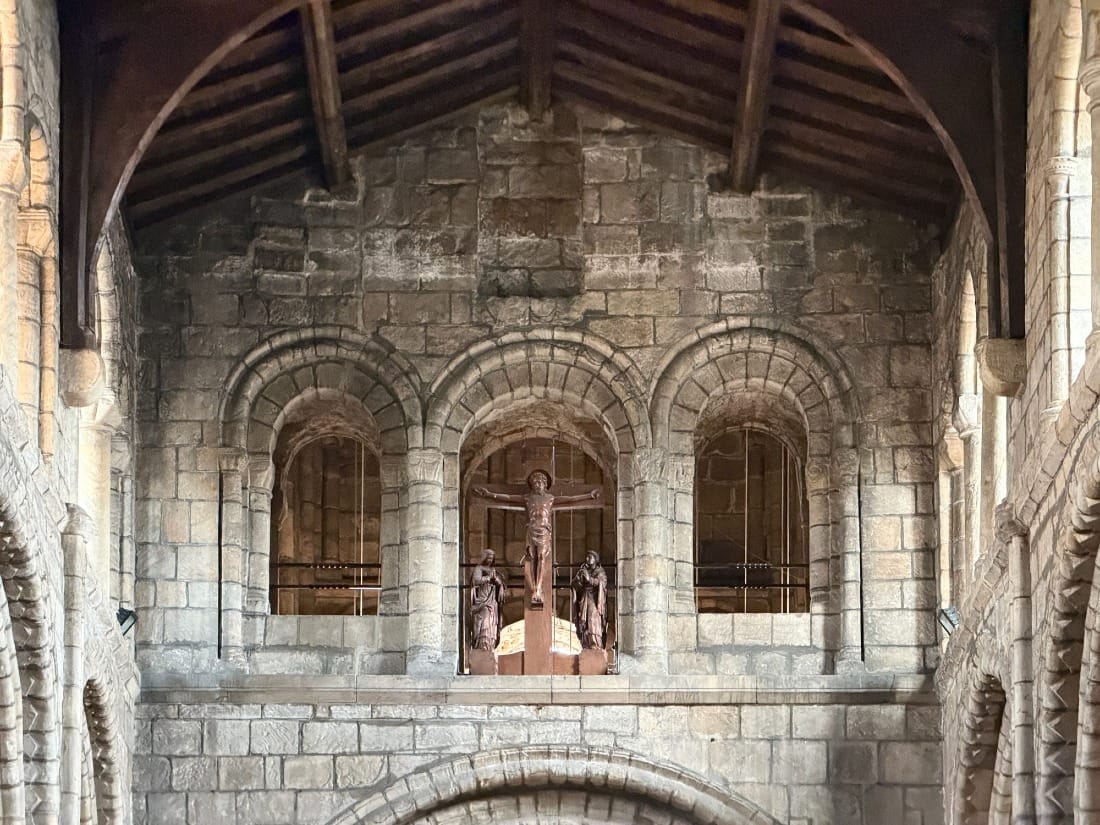
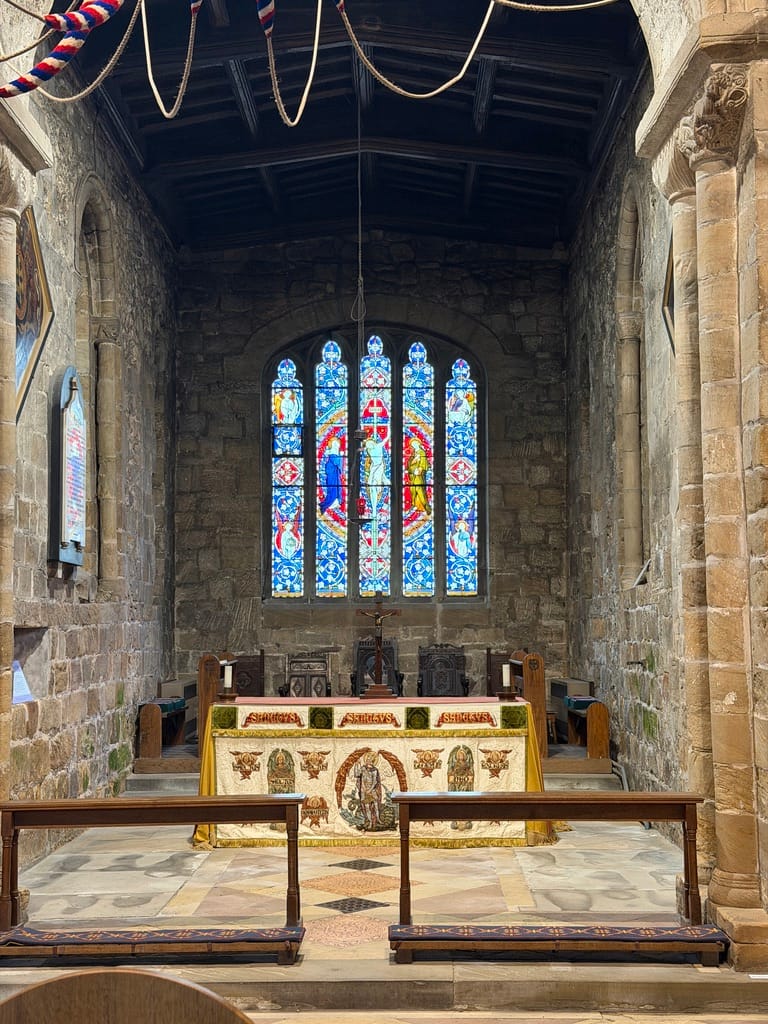
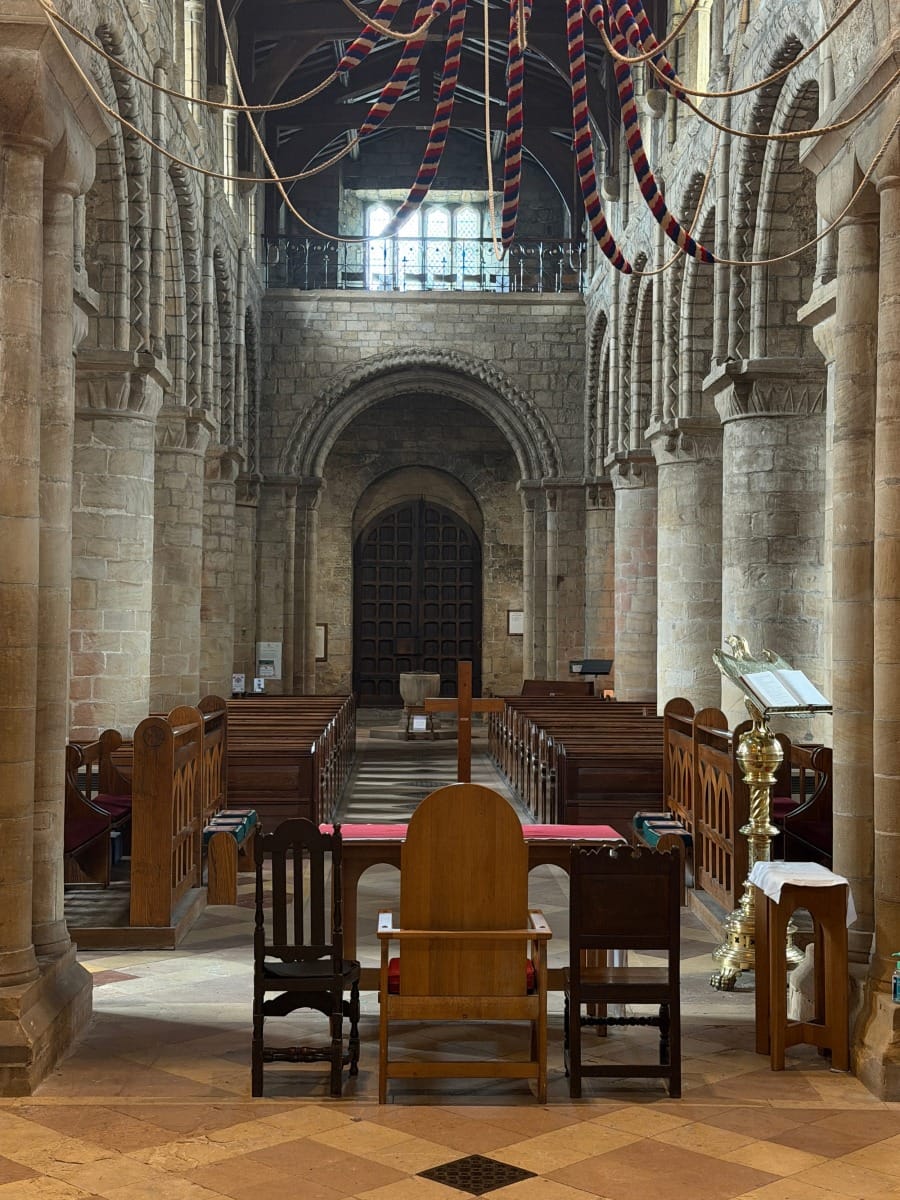
I was absolutely taken aback upon first entering St Michael with St Mary in Melbourne, Derbyshire. This is no ordinary place. Architectural historian, Niklaus Pevsner called it “the most ambitious surviving Norman parish church in England”, and I don’t think that I’ve seen anything quite like it in any other parish church.
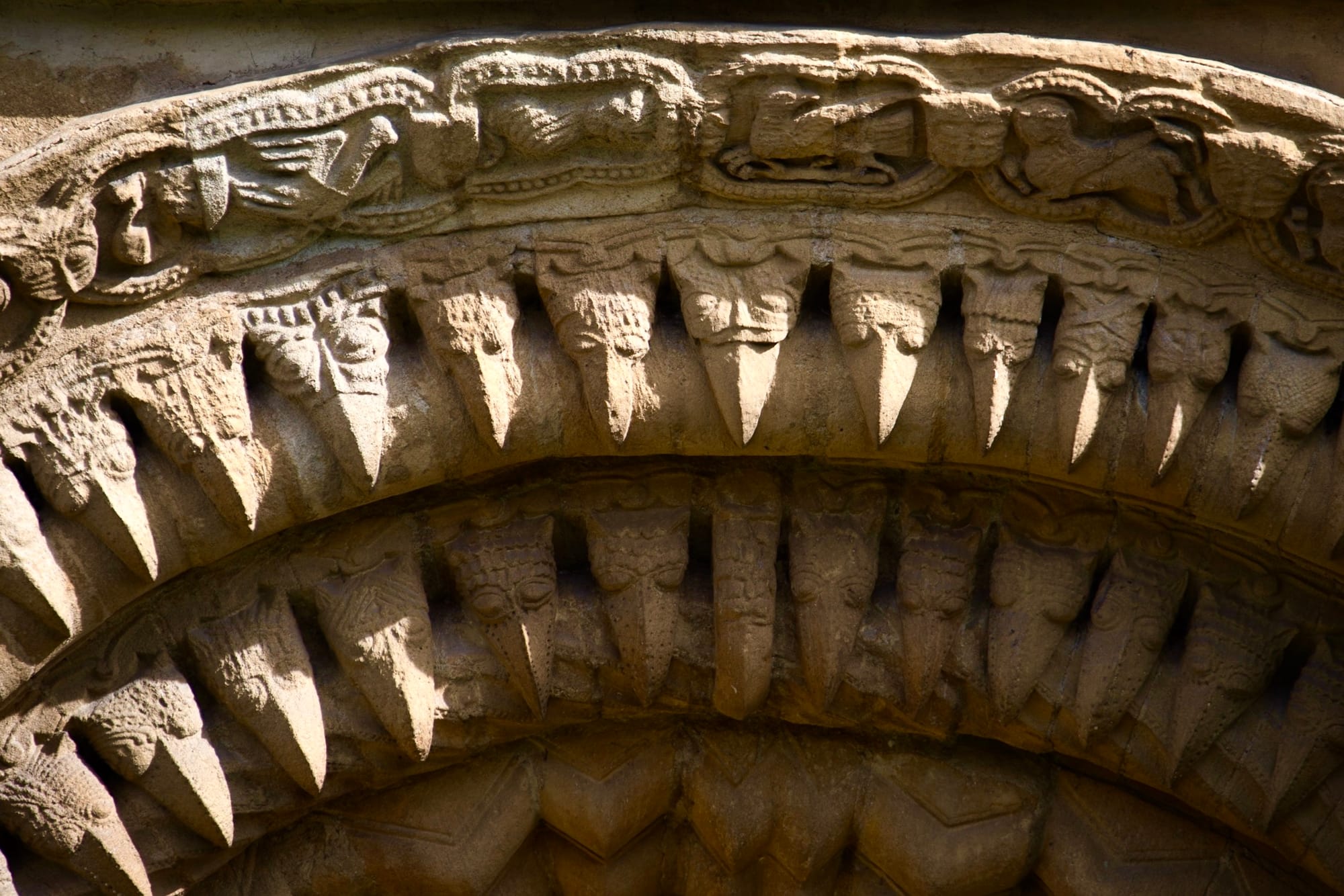
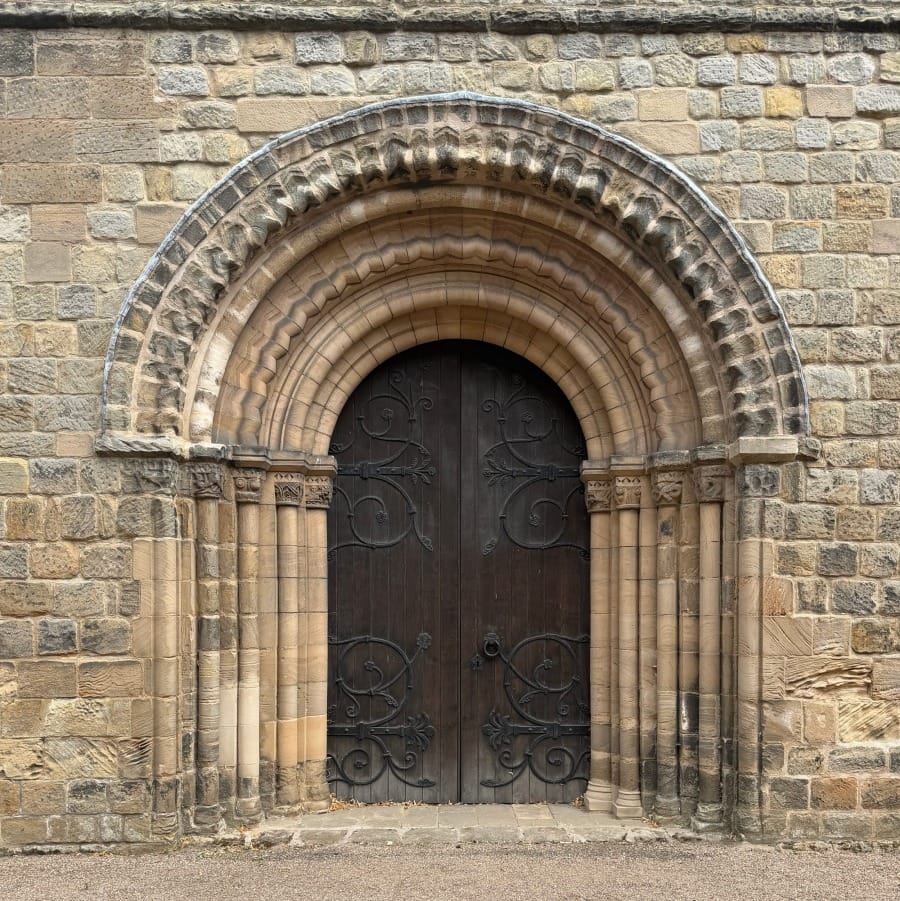
The Norman style of architecture really seems to ground me. I think it might be because my own parish church of St Leonard’s had a zig-zag Norman arch and, as a kid, when we went to services with the school, I remember being completely fascinated by it - the deep-cut chevrons, the triangular intent of a warning - a kind of stamping down of authority from one regime to another in the form of a building. Even then, without having the language for it, I think I understood that this architecture was trying to do something more than simply enclose a space.
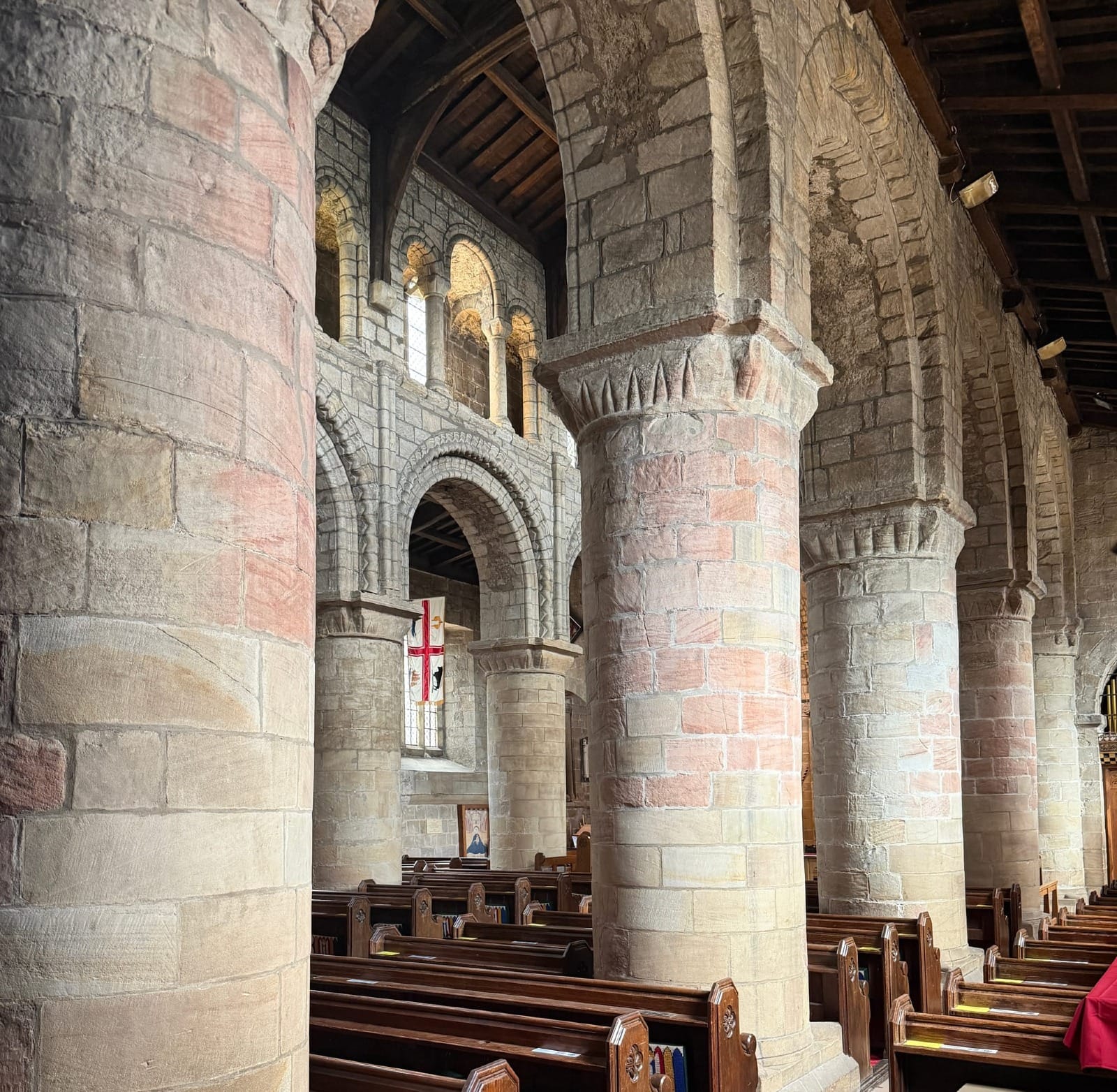
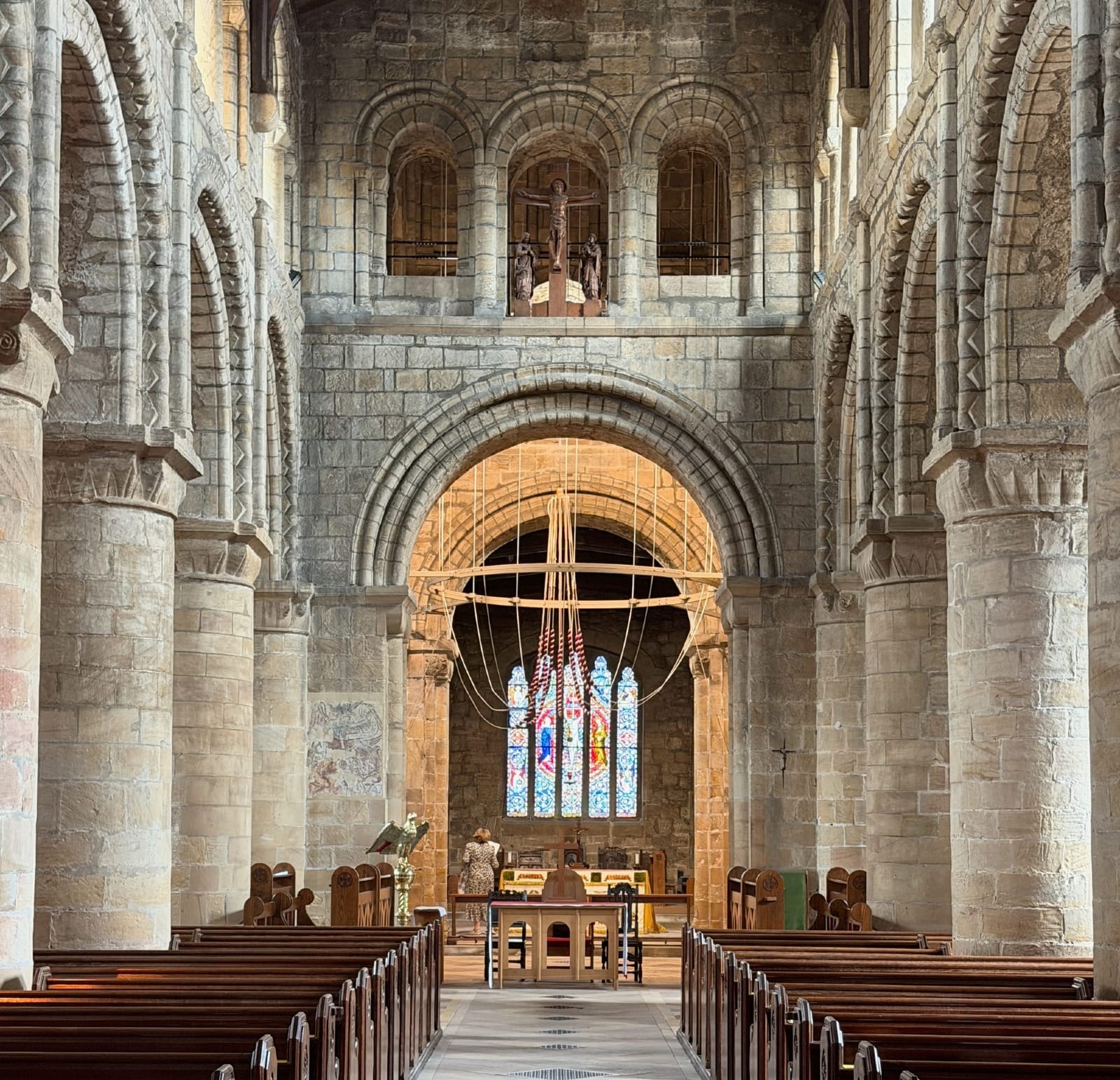
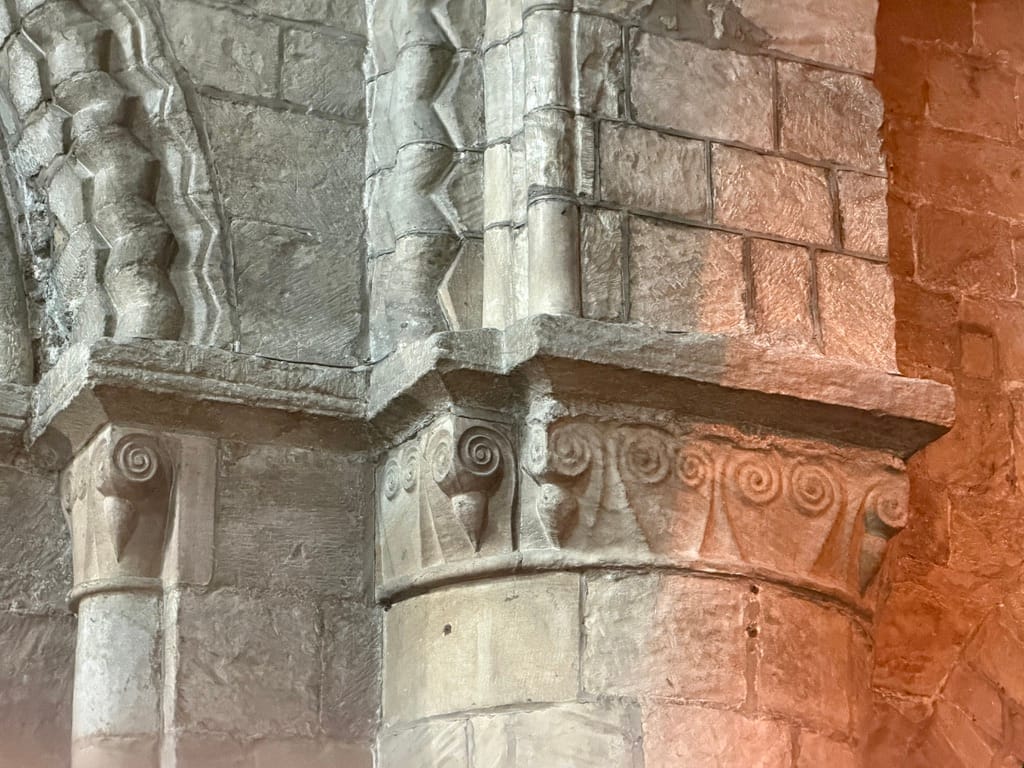
The church here in Melbourne is overwhelmingly Norman in character - deliciously monolithic. It seems to be pressing itself into the earth rather than rising from it like the later, lofty Gothic buildings. There is something elemental about the Romanesque style - the immense cylindrical columns, the round arches and the sheer accumulated mass of stone giving the impression that the building belongs as much to geology as architecture.
Recently I came across a passage in a book called The Spirit of Stone. Writing about Black Rocks, a gritstone escarpment here in Derbyshire, Wyl Menmuir asks the geologist Ruth Allen why he feels so uplifted by the rocky outcrops of the Pennine hills. Her answer comes remarkably close to describing the feeling I get when I enter somewhere such as Melbourne parish church:
“We know where we need to go. We’re drawn to the particularity of those places, by the form and the shape of them. It bypasses the cognitive, and so you’re drawn there because you need what the place offers. For me, there’s definitely a mystical element to it that’s in our ecological self, a sense of a blueprint to tune into patterns and to fractals and to visual fluency that’s in the landscape.”
There is something in that idea of a place bypassing the cognitive that strikes home here. The monumental architecture at Melbourne isn't built in stone from a distant prestigious source. Its extraordinary Romanesque forms rise from local gritstone - from the same geological world as Black Rocks.
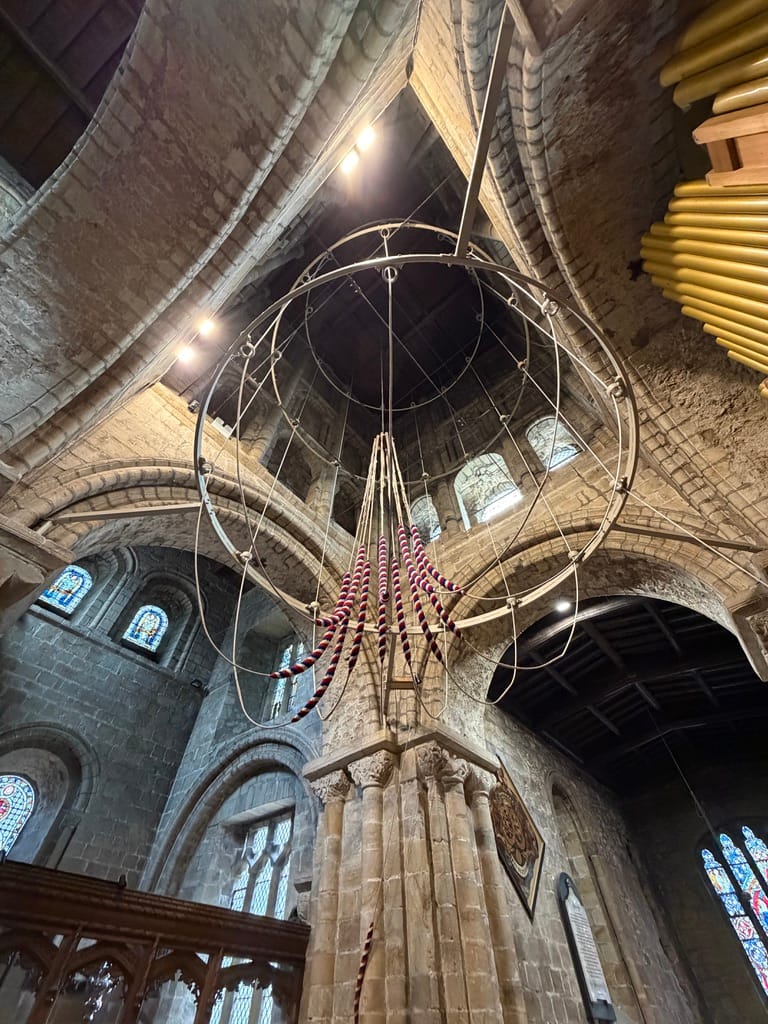
What existed in the landscape as strata and outcrop has been quarried, squared, carved and reassembled into columns and arches. For a moment, here in the nave, the distinction between building and landscape begins to blur.
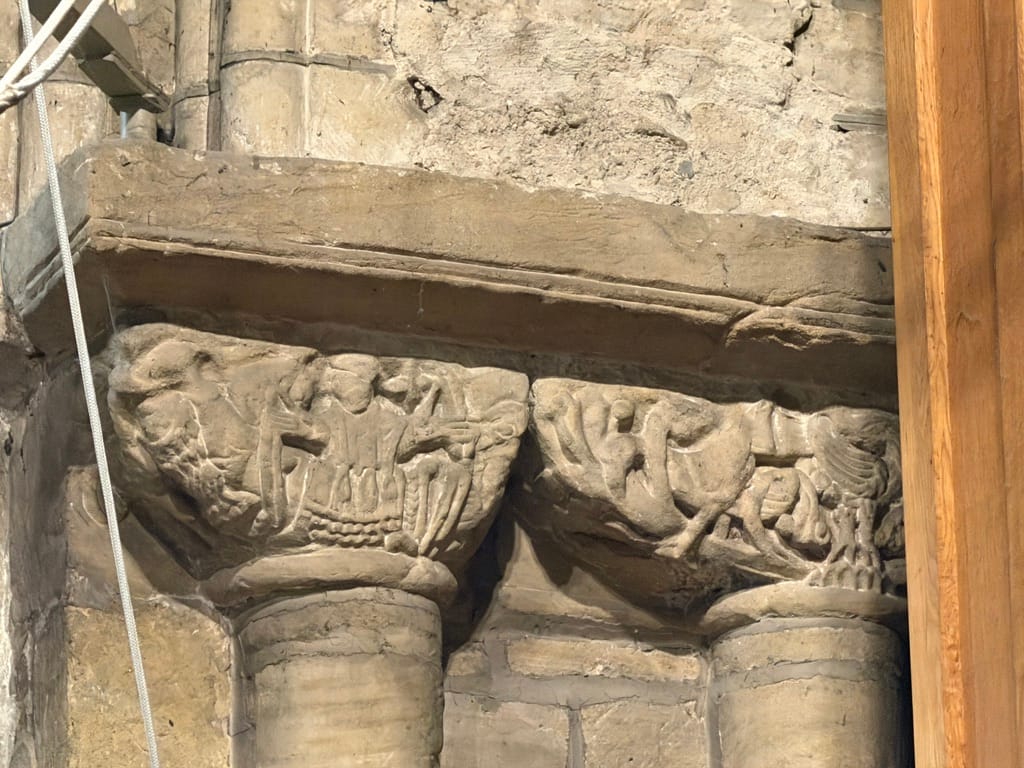
At first it is the enormity of the building that takes hold of me - the accumulated weight of the whole thing. Standing beneath the gallery at the west end, I follow the line of the arcading and take in each capital.
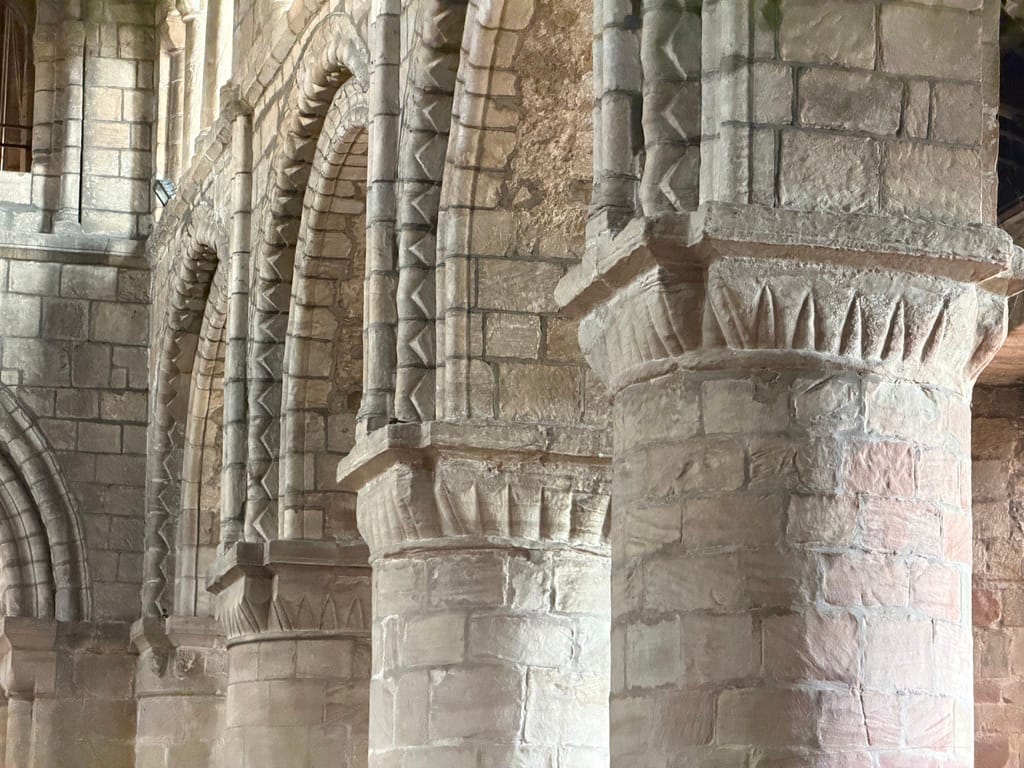
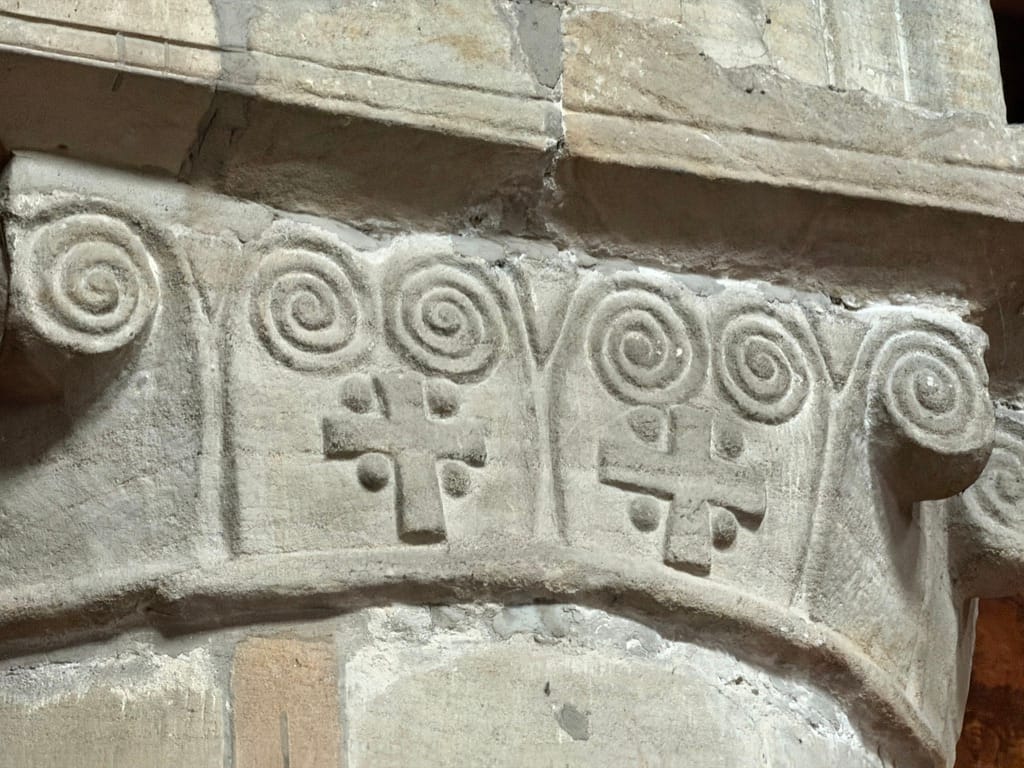
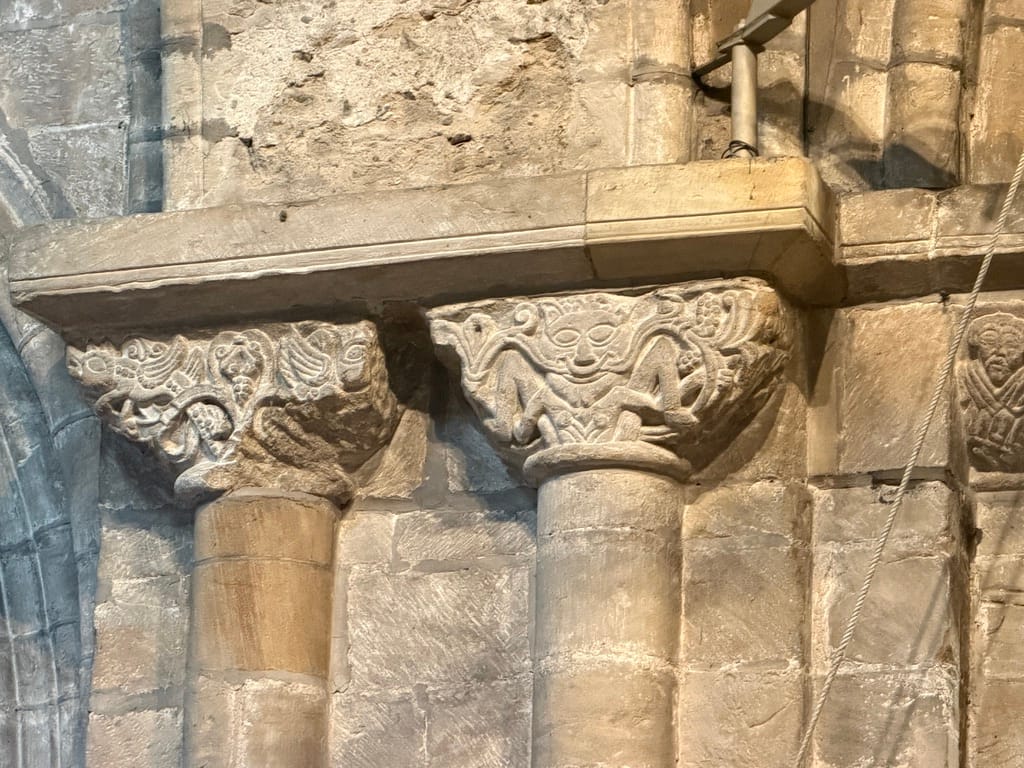
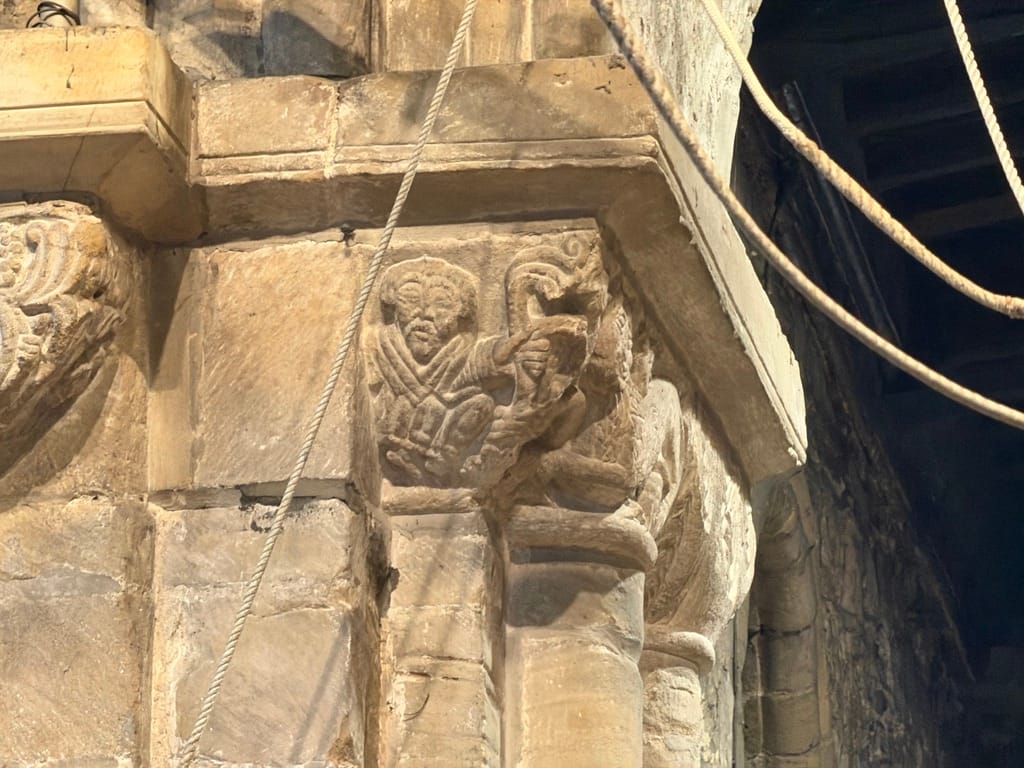
As my eye follows the perspective through the building towards the crossing and beyond, it is caught by a particular knot of detail. From a distance they look like snaking lumps and bumps in the stone.
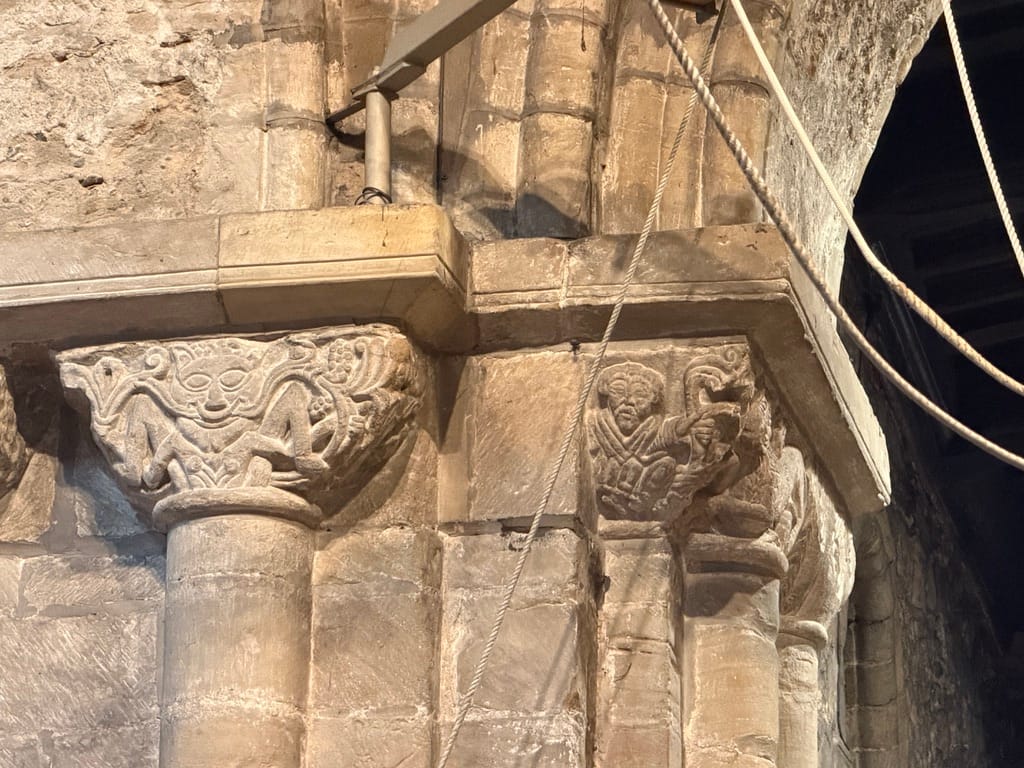
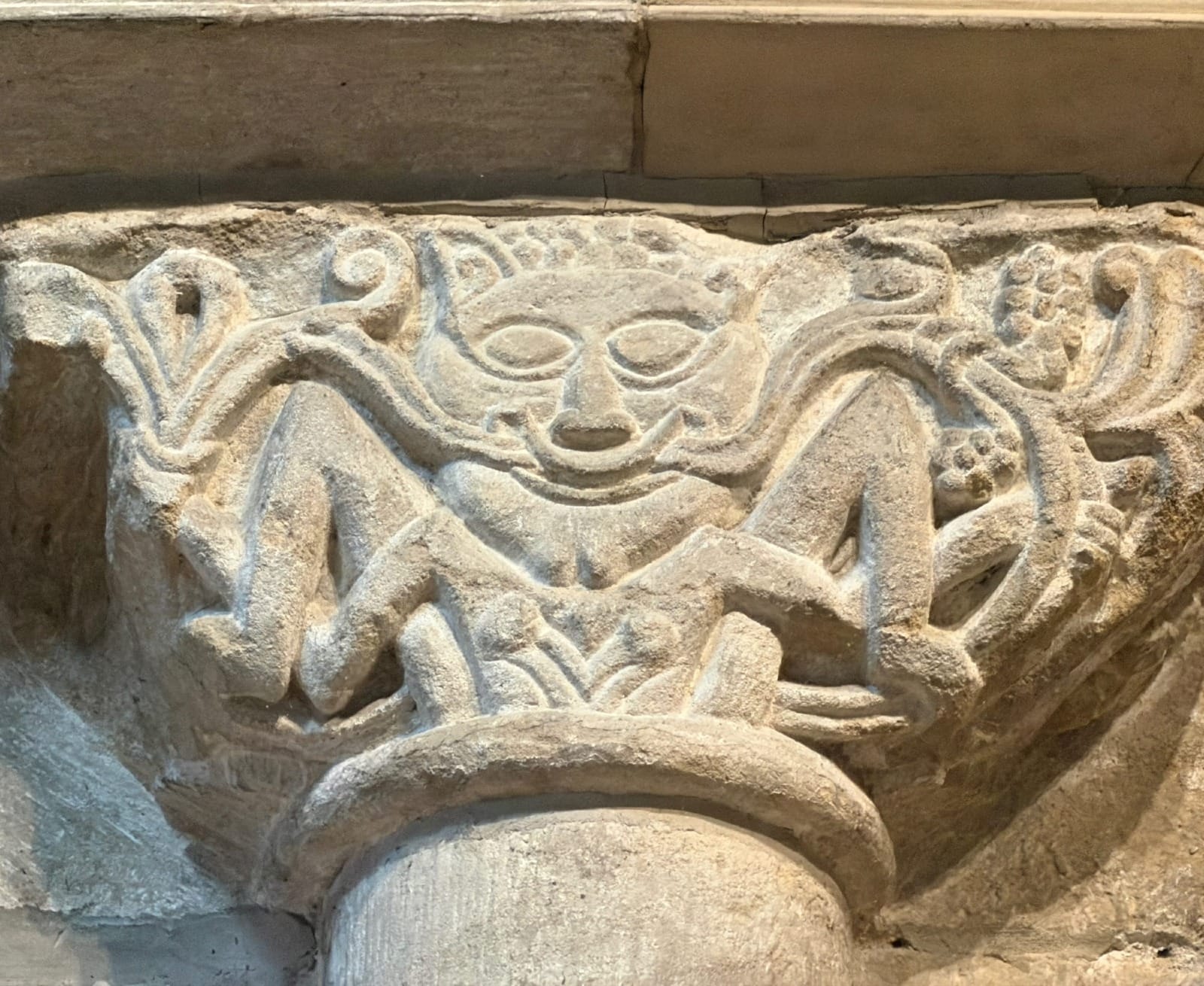
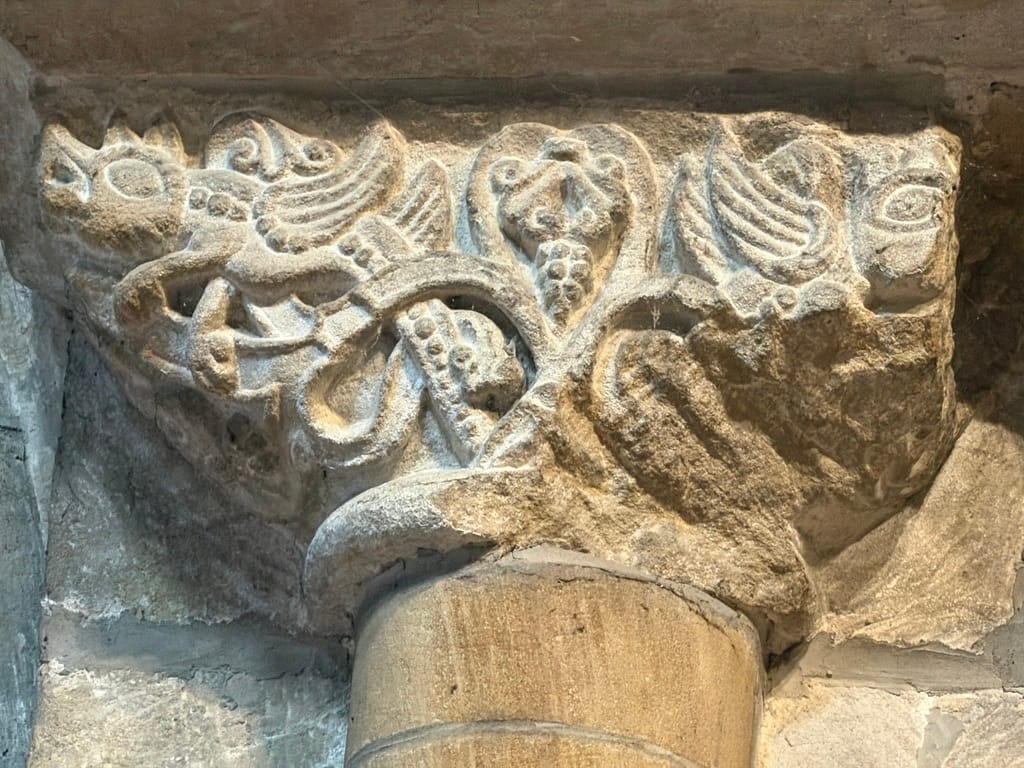
I walk over and begin looking at them individually until I come across one particular carving. In an instant the scale of everything changes. The monumental crumbles and I find myself being held by something that occupies only a few inches of stone.
The carving is sometimes interpreted as a kind of green man and sheela-na-gig hybrid. A shela-na-gig, bearing its most private of parts, is said to represent fertility. Whatever its original meaning, it has an extraordinary presence. The figure stares directly out from beneath the architecture, its body tangled into the surrounding foliage and forms, refusing any straightforward reading.
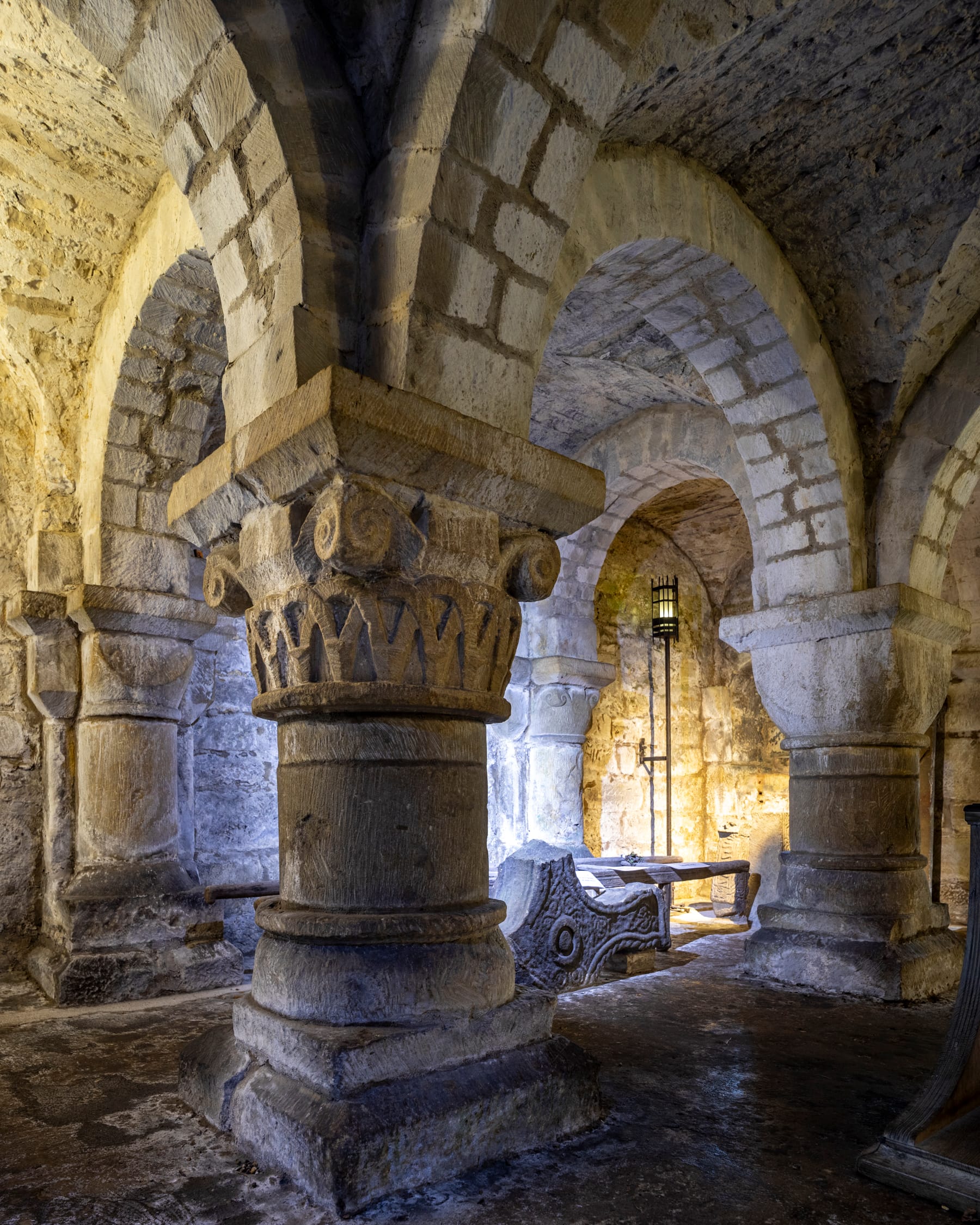
The revelatory feeling brings to mind a photograph that I took some time ago in the Romanesque crypt at Lastingham. What is so evocative about this image for me is the fragment of carved stone on the floor which rises into the composition like the fin of a dolphin emerging from dark water. It seems to come from somewhere beneath the accumulated depths of history and break the surface of the present.
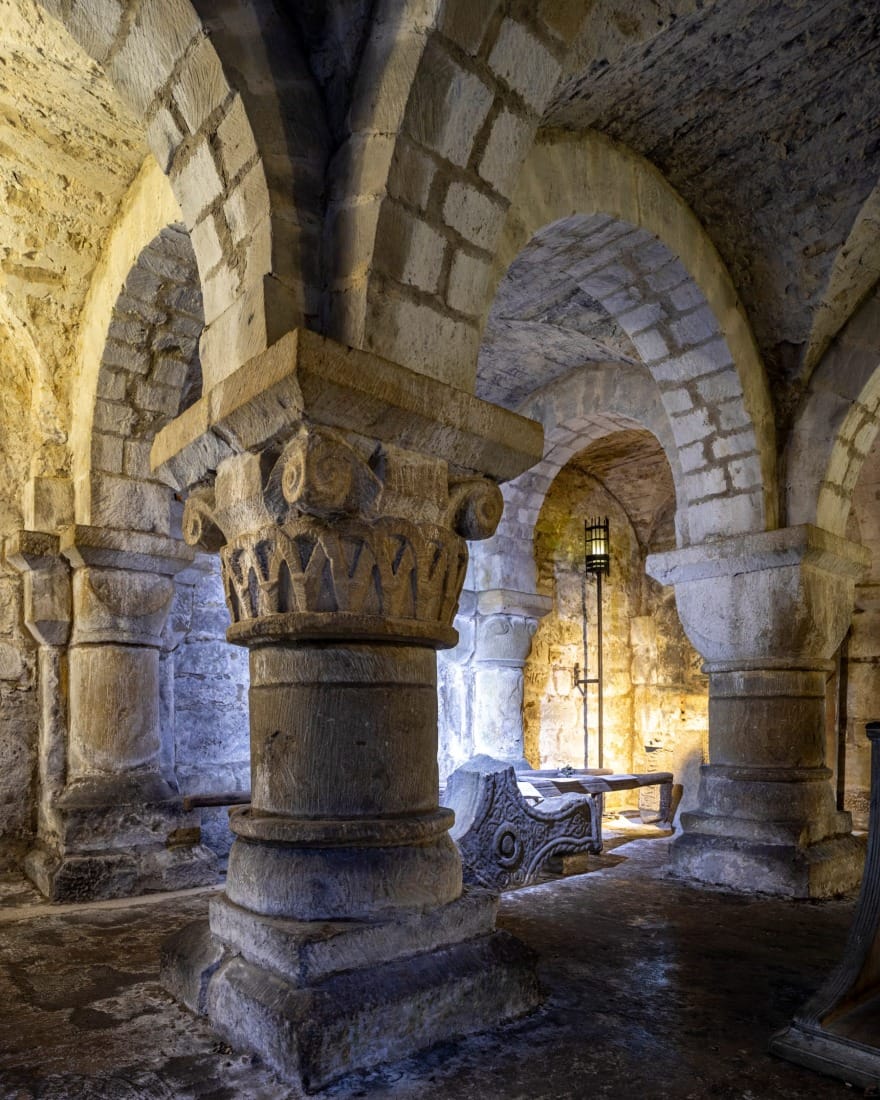
Standing in front of this strange carving at Melbourne, I have the same feeling. Something that has survived for centuries suddenly breaks through the surface.
Perhaps this is where places like Melbourne become far more significant than the idea of heritage alone might suggest. There is an understandable tendency to cherish an old church because it is picturesque. But there is a danger in allowing such places to become too safely contained within the idea of heritage.
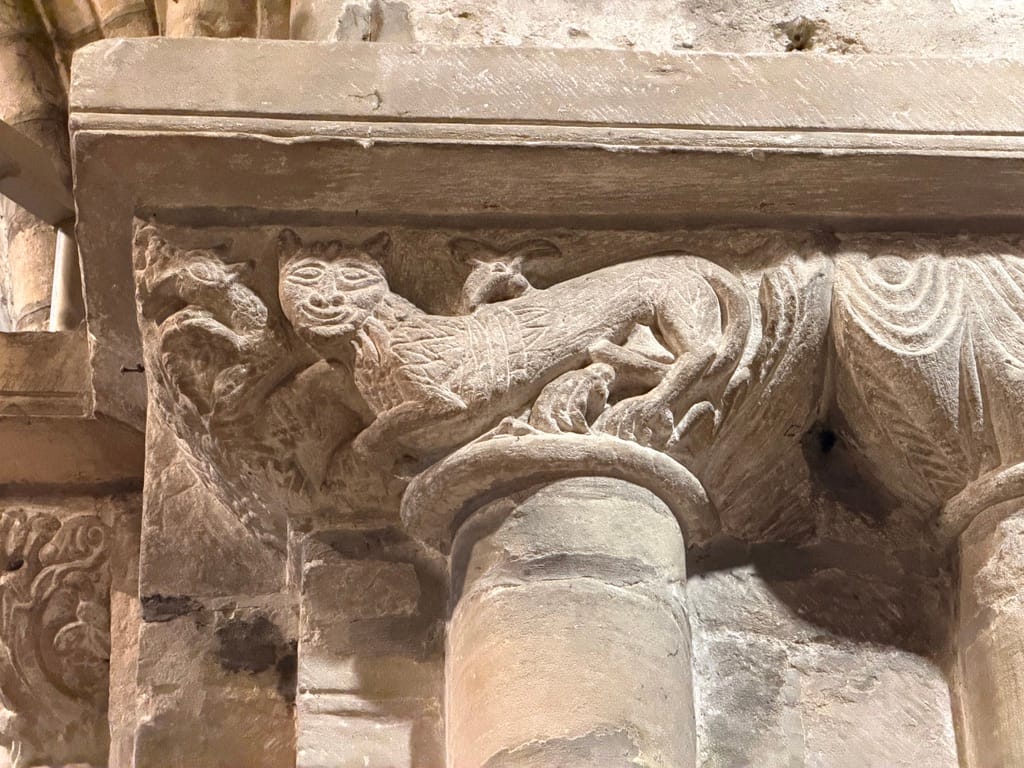
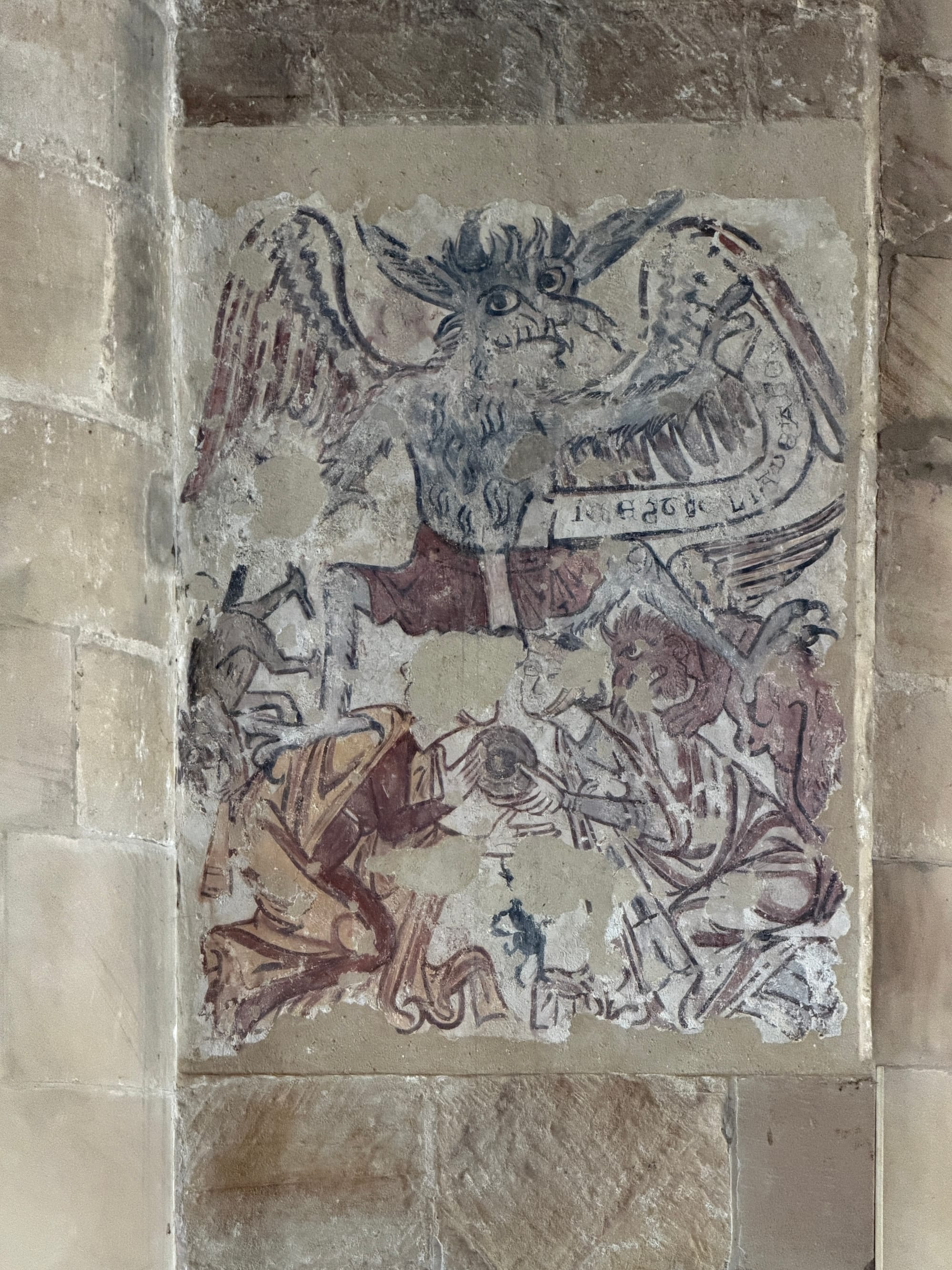
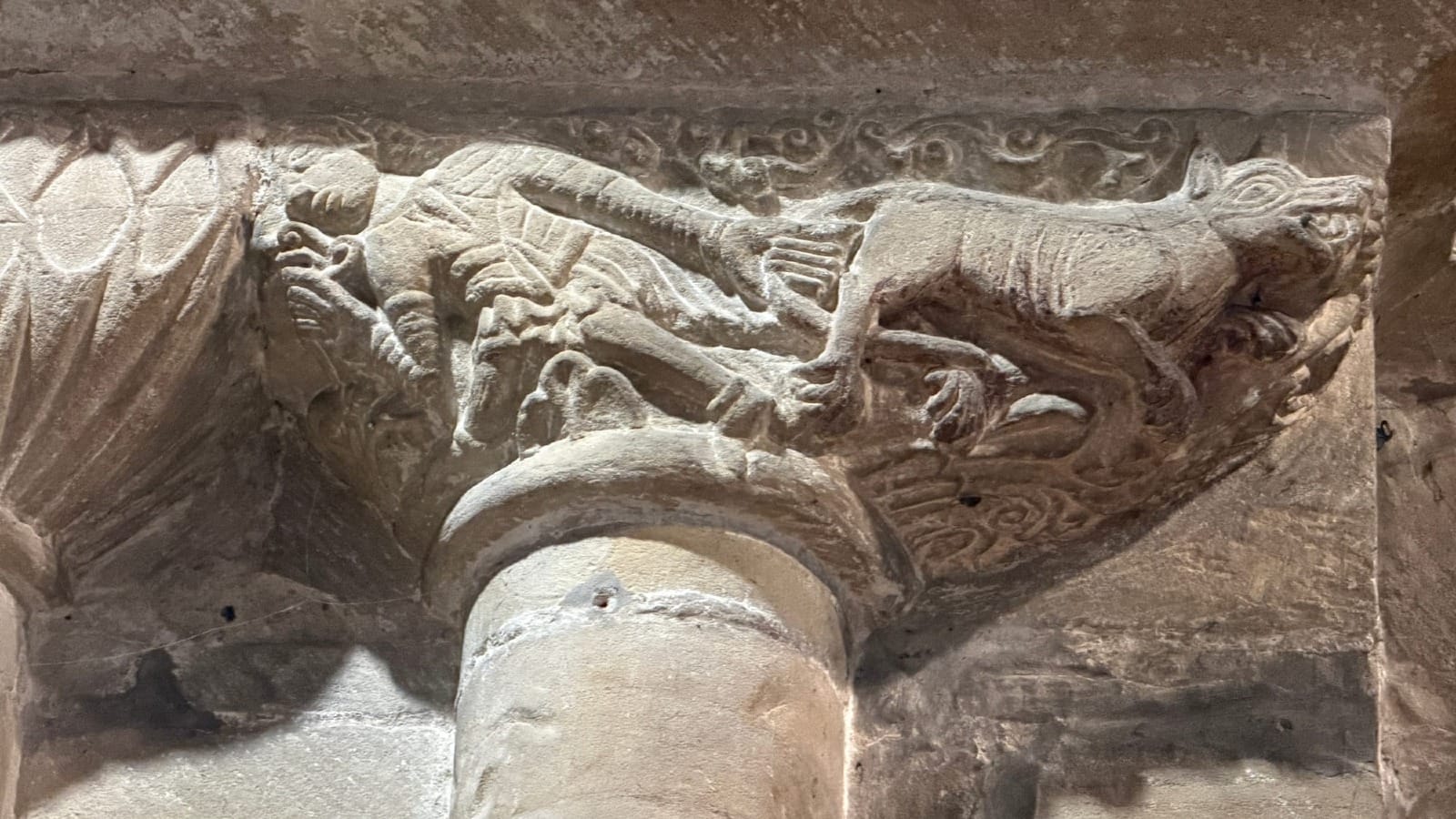
The deeper value of a building like this might be that it is not entirely comfortable. Within all that monumental order are strange eruptions: bodies, beasts and symbols that have crossed nine centuries without losing their ability to perplex. They refuse the idea that the past was somehow simpler than the present. Instead they reveal people grappling with fear, desire, humour, belief, mortality and the unknowable in ways that we can recognise without necessarily being able to explain.
There are moments when these figures seem to puncture our tendency towards passive acceptance. They are the visual equivalent of the voice that interrupts the crowd and points out that the emperor has no clothes. Something that has been sitting at the margins suddenly cuts through everything that has become habitual and asks us to look again.
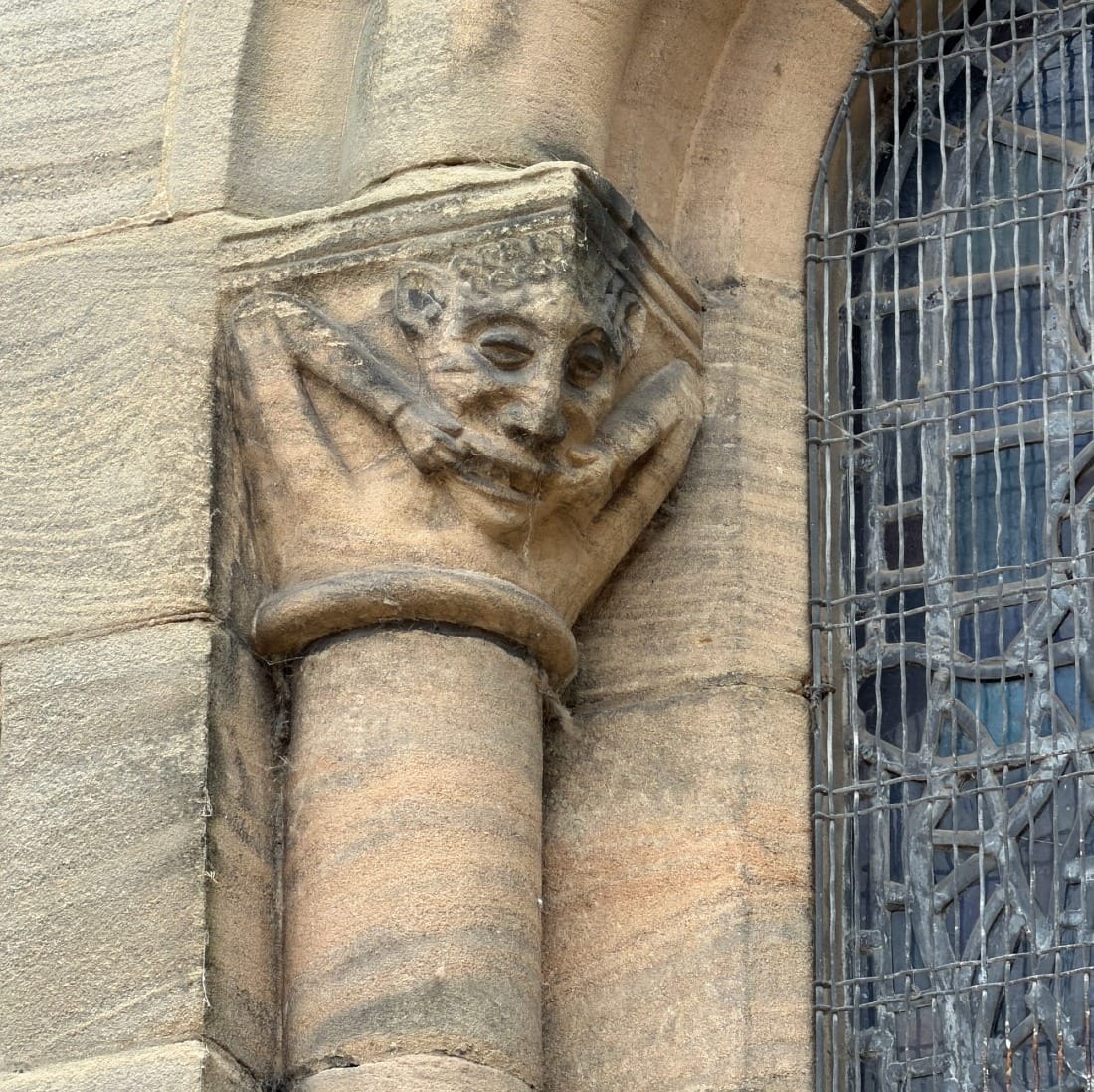
That feels particularly important now because more and more of the world is becoming curated. Routes are designated, choices recommended, images selected and explanations placed in front of us before we have had the opportunity to form our own questions. It is becoming remarkably easy to remain on the surface of things.
Perhaps, somewhere within that process, we also lose a little of our capacity to imagine that things might be otherwise - that there are other ways of seeing, making and thinking still available to us.
This is why I think the survival of places like Melbourne matters in ways that reach far beyond architectural history. It isn't enough that they remain as beautiful backdrops from another age. Their strangeness needs to survive too - their contradictions, awkwardness and ability to resist the neat interpretations that we place around them. If we preserve only the comfortable surface of heritage, we risk losing precisely the thing that gives these places their residual power.
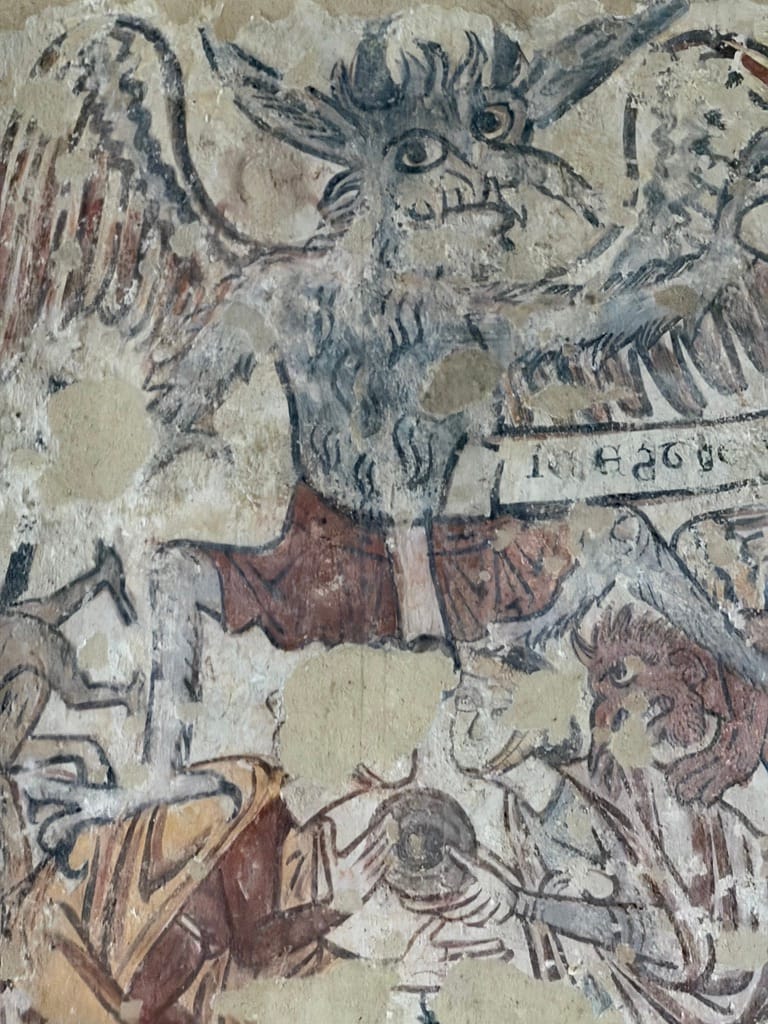
Perhaps they also teach us something about discomfort itself. The strange figures at Melbourne have not been smoothed away simply because they trouble our understanding. They remain within the architecture, accommodated by the larger whole. There are, of course, things in any age that deserve to be challenged or rejected, but discomfort alone is not always a reason to push something aside. Sometimes the unfamiliar, the awkward or the difficult needs space to remain present long enough for us to understand what it might be telling us.
There is something deeply useful in that. A culture that removes everything that unsettles it risks becoming shallower and less capable of reflection. These old buildings show another possibility - that contradiction can be held, that strangeness can remain visible, and that not everything needs to be resolved before it is allowed to belong.
Whenever I enter an old church now I try, at some point, to move away from the designated route. I look up into the roof, down beneath benches, behind monuments and into the darker corners where interpretation has thinned out. Again and again there are things waiting there that seem to behave like that fragment of stone at Lastingham - the fin of a dolphin rising unexpectedly from deep water.
They remind me that the past is not a sealed layer beneath us. It is continually pressing against the present, finding cracks and weaknesses in its surface through which to emerge. And perhaps that is one of the greatest gifts these old places still have to offer. They give us somewhere in which the surface of things is thin enough for the nutrients of the past to break through.
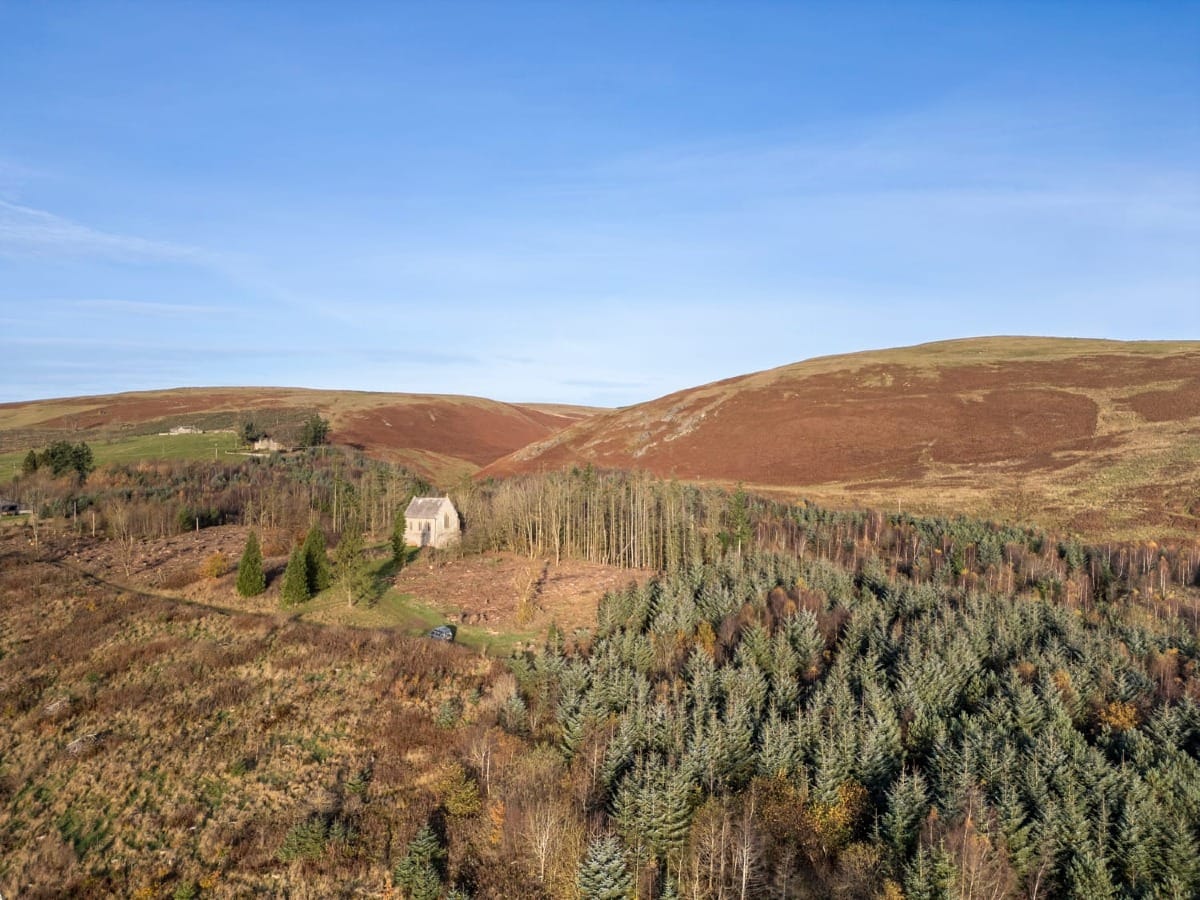
Can you help keep me on the road?
See membership options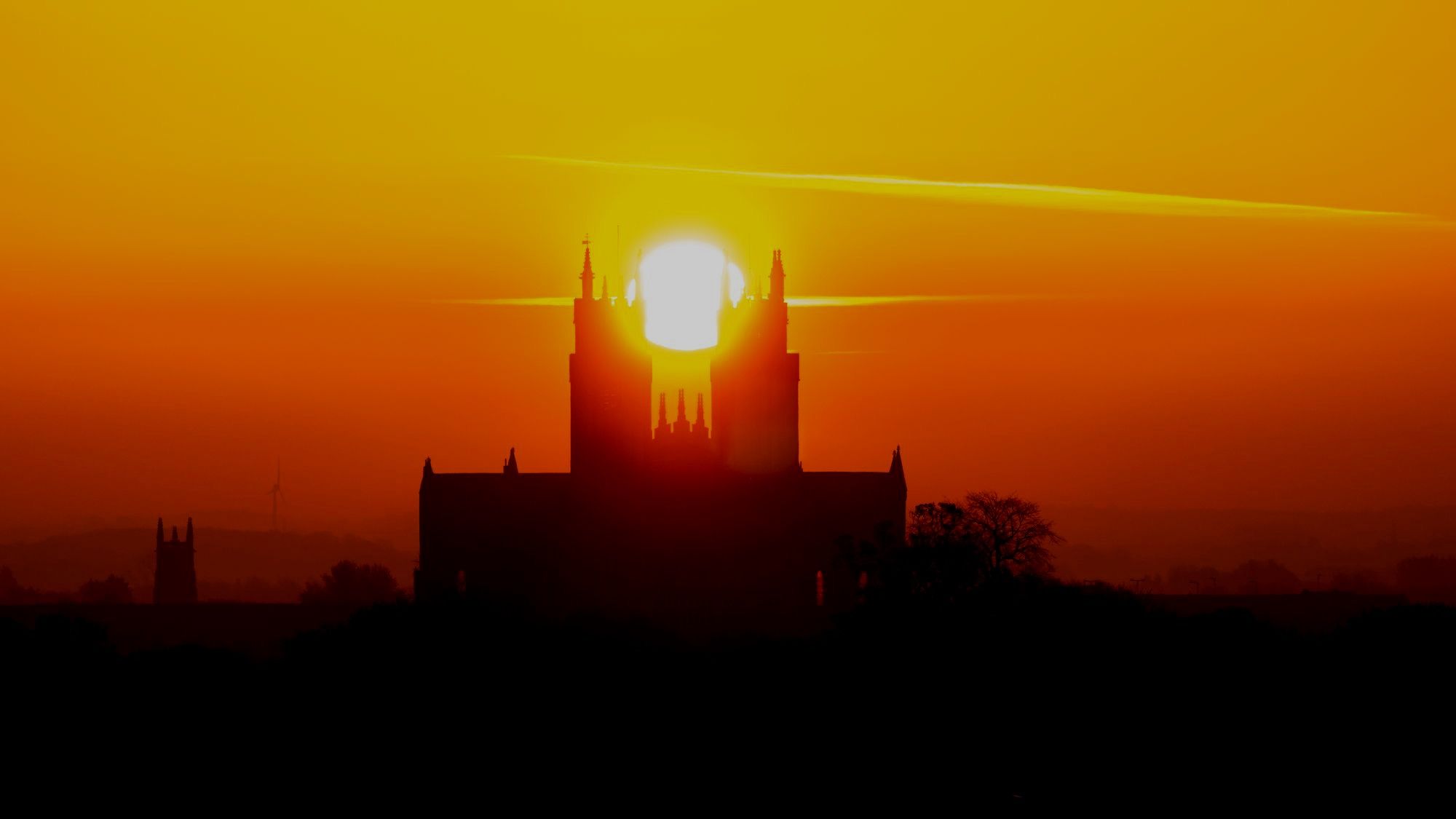
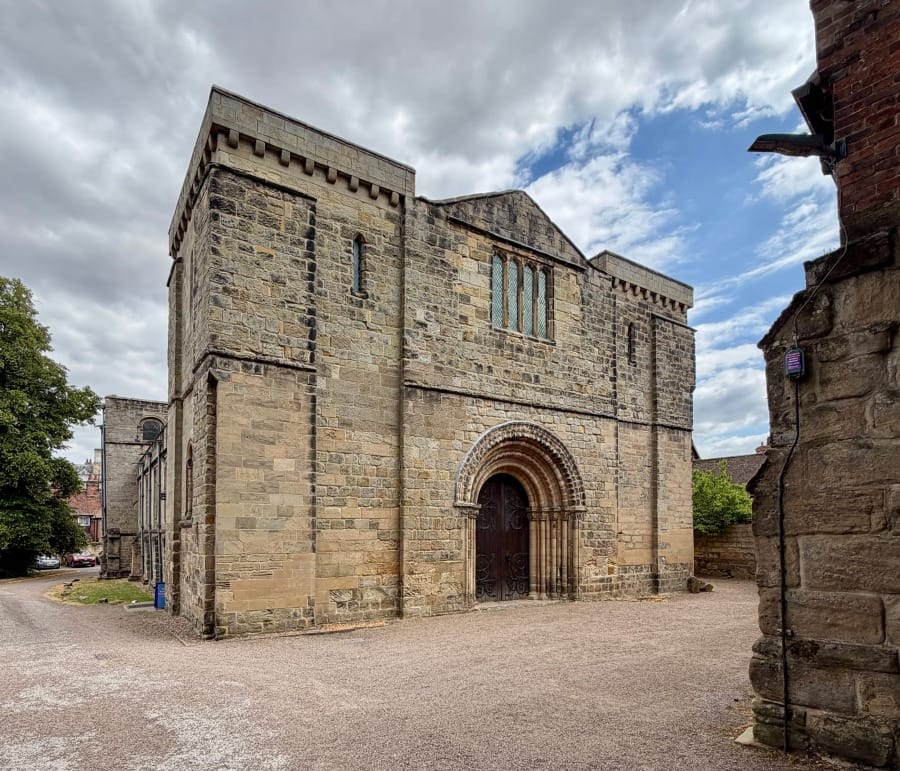
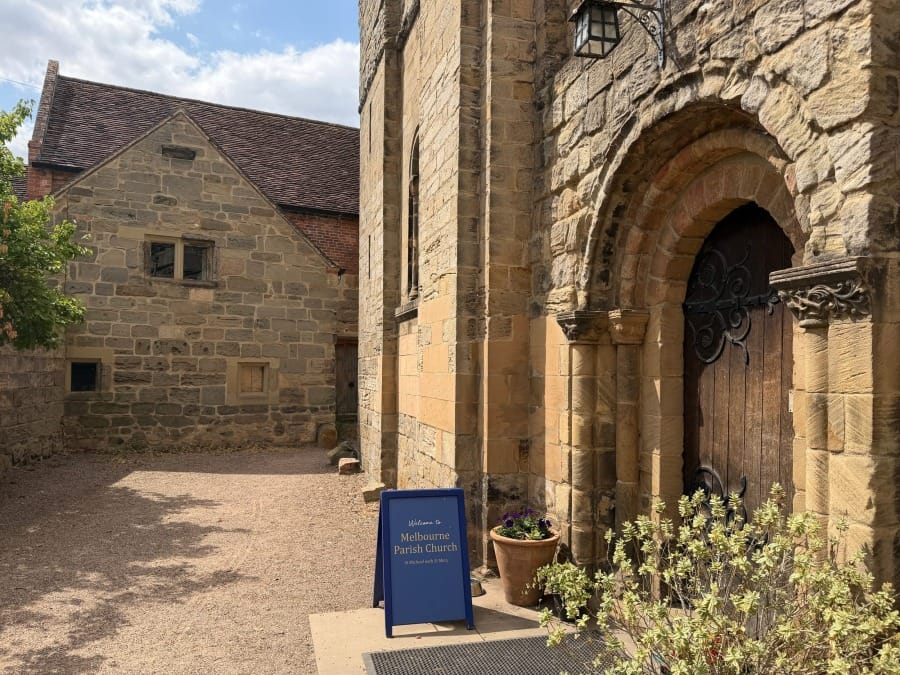
St. Michael with St. Mary, Melbourne, Derbyshire.
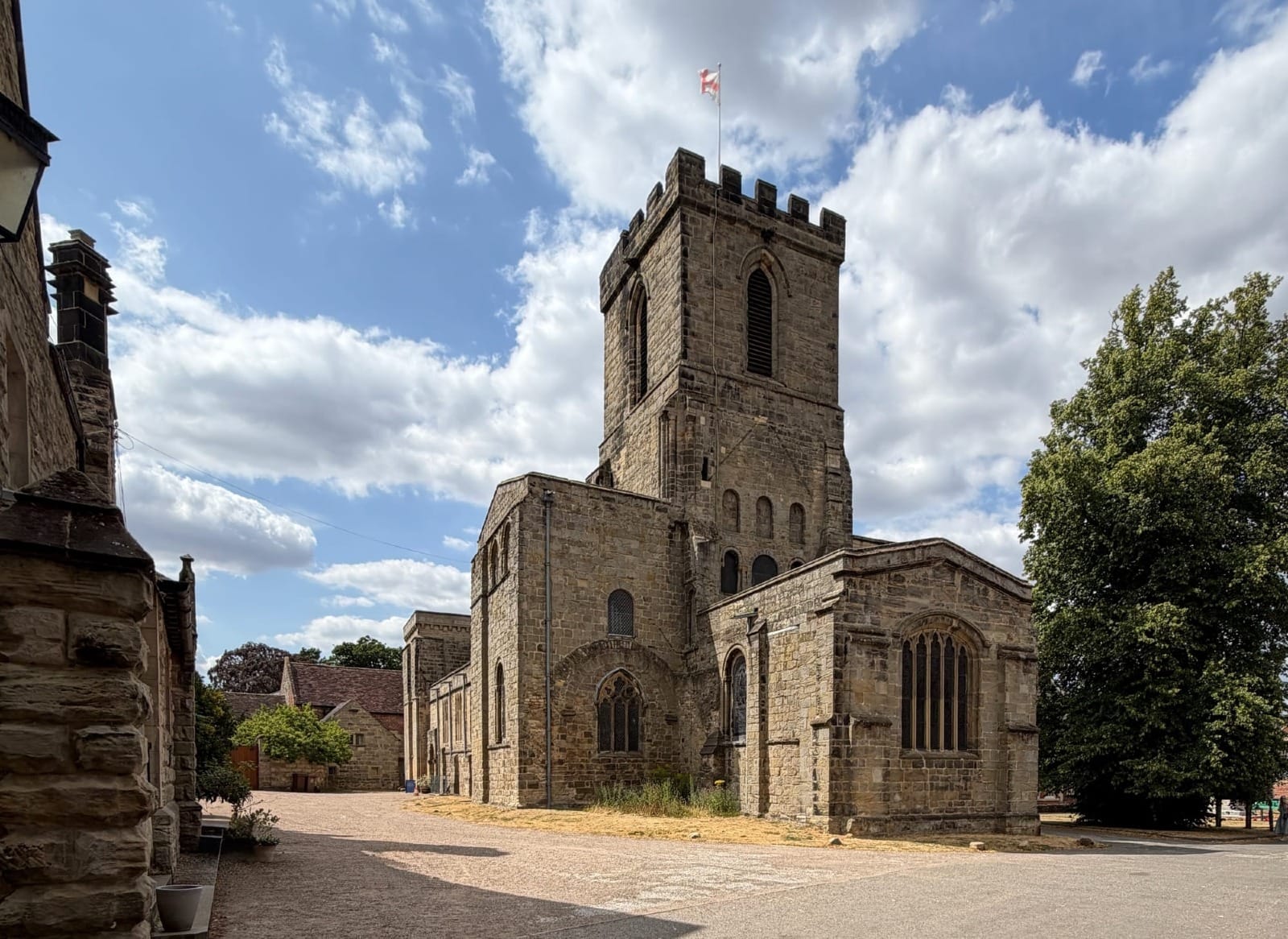
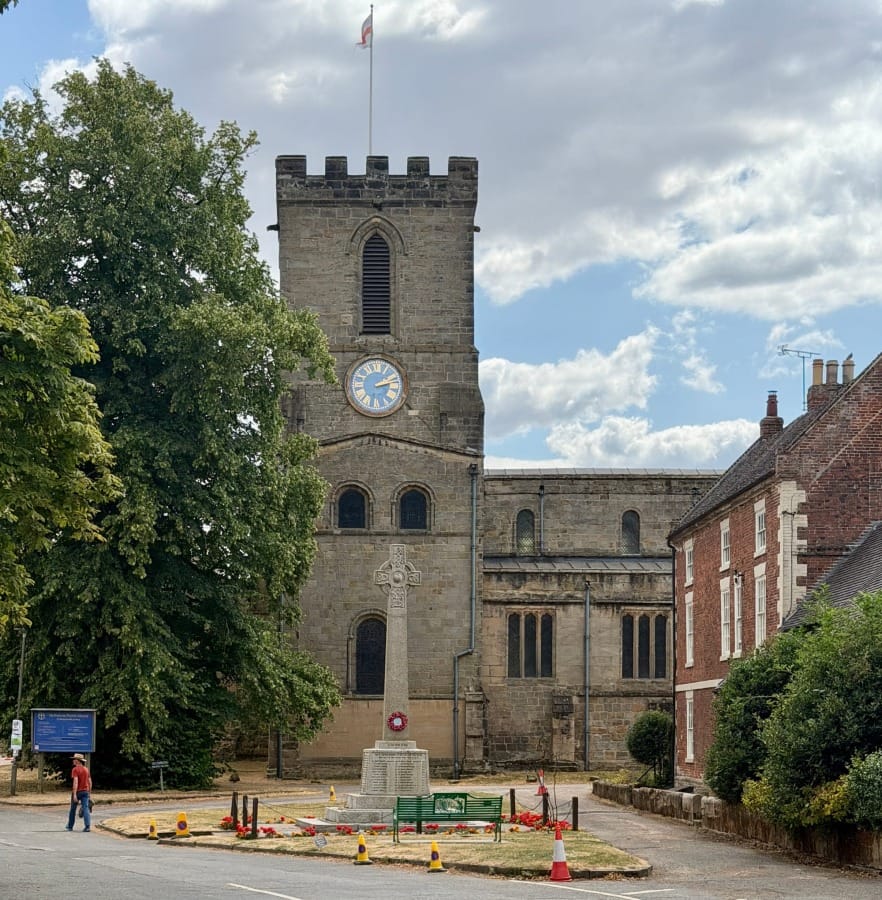
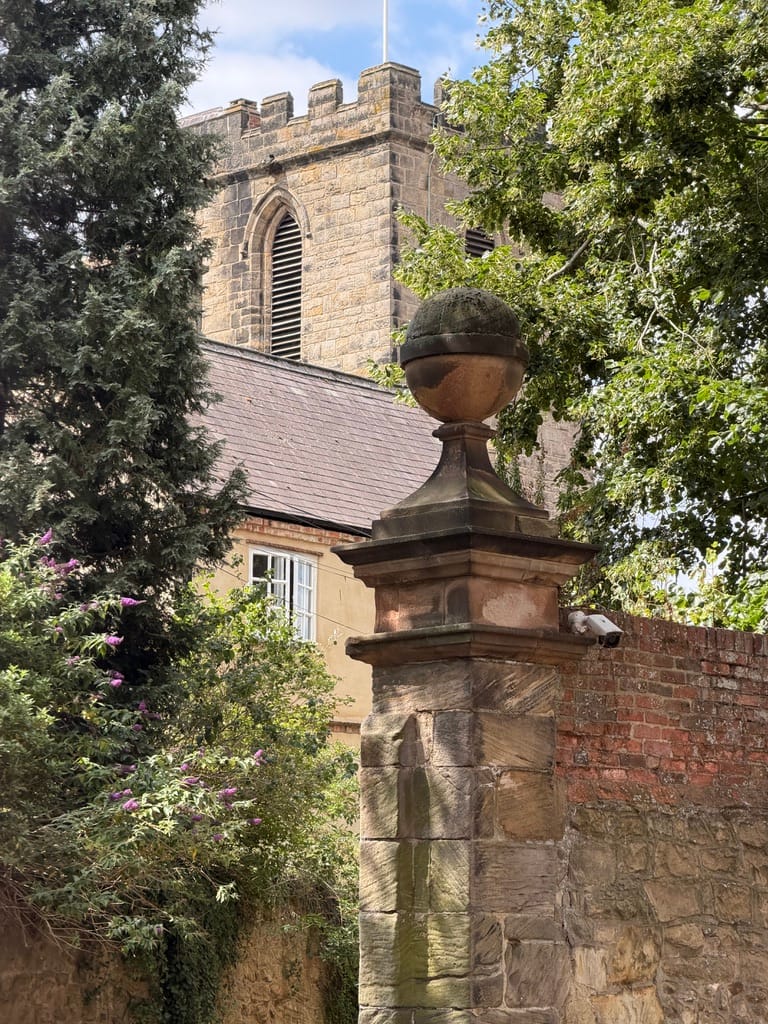
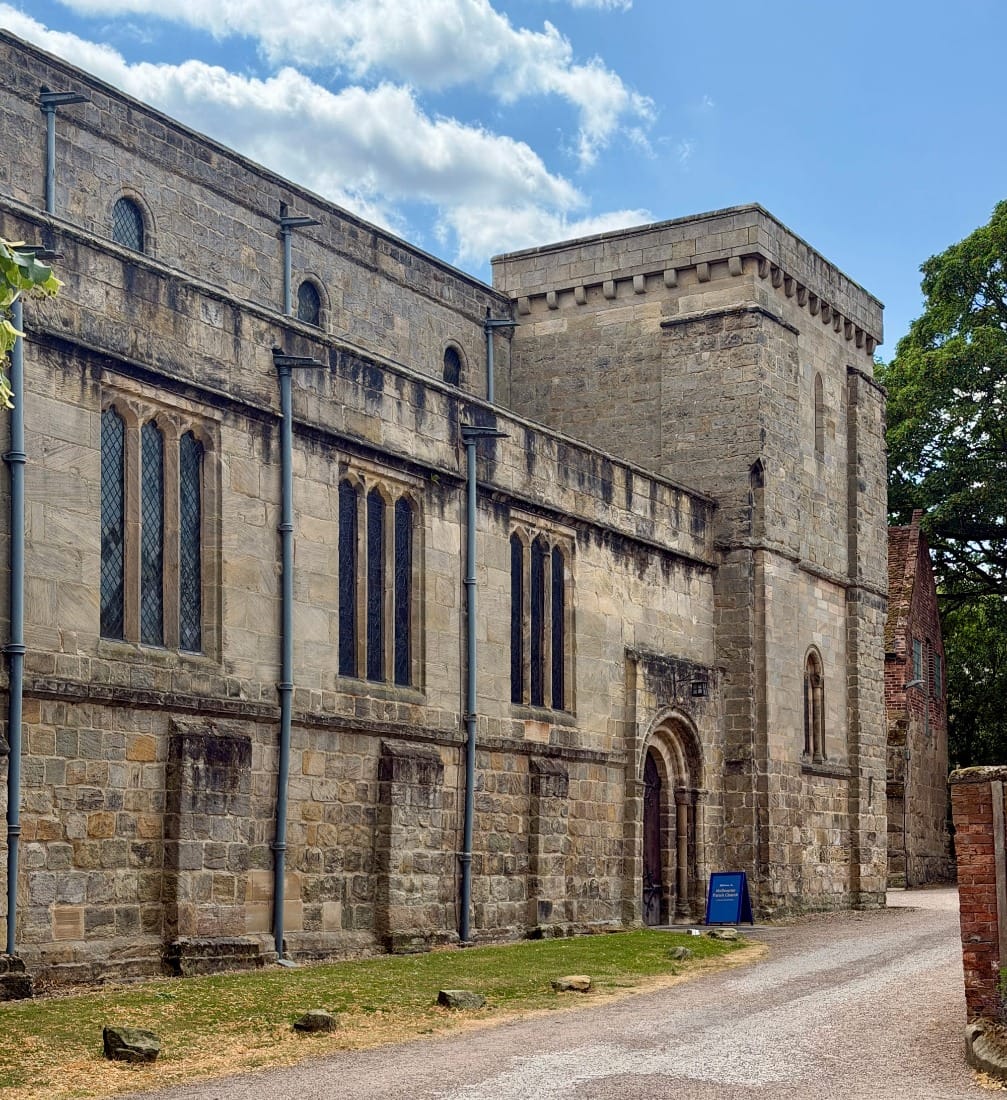
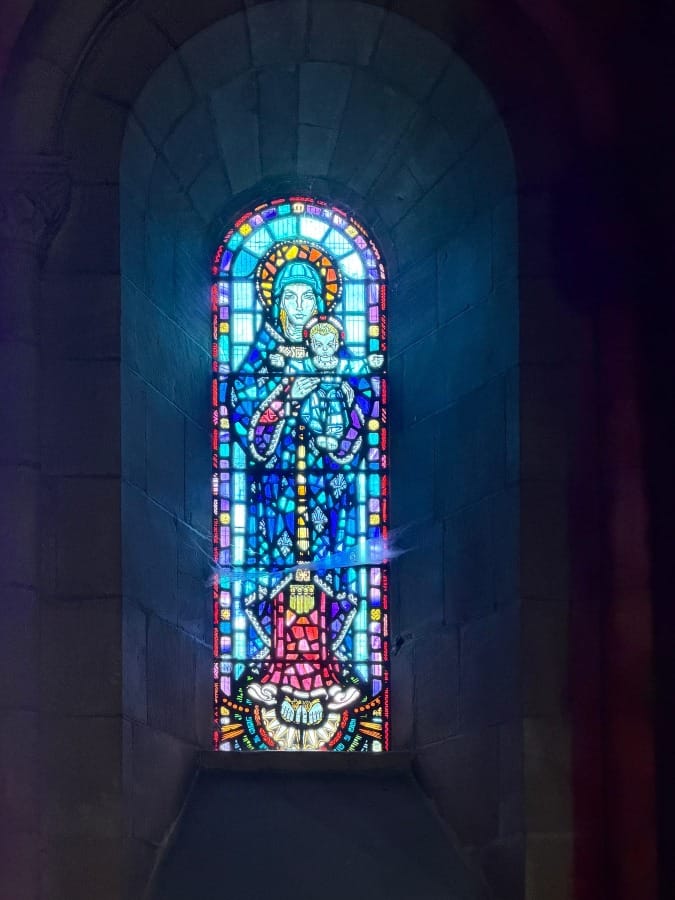
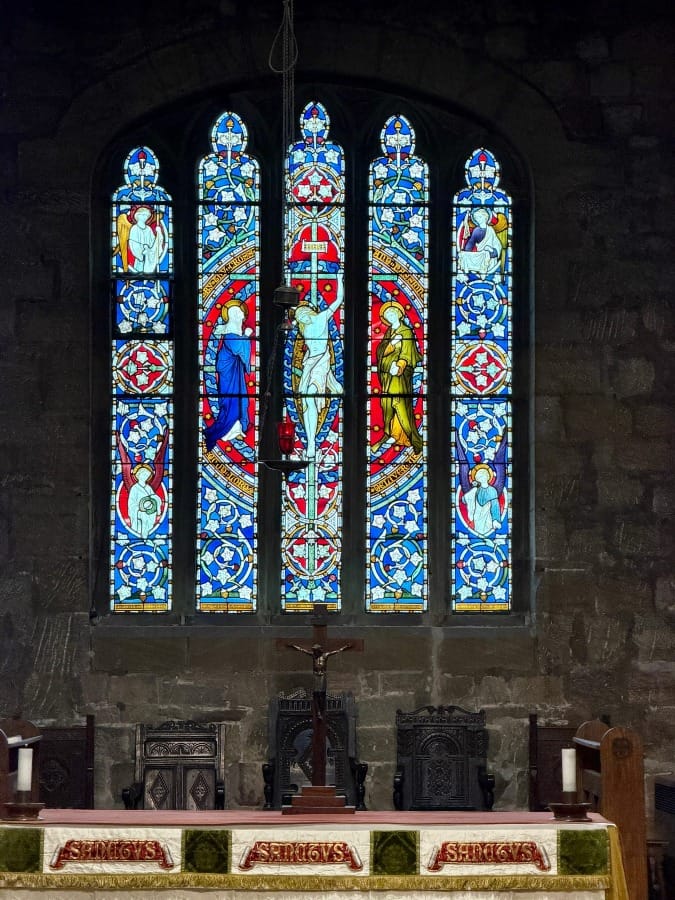
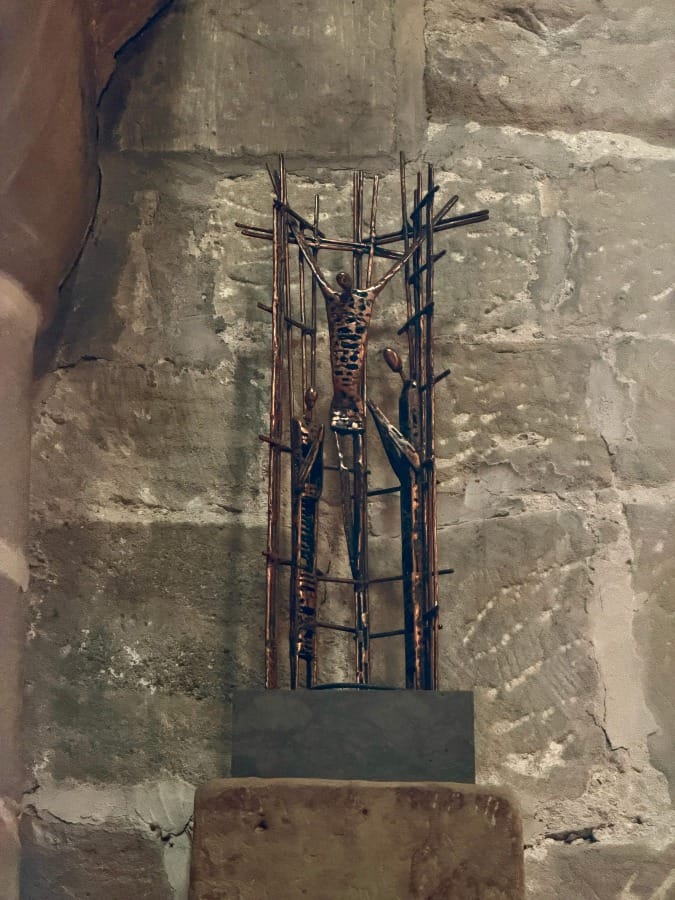
St Michael with St Mary, Melbourne, is one of England’s most remarkable Romanesque parish churches. Substantially Norman, it retains a twin-towered west end, crossing tower, aisled nave and richly carved capitals on a scale far beyond the ordinary parochial church. Historic England dates the building from around 1133, when Melbourne was given to the Bishop of Carlisle, though the Corpus of Romanesque Sculpture suggests it may have been begun earlier, possibly under Henry I.
Its exceptional scale has encouraged wider interpretations. One theory, advanced through research cited by the parish, links the church to Henry I’s political ambitions and to architectural ideas found in the Holy Roman Empire, perhaps reflecting the marriage of his daughter Matilda to Emperor Henry V. Features such as the west gallery, double chancel and monumental crossing support the sense that Melbourne was conceived as more than a conventional parish church - possibly as an architectural statement of royal authority.
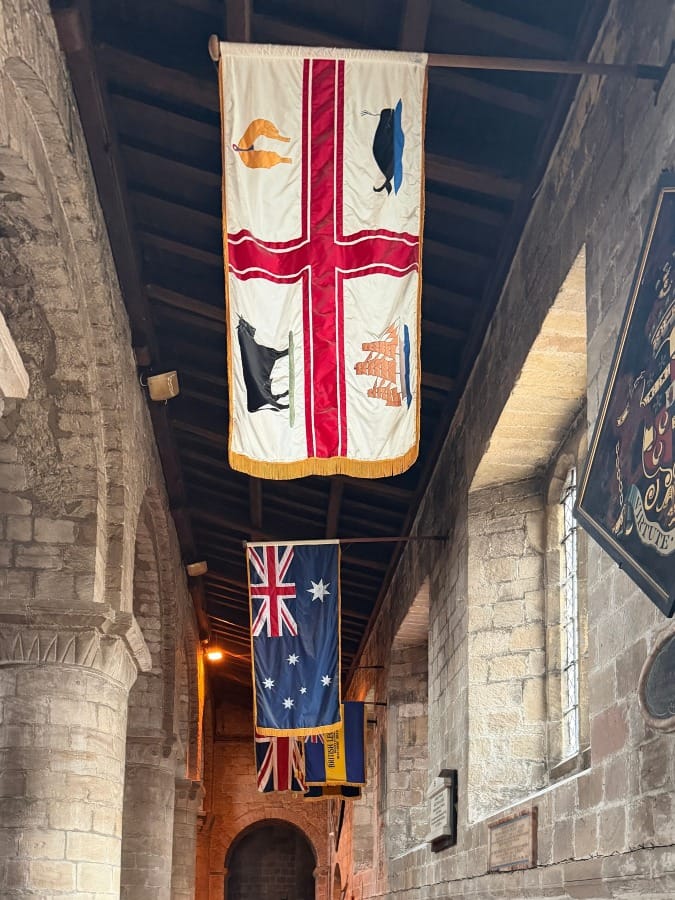
Melbourne, Australia, was named in 1837 after William Lamb, 2nd Viscount Melbourne, then British Prime Minister. His family seat was Melbourne Hall in Derbyshire, beside the parish church. The Australian city therefore carries the name of this small Derbyshire town across the world.
Pure Scroll
Exterior
Interior
 Andy Marshall
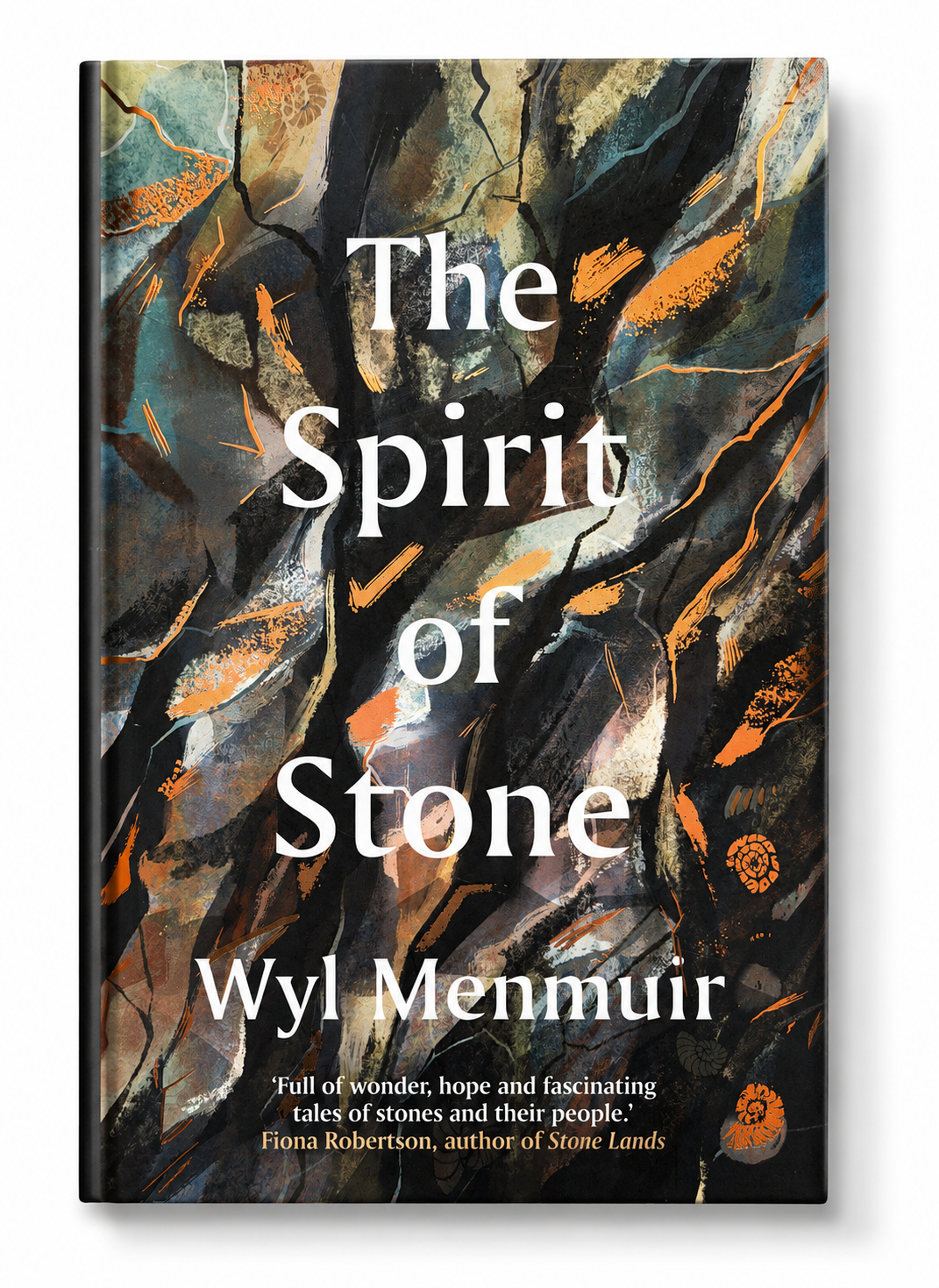

This book, from the 1970's is just as telling about a particular time as the carvings themselves.
 Tamworth Borough Council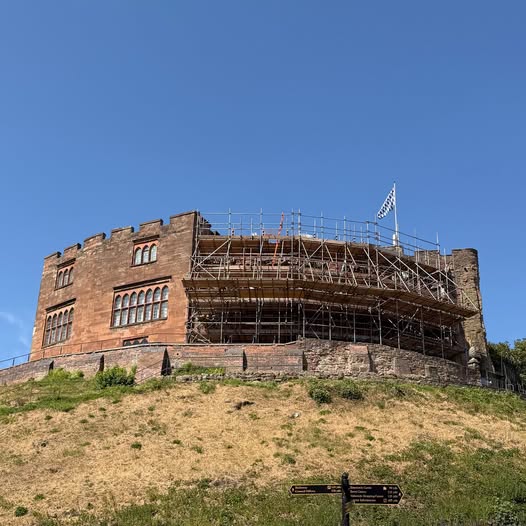
 Dalya Alberge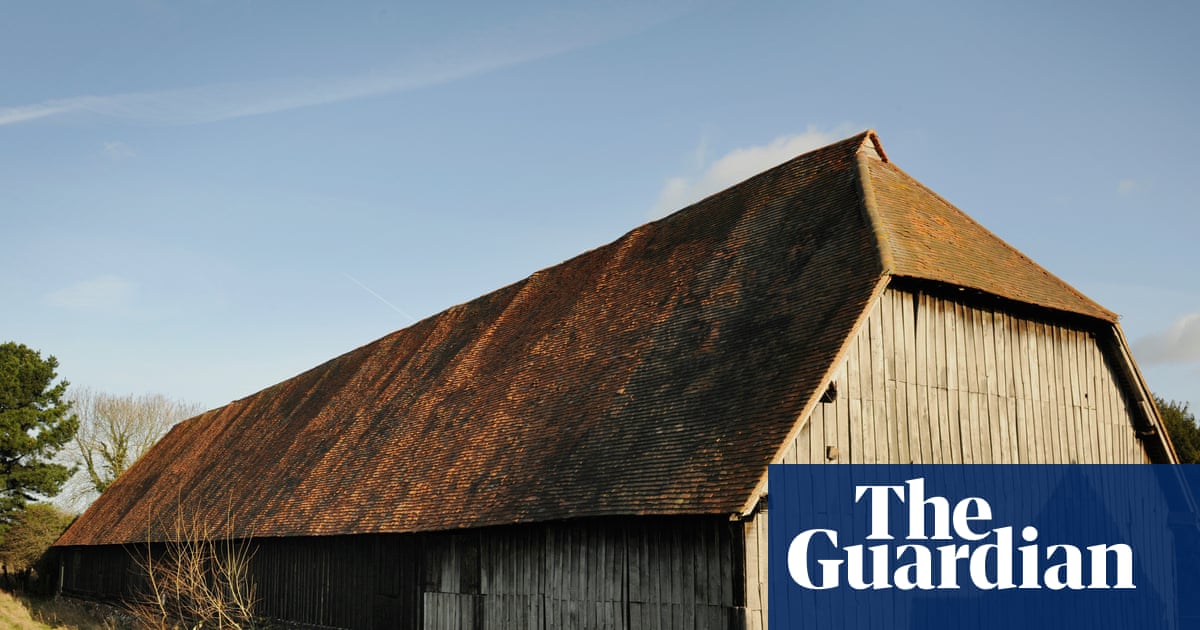

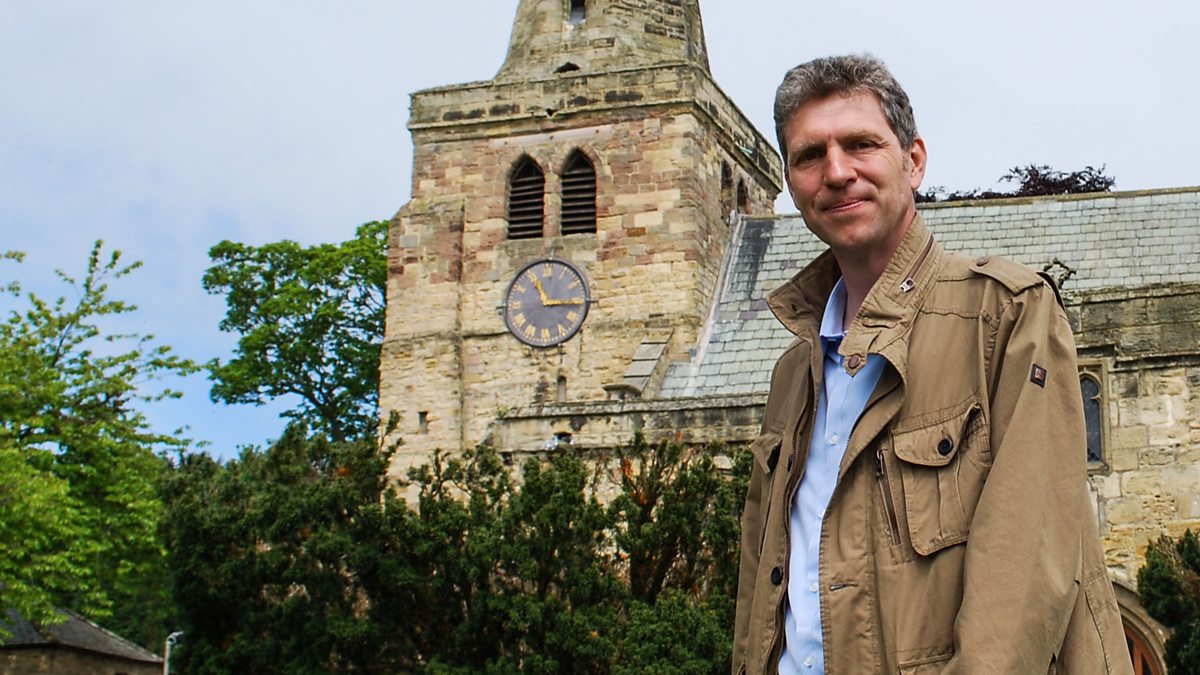
The Romanesque Rabbit Hole
From mass to detail
from detail to fragment
from fragment to trace,
until all that remains is a single point of entry
(\_/)
( •_•) 👉 (.)
/ >🥕
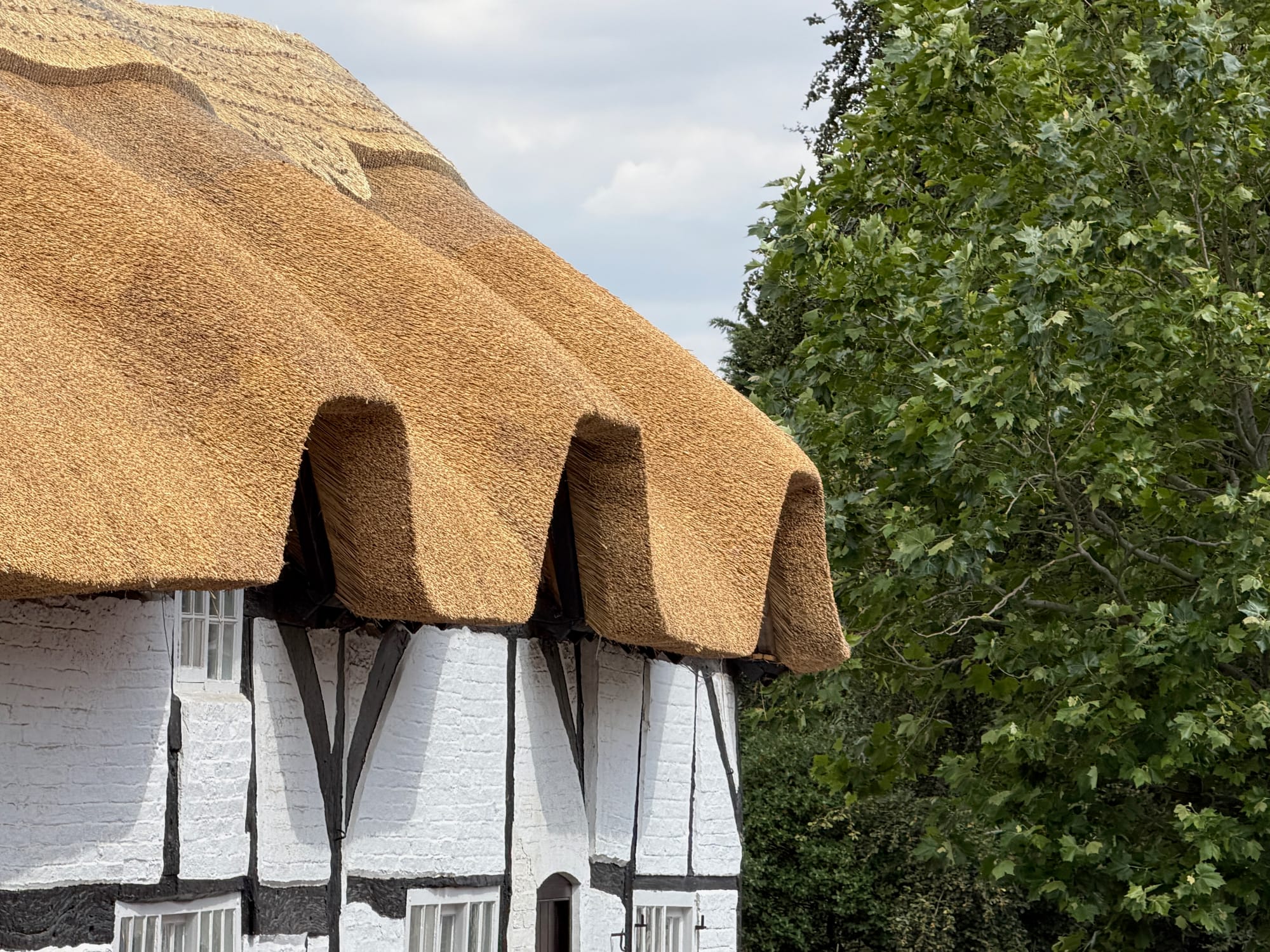
For Members - The Buildings of Melbourne
Extra insight into the development of this lovely Derbyshire town.
Click to ViewView all Member Supplements:
 Andy Marshall
View all VR's:
 Andy Marshall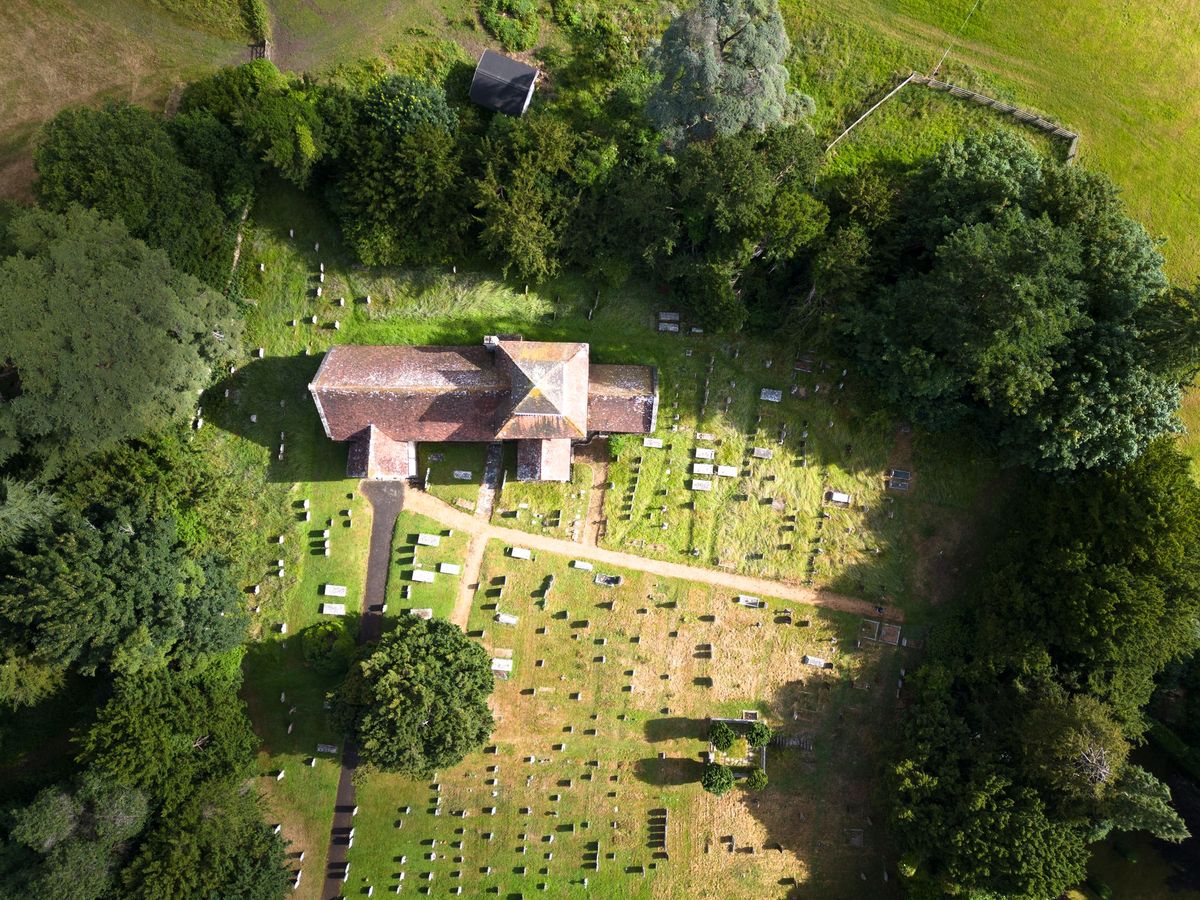
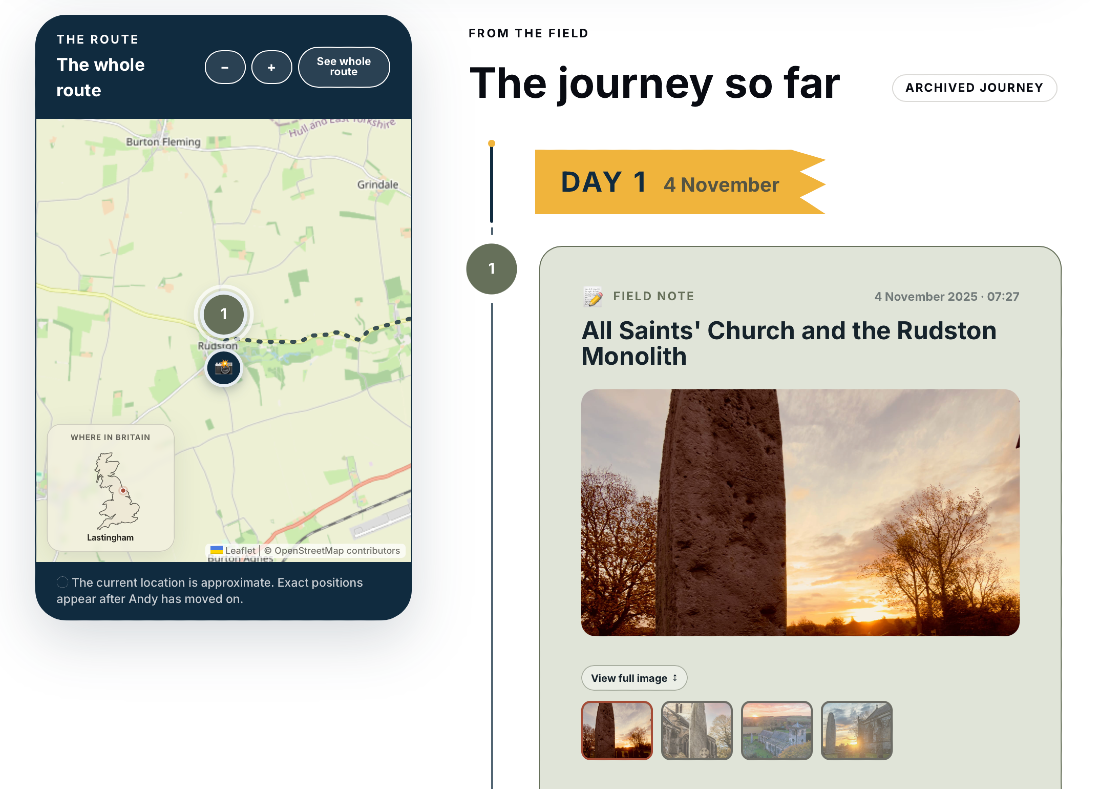
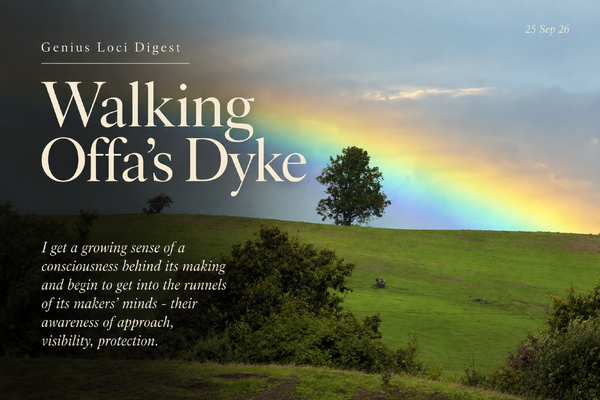
Shortly I will be sharing some of my travels live again, including my 100 mile walk along Offa's Dyke in September. Previously, I've used Polarsteps and WhatsApp to share my travels live - but to differing results.
I've managed to bring all that in-house now and will be able to share my travels with all subscribers in my Field Journeys section. You won't have to sign up to any apps - just sign in with your Digest email.
I will notify subscribers about a field journey via the digest.
Subscribers will be able to comment as I travel along. I really want to share the excitement of the journey and give an immersive sense of sharing the journey on a map.
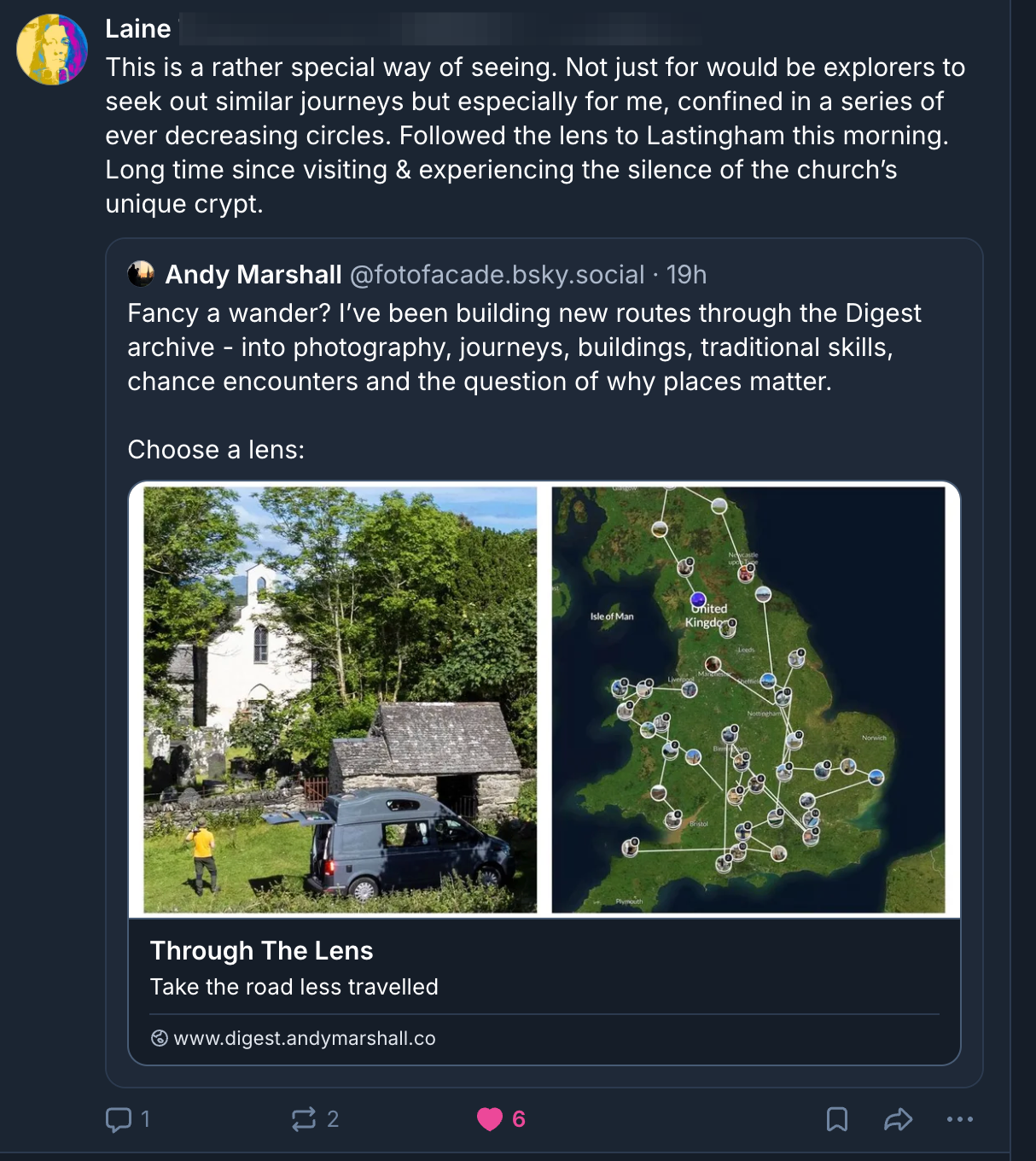
To test it, I recently re-built one of my travels from Rudston to Lastingham and shared it online. I received some lovely feedback from Laine:
You can experience the Rudston to Lastingham journey here:
 Andy Marshall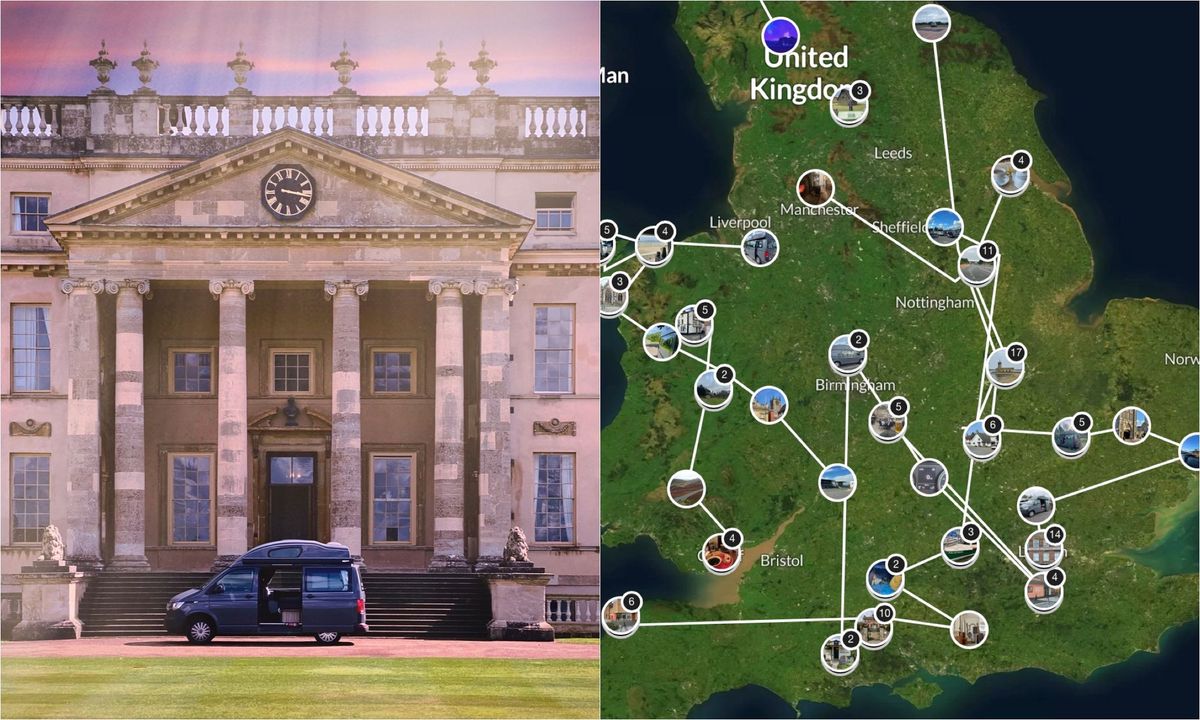
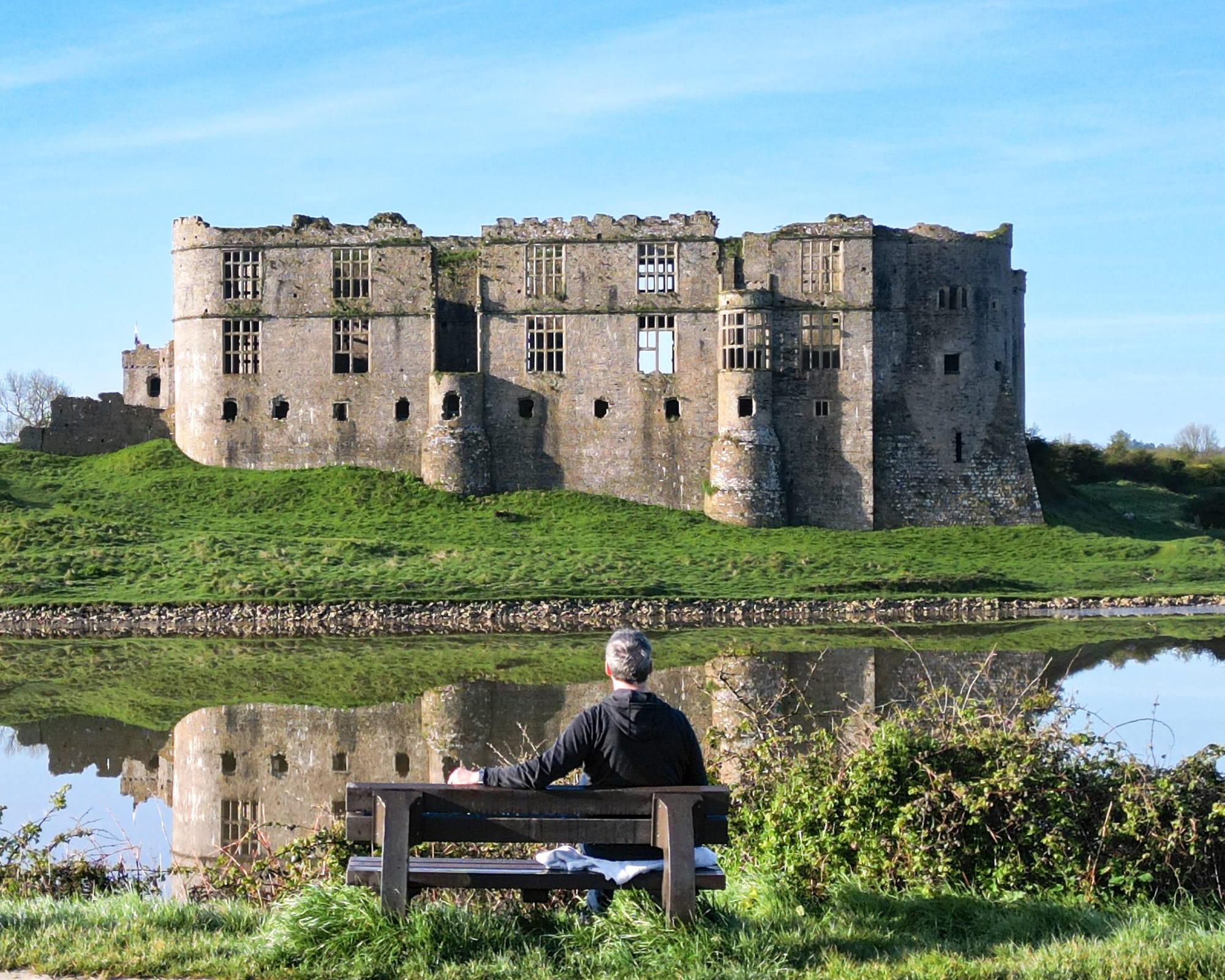
Membership has benefits
A single membership can become part of the next journey, the next story and the next free photo shoot. Thank You.
Explore Membership OptionsThank You!
Photographs and words by Andy Marshall (unless otherwise stated). Most photographs are taken with iPhone 17 Pro and DJI Mini 5 Pro.
🔗 Connect with me on: Bluesky / Instagram / Facebook / X / Tumblr / Flickr / Vimeo / Pixelfed / Pinterest / Flipboard/ Fediverse: @fotofacade@digest.andymarshall.co

Member discussion