Welcome!
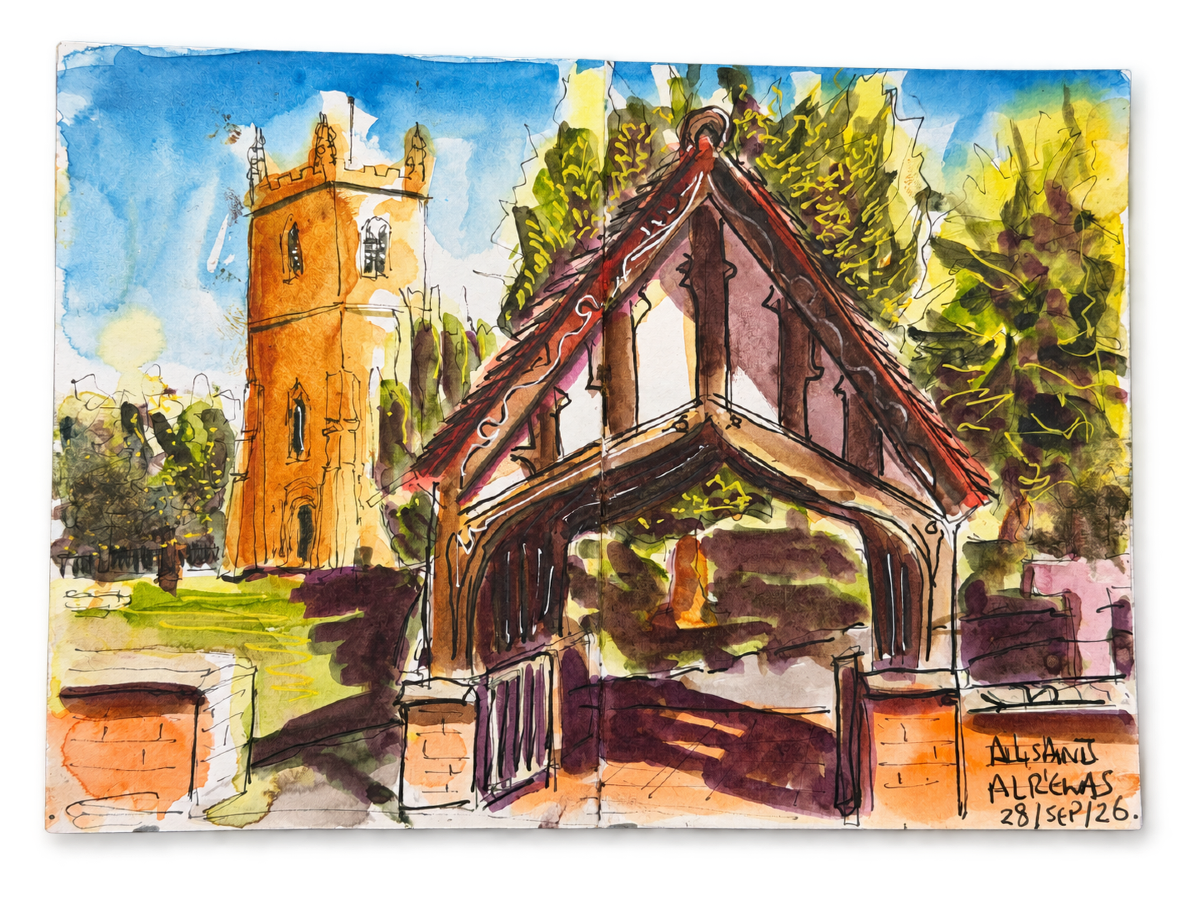
Coming soon: The remarkable village of Alrewas
⚡️ View the latest digest and the full archive here.
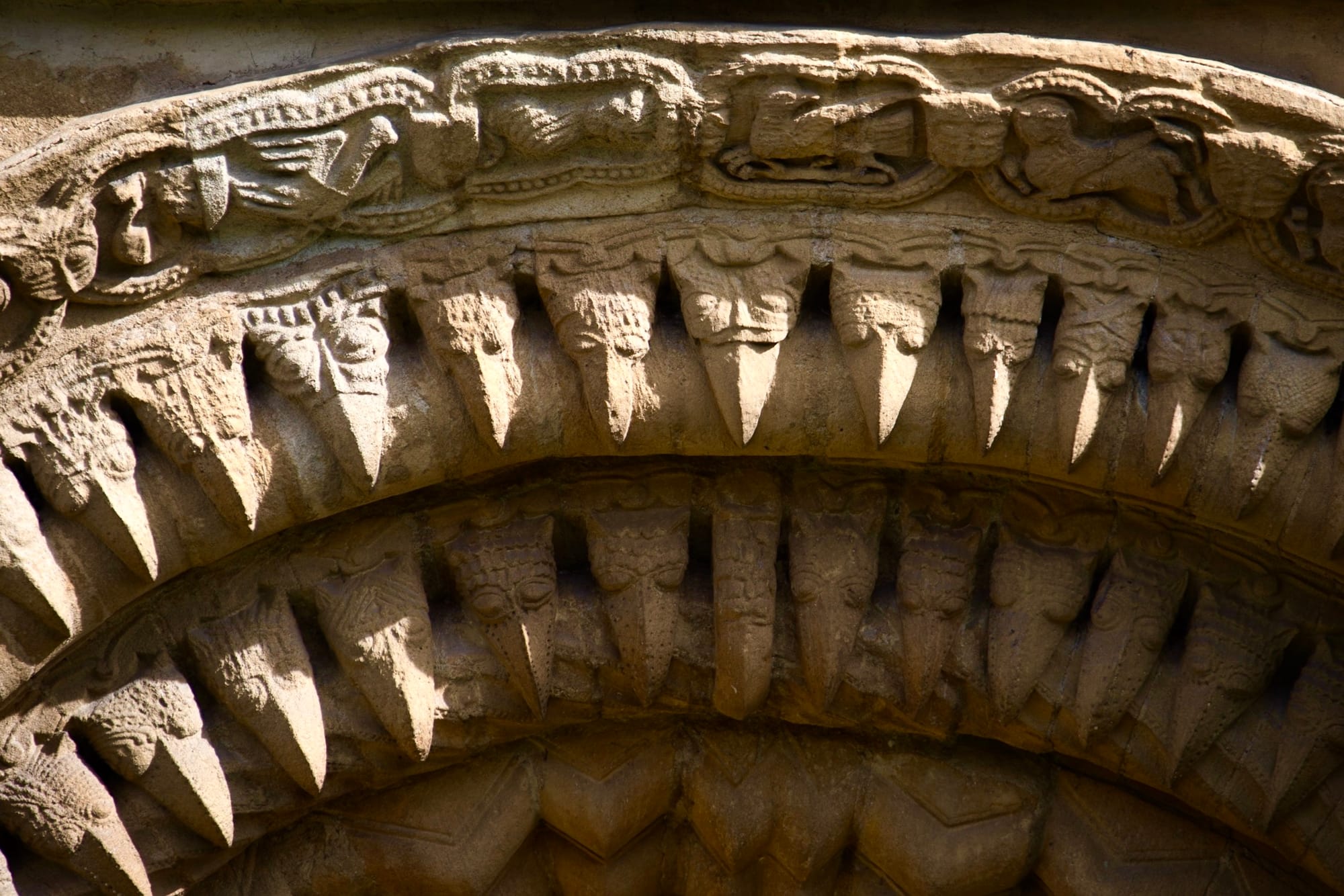
Member Powered Photography helps me shoot historic locations and traditional skills for free. Check out the status of the next free photo shoot here:
🔗 Connect with me on: Bluesky / Instagram / Facebook / X / Tumblr / Flickr / Vimeo / Pixelfed / Pinterest / Flipboard/ Fediverse: @fotofacade@digest.andymarshall.co
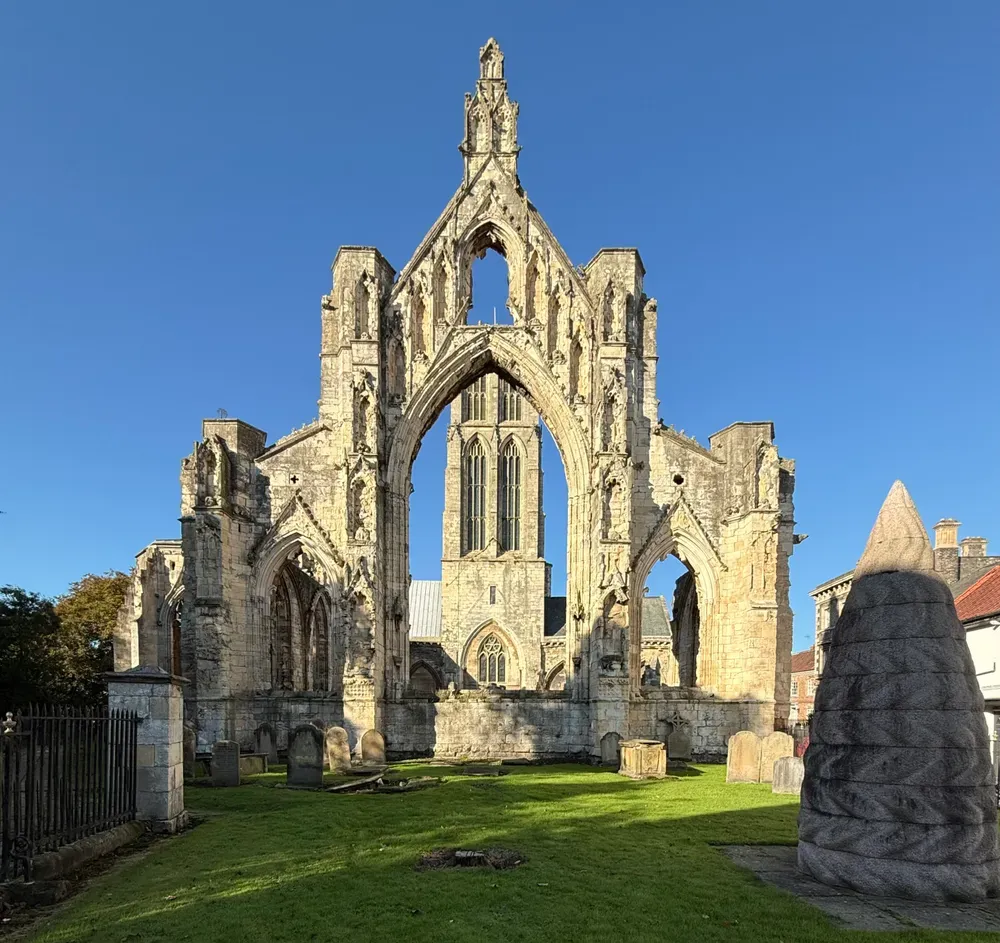
In Howden, Yorkshire, I love how the sky becomes part of the architecture - the view is constantly changing. The magnificent minster of St. Peter and St. Paul is a real hidden gem and the beating heart to one of the country’s loveliest town centres.
"Perhaps some of the oldest things within our landscape are boundaries. Buildings might be lost, but boundaries rarely change."
The late Professor Mick Aston.
The Shock of the Boundary
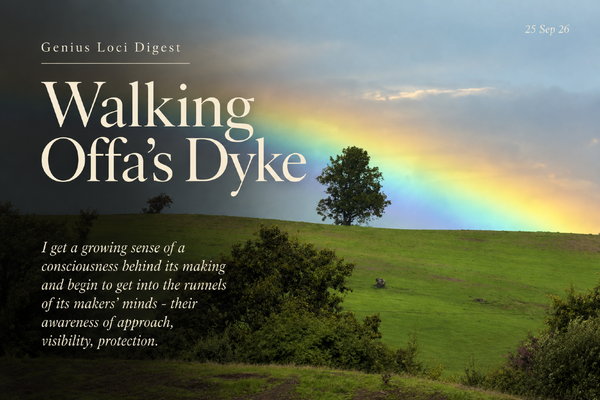
At 2.45pm on Wednesday 18 August 2004, Kevin Kell was on his way to a writers’ meeting in Knighton when he found his fellow writers staring at the pavement. What they were looking at was perhaps the most engagingly lyrical occurrence known from deep time - a scene lifted from the Bible itself. There on the pavement, not far from the Offa's Dyke visitor centre, lay a shoal of fish, apparently carried by a thunderstorm and dumped in the centre of Knighton, some 50 miles from the nearest coastline.
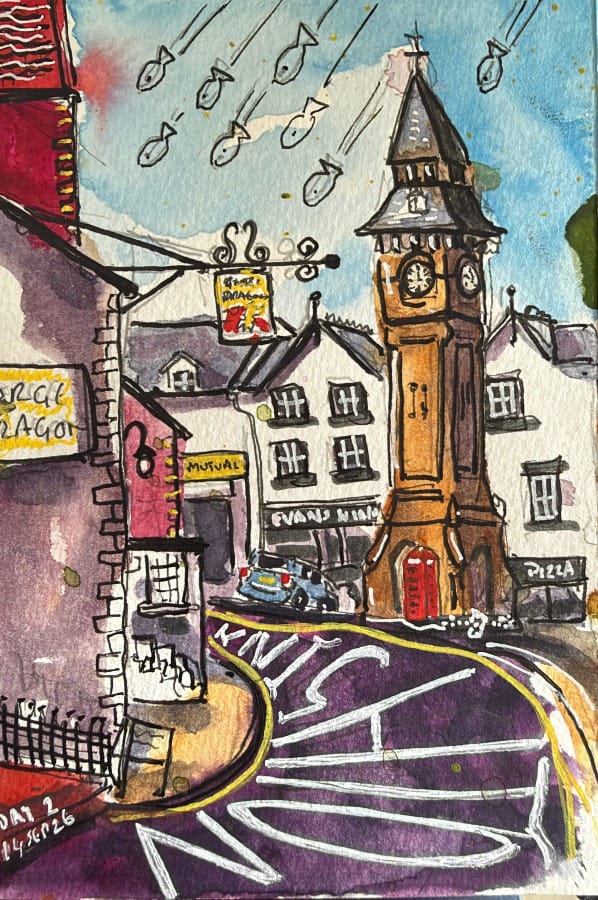
Whilst walking the Dyke, I kept returning to that image: the ordinary interrupted by something almost impossible to comprehend - an event that crossed the boundary of everyday expectations.
If a shoal of minnows could unsettle the familiar world of a handful of writers, what might the imposition of Offa’s Dyke have meant to whole communities? Traditionally attributed to Offa, the eighth-century king of Mercia, the Dyke was a great bank and ditch marking the frontier between Mercian and Welsh kingdoms. Walking beside it, I tried to imagine the shock of its arrival - familiar ground churned up into a statement of power, its impact perhaps rippling beyond the line itself, through people’s lives and into the towns and settlements that developed along its course.
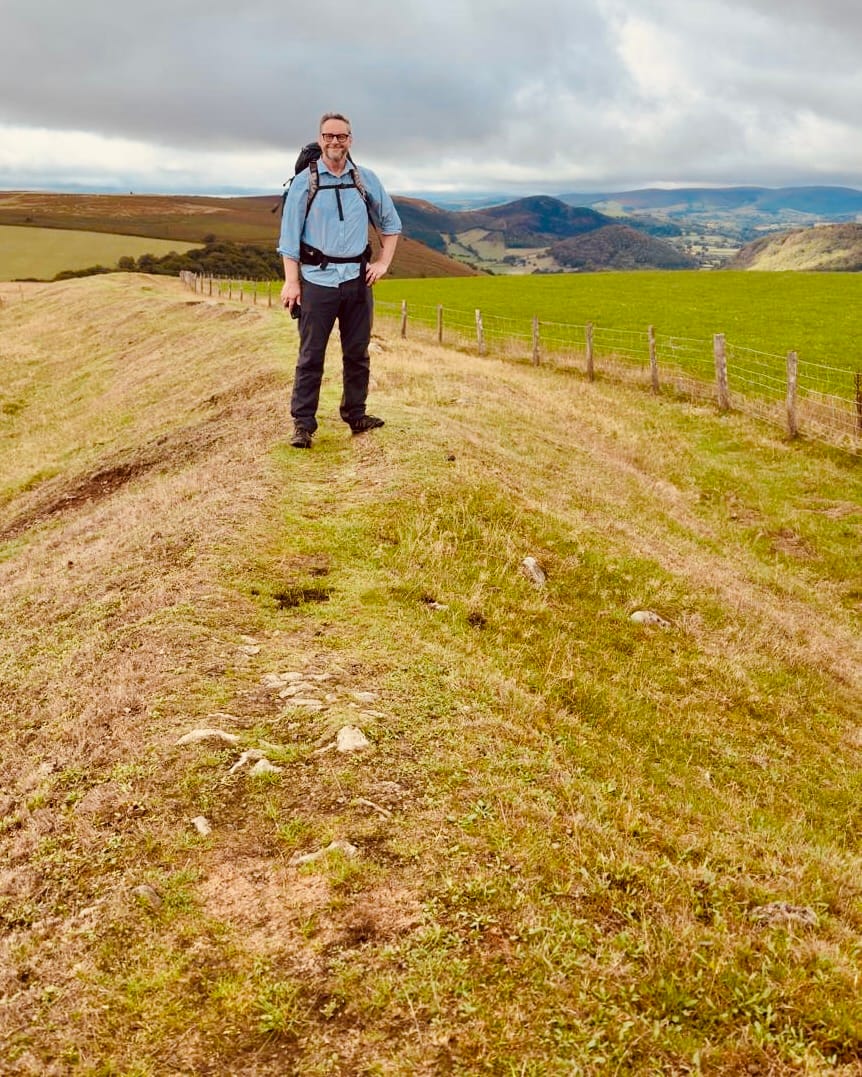
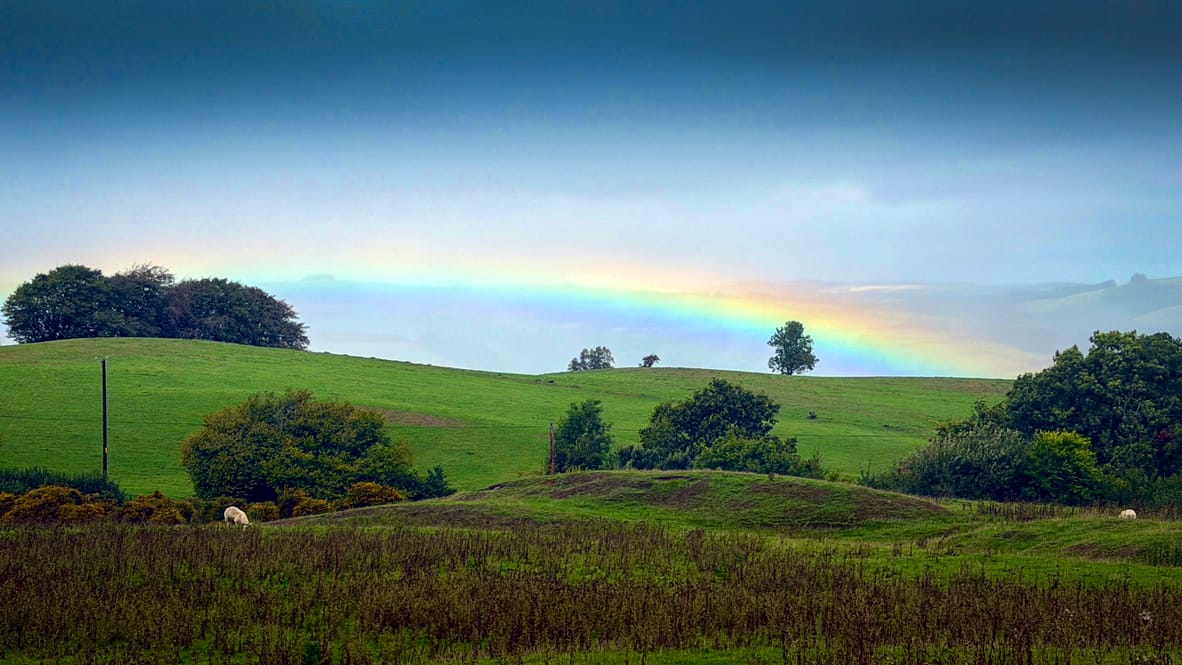
Whilst watching the clouds scud over the Shropshire Hills, I found myself hovering over the borderlands and imagining the centuries running in time-lapse after the great imposition of the Dyke.
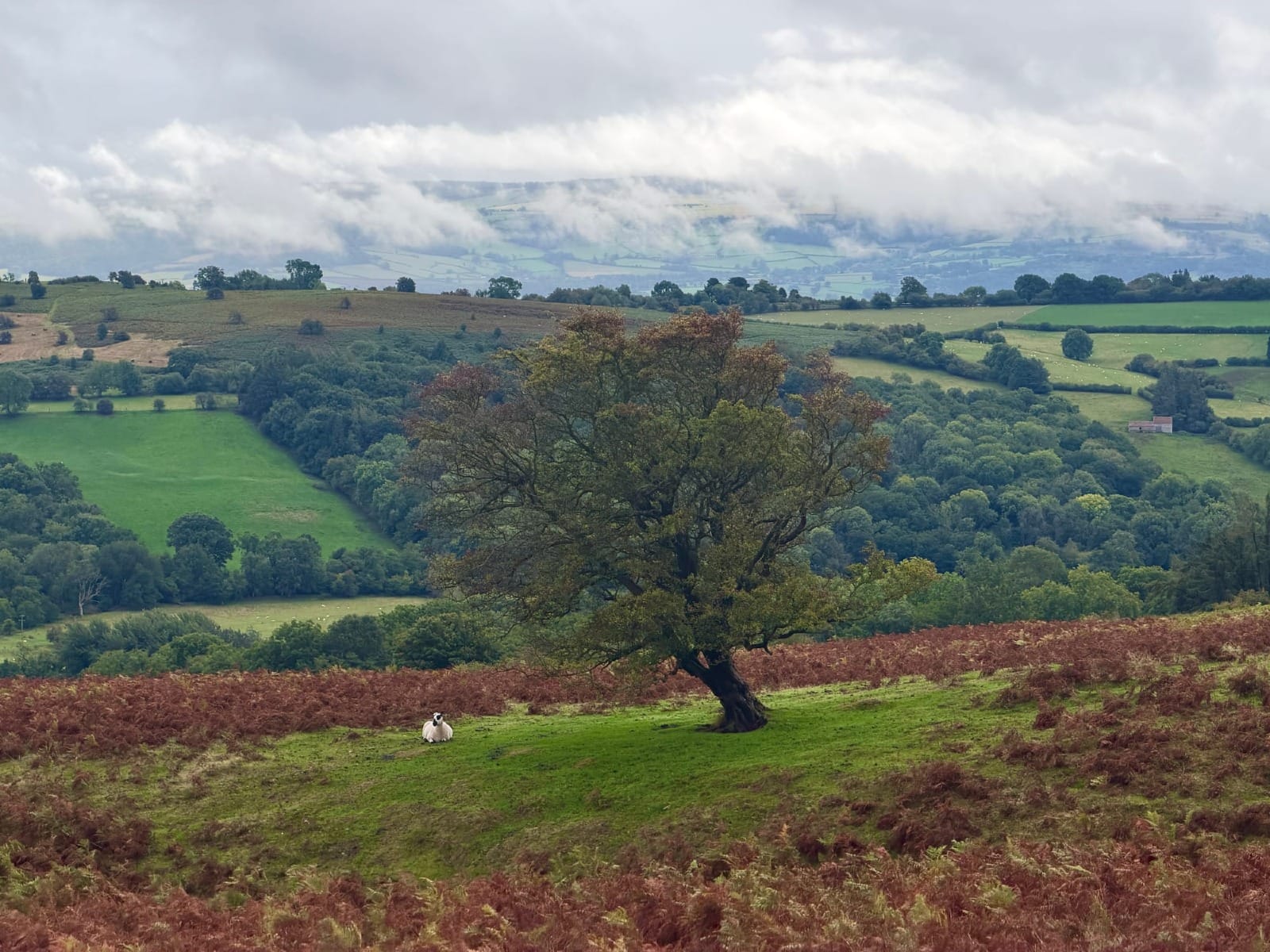
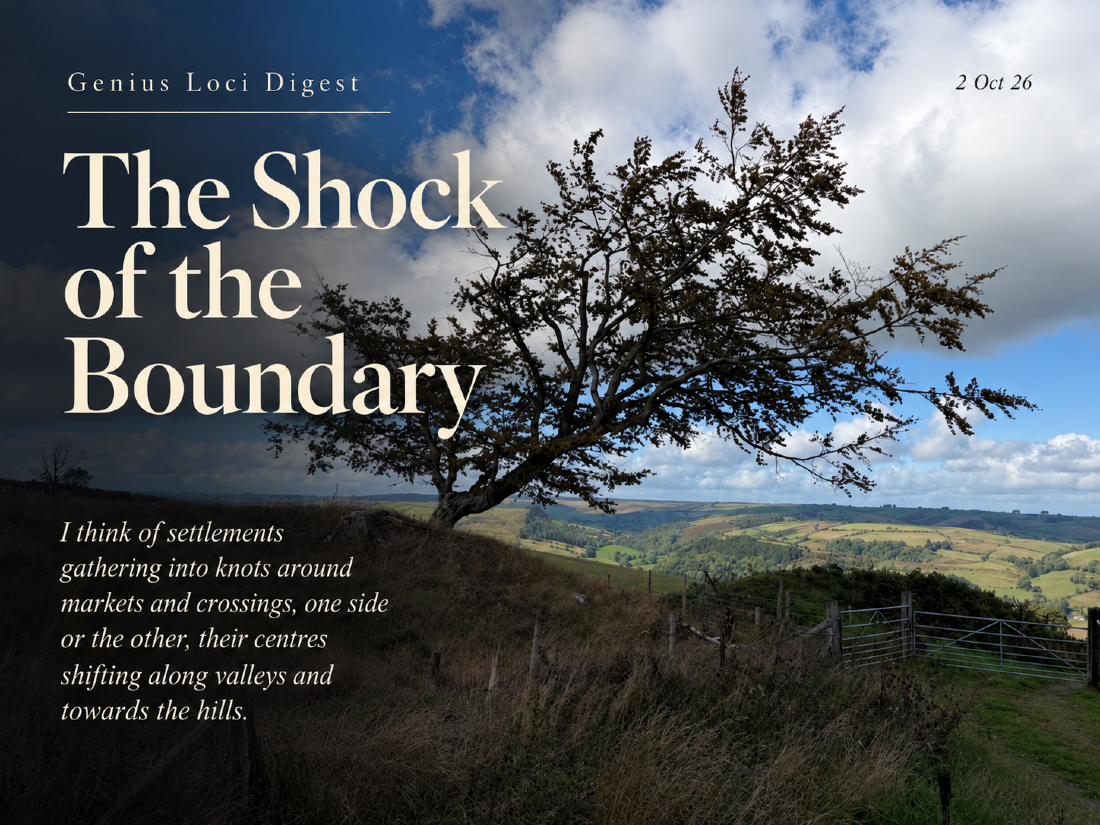
In that accelerated view, I imagine them bent and rent by the magnetic forces of the earthwork, even as rivers, trade and later conflicts exerted their own pull. I can see settlements gathering into knots around markets and crossings, one side or the other, their centres shifting along valleys and towards the hills.
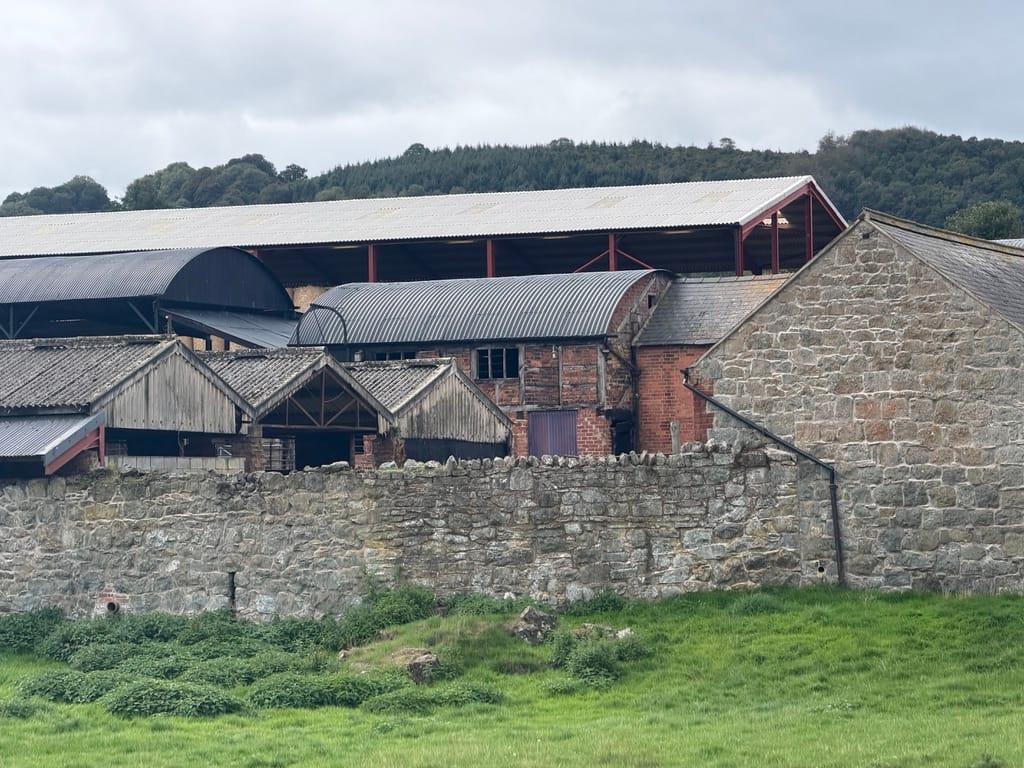
Castles, re-used Iron Age hillforts and farms enclosed by high courtyard walls became signs of successive pressures - ways of inhabiting a landscape in which movement, authority and protection dominate.
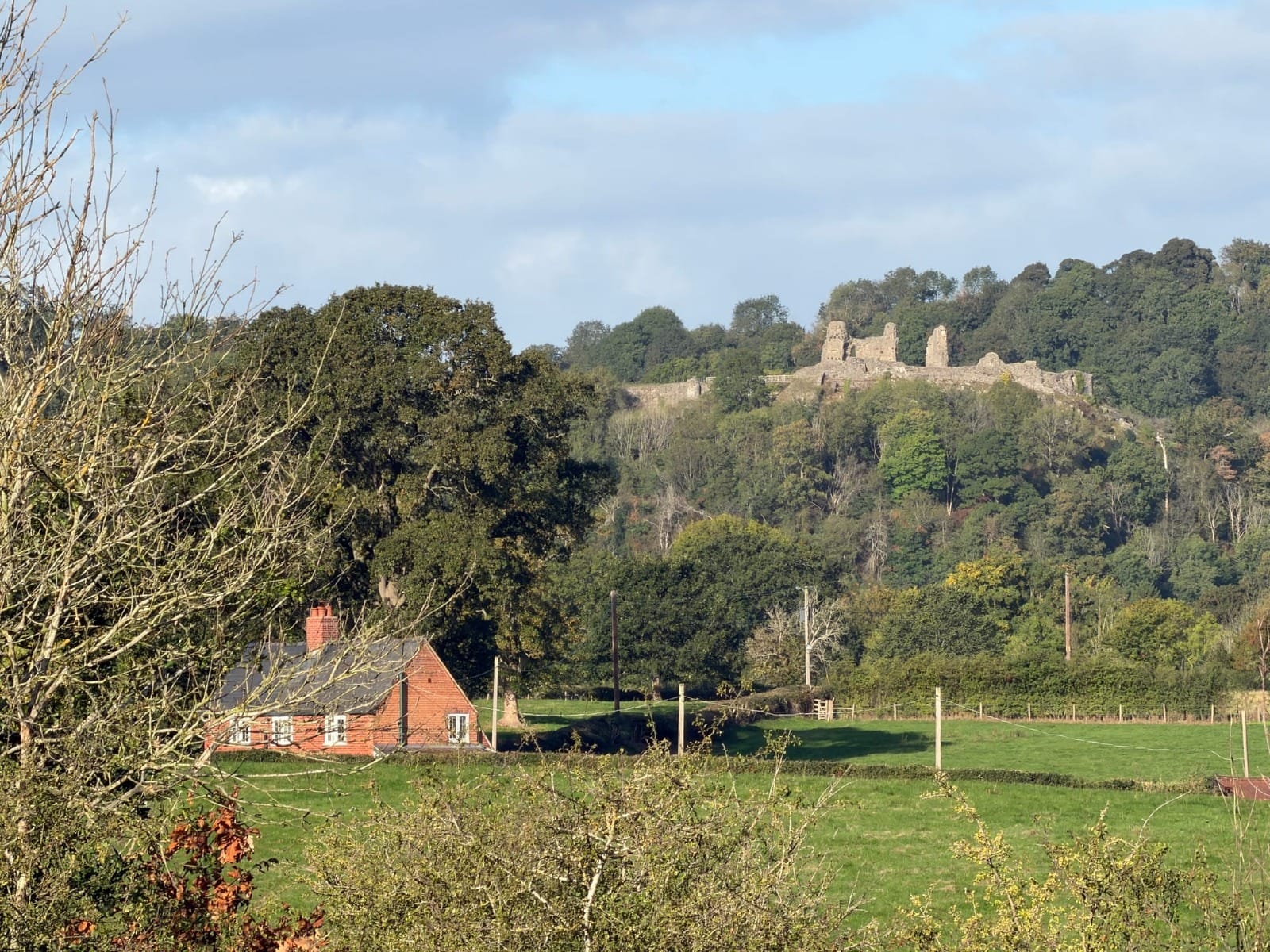
It has happened elsewhere, of course. Think of the monks of Lindisfarne, eventually leaving their island under the threat of Viking raids and carrying their sacred world inland.
And yet - walking through the landscape - there is evidence that these great hills and valleys had been occupied, watched and shaped long before Offa. Dinas Brân at Llangollen is perhaps the most dramatic example, where the later medieval castle was built within the remains of a prehistoric, probably Iron Age, hillfort. But it is far from alone.
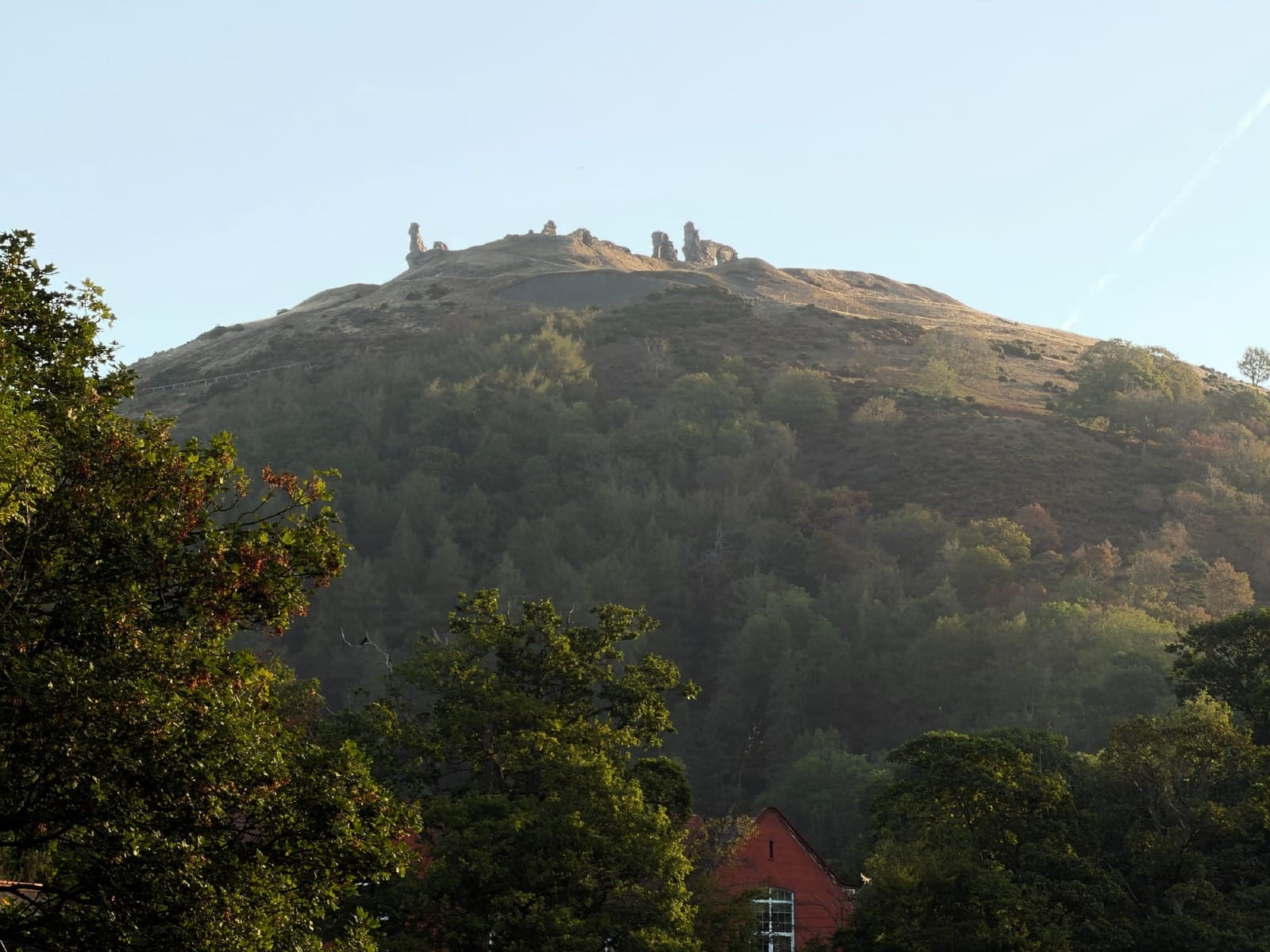
Again and again, these older strongholds appeared along my route, giving me a sense of a landscape shaped by people who built on an epic scale and throughout generations - long before Offa made his mark. North of Kington the Dyke passes close to Burfa Bank, a substantial Iron Age hillfort. Further north, Caer Caradoc occupied another commanding ridge in the Clun country. At Beacon Ring, an Iron Age enclosure crowns Long Mountain above the Severn valley. Then came Llanymynech Hill, one of the largest hillforts in Britain, where the relationship becomes particularly intriguing: the western rampart of the prehistoric fort may later have been incorporated into the line of Offa’s Dyke.
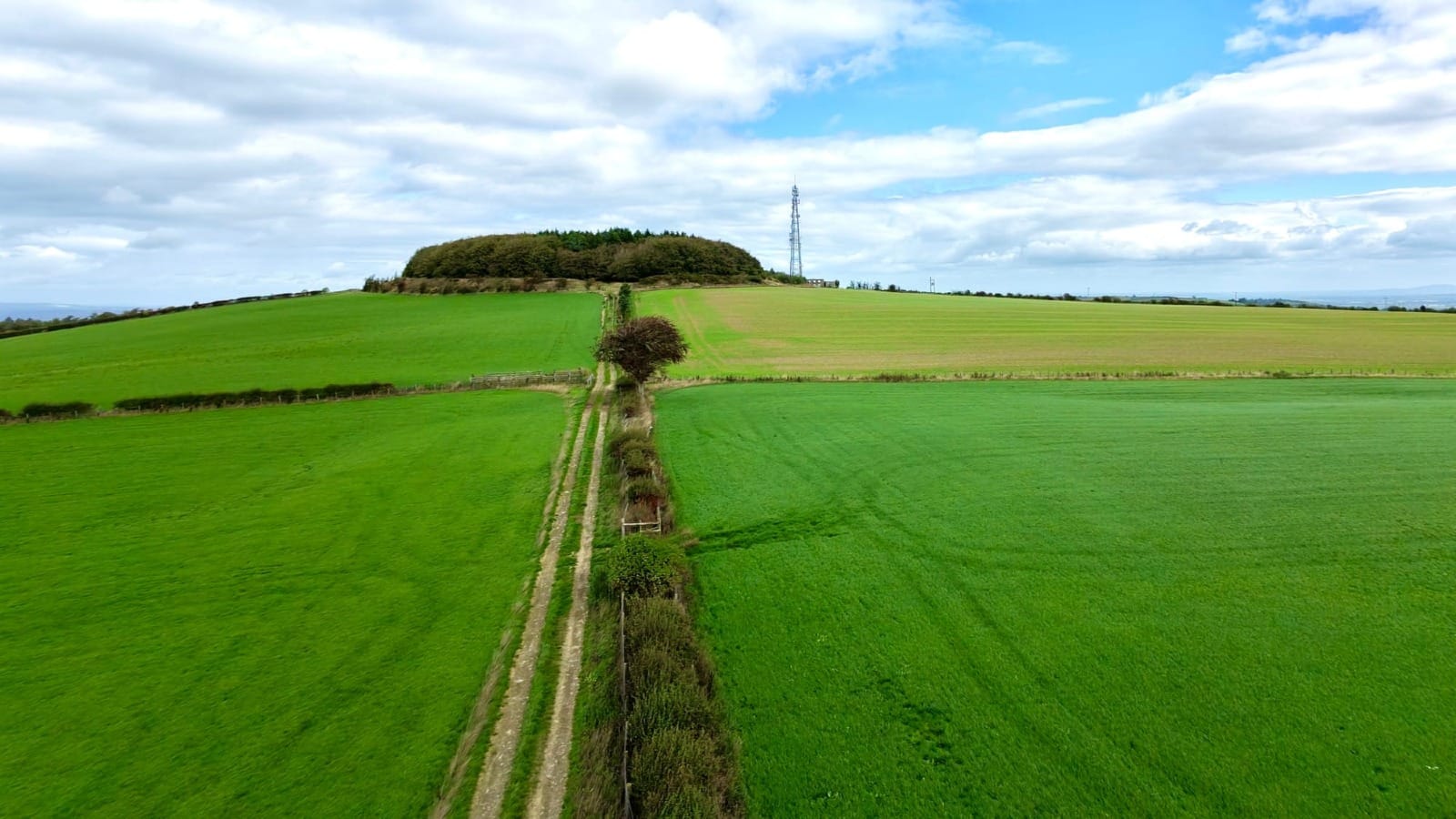
By the time I reached Dinas Brân, I was starting to see the landscape around Offa’s Dyke differently. Perhaps it was not the beginning of a border landscape at all, but one monumental episode in a much older story. Long before Offa, people had already recognised the power of these ridges, passes and river valleys - occupying them, enclosing them and using their topography to organise movement and territory. The Dyke did something new and extraordinary by gathering that instinct into a line - but the landscape it crossed already had a deep memory of boundaries.
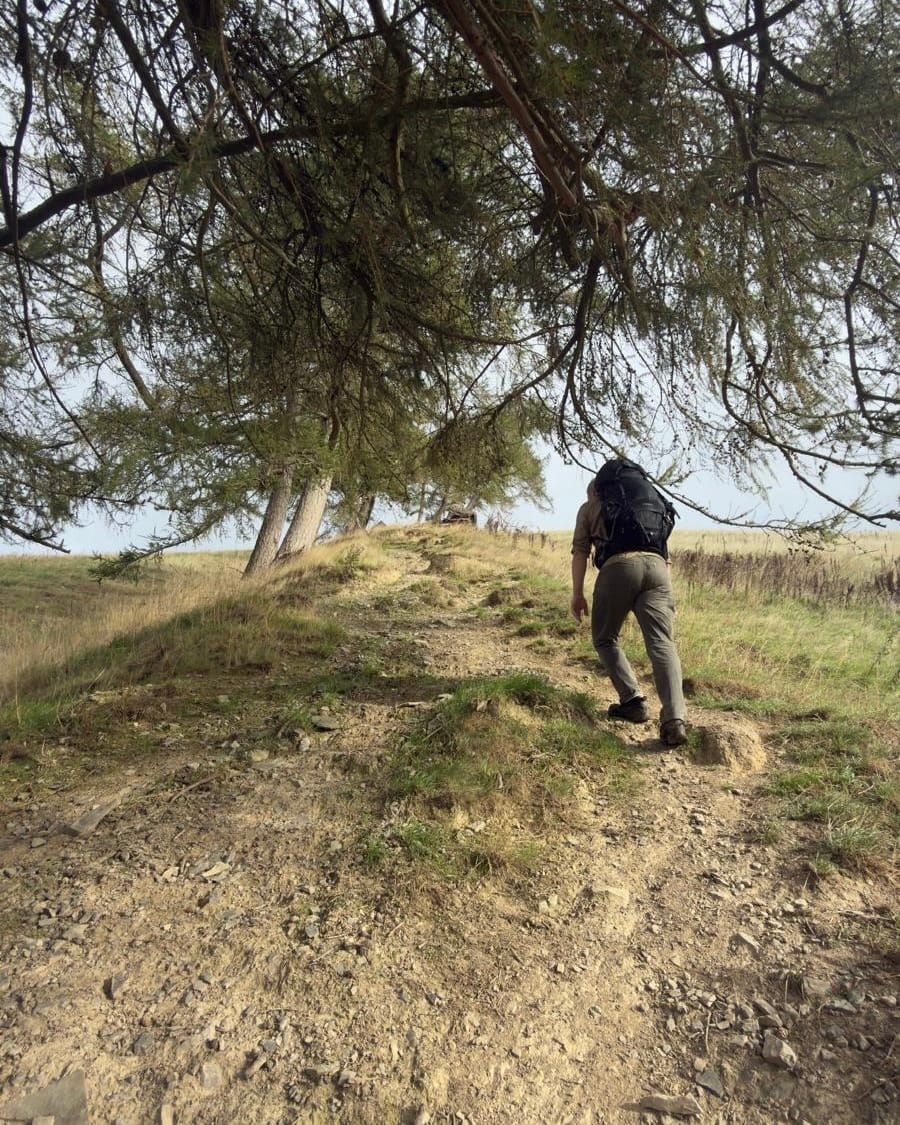
I began the walk wanting to understand how our forebears had used the landscape - where they settled, what they defended and how they moved between these great hills and valleys - but by the time I reached Llangollen, I was becoming more interested in how the landscape had shaped them. In the positioning of hillforts, the gathering of settlements around crossings and the course of the Dyke itself, I began to see human intentions meeting the possibilities and constraints of the ground.
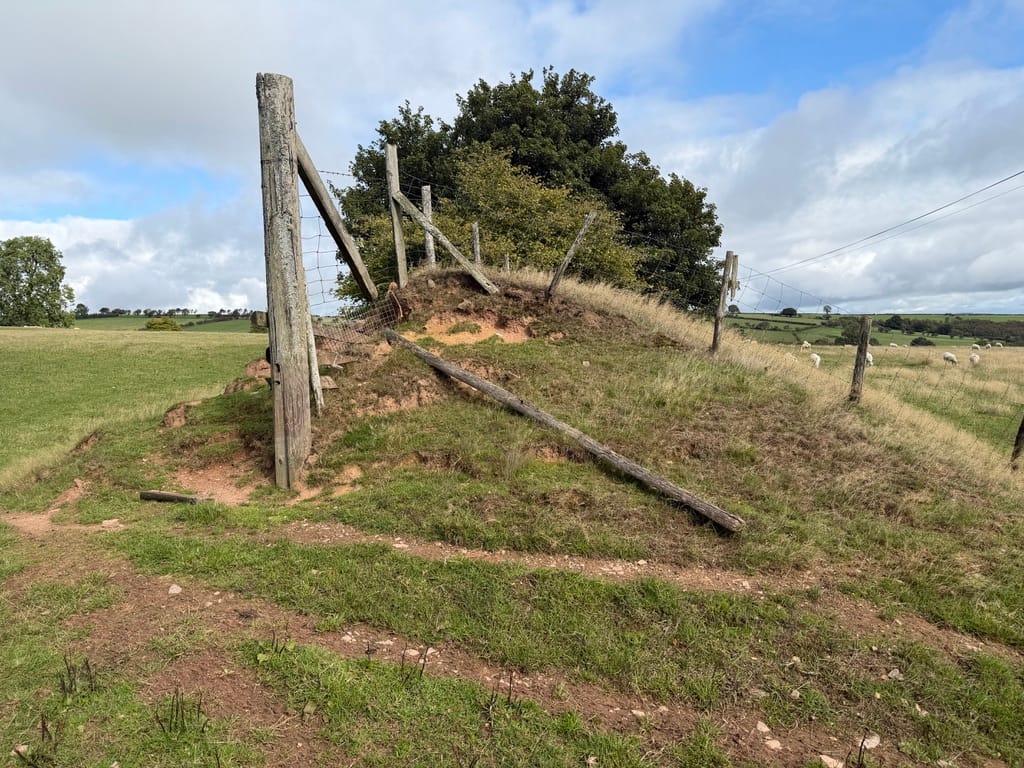
I think again of the free-falling minnows of Knighton and how their arrival changed the behaviour of those writers. For those few moments, something entirely beyond their planning had determined where they gathered, where they looked and what occupied their minds. Along the walk, I had been tracing a slower version of that influence. Long before the Dyke, people had been finding their way through these hills and valleys, choosing ground on which to settle, places to cross and heights to defend. Their ancient footprint was not simply a record of what they wanted to do, but of what the land allowed.
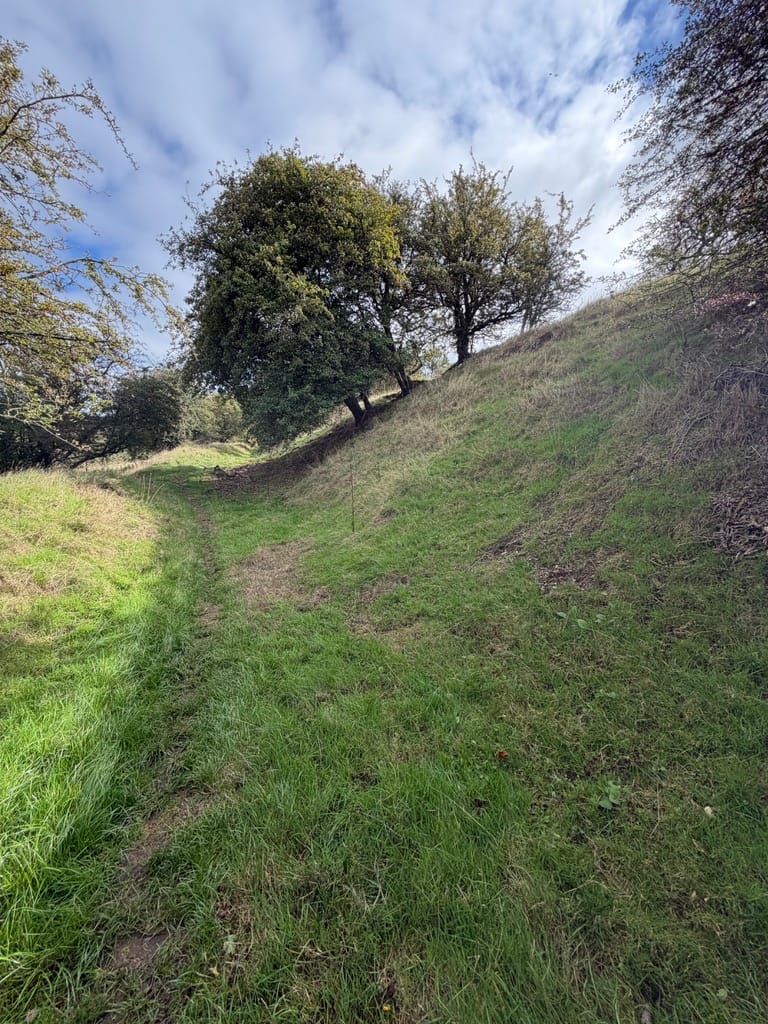
The hillforts, crossings and earthwork began to seem less like separate things than traces of that continuing negotiation. People had shaped the ground, but its slopes, rivers and horizons had helped shape their choices. I had set out looking for human intentions written into the landscape. Increasingly, I was noticing the landscape’s part in their making.
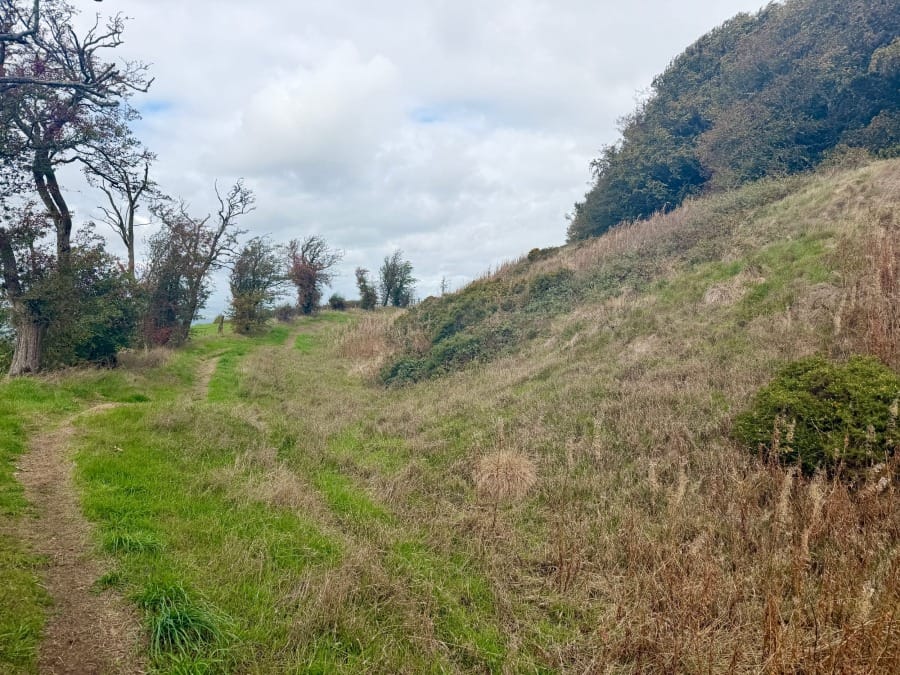
And in a delicious circularity, the fallen minnows were still at work, shaping the thoughts of another writer. As I followed paths through this much older pattern of settlement and movement, I could feel the landscape working on me too. The ground altered my pace, directed my gaze and led my thoughts somewhere I hadn’t anticipated. These were small, immediate adjustments, but they gave me a glimpse of how the same terrain, lived with across generations, might influence the shape of a life or the fortunes of a whole community - and how history might reach into the bristling present.
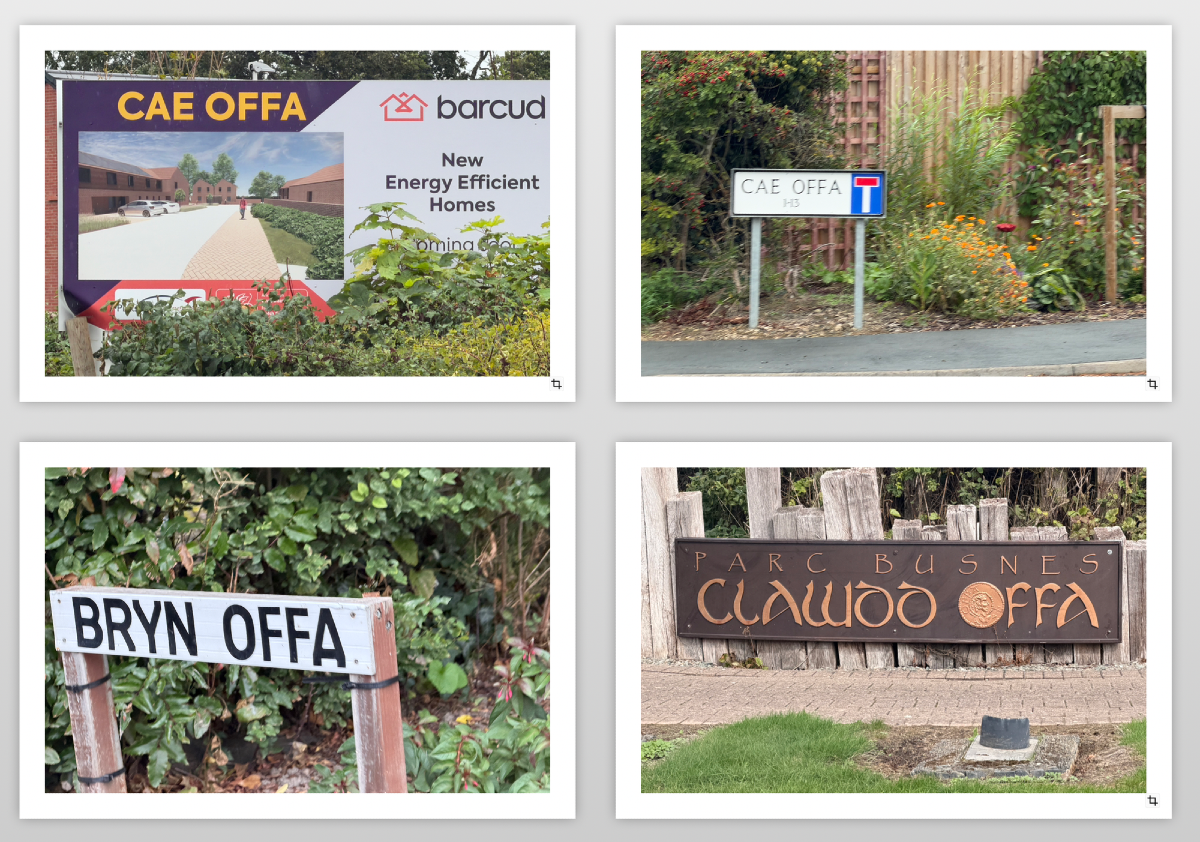
Having begun by looking for the marks our forebears had left upon the landscape, I was becoming more conscious of how deeply it might have marked them, and of the marks it had left upon me. A question had begun to turn my original enquiry on its head - not what do we know of the landscape, but what does the landscape know of us?
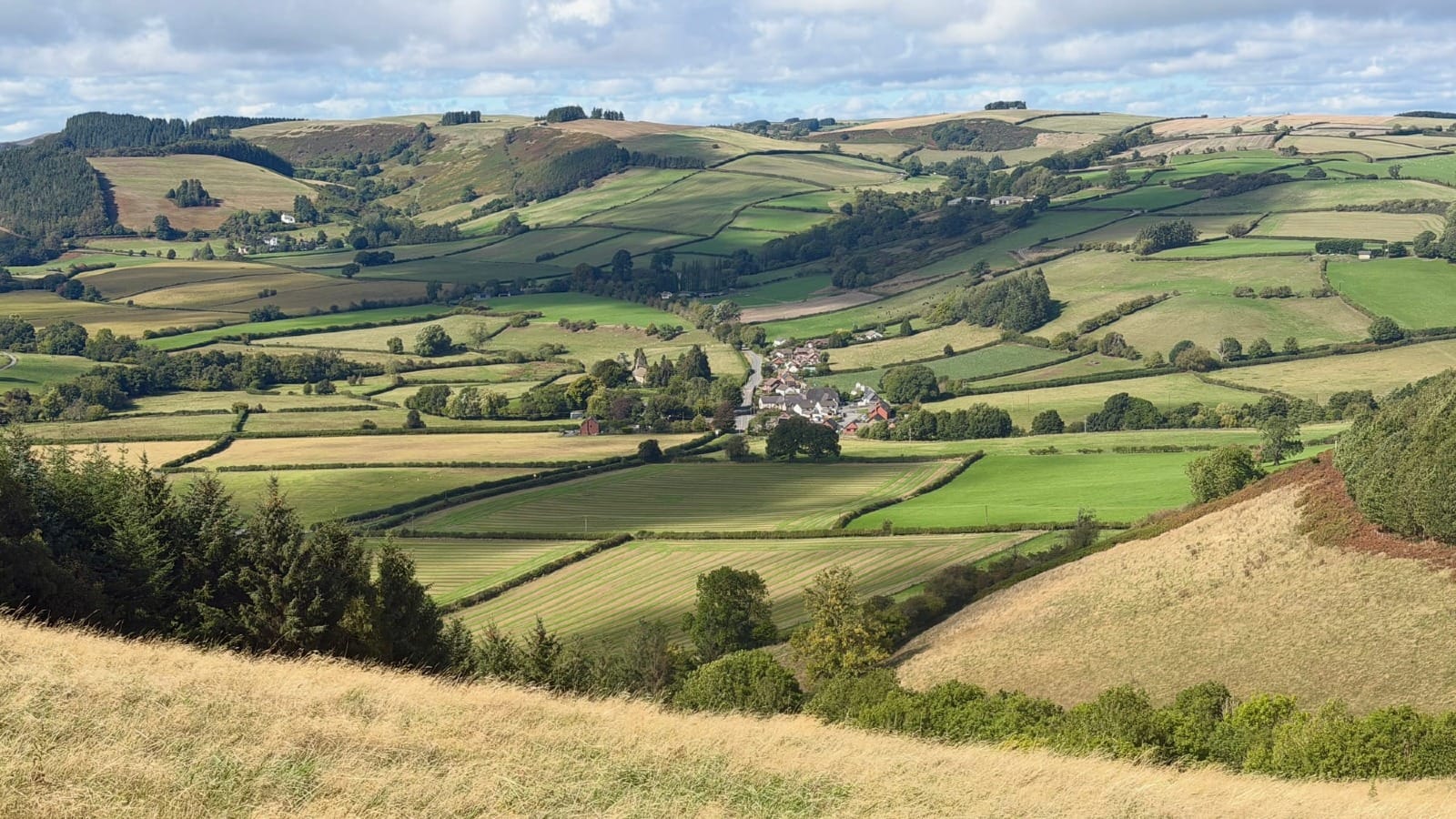
Memberships are helping to sustain my work - thank you.

Can you support the Digest and help keep me on the road?
Membership starts at £2/month, supporting the weekly Digest and free professional photography for historic places, charities and craftspeople.
See membership options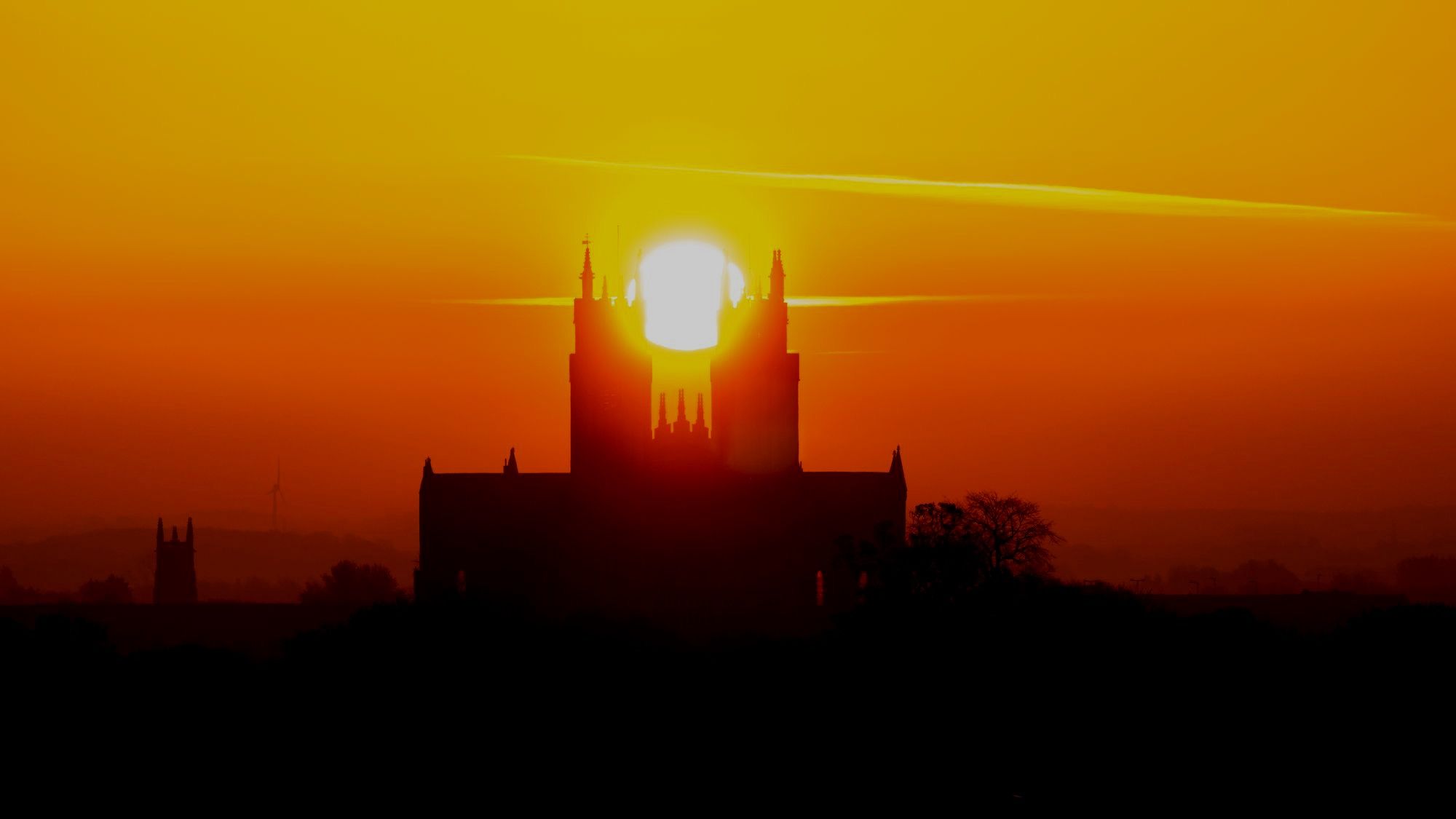
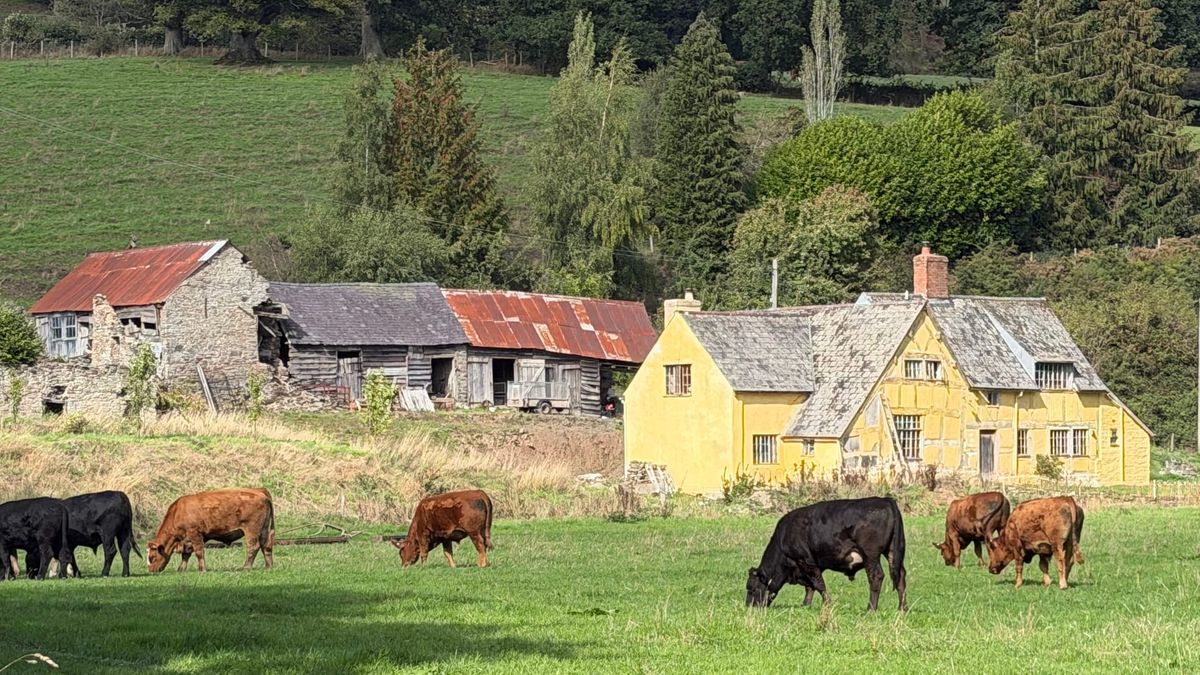
The Buildings of Offa's Dyke
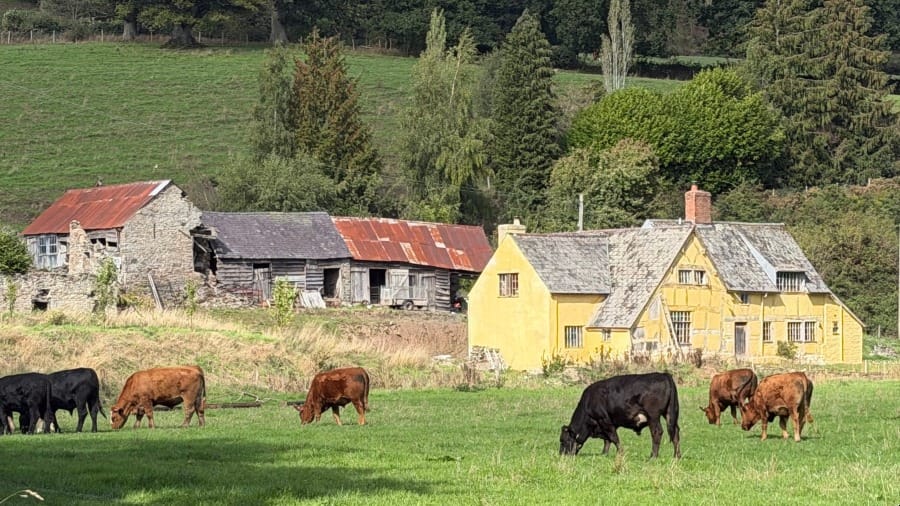
I’ve gathered the buildings we encountered into a visual collection, linked to the photographic atlas. Come inside and take a closer look. 👇
 Andy Marshall
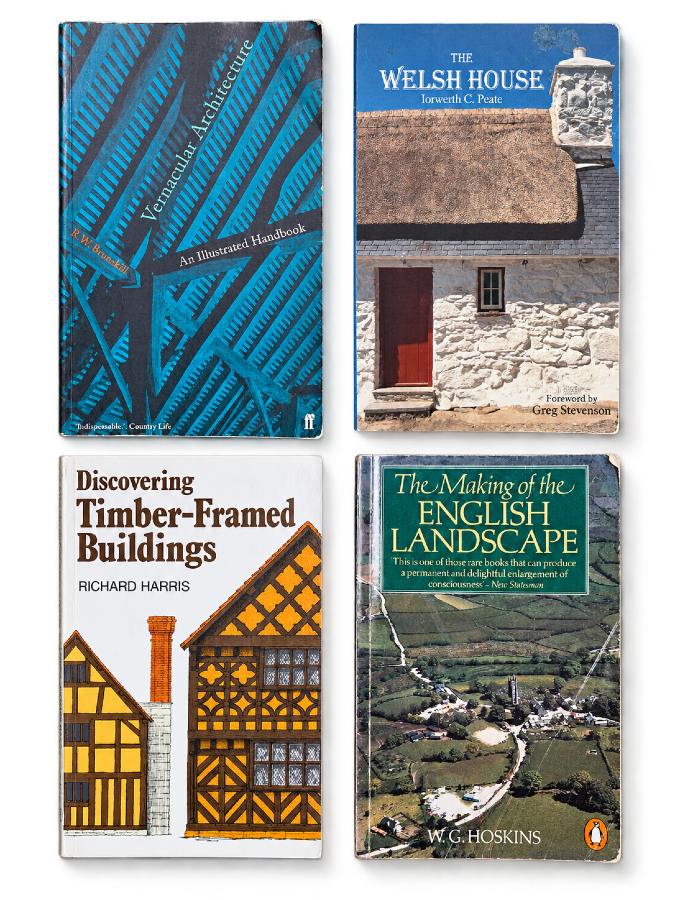
Offa's Dyke: An Immersive Resource
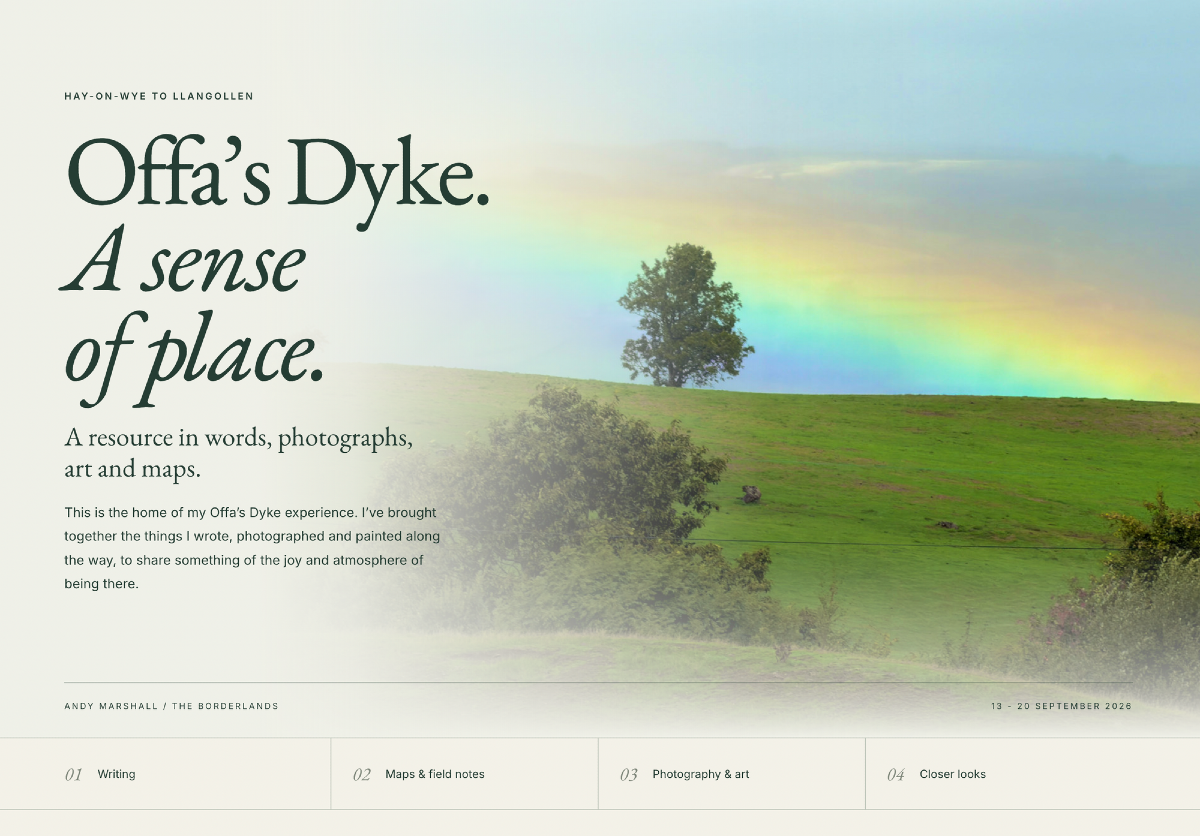
✨ Explore Offa’s Dyke through words, photographs, art and maps - gathered in one place to enjoy from home or inspire a journey of your own. 👇
 Andy Marshall
Please share this if you can. Thank you.
 David McGlade

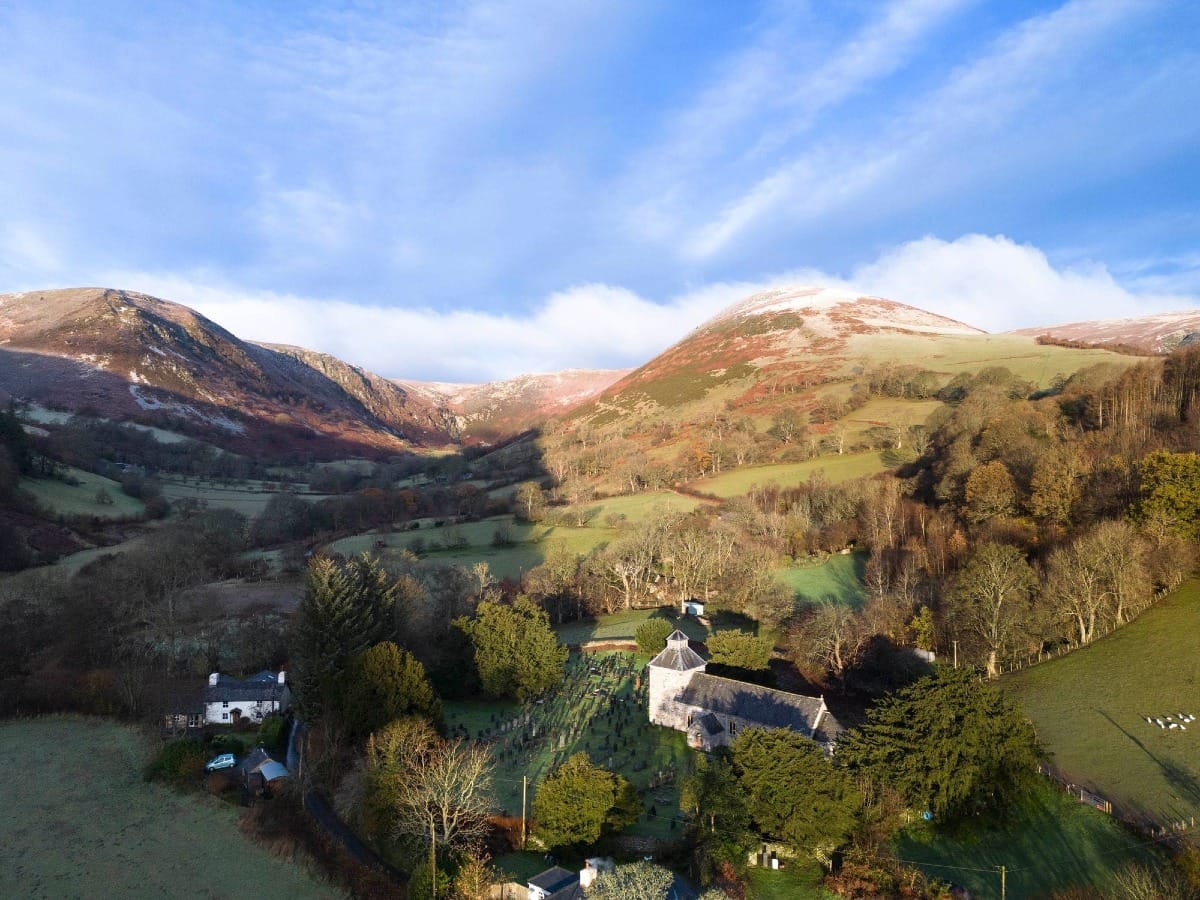
Become a member - access immersive content
A single membership can become part of the next journey, the next story and the next free photo shoot. Thank You.
Explore Membership Options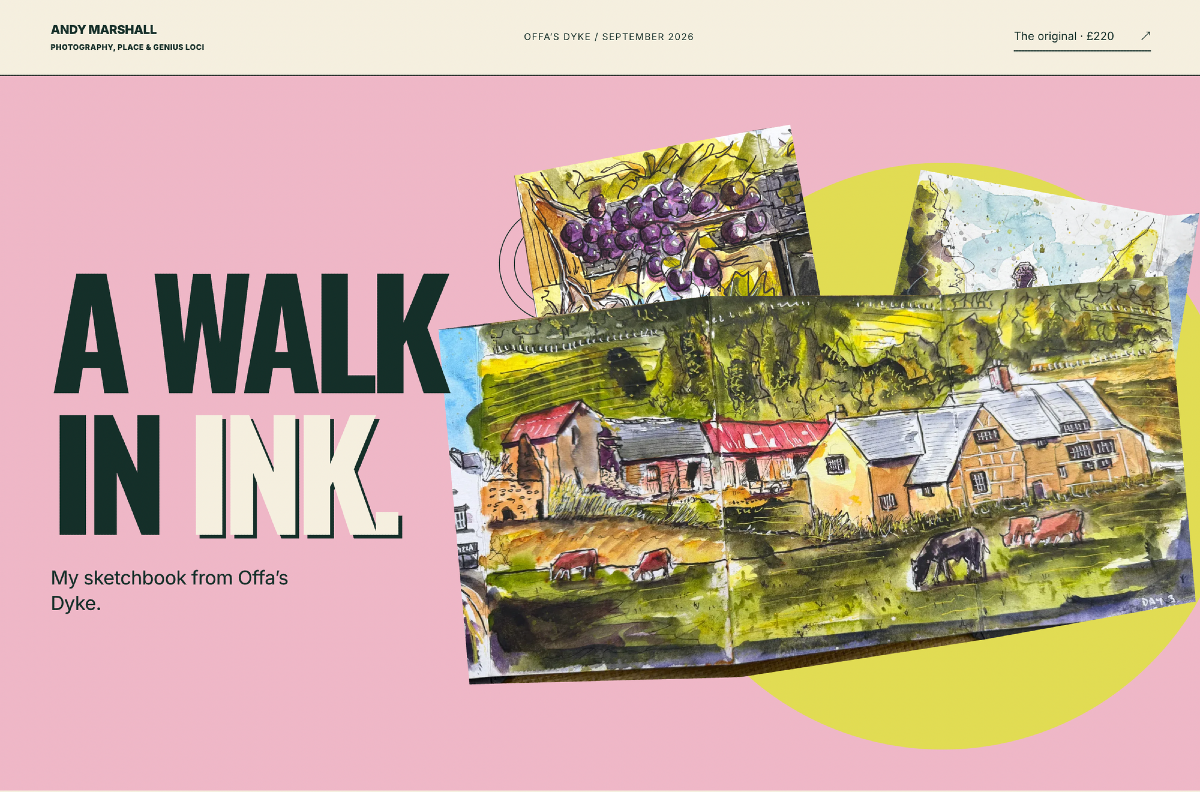
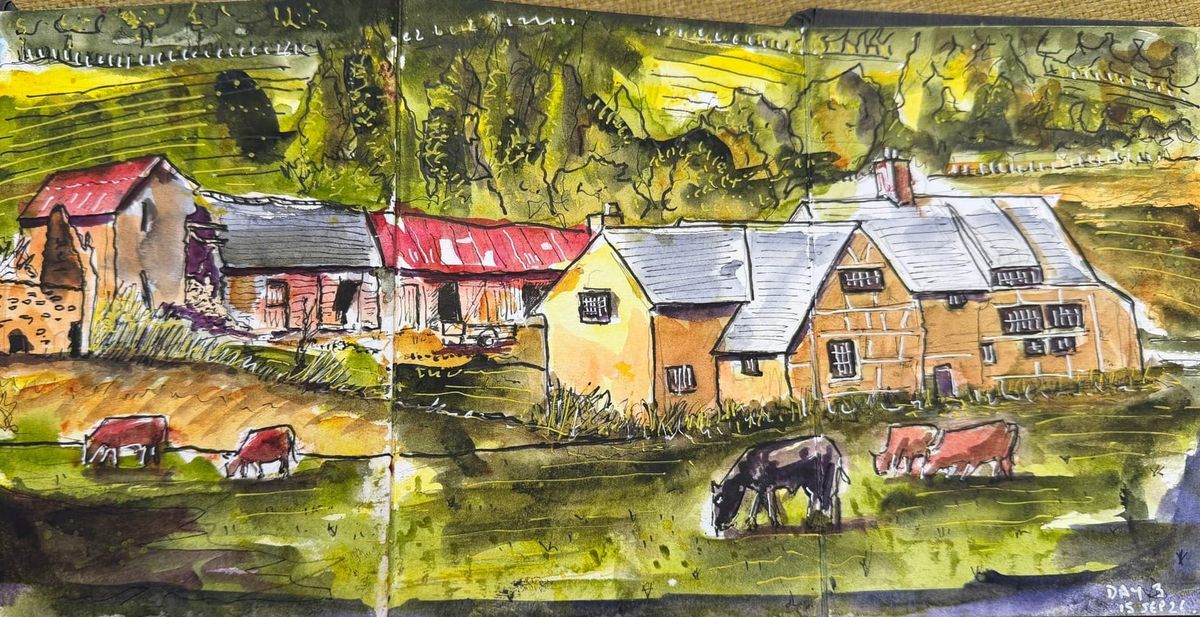
✨ Take a look inside my Offa’s Dyke sketchbook - explore the paintings and follow the journey through its pages. The original is also available to buy. 👇
 Andy Marshall
Thank You!
Photographs and words by Andy Marshall (unless otherwise stated). Most photographs are taken with iPhone 17 Pro and DJI Mini 5 Pro.
🔗 Connect with me on: Bluesky / Instagram / Facebook / X / Tumblr / Flickr / Vimeo / Pixelfed / Pinterest / Flipboard/ Fediverse: @fotofacade@digest.andymarshall.co


Member discussion