
Welcome!
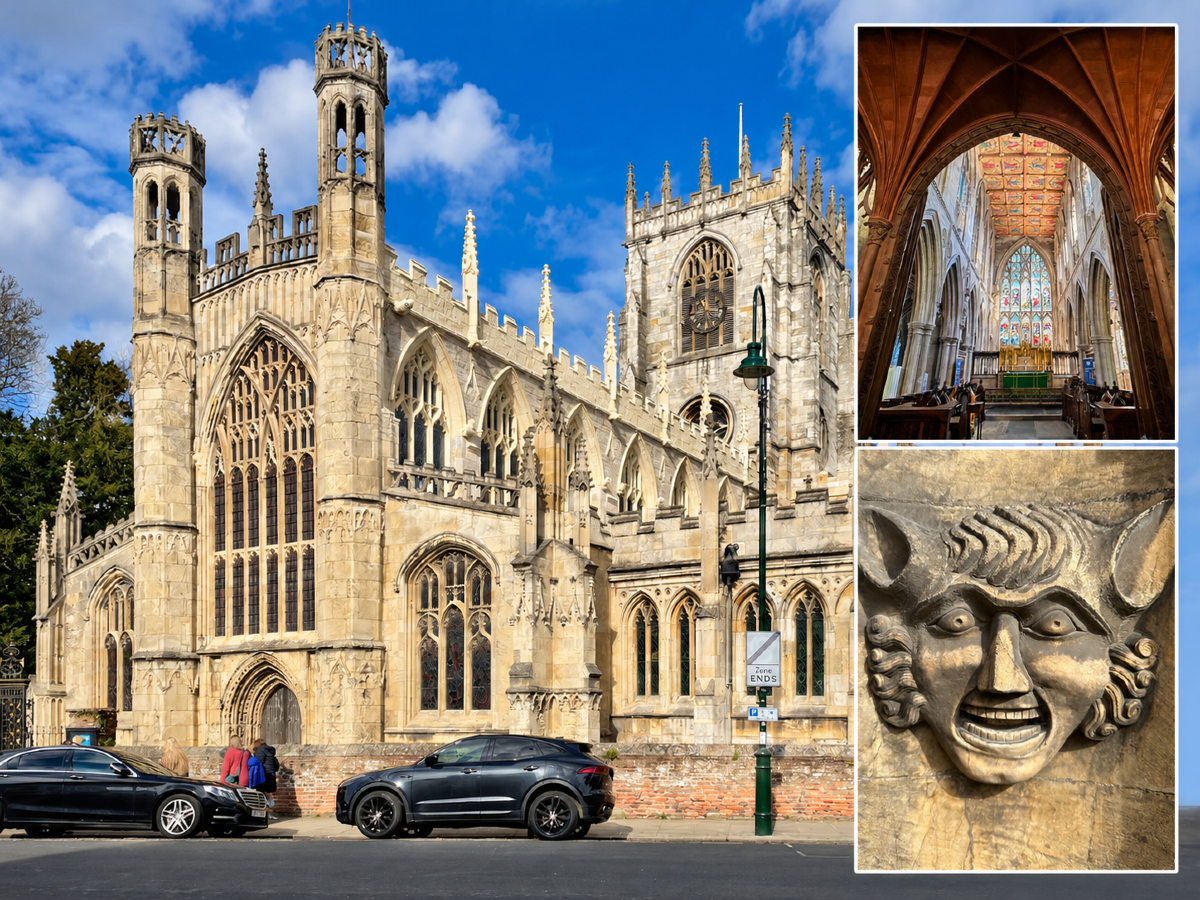
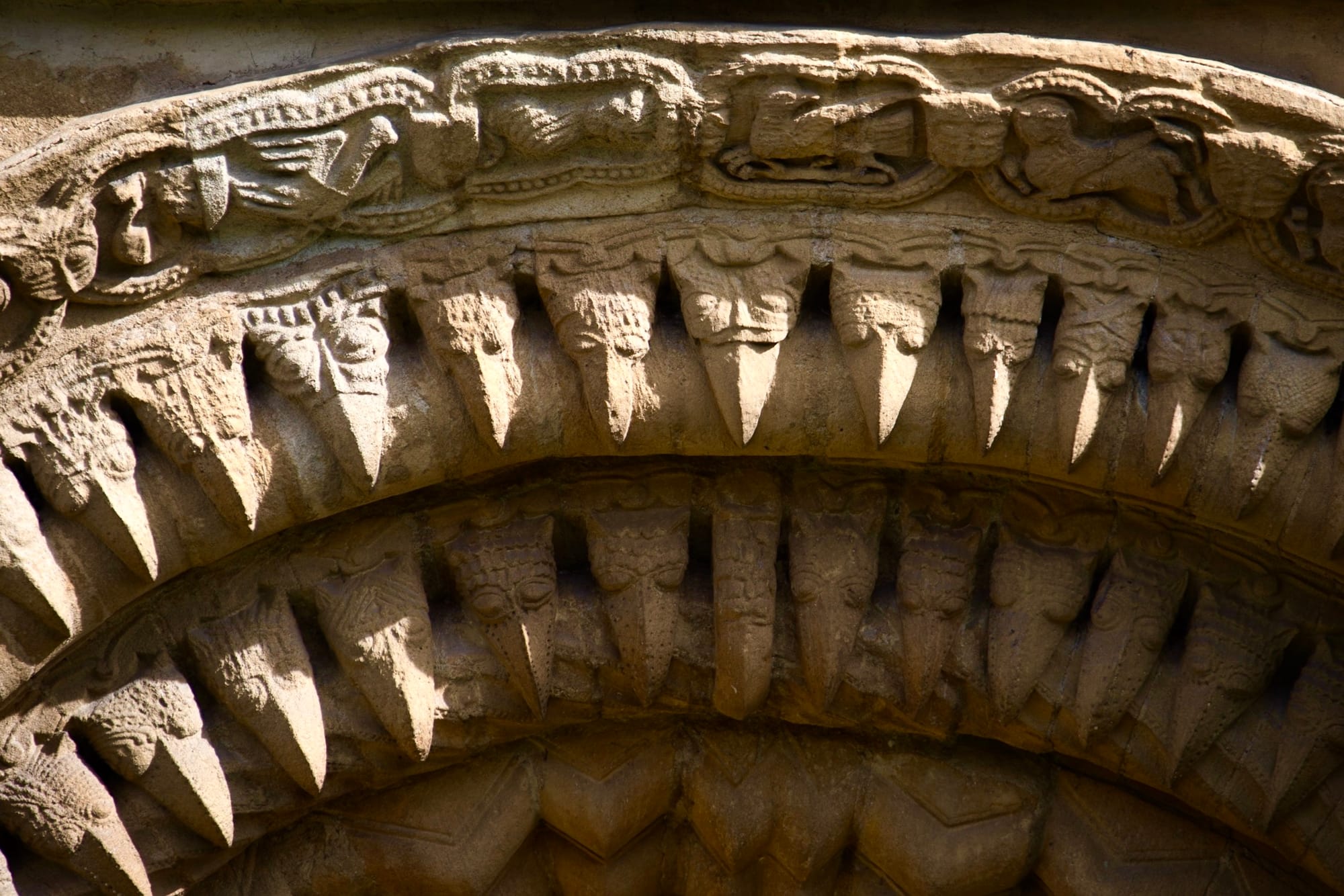
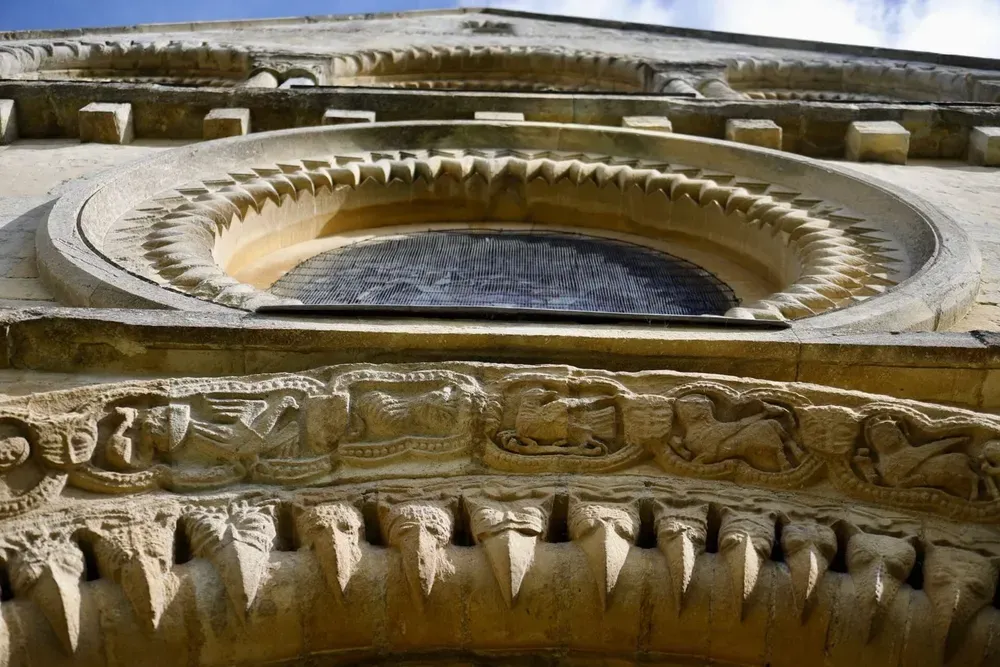
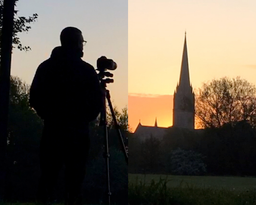
Coming soon: Photographing St. Mary's, Beverley
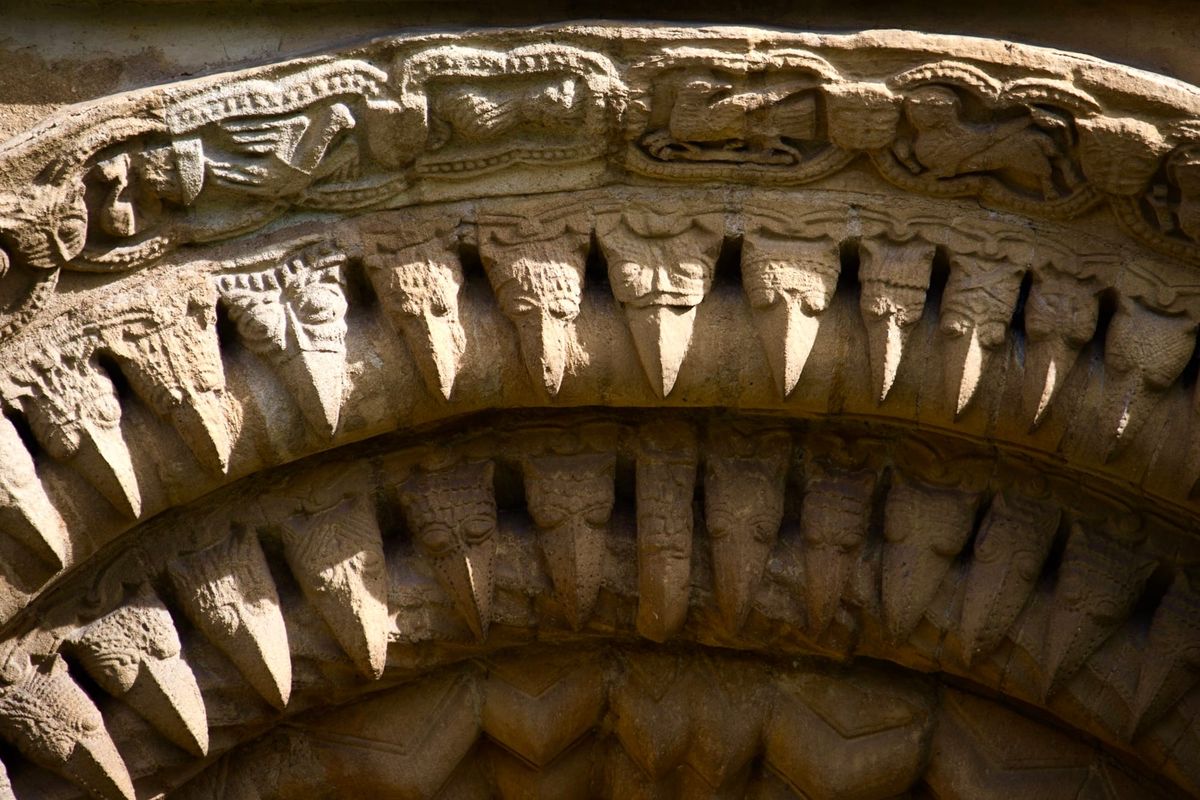
A medieval marvel
⚡️ View the latest digest and the full archive here.
Member Powered Photography helps me shoot historic locations and traditional skills for free. Check out the status of the next free photo shoot here:
📐 My Goals 🎁 Gift Memberships 🖼️ 🎨 Atelier
🔗 Connect with me on: Bluesky / Instagram / Facebook / X / Tumblr / Flickr / Vimeo / Pixelfed / Pinterest / Flipboard/ Fediverse: @fotofacade@digest.andymarshall.co
"We shall not cease from exploration
And the end of all our exploring
Will be to arrive where we started
And know the place for the first time.
Through the unknown, remembered gate
When the last of earth left to discover
Is that which was the beginning..."
T. S. Eliot, The Four Quartets
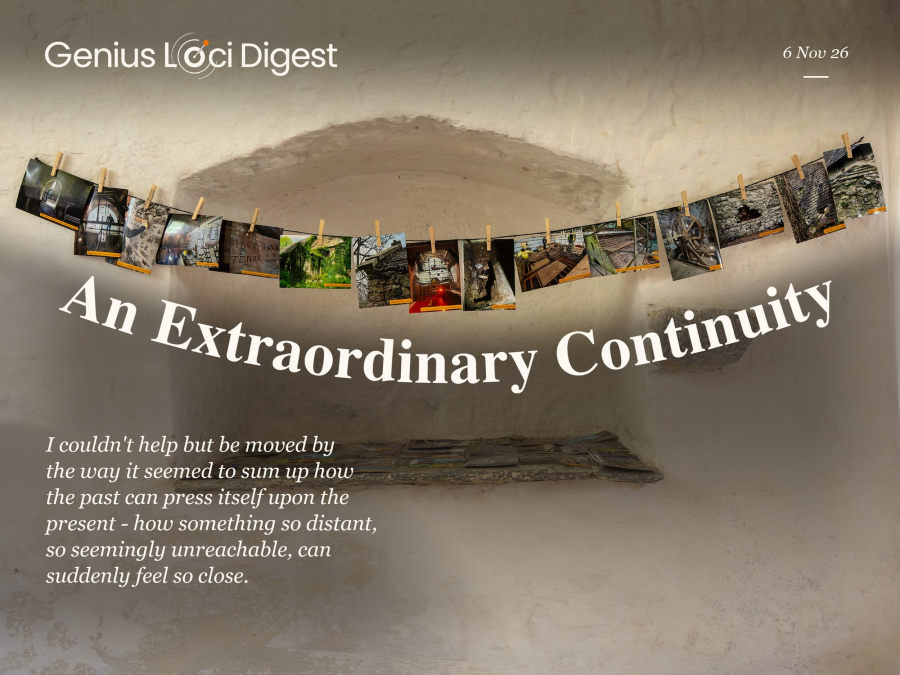
An Extraordinary Continuity
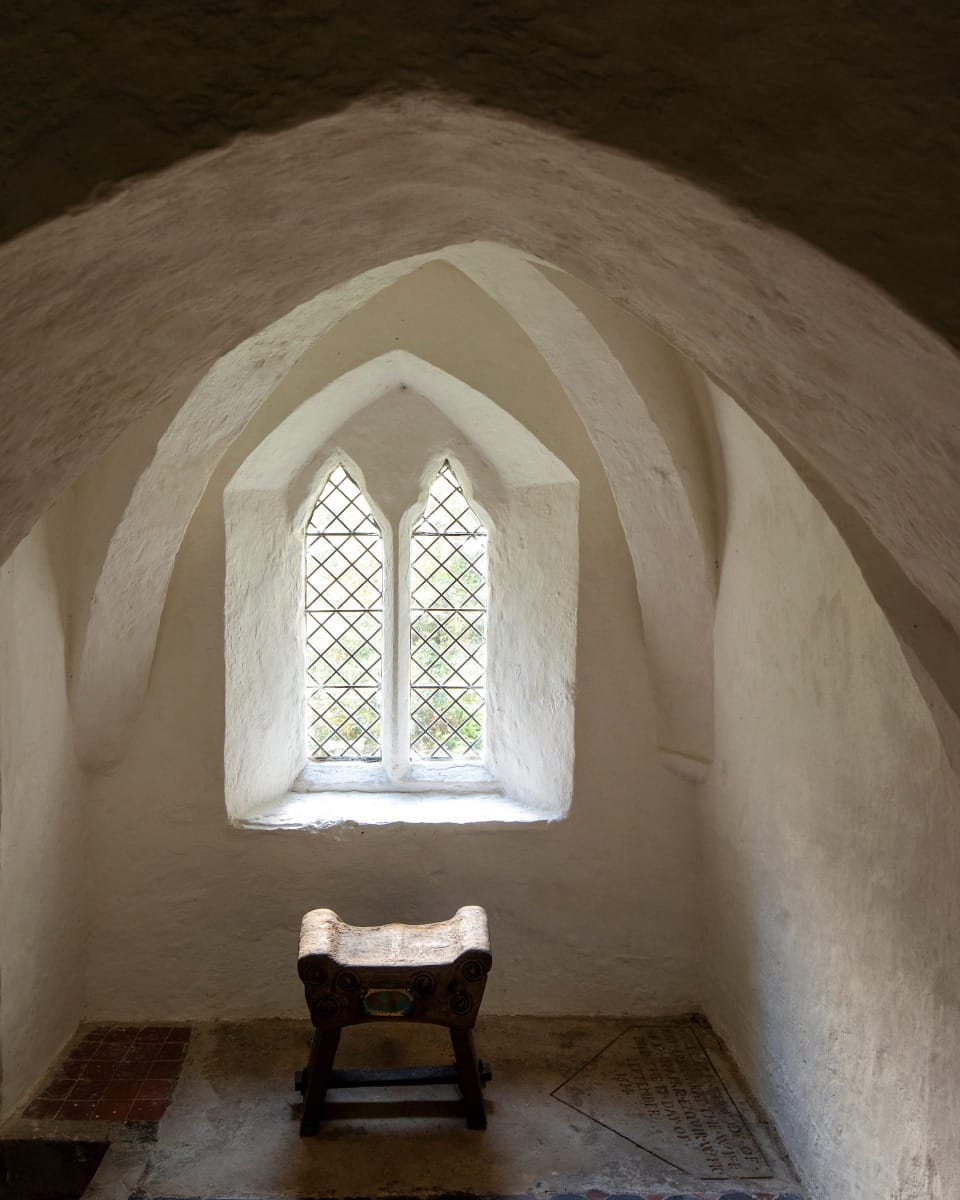
My visit last month to St. Lawrence, Gumfreston in Pembrokeshire - after years of conservation, after seeing it in wrack and ruin, then photographing the conservation team at work, and now experiencing all of that coming together - brought on a sudden overwhelm. Not for the first time in my career, I just stood and stopped, and then walked, and then felt the place as it was - in the moment, without any thought of process, of what I needed to do, or where the light might be best.

I think, on this particular morning, it had something to do with the sheer energy that had been put back into this place. The simplicity of what I was seeing belied a complex and mind-boggling feat of collective endeavour - of money, materials, minds, hands and hearts. But there was something beyond all of that, something that moved me deeply the moment I stepped inside the church. The alchemy of it all - a kind of magic, communal and born of the long view - had quite simply opened up a conduit to the past, as if the floodgates had been lifted.
There are some words from a digest subscriber (I shall call him K) where he describes an encounter with place that perfectly describes this feeling:
“The beauty itself was unbearable. There was also an awareness of the connection between all beings, as if we live two steps away from Paradise but blind to each other. What remained when I came out of that time was a transformed intensity of perception. Perception of paintings, spatial relationship, but also of every living thing. And of music. That's still with me. There was a before and there was an after.”
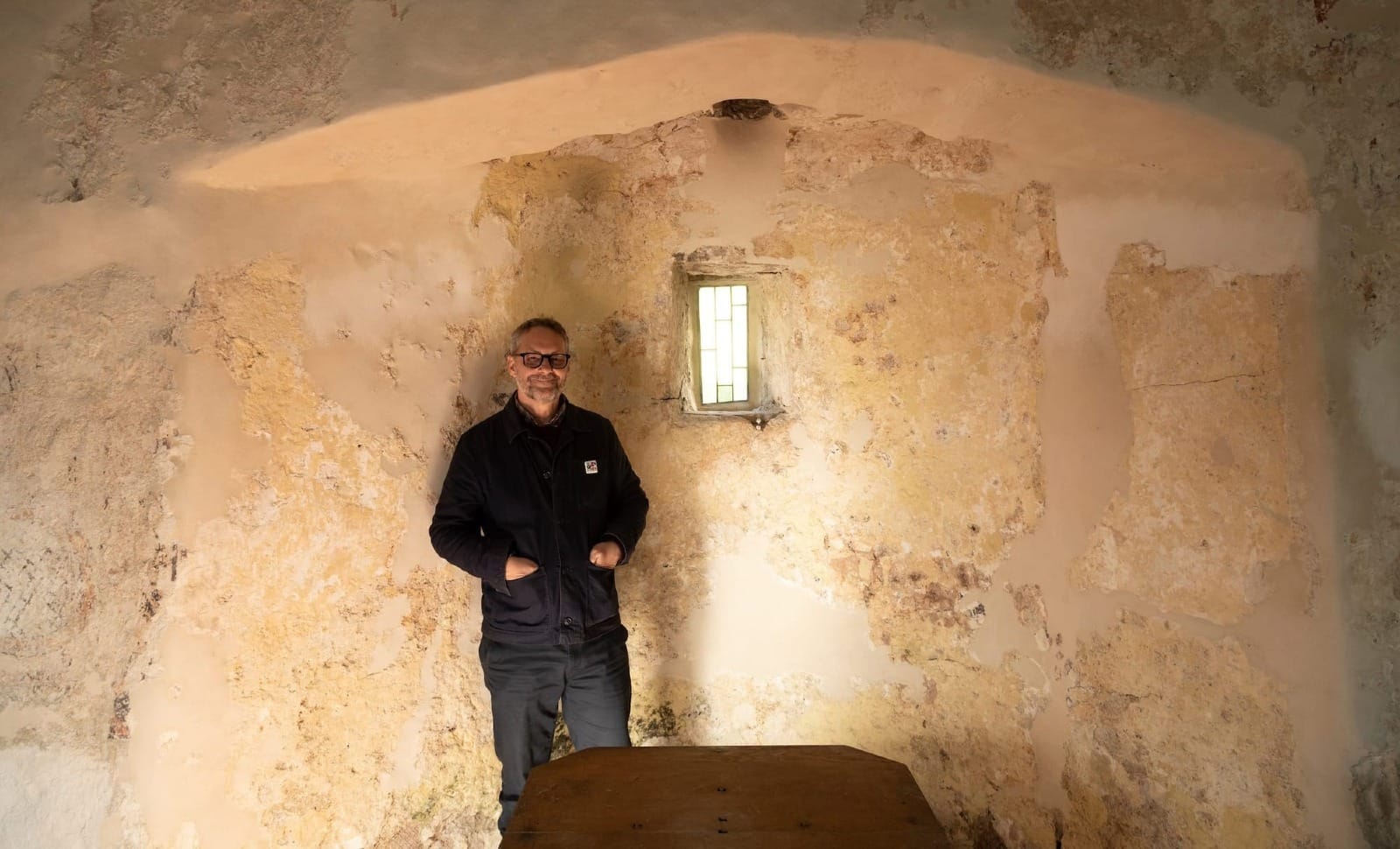
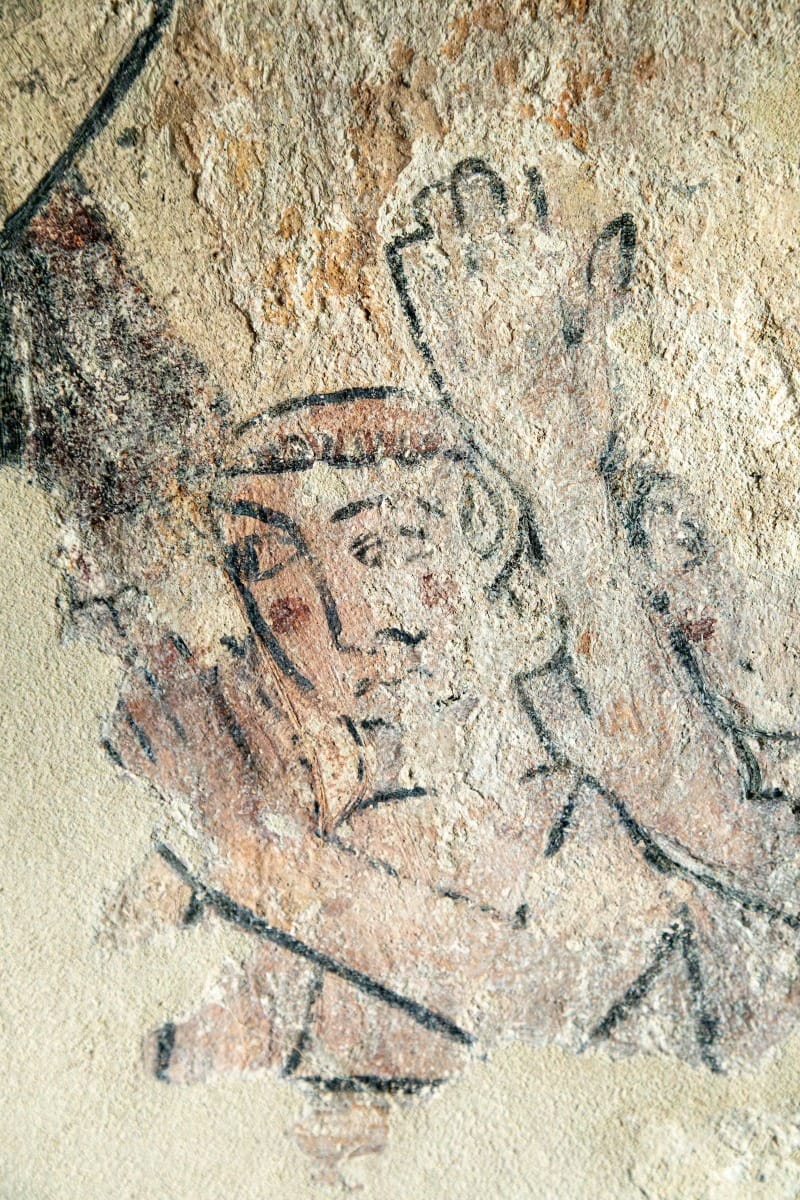
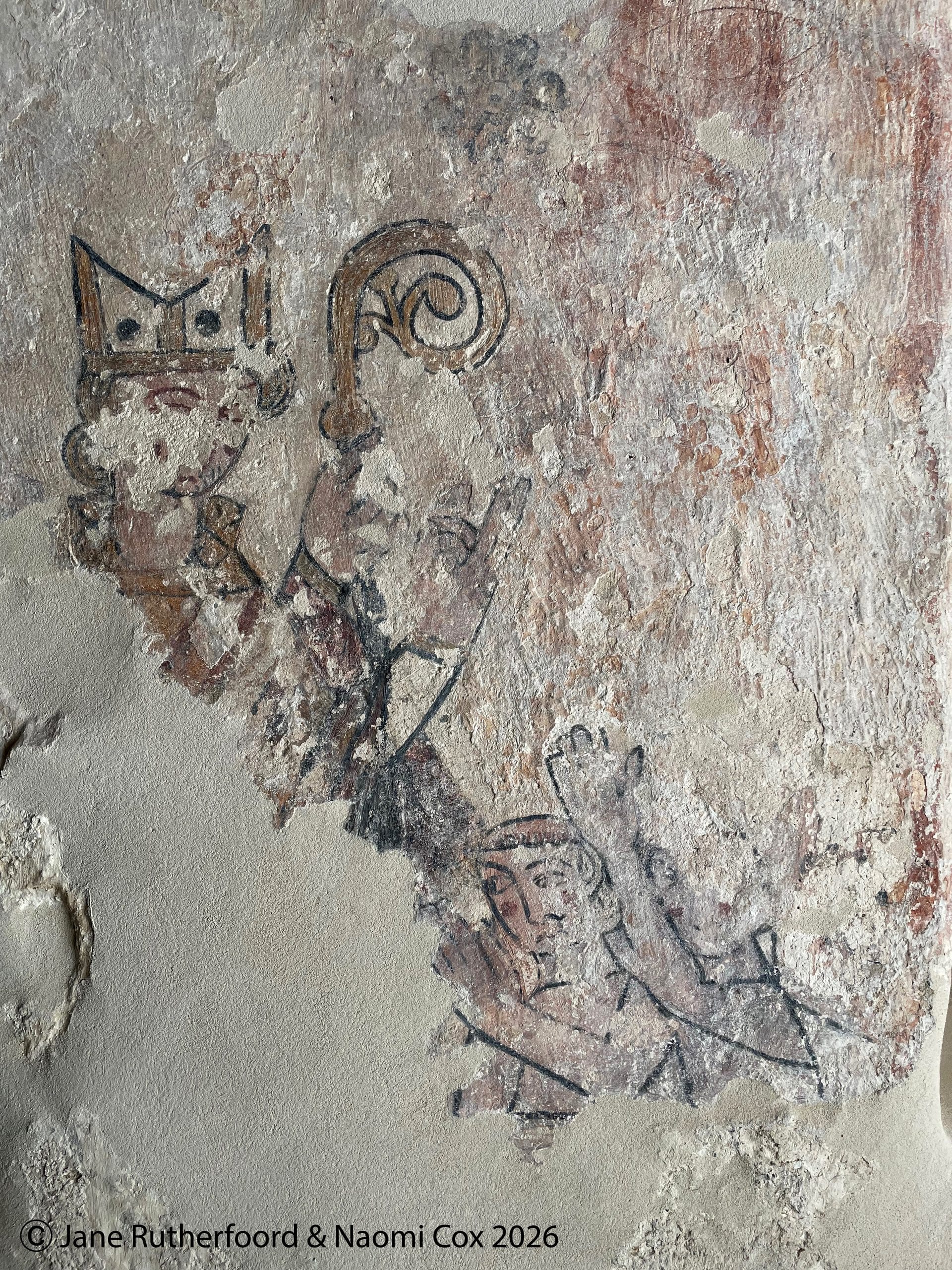
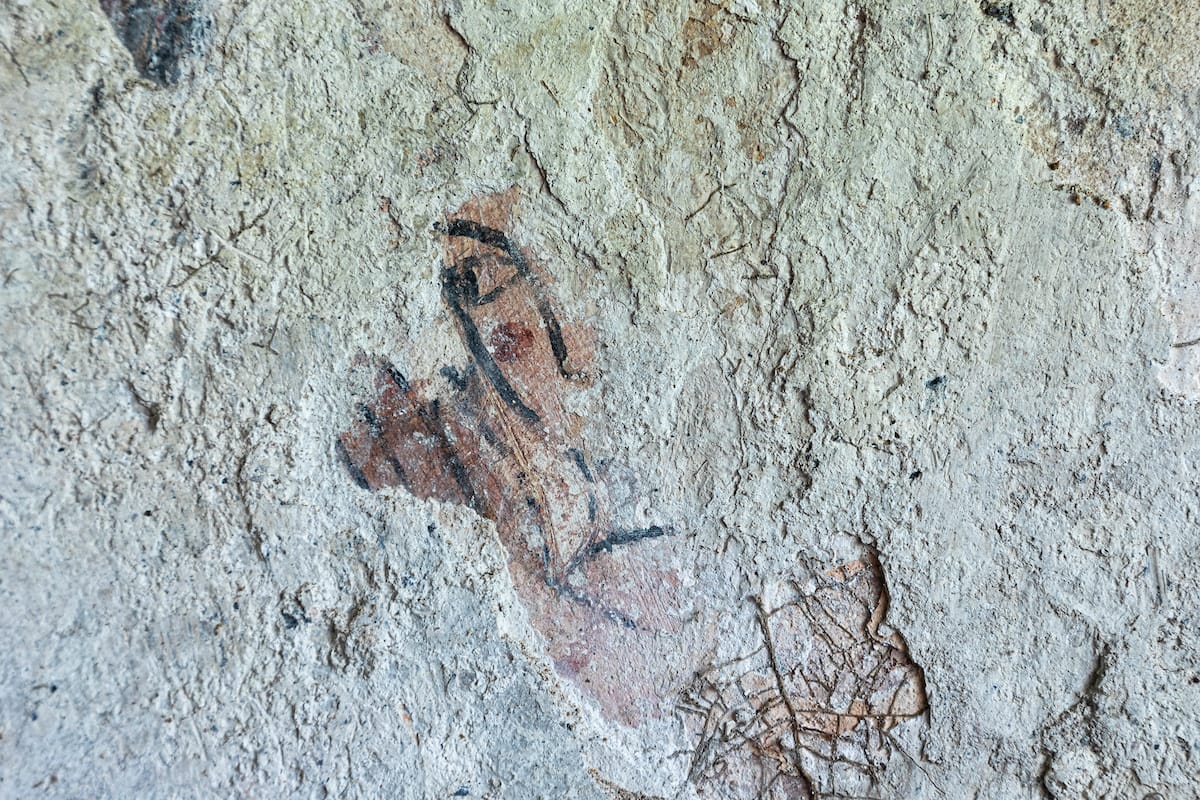
It was the face for me - the thing that I had so often thought about whilst away on my travels, ever since that first encounter, when, groping through the dank darkness of the church, I brought my torchlight upon it and caught a glimpse of a gimlety eye looking back at me through the flaking limewash.
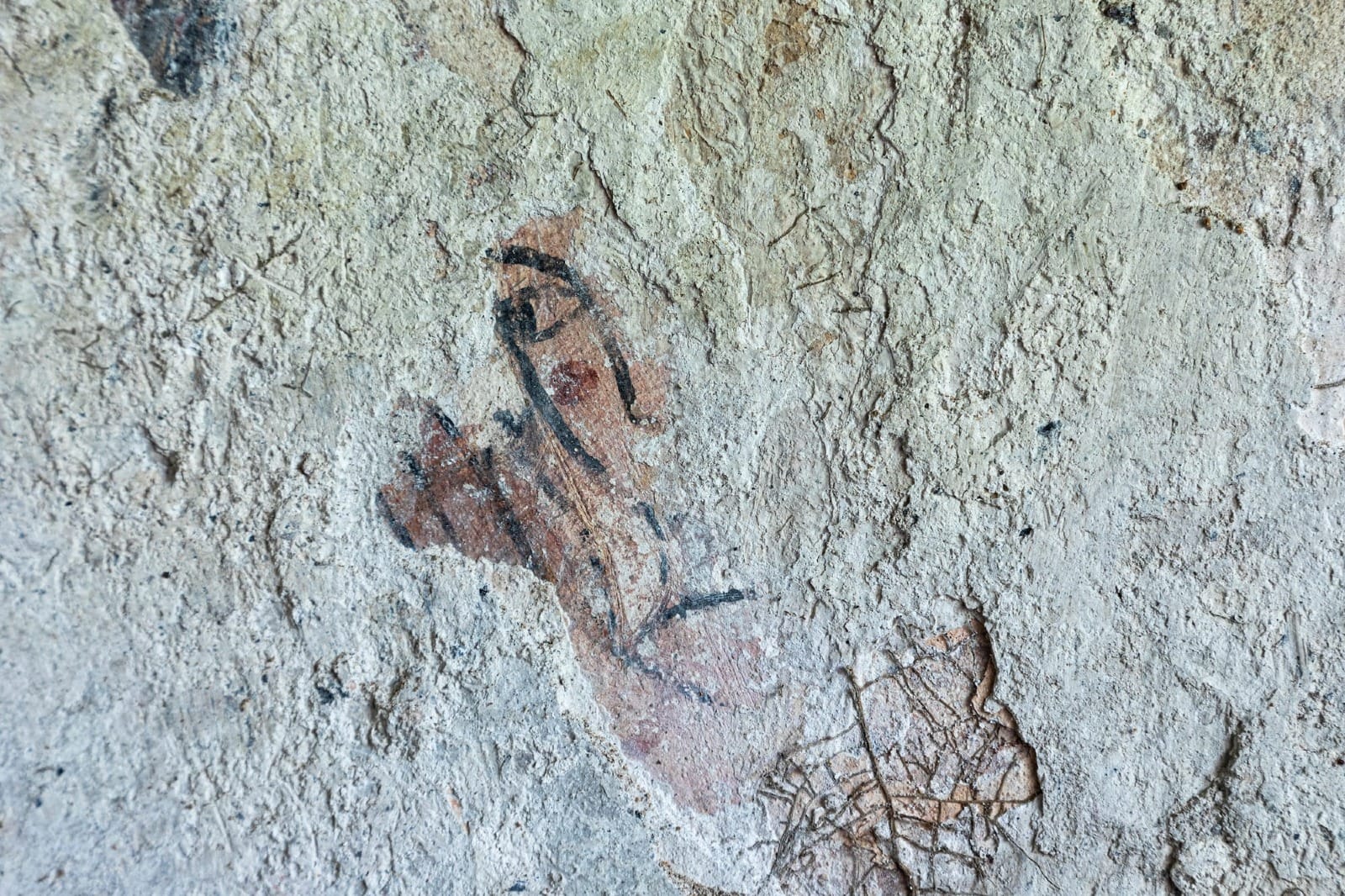
I couldn't help but be moved by the way it seemed to sum up how the past can press itself upon the present - how something so distant, so seemingly unreachable, can suddenly feel so close. But there was something more - the eye, looking out at me for the first time, brought with it a powerful sense of connection and a strange, dizzying feeling that the world had been turned upon its head - that the temporal line between the past and the present wasn't a sharply defined mark at all, but something hazy, shapeshifting and porous. For a moment, it was no longer me reaching back into the past, but the past reaching out to me.
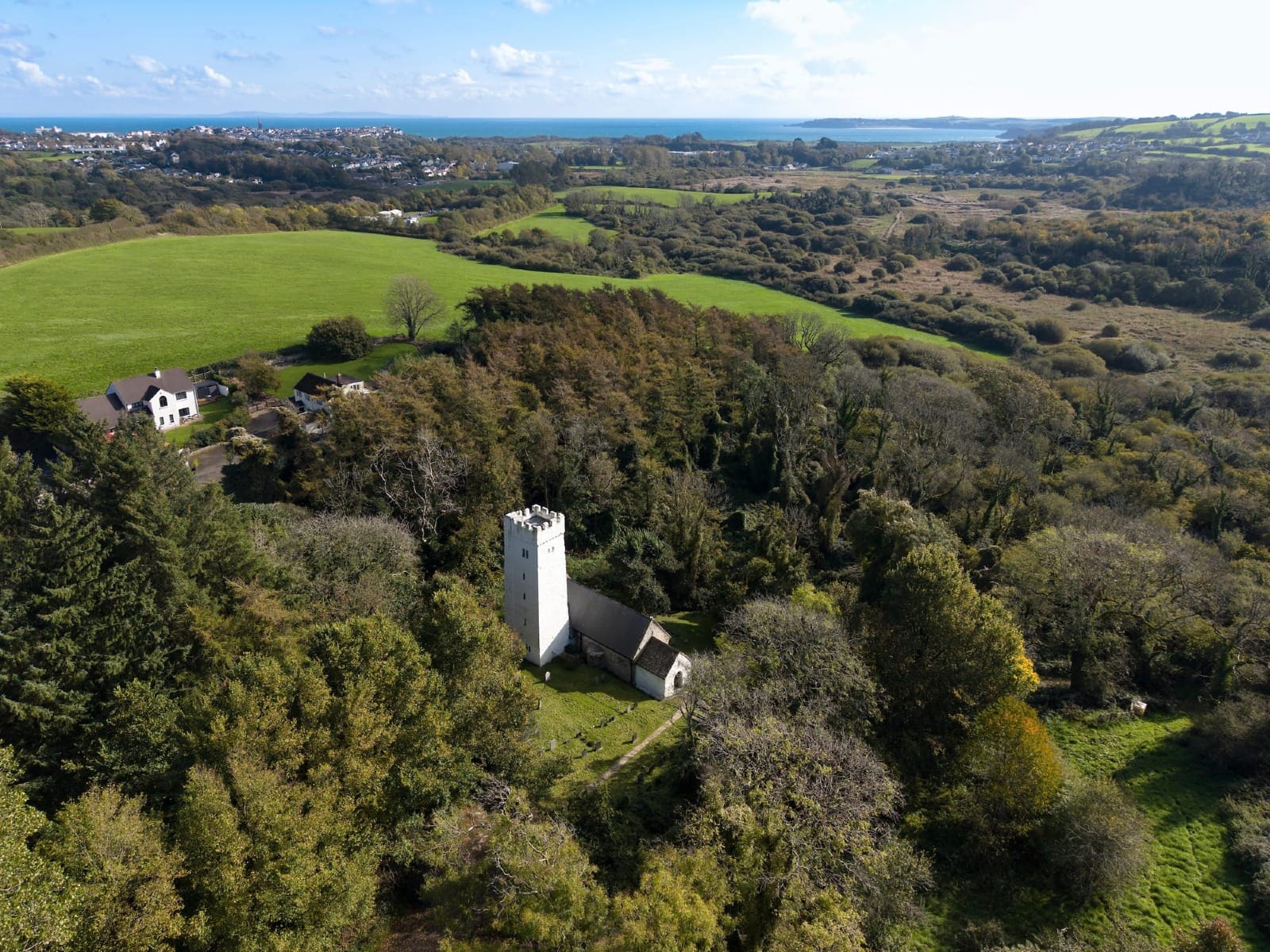
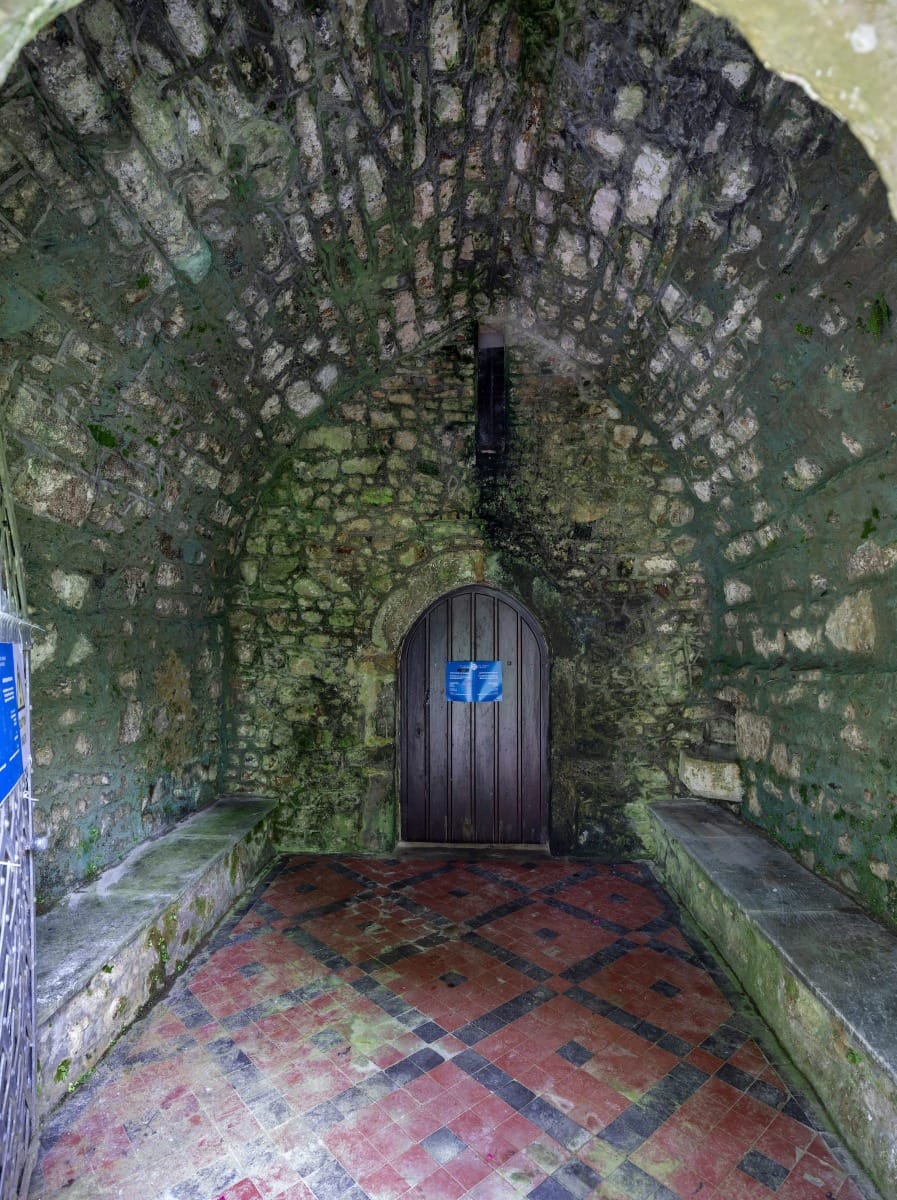
Outside, just a few metres from the face, water from ancient springs bubbles up in a cluster of holy wells. The wells are places of pilgrimage in their own right. Local tradition also has the church on the pilgrim routes across South Wales to the great shrine of St David, and perhaps beyond that linking up the route from St. David’s to other pilgrimage routes into Europe.
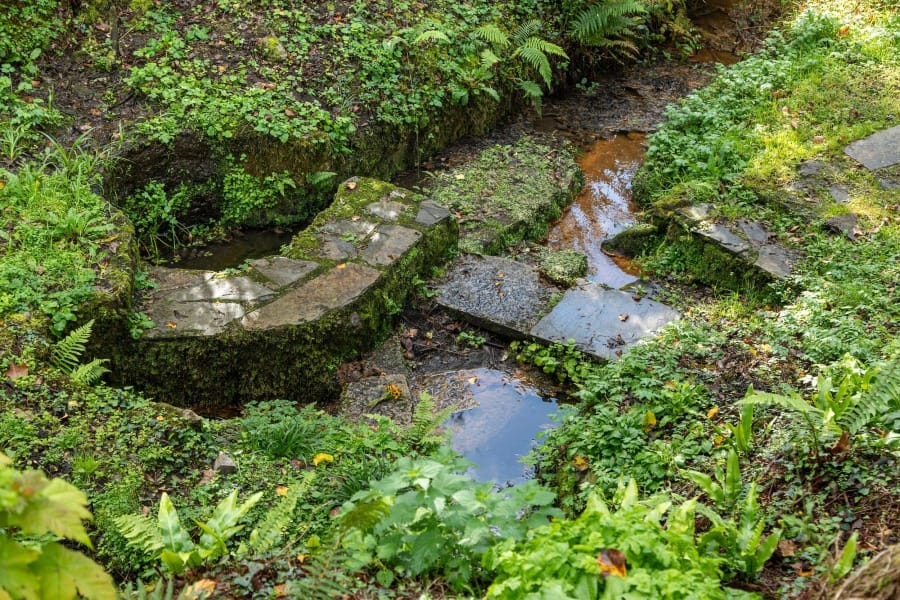
People came to the wells, and over time they acquired a significance that seems to have drawn together different beliefs and ways of understanding the world.
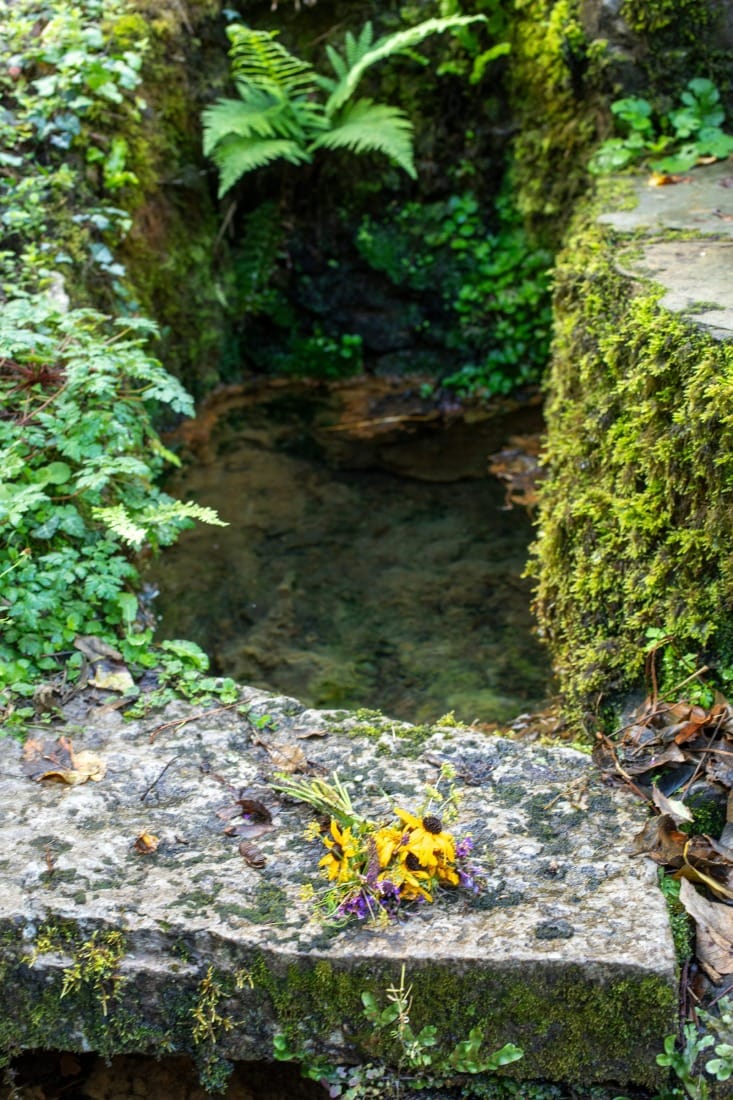
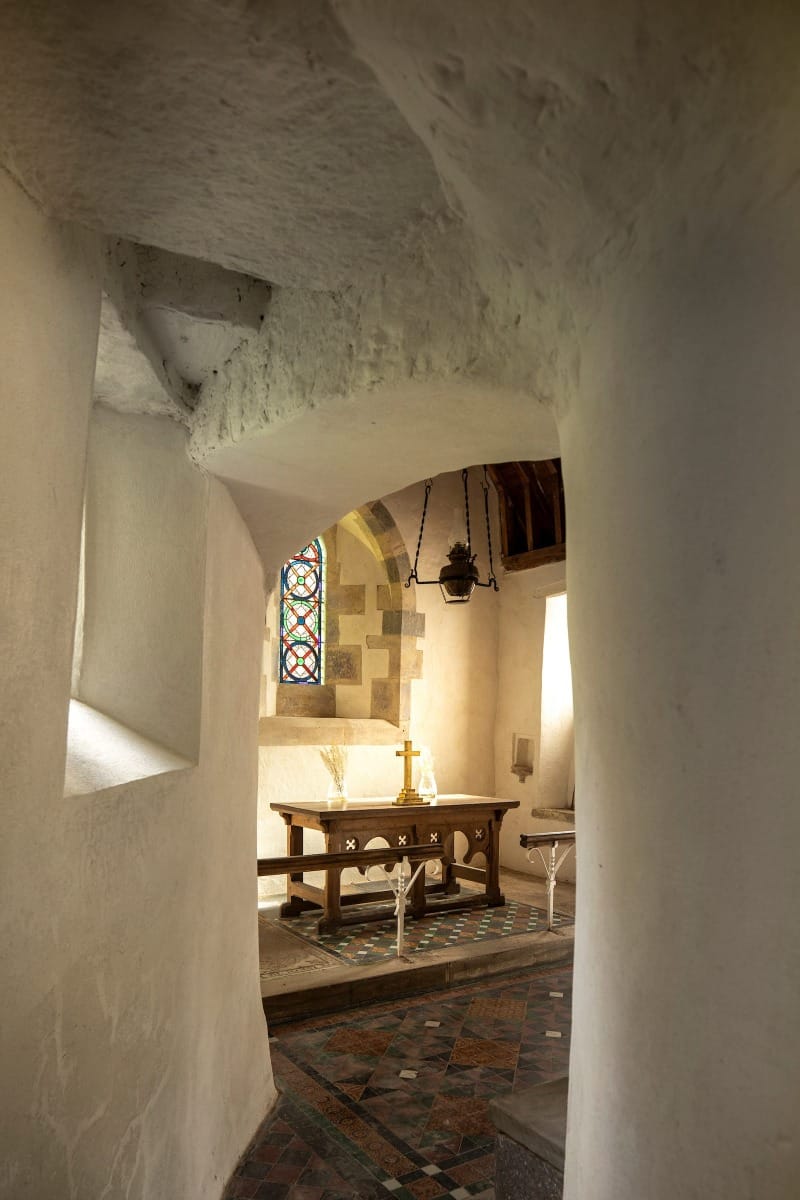
And perhaps this is why the church itself feels so extraordinary - rooted somewhere between the primeval and the Christian, as if the two have become inextricably bound together. Its cambered walls seem to echo the organic forms of the landscape - almost grotto-like, as though the building had grown out of the wells rather than placed beside them.
I found myself wondering whether something earlier had stood here, some shelter for the weary, and thinking of those who came before, carrying their hopes and fears to the springs, leaving their bent pins in the water, seeking some small intervention in the course of their lives.
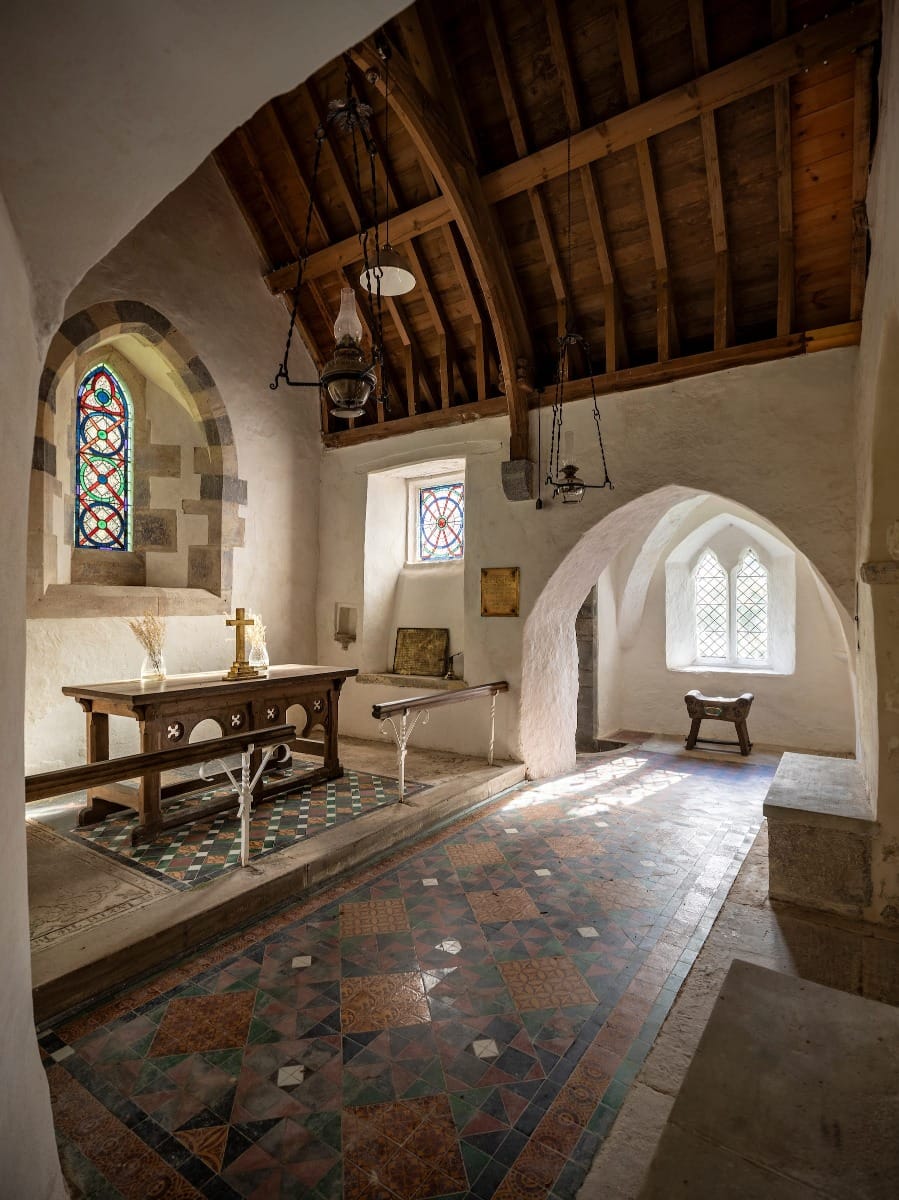
And I think this is what makes Gumfreston so extraordinary - for it isn't really just about the material, or the organic, or even the remarkable survival of the place itself. It is something far greater - an embodiment of the hopes, fears and needs of individuals and communities across generations, an accumulated intensity of human experience that seems somehow to have transcended the temporal.
Gumfreston: the unknown, remembered gate.
All those lives, all those acts of faith, of making, mending, believing and belonging, have become entangled in the very fabric of the place. And here, through the extraordinary endeavour of those who have brought it back from the brink, something of that accumulated past has been released back into the present.
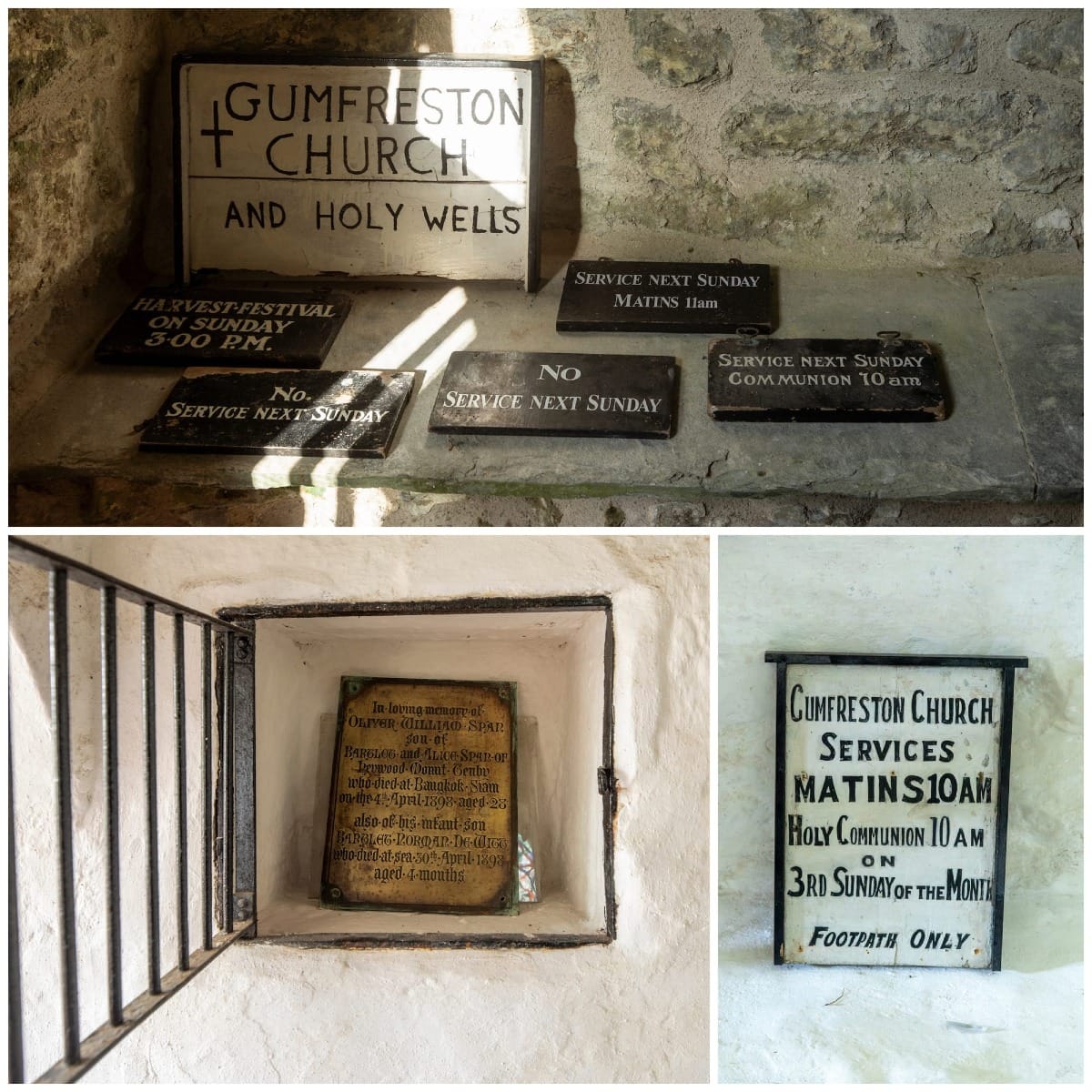
Perhaps this is the unity of Gumfreston - that beneath all the changing forms of belief, all the centuries of human endeavour, there remains something profoundly familiar in our need to find meaning, to seek healing, to belong. That the place itself has become a kind of open correspondence between times, where the boundaries between the past and present become impossible to distinguish. Where the natural and the human, the sacred and the everyday, the living and the long departed, are somehow drawn together into one extraordinary continuity.
Membership really does help. Thank you.
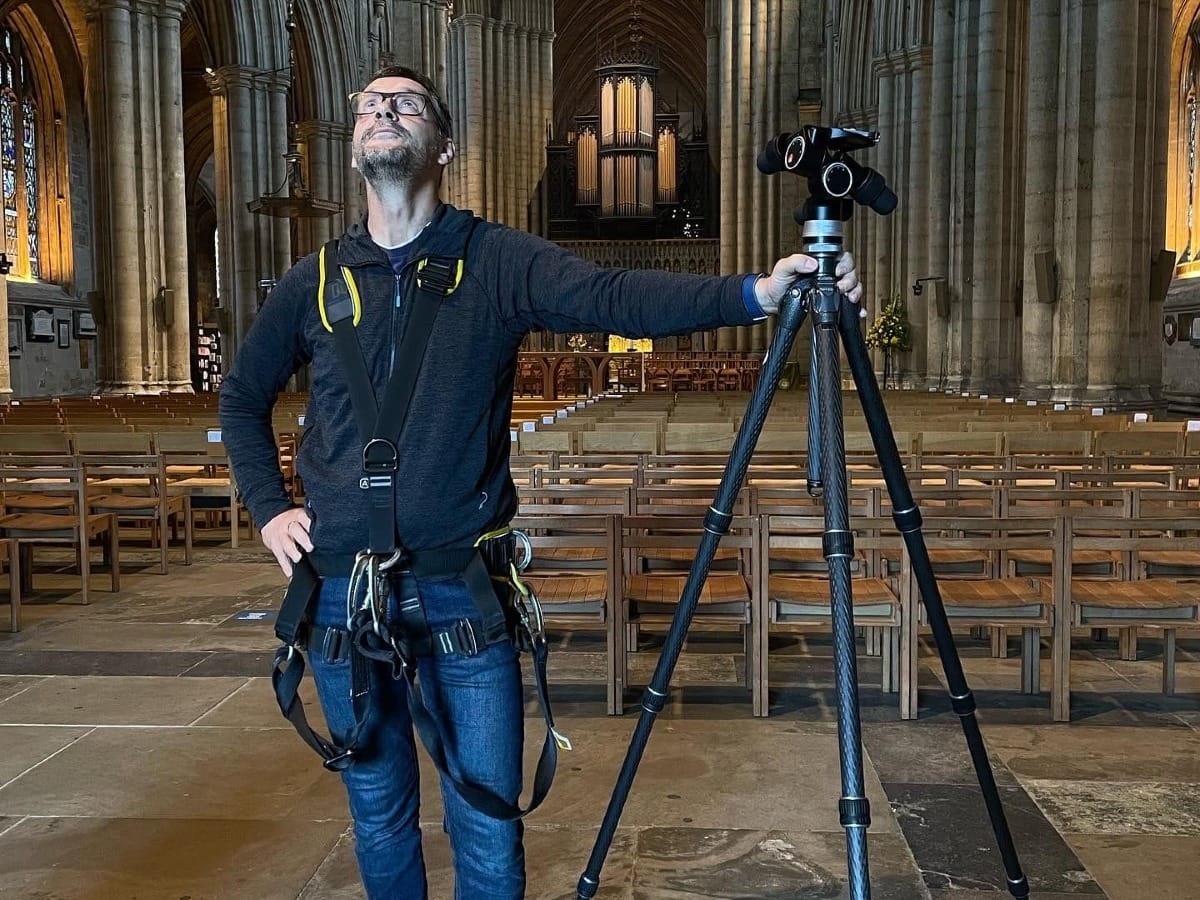
Can you help support my work and keep me on the road?
Membership starts at £2/month, supporting the weekly Digest and free professional photography for historic places, charities and craftspeople.
See membership options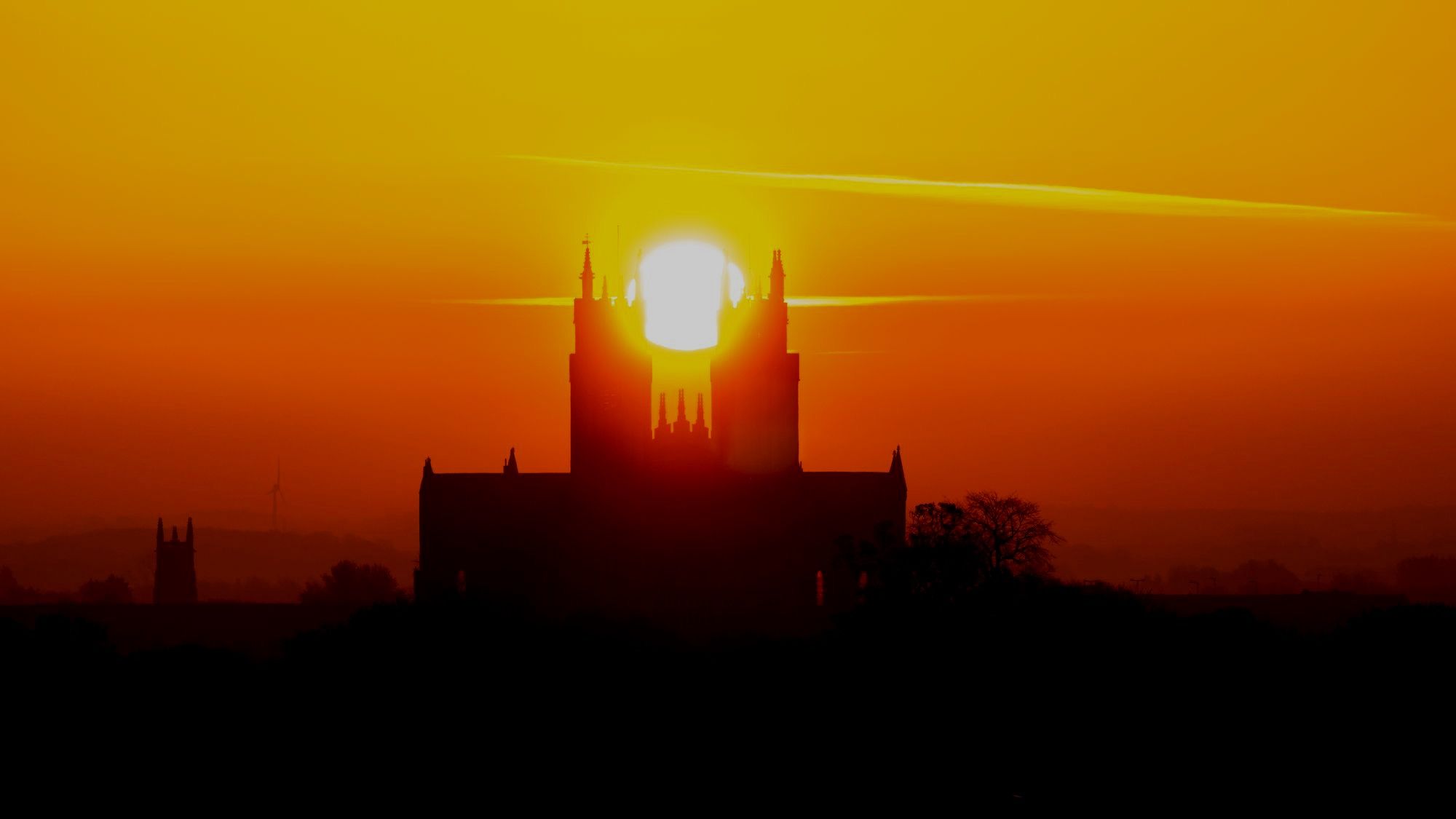
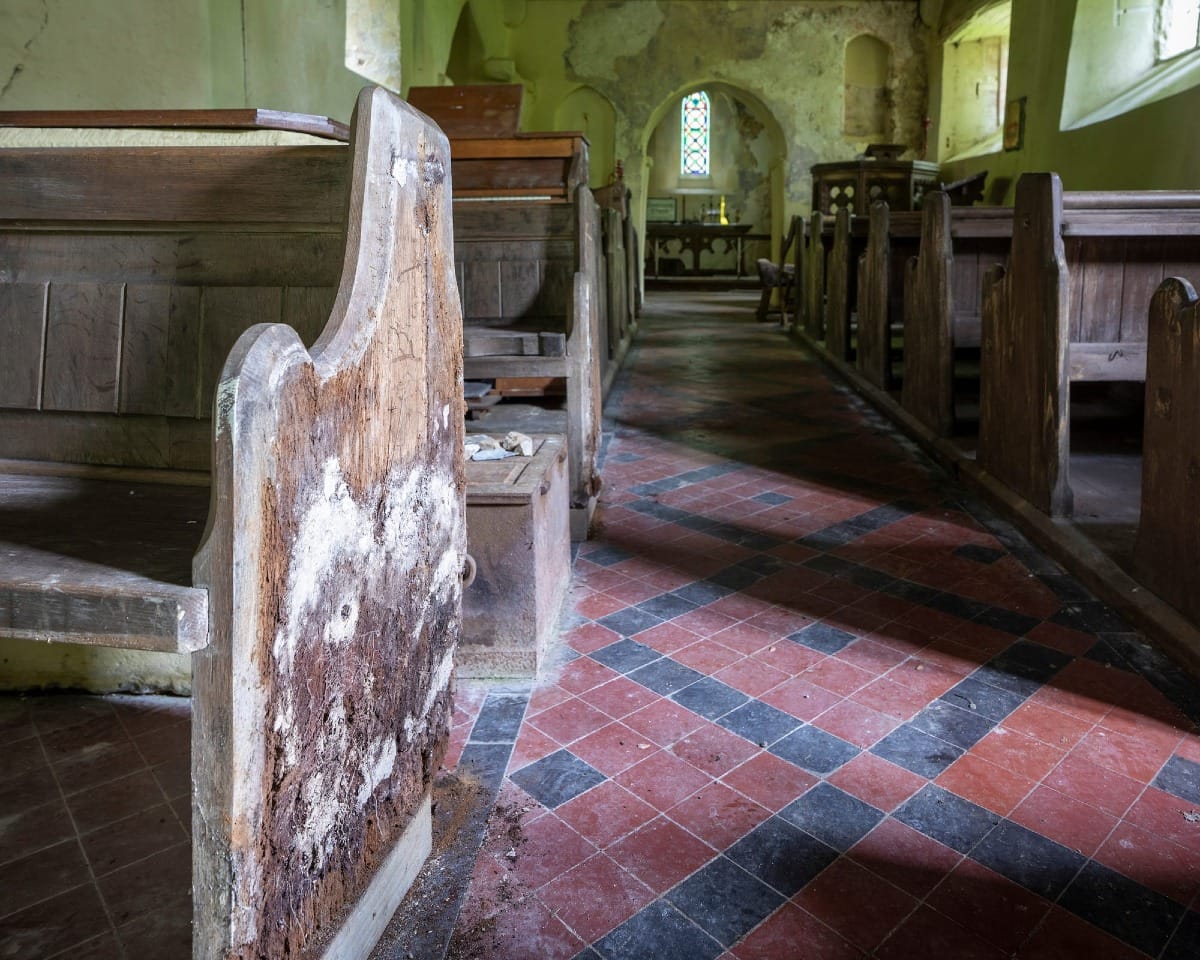
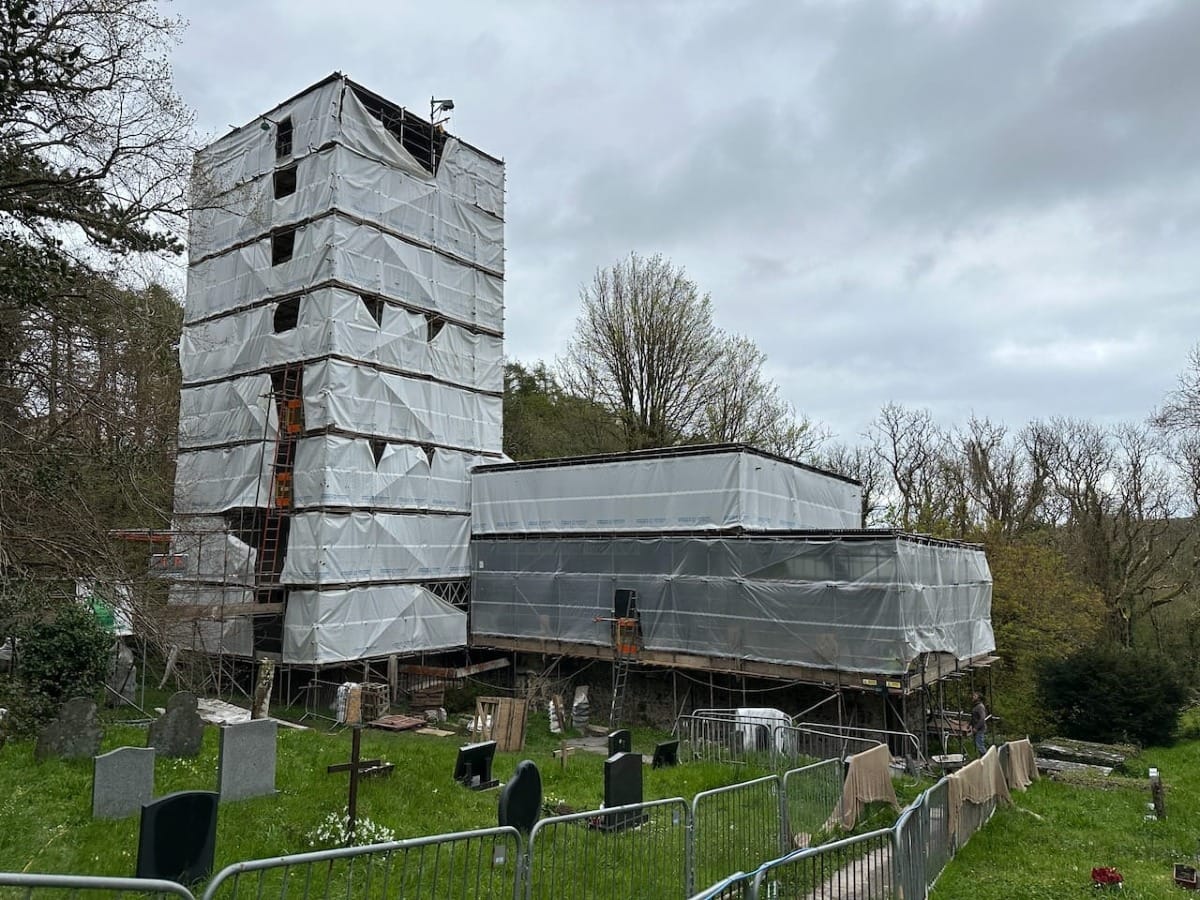
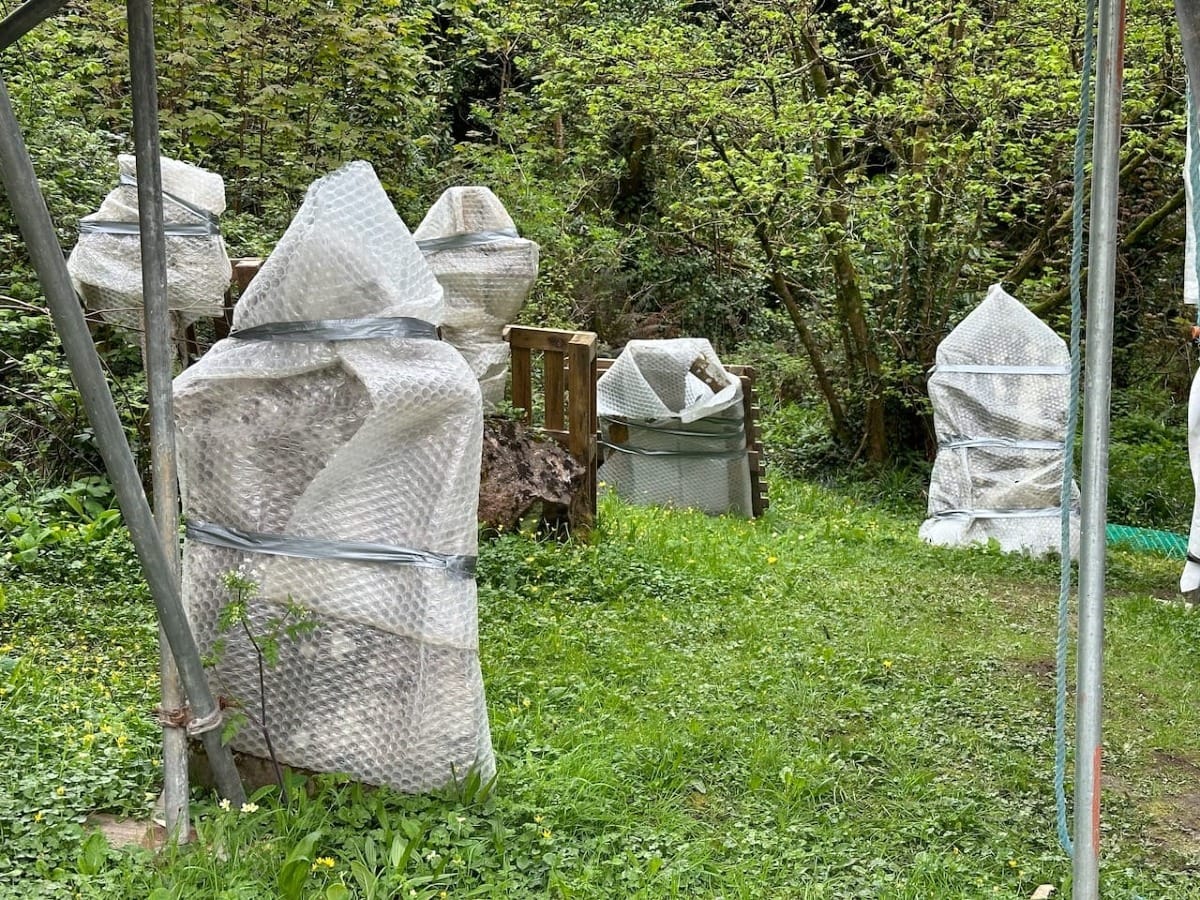
St. Lawrence Gumfreston, Pembrokeshire, Wales.
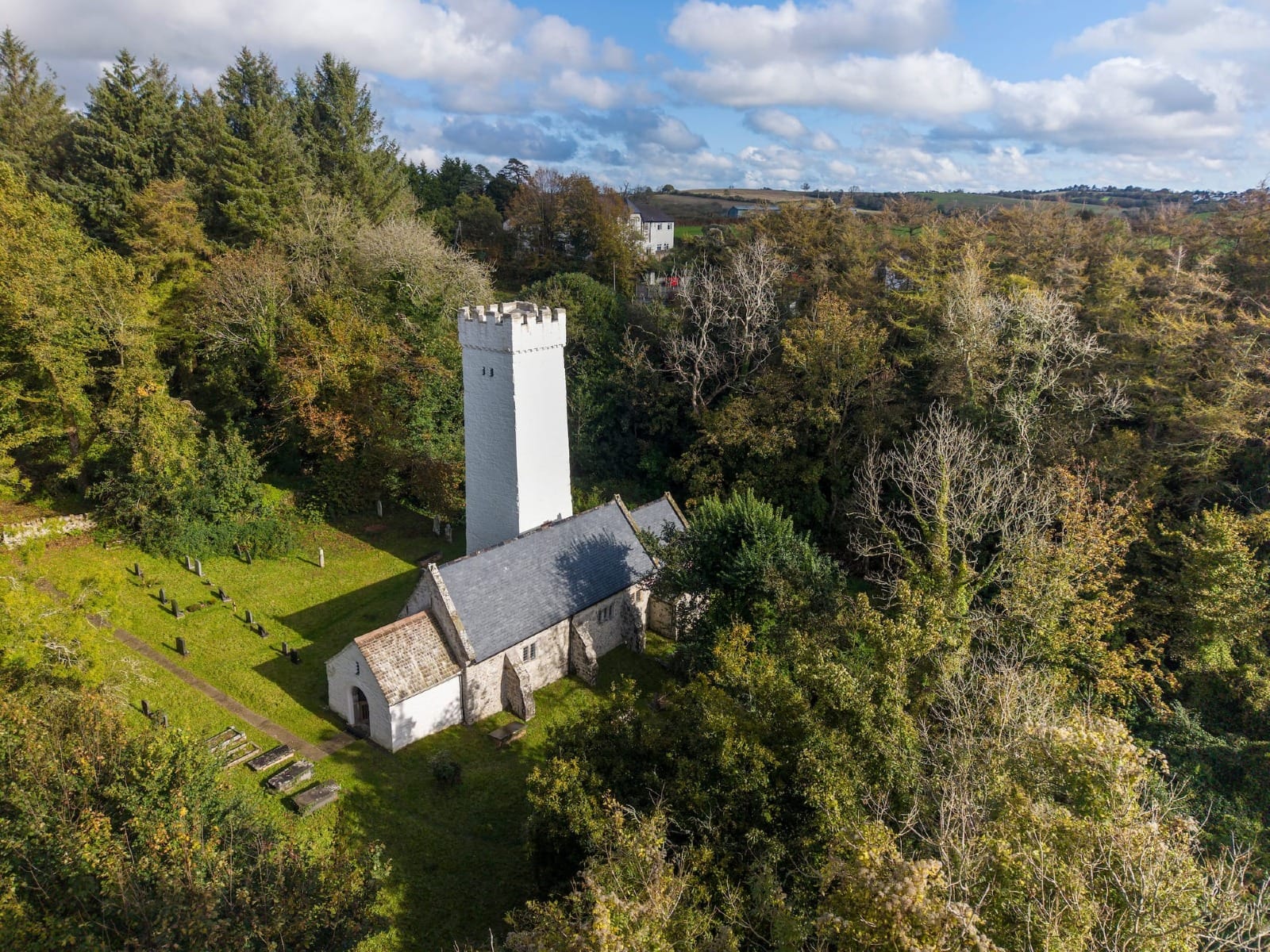
Before
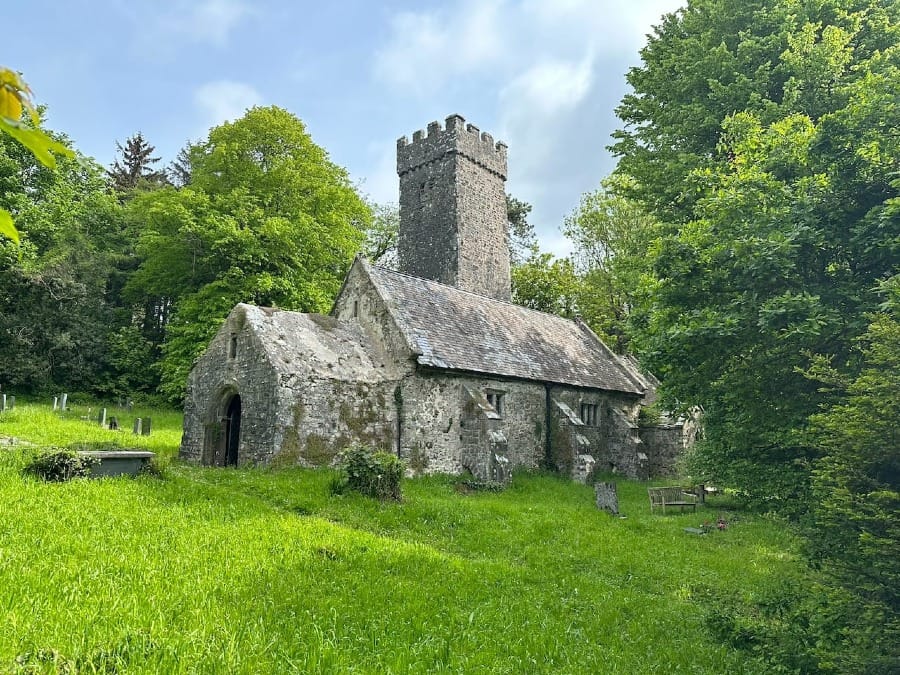
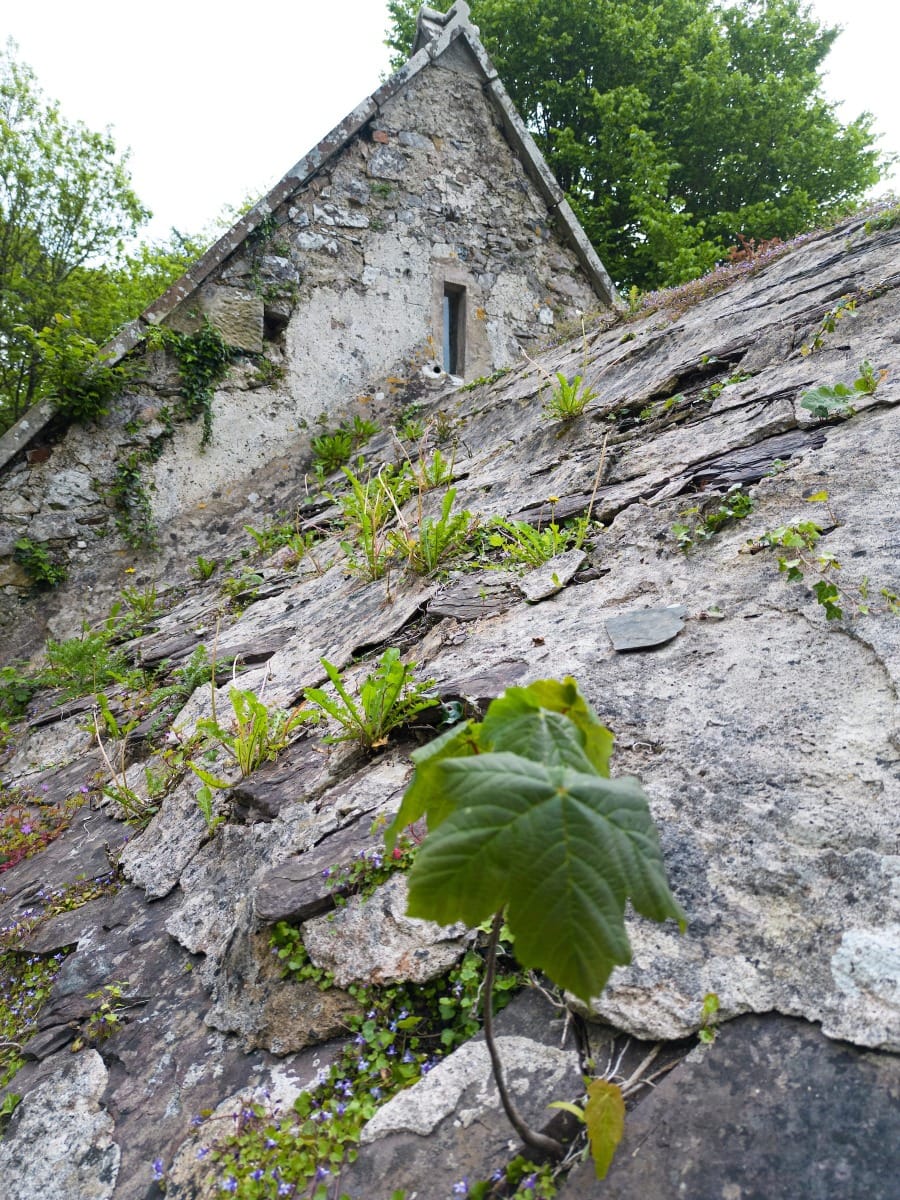
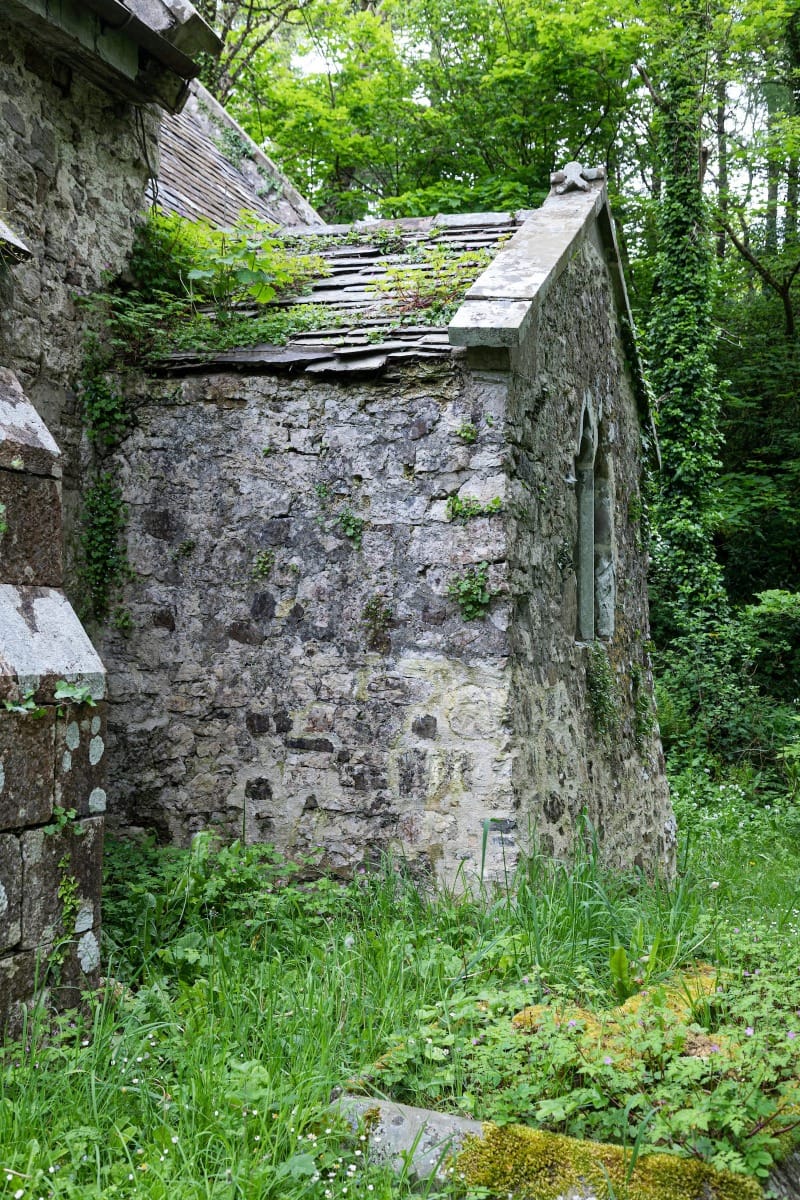
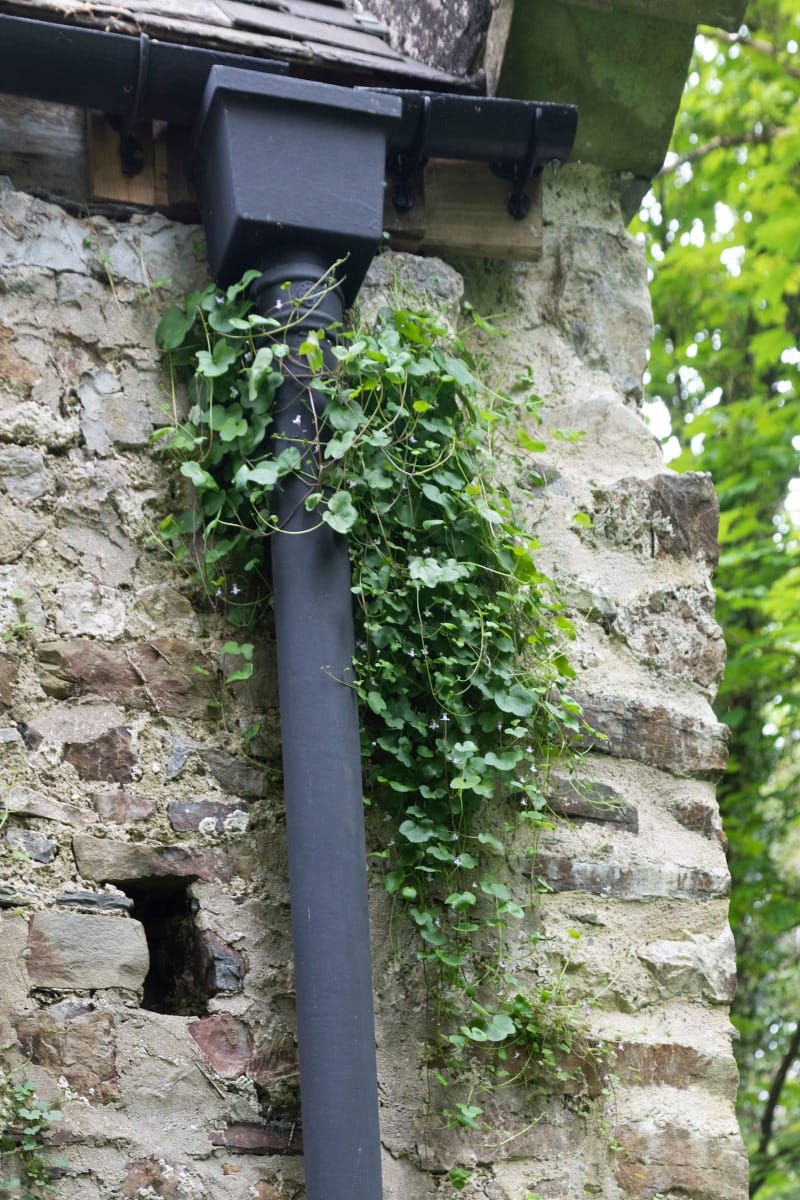
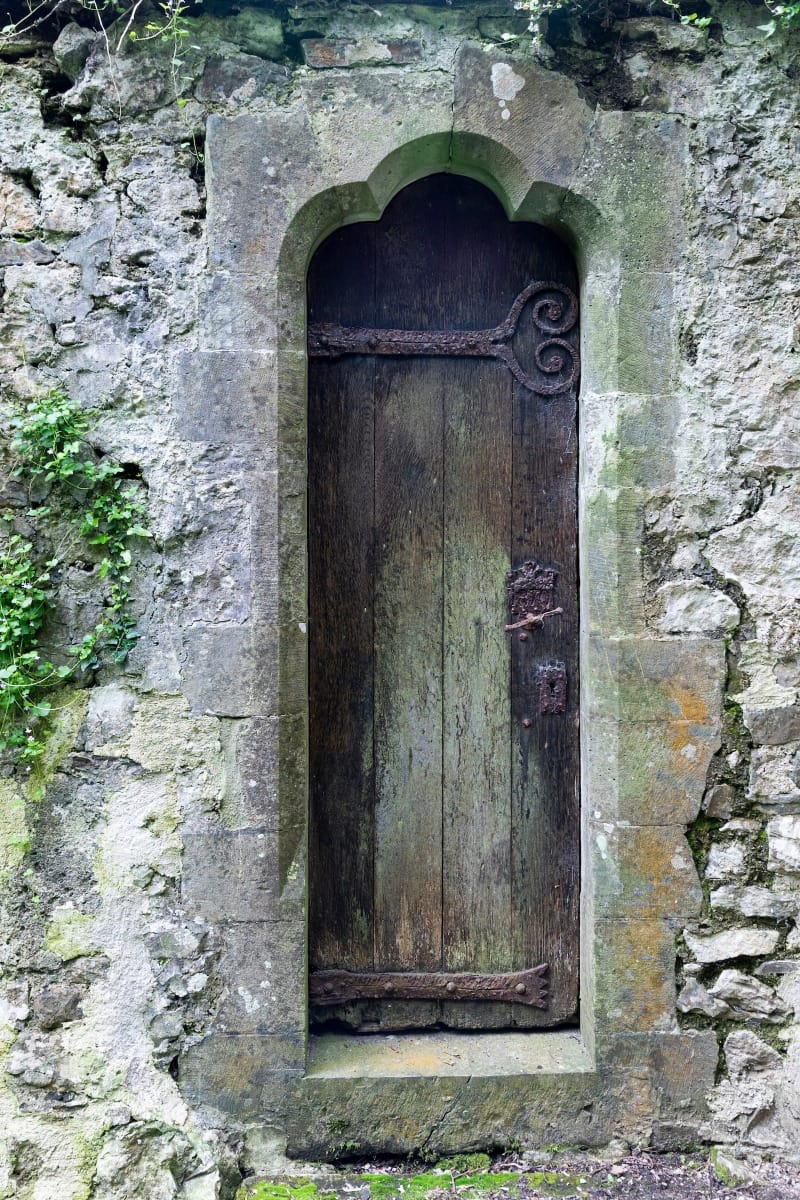
During
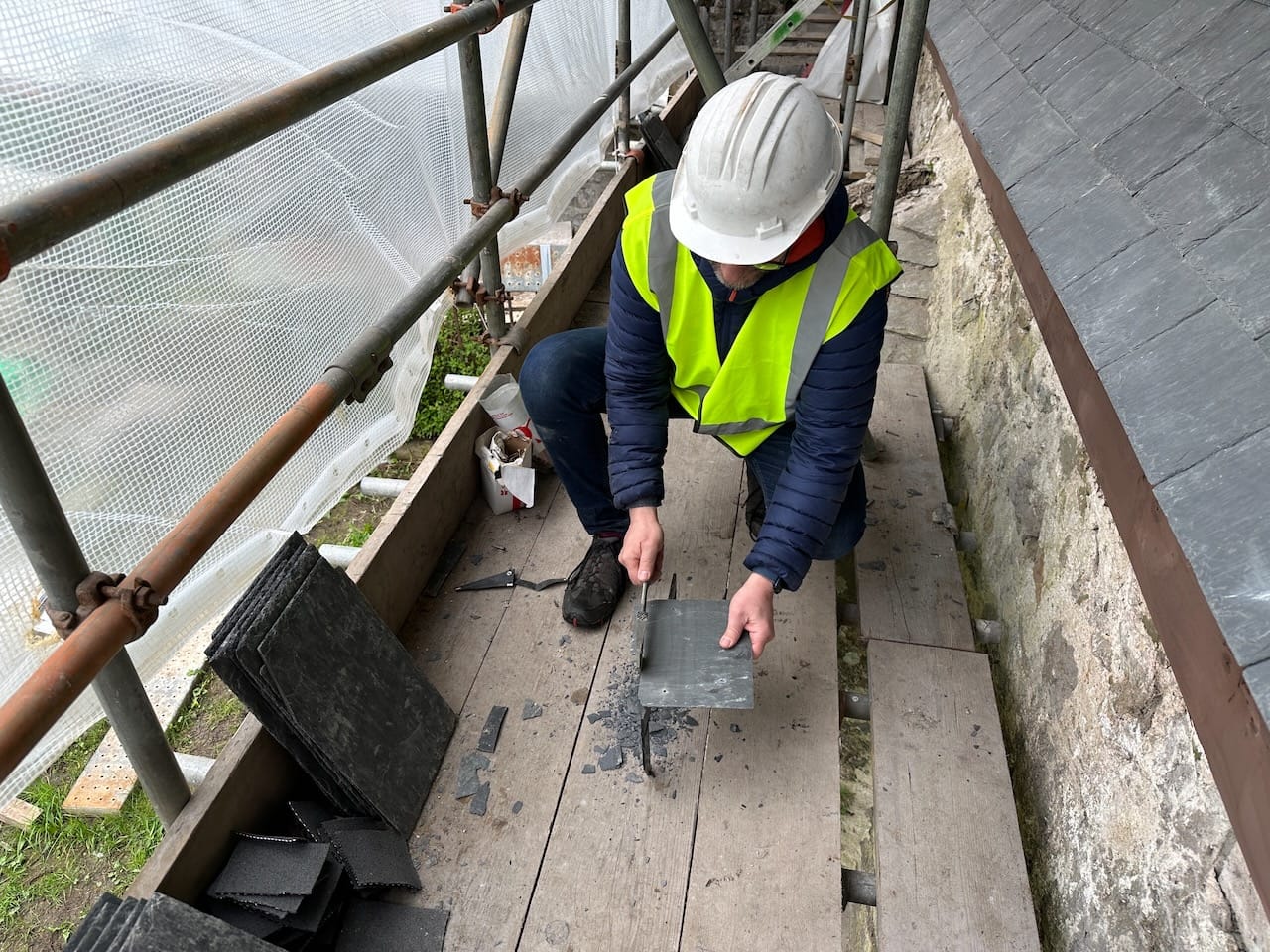
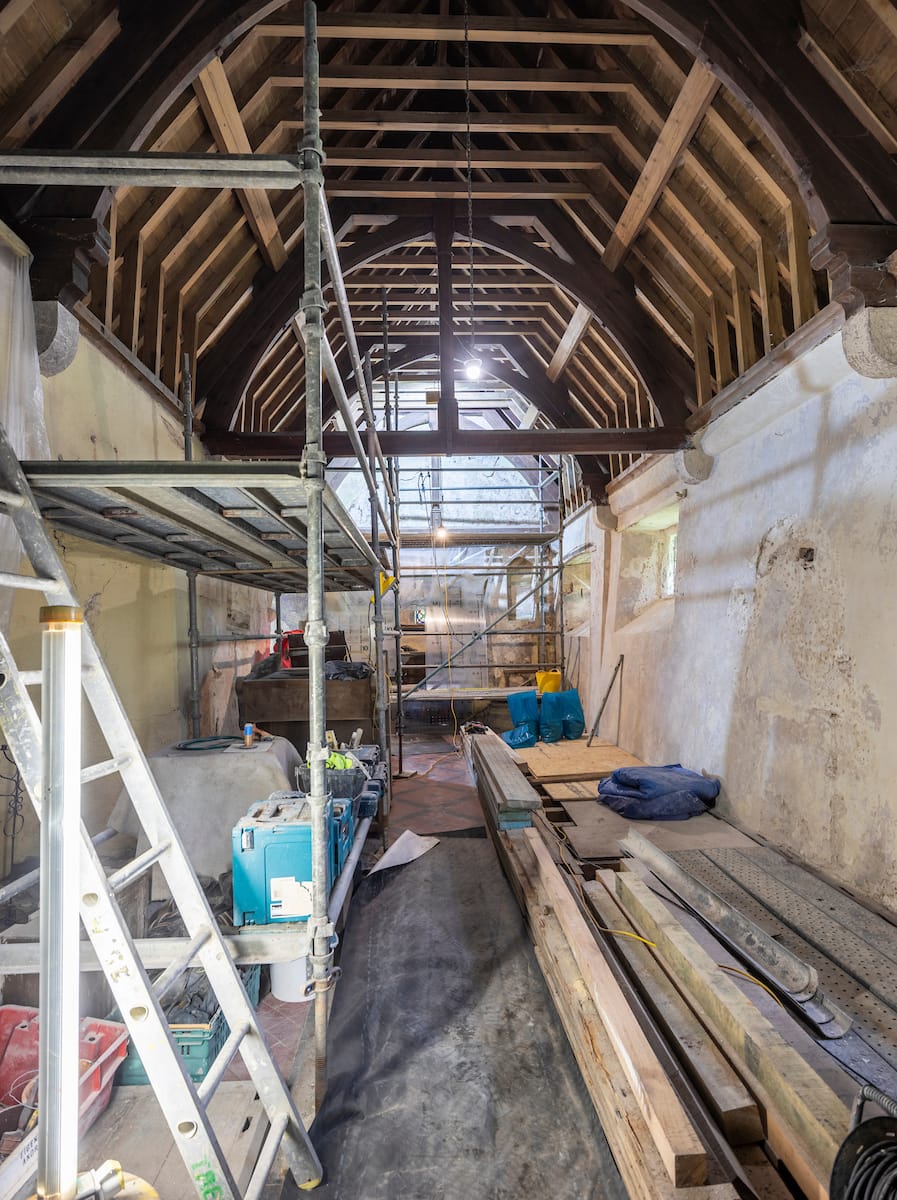
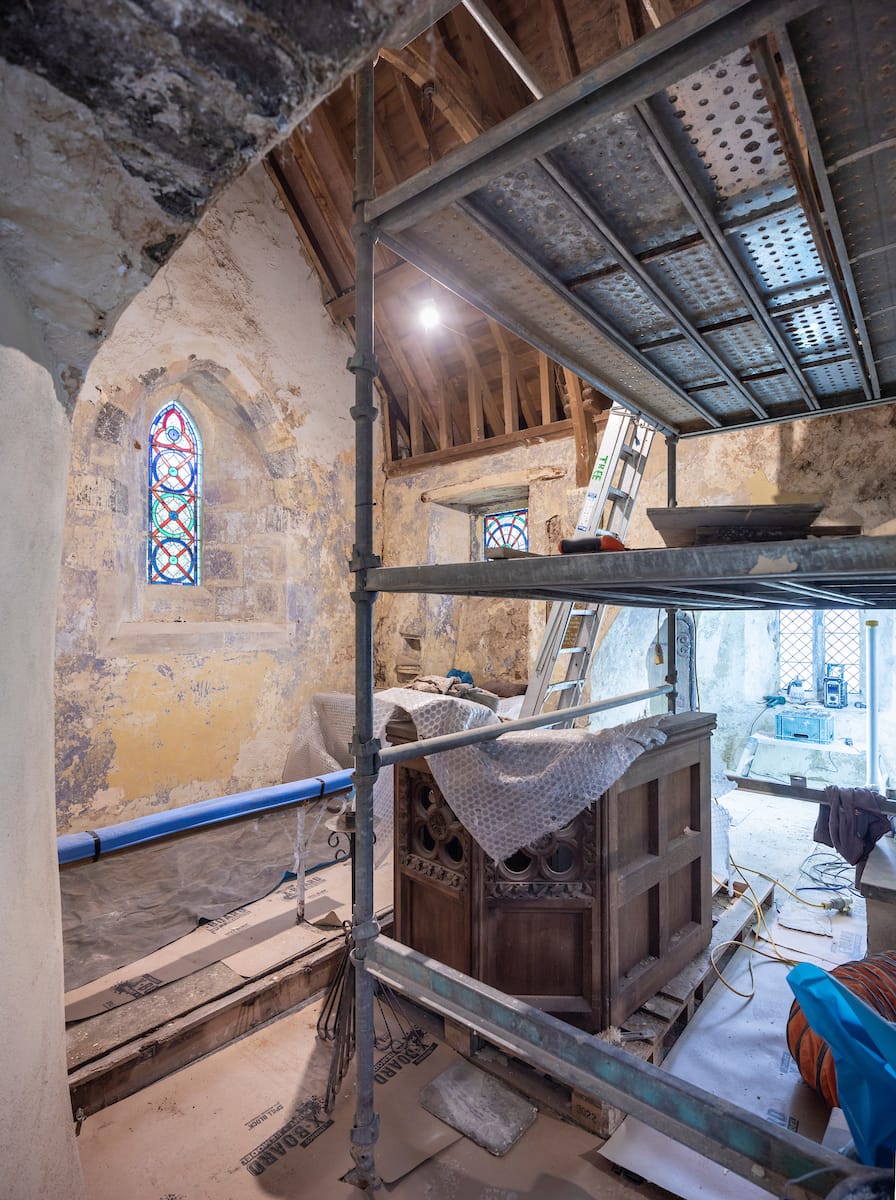
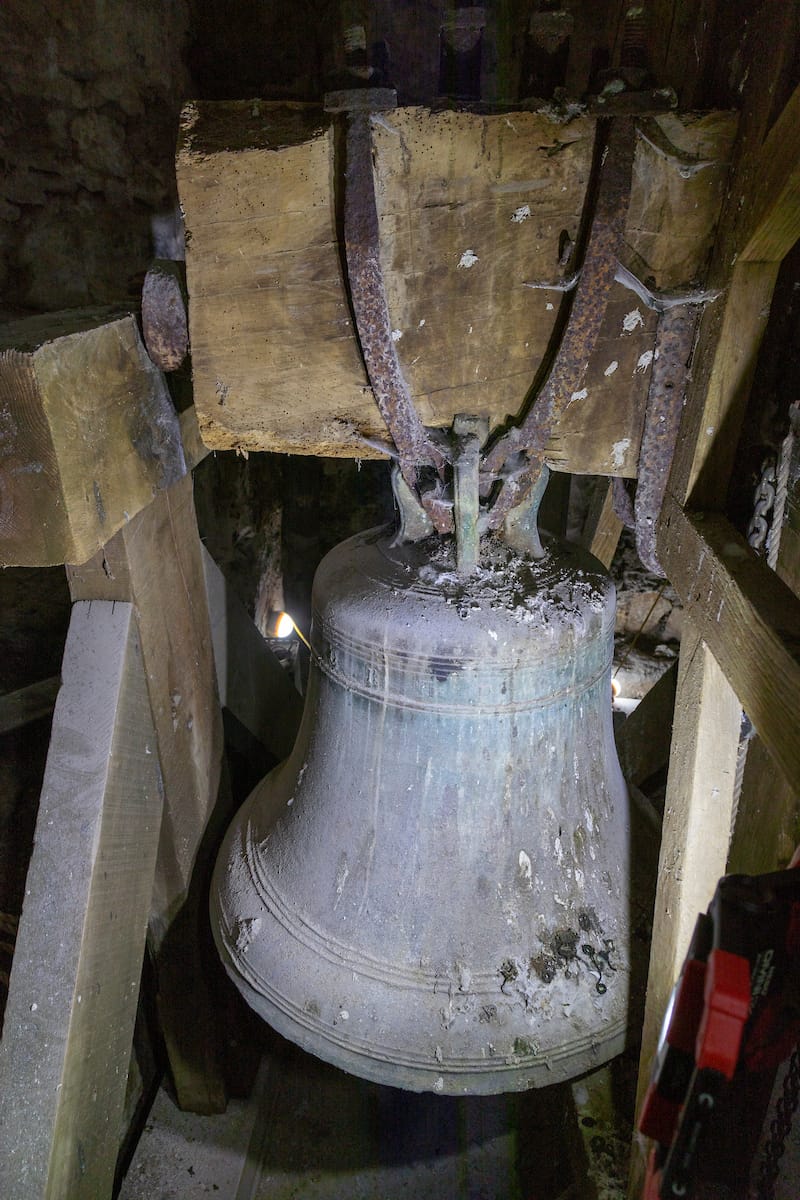
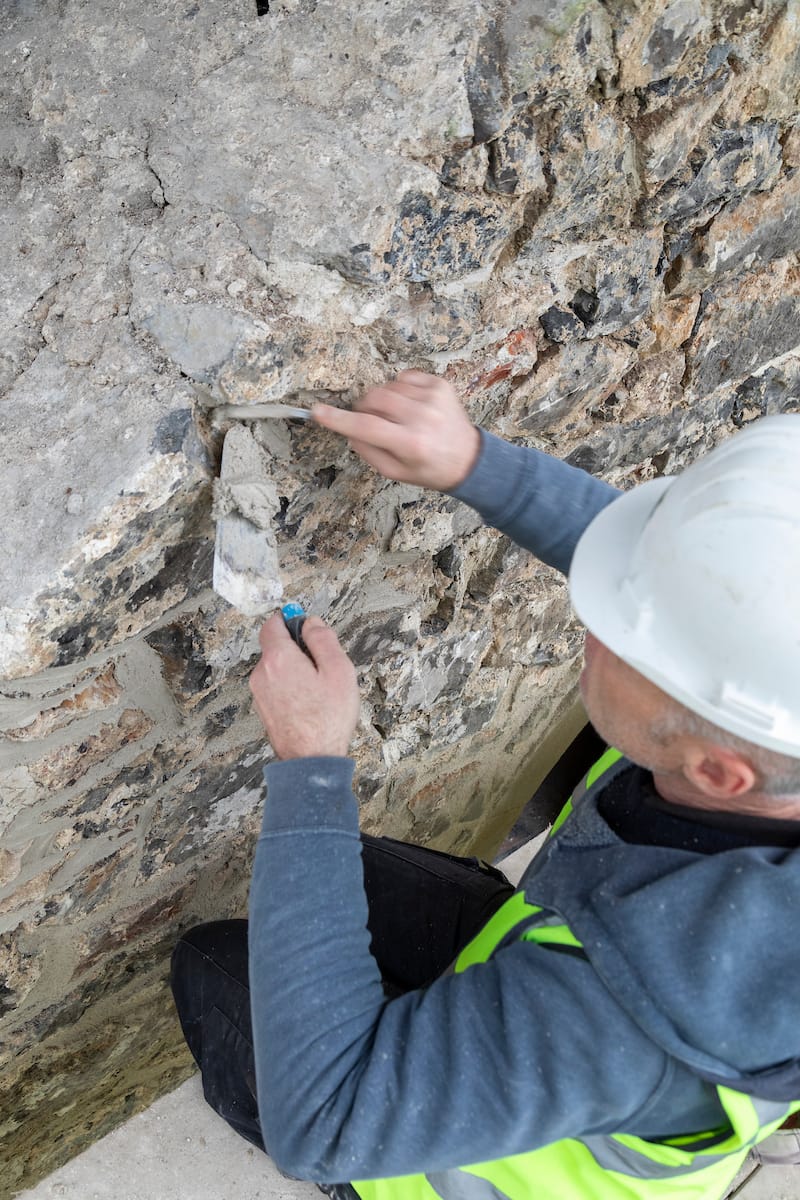
After
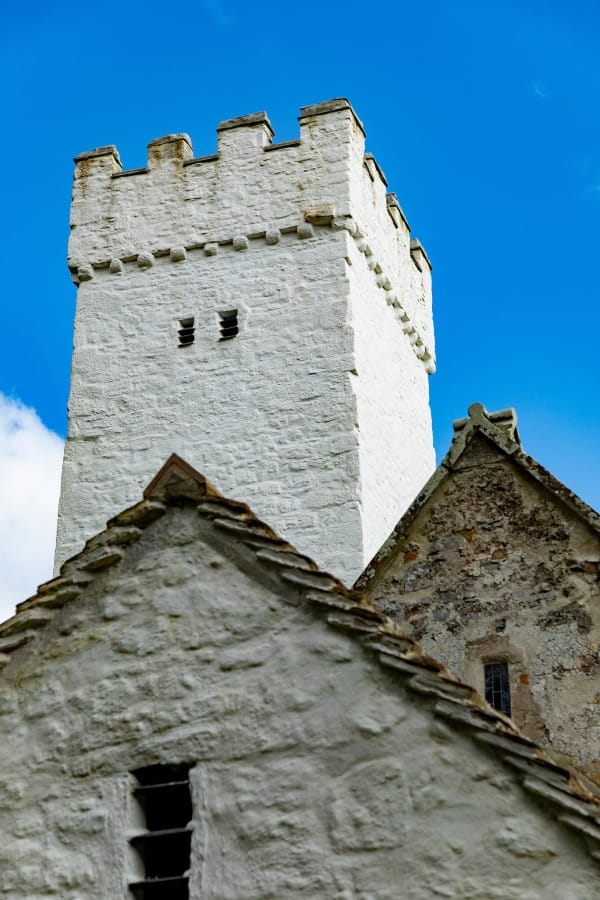
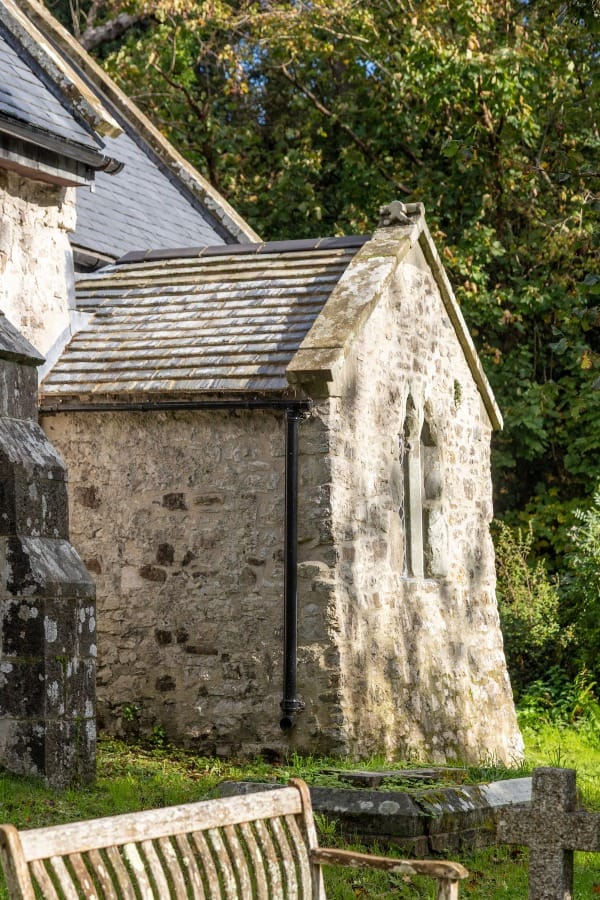
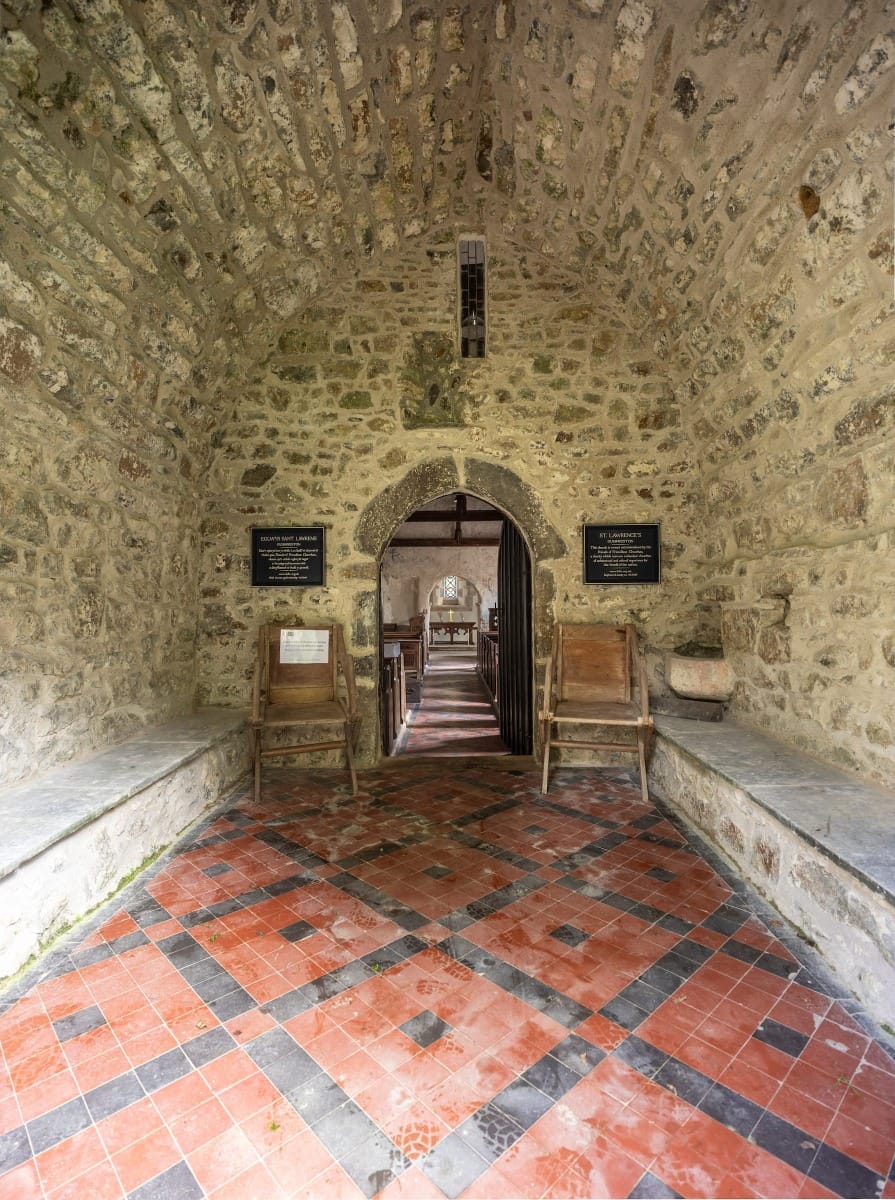
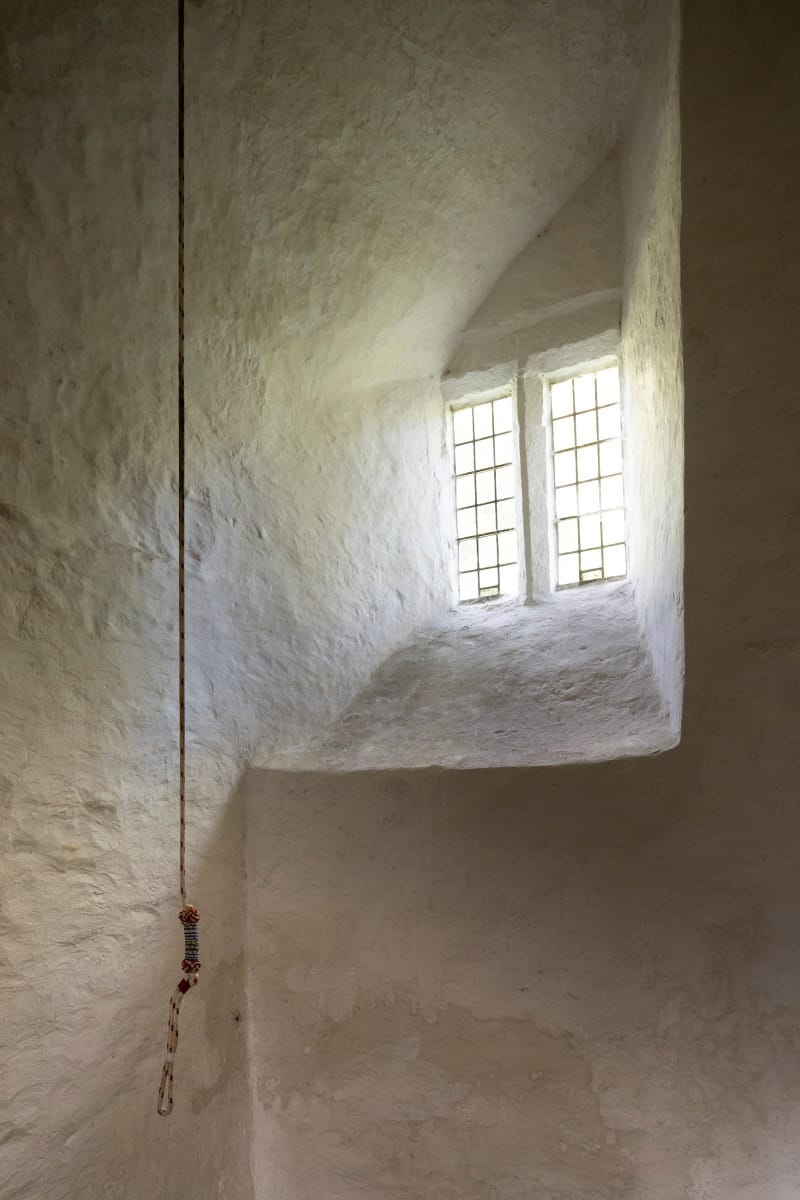
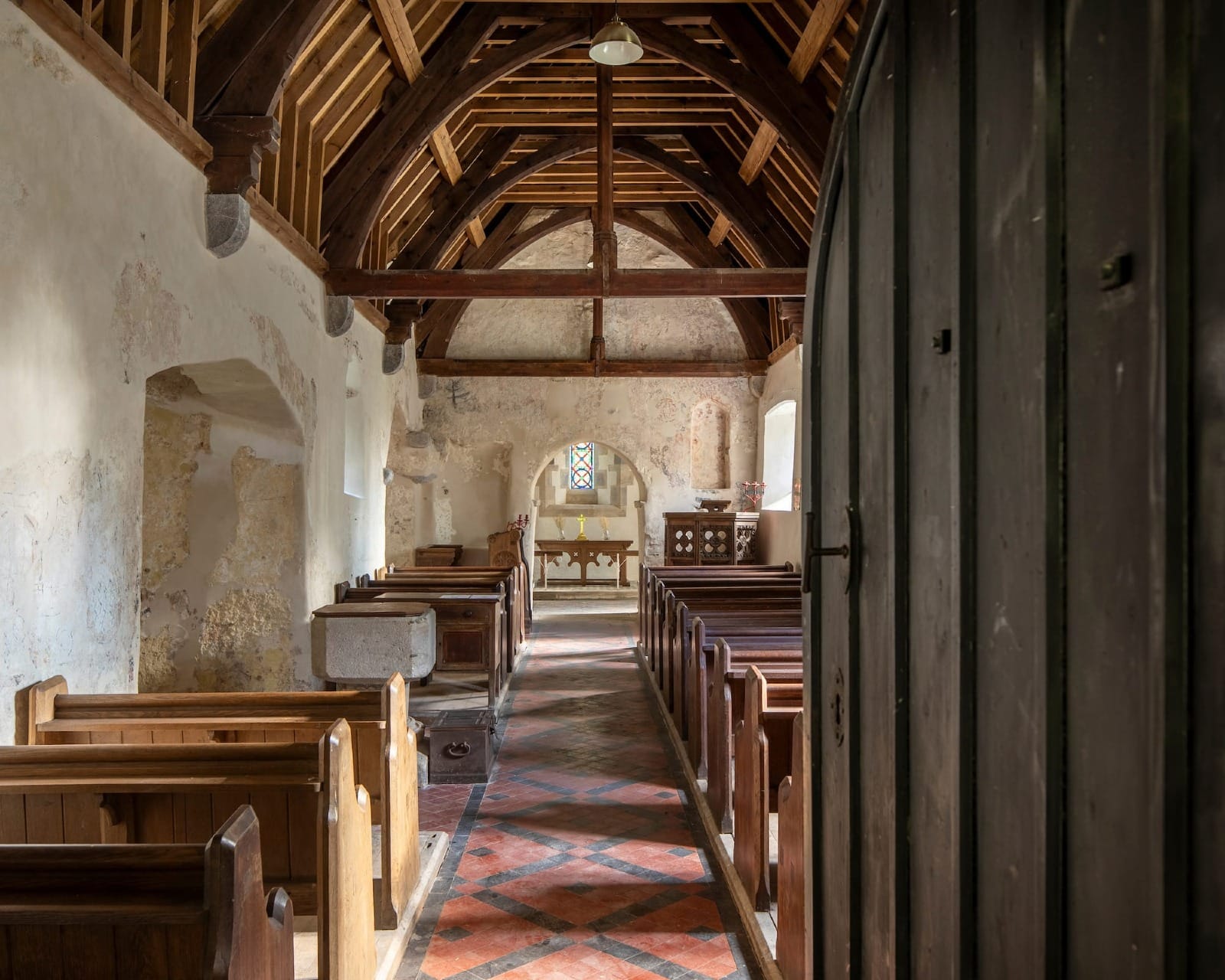
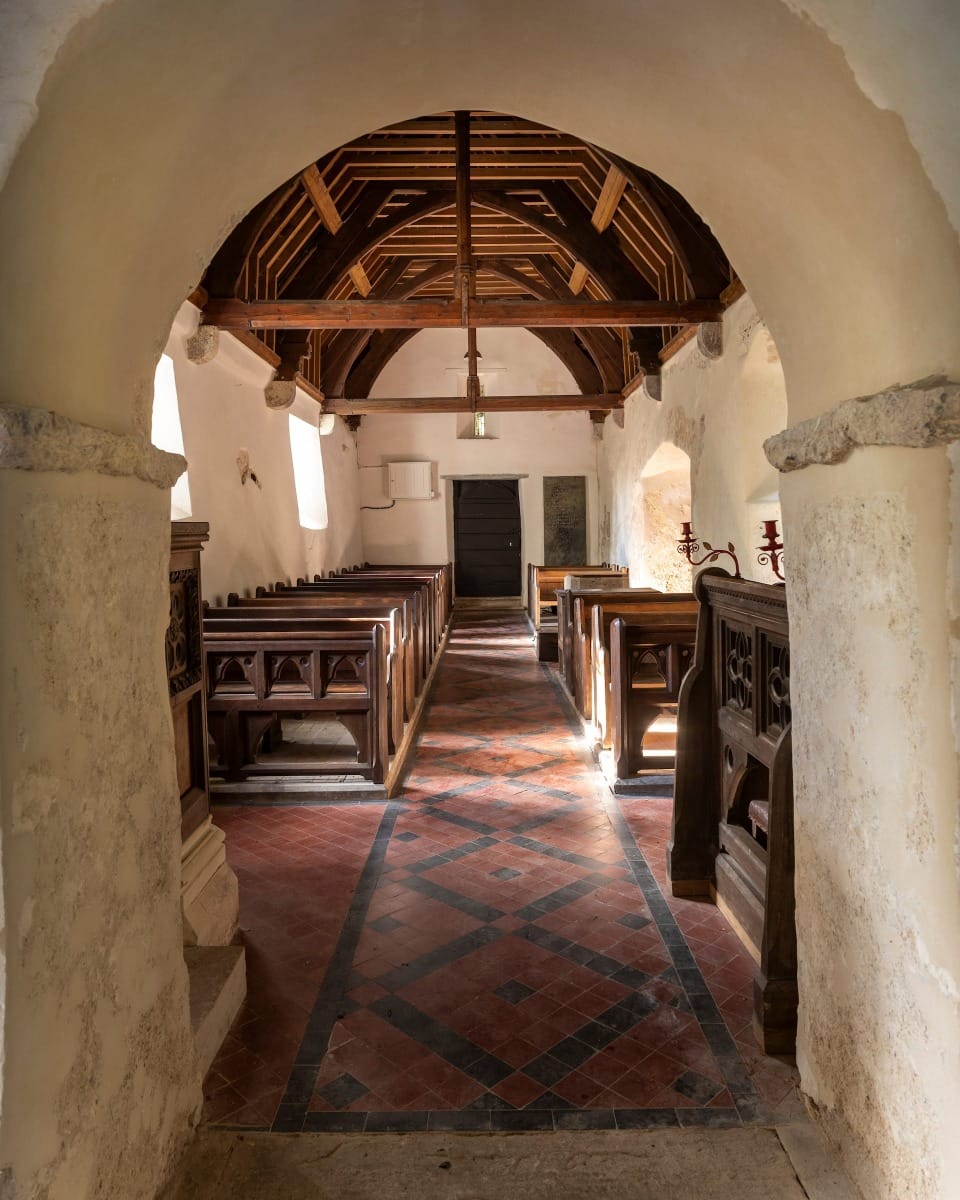
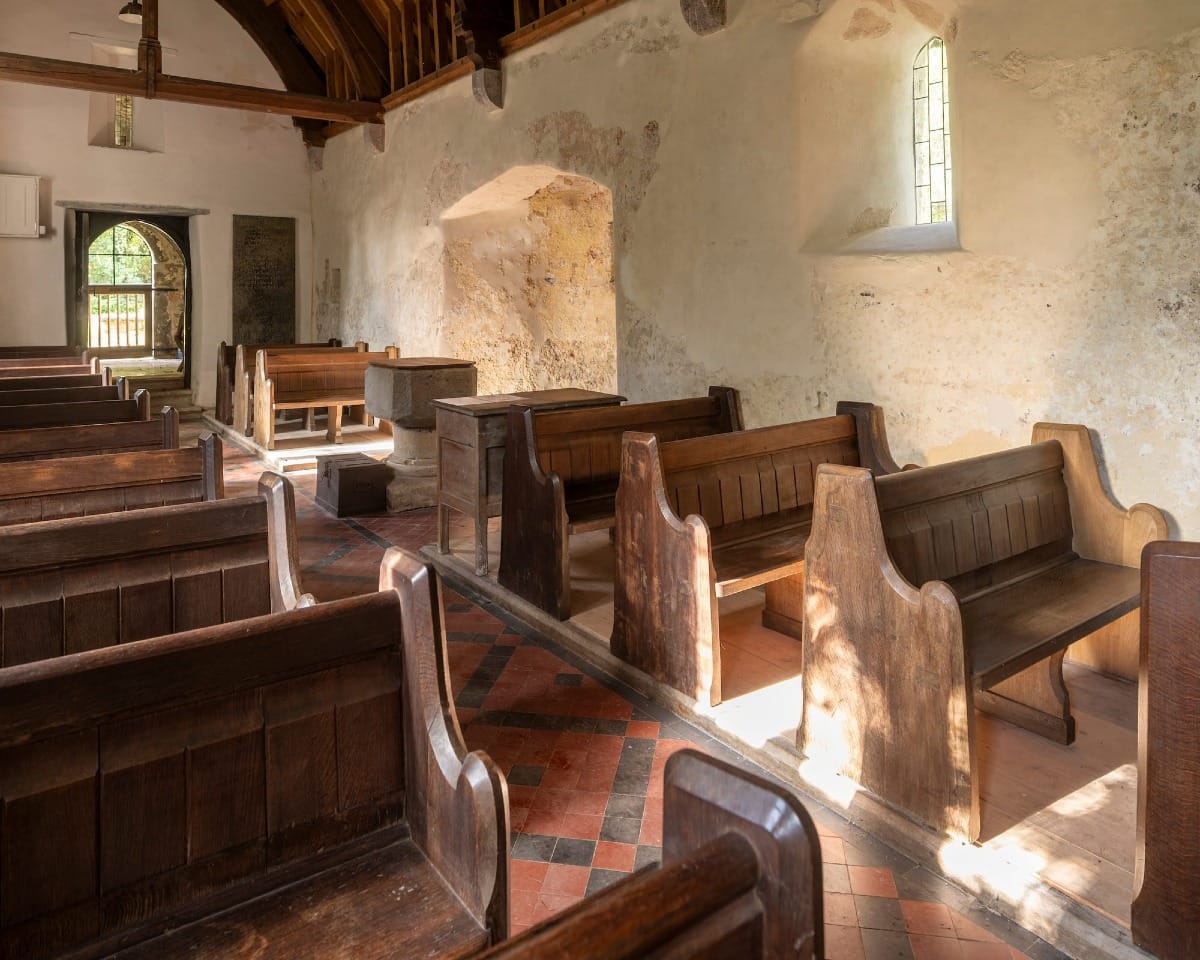
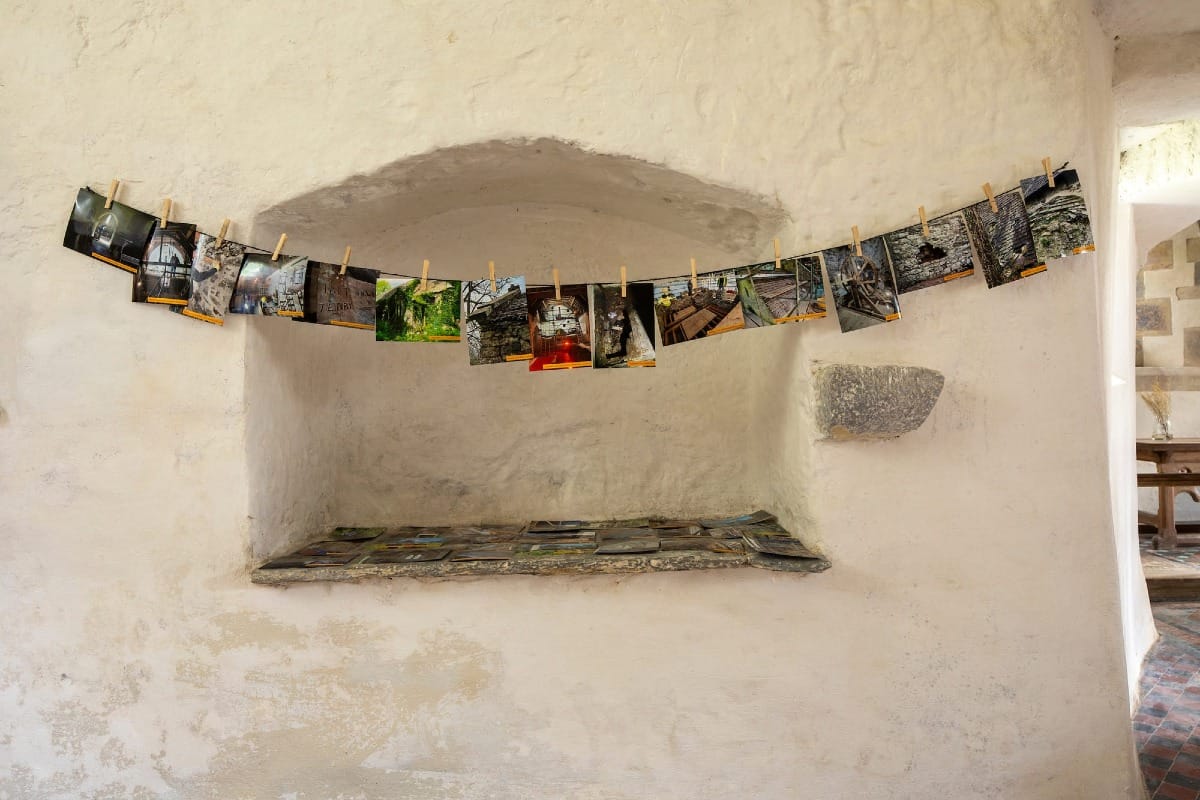
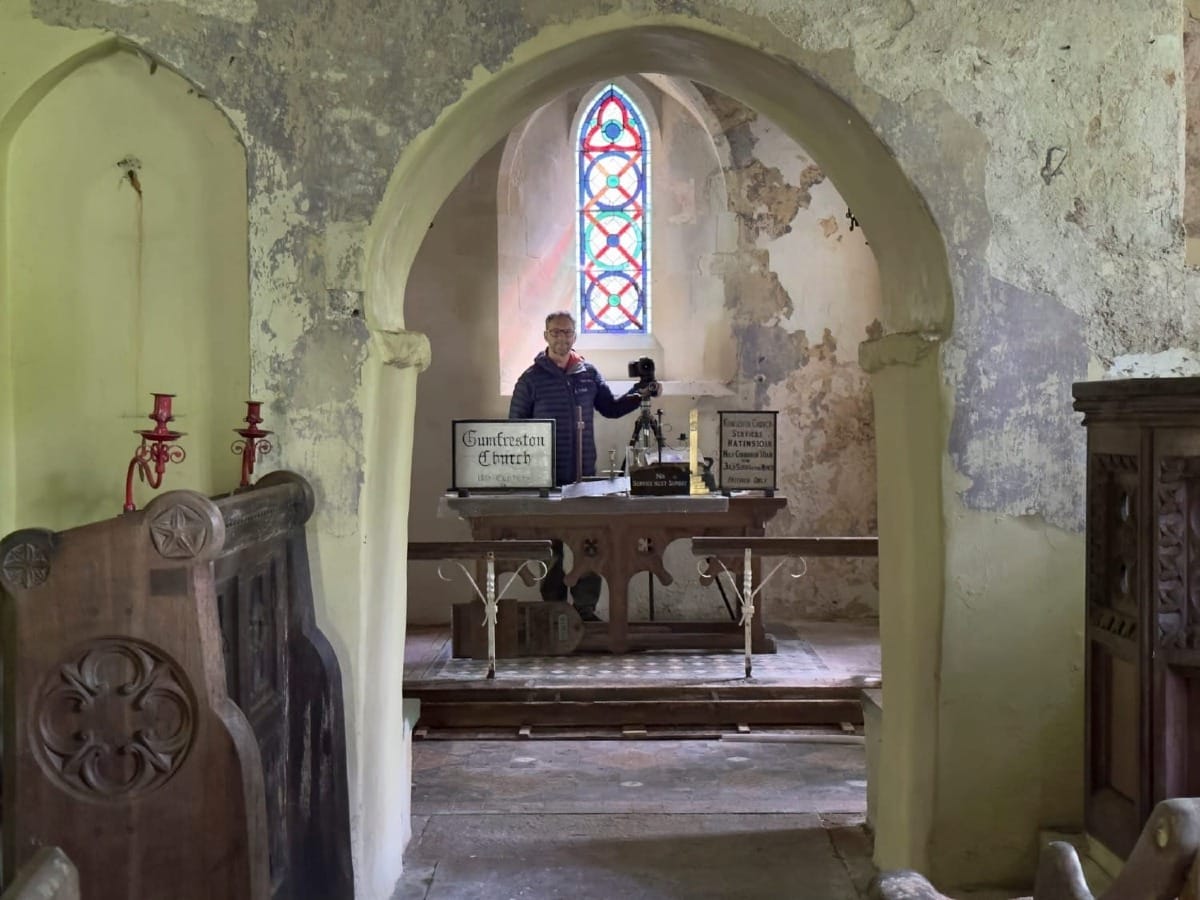
All three visits, over the years, were carried out through Member Powered Photography.
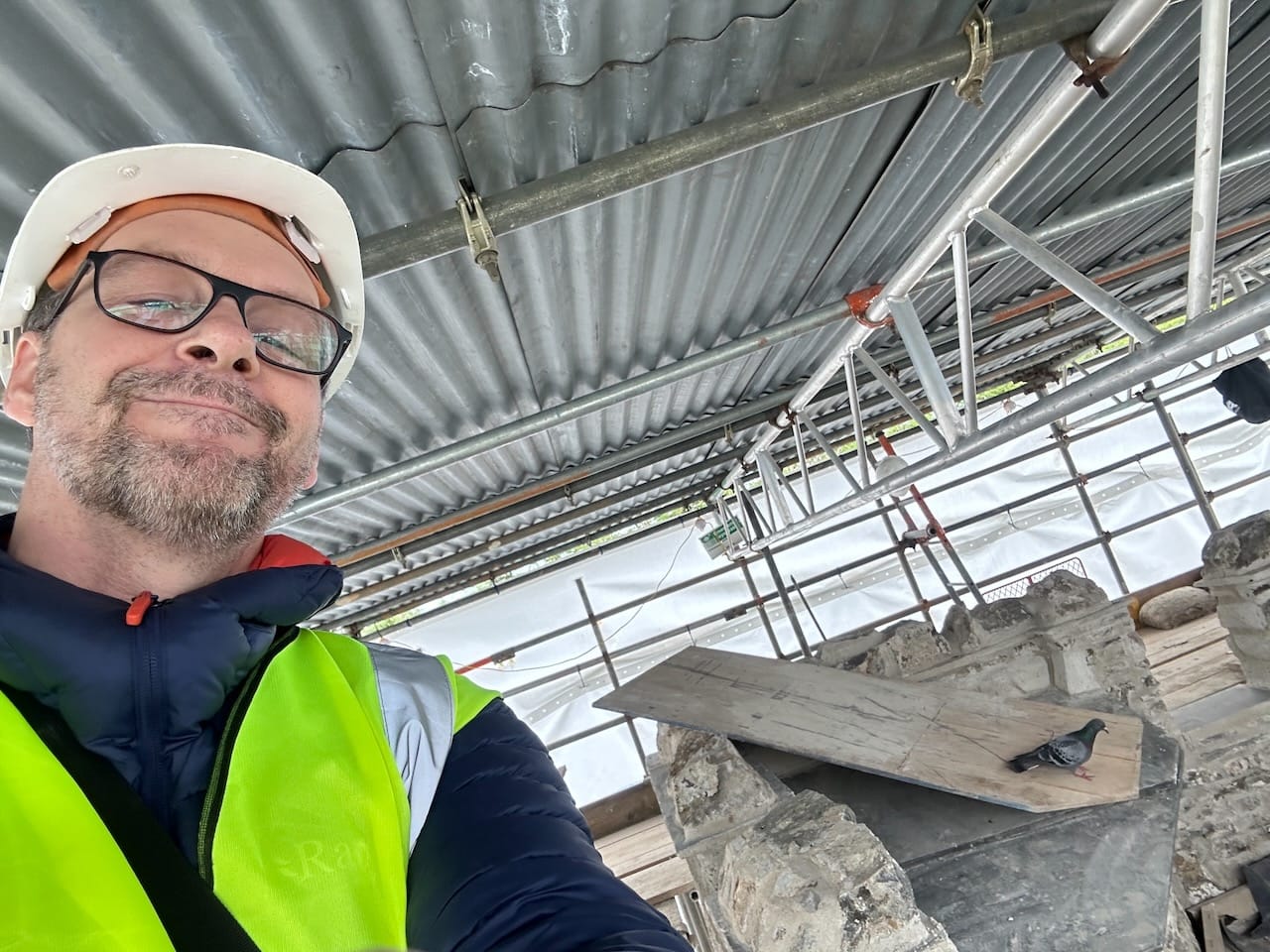
This is where, with the help of tiered membership subscriptions, I'm able to travel to places like Gumfreston, stay overnight and photograph them at no cost to the stewards of the building.
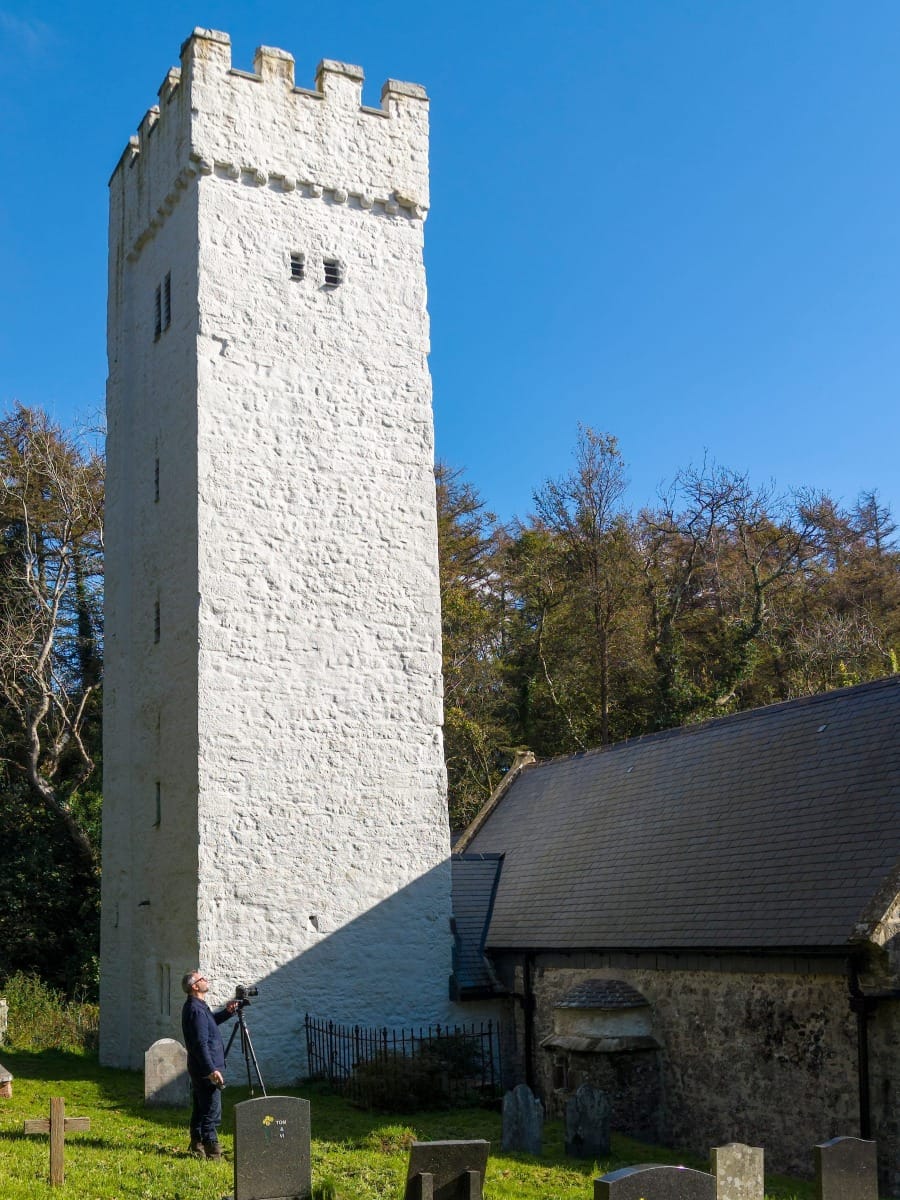
The priority here is to help support organisations like Friends of Friendless Churches - but if you are able to - a small monthly subscription goes a long way towards helping me keep providing free photography for places like this.
Members get to see the full picture, quite literally - they see the full pro images of every site I visit, and much more.
You can check out the status of Member Powered Photography and how it works here:
 Andy Marshall
Thank you.

If you would like to read more about Gumfreston and see more images of the wall paintings - check out the Friends' website here:
 Author:


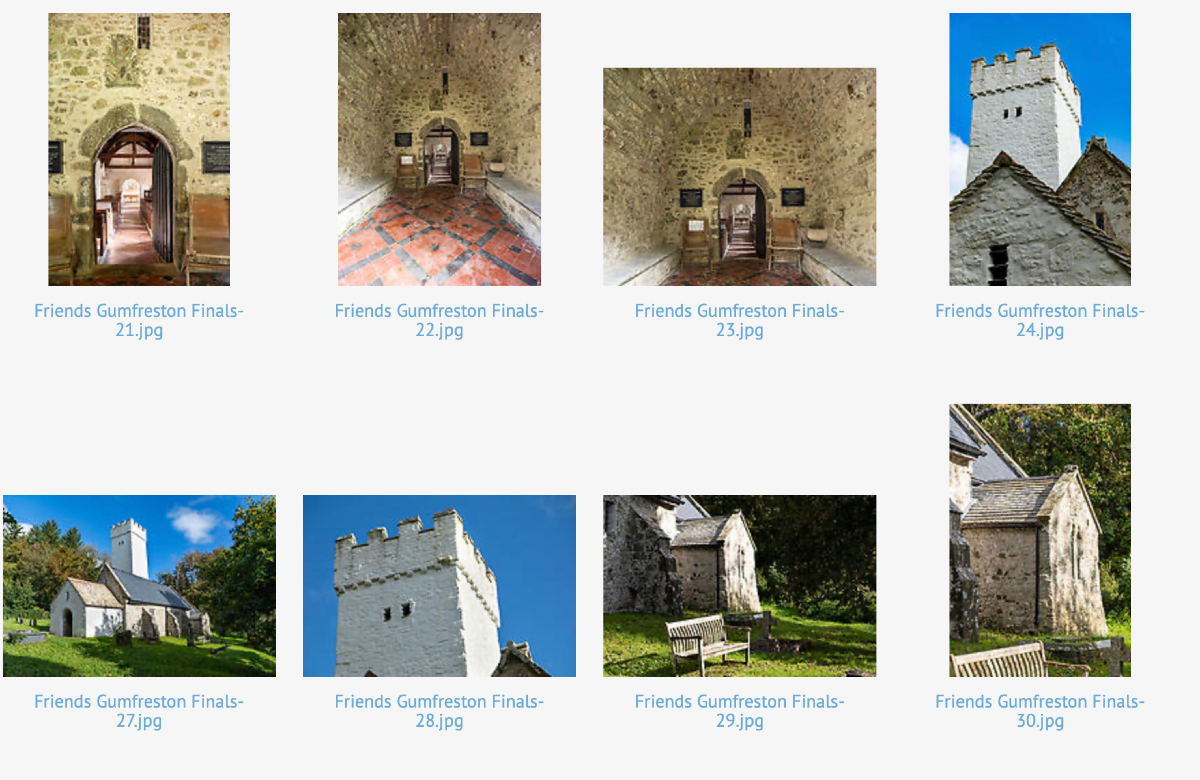
For Members - The full pro photo set of Gumfreston after conservation
Including the wonderful medieval paintings
Click to ViewMembers can immerse themselves in the Gumfreston story right from the start here:
 Andy Marshall
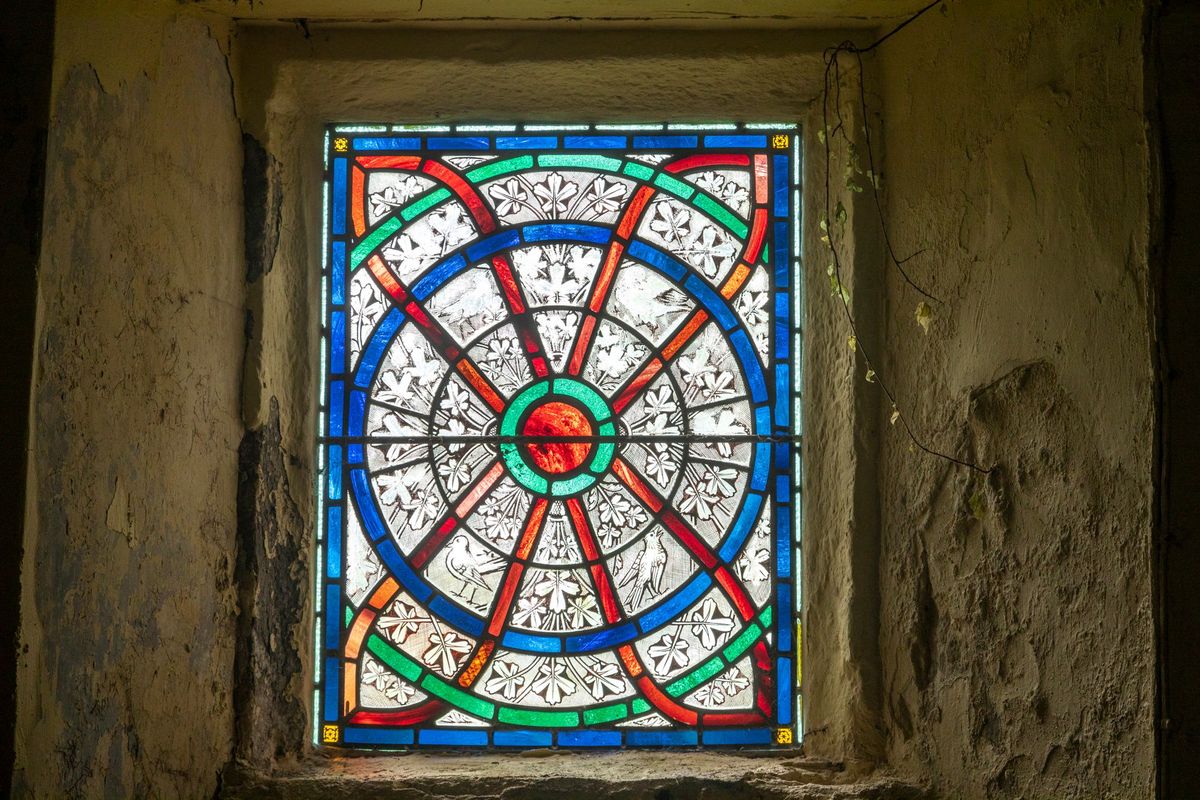
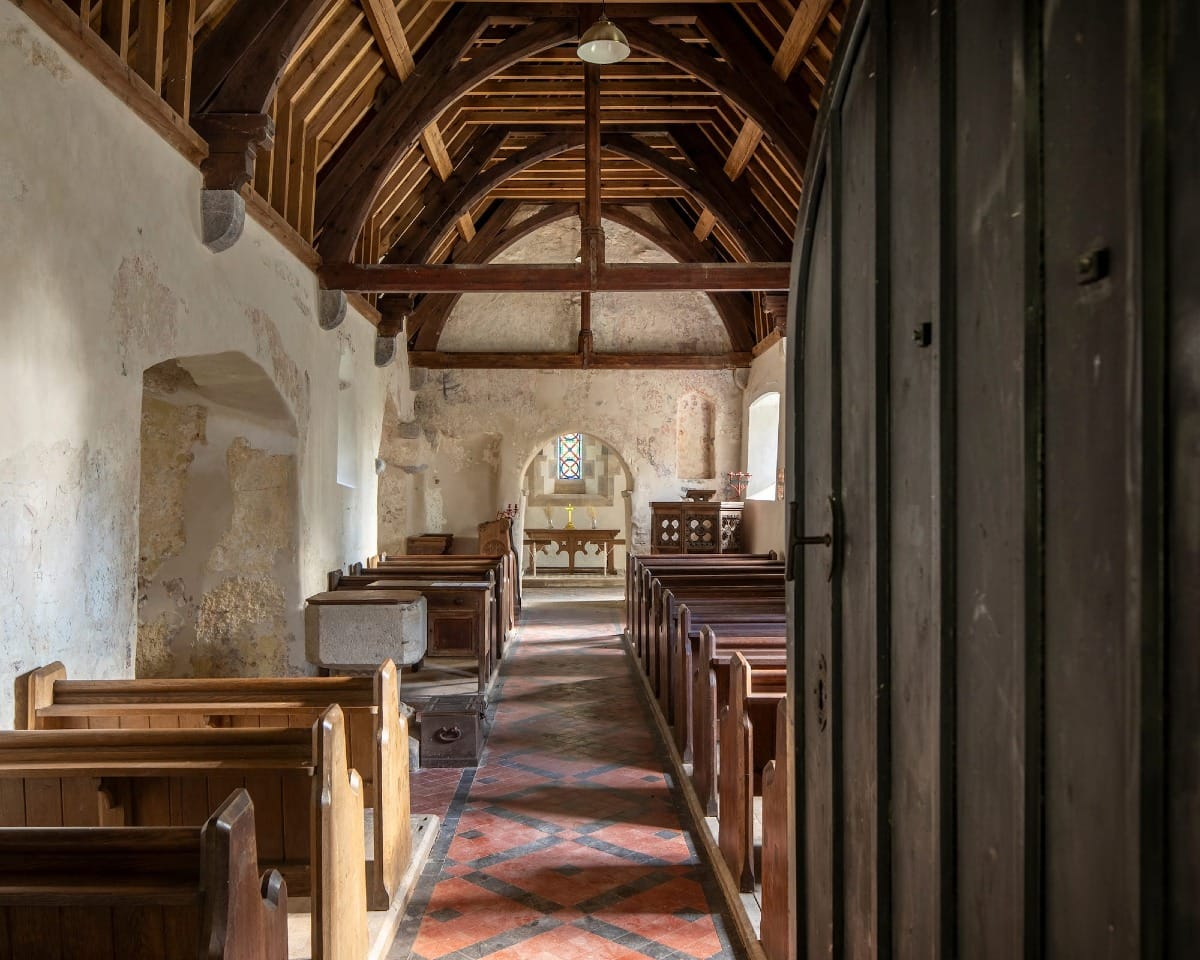
Gumfreston was photographed for free because of Member support. Help shape the next journey
A single membership can become part of the next journey, the next story and the next free photo shoot. Thank You.
Explore Membership Options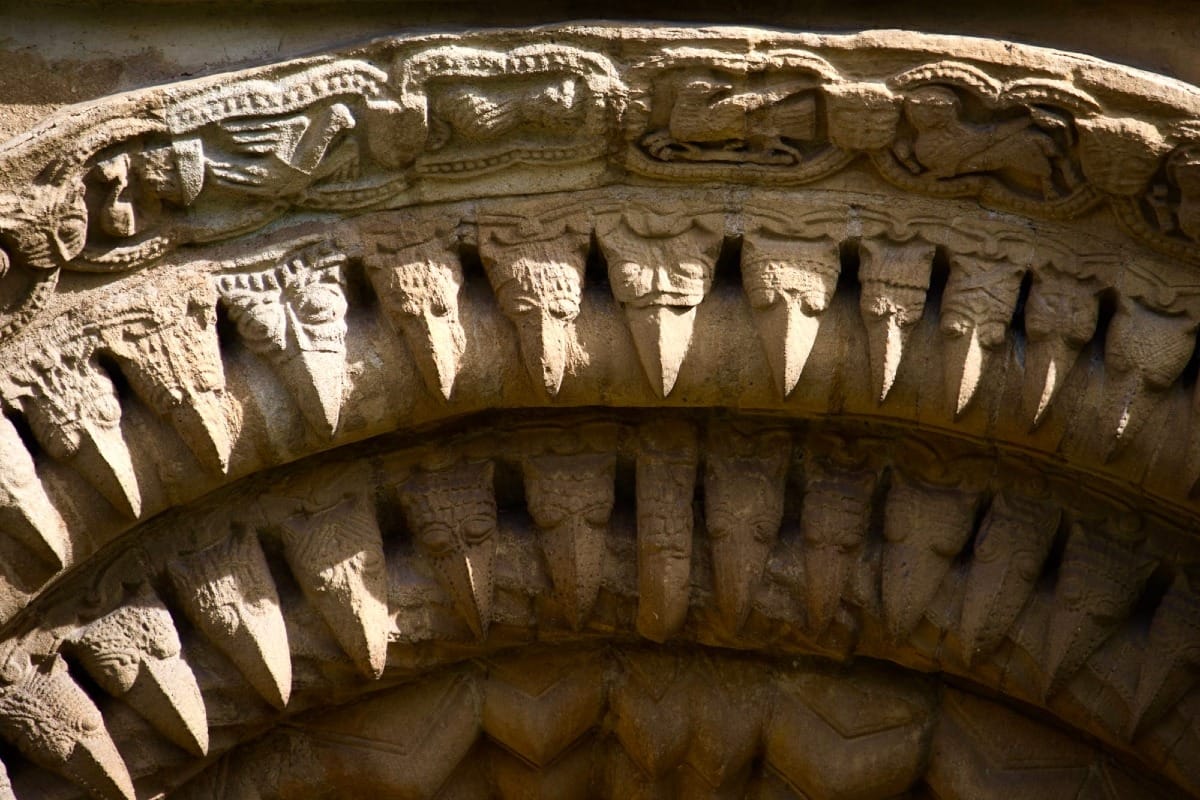
Recent Digest Sponsors:
 Andy Marshall
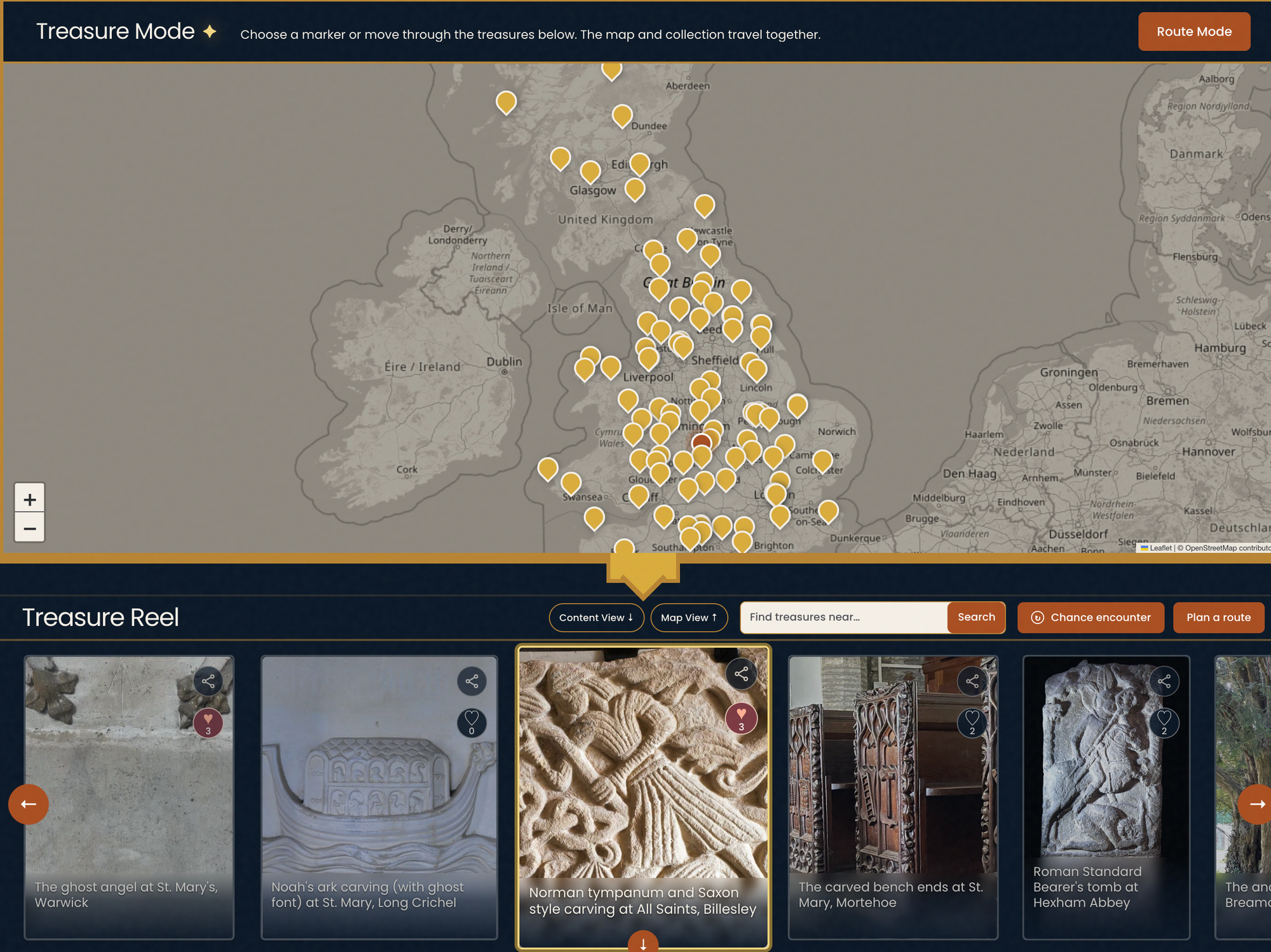
The Holy Wells at Gumfreston have been added to my Treasure Hoard Gazetteer.
 Andy Marshall
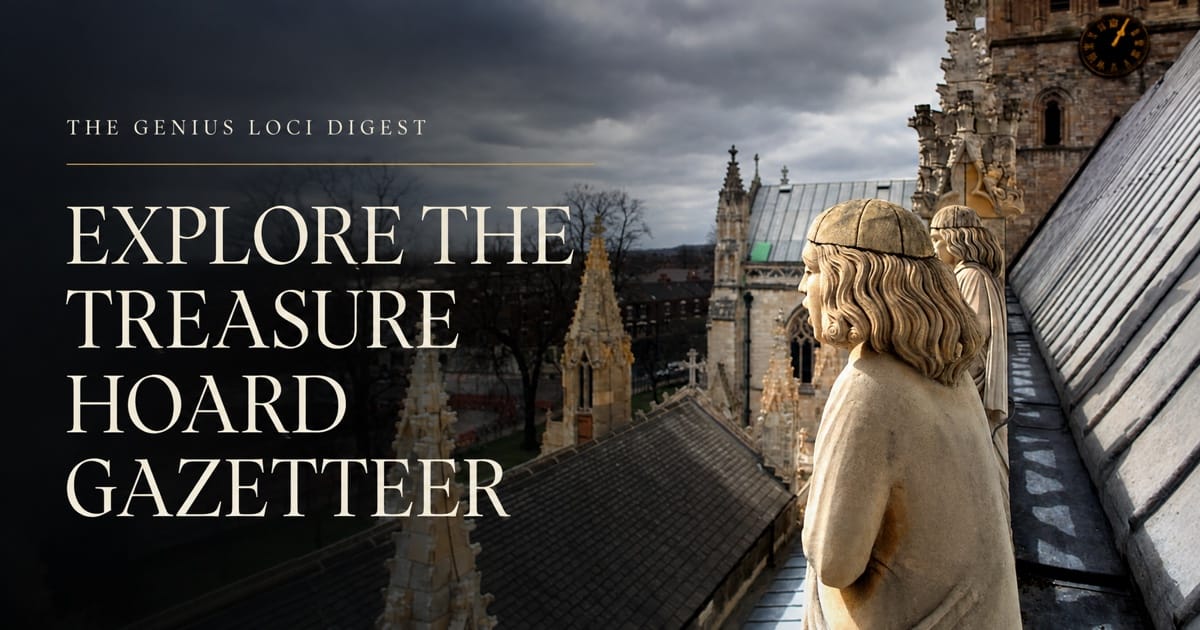
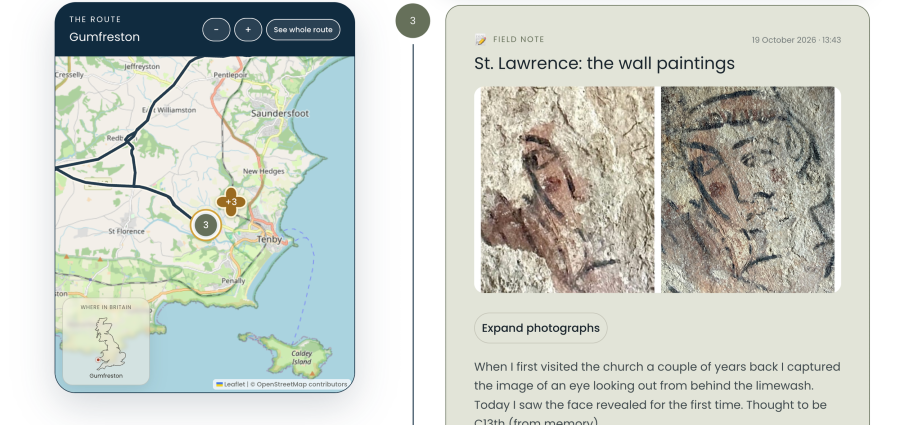
If you missed it - you can follow the interactive journey (including Gumfreston) on a map here:
 Andy Marshall
Thank You!
Photographs and words by Andy Marshall (unless otherwise stated). Most photographs are taken with iPhone 17 Pro and DJI Mini 5 Pro.
🔗 Connect with me on: Bluesky / Instagram / Facebook / X / Tumblr / Flickr / Vimeo / Pixelfed / Pinterest / Flipboard/ Fediverse: @fotofacade@digest.andymarshall.co

Member discussion