
Welcome!

Coming soon: Photographing St. Mary, Beverley
A remarkable medieval building
Kind words about the Genius Loci Digest
Wow Andy! I must have been asleep at the wheel! When did your site become so layered with opportunities to explore your work and the UK in so many different ways? I love the Lenses section and the Time Travelers Map. Finally I feel my time on the Internet has a purpose and meaning browsing your site. Bravo and more power to you! - Mary Gordon, USA
⚡️ View the latest digest and the full archive here.
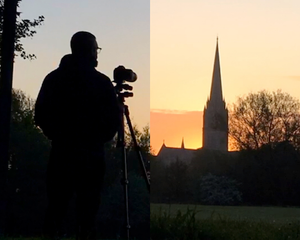
Member Powered Photography helps me shoot historic locations and traditional skills for free. Check out the status of the next free photo shoot here:
📐 My Goals 🎁 Gift Memberships 🖼️ 🎨 Atelier
🔗 Connect with me on: Bluesky / Instagram / Facebook / X / Tumblr / Flickr / Vimeo / Pixelfed / Pinterest / Flipboard/ Fediverse: @fotofacade@digest.andymarshall.co
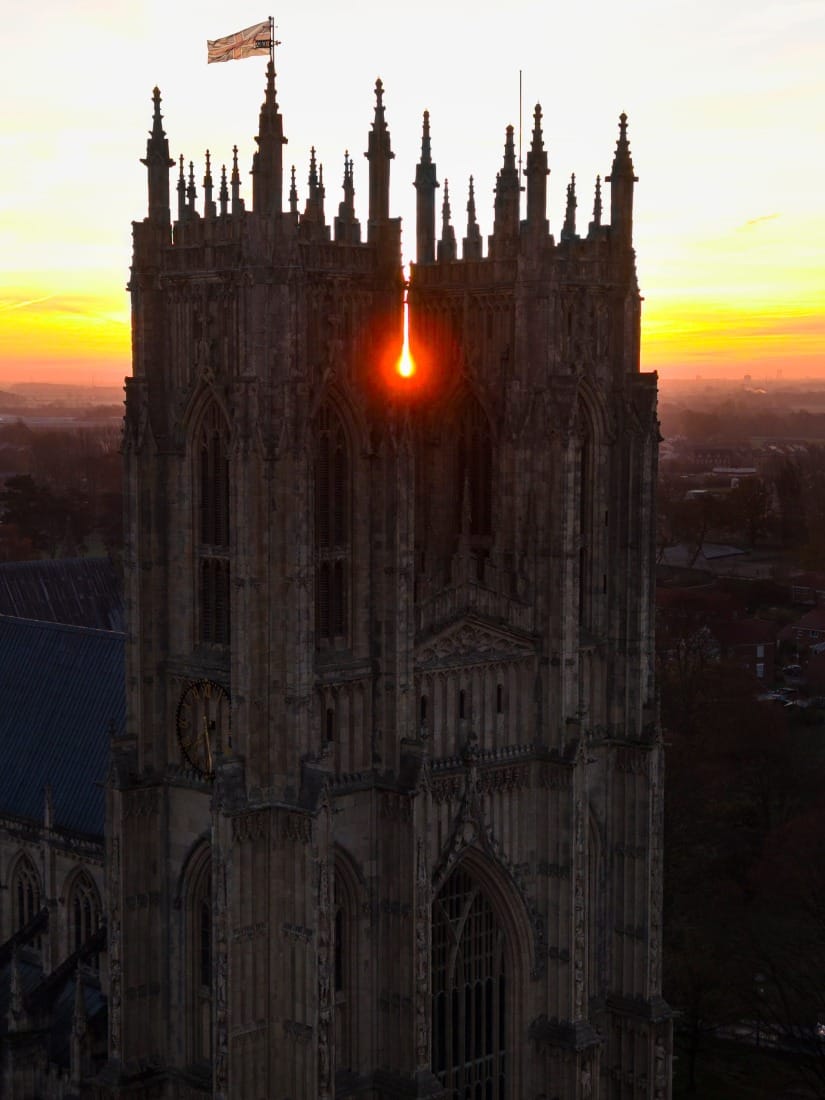
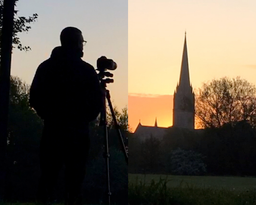
💫 I don’t think, in decades as a pro photographer, I’ve ever captured anything as magical as this - a molten sun in the crucible of Beverley Minster’s towers. Taken last week, and already one of my fave shots. I've put it straight into my Atelier here: 👉
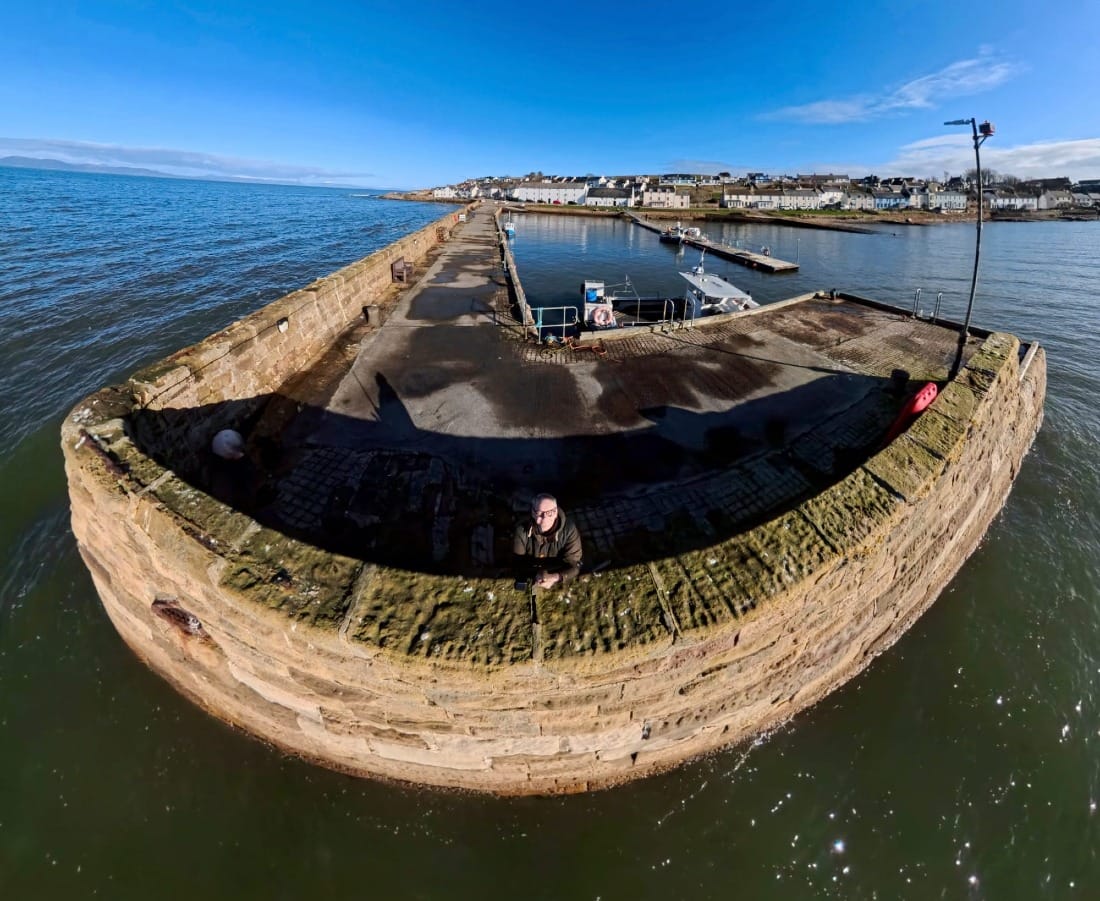
 Andy Marshall
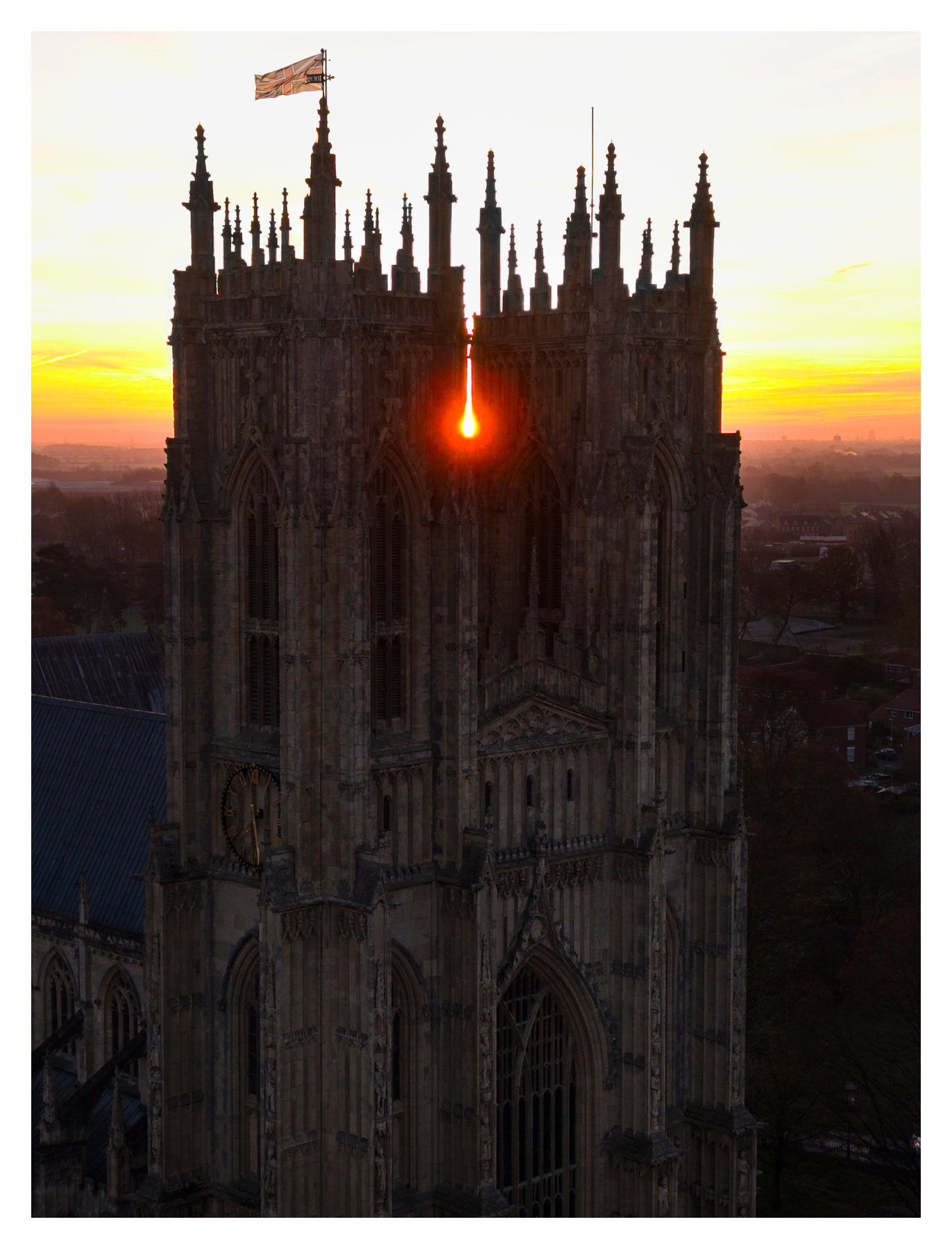
“We..love a good story to such an extent that we can appreciate one silently in the sequential flow of a building plan or garden design and conversely, get upset by a place that seems without one. “
Ann Susan and Justin B. Hollander: Cognitive Architecture.
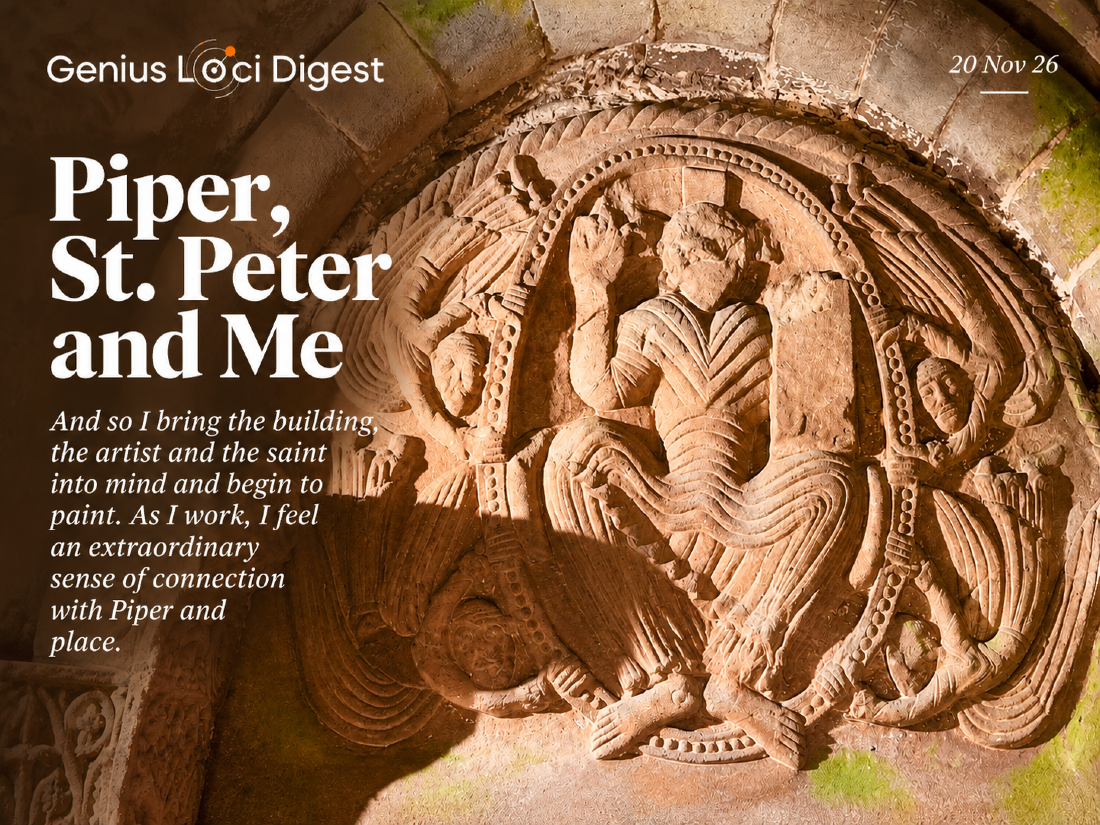
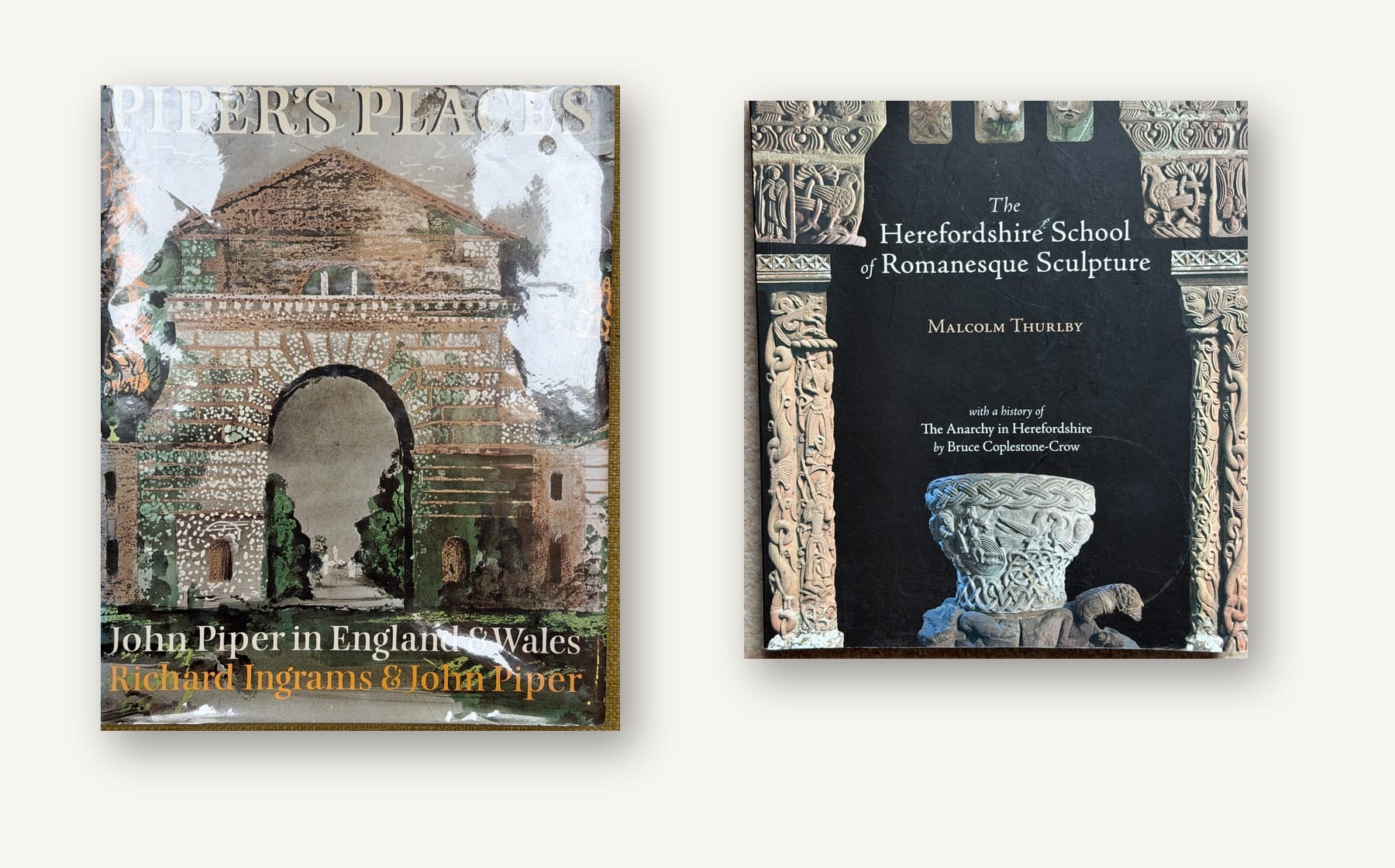
Before you read my observations this week - it would help to see John Piper's art work 👉 Rowlestone Tympanum with the hanging lamp.
Piper, St. Peter and Me
Goethe said, “Thinking is more interesting than knowing, but not than looking.” I had to go through a breakdown to understand the meaning of that phrase - a time when a hot poker of a mind had to be soothed by moving into the bodily felt sense of things. It feels like a gift now, a never-ending font of joy and experience - a fundamental aspect of wellbeing.
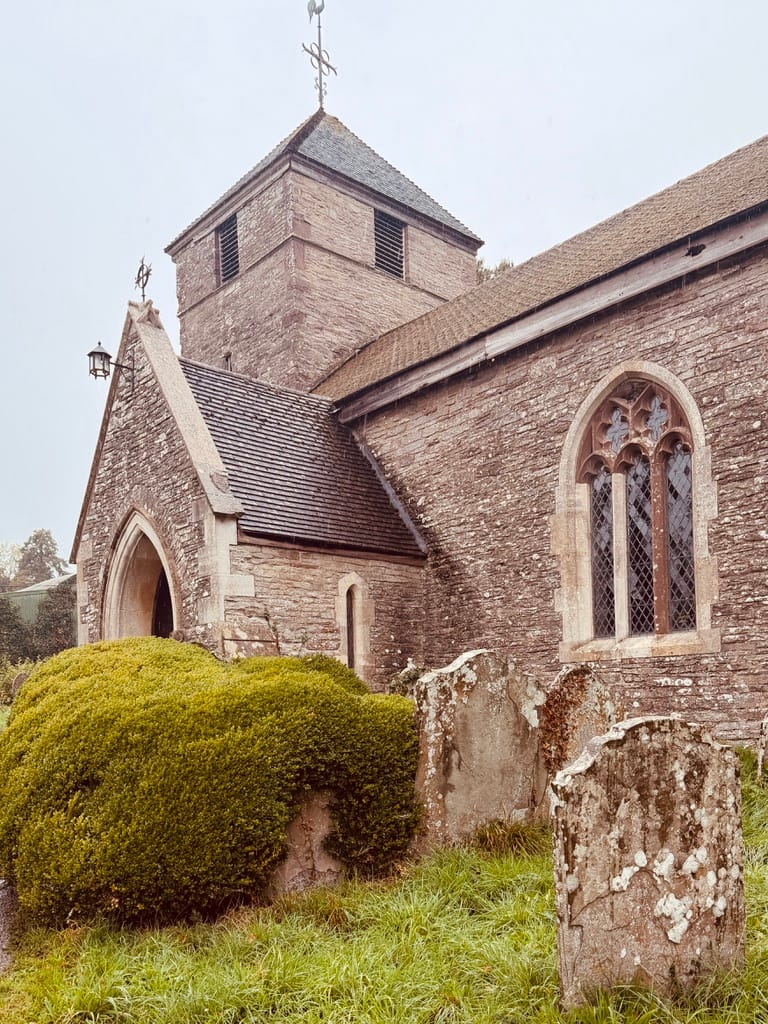
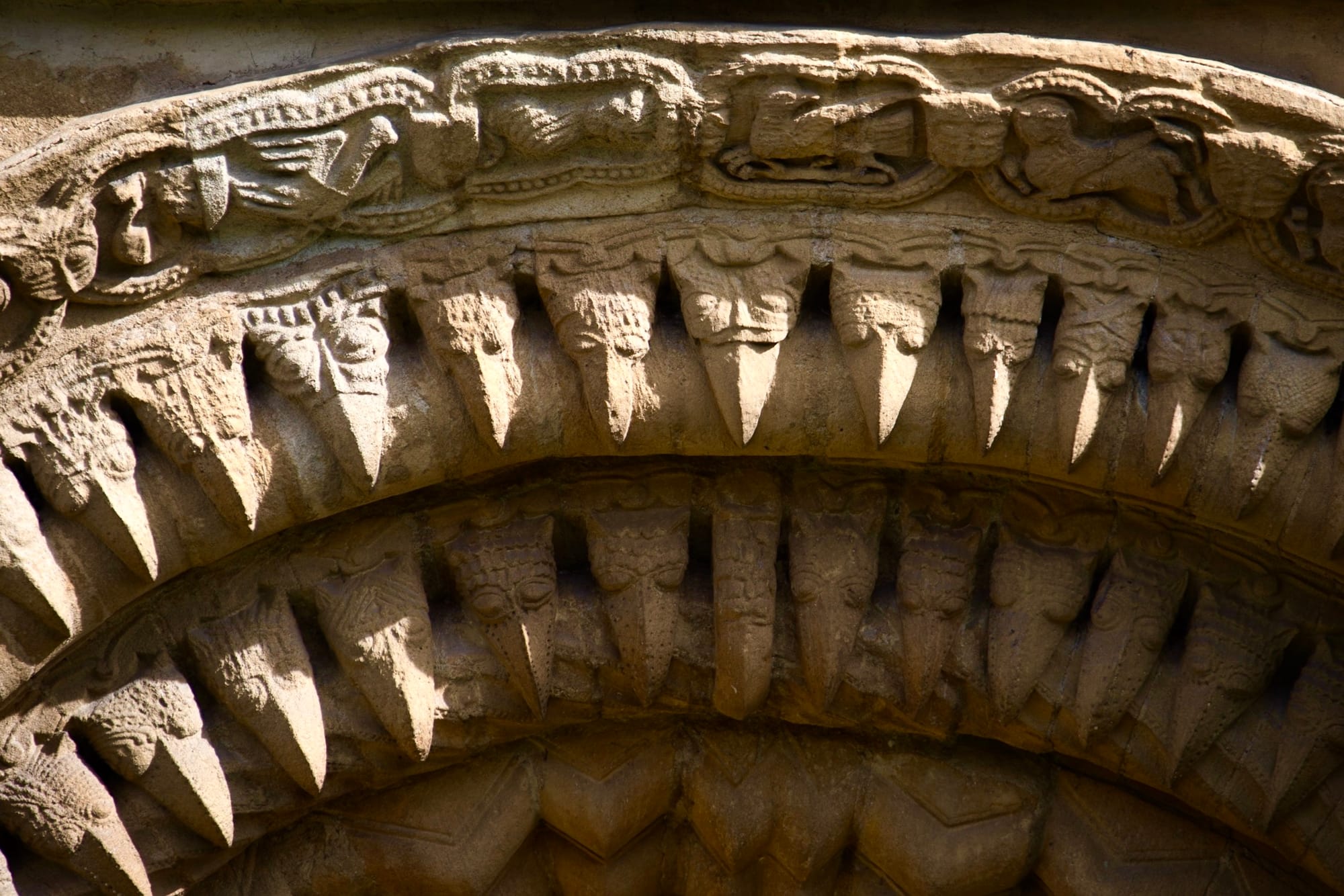
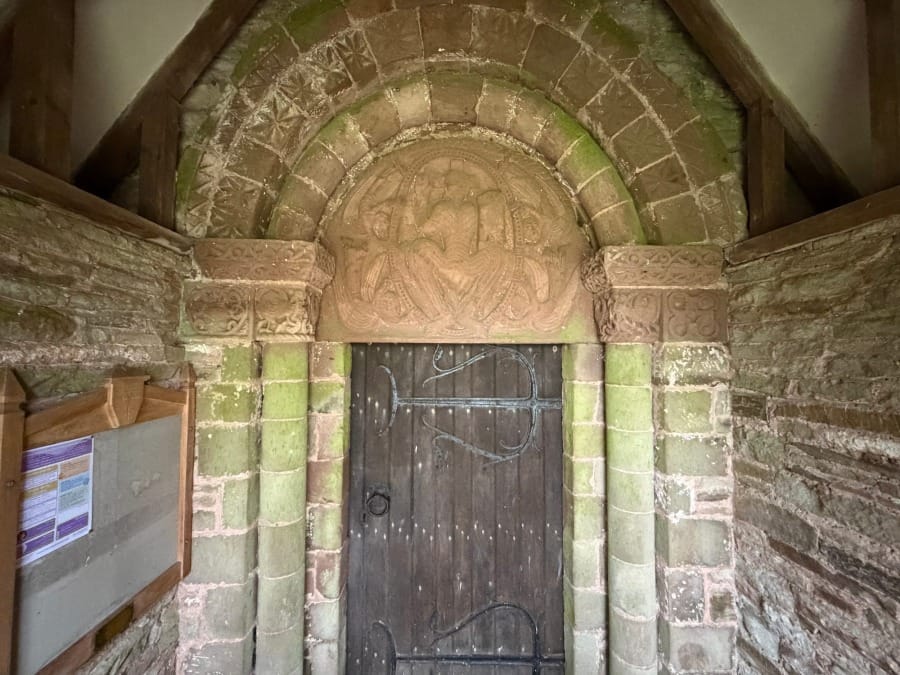
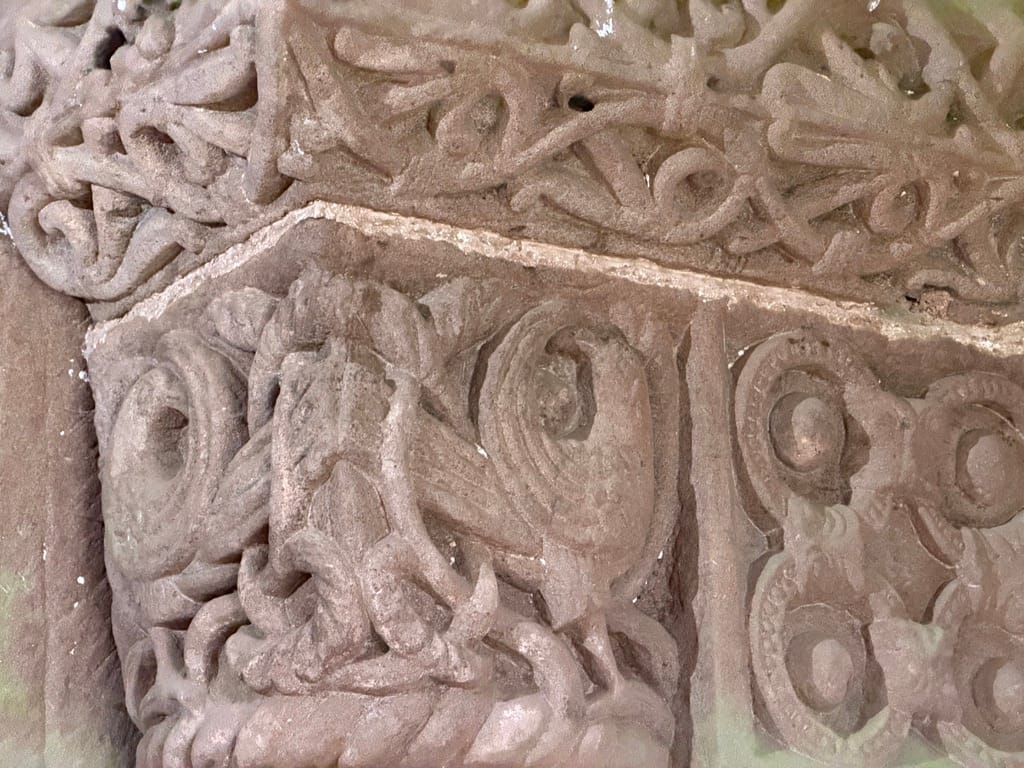
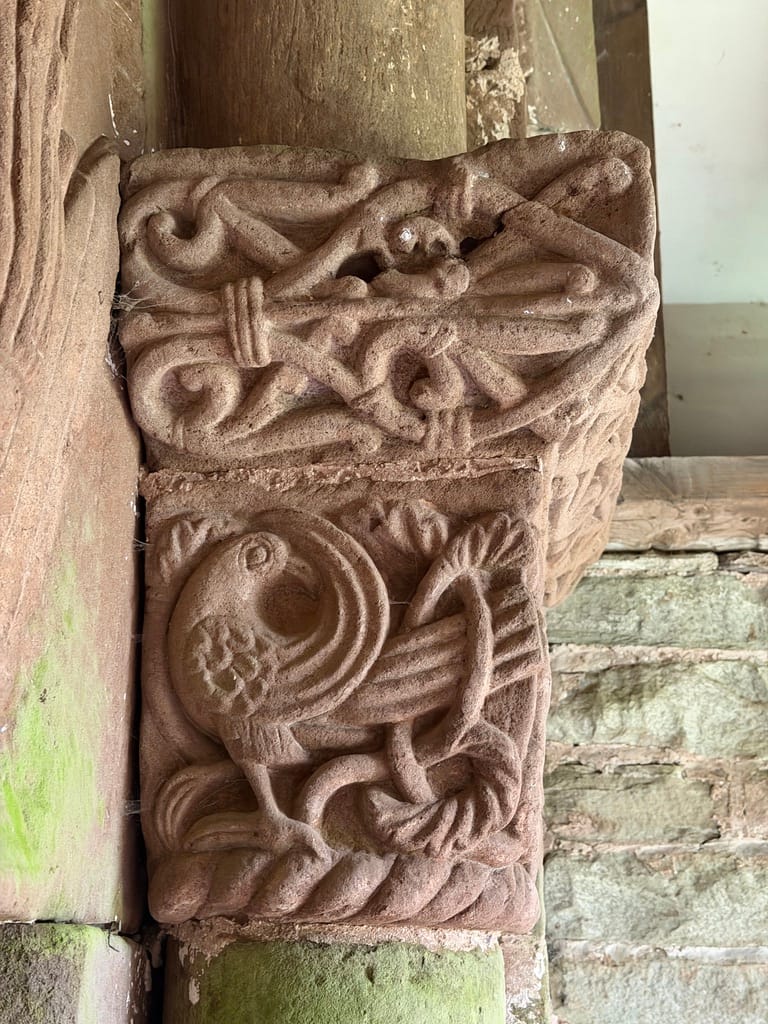
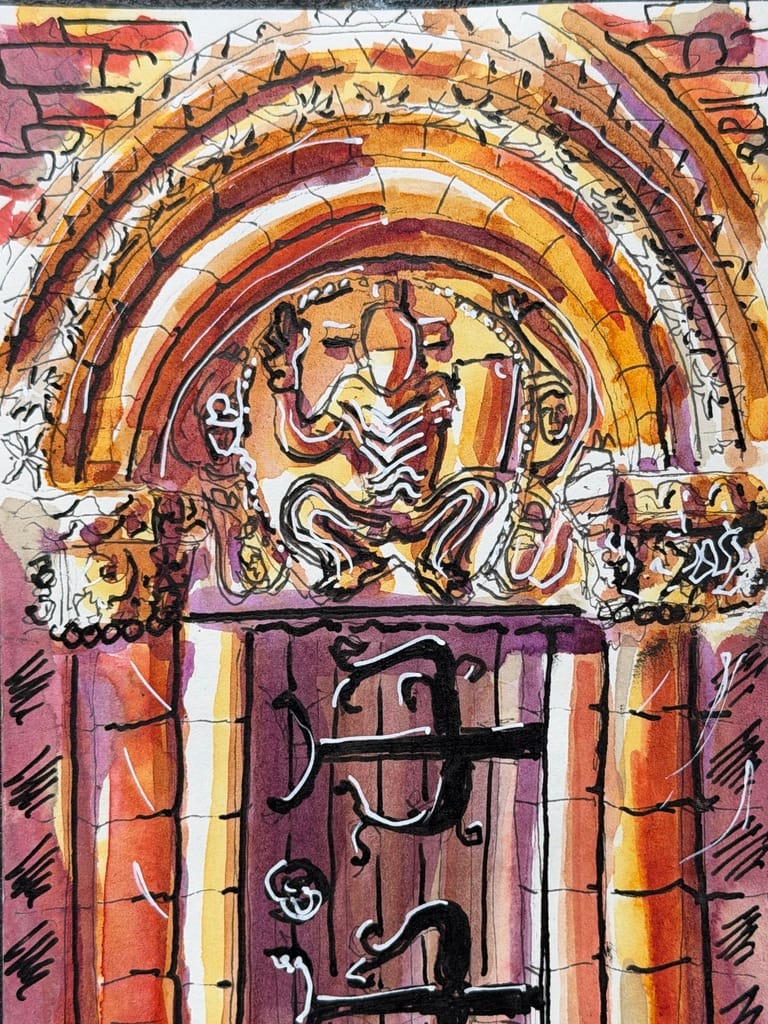
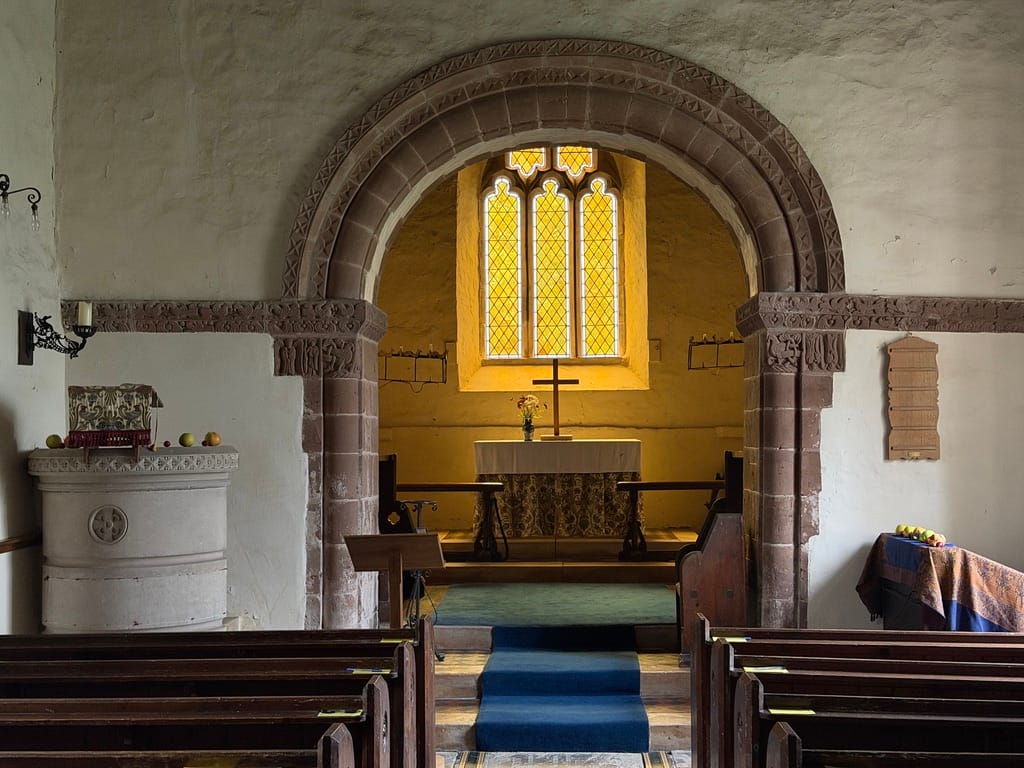
And so, I walk into the church at Rowlestone in a state of Goethean wonder. The experience feels like passing through different layers of a stage set - first the porch and tympanum adorned with foliate carvings and gurning green men faces...
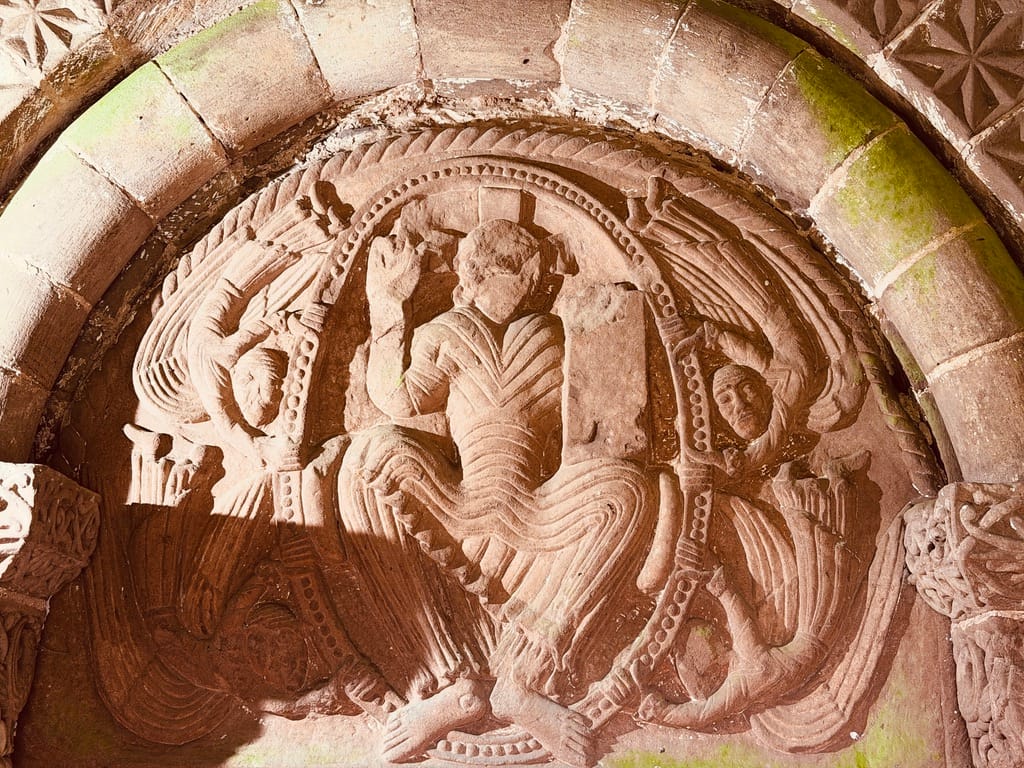
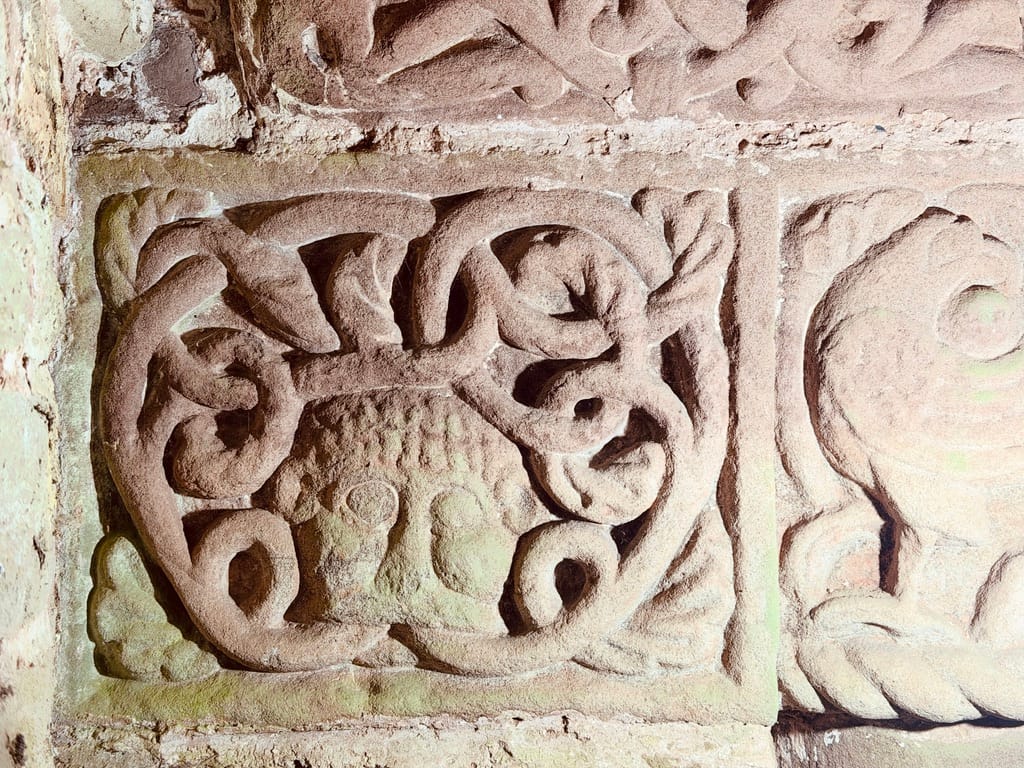
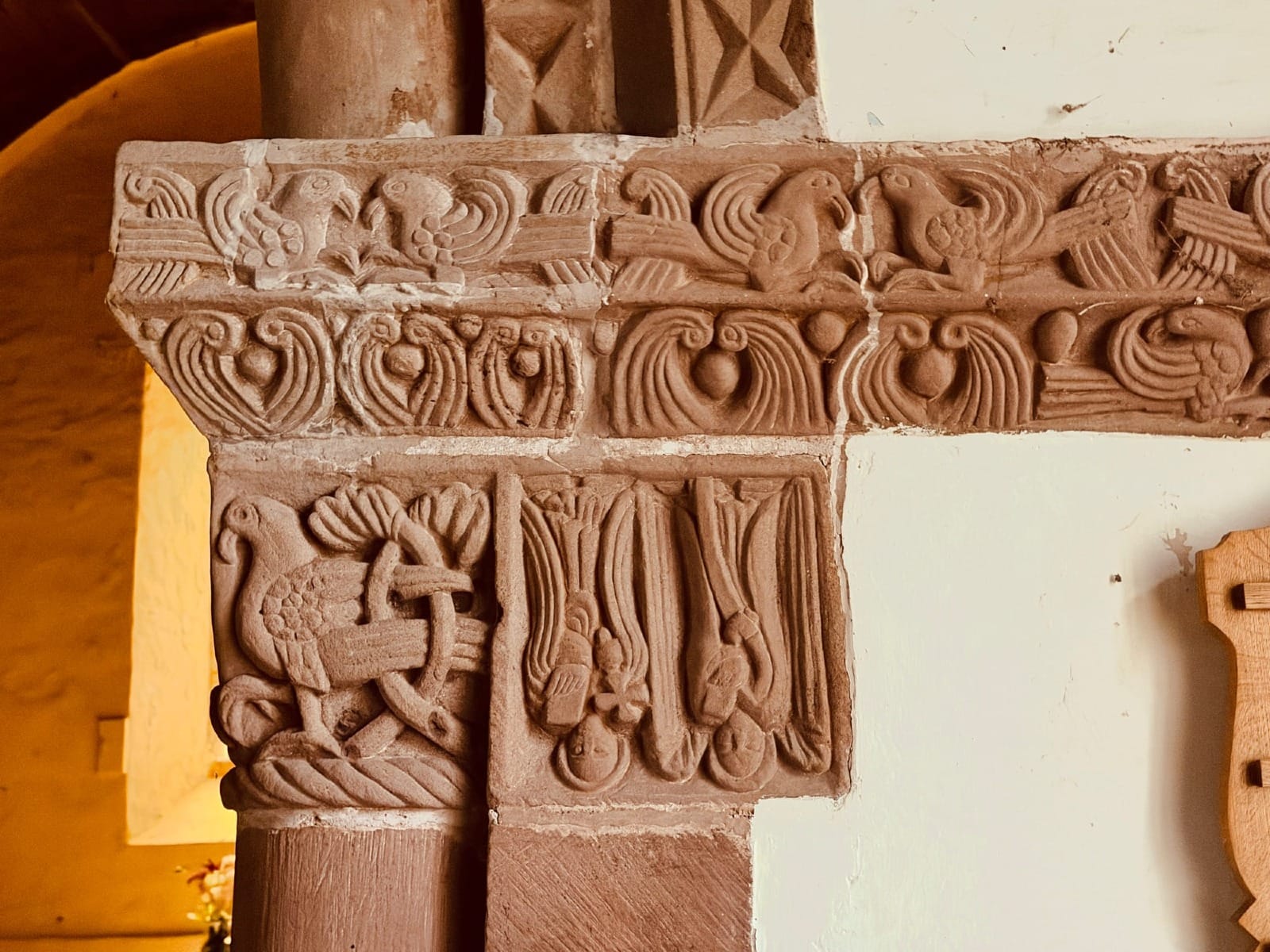
... and then into the nave and past the remarkable carving on the chancel piers - birds, vine scrolls, apostles and angels...
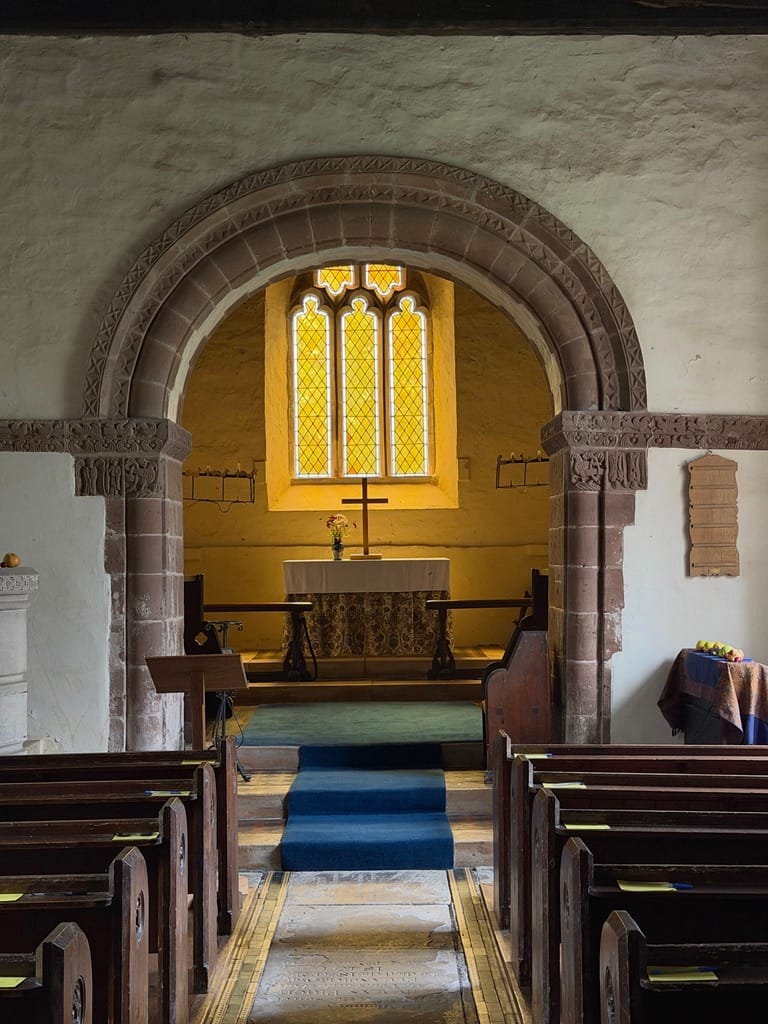
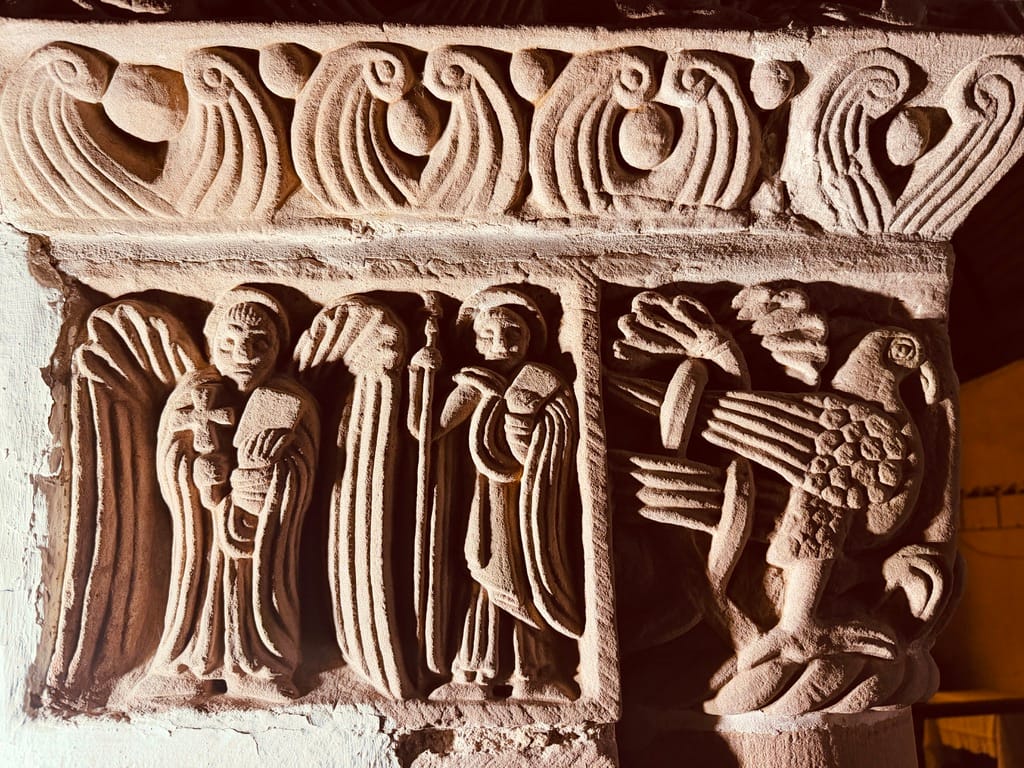
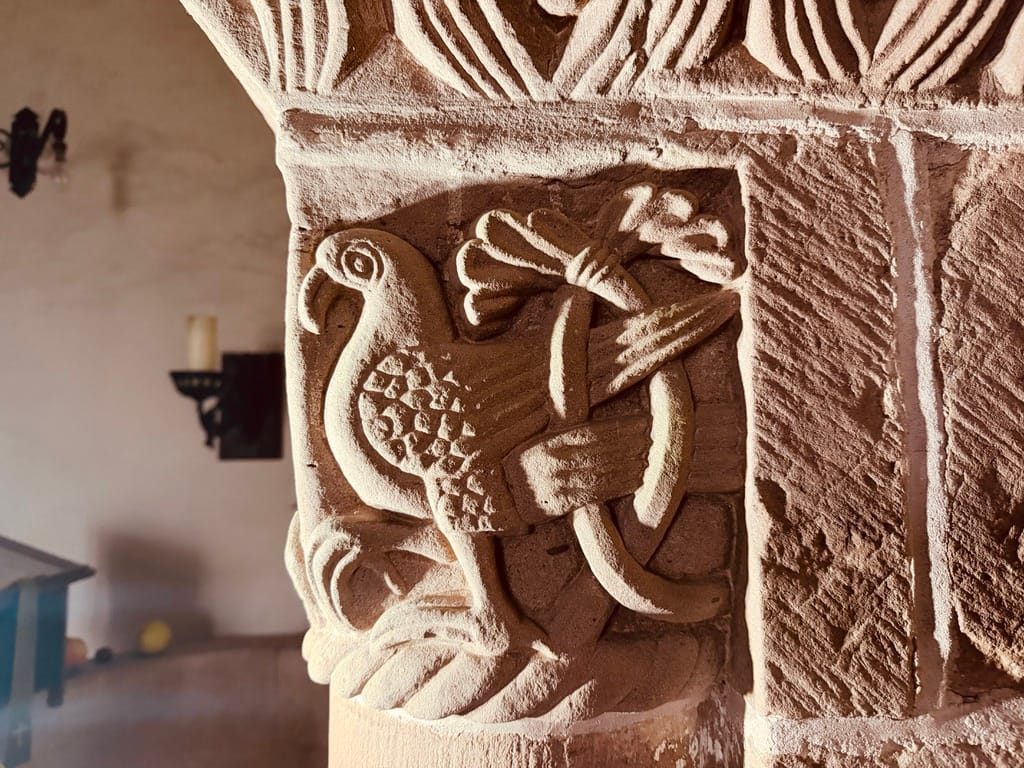
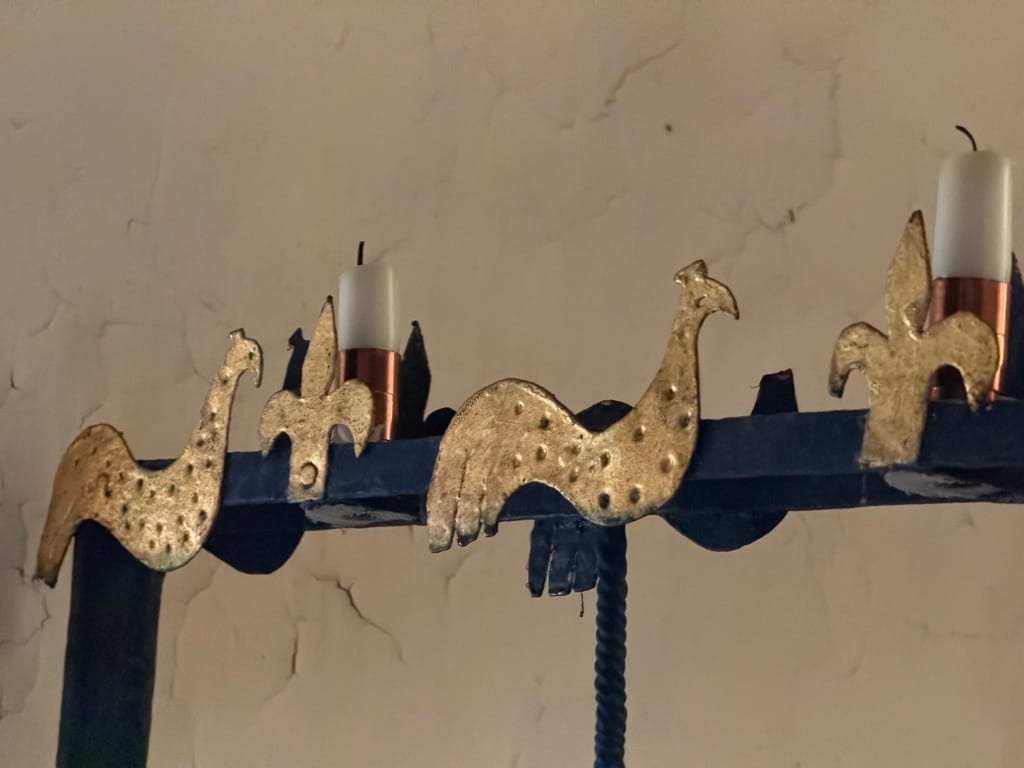
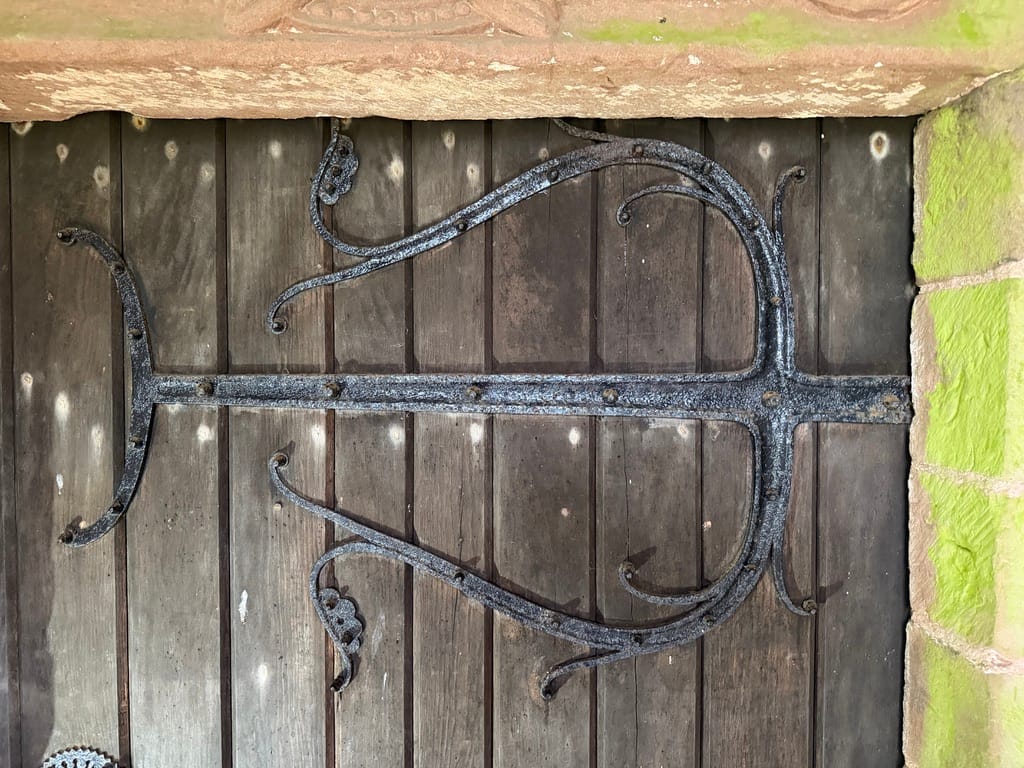
... and then towards the altar where, upon movement, extraordinary cockerel embellished candle holders appear from stage left and right - adding a visceral bittersweet beauty to the story of the patron of this church: St Peter - who denied Christ three times before the cockerel crowed. It is a remarkable progression, theatrical in its arrangement, as if the building is revealing itself in storied layers.
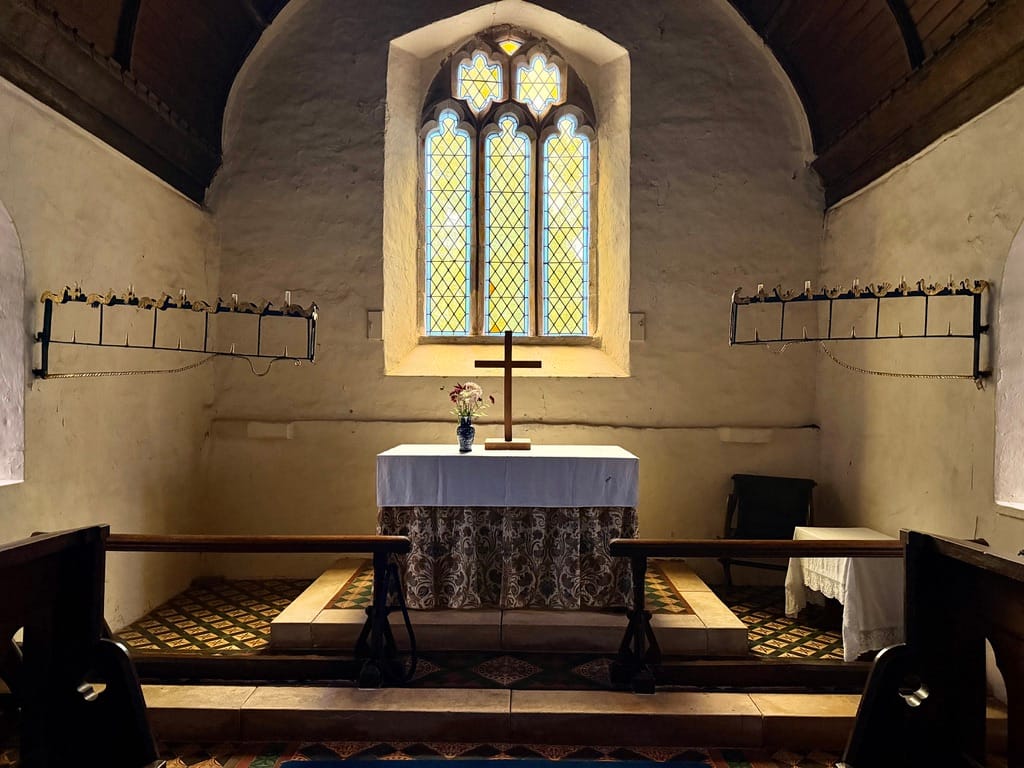
Goethe's 'looking' isn't necessarily limited to sight - but also encompasses sound, smell, movement, light, shape and colour - and the innate sense of things that ripple through the body like wine through water. It is something more than observing the world, but allowing it to pass through us rather than standing apart from it.
When I stood first in front of the porch tympanum, I knew that John Piper had been here making. When I connect his artwork with the tympanum, I get the sense that Piper was in Goethe’s state of looking. His work from this spot is one of the most delightful abstracts that capture the sculpture in a way that is completely different from what I can see in front of me and yet carries its spirit forward.
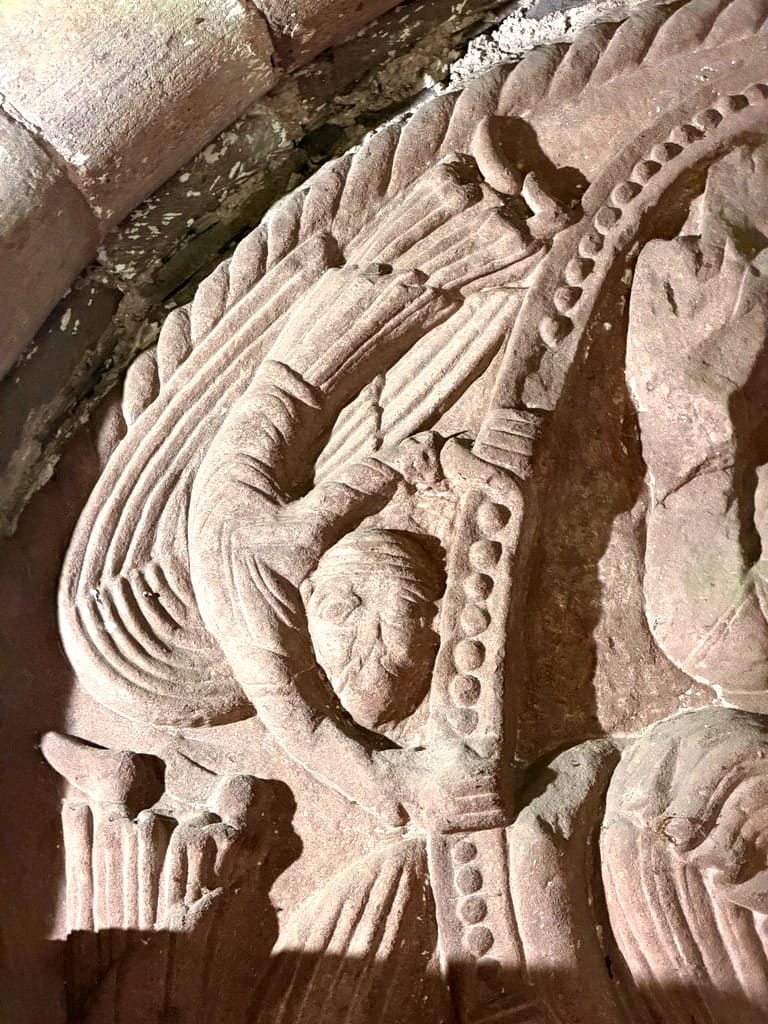
There is something about his work that suggests an extraordinary act of absorption and transformation - as though he has taken everything that the place has offered him - its complexity, overwhelm and strange medieval imagination - and allowed it to pass through his hand before giving it back to us. It is almost as though the artwork has distilled the essence of the place, leaving behind something that is so different from the original and yet, somehow, exactly the same. Piper continued into the nave and captured the chancel arch, where the medieval sculptors had created a magical realm of birds, foliage and human figures.
For me, there was a final layer that contributed to my own overwhelm. There was a sense of a beginning at the tympanum, a middle at the chancel arch and an end at the altar, and it was here that the story took on another dimension.
I haven't seen anything quite like the candle holders in the chancel before.
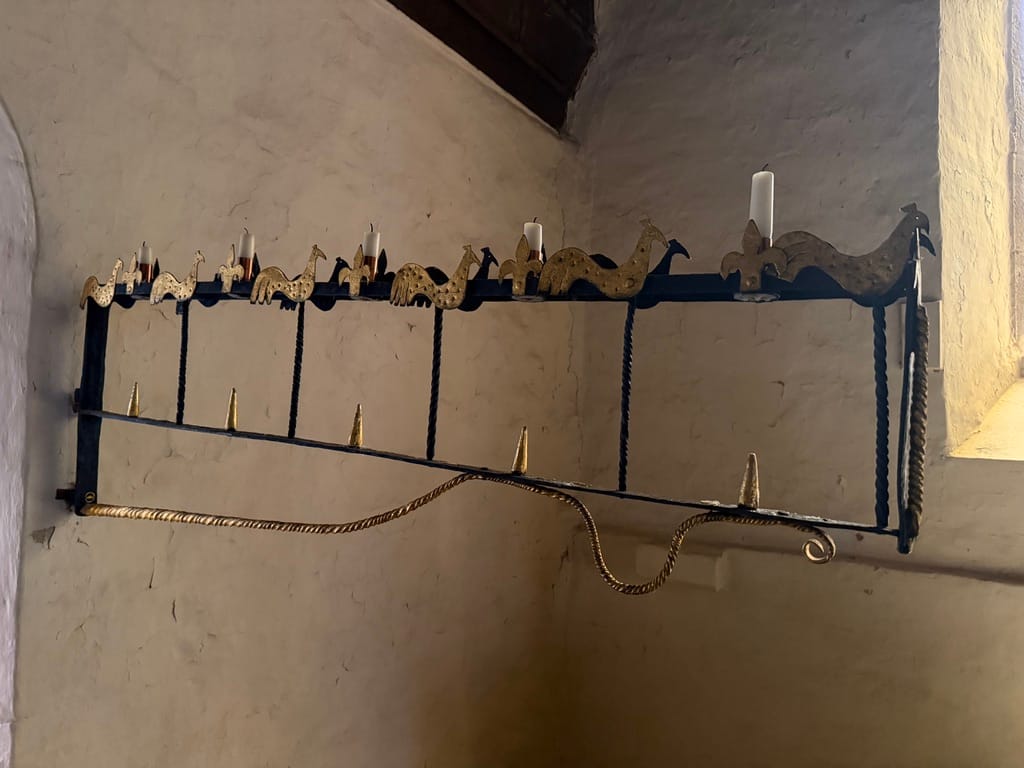
What is so engaging about them is the sense of visual drama as they swing into view to bring a narrative into the everyday lives of the people who worshipped here.
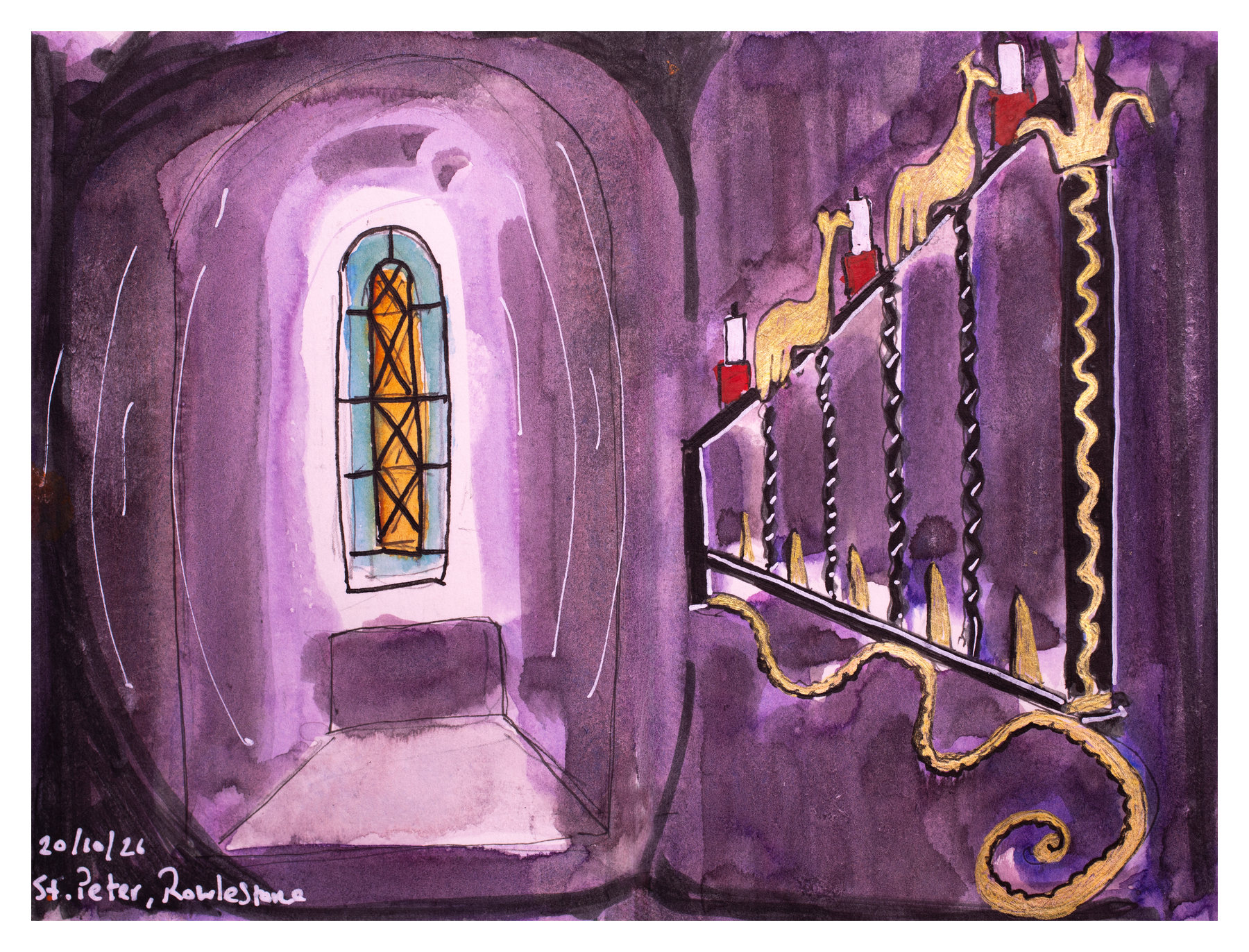
The wrought iron is astonishing - twisted bars, curling scrolls, gilded forms and extraordinary birds, all brought together in a pair of 15th century candle brackets that swing out from the chancel walls. These are objects of everyday utility transformed into something theatrical.
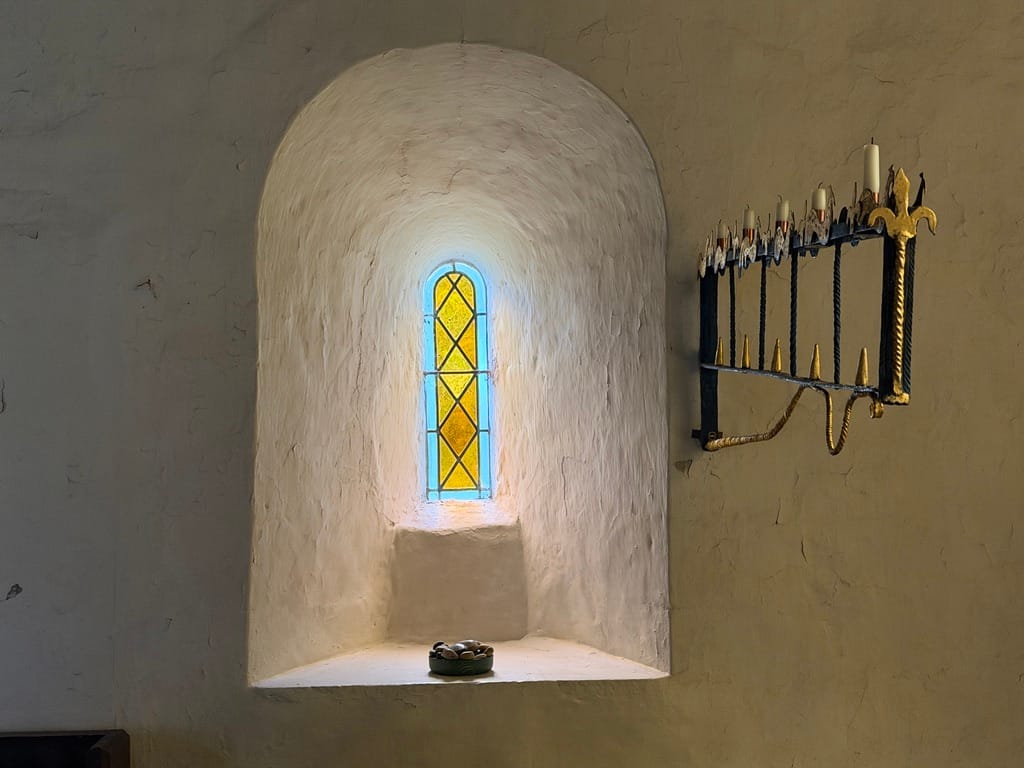
And there is a further delight in their construction, because swans also appear on the brackets. The swan carried its own complicated symbolism in the medieval imagination - associated at times with fidelity and loyalty, but also with the contradiction between outward appearance and inner character. Here are birds that might speak of loyalty and betrayal, of outward virtue and inner weakness, surrounding the altar of a church dedicated to a man whose story embodies precisely those contradictions.
St. Peter’s story has something extraordinarily human about it. He was a man who had pledged his loyalty to Christ, and yet, when confronted with the possibility of sharing his fate, denied knowing him three times. I’m not religious, but the story touches upon something that is universally human: that painful distance between who we imagine ourselves to be and how we might behave under different circumstances. Fear can make us withdraw, turn away from others or even deny something fundamental about ourselves. I recognise now how it has sometimes come between me and people I cared about, until friendships slipped away.
It is not difficult to recognise something of ourselves in Peter, whether we are of faith or none. We have all experienced moments of weakness, contradiction, regret or shame, and perhaps what makes his story so enduring is that it doesn't end with his denial. Peter, of course, is forgiven and restored, his failure becoming part of his humanity - it doesn’t define him. The cockerel is therefore more than a symbol of betrayal - it is a moment of crowing awakening, of recognition and the possibility of finding our way back to ourselves and others.
Standing here, I begin to feel that this little church is sharing something that is profoundly relevant. Its medieval makers were alive to the power of art to communicate experiences that words alone could never contain. They brought a story into the physical world, where it could be encountered through movement, light, form and imagination - not simply something to be read or explained, but something to be felt.
Iain McGilchrist writes that “creation is really about the induction of a highly attentive state.” Creation is not necessarily about setting out to make something - it can begin with a willingness to be receptive, to allow the world to come towards us without immediately trying to explain, control or contain it. I think that this is what Piper was doing here with his art - not simply recording the tympanum or the chancel arch, but attending to them so completely that the experience demanded another form of expression. And I think that, in my own small way, I was beginning to feel the same need.
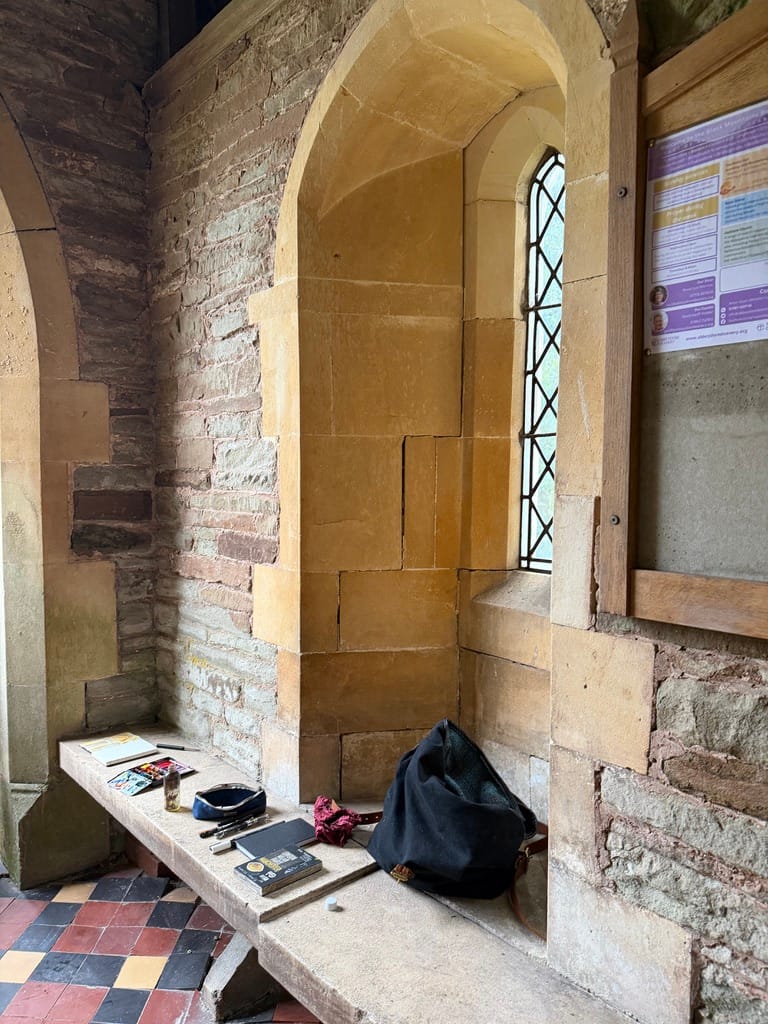
And so I bring the building, the artist and the saint into mind and begin to paint. As I work, I feel an extraordinary sense of connection with Piper and place.
Looking down at the finished pages, I realise that something rather lovely has happened. An unintended trilogy has formed across the centuries. The building itself has become the thread that connects us, holding within it the work of human hands and the extraordinary continuity of human feeling.
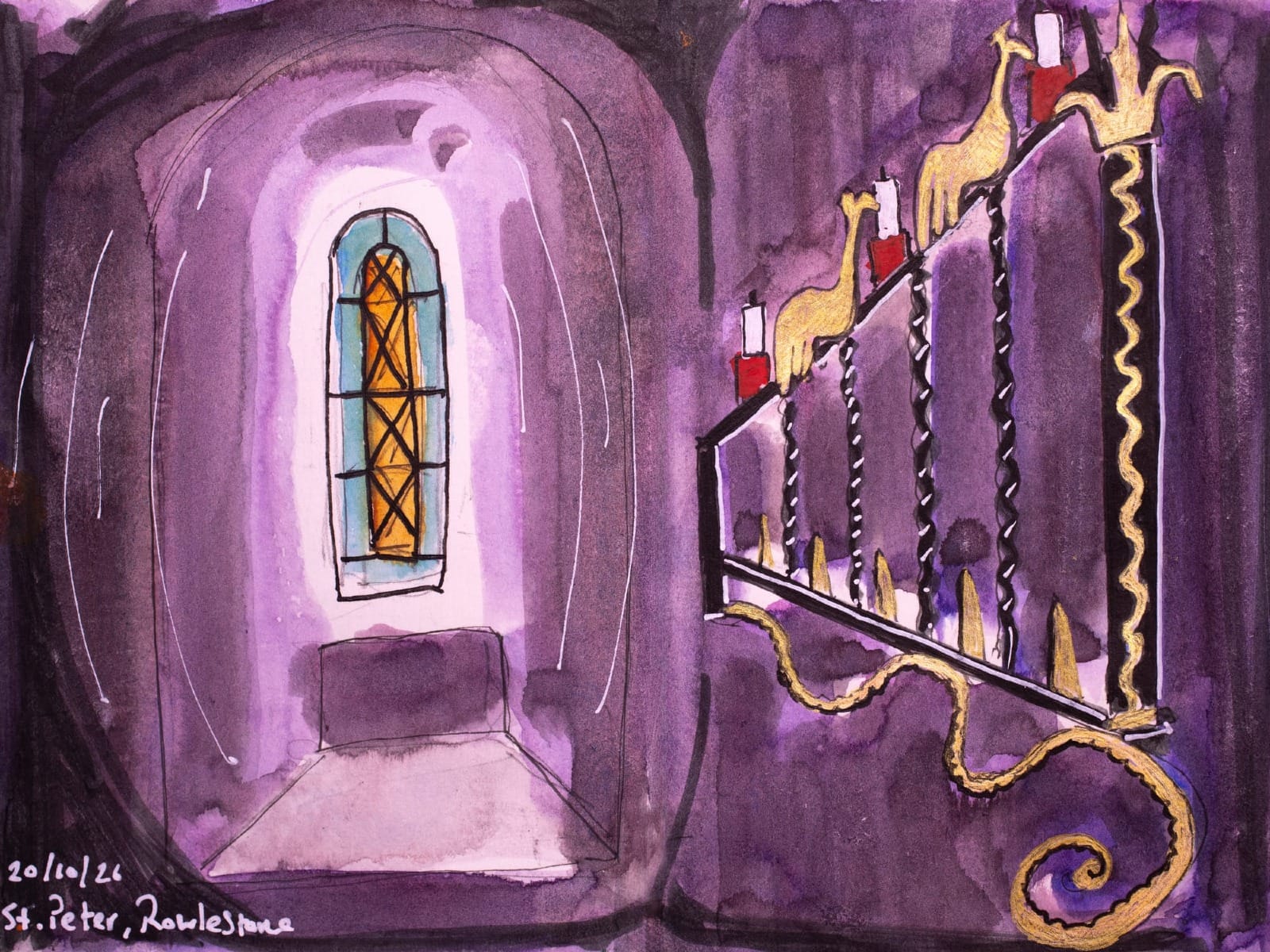
I came to Rowlestone to experience a place and to understand something of what John Piper had seen, but I left feeling that I had become part of its story. The medieval craftspeople had given the building its voice, Piper had responded to it through his art, and now I had found my own way of joining that conversation. I think that is perhaps the greatest gift a place can offer us - the opportunity to discover that we are not separate from the world we encounter, but participants in its continuing creation.
Yet Rowlestone gave me something more than a new way of seeing. Peter's story brought those lost friendships back to me, and with them a genuine desire to reach out, to see whether something of the past might still be healed. I don't know what will come of it, but thanks to Piper and St Peter, and without the fear and self-denial, I will try.
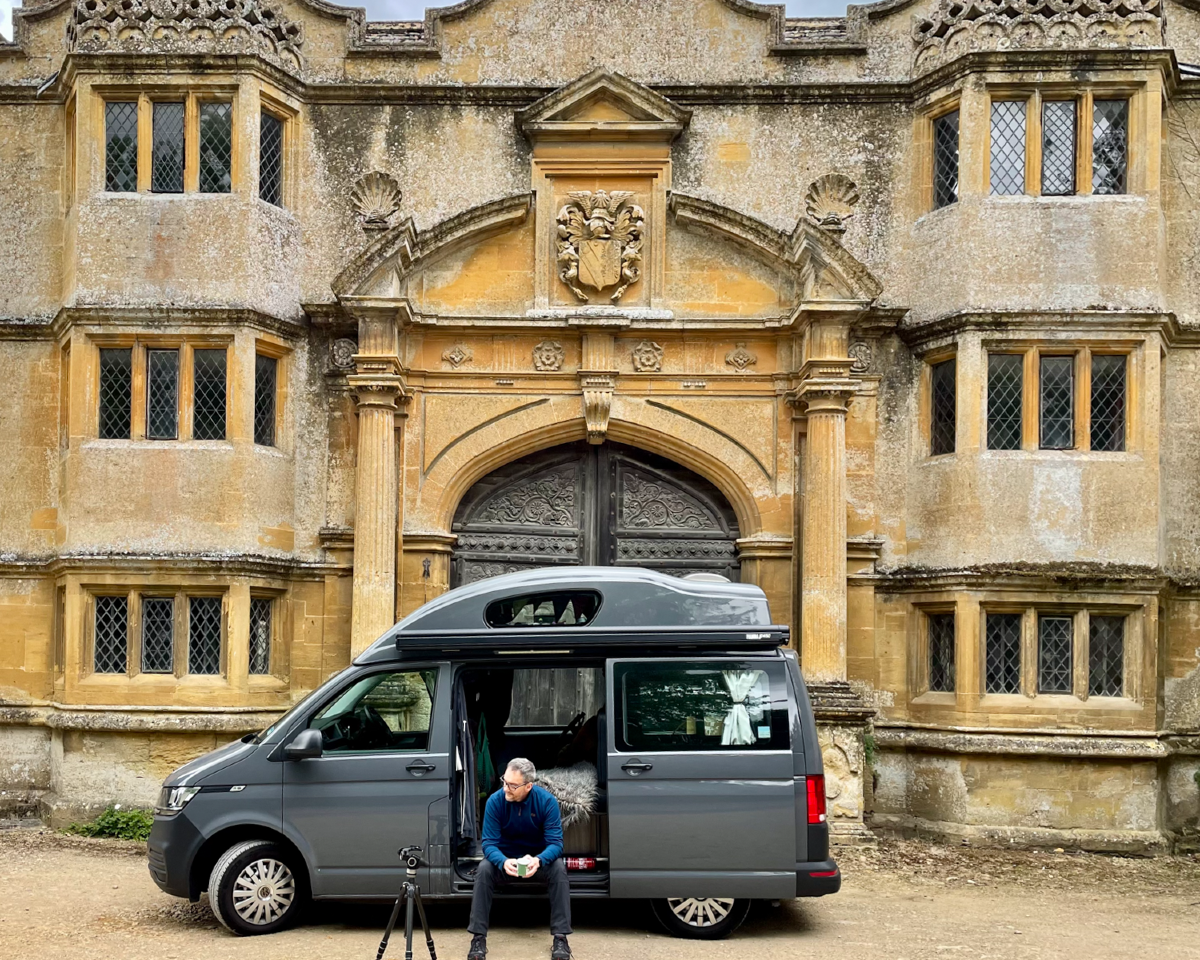
I still find asking for membership difficult.
See membership options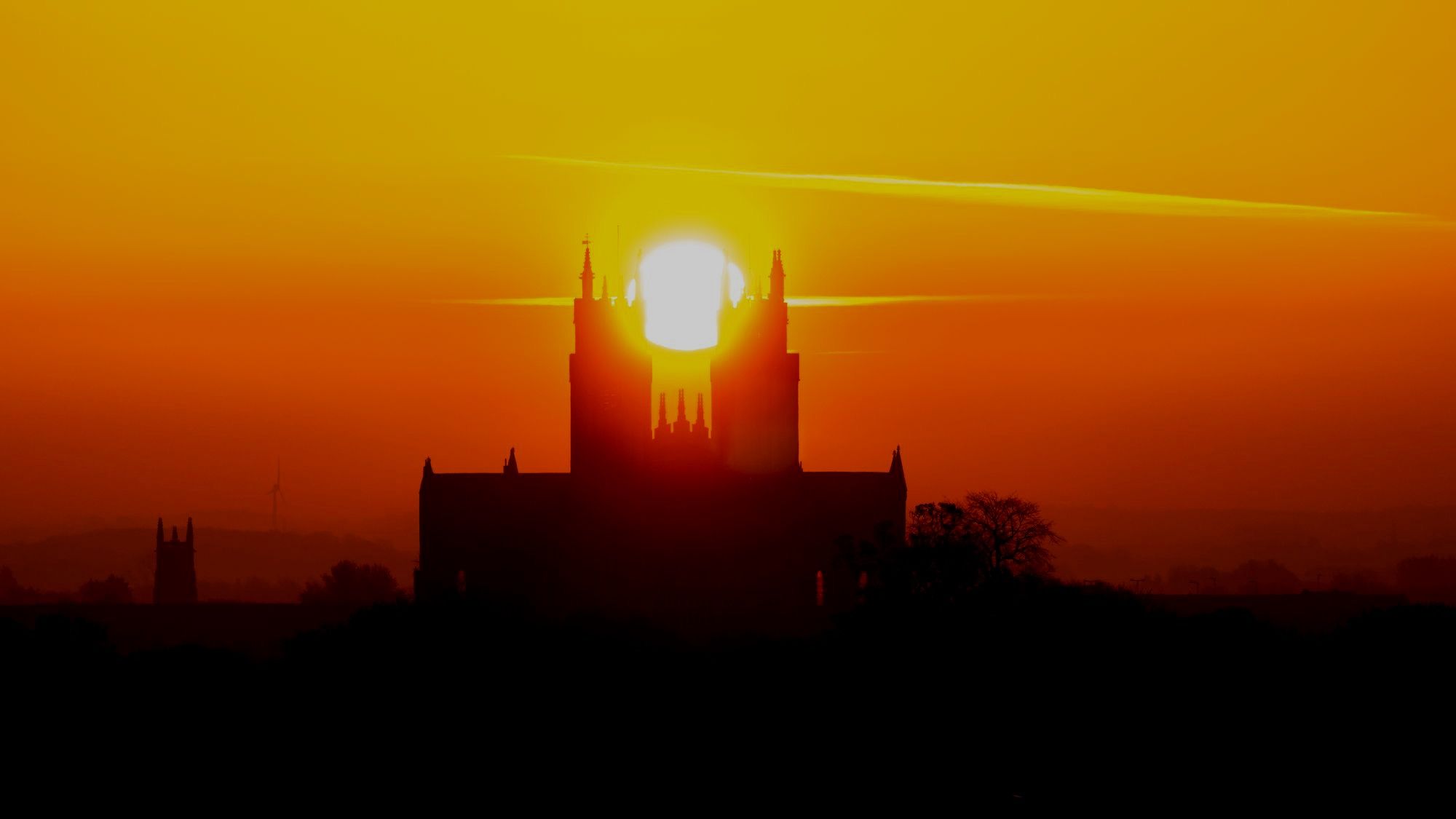
St. Peter, Rowlestone.
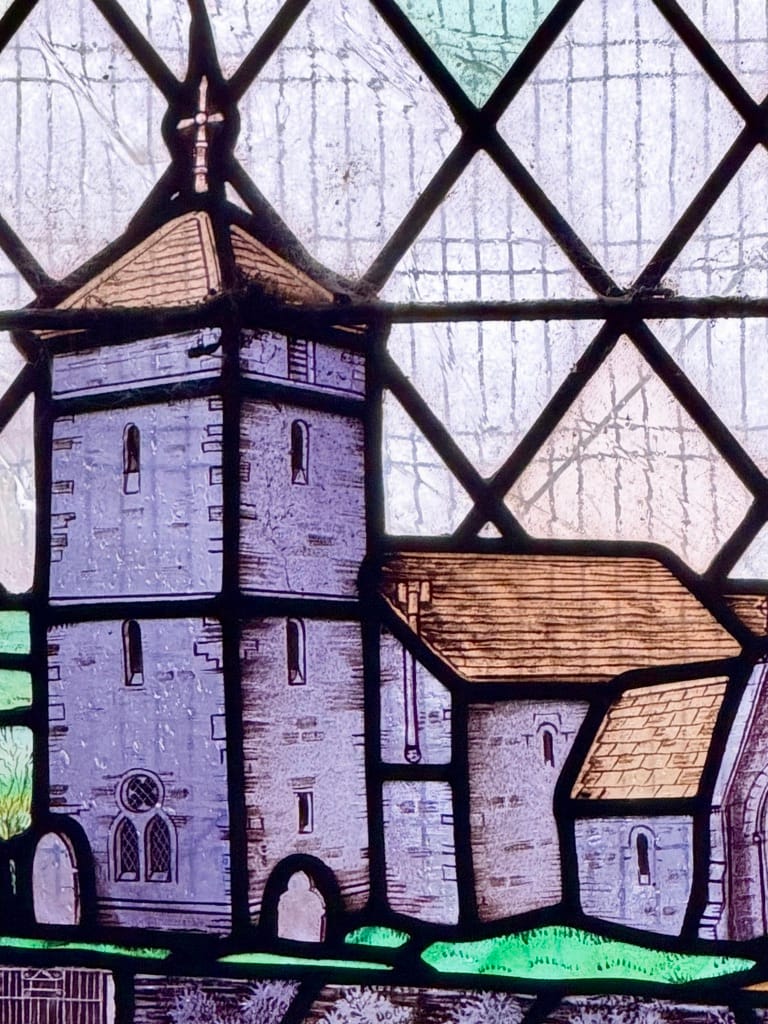
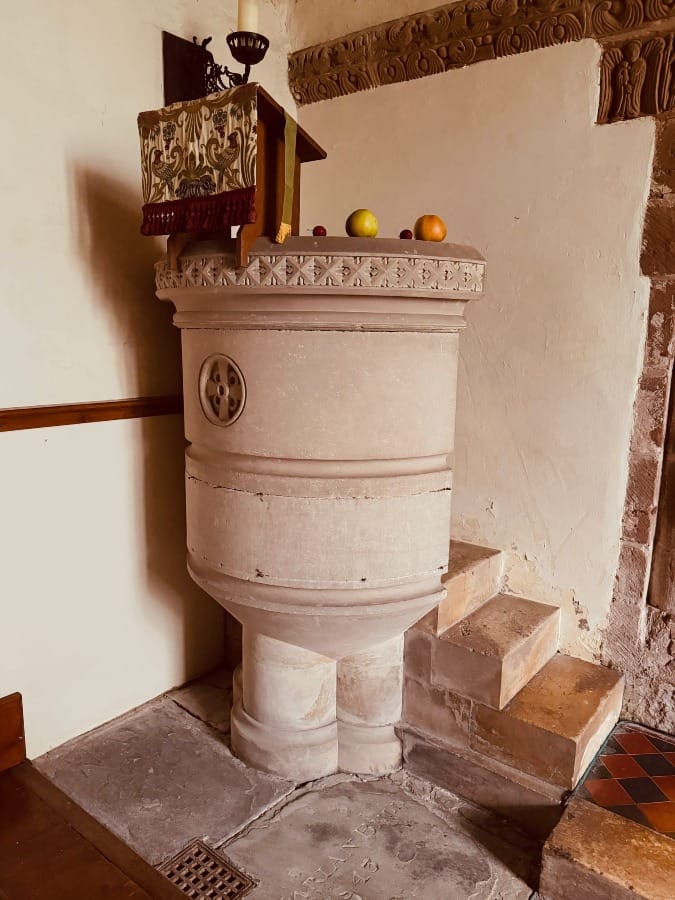
St Peter's, Rowlestone, is a Grade I listed Norman church overlooking the Monnow Valley in Herefordshire, dating largely from around 1130.
Its extraordinary Romanesque sculpture, associated with the Herefordshire School, includes a south doorway tympanum depicting Christ in Majesty and an elaborately carved chancel arch adorned with birds, foliage and human figures, some inverted. Within the chancel are exceptionally rare late-medieval wrought-iron candle brackets, decorated with birds and associated with the story of St Peter's denial of Christ.
My Rowlestone artwork is available as a digital print on Atelier:
 Andy Marshall
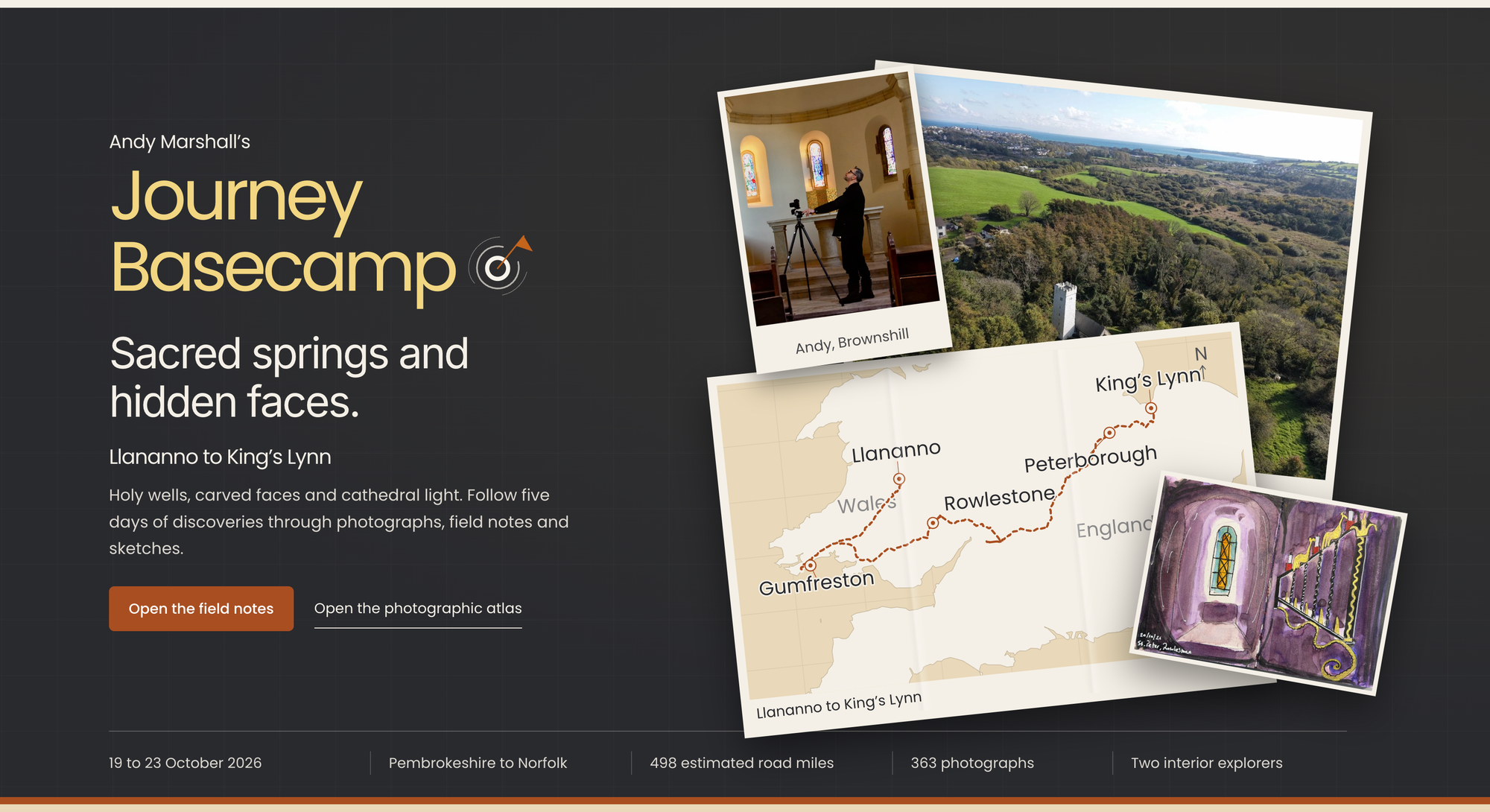
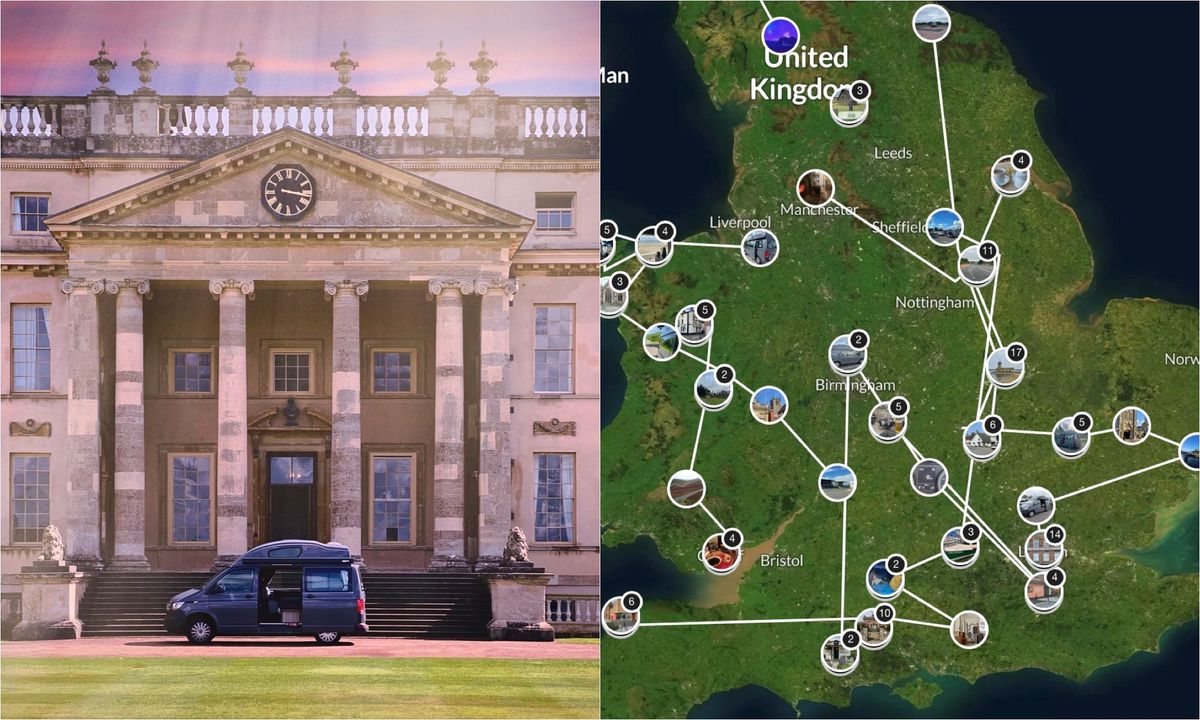
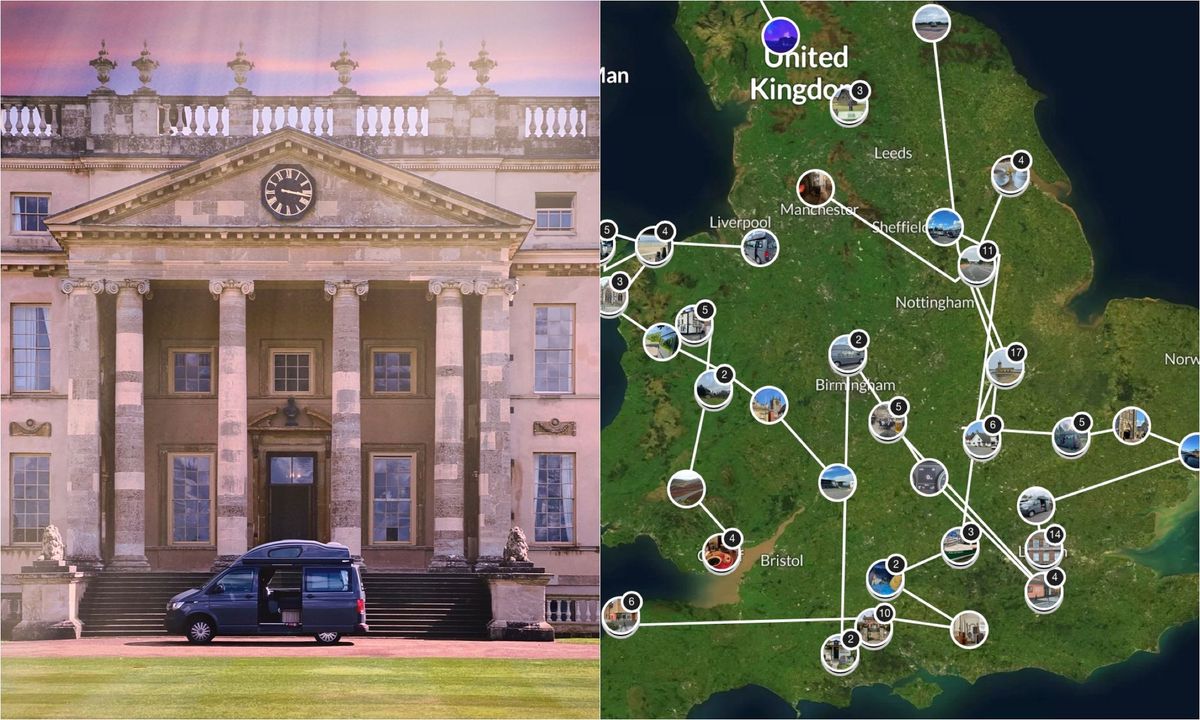
Rowlestone was part of a remarkable journey from central Wales into Norfolk.
The journey basecamp page helps you discover new places, plan adventures and travel from the comfort of your own armchair - I hope that you enjoy it as much as I did building it.
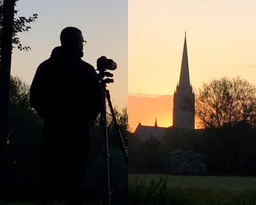 Andy Marshall
 Andy Marshall


Rowlestone was part of Sacred Springs and Hidden Faces.
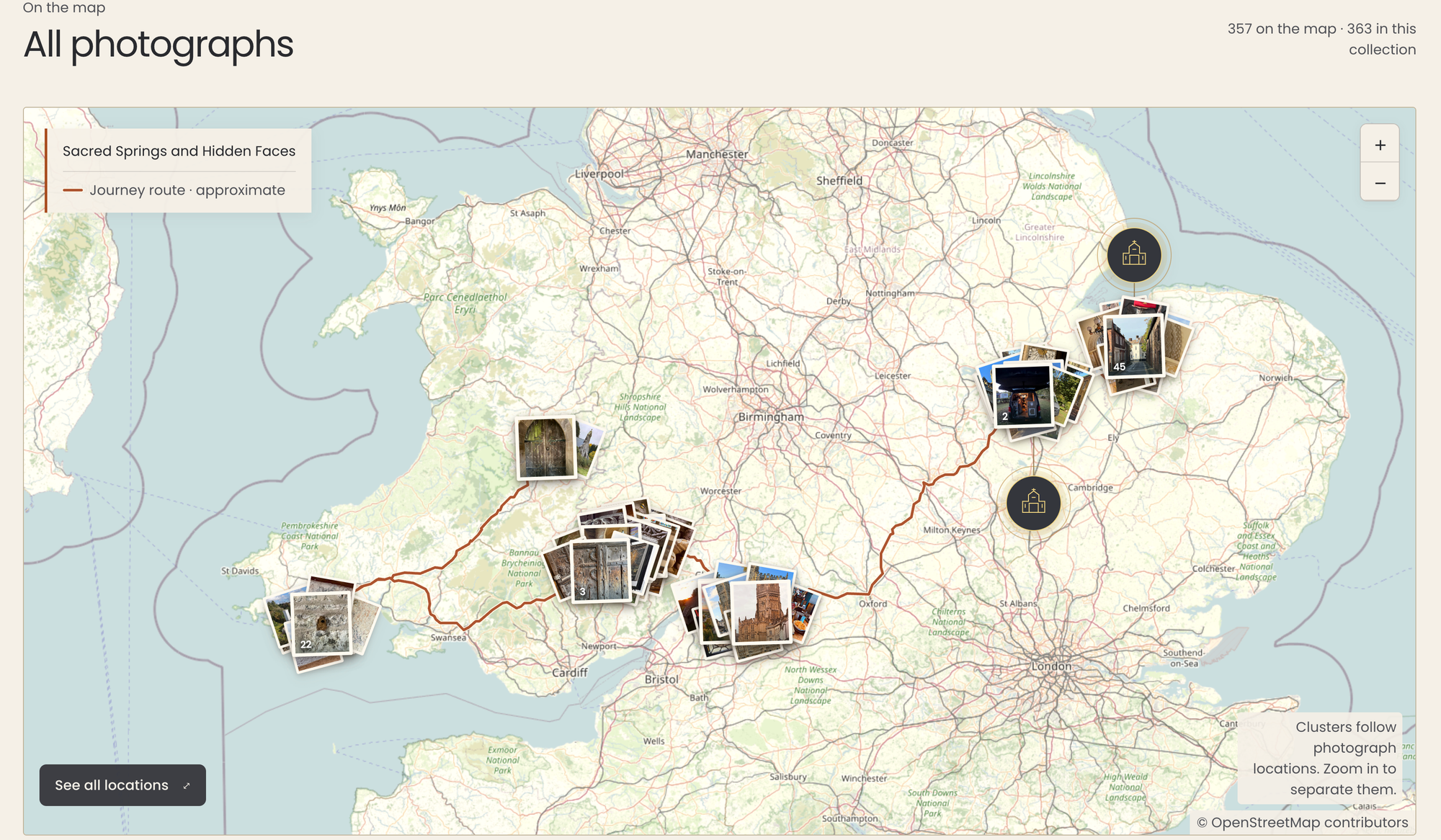
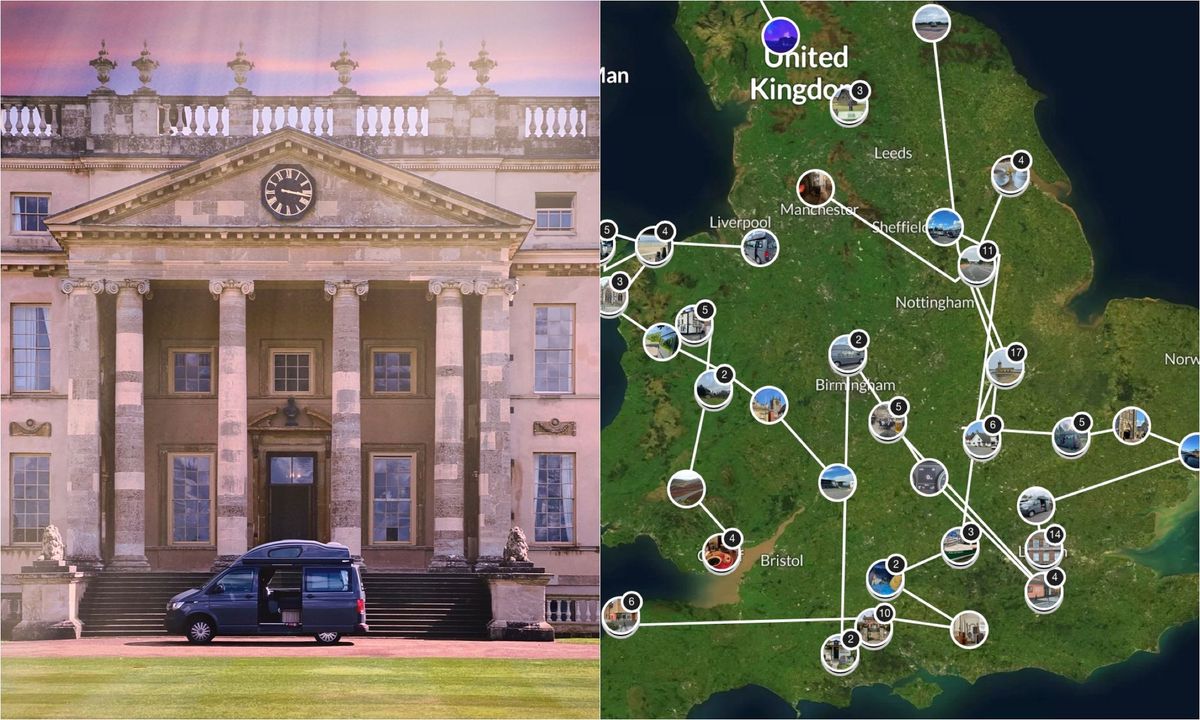
You can view all of the photographs I took across the whole journey from mid Wales to Norfolk in my interactive Atlas - where you can zoom into a place, or even a building. 👉
 Andy Marshall
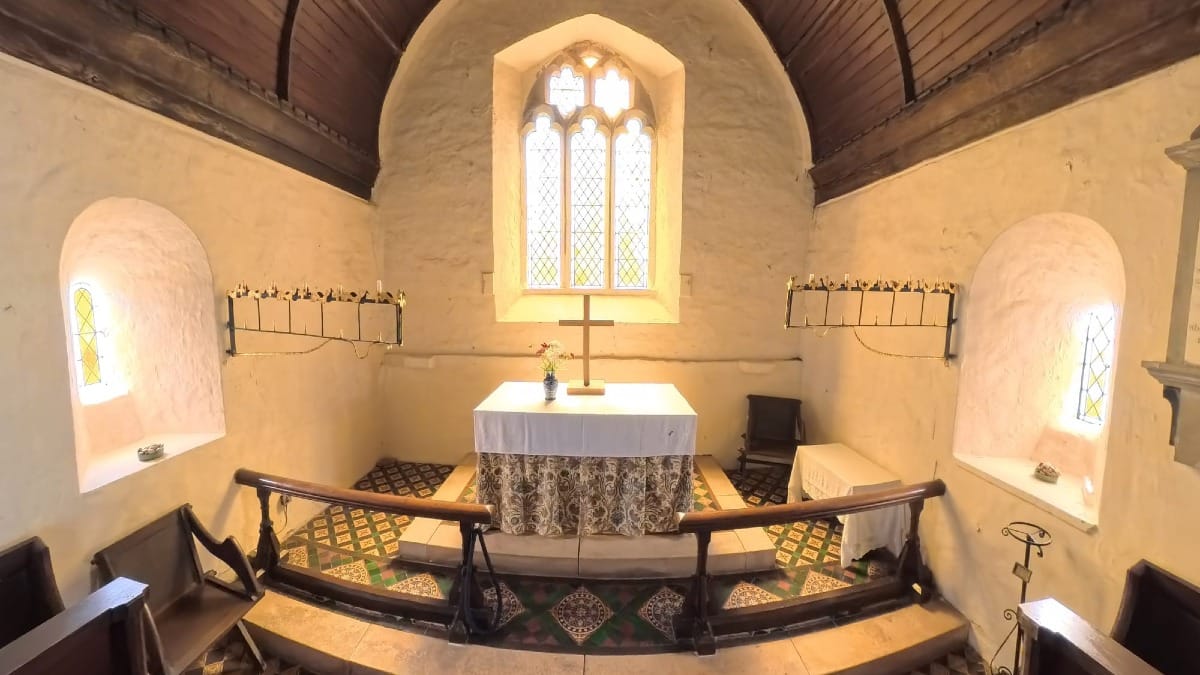
For Members - 3 views of Rowlestone's Romanesqe in glorious VR
The tympanum, the chancel arch and the candle-holders
Click to View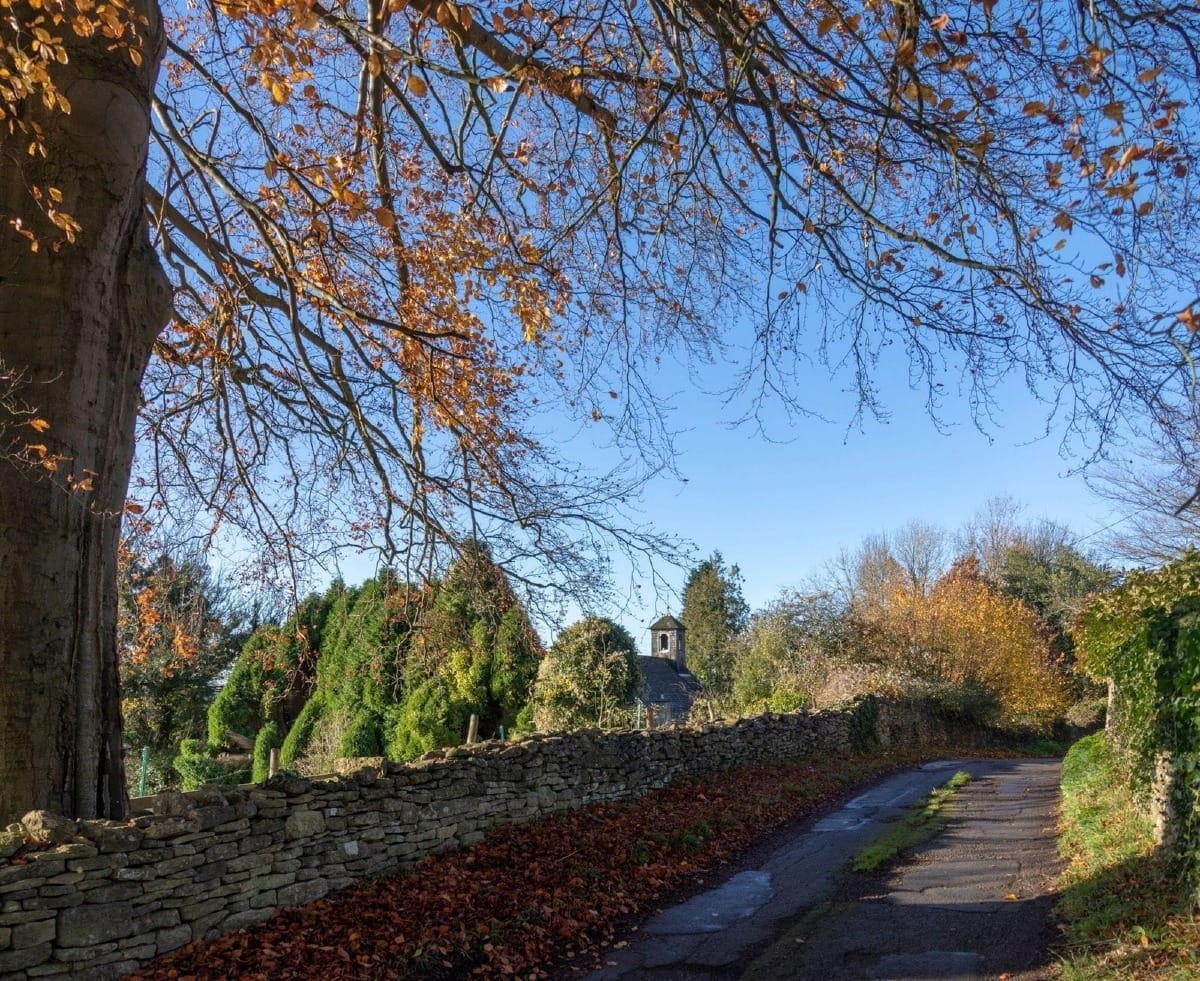
For Members - video of St. Mary, Brownshill
Click to View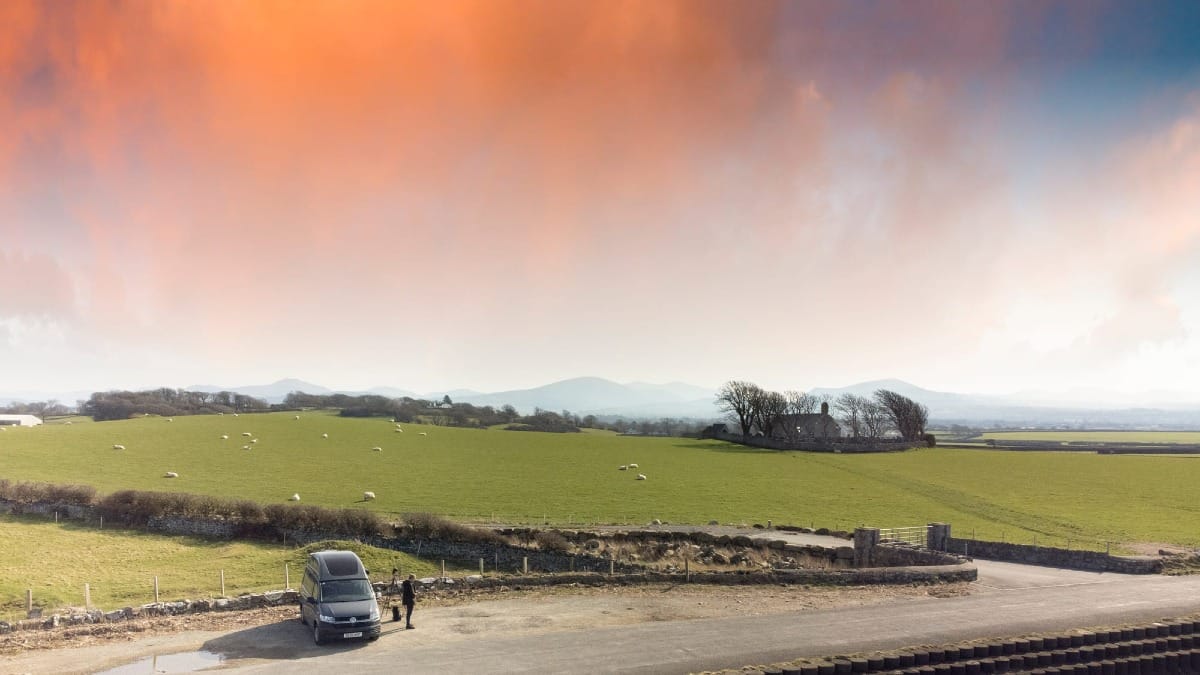
Become a Member
A single membership can become part of the next journey, the next story and the next free photo shoot. Thank You.
Explore Membership Options
Recent Digest Sponsors:
 Andy Marshall
|
||||||||||||||||||

 Light
 Water
 Doorways
 Colour
Collaboration?
Over the years, I've been invited to collaborate with a number of national brands and organisations, but I've always felt that any journey together needs to begin with shared values.
I'd love to explore more collaborations rooted in the things that matter to me - heritage, travel adventures, the spirit of place, traditional skills and crafts, and the communities that bring places to life.
There's room for something more personal, too - perhaps a journey inspired by a cause, an organisation, or in memory of someone much loved. A way of carrying a story forward through photography, writing, art and discovery.
I've created a new page to explore how we might share a journey together. As ever, the spirit of the Digest remains at the heart of everything I do.
 Andy Marshall
Thank You!
Photographs and words by Andy Marshall (unless otherwise stated). Most photographs are taken with iPhone 17 Pro and DJI Mini 5 Pro.
🔗 Connect with me on: Bluesky / Instagram / Facebook / X / Tumblr / Flickr / Vimeo / Pixelfed / Pinterest / Flipboard/ Fediverse: @fotofacade@digest.andymarshall.co

Member discussion